2491632 Search Results

LLH3104740: French aviator Hubert Latham at the controls of his aeroplane (b/w photo), German Photographer, (20th Century) / Bridgeman Images

LLH3104779: Zeppelin LZ III flying over Berlin Cathedral, 1909 (b/w photo), German Photographer, (20th Century) / Bridgeman Images

LLH3104789: Zeppelin flying over Konstanz, Germany (b/w photo), German Photographer, (20th Century) / Bridgeman Images

LLM3104792: Ceiling of Drawing-Room (b/w photo), Latham, Charles (d.1912) / Bridgeman Images
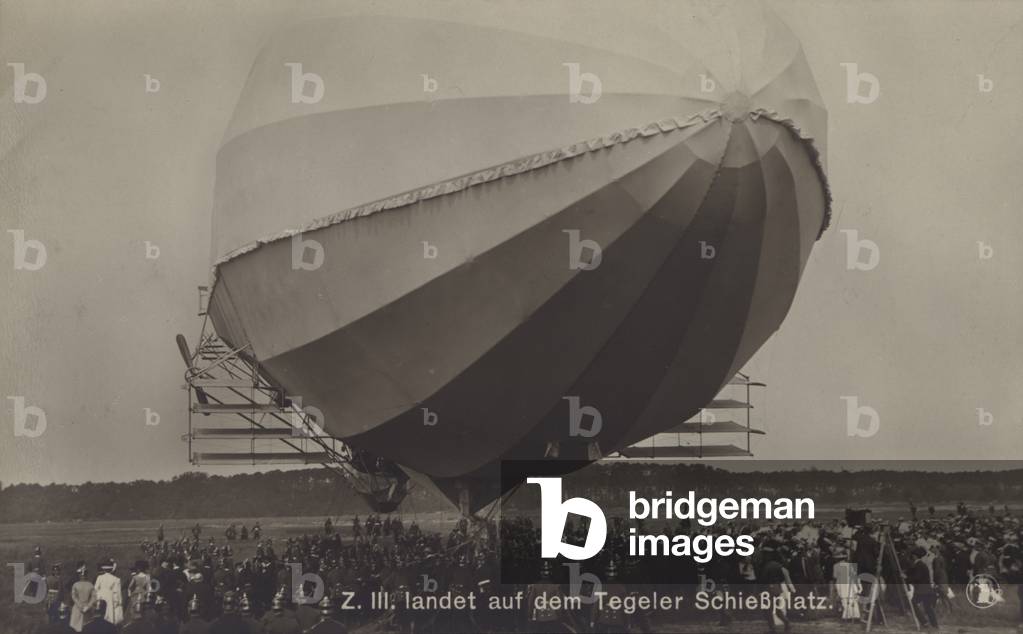
LLH3104817: Zeppelin LZ III after landing on the Tegel firing range, Berlin (b/w photo), German Photographer, (20th Century) / Bridgeman Images

LLH3104833: The son of Graf Ferdinand von Zeppelin with airship engineer Ludwig Duerr with Zeppelin LZ III on the Tegel firing range, Berlin, 1909 (b/w photo), German Photographer, (20th Century) / Bridgeman Images

LLH3104842: Zeppelin airship in flight (colour litho), German School, (20th century) / Bridgeman Images

LLH3104850: Zeppelin flying over Basel (colour litho), German School, (20th century) / Bridgeman Images

LLM3104872: Part of the South Room (b/w photo), Latham, Charles (d.1912) / Bridgeman Images
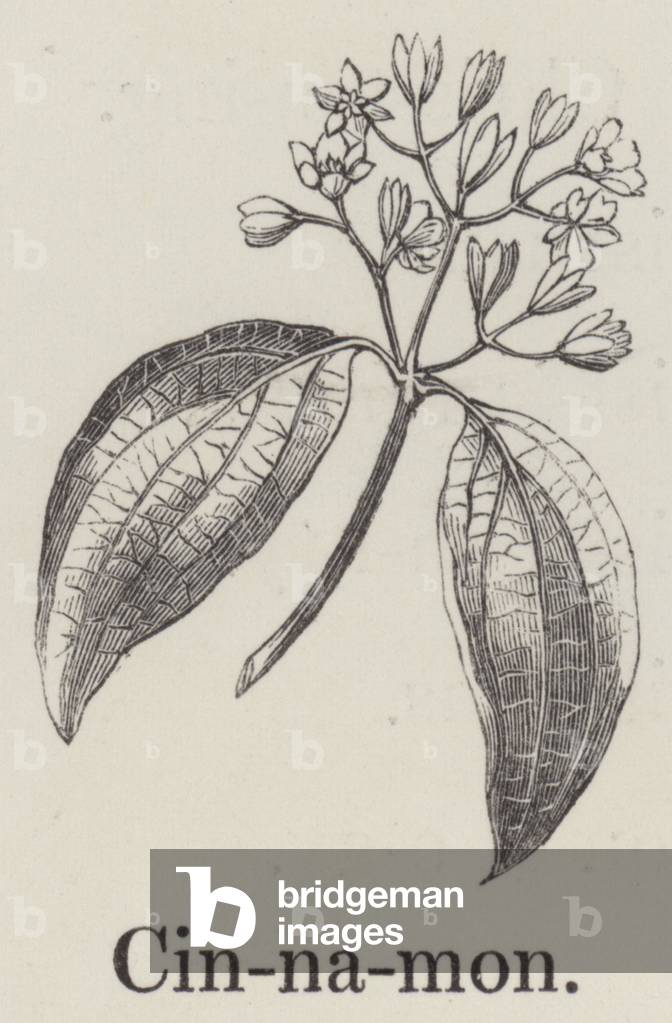
LLM2805816: Cinnamon (engraving), English School, (19th century) / Bridgeman Images
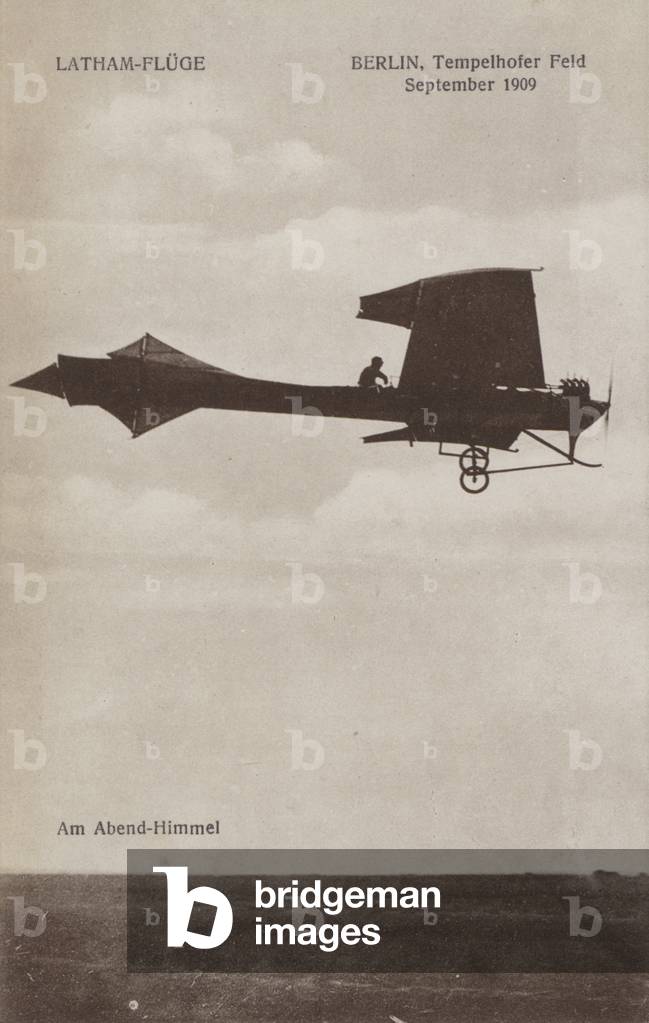
LLH3104876: French aviator Hubert Latham flying over Tempelhof airfield, Berlin, September 1909 (b/w photo), German Photographer, (20th Century) / Bridgeman Images
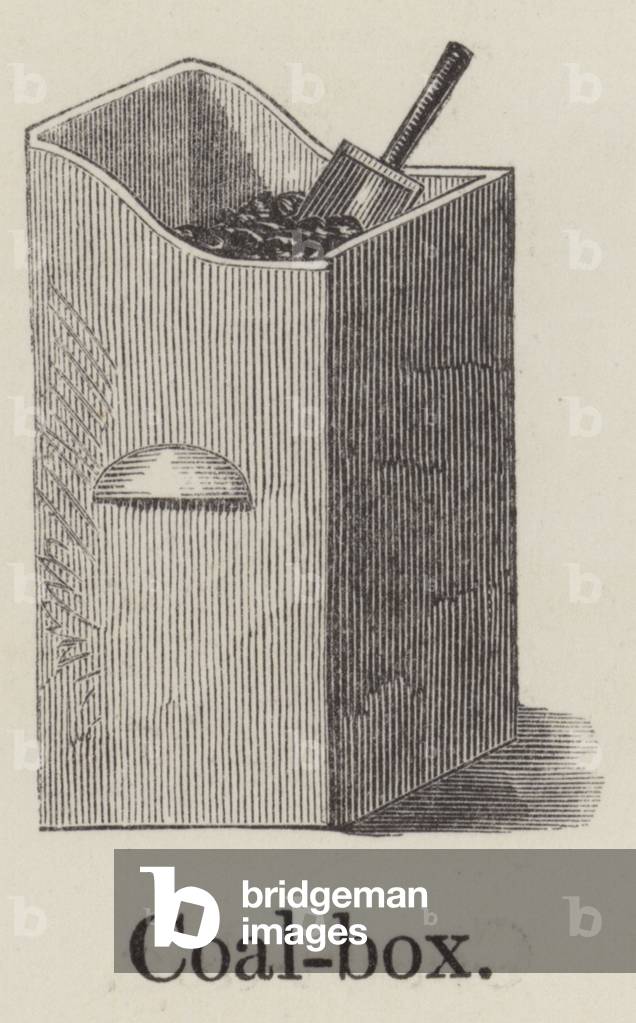
LLM2805850: Coal box (engraving), English School, (19th century) / Bridgeman Images
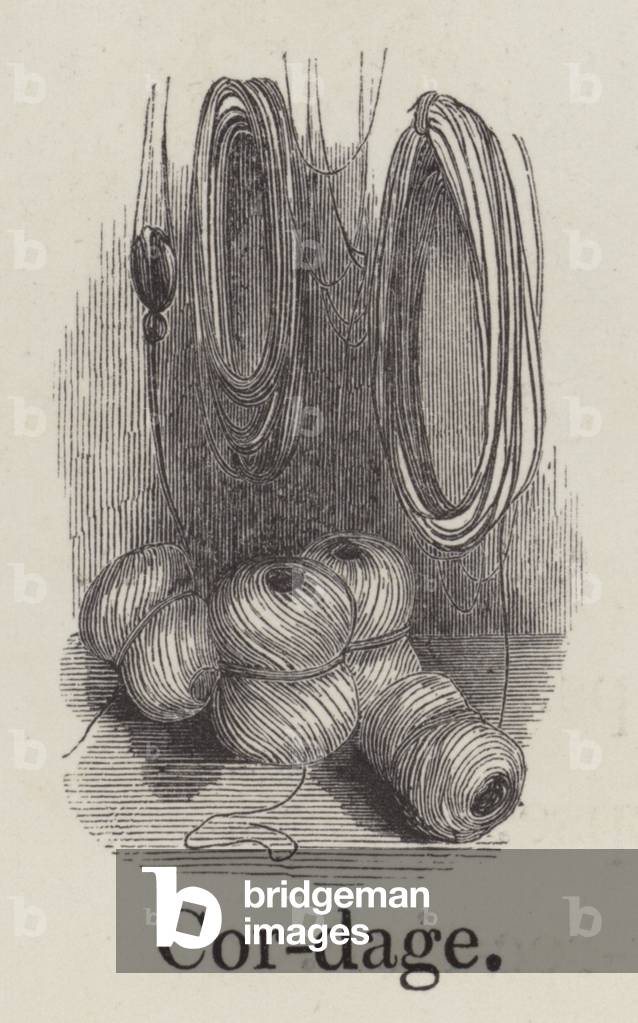
LLM2805923: Cordage (engraving), English School, (19th century) / Bridgeman Images
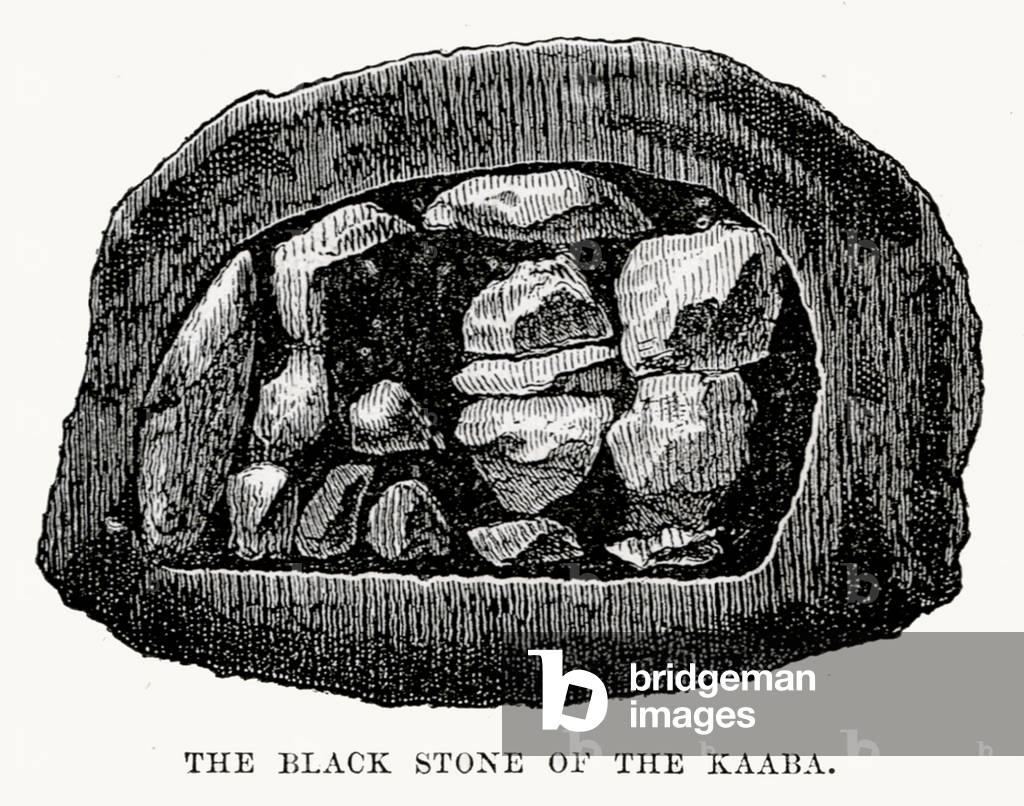
LLM2962134: The Black Stone of the Kaaba, illustration from 'Cassell's Illustrated Universal History', by Edward Ollier, 1890 (litho), English School, (19th century) / Bridgeman Images

LLH3104896: A German Zeppelin! (colour litho), German School, (20th century) / Bridgeman Images

LLH3104905: Zeppelin airship taking off from a lake (colour litho), German School, (20th century) / Bridgeman Images

LLH3104906: Henry Deutsch de la Meurthe's airship La Ville de Paris (colour litho), English School, (20th century) / Bridgeman Images

LLH3104933: Advertisement for J M Latimer carpets and rugs, 138 & 140 Federal Street, Allegheny, Pennsylvania (chromolitho), American School, (19th century) / Bridgeman Images

LLH3105000: Bill from Vanier perfumiers, Paris, 20 November 1842 (litho), French School, (19th century) / Bridgeman Images

LLH3105036: Halloween greetings card (chromolitho), American School, (19th century) / Bridgeman Images

LLH3105056: Police station in Vienna, Austria (chromolitho), French School, (20th century) / Bridgeman Images
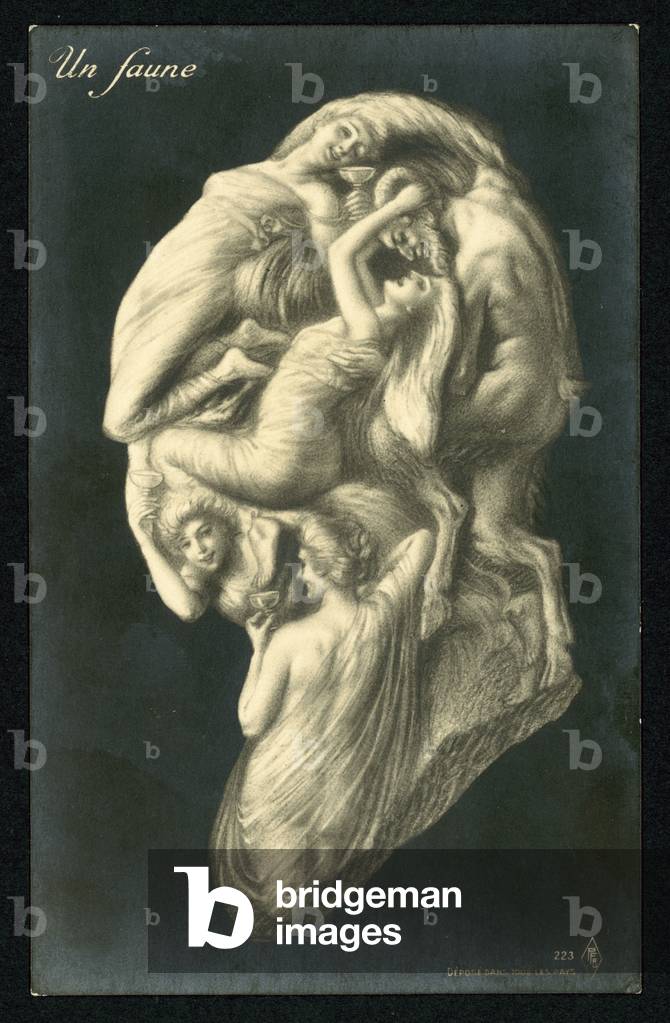
LLH3105061: A faun (litho), French School, (19th century) / Bridgeman Images

LLM3105086: The Drawing-Room Chimney-Piece (b/w photo), Latham, Charles (d.1912) / Bridgeman Images

LLH3105102: Napoleon III, Emperor of France (litho), Desmaisons, Emile (1812-80) / Bridgeman Images

LLH3105122: Augusta, Duchess of Cambridge (litho), Jentzen, Friedrich (1815-1901) / Bridgeman Images
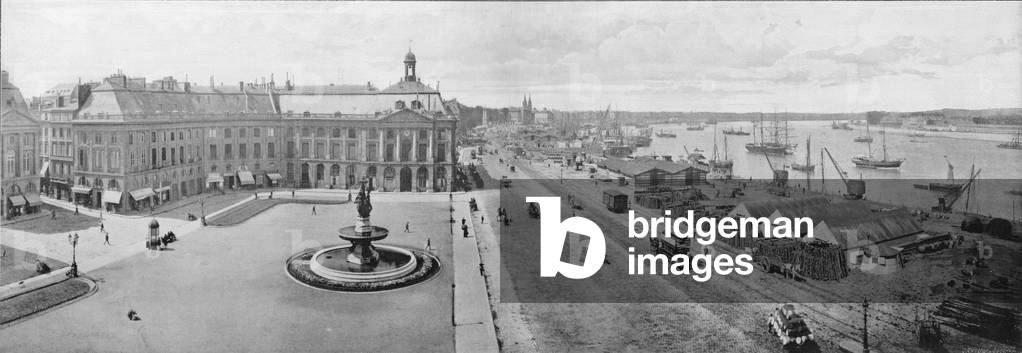
LLM3105146: Bordeaux - La Bourse et le Port (b/w photo), French Photographer, (19th century) / Bridgeman Images
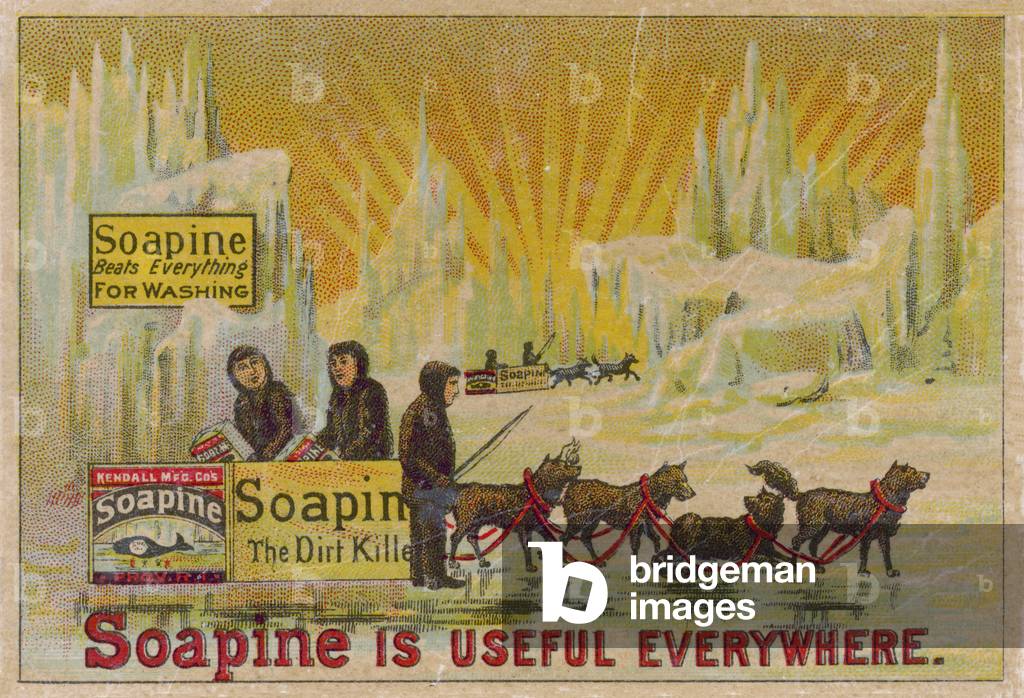
LLL3105186: Soapine, the dirt killer, at the North Pole (chromolitho), American School, (19th century) / Bridgeman Images
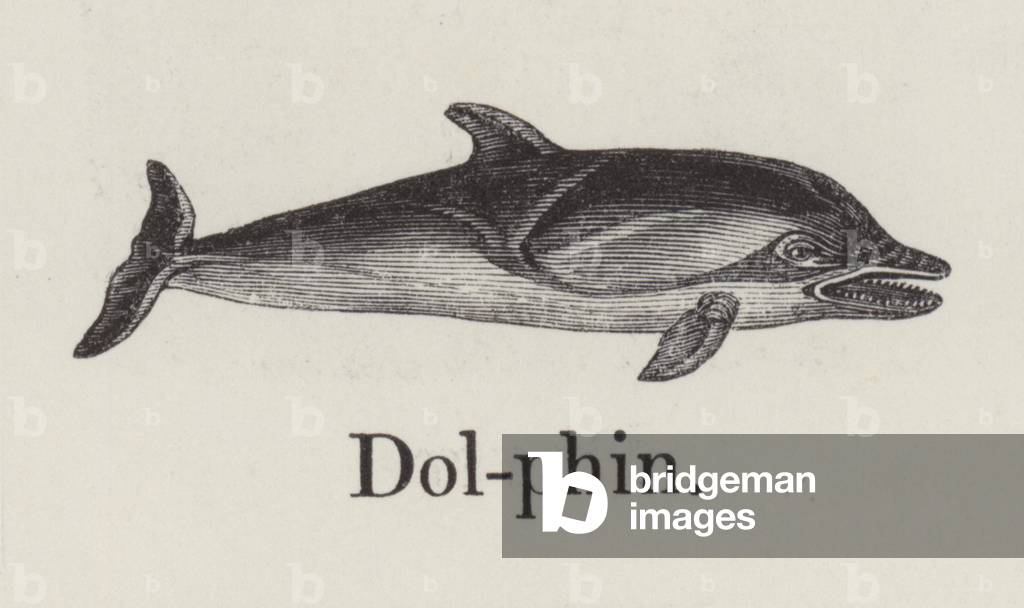
LLM2806090: Dolphin (engraving), English School, (19th century) / Bridgeman Images

LLM2806256: Flask (engraving), English School, (19th century) / Bridgeman Images

LLM3091130: Marie-Antoinette at the Trianon (colour litho), Job, pseudonym for Onfray de Breville, Jacques (1858-1931) / Bridgeman Images
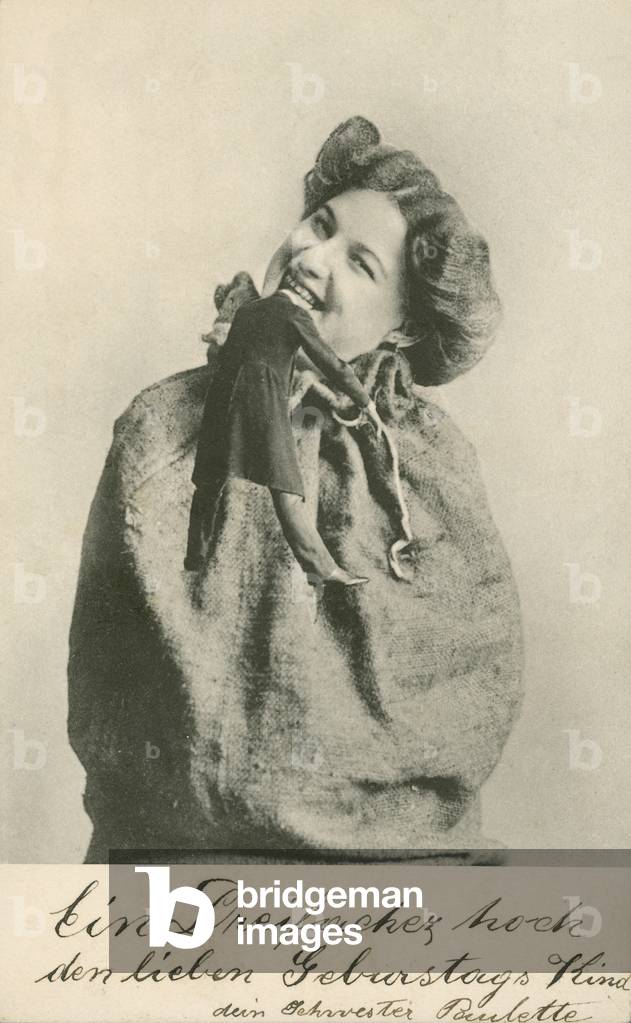
LLM3091160: Woman biting the head off a doll (b/w photo), German Photographer, (20th Century) / Bridgeman Images
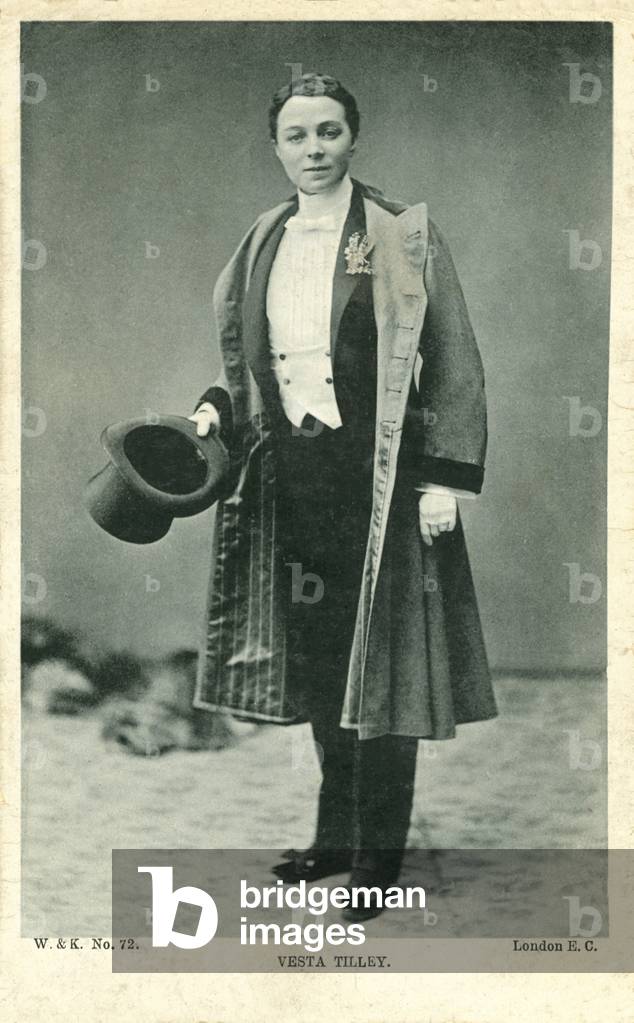
LLM3091169: Vesta Tilley (b/w photo), English Photographer, (20th century) / Bridgeman Images
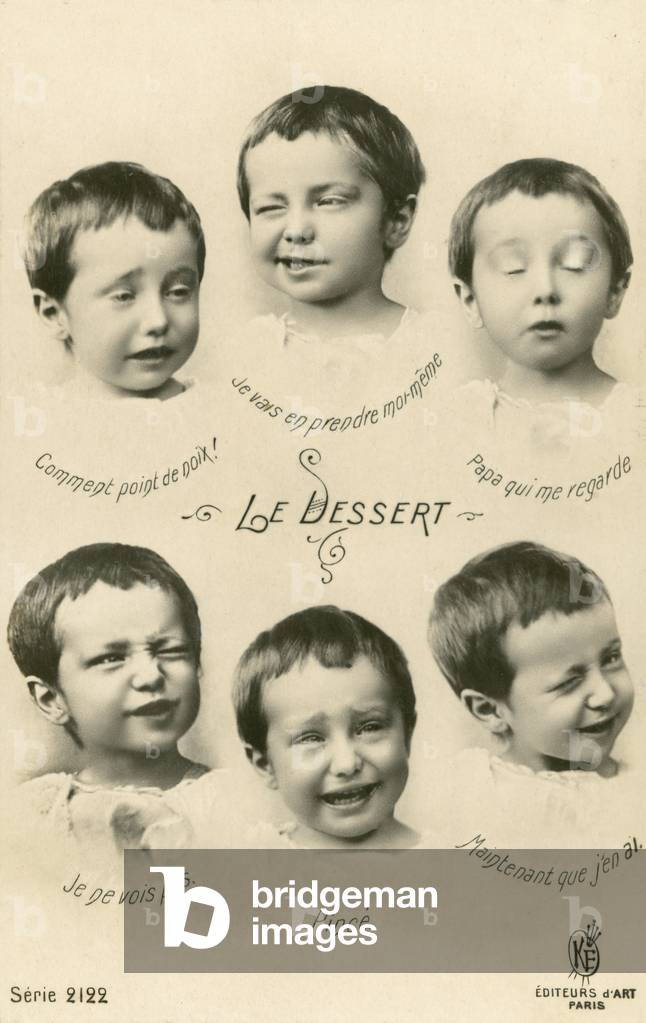
LLM3091186: Little boy pulling faces (b/w photo), French Photographer, (20th century) / Bridgeman Images
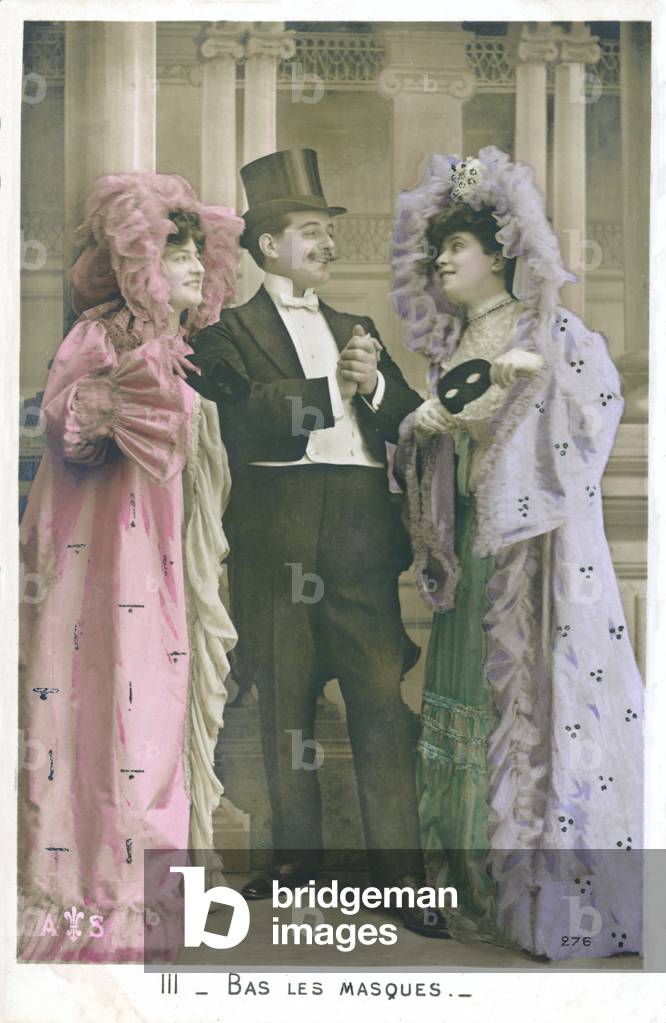
LLM3091201: The Masked Ball (colour photo), French Photographer, (20th century) / Bridgeman Images
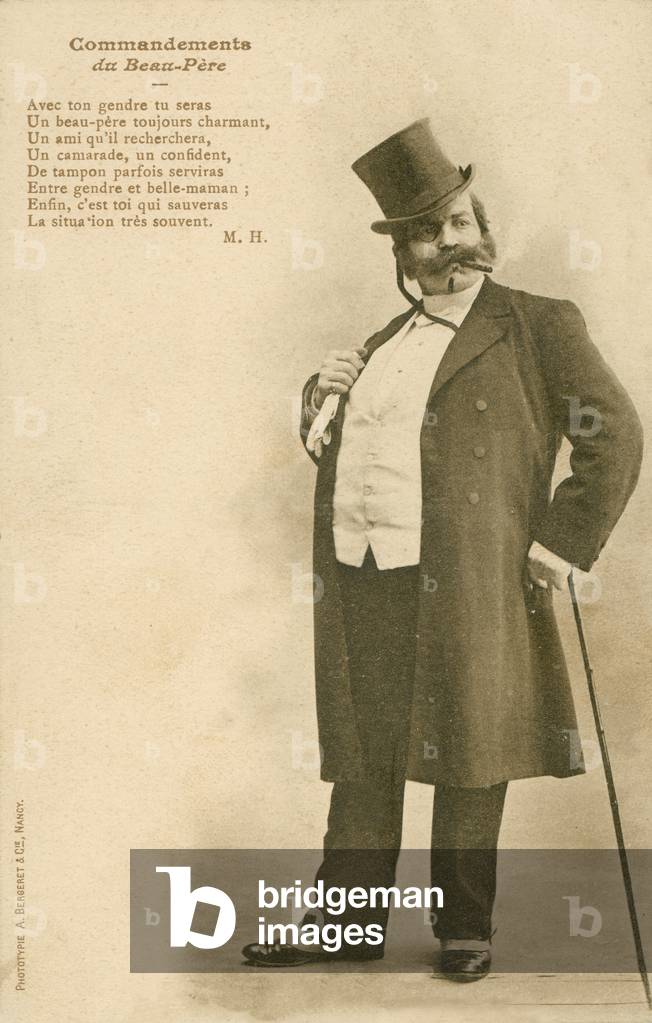
LLM3091223: A Step-father's Rules (b/w photo), French Photographer, (20th century) / Bridgeman Images
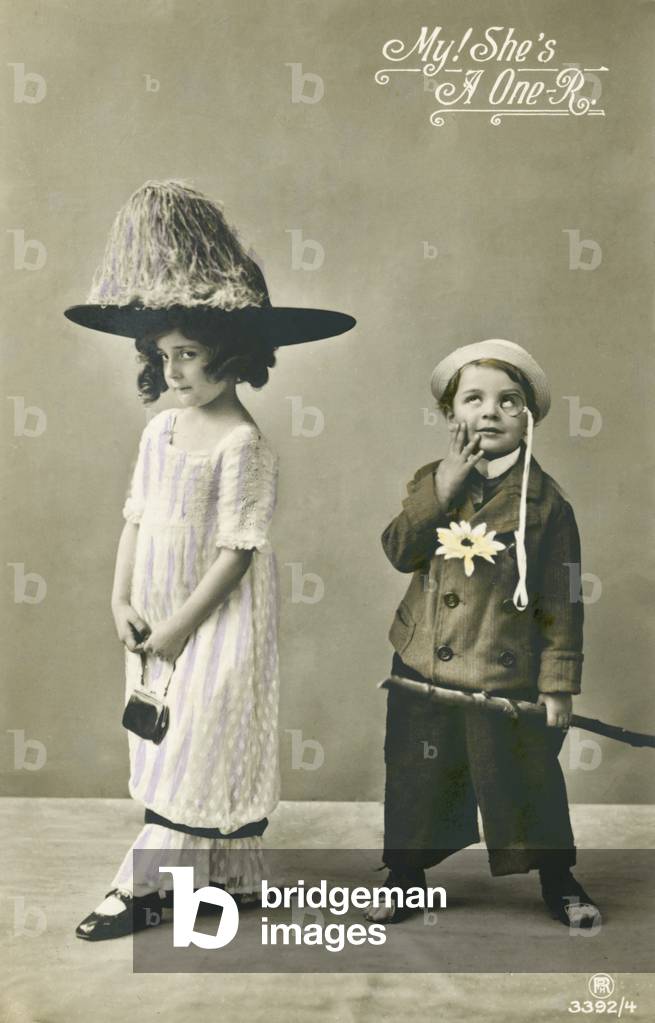
LLM3091234: Two children in fancy dress (colour photo), English Photographer, (20th century) / Bridgeman Images
