2490904 Search Results

RDV2957120: Portrait of Mattei Radev, c.1960s (oil on canvas), Medley, Robert (1905-1994) / Bridgeman Images
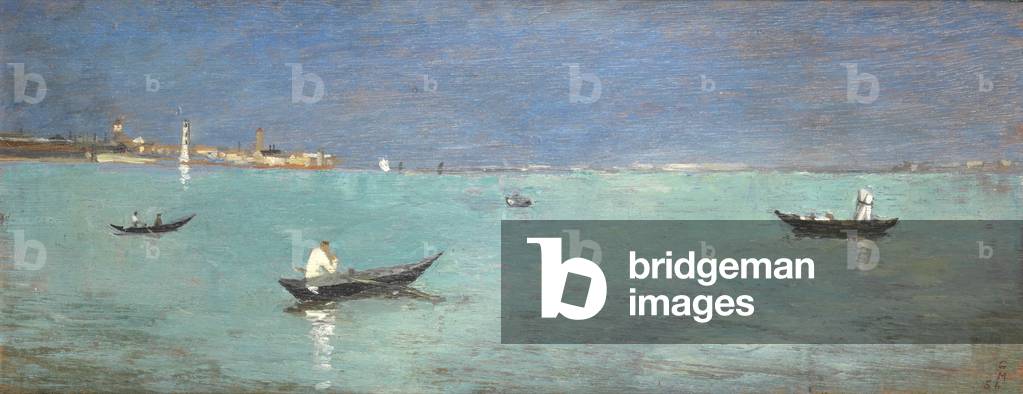
MAA2956733: Murano from the Fondamenta Nuove, 1956 (oil on panel), Manchester, George (1922-96) / Bridgeman Images
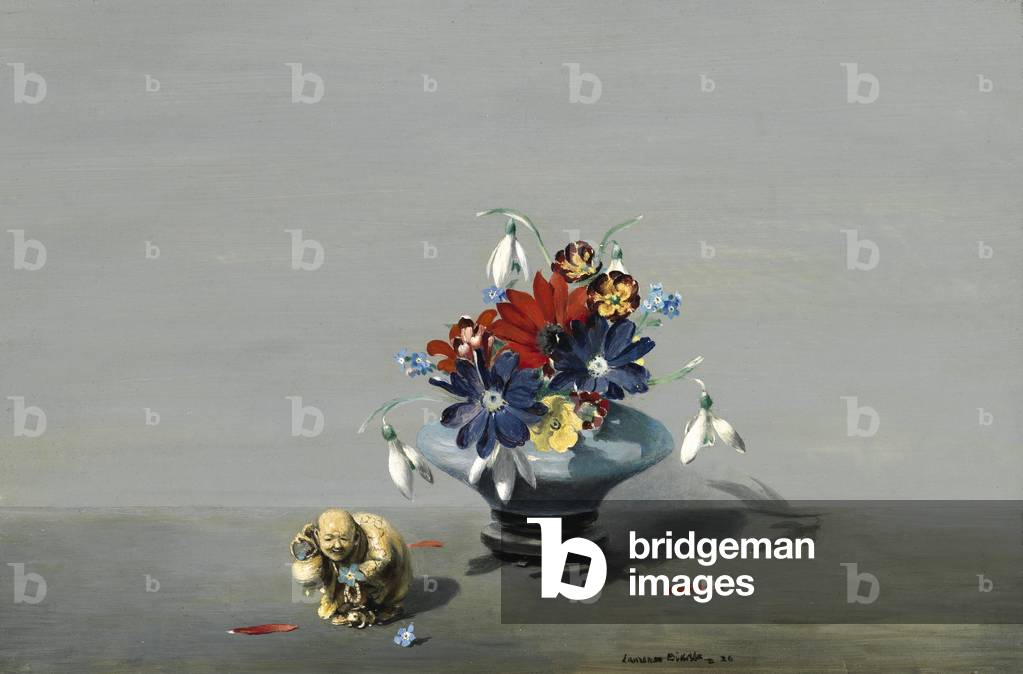
MAA2956902: Still Life with a Netsuke Figure, 1926 (oil on panel), Biddle, Lawrence (1888-1968) / Bridgeman Images

LOJ2962639: Nelson's Column, 2016 (pen and ink), Lowes, James (21st century) / Bridgeman Images
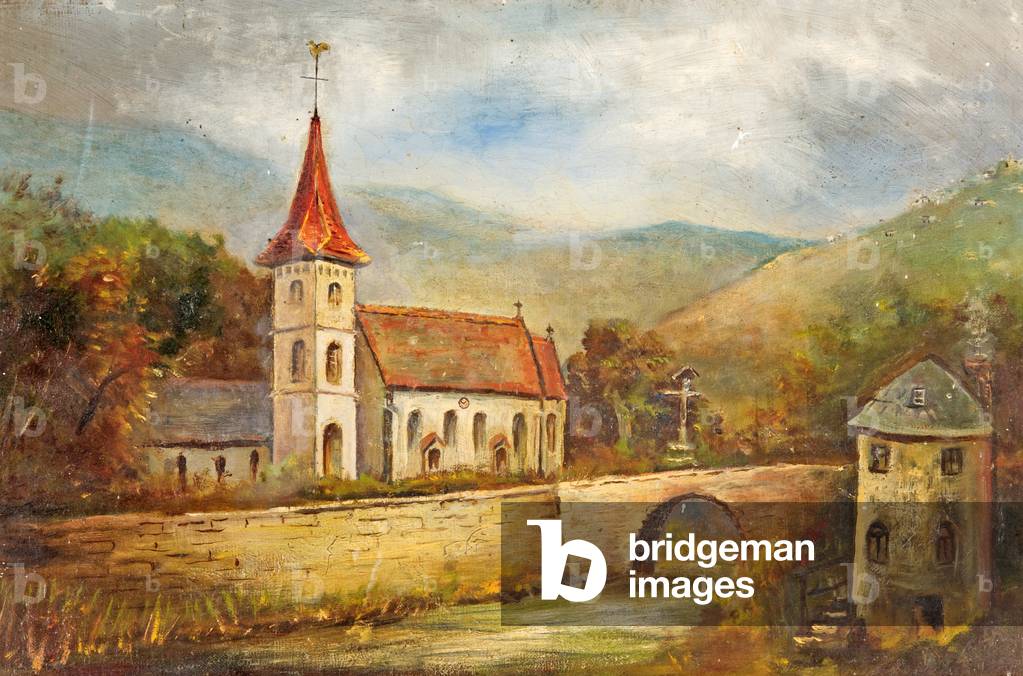
SMS2961836: Chalford, Gloucestershire (oil on plywood), Morrison, Joseph Albert Colquhoun (1882-1964) / Bridgeman Images

AGC2961181: Illustration from 'Faust' by Johann Wolfgang von Goethe, 1808, 1981 (linocut), Korzhevskaya, Yulia (b.1955) / Bridgeman Images
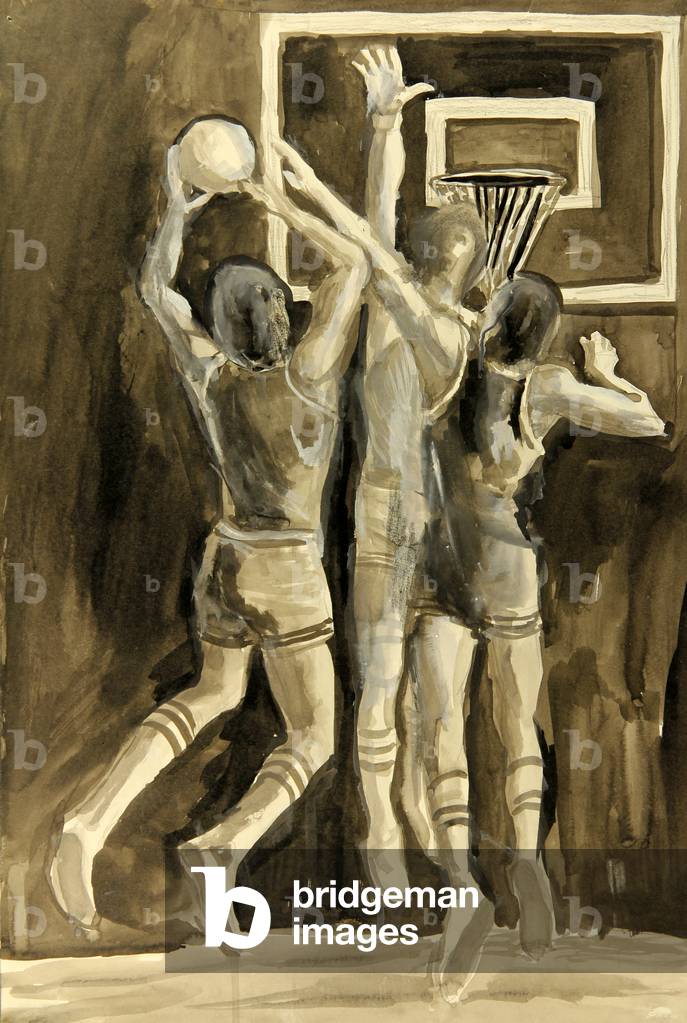
AGC2961179: Basketball, 1978 (w/c on paper), Korzhevskaya, Yulia (b.1955) / Bridgeman Images
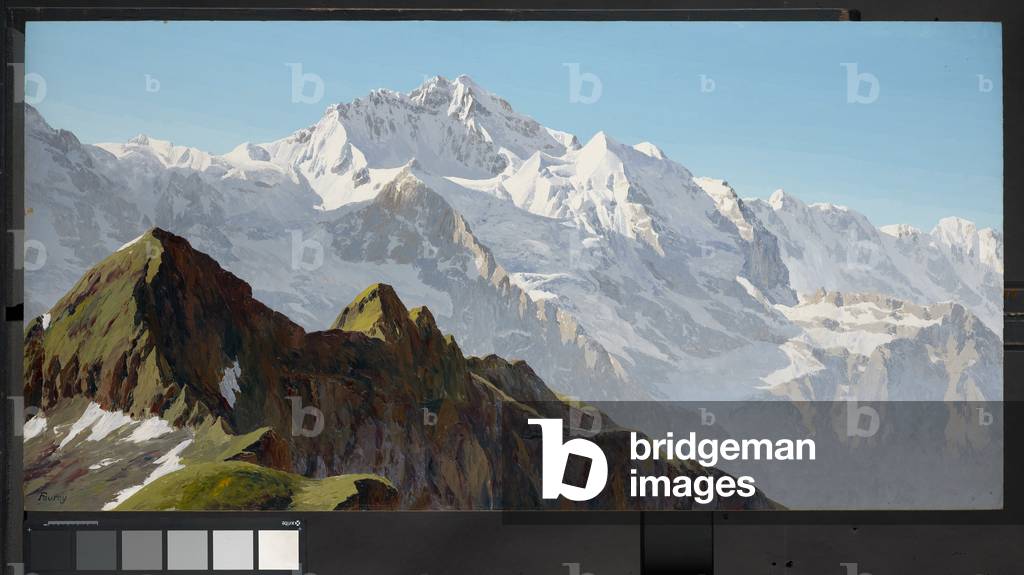
JMT2963400: The Jungfrau seen from Mannlichen (oil on panel), Fourcy, Jacques (1906-90) / Bridgeman Images
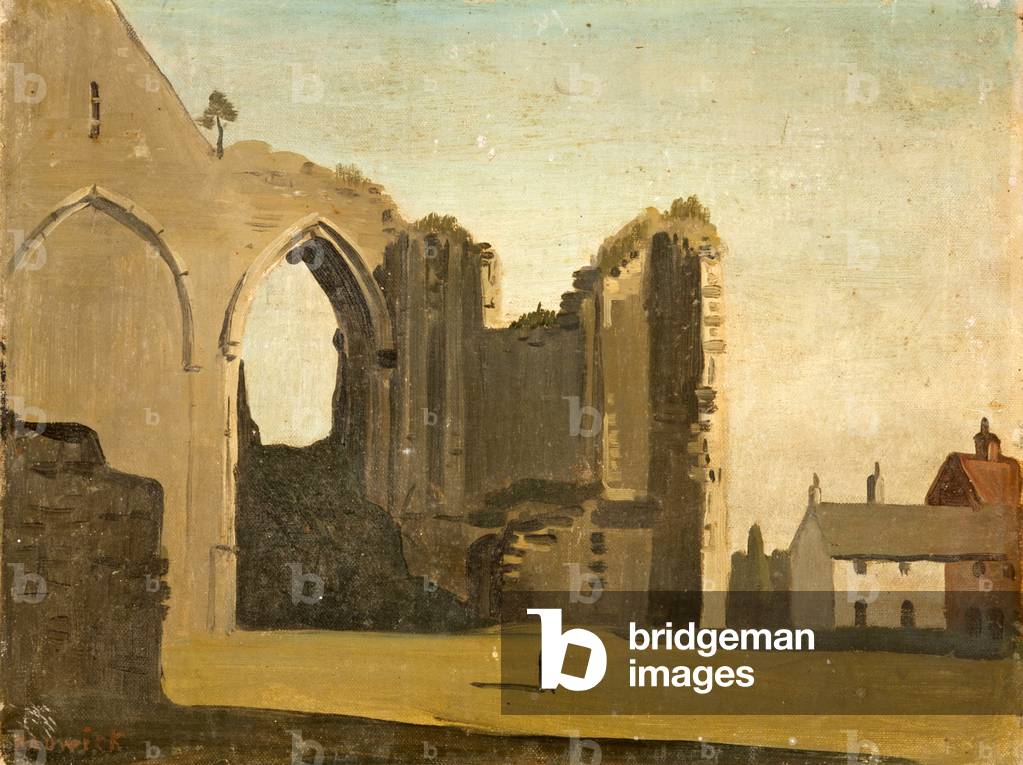
SMS2961813: Ruins of Winchelsea Church, East Sussex (oil on canvas), Padwick, Philip Hugh (1876-1958) / Bridgeman Images

AGC2961183: Illustration from 'Faust' by Johann Wolfgang von Goethe, 1808 , 1981 (linocut), Korzhevskaya, Yulia (b.1955) / Bridgeman Images

AGC2961173: Illustration from 'About This' by Vladimir Mayakovsky, 1923, 1979 (gouache on paper), Korzhevskaya, Yulia (b.1955) / Bridgeman Images

AGC2961178: Nude, 1978 (indian ink on paper), Korzhevskaya, Yulia (b.1955) / Bridgeman Images
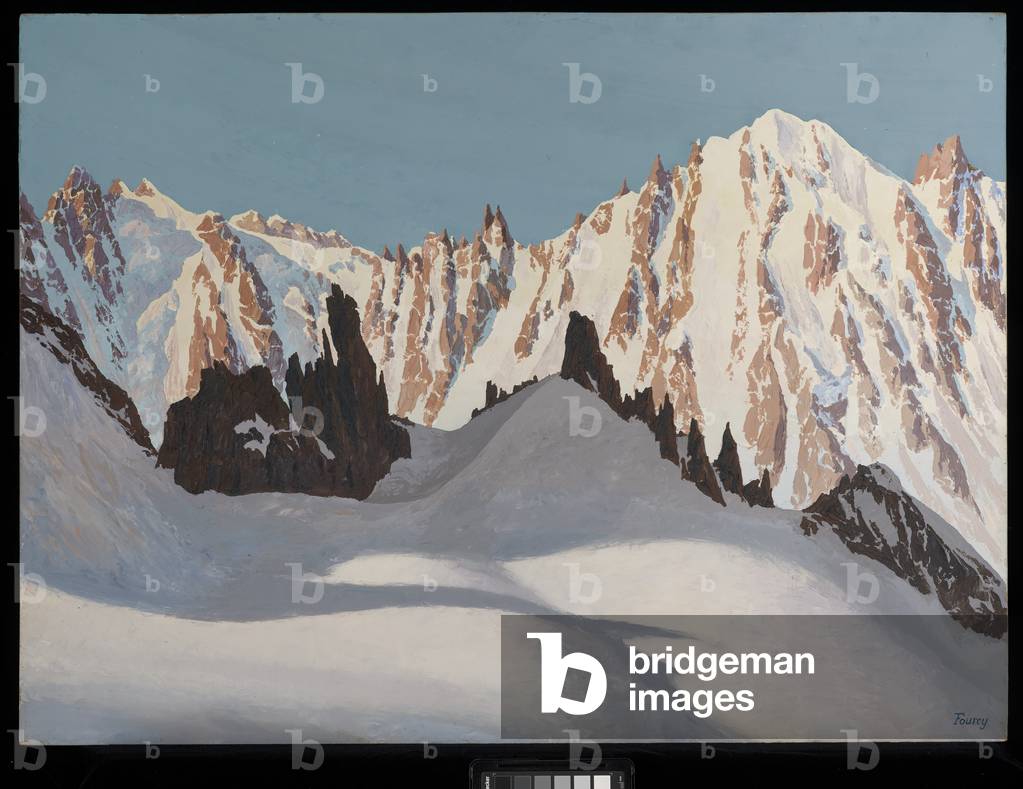
JMT2963418: Les Courtes seen from the Petites Aiguilles Rouges du Dolent, Chamonix, France (oil on panel), Fourcy, Jacques (1906-90) / Bridgeman Images

XMV2962732: Sangre de Cristo Mountains, 1926 (oil on canvas), Blumenschein, Ernest Leonard (1874-1960) / Bridgeman Images

LLM1095146: Levens Hall (photo), English Photographer, (20th century) / Bridgeman Images

LLM1095116: Visit of Queen Alexandra to The Revenge (b/w photo), English Photographer, (20th century) / Bridgeman Images
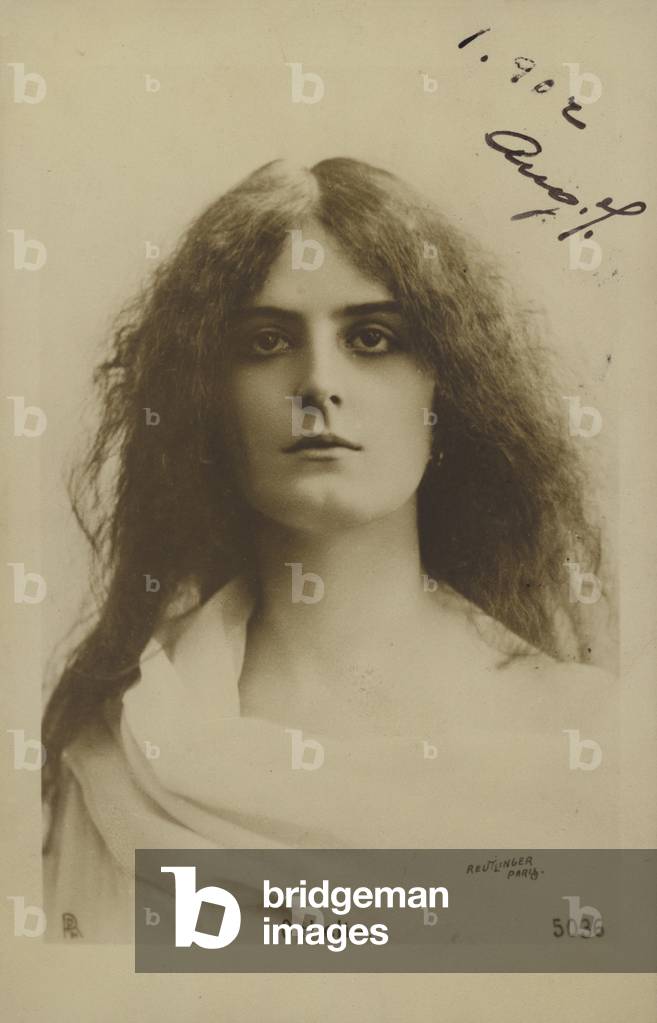
LLM1095071: Ophelia (b/w photo), Reutlinger Studio (1850-1937) (after) / Bridgeman Images

LLM1095060: Single Bliss (photo), English Photographer, (20th century) / Bridgeman Images

LLM1095061: Matrimonial Bliss (photo), English Photographer, (20th century) / Bridgeman Images

LLM1095199: Stratford-On-Avon, Shakespeare's House, The Museum (b/w photo), English Photographer, (20th century) / Bridgeman Images

LLM1095219: Sir J M Barrie's Birthplace, Kirriemuir (b/w photo), English Photographer, (20th century) / Bridgeman Images

LLM1095233: Eton College, Quadrangle (colour litho), Flower, Charles Edwin (1871-1910) / Bridgeman Images

LLM1095101: St Paul's Cathedral, The Duke of Wellington's Funeral Car in the Crypt (b/w photo), English Photographer, (20th century) / Bridgeman Images

LLM1095194: Waddesdon Manor, Aylesbury (photo), English Photographer, (20th century) / Bridgeman Images
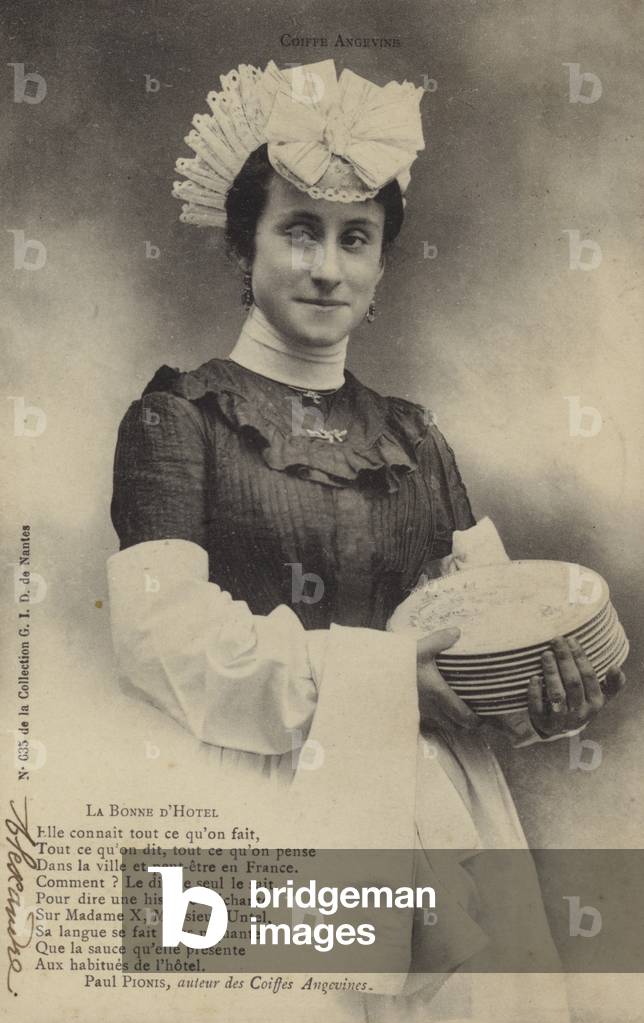
LLM1095026: Hotel maid (b/w photo), French Photographer, (20th century) / Bridgeman Images
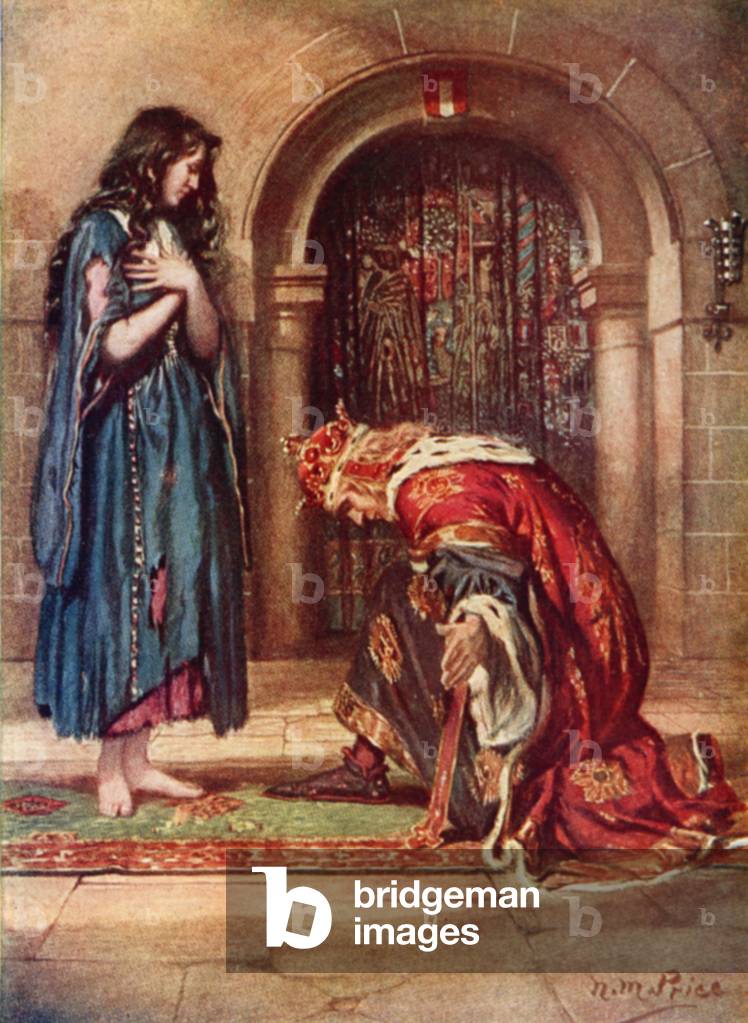
LLM1095276: The King and the Beggar Maid (colour litho), Price, Norman Mills (1877-1951) (after) / Bridgeman Images
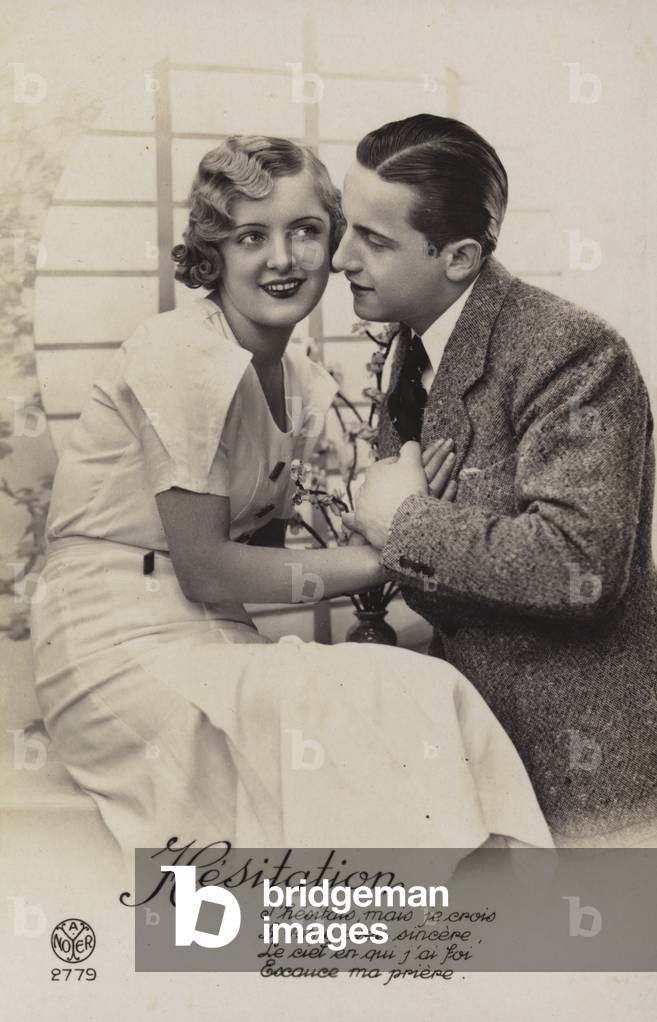
LLM1095067: Hesitation (b/w photo), French Photographer, (20th century) / Bridgeman Images

LLM1095153: Windsor, The King driving down Castle Hill (photo), English Photographer, (20th century) / Bridgeman Images

LLM1095037: Warwick Pageant, Mr Louis N Parker as a soloist, playing the Megaphone (b/w photo), English Photographer, (20th century) / Bridgeman Images
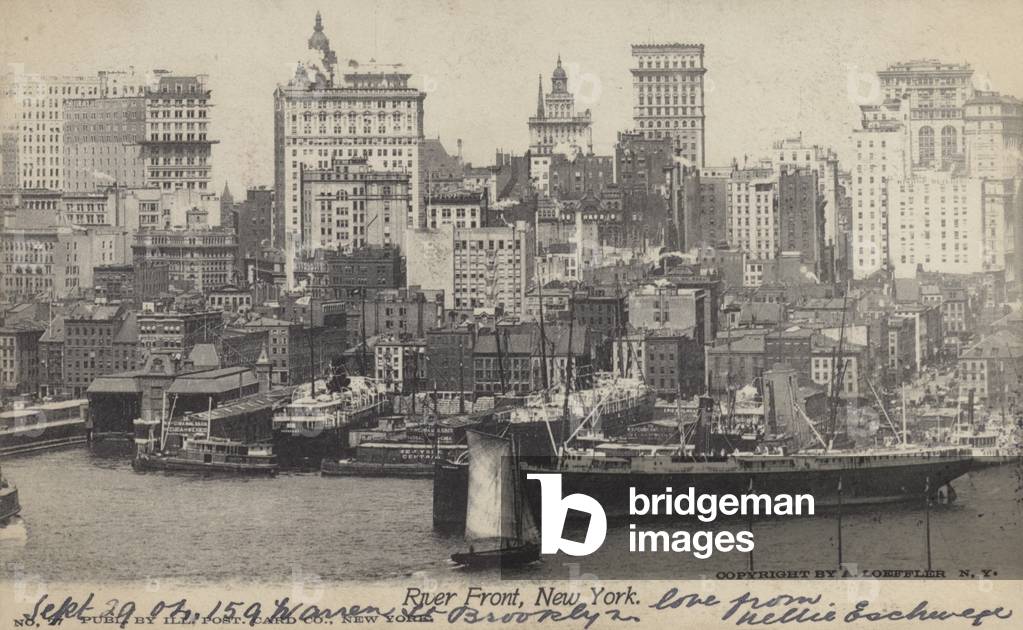
LLM1095197: River front, New York City (b/w photo), American Photographer, (20th century) / Bridgeman Images
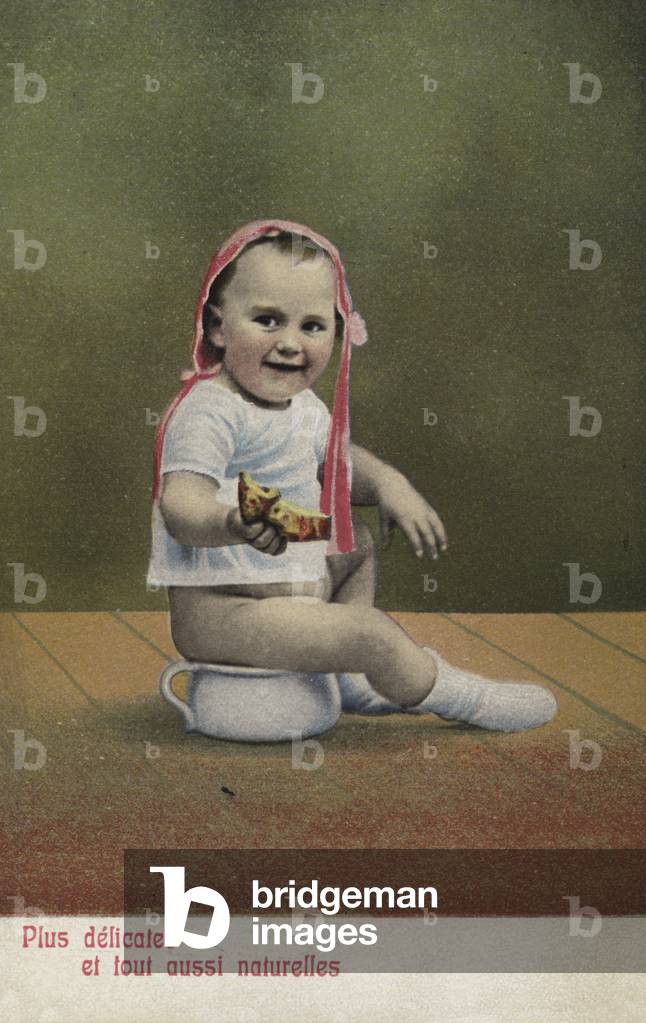
LLM1095005: Child sitting on potty (photo), French Photographer, (20th century) / Bridgeman Images
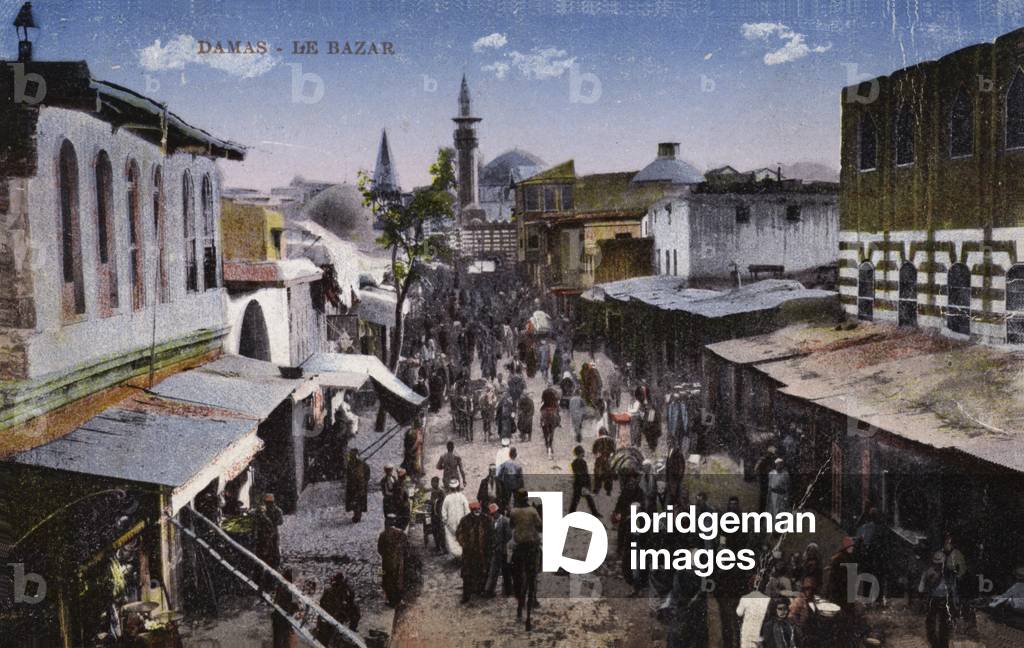
LLM1095162: Damascus, Bazaar (photo), French Photographer, (20th century) / Bridgeman Images

LLM1095209: Oriel College, quad, Oxford (photo), English Photographer, (20th century) / Bridgeman Images

LLM1095130: Early American steamboat (colour litho), American School, (20th century) / Bridgeman Images

LLM1095151: Cambridge, St John's College, Bridge Of Sighs (photo), English Photographer, (20th century) / Bridgeman Images

LLM1095204: Southampton Docks (photo), English Photographer, (20th century) / Bridgeman Images
