2491100 Search Results

LUN4371482: Portrait of Jean Rustin, French painter, in his Paris apartment in 2008. / Bridgeman Images

LUN4371512: Portrait of Keping Wang, Chinese sculptor, finishing a sculpture for bronze reproduction, in the workshops of the Susse a Arcueil foundry in 2008. / Bridgeman Images

LUN4371554: Portrait of Keping Wang, Chinese sculptor, finishing a sculpture for bronze reproduction in the workshops of the Susse a Arcueil foundry in 2008. / Bridgeman Images

LUN4371593: Portrait of Gerard Fromanger, French painter, in his studio in Paris in 2008. / Bridgeman Images

LUN4372825: Portrait of Gildas Le Rest, French painter and publisher, in his studio in Paris in 2008., Le Reste, Gildas (b.1958) / Bridgeman Images

LUN4372843: Portrait of Dikran Daderian, Lebanese painter and engraver. Signature of an engraving. Pasnic engraving studio in Paris in 2008., Daderian, Dikran (b.1929) / Bridgeman Images

LUN4371662: Claire Debril and Robert Deblander, French ceramists. Opening of the exhibition Claire Debril in the gallery of the Ancienne Poste in Toucy on November 8, 2008. / Bridgeman Images

LUN4372897: Portrait of Claude Champy, French ceramist, in front of his workshop in Plaisir in 2008. / Bridgeman Images

LUN4373140: Portrait of Ken Aptekar, American artist, in his studio in Paris in 2008. / Bridgeman Images

LUN4371075: Portrait of Emmanuel, artist of concrete and conceptual art. Emmanuel exhibition at the Musee Matisse du Cateau-Cambresis (Cateau Cambresis) in 2008. / Bridgeman Images

LUN4371255: Portrait of Catherine James, French photographer. Opening of the SLICK contemporary art fair. Paris on 23 October 2008. / Bridgeman Images

LUN4371306: Portrait of Carlos Cruz-Diez (Cruz Diez), painter, in his studio in Paris in 2008. / Bridgeman Images

LUN4371318: Portrait of Carlos Cruz-Diez (Cruz Diez), painter, in his studio in Paris in 2008. / Bridgeman Images
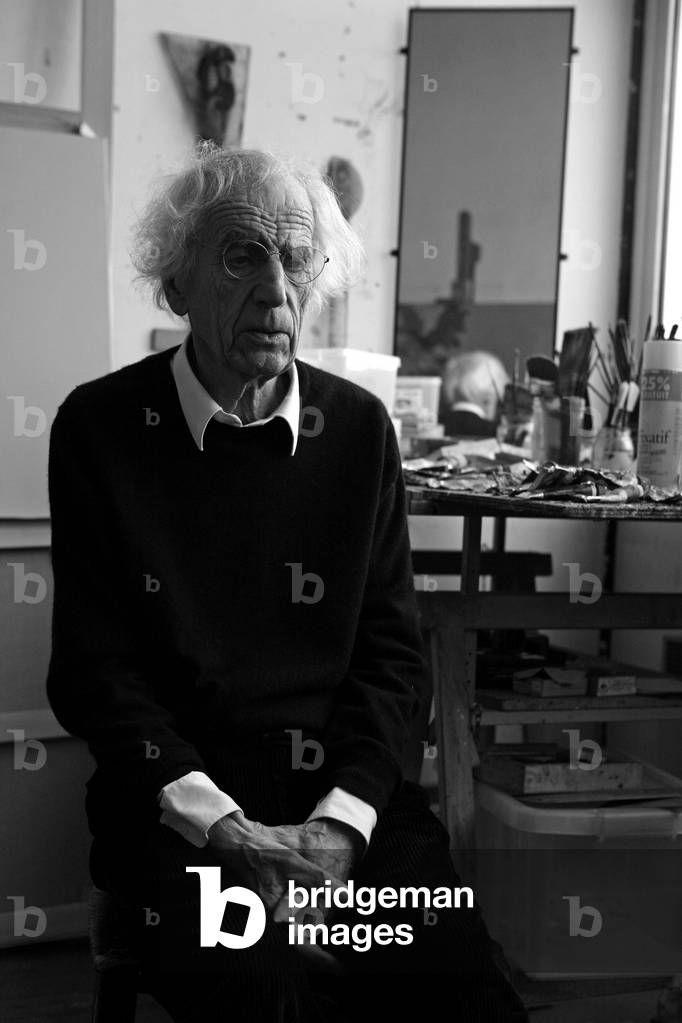
LUN4371959: Portrait of Claude Weisbuch, French painter, in his studio in Paris in 2008. / Bridgeman Images
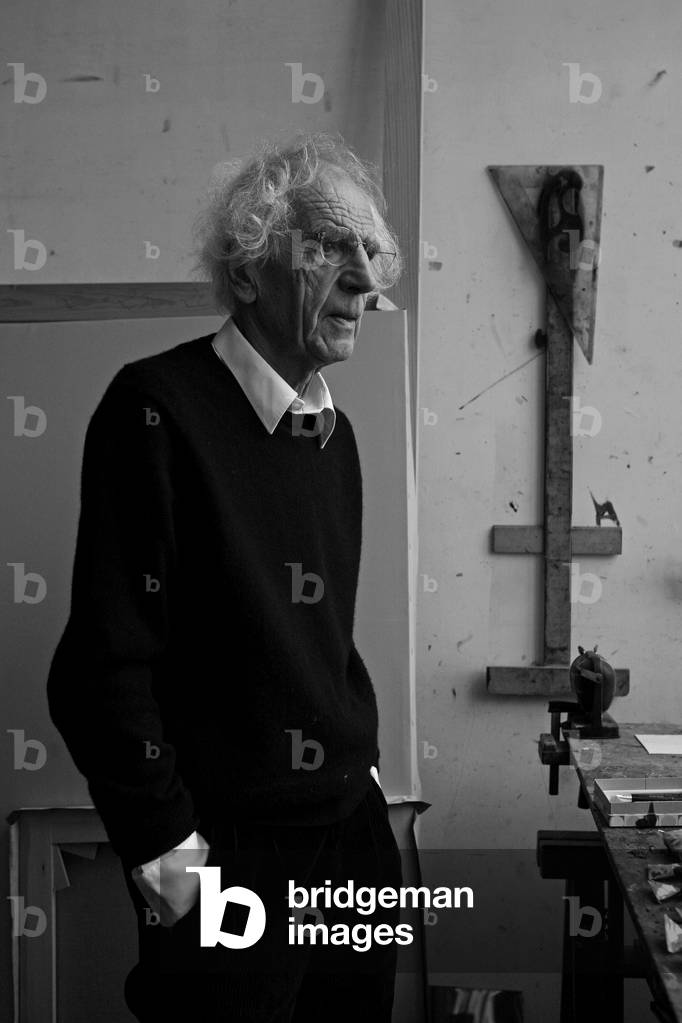
LUN4371995: Portrait of Claude Weisbuch, French painter, in his studio in Paris in 2008. / Bridgeman Images
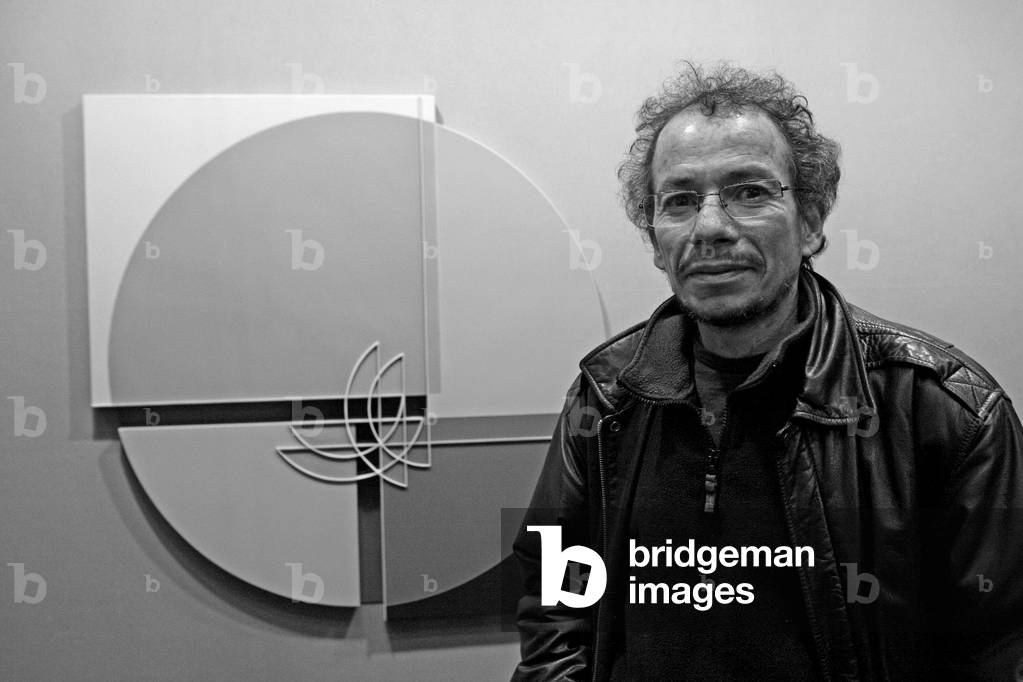
LUN4372019: Portrait of Octavio Herrera, Venezuelan artist. Opening of the Art en Capital Salon, at the Grand Palais in Paris on November 21, 2008. / Bridgeman Images

LUN4372040: Raphaelle Ricol, French painter, and Rene Ricol (her father). Opening of the Raphaelle Ricol exhibition in the Trafic gallery in Paris on November 22, 2008. / Bridgeman Images
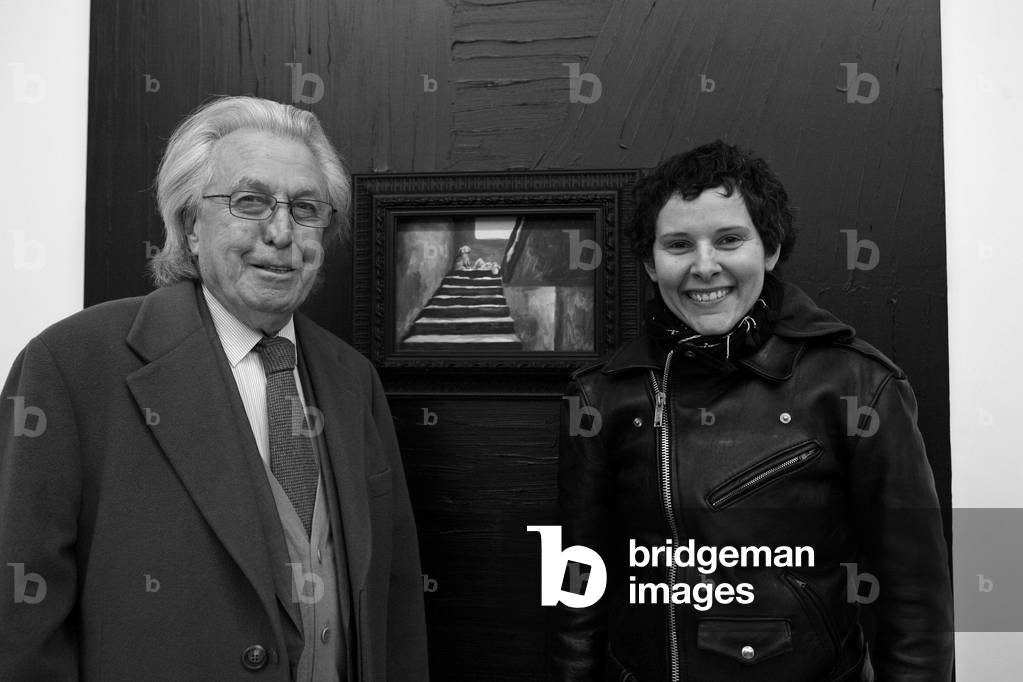
LUN4372064: Paul Lombard, lawyer at the Paris Bar, and Raphaelle Ricol, French painter. Opening of the Raphaelle Ricol exhibition in the Trafic gallery in Paris on November 22, 2008. / Bridgeman Images

LUN4372142: Portrait of Jan Voss, painter, in his Arcueil studio in 2008., Voss, Jan (b.1936) / Bridgeman Images

LUN4372148: Portrait of Jan Voss, painter, in his Arcueil studio in 2008., Voss, Jan (b.1936) / Bridgeman Images

LUN4372154: Portrait of Jan Voss, painter, in his Arcueil studio in 2008., Voss, Jan (b.1936) / Bridgeman Images

LUN4372184: Portrait of Jan Voss, painter, in his Arcueil studio in 2008., Voss, Jan (b.1936) / Bridgeman Images

LUN4372196: Portrait of Vincent Bizien, French cartoonist, in his studio in Paris in 2008. / Bridgeman Images
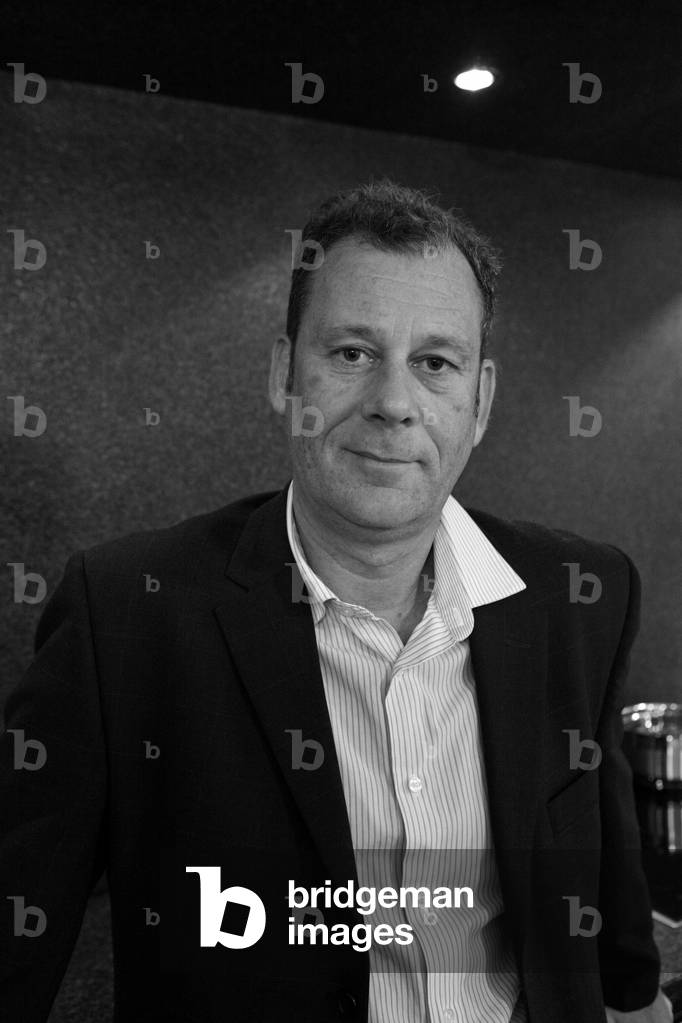
LUN4372241: Portrait of Alexandre Perigot, French artist, during the opening of his exhibition Pipedream in Suzanne Tarasieve's Loft 19 gallery, in Paris on November 25, 2008. / Bridgeman Images
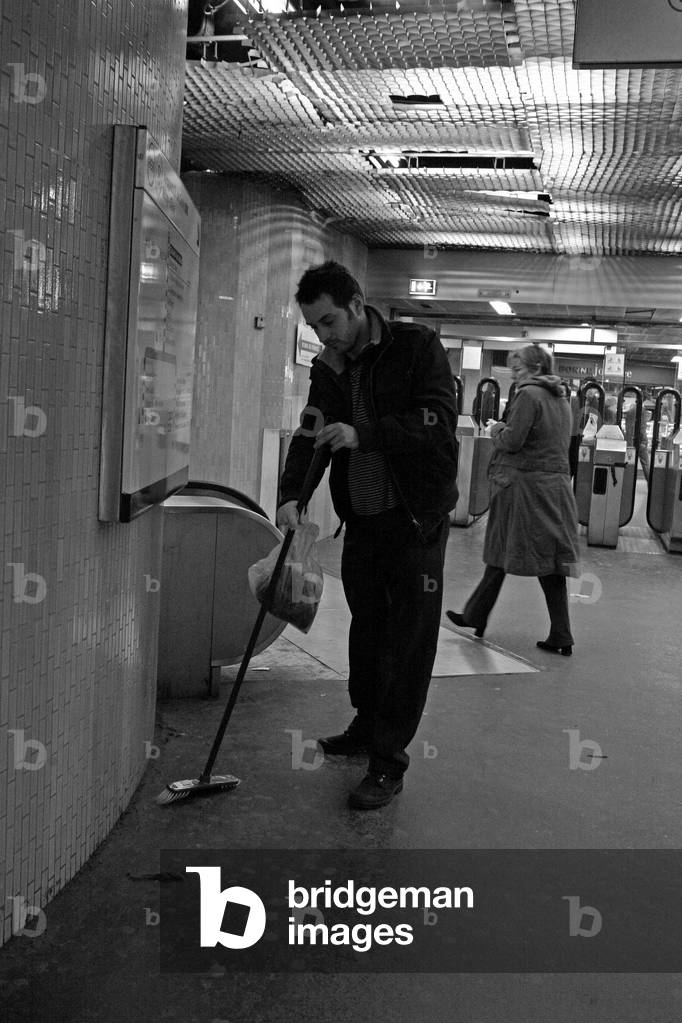
LUN4373188: Portrait of Lionel Sabatte, French painter, during his collection of sheep (piles of dust and hair that he uses in the composition of his works) at the RATP station Les Halles in Paris in 2008. / Bridgeman Images
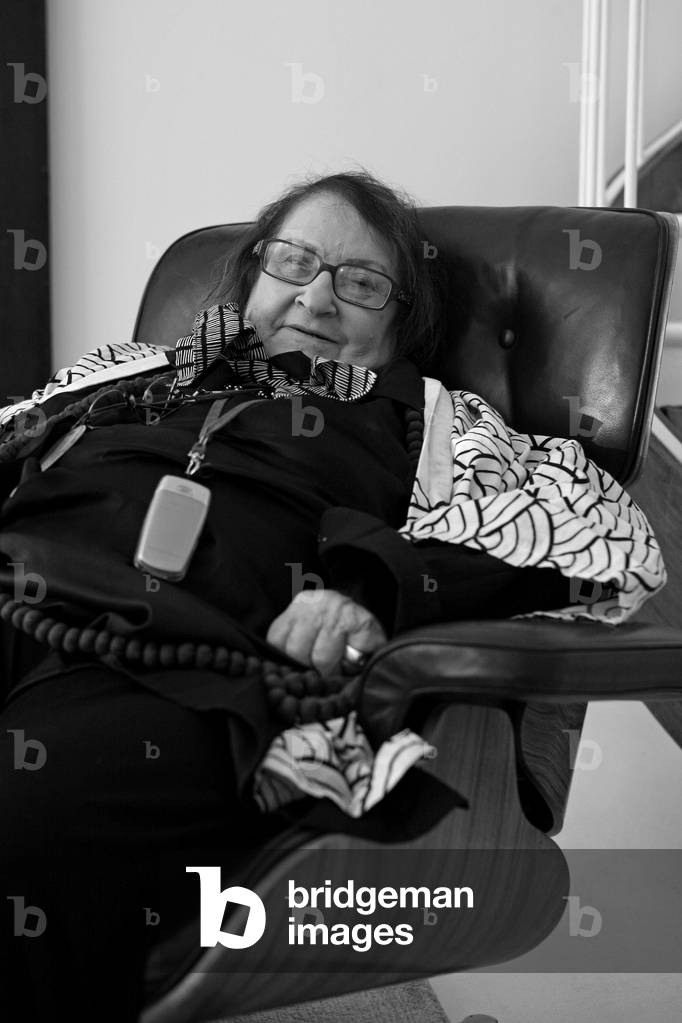
LUN4373347: Portrait of Pierrette Bloch, French artist, in his Paris apartment in 2008. / Bridgeman Images
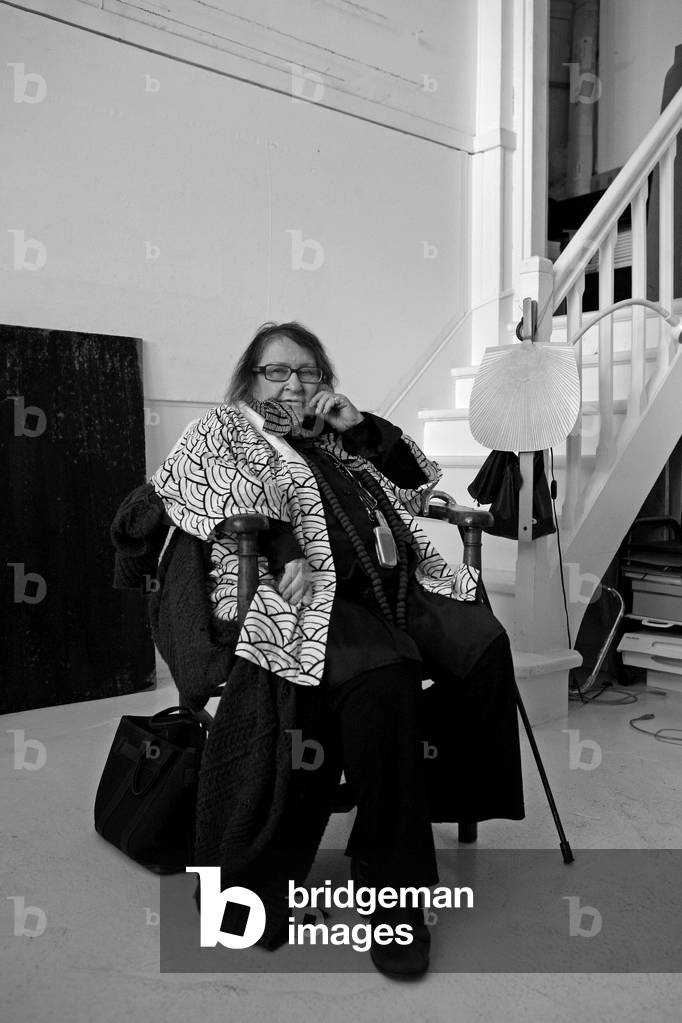
LUN4373359: Portrait of Pierrette Bloch, French artist, in his Paris apartment in 2008. / Bridgeman Images
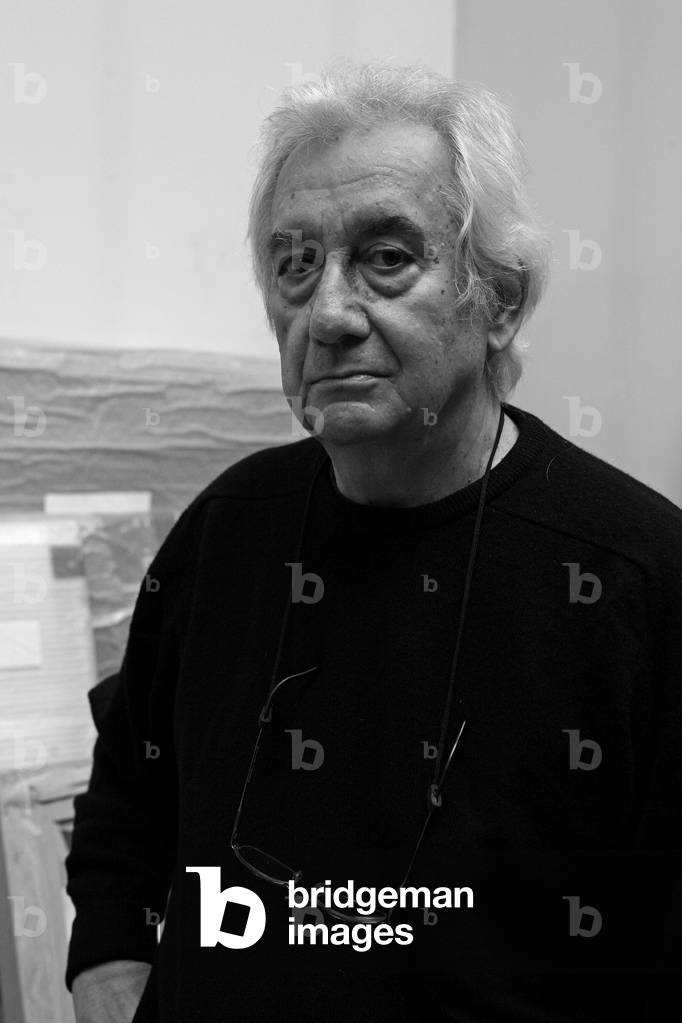
LUN4373416: Portrait of Herman Braun-Vega (Braun Vega), Peruvian painter, in his house in Arcueil in 2008. / Bridgeman Images

LUN4373437: Portrait of Emmanuelle Renard, French painter, in his studio in Paris in 2009. / Bridgeman Images

LUN4371612: Anne-Sophie Brabant (Anne Sophie), French filmmaker and actress, Jean Rustin, French painter. Jean Rustin's home in Paris on November 6, 2008. / Bridgeman Images

LUN4372256: Portrait of Jean-Olivier Hucleux (Jean Olivier), French painter and draftsman, in his house in Vaux sur Seine in 2008., Hucleux, Jean Olivier (1923-2012) / Bridgeman Images

LUN4372328: Portrait of Bernard Moninot, French artist, in front of a work by Alain Jacquet, in his studio at the Pre Saint Gervais in 2008., Jacquet, Alain (1939-2008) / Bridgeman Images

LUN4372385: Portrait of Jose Gamarra, Uruguayan painter, in his workshop in Arcueil in 2008. / Bridgeman Images
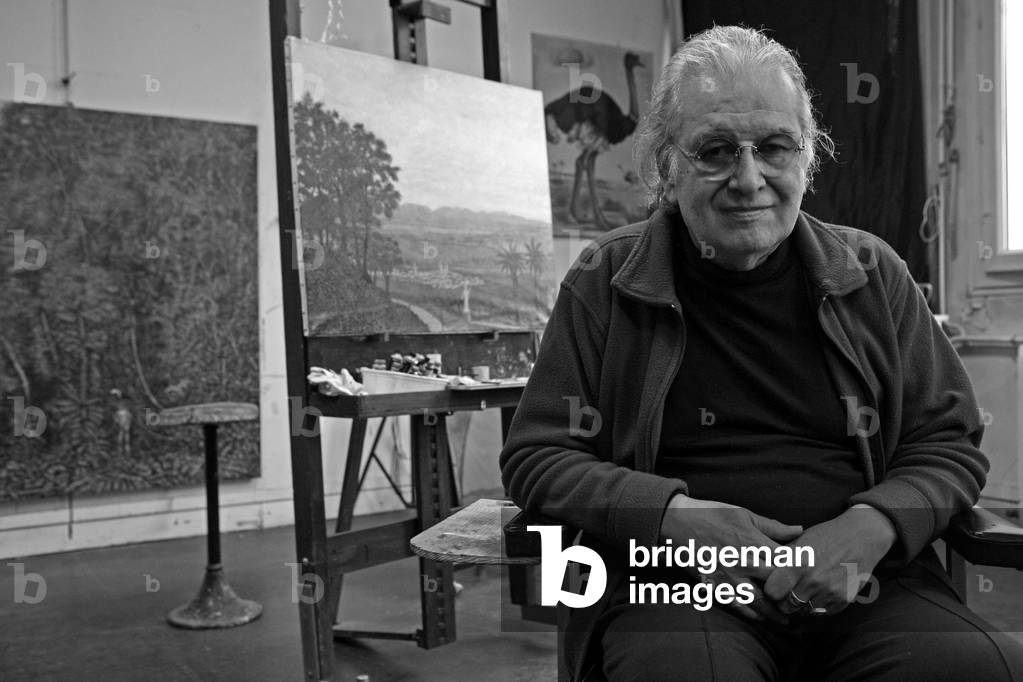
LUN4372406: Portrait of Jose Gamarra, Uruguayan painter, in his workshop in Arcueil in 2008. / Bridgeman Images
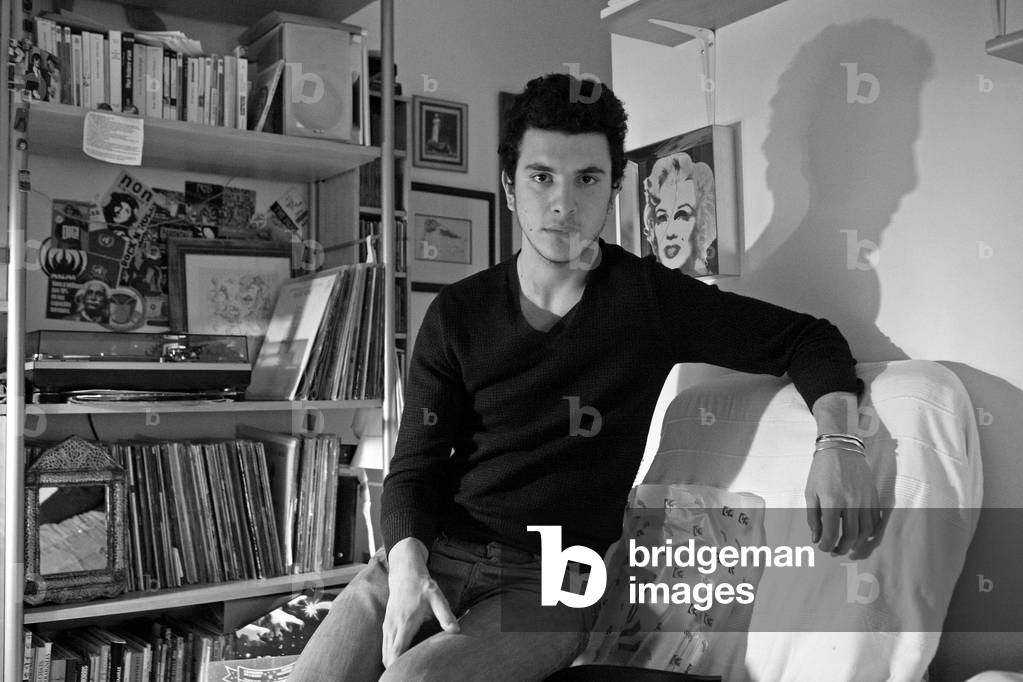
LUN4372436: Portrait of Boris Bergmann, French writer, in his Paris apartment in 2008. / Bridgeman Images

LUN4371711: Andre Morain, French photographer, and Carlos Cruz-Diez, Venezuelan artist. Opening of the exhibition My years 60-70. Galerie Denise Rene in Paris on November 13, 2008. / Bridgeman Images
