2491632 Search Results
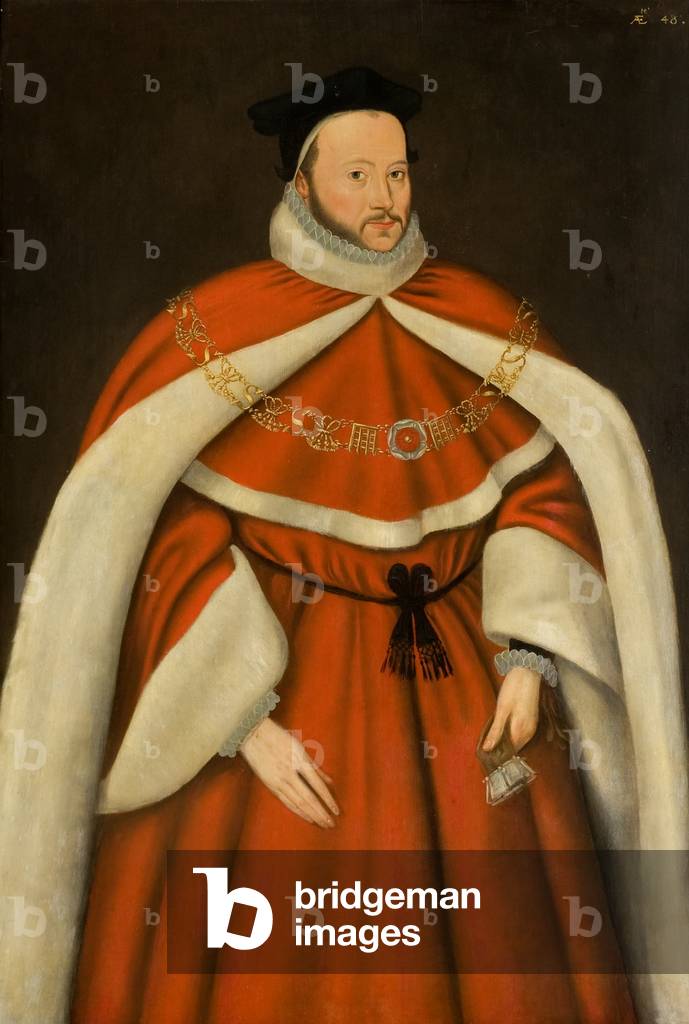
BLH7207468: Portrait of a Judge, probably Sir John Jeffrey (oil on panel), English School, (16th century) / Bridgeman Images

BLH7207498: Portrait of Don Diego de Guzman, Marqués de Leganès (d.1655), 17th Century (oil on panel), Dyck, Anthony van (1599-1641) / Bridgeman Images

BLH7207510: A grey stallion held by a groom in royal livery (oil on canvas), Sartorius, Francis (1734-1804) / Bridgeman Images

BLH7207710: A street scene in Cologne(?) (oil on panel), Heyden, Jan van der (1637-1712) / Bridgeman Images
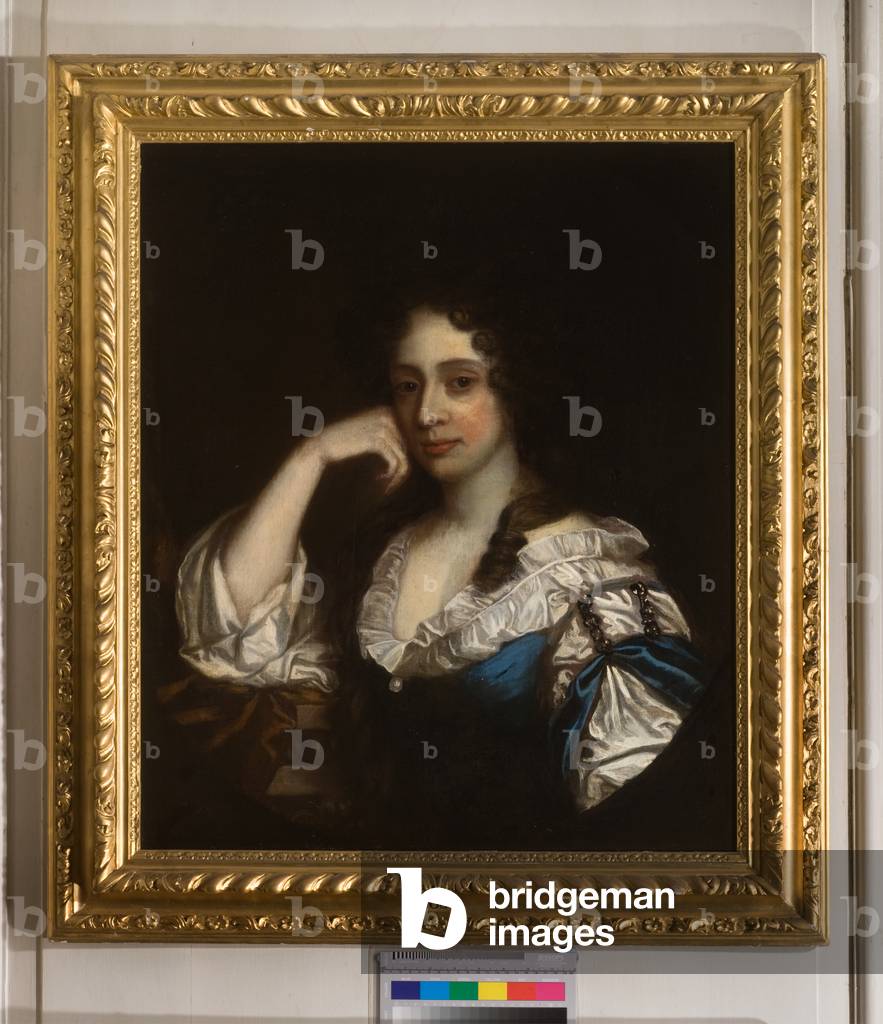
BLH7207758: Portrait of Elizabeth Pelham, Mrs. Montagu, c.1680 (oil on canvas), English School, (16th century) / Bridgeman Images
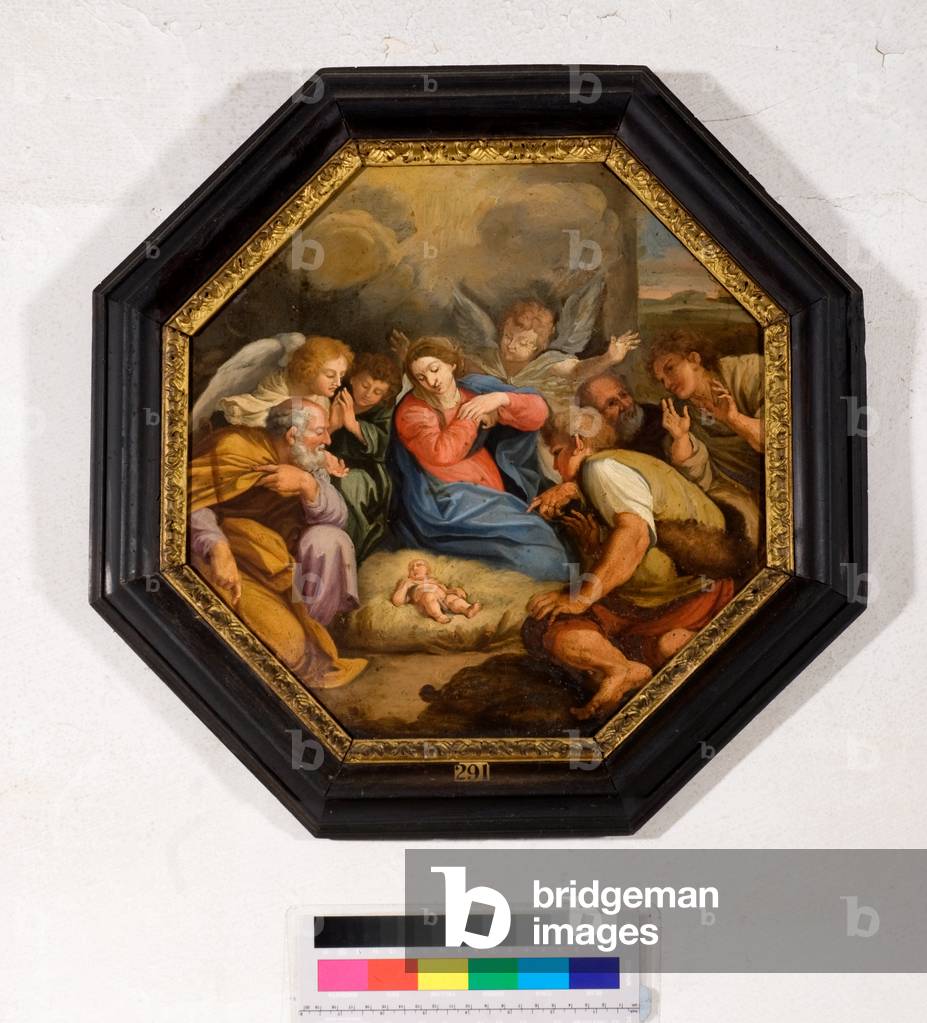
BLH7207857: The Nativity (oil on copper, octagonal), Flemish School, (17th century) / Bridgeman Images

BSP7207887: A nightshift Coalite worker inspecting an air sealed ovens called 'batteries'. Grimethorpe Coalite plant. Soth Yorkshire, UK. 1984 (photo), Stephenson, Bill (b.1955) / Bridgeman Images
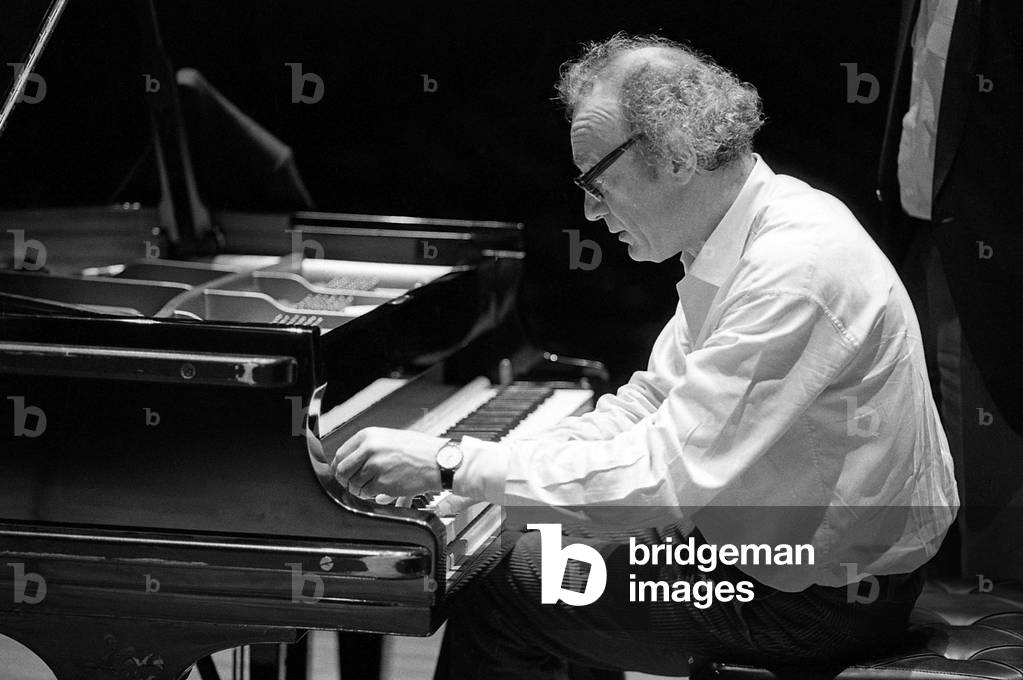
MTT7207994: Alfred Brendel, 1986 (b/w photo), Martinot, Thierry / Bridgeman Images
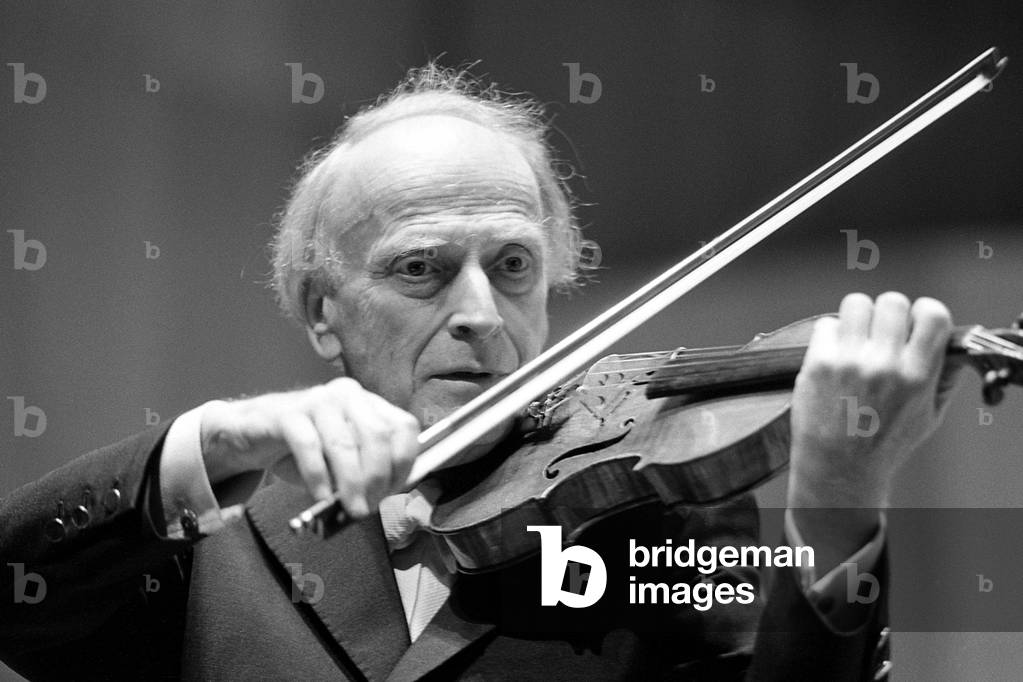
MTT7208015: Yehudi Menuhin, 1986 (b/w photo), Martinot, Thierry / Bridgeman Images

ATQ7142931: Red roofs, 2020, (digital), Kiuchi, Tatsuro / Bridgeman Images

ATQ7142950: A man holding a camera, 2020, (digital), Kiuchi, Tatsuro / Bridgeman Images

DBW7205965: The white rabbit, 2017 (acrylic and piglent on canvas), Baldwin, Dan (b.1972) / Bridgeman Images

DBW7205968: Abundance II, 2018 (acrylic and pigment on canvas), Baldwin, Dan (b.1972) / Bridgeman Images

ATB7064495: Prince Philip, Duke of Edinburgh, 2021 (w/c & digital), Kulukundis, Marianna / Bridgeman Images

SBA7071402: Pincio terrace, Piazza del Popolo, Rome, Italy (photo), Valadier, Giuseppe (1762-1839) / Bridgeman Images
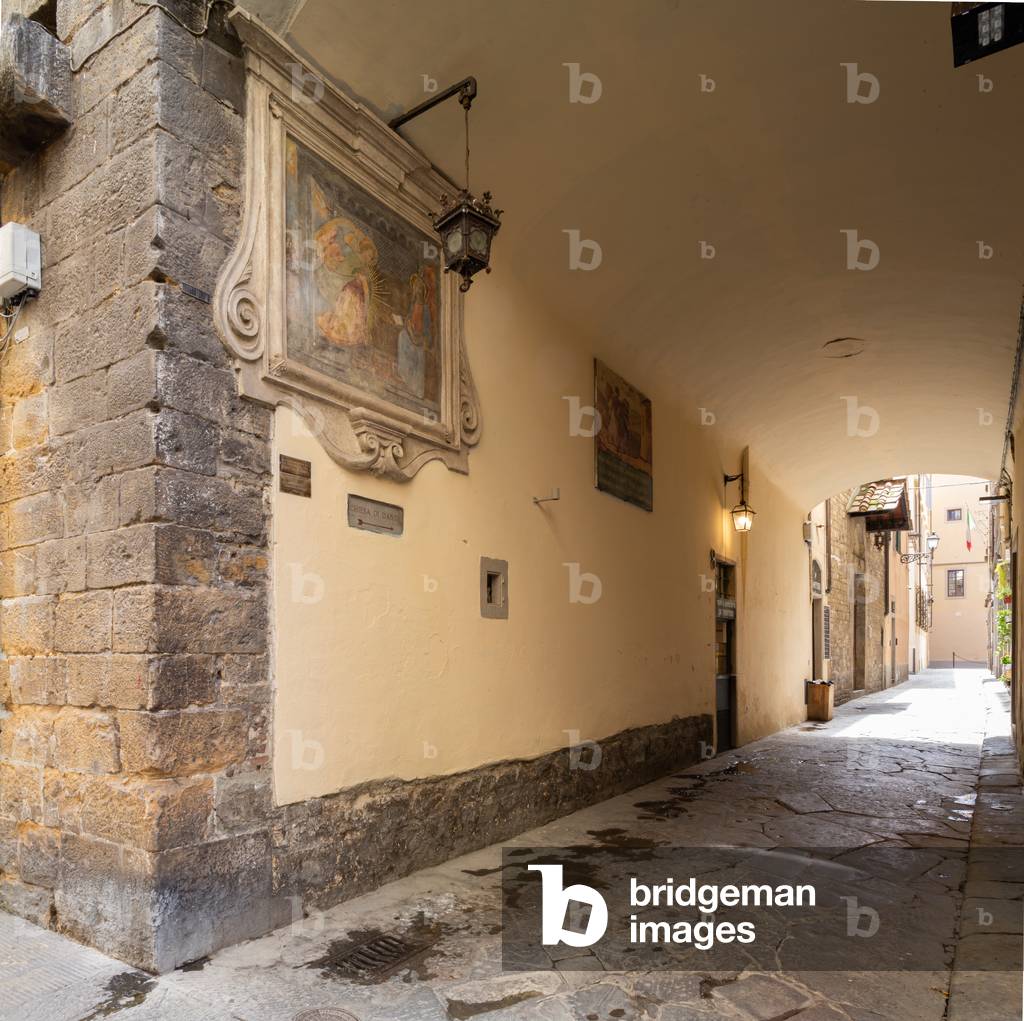
MEP7081441: Church of Santa Margherita dei Cerchi, Florence, Italy (photo), Carenzi, Marta / Bridgeman Images
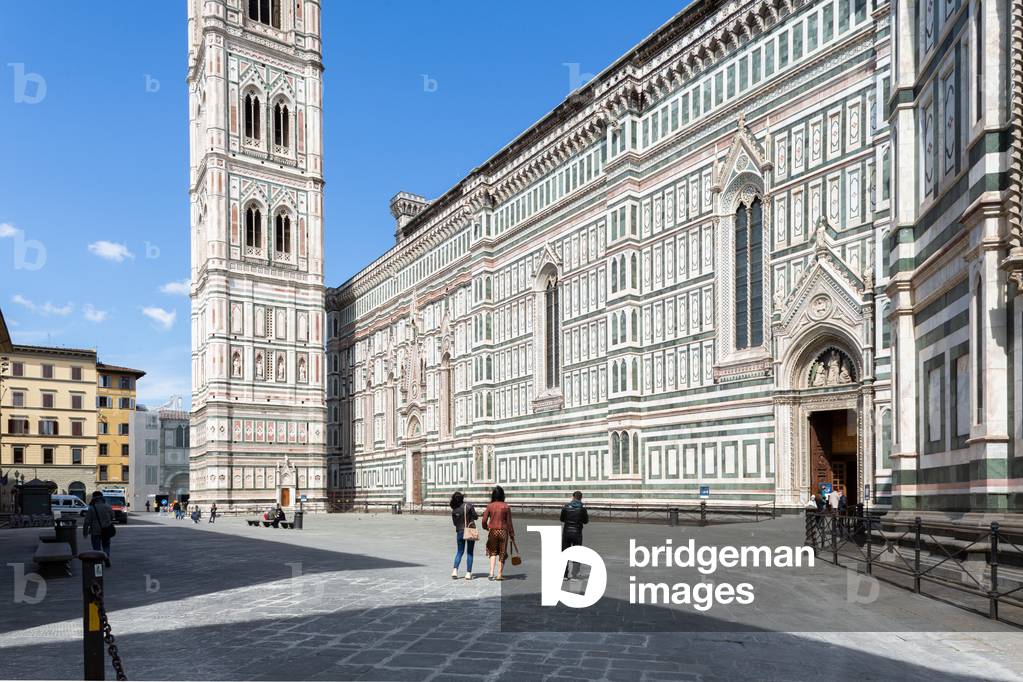
MEP7081456: Piazza del Duomo, Florence, Italy (photo), Carenzi, Marta / Bridgeman Images
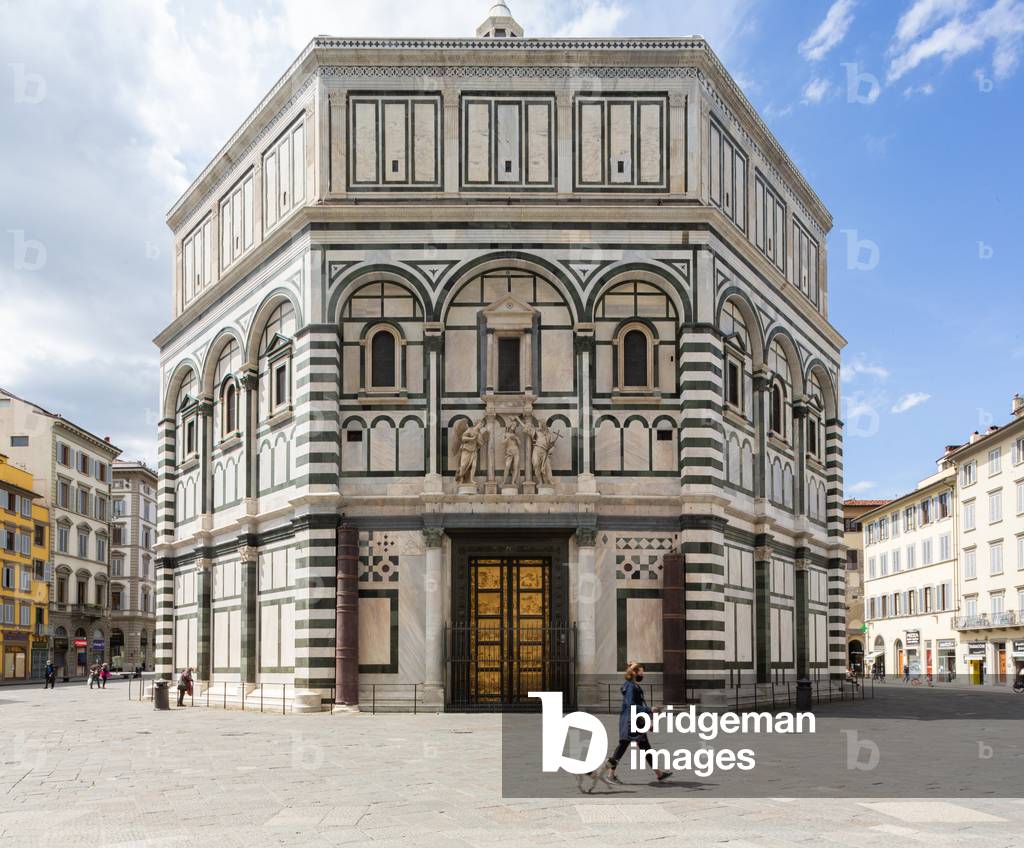
MEP7081465: Florence Baptistery, Carenzi, Marta / Bridgeman Images

MEP7081498: Piazza Santo Spirito, Florence, Italy (photo), Carenzi, Marta / Bridgeman Images

MEP7081501: Piazza Santo Spirito, Florence, Italy (photo), Carenzi, Marta / Bridgeman Images

MEP7081525: Church of Orsanmichele, Florence, Italy (photo), Carenzi, Marta / Bridgeman Images

MEP7081540: Church of Santi Apostoli, Florence, Italy (photo), Carenzi, Marta / Bridgeman Images

MEP7081583: Piazza della Signoria, Florence, Italy (photo), Carenzi, Marta / Bridgeman Images

MEP7081592: Piazza della Signoria, Florence, Italy (photo), Carenzi, Marta / Bridgeman Images

MEP7081595: Piazza della Signoria, Florence, Italy (photo), Carenzi, Marta / Bridgeman Images

MEP7081601: Piazza San Firenze, Florence, Italy (photo), Carenzi, Marta / Bridgeman Images

MEP7081616: Florence, Italy (photo), Carenzi, Marta / Bridgeman Images

AMX7073047: Graphic Hydrangea (Purple), 2019 (acrylic and pen on paper), IW, Lulu / Bridgeman Images

JAB7073050: Fruit market in Zanzibar, 1885 (engraving), Riou, Edouard (1833-1900) / Bridgeman Images

JAB7073056: De Mallepaye et de Baillevant, under the french king LouisXI, 1872 (engraving), Allouard, Henri (1844-1929) / Bridgeman Images

JAB7073065: Jerusalem in 1880 (engraving), Benett, Leon (1839-1917) / Bridgeman Images

JAB7073071: New Zealand natives, 1880 (engraving) / Bridgeman Images

JAB7073074: Warrior from Java, 1880 (engraving) / Bridgeman Images

JAB7073083: Academy of fine arts session in Paris, concerning the phonograph, 1891 (engraving) / Bridgeman Images

JAB7073092: Belloc probe. Buffering of the nasal cavity, 1887 (engraving) / Bridgeman Images

MEP7081694: Torre della Castagna, Florence, Italy (photo), Carenzi, Marta / Bridgeman Images
