2490020 Search Results

MME4706175: French pianist of Bulgarian origin Alexis Weissenberg in concert., Mencarini, Marcello / Bridgeman Images

FLO4706378: Portuguese man and woman, 1660. Handcolored copperplate engraving from Robert von Spalart's “” Historical Picture of the Costumes of the Peoples of Antiquity, the Middle Ages and the New Era,”” written by Leopold Ziegelhauser, Vienna, 1837 / Bridgeman Images

MME4703391: Italian comedians Giulietta Masina and Marcello Mastroianni at a press conference for Federico Fellini's film “Ginger and Fred”, Rome, March 1985, Mencarini, Marcello / Bridgeman Images

MME4703400: Italian comedians Giulietta Masina and Marcello Mastroianni at a press conference for Federico Fellini's film “Ginger and Fred”, Rome, March 1985, Mencarini, Marcello / Bridgeman Images

MME4703784: American tennis player John McEnroe in the 1980s., Mencarini, Marcello / Bridgeman Images

MEP4703830: Pair of snake-shaped bracelets, 2nd-1st century BC / Bridgeman Images

MME4703983: Singer and actress Liza Minnelli on stage in 1990, Mencarini, Marcello / Bridgeman Images

FLO4704055: Ceremony at a German tribal meeting. Men wearing wreaths, animal skins and antlers. Handcolored copperplate engraving from Robert von Spalart's “” Historical Picture of the Costumes of the Principal People of Antiquity and of the Middle Ages”” (1797). / Bridgeman Images

FLO4704326: Jewish high priest and kneeling Jewish woman with veil. Handcolored copperplate engraving from Robert von Spalart's “” Historical Picture of the Costumes of the Principal People of Antiquity and of the Middle Ages”” (1797). / Bridgeman Images

MME4704181: Portrait of German opera singer and conductor Peter Schreier in 1999., Mencarini, Marcello / Bridgeman Images

MME4704092: French singer Gilbert Montagne at the Sanremo Festival in 1990, Mencarini, Marcello / Bridgeman Images

FLO4704211: Median king and Persian king seated on a throne and holding a sceptre. Handcolored copperplate engraving from Robert von Spalart's “” Historical Picture of the Costumes of the Principal People of Antiquity and of the Middle Ages”” (1797). / Bridgeman Images

MME4704292: Portrait of mathematician Pierre Soury in 1980., Mencarini, Marcello / Bridgeman Images

FLO4704338: The shrouded body of Jesus Christ being carried into the tomb. Handcolored copperplate engraving from Robert von Spalart's “” Historical Picture of the Costumes of the Principal People of Antiquity and of the Middle Ages”” (1797). / Bridgeman Images

MEP4704364: Dioscuride di Samo, Coat of arms/crest/emblem with itinerant musicians, Italy, Campania 2nd Century, mosaic floor (mosaic) / Bridgeman Images

MME4704427: Violinist Isaac Stern in 1995., Mencarini, Marcello / Bridgeman Images

MME4704482: Violinist Isaac Stern in 1995., Mencarini, Marcello / Bridgeman Images
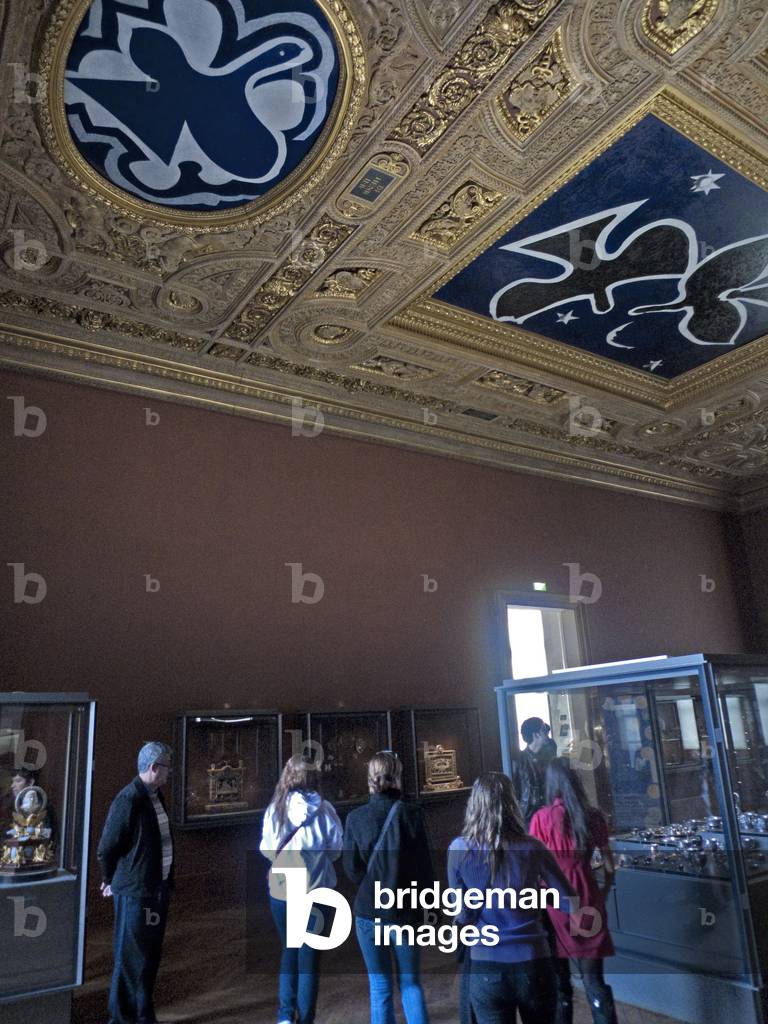
TEC4704719: Louvre: ceiling by Georges Braque (1882-1963) decorates blue birds (1951) (photo), Braque, Georges (1882-1963) / Bridgeman Images

FLO4704588: Roman man wearing the paenula, and a seated Roman senator. Handcolored copperplate engraving from Robert von Spalart's “” Historical Picture of the Costumes of the Principal People of Antiquity and of the Middle Ages”” (1798). / Bridgeman Images

FLO4704404: Indian man and woman from a monument. Handcolored copperplate engraving from Robert von Spalart's “” Historical Picture of the Costumes of the Principal People of Antiquity and of the Middle Ages”” (1797). / Bridgeman Images

FLO4708503: Knight of the Order of Aviz, in ceremonial dress. A Portuguese military religious order, after the conquest of Aviz (Portugal), a military fortress was built and became the mother house of the order, who first called themselves the Knights of St. Benedict d'Aviz until they adopted the Benedictine rule in 1162. They were subject to the rules and the Cistercian costume, wearing a white coat and a green lysee flower cross, although this illustration clearly shows a red Cistercian cross on the chest of his coat. Hand-coloured copper engraving, in “Images historiques des costumes des principaux peuples de l'Antiquite et du Middle Ages” by Robert Von Spalart, published in 1796. / Bridgeman Images

FLO4708528: Knight of the Order of St. Catherine and Knight of the Order of the Sword. The Order of St. Catherine was founded by the Christian princes to protect the pelerins of Mount Sinai, who came to venerate the relics of St. Catherine, but also to protect them from desecration from the 11th to the 15th centuries. However, according to the Catholic encyclopedia, the knights of St. Catherine were not an order, nor secular, nor regal. The order of the Sword, or the sword-bearers, was a military order in order to prepare the crusade against the Prussian peers in the 13th century (uncarried out crusade). / Bridgeman Images

MME4708564: Portrait of American comedian and director John Cassavetes in 1984., Mencarini, Marcello / Bridgeman Images

MME4708591: Portrait of the writer Carlo Cassola in 1979., Mencarini, Marcello / Bridgeman Images

MME4708744: Panoramic view of the archeological site of Ostia antica (Ostia), ancient port of ancient Rome. Italy, Mencarini, Marcello / Bridgeman Images

MME4708899: Panoramic view of the forum of Trajan (foro traiano), Rome Italy, Mencarini, Marcello / Bridgeman Images

MME4708509: Cannes Film Festival, panoramic view of the Carlton Hotel. 1991, Mencarini, Marcello / Bridgeman Images

MME4708656: Portrait of the French realizer Claude Chabrol in 1988., Mencarini, Marcello / Bridgeman Images
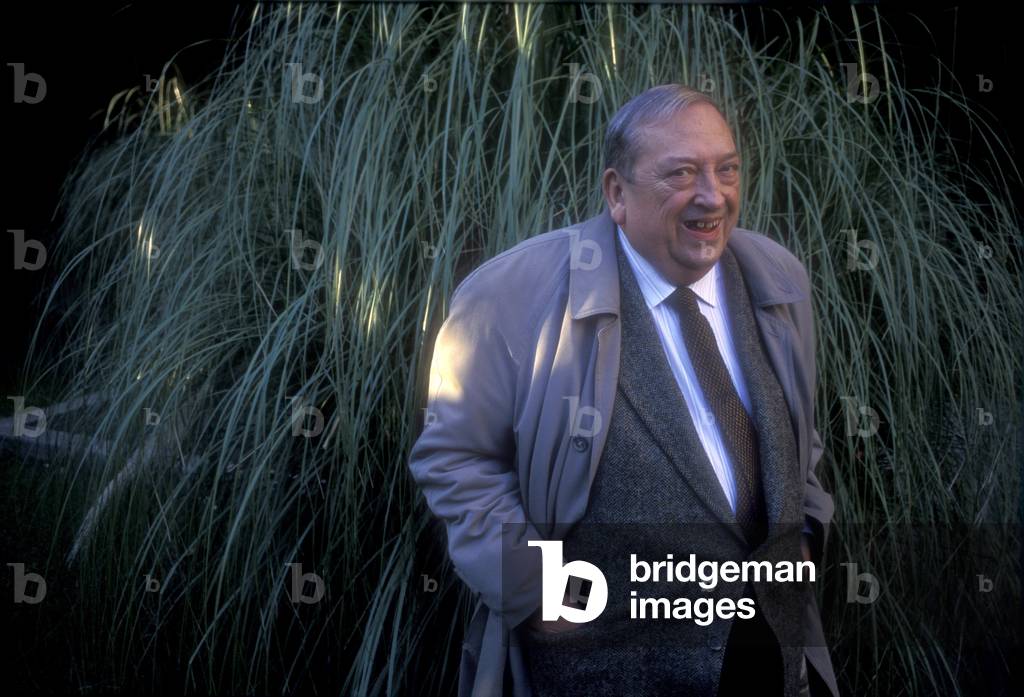
MME4710287: Portrait of the French historian Jacques Le Goff in 1995., Mencarini, Marcello / Bridgeman Images

FLO4710178: Carolina springbeauty or spatula-leaved claytonia, Claytonia caroliniana. Handcoloured copperplate engraving by Weddell after a botanical illustration by Edward Dalton Smith from Robert Sweet's The British Flower Garden, Ridgeway, London, 1827. / Bridgeman Images

FLO4703552: Woman loading wheat, melons and vegetables onto a Roman two-wheeled farm cart Plaustrum drawn by oxen. Handcolored copperplate engraving from Robert von Spalart's “” Historical Picture of the Costumes of the Principal People of Antiquity and of the Middle Ages”” (1798). / Bridgeman Images

MME4703614: Blues musician John Mayall on stage in 1988., Mencarini, Marcello / Bridgeman Images

MME4703702: Portrait of blues musician John Mayall in 1988., Mencarini, Marcello / Bridgeman Images

FLO4703738: Juno, Roman goddess of marriage, with bride, groom and mother of the bride. Handcolored copperplate engraving from Robert von Spalart's “” Historical Picture of the Costumes of the Principal People of Antiquity and of the Middle Ages”” (1796). / Bridgeman Images

FLO4703835: Sacred bull ready for sacrifice. Handcolored copperplate engraving from Robert von Spalart's “” Historical Picture of the Costumes of the Principal People of Antiquity and of the Middle Ages”” (1796). / Bridgeman Images

MME4703433: Italian director Federico Fellini at the award of the Golden Lion to Marcello Mastroianni at the 1990 Venice Festival., Mencarini, Marcello / Bridgeman Images
