2491100 Search Results
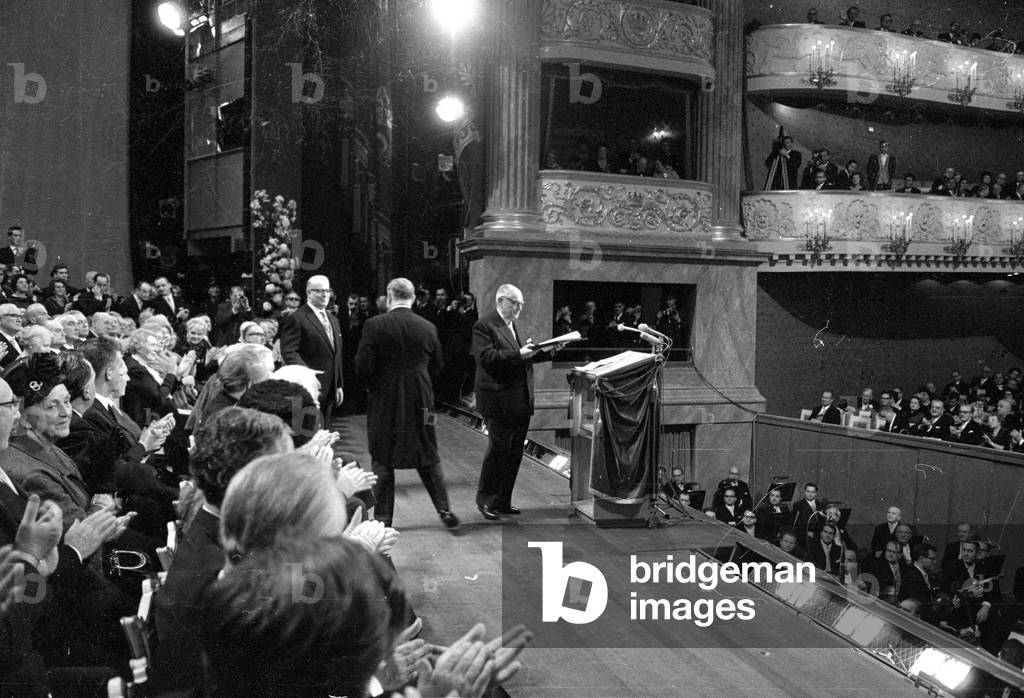
SZT3518157: Reopening of the Munich National Theatre, 1963 (b/w photo) / Bridgeman Images
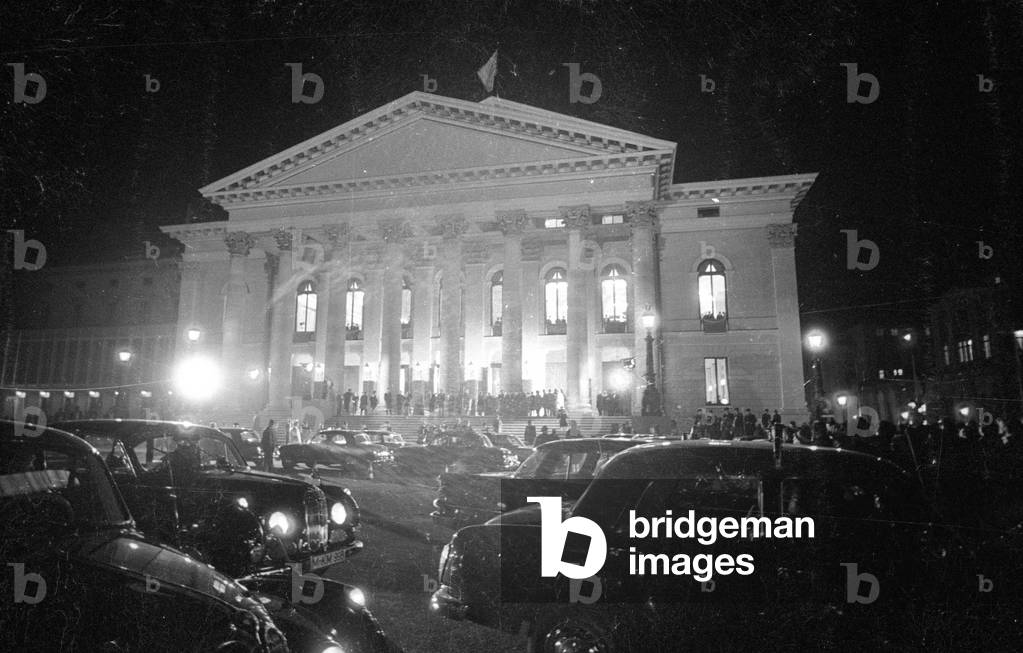
SZT3518169: Reopening of the Munich National Theatre, 1963 (b/w photo) / Bridgeman Images
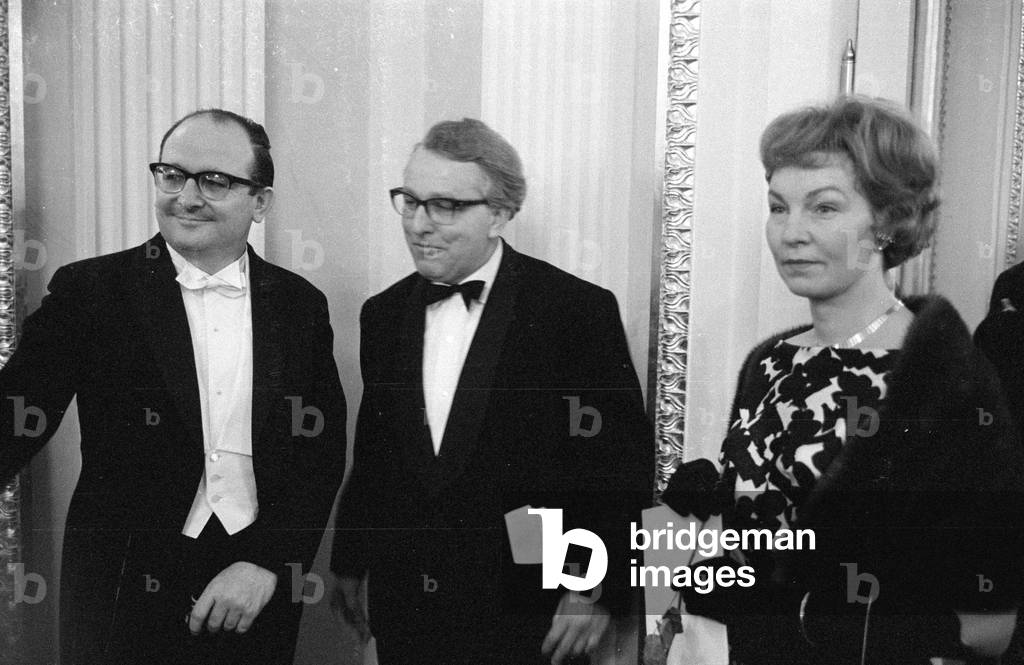
SZT3518187: Reopening of the Munich National Theatre, 1963 (b/w photo) / Bridgeman Images
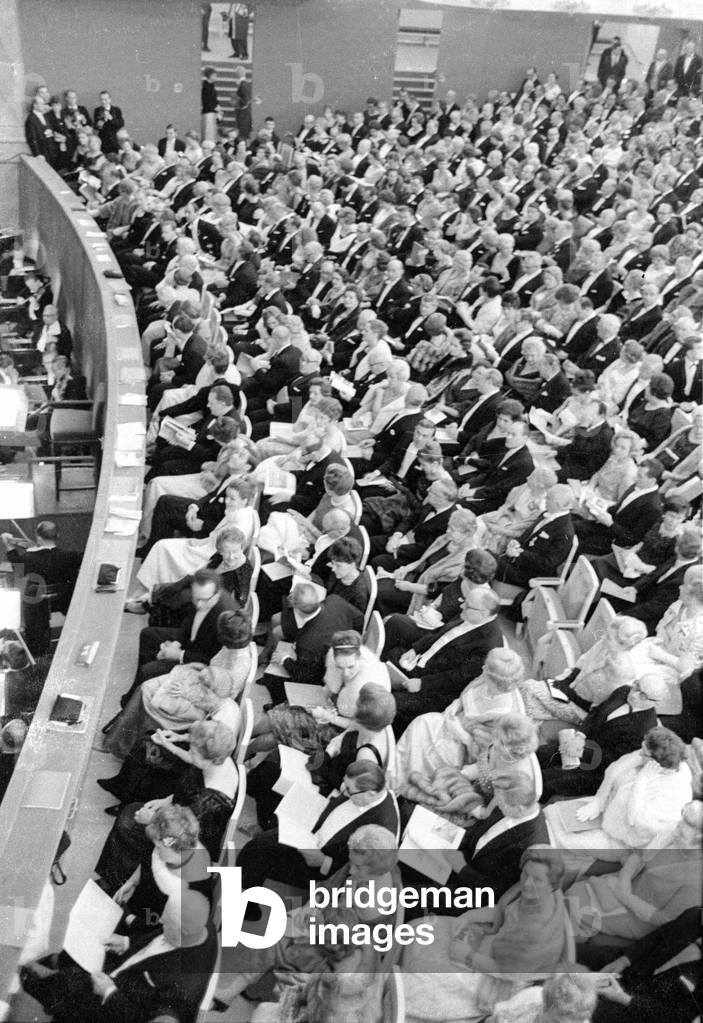
SZT3518229: Reopening of the Munich National Theatre, 1963 (b/w photo) / Bridgeman Images
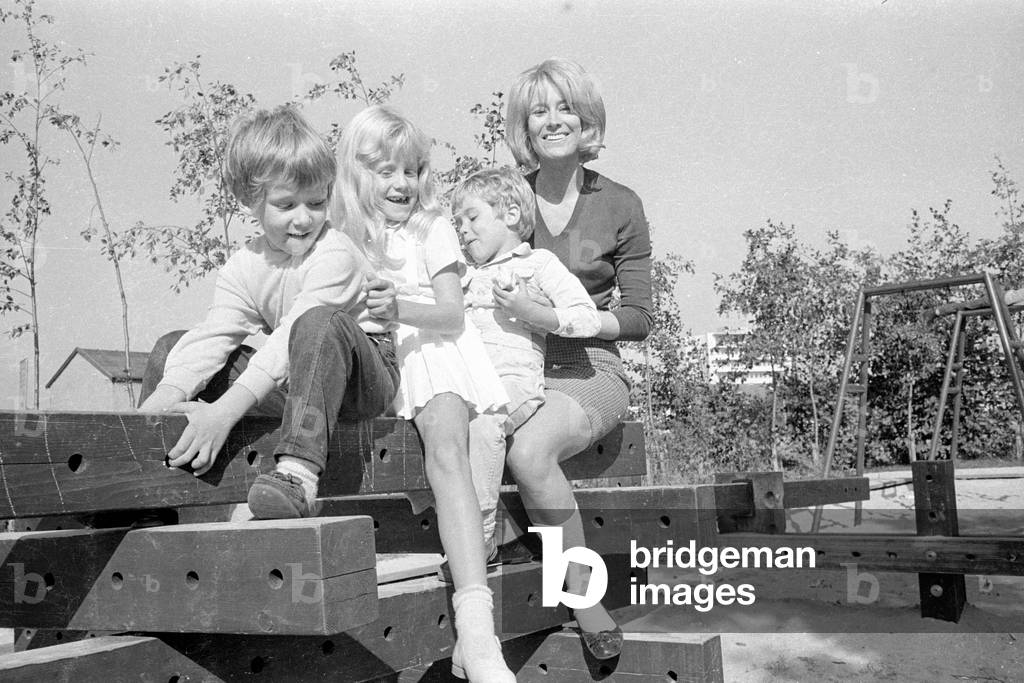
SZT3518259: Tommi Ohrner with his siblings and his mother, 1969 (b/w photo) / Bridgeman Images
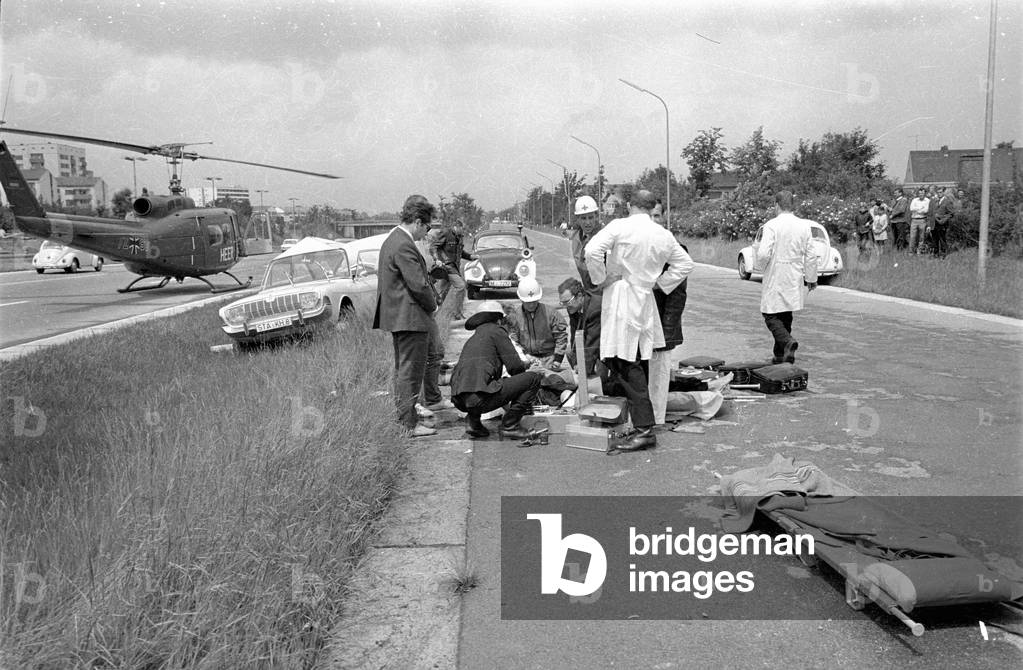
SZT3518268: Rescue mission by helicopter near Munich, 1970 (b/w photo) / Bridgeman Images
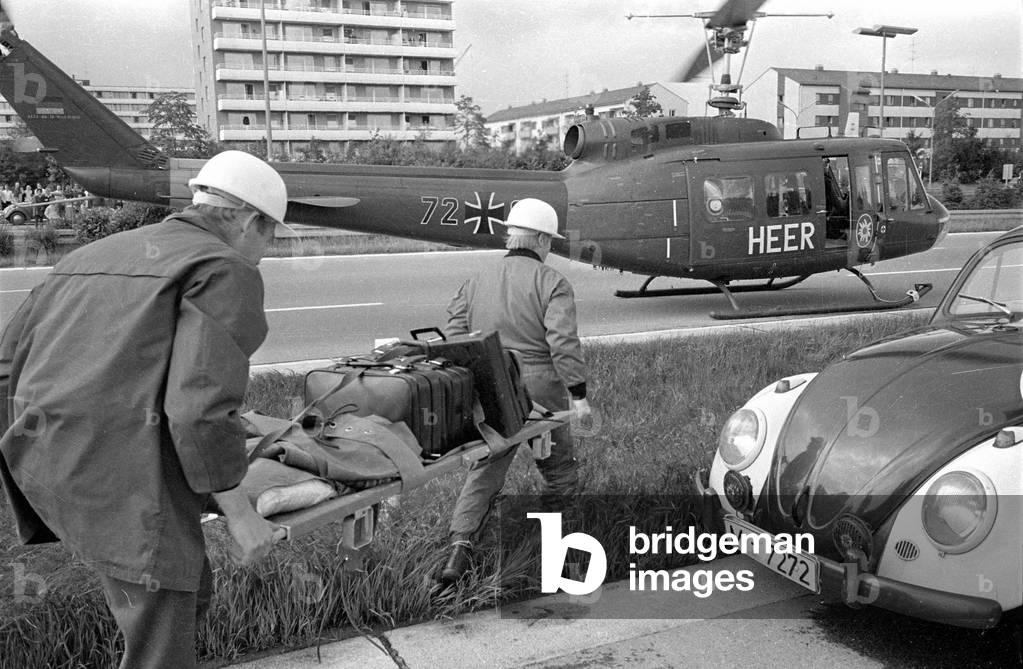
SZT3518271: Rescue mission by helicopter near Munich, 1973 (b/w photo) / Bridgeman Images
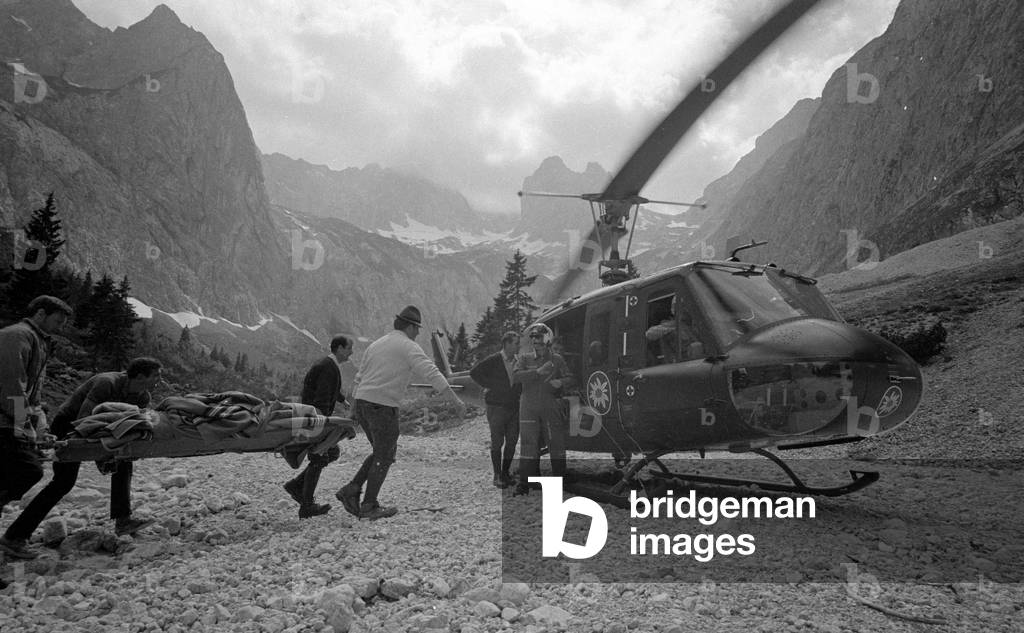
SZT3518295: Rescue helicopter during a mission in the mountains, 1970 (b/w photo) / Bridgeman Images
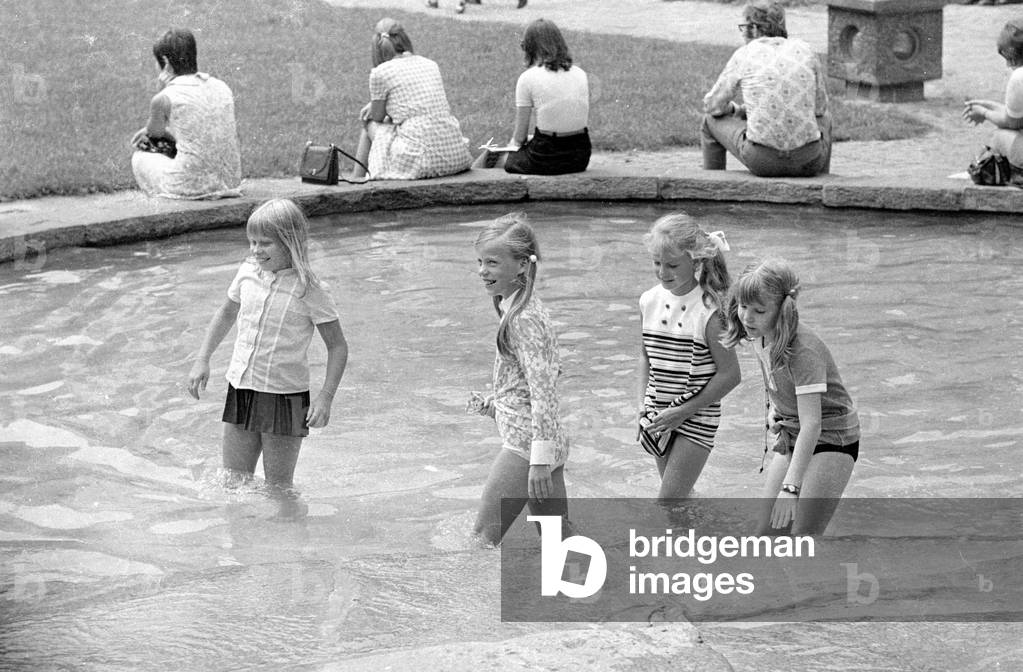
SZT3518334: Participants of the "Pippi Longstocking" competition on a tour of Munich, 1970 (b/w photo) / Bridgeman Images
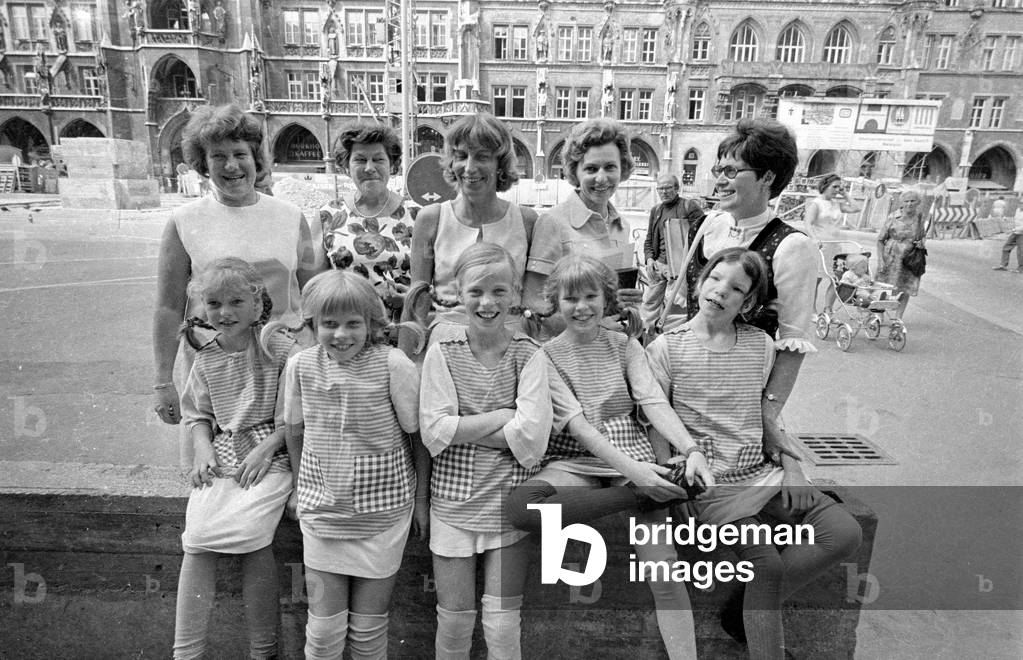
SZT3518343: Participants of the "Pippi Longstocking" competition on a tour of Munich, 1970 (b/w photo) / Bridgeman Images
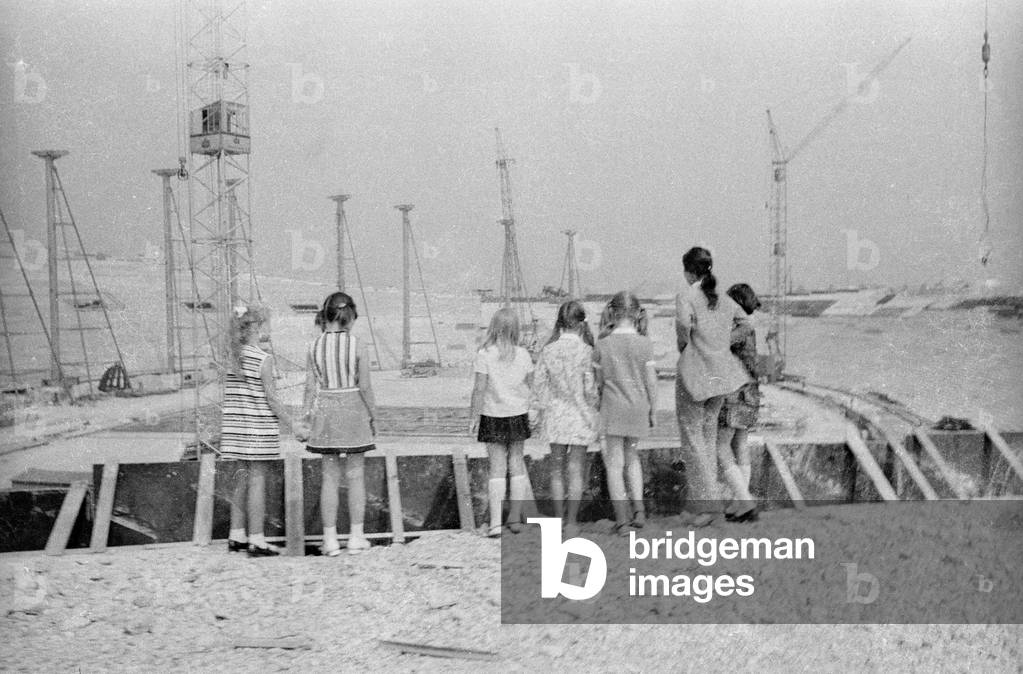
SZT3518349: Participants of the "Pippi Longstocking" competition on a tour of Munich, 1970 (b/w photo) / Bridgeman Images
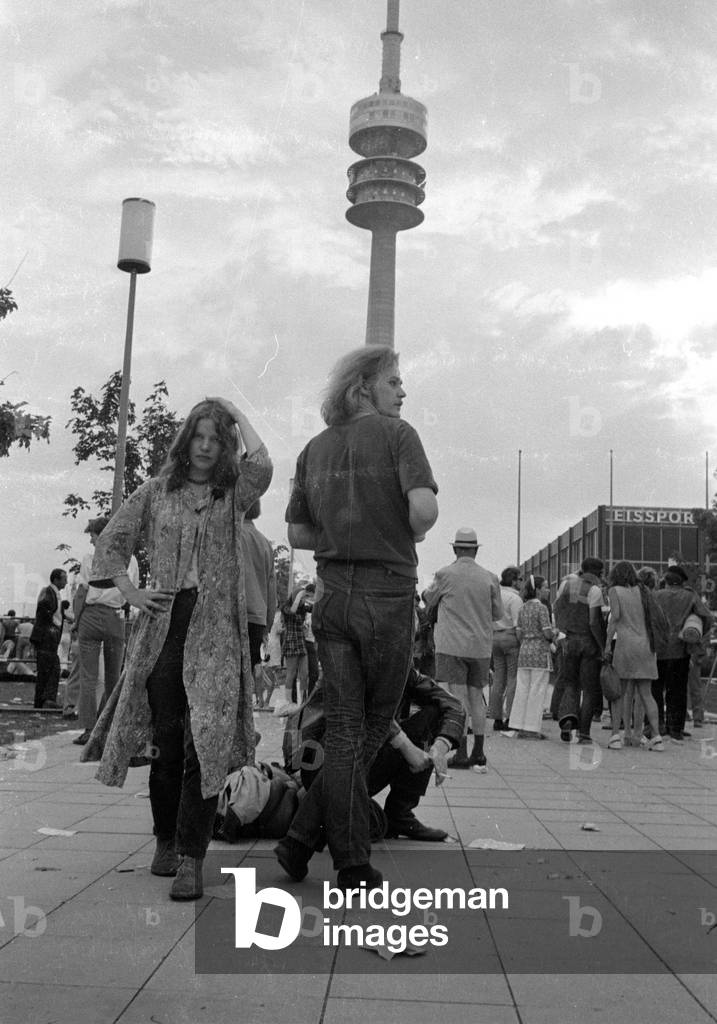
SZT3518379: Festival visitors in the Olympic Park in Munich, 1970 (b/w photo) / Bridgeman Images
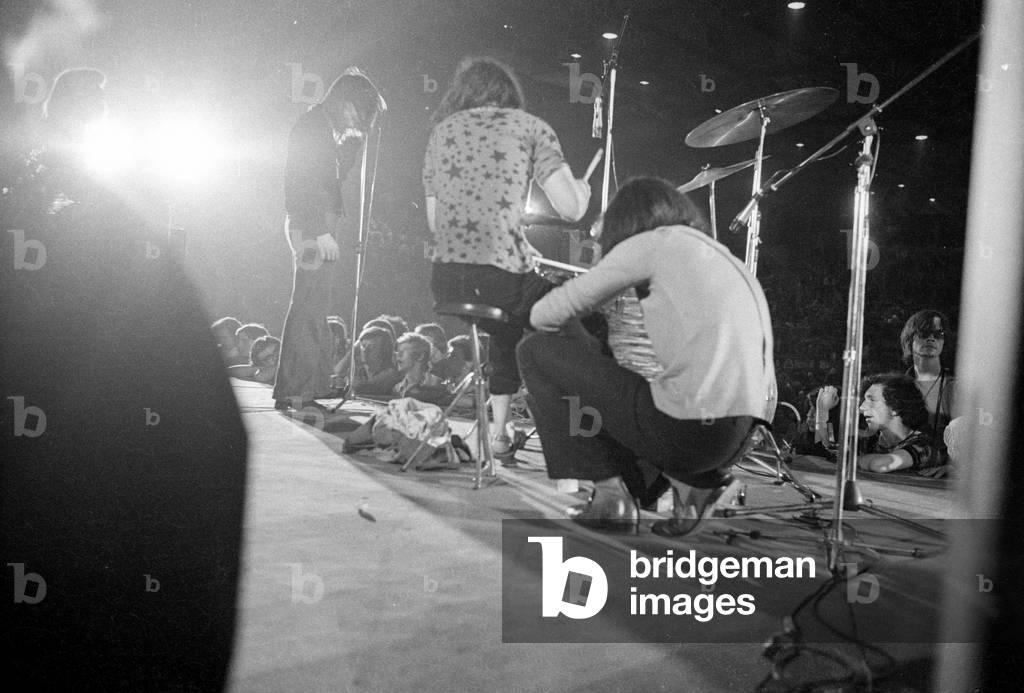
SZT3518388: Appearance of Black Sabbath at a rock festival in Munich, 1970 (b/w photo) / Bridgeman Images
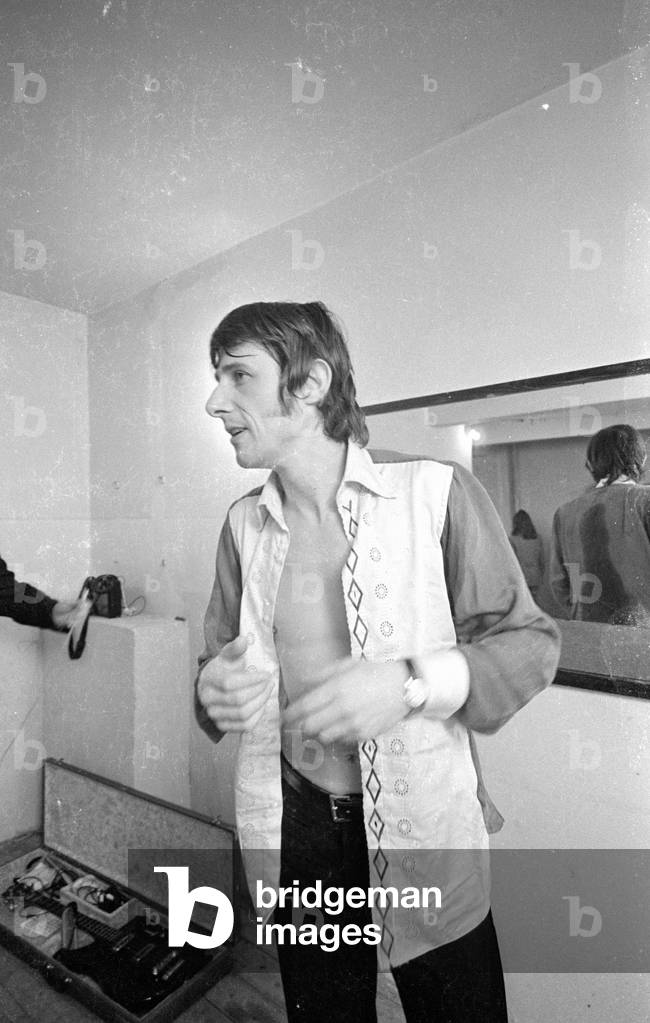
SZT3518101: Udo Juergens in the dressing room, 1969 (b/w photo) / Bridgeman Images
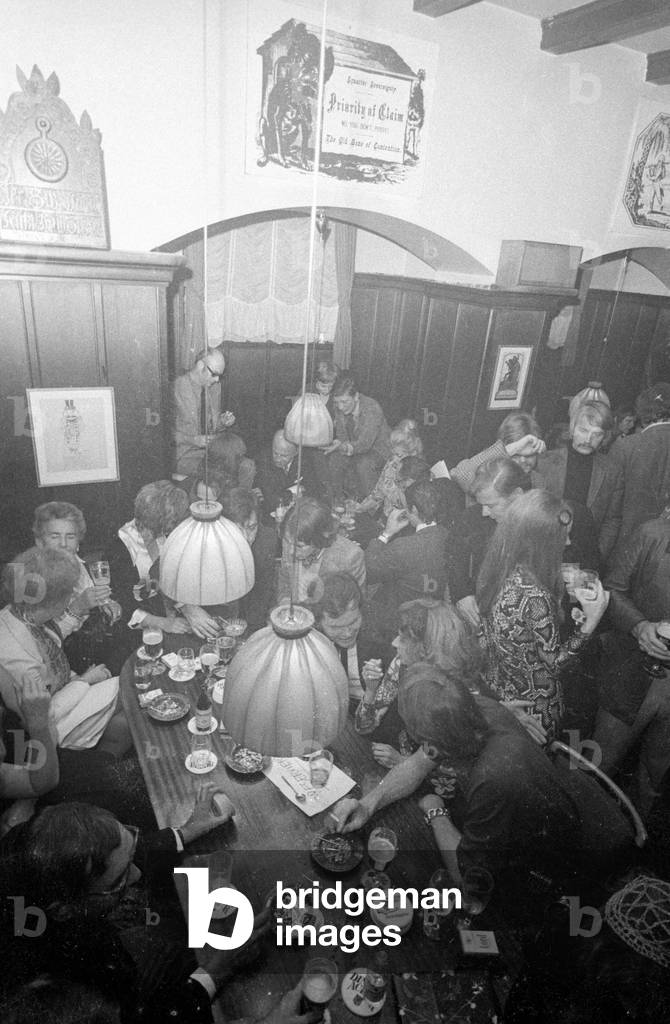
SZT3518113: The 10th anniversary of the Alter Simpl, Munich 1970 (b/w photo) / Bridgeman Images
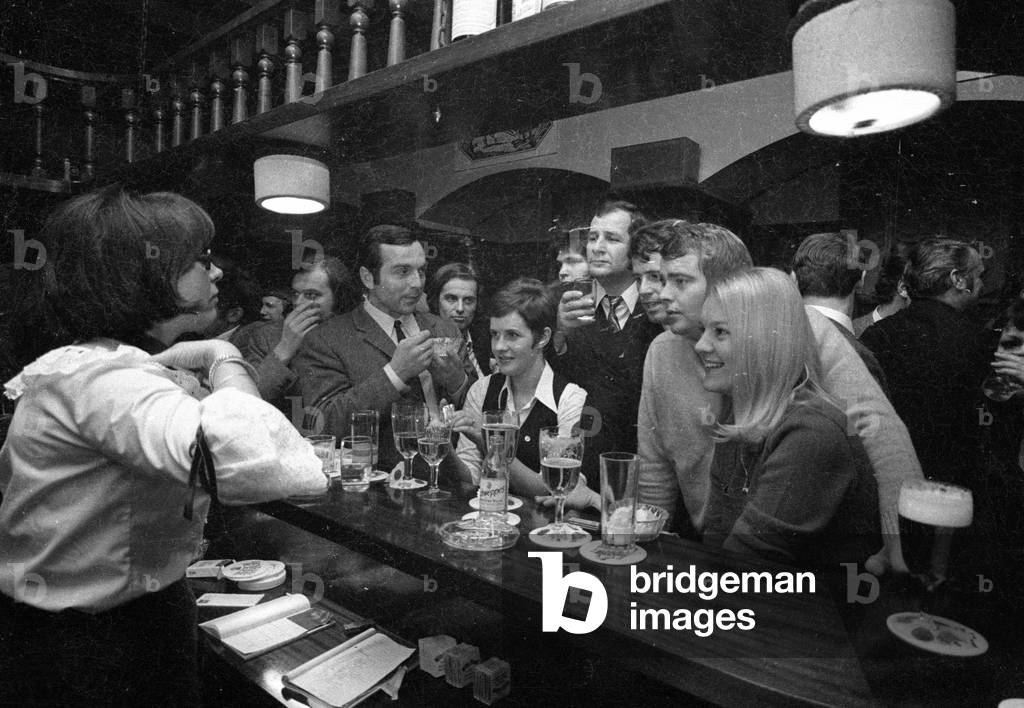
SZT3518116: Toni Netzle at the 10th anniversary of the Alter Simpl, Munich 1970 (b/w photo) / Bridgeman Images
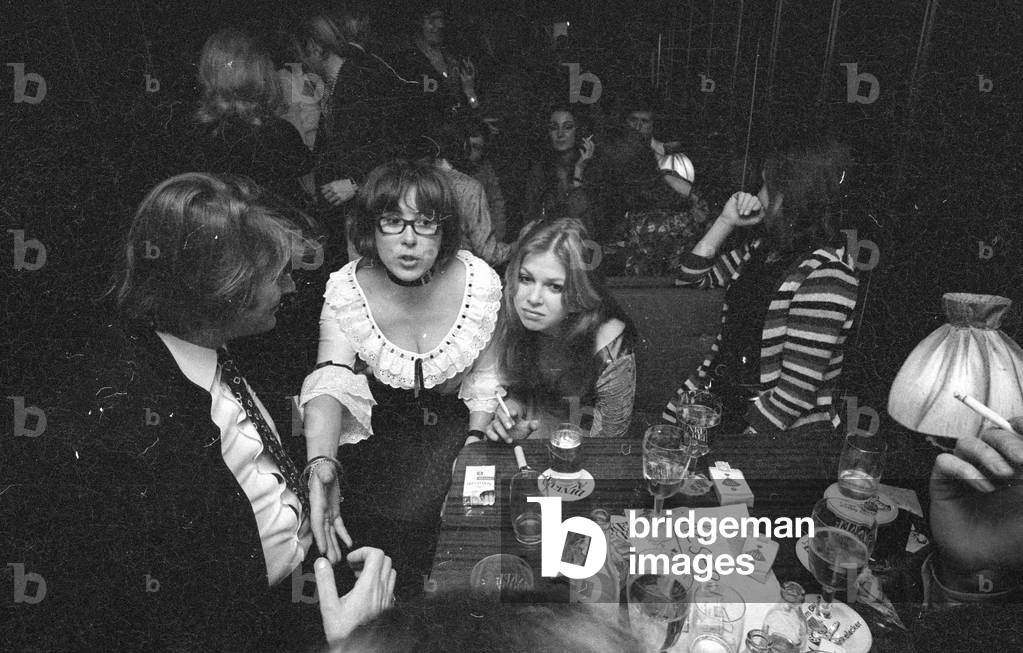
SZT3518134: Toni Netzle at the 10th anniversary of the Alter Simpl, Munich 1970 (b/w photo) / Bridgeman Images
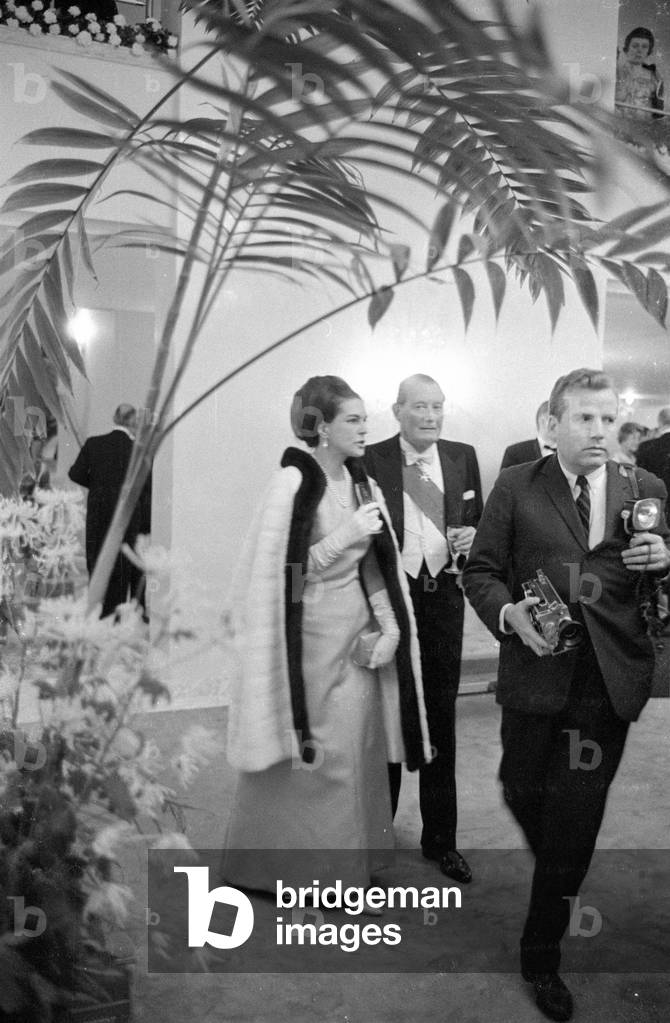
SZT3518185: Reopening of the Munich National Theatre, 1963 (b/w photo) / Bridgeman Images
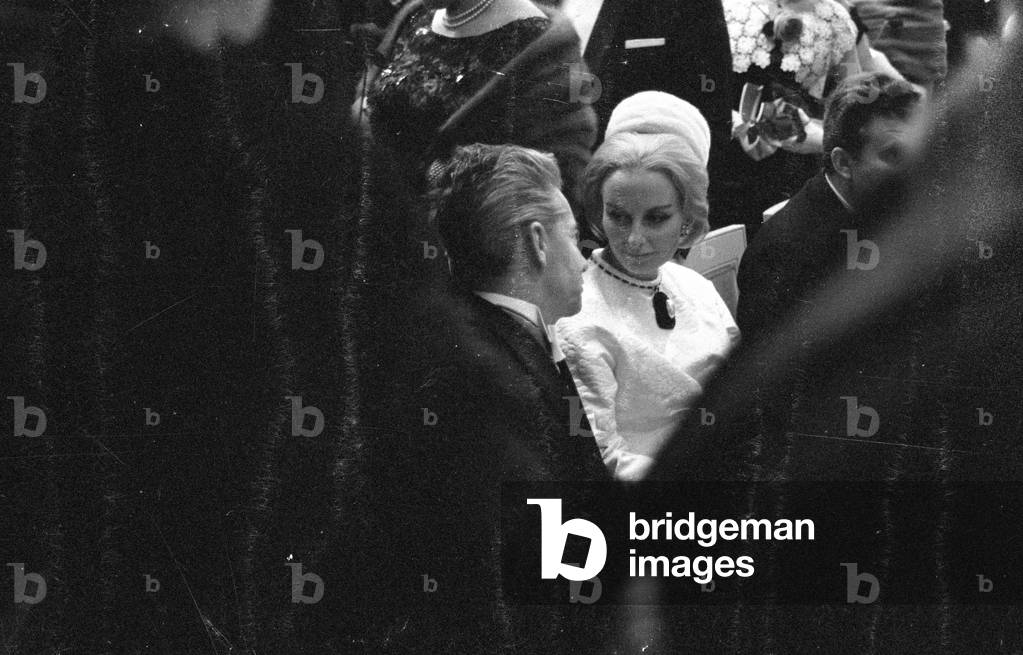
SZT3518188: Herbert von Karajan and Eliette Mouret at the reopening of the Munich National Theatre, 1963 (b/w photo) / Bridgeman Images
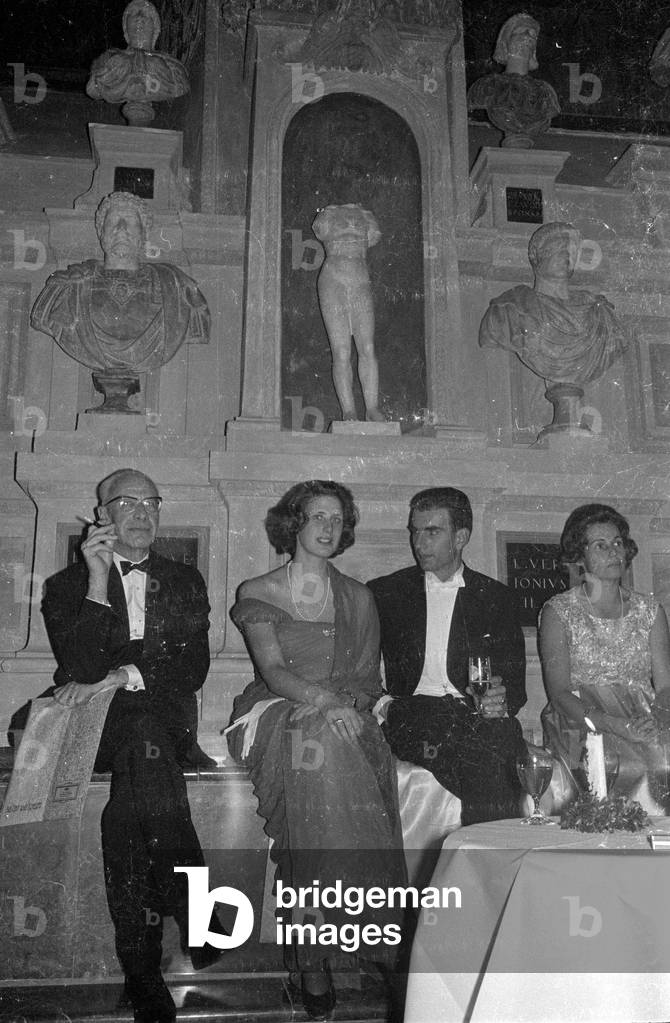
SZT3518215: Reopening of the Munich National Theatre, 1963 (b/w photo) / Bridgeman Images

SZT3518236: Udo Juergens in Budapest, 1969 (b/w photo) / Bridgeman Images
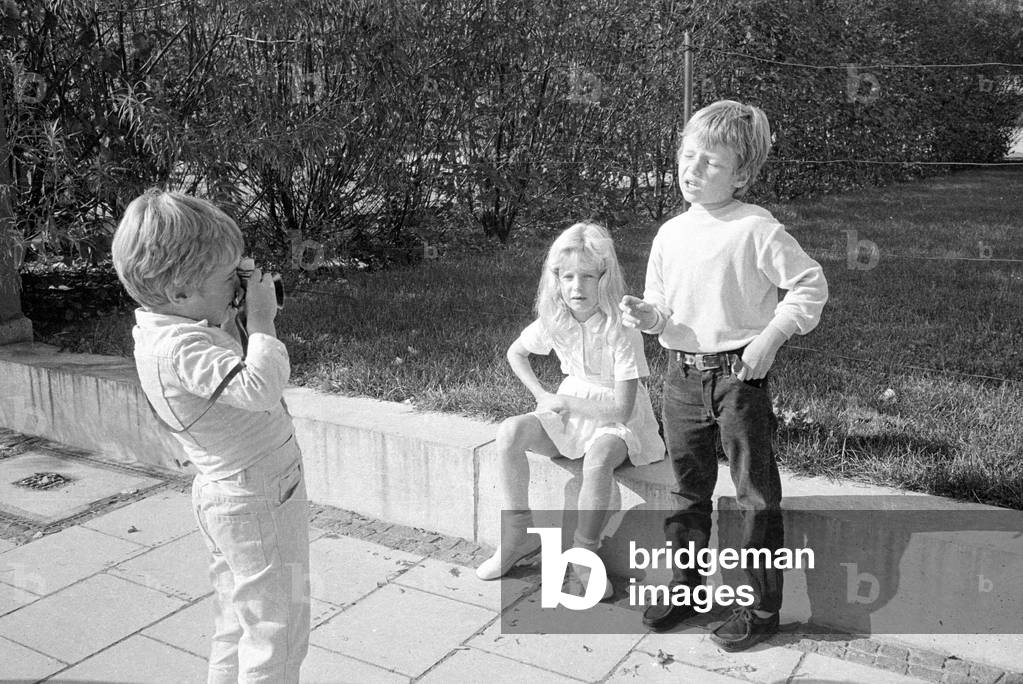
SZT3518248: Tommi Ohrner playing with his siblings, 1969 (b/w photo) / Bridgeman Images
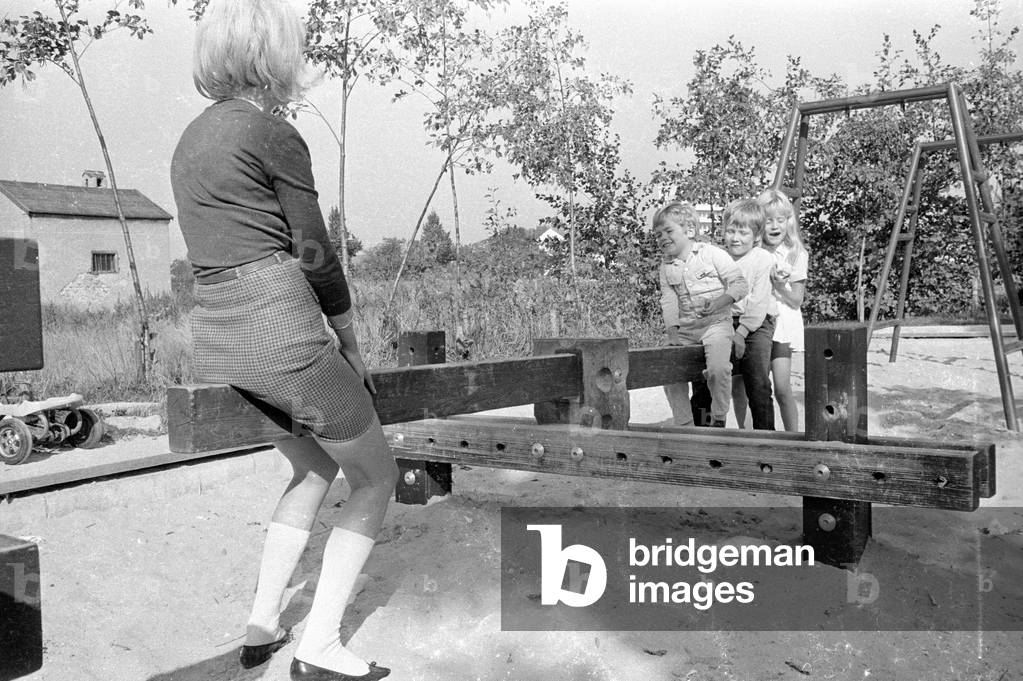
SZT3518257: Tommi Ohrner with his siblings and his mother, 1969 (b/w photo) / Bridgeman Images
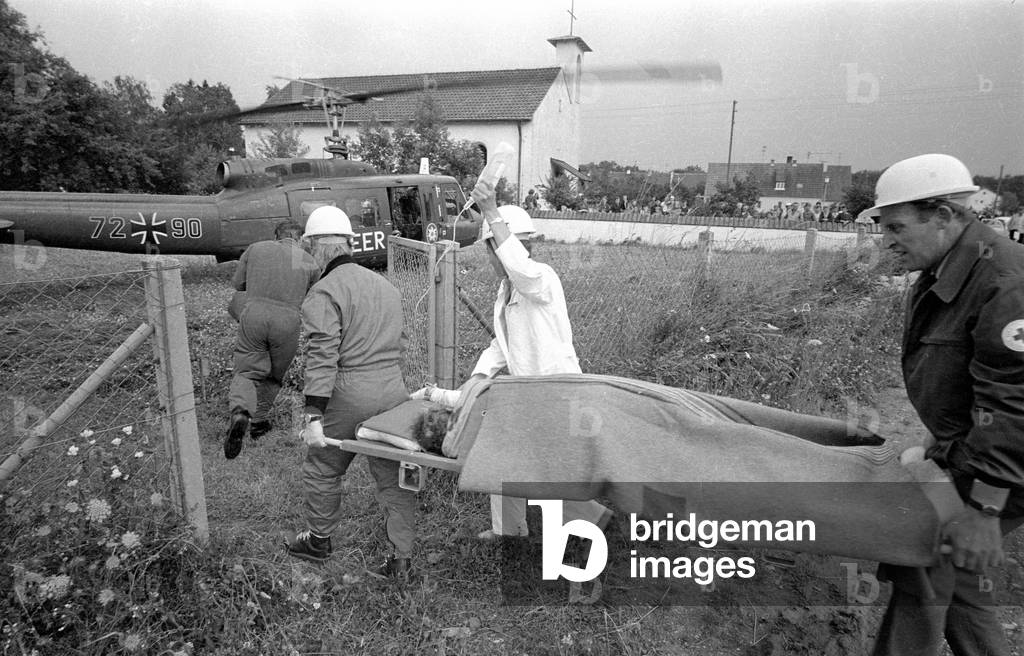
SZT3518275: An accident victim is brought to the rescue helicopter, 1970 (b/w photo) / Bridgeman Images
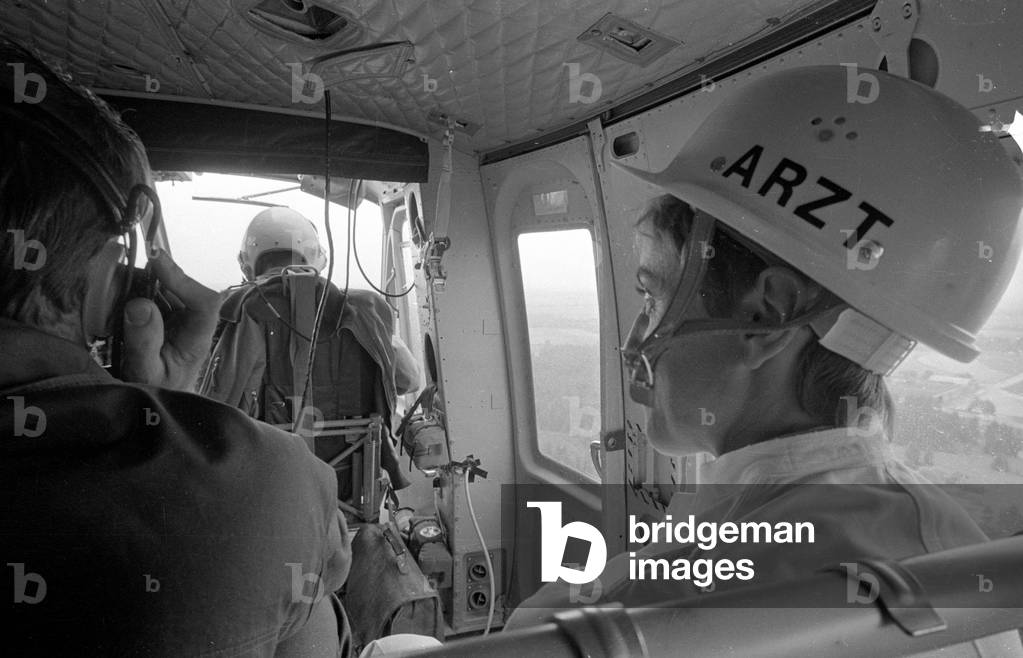
SZT3518284: A rescue helicopter, 1970 (b/w photo) / Bridgeman Images
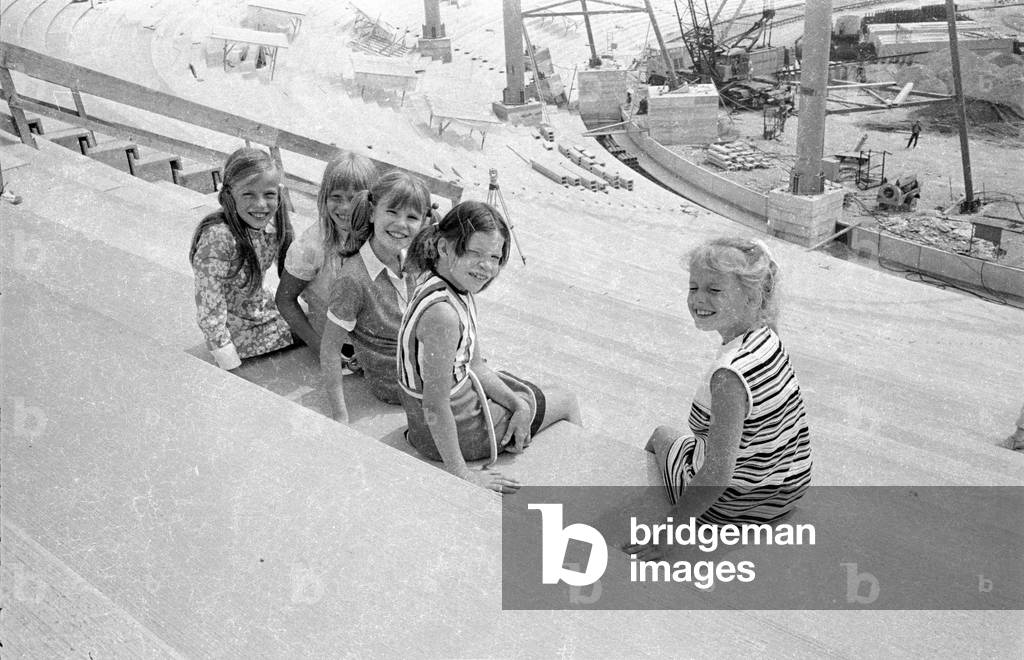
SZT3518308: Participants of the "Pippi Longstocking" competition on a tour of Munich, 1970 (b/w photo) / Bridgeman Images
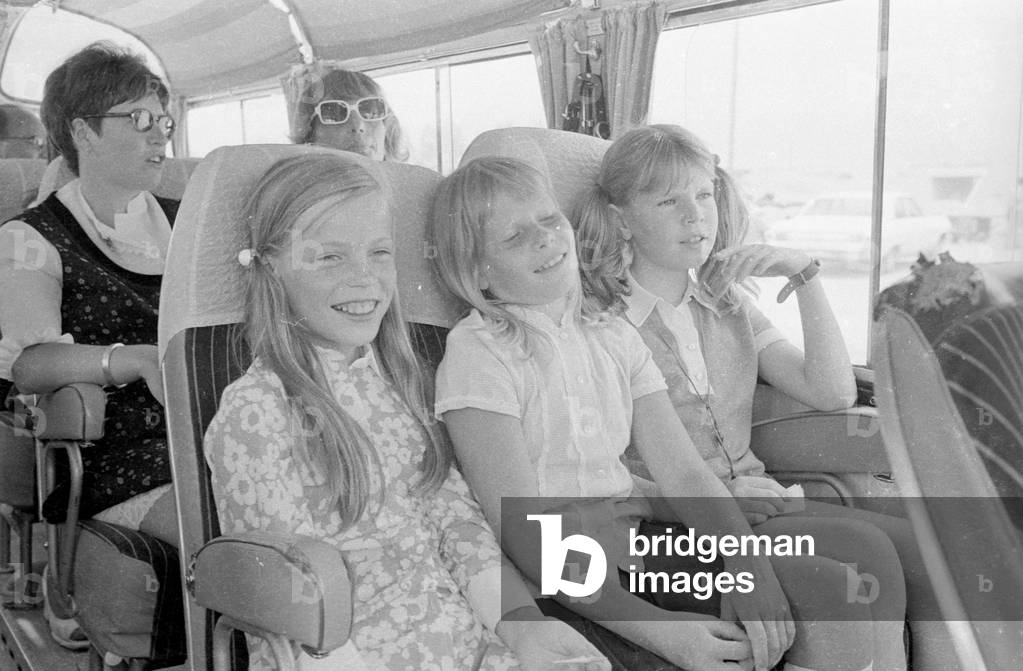
SZT3518311: Participants of the "Pippi Longstocking" competition on a tour of Munich, 1970 (b/w photo) / Bridgeman Images
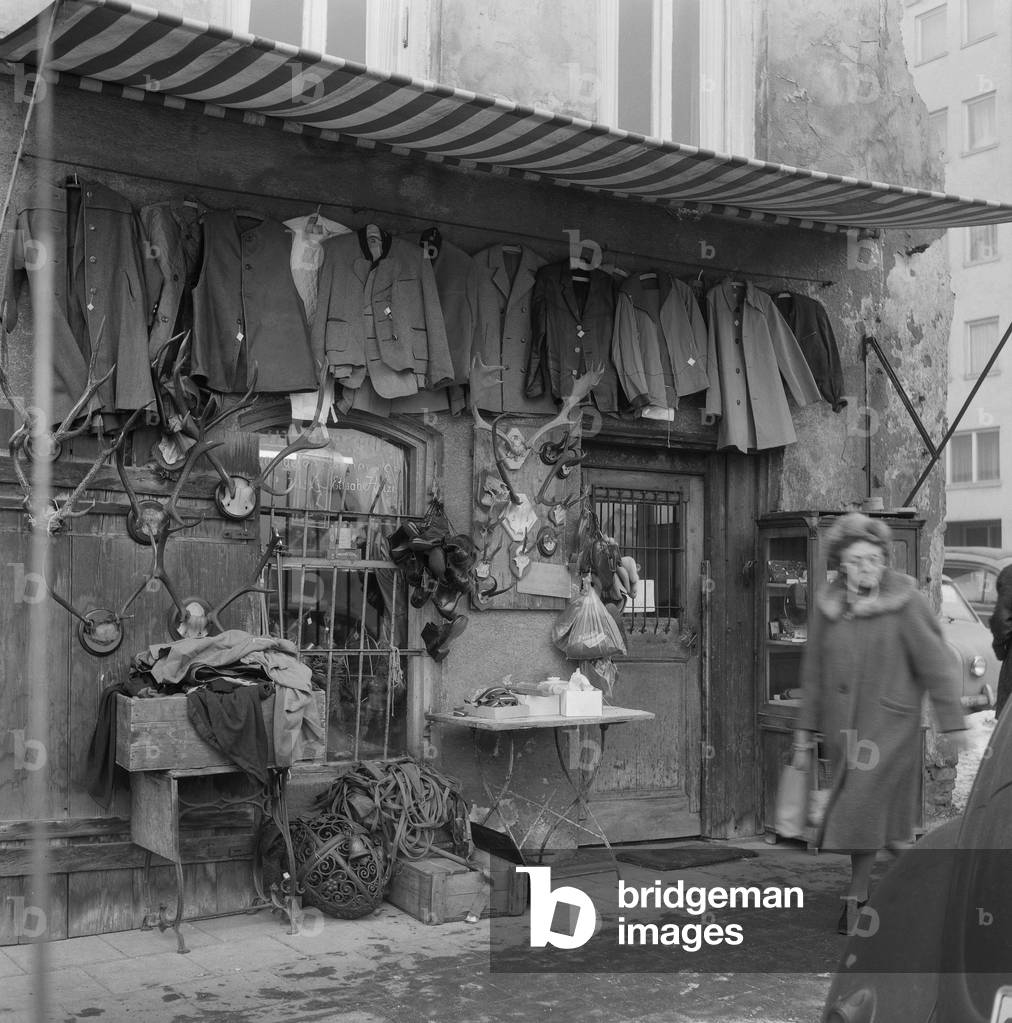
SZT3518359: Small shop in Munich, 1960s (b/w photo) / Bridgeman Images
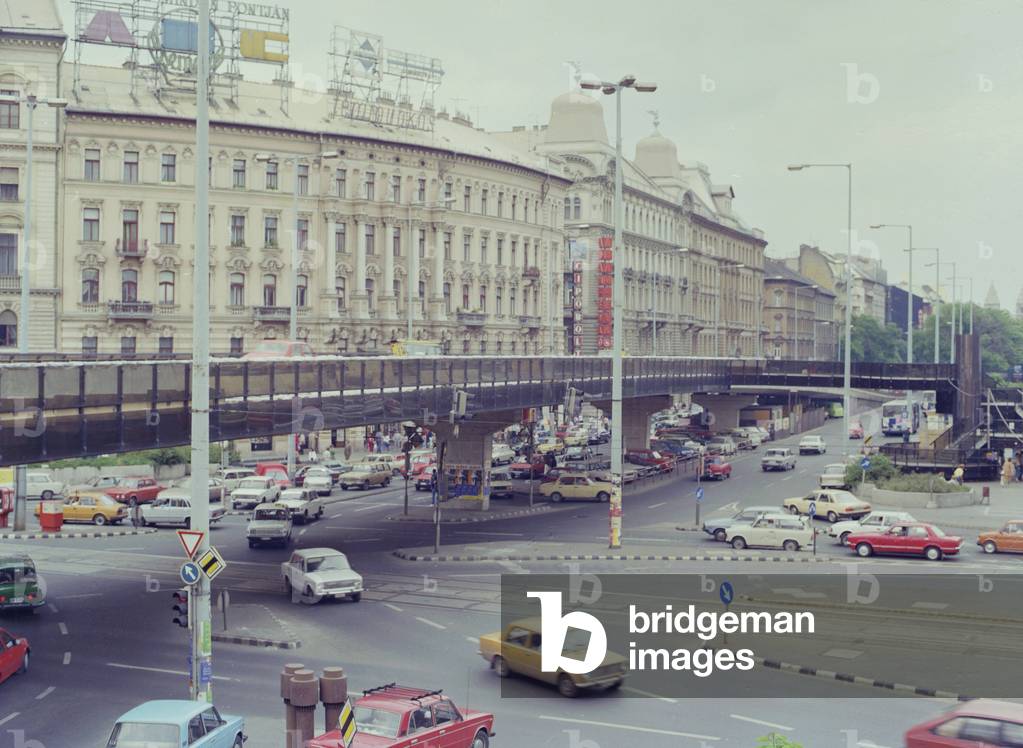
SZT3518365: Road traffic in Budapest, 1970s (photo) / Bridgeman Images
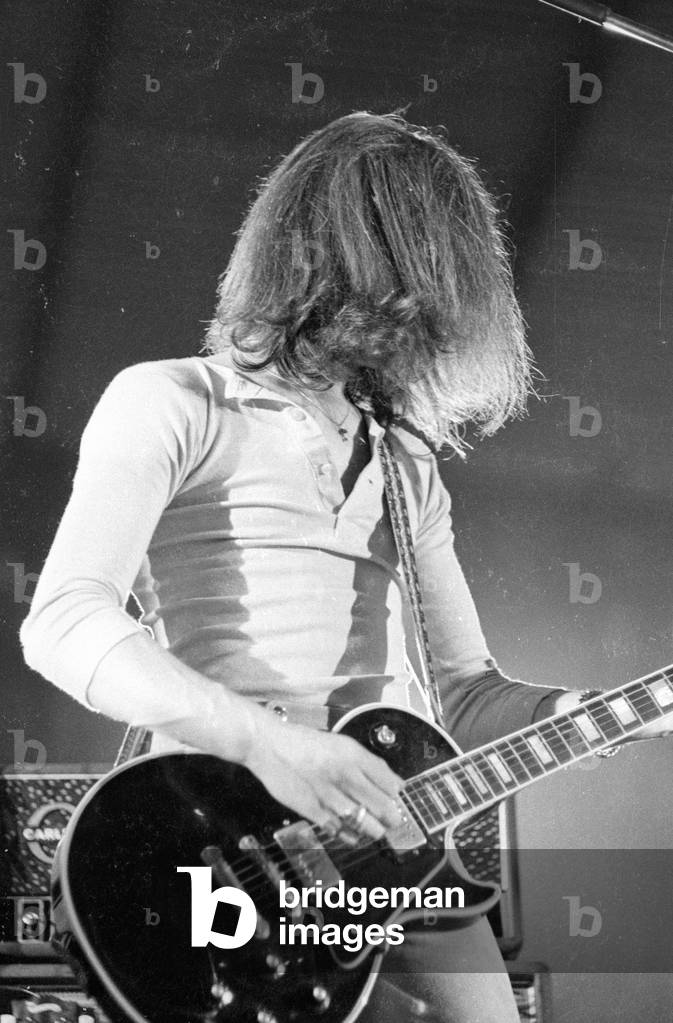
SZT3518368: Performance of a band at a rock festival in Munich, 1970 (b/w photo) / Bridgeman Images
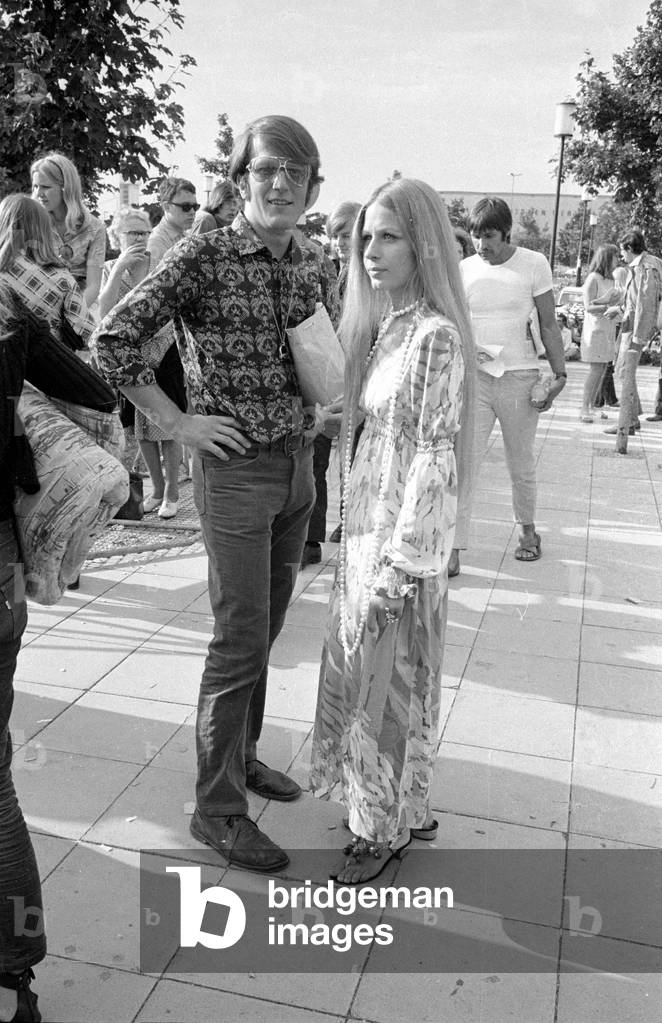
SZT3518396: Festival visitors in the Olympic Park in Munich, 1970 (b/w photo) / Bridgeman Images
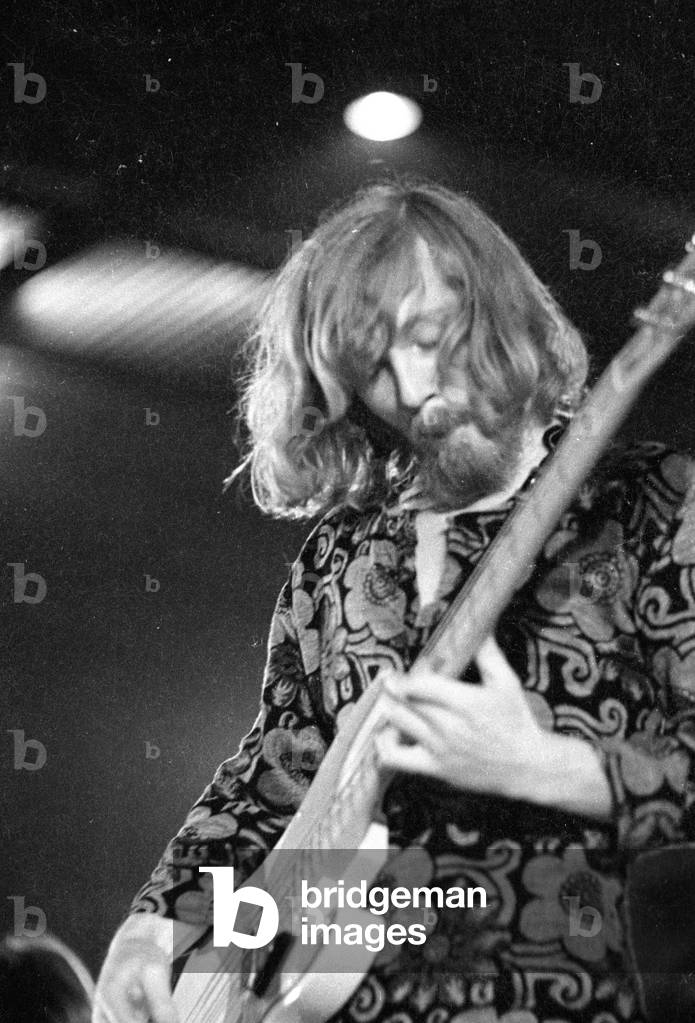
SZT3518402: Performance of a band at a rock festival in Munich, 1970 (b/w photo) / Bridgeman Images
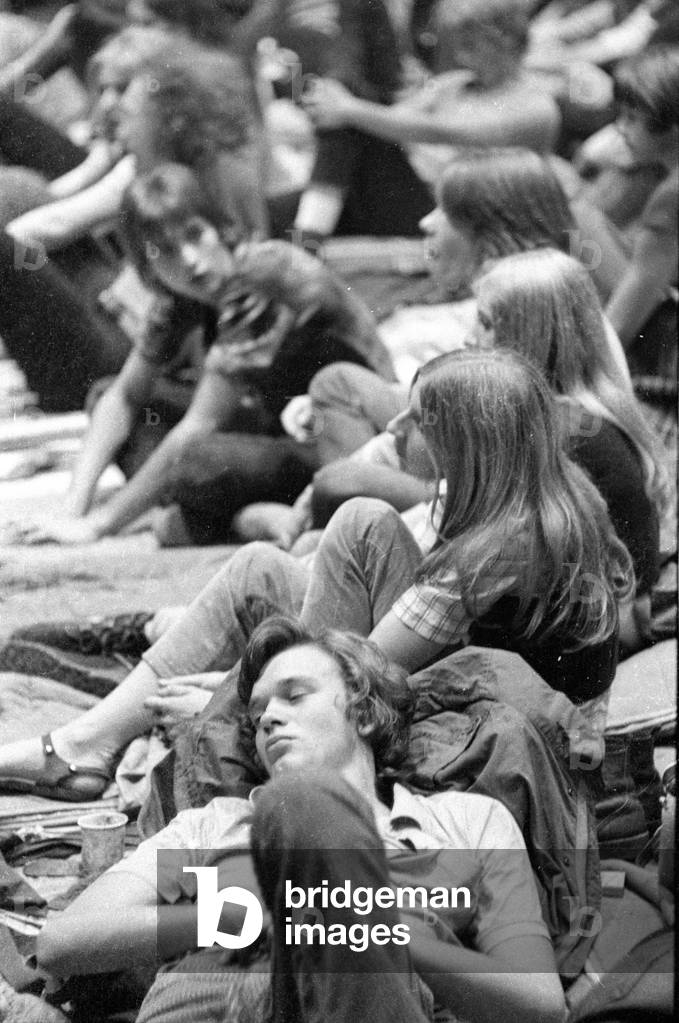
SZT3518411: Crowd at a rock festival in Munich, 1970 (b/w photo) / Bridgeman Images
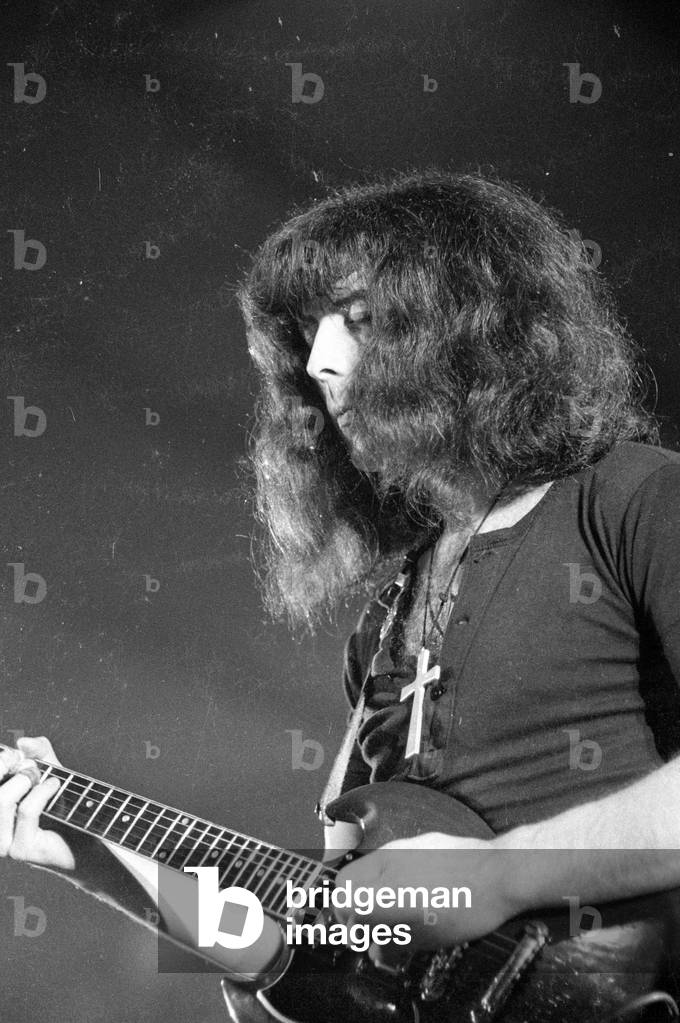
SZT3518412: Appearance of Black Sabbath at a rock festival in Munich, 1970 (b/w photo) / Bridgeman Images
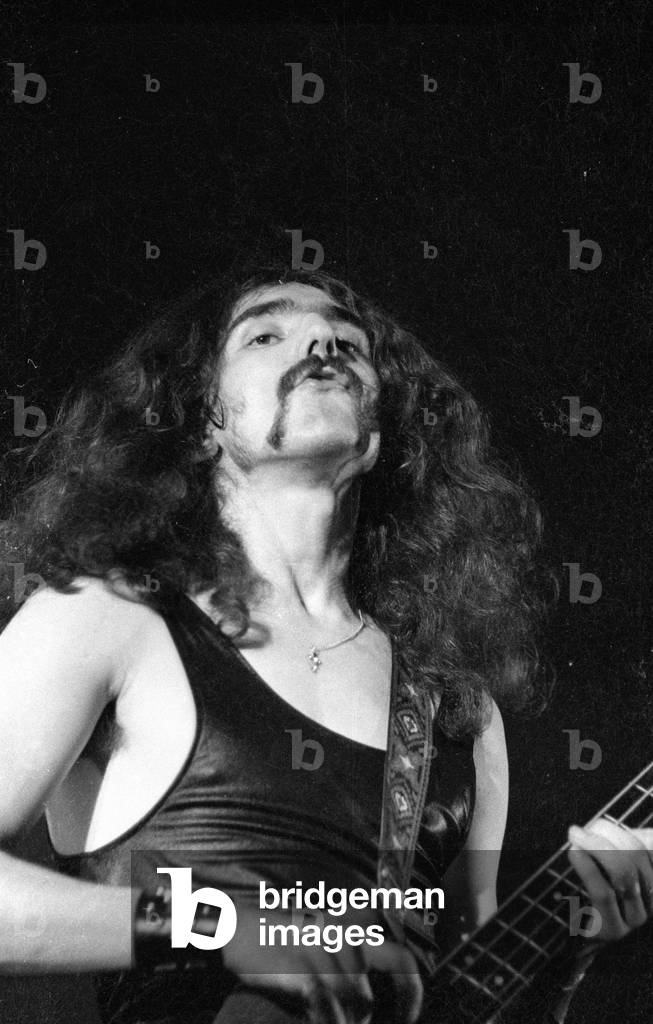
SZT3518418: Appearance of Black Sabbath at a rock festival in Munich, 1970 (b/w photo) / Bridgeman Images
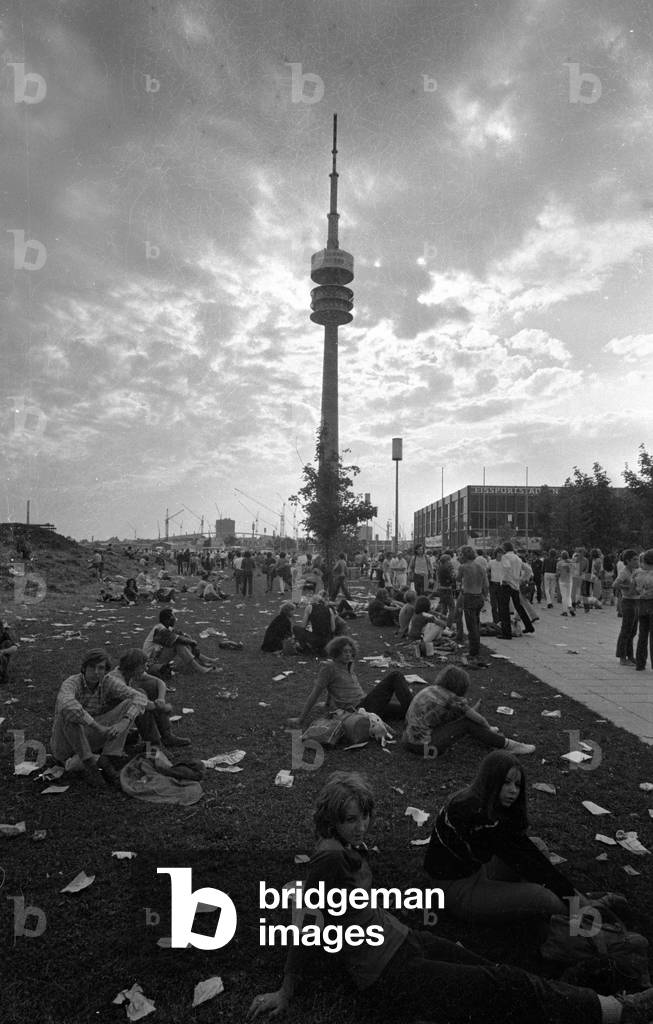
SZT3518433: Festival visitors in the Olympic Park in Munich, 1970 (b/w photo) / Bridgeman Images
