2491517 Search Results

SZT2977051: Hans Albers in the film Möblierte Zimmer, 1929 (b/w photo) / Bridgeman Images

SZT2976939: Joffre with Porro, French, Zhilinski and Stefanovic, 1915 (b/w photo) / Bridgeman Images

SZT2977076: Theobald von Bethmann-Hollweg talking to Gottlieb von Jagow and Karl Helfferich, July 1916 (b/w photo) / Bridgeman Images

SZT2977130: Wilhelm Backhaus at a concert, 1935 (b/w photo) / Bridgeman Images

SZT2976969: Jacobo Fitz James Stuart Falco, Duke of Alba in London, 1936 (b/w photo) / Bridgeman Images
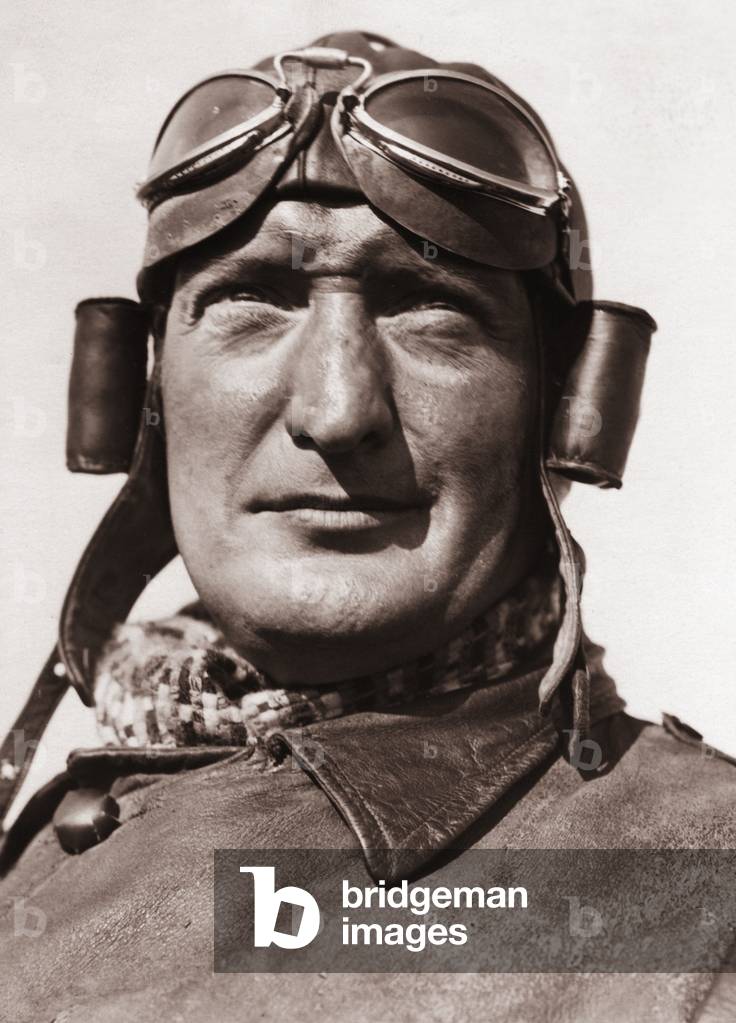
SZT2976972: Hans Albers in the film F.P.1 Doesn't Respond, 1932 (b/w photo) / Bridgeman Images

SZT2976914: Mohammed Amin al-Husseini, 1941 (b/w photo) / Bridgeman Images

SZT2977218: Prince Regent Luitpold of Bavaria on the hunt, c.1900 (b/w photo) / Bridgeman Images

SZT2977239: Reza Shah Pahlavi in Teheran, 1925 (b/w photo) / Bridgeman Images

PNP2975588: Postcard of the Empire State Building, 1935 (colour litho), American School, (20th century) / Bridgeman Images
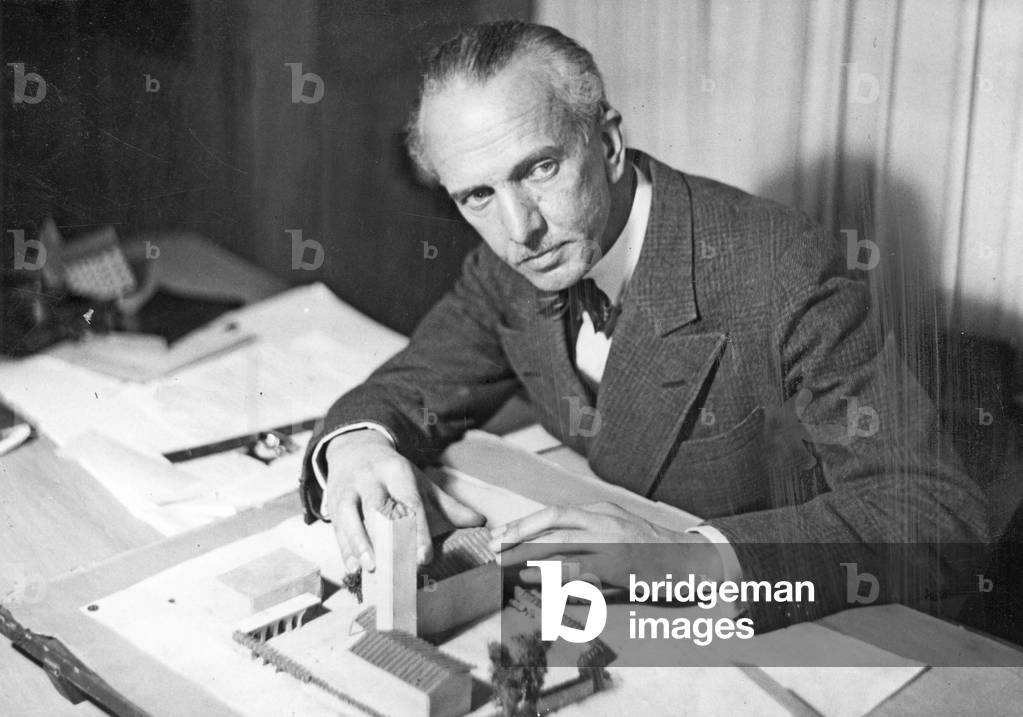
SZT2975765: Otto Bartning (b/w photo) / Bridgeman Images

PNP2975642: Statue of Liberty, its construction portrayed by Scientific American, 14 August 1886 (engraving), American School, (19th century) / Bridgeman Images
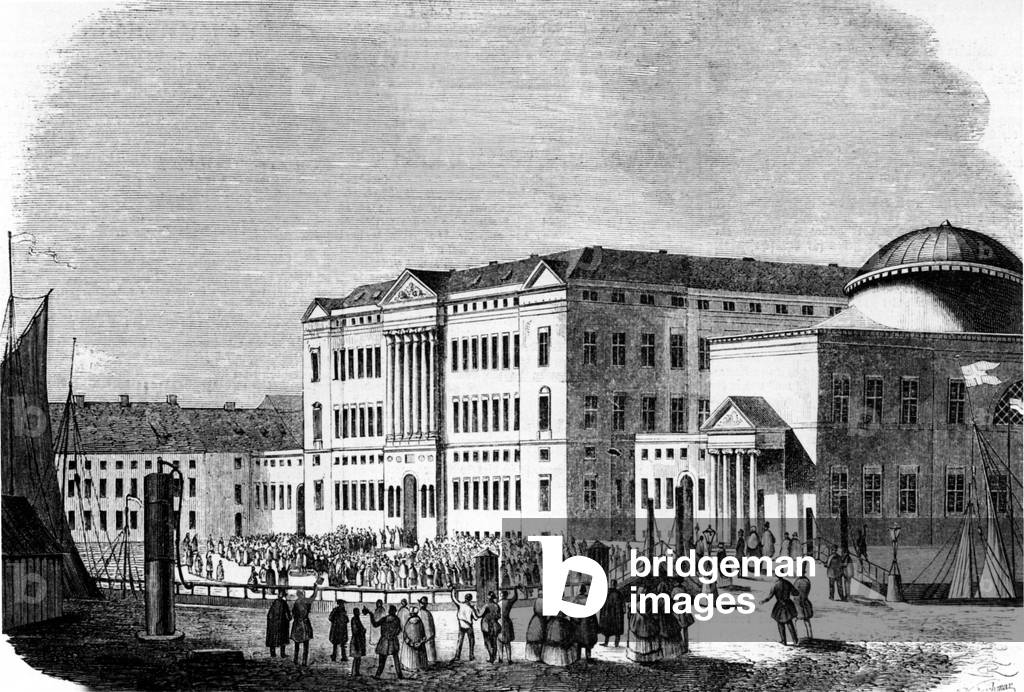
SZT2975792: Proclamation of Frederick VII. Karl Christian, 1848 / Bridgeman Images

AMS2975656: Woman in Yellow Turban with Two Ducks, 2016, (acrylic on canvas), Adams, Susan / Bridgeman Images
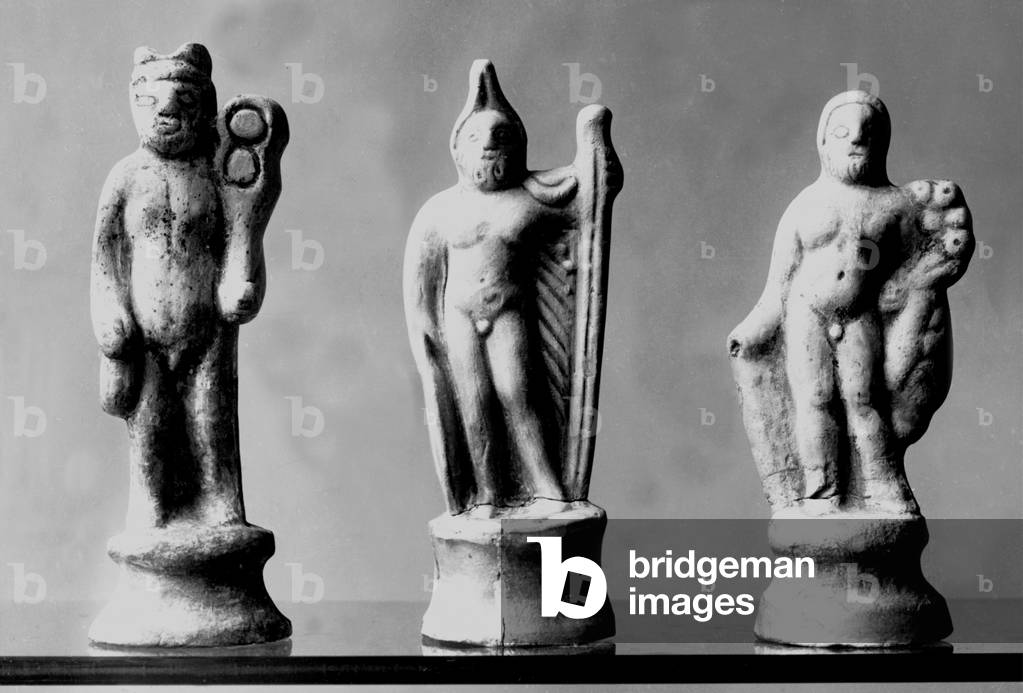
SZT2975727: God statues of the Teutons (b/w photo) / Bridgeman Images

SZT2975866: Sir Malcolm Campbell's record attempt in Florida, 1935 (b/w photo) / Bridgeman Images

SZT2975834: Paul Dahlke in his workshop, 1939 (b/w photo) / Bridgeman Images
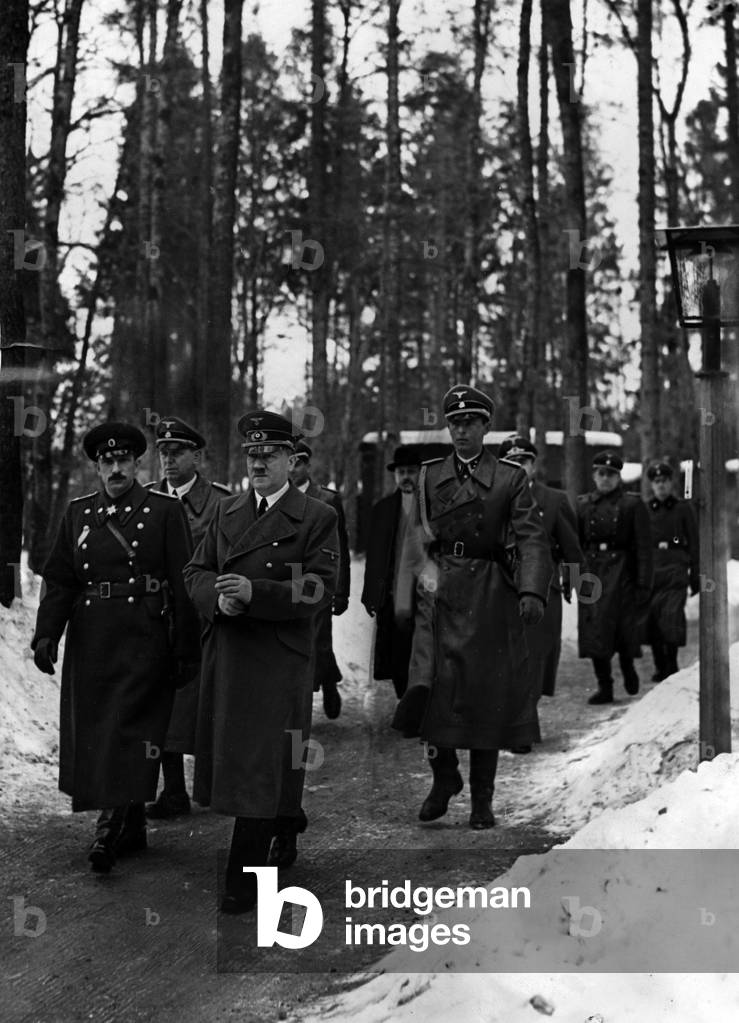
SZT2975787: Boris III with Adolf Hitler at the Wolf's Lair, 1942 (b/w photo) / Bridgeman Images

SZT2975897: Portrait of Maria Cebotari, 1936 (b/w photo) / Bridgeman Images

SZT2975900: Maria Cebotari and Willi Domgraf-Fassbaender, 1939 (b/w photo) / Bridgeman Images

SZT2975909: Portrait of Eva Chamberlain-Wagner, 1936 (b/w photo) / Bridgeman Images

SZT2975829: Tsar Nicholas II with General Brusilov, 1916 (b/w photo) / Bridgeman Images

EVB2938073: 800 women shoemakers of Lynn, Massachusetts, demonstrated for betterpay on March 7, 1860. Carrying parasols and wearing their best hoop shirts, they paraded in a snowstorm behind Lynn City Guards, and were followed by 4000 supporters / Bridgeman Images

EVB2938079: Joe Ettor (18861948), a leading member of the International Workers of the World, addresses striking Brooklyn barbers in Union Square, New York City, May 16, 1913, Unknown photographer, (20th century) / Bridgeman Images

EVB2938082: Workers depositing ballot during a National Labor Relations Board election for union representation at the River Rouge Ford plant in Dearborn, Michigan. June 1941 / Bridgeman Images

EVB2938088: On May Day, striking cloak makers display a sign reading, SUCH MANUFACTURERS WHO REFUSE TO DISCUSS PEACE ARE NOT FIT HEADS FOR SO IMPORTANT AN INDUSTRY. New York City, May 1, 1916, Unknown photographer, (20th century) / Bridgeman Images

EVB2938097: Men walking on Dawson City's 'Riverside Drive,' in 1897 during the Yukon Gold Rush. The new street is lined with the town's first log and canvas structures, Unknown photographer, (20th century) / Bridgeman Images

EVB2938160: Two men burning marijuana in field in Garner North Carolina in 1942 / Bridgeman Images

EVB2938187: Roy M. Cohn 1927-1986 formerly an assistant to Senator McCarthy during his anti-Communist crusades created controversy by his politics ethics and famous clients throughout his career. Cohn was a played by actor James Woods in the 1992 biopic CITIZE / Bridgeman Images

EVB2938244: Warehouses line the Brooklyn shore of New York Harbor. View south includes Governor's Island in the mid-ground and Staten Island in the distance.c. 1912. LC-D4-15713, Unknown photographer, (20th century) / Bridgeman Images
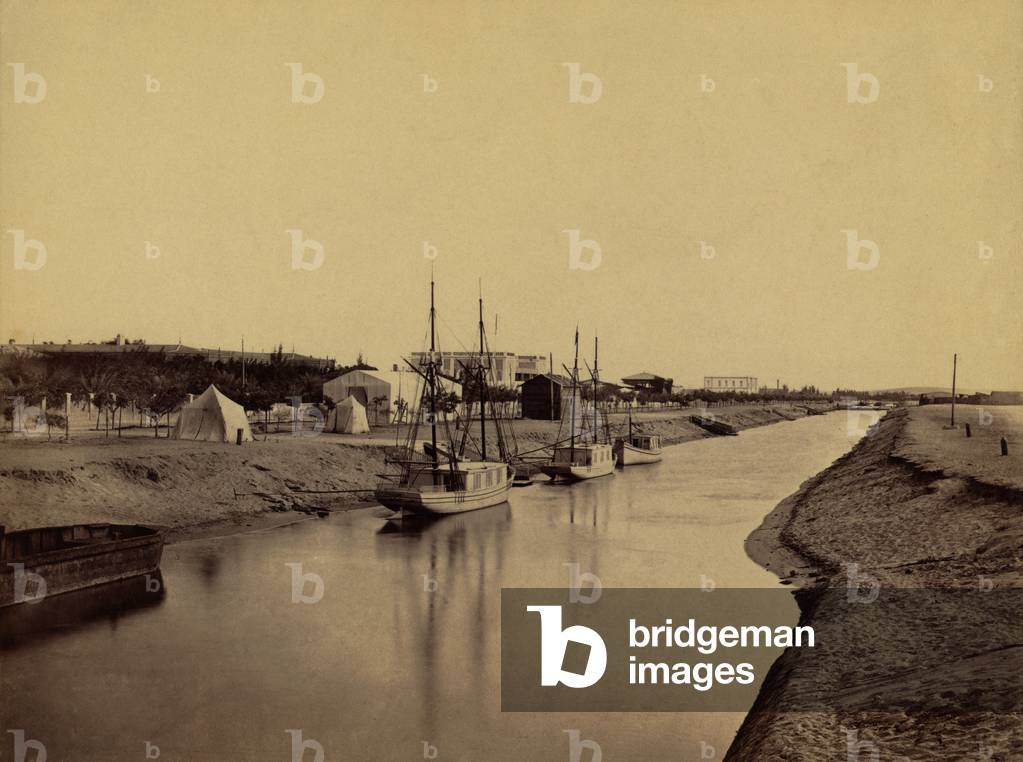
EVB2938256: Small boats moored at water's edge to the Suez Canal at Ismailia. The Ismailia segment of the modern canal was completed in November 1862. 1860 photo by Francis Frith. LC-DIG-ppmsca-04470, Unknown photographer, (20th century) / Bridgeman Images

EVB2938286: A Washington D.C. parking lot on 14th Street charged 15 cents a hour in 1939. LC-USF33-015622-M2 / Bridgeman Images

EVB2938304: Jacqueline Cochran 1906-1980 American aviator with F-51 MUSTANG airplane. 1948. LC-USZ62-105221 / Bridgeman Images

EVB2938325: American Airlines stewardess with a passenger in a sleeping berth on a commercial flight in the 1930s. American Airlines began using stewardesses in 1933 / Bridgeman Images
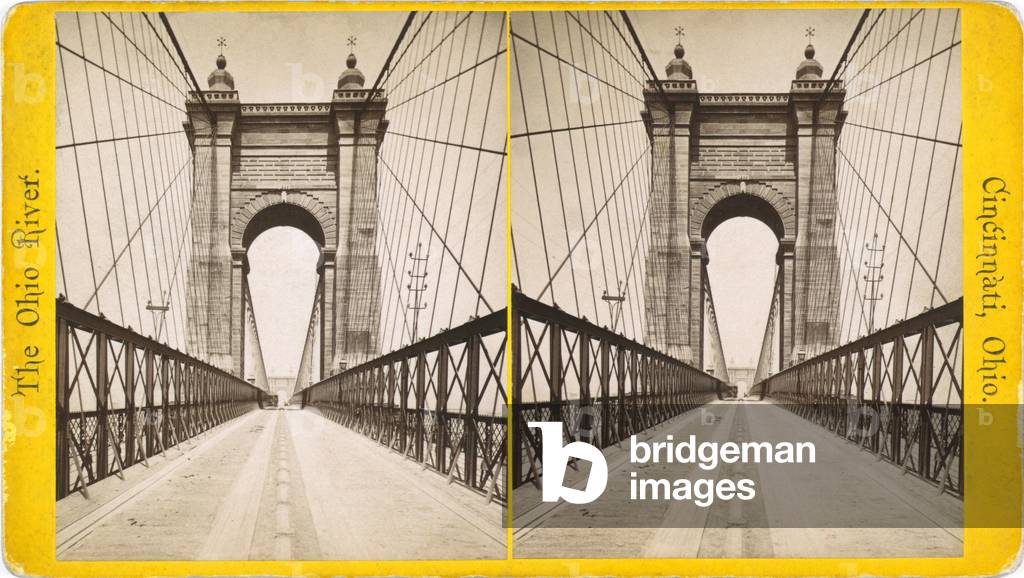
EVB2938352: Suspension bridge spanning the Ohio River at Cincinnati was engineered and built by John A. Roebling. When it opened in 1866 it was the World's longest bridge. LC-DIG-ppmsca-08780, Unknown photographer, (20th century) / Bridgeman Images

EVB2938080: Terence Vincent Powderly (1849-1924) portrait is surrounded by 32 smaller portraits of the Leaders of the Knights of Labor and scenes of labor. The Labor Union had over 600,000 members at its height in the 1886. The Knights demanded an eight hour work day and campaigned against child and convict labor / Bridgeman Images
