2491535 Search Results

EVB2923324: President Lyndon Johnson signing the 1964 Civil Rights bill. July 2, 1964 / Bridgeman Images

EVB2923327: President Lyndon and Lady Bird Johnson sitting on a fence at the LBJ Ranch. They were proud Texans and celebrated Texas clothing, food, and lifestyle. 1964 / Bridgeman Images

EVB2923345: Lynda Bird Johnson (right) is greeted backstage by Barbra Streisand. The President's daughter attended Streisand's hit Broadway Musical, 'Funny Girl.' June 9, 1965 / Bridgeman Images

EVB2923363: President Lyndon Johnson stands with head lowered as he awaits the arrival of President Hastings Kamuzu Banda of Malawi. Dec. 12, 1964 / Bridgeman Images

EVB2923414: New York States two senators touring NYC's Lower East Side. Republican Jacob Javits (left) and Democrat Robert Kennedy at Javit's birthplace (plaque). May 11, 1967 / Bridgeman Images

EVB2923471: American high school girls of ''Relieve a Man for War Work' '. They enrolled with the US Employment Service to do any kind of odd job that would usually be done by a man. May 3, 1943. / Bridgeman Images

EVB2923483: Senate Watergate Committee, 1973 (photo) / Bridgeman Images

EVB2923495: Stock brokers with a new box shaped stock ticker in May 1929 / Bridgeman Images

EVB2923513: 1968 Social Security Card / Bridgeman Images

EVB2923543: Trading floor of the New York Stock Exchange on March 30, 1970 / Bridgeman Images

EVB2923555: An African American mother serves six children a breakfast of corn flakes and milk in their apartment in New York's Harlem district. The large jar on the table serves as the family's sugar bowl. April 6, 1968 / Bridgeman Images
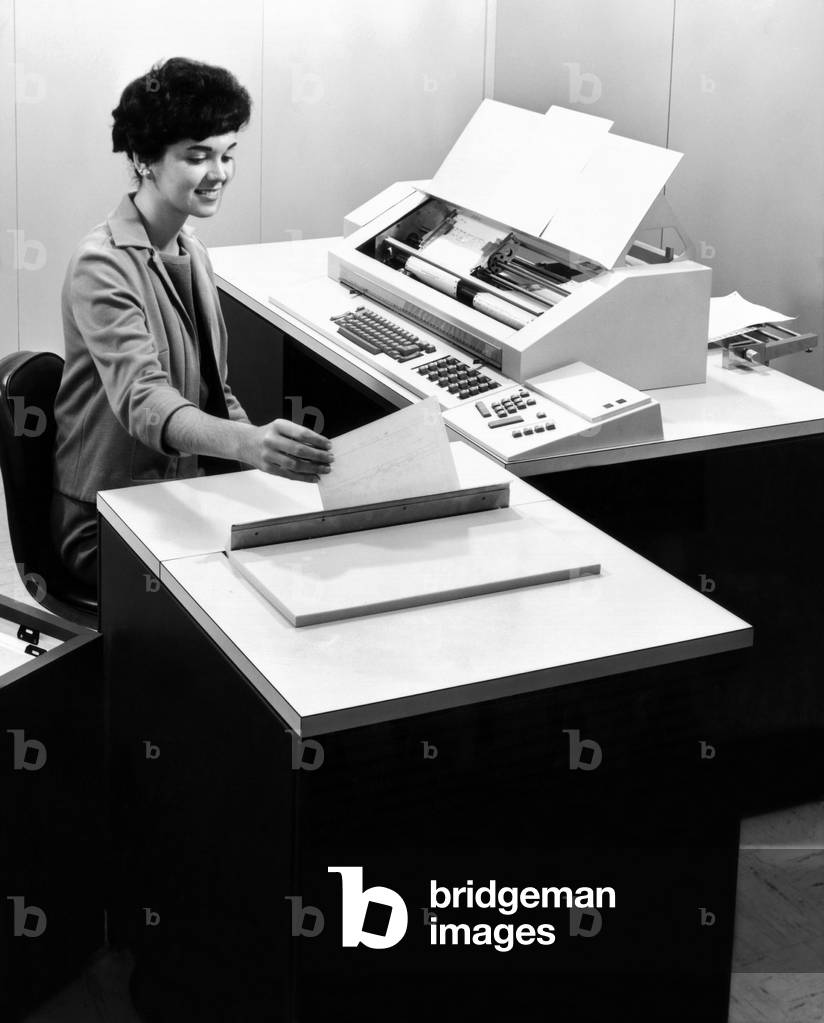
EVB2923606: A new IBM computer, the 6400 magnetic ledger accounting machine. It uses ledger cards that have a magnetic stripe that stores the alphabetic and numeric data which appears on the front of the card. When the ledger card is inserted into the magnetic ledger unit the printing unit which will type out customer name, address and other information. May 31, 1963 / Bridgeman Images
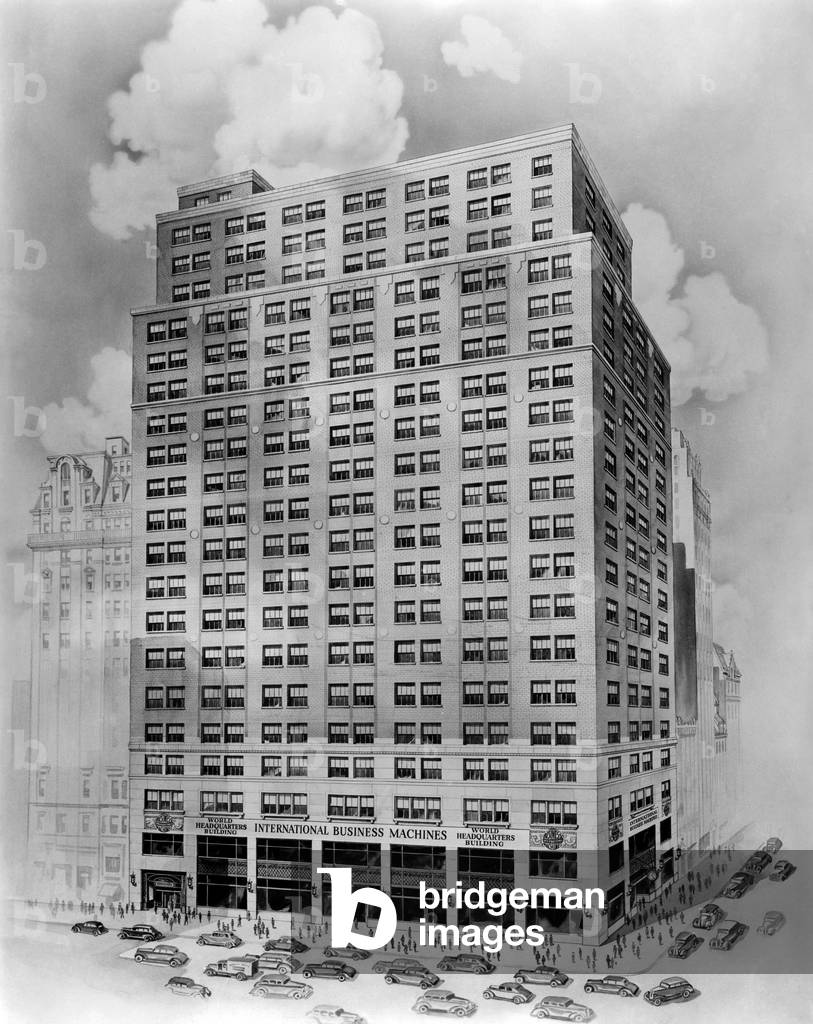
EVB2923609: The World Headquarters Building of International Business Machines Corporation. Located at Madison Avenue and 57th Street, New York, it was dedicated on Jan. 18, 1938 / Bridgeman Images
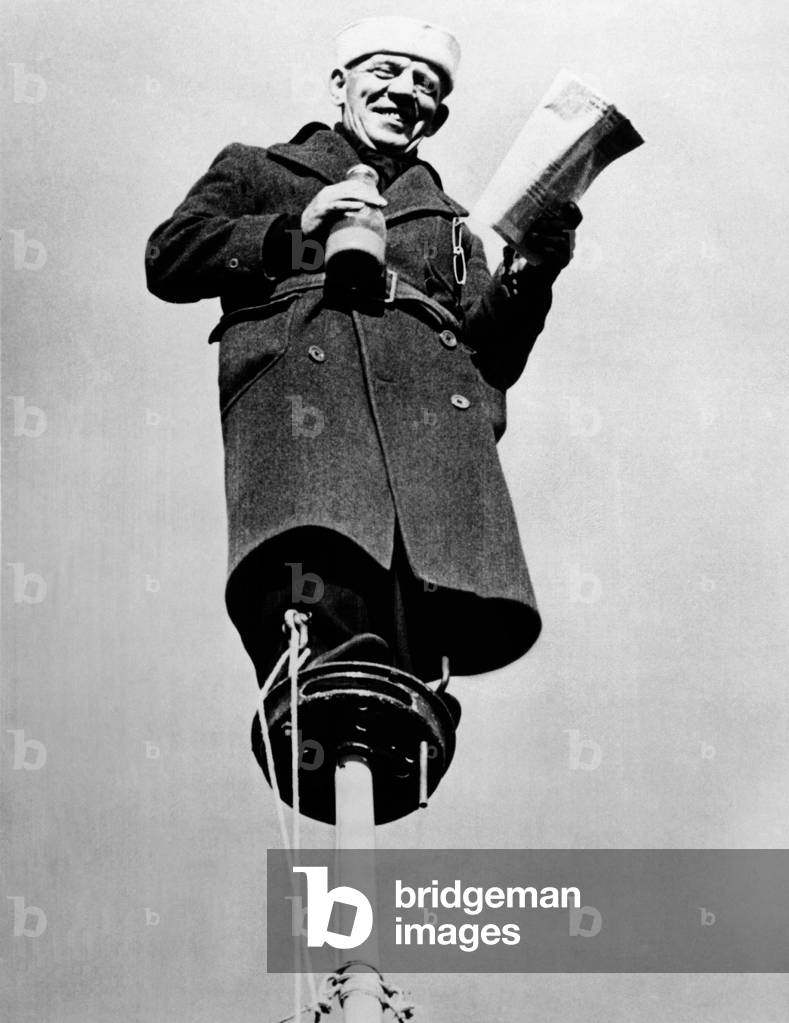
EVB2923630: Alvin 'Shipwreck' Kelly top a flagpole near College Park, Maryland, in October 1942 / Bridgeman Images
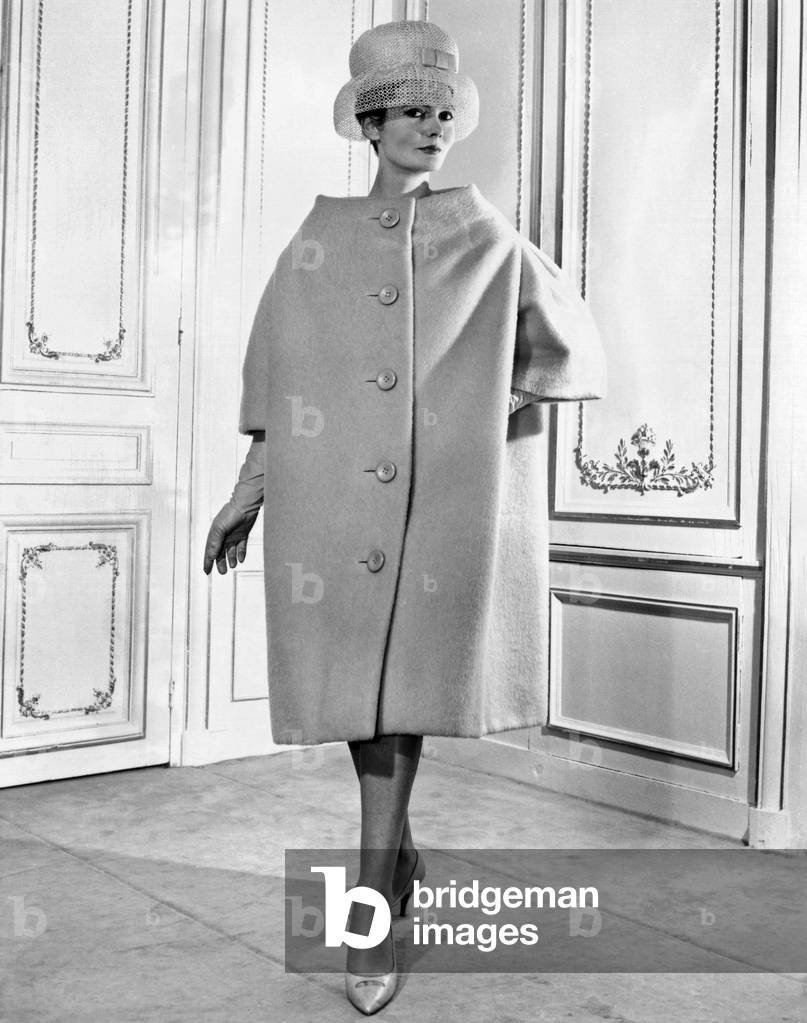
EVB2923687: Pierre Cardin women's voluminous coat. It has simple lines, falling from the shoulders over the body, like a tent. Feb. 1959 / Bridgeman Images
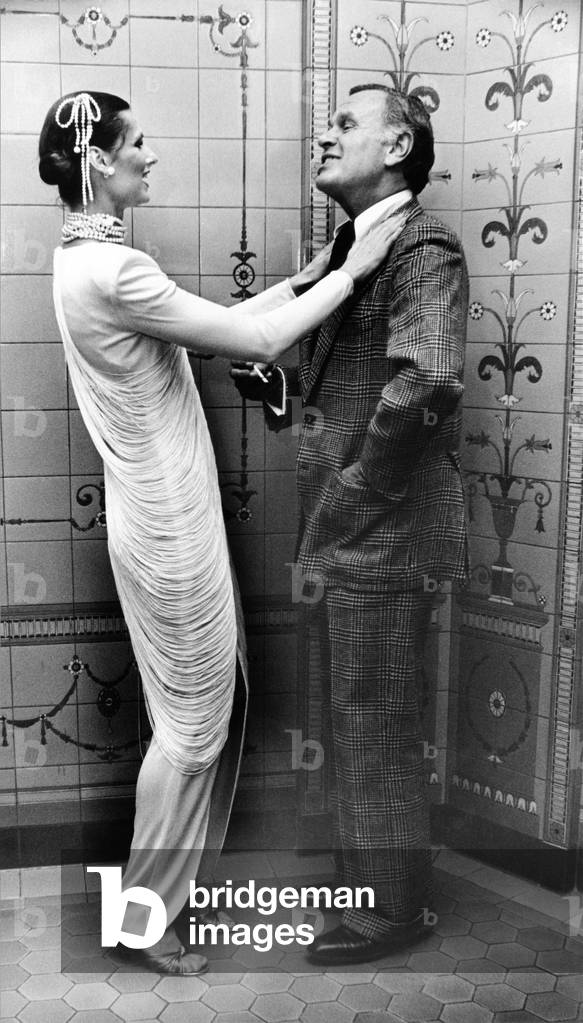
EVB2923702: Model Marlene Zipp visiting fashion designer Bill Blass. c. Oct 17, 1979 / Bridgeman Images

EVB2923708: Jacqueline Kennedy wears a traditional lace mantilla to the bullfights in Seville, Spain, 1966 (b/w photo) / Bridgeman Images
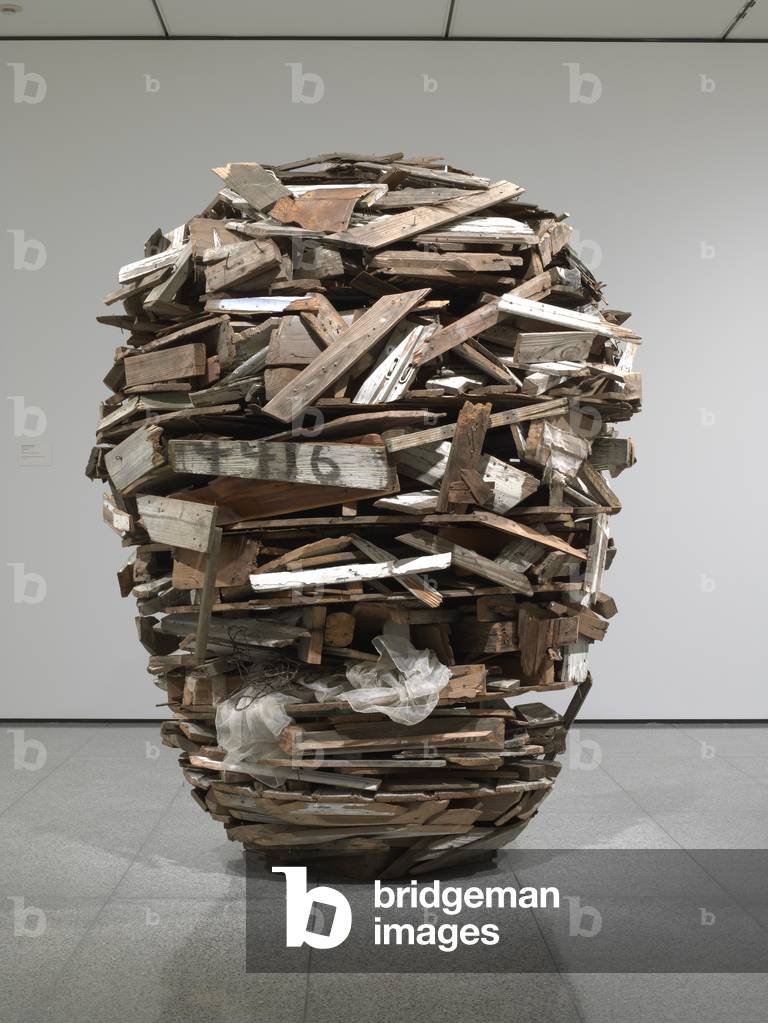
HST2908042: Trespass 4416, 2007 (wood and found materials), Ruck, Dean (b.1962) & Havel, Dan (b.1959) / Bridgeman Images

HST2908060: The Gateway to a Town, c. 1630 (pen & brown ink heightened with w/c on laid paper), Bloemaert, Abraham (1566-1651) / Bridgeman Images

HST2908084: Companion Necklace, 18th-19th century (ovula shells and rattan), Indonesian School / Bridgeman Images

HST2908111: Study for Maitland Bridge, 1939 (watercolour on paper), Crawford, Ralston (1906-78) / Bridgeman Images
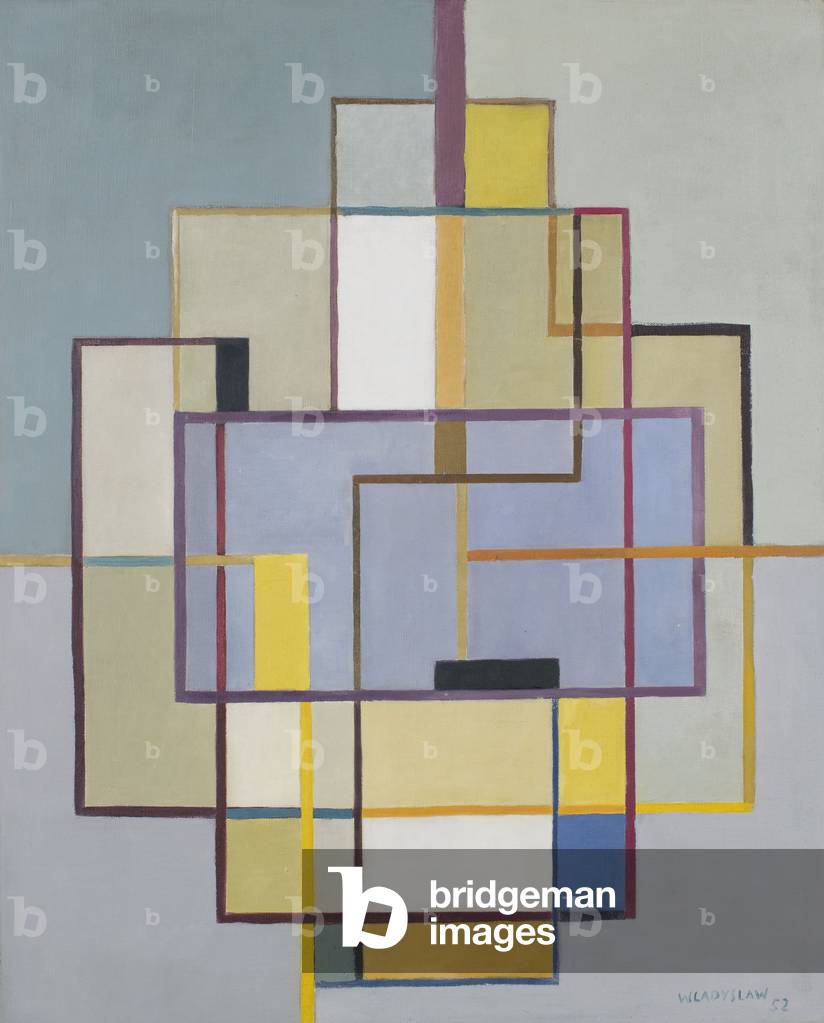
HST2908129: Orthogonal composition no. 2, 1952 (oil on canvas), Wladyslaw, Anatol (1913-2004) / Bridgeman Images

HST2908138: Pendant, Moluccas peoples, late 18th-early 19th century (gold), Indonesian School / Bridgeman Images
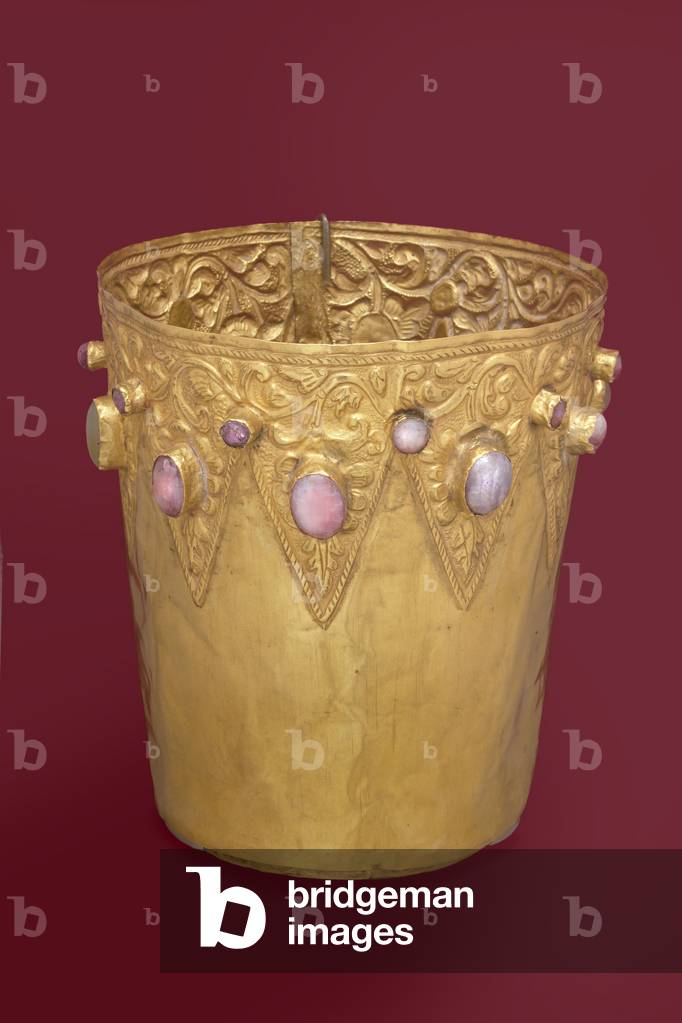
HST2908150: Vessel, Balinese, late 19th-early 20th century (gold and stones), Indonesian School / Bridgeman Images
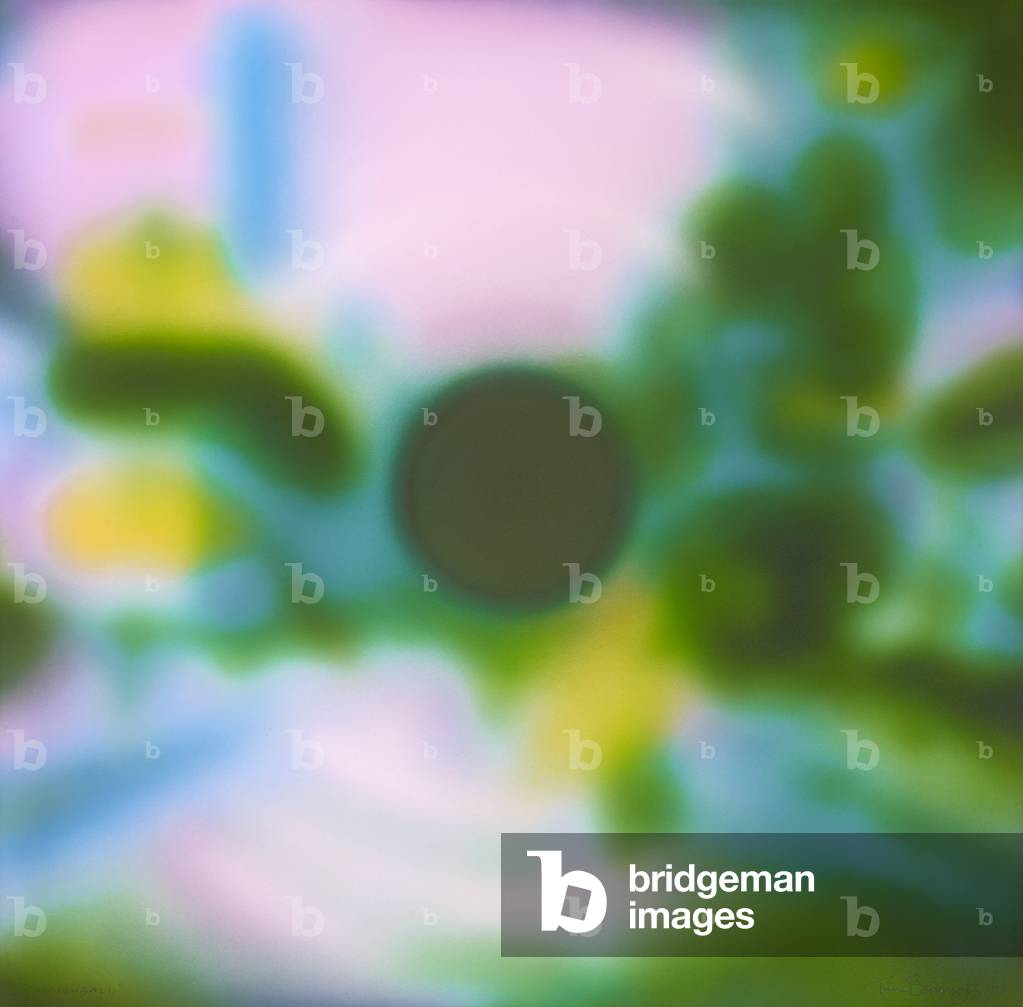
HST2908162: Cannonball, 2010 (synthetic polymer and ink on paper), Bavington, Tim (b.1966) / Bridgeman Images

HST2908192: Pottery Makers, San Ildefonso (gelatin silver print), Parkhurst, T. Harmon (1883-1952) / Bridgeman Images

HST2908201: Sanguine Mood, 1971 (colour screenprint with stenciled coloring on j. b. green hayle mill english handmade paper, edition 67/75), Frankenthaler, Helen (1928-2011) / Bridgeman Images
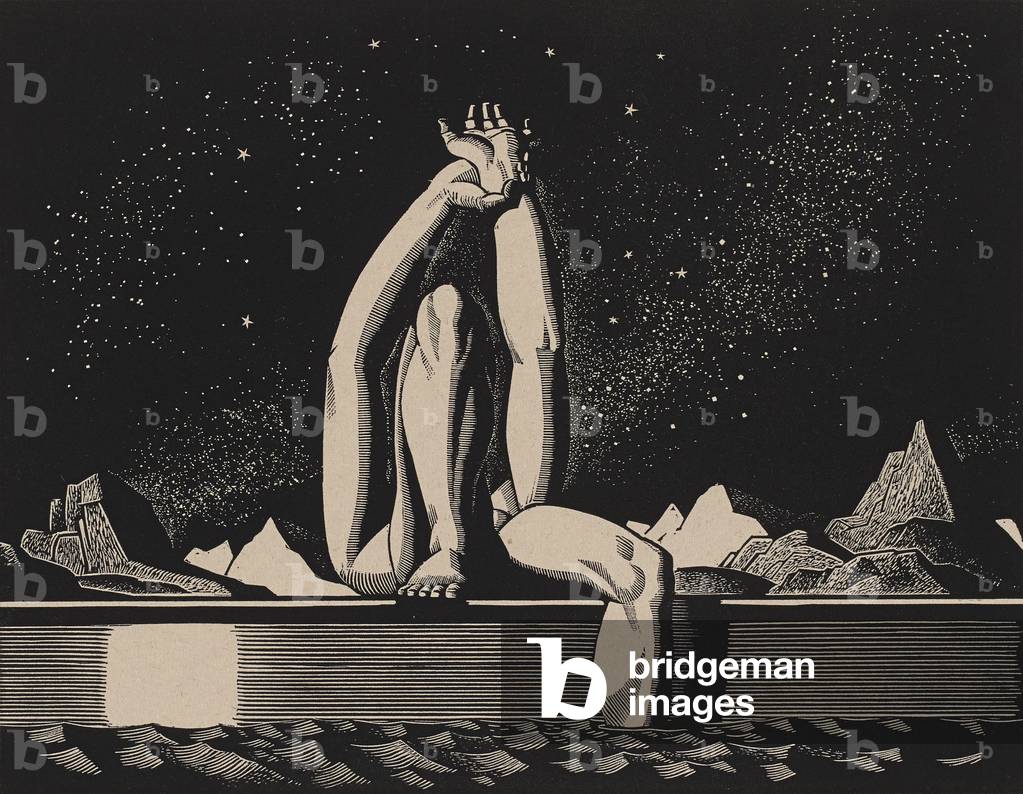
HST2908282: Starlight, 1930 (wood engraving), Kent, Rockwell (1882-1971) / Bridgeman Images
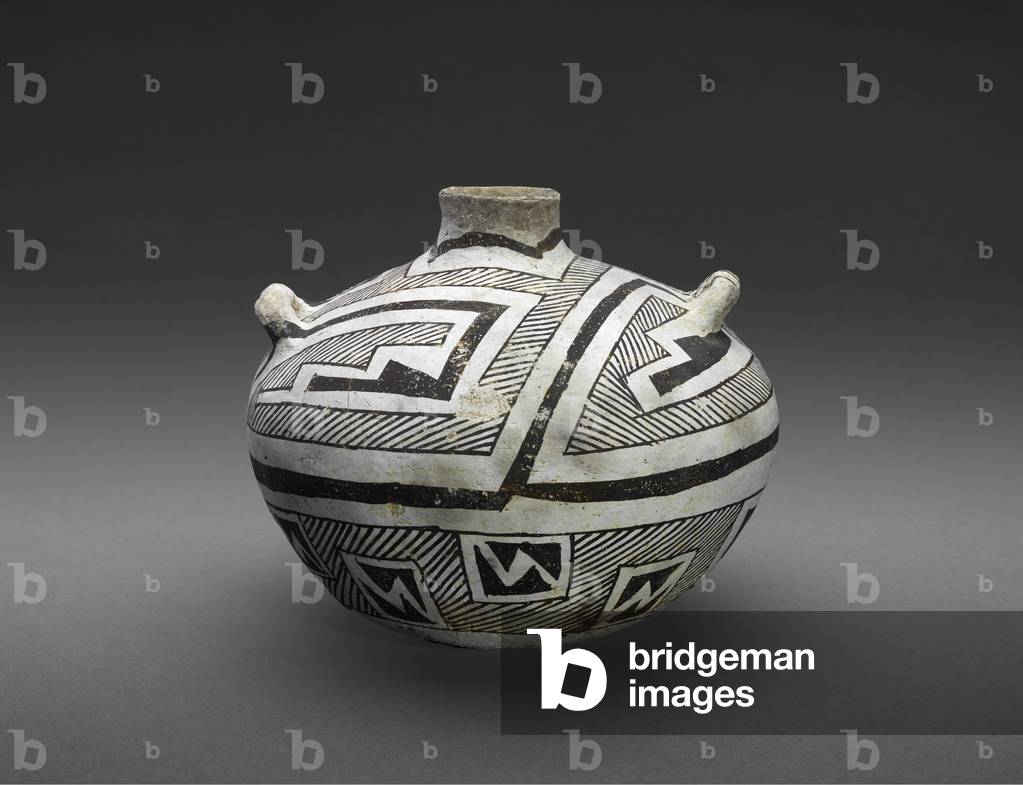
HST2908340: Jar (Olla) with Stepped and Striped Designs, 1000-1300 (earthenware with slip), Mogollon Culture / Bridgeman Images

HST2908352: Carries Wood on his Head (Yamuhakto) Kachina, 1910-40 (painted wood, string & feathers), Zuni People (20th century) / Bridgeman Images
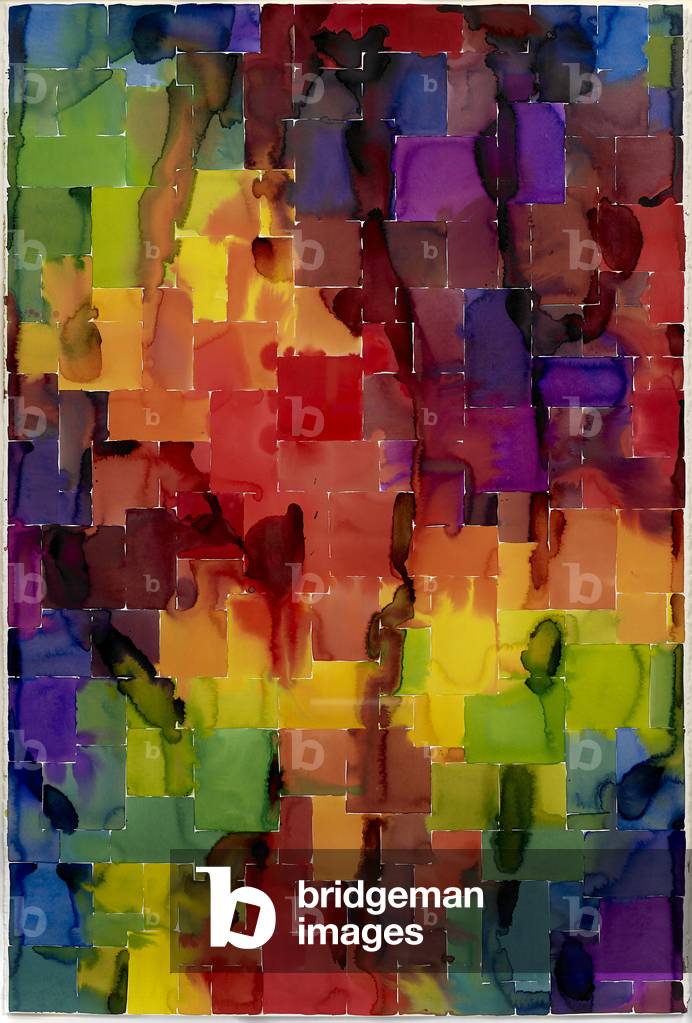
HST2908355: Abstraction Spectrum, May 29, 1998 (coloured ink over graphite on wove paper), Kline, Martin (b.1961) / Bridgeman Images

HST2908436: Children with Doll, Washington, D.C., 1942 (gelatin silver print, printed later), Parks, Gordon (1912-2006) / Bridgeman Images

HST2908478: Frederico Henrico (Frederick Henry, Prince of Orange) (engraving on laid paper), Pontius, Paulus (1603-58) / Bridgeman Images
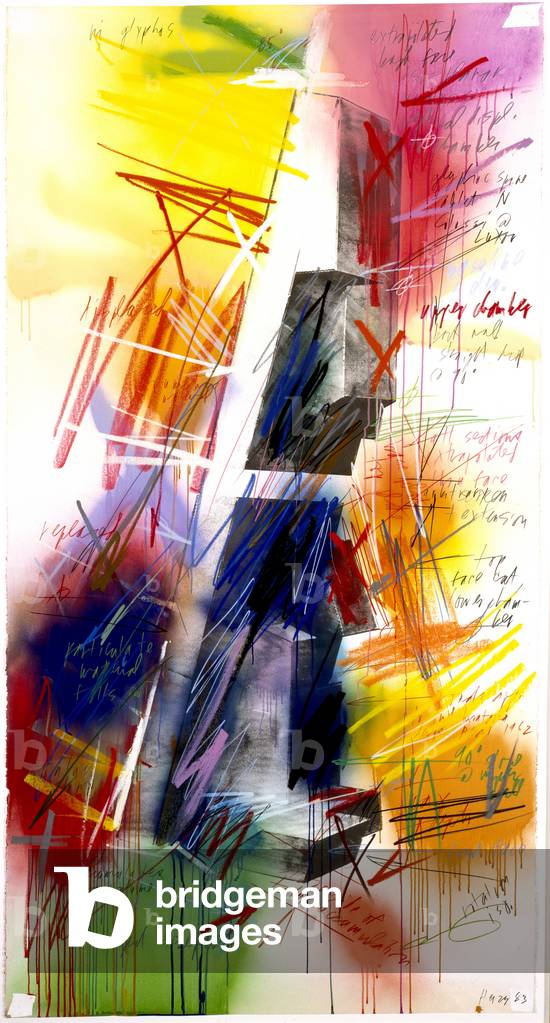
HST2908500: Vertical 85° Sculpture, 1983 (gouache, oil pastel, coloured pencil, graphite, acrylic spray paint & screenprinted photograph on paper), Heizer, Michael (b.1944) / Bridgeman Images

HST2908524: From the series 'Time Persists', 1932 (gelatin silver print), Funke, Jaromir (1896-1945) / Bridgeman Images

HST2908548: Sword with Amulet Bundle, Nisa peoples, late 19th-early 20th century (steel, wood, brass, rattan, boar's tusks & tiger teeth), Indonesian School, (19th-20th century) / Bridgeman Images
