2491557 Search Results

EVB2932797: Erich Maria Remarque (1898-1970) German author of the greatest WWI novel, "All Quiet on the Western Front," (1929), surrounded by reporters aboard the S.S. Queen Mary as it arrives in New York in 1939 / Bridgeman Images
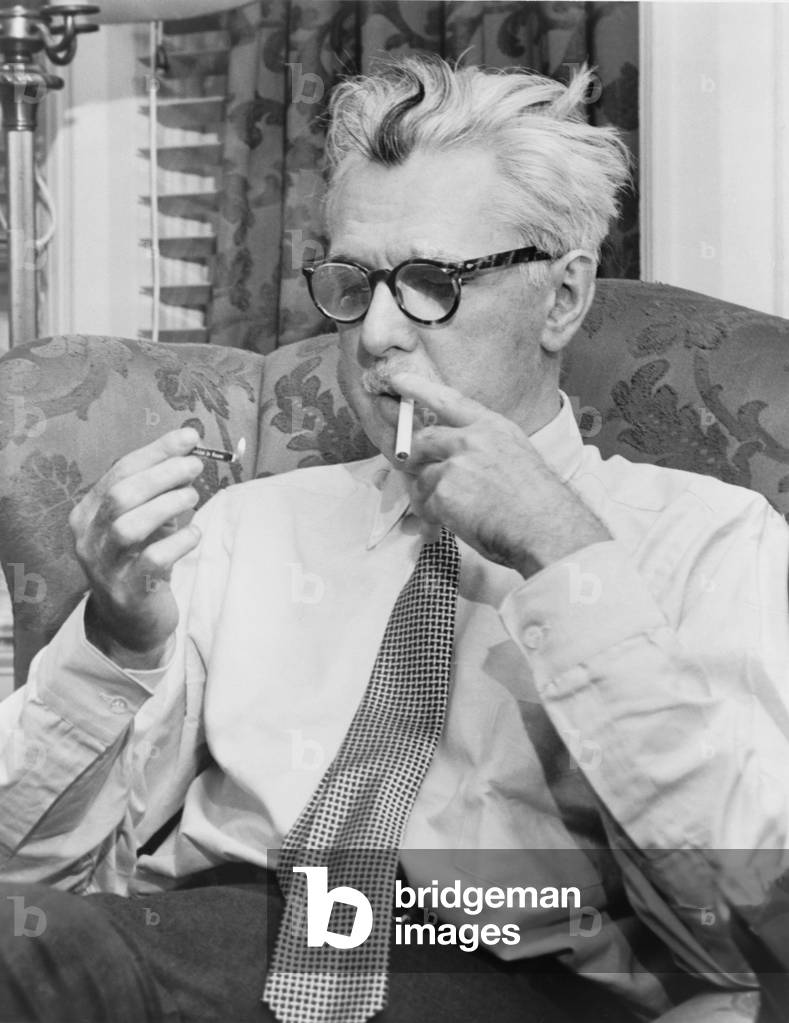
EVB2932818: James Thurber (1894-1961) American humorist, cartoonist and editor of the New Yorker, best known for his day-dreaming character of "The Secret Life of Walter Mitty". 1954, Palumbo, Fred (fl.1944) / Bridgeman Images
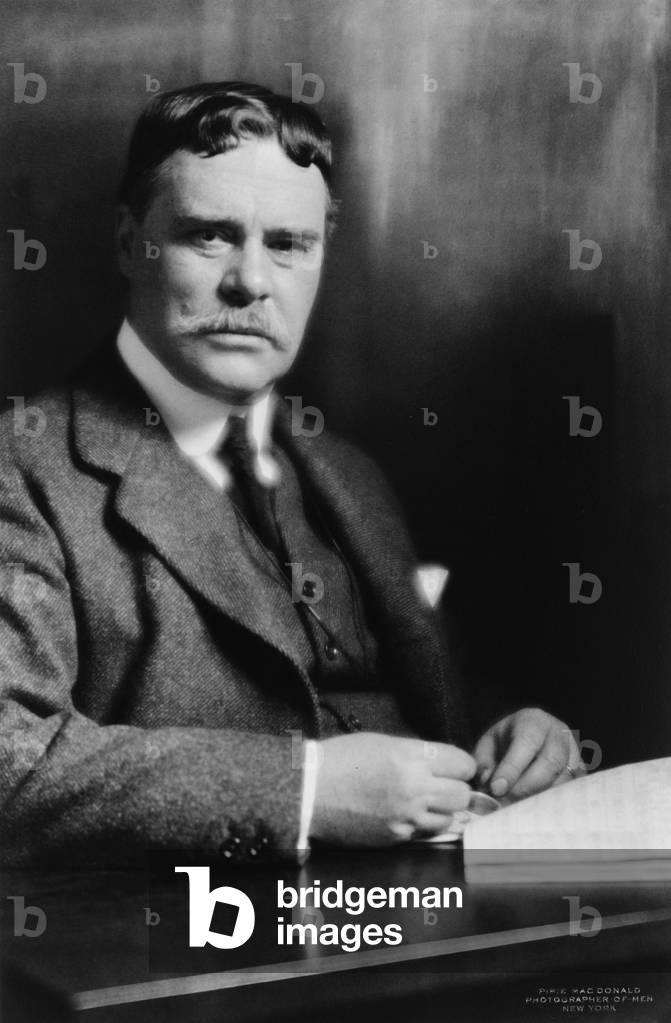
EVB2932836: Owen Wister (1860-1938), American who wrote Western novels, best known for "The Virginian"(1902), Unknown photographer, (20th century) / Bridgeman Images

EVB2932881: Richard Harding Davis (1864-1916) with other newspaper correspondents lounging on deck of steamer during the Spanish-American War / Bridgeman Images
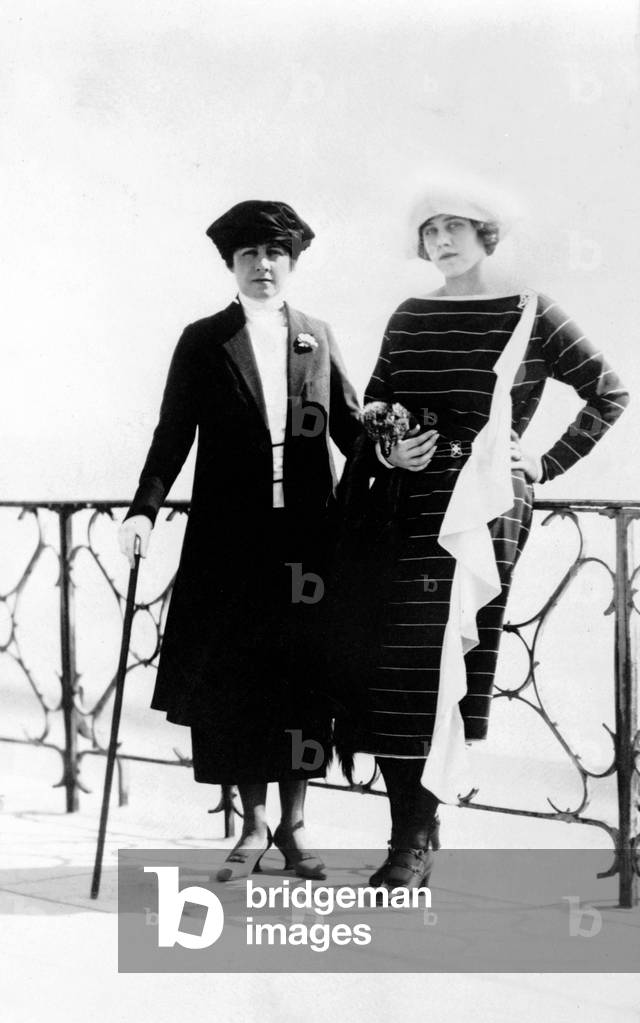
EVB2932929: Clare Boothe Luce (1903-1987) and her mother on the French Riviera in 1921, Unknown photographer, (20th century) / Bridgeman Images
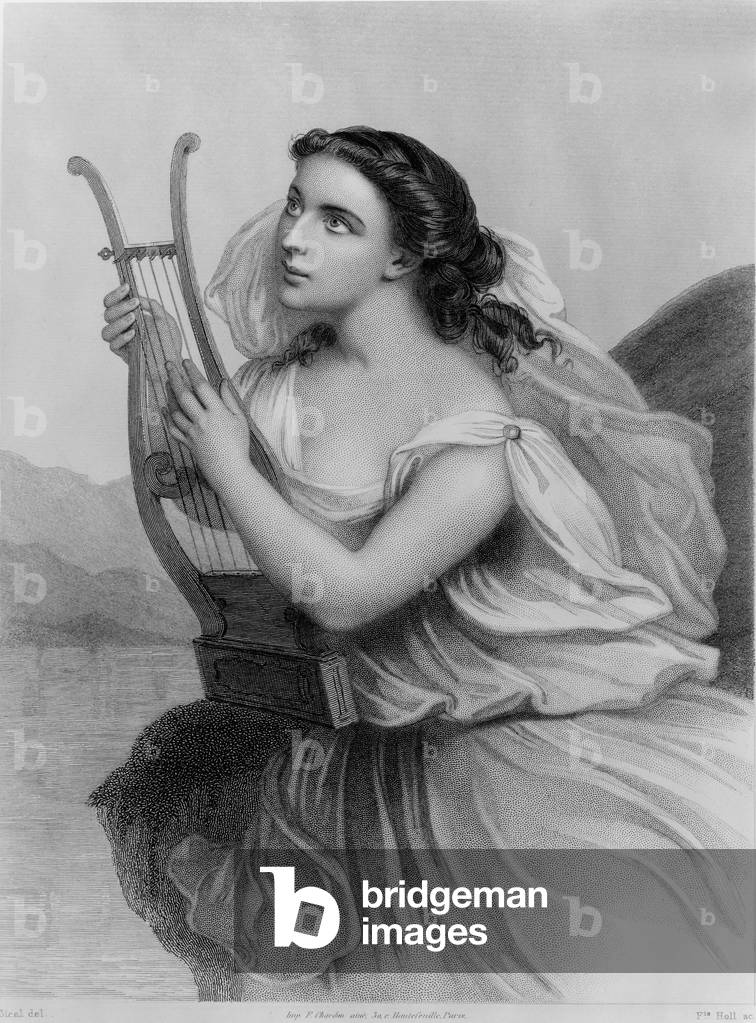
EVB2932980: Sappho (610-570 BC) ancient Greek poet depicted holding lyre. 19th century engraving / Bridgeman Images
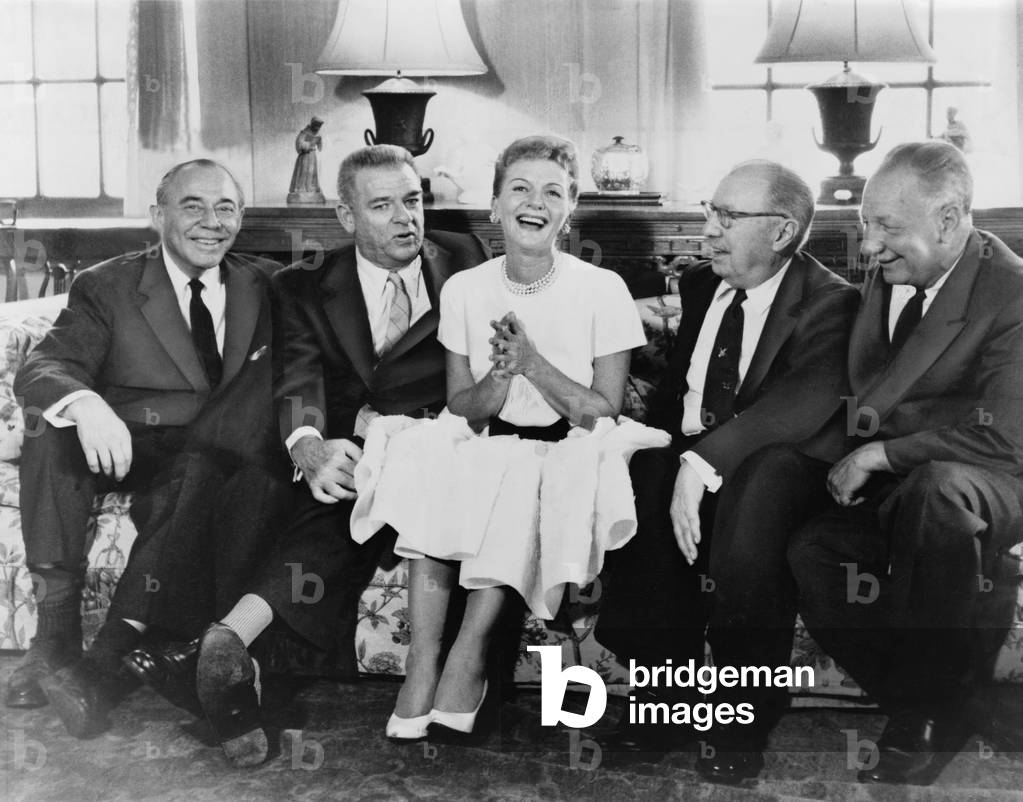
EVB2933010: Mary Martin (1913-1990), surrounded by her collaborators prior to the opening of the classic musical comedy, THE SOUND OF MUSIC IN 1959. Left to right: Richard Rodgers, Oscar Hammerstein, Mary Martin, Russel Crouse, Howard Lindsay / Bridgeman Images
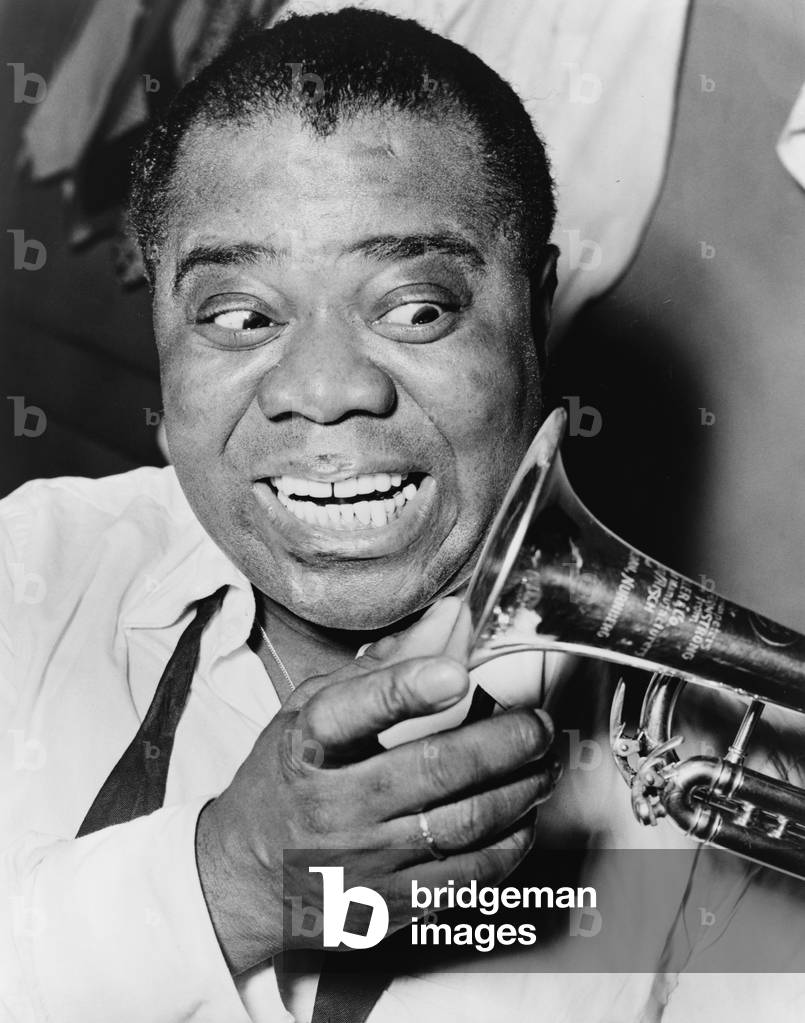
EVB2933037: Louis Armstrong (1901-1971), African American Jazz musician, with his trademark smile and trumpet, 1953 / Bridgeman Images
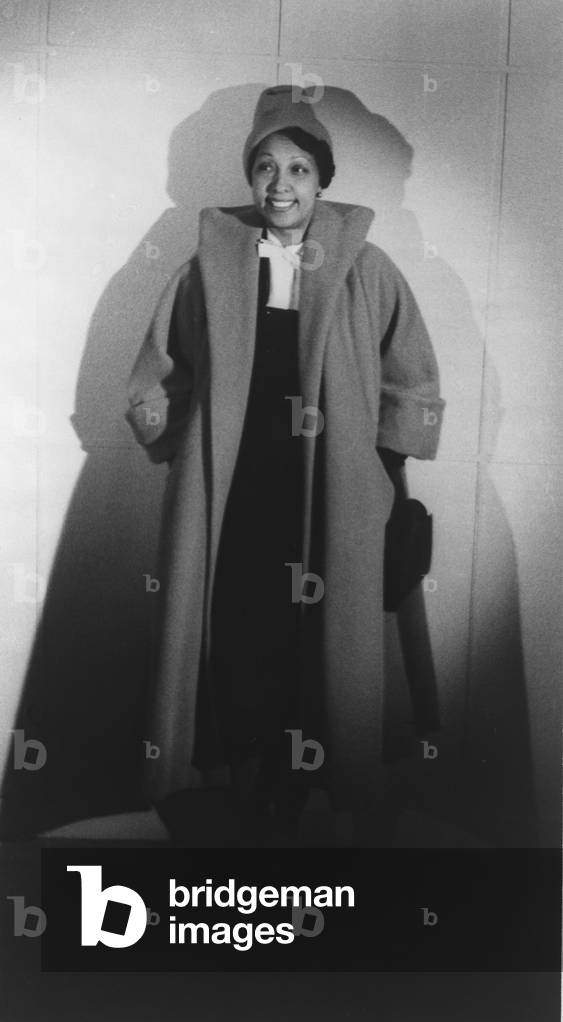
EVB2933043: Josephine Baker (1906-1975), dressed in a fashionable, but conservative coat, reflecting her post World War II life as a philanthropist and good will ambassador. 1949 / Bridgeman Images

EVB2933064: Ornette Coleman (b. 1930) African American jazz saxophonist in 1960 / Bridgeman Images
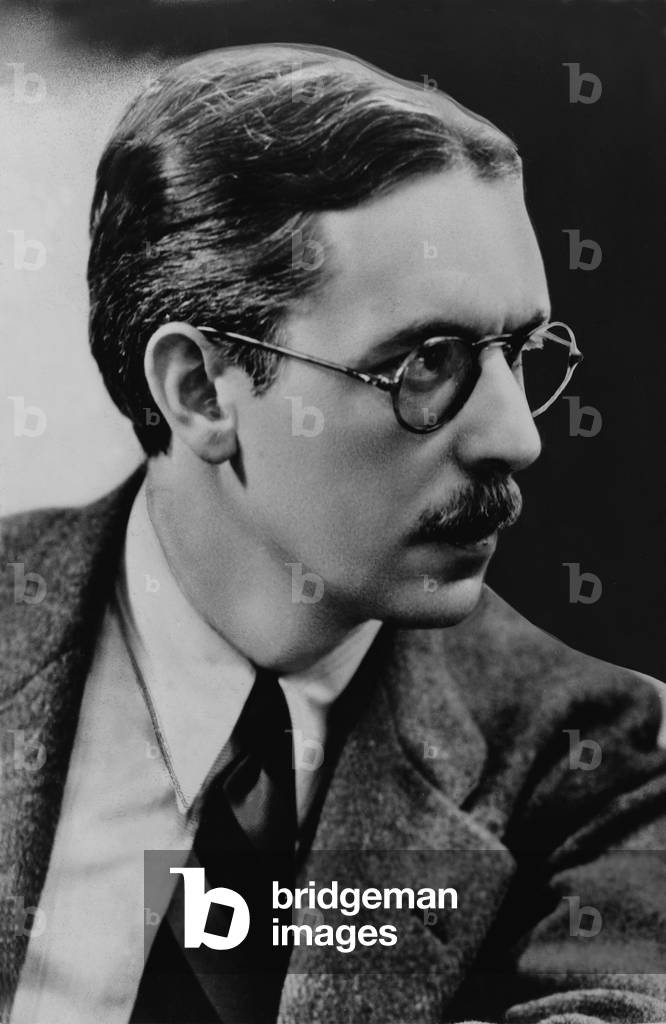
EVB2932819: James Thurber (1894-1961) American humorist, cartoonist and editor of the New Yorker, in a 1935 photo / Bridgeman Images

EVB2932855: Edna Ferber (1887-1968) American novelist and short story writer won her a Pulitzer Prize in 1924 for SO BIG, a story about the struggles and strength of her female character. 1931, Unknown photographer, (20th century) / Bridgeman Images

EVB2932861: Walter Savage Landor (1775-1864) English writer, English School, (19th century) / Bridgeman Images

EVB2932894: Henry R. Luce (1898-1967) and General Douglas MacArthur (1880-1964) holding hand-written pages of MacArthur's memoirs, that LIFE magazine had bought rights to publish. 1963 / Bridgeman Images
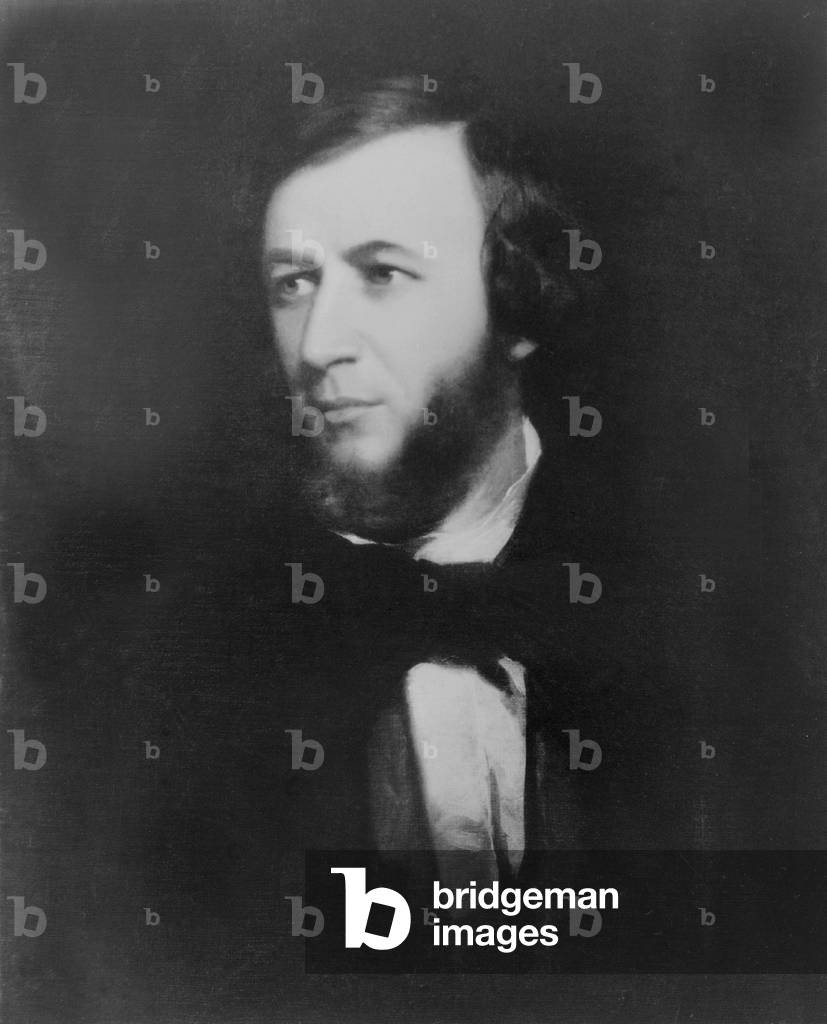
EVB2932951: Robert Browning (1812-1889) eminent English Victorian poet in 1855 at age 43, Unknown photographer, (19th century) / Bridgeman Images
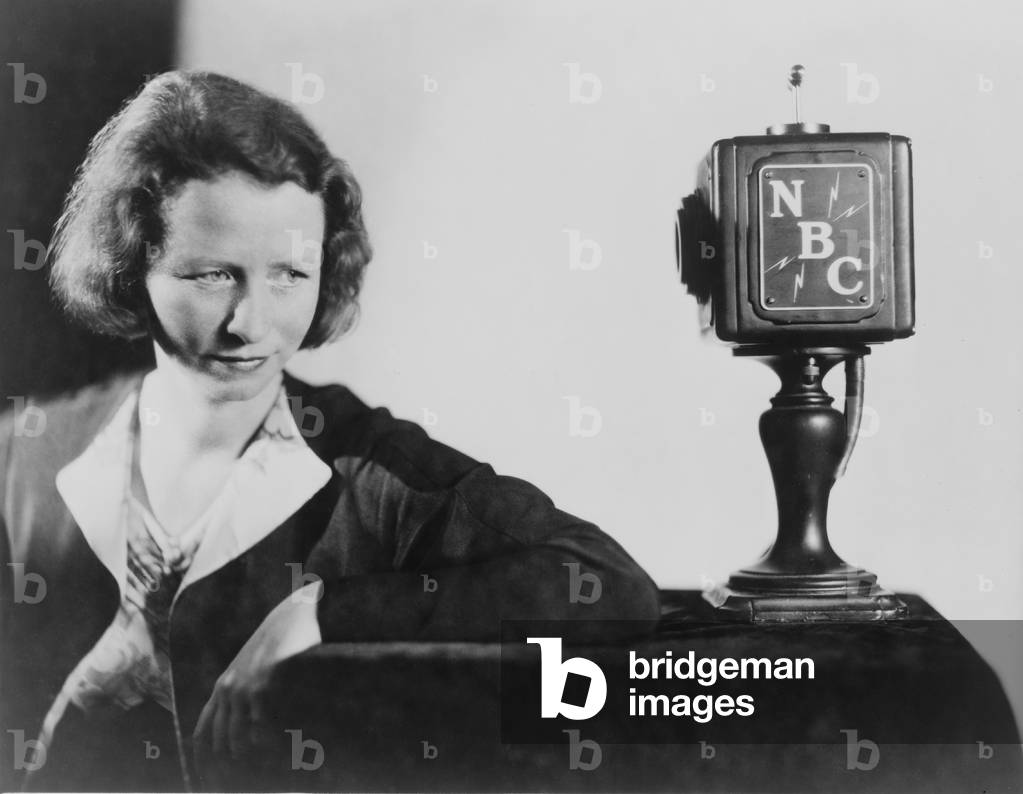
EVB2932972: Edna St. Vincent Millay (1892-1950) American poet, seated behind NBC microphone reciting her poetry. 1945 / Bridgeman Images
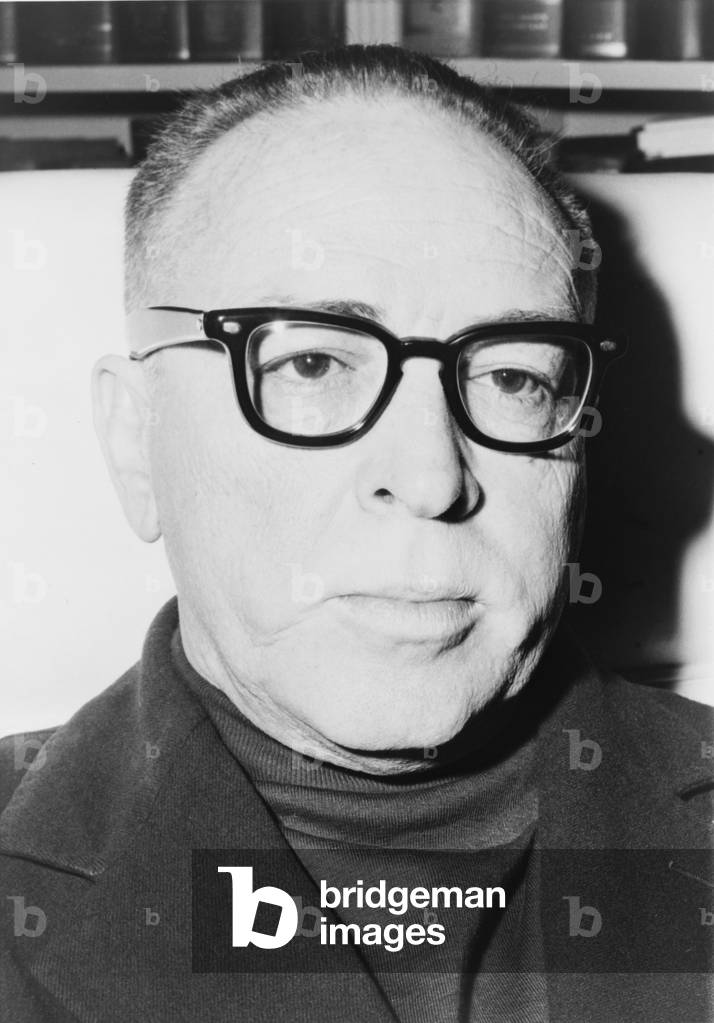
EVB2932823: Dalton Trumbo (1905-1976) won an Oscar for his screenplay of "The Brave One" (1956), written under the pseudonym Robert Rich while he was still black-listed for his membership in the Communist Party. By 1960 he was again writing under his real name for important films, "Exodus" and "Spartacus." 1959 / Bridgeman Images
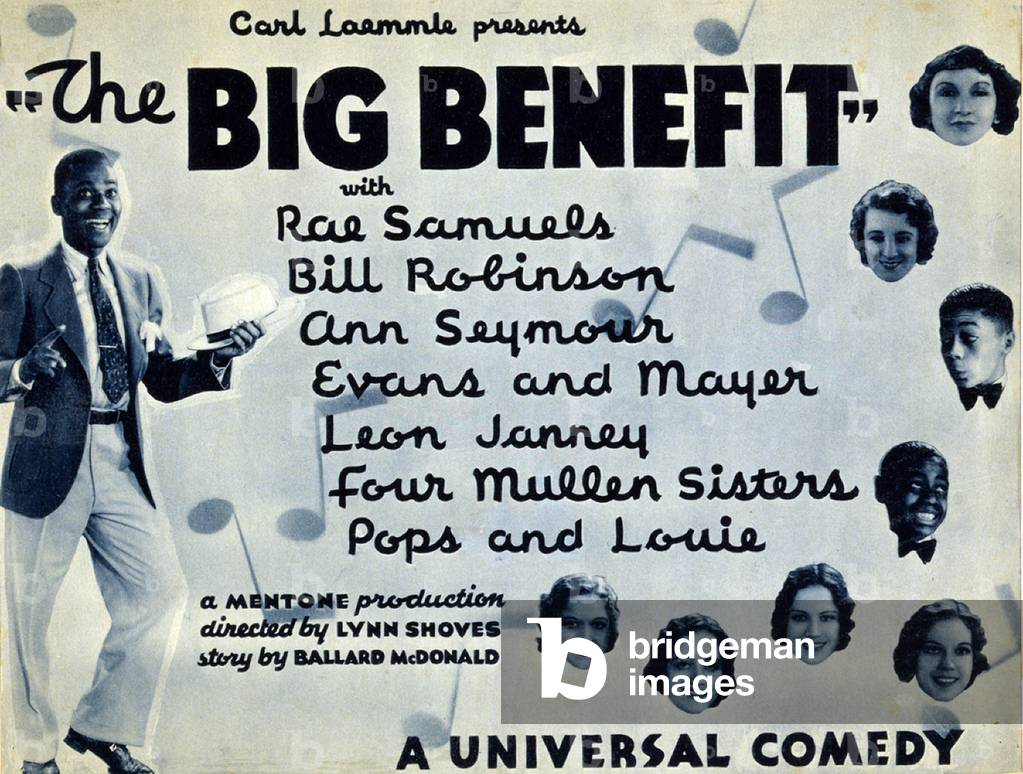
EVB2933017: Lobby card for "The Big Benefit" shows Bill "Bojangles" Robinson dancing and the faces other stars, including Rae Samuels, Ann Seymour, Evans and Mayer, and the Four Mullen Sisters. 1933 / Bridgeman Images
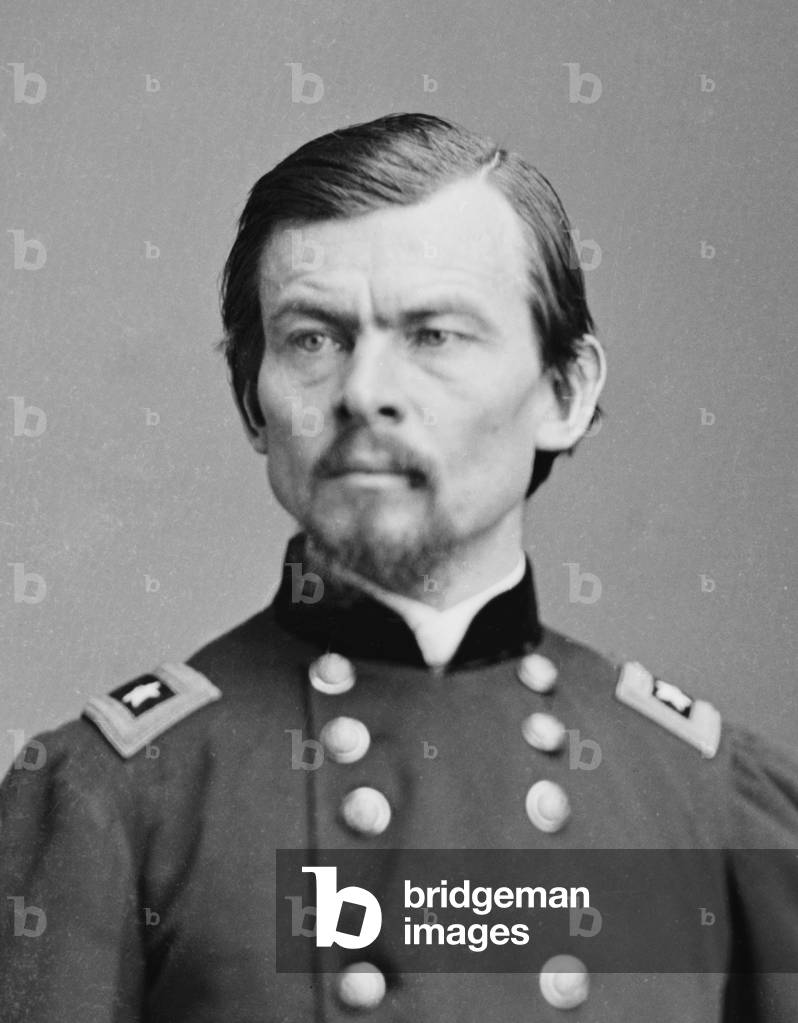
EVB2931211: The Civil War. Major General Franz Sigel, c. 1862 - 1865. Mathhew Brady Studio, Unknown photographer, (19th century) / Bridgeman Images
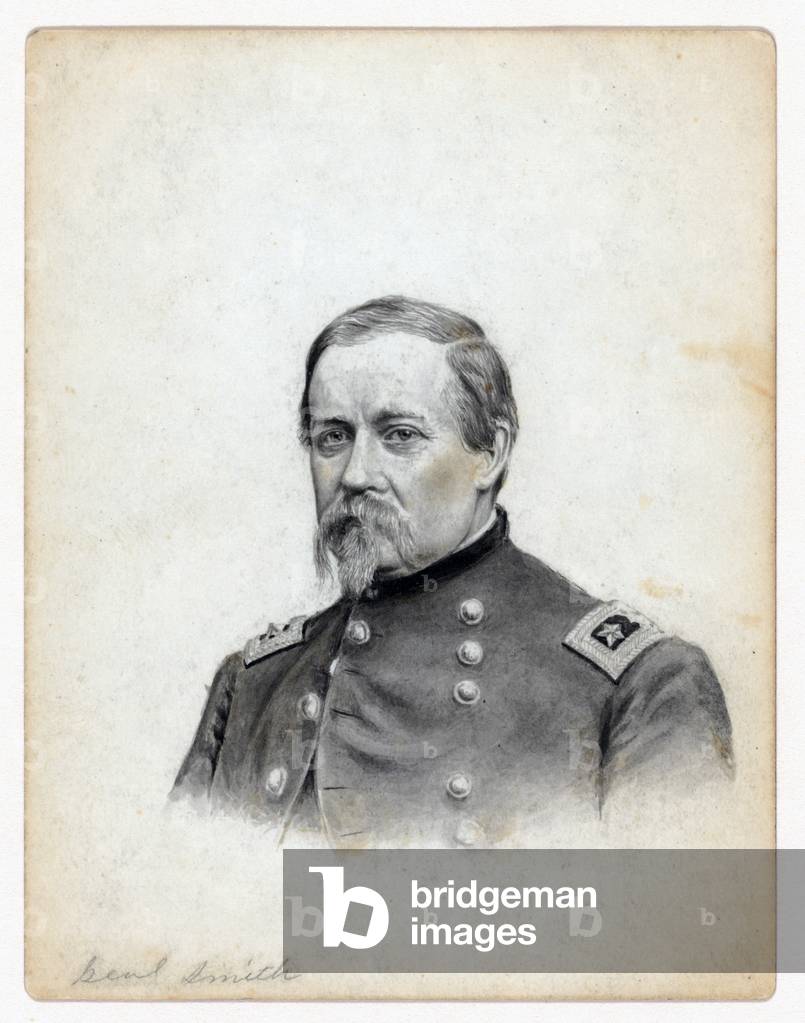
EVB2931214: The Civil War. Brigadier General William Farrar Smith, c. 1861-1865 / Bridgeman Images

EVB2931197: First Call - I Need You in the Navy this Minute! Our Country will always be proudest of those who answered the FIRST CALL, 1917 (poster), Flagg, James Montgomery (1877-1960) / Bridgeman Images
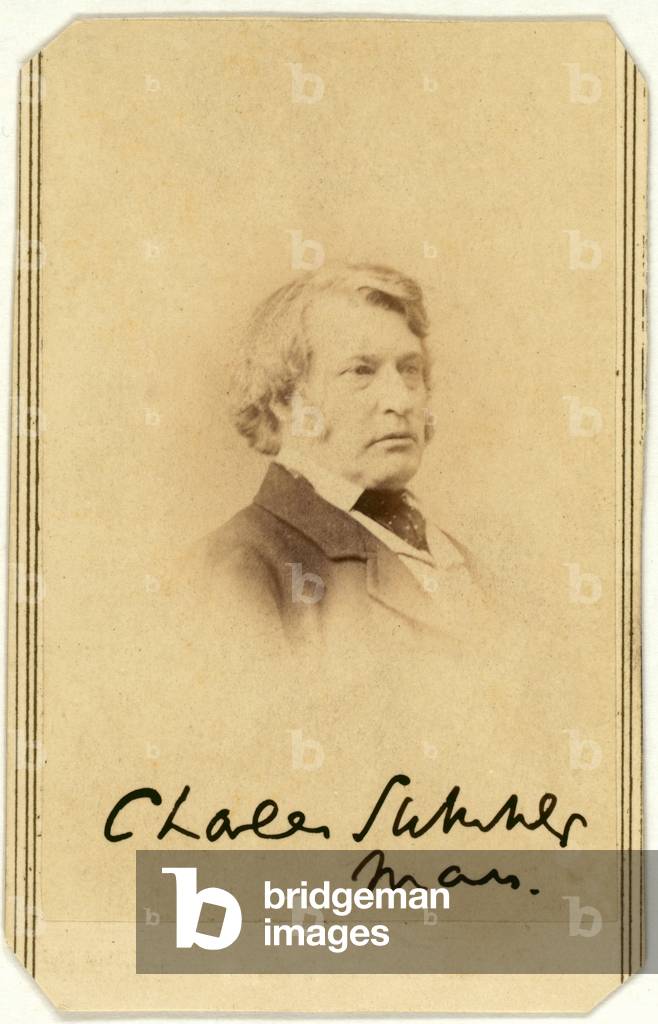
EVB2931215: Senator Charles Sumner, carte de visite by Alexander Gardner, signed by Sumner c. 1862 - 1865. Mathhew Brady Studio, Gardner, Alexander (1821-82) / Bridgeman Images
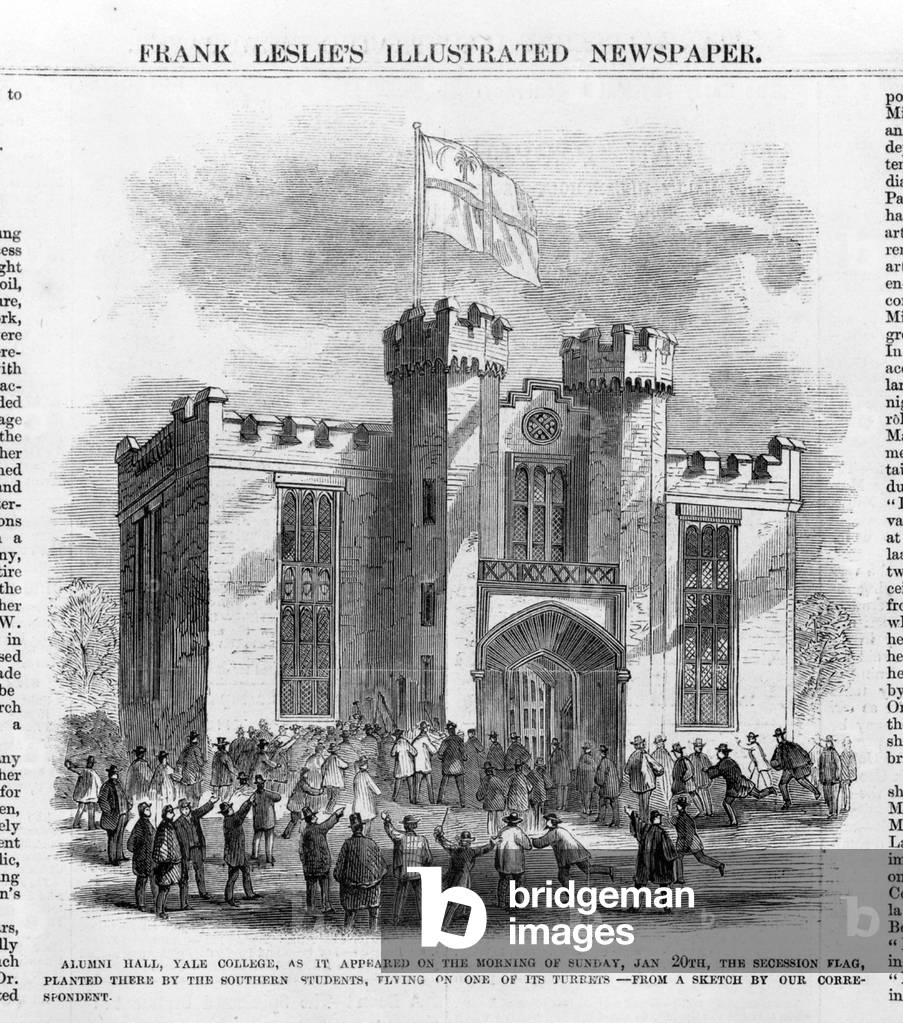
EVB2931236: The Civil War, Southern secessionists raise flag over Alumni Hall at Yale College, January 20, 1861 / Bridgeman Images
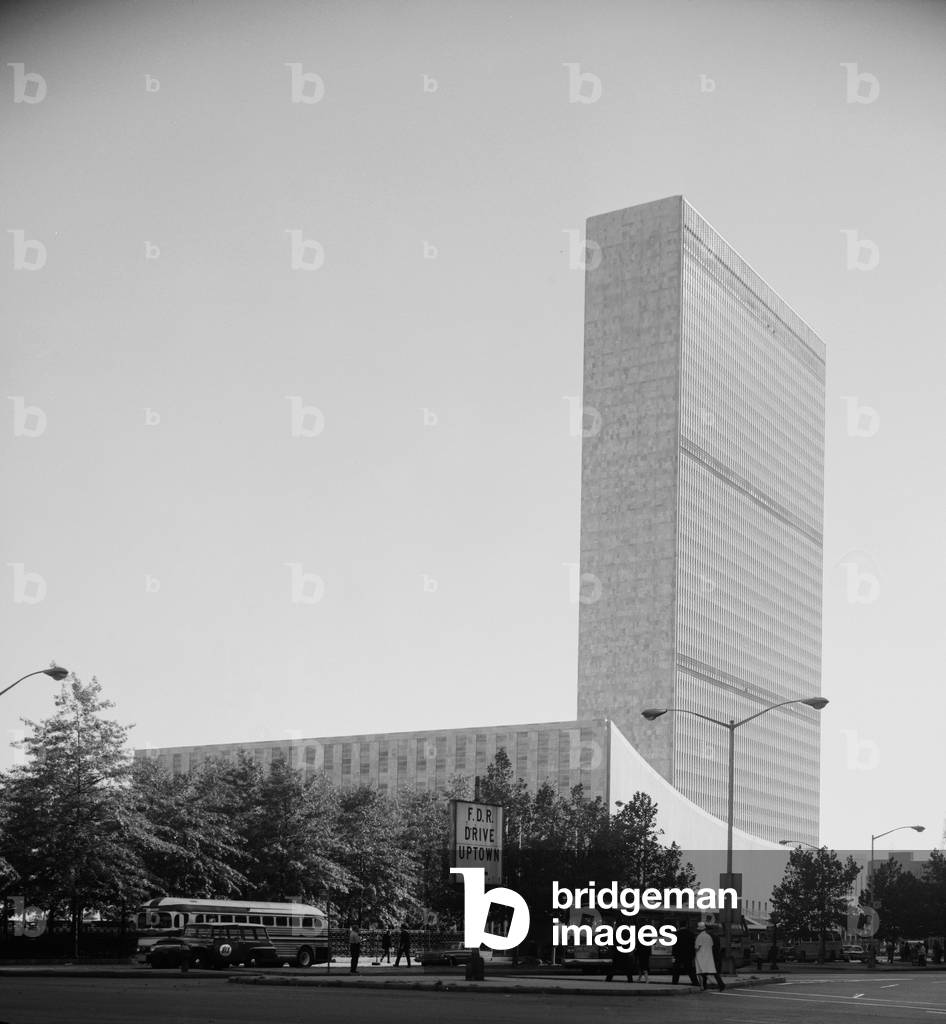
EVB2931242: New York City, United Nations Headquarters, United Nations Plaza. SECRETARIAT BUILDING (BACKGROUND) AND GENERAL ASSEMBLY BUILDING (FOREGROUND). September, 1966 / Bridgeman Images

EVB2931251: Detail of bean on coffee tree, 1910s, Unknown photographer, (20th century) / Bridgeman Images
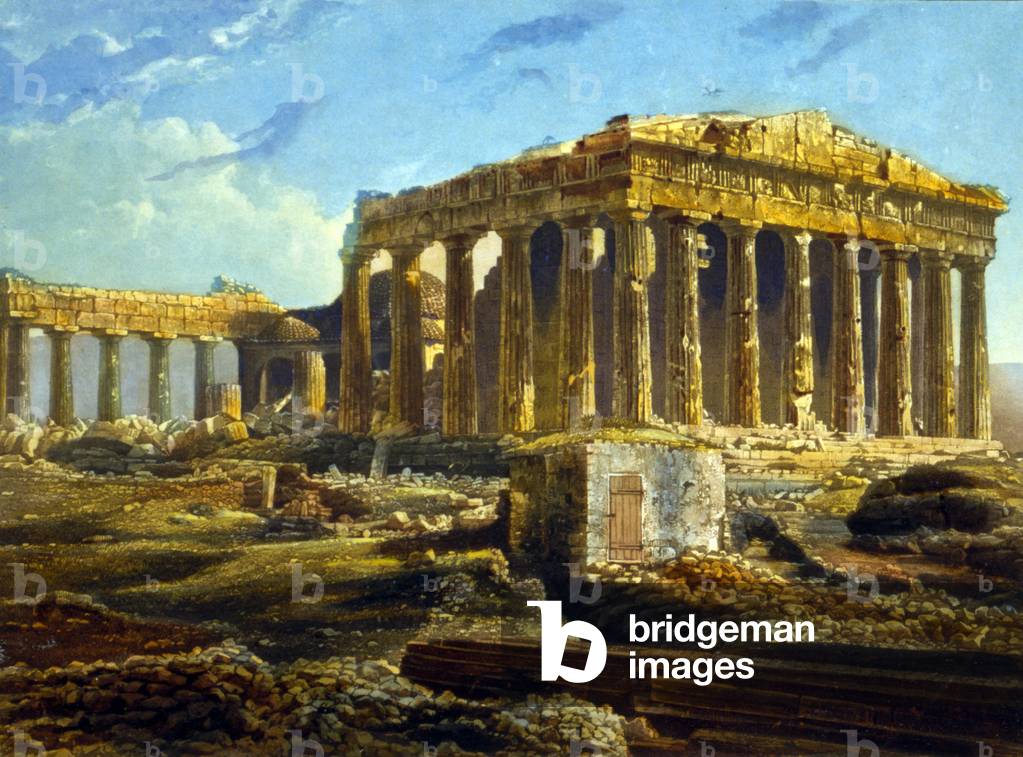
EVB2931257: The Parthenon, Athens, Greece, print dated 1842 / Bridgeman Images
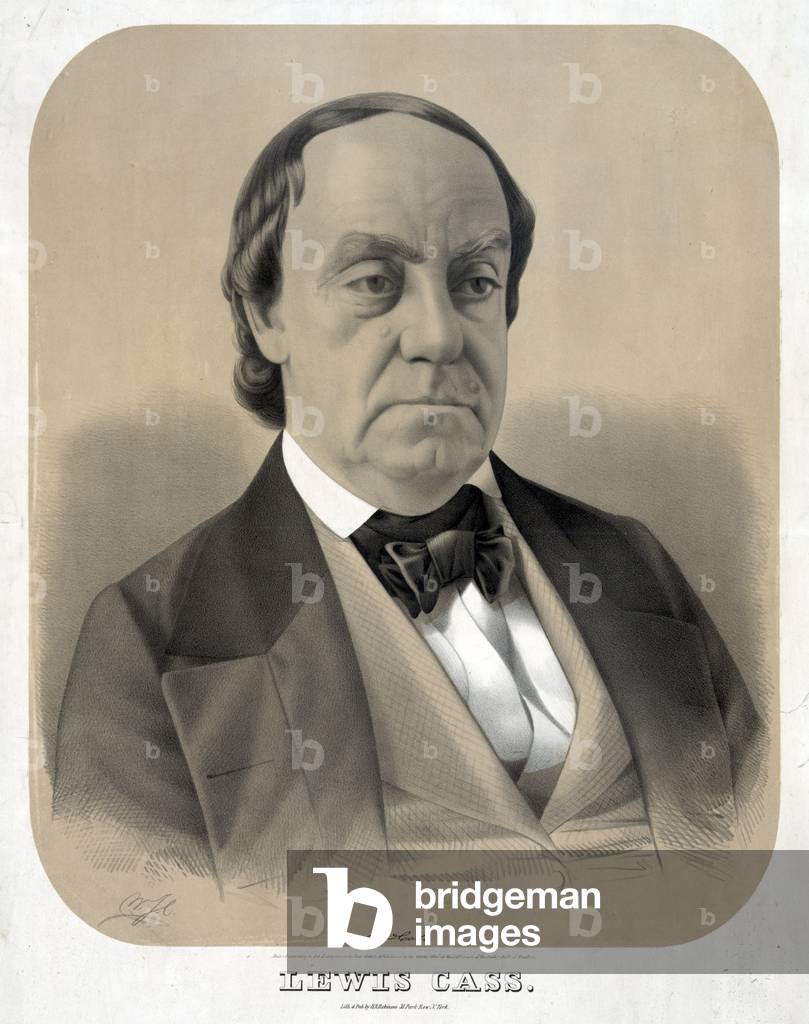
EVB2931263: Lewis Cass, Democratic presidential candidate for 1848. Secretary of War for Andrew Jackson, he implemented the Indian Lithograph ca 1848 / Bridgeman Images

EVB2931585: Fishing boats in Lisbon, Portugal, c.late 1800s, Unknown photographer, (19th century) / Bridgeman Images

EVB2931588: Santa Barbara Mission, 2201 Laguna Street, Santa Barbara, California. Fountain and entrance facade, 1927. Photo by Frances Benjamin Johnston, Johnston, Frances Benjamin (1864-1952) / Bridgeman Images

EVB2931594: The Grandview Theater in Chinatown, San Francisco, California, 1944 / Bridgeman Images

EVB2931597: Soldiers' Life Make The Regular Army Your Career, 1941 (poster), Woodburn, Tom B. (1893-1980) / Bridgeman Images

EVB2931609: The Virgin with child holding a book, by Albrecht Durer, c.1498, Dürer or Duerer, Albrecht (1471-1528) / Bridgeman Images

EVB2931615: Buy a United States Government Bond of the 2nd Liberty Loan of 1917, 1917 (poster), American School, (20th century) / Bridgeman Images

EVB2931630: Couldn't have done it without you! Full speed ahead... We've still got a big job to do! 1943 (poster), Scott, Howard (1902-83) / Bridgeman Images

EVB2931636: ''Doing all you can, brother?'' Buy War Bonds, 1943 (poster) / Bridgeman Images
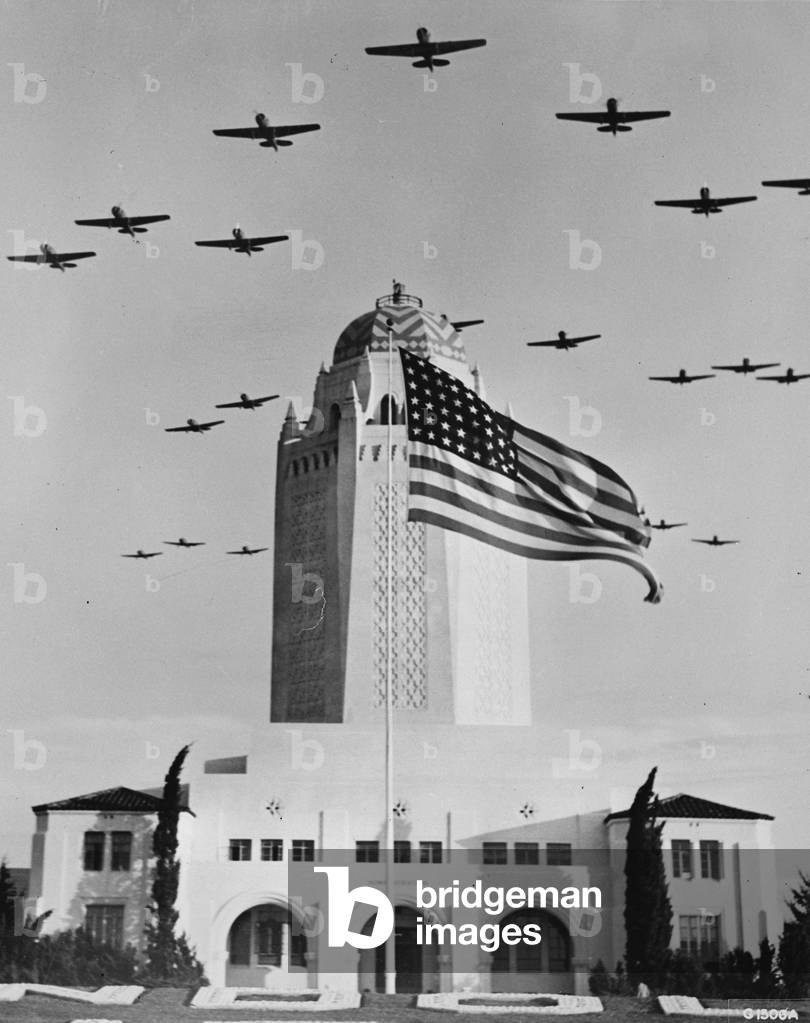
EVB2931675: World War II, Warbirds and the 170 foot tower of the administration building of Randolph Field, Texas, c.1942, American Photographer, (20th century) / Bridgeman Images
