2491516 Search Results

XRC2679615: Presentation of the Legion of Honour to Henri Salvador , Paris, October 3, 1988 : Henri Salvador, Ludmilla Tcherina and Jacques Chirac (b/w photo), Coruzzi, Giovanni / Bridgeman Images

XRC2679583: Jacques Chirac during campaign at time of French General Elections, Paris, 1978 (b/w photo), Coruzzi, Giovanni / Bridgeman Images
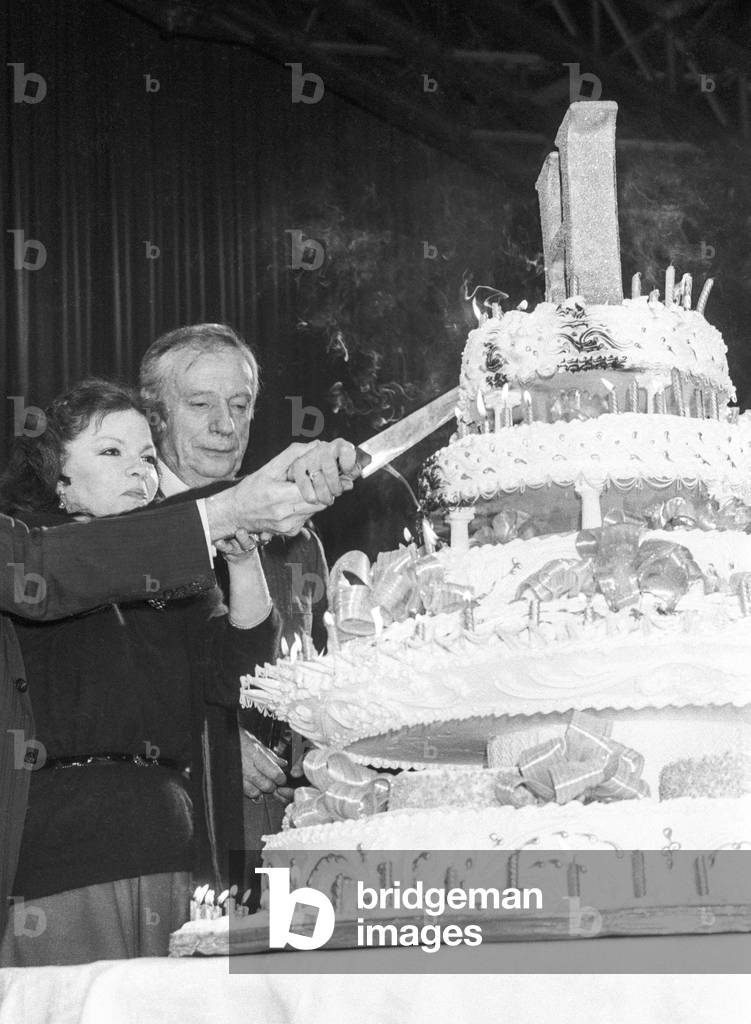
XRA2679407: Dinner for the 160th anniversary of Hachette publishing house in Paris on March 6, 1986 : Catherine Allegret and Yves Montand cutting the cake (b/w photo) / Bridgeman Images

XRA2679636: Demonstration of the lawyers against the striking off of French lawyer Jacques Isorni, Paris Law Courts, February 7, 1963 (b/w photo) / Bridgeman Images

XRC2679598: Jacques Chirac, mayor of Paris, for tasting of Beaujolais Nouveau, Paris City Hall, November 1989 (b/w photo), Coruzzi, Giovanni / Bridgeman Images

XRA2679678: Presentation of Dior fashion (Bohan - Le Bret), avenue Montaigne in Paris, July 23, 1973 : topless model (b/w photo) / Bridgeman Images

XRA2679628: Demonstration of the justice (lawyers, magistrates) in Paris on October 23, 1990 (b/w photo) / Bridgeman Images

XRA2679461: Dior fashion show (for men), Spring/Summer 87, Paris, September 8, 1986 (b/w photo) / Bridgeman Images

XRA2679690: Jacques Chirac at opening of the new operating block for the orthopaedics at Cochin hospital, Paris, September 25, 1984 (b/w photo) / Bridgeman Images

XRA2679637: Demonstration of the lawyers against the striking off of French lawyer Jacques Isorni, Paris Law Courts, February 7, 1963 : here lawyers signing a petition (b/w photo) / Bridgeman Images

XRC2679646: Jacques Chirac and Madeleine Belmondo at opening of the exhibition of the works of art by Paul Belmondo at the Pavillon des Arts in Paris, October 25, 1985 (b/w photo), Coruzzi, Giovanni / Bridgeman Images

XRA2679527: Dior fashion show, Spring/Summer 85, Paris, January 29, 1985 (b/w photo) / Bridgeman Images

XRA2679694: Departure of the "Six jours de Paris" (6 days long cycling race in Paris), November 15, 1984 : Jacques Chirac (b/w photo) / Bridgeman Images

XRA2679554: Dior fashion show, Spring/Summer 75, Paris, January 27, 1975 : checked suit (b/w photo) / Bridgeman Images

XRA2679778: Torrente fashion, Spring/Summer 83, Paris, October 13, 1982 (b/w photo) / Bridgeman Images

XRA2679720: Christmas show at Paris City Hall, December 15, 1977 : Jacques Chirac with children (b/w photo) / Bridgeman Images

XRA2679741: Torrente's Autumn/Winter collection, Paris, July 17, 1974 : muslin dress (b/w photo) / Bridgeman Images
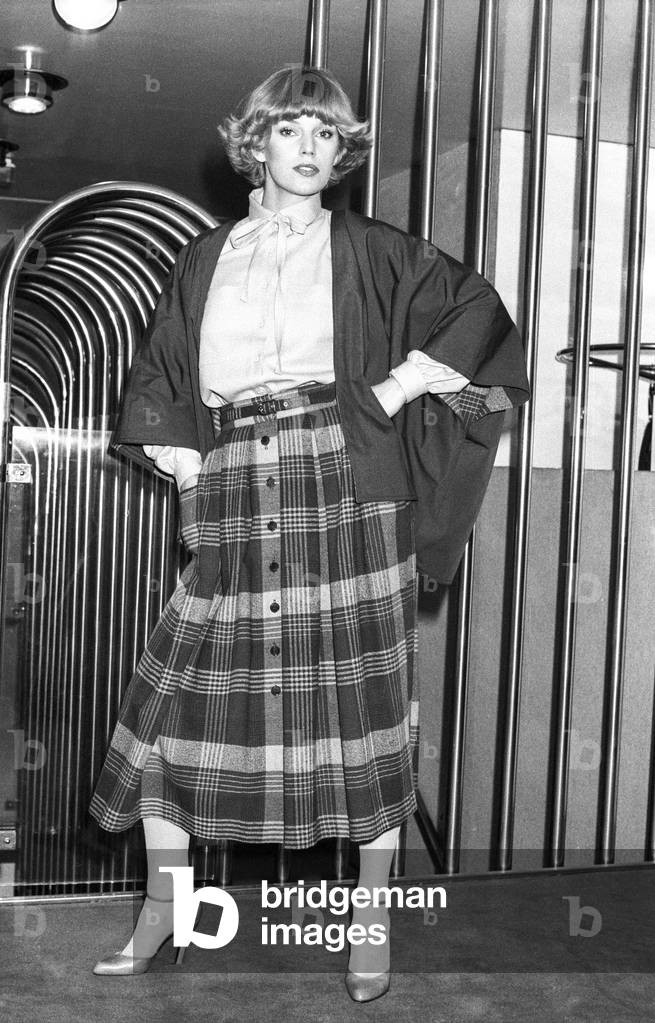
XRA2679866: Torrente fashion, Fall/Winter 78/79, Paris, April 7, 1978 (b/w photo) / Bridgeman Images
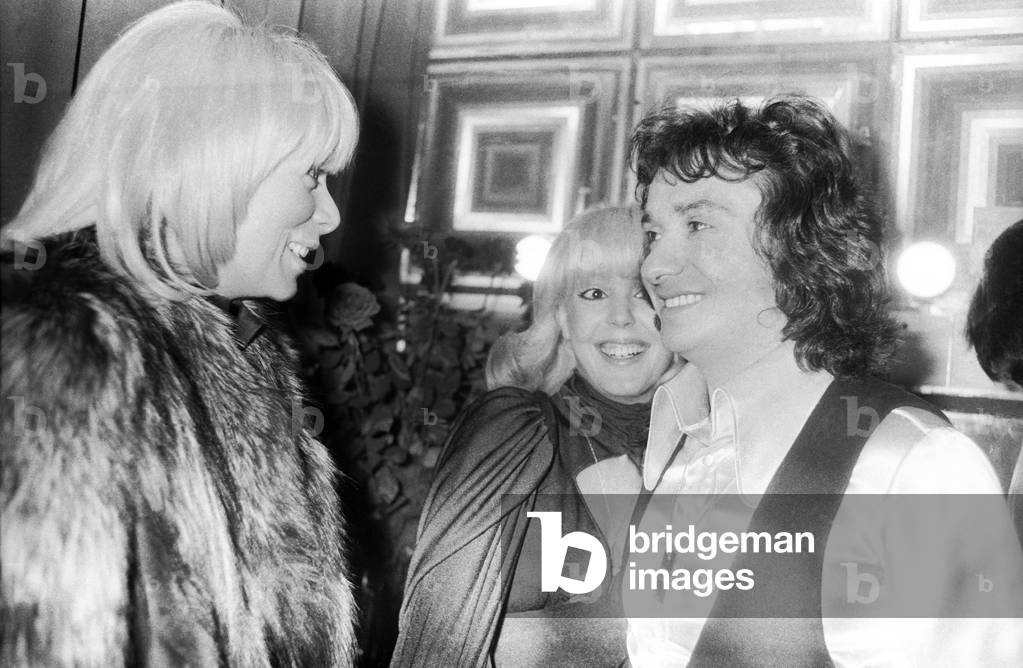
XRA2679902: Mireille Darc congratulating Michel Sardou after his concert at the Olympia, Paris, December 31, 1974 (b/w photo) / Bridgeman Images

XRA2679801: Torrente fashion (haute couture), Spring/Summer 80, Paris, January 22, 1980 (b/w photo) / Bridgeman Images
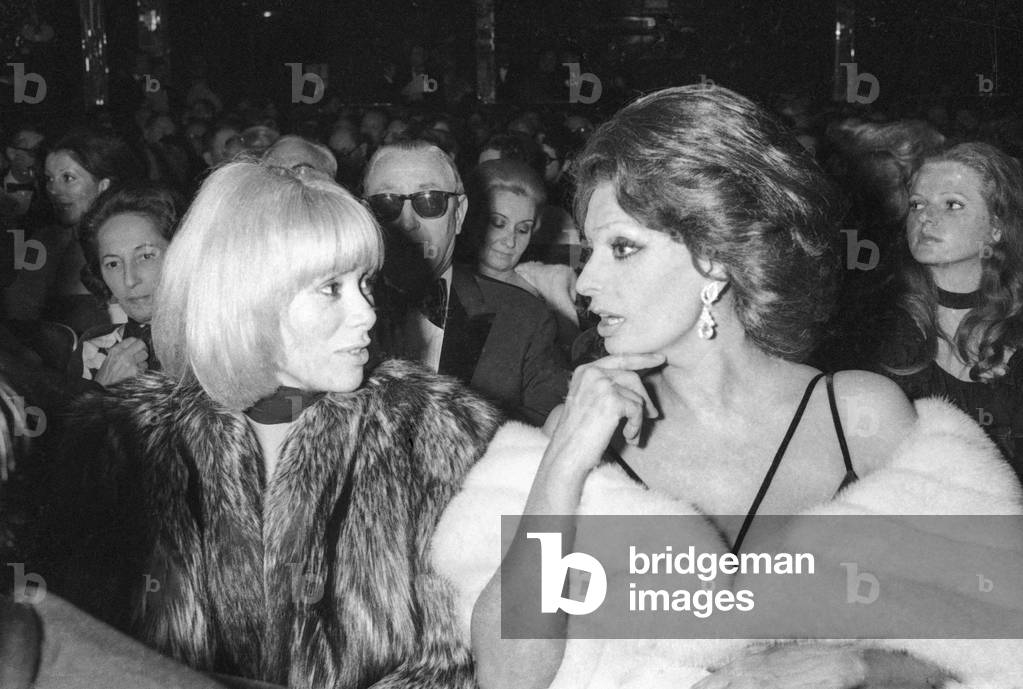
XRC2679920: Mireille Darc and Sophia Loren at premiere of JosephineBaker in Bobino, Paris, April 8, 1975 (photo), Coruzzi, Giovanni / Bridgeman Images

XRA2679822: French actress Mireille Darc at premiere of film "Ne nous fachons pas" in Paris, April 21, 1966 (b/w photo) / Bridgeman Images
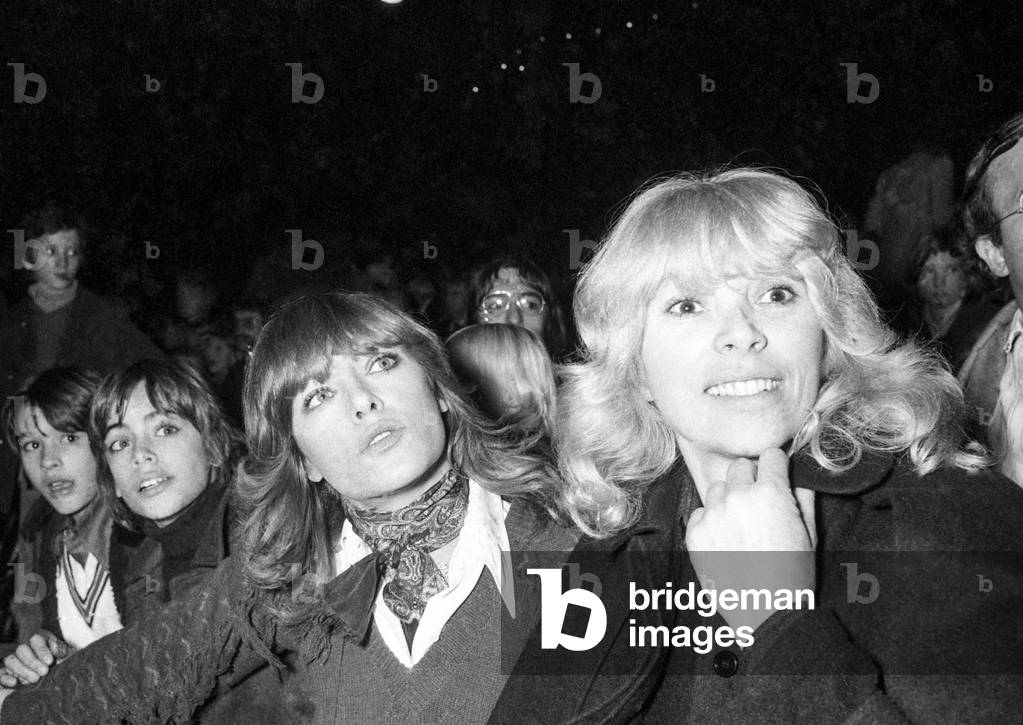
XRC2679935: Anthony Delon, Nathalie Delon, Mireille Darc at the show 'Bertrand du Guesclin' in paris, November 16, 1976 (b/w photo), Coruzzi, Giovanni / Bridgeman Images
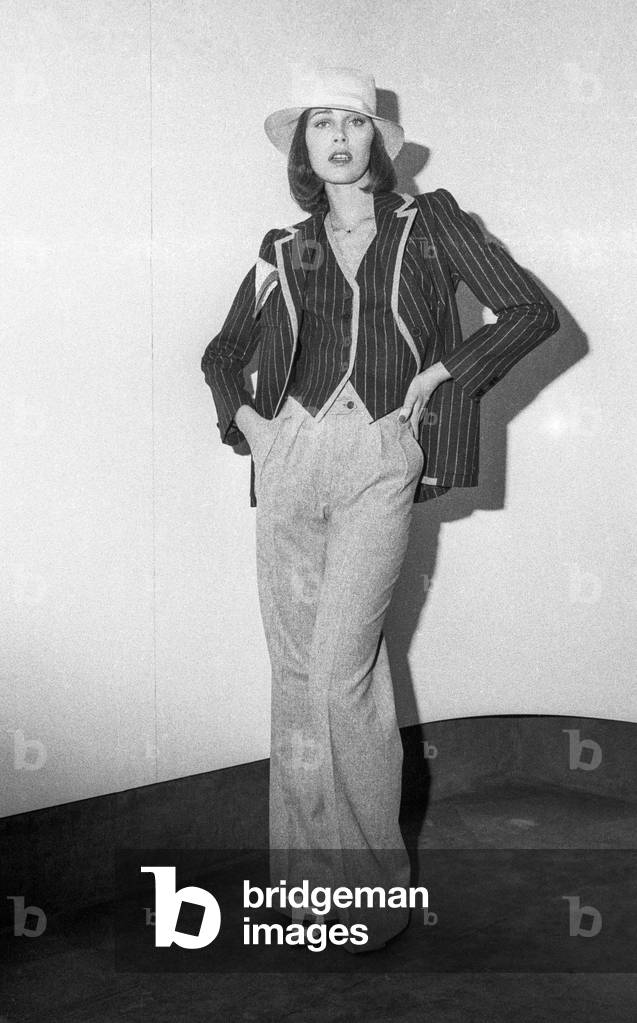
XRA2679865: Torrente fashion, Spring/Summer 76, Paris, January 15, 1976 (b/w photo) / Bridgeman Images
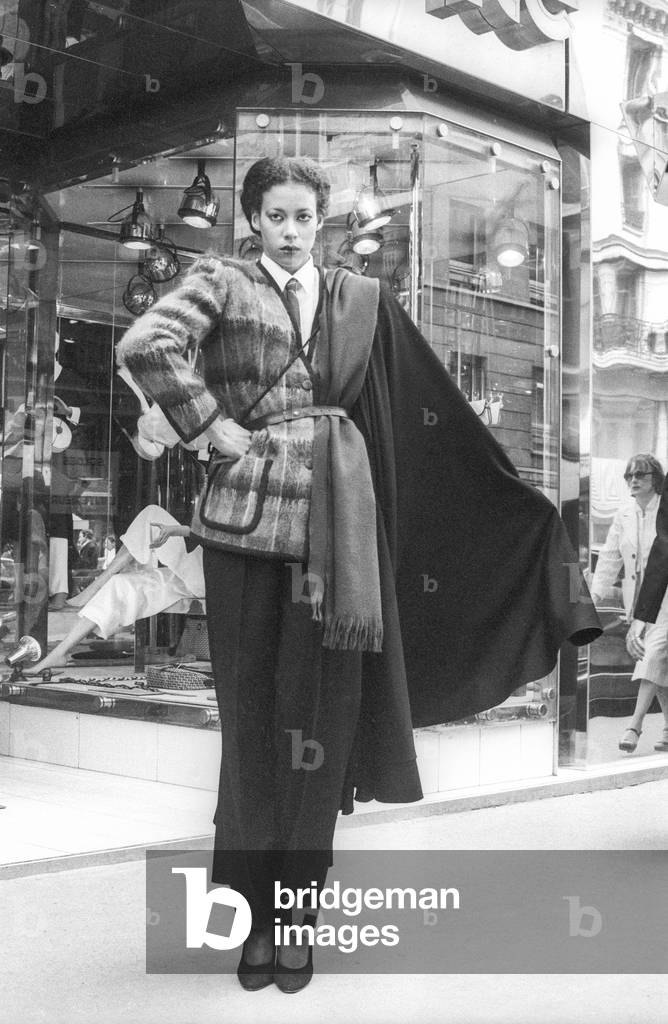
XRA2679880: Torrente fashion, Fall/Winter 78/79, Paris, July 19, 1978 (b/w photo) / Bridgeman Images
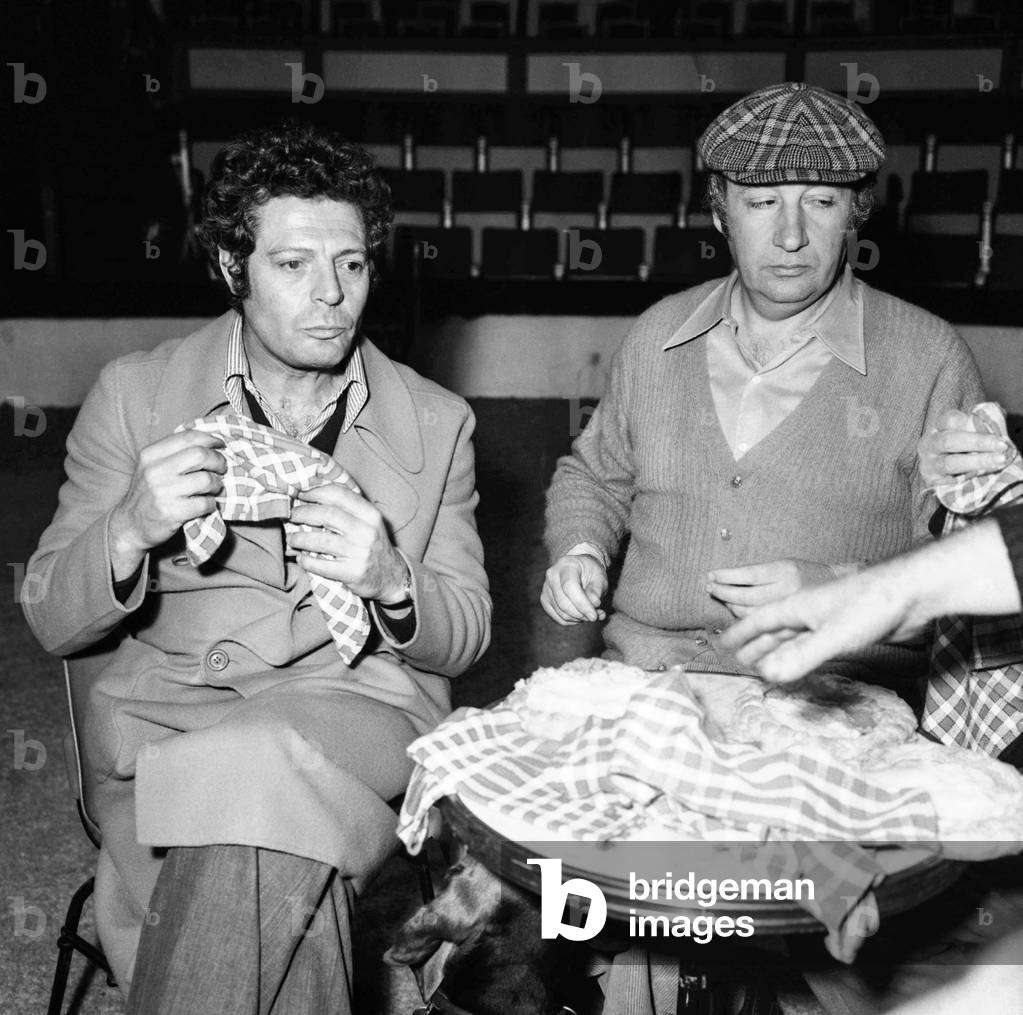
XRC2679977: Rehearsal of gala of artists in Paris on april 26, 1973 : Marcello Mastroianni, Philippe Noiret (b/w photo), Coruzzi, Giovanni / Bridgeman Images

XRA2680208: Exhibition of Niki de Saint-Phalle at the Centre Georges Pompidou in Paris, July 3, 1980 (b/w photo), Saint-Phalle, Niki de (1930-2002) / Bridgeman Images
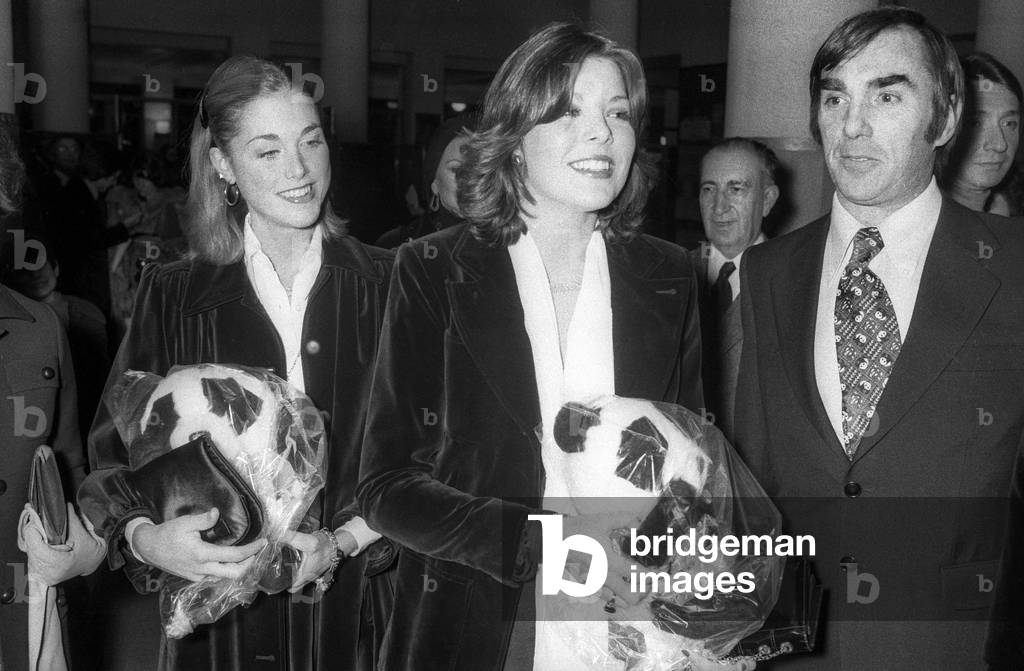
XRC2680035: Princess Caroline of Monaco, November 6, 1976 (b/w photo), Coruzzi, Giovanni / Bridgeman Images
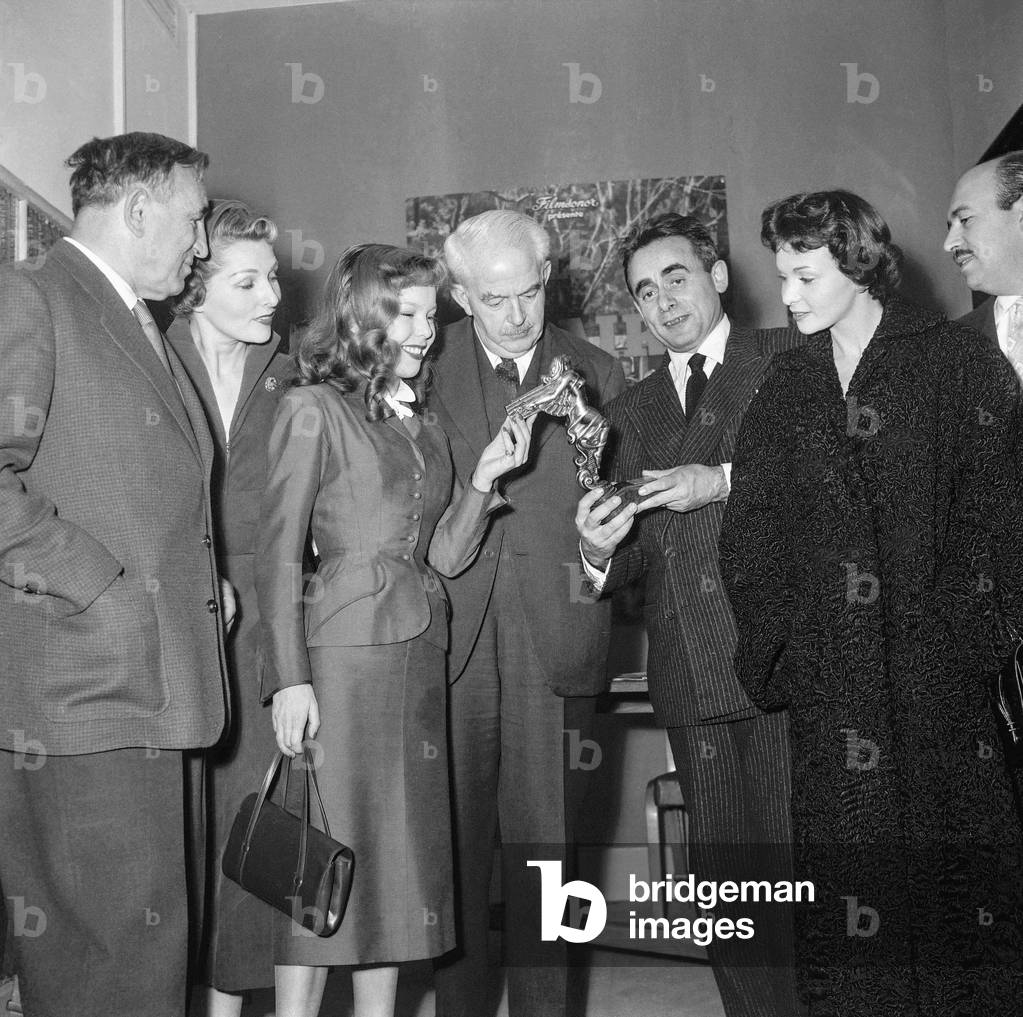
XRA2680241: French director Henri Georges Clouzot has received the best director prize given by a Spanish jury, at UniFrance Films in Paris, February 3, 1955 : Charles Vanel, Simone Renant, Cecile Aubry, Marquis de Casa Roja (Spanish ambassador), Henri Georges Clouzot et Francoise Arnoul (b/w photo) / Bridgeman Images
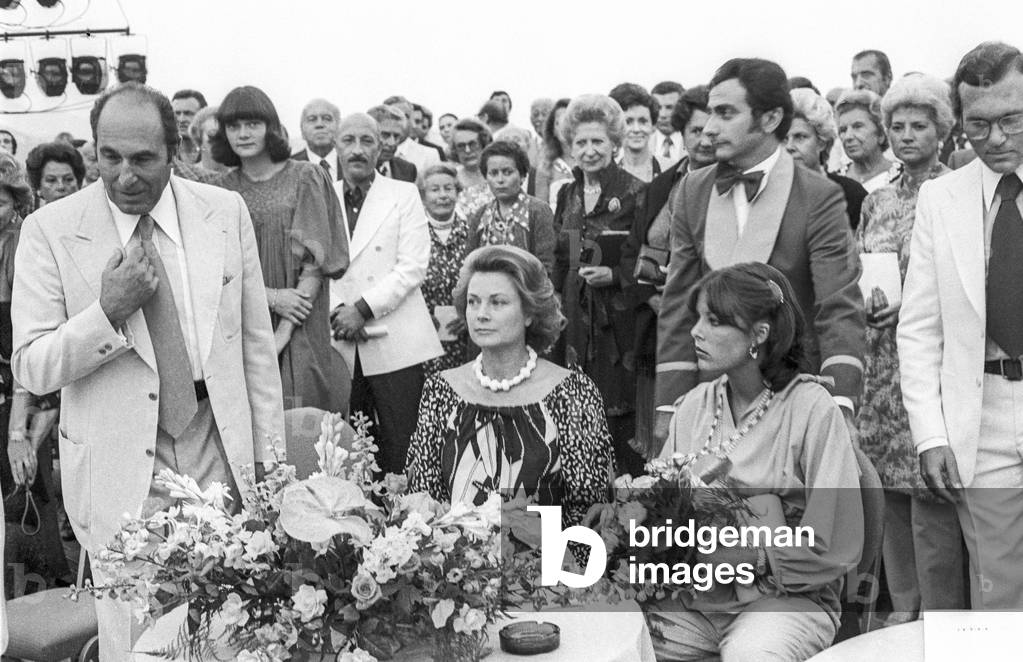
XRA2680065: Princess Grace of Monaco and Princess Caroline of Carlo attending a show of jewels, Hotel Loews, Monte-Carlo, August 13, 1976 (b/w photo) / Bridgeman Images

XRA2680283: Mode Ungaro, 1980 - 1981 / Bridgeman Images
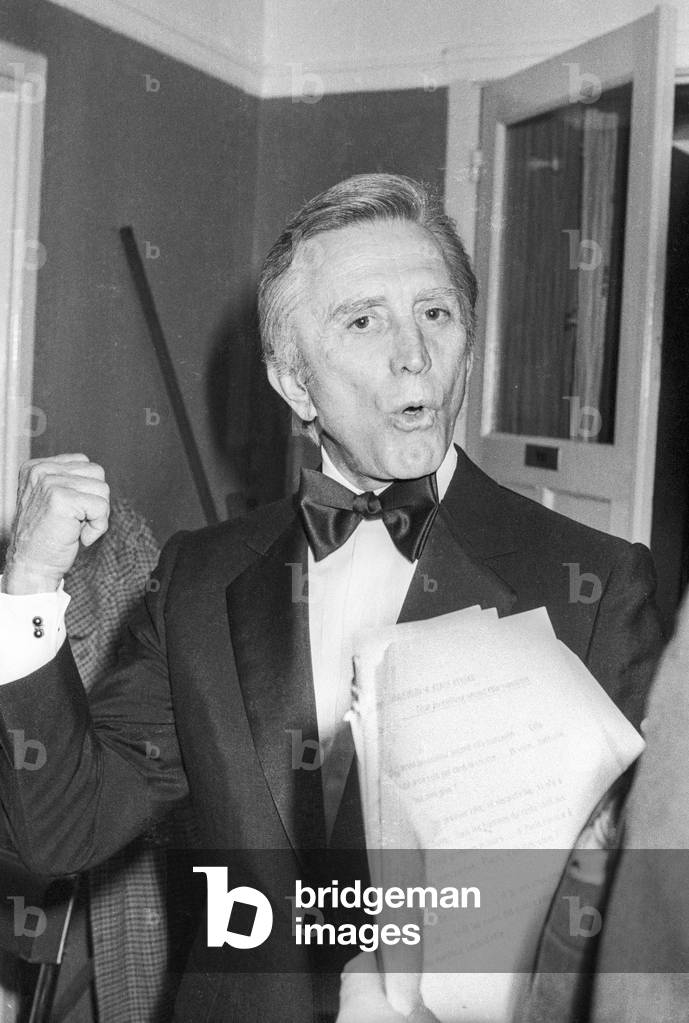
XRA2680177: Cesar Award ceremony, Paris, February 4, 1980 : Kirk Douglas (b/w photo) / Bridgeman Images

XRA2680295: Mode Ungaro / Bridgeman Images

XRA2678931: Dina Maes / Bridgeman Images

XRA2678972: The Rose Palace / Bridgeman Images

XRA2678958: Fish Moving / Bridgeman Images
