2491514 Search Results

MPX5161898: Lance corporal "Paddy" promoted Sgt. Paddy, November 1963 / Bridgeman Images

MPX5162716: Daily Mirror Ruggles feature on the the team at the National Physical Laboratory, Teddington, developing the Automatic Computing Engine known as the Pilot ACE. The Pilot ACE ran its first program on May 10, 1950 and was demonstrated to the press in December 1950. Although originally intended as a prototype, it was clear from its initial tests that the machine was a potentially very useful resource, especially given the lack of other computing devices at the time. After some upgrades to make operational use practical, it went into service in late 1951, and saw considerable operational service over the next several years. Our Picture Shows: The Pilot Ace computer. 8th July 1952 (b/w photo) / Bridgeman Images

MPX5162265: Bull Ring Shopping Centre, Birmingham, West Midlands. 10th June 1964 (b/w photo) / Bridgeman Images
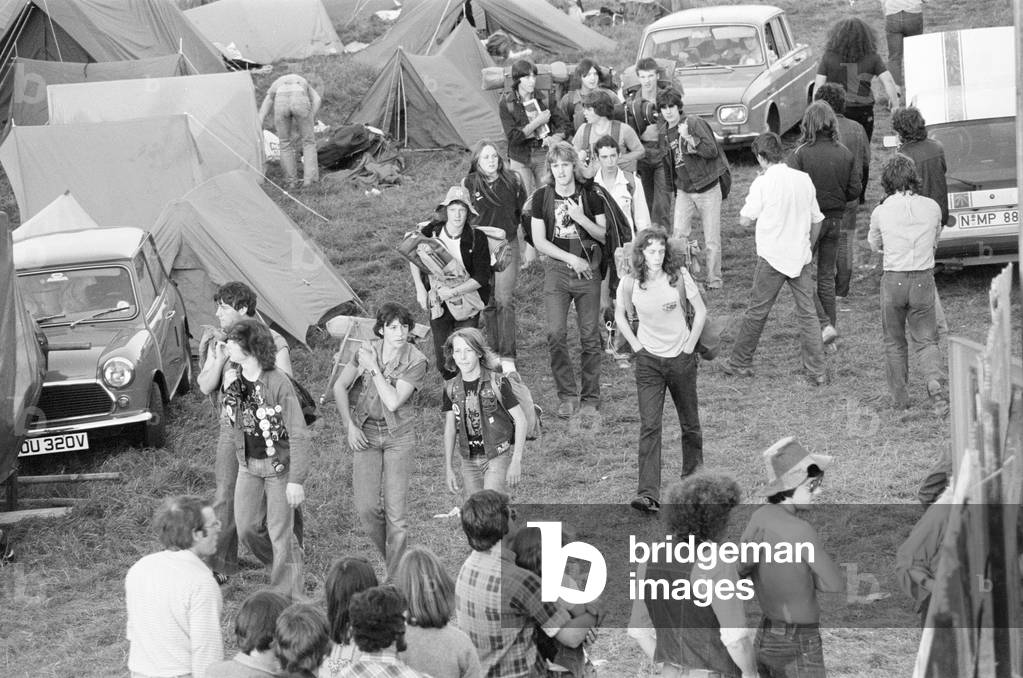
MPX5163464: Festival goers at the 20th National Rock Festival, taking place 22nd to 24th August, at Richfield Avenue, Reading, August 1980. / Bridgeman Images
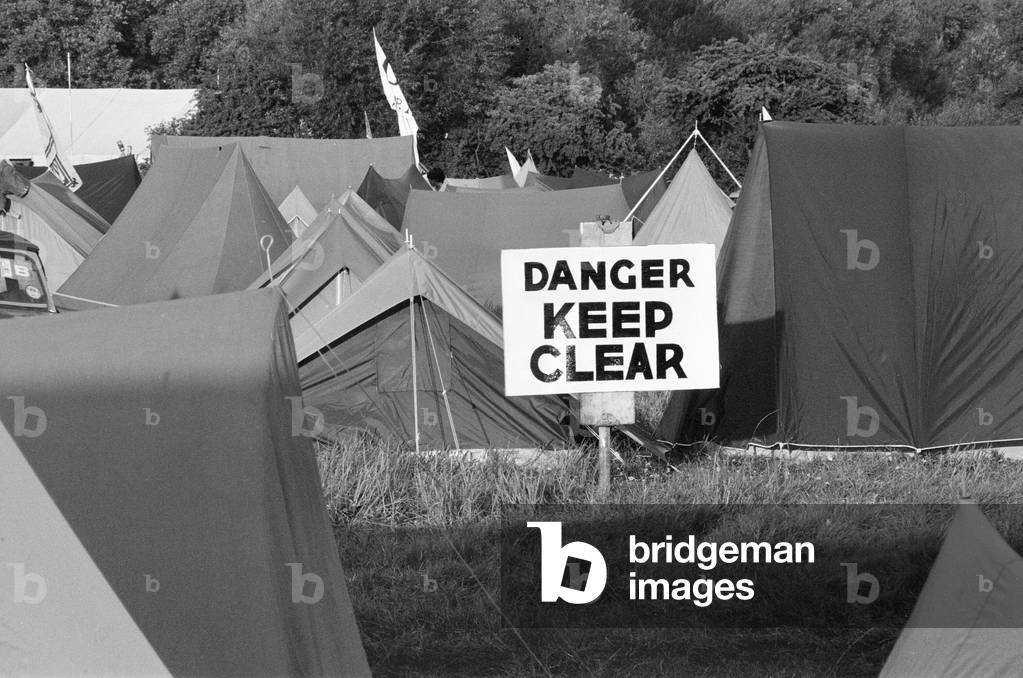
MPX5163457: Festival goers at the 20th National Rock Festival, taking place 22nd to 24th August, at Richfield Avenue, Reading, August 1980. / Bridgeman Images

MPX5164016: The Beatles rehearsing at the Prince of Wales Theatre, November 1963 / Bridgeman Images

MPX5162423: Appeal hearing at the Appeal Court in Central London where Rolling Stones lead singer Mick Jagger and Keith Richards had their convictions and sentence for drug charges set aside by Lord Parker the Lord Chief Justice, Lord Justice Winn and Mr Justice Cusack. Picture shows Mick Jagger holding a press conference in Soho after the hearing where he was given a conditional discharge and talking to in place of his three month prison sentence. 31st July 1967 (b/w photo) / Bridgeman Images

MPX5162588: Young socialists demonstrate at a meeting held by Conservative MP for Smethwick, Peter Griffiths in Sutton. 27th January 1965 (b/w photo) / Bridgeman Images

MPX5162681: 1968 British National Amateur Cyclo-Cross Championships at Crystal Palace. Some of the contestants seen going up one of the slippery hills.3rd February 1968 (b/w photo) / Bridgeman Images

MPX5162793: Sharon Tate, Actress and Model, aged 22 years old, pictured at her apartment in Belgravia, London, Friday 15th October 1965 (b/w photo) / Bridgeman Images
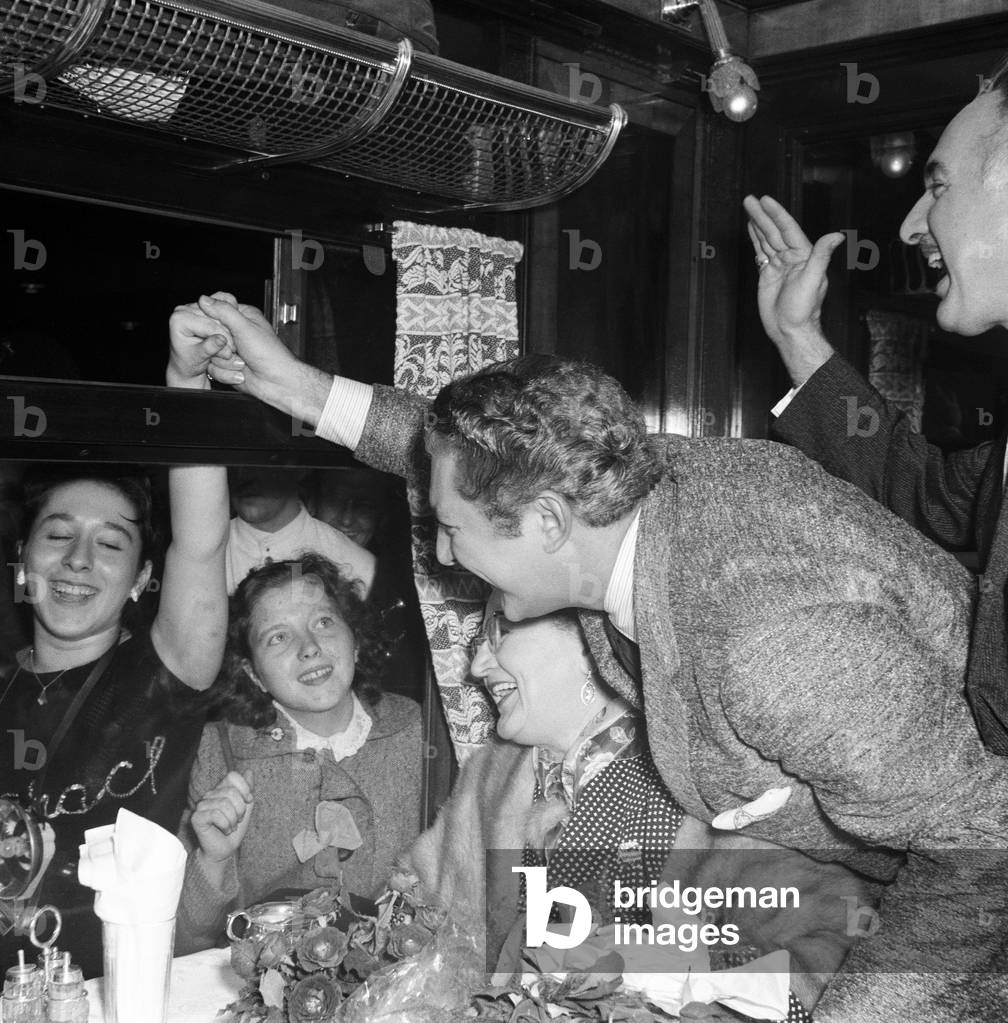
MPX5163427: Liberace leaves Southampton cheered on by his fans. 15 year old Corinne Rodriguez of Stepney holds his hand through the train window. 25th September 1956. / Bridgeman Images
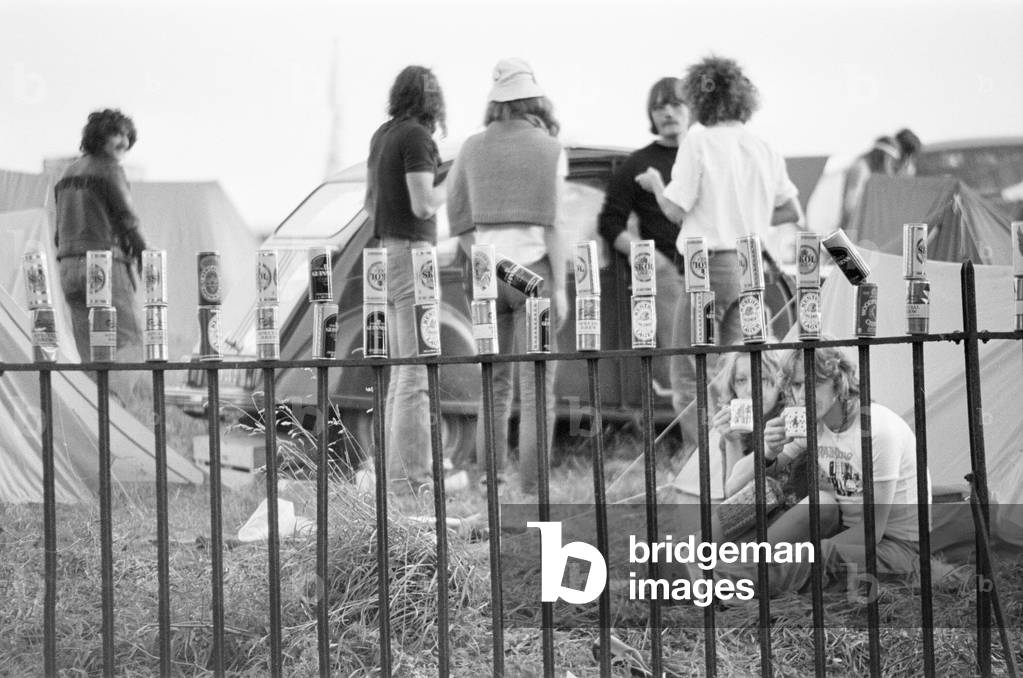
MPX5163442: Festival goers at the 20th National Rock Festival, taking place 22nd to 24th August, at Richfield Avenue, Reading, August 1980. / Bridgeman Images
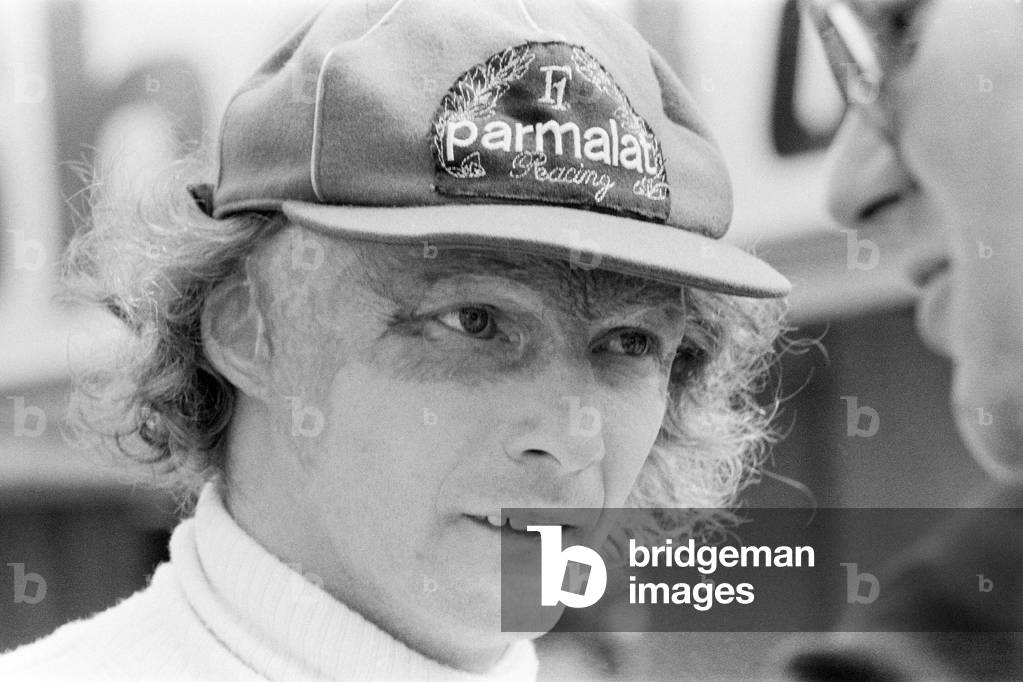
MPX5163144: Niki Lauda at Brands hatch, fighting the clock for an early placing in the John Player Grand Prix. 13th July 1978 (b/w photo) / Bridgeman Images

MPX5163210: World Welterweight champion Emile Griffith of the USA pictured during a training session at the Thomas A Becket gymnasium in London's Old Kent road in preparation for his fight against Liverpool middleweight Harry Scott. The fight will take place at the Royal Albert Hall on 4th October. Picture taken: 29h September 1965 (b/w photo) / Bridgeman Images

MPX5163213: Radio London, offshore commercial radio station, which operated from 23rd December 1964 to 14th August 1967, from a ship, MV Galaxy, anchored in the North Sea, also know as a pirate radio station. 28th July 1966 (b/w photo) / Bridgeman Images

MPX5163663: Sting, from The Police, December 1980 / Bridgeman Images

MPX5163044: The Royal Tour of Canada, Queen Elizabeth II, and Prince Philip come ashore from the Royal yacht Britannia at Wolfe's Cove, Quebec City. 3rd July 1959 (photo) / Bridgeman Images
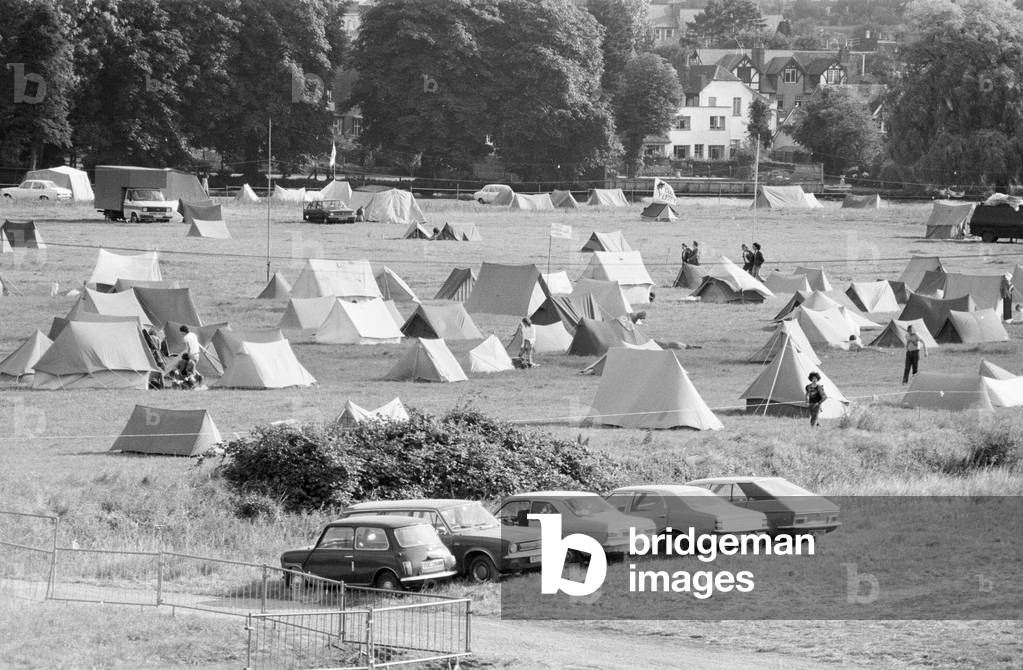
MPX5163408: Campsite grows as festival goers start to arrive for the 20th National Rock Festival, taking place 22nd to 24th August, at Richfield Avenue, Reading, August 1980. / Bridgeman Images

MPX5163209: World Welterweight champion Emile Griffith of the USA, in training for his upcoming fight against Dave Charnley at Wembley on 1st December. He punched the speed ball so hard that he knocked it away from its foundation. Picture taken: 23rd November 1964 (b/w photo) / Bridgeman Images

MPX5162107: 18 year old Eleanor Gunter, using a skipping rope, is an equilibrist, an acrobat who performs balancing feats. She's in the UK to appear at the Glasgow Empire theatre, 1st September 1957. / Bridgeman Images

MPX5162143: Coventry City Architect, July 1964 / Bridgeman Images

MPX5162278: Housing, Birmingham, 16th September 1967 (b/w photo) / Bridgeman Images

MPX5162311: Smethwick, a town in the Sandwell Metropolitan Borough, in the West Midlands of England. March 1964 (b/w photo) / Bridgeman Images
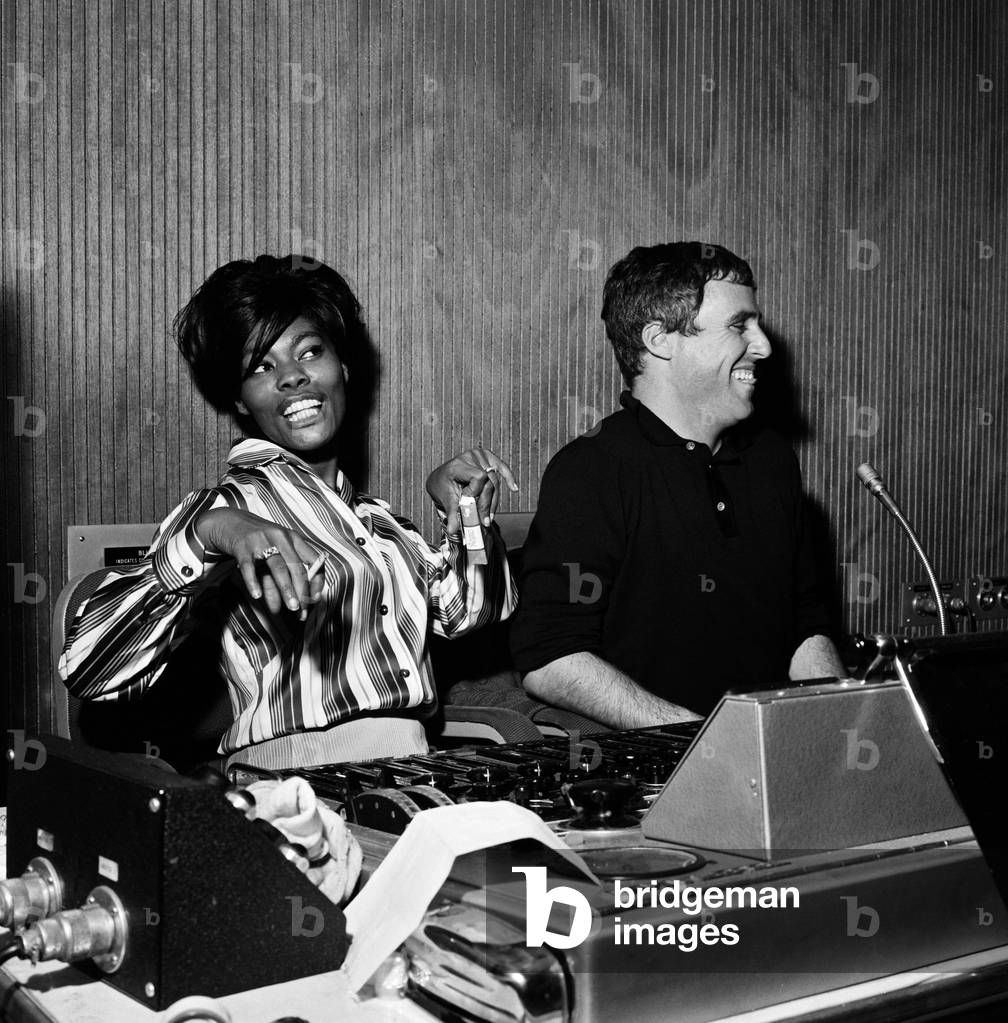
MPX5161224: Burt Bacharach and Dionne Warwick recording a song at the Pye studios in London. At the control panels, a delighted Dionne and Burt listen to the recording. 29th November 1964 (b/w photo) / Bridgeman Images
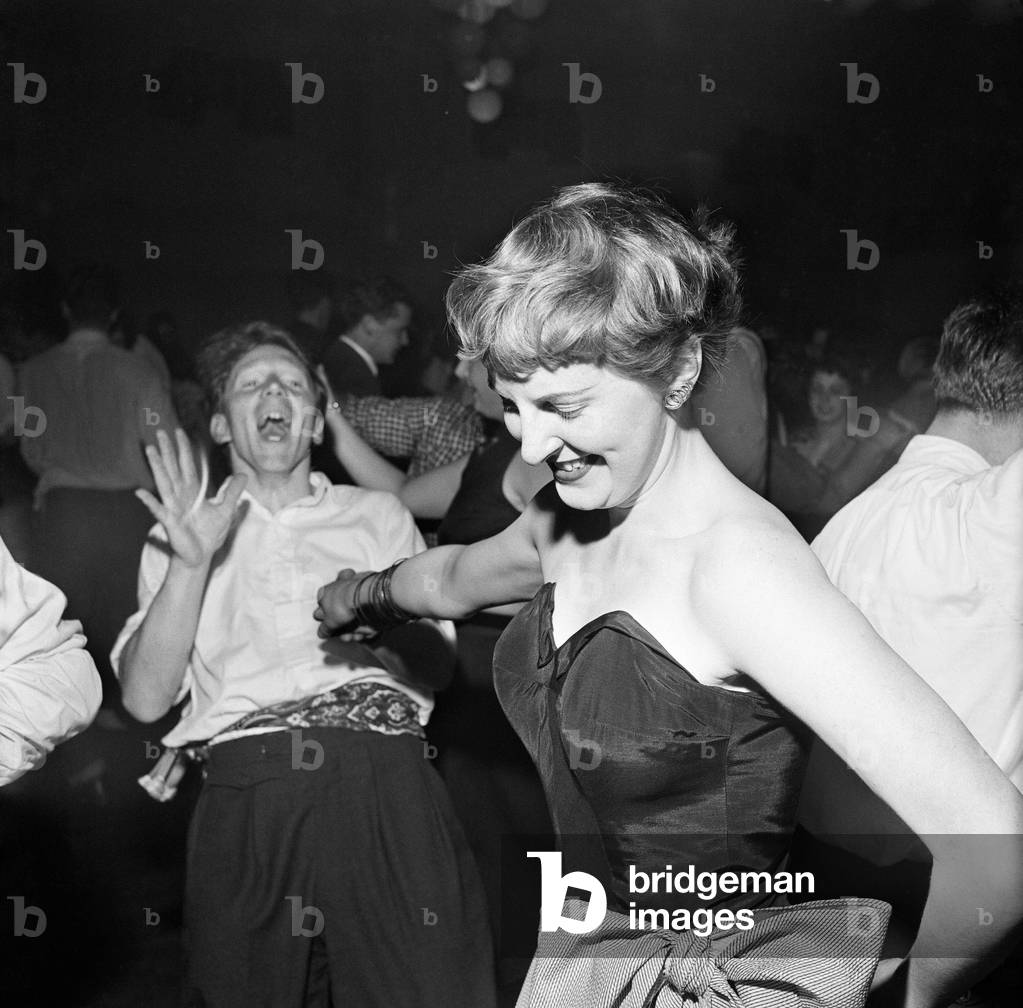
MPX5161452: Cambridge University Jazz Club Ball. Cambridge, Cambridgeshire, 11th June 1954 (b/w photo) / Bridgeman Images
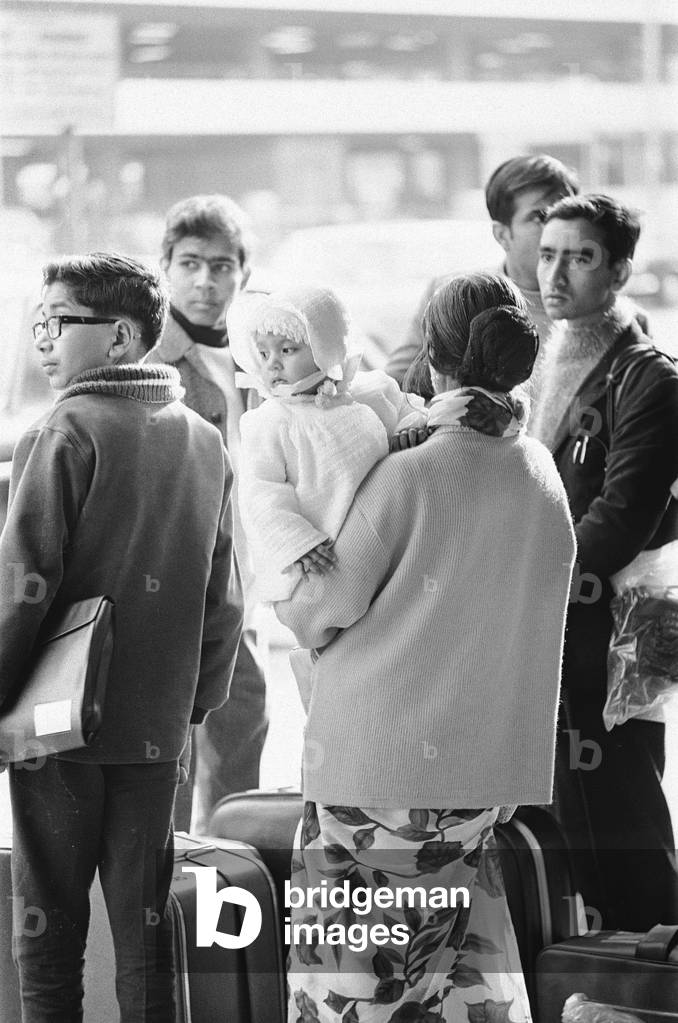
MPX5161376: 1968 East African Asian Crisis. Following Kenya achieving independence in 1963 Asians living in Kenya, were given two years to acquire Kenyan citizenship which in turn meant they had to renounce their British passports. Out of approximately 180,000 Asians fewer than 20,000 had submitted their applications by the deadline. Those Kenyan Asians without citizenship soon became subject to increasing discrimination. By 1967 the Kenyan Government enacted the Kenyan Immigration Act which required them to acquire work permits, whilst a Trade Licensing Act passed in the same year limited the areas of the country in which non-Kenyans could engage in trade. The Asian community became increasingly threatened as the Kenyan government cast them as a scapegoat group. Many choose to utilise their British passport and settle in the United Kingdom. This influx from East Africa lead the UK government to introduce The Commonwealth Immigration Act 1968 This Act took away the right of residence unless the passport holders were 'patrials' - descendents of people (parents or grandparents) born, adopted or naturalised in the UK. While the people coming from Kenya had British passports, many had not been to the UK before. The 1968 Act effectively revoked British citizenship and made thousands of people stateless. Our Picture Shows: A young Asian family arriving at Heathrow fleeing political turmoil in Kenya, waiting at the airport to be collected by friends. 27th February 1968 (b/w photo) / Bridgeman Images
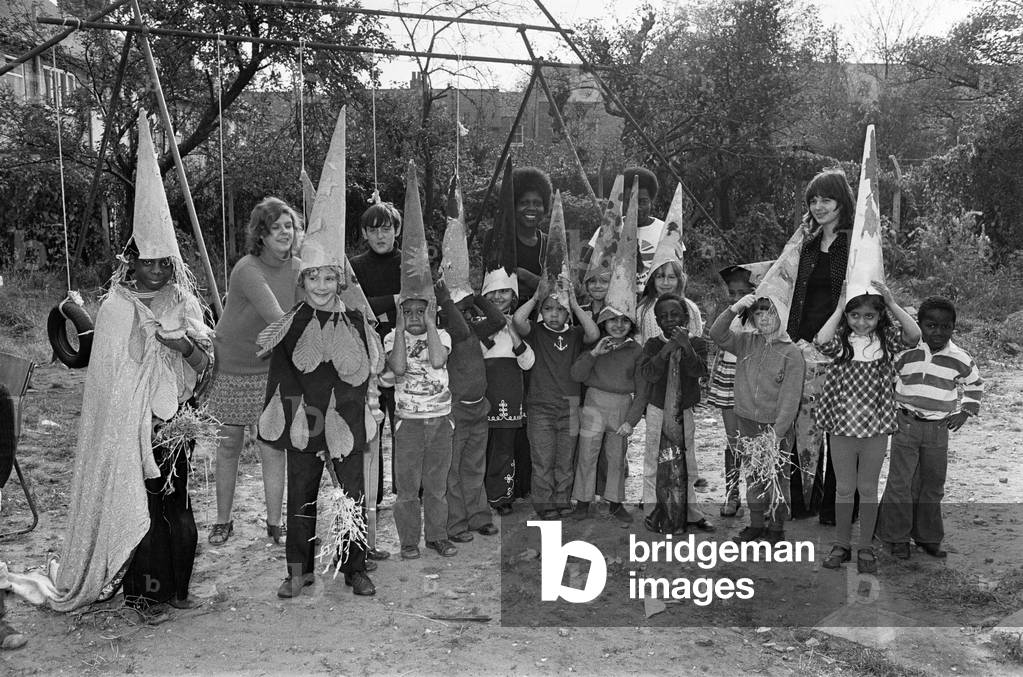
MPX5161427: Halloween in Handsworth Birmingham. 30th October 1975 (b/w photo) / Bridgeman Images

MPX5163966: Cilla Black, May 1964 / Bridgeman Images

MPX5164535: Shirley Bassey and husband Kenneth Hume. 13th September 1965. / Bridgeman Images

MPX5164709: Everest Men at Reunion, May 1973 / Bridgeman Images
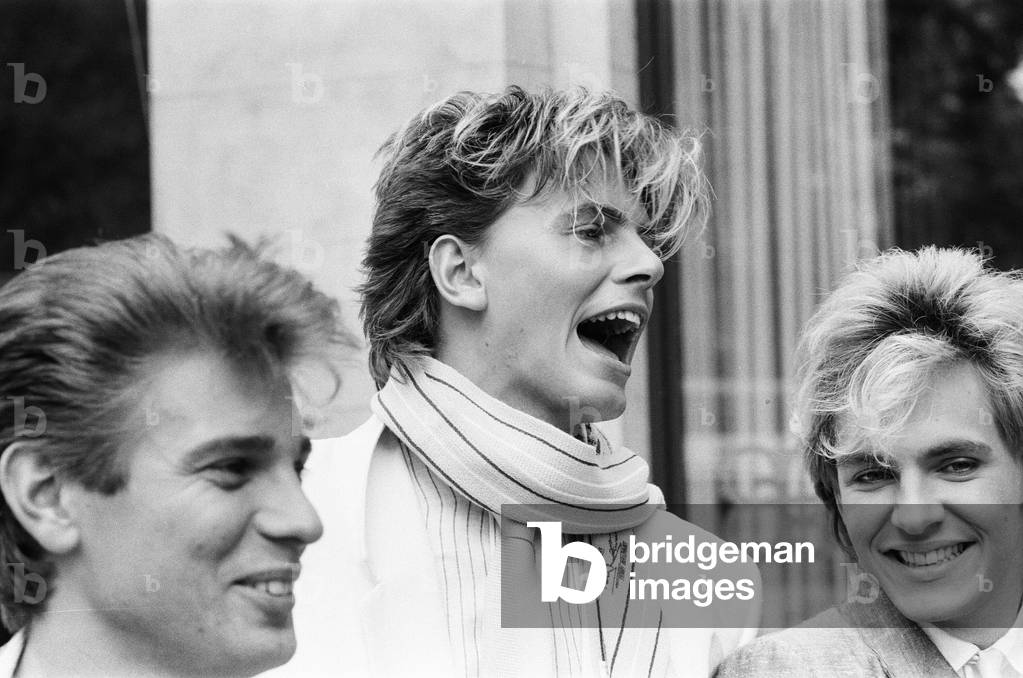
MPX5160008: Duran Duran, Music Group, 20th July 1983 (b/w photo) / Bridgeman Images
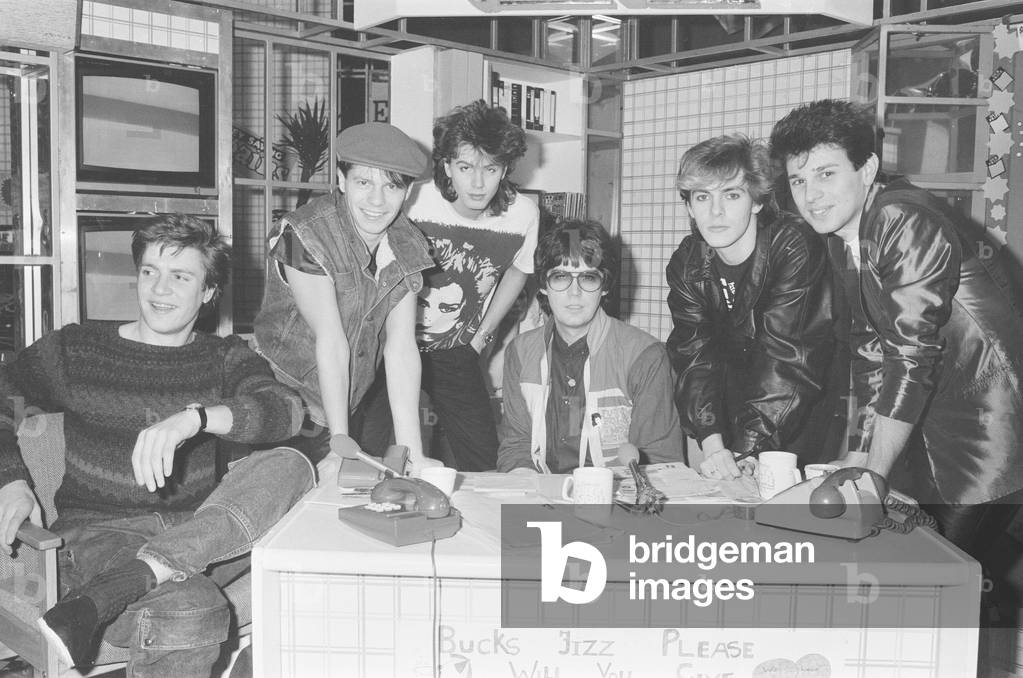
MPX5160065: Duran Duran, music group, The Rio Tour, December 1982 (b/w photo) / Bridgeman Images
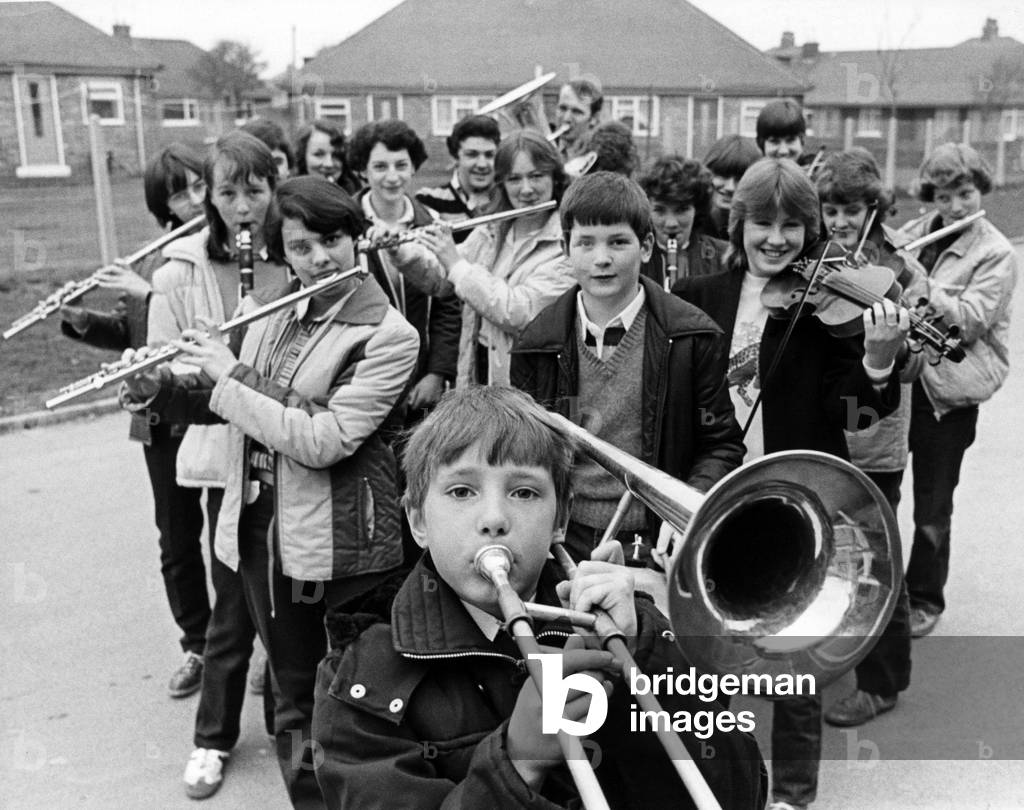
MPX5160950: The young musicians at Sacred Heart RC Secondary School in Redcar have a good reason to blow their own trumpets. An 18-strong group , picked from the 104 who make up the school's orchestras, has just returned after a two-day intensive training course at St Mary's College in London. Head of Music, Mr Edward Murphy, accompanied them. 11th April 1981 (b/w photo) / Bridgeman Images
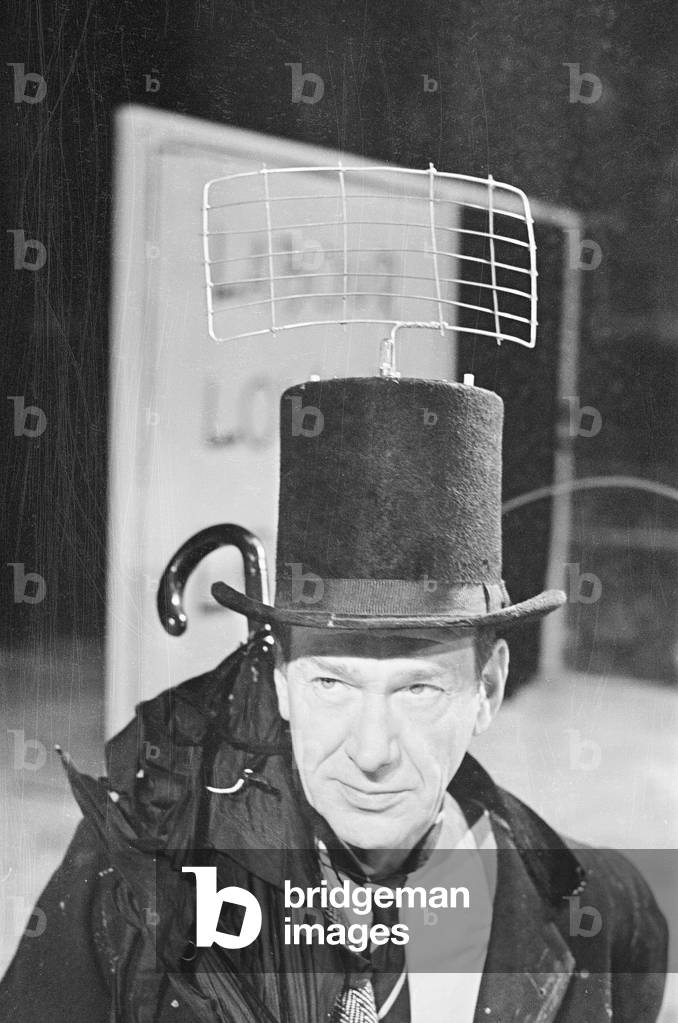
MPX5161175: Photo-call, for The Bed Sitting Room at the Mermaid Theatre, London 30th January 1963 (b/w photo) / Bridgeman Images

MPX5164733: Schoolchildren take part in a special Star Wars Class, Birmingham, 27th February 1978 (b/w photo) / Bridgeman Images

MPX5164624: New Musical Express pop concert at Empire Pool Wembley 11th April 1965. / Bridgeman Images
