2490880 Search Results

IMA1557046: Sun Deity Face Pendant, 3rd-9th century (jade), Mayan / Bridgeman Images

IMA1557094: I Have Heard Thee With The Hearing Of The Ear But Now My Eye Seeth Thee (engraving on india paper chine collé), Blake, William (1757-1827) / Bridgeman Images

XRA1649163: French Journalists Christine Ockrent (L) and Francoise Giroud (R) during Demonstration in Paris in Favour of Jacques Abouchar, French Journalist Imprisonned in Afghanistan October 18, 1984 (b/w photo) / Bridgeman Images

XRA1649190: Actress Sophie Daumier C. 1965 (photo) / Bridgeman Images
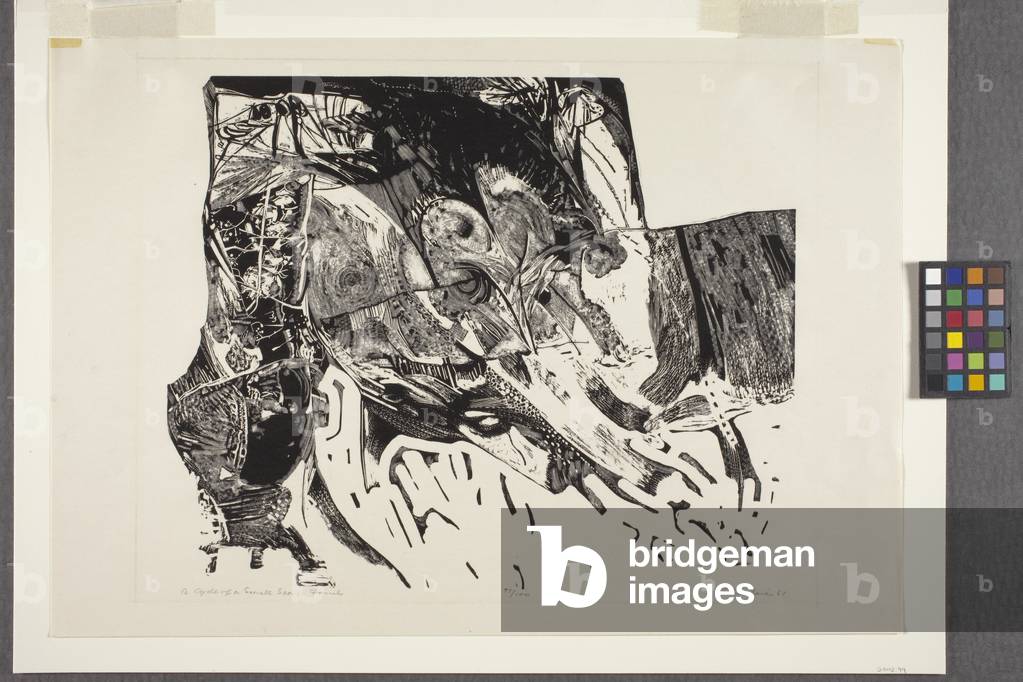
IMA1557148: A Cycle Of A Small Sea: Fowl (lucite engraving), Deshaies, Arthur (b.1920) / Bridgeman Images

XRA1649250: Alain Savary General Secretary of French Socialist Party at Socialist Congress in Alfortville May 4, 1969 (photo) / Bridgeman Images

XRA1649256: Brigitte Bardot and Daniel Gelin at Cannes Film Festival May 02, 1956 (b/w photo) / Bridgeman Images

XRA1649259: Young Woman in France in November 1952 on Saint Catherine Day : Holiday Made For Women Who Reach 25 Years of Age Without Marrying Which Symbolized Their Spinsterhood They Wore Unusual Hats To Show Their Status (b/w photo) / Bridgeman Images

XRA1649277: Young Student Receiving First Prize For Mathematics and Physics Competitive Examination here Congratulated By French President Vincent Auriol July 10, 1951 (b/w photo) / Bridgeman Images

XRA1649292: Antoine Pinay Meeting Newly Elected President Georges Pompidou To Talk About A Possible Involvement in Chabandelmas Government , here in Paris June 19, 1969 (b/w photo) / Bridgeman Images

XRA1649340: Roger Riviere Riding Bike For The First Time Since his Accident, here during Start of The Six Days Cycling Festival in Lille, North of France December 15, 1960 (b/w photo) / Bridgeman Images
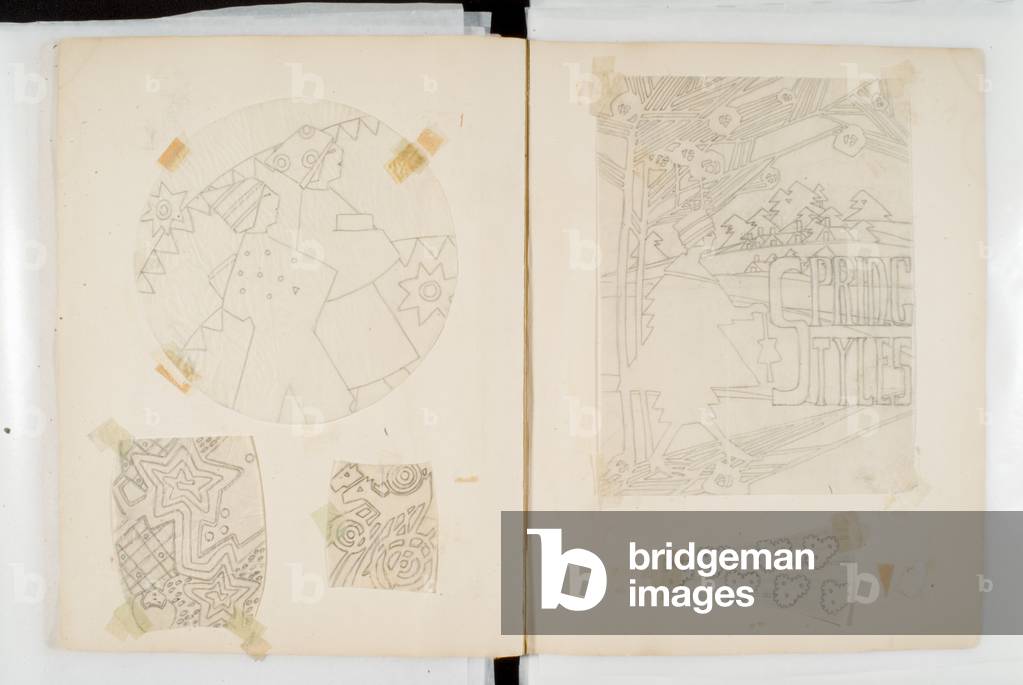
IMA1557283: Album Of 400 Transfer Designs, With One colour Print (paper, pencil), Overbeck, Mary Frances (1878-1959) / Bridgeman Images
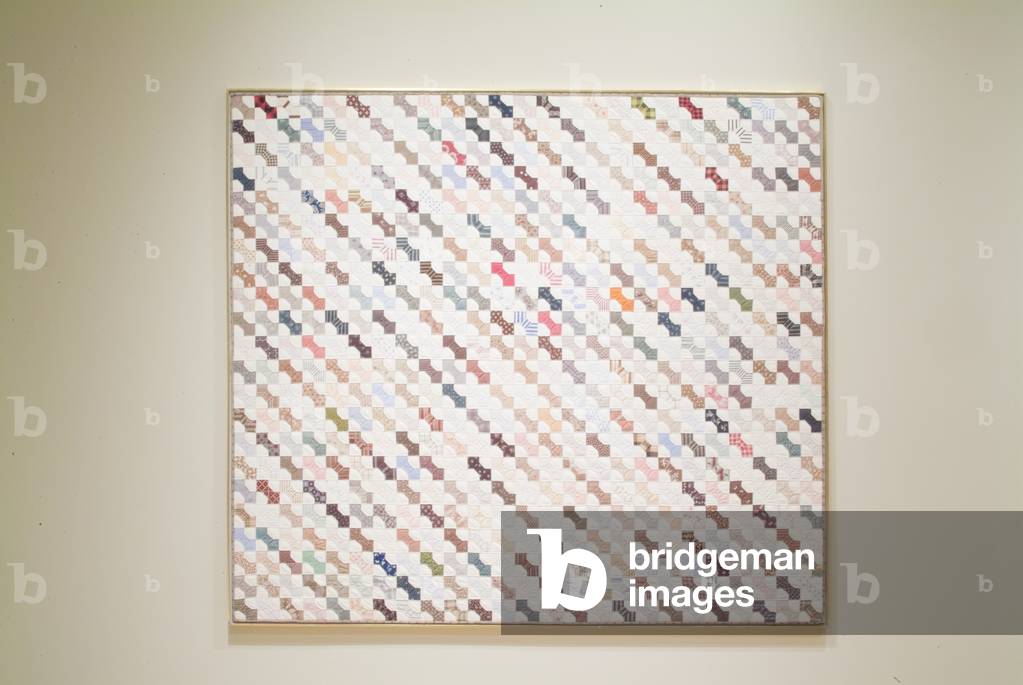
IMA1557343: Quilt, Bow Tie (cotton, pieced), American School, (19th century) / Bridgeman Images

IMA1557364: Lotus Pond (ink on paper), Bada Shanren, Zhu da (c.1624-1705) / Bridgeman Images

IMA1557373: The Sea Shines (etching, engraving and drypoint on white arches), Peterdi, Gabor F. (1915-2001) / Bridgeman Images
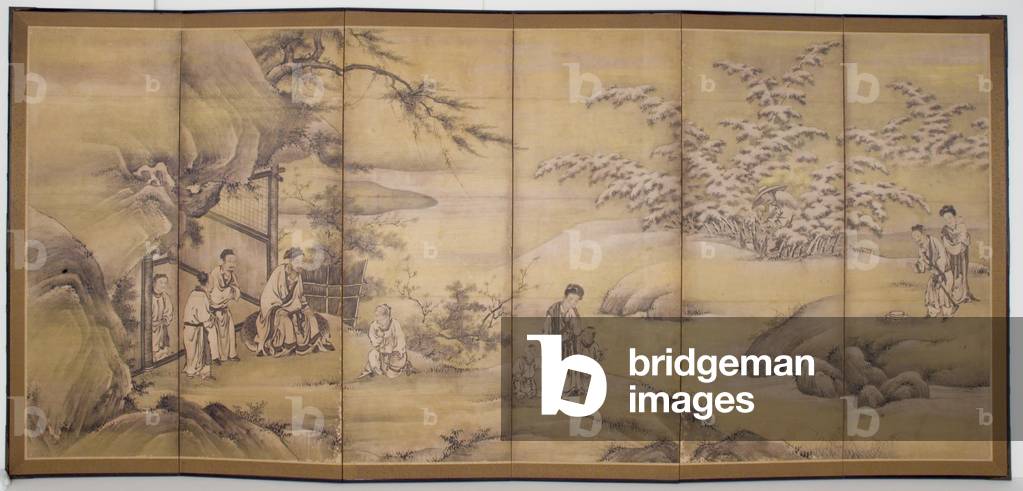
IMA1557544: Scenes From 24 Paragons Of Filial Piety (ink and gold pigment on paper), Kano Motonobu (1476-1559) / Bridgeman Images
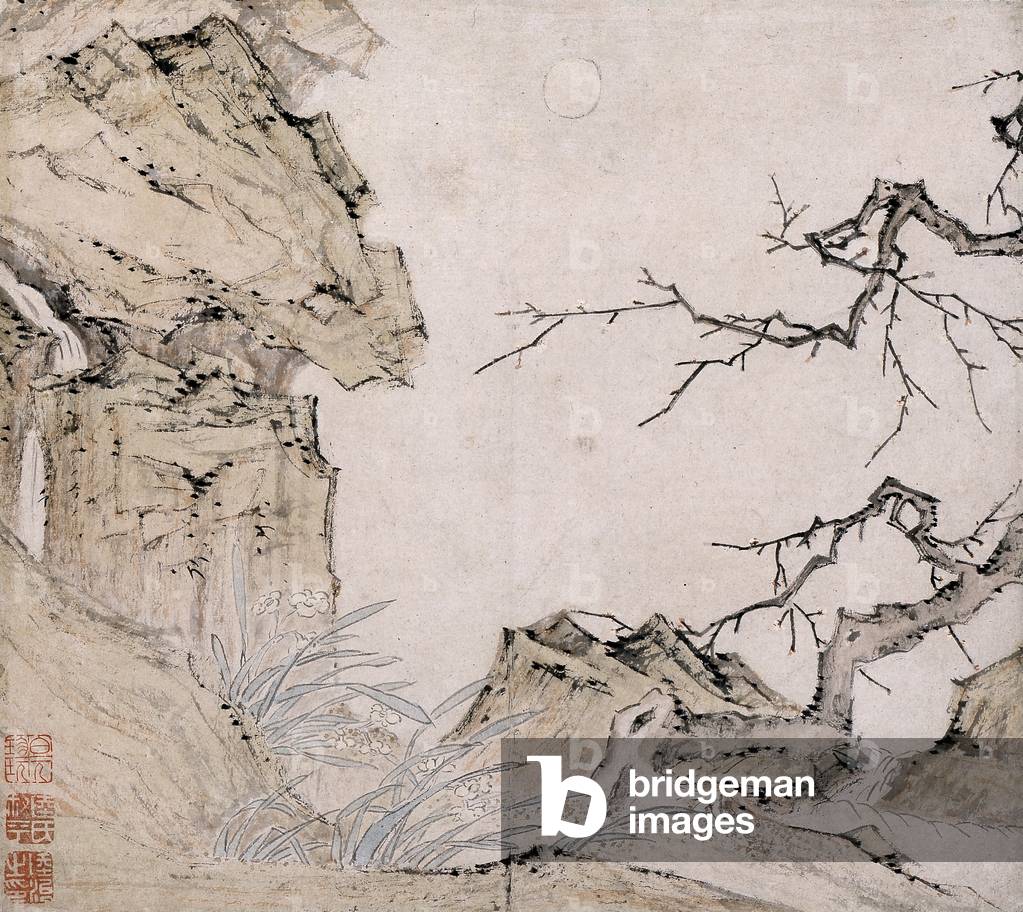
IMA1557547: Narcissus, Plum Tree In A Landscape (ink and colour on paper), Zhi, Lu (1496-1576) / Bridgeman Images

XRA1649355: Jewish Woman in Djerba, Tunisia Wearing The Traditional Suit 80'S (photo) / Bridgeman Images
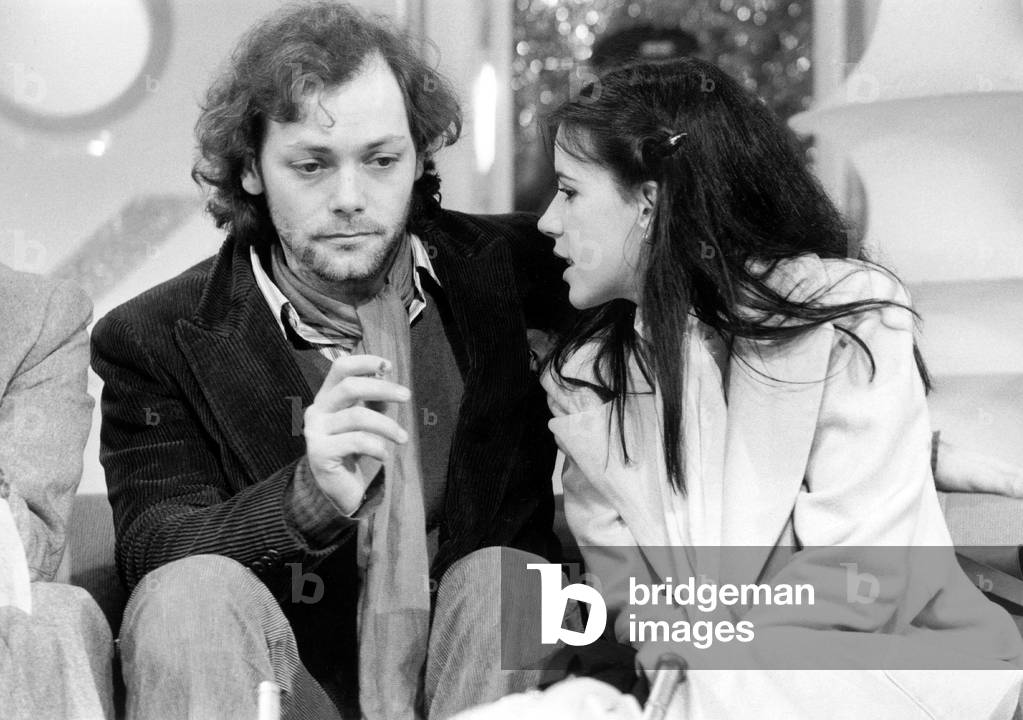
XRA1649388: French Actors Patrick Dewaere and Carole Laure during TV Programme January 16, 1978 (b/w photo) / Bridgeman Images

XRA1649424: Gregory Peck With First Wife Greta Rive in Paris April 07, 1950 (b/w photo) / Bridgeman Images

XRA1649454: French Director Yves Robert With Stepson and Actor Xavier Gelin (The Son of Daniele Delorme and Daniel Gelin) on Set of Film Very Happy Alexander August 19, 1967 (b/w photo) / Bridgeman Images

XRA1649487: Eddie Constantine With L-R his Son Lemmy, Singer Udo Jurgens, Daughter Barbara, and his Wife Helene April 26, 1968 (b/w photo) / Bridgeman Images

XRA1649523: Jean Cocteau, With his Friends Former Queen of Italy, Mrs Maurois and Francine Weisweiller, The Day of his Reception at The French Academy October 20, 1955 (b/w photo) / Bridgeman Images

XRA1649562: Most Famous French Dwarf Actor Pieral Celebrating his 60Th Birthday and 40Th Anniversary of Career With Roger Borniche, Jacqueline Francois, Lucie Saint Clair and Michou, December 13, 1983 (b/w photo) / Bridgeman Images
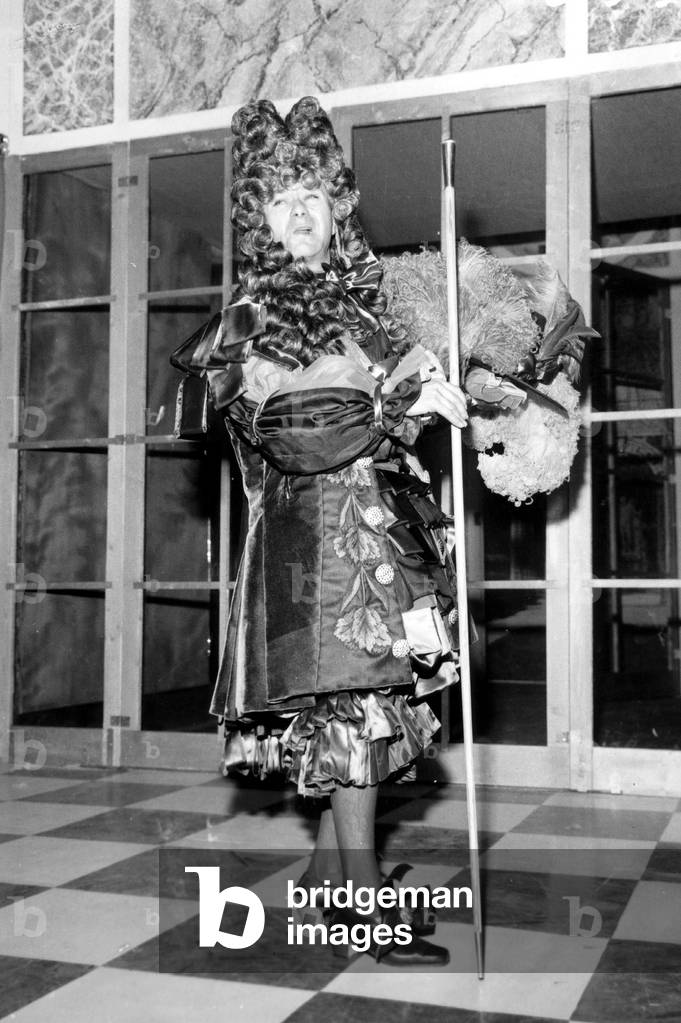
XRA1649574: Fernand Raynaud in The Part of Mr Jourdain in Moliere'S Play The Bourgeois Gentleman October 29, 1962 (b/w photo) / Bridgeman Images
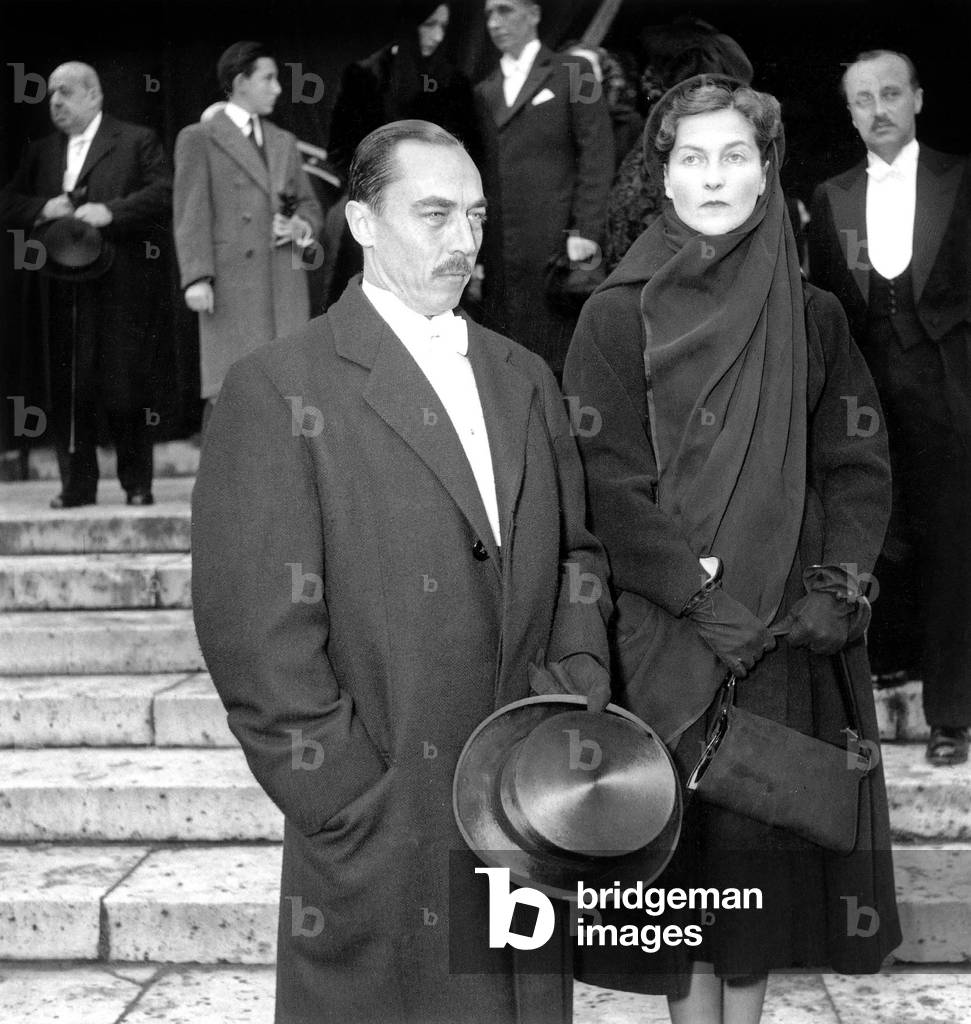
XRA1649589: Henry of Orleans, Count of Paris, and his Wife Countess of Paris at The Funeral of Queen Amelie of Portugal, in Versailles (Background Are Prince and Princess of Greece) October 31, 1951 (b/w photo) / Bridgeman Images

XRA1649616: Actress Michele Morgan With Grand-Daughter Samantha Marshall Congratulating Mireilledarc Et Jeanpiat After Play in Paris January 22, 1985 (b/w photo) / Bridgeman Images

XRA1649622: Trial of The Gold Burglars of Orly Airport (July 1948) here June 19, 1953 L-R A. Marchetti, P. Trouve, J. Grando, J. Menzel, A. Morel, H. Leclerc (Hidden) and A. Loyer (b/w photo) / Bridgeman Images

XRA1649634: The Writer Andre Dhotel Received Femina Literary Prize November 28, 1955 (b/w photo) / Bridgeman Images

XRA1649646: French Pilot Jacqueline Auriol during Breguet Ceremony at Air France December 15, 1953 (b/w photo) / Bridgeman Images

XRA1649769: Homage Night To Elia Kazan : L-R A. Daumon, Elia Kazan, P. Viott, Philippe Hugues, M. Ciment November 05, 1980 (b/w photo) / Bridgeman Images

XRC1551817: Claude Luter (Clarinettist) and Aimable Pluchard (Accordion Player) at the Cabaret Slow Club, 16 January 1968 (photo), Coruzzi, Giovanni / Bridgeman Images

XRC1551829: Rudolph Noureev at the Venetian Ball organized by Karl Lagerfeld, Le Palace, Paris, 26 October 1978 (photo), Coruzzi, Giovanni / Bridgeman Images

XRC1551846: Karl Lagerfeld and Princess Soraya at the Venetian Ball at Le Palace, Paris, 26 October 1978 (photo), Coruzzi, Giovanni / Bridgeman Images

XRC1551864: Mireille Darc, Night of the French Cinema Award, 25 November 1966 (photo), Coruzzi, Giovanni / Bridgeman Images

XRC1551870: Shirley Mac Laine, Night of the French Cinema Award, 25 November 1966 (photo), Coruzzi, Giovanni / Bridgeman Images
