2491632 Search Results
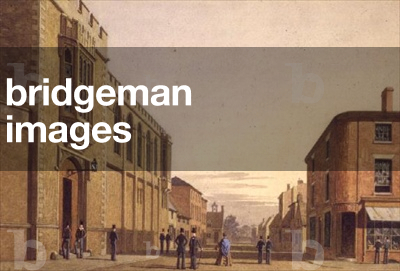
MAI45039: Rugby School, Pyne, George (1800/01-84) / Bridgeman Images

BAL39342: A Village Festival (oil on canvas), Radice, Casimiro (19th century) / Bridgeman Images

BAL39348: Chickens, Ducks and a Peacock by a Canal, Hoffmann, Anton (1863-1938) / Bridgeman Images

BAL39351: The Rehearsal (oil on canvas), Baumgartner, Peter (1834-1911) / Bridgeman Images

MAL39528: The Straw Hat (oil), Anderson, Walter (fl.1856-86) / Bridgeman Images
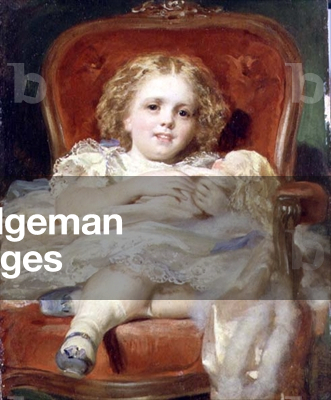
STI39722: My Little Dolly, Macnee, Daniel (1806-82) / Bridgeman Images

STI39728: Breton Scene, Poirson, Maurice (1850-82) / Bridgeman Images
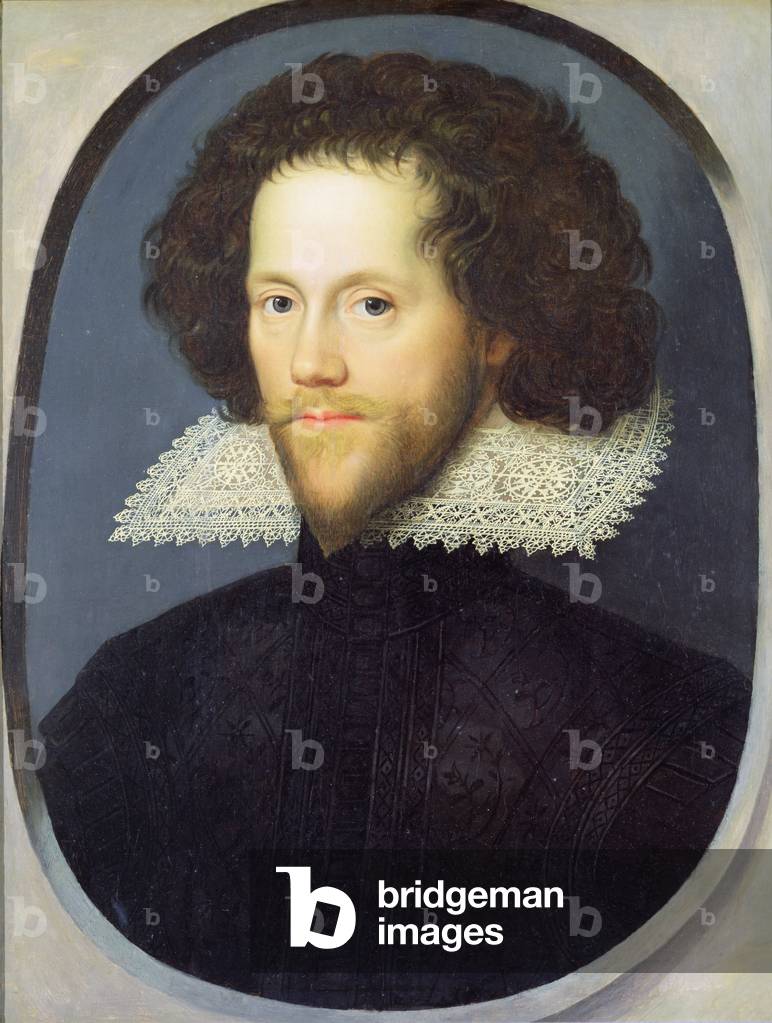
XYC140479: Sir William Pope (1596-1624) c.1615 (oil on panel), Larkin, William (fl.1608-19) (attr. to) / Bridgeman Images

NBR140564: Front cover of music score for 'The Irish Immigrant', written by Lady Dufferin, composed by G. Barker (litho), English School, (19th century) / Bridgeman Images

BAL140600: Palace of the Jurisconsults, Cremona, Italy, built in 1292, from 'Examples of the Municipal, Commercial, and Street Architecture of France and Italy from the 12th to the 15th century', 1841 (engraving), Anderson, R. (19th century) / Bridgeman Images

BAL140606: Windows in the Hall of the Monastery, Cluny, from 'Examples of the Municipal, Commercial, and Street Architecture of France and Italy from the 12th to the 15th Century', 1841 (engraving), Anderson, R. (19th century) / Bridgeman Images

XJF140682: Forewarned (engraving), English School, (20th century) / Bridgeman Images

XIR140729: South-west view of the Church of Sveti Djordje, built 1313 (photo), Macedonian School (14th century) / Bridgeman Images

REA196689: Shrimp Cutters off the Nore, Sheerness in the Distance, c.1854 (oil on canvas), Robins, Thomas Sewell (1814-80) / Bridgeman Images

LRS196716: Portrait of General Francois Henry Laperrine d'Hautpoul (1860-1920) (b/w photo), French Photographer / Bridgeman Images

XIR196779: The Aldobrandini Wedding, after a Roman Fresco (engraving), French School, (19th century) / Bridgeman Images

LRS196906: Portrait of Felix Ravaisson-Mollien (1813-1900) (b/w photo), French Photographer, (19th century) / Bridgeman Images

XIR196937: Barriere d'Italie, from the rue Gerard, Paris, 1865-68, Marville, Charles (1813-79) / Bridgeman Images
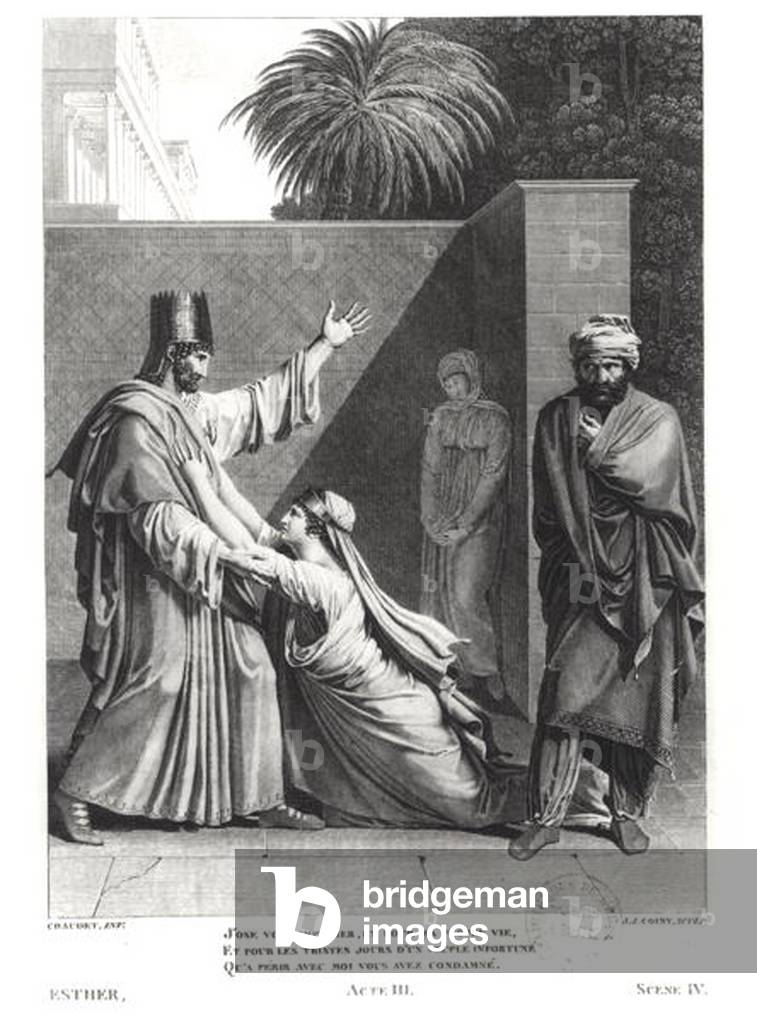
XIR196948: Esther Imploring Assuerus in the Presence of Aman, illustration from 'Esther' by Jean Racine (1639-99) engraved by J.J. Coiny (1761-1809) (engraving) (b/w photo), Chaudet, Antoine Denis (1763-1810) (after) / Bridgeman Images

XJL197021: Ms Lat. Q.v.I.126 f.40v Christ and the Virgin Mary Enthroned, from the 'Book of Hours of Louis d'Orleans', 1469 (vellum), Colombe, Jean (c.1430-c.93) / Bridgeman Images

XJL197066: Ms Lat. Q.v.I.126 f.38v Rehoboam waging war against Jeroboam, from the 'Book of Hours of Louis d'Orleans', 1490 (vellum), Colombe, Jean (c.1430-c.93) / Bridgeman Images

CHT197078: Kite, from 'Histoire Naturelle des Oiseaux' by Georges de Buffon (1707-88) published 1777 (coloured engraving), Martinet, Francois Nicolas (1731-1800) / Bridgeman Images

LMG197089: Cabinet, c.1760 (mahogany wood) (see 197090, 197091), Gillow & Company (Gillows) (18th century) (attr.to) / Bridgeman Images
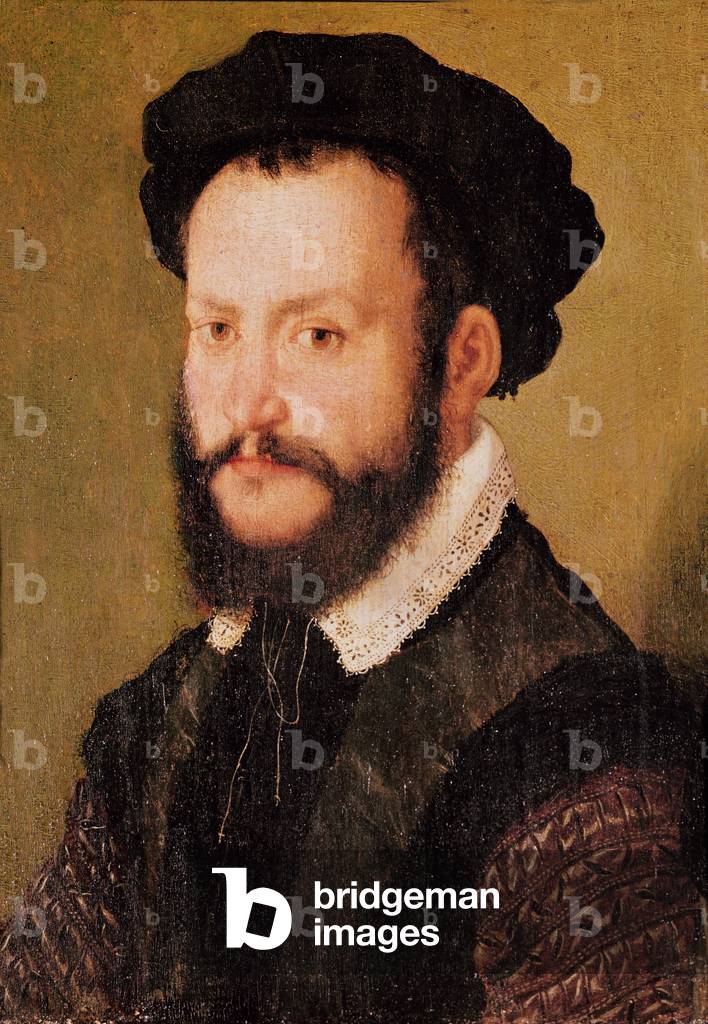
XIR190363: Portrait of a Man with Brown Hair, c.1560 (oil on panel), Corneille de Lyon (c.1500-75) (attr. to) / Bridgeman Images

XIR190366: Portrait of an Unknown Man (oil on panel), Corneille de Lyon (c.1500-75) / Bridgeman Images

NCO190438: Guy Vaux discovered in the attempt to destroy the King & the House of Lords, published by Hannah Humphrey in 1791 (hand-coloured etching), Gillray, James (1757-1815) / Bridgeman Images

NCO190466: Hanging and Drowning, or Fatal Effects of the French Defeat, published by Hannah Humphrey in 1795 (hand-coloured etching), Gillray, James (1757-1815) / Bridgeman Images

NCO190491: Doublures of Characters, or Striking Resemblances in Phisiognomy, published by J. Wright in 1798 (hand-coloured etching), Gillray, James (1757-1815) / Bridgeman Images
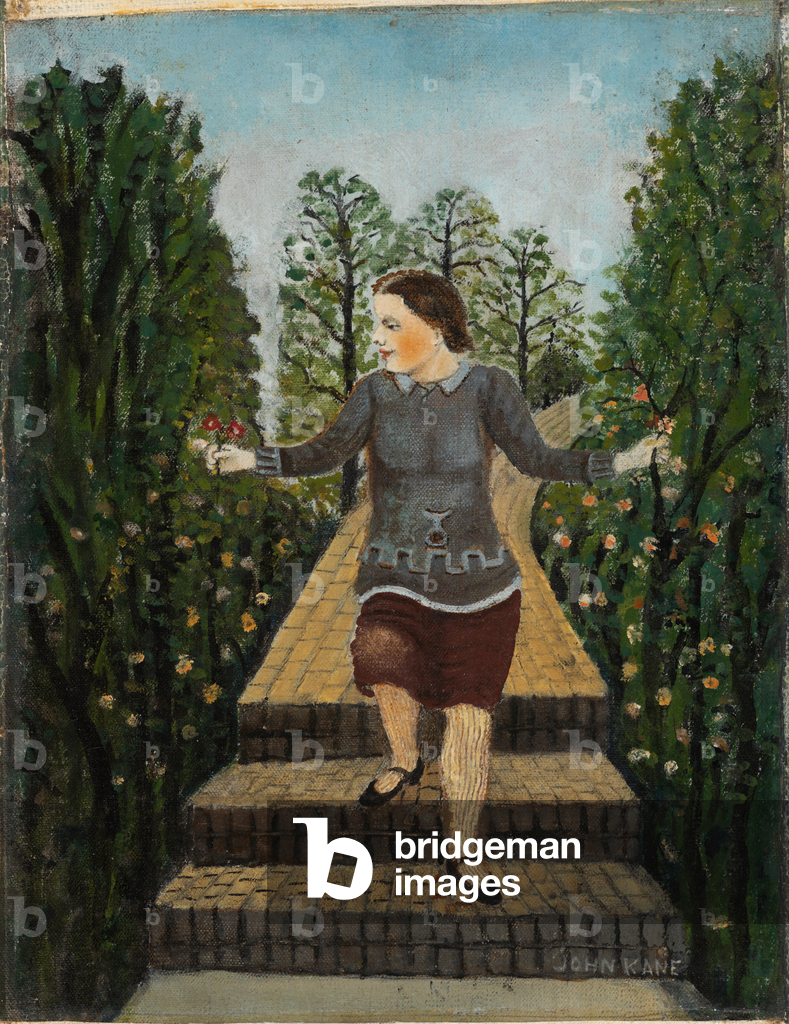
BRN190575: Girl Walking Down the Garden Steps (oil on canvas), Kane, John (1860-1934) / Bridgeman Images

STC190611: Eastern Hemisphere, from a Series of World Maps published by John Tallis & Co., New York & London, 1850s (engraving), Rapkin, John (fl.1839-77) / Bridgeman Images

STC190614: Hindoo Incantations, A View in Elephanta, from 'The Grand Master, or Adventures of Qui Hi? in Hindostan. A Hudibras Poem in Eight Cantos by Quiz', by William Combe (1741-1823) published by Thomas Tegg, London, 1815 (aquatint), Rowlandson, Thomas (1756-1827) / Bridgeman Images
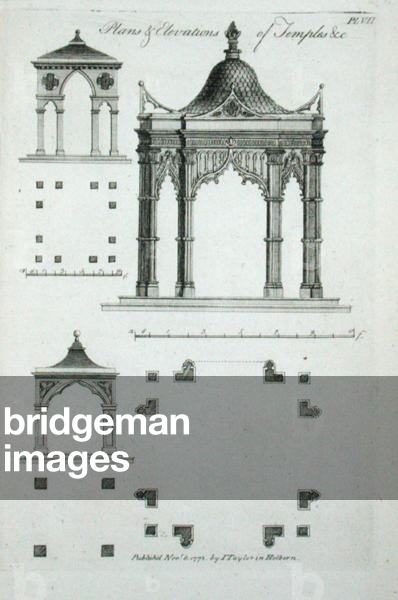
STC190648: Plans and Elevations of Temples, plate VII from 'The Carpenter's Treasure' by N. Wallis, published 1773 (engraving), English School, (18th century) / Bridgeman Images
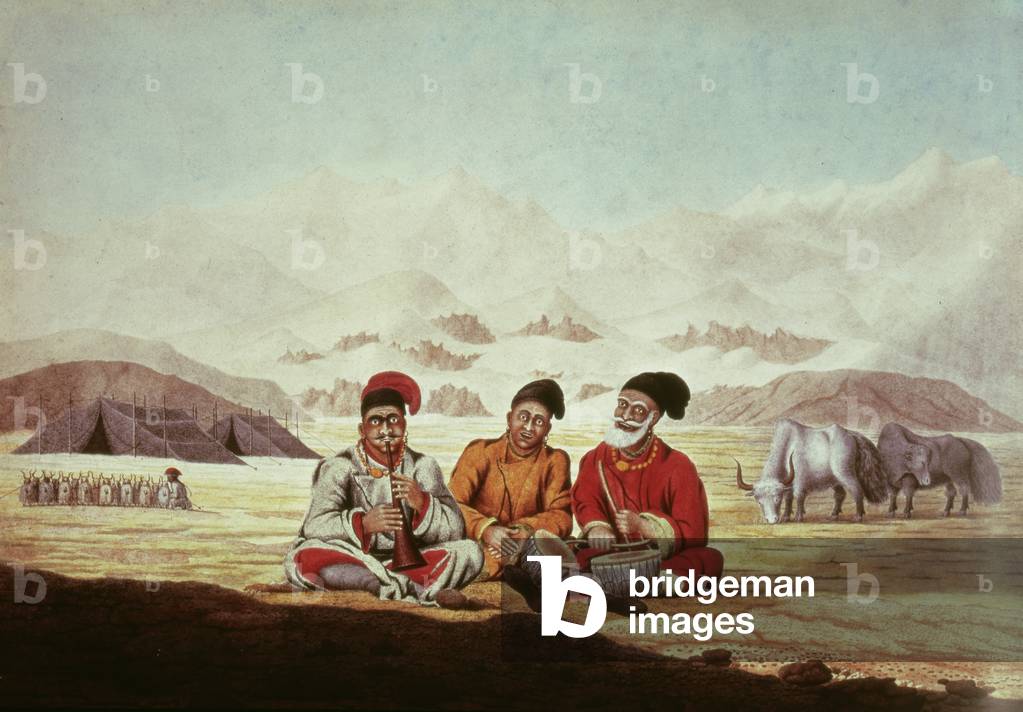
XTD141107: Three Musicians in Tibet (w/c on paper), Hearsey, Hyder Jung (1782-1840) / Bridgeman Images

KW141221: Madonna and Child with a Cistercian Monk, detail from the facade of the monastery, founded in 1194 and moved to its present site in 1218 (photo), Spanish School, (13th century) / Bridgeman Images

STC141242: Ms. 2597 Heart, Desire and Generosity in front of the Cottage of Sighing Grief, facsimile edition of 'Livre du Coeur d'Amours Espris' by Rene d'Anjou (colour litho), English School, (19th century) / Bridgeman Images

STC141281: Constellation of Hercules Lion's Pelt, from 'Uranometria' by Johann Bayer, engraved by Alexander Mair (1559-c.1616) 1603 (hand-coloured copper engraving), Bayer, Johann (1572-1625) (after) / Bridgeman Images
