2490891 Search Results

SYC4193633: Egyptian antiquite: Stele de Neferrenpet, guardian of the Tresor Around 1300 BC (late 18th-early 19th dynasty), limestone Paris musee du Louvre / Bridgeman Images

SYC4193683: Plate decorated with green coulures. North-West Iran or Caucasus, 11th-12th century. Ceramic, grave decor and painted. Louvre Museum / Bridgeman Images

SYC4193709: Inside a church. Eastern Mediterranean, 5th century ap. Marble cubes, limestone and glass paste. Louvre Museum / Bridgeman Images

SYC4193776: Rondeau fighting animals. Iran, Kerman (?), 17th century. Ceramic mosaic. Louvre Museum / Bridgeman Images
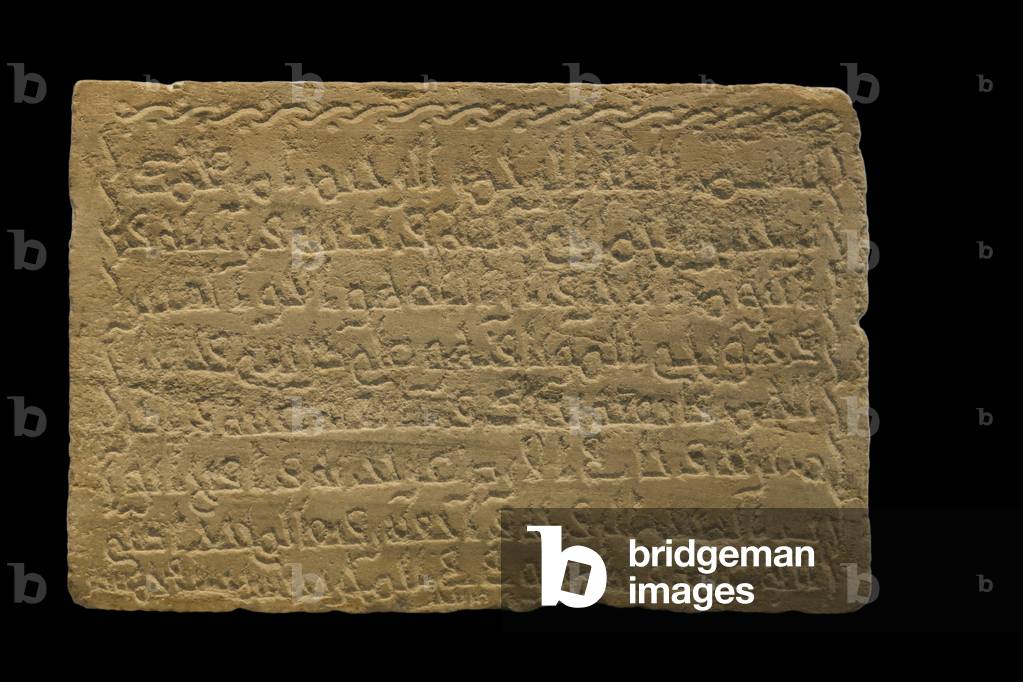
SYC4193841: Stele de Muhammad al-Hama'ili. Egypt, 256 H./869-870. Marble, sculpted decor. Musee du Louvre / Bridgeman Images

SYC4193881: Stele de Muhammad al-Hashimi. Egypt, 282 H./896. Marble, carved decor. Musee du Louvre / Bridgeman Images

SYC4193904: Jug wall with vegetal decor. Susa, Iran, 9th-10th century. Clayey paste, decor painted on glaze. Louvre Museum / Bridgeman Images
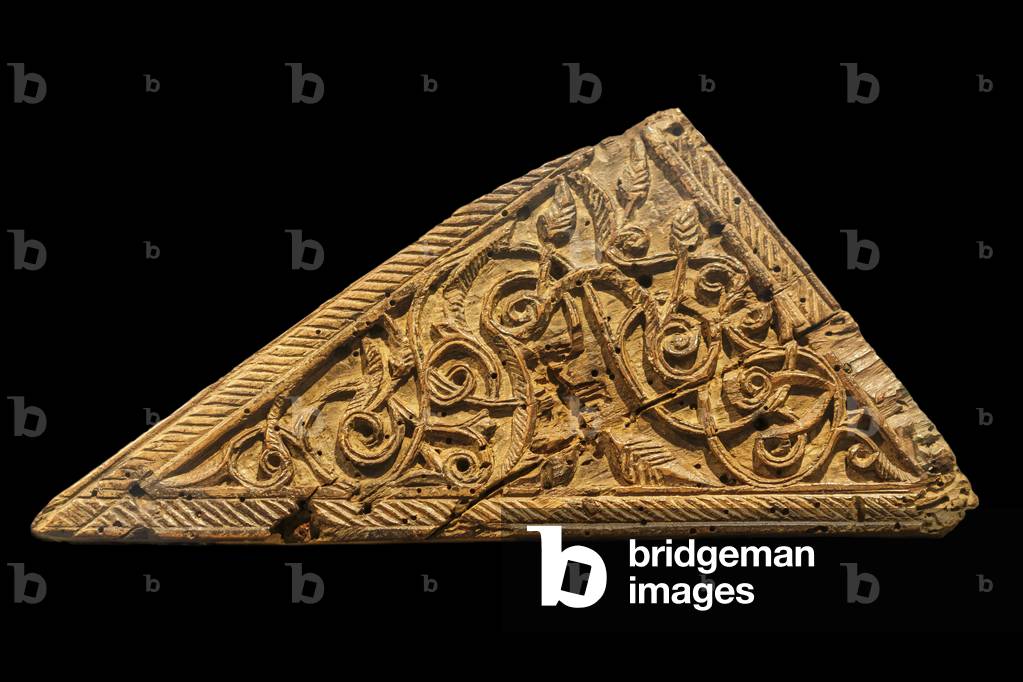
SYC4194012: Element of the minbar of the great mosque of Kairouan. Tunisia, second half of the 9th century. Teak carves biface. Louvre Museum / Bridgeman Images

SYC4194196: The Kerzerho alignments - Les Geants de Kerzerho - Alignements de Kerzerho - Menhirs et Dolmens - Brittany - Morbihan - France - / Bridgeman Images

SYC4194254: The Kerzerho alignments - Les Geants de Kerzerho - Alignements de Kerzerho - Menhirs et Dolmens - Brittany - Morbihan - France - / Bridgeman Images

SYC4194463: Gothic art: view of the Cistercian monastery of Royaumont (abbey) 1228-1235 Asnieres-sur-Oise (Asnieres sur Oise), Val-d'Oise (Val d'Oise) / Bridgeman Images

CUB4496721: Mille Miglia historical race, Brescia, Lombardy, Italy / Bridgeman Images

CUB4496737: Particular, Ferrari, Mille Miglia historical race, Brescia, Lombardy, Italy / Bridgeman Images

CUB4496745: Mercedes-Benz 300 SL, Mille Miglia historical race, Brescia, Lombardy, Italy / Bridgeman Images

CUB4496757: Mille Miglia historical race, Brescia, Lombardy, Italy / Bridgeman Images

CUB4496770: Mille Miglia historical race, Brescia, Lombardy, Italy / Bridgeman Images

CUB4496825: Waiting for technical checks, Mille Miglia historical race, Brescia, Lombardy, Italy / Bridgeman Images

CUB4496863: Mille Miglia historical race, Brescia, Lombardy, Italy / Bridgeman Images
CUB4496891: Mille Miglia historical race, Brescia, Lombardy, Italy / Bridgeman Images

CUB4496960: Maserati, Mille Miglia historical race, Brescia, Lombardy, Italy / Bridgeman Images

CUB4496998: Waiting for technical checks, Mille Miglia historical race, Brescia, Lombardy, Italy / Bridgeman Images

CUB4497051: Particular, Porsche, Mille Miglia historical race, Brescia, Lombardy, Italy / Bridgeman Images

CUB4497058: Mercedes-Benz, Waiting for technical checks, Mille Miglia historical race, Brescia, Lombardy, Italy / Bridgeman Images

CUB4497090: Mille Miglia historical race, Brescia, Lombardy, Italy / Bridgeman Images
CUB4497125: Restaurant, Straf design hotel, Milan, Lombardy, Italy / Bridgeman Images

CUB4497303: Fondazione Prada, Largo Isarco square, Milan, Lombardy, Italy, Europe / Bridgeman Images

CUB4497322: Straf design hotel, Milan, Lombardy, Italy / Bridgeman Images
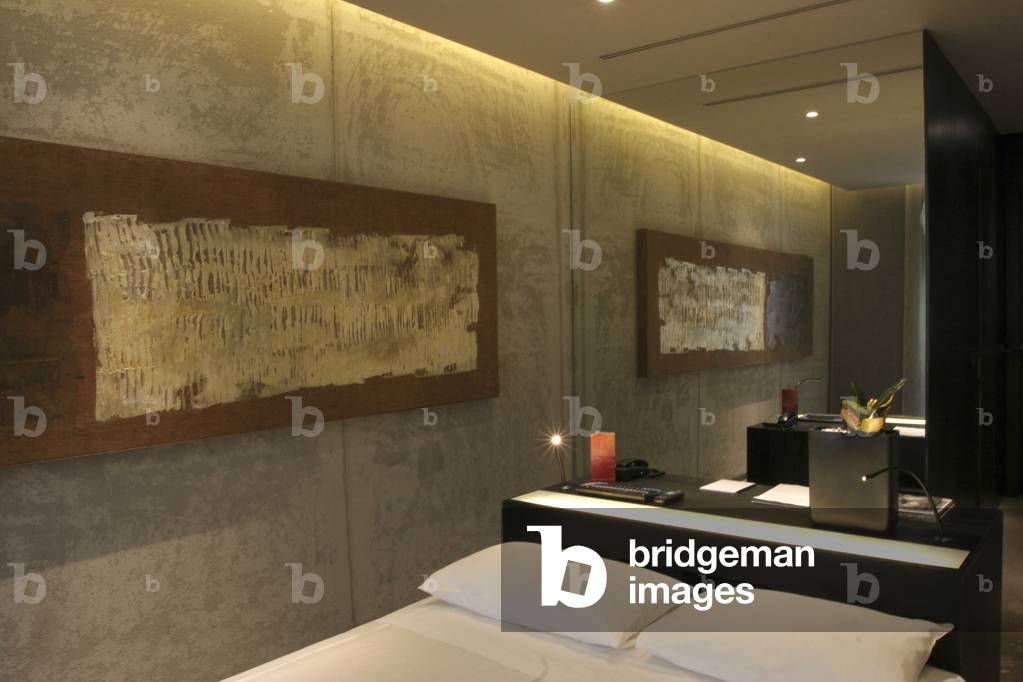
CUB4497354: Suite, Straf design hotel, Milan, Lombardy, Italy / Bridgeman Images

CUB4505313: Enjoyment, Fishermen's house, Marano Lagunare, Friuli Venezia Giulia, Italy / Bridgeman Images

JLJ4569017: Weapon: flint gun by Joachim Murat, 1780-1785, Scottish School, (18th century) / Bridgeman Images

LRI4569053: Frontispiece of musical score of Nabucco opera by Giuseppe Verdi, Unknown Artist, (19th century) / Bridgeman Images

PIX4569073: Open cluster Westerlund 1 in the Altar - Open cluster Westerlund 1 in Ara - The open cluster Westerlund 1 is located about 16,000 years - light in the southern constellation of the Altar. It contains hundreds of very young massive stars as well as the supergiant red star W26. Image obtained by the VST telescope in Chile. This exceptionally bright cluster lies about 16 000 light - years from Earth in the southern constellation of Ara (The Altar). It contains hundreds of very massive and brilliant stars, all of which are just a few million years old - - babies by stellar standards. But our view of this cluster is hampered by gas and dust that prevents most of the visible light from the cluster's stars from getting to Earth. Around one of the stars - - known as W26, a red supergiant and possibly the biggest star known - - astronomers have discovered clouds of glowing hydrogen gas, shown as green features in this new image. Such glowing clouds around massive stars are very rare, and are even rarer around a red supergiant - - this is the first ionised nebula discovered around such a star. W26 itself would be too cool to make the gas glow; the astronomers speculate that the source of the ionising radiation may be either hot blue stars elsewhere in the cluster, or possibly a fainter, but much hotter, companion star to W26. W26 will eventually explode as a supernova. The nebula that surrounds it is very similar to the nebula surrounding SN1987A, the remnants of a star that went supernova in 198 / Bridgeman Images

JLJ4569077: At the turn, Gladiator winner of the English derby, 1865 (oil on canvas), Alken, Henry Sr (1774-1850) / Bridgeman Images

JLJ4569213: The royal foundry at the Creusot (Saone and Loire) in 1787 It manufactured among other things the armament of the French army, 18th century (engraving), Anonymous / Bridgeman Images

PIX4569237: La Meridienne de l'Hotel Chenizot - Paris - Sundial in Paris: This meridian dates back to 1730. It indicates noon, as well as the shifts and half hours before and after. A Meridian is based on the well-known principle of the sundial, but only preys to determine the exact time of noon (Meridian = half of the day). 51 Rue Saint-Louis, 75004 / Bridgeman Images

LRI4569352: Page of musical score of Psalms (op 16) by Ludovico Viadana, 1606, Unknown Artist, (17th century) / Bridgeman Images
