2491514 Search Results

MIC4363684: Kinkaku-ji (Golden Pavilion Temple) or Rokuon-ji (Deer Garden Temple) - Kyoto (Japan) - Kamakura period - Buddhist temple - pond garden - UNESCO World Heritage designation 1994 - Kinkaku-ji (Temple of the Golden Pavilion) or Rokuon-ji (Deer Garden Temple) - Kyoto (Japan) - Kamakura period - Buddhist temple - pond garden UNESCO World Heritage Site 1994 / Bridgeman Images

MIC4360825: Eikando Zenrin-ji - Kyoto (Japan) - Heian period - Buddhist temple - karesansui (dry landscape garden) and garden promenade with pond - founded by Shinjo - Eikando Zenrin-ji - Kyoto (Japan) - Heian period - Buddhist temple - karesansui (dry landscape garden) and walk garden with pond - founded by Shinjo / Bridgeman Images

MIC4360671: Shusuitei - Kyoto (Japan) - Edo period - Garden pond and pavilion - Shusuitei - Kyoto (Japan) - Edo period - pond garden and tea house / Bridgeman Images

MIC4361026: Murin-an - Kyoto (Japan) - Meiji period - garden promenade with river - designed by Ogawa Jihei - Murin-an - Kyoto (Japan) - Meiji period - stroll garden with river - designed by Ogawa Jihei / Bridgeman Images

MIC4364110: Ideal Palace of the Factor Cheval (1879-1912) - Hauterives - Drome - France - built by Ferdinand Cheval (1836-1924) - art brut - art singular - architecture - Monument historique - Postman Cheval's Palace (1879-1912) - Hauterives - Drome - France - built by Ferdinand Cheval (1836-1924) - outsider art - Historic Monument / Bridgeman Images

MIC4361468: Ryogin-an (sub-temple of Tofuku-ji) - Kyoto (Japan) - Muromachi period - Buddhist temple - karesansui (dry landscape garden) designed by Shigemori Mirei in 1964 - Ryogin-an (sub-temple of Tofuku-ji) - Kyoto (Japan) - Muromachi period - Buddhist temple - karesansui (dry landscape garden) design) design) Shigemori Mirei in 1964 / Bridgeman Images

OUC4364983: France - Poster May 1968 - Poster, France, May 68: Fight against Gaullist Cancer (Crab with Lorraine Cross). serigaphie 56x80 cm / Bridgeman Images

MIC4360142: Kyu Shiba rikyu or Kyu Shiba rikyu Onshi Teien (former Shiba Villa Gardens) - Tokyo (Japan) - Edo Period - Kyu Shiba rikyu or Kyu Shiba rikyu Onshi Teien (Former Shiba Villa Gardens) - Tokyo (Japan) - Edo period / Bridgeman Images

MIC4360782: Shisendo - Kyoto (Japan) - Edo period - Buddhist temple - Karayo style garden (Chinese style) - built by Ishikawa Jozan 1641 - Shisendo - Kyoto (Japan) - Edo period - Buddhist temple - karayo style garden (chinese style) - built by Ishikawa Jozan in 1641 / Bridgeman Images

MIC4363053: Heian Jingu - Kyoto (Japan) - 1895 - temple shinto - garden promenade with pond design by Ogawa Jihei - Heian Jingu - Kyoto (Japan) - 1895 - shinto shrine - stroll garden with pond design by Ogawa Jihei / Bridgeman Images

MIC4363747: Taizo-in (subtemple of Miyoshin-ji) - Kyoto (Japan) - Muromachi period and Showa era - Buddhist temple - karesansui (dry landscape garden) attributes to Kano Snowonobu and garden promenade with pond by Nakane Kinsaku - Taizo-in (sub-temple of Miyoshin-ji) - Kyoto (Japan) - Muromachi period and period Showa period - Buddhist temple - karesansui (dry landscape garden) thought to be designed by Kano Motonobu and stroll garden with pond designed by Nakane Kinsaku / Bridgeman Images

MIC4360187: Kyu Shiba rikyu or Kyu Shiba rikyu Onshi Teien (former Shiba Villa Gardens) - Tokyo (Japan) - Edo Period - Kyu Shiba rikyu or Kyu Shiba rikyu Onshi Teien (Former Shiba Villa Gardens) - Tokyo (Japan) - Edo period / Bridgeman Images

MIC4363283: Murin-an - Kyoto (Japan) - Meiji period - garden promenade with river - designed by Ogawa Jihei - Murin-an - Kyoto (Japan) - Meiji period - stroll garden with river - designed by Ogawa Jihei / Bridgeman Images

MIC4361926: Zuiho-in (sub-temple of Daitoku-ji) - Kyoto (Japan) - ere Showa - karesansui (dry landscape garden) designed by Shigemori Mirei in 1961 - Zuiho-in (sub-temple of Daitoku-ji) - Kyoto (Japan) - Showa period - karesansui (dry landscape garden) designed by Shigemori Mirei in 1961 / Bridgeman Images

MIC4363331: Chion-in - Kyoto (Japan) - Edo period - Buddhist temple siege of Jodo-shu (Pure Earth sect) founded by Honen - garden promenade with pond - rebuilt by Tokugawa Iemitsu shogun - hojo garden designed by Gyokuen monk in 1641 - Chion-in - Kyoto (Japan) - Edo period - Buddhist temple headquarters of the Jodo Do-shu (Pure Land Sect) founded by Honen - stroll garden with pond - rebuilt by the shogun Tokugawa Iemitsu - Hojoõs garden was designed by monk Gyokuen in 1641 / Bridgeman Images

MIC4363479: Kennin-ji - Kyoto (Japan) - Showa period - Buddhist temple - karesansui (dry landscape garden) and the pavilion - Kennin-ji - Kyoto (Japan) - Showa period - Buddhist temple - karesansui (dry landscape garden) and tea house / Bridgeman Images

MIC4362291: Adachi bijutsukan teien (gardens of the Adachi Museum of Art) - Yasugi (Shimane Prefecture) (Japan) - 1970 - karesansui (dry landscape garden) - moss garden - garden with pond and house of the house - Adachi bijutsukan teien (Gardens of Adachi Museum of art) - Yasugi (Shimane Prefecture) (Japan) - 1970) - - karesansui (dry lanscape garden) - moss garden - garden with pond and tea house / Bridgeman Images

MIC4360256: Hogon-in - Kyoto (Japan) - Muromachi period (1338-1573) - Buddhist temple - karesansui (dry landscape garden) and garden promenade - built by Sakugenshoryo Zenshi - Hogon-in - Kyoto (Japan) - Muromachi period (1338-1573) - Buddhist temple - karesansui (landscape dry garden) and stroll garden - built by Sakui Genshoryo Zenshi / Bridgeman Images

NIK4429596: Portrait of an Englishman with his dog at the beginning of the 20th century (1910?). / Bridgeman Images

NIK4429595: First World War (1914-1918): infantrymen in a trench at Chasseney, June 1915. / Bridgeman Images

LSE4429410: Christian Art 313 AD: Adelphia and Valerio. Sarcophagus of Adelphia preserved at the Museum of Syracuse in Sicily (Italy)., Roman, (4th century AD) / Bridgeman Images
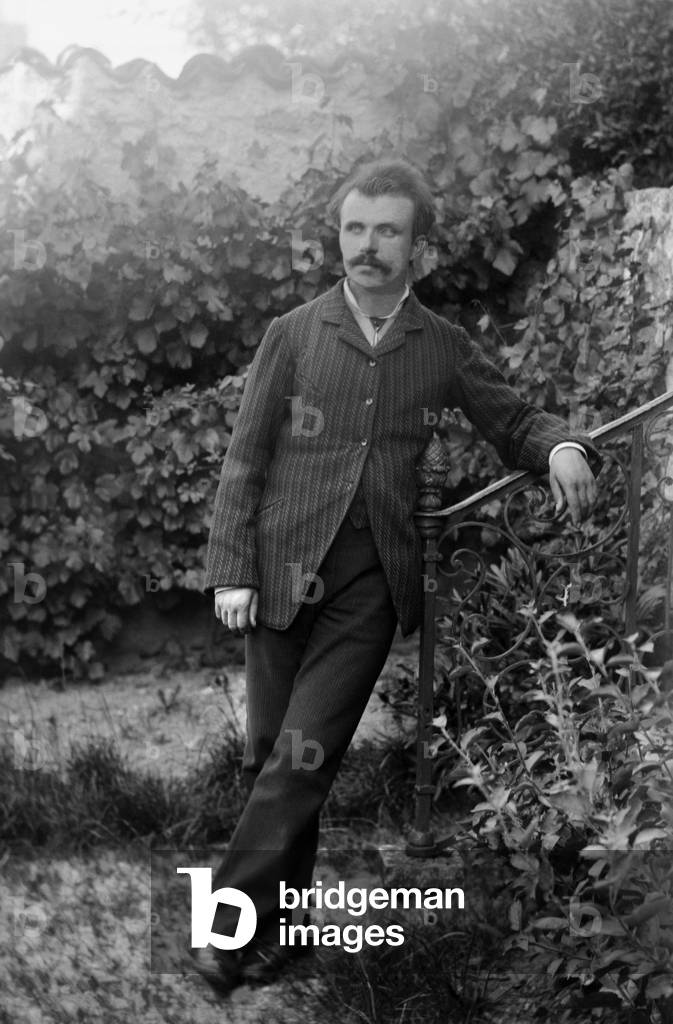
LSE4429834: Portrait of a young man, in the garden of the Abbey of Septfontaines, near Bourmont en Haute Marne. Photography late 19th century. Ducos Collection., French Photographer, (19th century) / Bridgeman Images

LSE4429756: Representatives of the French colonies, in traditional costume, in Paris, circa 1850, received by Jean Etienne Theodore Ducos (1801-1855), minister of navy and colonies from 1851 to 1855. Photography. Ducos Collection., French Photographer, (19th century) / Bridgeman Images

NIK4429623: Way of the Cross - via crucis - Stations of the Cross: crucifixion, eleventh station: Jesus is nailed to the cross Chromolithography Private collection / Bridgeman Images

NIK4429613: Way of the Cross - via crucis - Stations of the Cross: crucifixion thirteenth station, Jesus descended from the cross and handed over to his mother (Jesus is taken down from the cross) Chromolithography Private Collection / Bridgeman Images

THT4429432: Luxor, Thebes: Website of DEIR EL MEDINEH. Village and necropolis of artisans. Tomb of the 18th Dynasty. / Bridgeman Images
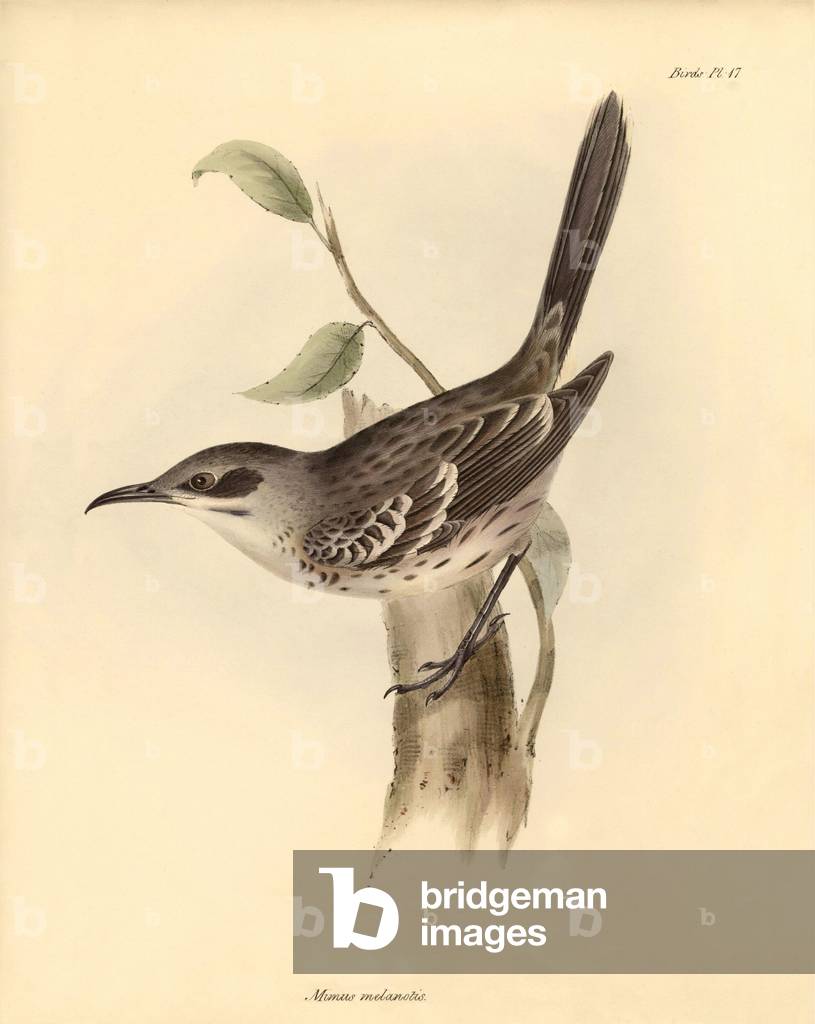
FAT4429340: Ornithology: The “Mimus melanotis” of the mockers family described by Charles Darwin during his exploration journey aboard the Beagle. Plate from “The Zoology of the voyage of H.M.S. Beagle under the command of Captain Fitzroy during the years 1832 to 1836 edited and supervised by Charles Darwin - Part III” 1838 / Bridgeman Images
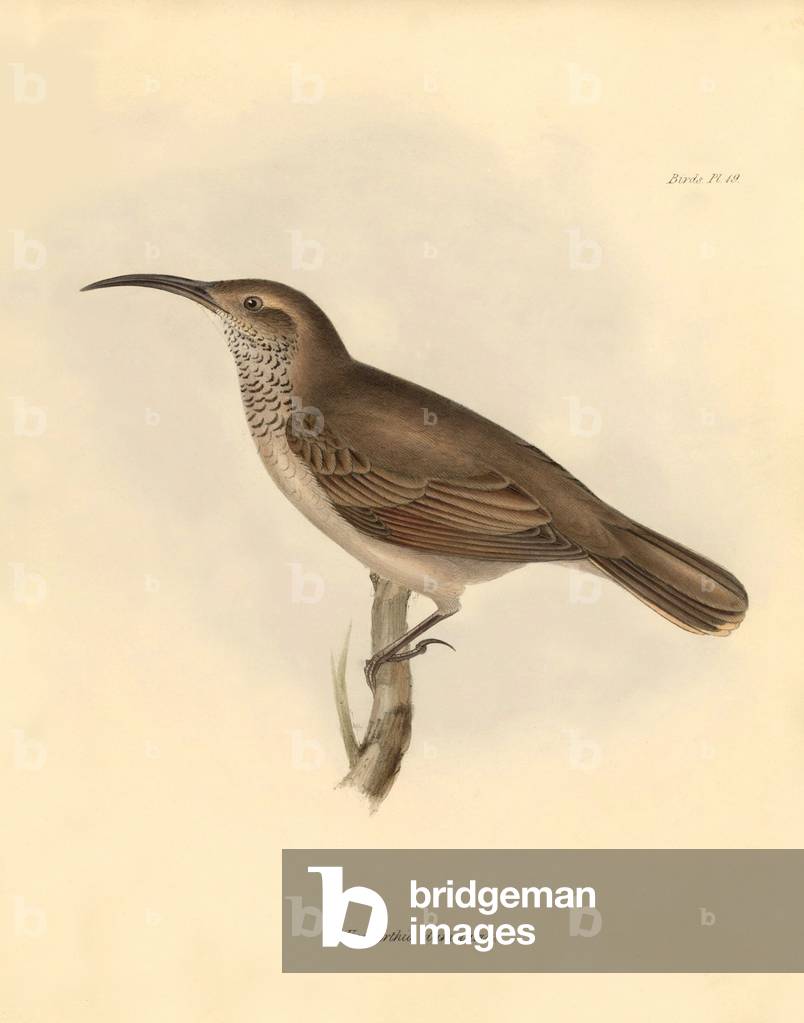
FAT4429335: Ornithology: The “Upercerthia dumetaria” described by Charles Darwin during his exploration journey aboard the Beagle. Plate from “The Zoology of the voyage of H.M.S. Beagle under the command of Captain Fitzroy during the years 1832 to 1836 edited and supervised by Charles Darwin - Part III” 1838 / Bridgeman Images

NIK4429572: First World War (1914-1918): French Marianne fighting the German imperial eagle. French propaganda postcard, 1910. / Bridgeman Images

NIK4429545: German army bivouac. Franco-German postcard, late 19th century. / Bridgeman Images

LSE4429408: Young Romans engaged in physical exercises. They wear a loincloth around the kidneys and a strophium (ancetra of the bra) on the chest. A loaf around the kidneys. Roman Mosaic of the 3rd - 4th century of Villa del Casale, Piazza Armerina (Sicily)., Roman, (3rd-4th century) / Bridgeman Images

LSE4429754: A man suit of tiger skins, helmet and swine in hand, at the Abbey of Septfontaines, near Bourmont in Haute Marne. Photography late 19th century. Ducos Collection., French Photographer, (19th century) / Bridgeman Images

THT4429468: KYOTO: Women praying in a temple. / Bridgeman Images

THT4429500: KYOTO: Great master of ZEN, in a monastery. / Bridgeman Images

THT4429507: KYOTO: Theatre NO, dressing the lead actor. / Bridgeman Images

THT4429503: KYOTO: Prayer at SHOKOKU-JI Temple. / Bridgeman Images
