2491514 Search Results
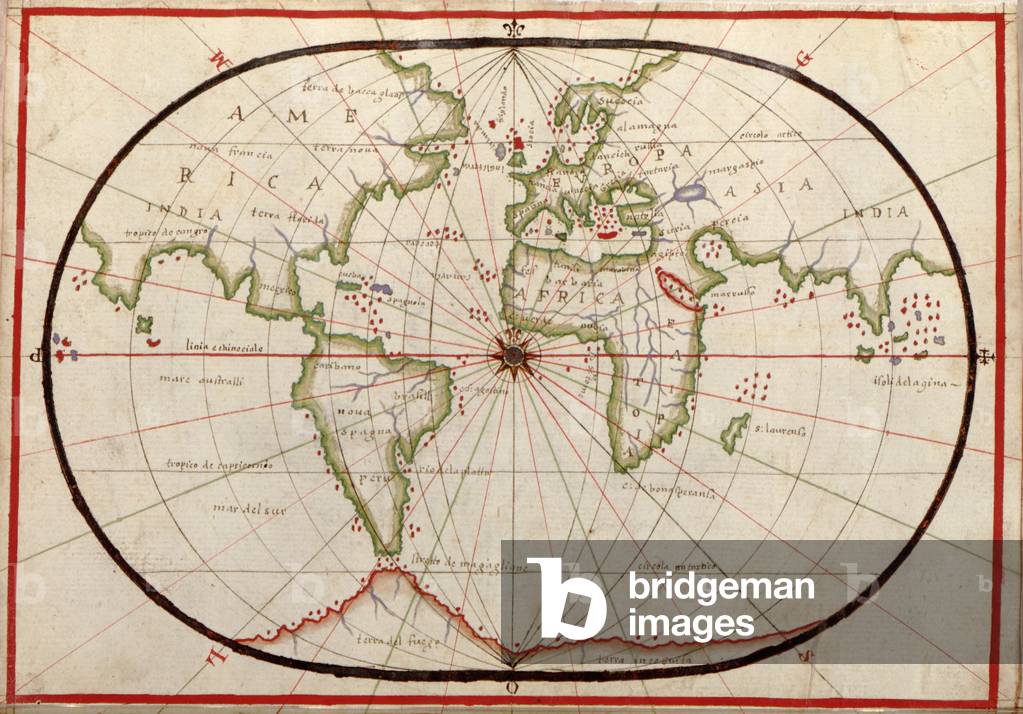
EVB2931879: 1590 map of the World, Unknown Artist / Bridgeman Images

EVB2933491: Dodge City Cow-Boy Band with their instruments in the 1880's. Photo was taken in St. Louis, c. 1885 / Bridgeman Images
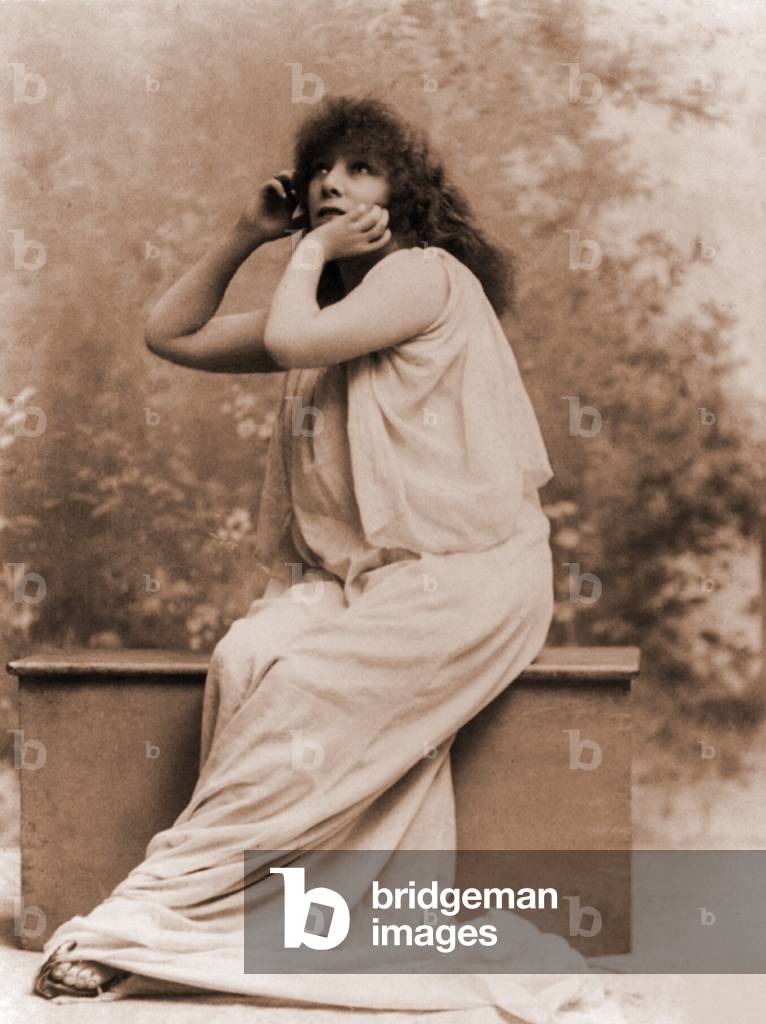
EVB2933725: Sarah Bernhardt in the title role of 'Izey,' at the Abbey Theatre, Ireland in 1896 (b/w photo), Unknown photographer, (19th century) / Bridgeman Images

EVB2932107: Franklin Roosevelt, not yet forty years old, speaks on the steps of the New York State Capitol. He ran for Vice President as the running mate of James M. Cox in 1920. This photo was taken in 1918 or 1920, Unknown photographer, (20th century) / Bridgeman Images

EVB2931477: The Last speech on impeachment of President Andrew Johnson. Thaddeus Stevens closing the debate in the House, March 2 1868, Davis, Theodore Russell (1840-94) / Bridgeman Images

EVB2930600: Street scene, Lewiston, Idaho, c. 1908 / Bridgeman Images

EVB2930490: Mormon village, on line of railroad, Echo Canon, stereocard, 1868, Unknown photographer, (19th century) / Bridgeman Images

EVB2934213: James M. Cox (1870-1957), newspaper publisher and Ohio governor, ran unsuccessfully for the U.S. presidency in 1920. After the election he left politics to build a newspaper and communications empire, the still existing Cox Enterprises. c. 1920, Unknown photographer, (20th century) / Bridgeman Images
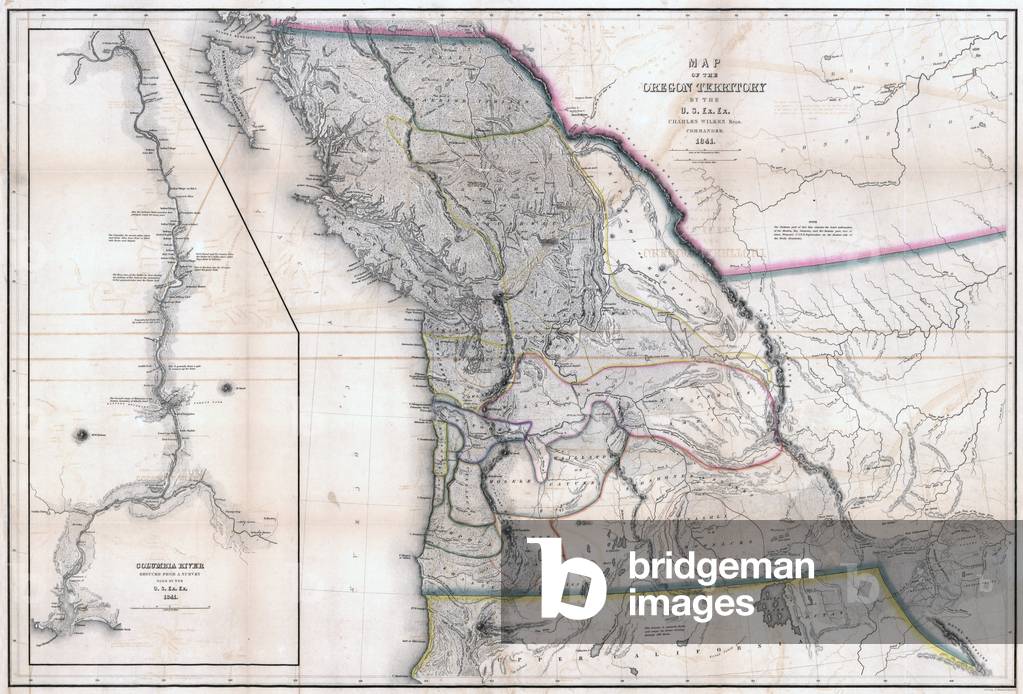
EVB2931362: Map of the Oregon Territory. by Charles Wilkes, 1841 / Bridgeman Images
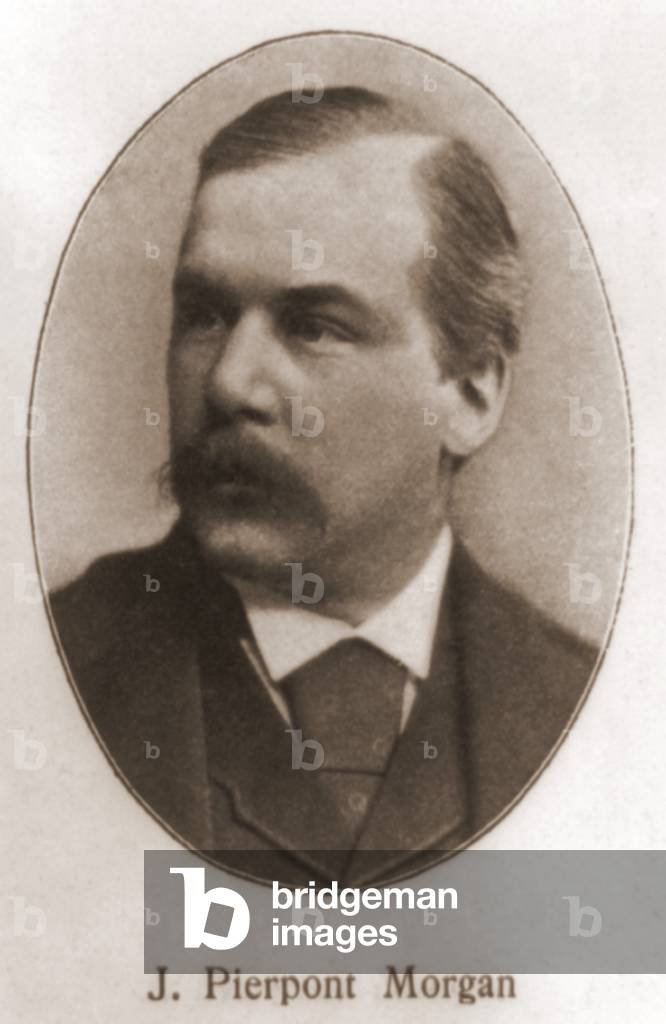
EVB2934519: John Pierpont Morgan, 1837-1913. Portrait from Harper's Weekly, May 18, 1901, Unknown photographer, (19th century) / Bridgeman Images

EVB2934734: Robert Carlos De Large (1842-1874, served as a Republican U.S. Representative from South Carolina from 1871-73. In 1873 he was unseated by an election challenge and died the following year, Unknown photographer, (20th century) / Bridgeman Images

EVB2930793: American bison herd, callotype, 1906, Unknown photographer, (20th century) / Bridgeman Images

EVB2934228: Alice Roosevelt (1884-1980), at the age of 18 in a fashionable coat and hat. 1902 portrait by Frances Benjamin Johnston, Johnston, Frances Benjamin (1864-1952) / Bridgeman Images
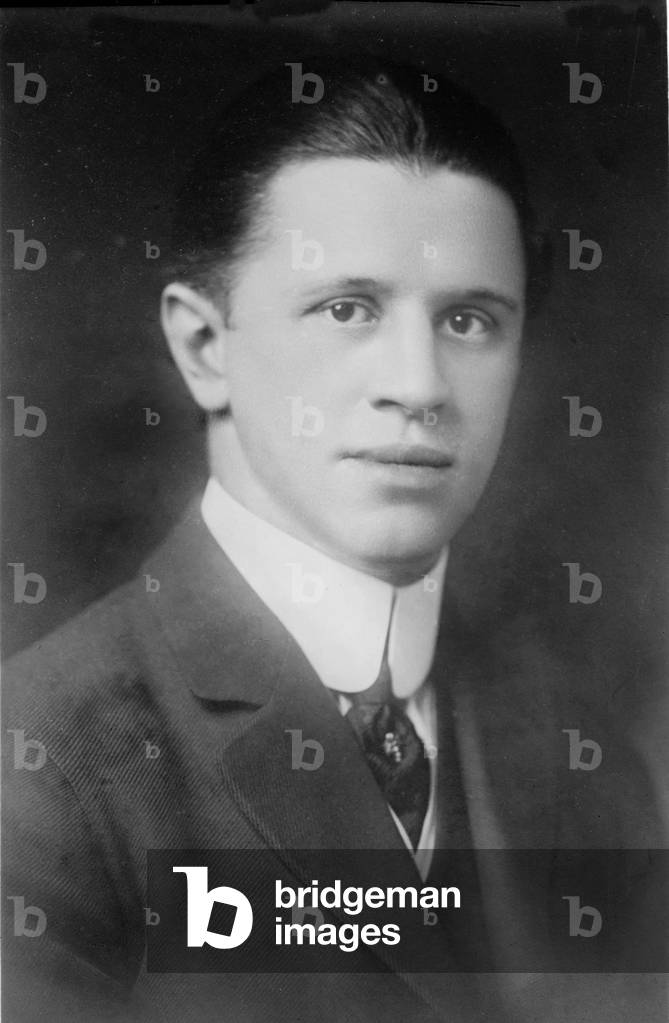
EVB2932386: George Creel (1876-1953), Unknown photographer, (20th century) / Bridgeman Images
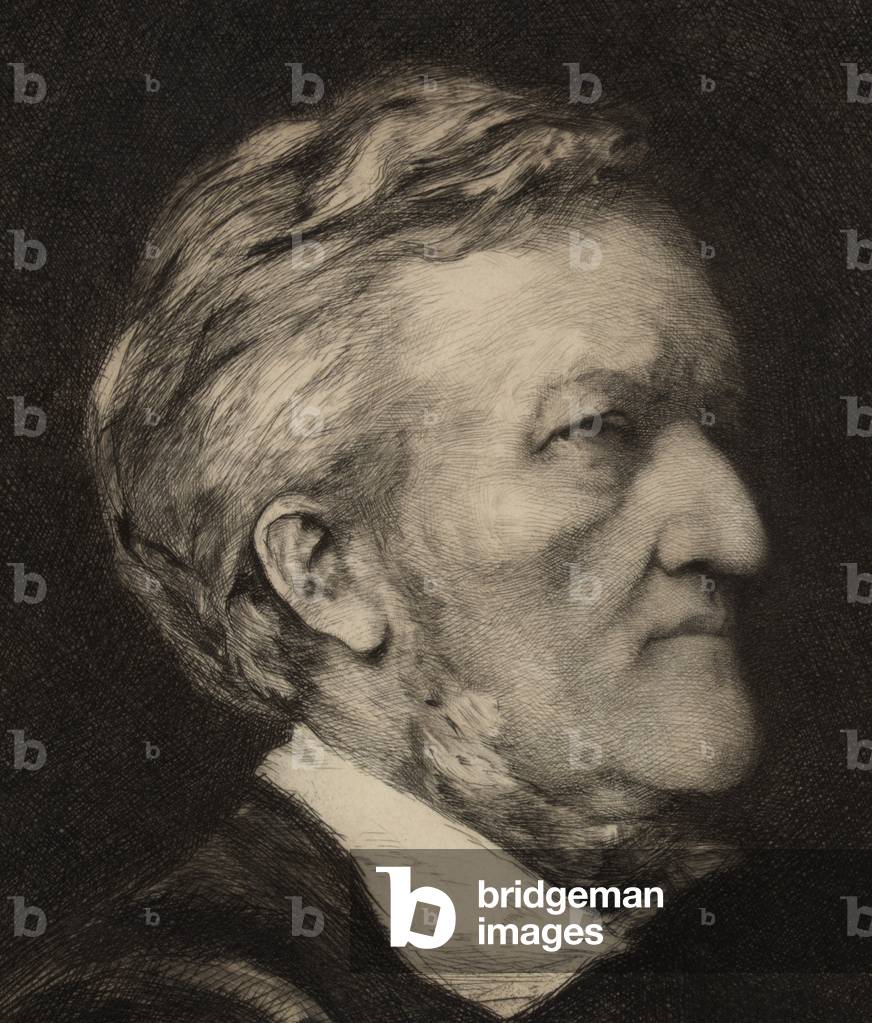
EVB2933682: Richard Wagner (1913-1883) German composer. Detail of portrait etching by German born artist Hubert von Herkomer (1849-1914) / Bridgeman Images

EVB2933612: Robert McFerrin (1921-2006), made his Metropolitan Opera debut in 1955, the same year as Marian Anderson. Both were the first African Americans of their genders to sing principal roles at the New York opera. 1955 portrait by Carl Van Vechten, Vechten, Carl Van (1880-1964) / Bridgeman Images

EVB2934389: Frederick E. Church (1826-1900), American landscape painter of the Hudson River School. He created detailed, monumental landscapes with dramatic space and lighting, Unknown photographer, (19th century) / Bridgeman Images
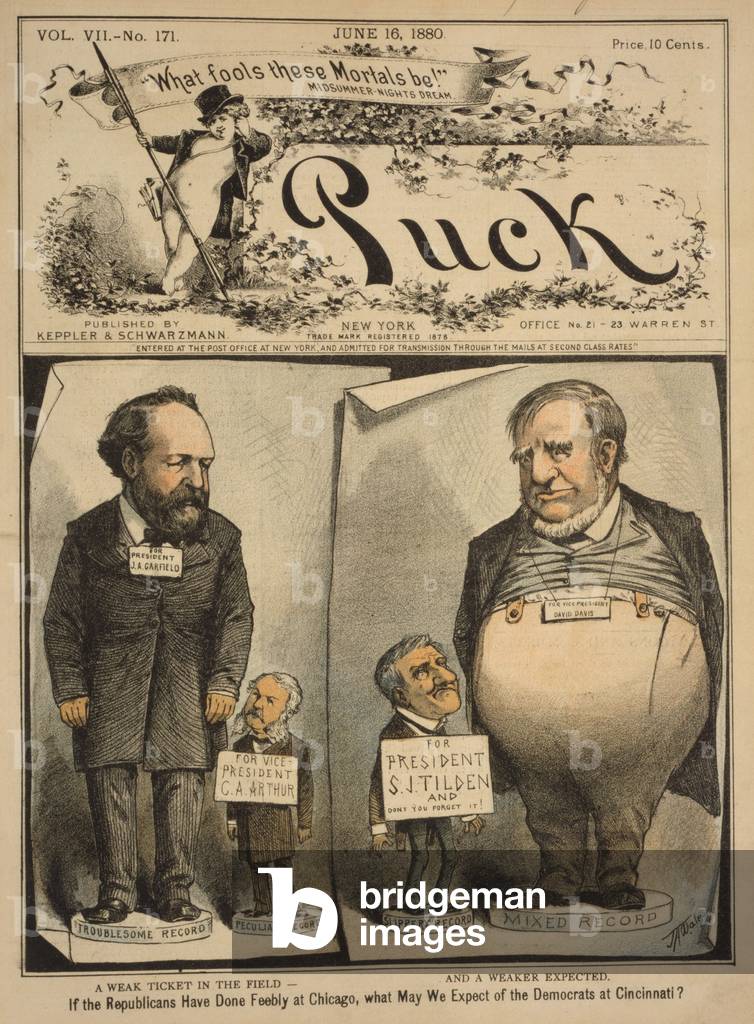
EVB2933342: 1880 Presidential election cartoon, showing candidates James A. Garfield, Chester Arthur, Samuel J. Tilden, and David Davis standing on their 'records,' described respectively as troublesome, peculiar, slippery, and mixed. Published in PUCK, June 16, 1880 / Bridgeman Images
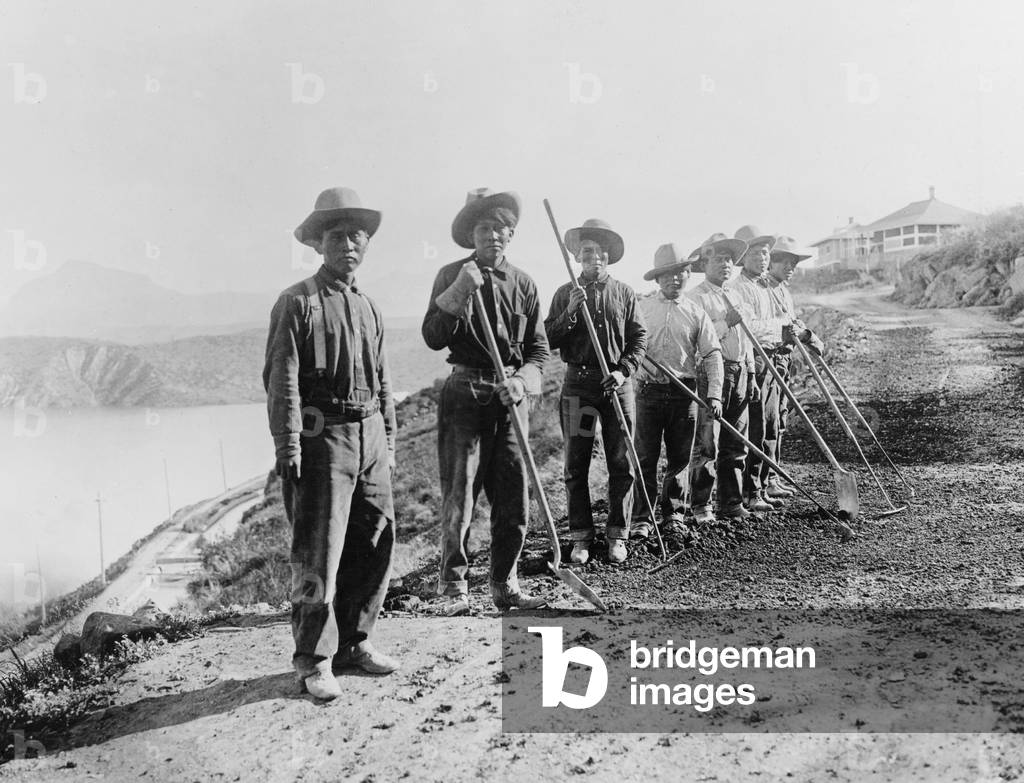
EVB2932327: Arizona's Salt River Project involved the construction of a system of canals, 1920s (photo), Unknown photographer, (20th century) / Bridgeman Images
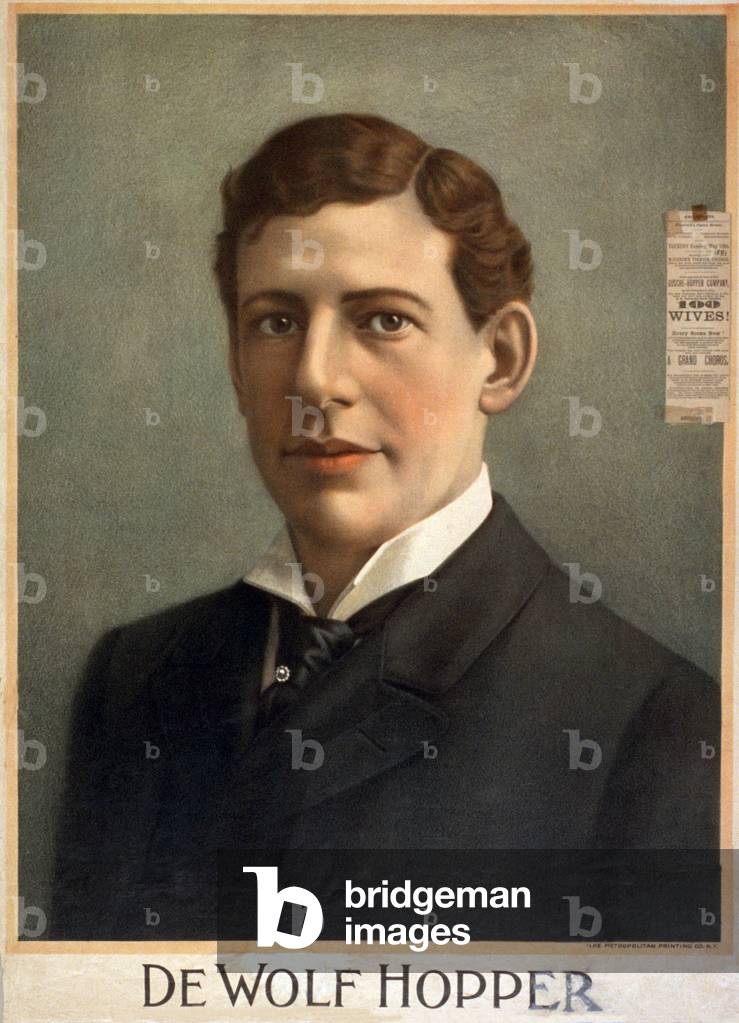
EVB2933778: De Wolf Hopper, 1881 (poster) / Bridgeman Images
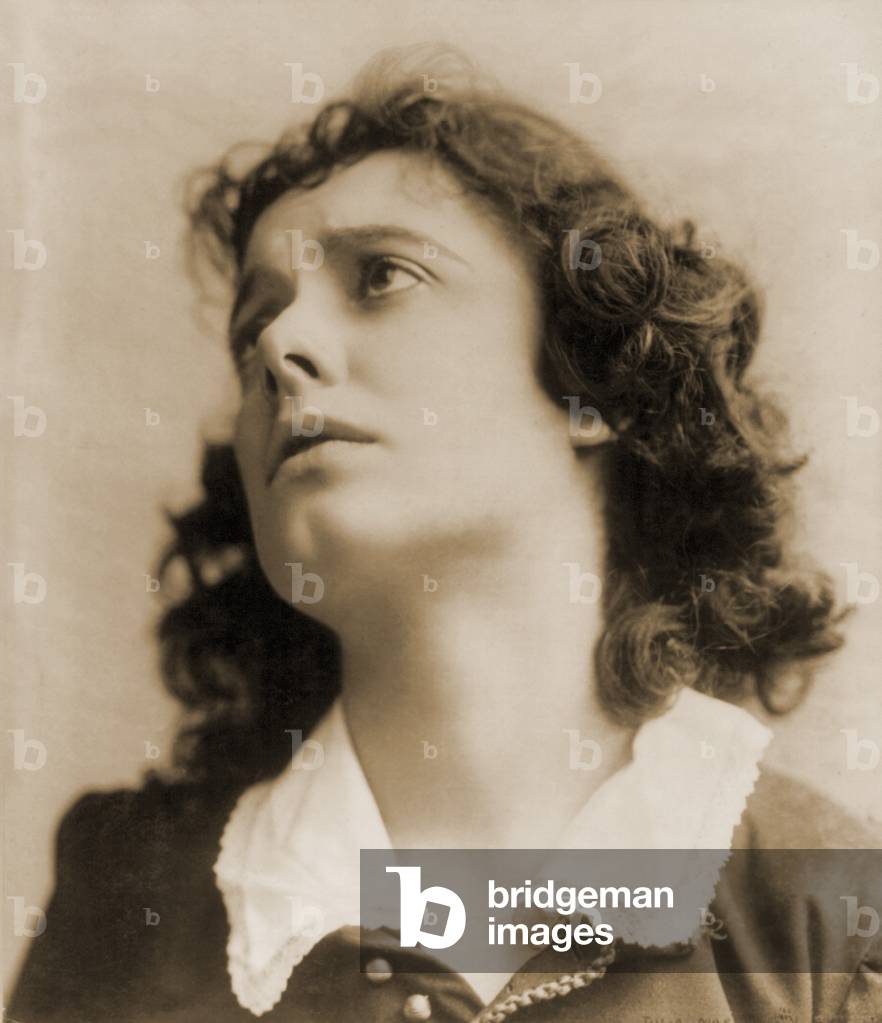
EVB2933817: Julia Marlowe (1866-1950), English born American actress in expressive 1892 portrait by Benjamin Falk, Falk, Benjamin J. (1853-1925) / Bridgeman Images

EVB2933844: Anna May Wong (1905-1961), Chinese-American film actress who persevered throughout her long career against casting discrimination. She lost the lead role in THE GOOD EARTH, 1937, to Caucasian actress, Luise Rainer. 1937 portrait by Carl Van Vechten, Vechten, Carl Van (1880-1964) / Bridgeman Images

EVB2932115: Ex-President Woodrow Wilson (1856-1924) standing on the porch of his Washington DC home on April 28, 1922, Unknown photographer, (20th century) / Bridgeman Images
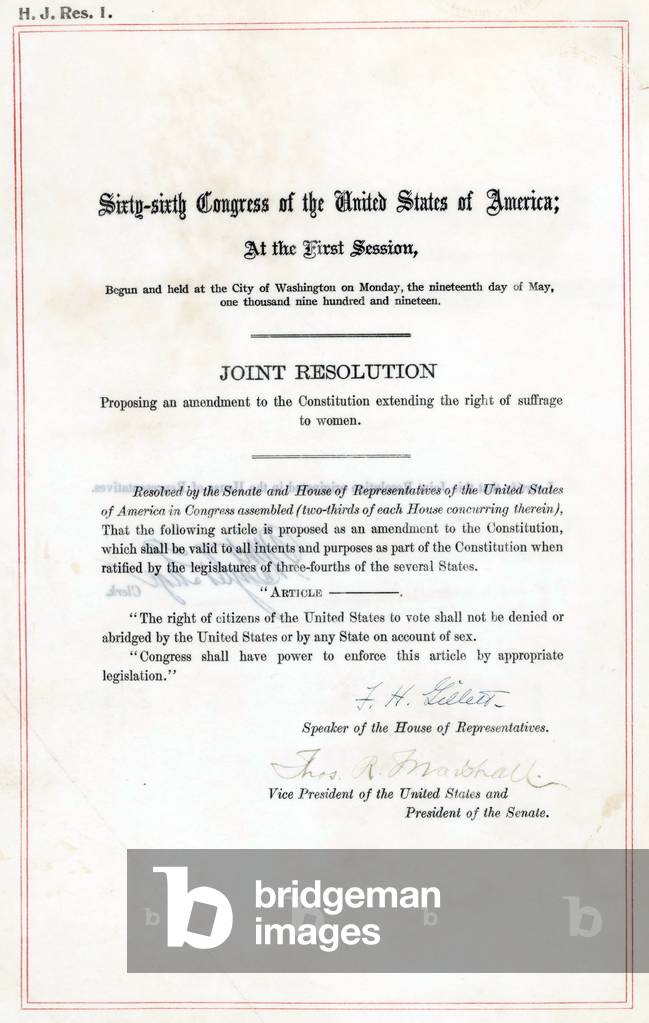
EVB2930977: 19th Amendment to the U.S. Constitution: Women's Right to Vote. Passed by Congress June 4, 1919, and ratified on August 18, 1920, the 19th amendment granted women the right to vote / Bridgeman Images
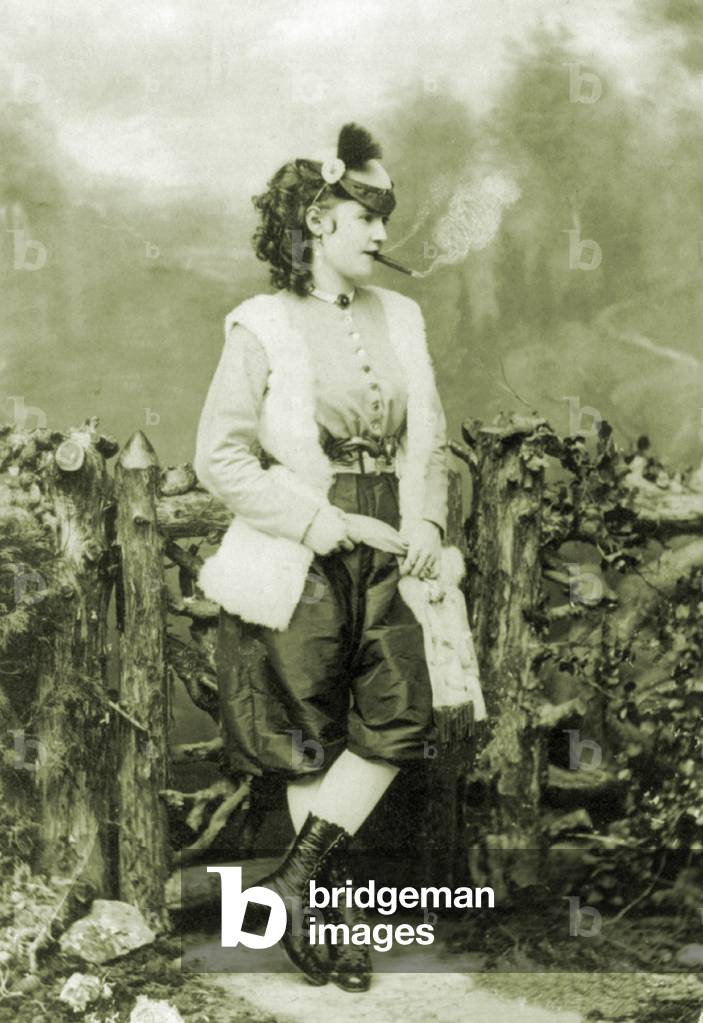
EVB2933745: Lotta Crabtree, (1847-1924), popular American actress smoking a cigar in a 1868 portrait by J. Gurney, Unknown photographer, (19th century) / Bridgeman Images
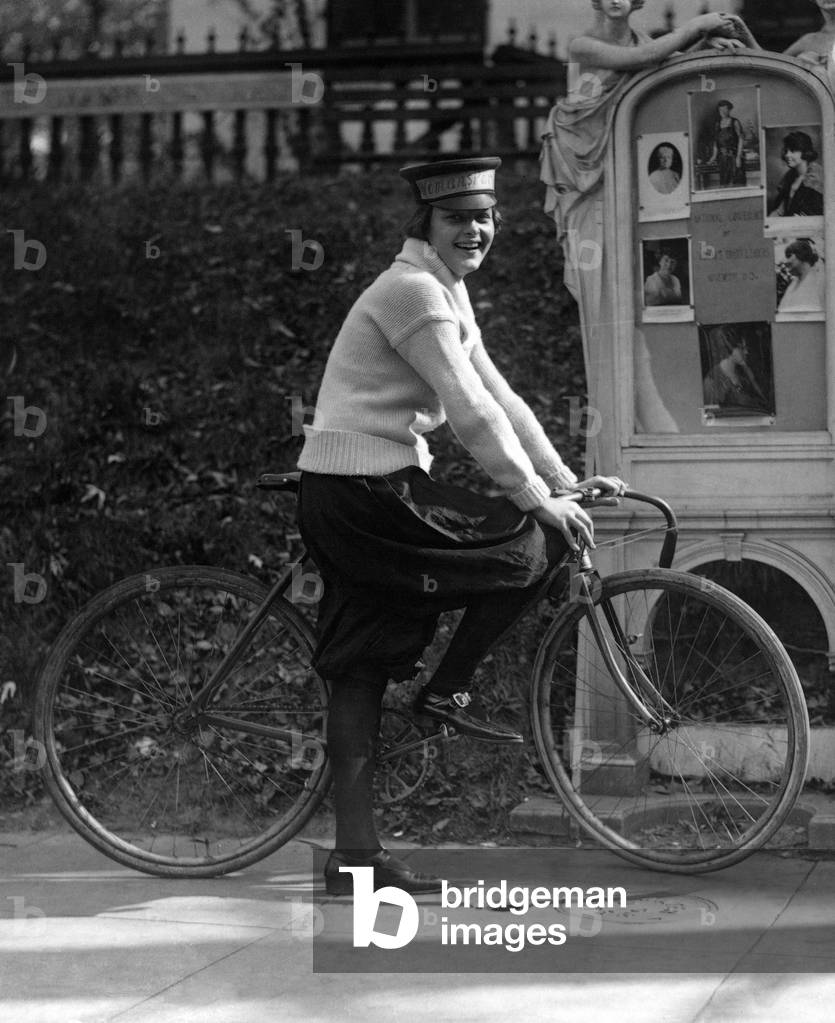
EVB2930965: Bicycle. Julia Obear, bike messenger for the National Woman's Party. October 21, 1922, Unknown photographer, (20th century) / Bridgeman Images
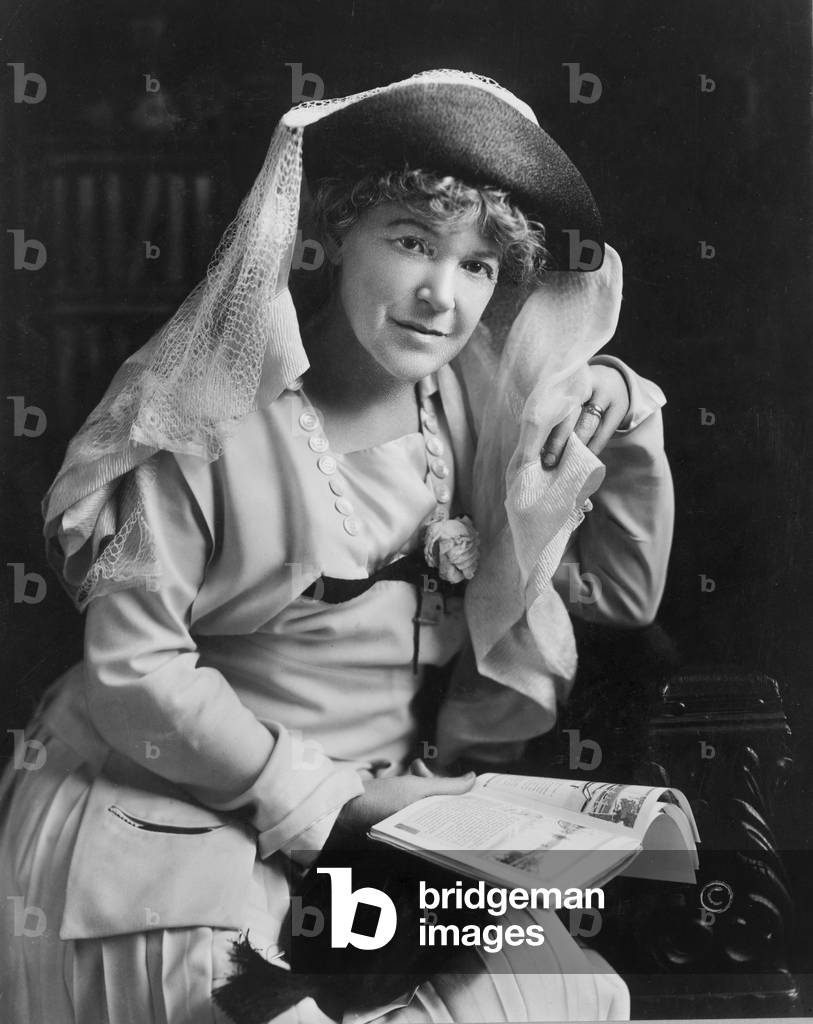
EVB2932376: Ella Wheeler Wilcox (1854-1919), author and poet whose popular works incorporated a Victorian religion, morals, and even subtle eroticism. Photo, c. 1917 / Bridgeman Images

EVB2932305: Maxim Gorky (1868-1936) wrote about the life of the working class Russians and supported the Marxist Revolution but was often in conflict with its political leaders. 1906 portrait, Unknown photographer, (20th century) / Bridgeman Images

EVB2933158: Stephen Douglas (1813-1861) the year he ran for President, Unknown photographer, (19th century) / Bridgeman Images

EVB2934209: President Calvin Coolidge and members of his cabinet pose on the White House Lawn: Labor-Davis, Agriculture-Wallace, Commerce-Hoover, Post Master Gen-New, War-Weeks, State-Hughes, the President, Treasury-Mellon, Atty. Gen.-Stone and Navy-Wilbur. April 11, 1924, Unknown photographer, (20th century) / Bridgeman Images
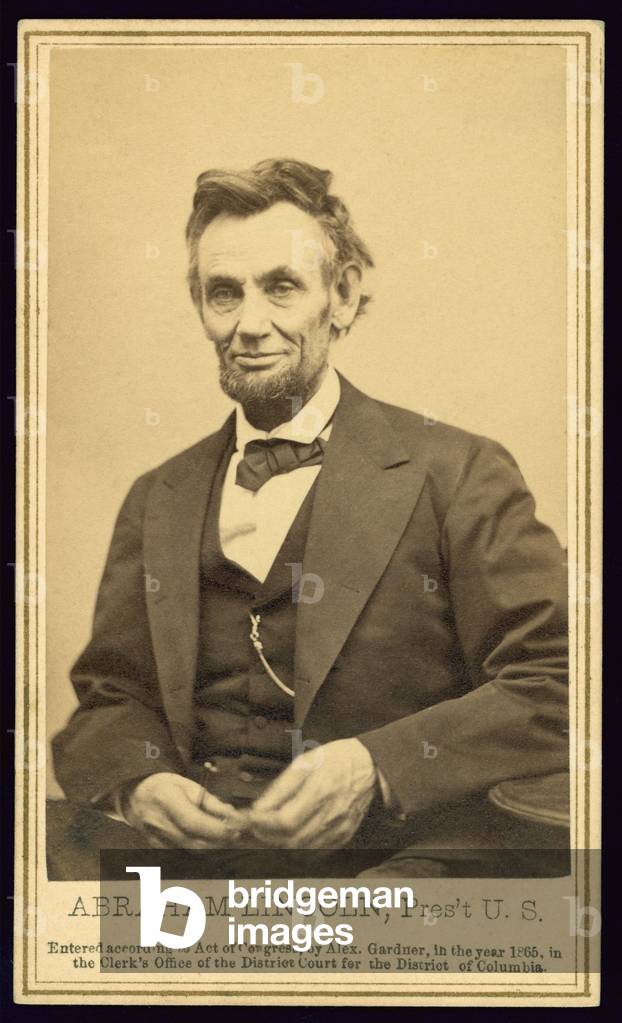
EVB2934602: President Abraham Lincoln (1809-1865). Portrait by Alexander Gardner taken on February 5, 1865, Unknown photographer, (19th century) / Bridgeman Images
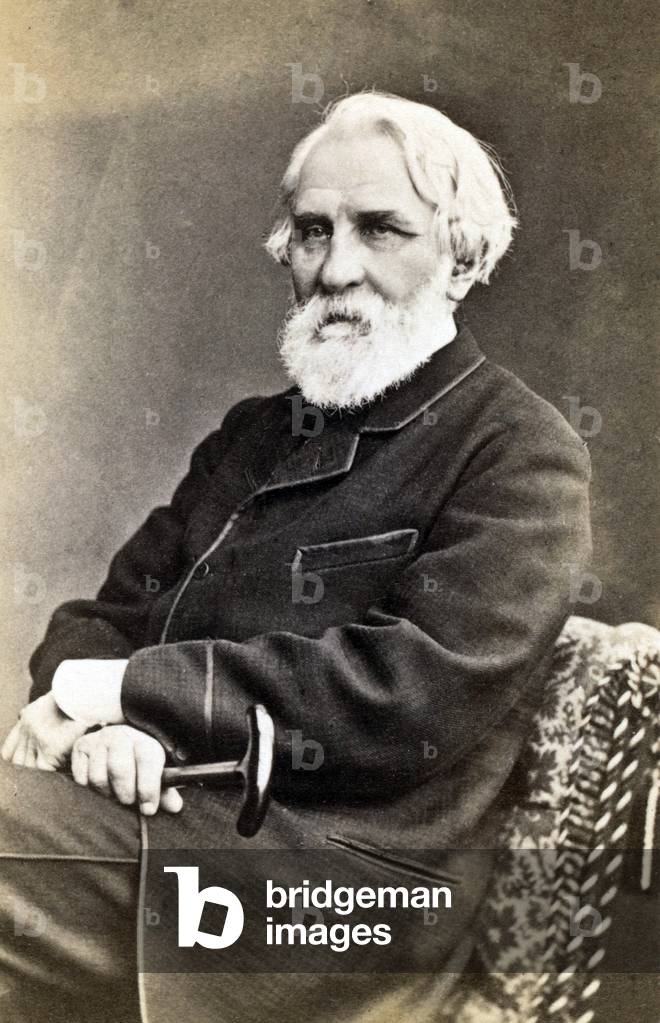
EVB2932618: Ivan Sergeevich Turgenev (1818-1883) Russian realistic novelist and short story writer contrasting rural life, with that of the urban intelligentsia leading Russia into the modern European world. c. 1880 / Bridgeman Images
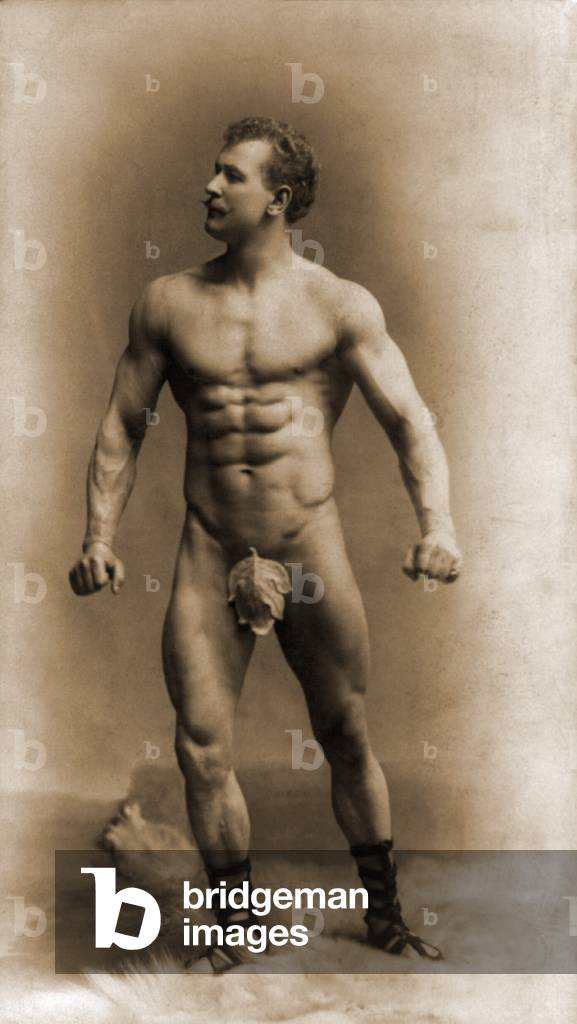
EVB2933994: Eugen Sandow (1867-1925), assuming a pose wearing a fig leaf. In 1901 he organized the first bodybuilding contest in London. 1894, Unknown photographer, (19th-20th century) / Bridgeman Images
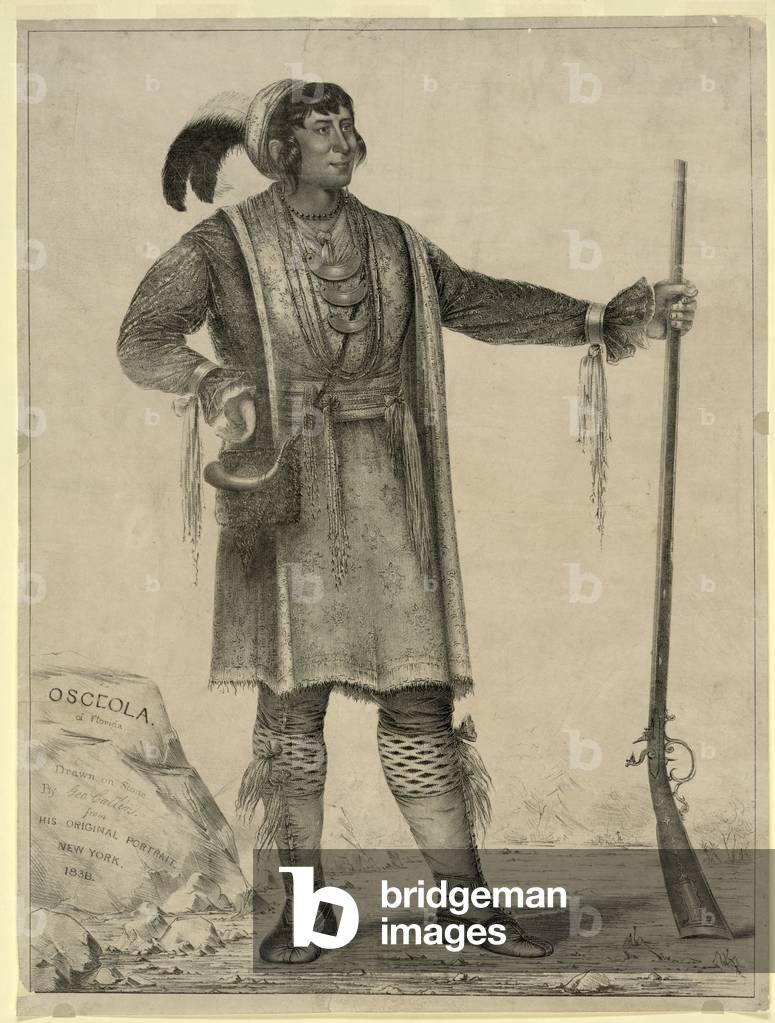
EVB2931297: Osceola, Seminole Chief of Florida. lithograph 1838, Catlin, George (1796-1872) / Bridgeman Images

EVB2933157: Stephen Douglas (1813-1861) was the leading Democratic candidate for the Presidency in 1860 and could have won if the Southern Democrats had not split and run John Breckenridge. With the Democratic Party's vote divided, the Republican, Abraham Lincoln won / Bridgeman Images
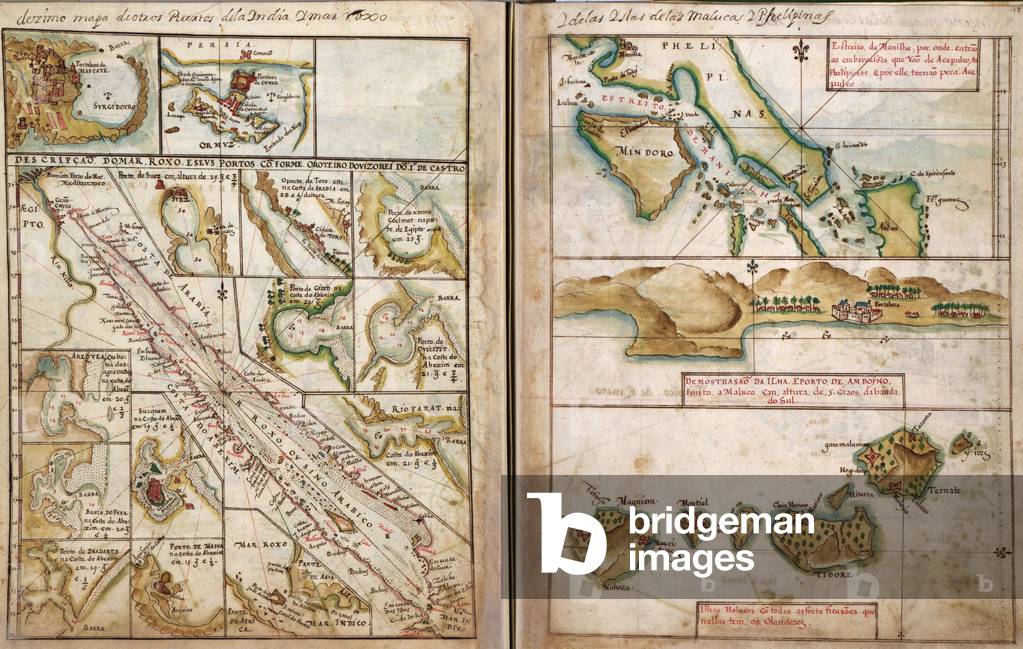
EVB2931968: 1630 Portuguese map of Asia, showing the coast in great detail gathered by a century of the Portuguese explorations in Asia, Unknown Artist / Bridgeman Images
