2497532 Search Results

CH257827: Self Portrait with Cat, 1928 (pen, ink & wash on paper), Foujita, Tsuguharu (Tsugouharu) Leonard (1886-1968) / Bridgeman Images

LRS215767: The terrain after the bombardments, north of Maricourt, Somme, 1916 (b/w photo), Moreau, Jacques (b.1887) / Bridgeman Images

MDE197659: Lands End, 2002 (w/c & gouache on paper), Decent, Martin / Bridgeman Images

PNP249846: Charles Siringo (1855-1928), author of 'A Cowboy Detective', 1912 (b/w photo), American Photographer, (20th century) / Bridgeman Images

BRN198229: Landscape with Unicorn (oil on panel), Hugo, Jean (1894-1984) / Bridgeman Images

CBE198604: The Compleat Angler, illustration from 'The Compleat Angler', by Izaak Walton (pen, ink & w/c on paper), Rackham, Arthur (1867-1939) / Bridgeman Images
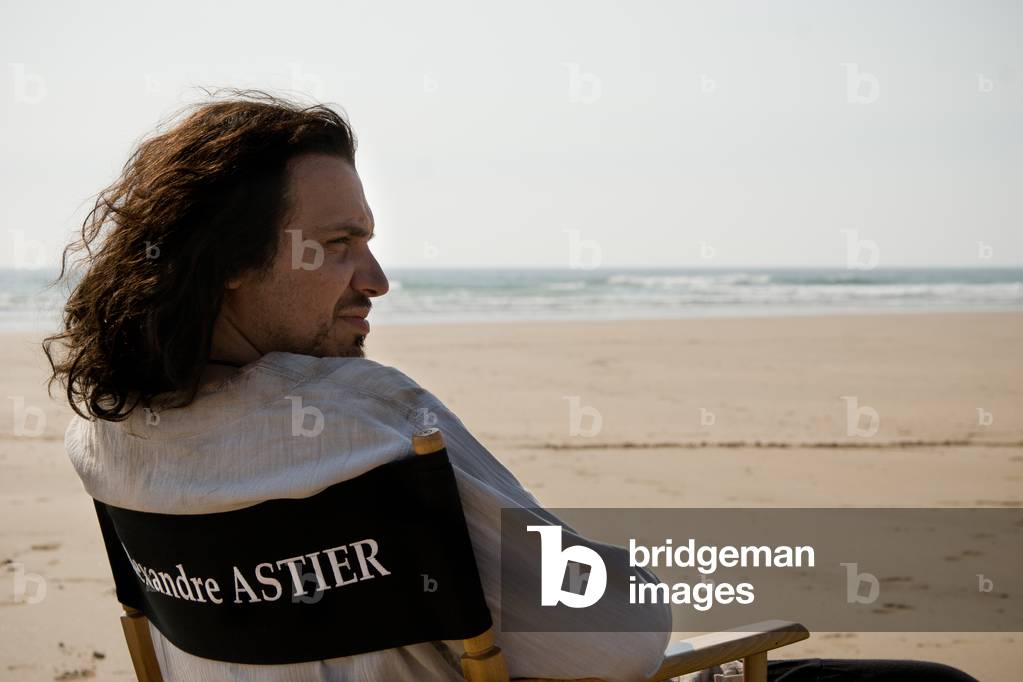
CHZ1781792: Kaamelott, écrit et réalisé par Alexandre Astier, Chantier, Pascal / Bridgeman Images
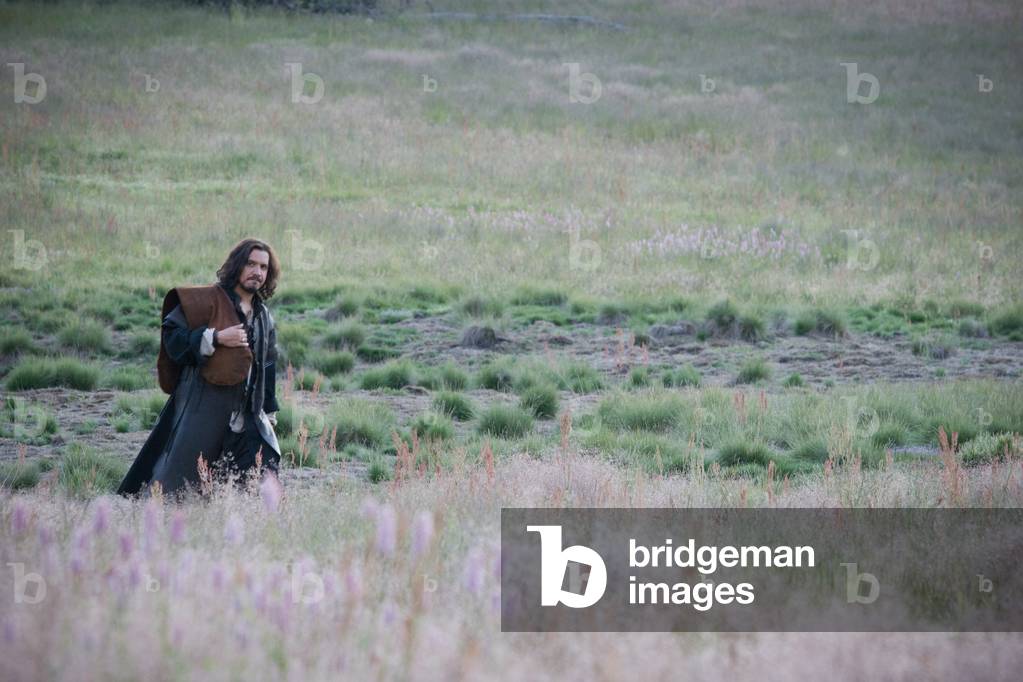
CHZ1781834: Kaamelott, écrit et réalisé par Alexandre Astier, Chantier, Pascal / Bridgeman Images
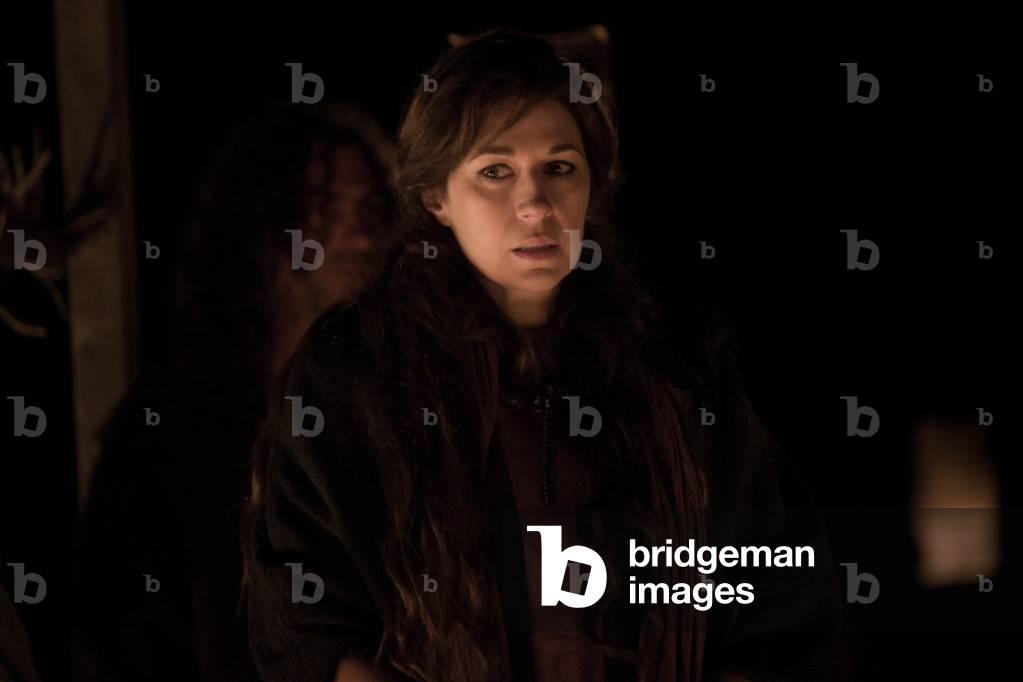
CHZ1781837: Kaamelott, écrit et réalisé par Alexandre Astier, Chantier, Pascal / Bridgeman Images

GEG1783363: The Annunciation, 1947 (w/c on paper), Mercier, Jean Adrien (1899-1995) / Bridgeman Images

GEG1783369: The Adoration of the Magi, 1947 (w/c on paper), Mercier, Jean Adrien (1899-1995) / Bridgeman Images

GEG1783907: Olaf V de Norvege / Bridgeman Images

GEG1784266: Adrian Hoven (1922-1981) american actor, director, producer, c. 1959, Unknown photographer, (20th century) / Bridgeman Images
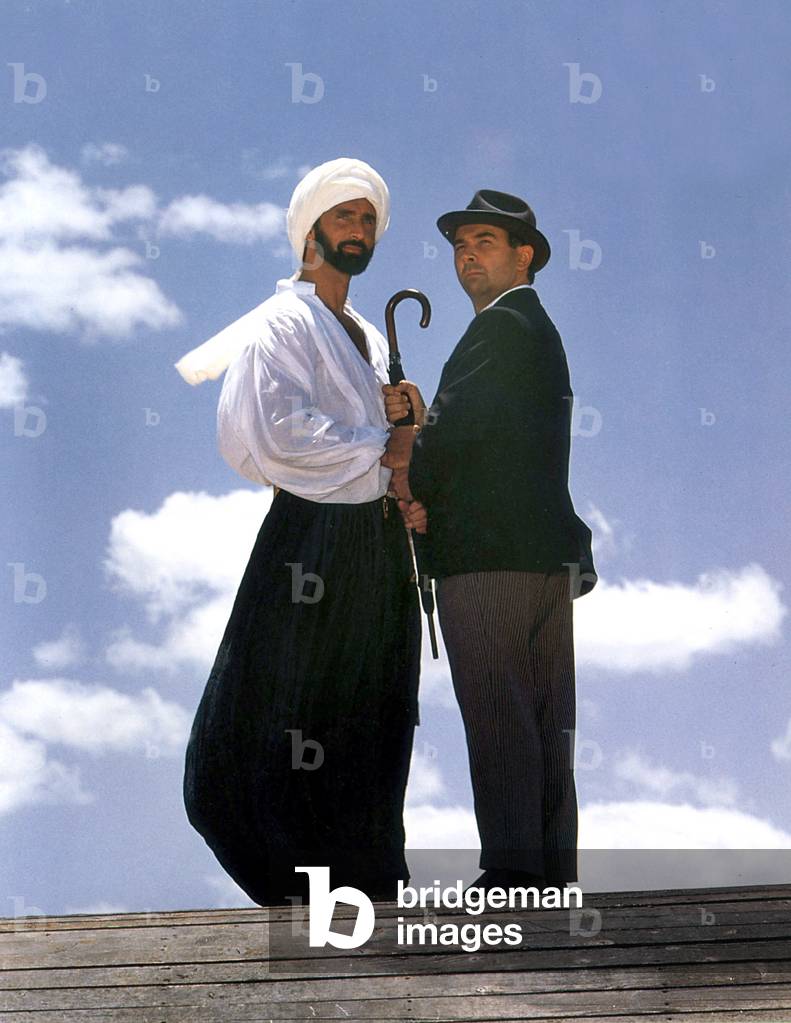
FIZ1785495: Les mille et une nuits directed by Philippe de Broca, 1989, Fizet, Jean-Pierre / Bridgeman Images
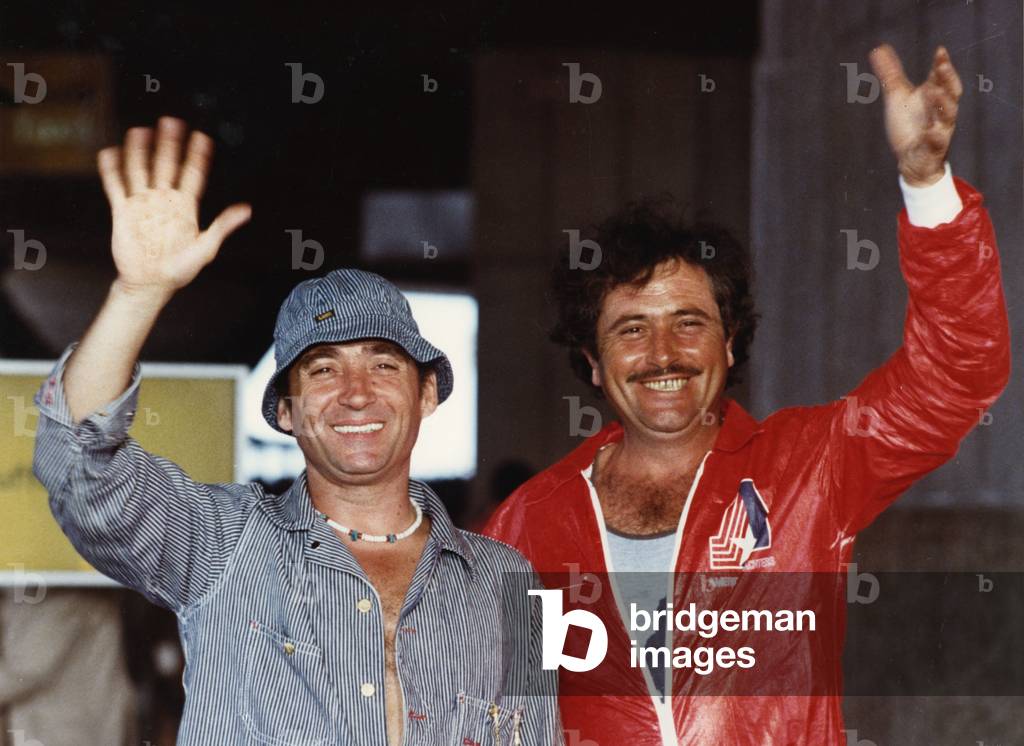
FIZ1785501: Nous irons tous au paradis directed by Yves Robert 1977, Fizet, Jean-Pierre / Bridgeman Images

CPH1762258: Marriage of the Virgin, detail (fresco), Giotto (Giotto di Bondone) (c.1266-1337) / Bridgeman Images

CPH1762276: Flight into Egypt, detail (fresco), Giotto (Giotto di Bondone) (c.1266-1337) / Bridgeman Images
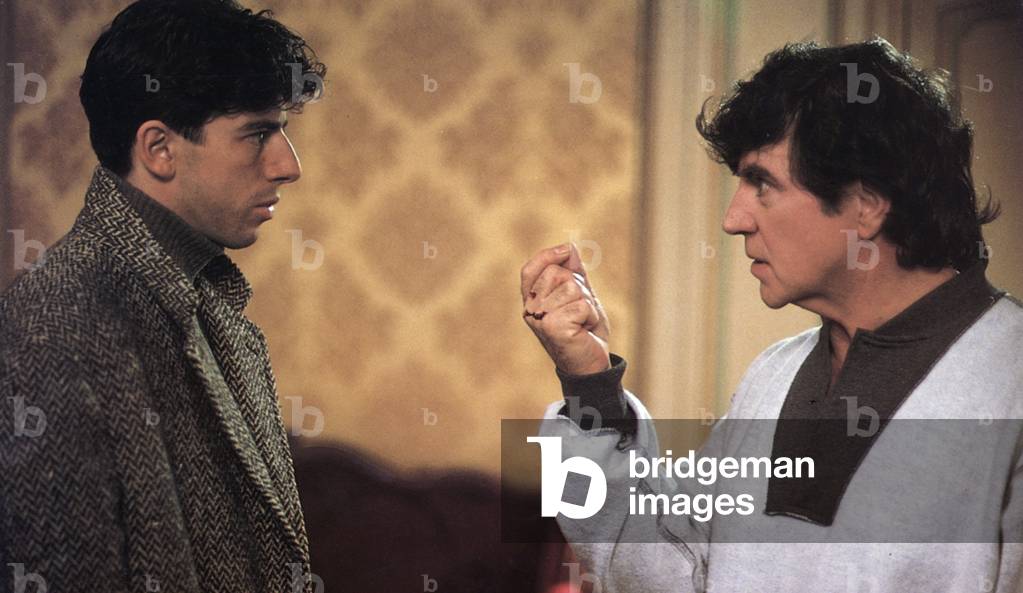
FIZ1785618: Force majeure directed by Pierre Jolivet 1989, Fizet, Jean-Pierre / Bridgeman Images

CPH1762330: Saints, Apostles and Church Fathers, detail (fresco), Giotto (Giotto di Bondone) (c.1266-1337) / Bridgeman Images
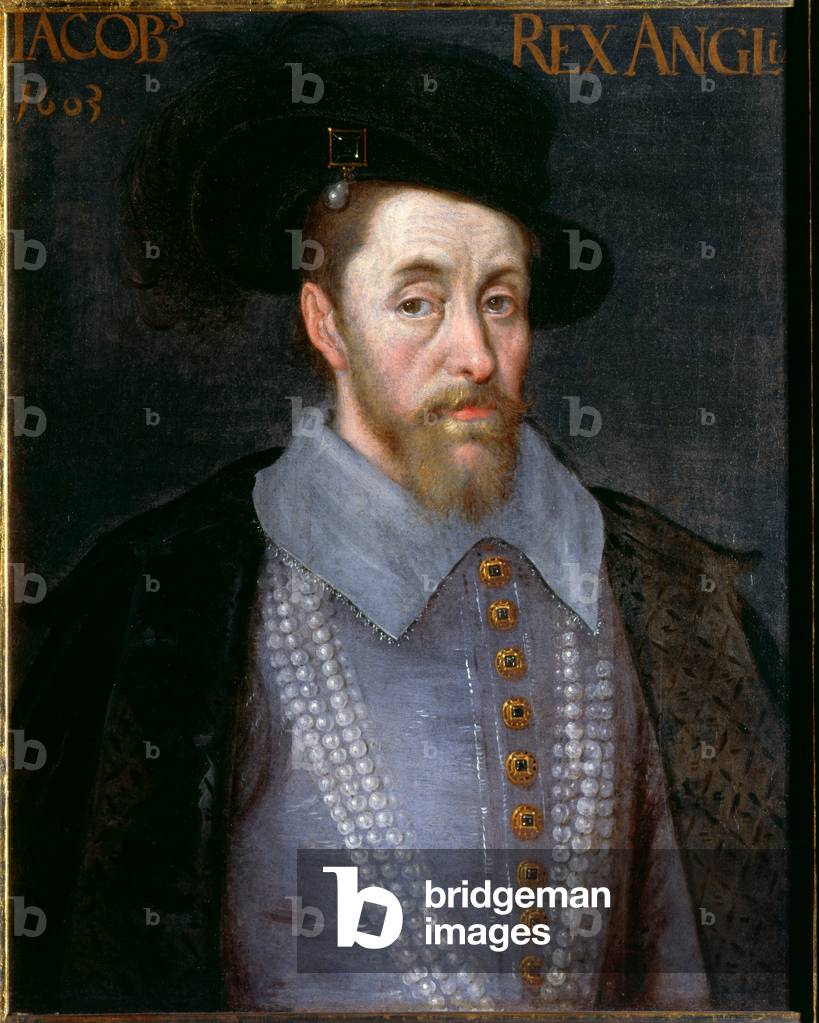
CPH1762378: James I , Unknown artist, (18th century) / Bridgeman Images

CPH1762411: Allegoria dell'Autunno, Forabosco, Girolamo (c.1605-79) / Bridgeman Images

XRE1805582: La reine Elisabeth II, Unknown photographer, (20th century) / Bridgeman Images

XRE1805657: Elizabeth II and the Duke of Edinburgh, Scotland, 1957, Unknown photographer, (20th century) / Bridgeman Images

XRE1805672: Elizabeth II, India, 1961, Unknown photographer, (20th century) / Bridgeman Images
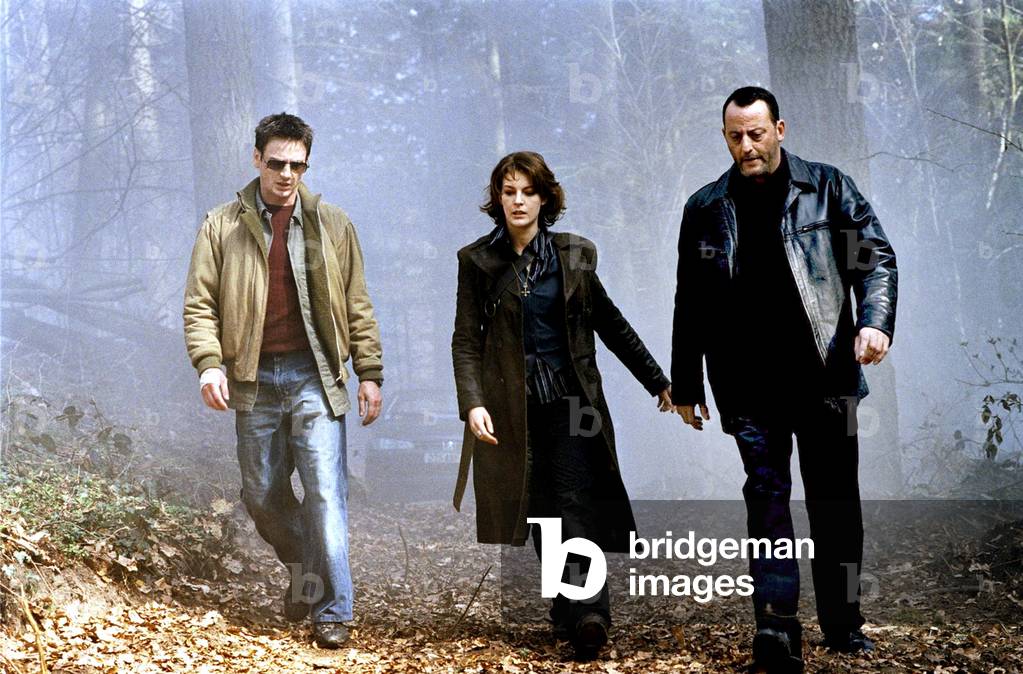
LER1805702: Les rivieres pourpres II, Leroy, Jean-Marie / Bridgeman Images

XRE1805846: Michele Torr, Unknown photographer, (20th century) / Bridgeman Images
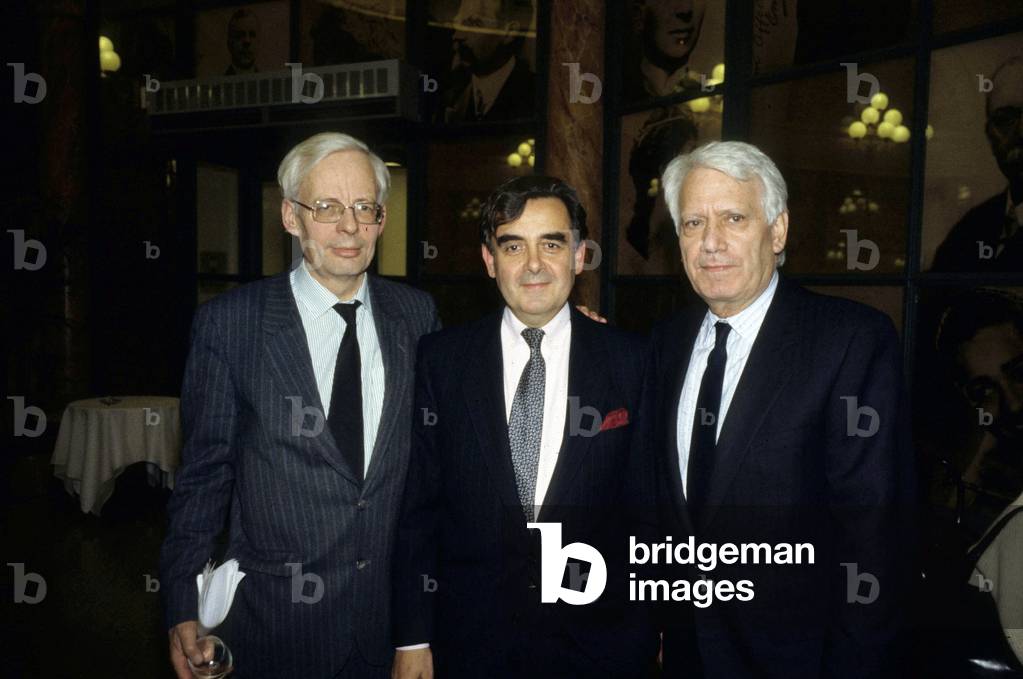
MLO1806025: Bernard Pivot and Spanish writer Jorge Semprun (r), Monier, Louis / Bridgeman Images

GAT1785643: French writer Maurice Clavel (1920-1979) in 1960 (b/w photo), Gattegno-Bernager, Jacqueline (1924-2021) / Bridgeman Images

GAT1785658: Paloma Picasso, in 1950 (b/w photo), Gattegno-Bernager, Jacqueline (1924-2021) / Bridgeman Images

MWD1785929: Assemblage, by Derek Jarman, Prospect Cottage, Dungeness, Kent (b/w photo), Jarman, Derek (1942-94) / Bridgeman Images
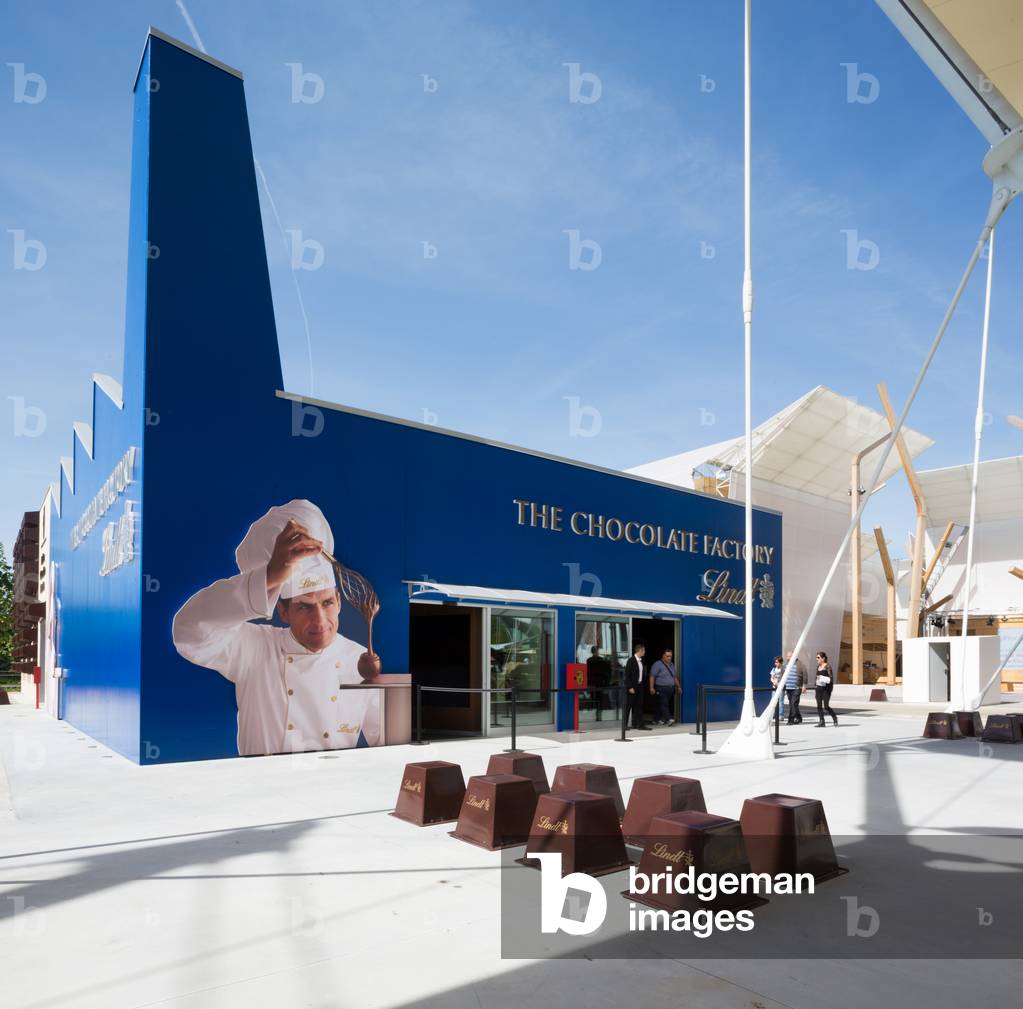
MEP1785969: Lindt exhibition space, Expo 2015, Milan, Lombardy, Italy, 2015 (photo), Carenzi, Marta / Bridgeman Images

DBM1762625: Afternoon in Cordoba (oil on canvas), Balmer, Derek (b.1934) / Bridgeman Images
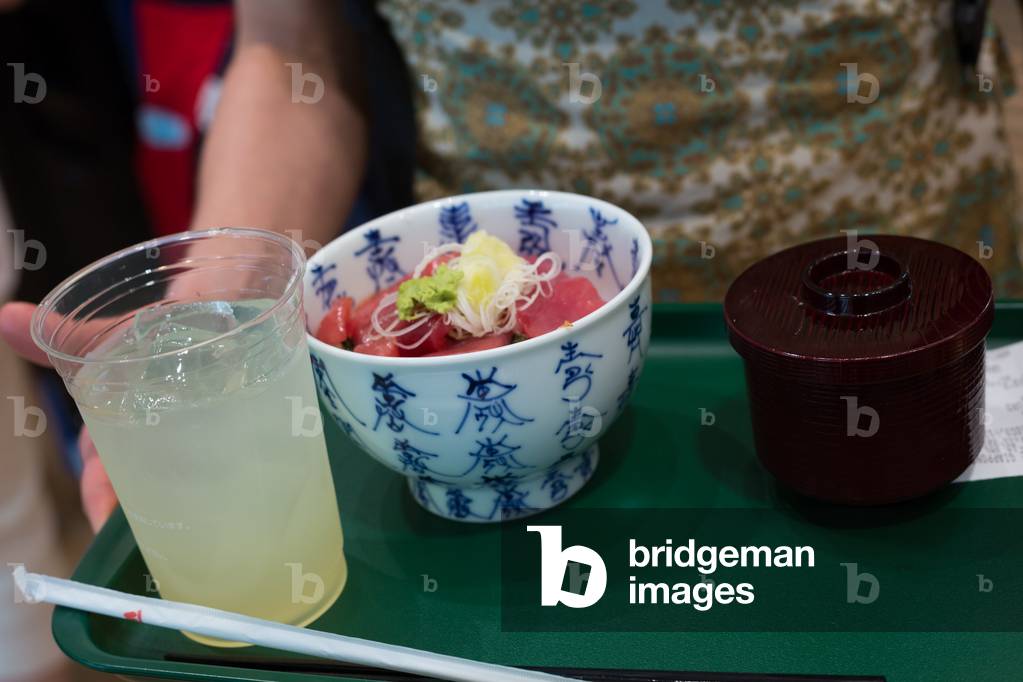
MEP1785996: A portion of sushi, Expo 2015, Milan, Lombardy, Italy, 2015 (photo), Carenzi, Marta / Bridgeman Images

DBM1762643: Desert Garden (oil on canvas), Balmer, Derek (b.1934) / Bridgeman Images

DBM1762658: Fresco Fragment (Pompeii) (oil on canvas), Balmer, Derek (b.1934) / Bridgeman Images

DBM1762670: Old Seville (oil on canvas) , Balmer, Derek (b.1934) / Bridgeman Images
