
Print this page or go back to standard view.
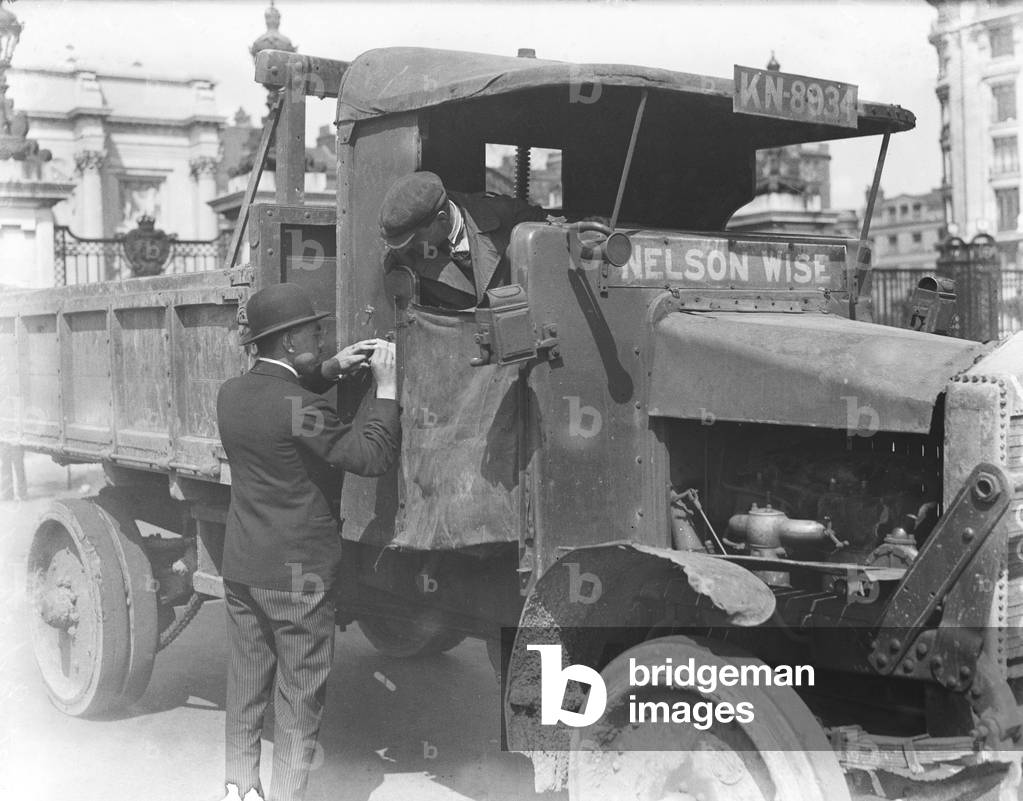
MPX5124422: Food transport driver seen here getting his instructions at the Hyde Park transport depot on the second day of the General Strike. The national dispute came about after negotiations between the miners and mine owners failed and the strike began on 3 May 1926. Millions obeyed the strike call, bringing transport systems to a halt while newspapers were not printed. The government responding by using volunteers to run trains and buses and sent in troops to move supplies from the London docks. There were clashes between police and crowds in many areas and at least 4000 strikers were arrested. There were attacks on buses and trains, including the derailing of the Flying Scotsman. The strike was called off unilaterally by the TUC on 12 May with no guarantees of fair treatment for the miners who fought on to bitter defeat in October, 4th May 1926 (b/w photo) / Bridgeman Images
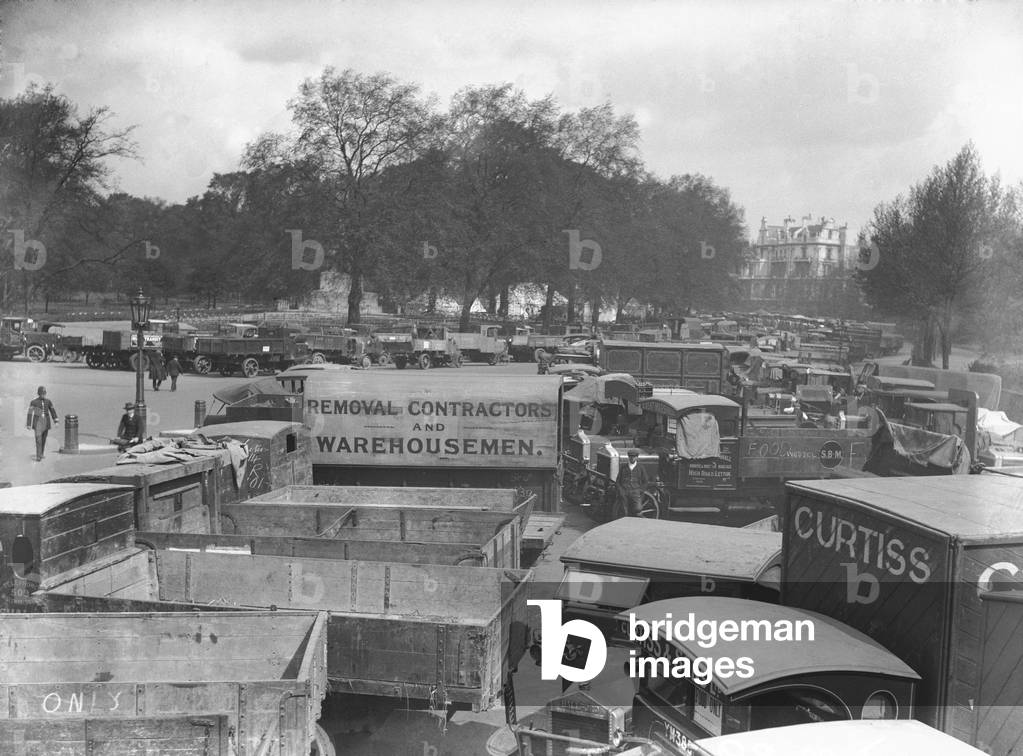
MPX5124461: Food transport lorries parked up in Hyde Park on the tenth day of the General Strike. Hyde Park was closed for the duration of the strike and was rapidly transformed into great milk and petrol dump The national dispute came about after negotiations between the miners and mine owners failed over wages and a lock out, the strike began on 3 May 1926. Millions obeyed the strike call, bringing transport systems to a halt while newspapers were not printed. The government responding by using volunteers to run trains and buses and sent in troops to move supplies from the London docks. There were clashes between police and crowds in many areas and at least 4000 strikers were arrested. There were attacks on buses and trains, including the derailing of the Flying Scotsman. The strike was called off unilaterally by the TUC on 12 May with no guarantees of fair treatment for the miners who fought on to bitter defeat in October. 12th May 1926 (b/w photo) / Bridgeman Images
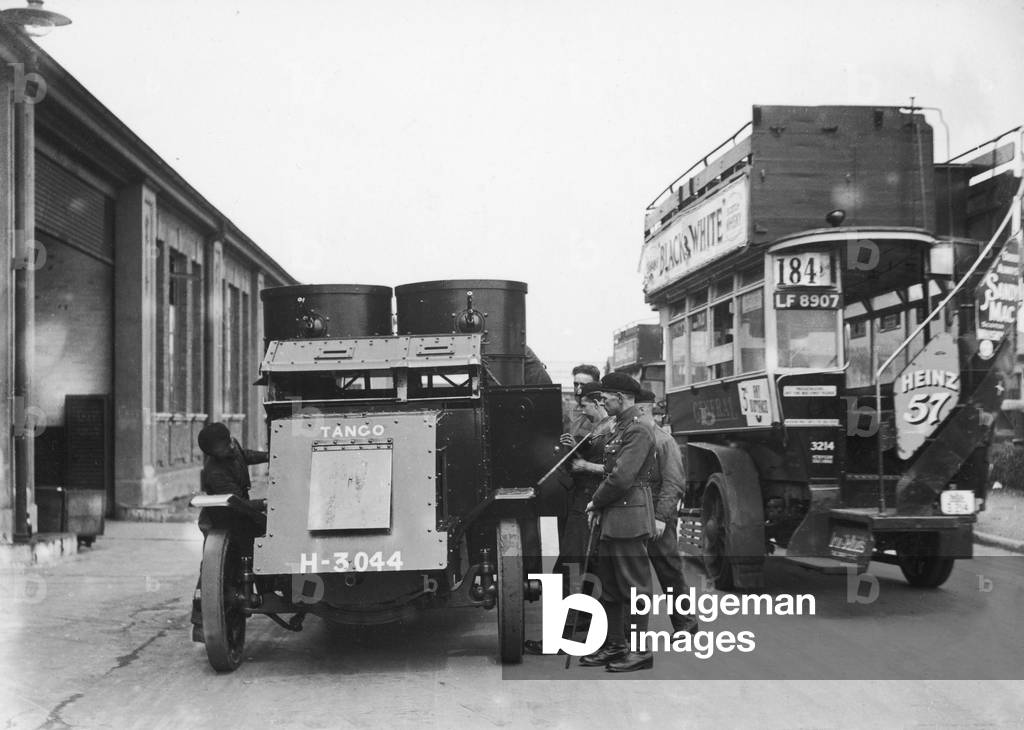
MPX5124470: Soldiers seen here with their Austin armoured car at a bus depot, on the 10th day of the General Strike. The national dispute came about after negotiations between the miners and mine owners failed over wages and the strike began on 3 May 1926. Millions obeyed the strike call, bringing transport systems to a halt while newspapers were not printed. The government responding by using volunteers to run trains and buses and sent in troops to move supplies from the London docks. There were clashes between police and crowds in many areas and at least 4000 strikers were arrested. There were attacks on buses and trains, including the derailing of the Flying Scotsman. The strike was called off unilaterally by the TUC on 12 May with no guarantees of fair treatment for the miners who fought on to bitter defeat in October. 12th May 1926 (b/w photo) / Bridgeman Images
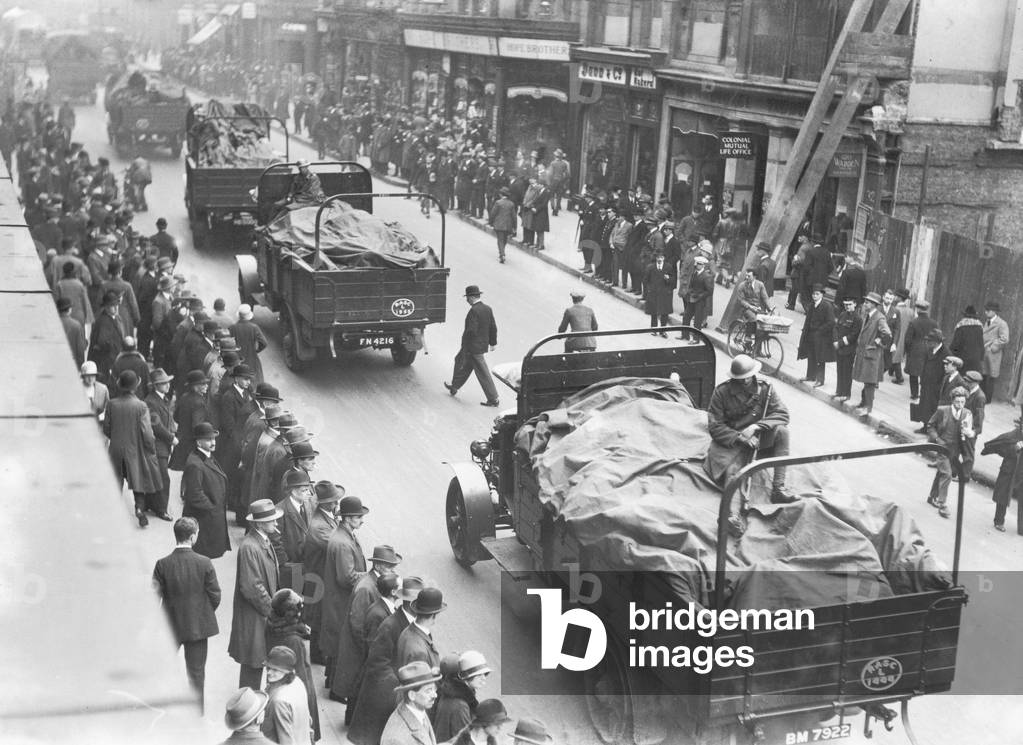
MPX5124476: Soldiers ride shotgun as a food convoy passes through central London, on the 9th day of the General Strike. The national dispute came about after negotiations between the miners and mine owners failed over wages and the strike began on 3 May 1926. Millions obeyed the strike call, bringing transport systems to a halt while newspapers were not printed. The government responding by using volunteers to run trains and buses and sent in troops to move supplies from the London docks. There were clashes between police and crowds in many areas and at least 4000 strikers were arrested. There were attacks on buses and trains, including the derailing of the Flying Scotsman. The strike was called off unilaterally by the TUC on 12 May with no guarantees of fair treatment for the miners who fought on to bitter defeat in October. 11th May 1926 (b/w photo) / Bridgeman Images
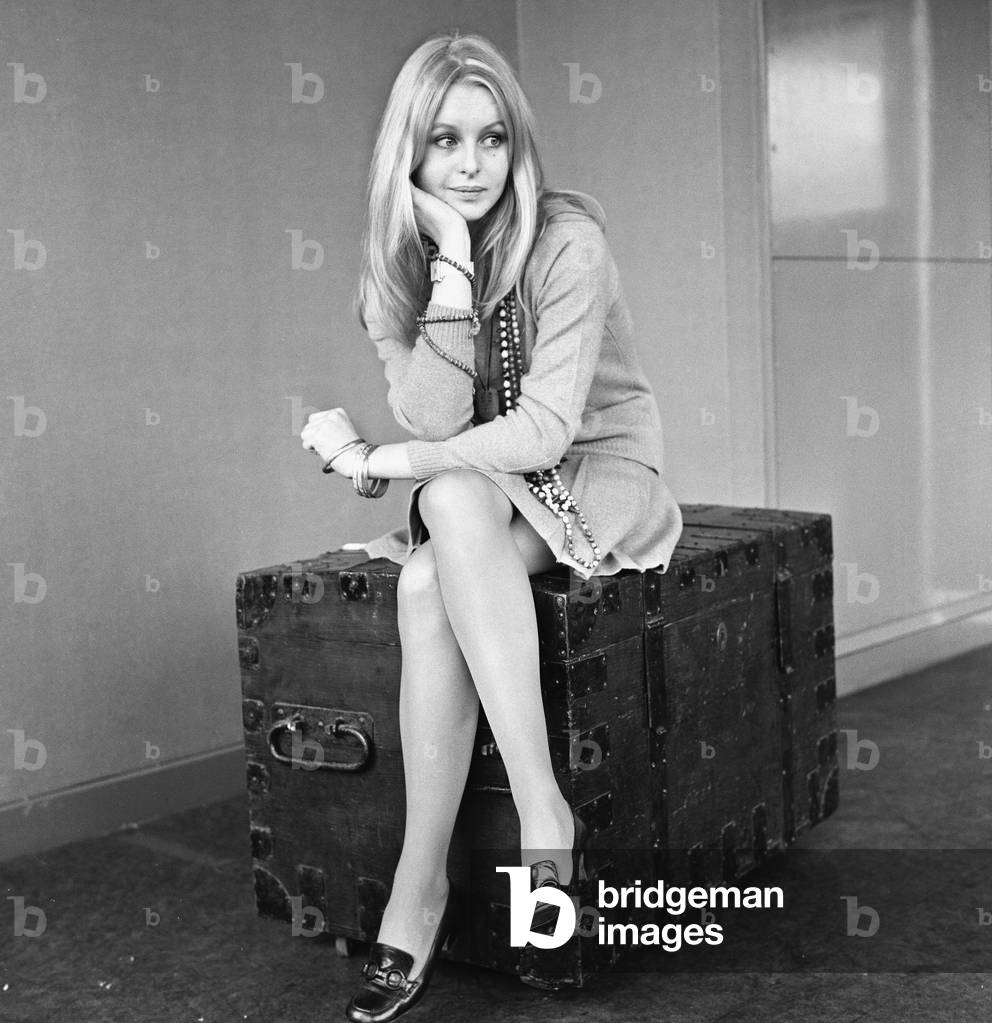
MPX5124482: Actress Liza Goddard, who is about to star in a new ITV play. 19th February 1970 (b/w photo) / Bridgeman Images
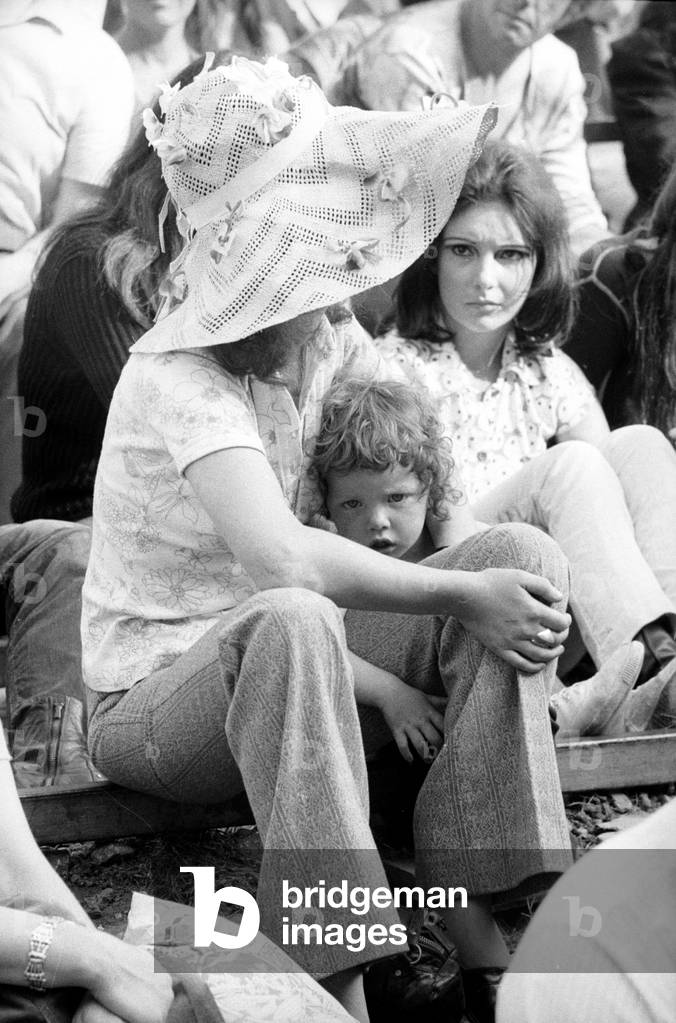
MPX5124485: Music fan with young child at The Isle of Wight Festival, 30th August 1970 (b/w photo) / Bridgeman Images
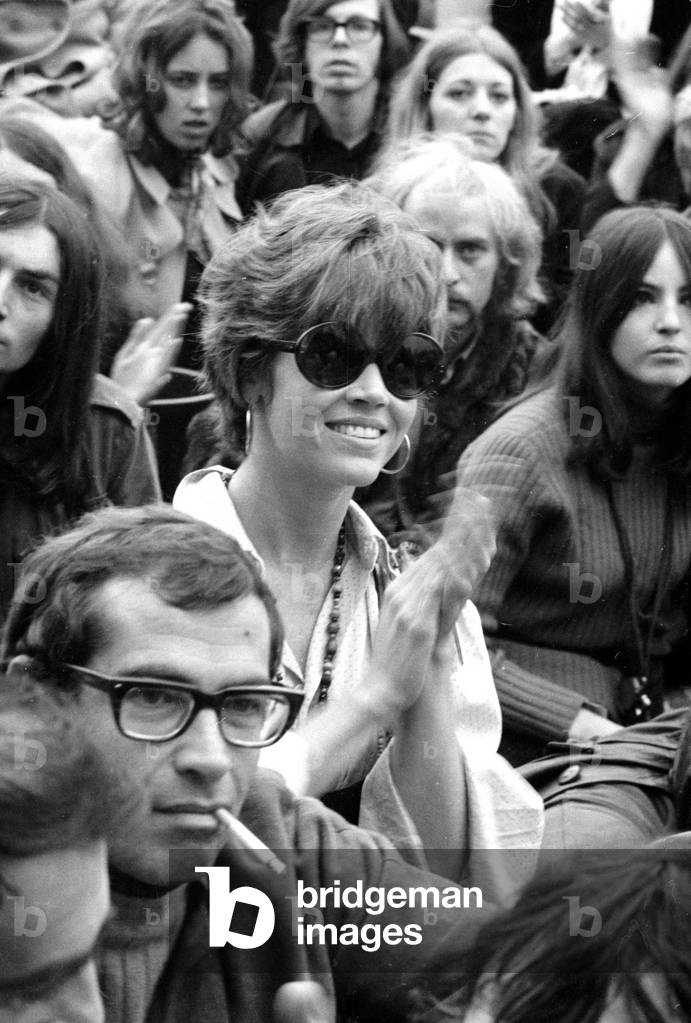
MPX5124491: Jane Fonda and Roger Vadim applauding The Who at The Isle of Wight Festival, 30th August 1969 (b/w photo) / Bridgeman Images
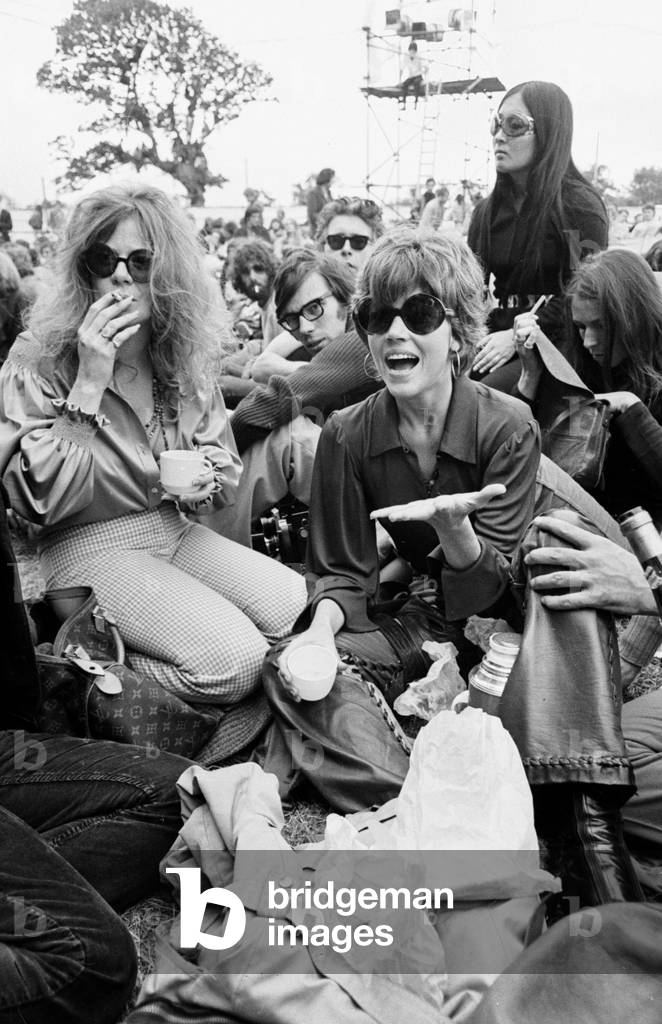
MPX5124494: Jane Fonda in the crowd at The Isle of Wight Festival, 30th August 1969 (b/w photo) / Bridgeman Images
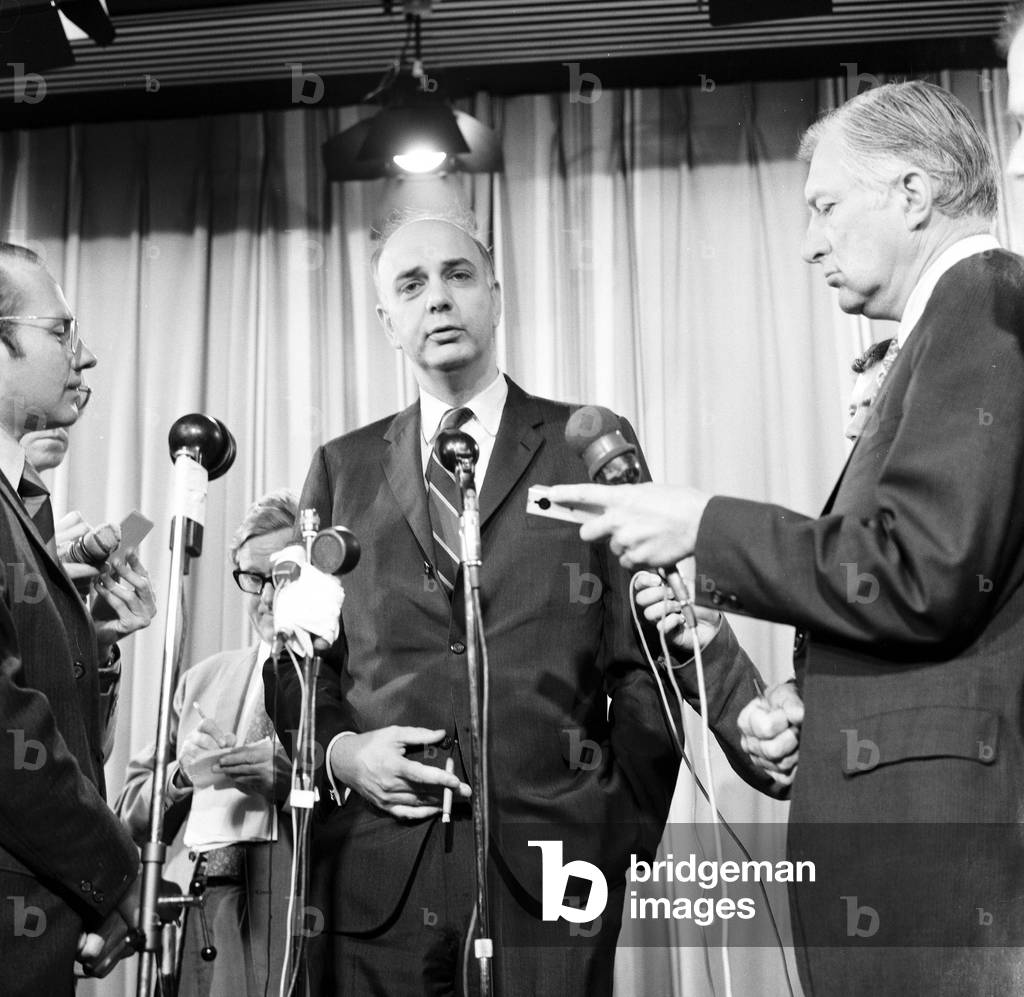
MPX5124497: Paul Volcker USA Under Secretary at the Treasury 16th August 1971 (b/w photo) / Bridgeman Images
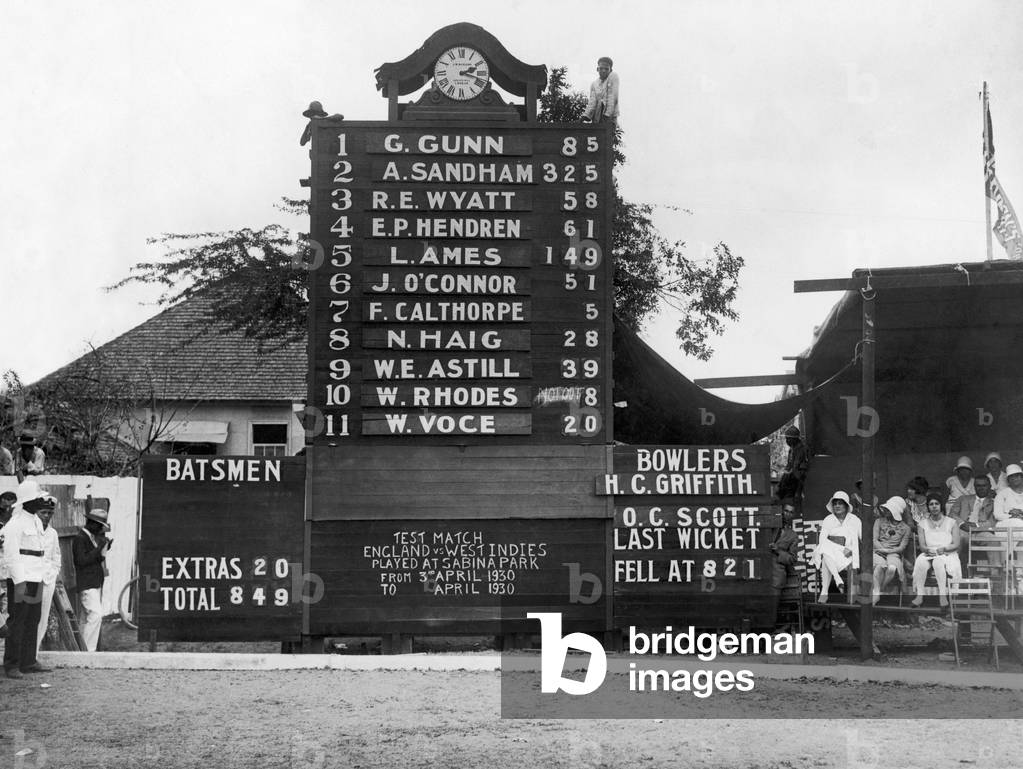
MPX5124509: Test match between West Indies and England at Sabina Park in Kingston, Jamaica. The scoreboard showing the number of England runs. 25th April 1930 (b/w photo) / Bridgeman Images
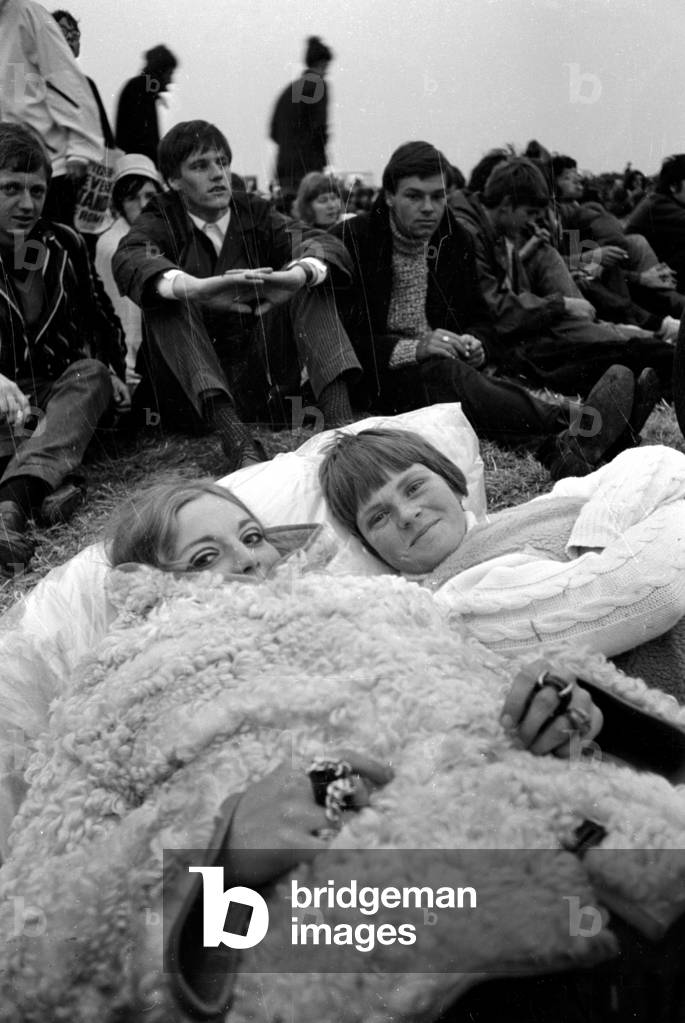
MPX5124536: Music fans at The Isle of Wight Festival, 30th August 1969 (b/w photo) / Bridgeman Images
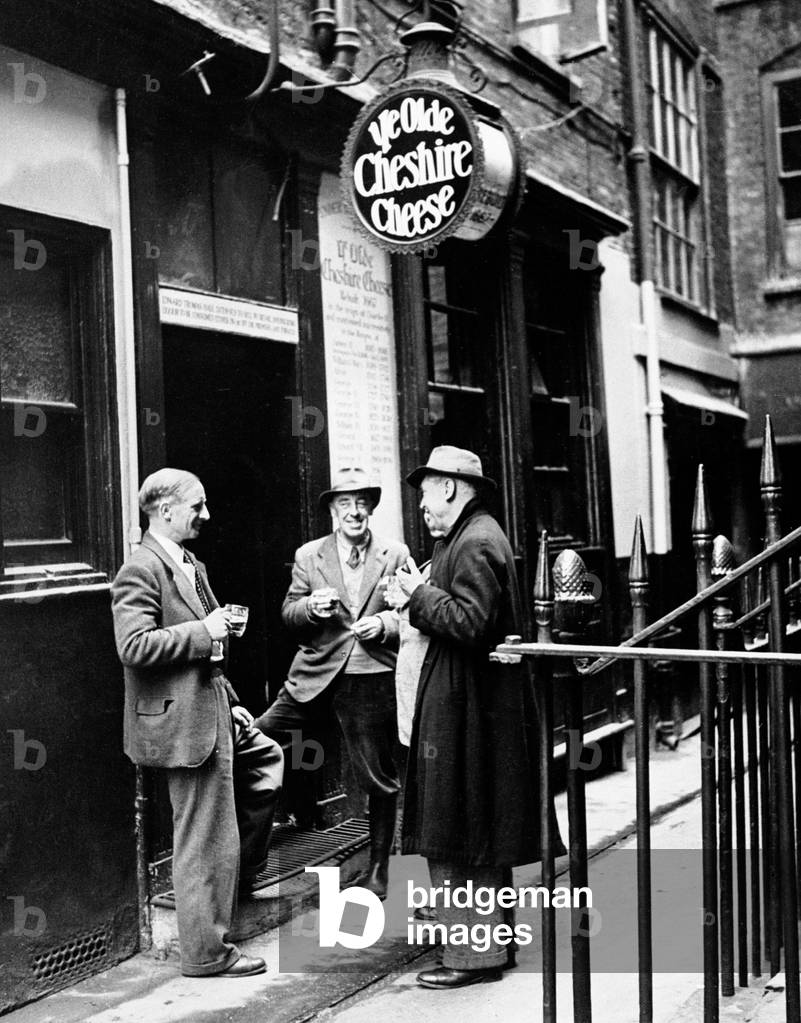
MPX5124569: The Olde Cheshire Cheese pub Wine Office Court, 145 Fleet Street, City of London, London EC4A 2BU seen here in the 1930s (b/w photo) / Bridgeman Images
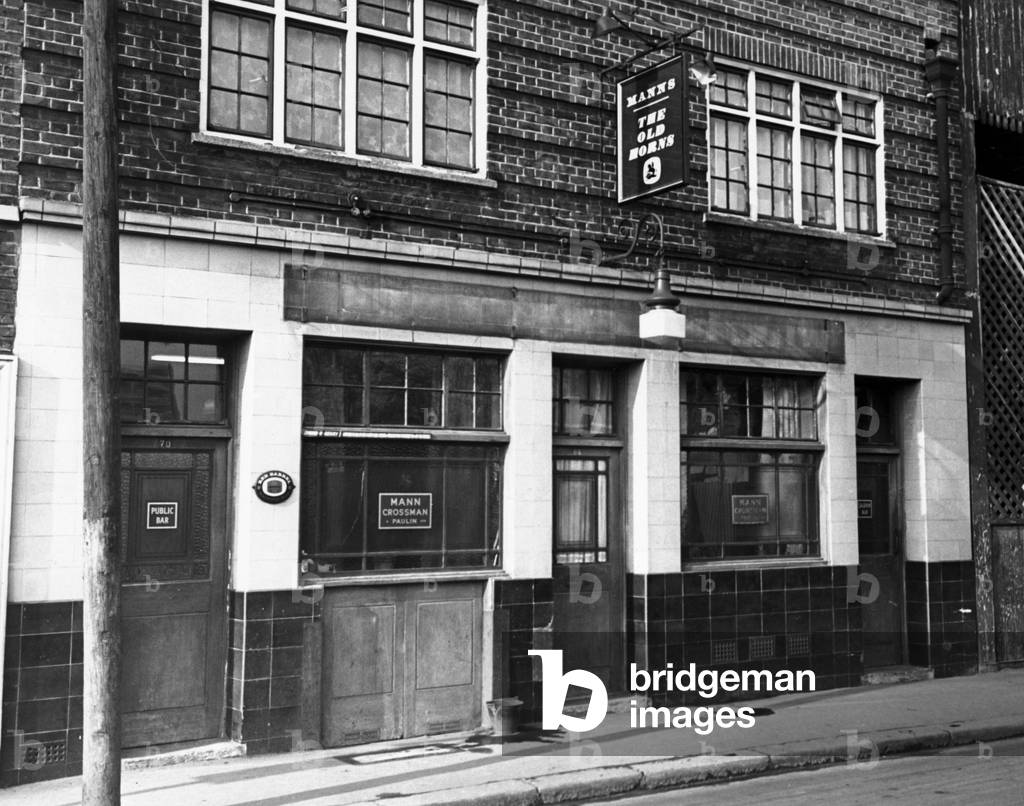
MPX5124575: Pubs frequented by The Krays. The Old Horns, Warner Place. 17th February 1969 (b/w photo) / Bridgeman Images
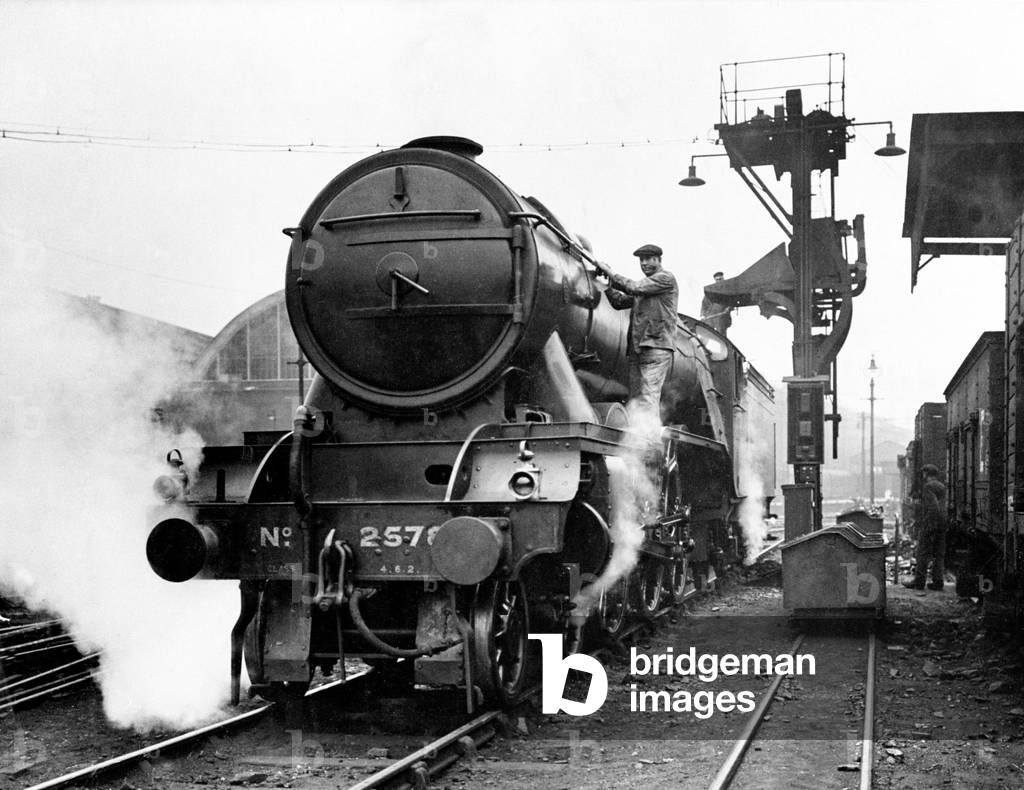
MPX5124584: The LNER steam locomotive Bayardo seen here using the new electric coaling installation and inspection pit at Kings Cross Station. September 1929 (b/w photo) / Bridgeman Images
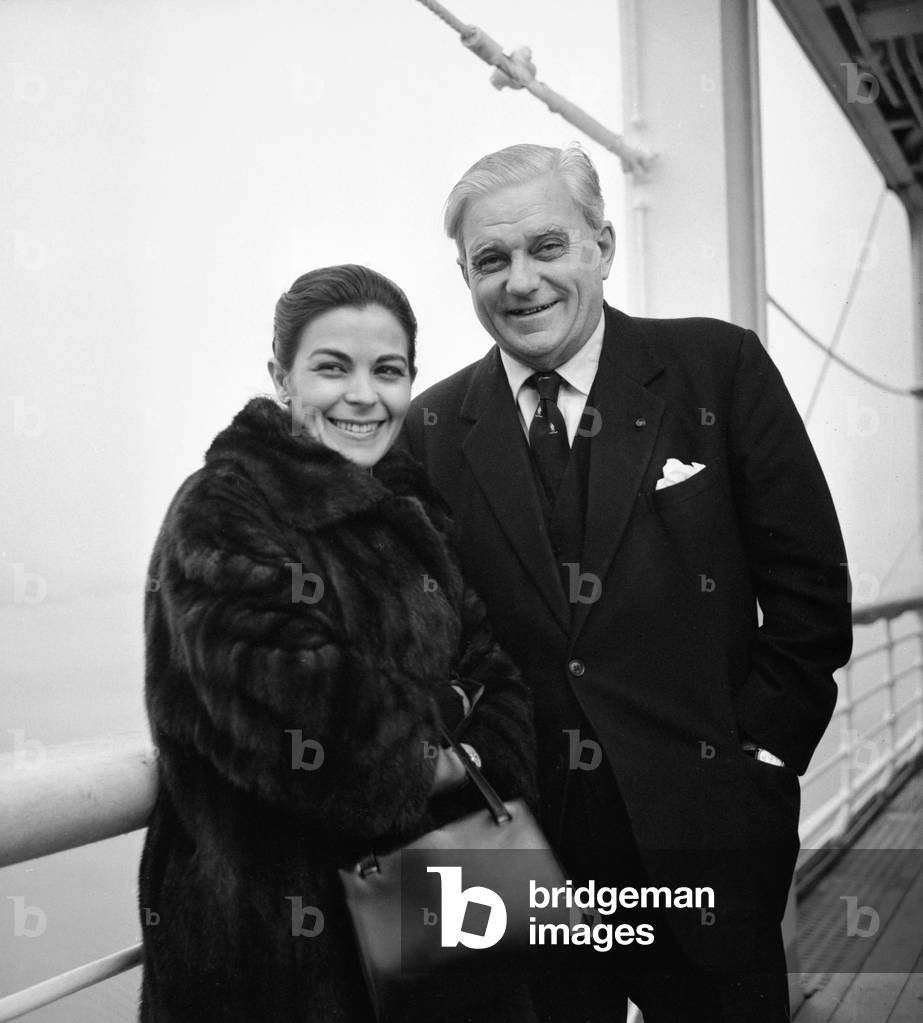
MPX5124593: Lord and Lady Boothby arrive at Southampton on the liner "Windsor Castle" after a holiday in South Africa, 22nd January 1968 (b/w photo) / Bridgeman Images
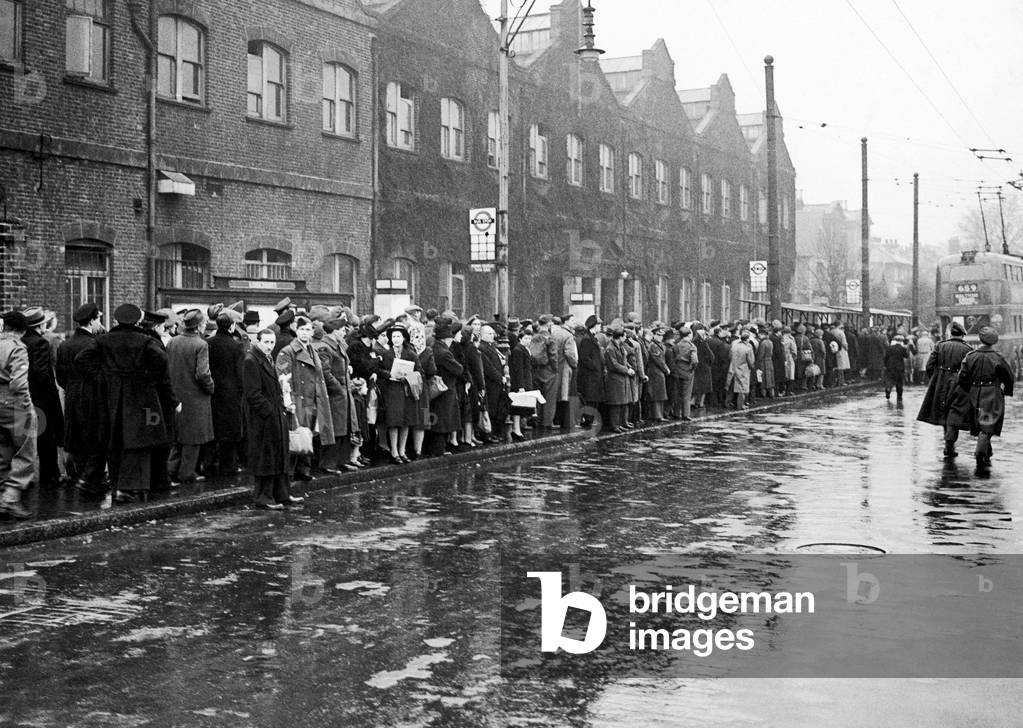
MPX5124596: The queue to get home- While Ma has been queuing all morning to get dinner, Pa and the children are queuing to get home to it in this scene outside a suburban tube station, c. 1946 (b/w photo) / Bridgeman Images

MPX5124012: Filling Up Franklin Cartoon, 5th July 1960 (b/w photo) / Bridgeman Images
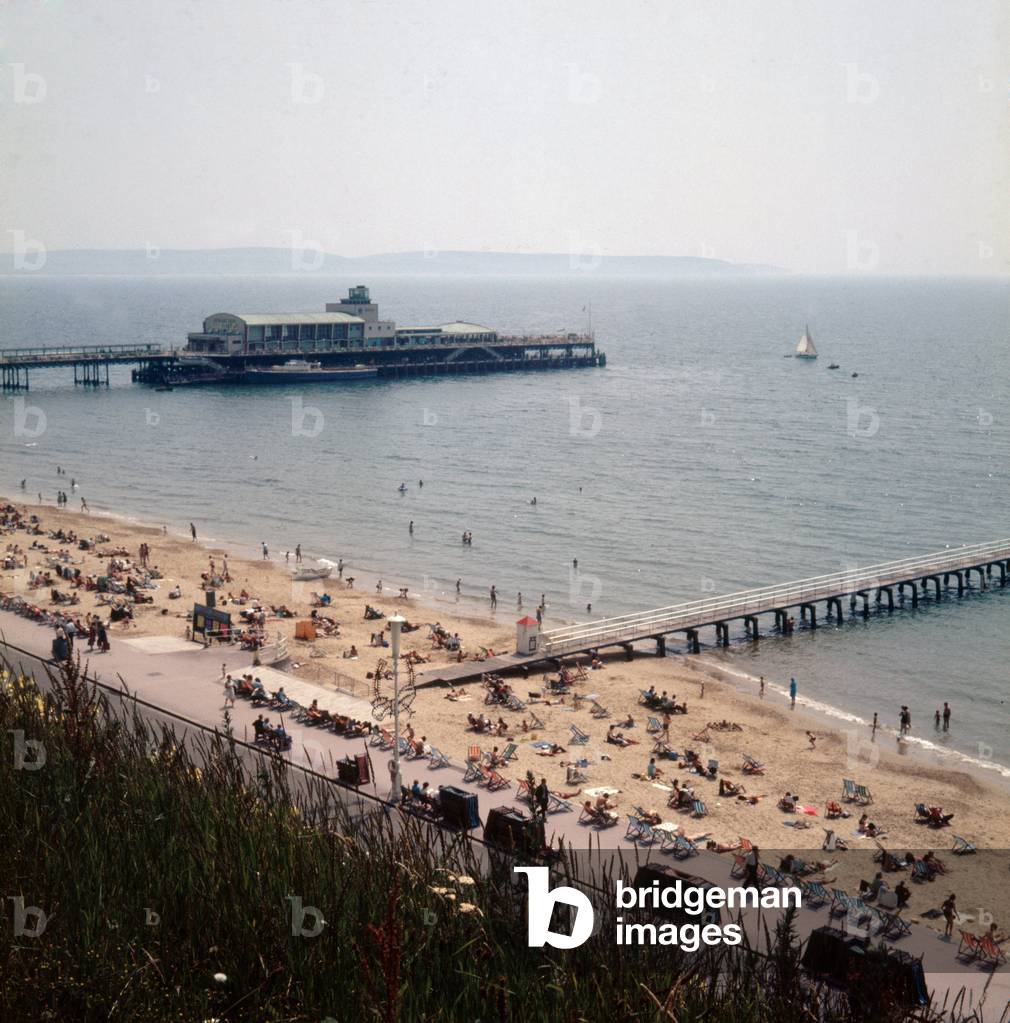
MPX5124069: The pier at Bournemouth as seen from the East Cliffs 1st June 1971 (b/w photo) / Bridgeman Images
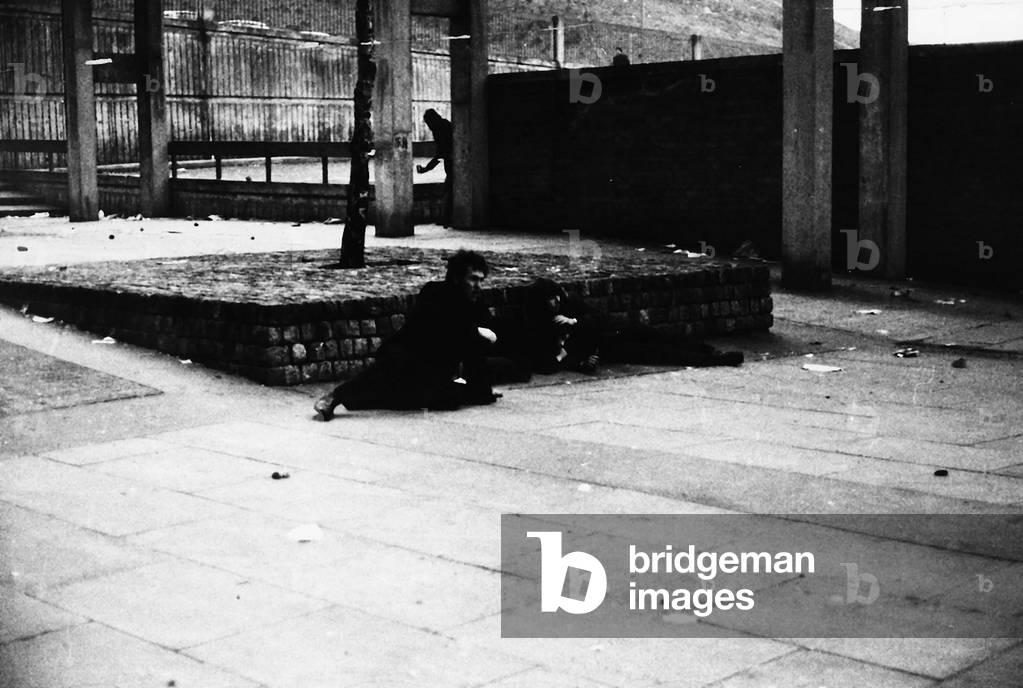
MPX5124202: Scene from Bloody Sunday in Ulster Northern Ireland, 30th January 1972 (b/w photo) / Bridgeman Images
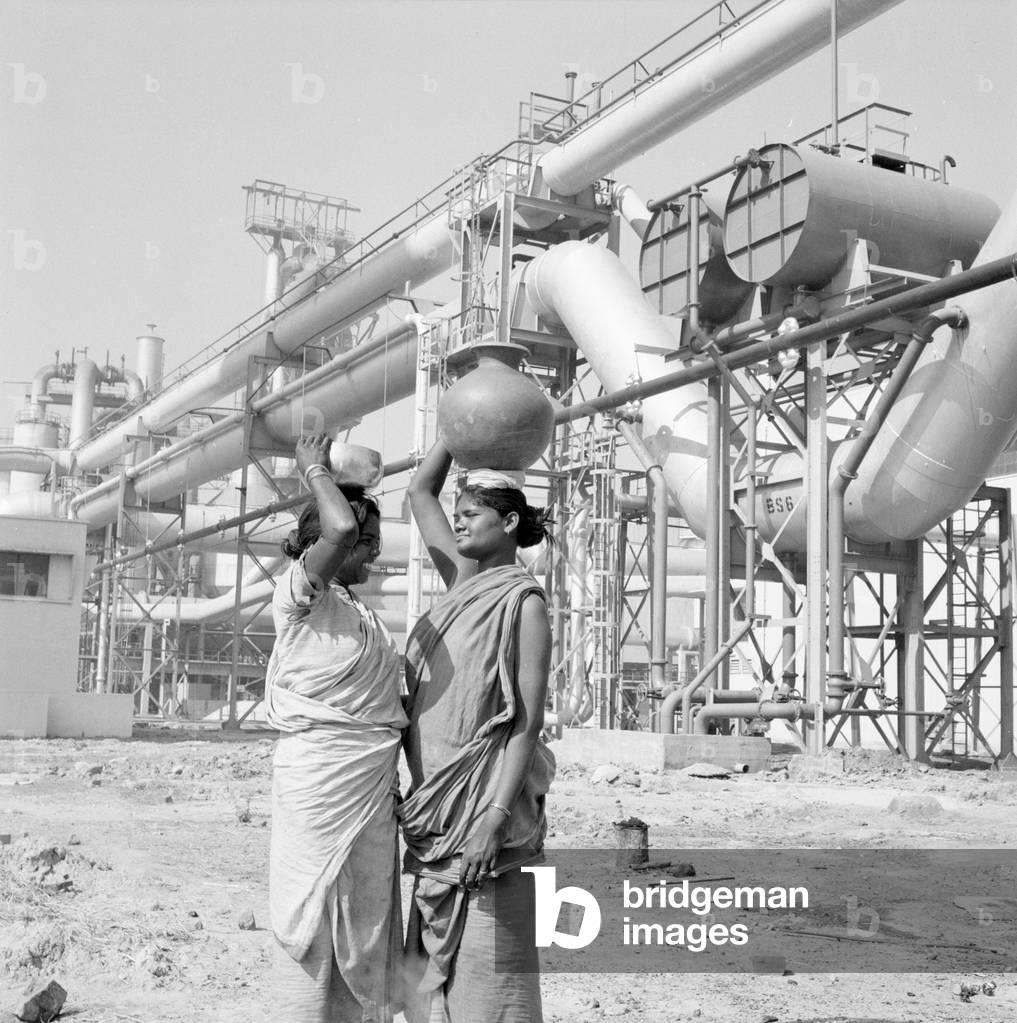
MPX5124093: Women water carriers seen here at the Durgapur steel works in West Bengal, India, February 1961 (b/w photo) / Bridgeman Images
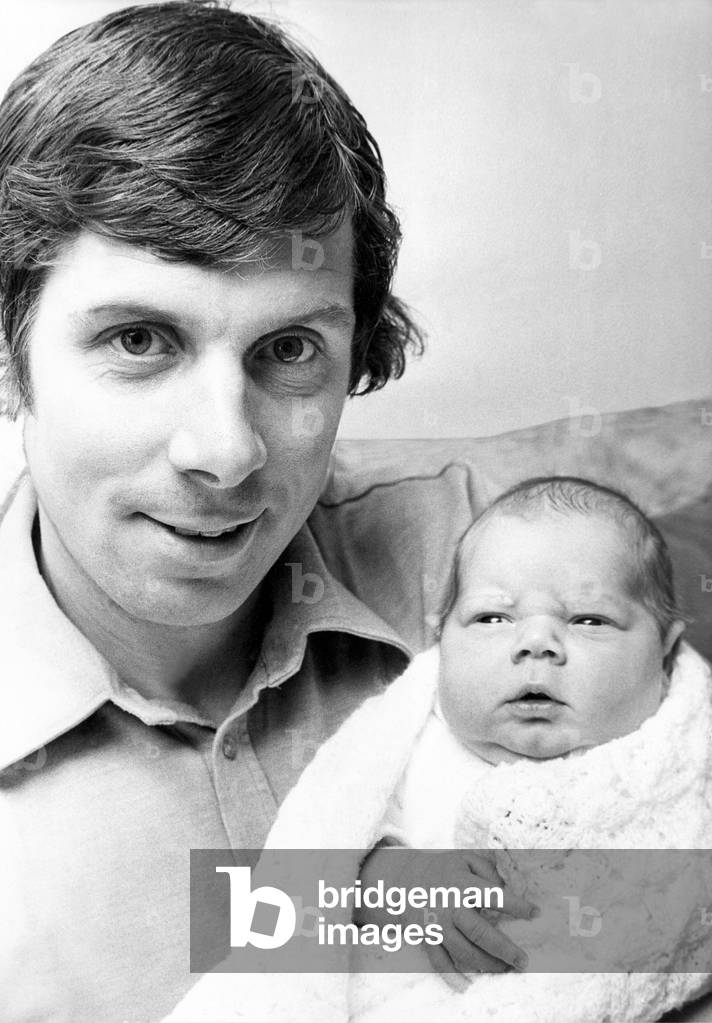
MPX5124238: Brendan Foster with his baby daughter Catherine in March 1979 27/03/1979 (b/w photo) / Bridgeman Images
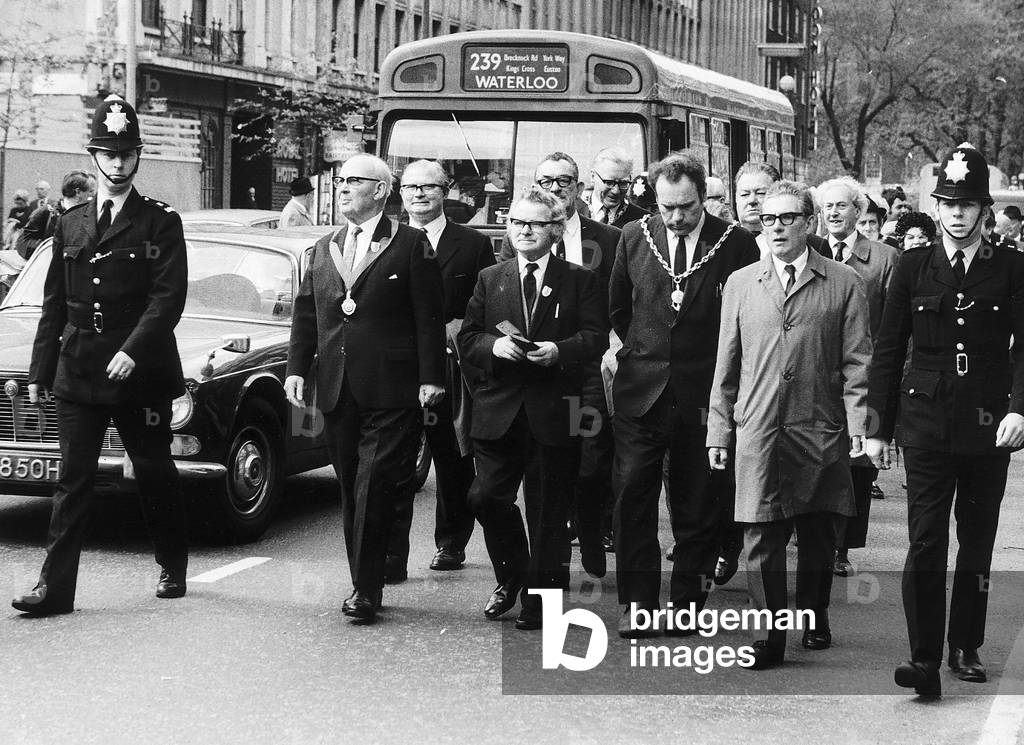
MPX5124102: Paddy Scullion (2nd left front) with civic leaders from 22 towns march in London to hand a protest letter to the Prime Minister 10th May 1972 (b/w photo) / Bridgeman Images
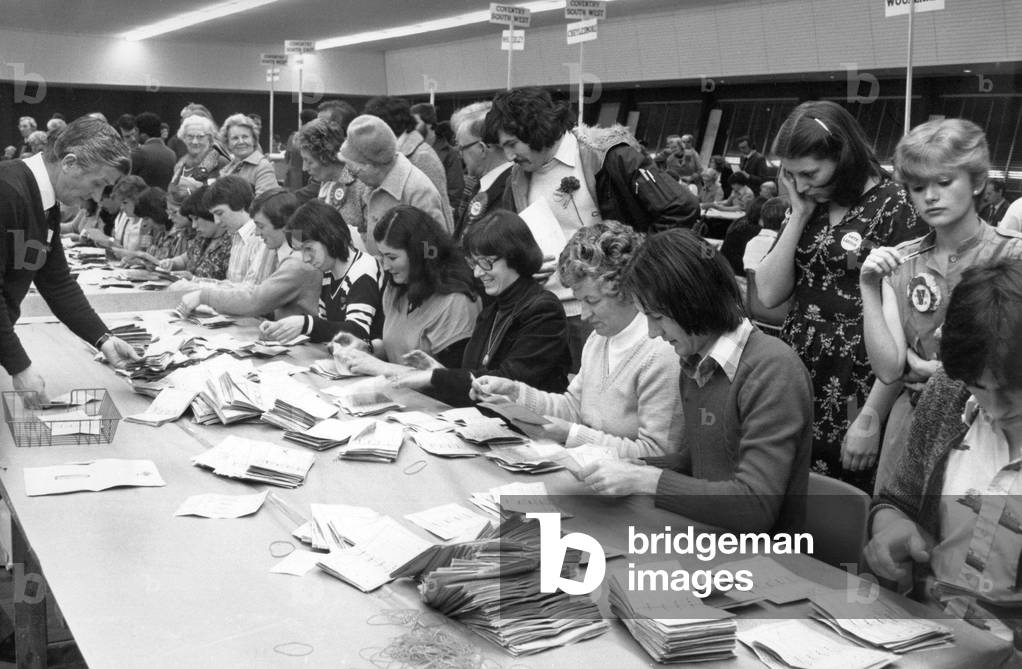
MPX5124120: Police sniffer dogs searched every inch of Coventry Sports Centre before last night's "big count", 3rd May 1979 (b/w photo) / Bridgeman Images

MPX5124289: Richmal Crompton, author of the "Just William" books, pictured at her home at Orpington Road, Chislehurst, Kent, 15th November 1968 (b/w photo) / Bridgeman Images
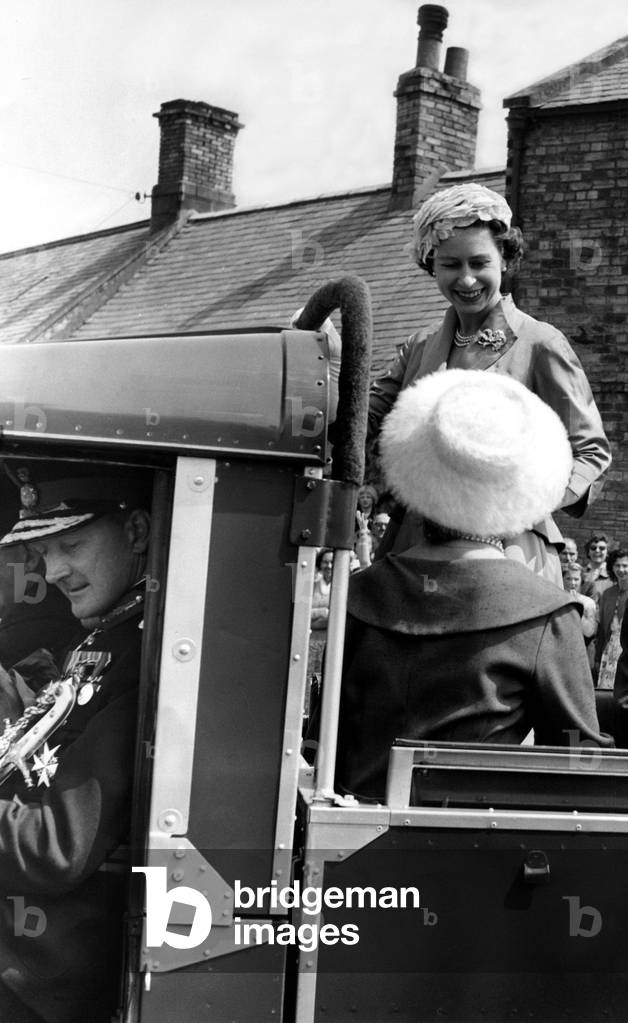
MPX5124129: Queen Elizabeth II shares a joke with the Duchess of Northumberland as they leaves the Market Place for the Castle during a visit to Holy Island, 19/06/1958 (b/w photo) / Bridgeman Images

MPX5124138: Queen Elizabeth II and Prince Philip on the North East Leg of The Jubilee Tour to celebrate the Silver Jubilee, 1977 (b/w photo) / Bridgeman Images
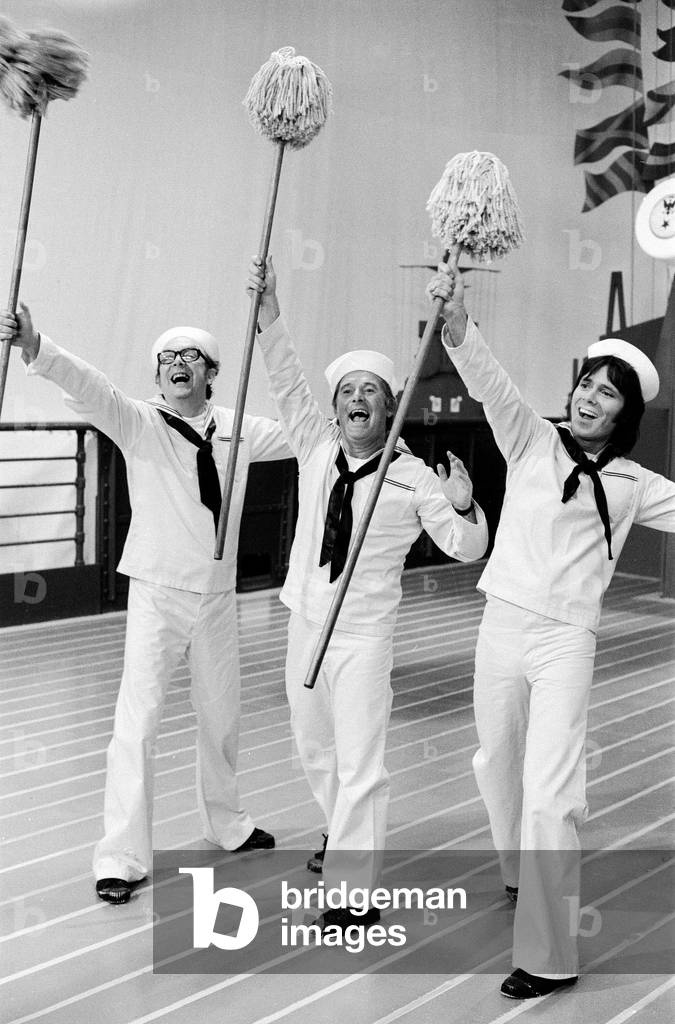
MPX5124153: Cliff Richard with Morecambe and Wise, 10th October 1972 (b/w photo) / Bridgeman Images

MPX5124159: Queen Elizabeth II and Prince Philip on the North East Leg of The Jubilee Tour to celebrate the Silver Jubilee, 1977 (b/w photo) / Bridgeman Images
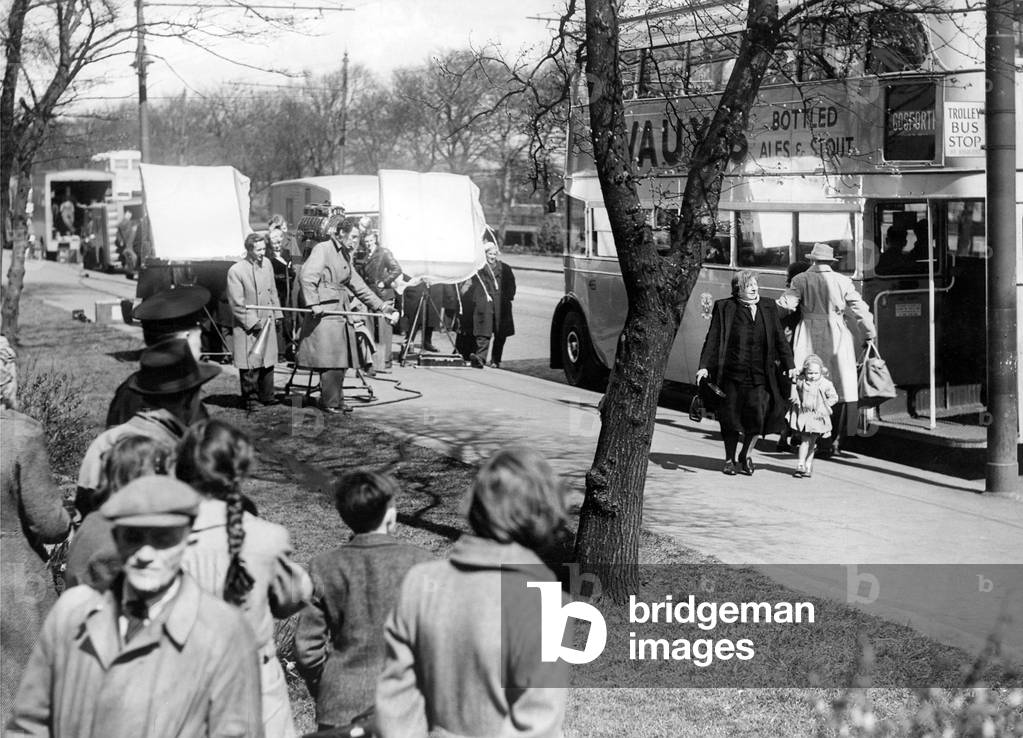
MPX5124165: Actor Trevor Howard and Jean Simmons shooting a scene from the film The Couded Yellow in Newcastle, 1950 (b/w photo) / Bridgeman Images
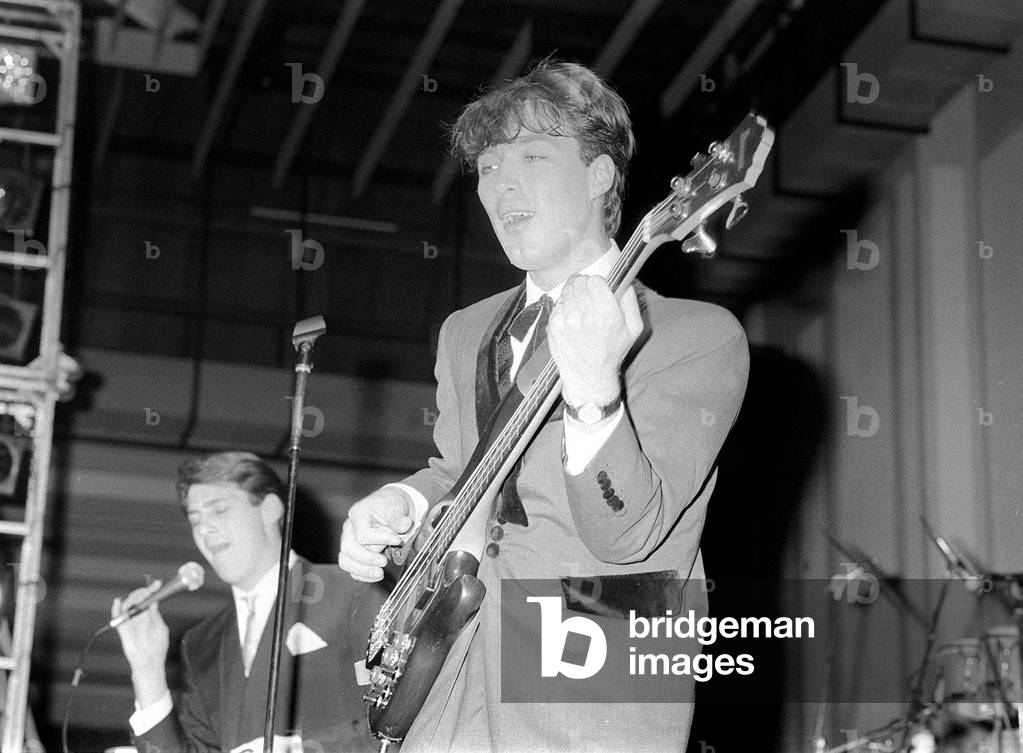
MPX5124174: Pop Group Spandau Ballet "True Tour", April 1983 (b/w photo) / Bridgeman Images
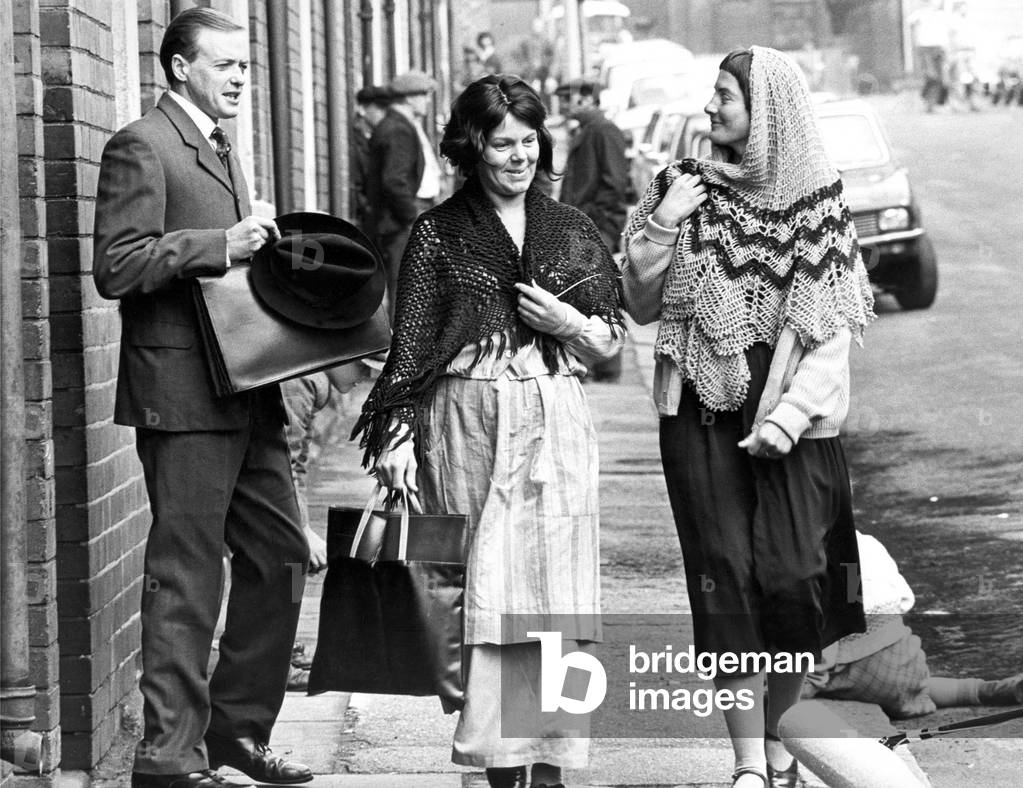
MPX5124177: Actor James Bolam and cast in Joan Street, Wallsend, start filming the television series When The Boat Comes In in 1976 (b/w photo) / Bridgeman Images
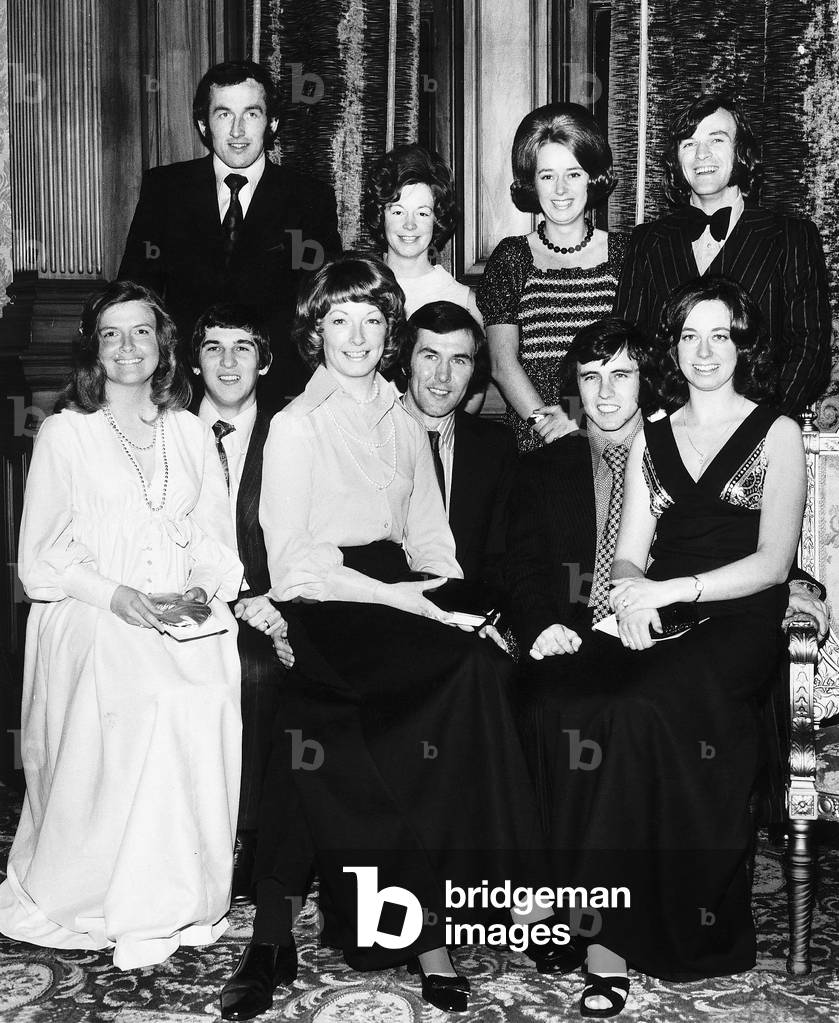
MPX5124180: Rangers Civic Reception for players and their wives. Back Row left to right: Peter McCloy, Anne McCloy, Edith Mathieson, Willie Mathieson Front row: Linda Forsyth, Tom Forsyth , Anne Houston, Doug Houston, Tom McLean and Beth McLean, 6th December 1973 (b/w photo) / Bridgeman Images
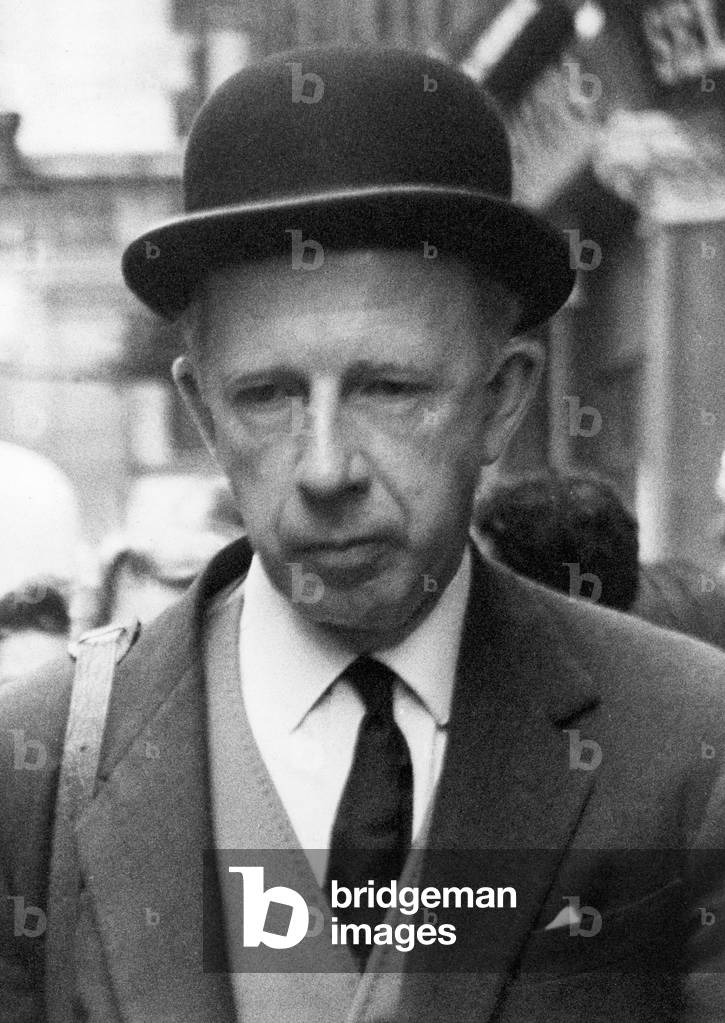
MPX5124198: Dr. Keith Simpson arriving at the scene of a crime in Brewer Street, Soho, 7th October 1963 (b/w photo) / Bridgeman Images
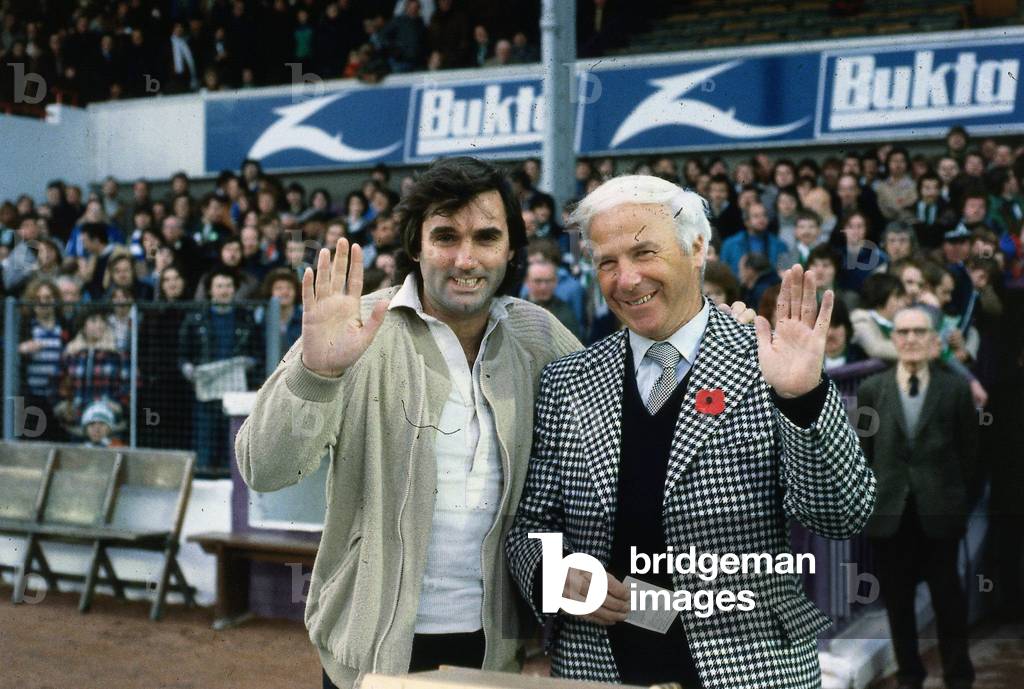
MPX5124201: George Best with former Hibernian Famous Five centre forward Lawrie Reilly, 11th November 1979 (b/w photo) / Bridgeman Images
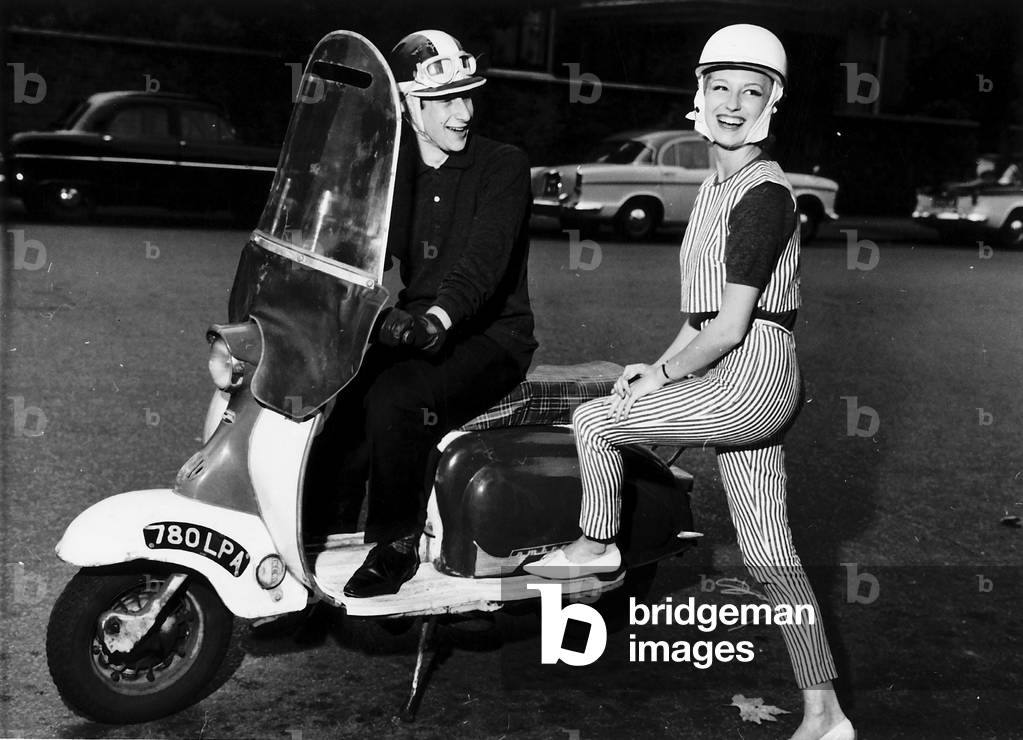
MPX5124204: Mods beside scooter 1961 (b/w photo) / Bridgeman Images
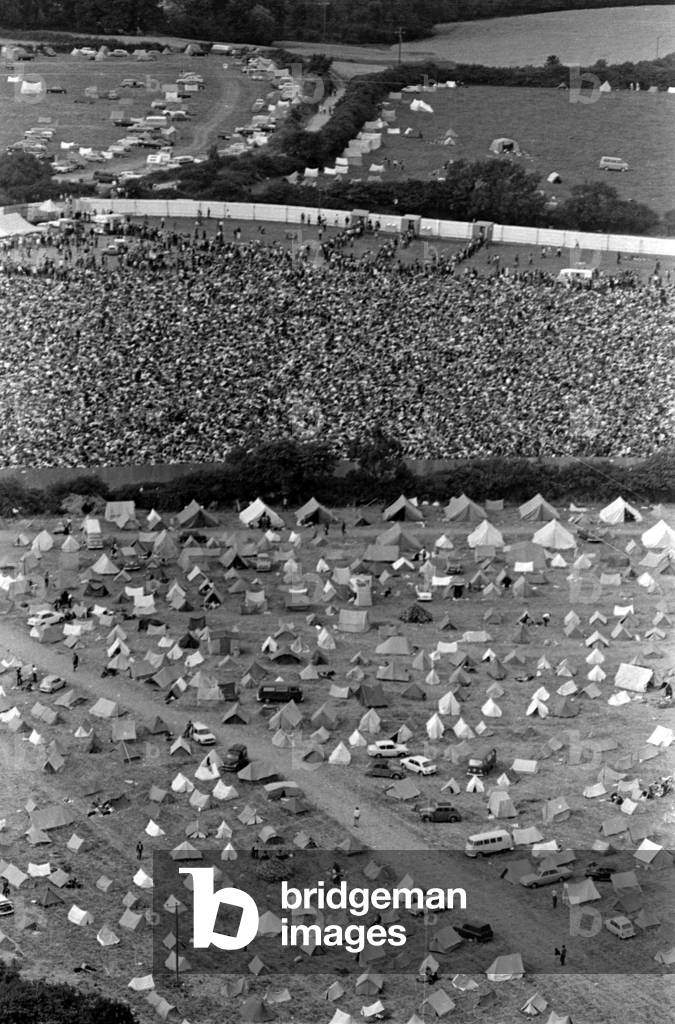
MPX5124225: Aerial View of The Isle of Wight Pop Festival 30th August 1969 (b/w photo) / Bridgeman Images