
Print this page or go back to standard view.
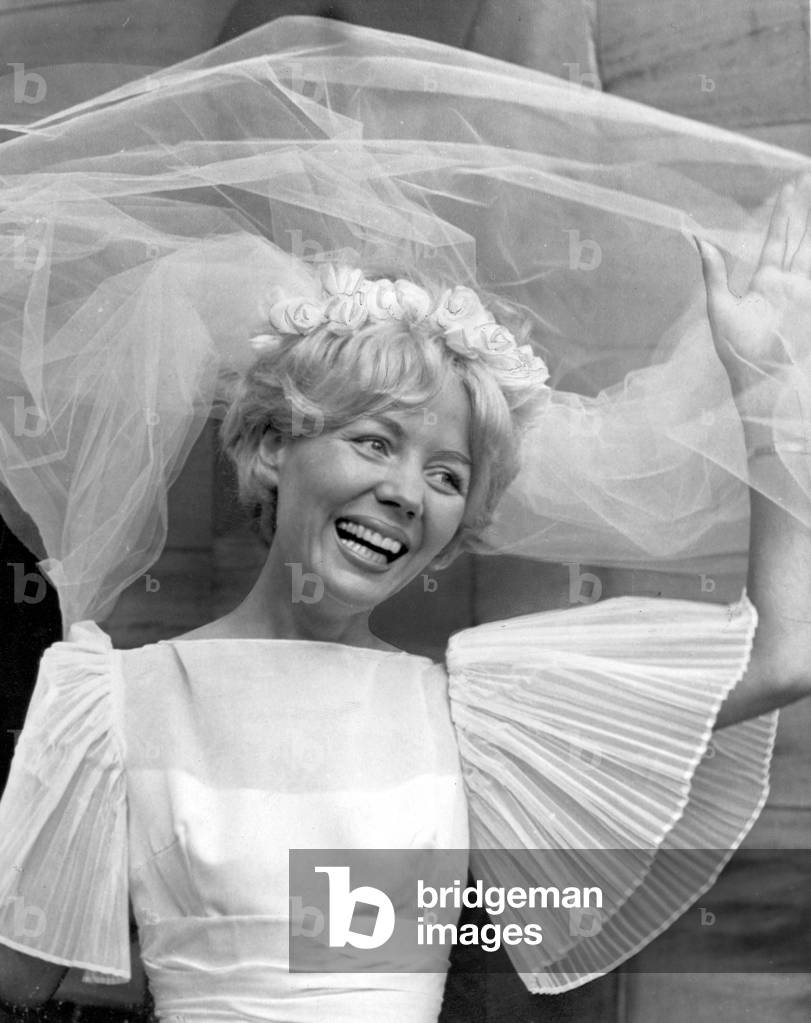
MPX5125056: Thirty one year old Babs Beverley of the Beverley Sisters music group pictured on her wedding day in Edinburgh, Scotland. She married dentist Jim Mitchell September 1963 (b/w photo) / Bridgeman Images
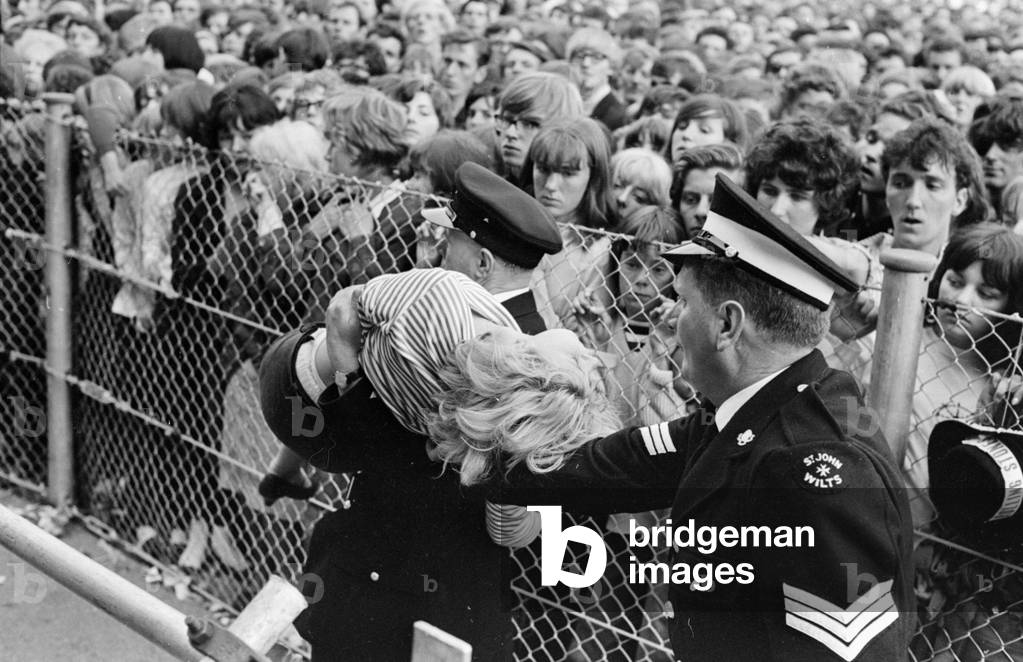
MPX5124934: The Rolling Stones play at Longleat, the home of Lord Bath. A female fan is rescued by the police and St. John's ambulance, 2nd August 1964 (b/w photo) / Bridgeman Images
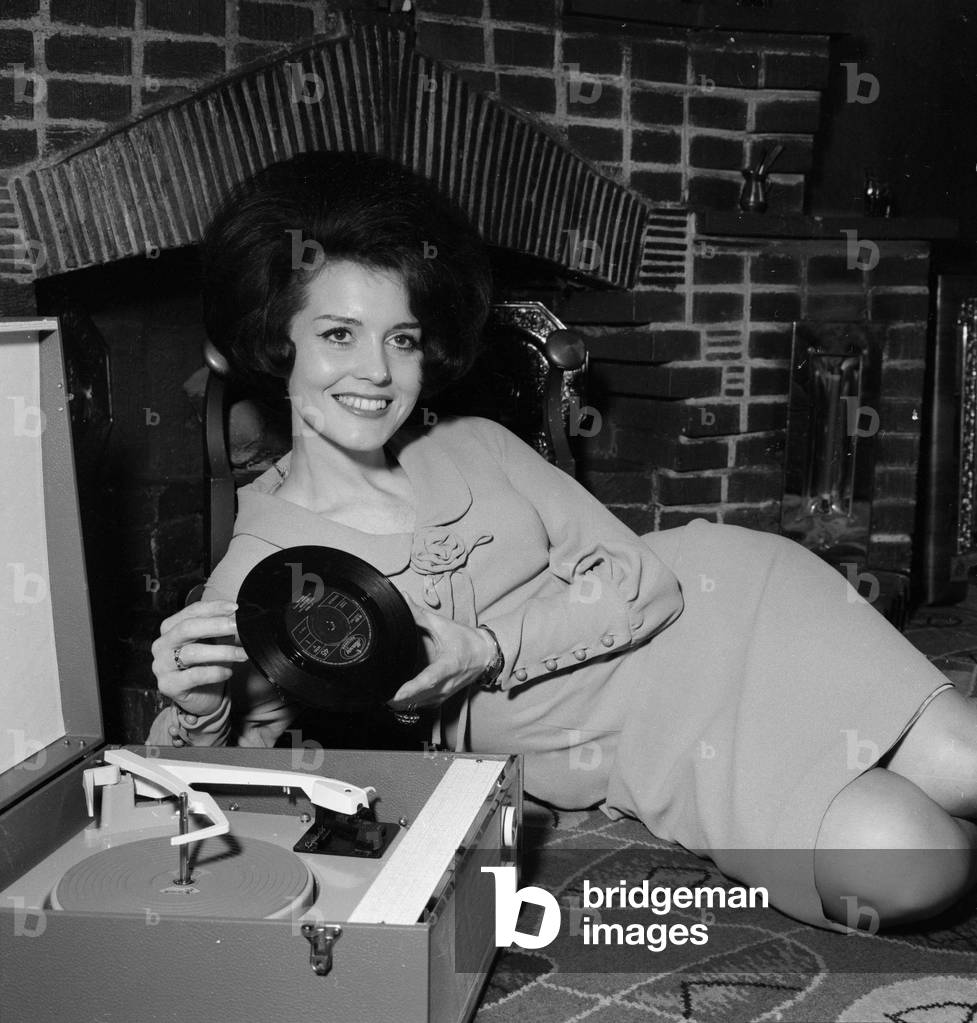
MPX5124970: Miss Julie Rogers who appears on ABC's "Thank Your Lucky Stars" singing her new record "Its Magic" April 1964 (b/w photo) / Bridgeman Images
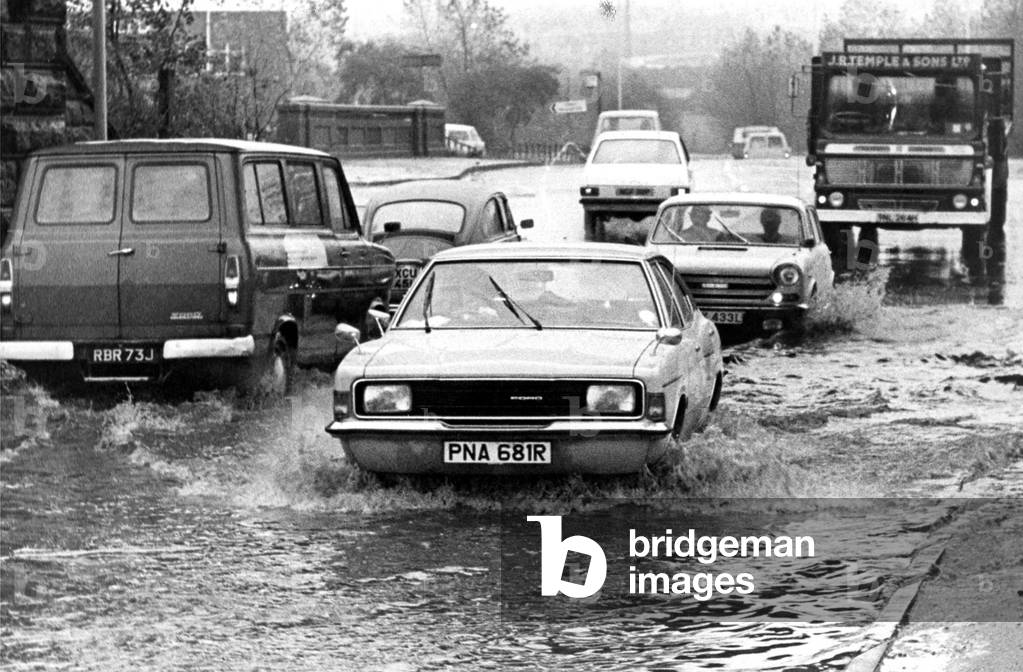
MPX5125083: Traffic negotiates floodwater on Team Valley Trading Estate, Gateshead in 1976 (b/w photo) / Bridgeman Images
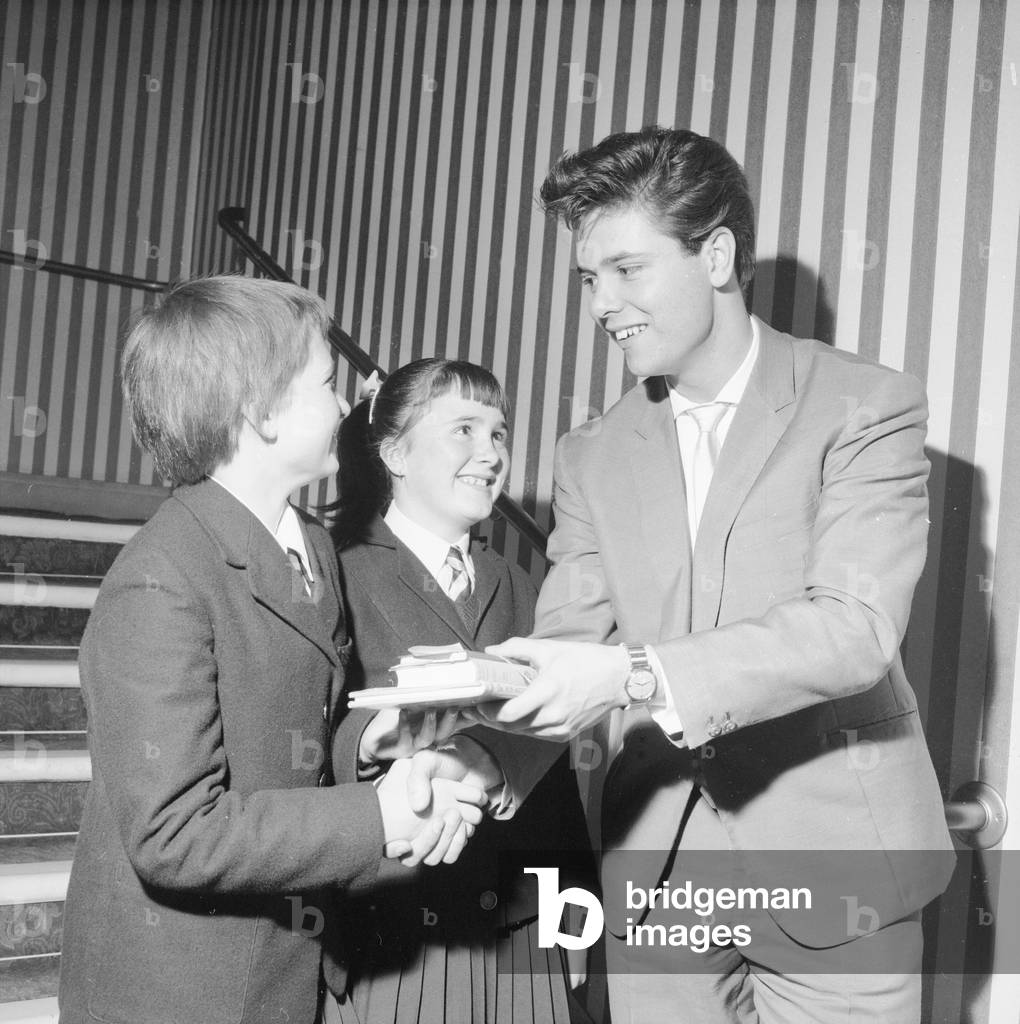
MPX5125092: Singer Cliff Richard seen here presenting a school prize of three books to Carol Chamberlin at the Hugh Myddelton School as her friend Jean Arbuckle looks on. October 6th 1960 (b/w photo) / Bridgeman Images
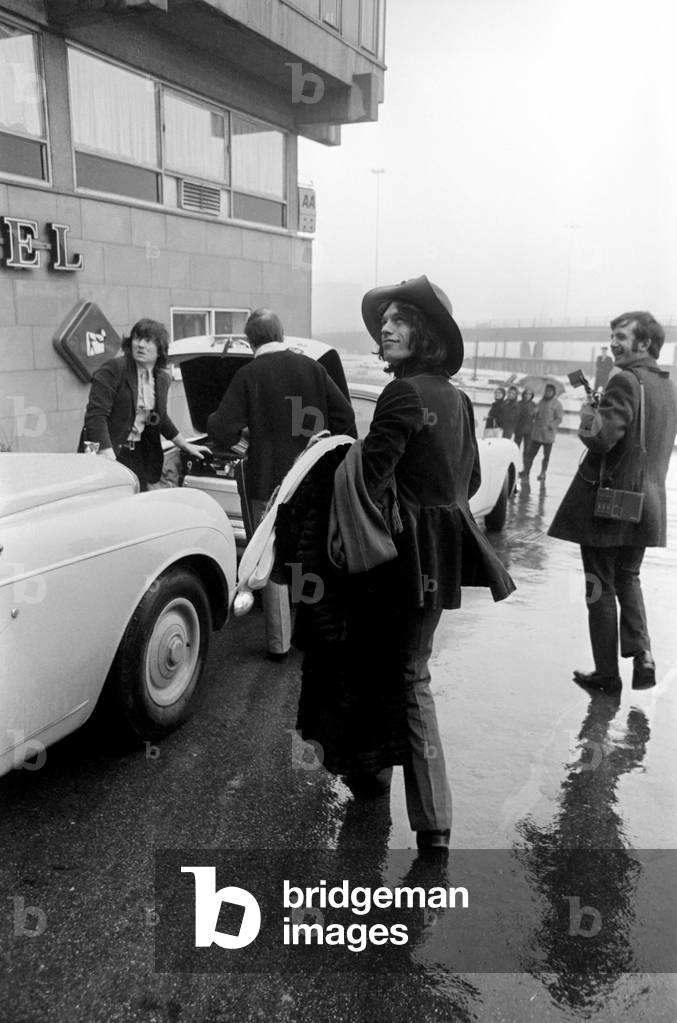
MPX5124991: Rolling Stones: Mick Jagger at their hotel in Newcastle upon Tyne, March 1971 (b/w photo) / Bridgeman Images
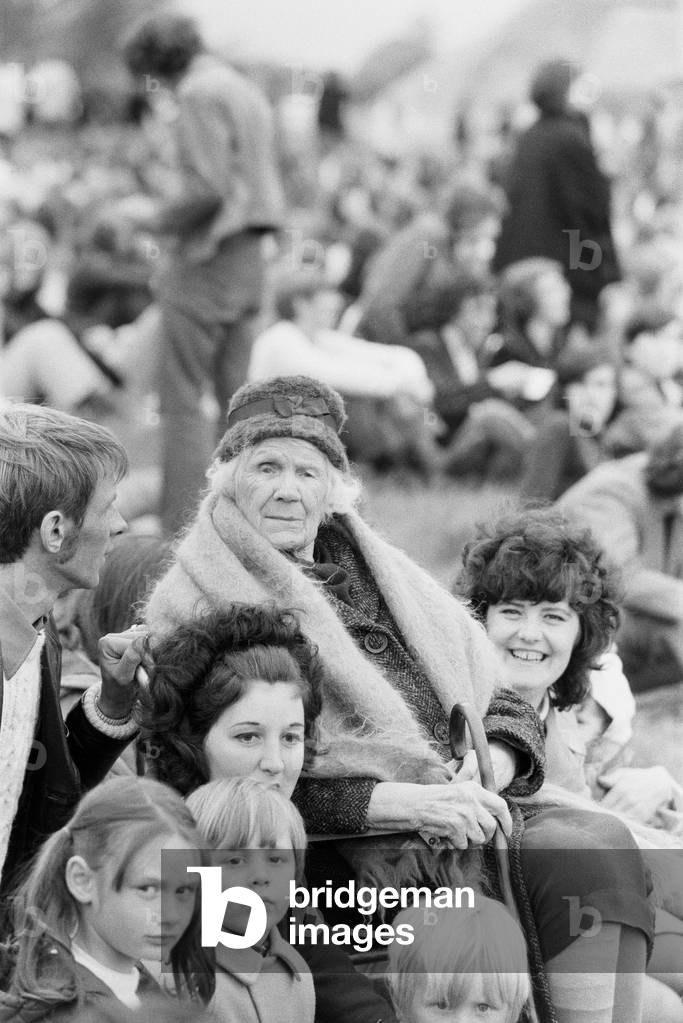
MPX5124902: Reading Pop Festival, 88 year old pop fan Mrs Edith Gregory of Compton, Berkshire watching to see her grandson Graham Gregory play in the Amada group, 26th June 1971 (b/w photo) / Bridgeman Images
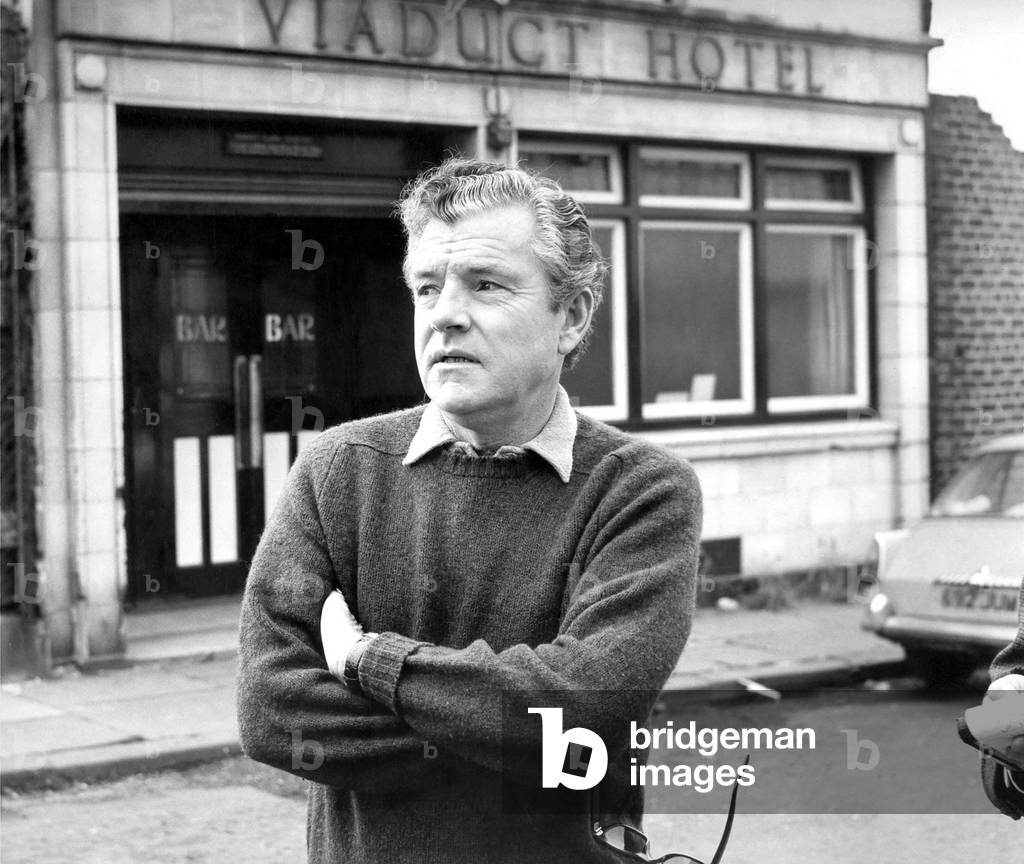
MPX5125000: Actor Kenneth More CBE in 1968 (b/w photo) / Bridgeman Images
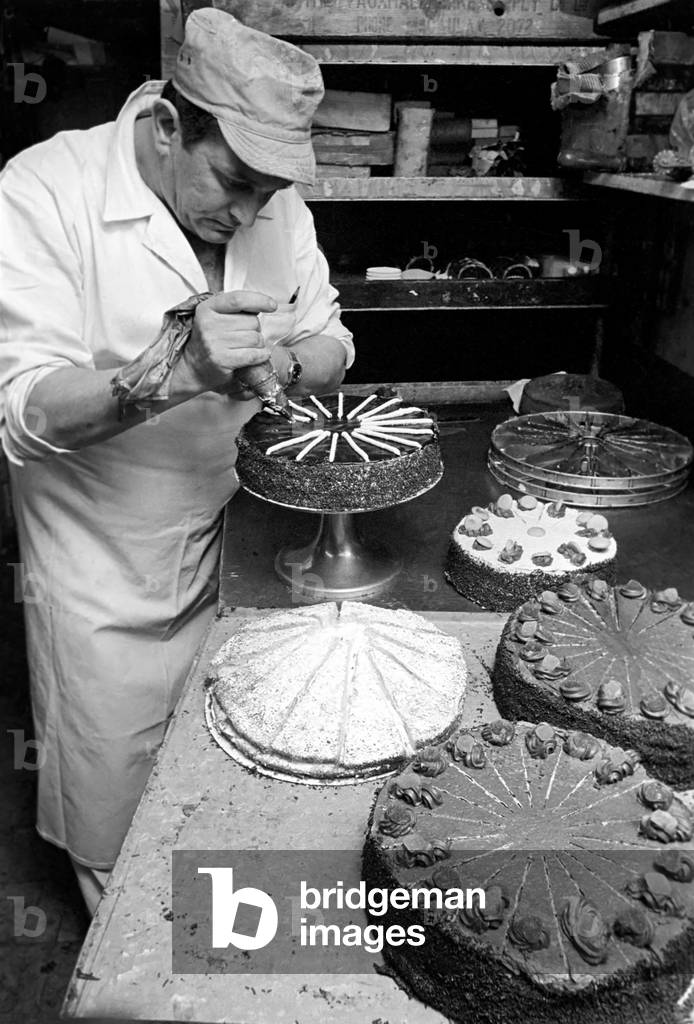
MPX5125170: Pastry Chef seen here at work in his Kitchen, 1967 (b/w photo) / Bridgeman Images
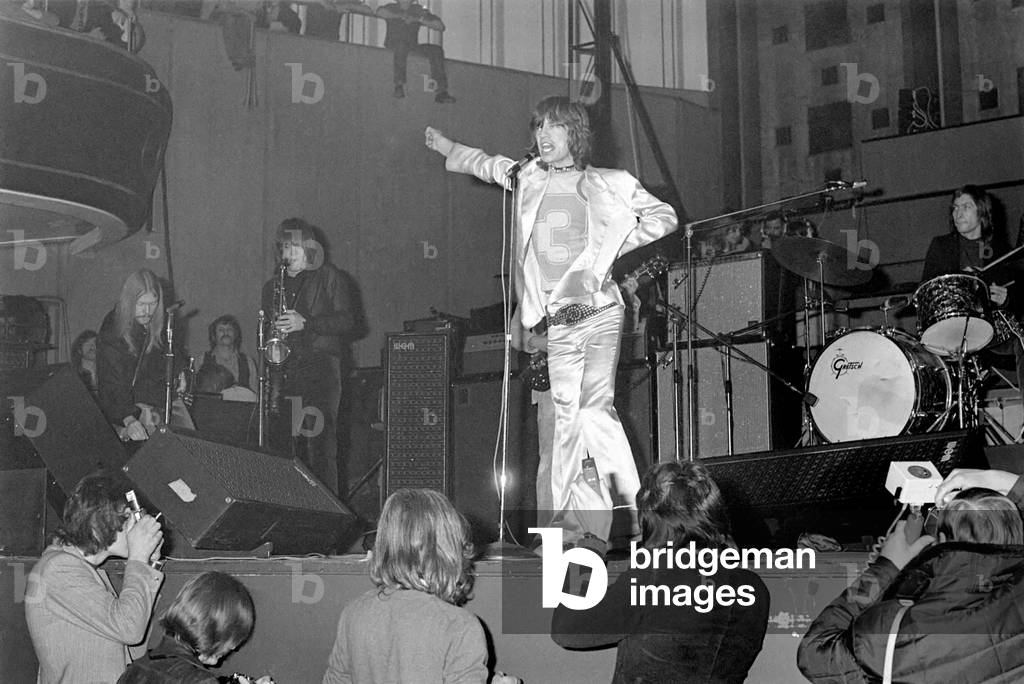
MPX5125015: Rolling Stones: During their concert at The Free Trade Hall in Manchester 5 March 1971 (b/w photo) / Bridgeman Images
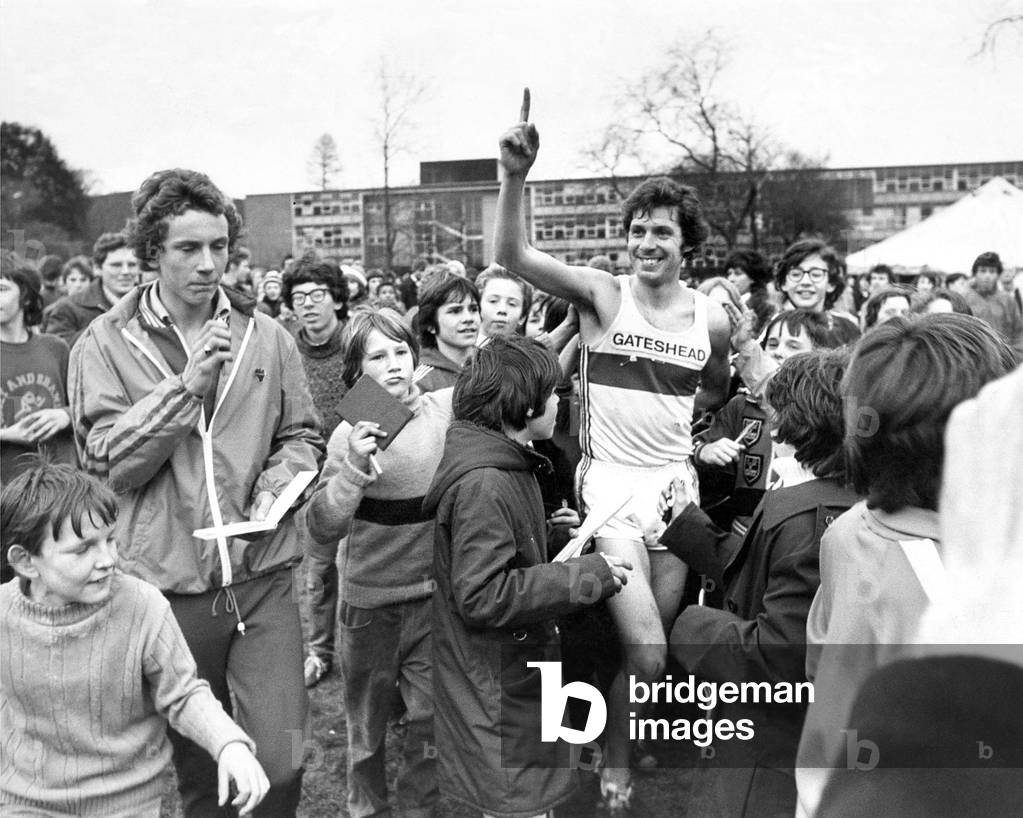
MPX5124315: Brendan Foster (Gateshead Harriers) receives congratulations on his win from excited young fans at Parliament Hill Fields, London, 05/03/1977 (b/w photo) / Bridgeman Images
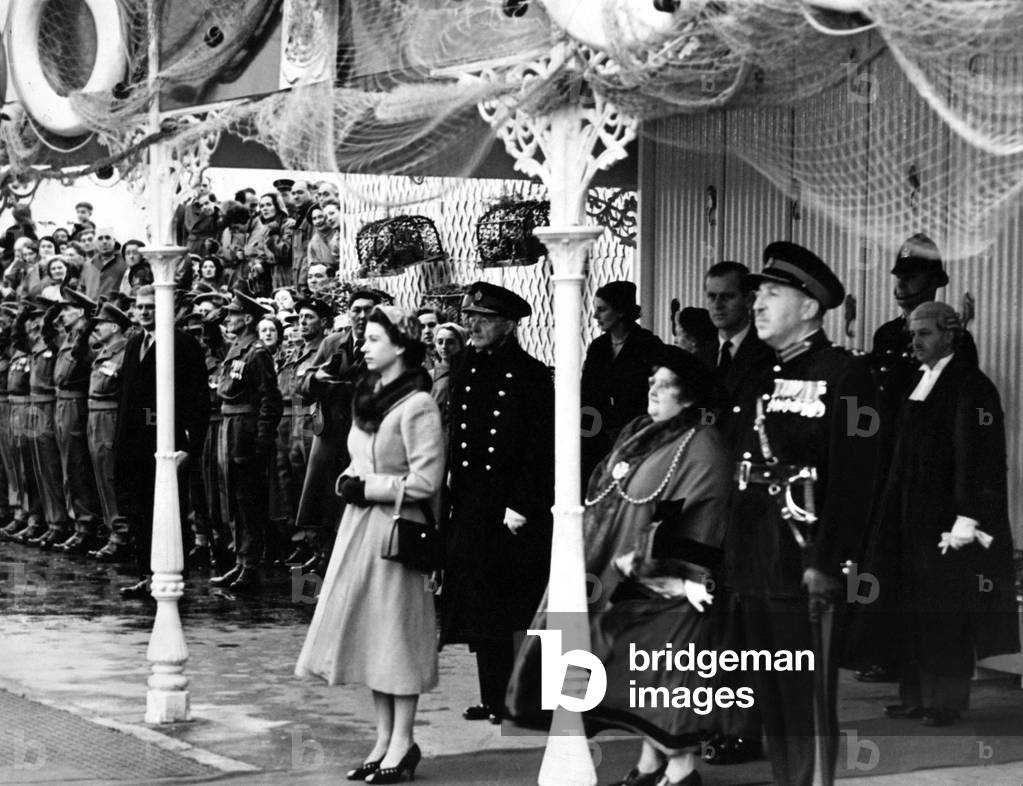
MPX5124325: Queen Elizabeth II with Prince Philip at the Plaza in Tynemouth, 29/10/1954 (b/w photo) / Bridgeman Images

MPX5124331: Queen Elizabeth II and Prince Philip on the North East Leg of The Jubilee Tour to celebrate the Silver Jubilee, 1977 (b/w photo) / Bridgeman Images

MPX5124384: Queen Elizabeth II and Prince Philip on the North East Leg of The Jubilee Tour to celebrate the Silver Jubilee, 1977 (b/w photo) / Bridgeman Images
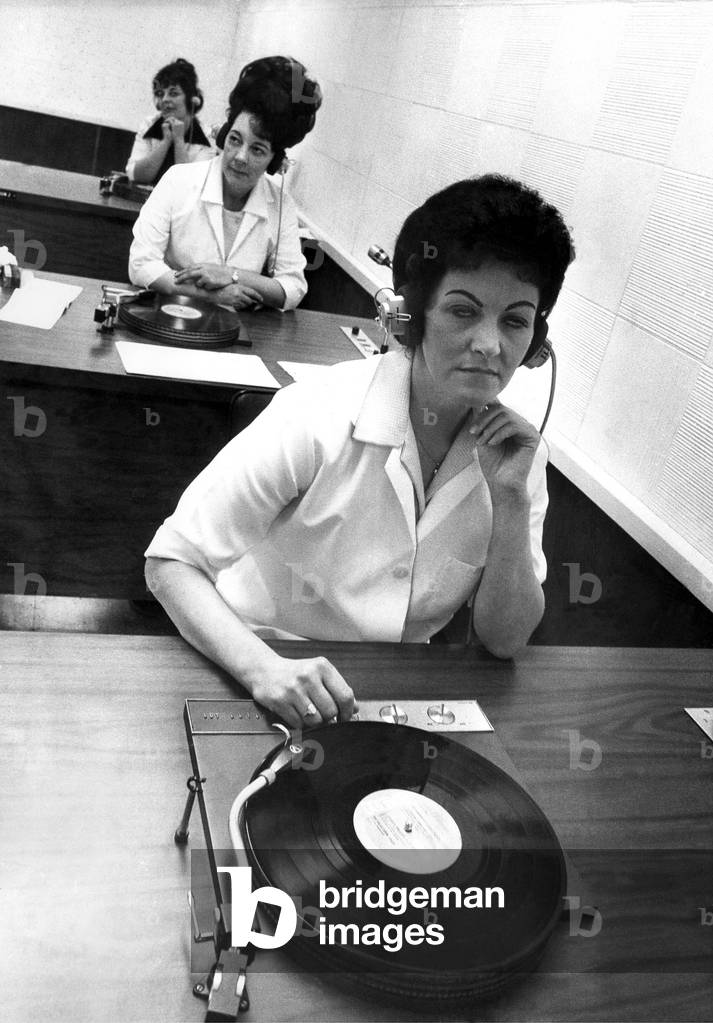
MPX5124352: Women checking the quality of the records at the RCA record plant in Washington in July 1971. The women have to listen to the same record as many as 30 times during their eight hour shift, 20/07/1971 (b/w photo) / Bridgeman Images
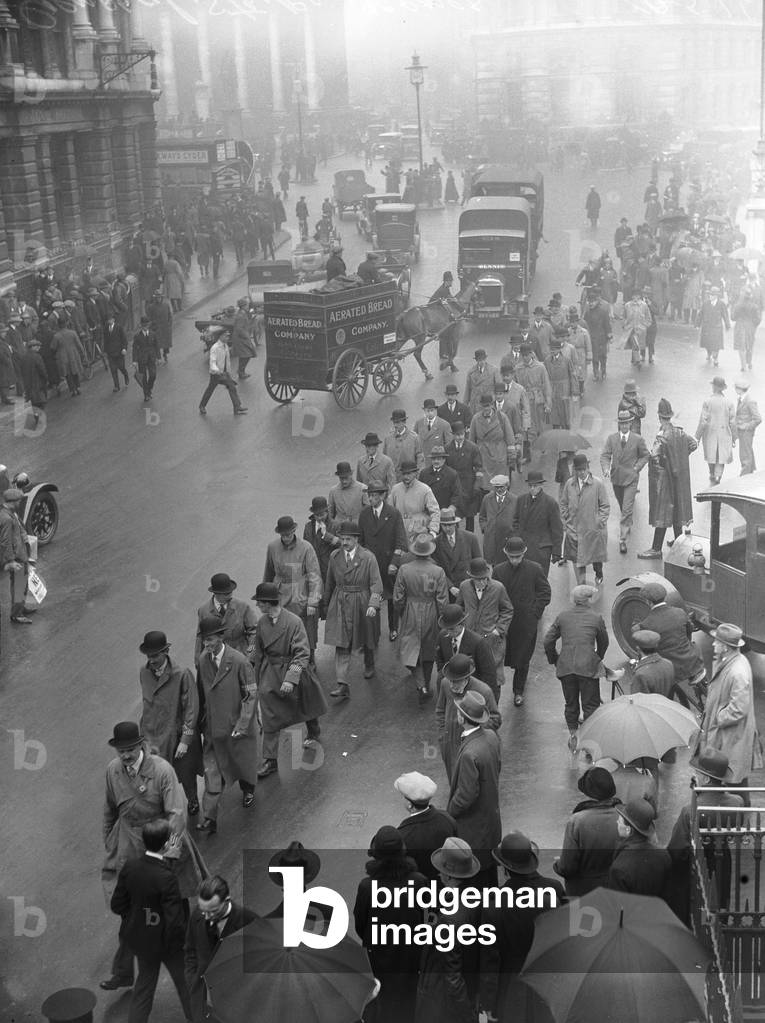
MPX5124429: Commuters making their way to work near The Bank in the City of London, on the 8th day of the General Strike. The national dispute came about after negotiations between the miners and mine owners failed over wages and the strike began on 3 May 1926. Millions obeyed the strike call, bringing transport systems to a halt while newspapers were not printed. The government responding by using volunteers to run trains and buses and sent in troops to move supplies from the London docks. There were clashes between police and crowds in many areas and at least 4000 strikers were arrested. There were attacks on buses and trains, including the derailing of the Flying Scotsman. The strike was called off unilaterally by the TUC on 12 May with no guarantees of fair treatment for the miners who fought on to bitter defeat in October. 11th May 1926 (b/w photo) / Bridgeman Images
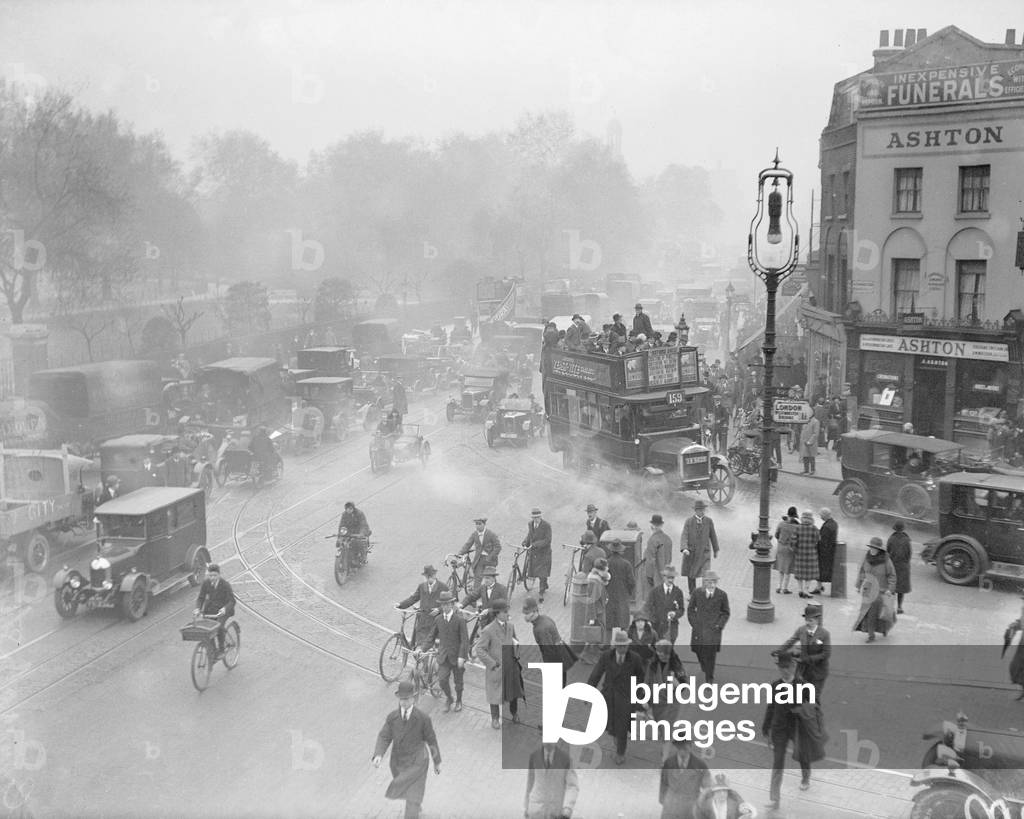
MPX5124447: Commuters crowd onto buses and make shift public transport to get home from work, seen here at Kensington, on the second day of the General Strike. The national dispute came about after negotiations between the miners and mine owners failed over wages and the strike began on 3 May 1926. Millions obeyed the strike call, bringing transport systems to a halt while newspapers were not printed. The government responding by using volunteers to run trains and buses and sent in troops to move supplies from the London docks. There were clashes between police and crowds in many areas and at least 4000 strikers were arrested. There were attacks on buses and trains, including the derailing of the Flying Scotsman. The strike was called off unilaterally by the TUC on 12 May with no guarantees of fair treatment for the miners who fought on to bitter defeat in October, 4th May 1926 (b/w photo) / Bridgeman Images
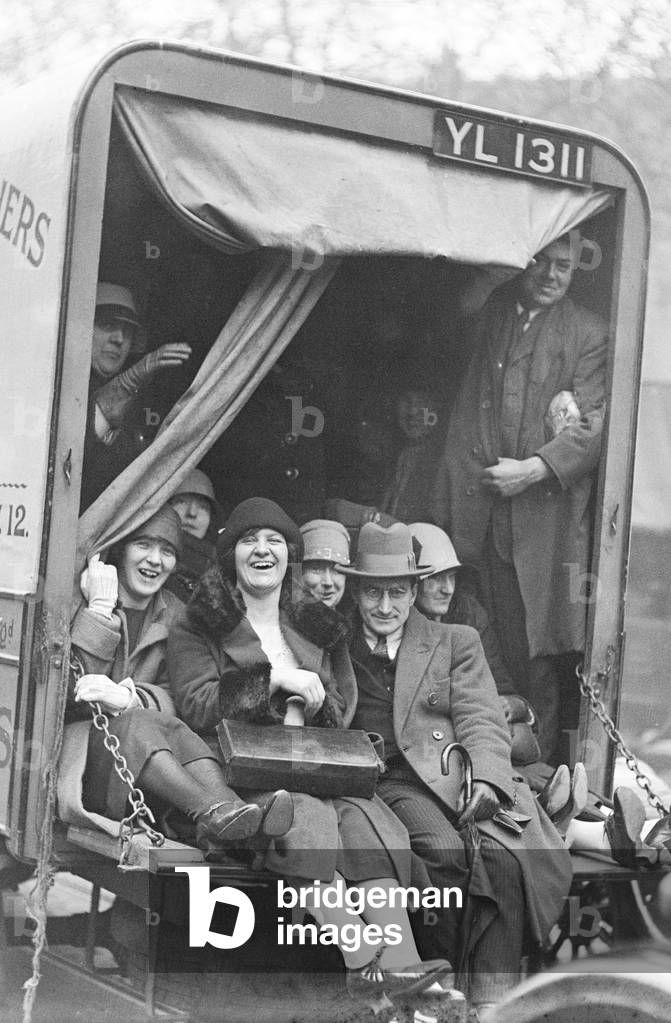
MPX5124397: Commuters using make shift public transport to get to work on the second day of the General Strike. The national dispute came about after negotiations between the miners and mine owners failed over wages and the strike began on 3 May 1926. Millions obeyed the strike call, bringing transport systems to a halt while newspapers were not printed. The government responding by using volunteers to run trains and buses and sent in troops to move supplies from the London docks. There were clashes between police and crowds in many areas and at least 4000 strikers were arrested. There were attacks on buses and trains, including the derailing of the Flying Scotsman. The strike was called off unilaterally by the TUC on 12 May with no guarantees of fair treatment for the miners who fought on to bitter defeat in October, 4th May 1926 (b/w photo) / Bridgeman Images
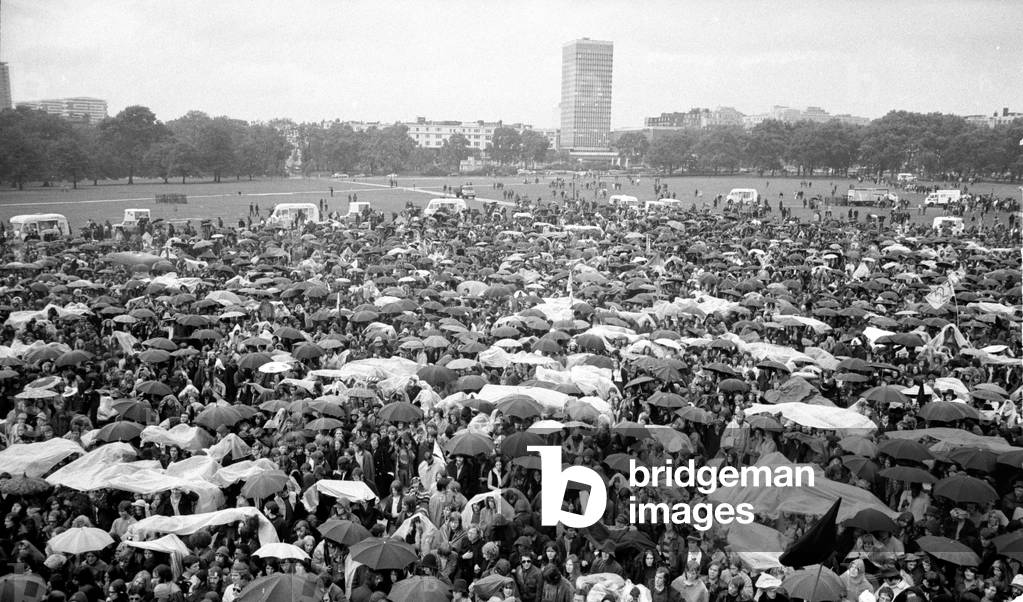
MPX5124495: Free Hyde Park Pop Festival featuring Canned Heat, Eric Burdon & War and John Sebastion. 12th September 1970 (b/w photo) / Bridgeman Images
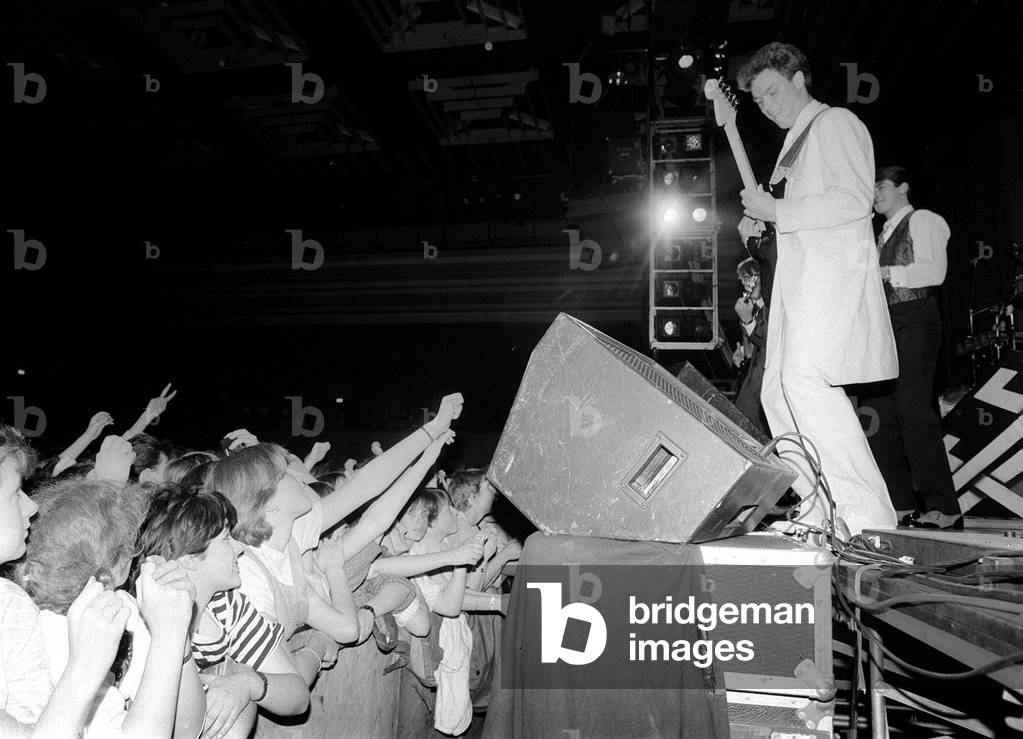
MPX5124412: Pop Group Spandau Ballet "True Tour", April 1983 (b/w photo) / Bridgeman Images
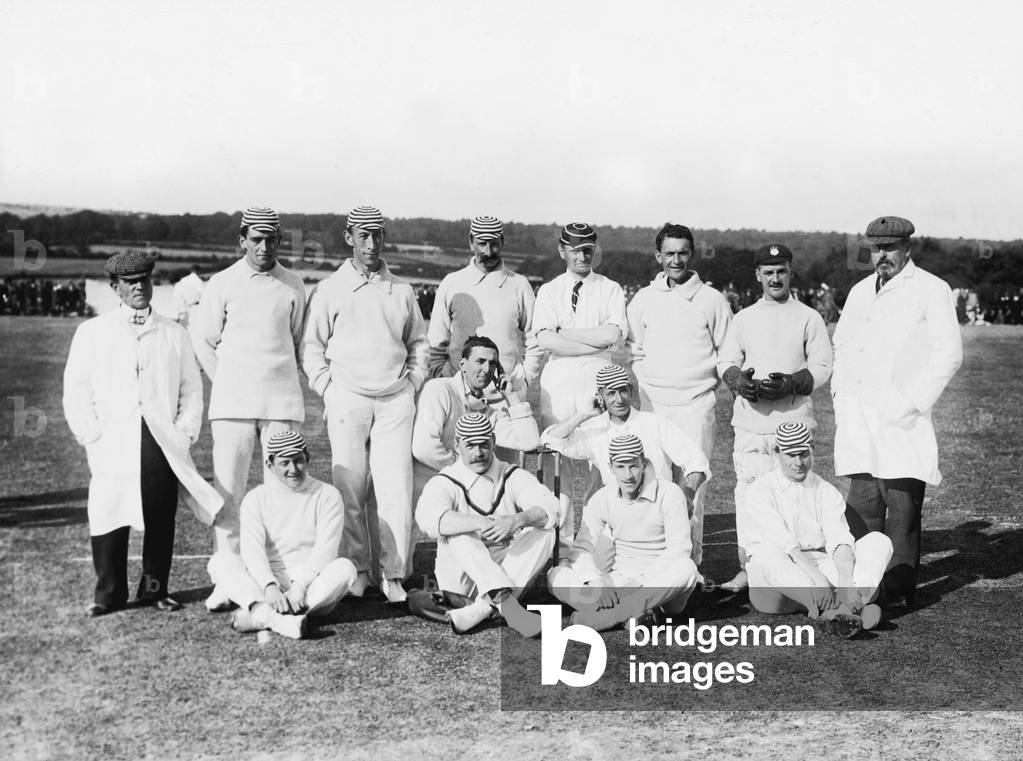
MPX5124519: Hambledon village cricket team, August 1947 (b/w photo) / Bridgeman Images
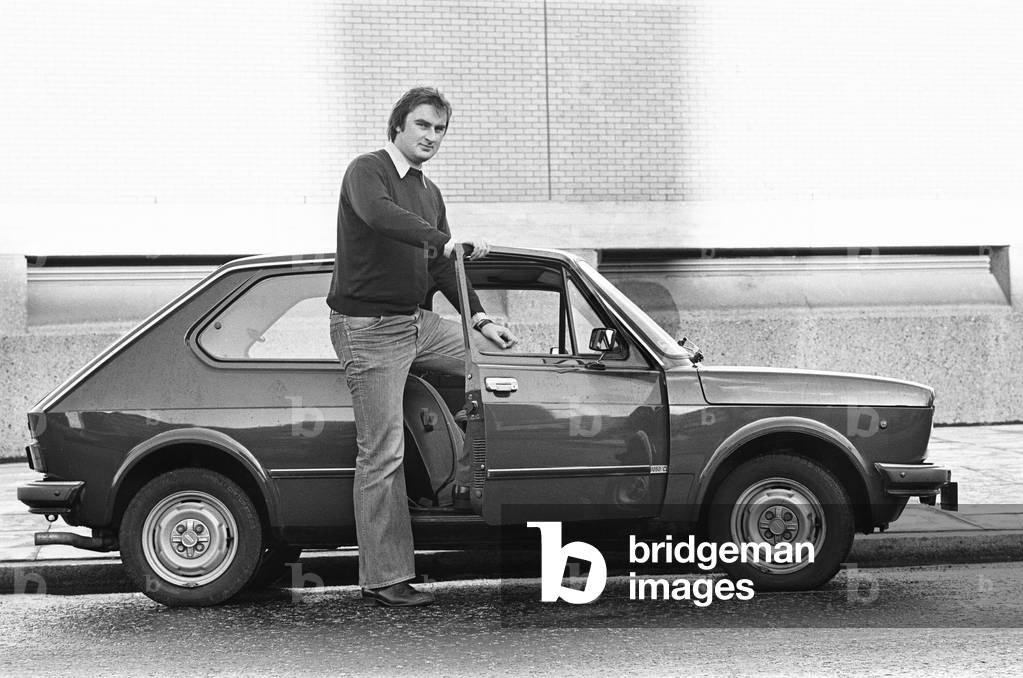
MPX5124534: Fiat 127 first prize in the Reveille Win-A-Car competition, c. 1973 (b/w photo) / Bridgeman Images
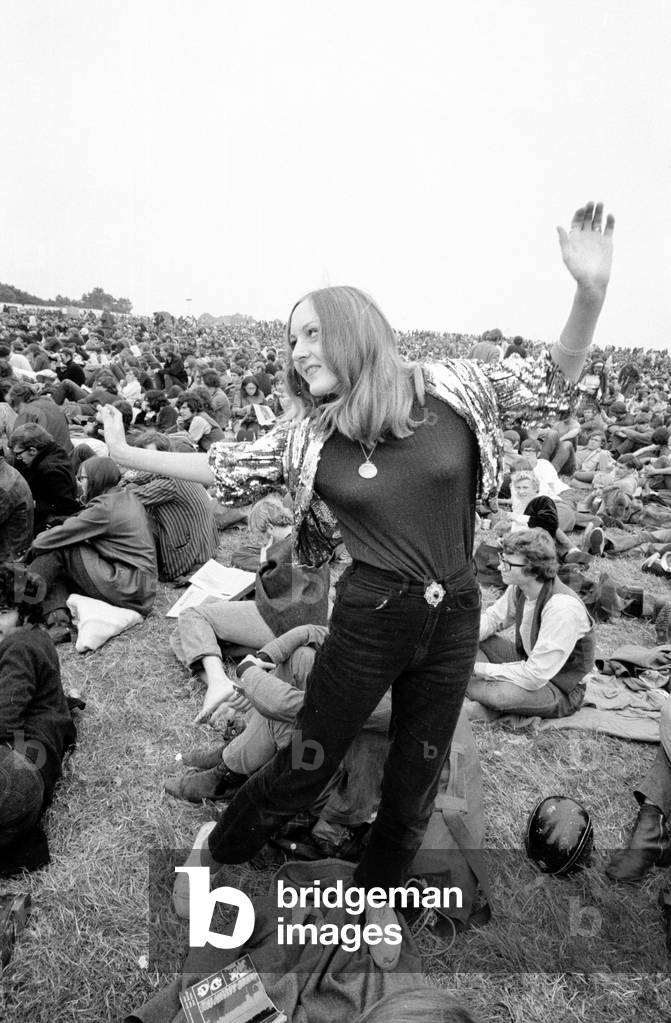
MPX5124496: Hippy girl dancing at The Isle of Wight Festival, 30th August 1969 (b/w photo) / Bridgeman Images
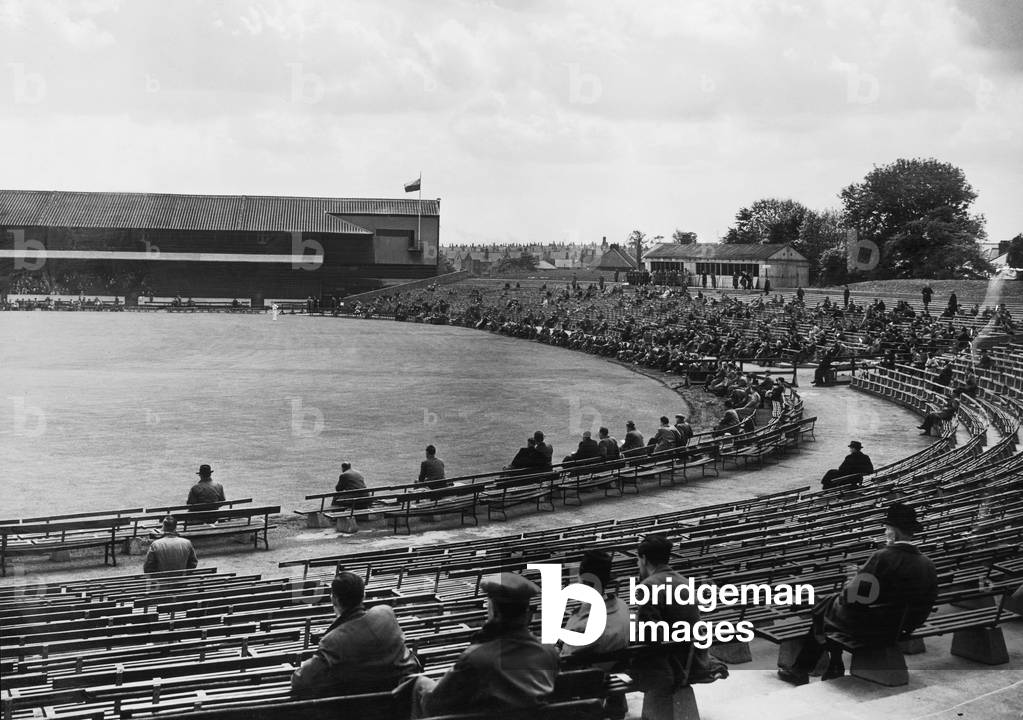
MPX5124540: Spectators watching the action at Headingly, the ground of Yorkshire Cricket Club in Leeds. c.1935 (b/w photo) / Bridgeman Images
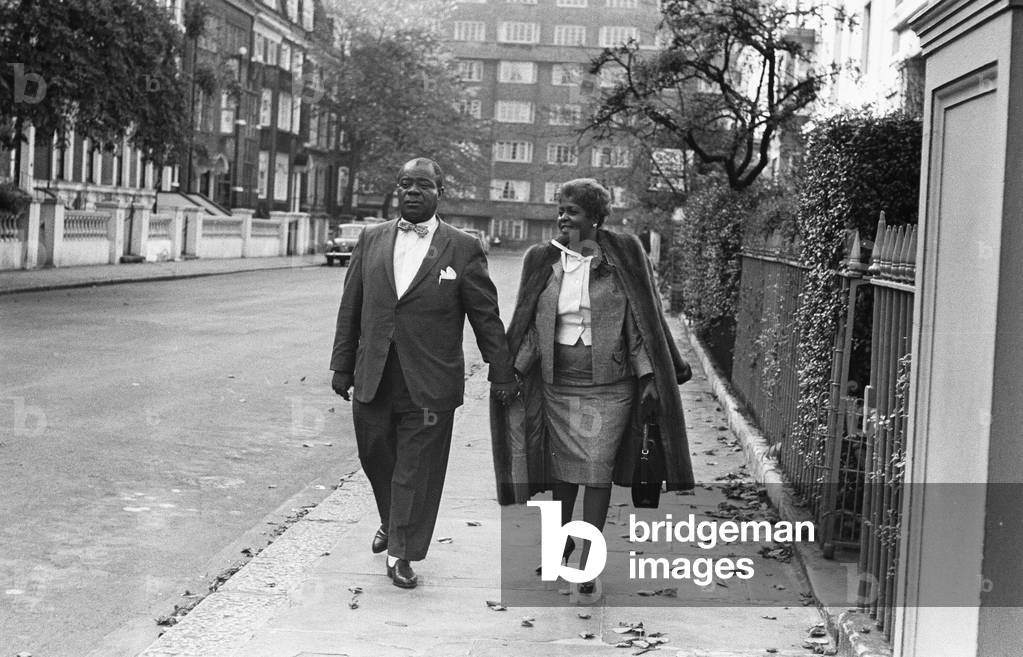
MPX5124499: Louis Armstrong seen here arriving for a press conference at the Mayfair Hotel, shortly before leaving for a tour of Africa accompanied by his wife Lucille. 12th October 1960 (b/w photo) / Bridgeman Images
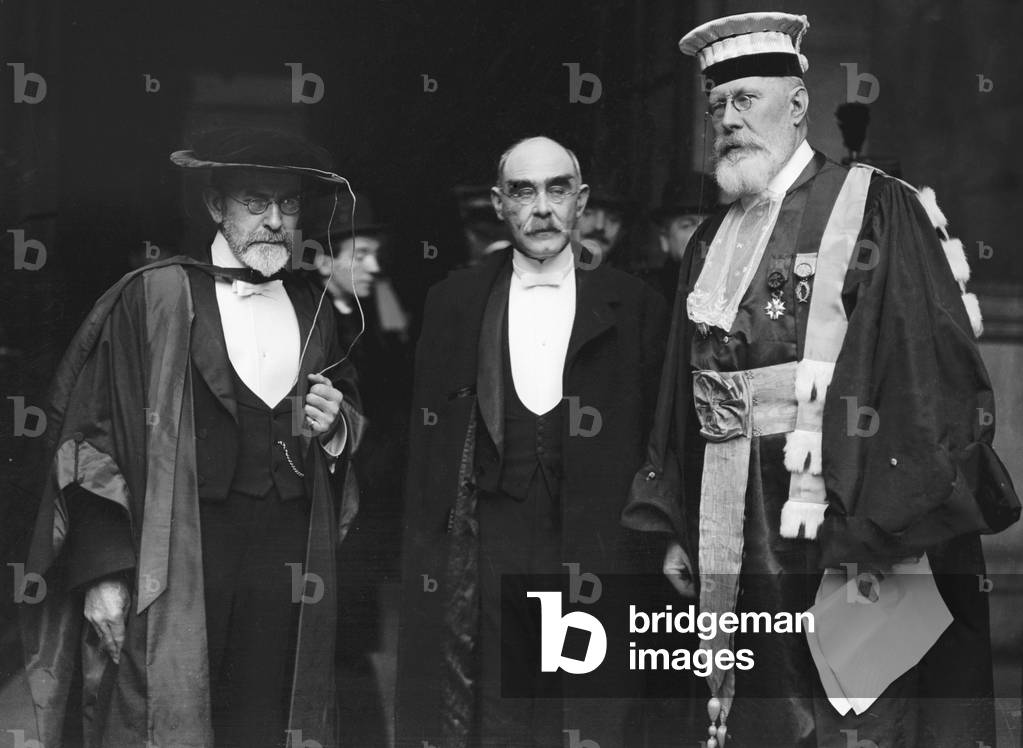
MPX5124588: The ceremony, arranged by Council of the University of Paris, to confer the degree of Doctor honoris causa on poet and author Mr. Rudyard Kipling (centre) and Sir James G. Frazer, author of The Golden Bough as eminent friends of France. Pictured on the right is Monsieur Appell, the Rector of the Sorbonne where the ceremony took place. 18th November 1921 (b/w photo) / Bridgeman Images
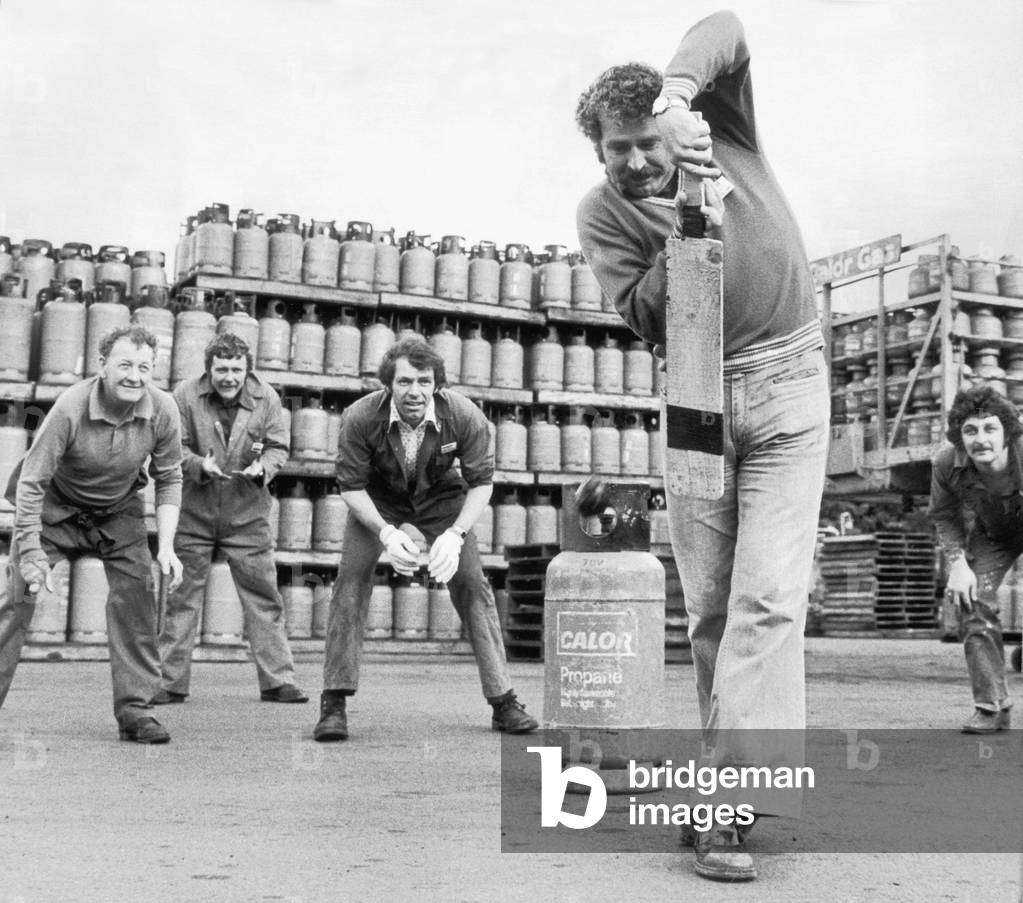
MPX5124541: Geoffrey Williams, captain and opening batsman of Ynysgerwn Cricket club, keeps his eye in during break-time at work, in a bottle-gas depot at Aberdulais, Neath. He keeps score with gas bottles loaded on trailers, 23rd August 1979 (b/w photo) / Bridgeman Images

MPX5124568: Christmas turkeys on display at F. Range High Class Butchers shop at 37 Wanstead High Street 24th December 1946 (b/w photo) / Bridgeman Images
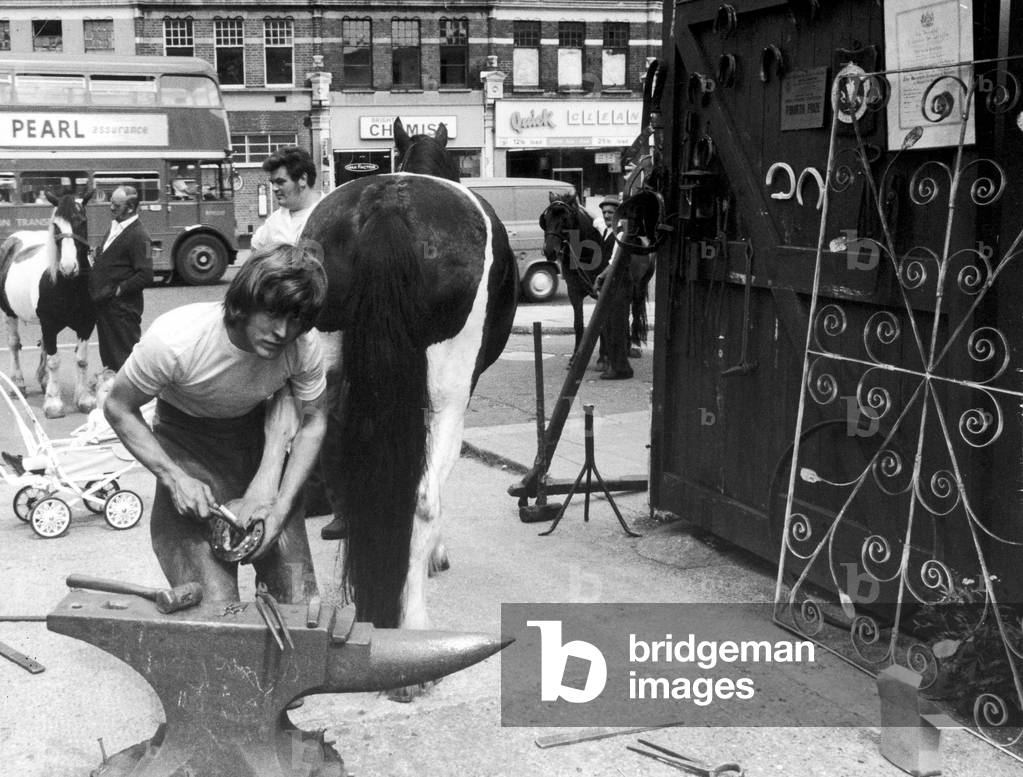
MPX5124577: 23 year old Londoner Derek Dewdney the village blacksmith of Brent, London, shoes the horses at his forge against a back cloth of a teeming street as tankers, trucks and buses thunder by, 30th July 1970 (b/w photo) / Bridgeman Images
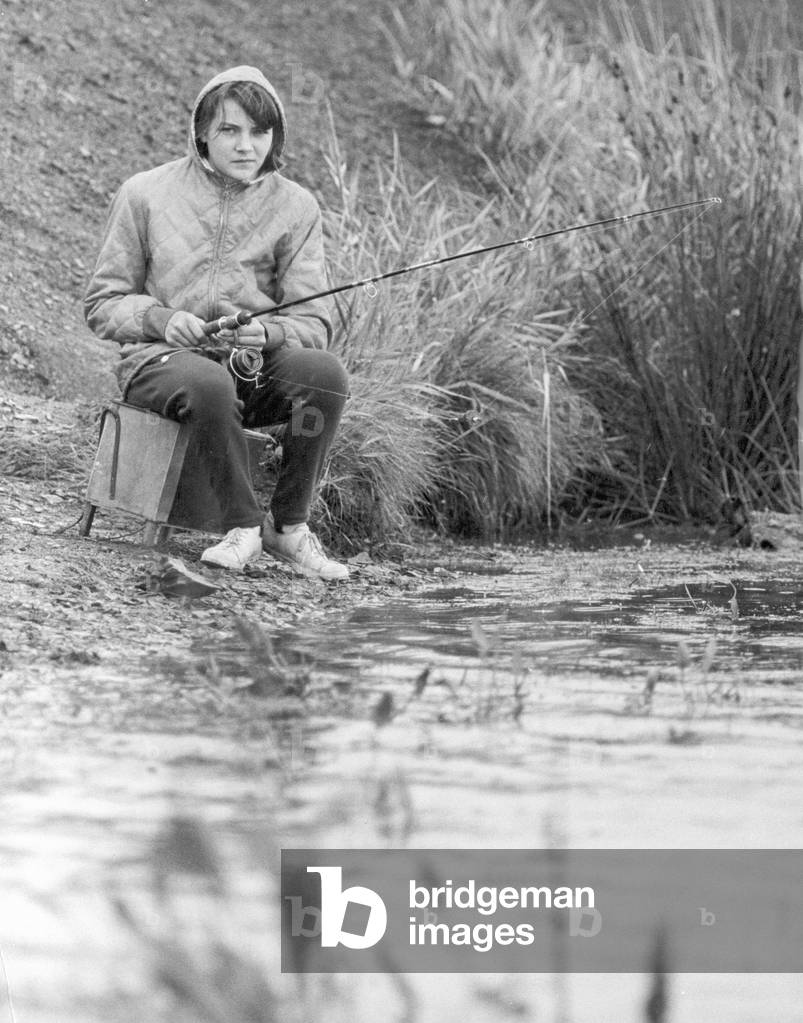
MPX5124323: Dora Houston seen here fishing close to her home in Wigan, hoping to land another three foot long pike, 11th September 1966 (b/w photo) / Bridgeman Images
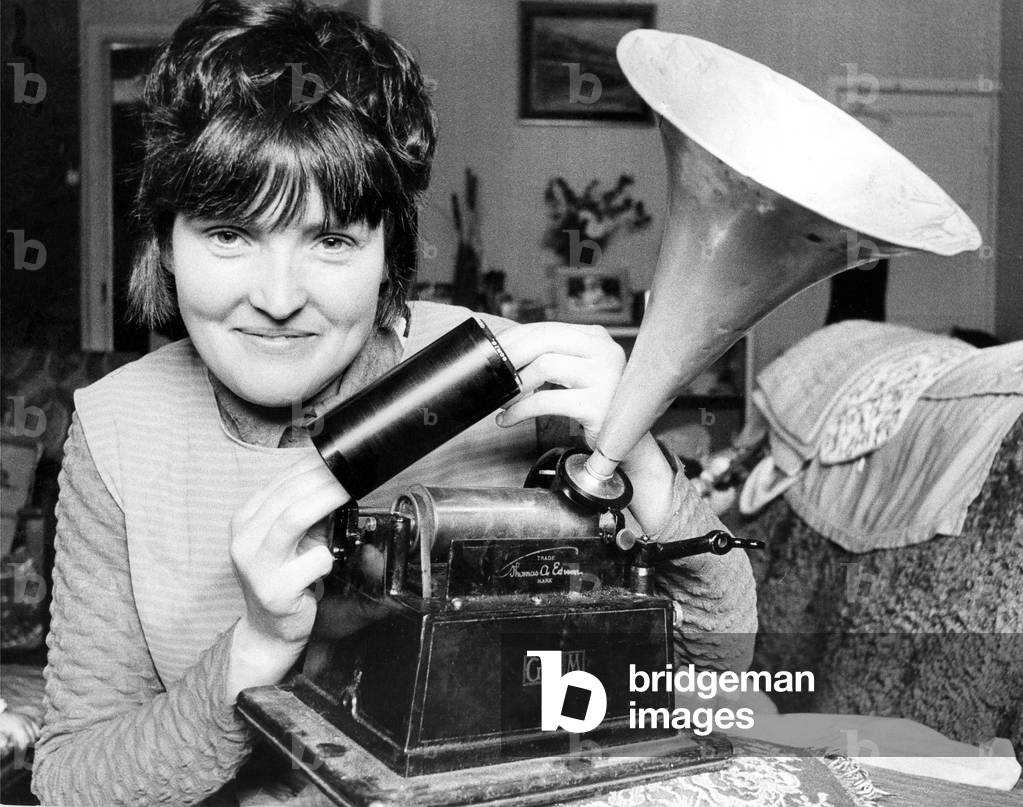
MPX5124338: Jean Dixon pictured with her cylinder type phonograph made by the American company, Thomas A. Edison, in Orange, New Jersey, at the turn of the century, 17/04/1973 (b/w photo) / Bridgeman Images

MPX5124365: Queen Elizabeth II and Prince Philip on the North East Leg of The Jubilee Tour to celebrate the Silver Jubilee, 1977 (b/w photo) / Bridgeman Images

MPX5124371: Queen Elizabeth II and Prince Philip on the North East Leg of The Jubilee Tour to celebrate the Silver Jubilee, 1977 (b/w photo) / Bridgeman Images

MPX5124392: Queen Elizabeth II and Prince Philip on the North East Leg of The Jubilee Tour to celebrate the Silver Jubilee, 1977 (b/w photo) / Bridgeman Images
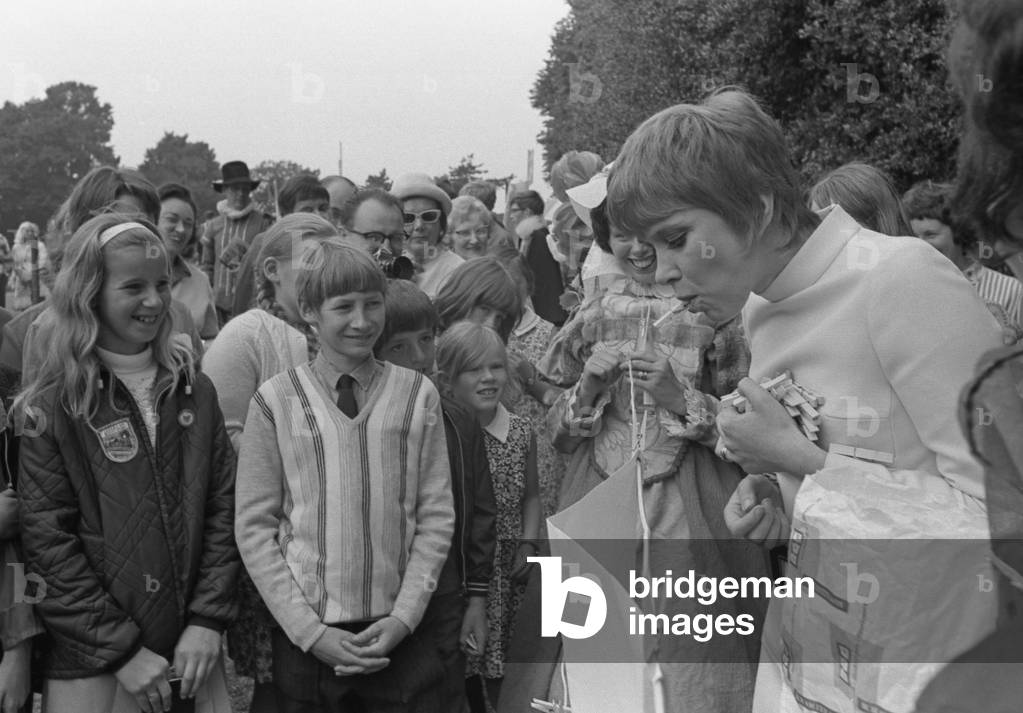
MPX5124395: Actress Wendy Craig paid a visit to Warwick to open the Emscote Lawn School Elizabethan Fair. Miss Craig said: "The education of our children is one of the most vital matters in the world today. We must preserve a choice of school in order to cater for every kind of child. We don't want to produce children like cars from an assembly line, lacking individual flair." Miss Craig, star of the TV series, "Not in Front of the Children," arrived from her mother's home in Kenilworth by an "Elizabethan horse-drawn coach" re-constructed by boys at the school. A ducking stool, quintain(jousting), stocks, madrigals, a pig roast, archery, falconry and the school staff and pupils in full Elizabethan costume provided the period flavour, 27th June 1970 (b/w photo) / Bridgeman Images
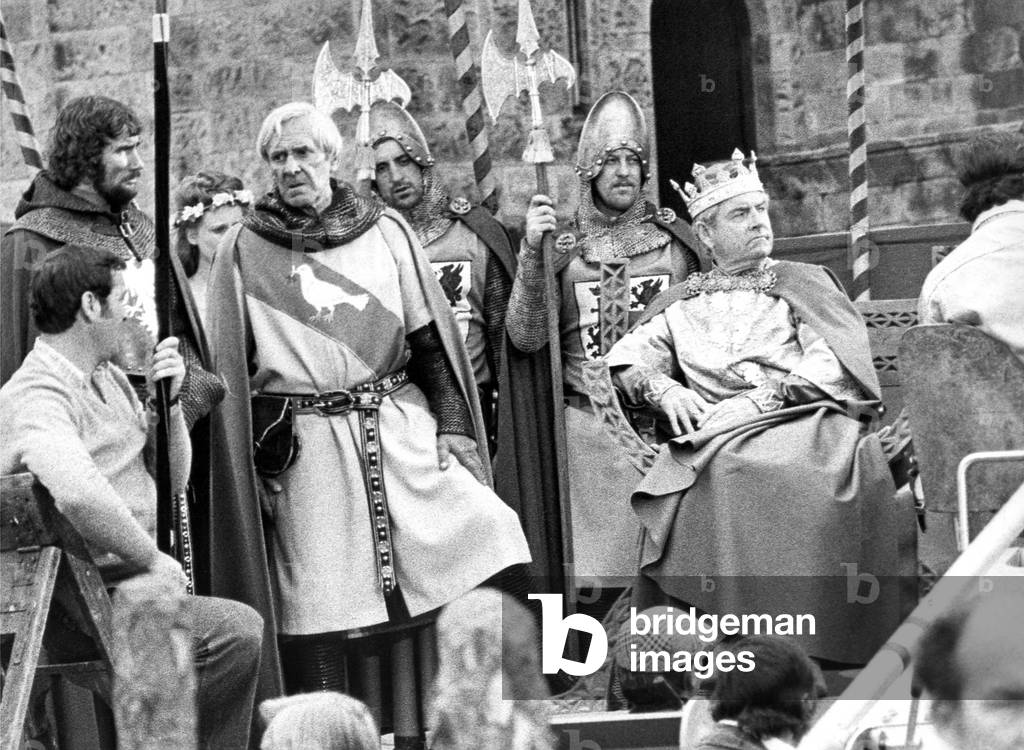
MPX5124404: Facing the camera for the first day of production of the film The Space Man and King Arthur at Alnwick Castle, Northumberland, 1978 (b/w photo) / Bridgeman Images