Print Friendly Version Page

2501809 Search Results

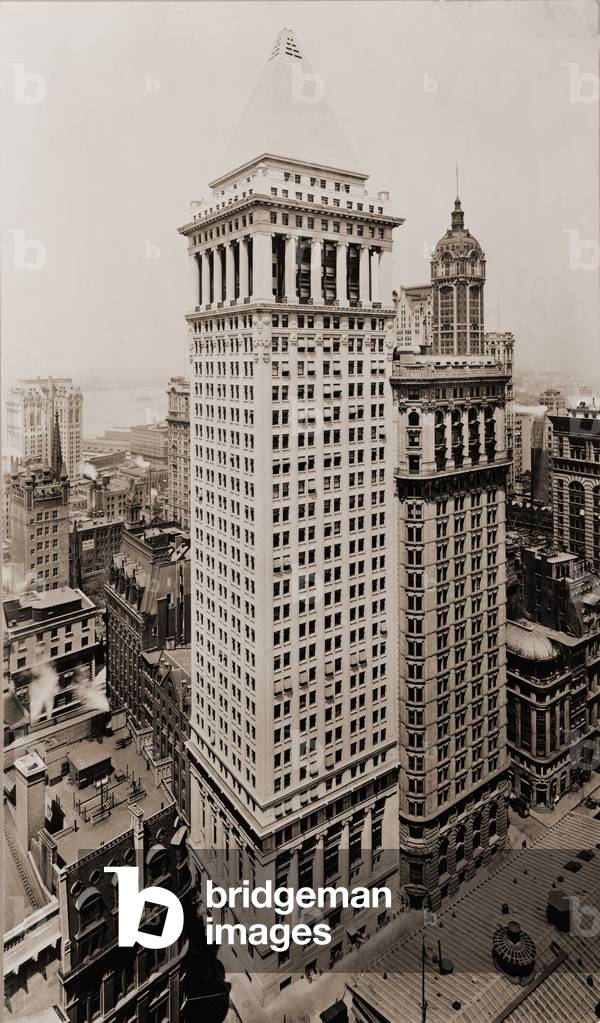
Bankers Trust & Hanover National Bank Building on Wall Street, New York, rose thirty-seven floors was built in 1912 in New York's financial district

EVB2934329: Bankers Trust & Hanover National Bank Building on Wall Street, New York, rose thirty-seven floors was built in 1912 in New York's financial district / Bridgeman Images
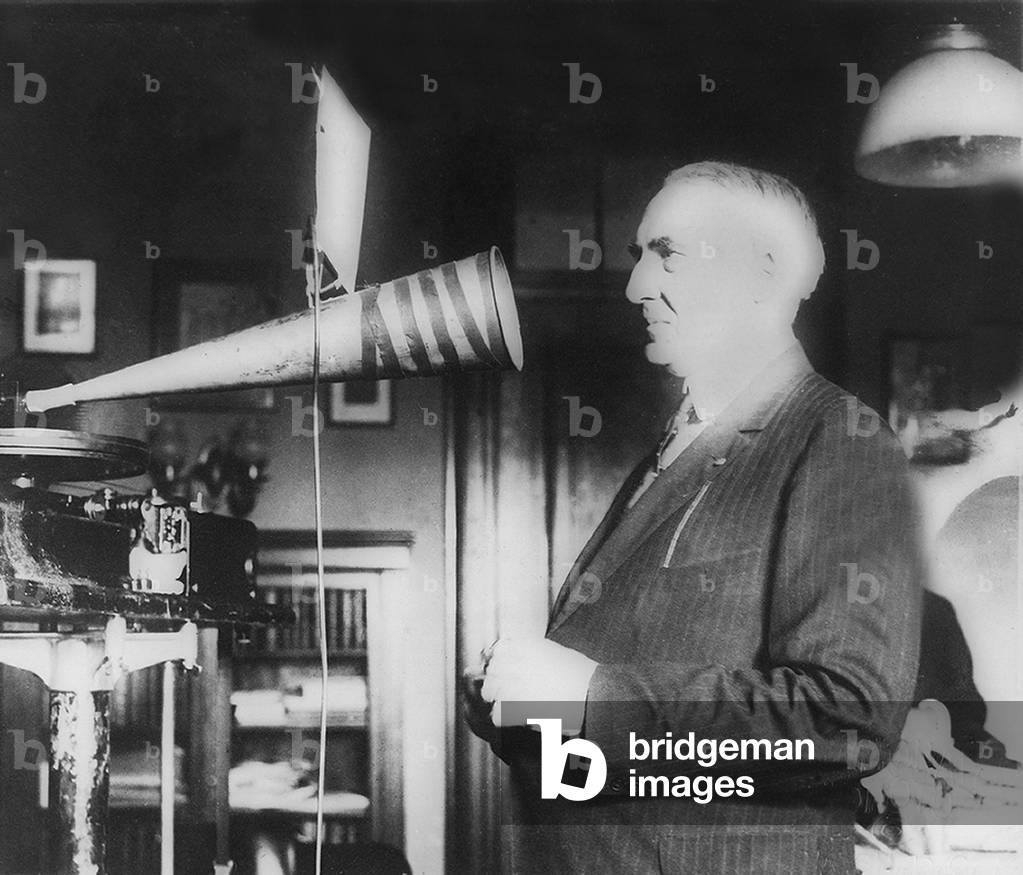
President Warren G. Harding (1865-1923), voice was recorded on phonograph records in the government archives. Harding called himself the blovinator, and his voice was admired, but critics characterized his speeches as pompous and vacuous. 1922

EVB2934268: President Warren G. Harding (1865-1923), voice was recorded on phonograph records in the government archives. Harding called himself the blovinator, and his voice was admired, but critics characterized his speeches as pompous and vacuous. 1922 / Bridgeman Images
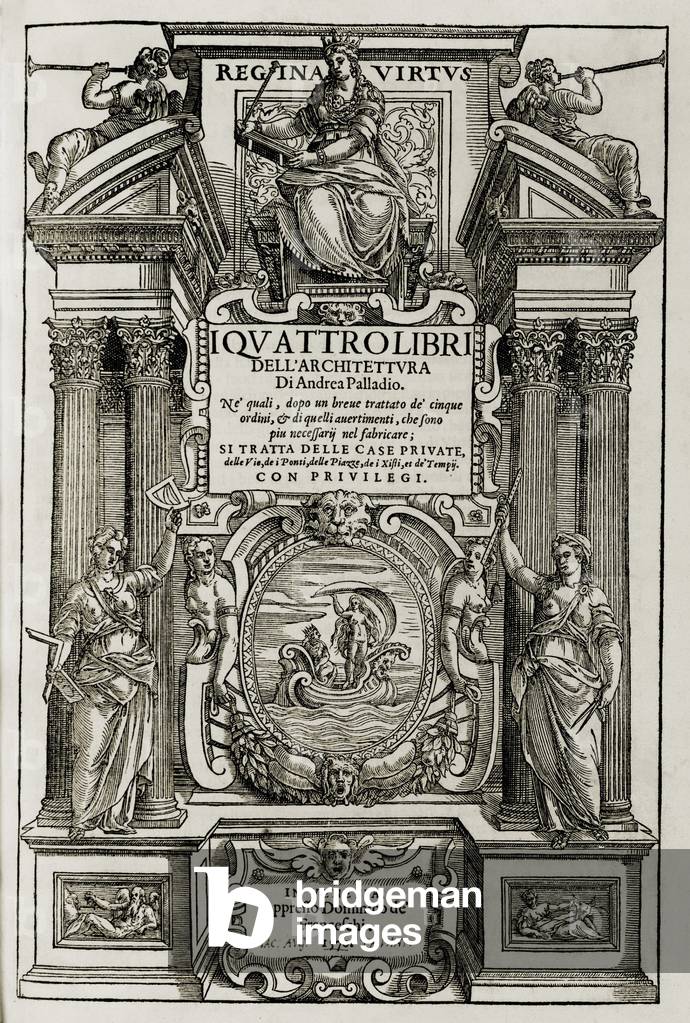
Ornate title page illustration of Andrea Palladio's (1508-1580), THE FOUR BOOKS OF ARCHITECTURE, a handbook on classical architecture, would influence European for the next three centuries. 1570

EVB2934330: Ornate title page illustration of Andrea Palladio's (1508-1580), THE FOUR BOOKS OF ARCHITECTURE, a handbook on classical architecture, would influence European for the next three centuries. 1570 / Bridgeman Images

Kiralfy Bros., Enchantment, 1886 (poster)

EVB2933943: Kiralfy Bros., Enchantment, 1886 (poster) / Bridgeman Images

Lewis Morrison's Magnificent Faust, 1889 (poster)

EVB2933946: Lewis Morrison's Magnificent Faust, 1889 (poster), Carqueville, Will (fl.1871-95) / Bridgeman Images

Postcard showing bareback rider and acrobat, Lucille Mullhall, standing on back of horse. 1909

EVB2933915: Postcard showing bareback rider and acrobat, Lucille Mullhall, standing on back of horse. 1909 / Bridgeman Images
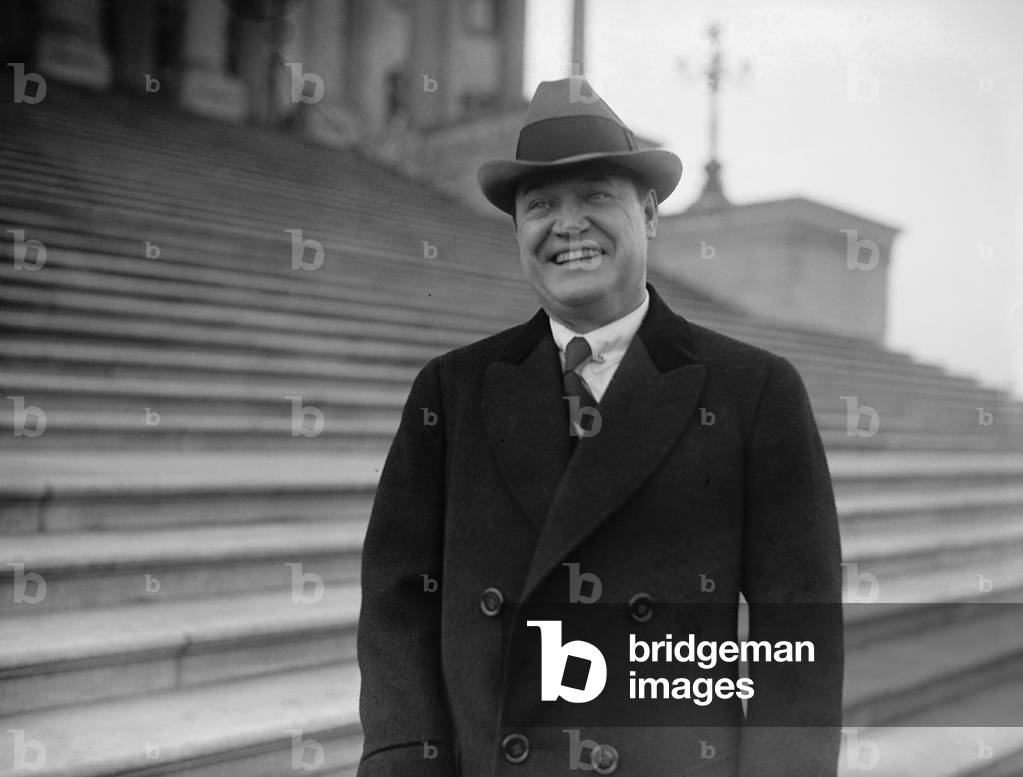
Harry F. Sinclair (1876-1956), president of Sinclair Consolidated Oil Corporation, on the steps of the Capitol in Washington D.C. He bribed Albert Fall for Teapot Dome oil leases, paid hush money to Harding enemies, paid Harding a fortune for his modest newspaper, MARION STAR, and regularly lost thousands in poker games with influential politicians. January 22, 1923

EVB2934006: Harry F. Sinclair (1876-1956), president of Sinclair Consolidated Oil Corporation, on the steps of the Capitol in Washington D.C. He bribed Albert Fall for Teapot Dome oil leases, paid hush money to Harding enemies, paid Harding a fortune for his modest newspaper, MARION STAR, and regularly lost thousands in poker games with influential politicians. January 22, 1923 / Bridgeman Images

M.B. Curtis, Sam'l of Posen, The Commercial Drummer, 1881 (poster)

EVB2933951: M.B. Curtis, Sam'l of Posen, The Commercial Drummer, 1881 (poster) / Bridgeman Images

Eugen Sandow (1867-1925), German born strongman, in muscleman pose, standing, rear view, with fists raised. 1893

EVB2933993: Eugen Sandow (1867-1925), German born strongman, in muscleman pose, standing, rear view, with fists raised. 1893 / Bridgeman Images
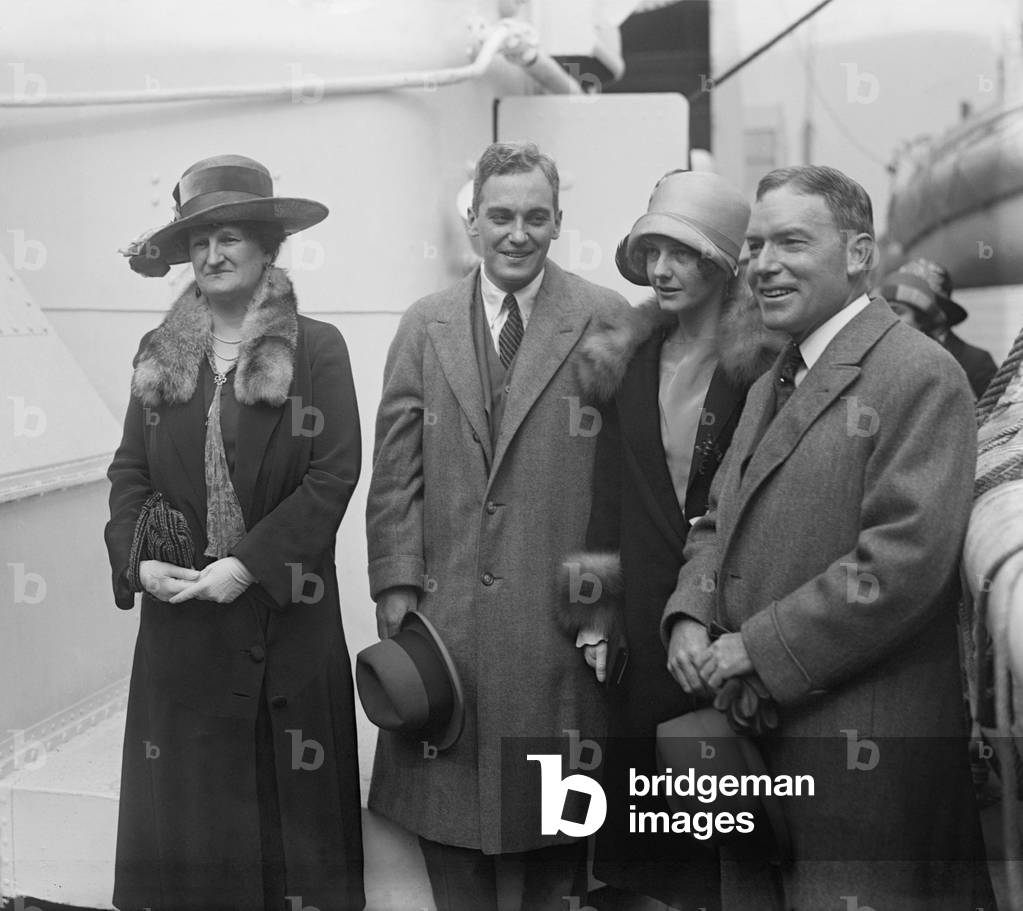
John D. Rockefeller Jr. with Abby and their daughter and her husband, c. 1925 (photo)

EVB2934084: John D. Rockefeller Jr. with Abby and their daughter and her husband, c. 1925 (photo) / Bridgeman Images
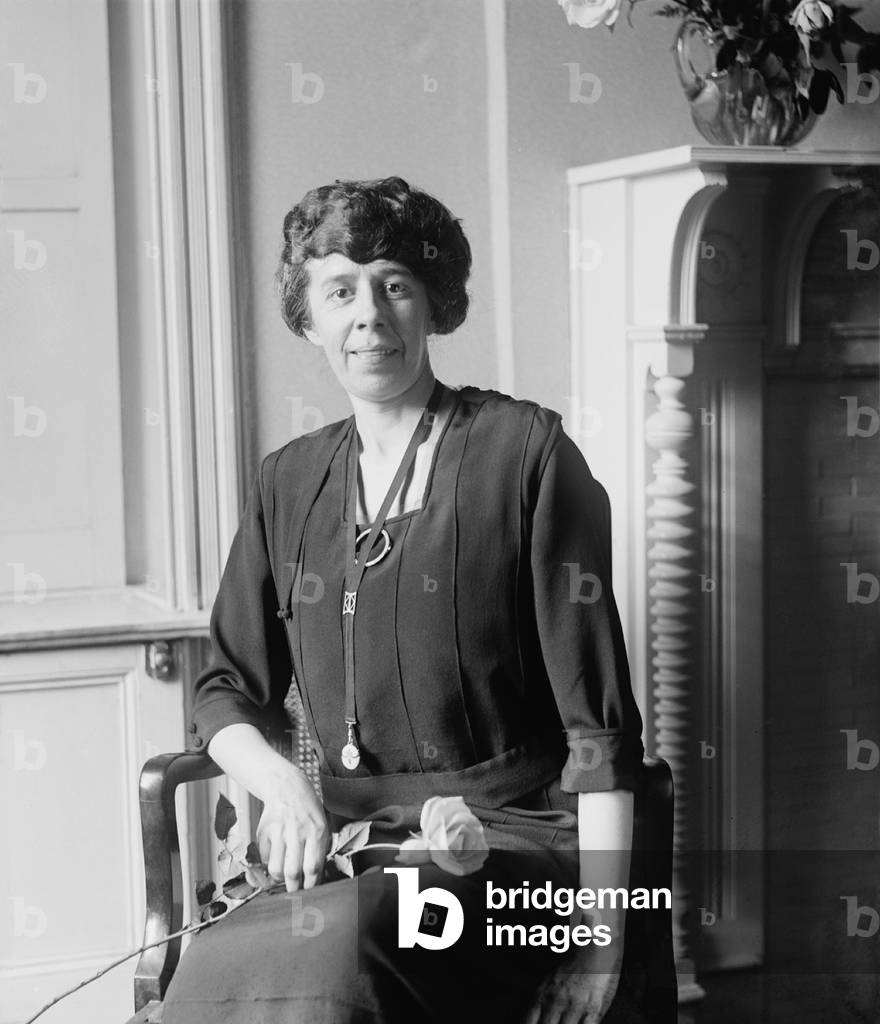
Mrs. Will Hayes, wife of Republican politician and President of Motion Picture Producers and Distributors of Americ. 1921

EVB2934029: Mrs. Will Hayes, wife of Republican politician and President of Motion Picture Producers and Distributors of Americ. 1921 / Bridgeman Images

Oliver Wendel Holmes Jr. (1841-1935), served on the U.S. Supreme Court from 1902-1932. He brought his great knowledge as a legal historian to the Court deliberations. Portrait c. 1930

EVB2934108: Oliver Wendel Holmes Jr. (1841-1935), served on the U.S. Supreme Court from 1902-1932. He brought his great knowledge as a legal historian to the Court deliberations. Portrait c. 1930 / Bridgeman Images

Harry M. Daugherty (1860-1941 ), Attorney General under Warren G. Harding, 1920

EVB2934025: Harry M. Daugherty (1860-1941 ), Attorney General under Warren G. Harding, 1920 / Bridgeman Images
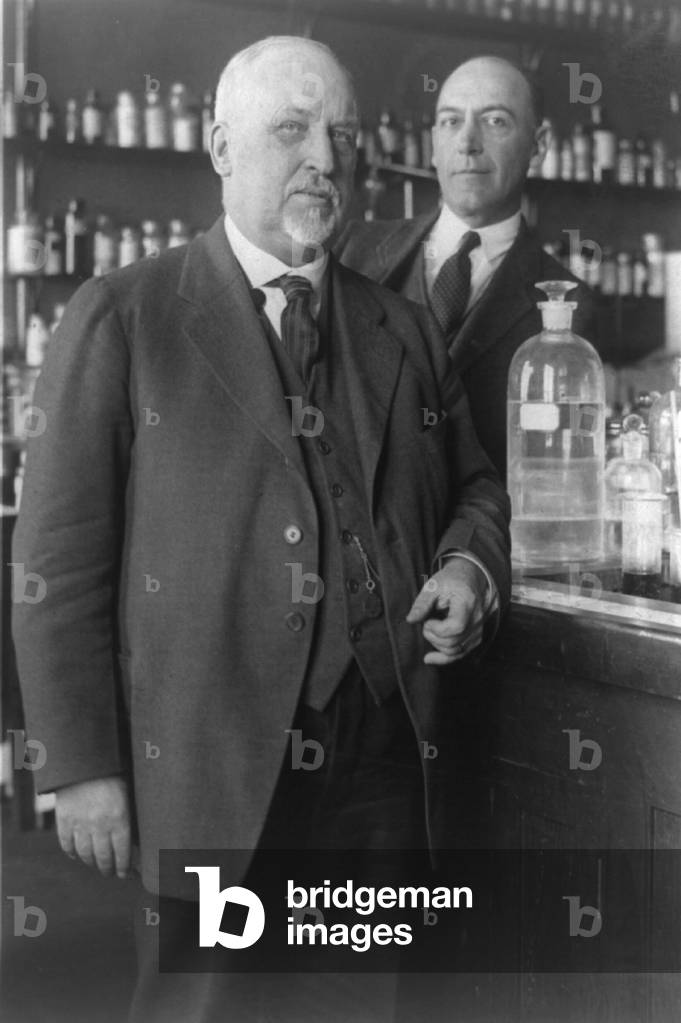
Edwin F. Ladd (1859-1925), Senator from North Dakota. When he replaced the partisan Sen. Lenroot on the Teapot Dome committee in 1924, Will Hays pressed him to favor Republican Party and end the investigations. 1923 portrait of Ladd as Chief of the Bureau of Chemistry

EVB2934053: Edwin F. Ladd (1859-1925), Senator from North Dakota. When he replaced the partisan Sen. Lenroot on the Teapot Dome committee in 1924, Will Hays pressed him to favor Republican Party and end the investigations. 1923 portrait of Ladd as Chief of the Bureau of Chemistry / Bridgeman Images
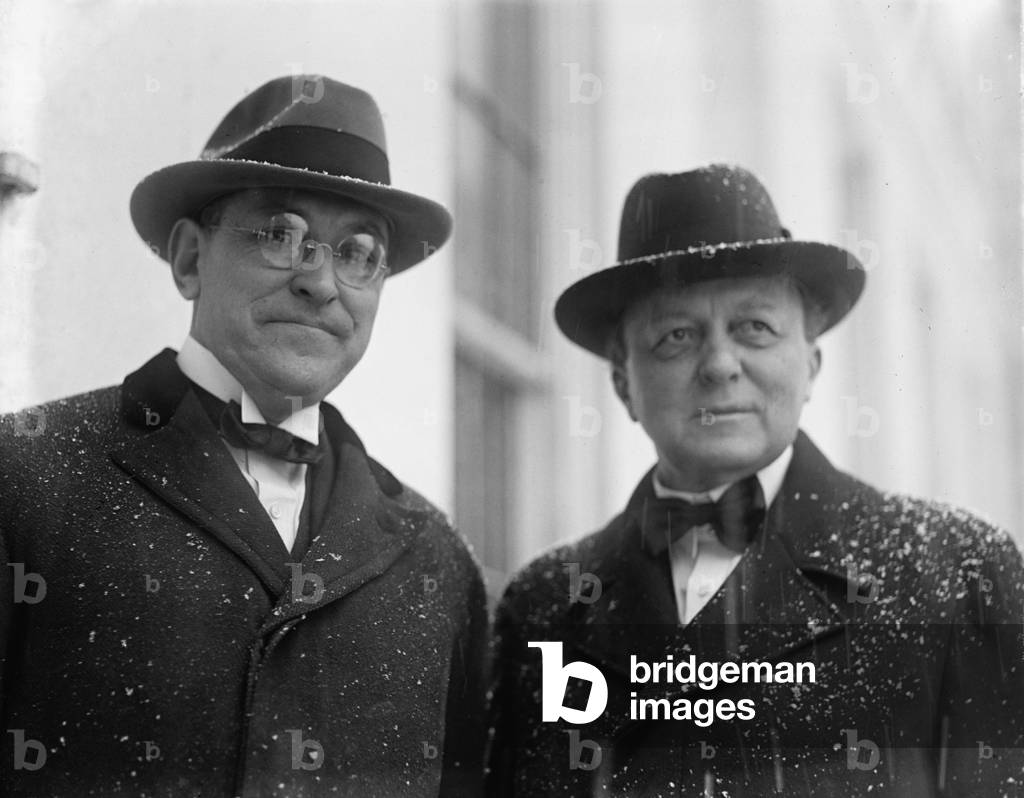
Owen J. Roberts (1875-1955) and Atlee Pomerene (1863-1937) were appointed as special prosecutors for the Teapot Dome scandals by president Calvin Coolidge in 1924

EVB2934058: Owen J. Roberts (1875-1955) and Atlee Pomerene (1863-1937) were appointed as special prosecutors for the Teapot Dome scandals by president Calvin Coolidge in 1924 / Bridgeman Images
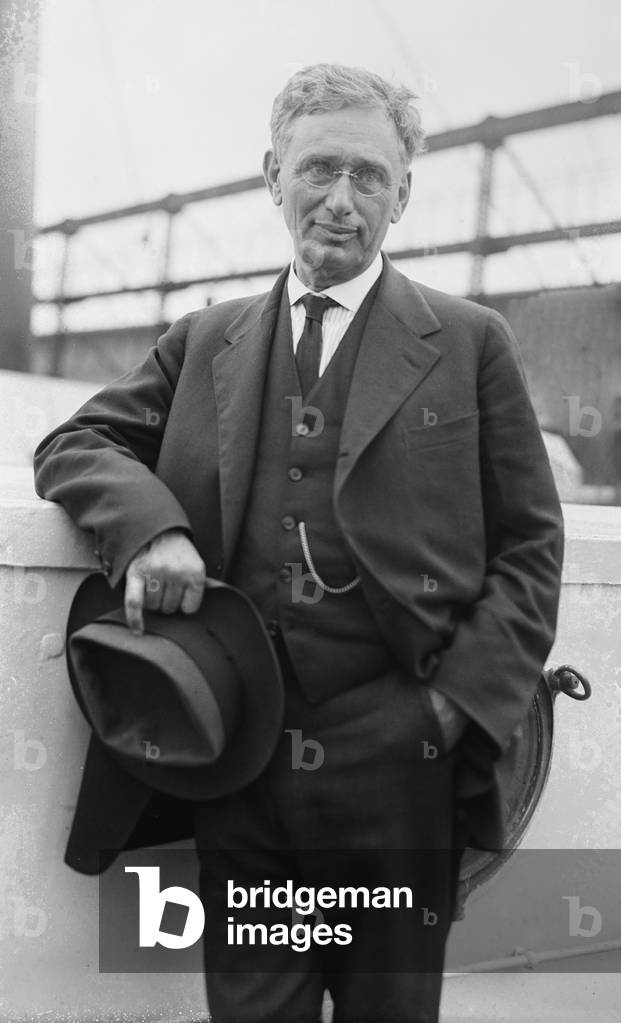
Louis Brandeis (1856-1941), Supreme Court Justice from 1916-1941, on an ocean liner in New York. c. 1925

EVB2934101: Louis Brandeis (1856-1941), Supreme Court Justice from 1916-1941, on an ocean liner in New York. c. 1925 / Bridgeman Images
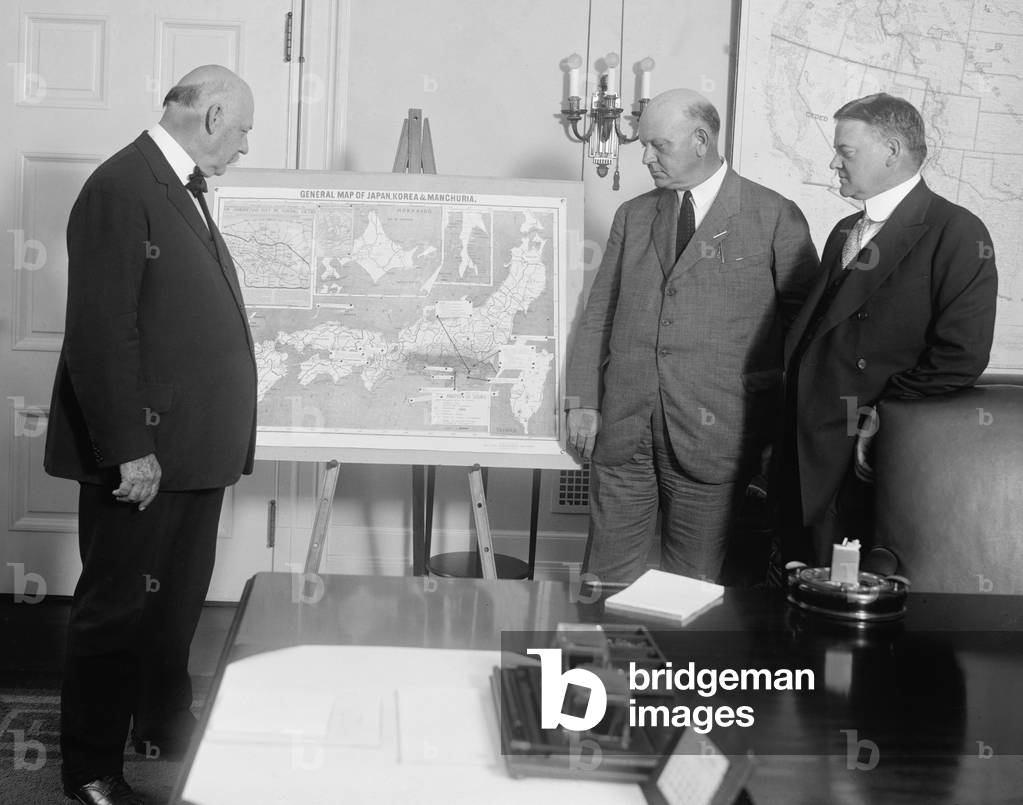
Sec. of War, John Weeks, Sec. of Navy, Edwin Denby, and Sec. of Commerce, Herbert Hoover, study a map of Japan, Korea, and Manchuria. In the early 1920's military strategists were already anticipating future conflict with Japan. Sept. 7, 1923

EVB2934073: Sec. of War, John Weeks, Sec. of Navy, Edwin Denby, and Sec. of Commerce, Herbert Hoover, study a map of Japan, Korea, and Manchuria. In the early 1920's military strategists were already anticipating future conflict with Japan. Sept. 7, 1923 / Bridgeman Images
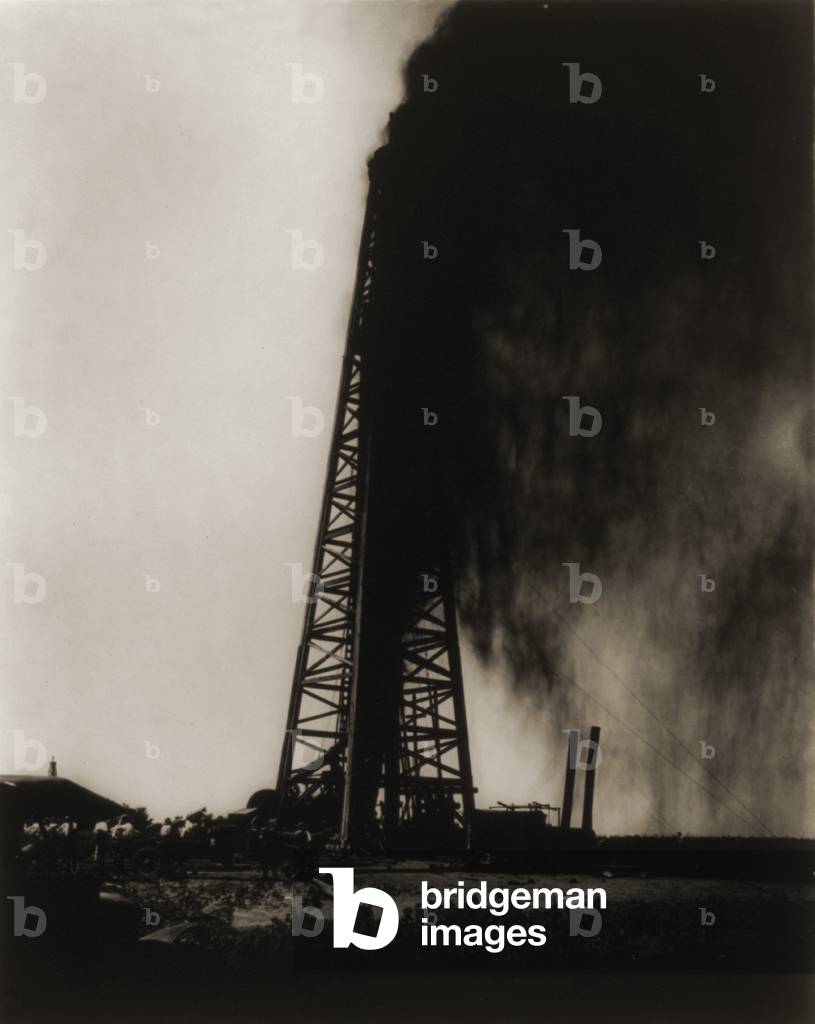
Seay-Carnfill gusher, Richland, Texas, photographer on September 5, 1922

EVB2934122: Seay-Carnfill gusher, Richland, Texas, photographer on September 5, 1922 / Bridgeman Images
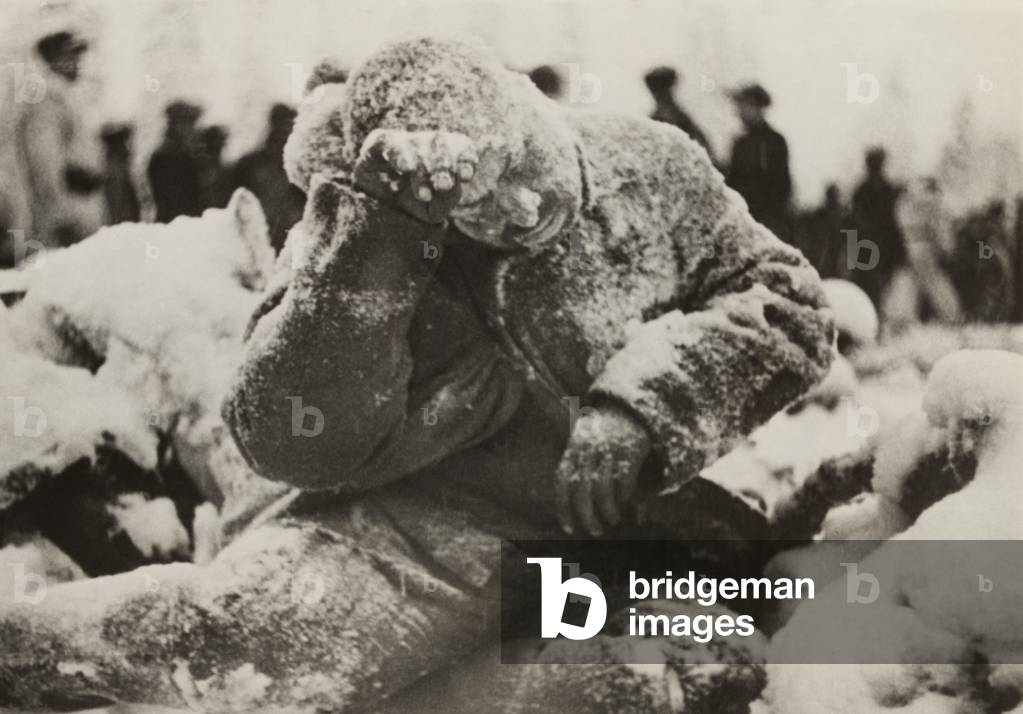
Dead Russian soldier sitting, covered with a dusting of snow, a casualty of the Battle of Suomussalmi, during the Russo-Finnish War of 1939-40

EVB2936250: Dead Russian soldier sitting, covered with a dusting of snow, a casualty of the Battle of Suomussalmi, during the Russo-Finnish War of 1939-40 / Bridgeman Images
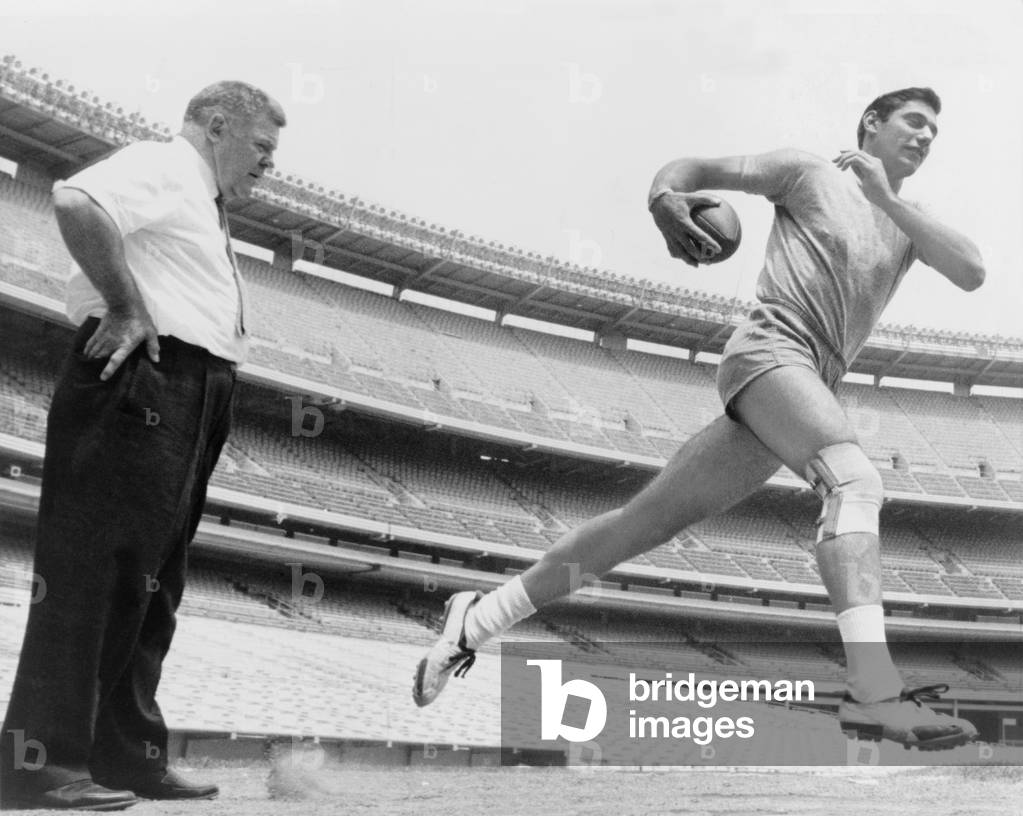
Joe Namath (b. 1943), quarterback with the New York Jets, running during light workout to test his injured knee, as coach Weeb Eubank observes. After his football career, Namath had knee replacement surgery. 1965

EVB2936295: Joe Namath (b. 1943), quarterback with the New York Jets, running during light workout to test his injured knee, as coach Weeb Eubank observes. After his football career, Namath had knee replacement surgery. 1965 / Bridgeman Images
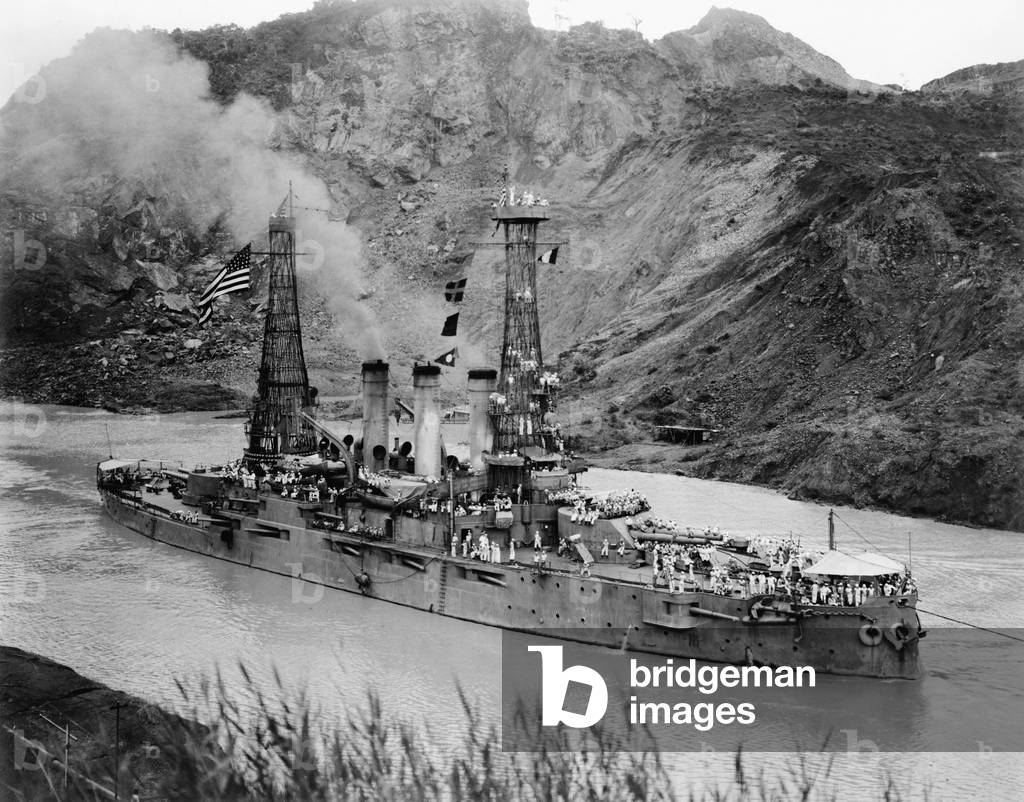
U.S.S. Ohio passing through the Panama Canal on July 16, 1915. The ship is passing the Cucaracha Slide, in the Culebra Cut, the eight mile long gorge carved through the continental divide

EVB2936334: U.S.S. Ohio passing through the Panama Canal on July 16, 1915. The ship is passing the Cucaracha Slide, in the Culebra Cut, the eight mile long gorge carved through the continental divide / Bridgeman Images
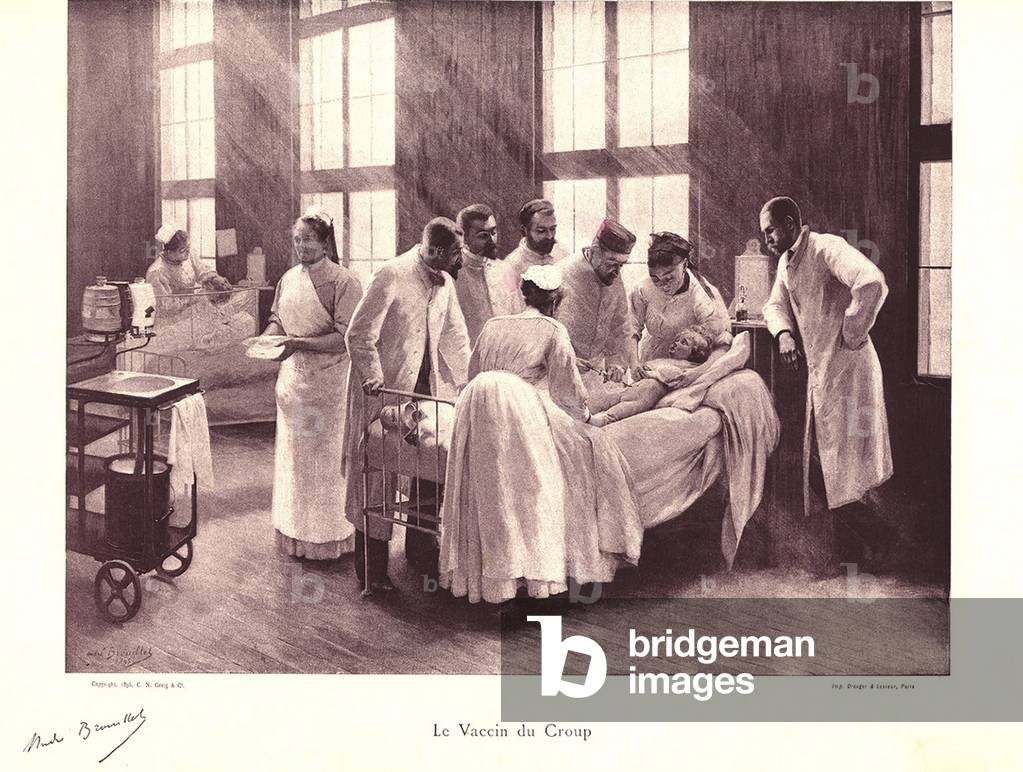
Croup vaccination. Doctor administers a croup vaccination into the abdomen of little girl as a group of doctors and nurses observe

EVB2936376: Croup vaccination. Doctor administers a croup vaccination into the abdomen of little girl as a group of doctors and nurses observe / Bridgeman Images
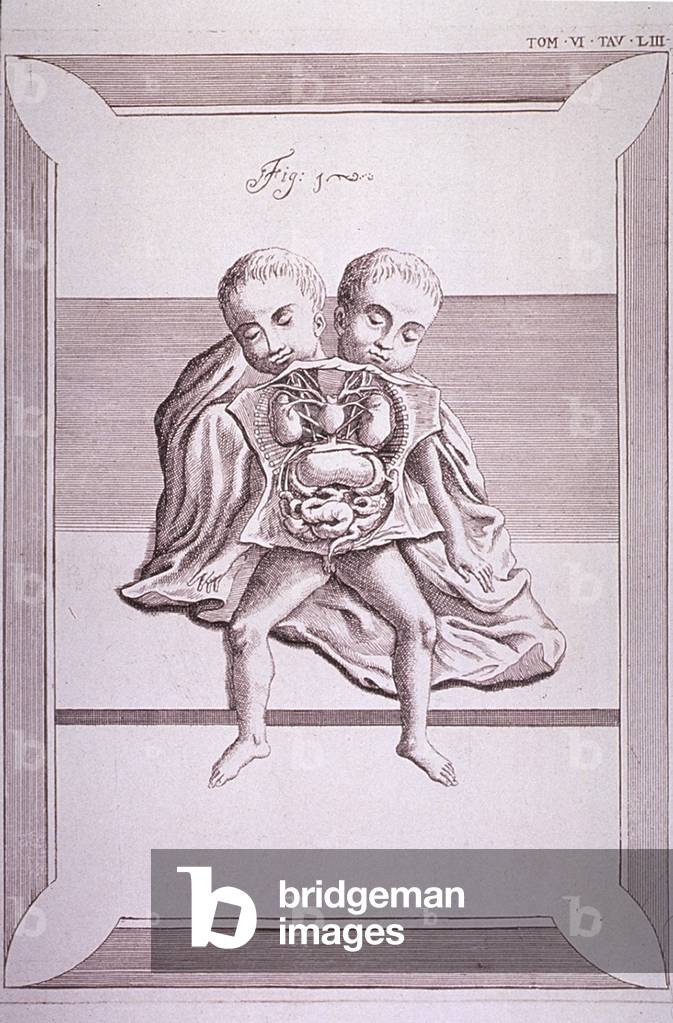
Conjoined twins with common torso and limbs, and the two heads. The abdomen and chest cavities are dissected open to show the organs. 18th century Italian engraving

EVB2936382: Conjoined twins with common torso and limbs, and the two heads. The abdomen and chest cavities are dissected open to show the organs. 18th century Italian engraving / Bridgeman Images

Newborns in the a nursery of Provident Hospital in Chicago, Illinois. 1942

EVB2936421: Newborns in the a nursery of Provident Hospital in Chicago, Illinois. 1942, Delano, Jack (1914-97) / Bridgeman Images
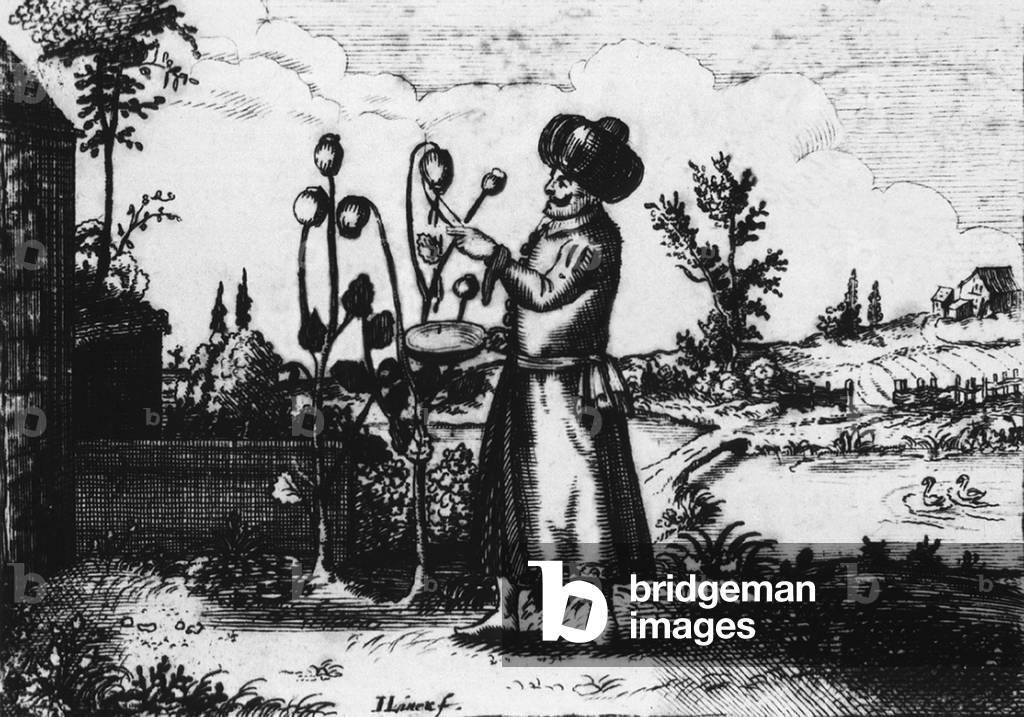
A man in Turkish dress slashes an opium poppy bud to extract the sap from the seed capsule. Opium was introduced to Europe from Asia in the 16th century, and used as a painkiller. European engraving from the title page of OPIOLOGIA, A TREATISE CONCERNING THE NATURE, PROPERTIES, TRUE PREPARATION AND SAFE USE AND ADMINISTRATION OF OPIUM. 17th century

EVB2936430: A man in Turkish dress slashes an opium poppy bud to extract the sap from the seed capsule. Opium was introduced to Europe from Asia in the 16th century, and used as a painkiller. European engraving from the title page of OPIOLOGIA, A TREATISE CONCERNING THE NATURE, PROPERTIES, TRUE PREPARATION AND SAFE USE AND ADMINISTRATION OF OPIUM. 17th century / Bridgeman Images
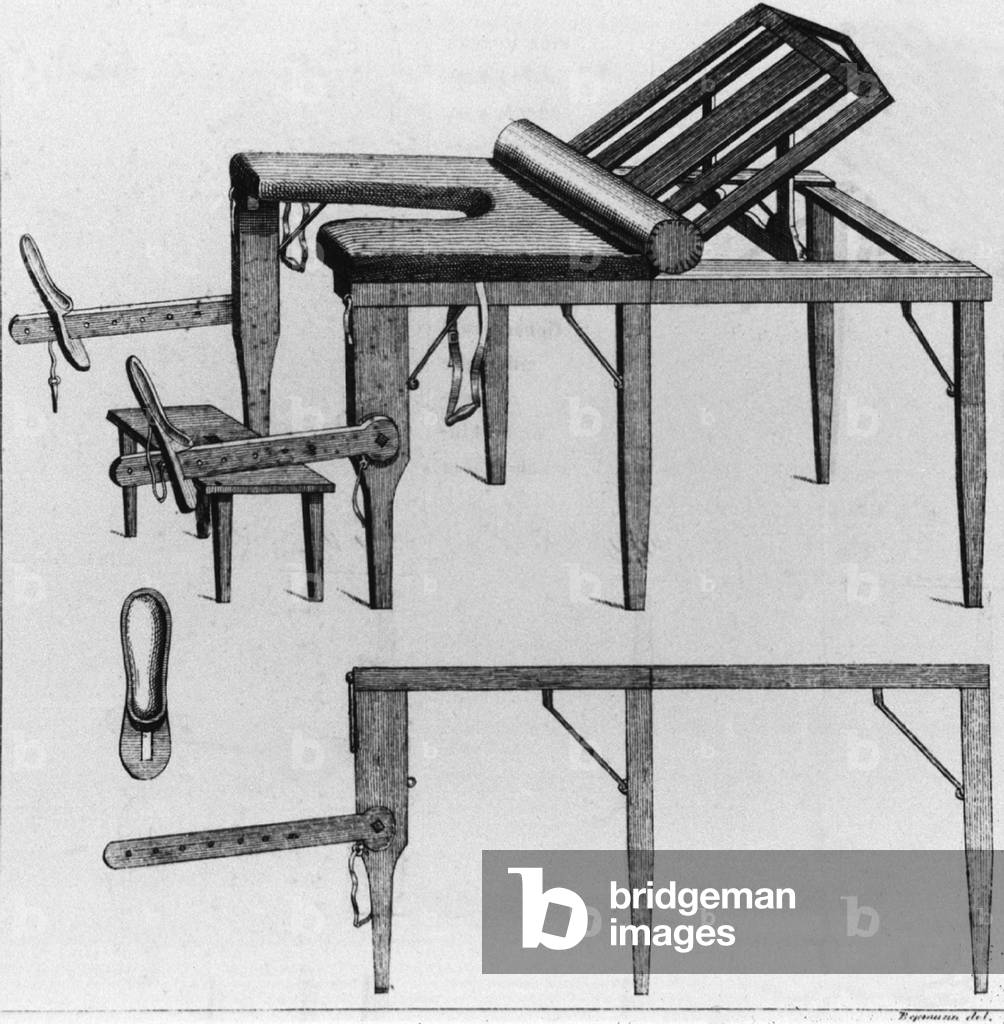
A wooden birthing table with adjustable back and leg supports, an opening in the seat, and a foot stool. Illustration in a text by German obstetrician, Friedrich Benjamin Osiander (1759–1822)

EVB2936436: A wooden birthing table with adjustable back and leg supports, an opening in the seat, and a foot stool. Illustration in a text by German obstetrician, Friedrich Benjamin Osiander (1759–1822) / Bridgeman Images

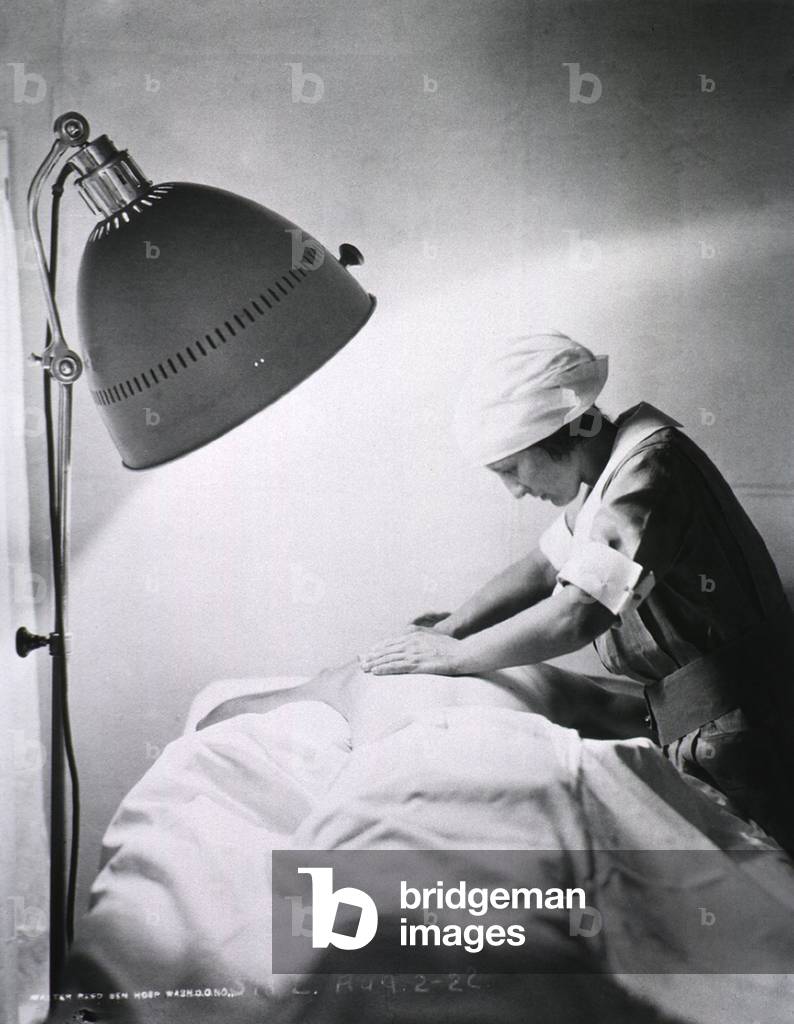
Nurse giving back rub to a patient in Walter Reed General Hospital. 1922

EVB2936478: Nurse giving back rub to a patient in Walter Reed General Hospital. 1922 / Bridgeman Images
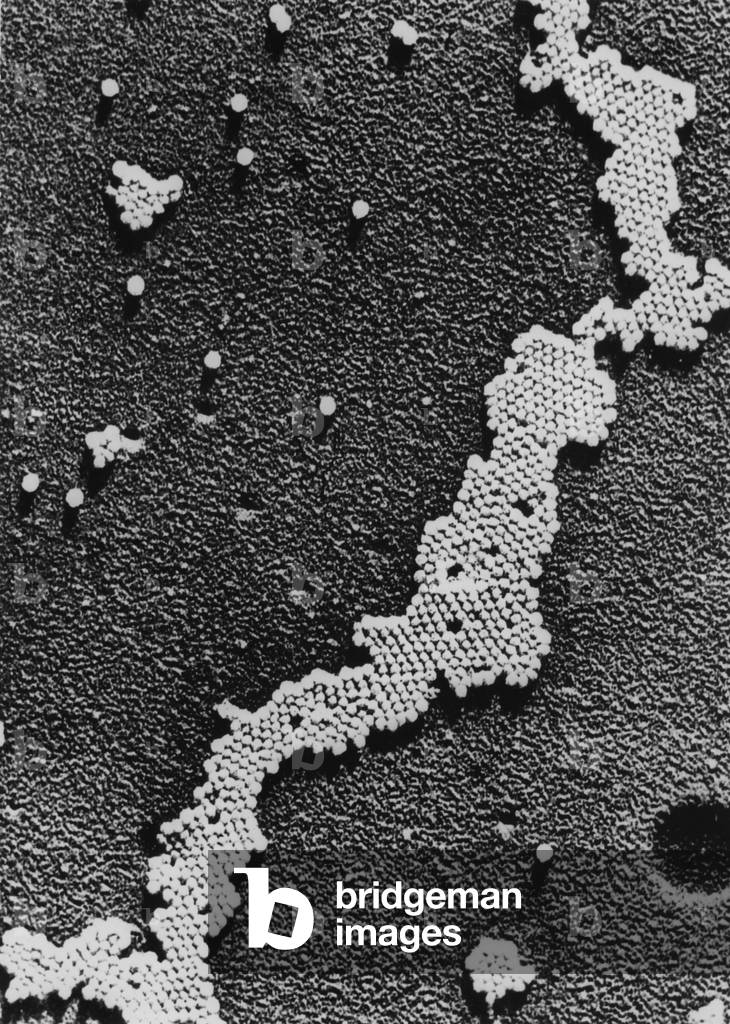
Polio (Poliomyelitis) virus, the cause of Infantile Paralysis, was discovered in 1908 by Karl Landsteiner. The vaccine for polio was developed between 1948 and 1953, when the researchers were able to grow large amounts of the virus, and Jonas Salk developed a safe killed-virus vaccine

EVB2936505: Polio (Poliomyelitis) virus, the cause of Infantile Paralysis, was discovered in 1908 by Karl Landsteiner. The vaccine for polio was developed between 1948 and 1953, when the researchers were able to grow large amounts of the virus, and Jonas Salk developed a safe killed-virus vaccine / Bridgeman Images
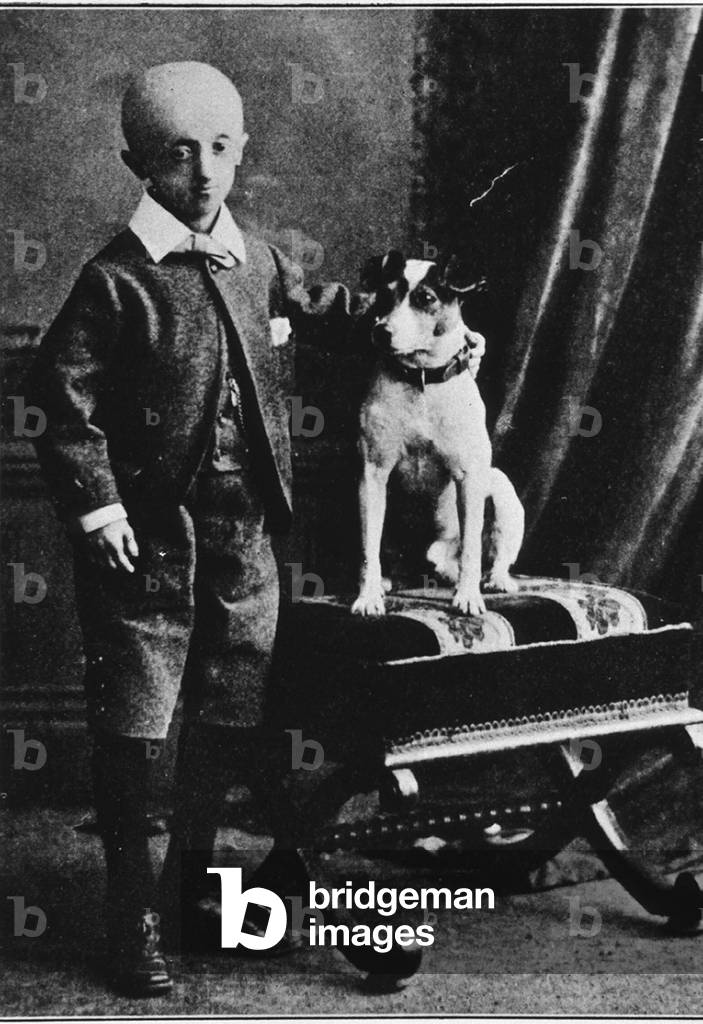
15 year old boy with Progeria, a rare children's disease that accelerates the rate of aging. The 15 year old posed with his dog in 1911

EVB2936517: 15 year old boy with Progeria, a rare children's disease that accelerates the rate of aging. The 15 year old posed with his dog in 1911 / Bridgeman Images
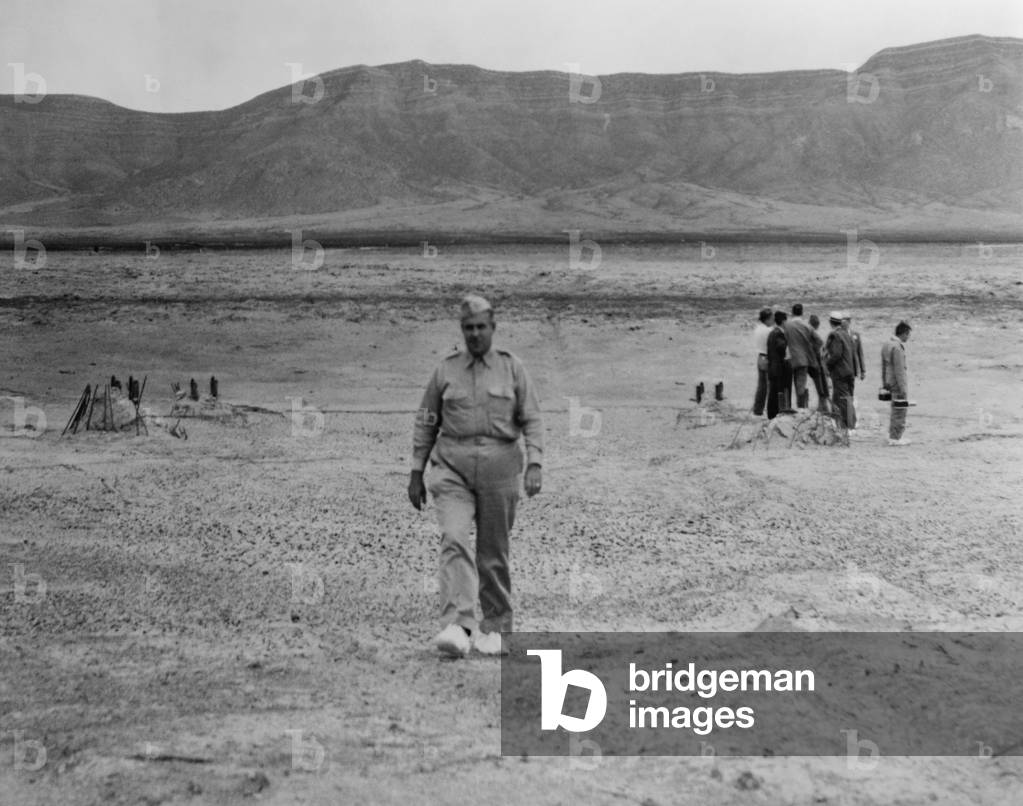
General Leslie Groves (1896-1970), walking across the site of the first atomic bomb blast site at Alamogordo, N.M. in July 1945. Groves was the military leader of the Manhattan Project to develop the Atomic Bomb. He was played by Paul Newman in the 1989 movie, FAT MAN AND LITTLE BOY

EVB2936233: General Leslie Groves (1896-1970), walking across the site of the first atomic bomb blast site at Alamogordo, N.M. in July 1945. Groves was the military leader of the Manhattan Project to develop the Atomic Bomb. He was played by Paul Newman in the 1989 movie, FAT MAN AND LITTLE BOY / Bridgeman Images
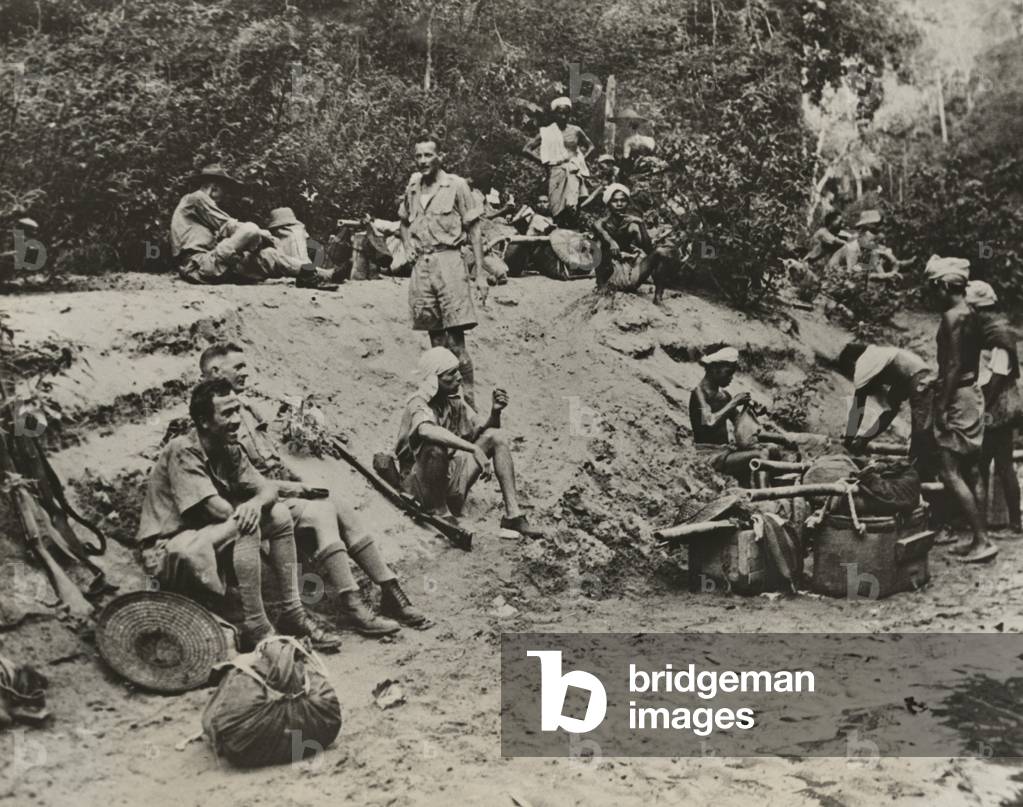
Chinese 5th and 6th armies under the command of American General Joseph 'Vinegar Joe' Stilwell, resting near the banks of Uyu river in the Burma jungle during their retreat India in the summer of 1942

EVB2936239: Chinese 5th and 6th armies under the command of American General Joseph 'Vinegar Joe' Stilwell, resting near the banks of Uyu river in the Burma jungle during their retreat India in the summer of 1942 / Bridgeman Images
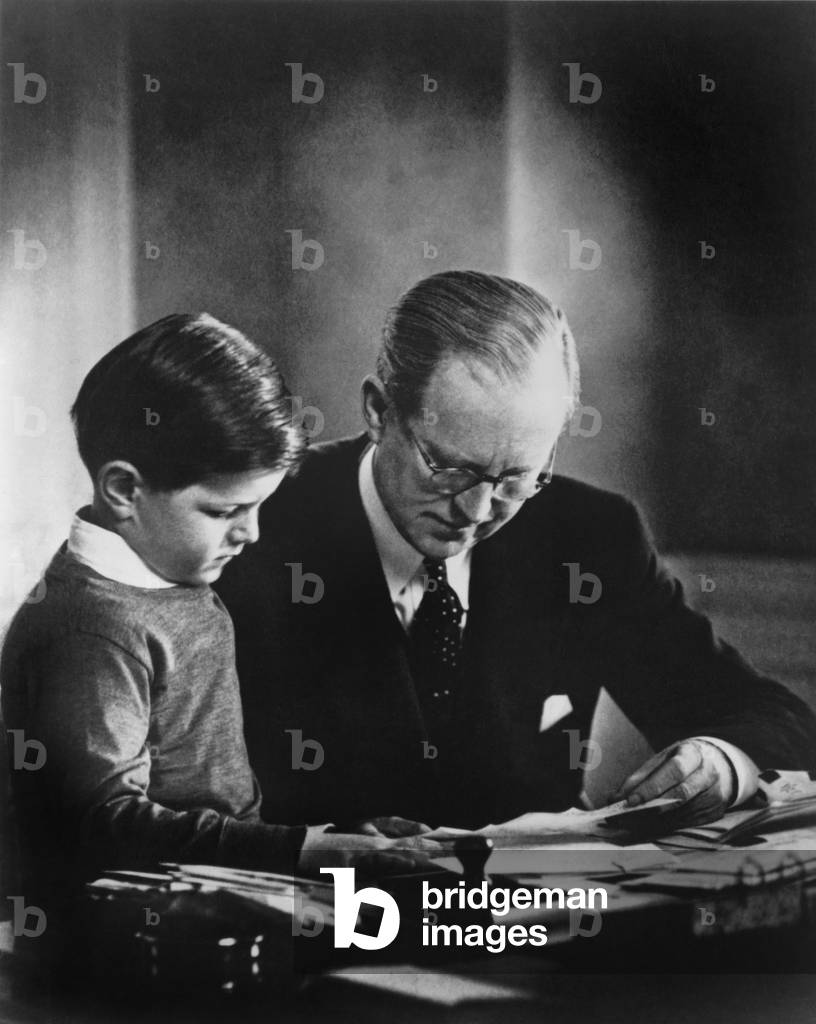
Ambassador to Great Britain, Joseph Kennedy, in his London study, helping his youngest son, Edward Kennedy, with his studies. c. 1938

EVB2936260: Ambassador to Great Britain, Joseph Kennedy, in his London study, helping his youngest son, Edward Kennedy, with his studies. c. 1938 / Bridgeman Images
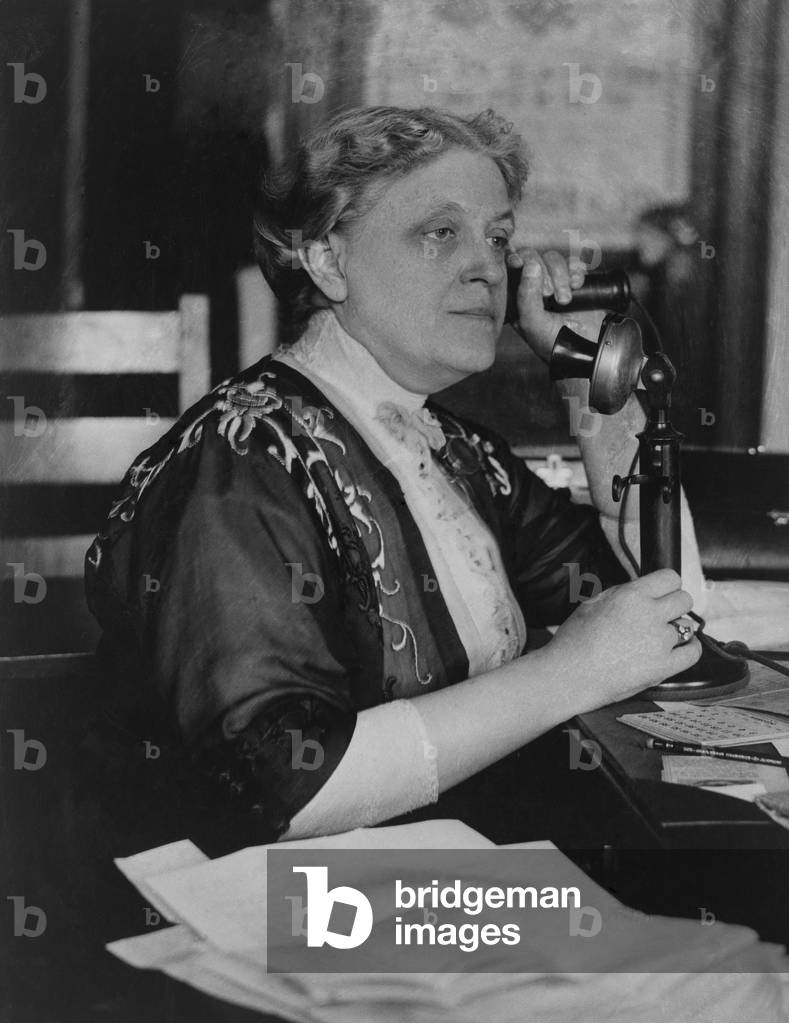
Carrie Chapman Catt, ( 1859-1947), was president of the National American Woman Suffrage Association when the Nineteenth Amendment grant women the right to vote was adopted in 1920

EVB2936281: Carrie Chapman Catt, ( 1859-1947), was president of the National American Woman Suffrage Association when the Nineteenth Amendment grant women the right to vote was adopted in 1920 / Bridgeman Images
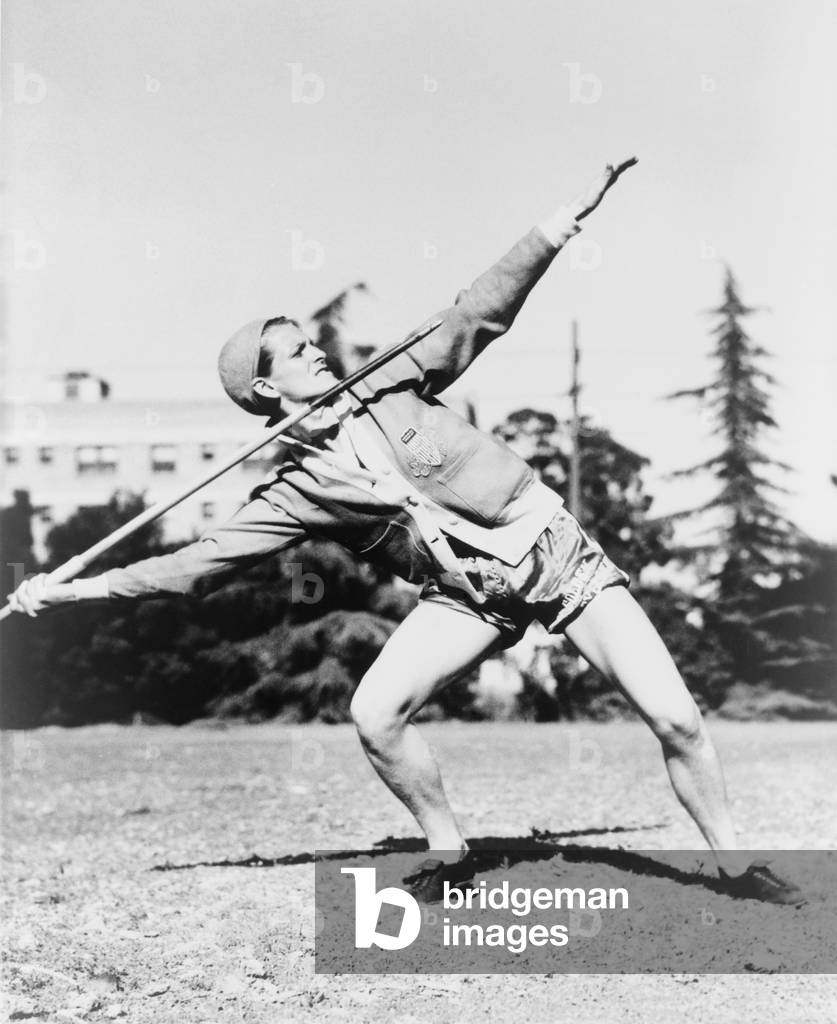
Mildred 'Babe' Didrikson, (1911-1956), winding up for javelin toss at the 1932 Olympics at Los Angeles. She won the Gold Medal for the event

EVB2936308: Mildred 'Babe' Didrikson, (1911-1956), winding up for javelin toss at the 1932 Olympics at Los Angeles. She won the Gold Medal for the event / Bridgeman Images
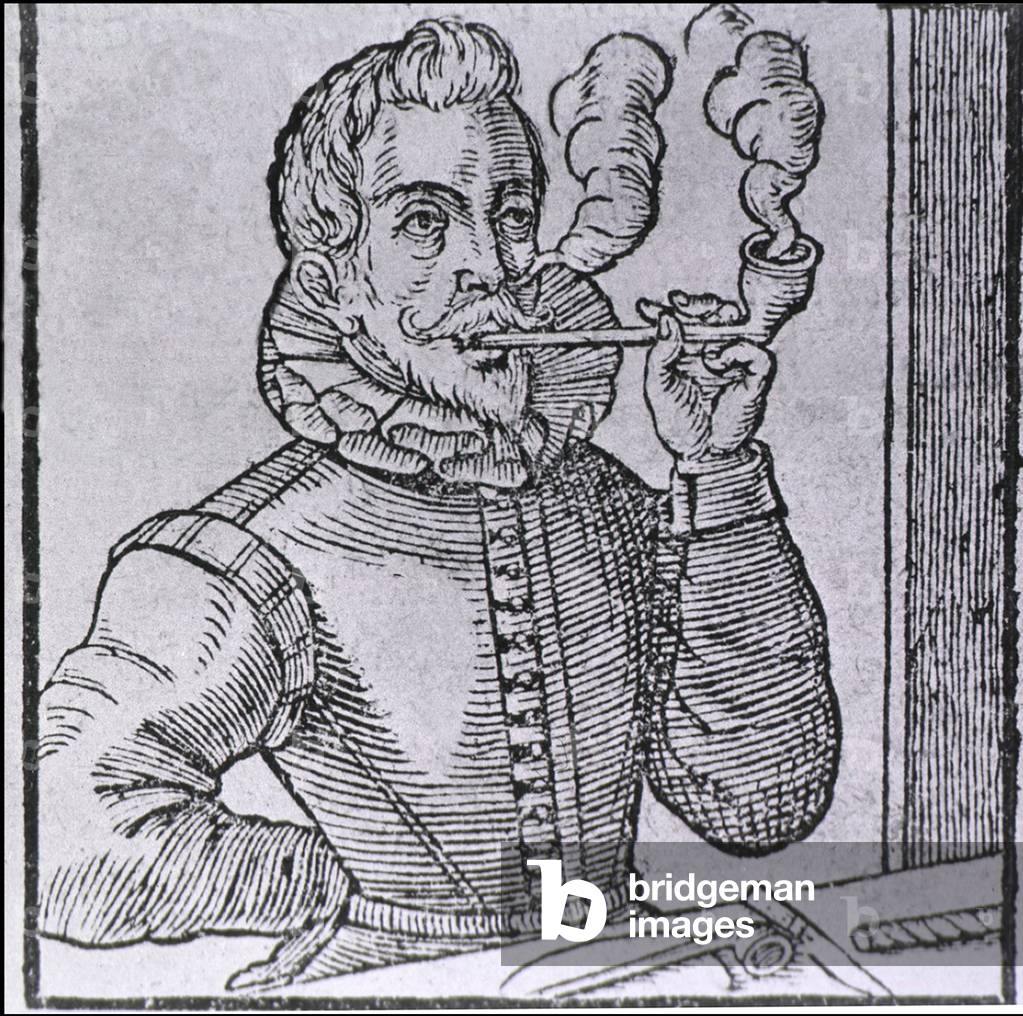
16th century Dutchman smoking a long-stemmed pipe, with another pipe and roll of tobacco on the table. Pipe smoking was introduced to Europe in the 16th century by sailors returning from the New World. 1595 wood engraving

EVB2936344: 16th century Dutchman smoking a long-stemmed pipe, with another pipe and roll of tobacco on the table. Pipe smoking was introduced to Europe in the 16th century by sailors returning from the New World. 1595 wood engraving / Bridgeman Images
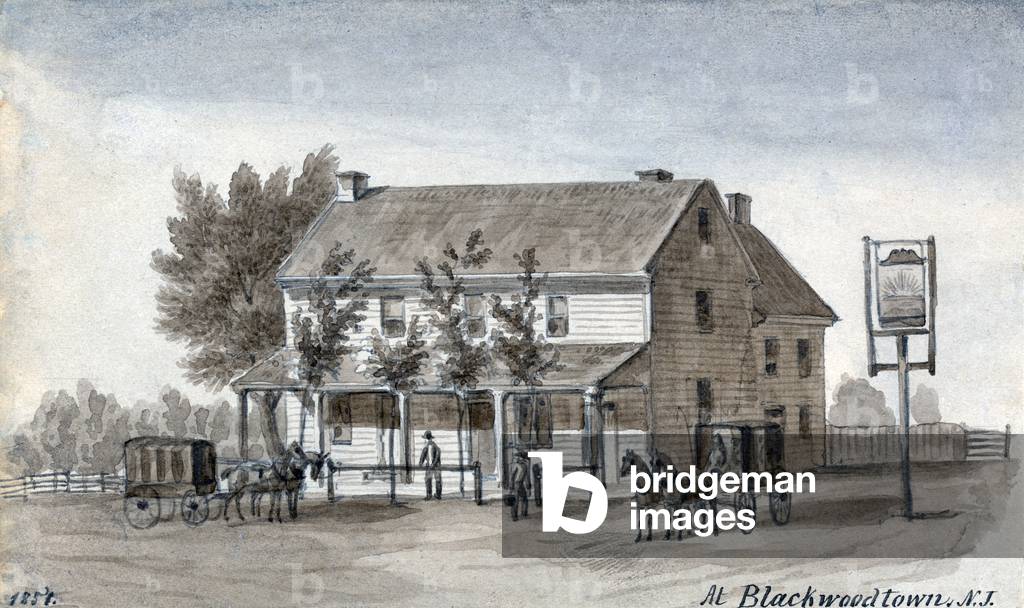
A tavern with horse-drawn carriages at Blackwoodtown, N.J. Watercolor by Augustus Kollner. 1851

EVB2936359: A tavern with horse-drawn carriages at Blackwoodtown, N.J. Watercolor by Augustus Kollner. 1851 / Bridgeman Images


Back to top