Print Friendly Version Page

2501750 Search Results

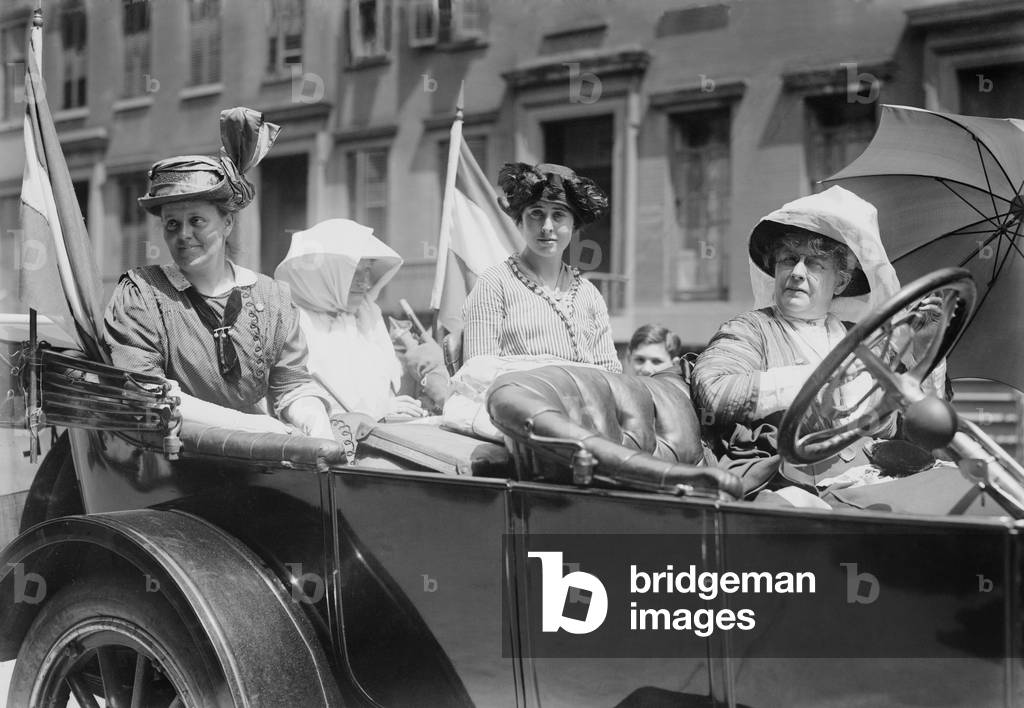
Women's suffrage leaders in an open car at a Votes for Women parade in New York City. Photo shows Susan Walker Fitzgerald, Emma Bugbee, Maggie Murphy, and Harriot Stanton Blatch. Blatch was the daughter of 19th century women's rights leader Elizabeth Cady Stanton. July 30, 1913

EVB2936952: Women's suffrage leaders in an open car at a Votes for Women parade in New York City. Photo shows Susan Walker Fitzgerald, Emma Bugbee, Maggie Murphy, and Harriot Stanton Blatch. Blatch was the daughter of 19th century women's rights leader Elizabeth Cady Stanton. July 30, 1913 / Bridgeman Images
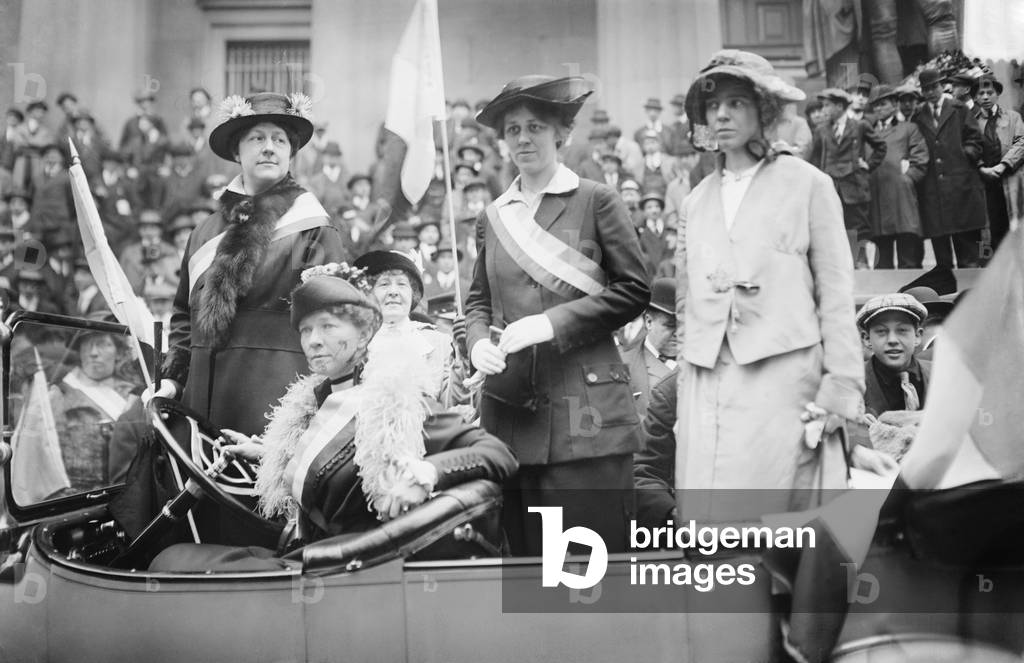
Prominent woman's suffrage advocates parade in an open car supporting the ratification of the 19th amendment granting women the right to vote in federal elections. Left to right: Mrs. W.L. Prendergast, Mrs. W.L. Colt, Doris Stevens, Alice Paul

EVB2936967: Prominent woman's suffrage advocates parade in an open car supporting the ratification of the 19th amendment granting women the right to vote in federal elections. Left to right: Mrs. W.L. Prendergast, Mrs. W.L. Colt, Doris Stevens, Alice Paul / Bridgeman Images
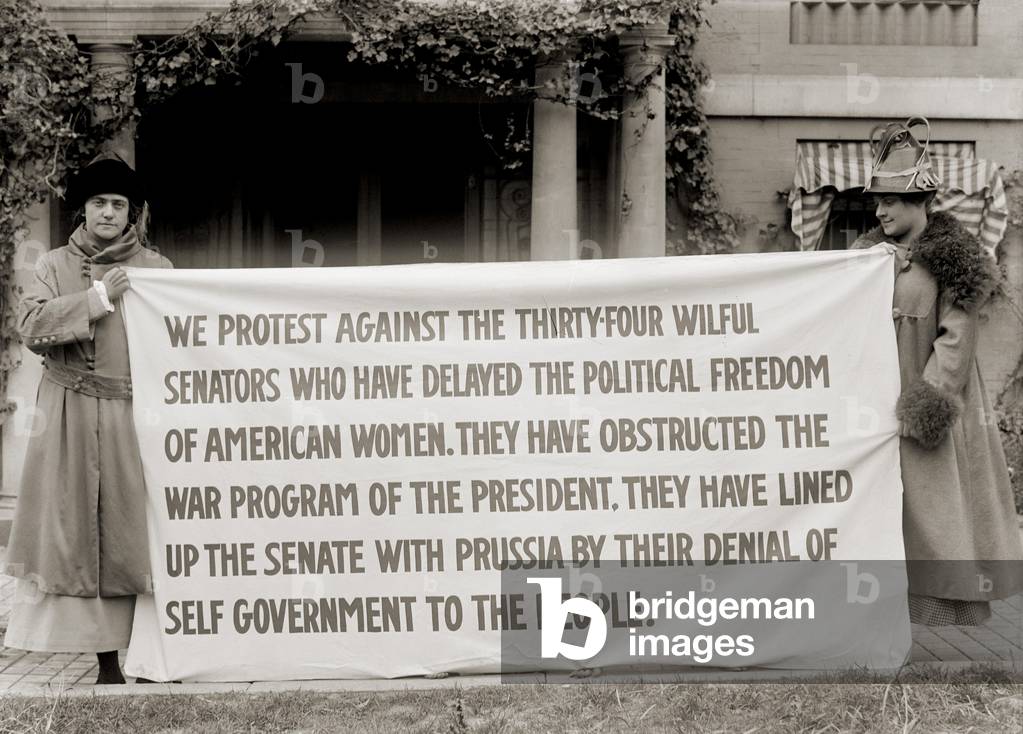
Women's suffrage activists protest the U.S. Senate's failure to pass the federal woman suffrage amendment in 1918. In January 1918, after President Wilson finally declared his support, the House of Representatives, unlike the Senate, passed the amendment by two-thirds majority

EVB2936997: Women's suffrage activists protest the U.S. Senate's failure to pass the federal woman suffrage amendment in 1918. In January 1918, after President Wilson finally declared his support, the House of Representatives, unlike the Senate, passed the amendment by two-thirds majority / Bridgeman Images
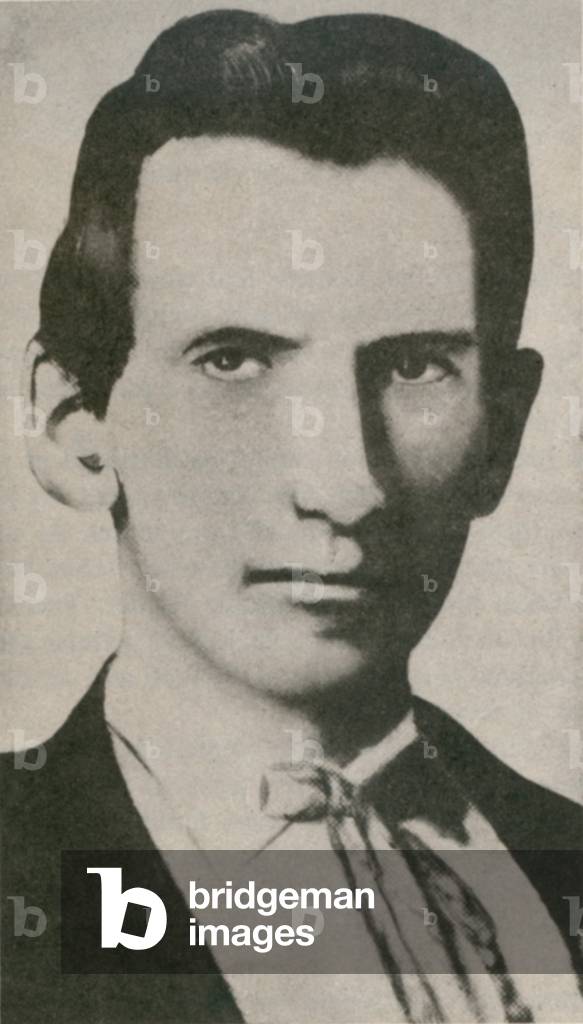
Frank James (1843-1915), was the outlaw partner and older brother of Jesse James. After Jesse's death in 1882, Frank surrendered to Missouri's governor and after bargaining to be tried for only two robberies. He was acquitted in both and lived peacefully to age 72

EVB2937024: Frank James (1843-1915), was the outlaw partner and older brother of Jesse James. After Jesse's death in 1882, Frank surrendered to Missouri's governor and after bargaining to be tried for only two robberies. He was acquitted in both and lived peacefully to age 72, American Photographer, (19th century) / Bridgeman Images
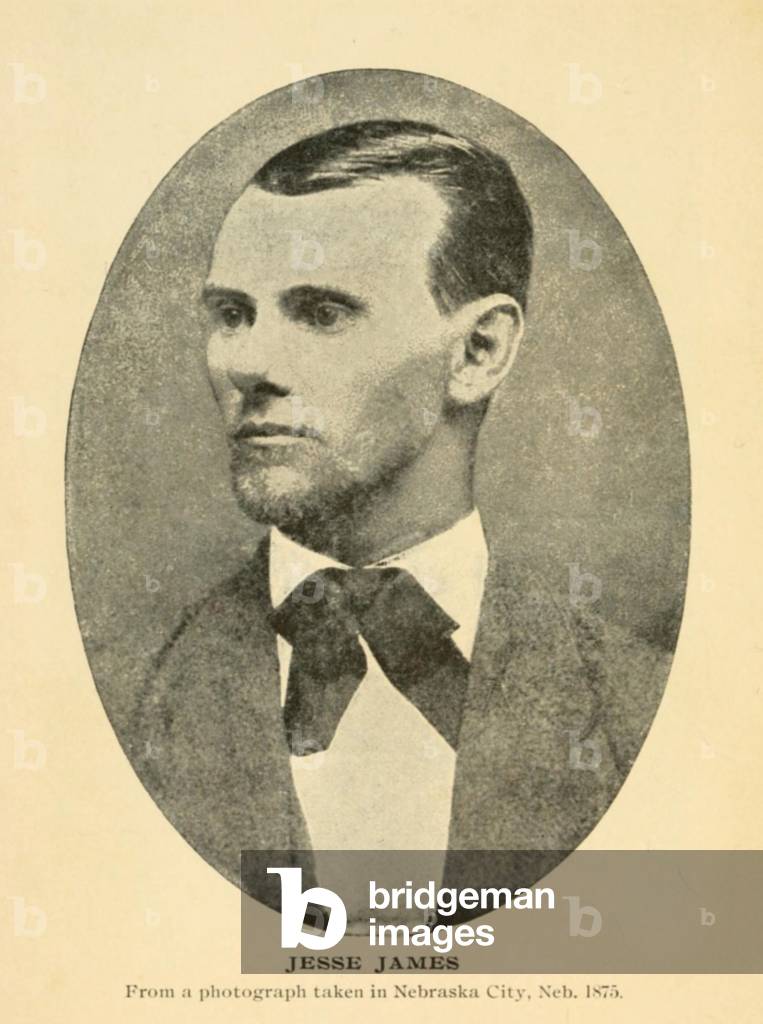
Jesse James (1847-1882)

EVB2937033: Jesse James (1847-1882) / Bridgeman Images
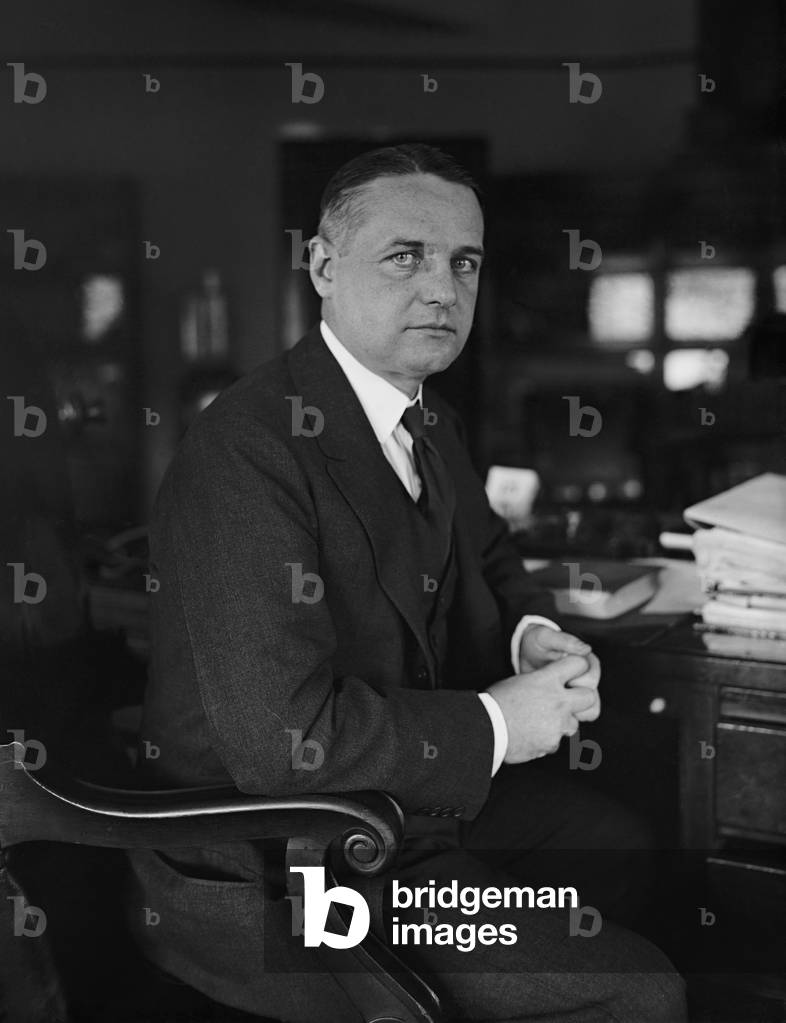
William 'Wild Bill' Donovan (1883-1959), as an Assistant Attorney General under A. Mitchell Palmer. He developed his 'spying' portfolio in the 1920s and 1930s, a lead the OSS (Office of Strategic Services) during the Second World War

EVB2937048: William 'Wild Bill' Donovan (1883-1959), as an Assistant Attorney General under A. Mitchell Palmer. He developed his 'spying' portfolio in the 1920s and 1930s, a lead the OSS (Office of Strategic Services) during the Second World War / Bridgeman Images

African American children learning about Thanksgiving, with model log cabin on table, Whittier Primary School, Hampton, Virginia. The Whittier School was established during Reconstruction to provide primary education for black and Indian children. c. 1899

EVB2934699: African American children learning about Thanksgiving, with model log cabin on table, Whittier Primary School, Hampton, Virginia. The Whittier School was established during Reconstruction to provide primary education for black and Indian children. c. 1899 / Bridgeman Images

Sign of an experimentation station in Louisiana reads 'University of Louisiana and the Department of Agriculture, Cooperating.' New Deal farm programs continued under different names, with modified programs, throughout the 20th century, often in alliances with public universities. October 1938 photo by Russell Lee

EVB2934862: Sign of an experimentation station in Louisiana reads 'University of Louisiana and the Department of Agriculture, Cooperating.' New Deal farm programs continued under different names, with modified programs, throughout the 20th century, often in alliances with public universities. October 1938 photo by Russell Lee, Russell, Lee (1903-86) / Bridgeman Images

For badly housed city workers & farmers the Resettlement Administration is Building Homes, 1933 (poster)

EVB2934867: For badly housed city workers & farmers the Resettlement Administration is Building Homes, 1933 (poster) / Bridgeman Images
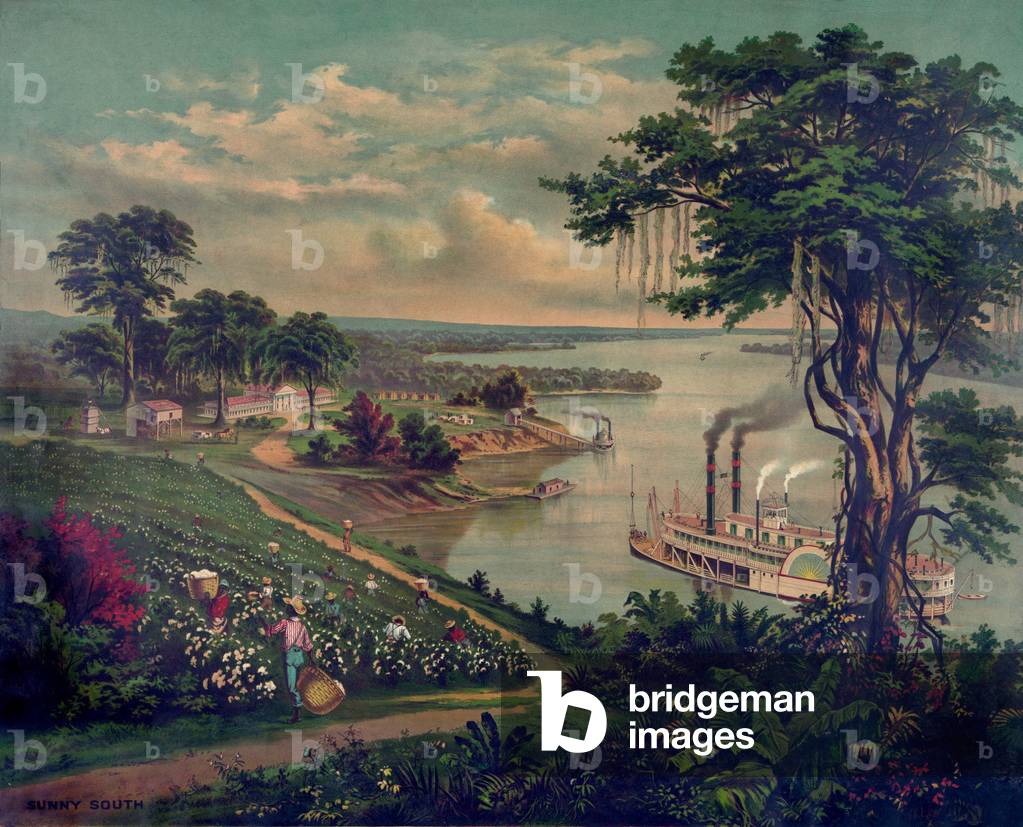
Idealized view of a plantation in the 'Sunny South', with African Americans picking cotton. The plantation has a cotton gin and packing building, owners mansion, workers' cabins, and a dock for loading cotton on river boats. 1883

EVB2935001: Idealized view of a plantation in the 'Sunny South', with African Americans picking cotton. The plantation has a cotton gin and packing building, owners mansion, workers' cabins, and a dock for loading cotton on river boats. 1883 / Bridgeman Images
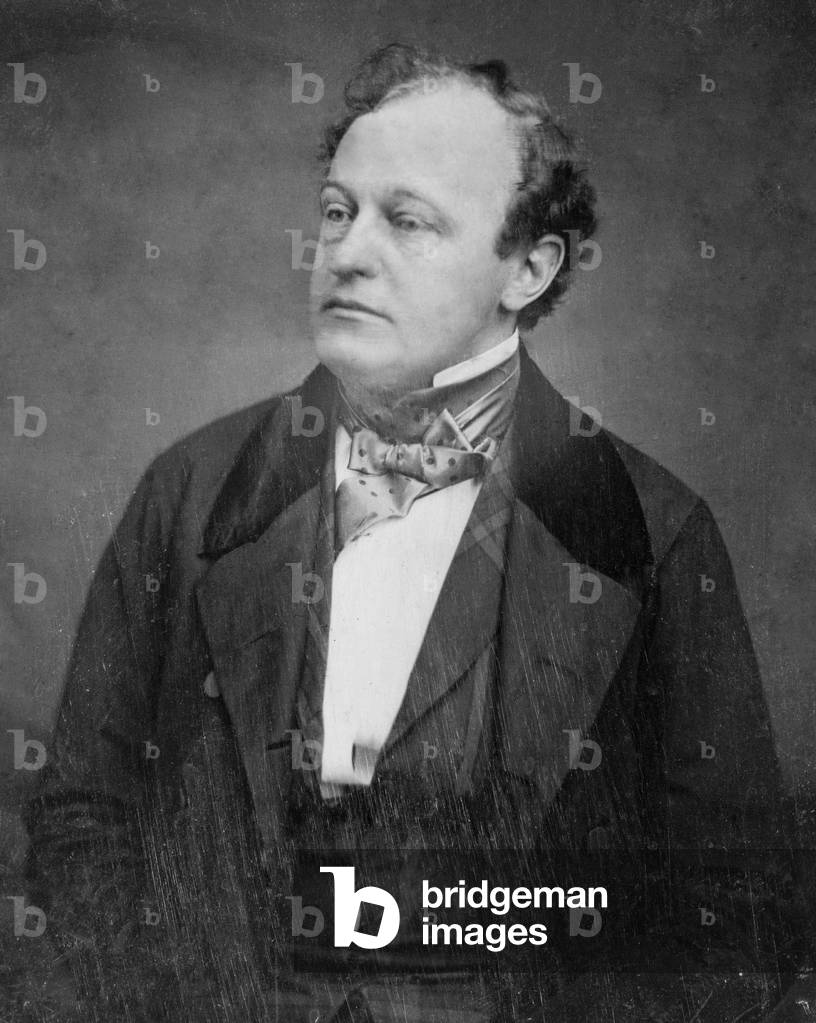
John Van Buren (1810-1866) the second of Martin Van Buren's four sons, was a lawyer who allowed his career to be distracted by drinking, gambling, and women. Mathew Brady daguerreotype, c. 1850

EVB2935127: John Van Buren (1810-1866) the second of Martin Van Buren's four sons, was a lawyer who allowed his career to be distracted by drinking, gambling, and women. Mathew Brady daguerreotype, c. 1850 / Bridgeman Images
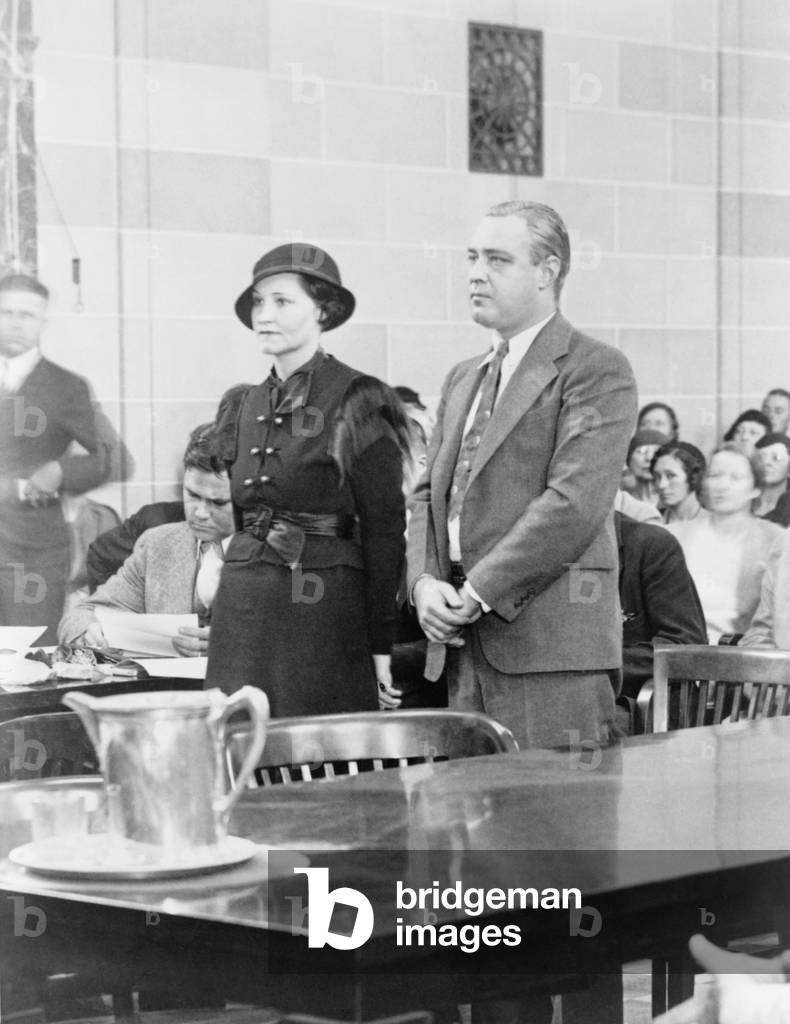
George 'Machine Gun' Kelly (1897-1954), and wife, Kathryn, in court on October 13, 1933 receiving life sentences for the kidnapping of Charles F. Urschel. Kelly would die in prison in 1954. Kathryn was released from prison in 1958

EVB2935196: George 'Machine Gun' Kelly (1897-1954), and wife, Kathryn, in court on October 13, 1933 receiving life sentences for the kidnapping of Charles F. Urschel. Kelly would die in prison in 1954. Kathryn was released from prison in 1958 / Bridgeman Images
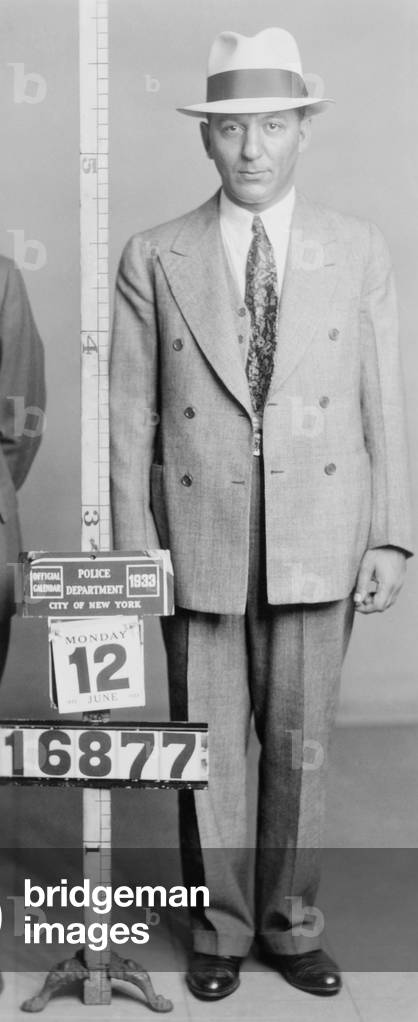
Louis 'Lepke' Buchalter (1897-1944) in New York City police mugshot of August 1939. Captured by the FBI, he was convicted of narcotics conspiracy and sentenced to 14 years in federal prison

EVB2935211: Louis 'Lepke' Buchalter (1897-1944) in New York City police mugshot of August 1939. Captured by the FBI, he was convicted of narcotics conspiracy and sentenced to 14 years in federal prison / Bridgeman Images
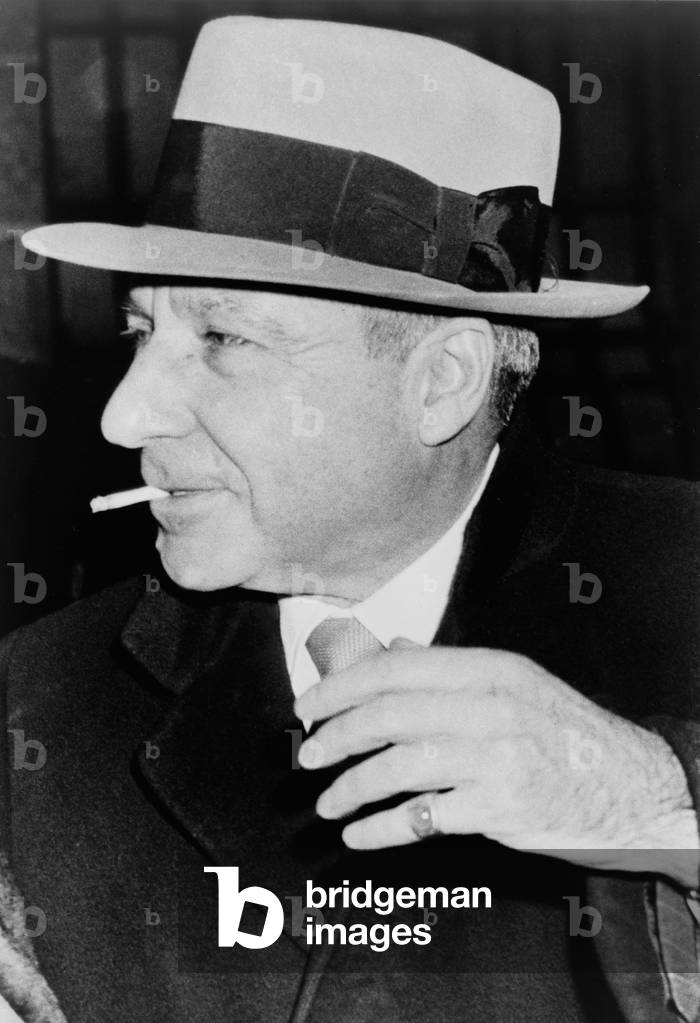
Meyer Lansky (1902-1983), reached the executive level in the mob and managed to avoid prison throughout his life. Lansky was portrayed by Lee Strasberg in character based on him in GODFATHER II; by Dustin Hoffman in THE LOST CITY in 2005; and by Ben Kingsley in BUGSY, 1991

EVB2935220: Meyer Lansky (1902-1983), reached the executive level in the mob and managed to avoid prison throughout his life. Lansky was portrayed by Lee Strasberg in character based on him in GODFATHER II; by Dustin Hoffman in THE LOST CITY in 2005; and by Ben Kingsley in BUGSY, 1991 / Bridgeman Images
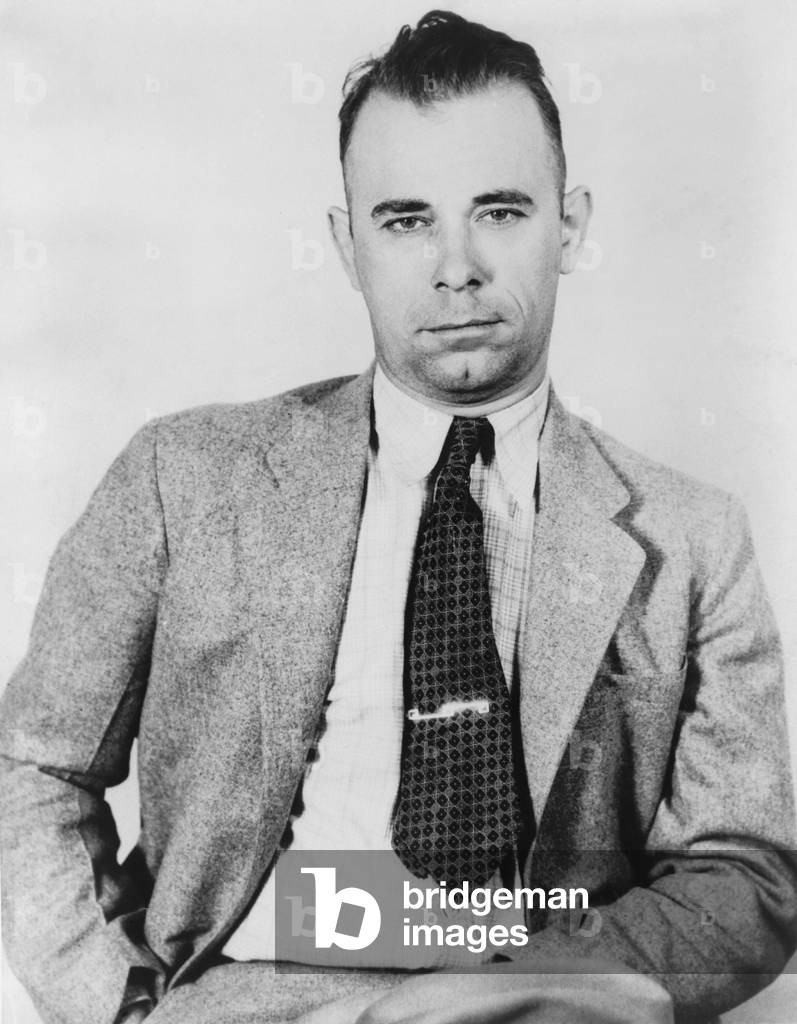
John Dillinger (1903-1934), famous bank robber, in police custody in September 1933, would soon be freed by five former convict pals from the Indiana State Prison. Dillinger has been portrayed by several actors: Lawrence Tierney, 1945; Nick Adams, 1965; Ben Johnson, 1973; Richard Dreyfuss, 1973; and most recently by Johnny Depp, in PUBLIC ENEMIES, 2009

EVB2935238: John Dillinger (1903-1934), famous bank robber, in police custody in September 1933, would soon be freed by five former convict pals from the Indiana State Prison. Dillinger has been portrayed by several actors: Lawrence Tierney, 1945; Nick Adams, 1965; Ben Johnson, 1973; Richard Dreyfuss, 1973; and most recently by Johnny Depp, in PUBLIC ENEMIES, 2009 / Bridgeman Images
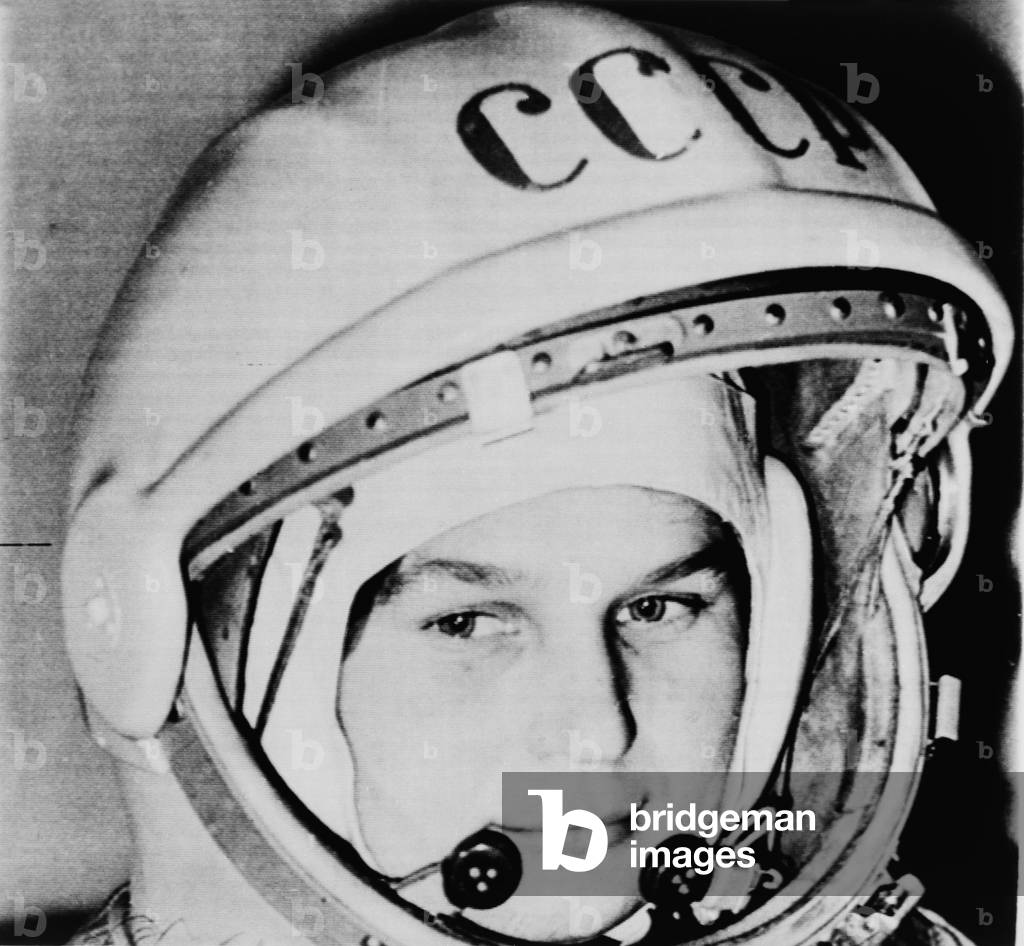
Valentina Vladimirovna (b.1937), Russian cosmonaut and the first woman in space. She was married to fellow cosmonaut, Andrian Nikolayev, from 1964-1982, and had a successful political career

EVB2935259: Valentina Vladimirovna (b.1937), Russian cosmonaut and the first woman in space. She was married to fellow cosmonaut, Andrian Nikolayev, from 1964-1982, and had a successful political career / Bridgeman Images
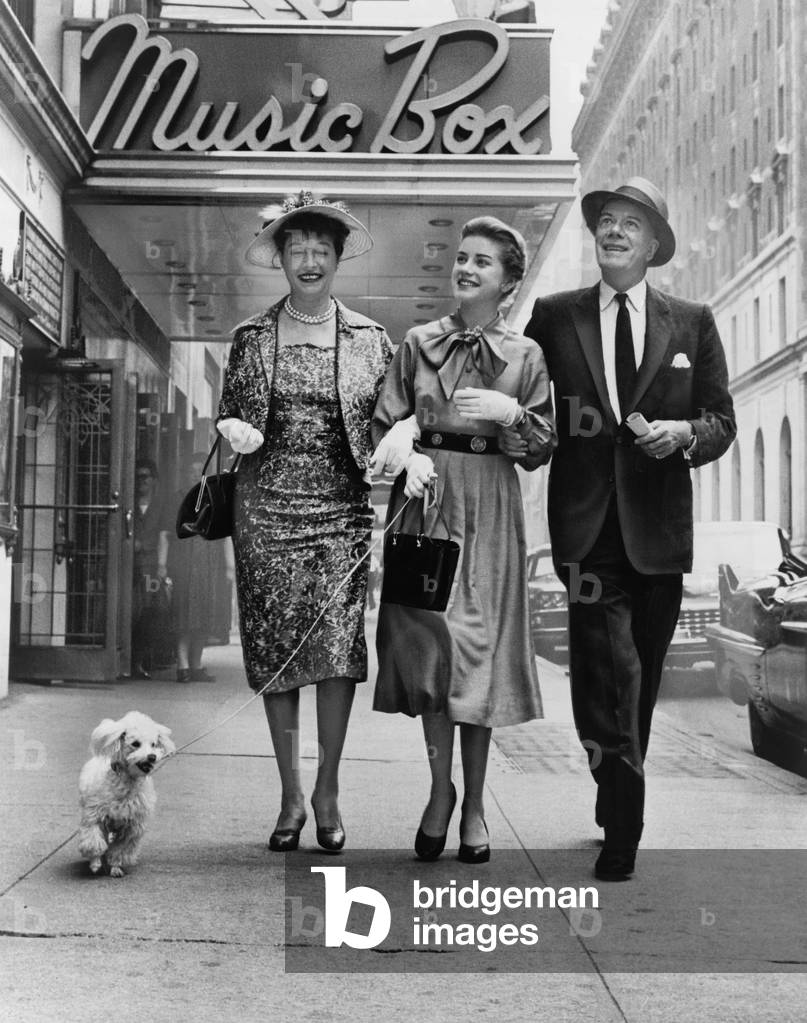
Cornelia Otis Skinner, Dolores Hart with dog on leash, and Cyril Ritchard, walking outside the Music Box theatre where they are starring in THE PLEASURE OF HIS COMPANY in 1959. The play was made into a movie starring Fred Astaire, Lilli Palmer, Debbie Reynolds, Tab Hunter, in 1961

EVB2935271: Cornelia Otis Skinner, Dolores Hart with dog on leash, and Cyril Ritchard, walking outside the Music Box theatre where they are starring in THE PLEASURE OF HIS COMPANY in 1959. The play was made into a movie starring Fred Astaire, Lilli Palmer, Debbie Reynolds, Tab Hunter, in 1961 / Bridgeman Images
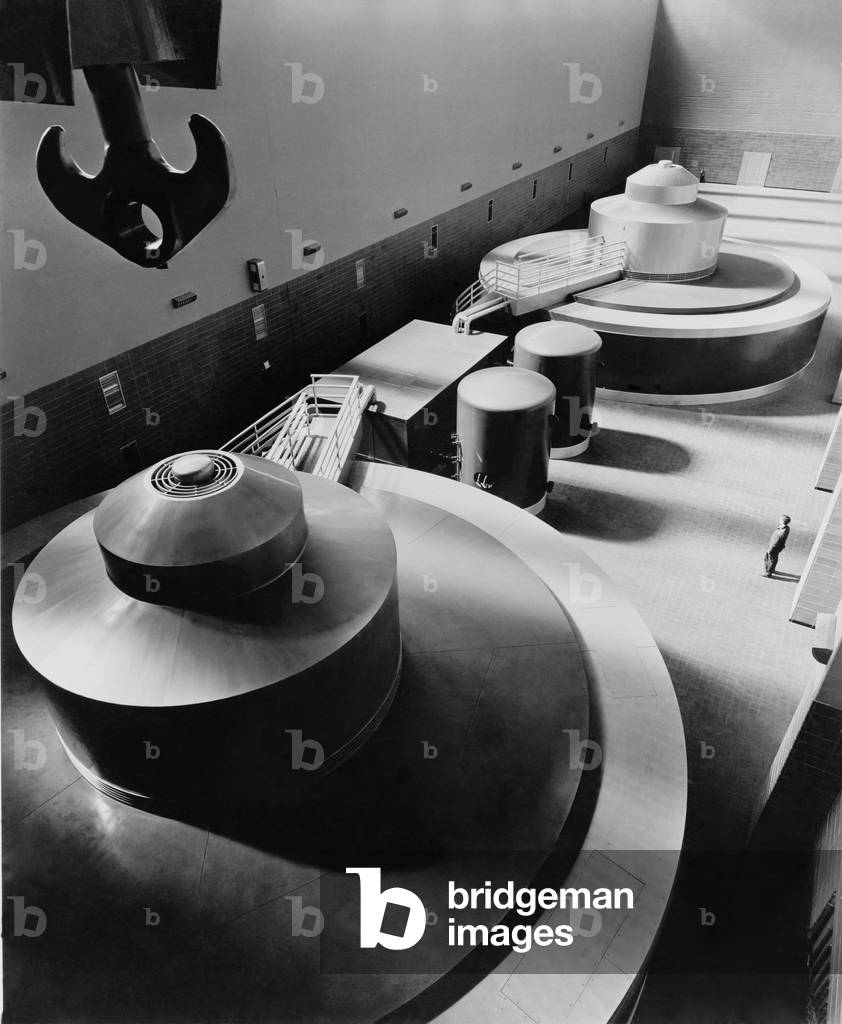
Pickwick Dam's first turbine generators were the largest in the country when installed in the late 1930s. Pickwick was among the first TVA dams, begun in 1934

EVB2935011: Pickwick Dam's first turbine generators were the largest in the country when installed in the late 1930s. Pickwick was among the first TVA dams, begun in 1934 / Bridgeman Images
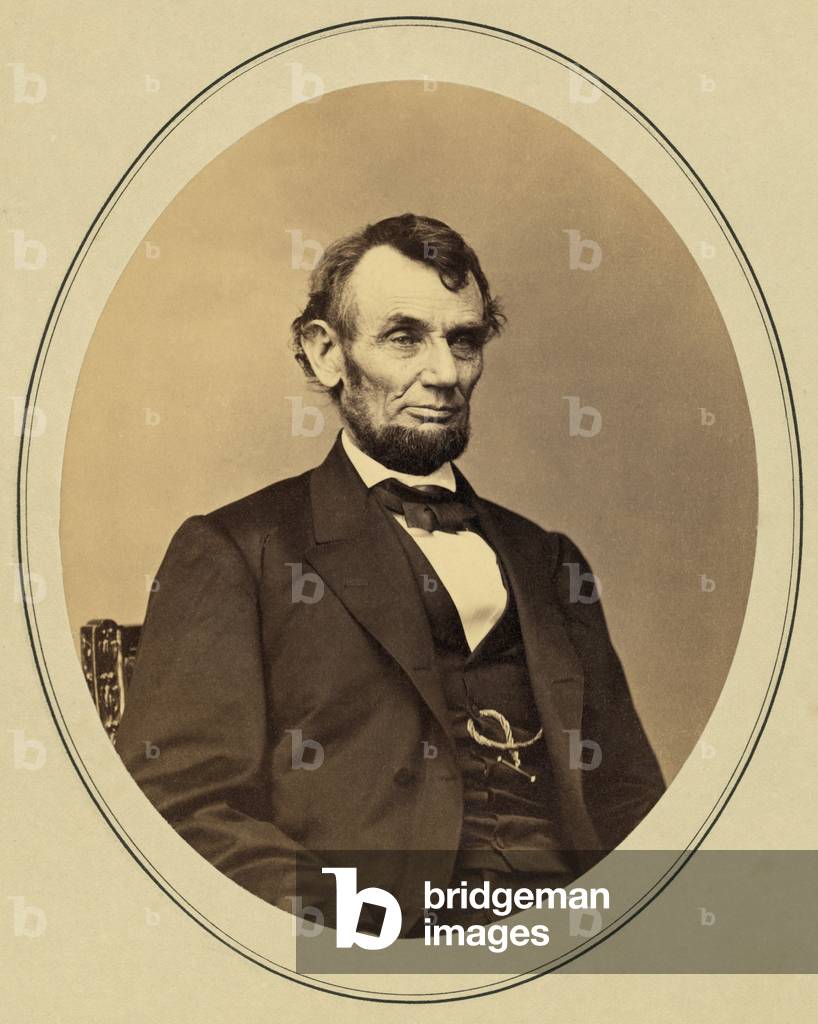
Abraham Lincoln portrait taken on February 9, during the election year of 1864. At this time, his re-election was far from certain. Many Northerners, derisively called 'Copperheads,' supported a negotiated peace with the Confederacy

EVB2935032: Abraham Lincoln portrait taken on February 9, during the election year of 1864. At this time, his re-election was far from certain. Many Northerners, derisively called 'Copperheads,' supported a negotiated peace with the Confederacy / Bridgeman Images
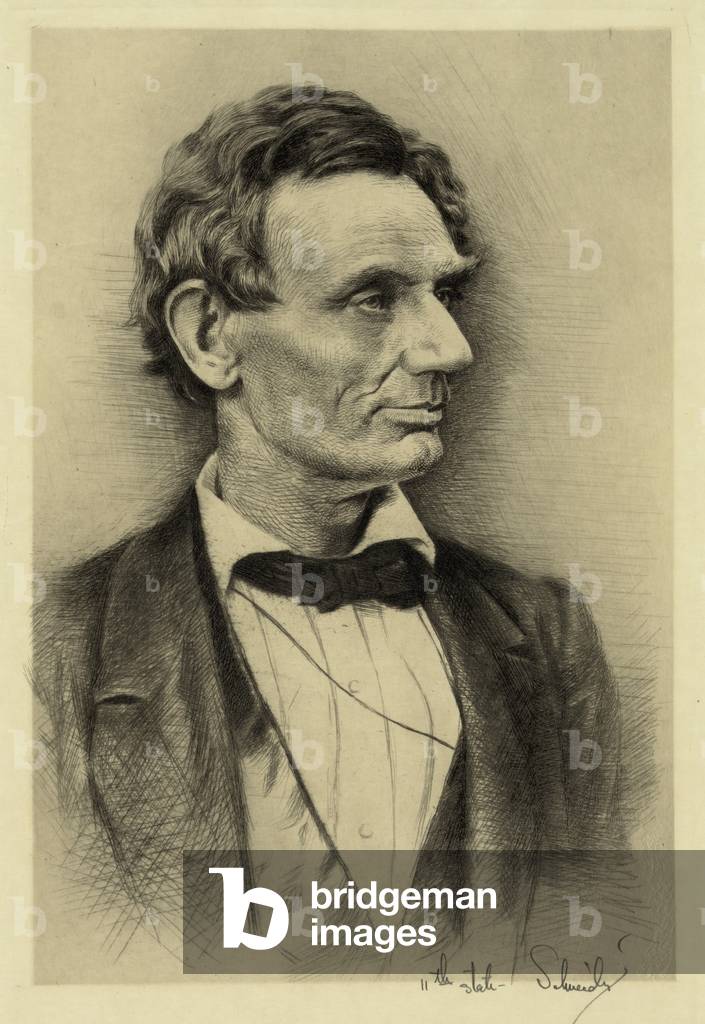
Abraham Lincoln portrait etching made in the early 20th century from Lincoln's classic Alexander Hesler portraits of 1860, by artist Otto J. Schneider (1875-1946)

EVB2935035: Abraham Lincoln portrait etching made in the early 20th century from Lincoln's classic Alexander Hesler portraits of 1860, by artist Otto J. Schneider (1875-1946) / Bridgeman Images
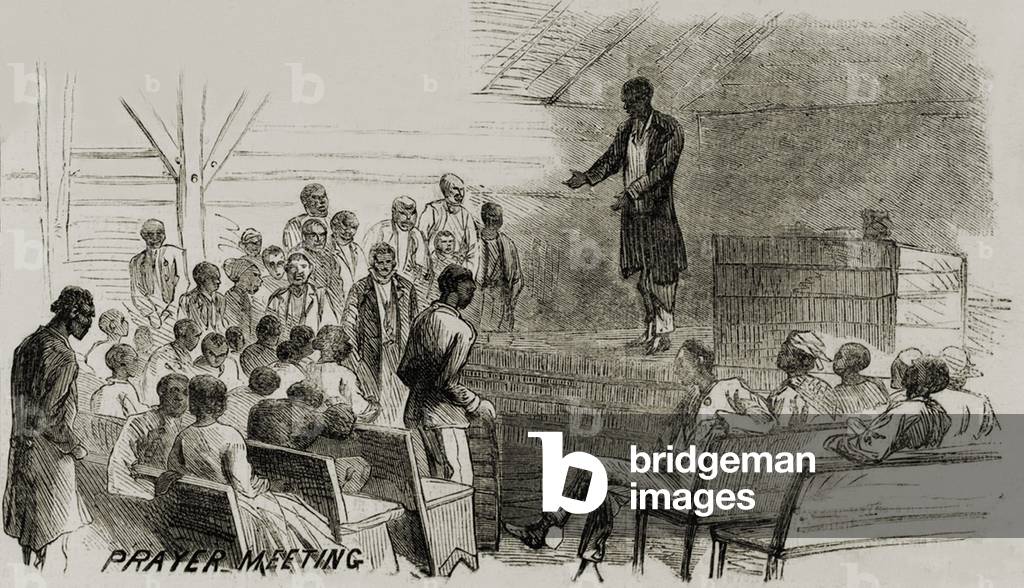
African American freedmen in a prayer meeting after the end of the U.S. Civil War. After emancipation, churches were evolved a distinct of African American cultural expression free from white control. Engraving from an 1867 sketch by A. R. Waud

EVB2935086: African American freedmen in a prayer meeting after the end of the U.S. Civil War. After emancipation, churches were evolved a distinct of African American cultural expression free from white control. Engraving from an 1867 sketch by A. R. Waud / Bridgeman Images
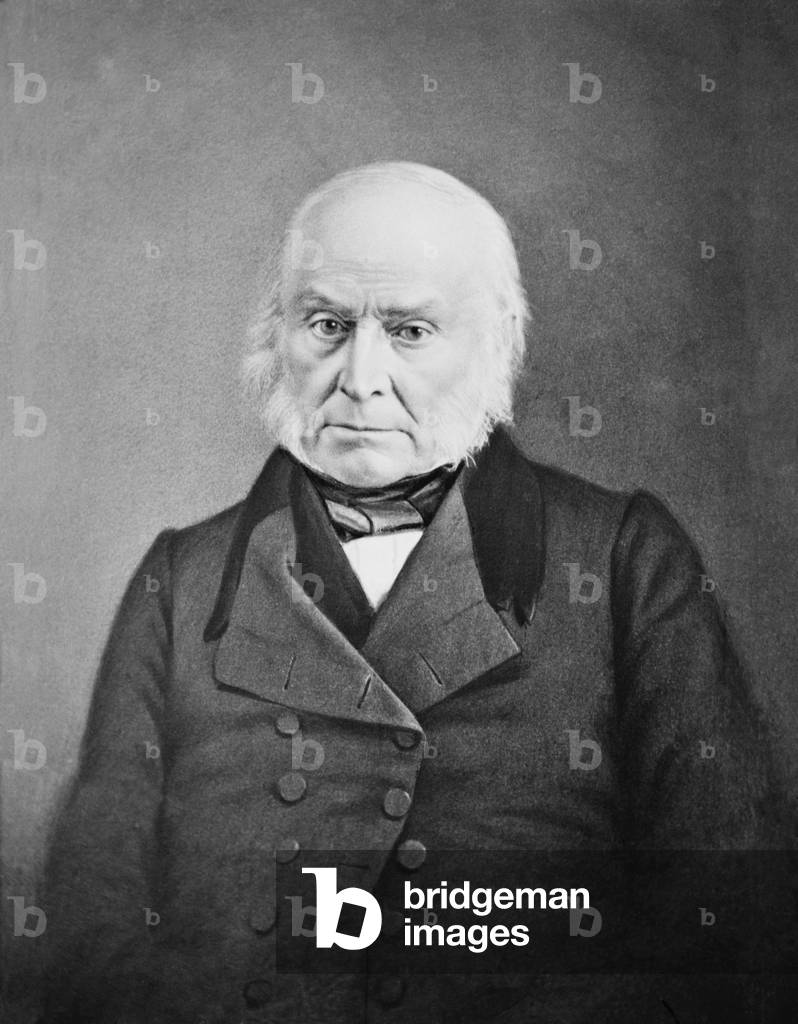
John Quincy Adams (1767-1848), was U.S. President from 1825-1829. After his presidency he was elected to the House of Representatives, where he served until his death in 1848. Daguerreotype by Mathew Brady, c. 1847

EVB2935107: John Quincy Adams (1767-1848), was U.S. President from 1825-1829. After his presidency he was elected to the House of Representatives, where he served until his death in 1848. Daguerreotype by Mathew Brady, c. 1847 / Bridgeman Images
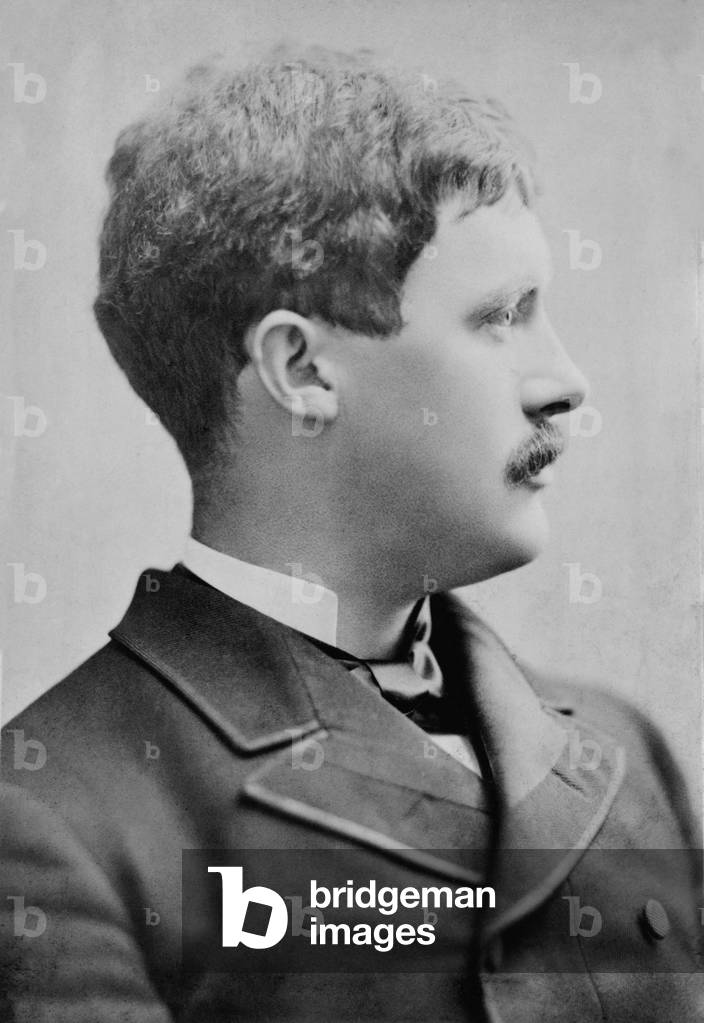
Ulysses Simpson Grant, Jr. (1852-1929), called Buck, President Grant's second son, was a lawyer, failed politician, and businessman. In 1881, the former President lost his life savings after investing it in Buck's brokerage firm. c. 1885

EVB2935119: Ulysses Simpson Grant, Jr. (1852-1929), called Buck, President Grant's second son, was a lawyer, failed politician, and businessman. In 1881, the former President lost his life savings after investing it in Buck's brokerage firm. c. 1885 / Bridgeman Images
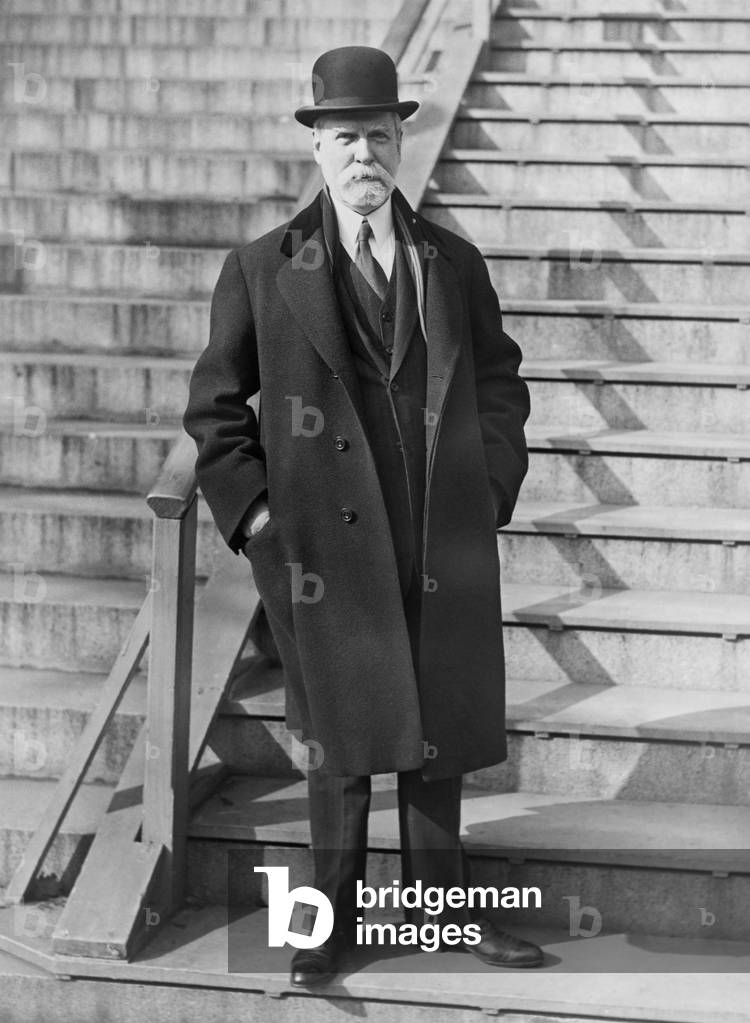
Charles Evans Hughes (1862-1948), the newly appointed Chief Justice of the U.S. Supreme Court justice in 1930. He would lead the opposition to FDR's New Deal scheme to pack the Supreme Court in the 1930's

EVB2935182: Charles Evans Hughes (1862-1948), the newly appointed Chief Justice of the U.S. Supreme Court justice in 1930. He would lead the opposition to FDR's New Deal scheme to pack the Supreme Court in the 1930's / Bridgeman Images
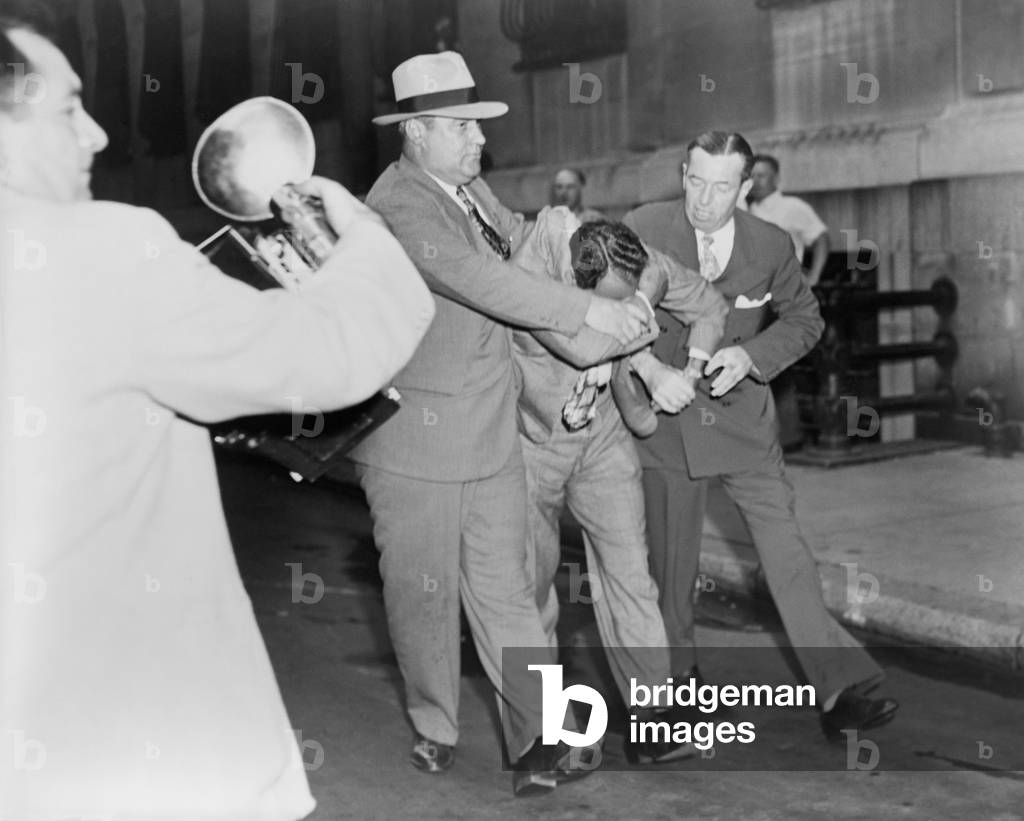
Two policemen forcibly escorting Vincent 'Jimmy Blue Eyes' Ado (1904-2001), after appearing in lineup; a news photographer (left) foreground captures the scene. August 1947

EVB2935206: Two policemen forcibly escorting Vincent 'Jimmy Blue Eyes' Ado (1904-2001), after appearing in lineup; a news photographer (left) foreground captures the scene. August 1947 / Bridgeman Images
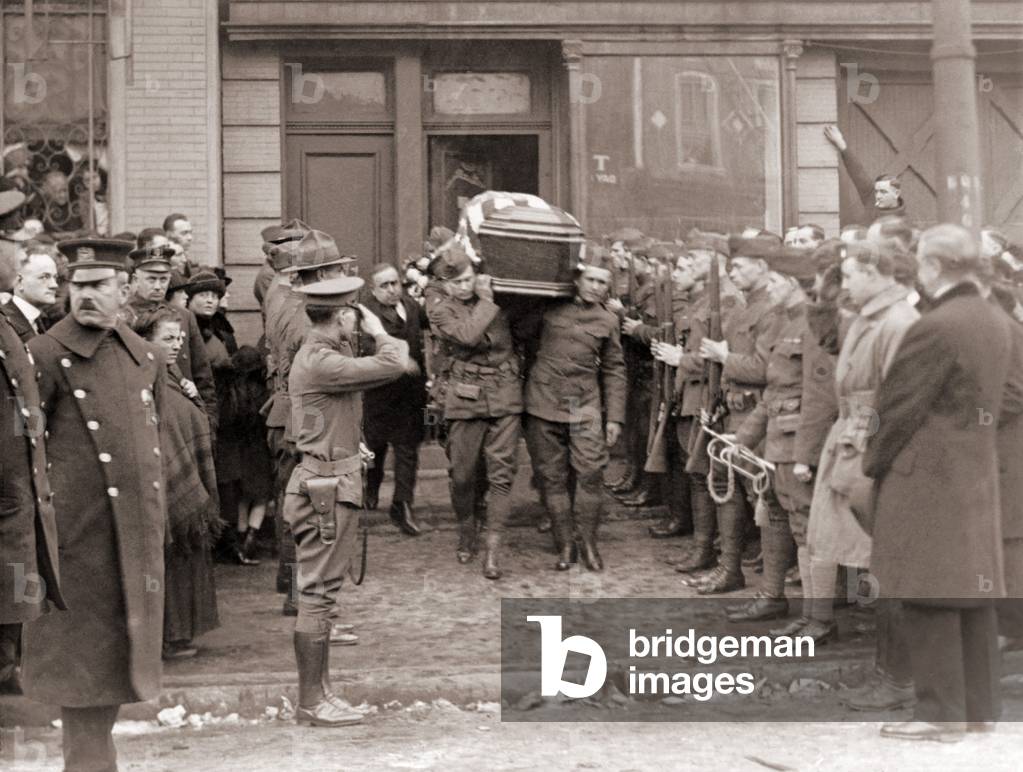
Monk Eastman (c.1873-1920), early 20th century gangster, was buried with full military honors in recognition of his army service during World War I. He was killed by a criminal partner, Jerry Bohan, a corrupt Prohibition agent. 1920

EVB2935218: Monk Eastman (c.1873-1920), early 20th century gangster, was buried with full military honors in recognition of his army service during World War I. He was killed by a criminal partner, Jerry Bohan, a corrupt Prohibition agent. 1920 / Bridgeman Images
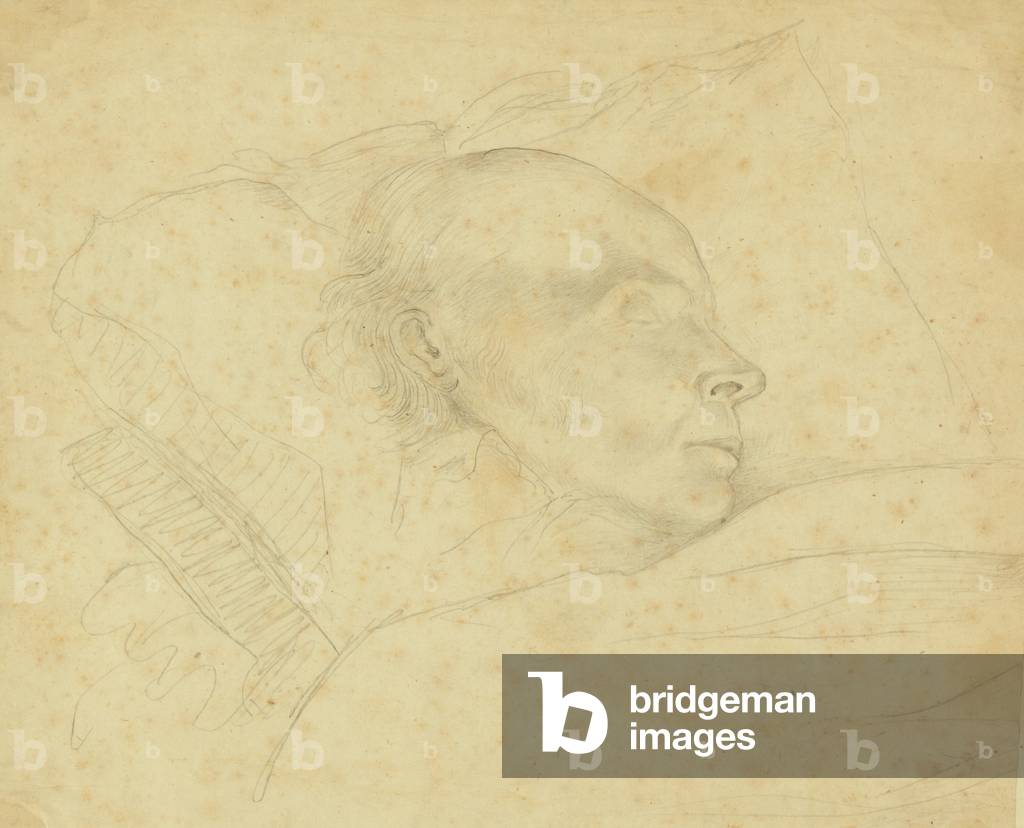
John Quincy Adams (1767-1848), in a drawing made while he was dying in the Rotunda of the Capitol. The former president died of a stroke while he was serving in the House of Representatives. February 23, 1848

EVB2935108: John Quincy Adams (1767-1848), in a drawing made while he was dying in the Rotunda of the Capitol. The former president died of a stroke while he was serving in the House of Representatives. February 23, 1848 / Bridgeman Images

First Lady Edith Roosevelt, with youngest son, Quentin, in a 1903 portrait by Frances Benjamin Johnston

EVB2935123: First Lady Edith Roosevelt, with youngest son, Quentin, in a 1903 portrait by Frances Benjamin Johnston, Johnston, Frances Benjamin (1864-1952) / Bridgeman Images
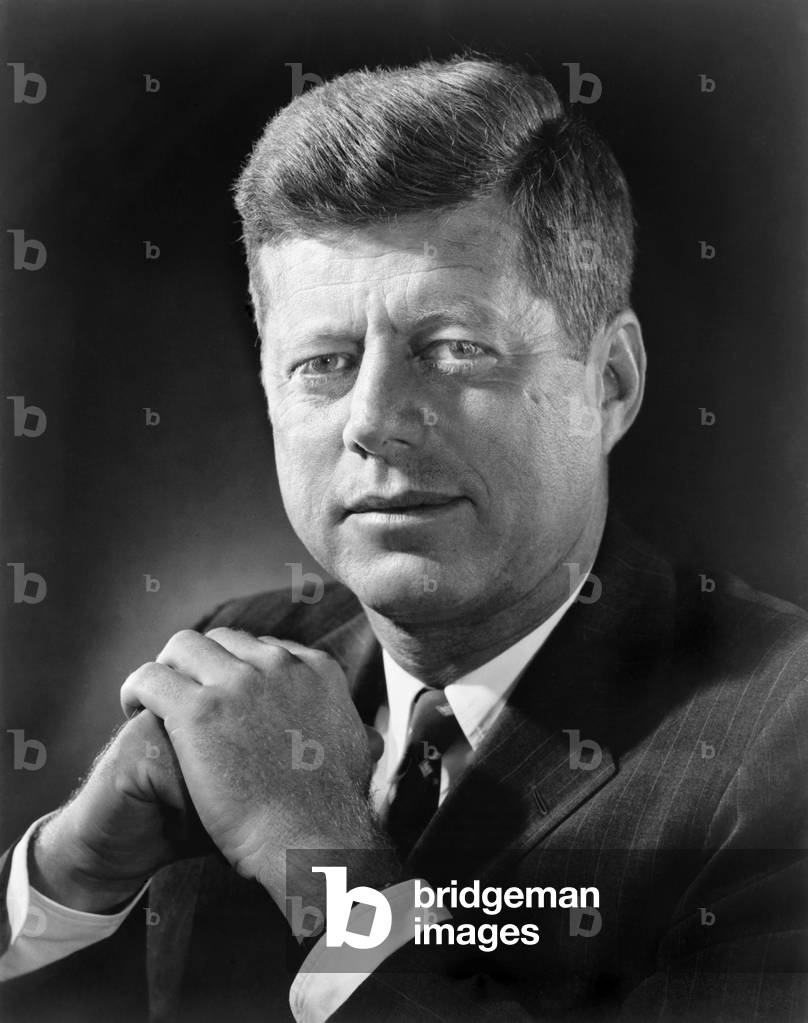
President John F. Kennedy in a 1961 portrait

EVB2935138: President John F. Kennedy in a 1961 portrait / Bridgeman Images
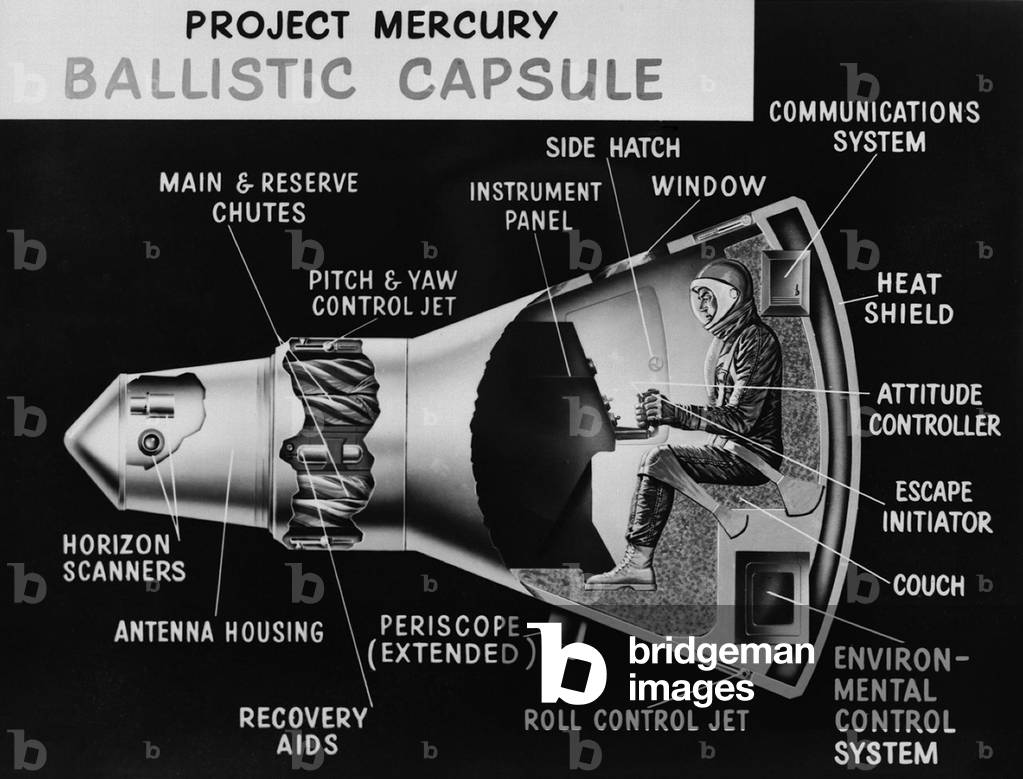
Cutaway diagram of Project Mercury ballistic capsule, the first U.S. manned spacecraft used for seven spaces missions between 1961-1963

EVB2935141: Cutaway diagram of Project Mercury ballistic capsule, the first U.S. manned spacecraft used for seven spaces missions between 1961-1963 / Bridgeman Images
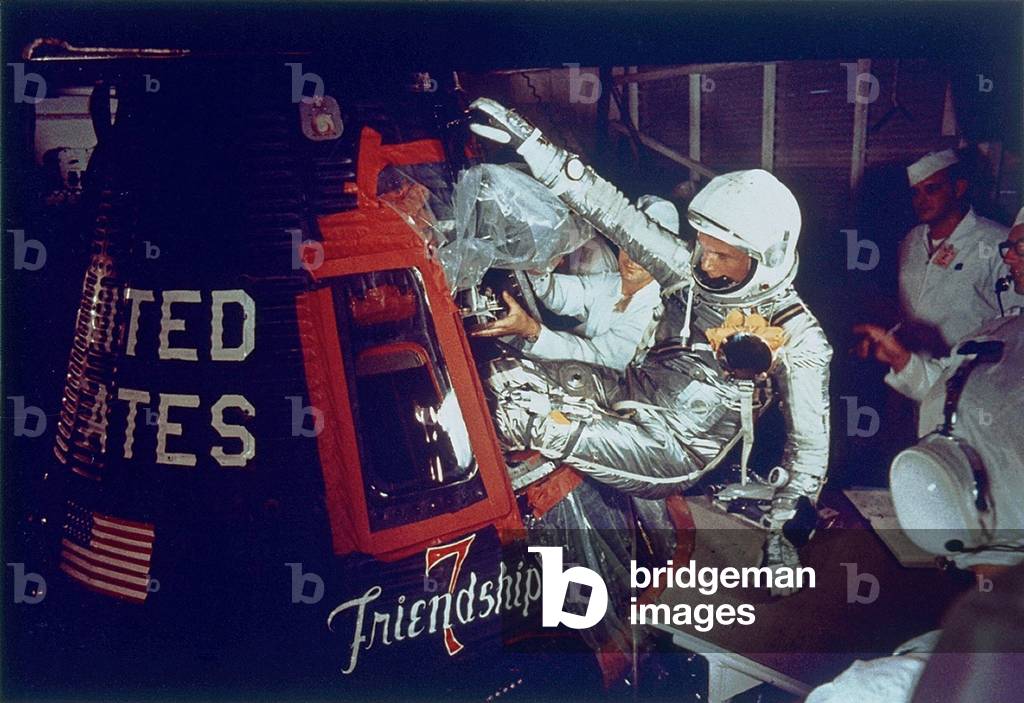
Overall view of astronaut John Glenn, Jr., (Lt. Colonel, USMC) as he enters into the spacecraft Friendship 7 prior to the first American manned Earth orbital mission. February 20, 1962

EVB2935144: Overall view of astronaut John Glenn, Jr., (Lt. Colonel, USMC) as he enters into the spacecraft Friendship 7 prior to the first American manned Earth orbital mission. February 20, 1962 / Bridgeman Images
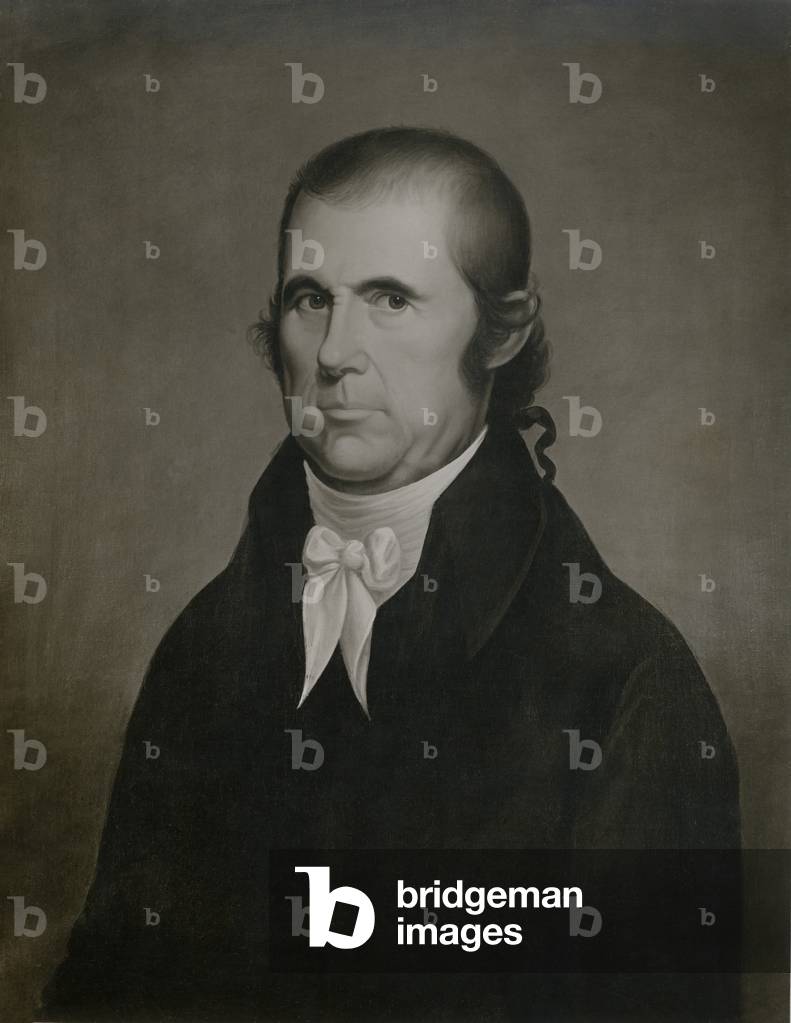
John Marshall (1755-1835), the Chief Justice of the U.S. Portrait by Cephas Thompson (1775-1856), a self taught American painter. c. 1810

EVB2935183: John Marshall (1755-1835), the Chief Justice of the U.S. Portrait by Cephas Thompson (1775-1856), a self taught American painter. c. 1810 / Bridgeman Images
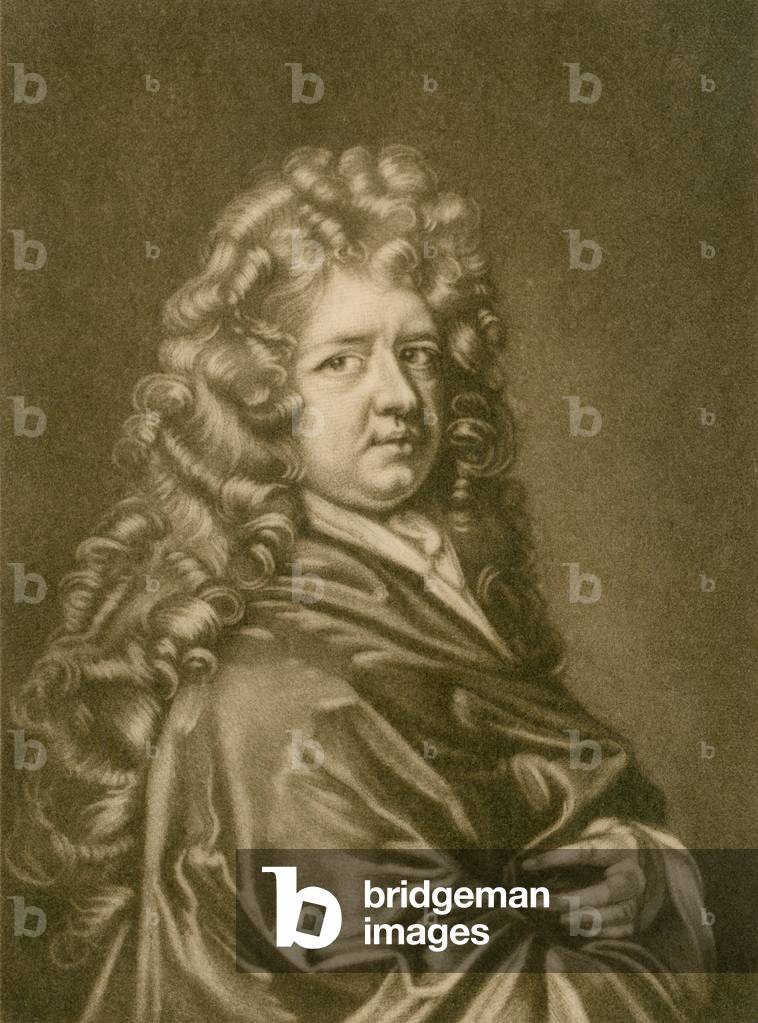
Thomas Betterton (c. 1635-1710), leading English actor of his time, was so highly regarded that he was buried in London's Westminster Abbey

EVB2935273: Thomas Betterton (c. 1635-1710), leading English actor of his time, was so highly regarded that he was buried in London's Westminster Abbey / Bridgeman Images
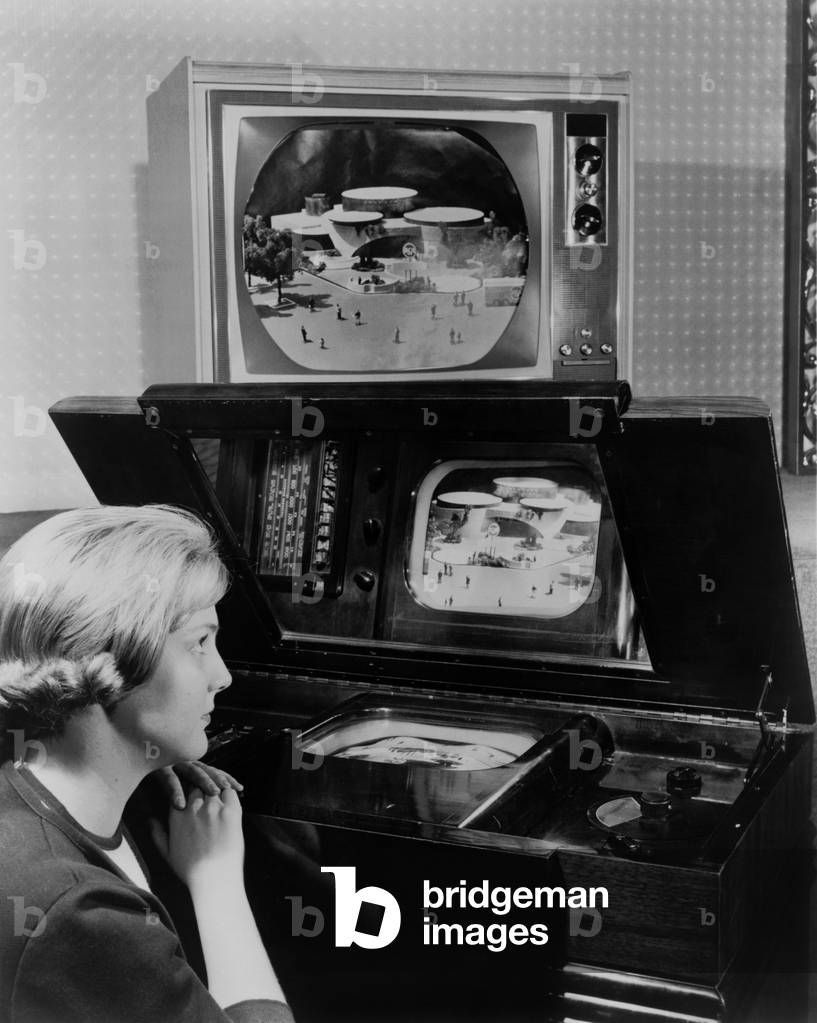
Woman looking at two television sets. One, similar to a set demonstrated at the 1939 New York World's fair, has a small screen incased horizontally in a large wooden cabinet and is viewed from a reflective mirror. The other, now displayed 25 years later at the 1964 New York World's fair, is a large screened color television

EVB2937681: Woman looking at two television sets. One, similar to a set demonstrated at the 1939 New York World's fair, has a small screen incased horizontally in a large wooden cabinet and is viewed from a reflective mirror. The other, now displayed 25 years later at the 1964 New York World's fair, is a large screened color television / Bridgeman Images
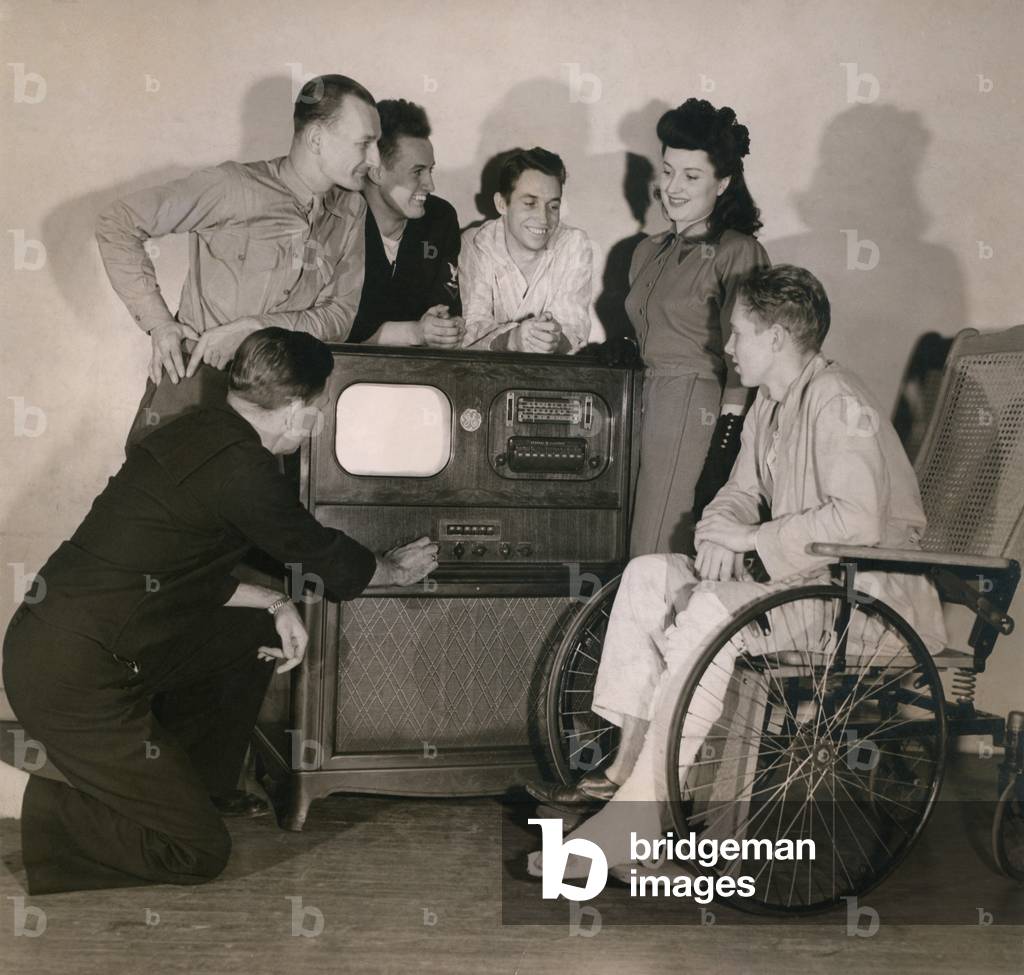
World War II era servicemen patients explore the new radio-television at St. Albans U.S. Naval Hospital in Queens New York, in 1943

EVB2937684: World War II era servicemen patients explore the new radio-television at St. Albans U.S. Naval Hospital in Queens New York, in 1943 / Bridgeman Images
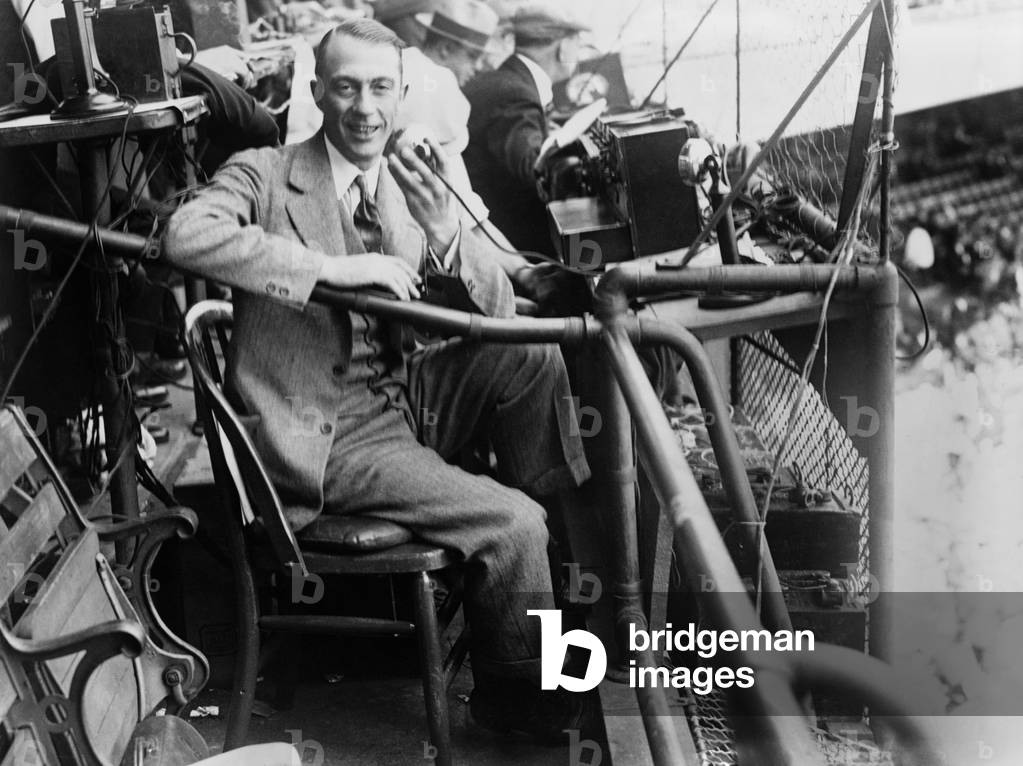
Graham McNamee (1888-1942), in his box at Griffith Stadium, Washington, D.C., broadcasting the second game of the 1924 World Series. The pioneering broadcaster was radio's the most famous personality in the 1920s

EVB2937693: Graham McNamee (1888-1942), in his box at Griffith Stadium, Washington, D.C., broadcasting the second game of the 1924 World Series. The pioneering broadcaster was radio's the most famous personality in the 1920s / Bridgeman Images


Back to top