Print Friendly Version Page

2501741 Search Results

Comete PanStarrs (C/2011 L4): Comete PanStarrs (C/2011 L4) on 21 March 2013

PIX4571315: Comete PanStarrs (C/2011 L4): Comete PanStarrs (C/2011 L4) on 21 March 2013 / Bridgeman Images
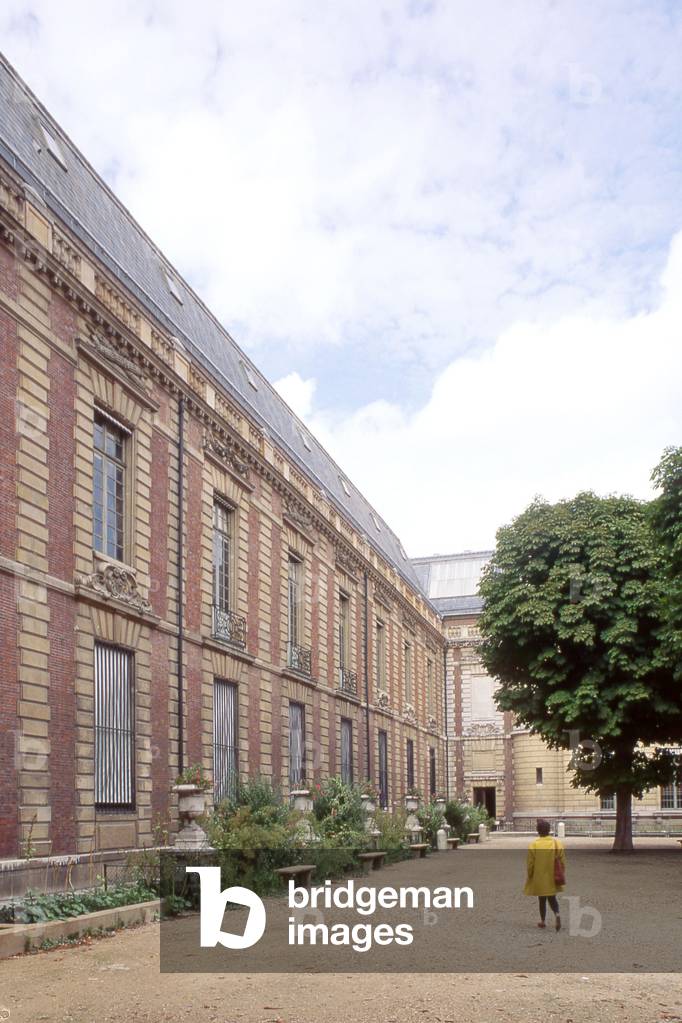
La Bibliotheque de France, Richelieu site in Paris 2nd arrondissement. Construction 1869, architect Henri Labrouste (1801-1875).

TEC4571370: La Bibliotheque de France, Richelieu site in Paris 2nd arrondissement. Construction 1869, architect Henri Labrouste (1801-1875). / Bridgeman Images
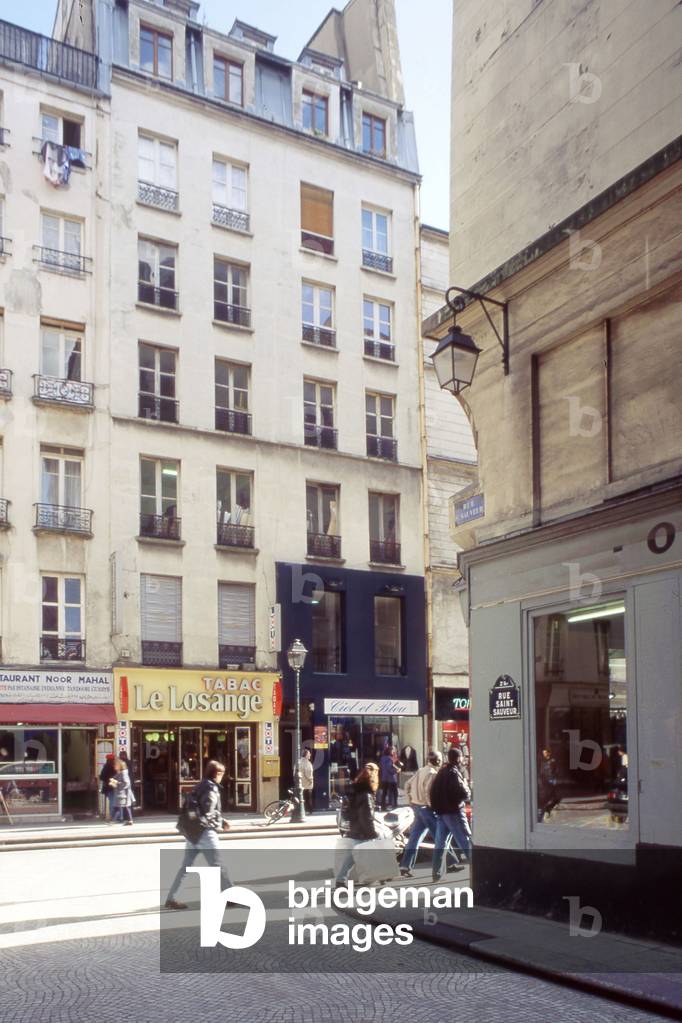
Rue Saint Sauveur in Paris 2nd arrondissement.

TEC4571378: Rue Saint Sauveur in Paris 2nd arrondissement. / Bridgeman Images
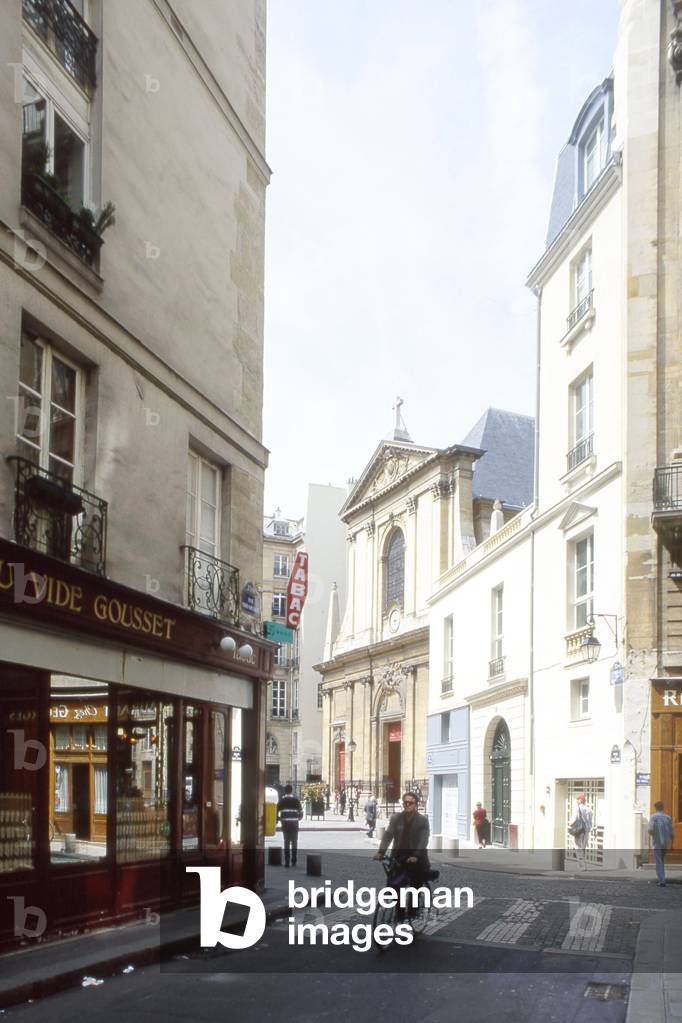
Place des Petities Peres in Paris 2nd arrondissement.

TEC4571407: Place des Petities Peres in Paris 2nd arrondissement. / Bridgeman Images

The Lovejoy comet seen from space - December 2011 - Comet Lovejoy seen from space - December 2011 - The Lovejoy comet above the Earth's atmosphere seen on 22 December 2011 from the International Space Station (ISS). Comet Lovejoy is visible near Earth's horizon in this nighttime image photographed by NASA astronaut Dan Burbank, Expedition 30 commander, onboard the International Space Station on Dec. 22, 2011

PIX4571188: The Lovejoy comet seen from space - December 2011 - Comet Lovejoy seen from space - December 2011 - The Lovejoy comet above the Earth's atmosphere seen on 22 December 2011 from the International Space Station (ISS). Comet Lovejoy is visible near Earth's horizon in this nighttime image photographed by NASA astronaut Dan Burbank, Expedition 30 commander, onboard the International Space Station on Dec. 22, 2011 / Bridgeman Images

Lovejoy Comet - December 2011 - Comet Lovejoy - December 2011 - Lovejoy Comet seen in Chile on December 23, 2011. Comet Lovejoy seen from Chile on Dec. 23, 2011

PIX4571198: Lovejoy Comet - December 2011 - Comet Lovejoy - December 2011 - Lovejoy Comet seen in Chile on December 23, 2011. Comet Lovejoy seen from Chile on Dec. 23, 2011 / Bridgeman Images

La comete Lovejoy - December 2011 - Comet Lovejoy - December 2011 - La comete Lovejoy seen at the Paranal Observatory in Chile on December 23, 2011. Comet Lovejoy seen from Paranal observatory in Chile on Dec. 23, 2011

PIX4571224: La comete Lovejoy - December 2011 - Comet Lovejoy - December 2011 - La comete Lovejoy seen at the Paranal Observatory in Chile on December 23, 2011. Comet Lovejoy seen from Paranal observatory in Chile on Dec. 23, 2011 / Bridgeman Images

La comete Lovejoy - janvier 2015 - Comet Lovejoy - January 2015 - La comete Lovejoy C/2014 Q2 seen on 13 January 2015 over the Alps. Comet Lovejoy C/2014 Q2 seen on January 13 2015 above english Alps

PIX4571270: La comete Lovejoy - janvier 2015 - Comet Lovejoy - January 2015 - La comete Lovejoy C/2014 Q2 seen on 13 January 2015 over the Alps. Comet Lovejoy C/2014 Q2 seen on January 13 2015 above english Alps / Bridgeman Images

Comete Panstarrs C/2011 L4: Comete PanStarrs (C/2011 L4) on 21 March 2013

PIX4571311: Comete Panstarrs C/2011 L4: Comete PanStarrs (C/2011 L4) on 21 March 2013 / Bridgeman Images
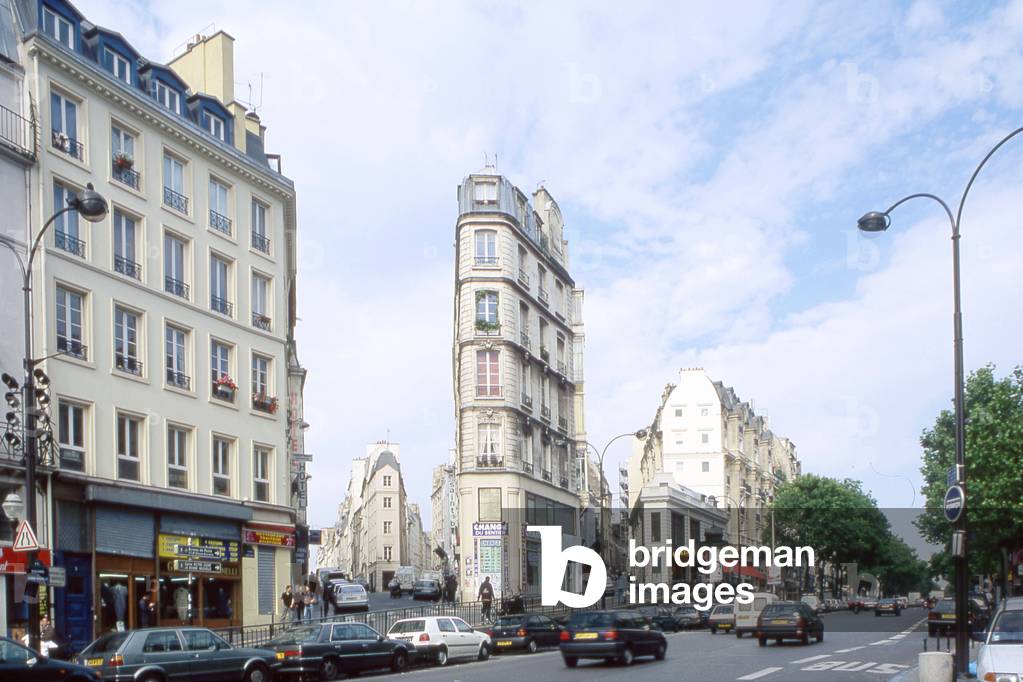
Boulevard de Saint Denis and Boulevard Bonne Nouvelle in Paris 2nd arrondissement.

TEC4571356: Boulevard de Saint Denis and Boulevard Bonne Nouvelle in Paris 2nd arrondissement. / Bridgeman Images
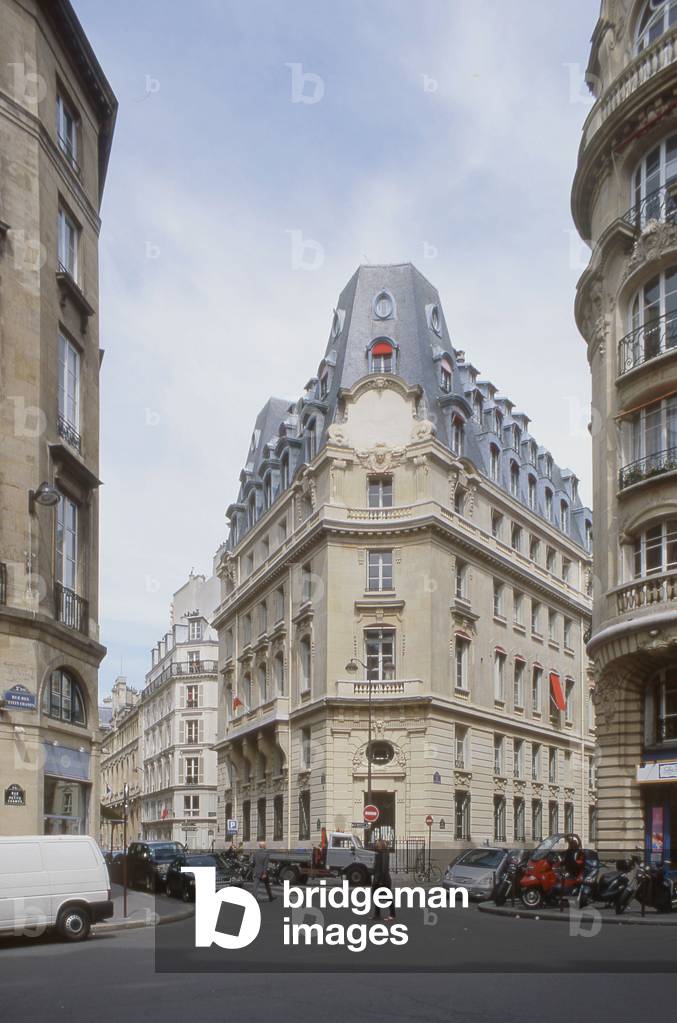
Corner building of Rue Reaumur and Rue d'Aboukir, Paris 2nd arrondissement. Photography 05/05/02.

TEC4571212: Corner building of Rue Reaumur and Rue d'Aboukir, Paris 2nd arrondissement. Photography 05/05/02. / Bridgeman Images
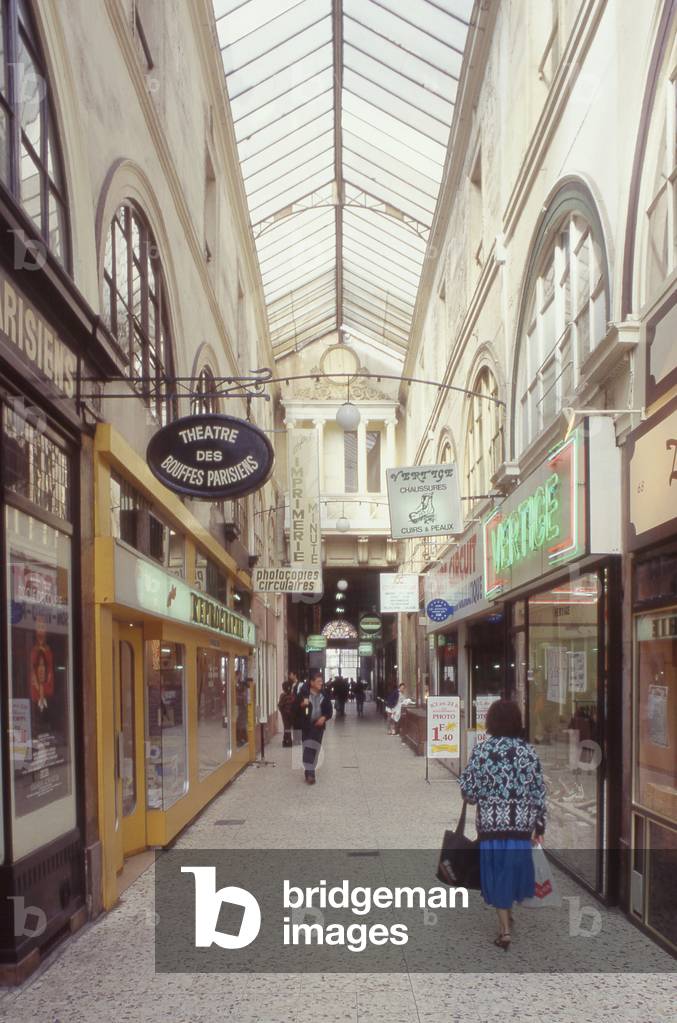
Passage Choiseul to Paris 2nd arrondissement. Built in 1827, architects Francois Mazois and Antoine Tavernier.

TEC4571216: Passage Choiseul to Paris 2nd arrondissement. Built in 1827, architects Francois Mazois and Antoine Tavernier. / Bridgeman Images
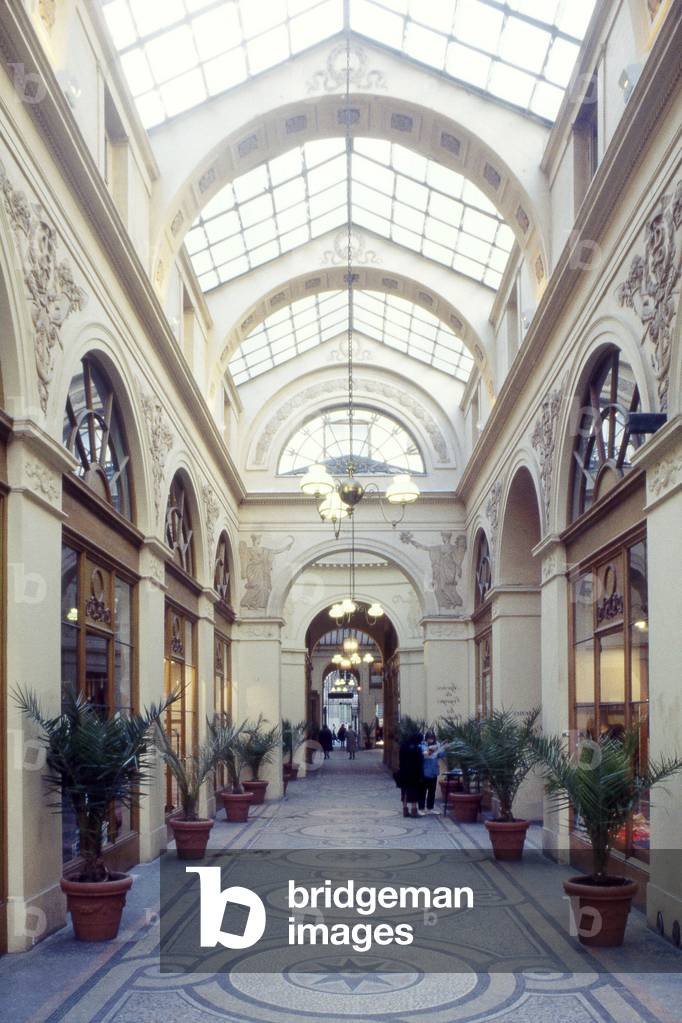
Galerie Vivienne in Paris 2nd arrondissement. Construction 1823-1826, architect Jacques Delannoy.

TEC4571245: Galerie Vivienne in Paris 2nd arrondissement. Construction 1823-1826, architect Jacques Delannoy. / Bridgeman Images
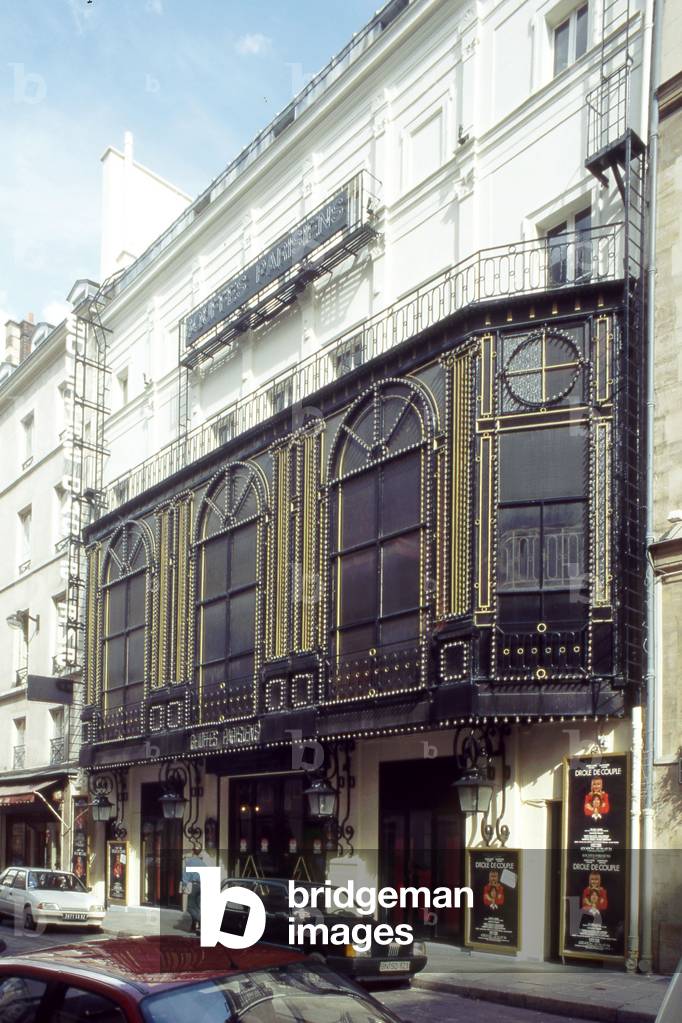
The theatre of Bouffes Parisiens, 4 rue Monsigny in Paris 2nd arrondissement.

TEC4571301: The theatre of Bouffes Parisiens, 4 rue Monsigny in Paris 2nd arrondissement. / Bridgeman Images
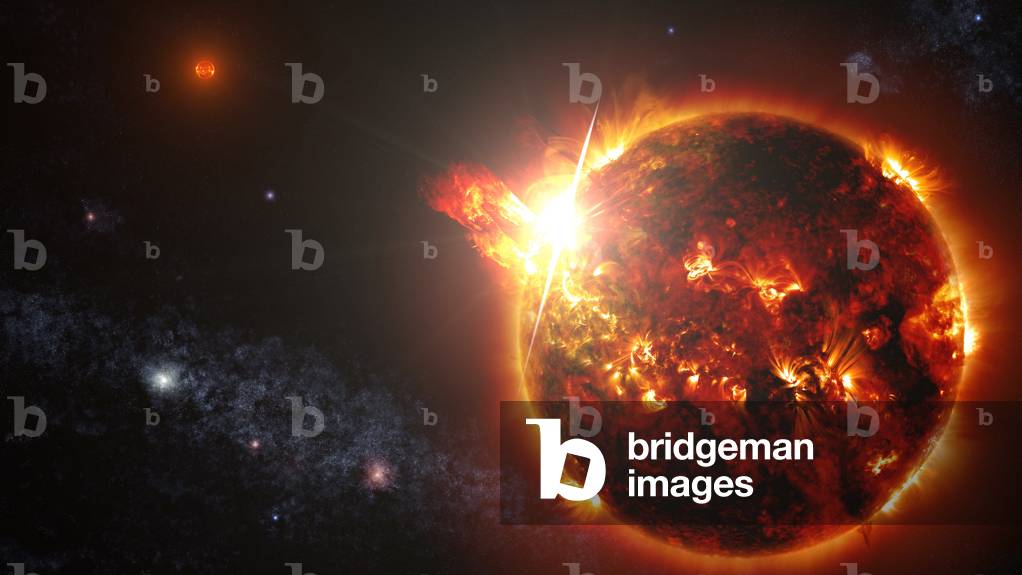
Artist's view of an eruptive star - Flare star - Artwork: DG Canum Venaticorum (DG CVN) is a binary star located in the constellation Hunting Dogs. On 23 April 2014, a powerful gamma eruption from this system was recorded by the Swift satellite. DG Canum Venaticorum (DG CVN) is a binary star system in the northern constellation of Canes Venatici. On 2014 April 23, 2014, a gamma-ray superflare event was observed by the Swift satellite coming from the position of this system. It may have been perhaps the most luminous such events ever observed coming from a red dwarf star

PIX4572752: Artist's view of an eruptive star - Flare star - Artwork: DG Canum Venaticorum (DG CVN) is a binary star located in the constellation Hunting Dogs. On 23 April 2014, a powerful gamma eruption from this system was recorded by the Swift satellite. DG Canum Venaticorum (DG CVN) is a binary star system in the northern constellation of Canes Venatici. On 2014 April 23, 2014, a gamma-ray superflare event was observed by the Swift satellite coming from the position of this system. It may have been perhaps the most luminous such events ever observed coming from a red dwarf star / Bridgeman Images

The Montparnasse Tower in Paris. Construction 1969-1975, architect Roger Saubot. Photography 30/05/09.

LBY4572826: The Montparnasse Tower in Paris. Construction 1969-1975, architect Roger Saubot. Photography 30/05/09. / Bridgeman Images

Shopping centre Les Quatre Temps, (architectesJean Dimitrijevic and Guy Lagneau, construction 1981) in La Defense (Hauts de Seine).

TEC4573227: Shopping centre Les Quatre Temps, (architectesJean Dimitrijevic and Guy Lagneau, construction 1981) in La Defense (Hauts de Seine). / Bridgeman Images

Orvieto polyptych, Mary Magdalene and the donor -Tempera on wood, c.1321

LRI4573282: Orvieto polyptych, Mary Magdalene and the donor -Tempera on wood, c.1321, Martini, Simone (1284-1344) / Bridgeman Images

Planet forming around variable star KH 15D - This young star (to the right) of the constellation Unicorn is surrounded by a large disc of dust that eclipses it every 48 days and in which planets are forming

PIX4573380: Planet forming around variable star KH 15D - This young star (to the right) of the constellation Unicorn is surrounded by a large disc of dust that eclipses it every 48 days and in which planets are forming / Bridgeman Images

Artist's view of a hot Jupiter - Artist's view of the transit of a hot Jupiter (gas-like planet very close to its star) in front of its star

PIX4573405: Artist's view of a hot Jupiter - Artist's view of the transit of a hot Jupiter (gas-like planet very close to its star) in front of its star / Bridgeman Images
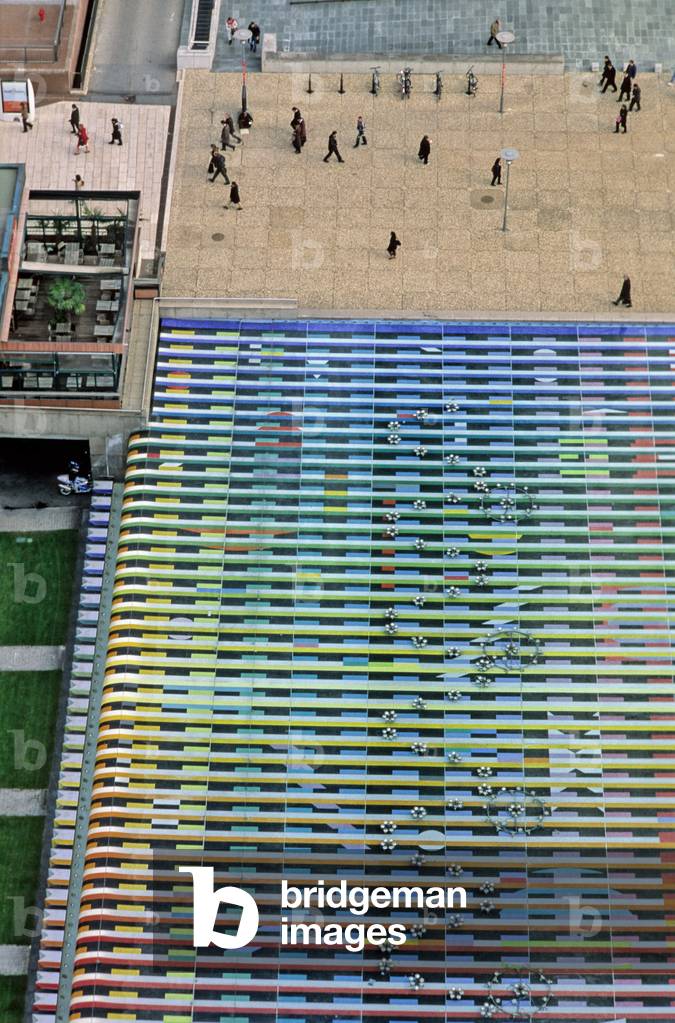
La fontaine Agam a La defense (Hauts de Seine).

TEC4573453: La fontaine Agam a La defense (Hauts de Seine). / Bridgeman Images

View of the square of Mercato Vecchio in Florence  -oil on canvas, 17th century

LRI4573567: View of the square of Mercato Vecchio in Florence -oil on canvas, 17th century, D'Angeli, Filippo (Il Napoletano) (c.1660-c.40) / Bridgeman Images

The hell from Dante's The Divine Comedy - Detail - Fresco, 19th century

LRI4573609: The hell from Dante's The Divine Comedy - Detail - Fresco, 19th century, Koch, Joseph Anton (1768-1839) / Bridgeman Images

Tour of the Societe Generale à la Defense (Hauts de Seine). Construction 1995, architects Michel Andrault and Pierre Parat.

TEC4573157: Tour of the Societe Generale à la Defense (Hauts de Seine). Construction 1995, architects Michel Andrault and Pierre Parat., Andrault, Michel (1926-2020) & Parat, Pierre (b.1928) / Bridgeman Images

Tour of the Societe Generale à la Defense (Hauts de Seine). Construction 1995, architects Michel Andrault and Pierre Parat.

TEC4573165: Tour of the Societe Generale à la Defense (Hauts de Seine). Construction 1995, architects Michel Andrault and Pierre Parat., Andrault, Michel (1926-2020) & Parat, Pierre (b.1928) / Bridgeman Images
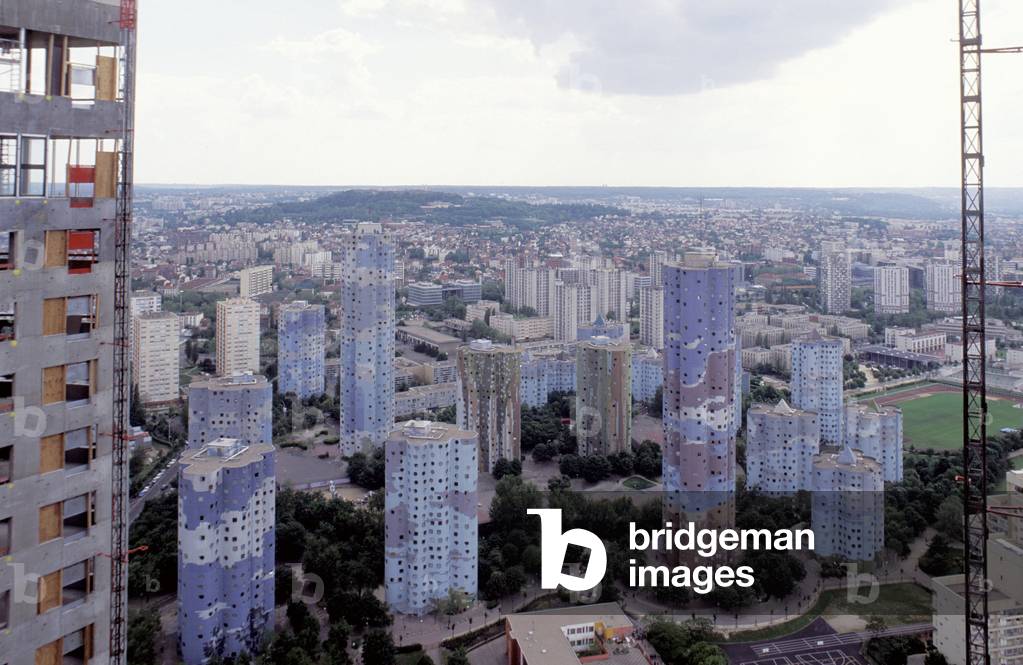
View of the clouds towers, in Nanterre (Hauts de Seine). Architect Emile Aillaud (1902-1988), construction 1977.

TEC4573199: View of the clouds towers, in Nanterre (Hauts de Seine). Architect Emile Aillaud (1902-1988), construction 1977. / Bridgeman Images

Life of John the Baptist: st John the baptist in prison, detail, 1435 (fresco)

LRI4573342: Life of John the Baptist: st John the baptist in prison, detail, 1435 (fresco), Masolino da Panicale, Tommaso (1383-c.1447) / Bridgeman Images

Planete extrasolaire - Artist view - Extrasolar planet - Artist vie

PIX4573350: Planete extrasolaire - Artist view - Extrasolar planet - Artist vie / Bridgeman Images
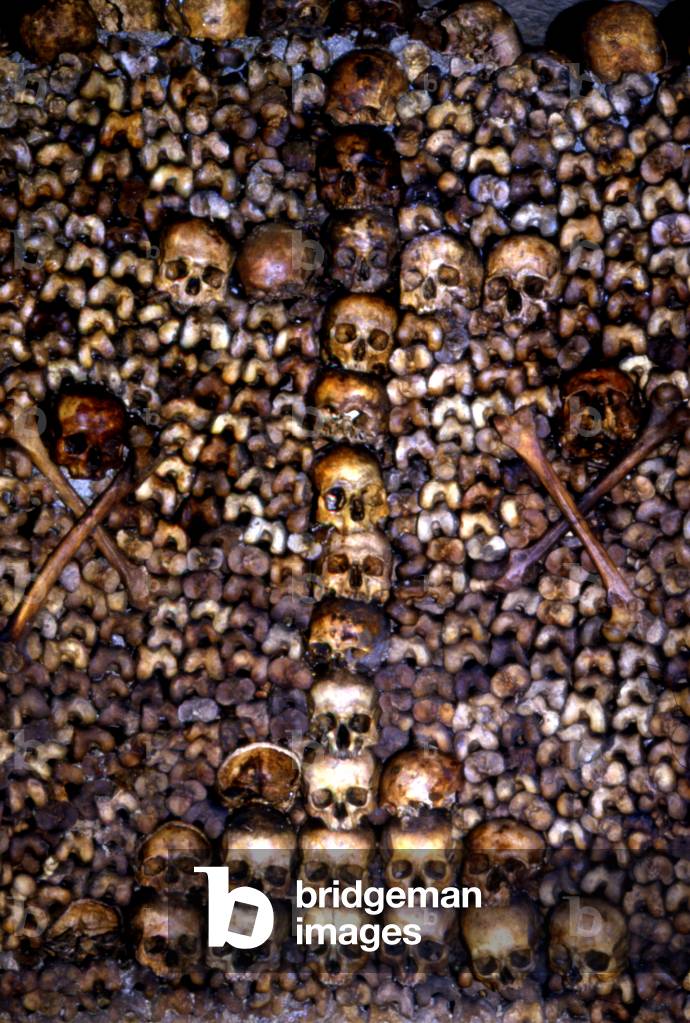
Les Catacombes, Paris 14th arrondissement. The origin of the catacombs dates back to the end of the 18th century, and collected all the bones found in the soil of Paris until around 1950. Anonymity is complete. It is estimated that six million of the individuals whose remains were collected in the catacombs.

LBY4572739: Les Catacombes, Paris 14th arrondissement. The origin of the catacombs dates back to the end of the 18th century, and collected all the bones found in the soil of Paris until around 1950. Anonymity is complete. It is estimated that six million of the individuals whose remains were collected in the catacombs. / Bridgeman Images

Binary pulsar and gravitational waves - Artist's impression of the pulsar PSR J0348+0432 and its white dwarf companion - Artist's view of a gravitational wave generated by a system of a neutron star associated with a white dwarf, spreading on the fabric of space - time. This artist's impression shows the exotic double object that consists of a tiny, but very heavy neutron star that spins 25 times each second, orbited every two and a half hours by a white dwarf star. The neutron star is a pulsar named PSR J0348+0432 that is giving off radio waves that can be picked up on Earth by radio telescopes. Although this unusual pair is very interesting in its own right it is also a unique laboratory for testing the limits of physical theories. This system is radiating gravitational radiation, ripples in spacetime. Although these waves cannot be detected directly by astronomers on Earth they can be detected indirectly by measuring the change in the orbit of the system as it loses energy. As the pulsar is so small the relative sizes of the two objects are not drawn to scale

PIX4572892: Binary pulsar and gravitational waves - Artist's impression of the pulsar PSR J0348+0432 and its white dwarf companion - Artist's view of a gravitational wave generated by a system of a neutron star associated with a white dwarf, spreading on the fabric of space - time. This artist's impression shows the exotic double object that consists of a tiny, but very heavy neutron star that spins 25 times each second, orbited every two and a half hours by a white dwarf star. The neutron star is a pulsar named PSR J0348+0432 that is giving off radio waves that can be picked up on Earth by radio telescopes. Although this unusual pair is very interesting in its own right it is also a unique laboratory for testing the limits of physical theories. This system is radiating gravitational radiation, ripples in spacetime. Although these waves cannot be detected directly by astronomers on Earth they can be detected indirectly by measuring the change in the orbit of the system as it loses energy. As the pulsar is so small the relative sizes of the two objects are not drawn to scale / Bridgeman Images

Tour of the Societe Generale à la Defense (Hauts de Seine). Construction 1995, architects Michel Andrault and Pierre Parat.

TEC4573135: Tour of the Societe Generale à la Defense (Hauts de Seine). Construction 1995, architects Michel Andrault and Pierre Parat., Andrault, Michel (1926-2020) & Parat, Pierre (b.1928) / Bridgeman Images

Exoplanets around 70 Virginis - A jovian planet orbiting 70 Virginis - Artist's view of the extrasolar planet 70 Vir B, a giant gas planet orbiting around a solar star, about 78 years old - light from the Sun. This exoplanet has about 6 times the mass of Jupiter and its distance from its star 70 Virginis is almost the same as that of Mercury from the Sun. A ringed 70 Vir B presides over the hot and airless terrain of a hypothetical moon. While it is not known if 70 Vir B has rings, it is certainly possible. 70 Vir B's rings would have no ice in them due to is proximity to its sun. Such rings would likely be less than 100 million years old and could have been formed from the shattered remnants of an asteroid that wondered too close to this giant planet. 70 Vir B's eccentric orbit would increase the likelihood of its encountering other objects in orbit around 70 Virginis. About 78 light years from the Earth astronomers believe that there is a large planet orbiting 70 Virginis, a type G5V star (similar to our own sun). Designated 70 Vir B, this planet is believed to have over six times the mass of the planet Jupiter and orbits around its sun in an eccentric orbit once every 116 days. 70 Vir B's average distance from its sun is about the same as that of the planet Mercury from our own sun

PIX4573224: Exoplanets around 70 Virginis - A jovian planet orbiting 70 Virginis - Artist's view of the extrasolar planet 70 Vir B, a giant gas planet orbiting around a solar star, about 78 years old - light from the Sun. This exoplanet has about 6 times the mass of Jupiter and its distance from its star 70 Virginis is almost the same as that of Mercury from the Sun. A ringed 70 Vir B presides over the hot and airless terrain of a hypothetical moon. While it is not known if 70 Vir B has rings, it is certainly possible. 70 Vir B's rings would have no ice in them due to is proximity to its sun. Such rings would likely be less than 100 million years old and could have been formed from the shattered remnants of an asteroid that wondered too close to this giant planet. 70 Vir B's eccentric orbit would increase the likelihood of its encountering other objects in orbit around 70 Virginis. About 78 light years from the Earth astronomers believe that there is a large planet orbiting 70 Virginis, a type G5V star (similar to our own sun). Designated 70 Vir B, this planet is believed to have over six times the mass of the planet Jupiter and orbits around its sun in an eccentric orbit once every 116 days. 70 Vir B's average distance from its sun is about the same as that of the planet Mercury from our own sun / Bridgeman Images
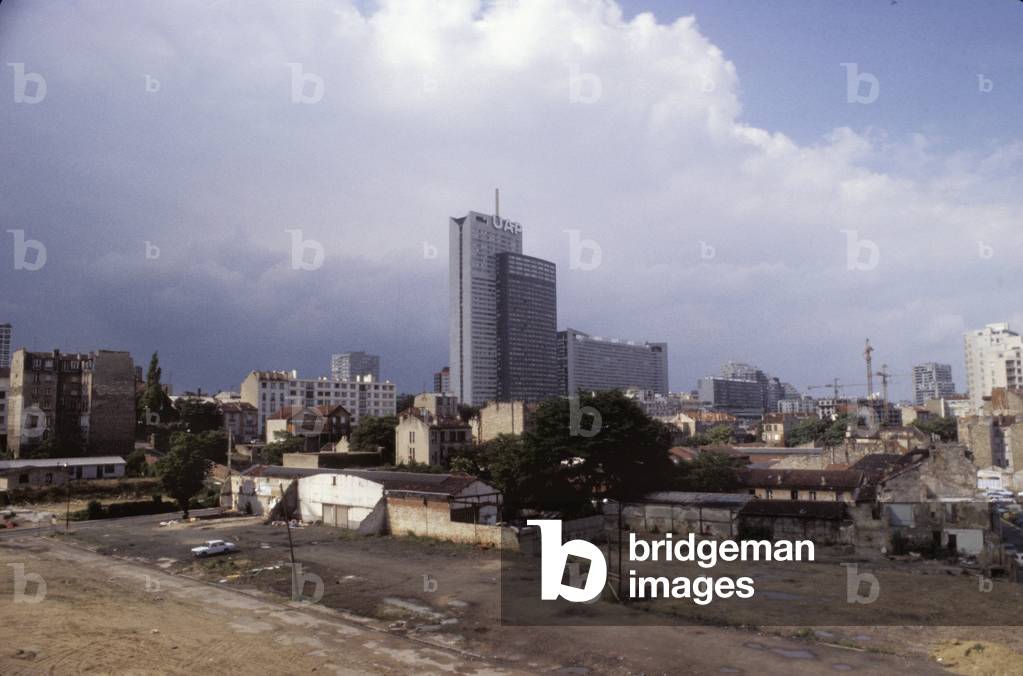
Urban wasteland in Courbevoie (Hauts de Seine).

TEC4573205: Urban wasteland in Courbevoie (Hauts de Seine). / Bridgeman Images

Shopping centre Les Quatre Temps, (architectesJean Dimitrijevic and Guy Lagneau, construction 1981) in La Defense (Hauts de Seine).

TEC4573214: Shopping centre Les Quatre Temps, (architectesJean Dimitrijevic and Guy Lagneau, construction 1981) in La Defense (Hauts de Seine). / Bridgeman Images
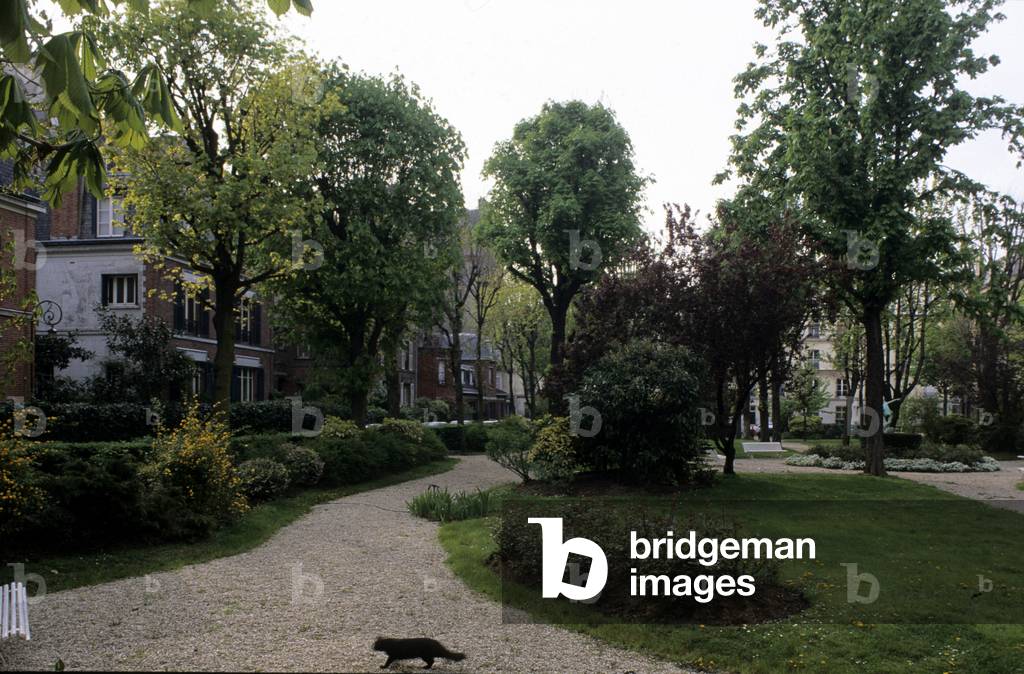
Villa Adrienne, 19 avenue du General Leclerc in Paris. Set up in 1780, this villa was originally intended to receive military and ecclesiastic.

TEC4572060: Villa Adrienne, 19 avenue du General Leclerc in Paris. Set up in 1780, this villa was originally intended to receive military and ecclesiastic. / Bridgeman Images
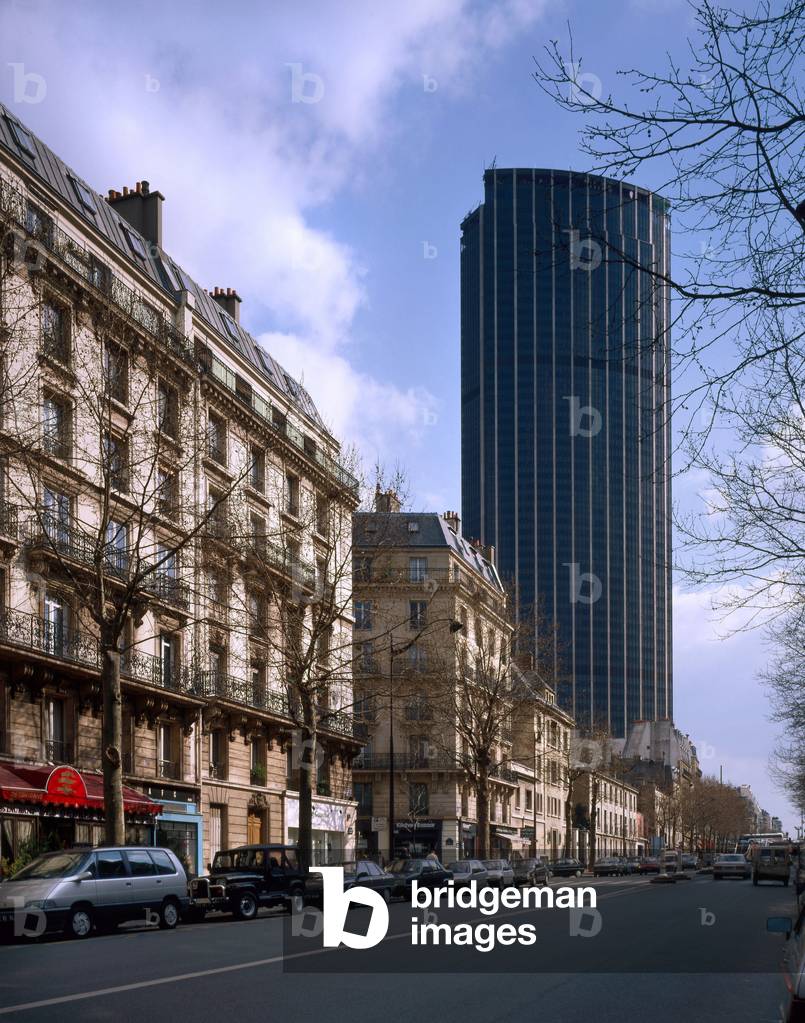
The Maine Montparnasse tower, seen from the boulevard du Maine in Paris. Construction 1969-1972, architects Jean Saubot, Eugene Beaudouin, Urbain Cassan and Louis Hoy

TEC4572389: The Maine Montparnasse tower, seen from the boulevard du Maine in Paris. Construction 1969-1972, architects Jean Saubot, Eugene Beaudouin, Urbain Cassan and Louis Hoy / Bridgeman Images


Back to top