
Print this page or go back to standard view.
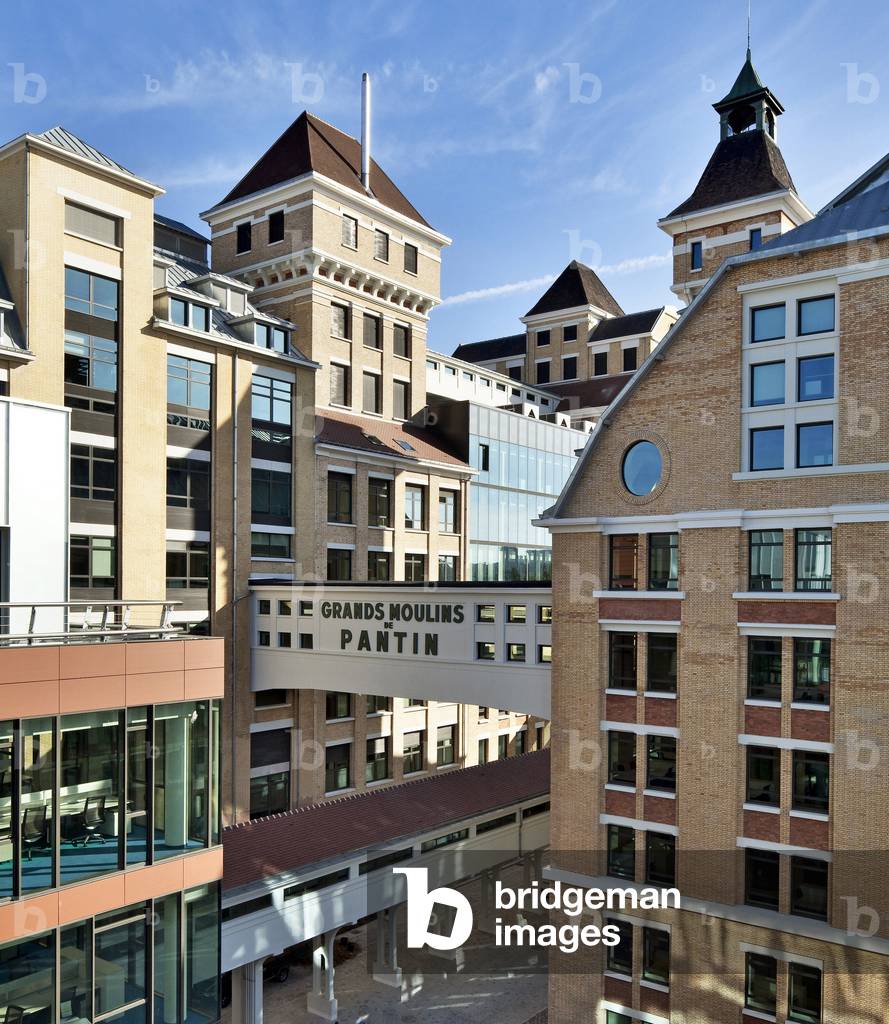
LBY4570463: Les Grands Moulins of Pantin, 9 rue du Debarcadere, quai de l'Ourcq, Pantin (Seine Saint Denis) (photo), Reichen, Bernard (b.1943) Robert, Philippe (20th) / Bridgeman Images

LRI4570490: View of the Battle of Vienna on 12/09/1683 on the hill of Kahlenberg (painting, 17th century), Unknown Artist, (17th century) / Bridgeman Images
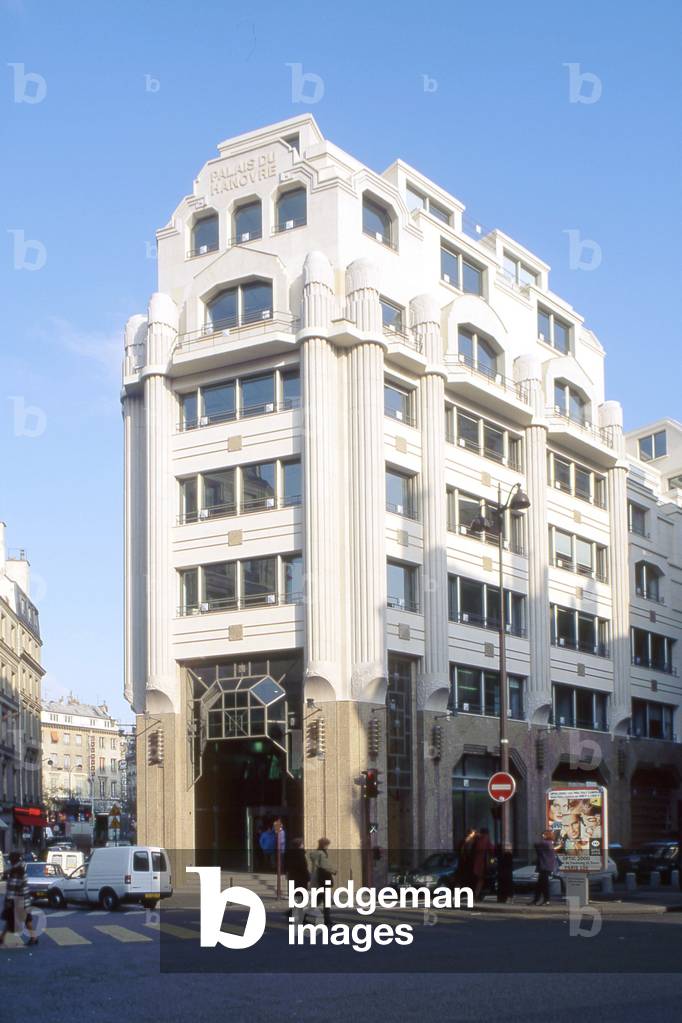
TEC4571441: Palais du Hanover, Paris 2nd arrondissement. Construction 1932, architects Victor Laloux (1850-1937) and Charles Lemaresquier (1873-1972). Former Berlitz Palace in Art Deco style, this building was completely restructured in 1996 and acquired by Unibail to make it an office complex. / Bridgeman Images

LRI4571547: Madonna di Crevole Virgin and Child - oil on wood, 1283-1284, Duccio di Buoninsegna (1255-1319) / Bridgeman Images
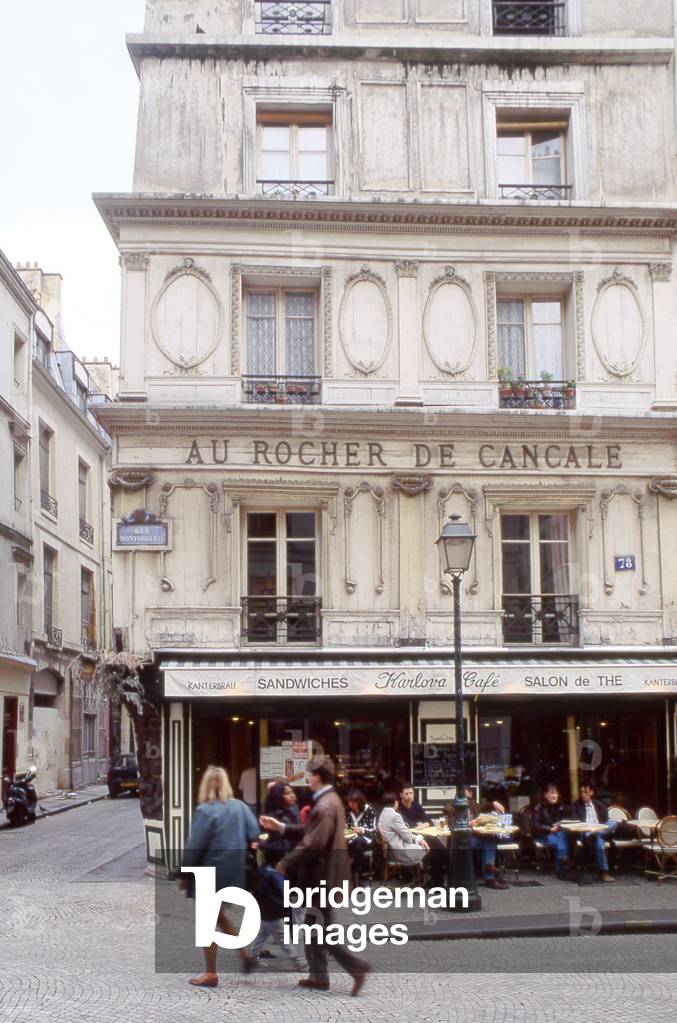
TEC4571564: Rue de Montorgueil in Paris. / Bridgeman Images

PIX4571607: Summer Triangle - Summer Triangle - The Summer Triangle is an asterism formed by the brilliant stars Deneb (at the top of the picture, in the Swan), Vega (on the right in the Lyre) and Altair (on the left, in the Eagle). Summer Triangle is an asterism made of three bright stars: Deneb (top in Cygnus, Vega (right in Lyra) and Altair (left in Aquila) / Bridgeman Images

PIX4571657: Star Sky in Winter - Starry Sky in Winter - A woman in the Lofoten Mountains in Norway. In the sky, the winter hexagon, an asterism formed by the stars Sirius (masked by the mountain), Procyon, Pollux, Capella, Aldebaran and Rigel. A female hiker is seen on the top of a mountain in Lofoten, Norway, under the Winter Hexagon, an asterism formed by Sirius (hidden by the mountain), Procyon, Pollux, Capella, Aldebaran and Rigel / Bridgeman Images

LRI4571662: The dormition of the virgin. Predella of the Maesta (tempera on wood, 1308-1311), Duccio di Buoninsegna (1255-1319) / Bridgeman Images

PIX4571678: Shooting star rain - Perseides - Shooting star rain of the Perseid swarm seen on August 13, 2013. The Perseides are a rain of shooting stars associated with the comet Swift-Tuttle. Meteors as appeared in the sky during the peak hours of 2013 Perseid Meteor Shower / Bridgeman Images

PIX4571699: Star Antares in Scorpio - Star Antares in Scorpius - Supergeant star - On its left the globular cluster M4. To its left, the globular cluster M4 / Bridgeman Images
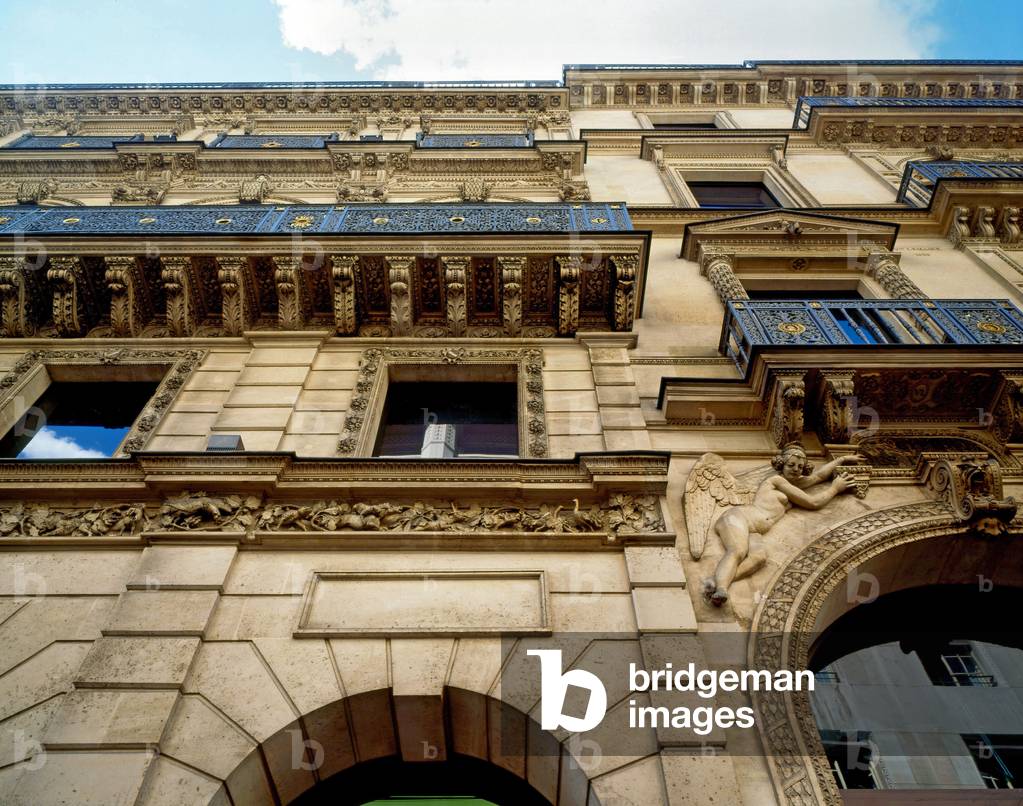
TEC4571717: La Maison Doree, 20 boulevard des Italians in Paris. 1835 construction, architect Victor Lemaire. / Bridgeman Images

LRI4571733: Peter's denial. Maesta altarpiece (tempera and gold on wood, 1308-1311), Duccio di Buoninsegna (1255-1319) / Bridgeman Images

PIX4571623: Constellation of the Great Bear - Constellation of Ursa Major: Plate extracted from the Mirror of Urania -1824. Ursa Major, the constellation of the Great Bear, from Urania's Mirror, a colourful set of constellation cards published in 1824. Over the years, the star at the end of the tail has been known by two popular names, Alkaid and Benetnasch but Alkaid is now the official name / Bridgeman Images
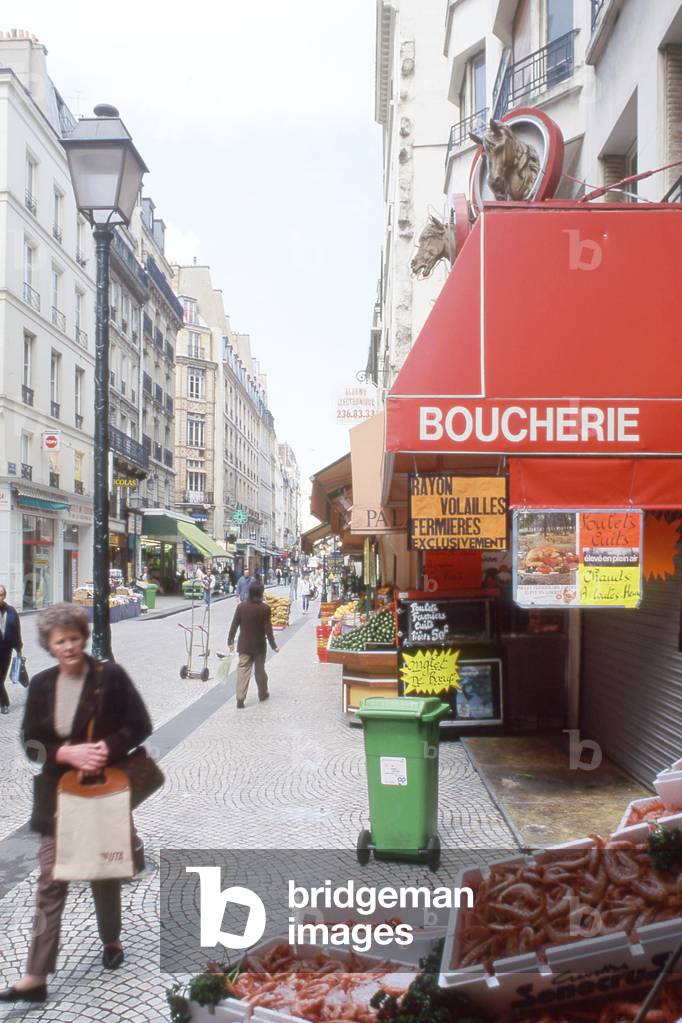
TEC4571631: Rue de Montorgueil in Paris. / Bridgeman Images
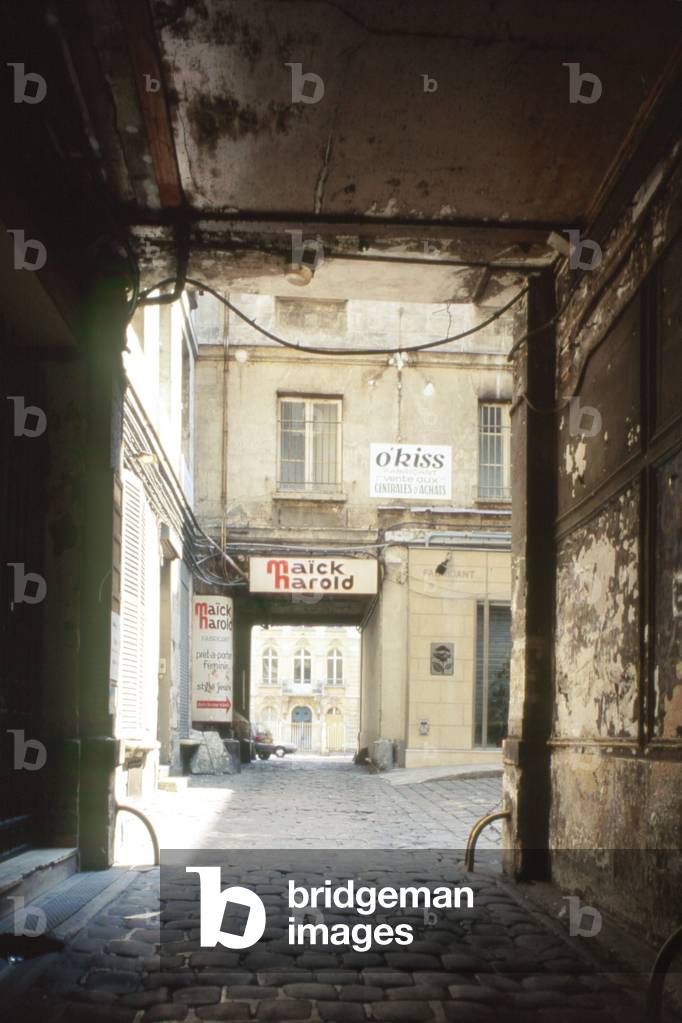
TEC4571637: Building 226 rue Saint Denis in Paris. / Bridgeman Images
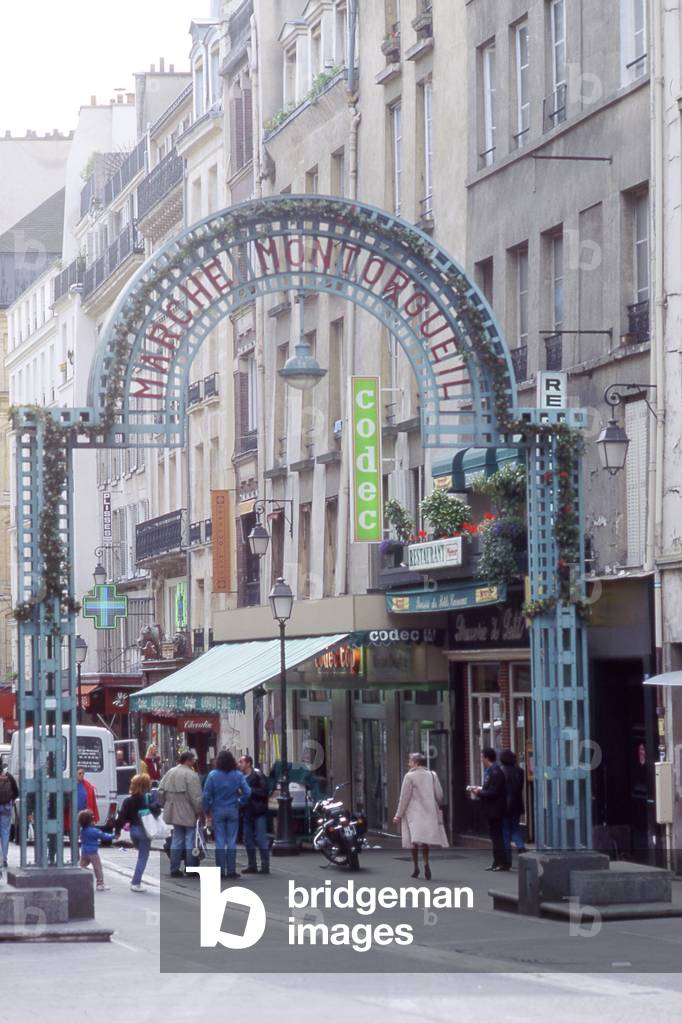
TEC4571660: Rue de Montorgueil in Paris. / Bridgeman Images

LRI4571452: Portrait of Emerantia Driel (Painting, 1647), Cuyp, Jacob Gerritsz (1594-1651) / Bridgeman Images
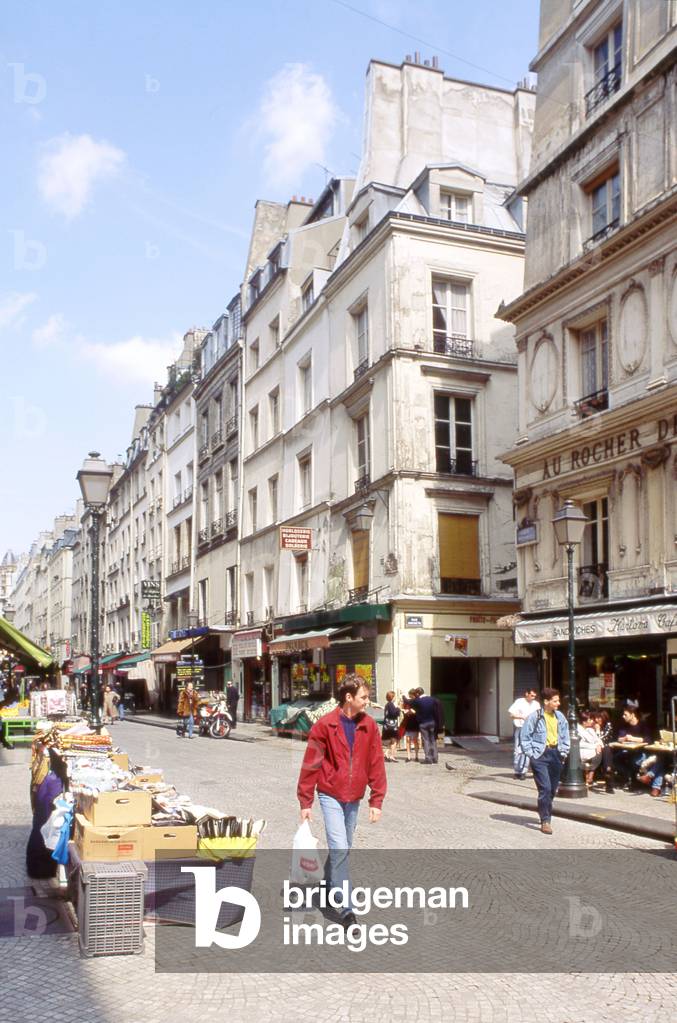
TEC4571561: Rue de Montorgueil in Paris. / Bridgeman Images

PIX4571569: A comet approaches the Sun - Illustration - Comet near our Sun - artwork - Artwork of a comet approaching our sun / Bridgeman Images
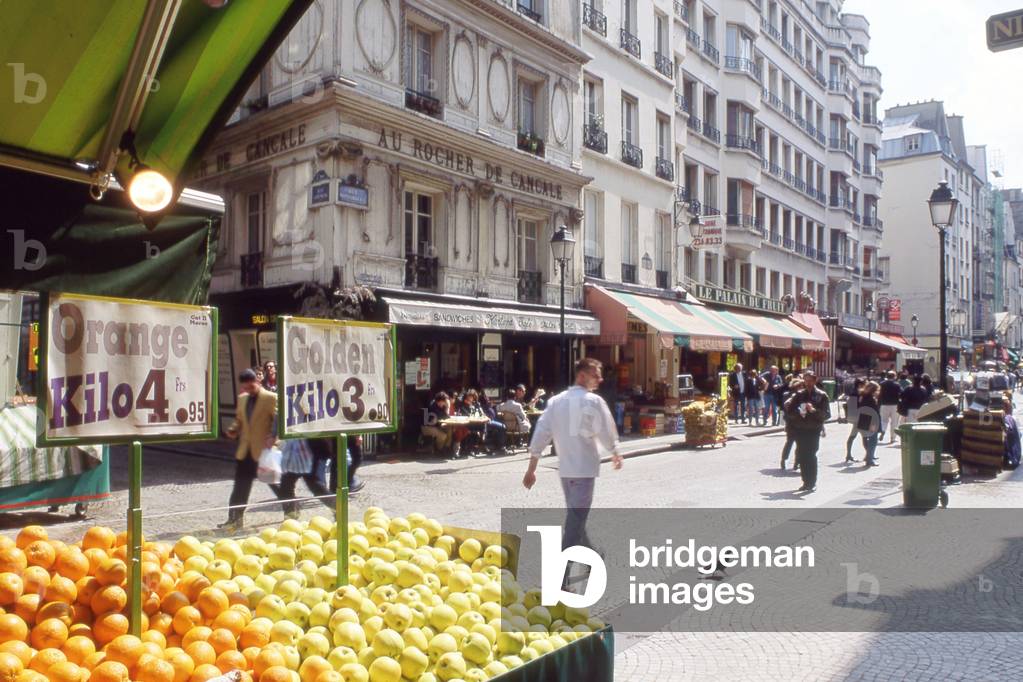
TEC4571581: Rue de Montorgueil in Paris. / Bridgeman Images
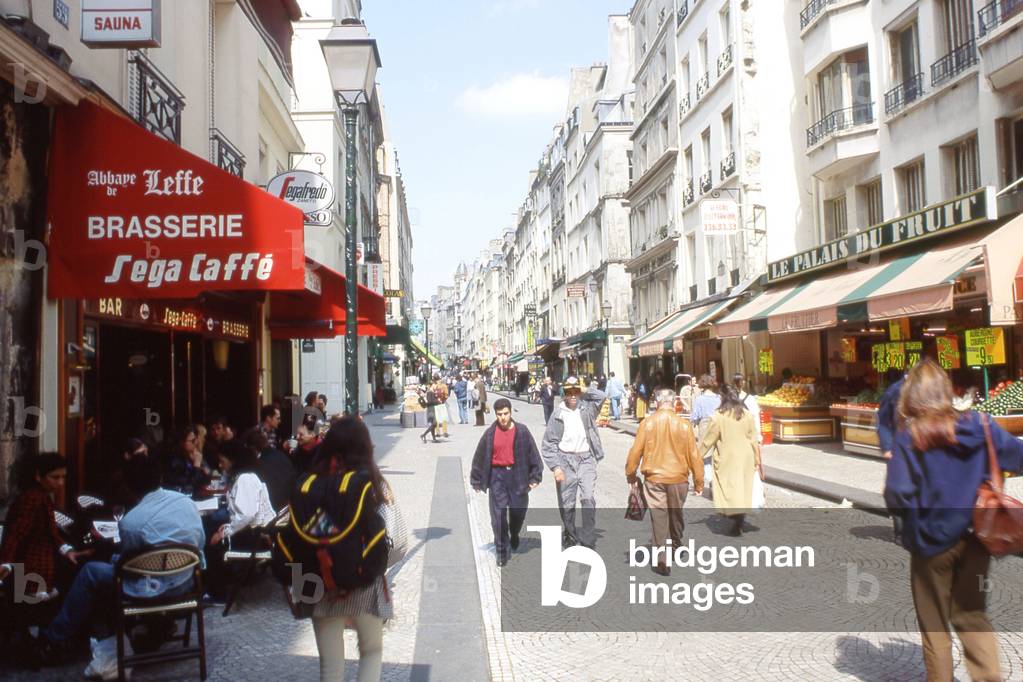
TEC4571605: Rue de Montorgueil in Paris. / Bridgeman Images

LRI4571612: Mary leaves the Apostles. Predella of La Maesta (tempera on wood, 1308-1311), Duccio di Buoninsegna (1255-1319) / Bridgeman Images
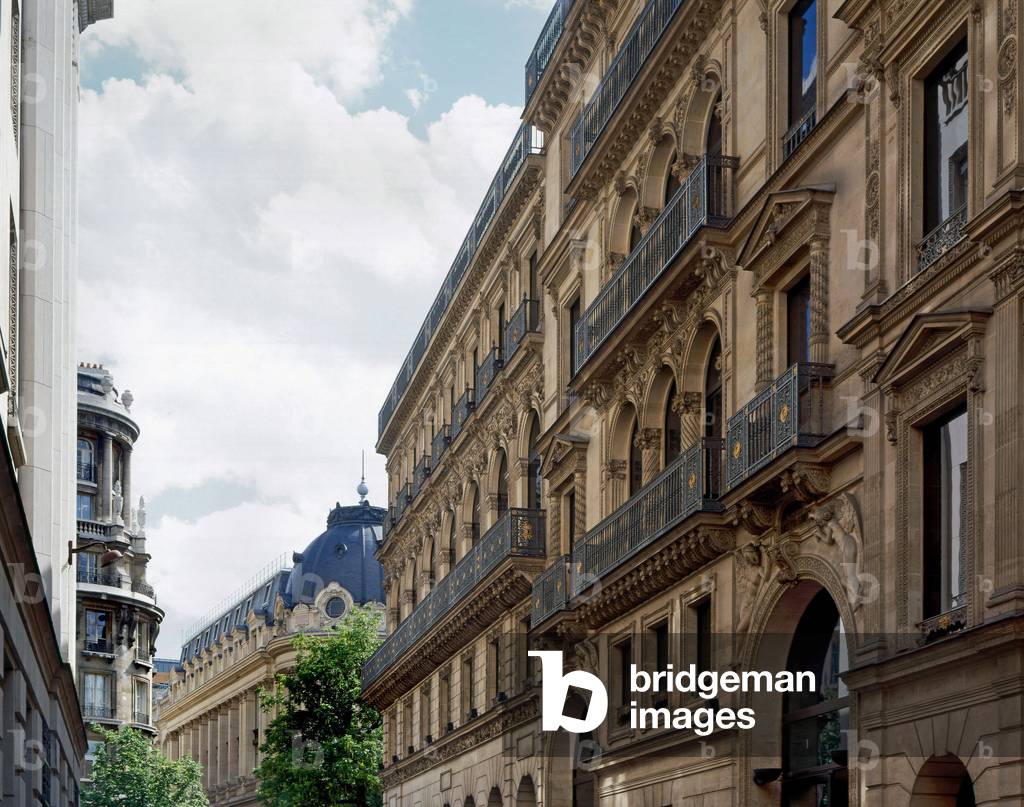
TEC4571727: La Maison Doree, 20 boulevard des Italians in Paris. 1835 construction, architect Victor Lemaire. / Bridgeman Images

RCT4571871: The bookshop Acte Sud in Arles (Bouches du Rhone)., Castan, Remy / Bridgeman Images
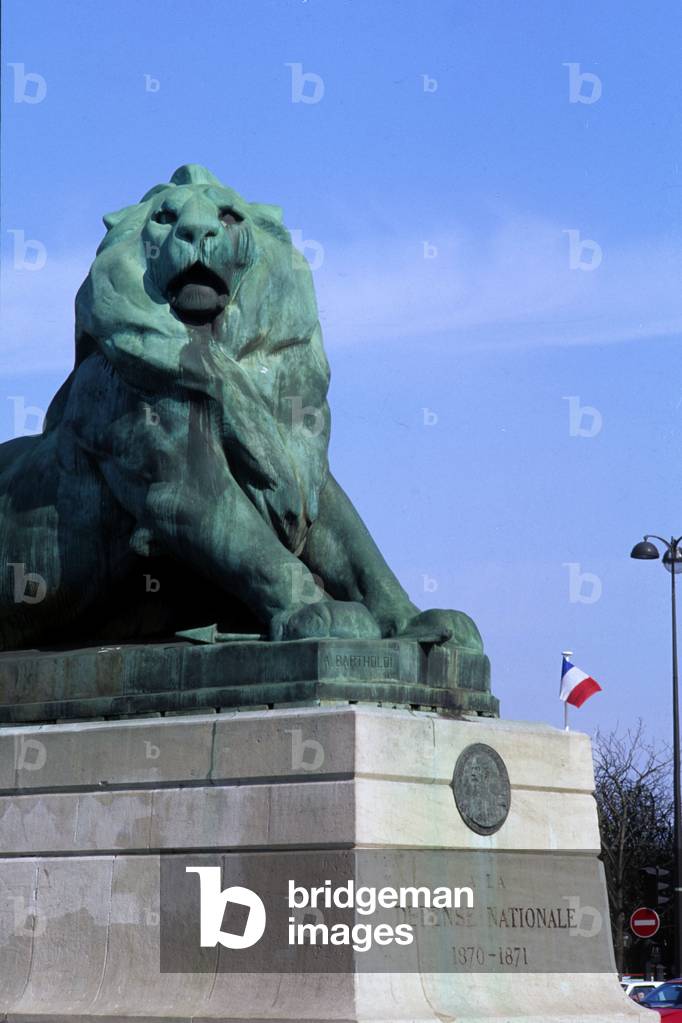
TEC4571950: Le Lion de Belfort, Place Denfert Rochereau in Paris 14. Sculpture by Augustus Bartholdi (1834-1904). Photography 10/03/98. / Bridgeman Images

PIX4572490: The smallest stars - Artist's view - The smallest stars. Artwork - Comparison to the scale of the smallest stars with Jupiter and the Sun. From left to right: Jupiter, a brown dwarf (same size as Jupiter but 50 times more massive), dwarf L (younger brown dwarf), red dwarf, Sun. From left to right: Jupiter (a failed star), a brown dwarf (same size as Jupiter but 50 times more massive), a “” L”” dwarf (brown dwarf younger), a red dwarf and the sun for comparison / Bridgeman Images

PIX4572527: Brown dwarf with asteroid ring - Artist's view of a brown dwarf star surrounded by an asteroid belt. In the foreground, a primitive exoplanet illuminated by the star. This brown dwarf is host to a disk composed primarily of asteroids and boulders. The light from this dwarf is barely enough to illuminate the surface of this primitive planet. At a distance of about 1.5 million miles, the orbit of this planet is aligned to the plane of the rings with the result that they appear as a fuzzy line occulting the glowing face of this brown dwarf / Bridgeman Images

LRI4572569: The life of the virgin: Christ in the House of Martha and Mary (detail) - Fresco, 1365, Giovanni da Milano (fl.1350-70) / Bridgeman Images
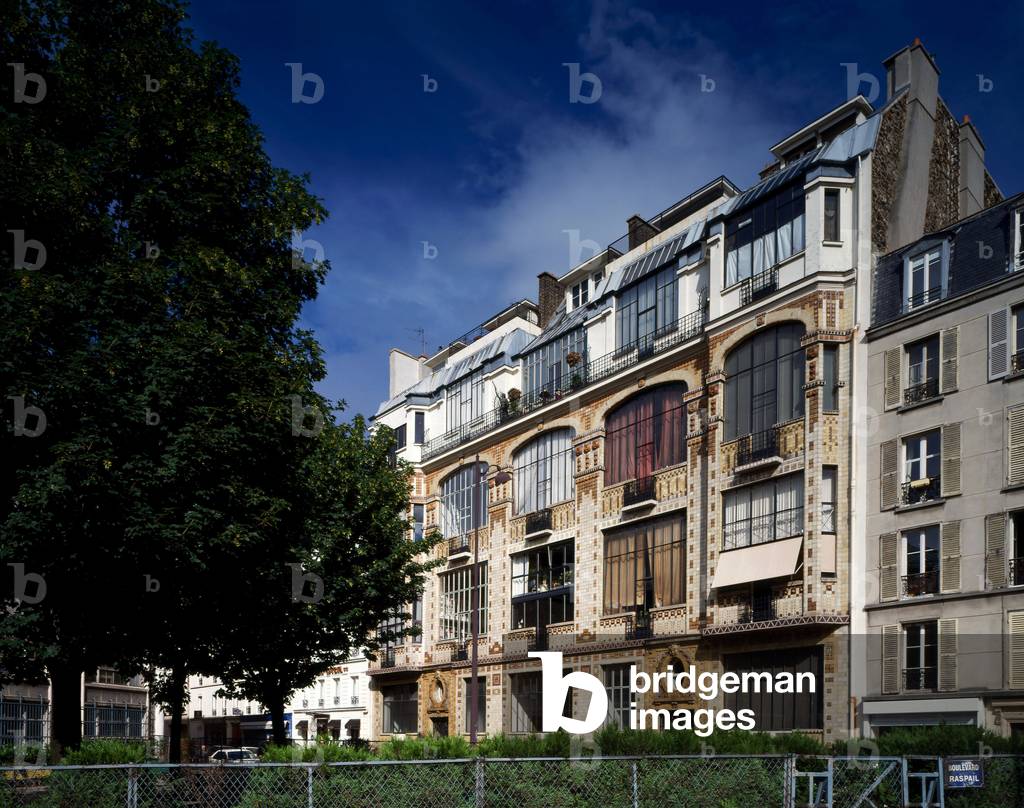
TEC4572445: Artist workshop, 31 rue Campagne 1ere in Paris 14th arrondissement. Construction 1911, architect Andre Arfvidson (1870-1935), Gres d'Alexandre Bigot (1863-1927). Building prizes at the contest of facades in 1911 with the systematic appearance of duplex. / Bridgeman Images

LRI4572477: Polyptych Baroncelli: the Coronation of the Virgin (Tempera on wood, 13th-14th century), Giotto (Giotto di Bondone) (c.1266-1337) / Bridgeman Images

PIX4572524: Artist's view of a star - A sun - like star. Artwork - Artist's view of a star like the Sun. A sun - like star. Artwor / Bridgeman Images

LRI4572444: The funeral of Saint Francis of Assisi and the verification of stigmas - Fresco, 1300, Giotto (Giotto di Bondone) (c.1266-1337) / Bridgeman Images

TEC4572474: Social housing, Place de Catalunya, Paris 14th arrondissement. Construction 1985, architect Ricardo Bofill., Bofill, Ricardo (b.1939) / Bridgeman Images

PIX4572539: Brown dwarf with a large debris ring - Artist's view of a brown dwarf star surrounded by a disc of dust and rocks. In the foreground, a primitive exoplanet illuminated by the star. This imaginary high - mass brown dwarf has a larger disk than the previous renderings. The perspective is from the equator of an airless planet, orbiting the brown dwarf at a distance of about 4 million miles. This planet's orbit is very nearly aligned to the plane of the rings, hence the debris appears as a sword - like straight line / Bridgeman Images

PIX4572591: Nova de l'Eagle - Nova Aquilae. Artwork - Artist's view of a nova, a white dwarf star that attracts the material of a companion star at the end of life, a red giant, and compresses these gases and then unleash a nuclear fusion reaction releasing a huge amount of energy in the form of a brief, extremely bright light. Here the artist showed the binary system just before the explosion of the nova. The artist's illustration depicts a classical nova binary system just before an explosion on the surface of the white dwarf. Classical novas occur in a system where a white dwarf closely orbits a normal, companion star. In this illustration, gas is flowing from the large red, companion star into a disk and then onto the white dwarf that is hidden inside the white area. As the gas flows ever closer to the white dwarf, it gets increasingly hotter, as indicated by the change in colors from yellow to white. When the explosion occurs, it engulfs the disk of gas and the red companion star / Bridgeman Images
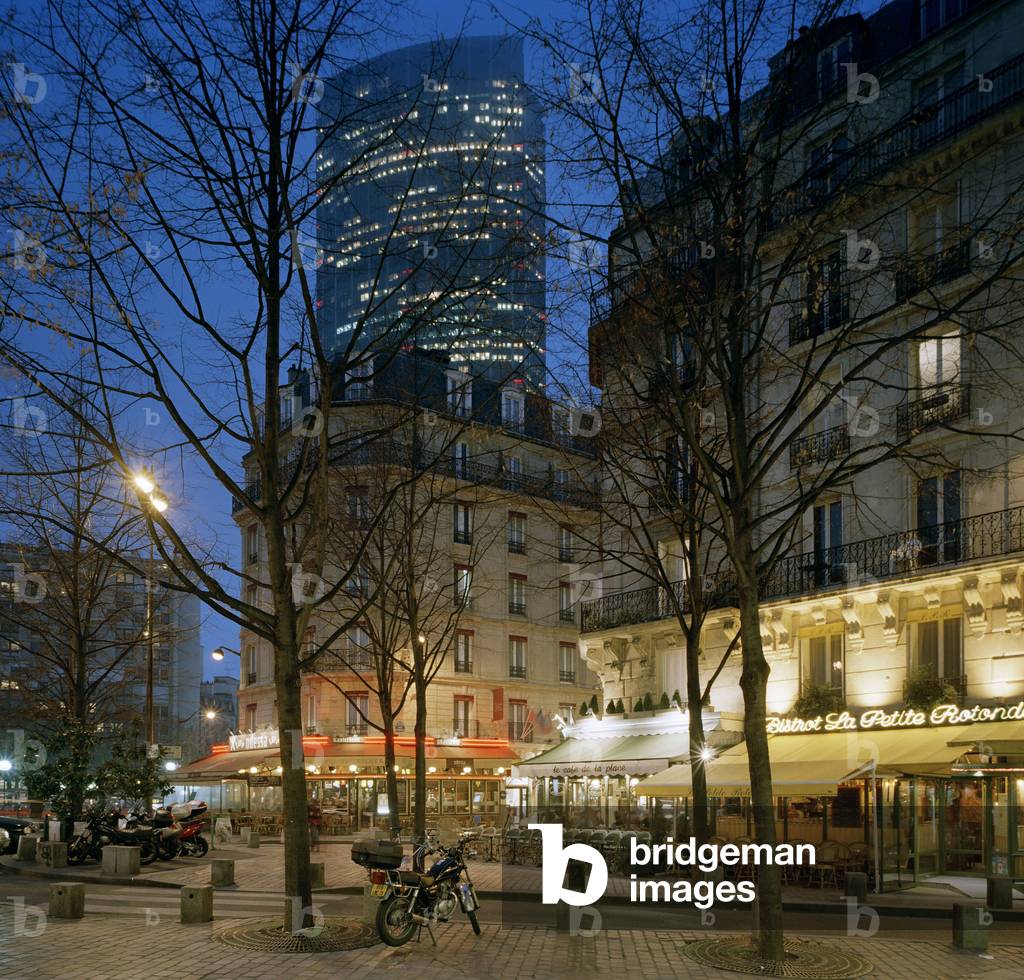
LBY4572781: Place Fernand Mourlot in Paris. 2005 photograph. / Bridgeman Images