Print Friendly Version Page

2497570 Search Results

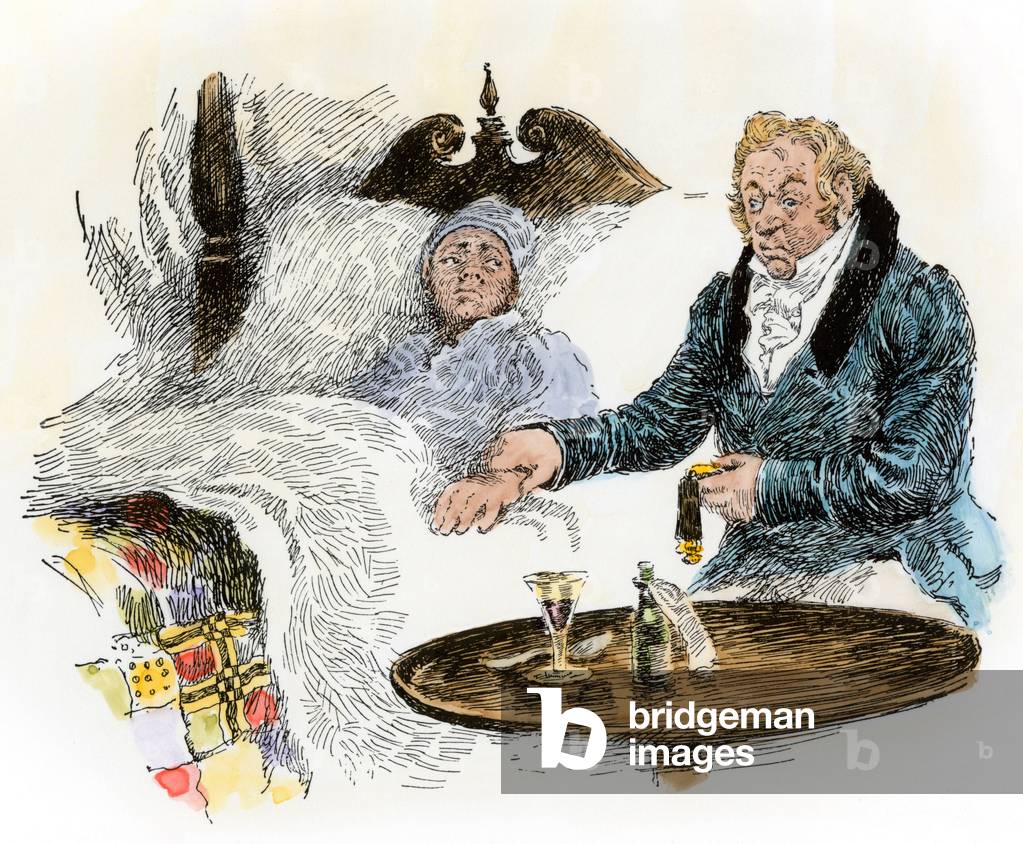
American colonial doctor taking the hen of a sick person lying in bed during a home visit in the 18th century (before the independence of the United States). Colour engraving after a 19th century illustration.

NWI4952782: American colonial doctor taking the hen of a sick person lying in bed during a home visit in the 18th century (before the independence of the United States). Colour engraving after a 19th century illustration. / Bridgeman Images

Portrait of Charles Beaudelaire, 19th century (engraving)

UTD4952962: Portrait of Charles Beaudelaire, 19th century (engraving), Manet, Edouard (1832-83) / Bridgeman Images

Aix en Provence. The Black Pavilion and the conservatory at the back.

JEB4953007: Aix en Provence. The Black Pavilion and the conservatory at the back., Ricciotti, Rudy (b.1952) / Bridgeman Images

French Revolution: the March on the Tuileries, 20 June 1792 - French Revolution - Attack on the Palais des Tuileries, 20 June 1792 - The day of 20 June 1792 at the Chateau des Tuileries. King Louis XVI presents himself before the people and heats the red cap (phrygian cap) Engraving from Les mysteres du grand monde” by Fulgence Girard, 19th century Private Collection

ELD4953020: French Revolution: the March on the Tuileries, 20 June 1792 - French Revolution - Attack on the Palais des Tuileries, 20 June 1792 - The day of 20 June 1792 at the Chateau des Tuileries. King Louis XVI presents himself before the people and heats the red cap (phrygian cap) Engraving from Les mysteres du grand monde” by Fulgence Girard, 19th century Private Collection / Bridgeman Images

Niels Henrik David Bohr (1885-1962) Danish physicist, 20th century (b/w photo)

UTD4953026: Niels Henrik David Bohr (1885-1962) Danish physicist, 20th century (b/w photo) / Bridgeman Images
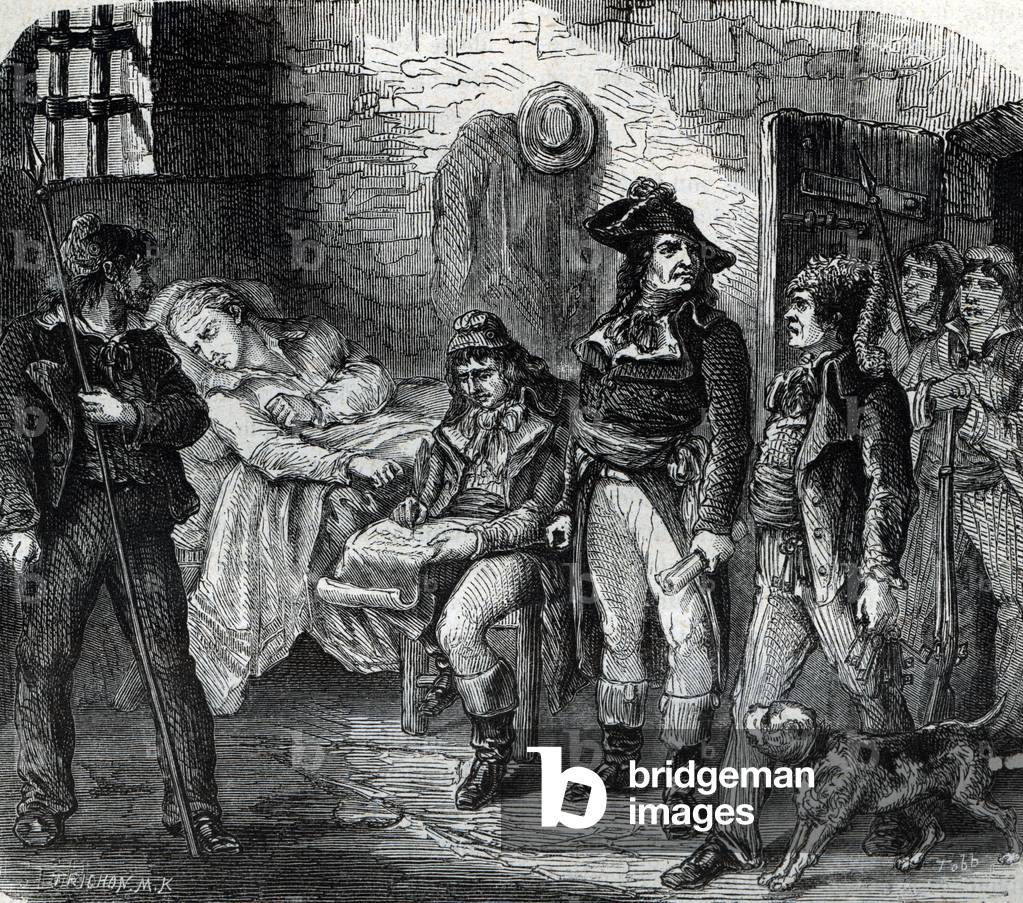
The Death of Condorcet in prison on 28th March, 1794 - French Revolution and movements contre revolutionaire: Suicide by Nicolas de Condorcet (1743-1794) giving himself death in his prison on 28 March 1794 at Bourg-Egalite (Bourg Egalite, now Bourg-la-Reine or Bourg La Reine in Ile de France) Engraving from Fulgence's “Les mysteres du grand monde” Girard, 19th century Private Collection

ELD4953037: The Death of Condorcet in prison on 28th March, 1794 - French Revolution and movements contre revolutionaire: Suicide by Nicolas de Condorcet (1743-1794) giving himself death in his prison on 28 March 1794 at Bourg-Egalite (Bourg Egalite, now Bourg-la-Reine or Bourg La Reine in Ile de France) Engraving from Fulgence's “Les mysteres du grand monde” Girard, 19th century Private Collection / Bridgeman Images

Aigues Mortes. Gard. Statue of Saint Louis by James Pradier (1790-1852) 1848.

JEB4953381: Aigues Mortes. Gard. Statue of Saint Louis by James Pradier (1790-1852) 1848. / Bridgeman Images

The goose symbolizing Gervaise's reussite is decoupeed on the evening of the laundry party Illustration of “The darker” by Emile Zola 1884

ELD4953431: The goose symbolizing Gervaise's reussite is decoupeed on the evening of the laundry party Illustration of “The darker” by Emile Zola 1884 / Bridgeman Images
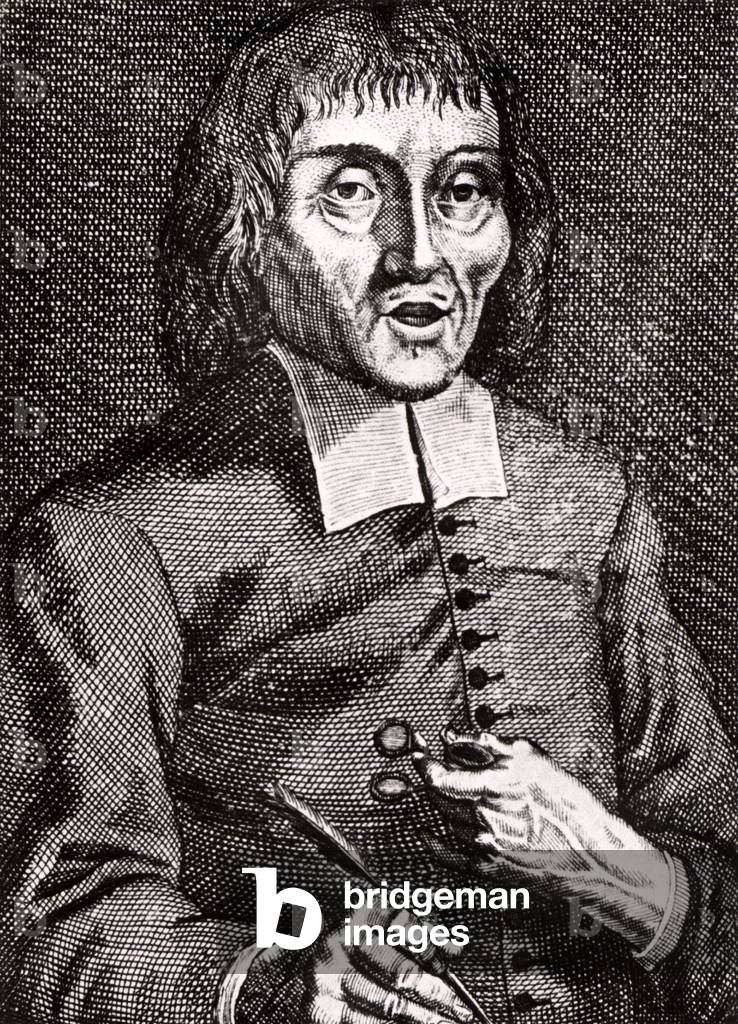
Jacob Brill (1639-1700) Dutch philosopher and follower of Spinoza, 1725 (engraving)

UTD4952716: Jacob Brill (1639-1700) Dutch philosopher and follower of Spinoza, 1725 (engraving) / Bridgeman Images

King Louis VII facing Queen Alienor of Aquitaine (1122-1204) (or Eleonore of Guyenne) who hides his lover presumes and uncle Raymond de Poitiers (1115-1149) around 1148 (King of France Louis VII visiting his wife Eleanor of Aquitaine who hides her lover Raymond of Poitiers, 1148 ca) Engraving from “The mysteres du grand monde”” by Fulgence Girard, 19th century Private Collection

ELD4952756: King Louis VII facing Queen Alienor of Aquitaine (1122-1204) (or Eleonore of Guyenne) who hides his lover presumes and uncle Raymond de Poitiers (1115-1149) around 1148 (King of France Louis VII visiting his wife Eleanor of Aquitaine who hides her lover Raymond of Poitiers, 1148 ca) Engraving from “The mysteres du grand monde”” by Fulgence Girard, 19th century Private Collection / Bridgeman Images
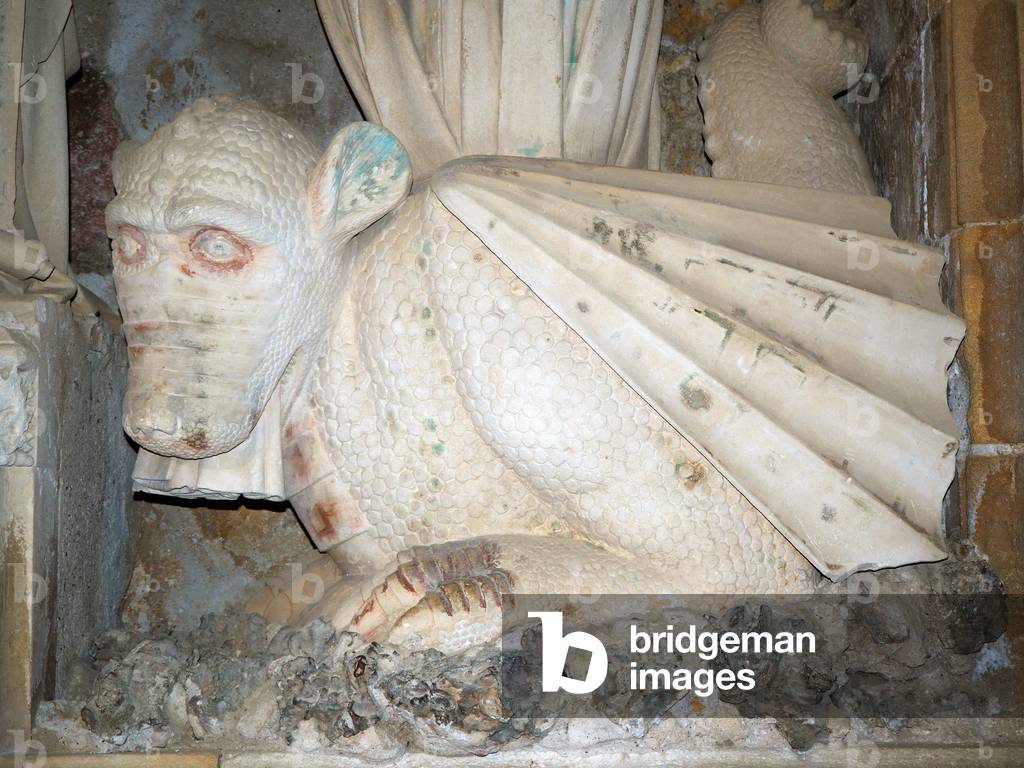
Aix en Provence. Cathedrale Saint Savior, Altar of Aygosi 1470. Sculptor Audinet Stephani. To the left Saint Maurice, to the center of Saint Anne, the Virgin and Jesus, to the right Saint Margaret leaving the dragon. Down in the center there is a tabernacle where you can read “See mortal it is for you that such a Victim is delivered”

JEB4952830: Aix en Provence. Cathedrale Saint Savior, Altar of Aygosi 1470. Sculptor Audinet Stephani. To the left Saint Maurice, to the center of Saint Anne, the Virgin and Jesus, to the right Saint Margaret leaving the dragon. Down in the center there is a tabernacle where you can read “See mortal it is for you that such a Victim is delivered” / Bridgeman Images

The “Locomotion No. 1” in Darlington, England, a steam locomotive invented by George Stephenson (1781-1848) in 1825. Colour engraving after a 19th century illustration.

NWI4952934: The “Locomotion No. 1” in Darlington, England, a steam locomotive invented by George Stephenson (1781-1848) in 1825. Colour engraving after a 19th century illustration. / Bridgeman Images

Francoise de Rochechouart by Mortemart Madame de Montespan presents Marie Angelique de Scorailles Duchess of Fontanges (1661-1681) to the King of France Louis XIV (1638-1715) 1678. 19th century (engraving from “Les mysteres

ELD4953127: Francoise de Rochechouart by Mortemart Madame de Montespan presents Marie Angelique de Scorailles Duchess of Fontanges (1661-1681) to the King of France Louis XIV (1638-1715) 1678. 19th century (engraving from “Les mysteres" by Fulgence Girard). / Bridgeman Images
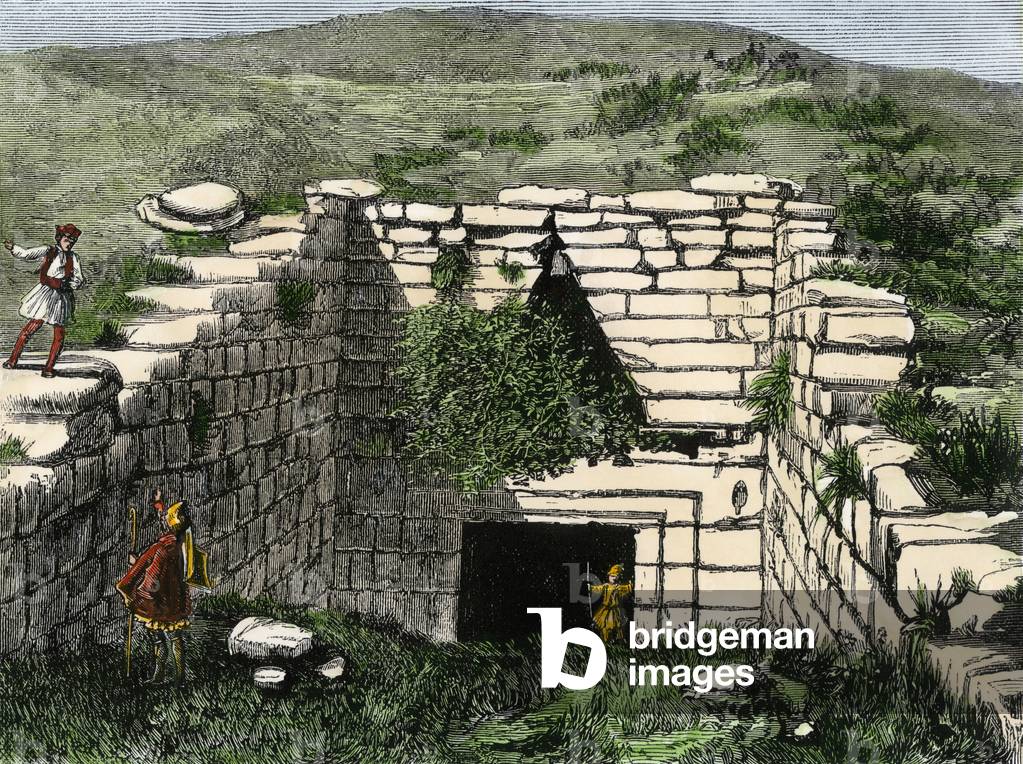
Site of excavations of the tomb of Agamemnon known as “Tresor d'Atree” located on the ancient town of Mycenes in the Peloponnese (1500-1100 BC) in Greece. The excavations were conducted by the architect Heinrich Schliemann (1822-1890). The years 1870. Colour engraving after a 19th century illustration

NWI4953255: Site of excavations of the tomb of Agamemnon known as “Tresor d'Atree” located on the ancient town of Mycenes in the Peloponnese (1500-1100 BC) in Greece. The excavations were conducted by the architect Heinrich Schliemann (1822-1890). The years 1870. Colour engraving after a 19th century illustration / Bridgeman Images

Saint Jean Cap Ferrat, Villa Ephrussi de Rothschild built from 1905 to 1912 by Beatrice Ephrussi de Rothschild. Renaissance style, it is a collector's villa surrounded by gardens. The garden has the French

JEB4953714: Saint Jean Cap Ferrat, Villa Ephrussi de Rothschild built from 1905 to 1912 by Beatrice Ephrussi de Rothschild. Renaissance style, it is a collector's villa surrounded by gardens. The garden has the French, Auburtin, Jacques Marcel (1872-1926) / Bridgeman Images

Saint Jean Cap Ferrat, Villa Ephrussi de Rothschild built from 1905 to 1912 by Beatrice Ephrussi de Rothschild. Renaissance style, it is a collector's villa surrounded by gardens. Interior, laloggia and patio

JEB4953733: Saint Jean Cap Ferrat, Villa Ephrussi de Rothschild built from 1905 to 1912 by Beatrice Ephrussi de Rothschild. Renaissance style, it is a collector's villa surrounded by gardens. Interior, laloggia and patio, Auburtin, Jacques Marcel (1872-1926) / Bridgeman Images

Portrait of the Countess Jeanne (Becu) du Barry (Madame Du Barry) (1743-1793) courtesan and mistress of Louis XV (Portrait of Countess Jeanne (Becu) du Barry (Madame du Barry) (1743-1793), courtesan and mistress of Louis XV) Engraving from “Histoire de la Bastille Privé” by Maquet

ELD4953545: Portrait of the Countess Jeanne (Becu) du Barry (Madame Du Barry) (1743-1793) courtesan and mistress of Louis XV (Portrait of Countess Jeanne (Becu) du Barry (Madame du Barry) (1743-1793), courtesan and mistress of Louis XV) Engraving from “Histoire de la Bastille Privé” by Maquet / Bridgeman Images
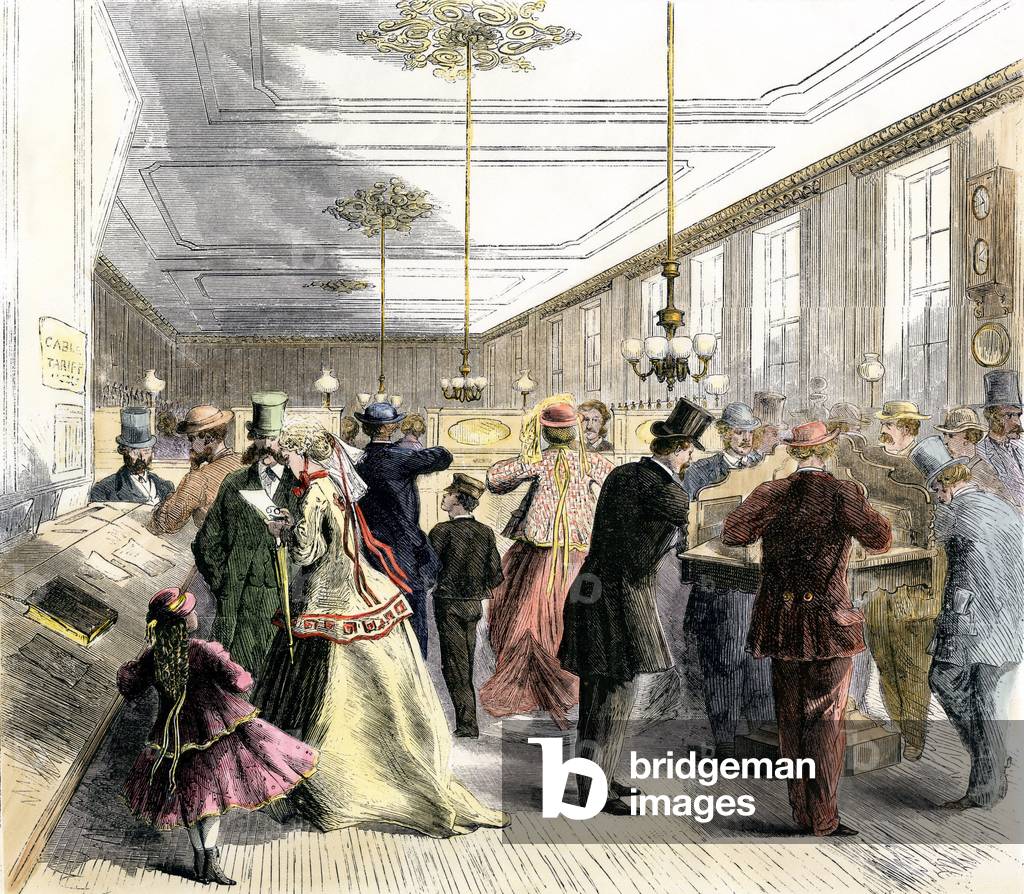
People sending telegrams to the offices of the American Telegraph Company, Broadway, Liberty Street, New York, 1860s. 19th century colour engraving.

NWI4953580: People sending telegrams to the offices of the American Telegraph Company, Broadway, Liberty Street, New York, 1860s. 19th century colour engraving. / Bridgeman Images

Portrait of Nana (anna coupeau) daughter of Gervaise Macquart then famous prostitute in the novel Nana”””””” Illustration taken from “The asommoir””” by Emile Zola 1884

ELD4953315: Portrait of Nana (anna coupeau) daughter of Gervaise Macquart then famous prostitute in the novel Nana”””””” Illustration taken from “The asommoir””” by Emile Zola 1884 / Bridgeman Images

Italy, Liguria, Sanremo. Villa by Alfred Nobel (1833-1896). entrance north facade, Villa Moorish style, which Nobel bought in 1890 and called it his nest.

JEB4953572: Italy, Liguria, Sanremo. Villa by Alfred Nobel (1833-1896). entrance north facade, Villa Moorish style, which Nobel bought in 1890 and called it his nest. / Bridgeman Images

View of the Plaza de la Republique in Valencia in the Drome (View of Valencia) Postcard around 1910

ELD4953725: View of the Plaza de la Republique in Valencia in the Drome (View of Valencia) Postcard around 1910 / Bridgeman Images

Schema of different mechanisms inside a watch. 19th century. Colour engraving after a 19th century illustration.

NWI4953747: Schema of different mechanisms inside a watch. 19th century. Colour engraving after a 19th century illustration. / Bridgeman Images

Vaccination: vaccine by a doctor against smallpox during the outbreak of 1870. Colour engraving of the 19th century.

NWI4953815: Vaccination: vaccine by a doctor against smallpox during the outbreak of 1870. Colour engraving of the 19th century. / Bridgeman Images

Myanmar - Burma: Yangon. Shwedagon Pagoda. Opened in 1372. Height 105 m. Chints lions keeping the entrance to the Pagoda

JEB4953859: Myanmar - Burma: Yangon. Shwedagon Pagoda. Opened in 1372. Height 105 m. Chints lions keeping the entrance to the Pagoda / Bridgeman Images

Saint Jean Cap Ferrat, Villa Ephrussi de Rothschild built from 1905 to 1912 by Beatrice Ephrussi de Rothschild. Renaissance style, it is a collector's villa surrounded by gardens. The garden has the French

JEB4953659: Saint Jean Cap Ferrat, Villa Ephrussi de Rothschild built from 1905 to 1912 by Beatrice Ephrussi de Rothschild. Renaissance style, it is a collector's villa surrounded by gardens. The garden has the French, Auburtin, Jacques Marcel (1872-1926) / Bridgeman Images

Saint Jean Cap Ferrat, Villa Ephrussi de Rothschild built from 1905 to 1912 by Beatrice Ephrussi de Rothschild. Renaissance style, it is a collector's villa surrounded by gardens. The garden has the French

JEB4953718: Saint Jean Cap Ferrat, Villa Ephrussi de Rothschild built from 1905 to 1912 by Beatrice Ephrussi de Rothschild. Renaissance style, it is a collector's villa surrounded by gardens. The garden has the French, Auburtin, Jacques Marcel (1872-1926) / Bridgeman Images

View of Pont-l'Eveque in Normandy Postcard around 1910

ELD4953727: View of Pont-l'Eveque in Normandy Postcard around 1910 / Bridgeman Images

Myanmar - Burma: Yangon. Shwedagon Pagoda. Opened in 1372. Height 105 m. Chints lions keeping the entrance to the Pagoda

JEB4953854: Myanmar - Burma: Yangon. Shwedagon Pagoda. Opened in 1372. Height 105 m. Chints lions keeping the entrance to the Pagoda / Bridgeman Images
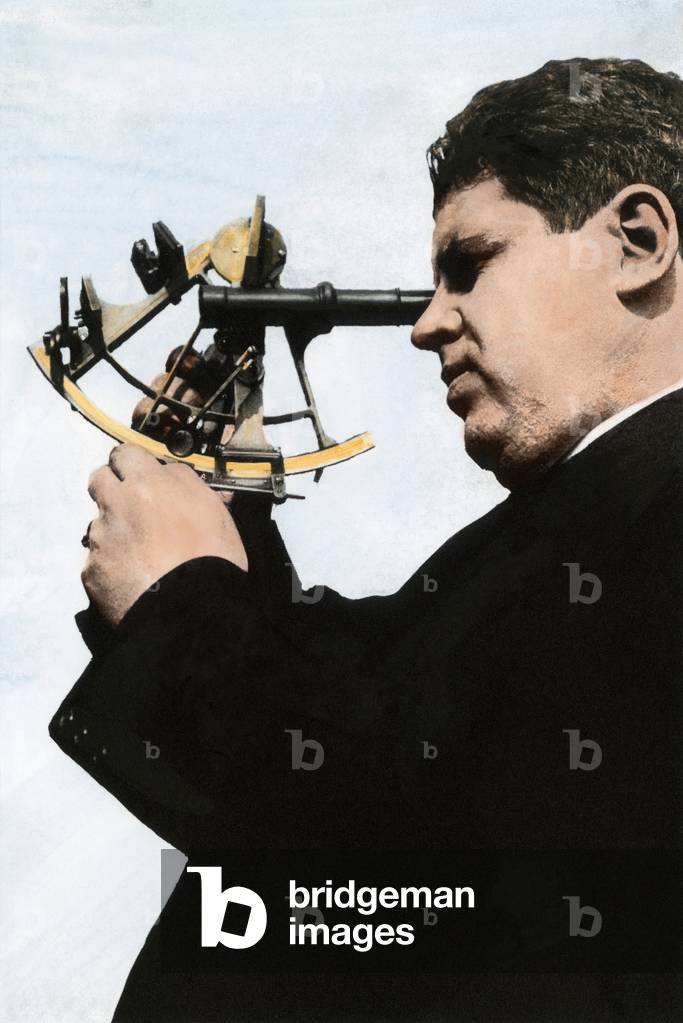
Navigation instrument: man using a sextant to measure his position. First 20th century. Colouring reproduction (Halftone) of a photograph.

NWI4953877: Navigation instrument: man using a sextant to measure his position. First 20th century. Colouring reproduction (Halftone) of a photograph. / Bridgeman Images

Myanmar - Burma: Yangon. Shwedagon Pagoda. Opened in 1372. Height 105 m. Monk monk praying and meditating

JEB4954013: Myanmar - Burma: Yangon. Shwedagon Pagoda. Opened in 1372. Height 105 m. Monk monk praying and meditating / Bridgeman Images
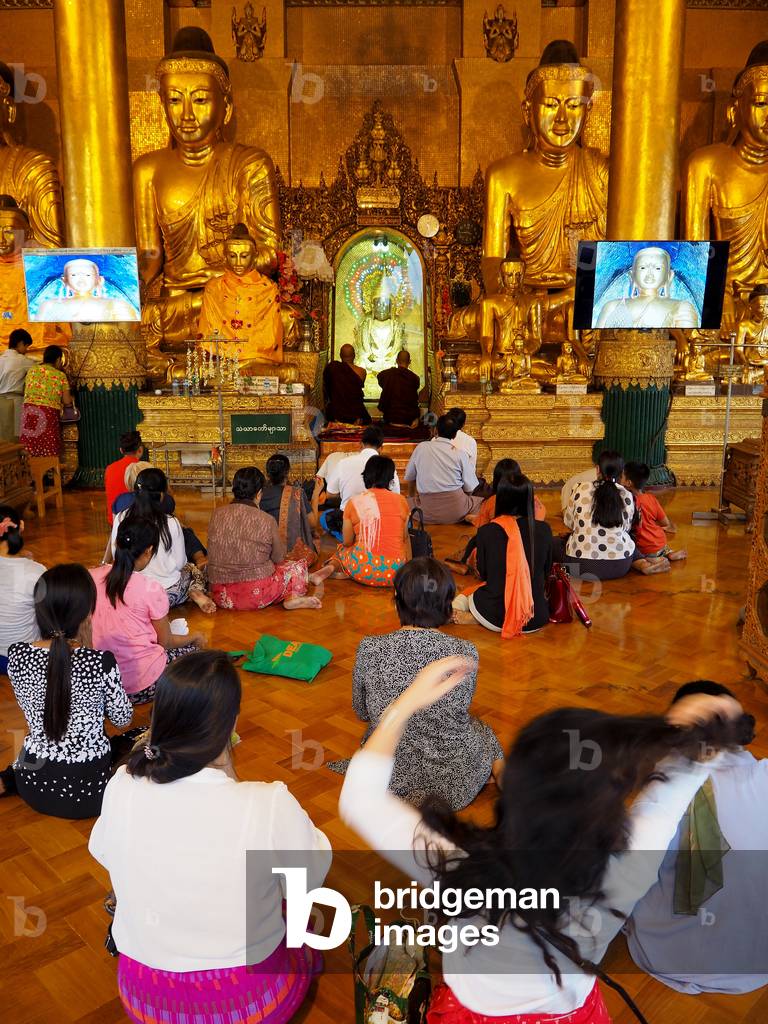
Myanmar - Burma: Yangon. Shwedagon Pagoda. Opened in 1372. Height 105 m. People in prayer and meditation

JEB4954052: Myanmar - Burma: Yangon. Shwedagon Pagoda. Opened in 1372. Height 105 m. People in prayer and meditation / Bridgeman Images

The Burial of Alaric I in 410 in the bed of the river Busento a Cosenza in Calabria, Italy (The body of Alaric I is buried in the bed of the river Busento, Calabria, 410) Engraving from “History of the world” by Ridpath 1885 Private collection

ELD4954063: The Burial of Alaric I in 410 in the bed of the river Busento a Cosenza in Calabria, Italy (The body of Alaric I is buried in the bed of the river Busento, Calabria, 410) Engraving from “History of the world” by Ridpath 1885 Private collection / Bridgeman Images

Electromotograph kind of telegraph invented by Thomas Edison, 1870 years. 19th century color engraving.

NWI4954075: Electromotograph kind of telegraph invented by Thomas Edison, 1870 years. 19th century color engraving. / Bridgeman Images

Representation of Antoine and Cleopatra identifying with the Egyptian deities Osiris and Isis (Antonius and cleopatra as Osiris and Isis) (personalite cult) Engraving from “History of the world” by Ridpath 1885 Private collection

ELD4954056: Representation of Antoine and Cleopatra identifying with the Egyptian deities Osiris and Isis (Antonius and cleopatra as Osiris and Isis) (personalite cult) Engraving from “History of the world” by Ridpath 1885 Private collection / Bridgeman Images

Signalling apparatus for Joseph Henry's telegraph, the first electromagnetic telegraph, 1832. Colour engraving of the 19th century.

NWI4954329: Signalling apparatus for Joseph Henry's telegraph, the first electromagnetic telegraph, 1832. Colour engraving of the 19th century. / Bridgeman Images

Prehistory: representation of an iguanodon and megalosaur from the cretacee period, 1881 (engraving)

ELD4954400: Prehistory: representation of an iguanodon and megalosaur from the cretacee period, 1881 (engraving), Demarle, Alphonse (1826-1896) / Bridgeman Images


Back to top