
Print this page or go back to standard view.
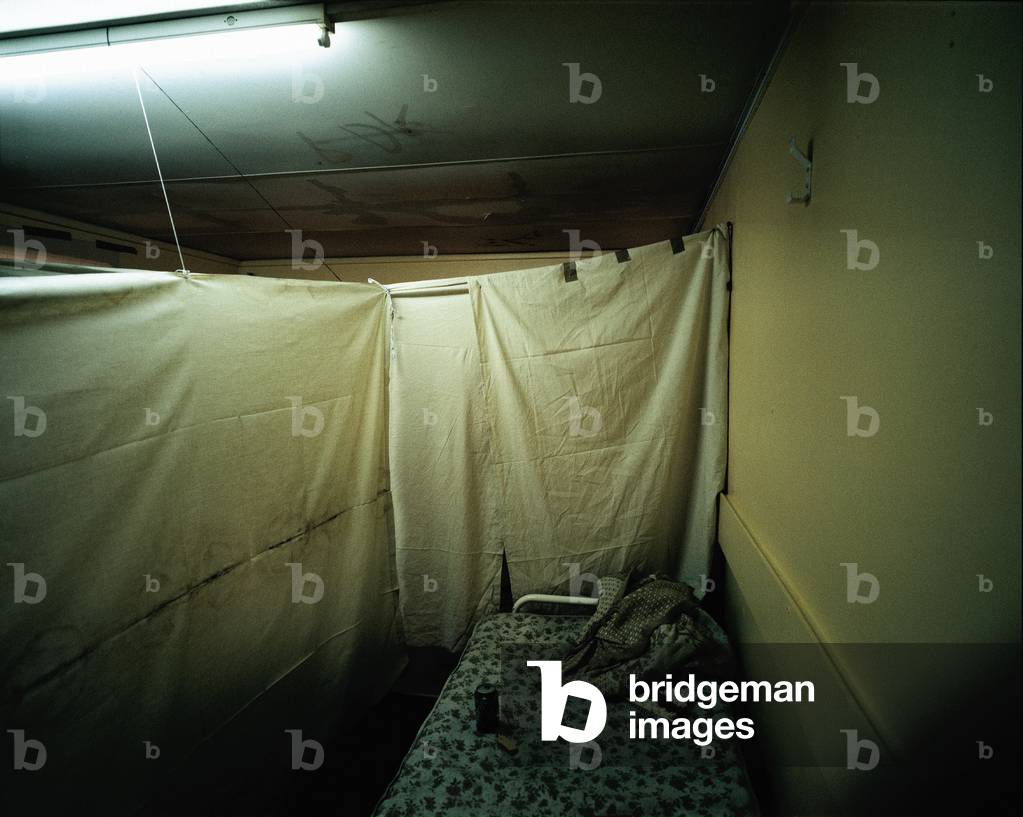
JSN4672995: Le Hangar (1999). Centre des Refugies in Sangatte (Mancha)., Salmon, Jacqueline / Bridgeman Images

PIX4673034: Florida Shuttle View 12 - 1999 - Florida Seen From Shuttle STS-103 December 1999 / Bridgeman Images

PIX4673069: Tikal - Temple I and the constellation Orion - Tikal - Temple I and Orion constellation - Temple I or Temple of Ah Cacao or Temple of the Great Jaguar was built around 734, and rises to 47 metres in height. Tikal (or Tik'al according to modern Mayan spelling) is one of the largest archaeological sites and urban centers of the Mayan precolombian civilization. Located in what is now northern Guatemala, it was declared a UNESCO World Heritage Site in 1979. Temple I (also known as the Temple of Ah Cacao or Temple of the Great Jaguar) is a funerary pyramid dedicated to Jasaw Chan K'awil, who was entombed in the structure in AD 734, the pyramid was completed around 740 - 750. The temple rises 47 meters (154 ft) high. Tikal (or Tik'al according to the modern Mayan orthography) is one of the largest archaeological sites and urban centres of the pre-Columbian Maya civilization. It is located in the archaeological region of the Peten Basin in what is now northern Guatemala. In 1979 it was declared a UNESCO World Heritage Site / Bridgeman Images

PIX4672663: Horseshoe Bend - Arizona - The Horseshoe Bend is the name of a meander of the Colorado River located south of the town of Page, Arizona. A female hiker rests on the rim of the canyon with an amazing view of Horseshoe Bend / Bridgeman Images

PIX4672687: Lower Antelope Canyon - Textures and colors inside Lower Antelope Canyon / Bridgeman Images

PIX4672712: Lower Antelope Canyon - Textures and colors inside Lower Antelope Canyon / Bridgeman Images

PIX4672866: San Francisco Bay area view from space - San Francisco Bay area seen from space - San Francisco Bay area seen from space on April 17, 1998 from space shuttle Columbia. San Francisco Bay Area, California April 17, 1998. Considered one of the best natural harbors in the world, San Francisco Bay, with its various sediment patterns, can be seen in this unique near - vertical view. Surrounded by the San Francisco Metropolitan area to the west and southwest, the Berkeley and Oakland Metropolitan area to the east, and the San Jose Metropolitan (not visible on the image) to the southeast, San Francisco Bay is 50 miles (80 km) long and from 3 to 13 miles (5 to 21 km) wide. Waters of the Pacific Ocean (bottom of image) enter the bay through Golden Gate, a strait between two peninsulas. The world famous Golden Gate Bridge is discernible on the image connecting the two peninsulas. The bay is as deep as 100 feet (30 meters) in spots, with a channel 50 feet (15 meters) deep maintained through the sand bar off Golden Gate. The major transportation routes in all metropolitan areas are visible on this image. Also discernible is the San Mateo Bridge near the right center of the image. Just to the left of the center of the image is Treasure Island, an artificial island covering 400 acres (162 hectares). It was constructed as a site of the Golden Gate International Exposition (1939 - 1940) and became a United States Naval Base in 1941. The small white objects in the bay and entering the golden gate are ships / Bridgeman Images
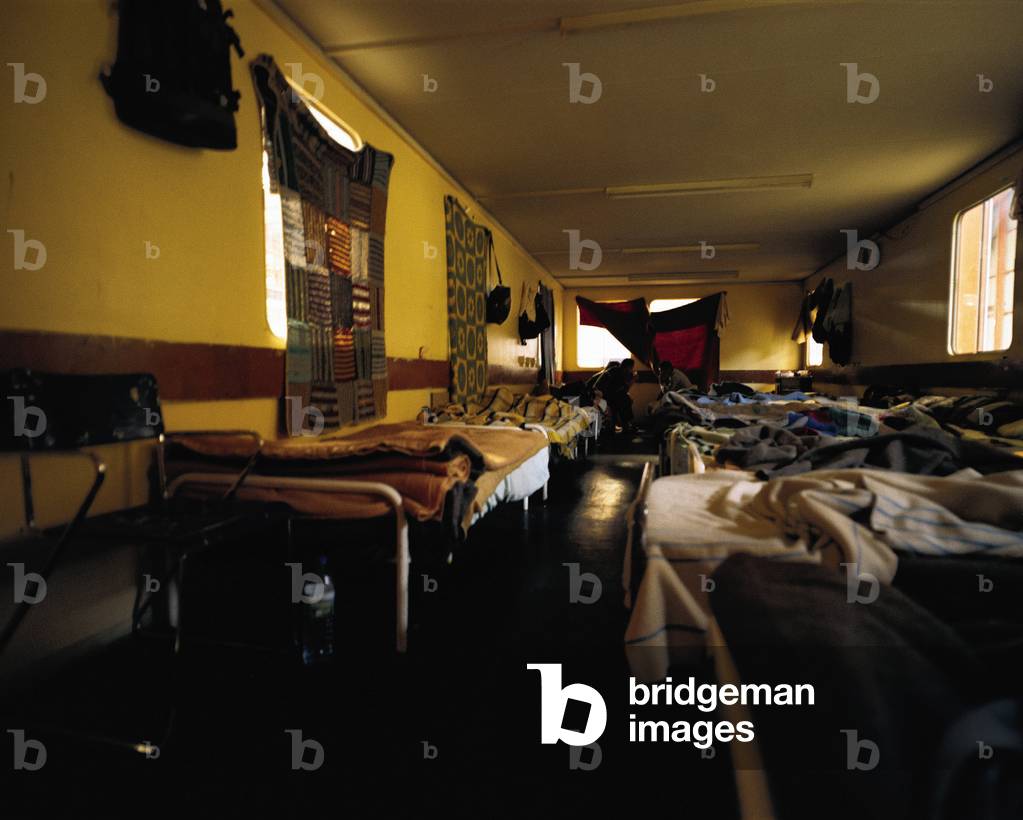
JSN4672962: The Hangar. Refugee Centre in Sangatte (Mancha)., Salmon, Jacqueline / Bridgeman Images
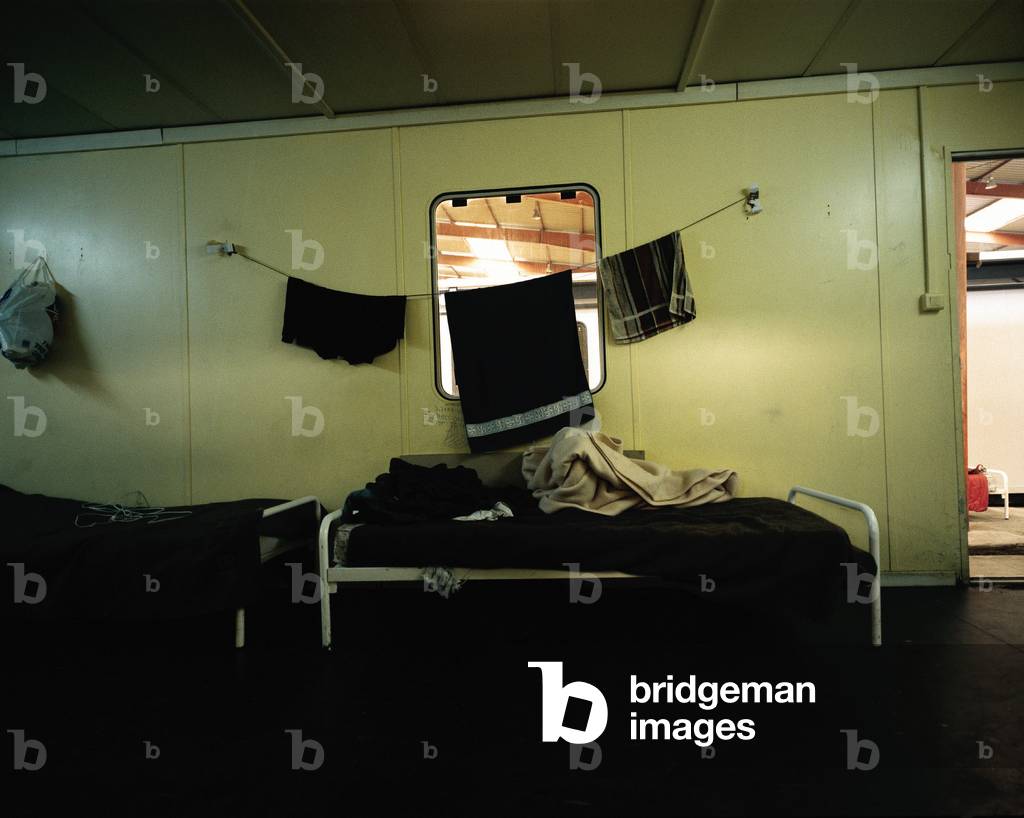
JSN4673018: Le Hangar (1999). Centre des Refugies in Sangatte (Mancha)., Salmon, Jacqueline / Bridgeman Images
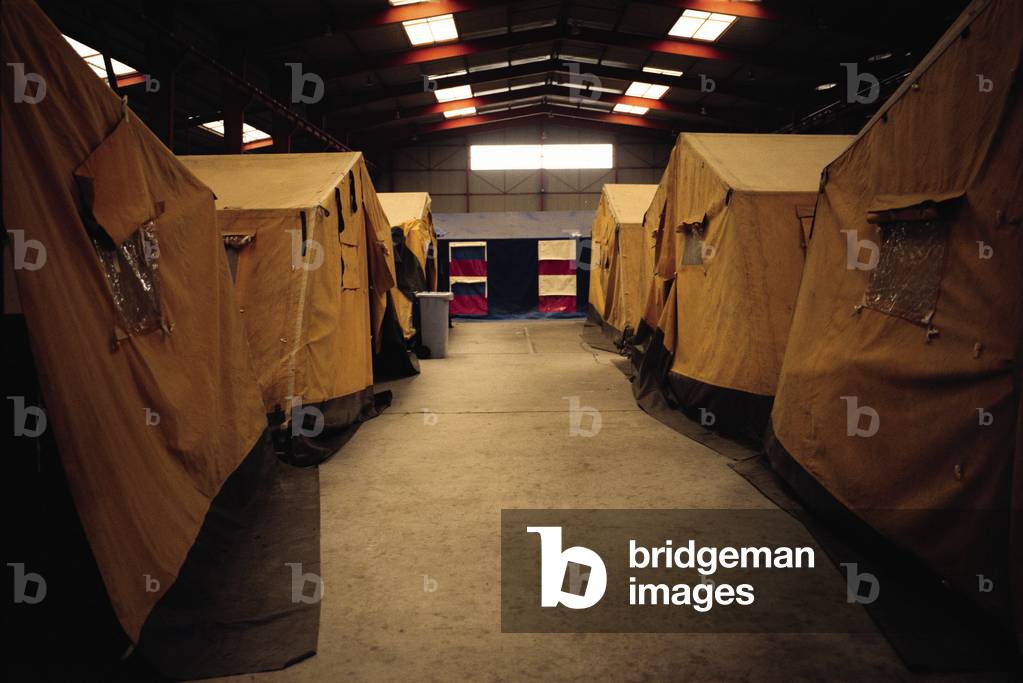
JSN4673038: Le Hangar (1999). Centre des Refugies in Sangatte (Mancha)., Salmon, Jacqueline / Bridgeman Images

PIX4672673: Lower Antelope Canyon - Textures and colors inside Lower Antelope Canyon. A light shaft comes down from the top of the canyon / Bridgeman Images

PIX4672711: Grand Canyon, Arizona - Grand Canyon, Arizona - Grand Canyon, North Rim, Cape Roya / Bridgeman Images

PIX4672743: Grand Canyon, Arizona - Window view of Grand Canyon - A tourist admires the Grand Canyon from the Desert View Watchtower. A tourist enjoys the view of the Grand Canyon through a window at Desert View Watchtower / Bridgeman Images

PIX4672780: Eleuthera seen from space - Eleuthera from space - Southern part of the island of Eleuthera, Bahamas. Image obtained on 16 March 2002 from the International Space Station (ISS). Southern part of Eleuthera, an island in the Bahamas. Image obtained from the International space station on March 16, 2002 / Bridgeman Images

PIX4672909: Lake Ontario, Lake Erie, seen from space shuttle Discovery - Lake Ontario, lake Erie seen from space shuttle - In this picture taken at sunset, water bodies stand out, relaying the light of the Sun. In the foreground is Lake Ontario with the St. Lawrence River; above, Lake Erie. Image obtained by the shuttle Discovery on October 21, 2000. The STS - 92 Space Shuttle astronauts photographed upstate New York at sunset on October 21, 2000. Water bodies (Lake Ontario, Lake Erie, the Finger Lakes, the St. Lawrence and Niagara Rivers) are highlighted by sunglint (sun reflecting off the water surface), making for a dramatic and unusual regional view. The photograph was taken looking toward the southwest from southern Canada, and captures a regional smog layer extending across central New York, western Lake Erie and Ohio, and further west. The layer of atmospheric pollution layer is capped by an atmospheric inversion, which is marked by the layer of clouds at the top of the photograph / Bridgeman Images

PIX4672961: Highland Valley Copper Mine - Canada - Highland Valley Copper Mine - Canada: The Highland Valley Mine is an open pit copper and molybdene mine located in British Columbia, Canada. Image taken from the International Space Station (ISS) on September 28, 2009. The north is downstairs. The Highland Valley Copper mine is the largest open pit copper mine in Canada, located near Logan Lake, British Columbia. Astronaut photograph was acquired on September 28 2009 from the International Space Station (ISS) / Bridgeman Images

PIX4672999: Florida Shuttle View - Florida View by Shuttle STS - 95 October 199 / Bridgeman Images

JLJ4673035: First World War: the victors of the Allied Armies of the Battle of the Marne in September 1914 / Bridgeman Images

PIX4673284: Chichen Itza - The El Caracol Observatory of Chichen Itza in Mexico. El Caracol, the observatory in Chichen Itza, Yucatan, Mexico / Bridgeman Images
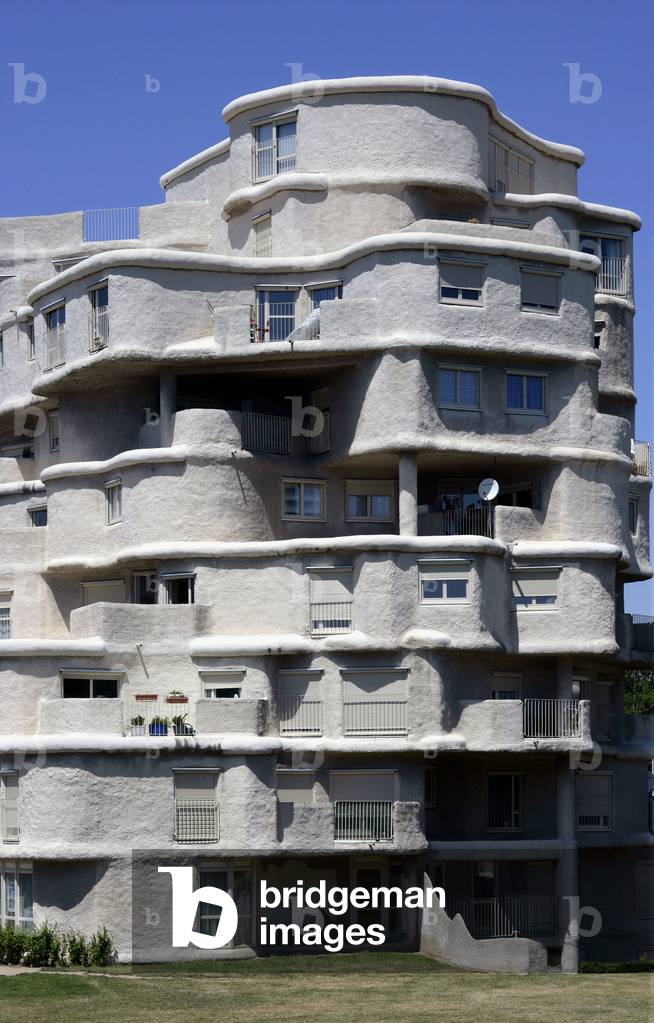
TEC4673317: Housing cite Pasteur Montplaisir in Angers (Maine et Loire). End of construction 1976, architect Pavel Kalouguine. / Bridgeman Images

LRI4673434: Viola d'amore (musical instrument, 1757), Mantegazza, Pietro Giovanni (1730-1803) / Bridgeman Images

LRI4673184: Portrait of Count Franz Anton von Nostitz-Rieneck (1725-1794) founder of the State Theatre of Prague in 1783 (Portrait of aristocrat Frantisek Antonin Count Nostitz Rieneck who built Estates Theatre or Stavovske divadlo, Prague) Anonymous painting, 18th century - Prague, Mozartien Museum, Unknown artist, (18th century) / Bridgeman Images

LRI4673230: Portrait of Richard Wagner (drawing, 1880), Bac, Ferdinand Sigismund (1859-1952) / Bridgeman Images
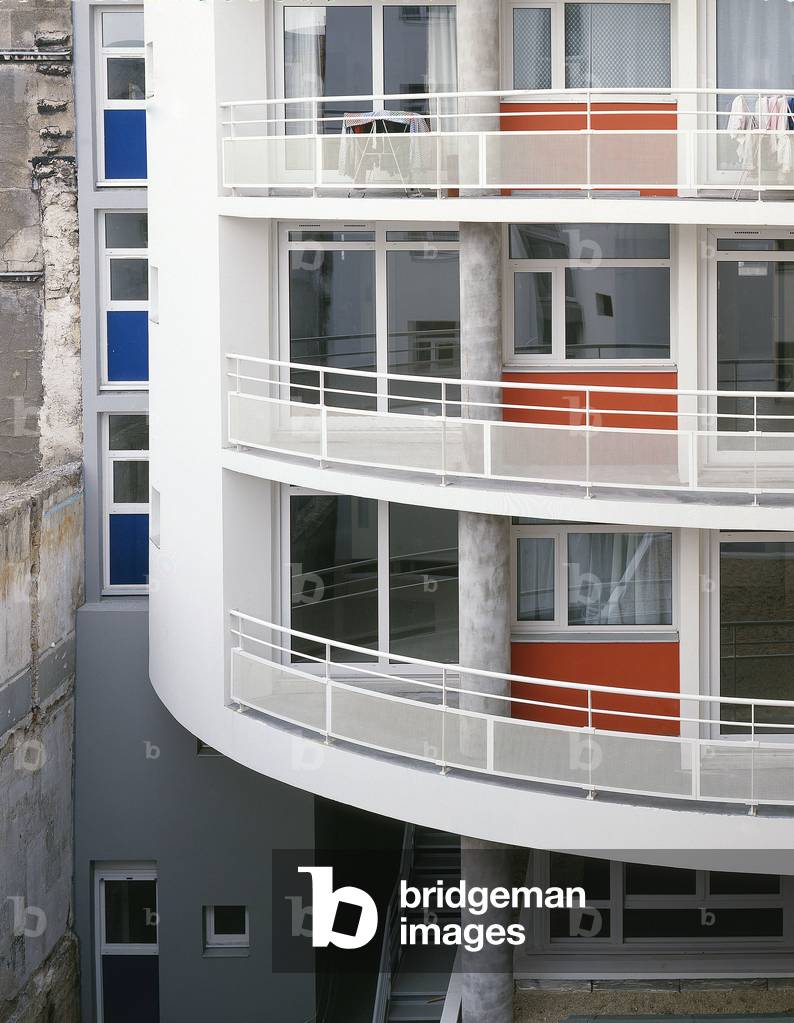
TEC4673259: Social housing, Rue Bisson a Paris 75020. End of 1988, architects Jacques Ripault and Denise Duhart. Photography 10/05/88. / Bridgeman Images

LRI4673398: Hunting horn / Bridgeman Images
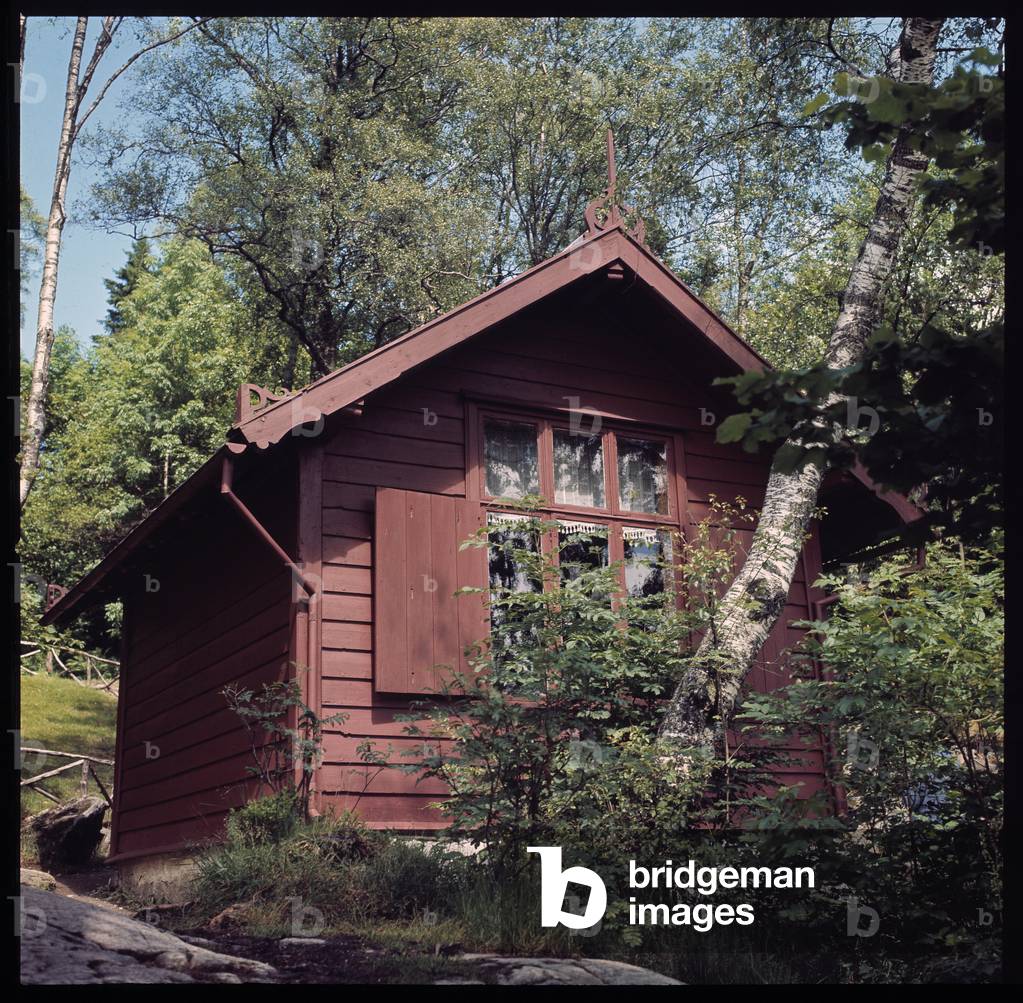
LRI4673177: View of the hut where Edvard Hagerup Grieg used to compose (photography) / Bridgeman Images

PIX4668668: Abbey of Fontevraud - Maine-et-Loire - Abbey of Fontevraud - Maine-et-Loire: The Abbey of Notre-Dame de Fontevraud was founded by Robert d'Arbrissel in 1101. Located 15 km from Saumur in the Maine-et-Loire, it was classified as a historical monument in 1840 and declared a UNESCO World Heritage Site in 2000 with the entire cultural site of the Loire Valley. The Royal Abbey of Our Lady of Fontevraud or Fontevrault was a monastery in the village of Fontevraud-l'Abbaye, near Saumur, in Anjou, France. It was founded in 1101 by Robert of Arbrissel. The complex of monastic buildings served as a prison from 1804 to 1963 / Bridgeman Images

JLJ4668723: The Goatherd Of Jura, 19th century (oil on canvas), Bouillon, (19th century) / Bridgeman Images

LRI4668826: Banquet in honor of General Antonio Leon in Oaxaca, Mexico Painting of the Mexican popular school of the 19th century. Mexico City, National Historic Museum, Mexican School, (19th century) / Bridgeman Images

PIX4668858: The Basque Corniche - The Basque Corniche - The cliffs of the Basque Corniche, between Socoa and Hendaye, consist of an alternation of hard layers of limestone and soft layers of clay, depositing the sea at the bottom during the tertiary era. It was in the Quaternary (2 million years ago) that this rocky thousand leaves was straightened following tectonic movements, thus forming the cliffs we observe today. Cliffs of the Basque Corniche between Socoa and Hendaye, Pyrenees - Atlantiques, France / Bridgeman Images

LRI4668915: A traveling fruit merchant in Brasil, she carries her child behind her back, 18th century (Watercolour), Unknown artist, (18th century) / Bridgeman Images

PIX4668936: Organs of Ille - sur - Tet - Pyrenees - Oriental - France - Columns of clay 30 meters high, sculpted by wind and rain. These columns are also known as “” cheminees des fees”” or “” bridesmaids””. Pyrenees - Orientales. Orgues d'Ille - sur - Tet is a geological site in the Pyrenees Orientales. The organ pipes are rock formations produced by several million years of geological history; these natural chimneys are made of columns of soft rock eroded by wind and rain overhung by harder rock / Bridgeman Images

PIX4668996: The glacier of Argentiere - Argentiere Glacier - France - The glacier of Argentiere, under the Aiguille du Chardonnet (Massif du Mont - Blanc). The Argentiere Glacier is a glacier lying above the village of Argentiere in Haute - Savoie departement, France / Bridgeman Images

JLJ4668189: Islamic art: falconer rider dish in ceramic. The beginning of the 13th century. From Iran, 13th century (ceramic), Islamic School, (13th century) / Bridgeman Images

JLJ4668245: German Art: Mug with trembleuse decoree in porcelain from Meissen, 1730 (ceramic), German School, (18th century) / Bridgeman Images

JLJ4668267: Commemorative cup in faience of the audience of King Louis XVI on 10/04/1788, 1788 (ceramic), French School, (18th century) / Bridgeman Images