Print Friendly Version Page

2496994 Search Results

Department store
Department store

JLJ4624179: Department store "Aux dames de France" in Bordeaux: women's hair salon, around 1920 (photo) / Bridgeman Images

View over Sforza castle with cavalry training (painting, 19th century)

LRI4624217: View over Sforza castle with cavalry training (painting, 19th century), Unknown Artist, (19th century) / Bridgeman Images

Colossal statue of Vercingetorix (72-46 BC), Gallic leader, 1865 (sculpture)

JLJ4624328: Colossal statue of Vercingetorix (72-46 BC), Gallic leader, 1865 (sculpture), Millet, Aime (1819-91) / Bridgeman Images
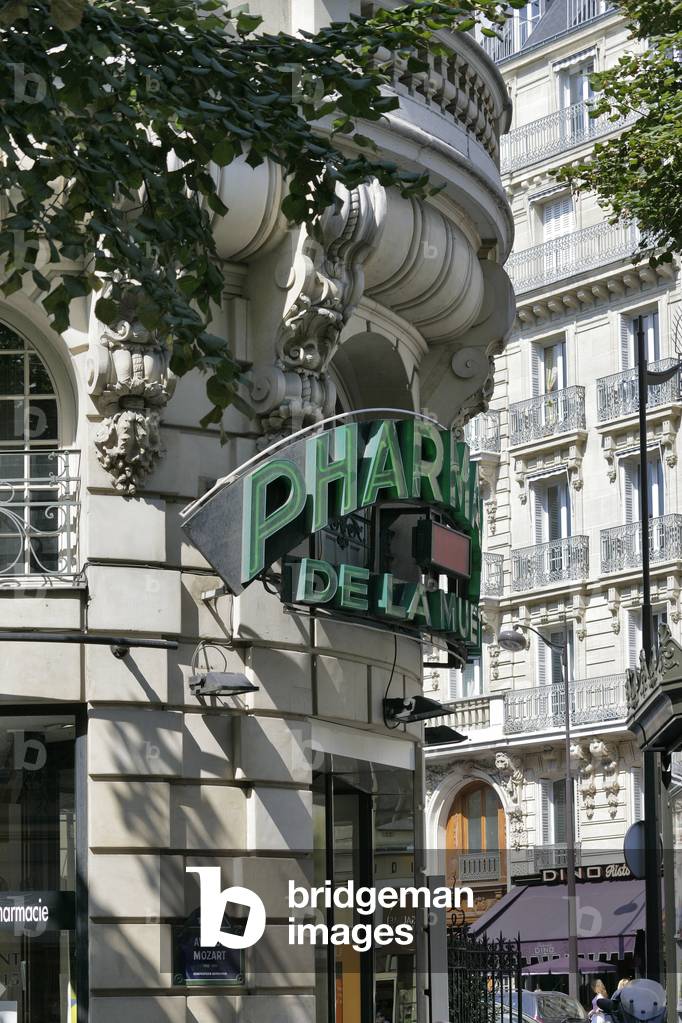
Avenue Mozart in Paris. Photography 09/08/07.

TEC4624297: Avenue Mozart in Paris. Photography 09/08/07. / Bridgeman Images
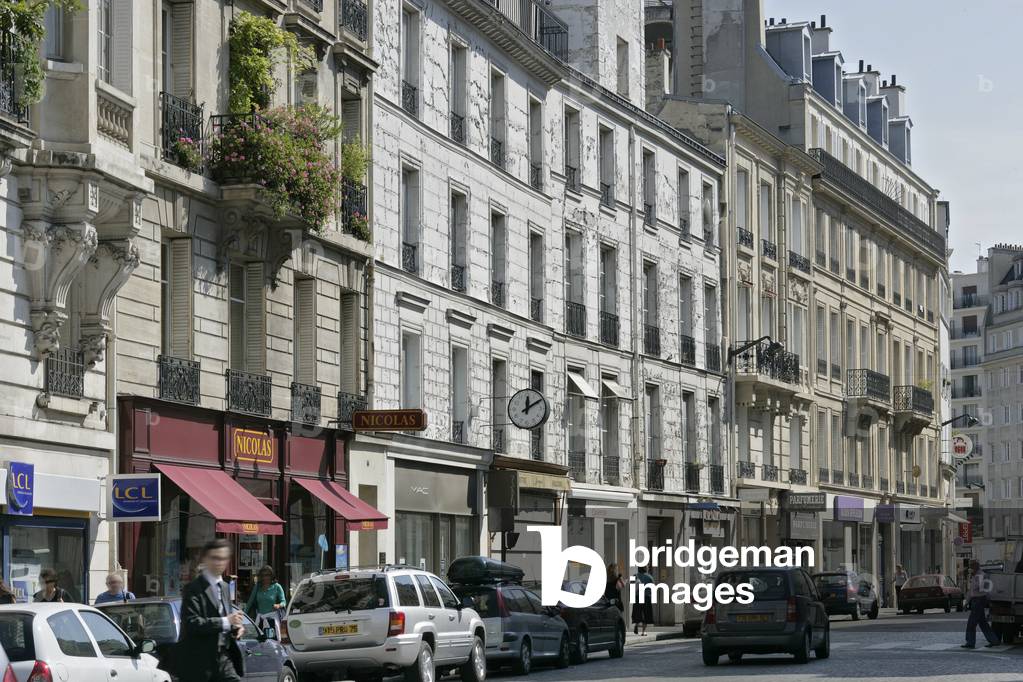
La rue de Passy in Paris 16th.

TEC4624374: La rue de Passy in Paris 16th. / Bridgeman Images

Flowers feast for San Foca celebration in Milan 20/04/1845 (oil on canvas, 19th century)

LRI4624334: Flowers feast for San Foca celebration in Milan 20/04/1845 (oil on canvas, 19th century), Jotti (Lotti), Carlo (1826-1905) / Bridgeman Images

Colossal statue of Vercingetorix (72-46 BC), Gallic leader, 1865 (sculpture)

JLJ4624388: Colossal statue of Vercingetorix (72-46 BC), Gallic leader, 1865 (sculpture), Millet, Aime (1819-91) / Bridgeman Images
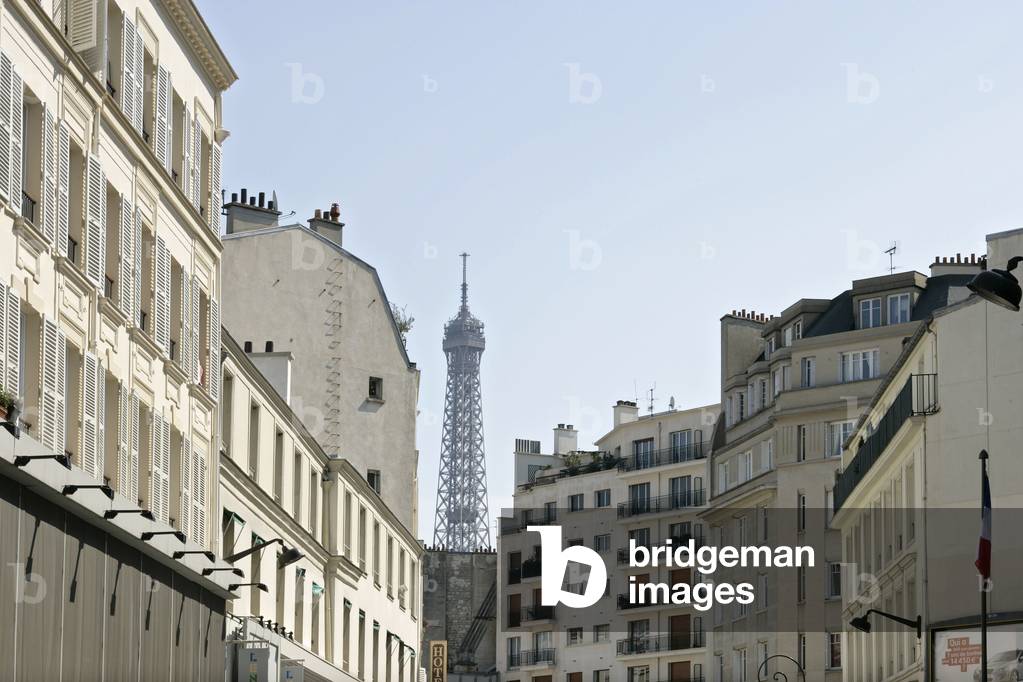
La rue de Passy in Paris 16th.

TEC4624380: La rue de Passy in Paris 16th. / Bridgeman Images

Fundraising in corso Garibaldi in Milan for the victims of flooding near Verona, 24th December 1882 (Painting, 1882)

LRI4624396: Fundraising in corso Garibaldi in Milan for the victims of flooding near Verona, 24th December 1882 (Painting, 1882), Campi, Giacomo (1846-1921) / Bridgeman Images
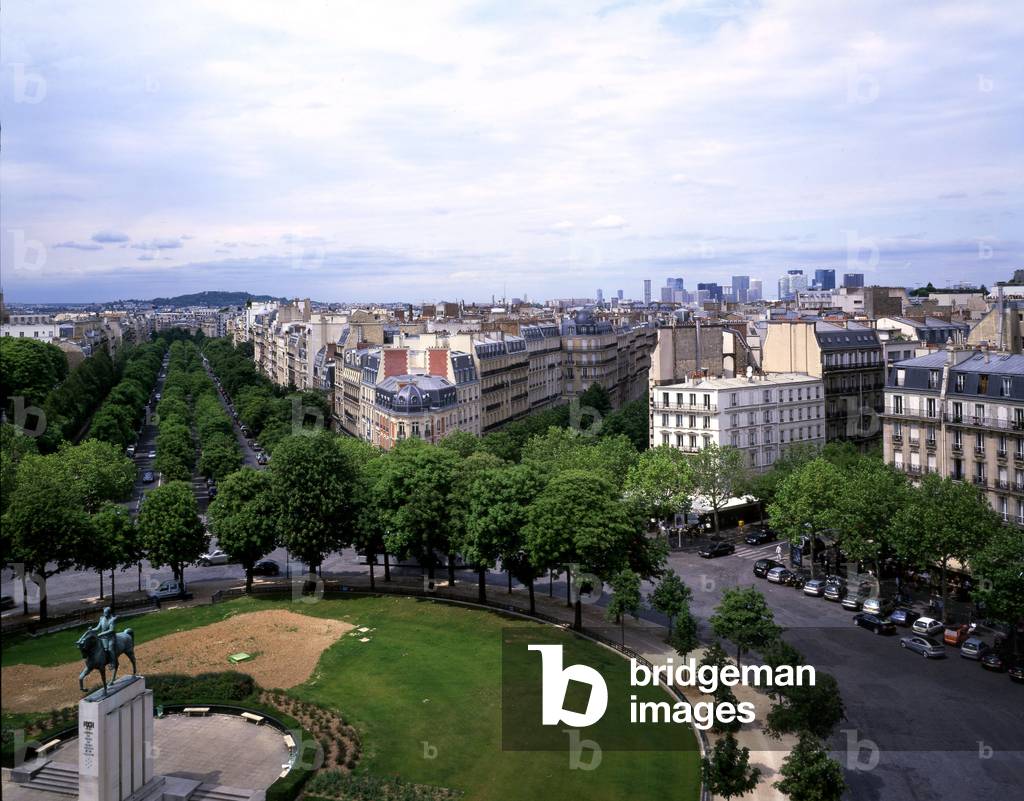
Place du Trocadero and 11 November in Paris.

TEC4624174: Place du Trocadero and 11 November in Paris. / Bridgeman Images

Fan decorated with five horsemen: “

LRI4624458: Fan decorated with five horsemen: “" the Emperor of France Napoleon III (1808-1873) (first left), King Vittorio Emanuele II (Victor Emmanuel) (Victor Emmanuel) (1820-1878) (third), Giuseppe Garibaldi (1807-1882) (first right) "” Milan, museo del Risorgimen Ento, Unknown Artist, (19th century) / Bridgeman Images

Pluto seen by the New Horizons probe - Pluto seen by New Horizons - Pluto seen by the New Horizons probe on July 7, 2015 at a distance of 8 million km from the dwarf planet. In the early morning hours of July 8, 2015, mission scientists received this new view of Pluto - - the most detailed yet returned by the Long Range Reconnaissance Imager (LORRI) aboard New Horizons. The image was taken on July 7, when the NASA spacecraft was just under 5 million miles (8 million kilometers) from Pluto, and is the first to be received since the July 4 anomaly that sent the spacecraft into safe mode. This view is centered roughly on the area that will be seen close - up during New Horizons' July 14 closest approach. This side of Pluto is dominated by three broad regions of varying brightness. Most prominent are an elongated dark feature at the equator, informally known as “” the whale,”” and a large heart - shaped bright area measuring some 1,200 miles (2,000 kilometers) across on the right. Above those features is a polar region that is intermediate in brightness

PIX4624339: Pluto seen by the New Horizons probe - Pluto seen by New Horizons - Pluto seen by the New Horizons probe on July 7, 2015 at a distance of 8 million km from the dwarf planet. In the early morning hours of July 8, 2015, mission scientists received this new view of Pluto - - the most detailed yet returned by the Long Range Reconnaissance Imager (LORRI) aboard New Horizons. The image was taken on July 7, when the NASA spacecraft was just under 5 million miles (8 million kilometers) from Pluto, and is the first to be received since the July 4 anomaly that sent the spacecraft into safe mode. This view is centered roughly on the area that will be seen close - up during New Horizons' July 14 closest approach. This side of Pluto is dominated by three broad regions of varying brightness. Most prominent are an elongated dark feature at the equator, informally known as “” the whale,”” and a large heart - shaped bright area measuring some 1,200 miles (2,000 kilometers) across on the right. Above those features is a polar region that is intermediate in brightness / Bridgeman Images
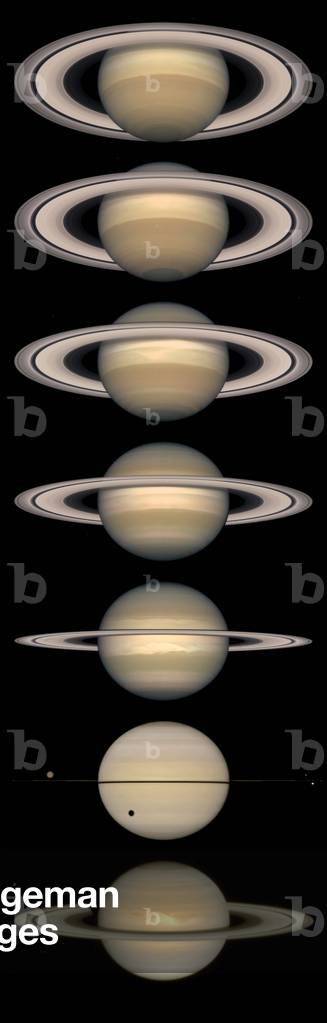
Saturn by Hubble Space Telescope - from 1994 to 200

PIX4624820: Saturn by Hubble Space Telescope - from 1994 to 200 / Bridgeman Images

Aurora on Saturn by Hubble - 01 - 2004 - Evolution of a Southern Aurora seen in ultraviolet (and Saturn seen in visible) by the Hubble Space Telescope on 24 (bottom), 26 and 28 January (top) 2004

PIX4624873: Aurora on Saturn by Hubble - 01 - 2004 - Evolution of a Southern Aurora seen in ultraviolet (and Saturn seen in visible) by the Hubble Space Telescope on 24 (bottom), 26 and 28 January (top) 2004 / Bridgeman Images

Carnival in Milan street (oil on canvas, c.1847)

LRI4624578: Carnival in Milan street (oil on canvas, c.1847), Bossoli, Carlo (1815-84) / Bridgeman Images

Illustration from the book

JLJ4624583: Illustration from the book "Les heros du Siecle", anecdotal recits, 1891 (engraving), Bombled, Louis Charles (1862-1927) / Bridgeman Images

Illustration from the book

JLJ4624703: Illustration from the book "Les heros du Siecle", anecdotal recits, 1891 (engraving), Bombled, Louis Charles (1862-1927) / Bridgeman Images
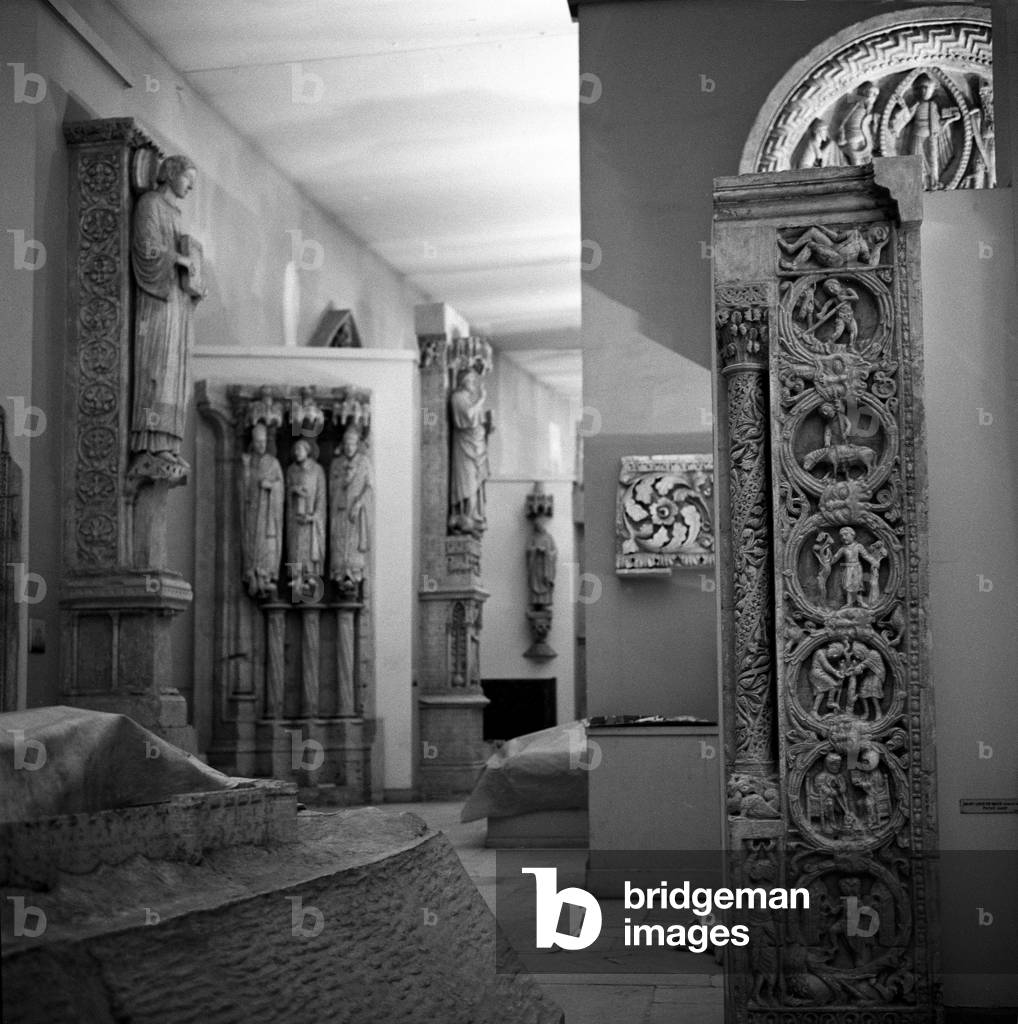
The site of the Musee des Monuments Francais, Cite de l'architecture et du patrimoine, Palais de Chaillot, 1 place du Trocadero, Paris 16th. All the renovation and renovation works were entrusted to the architect Jean Francois Bodin, at the end of 2007. Photography 2003.

JSN4624932: The site of the Musee des Monuments Francais, Cite de l'architecture et du patrimoine, Palais de Chaillot, 1 place du Trocadero, Paris 16th. All the renovation and renovation works were entrusted to the architect Jean Francois Bodin, at the end of 2007. Photography 2003., Salmon, Jacqueline / Bridgeman Images

The site of the Musee des Monuments Francais, Cite de l'architecture et du patrimoine, Palais de Chaillot, 1 place du Trocadero, Paris 16th. All the renovation and renovation works were entrusted to the architect Jean Francois Bodin, at the end of 2007. Photography 2003.

JSN4624962: The site of the Musee des Monuments Francais, Cite de l'architecture et du patrimoine, Palais de Chaillot, 1 place du Trocadero, Paris 16th. All the renovation and renovation works were entrusted to the architect Jean Francois Bodin, at the end of 2007. Photography 2003., Salmon, Jacqueline / Bridgeman Images

The site of the Musee des Monuments Francais, Cite de l'architecture et du patrimoine, Palais de Chaillot, 1 place du Trocadero, Paris 16th. All the renovation and renovation works were entrusted to the architect Jean Francois Bodin, at the end of 2007. Photography 2003.

JSN4624961: The site of the Musee des Monuments Francais, Cite de l'architecture et du patrimoine, Palais de Chaillot, 1 place du Trocadero, Paris 16th. All the renovation and renovation works were entrusted to the architect Jean Francois Bodin, at the end of 2007. Photography 2003., Salmon, Jacqueline / Bridgeman Images

The site of the Musee des Monuments Francais, Cite de l'architecture et du patrimoine, Palais de Chaillot, 1 place du Trocadero, Paris 16th. All the renovation and renovation works were entrusted to the architect Jean Francois Bodin, at the end of 2007. Photography 2003.

JSN4624978: The site of the Musee des Monuments Francais, Cite de l'architecture et du patrimoine, Palais de Chaillot, 1 place du Trocadero, Paris 16th. All the renovation and renovation works were entrusted to the architect Jean Francois Bodin, at the end of 2007. Photography 2003., Salmon, Jacqueline / Bridgeman Images

Illustration from the book

JLJ4625054: Illustration from the book "Jeanne d'Arc", September 8 (litho), Semant, Paul de (1855-1915) / Bridgeman Images

Illustration from the book

JLJ4625077: Illustration from the book ""Joan of Arc", Joan of Arc questioned by the eveque Cauchon (litho), Semant, Paul de (1855-1915) / Bridgeman Images

Surgery: representation of the human body. Miniature in “” Liber notabilium Philippi septimi francorum regis, a libris Galieni extractus”” written by Gui (Guy) of Pavia, 1345, Italy. Chantilly, Conde Museum

LRI4625099: Surgery: representation of the human body. Miniature in “” Liber notabilium Philippi septimi francorum regis, a libris Galieni extractus”” written by Gui (Guy) of Pavia, 1345, Italy. Chantilly, Conde Museum, Vigevano da Pavia, Guido da (c.1280-c.1349) / Bridgeman Images

Cover of the book
Cover of the book

JLJ4625140: Cover of the book "Bayard" by Theodore Cahu (engraving), Semant, Paul de (1855-1915) / Bridgeman Images

Illustration from the book

JLJ4625152: Illustration from the book "Histoire du chevalier Bayard " by Theodore Cahu (engraving), Semant, Paul de (1855-1915) / Bridgeman Images
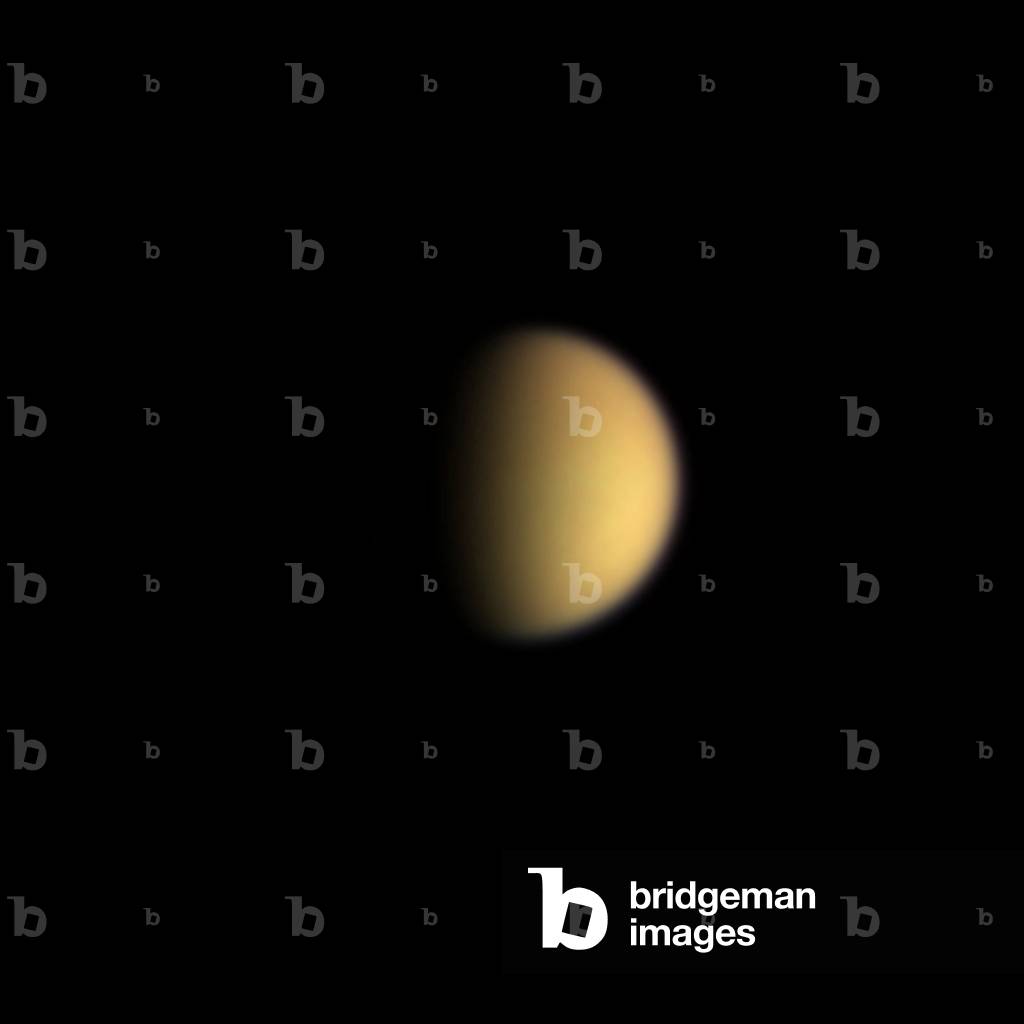
Titan - Saturn satellite - Cassini probe - 10 - 06 - 2004 - View of Titan in real colors taken by Cassini on June 10, 2004 at a distance of13.1 million Km

PIX4625273: Titan - Saturn satellite - Cassini probe - 10 - 06 - 2004 - View of Titan in real colors taken by Cassini on June 10, 2004 at a distance of13.1 million Km / Bridgeman Images

Saturn seen by the Cassini probe on 23/07/2008 - Saturn seen by Cassini spacecraft on july 23 2008 - Saturn seen by the Cassini probe on 23 July 2008 at a distance of 1.1 million km from the planet. Mosaic of 30 images. Several satellites are visible in this image: Titan, Janus, Mimas, Pandora, Epimethee and Enceladus. As Saturn advances in its orbit toward equinox and the sun gradually moves northward on the planet, the motion of Saturn's ring shadows and the changing colors of its atmosphere continue to transform the face of Saturn as seen by Cassini. This captivating natural color view was created from images collected shortly after Cassini began its extended Equinox Mission in July 2008. This mosaic combines 30 images - - 10 each of red, green and blue light - - taken over the course of approximately two hours as Cassini panned its wide - angle camera across the entire planet and ring system on July 23, 2008, from a southerly elevation of 6 degrees. Six moons complete this constructed panorama: Titan (5,150 kilometers, or 3,200 miles, across), Janus (179 kilometers, or 111 miles, across), Mimas (396 kilometers, or 246 miles, across), Pandora (81 kilometers, or 50 miles, across), Epimetheus (113 kilometers, or 70 miles, across) and Enceladus (504 kilometers, or 313 miles, across). Nasa's Cassini spacecraft captured these images at a distance of approximately 1.1 million kilometers (690,000 miles) from Saturn and at a sun - Saturn - spacecraft, or phase, angle of 20 degrees. Image scale is 70 kilometers (43.6 miles) per pixel

PIX4625214: Saturn seen by the Cassini probe on 23/07/2008 - Saturn seen by Cassini spacecraft on july 23 2008 - Saturn seen by the Cassini probe on 23 July 2008 at a distance of 1.1 million km from the planet. Mosaic of 30 images. Several satellites are visible in this image: Titan, Janus, Mimas, Pandora, Epimethee and Enceladus. As Saturn advances in its orbit toward equinox and the sun gradually moves northward on the planet, the motion of Saturn's ring shadows and the changing colors of its atmosphere continue to transform the face of Saturn as seen by Cassini. This captivating natural color view was created from images collected shortly after Cassini began its extended Equinox Mission in July 2008. This mosaic combines 30 images - - 10 each of red, green and blue light - - taken over the course of approximately two hours as Cassini panned its wide - angle camera across the entire planet and ring system on July 23, 2008, from a southerly elevation of 6 degrees. Six moons complete this constructed panorama: Titan (5,150 kilometers, or 3,200 miles, across), Janus (179 kilometers, or 111 miles, across), Mimas (396 kilometers, or 246 miles, across), Pandora (81 kilometers, or 50 miles, across), Epimetheus (113 kilometers, or 70 miles, across) and Enceladus (504 kilometers, or 313 miles, across). Nasa's Cassini spacecraft captured these images at a distance of approximately 1.1 million kilometers (690,000 miles) from Saturn and at a sun - Saturn - spacecraft, or phase, angle of 20 degrees. Image scale is 70 kilometers (43.6 miles) per pixel / Bridgeman Images

Illustration from the book

JLJ4625323: Illustration from the book " Le bon roy Henri" (litho), Job, pseudonym for Onfray de Breville, Jacques (1858-1931) / Bridgeman Images

Illustration from
Illustration from

JLJ4624498: Illustration from "The Heros of the Siecle", anecdotal recits, 1891: Sergeant Blandan (1819-1842), 1891 (engraving), Bombled, Louis Charles (1862-1927) / Bridgeman Images
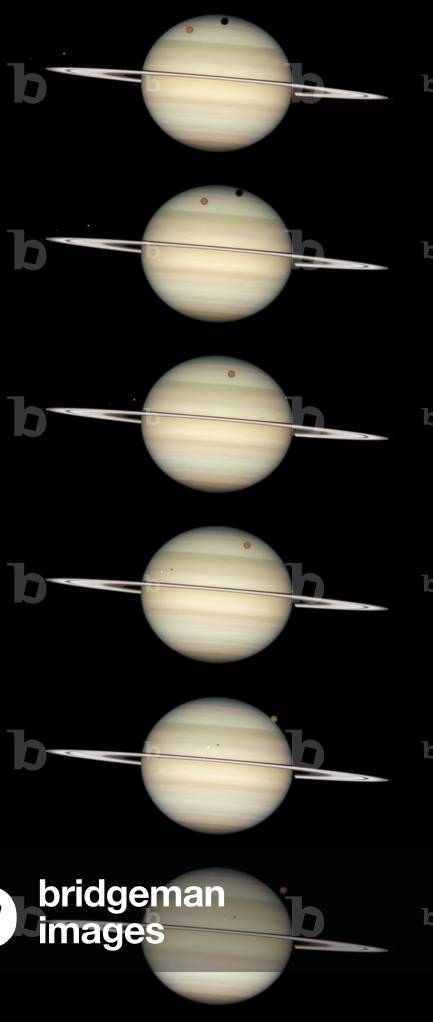
Saturn and satellites seen by the Hubble space telescope - Saturn rings edge - on with satellites - Saturn observed by the Hubble space telescope on February 24, 2009 when the Earth is in the same plane as the rings, seen by the slice. This phenomene occurs every 15 years. This sequence of images taken for just over three hours shows the movement from left to right of four satellites in front of the planet. From left to right on the top image we see the satellites Enceladus, Dione (the brightest ice satellite), Mimas and the largest satellite, Titan, orange. This sequence of images captures the parade of several of Saturn's moons transiting the face of the gas giant planet from left to right during more than three hours. This is a rare event because the rings are tilted edge on to Earth every 15 years. The top frame captures the giant moon Titan and its shadow near Saturn's northern polar hood. Tiny Mimas and its shadow have just entered the left limb of Saturn, slightly above the rings. To the far left off the disk, Dione, the brightest of the icy moons in this view - and Enceladus, fainter and farther to the left - can easily be seen just above the rings. This picture sequence was taken with Hubble's Wide Field Planetary Camera 2 on February 24, 2009, when Saturn was at a distance of roughly 775 million miles (1.25 billion kilometers) from Earth. Hubble can see details as small as 190 miles (300 km) across on Saturn

PIX4624891: Saturn and satellites seen by the Hubble space telescope - Saturn rings edge - on with satellites - Saturn observed by the Hubble space telescope on February 24, 2009 when the Earth is in the same plane as the rings, seen by the slice. This phenomene occurs every 15 years. This sequence of images taken for just over three hours shows the movement from left to right of four satellites in front of the planet. From left to right on the top image we see the satellites Enceladus, Dione (the brightest ice satellite), Mimas and the largest satellite, Titan, orange. This sequence of images captures the parade of several of Saturn's moons transiting the face of the gas giant planet from left to right during more than three hours. This is a rare event because the rings are tilted edge on to Earth every 15 years. The top frame captures the giant moon Titan and its shadow near Saturn's northern polar hood. Tiny Mimas and its shadow have just entered the left limb of Saturn, slightly above the rings. To the far left off the disk, Dione, the brightest of the icy moons in this view - and Enceladus, fainter and farther to the left - can easily be seen just above the rings. This picture sequence was taken with Hubble's Wide Field Planetary Camera 2 on February 24, 2009, when Saturn was at a distance of roughly 775 million miles (1.25 billion kilometers) from Earth. Hubble can see details as small as 190 miles (300 km) across on Saturn / Bridgeman Images

Illustration from the book

JLJ4624651: Illustration from the book "Les heros du Siecle", anecdotal recits, 1891 (engraving), Bombled, Louis Charles (1862-1927) / Bridgeman Images

Illustration from the book

JLJ4624697: Illustration from the book "The heros of the century", anecdotal recits, 1891 (engraving), Bombled, Louis Charles (1862-1927) / Bridgeman Images

Head of horse (terracotta sculpture, 5th century BC)

LRI4624748: Head of horse (terracotta sculpture, 5th century BC), Greek school, (5th century BC) / Bridgeman Images

Saturn seen from the Hubble space telescope in november 2000 - Saturn seen from the Hubble space telescope in november 2000 - Saturn planet observed with the Hubble space telescope in November 2000. Saturn is 120,000 km in diameter

PIX4624813: Saturn seen from the Hubble space telescope in november 2000 - Saturn seen from the Hubble space telescope in november 2000 - Saturn planet observed with the Hubble space telescope in November 2000. Saturn is 120,000 km in diameter / Bridgeman Images

Horse (bronze sculpture after a greek original from the 4th century BC)

LRI4624717: Horse (bronze sculpture after a greek original from the 4th century BC), Roman / Bridgeman Images


Back to top