2502275 Search Results
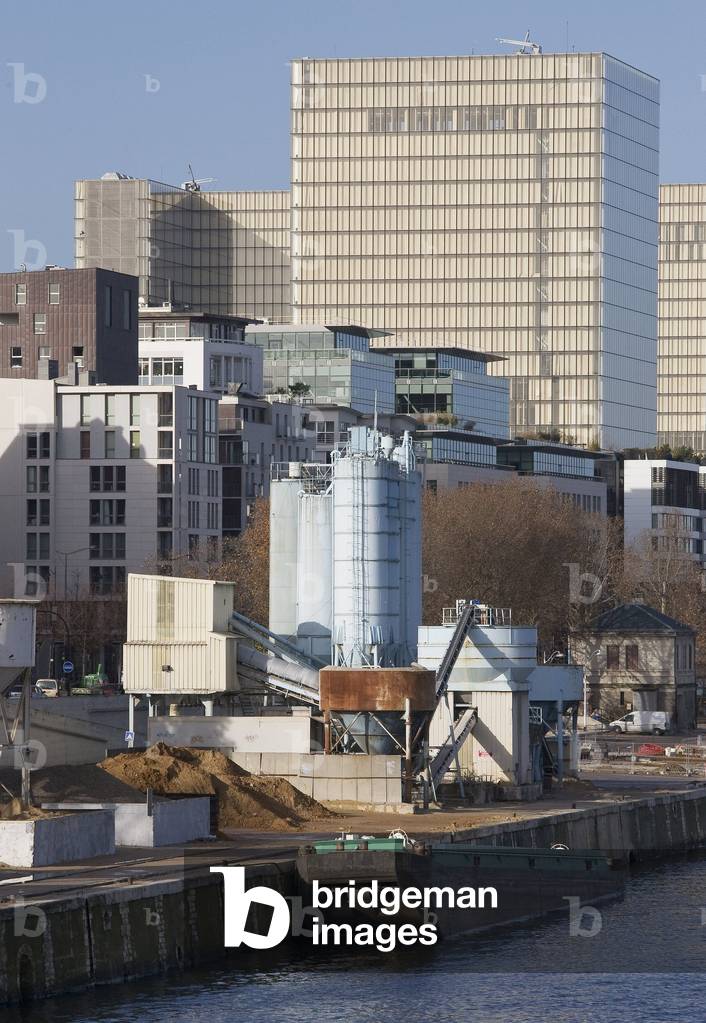
LBY4643972: Paris Rive Gauche, the ZAC Massena, Paris 75013. Chief Architect Christian de Portzamparc, with Dominique Perrault, 2007. Photography 02/12/07., Perrault, Dominique (b.1953) / Bridgeman Images
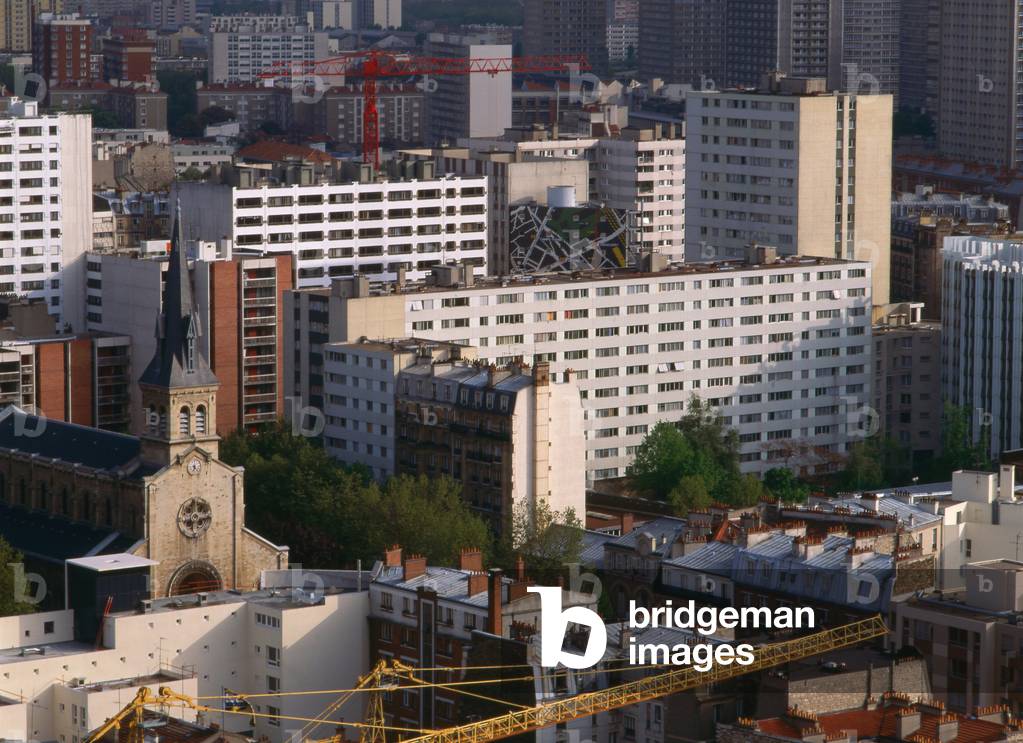
MDA4644064: Densite urbaine, Paris 75013. Photography 1994. / Bridgeman Images
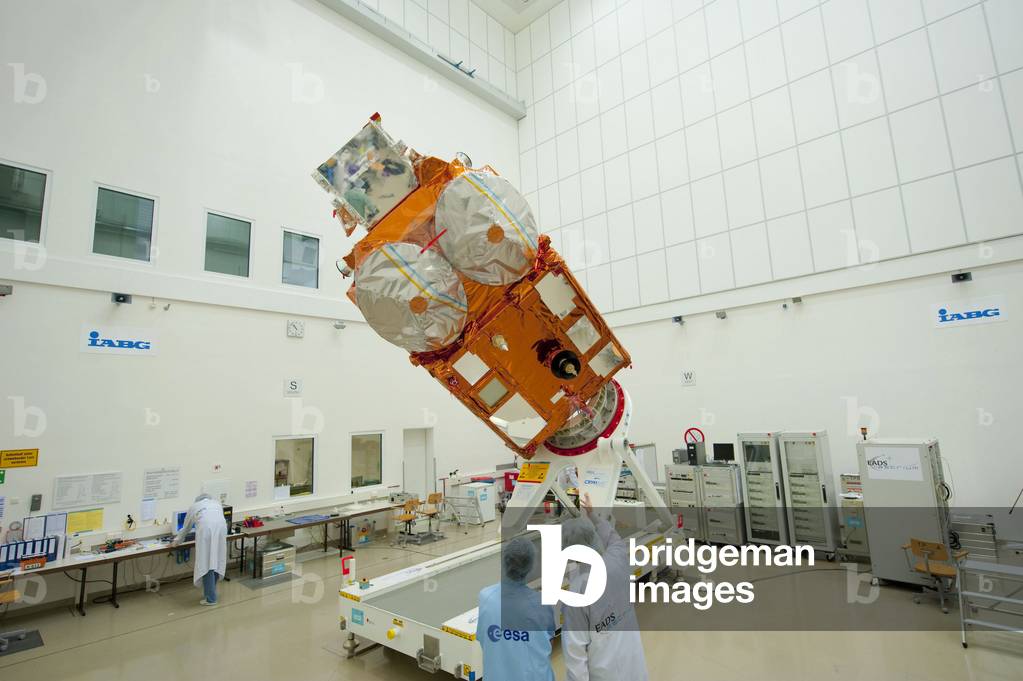
PIX4644086: CRYOSAT-2 satellite - The European Cryosat-2 satellite is being tested at the Space Test Centre at IABG (Industrieanlagen - Betriebsgesellschaft mbH) in Ottobrunn, Germany, in September 2009. This satellite is intended to study polar ice. CryoSat - 2 undergoing testing at the Space Test Centre at IABG (Industrieanlagen - Betriebsgesellschaft mbH) in Ottobrunn, Germany in September 2009. CryoSat will be the third of ESA's Earth Explorer satellites in orbit. The 700 kg CryoSat spacecraft whose name comes from the Greek kryos meaning cold or ice carries the first all - weather microwave radar altimeter. The instrument has been optimised for determining changes in the thickness of both floating sea ice, which can be up to several meters, and polar land ice sheets, which in Antarctica can be close to 5 km thick. The mission will deliver data on the rate of change of the ice thickness accurate to within one centimetre / Bridgeman Images
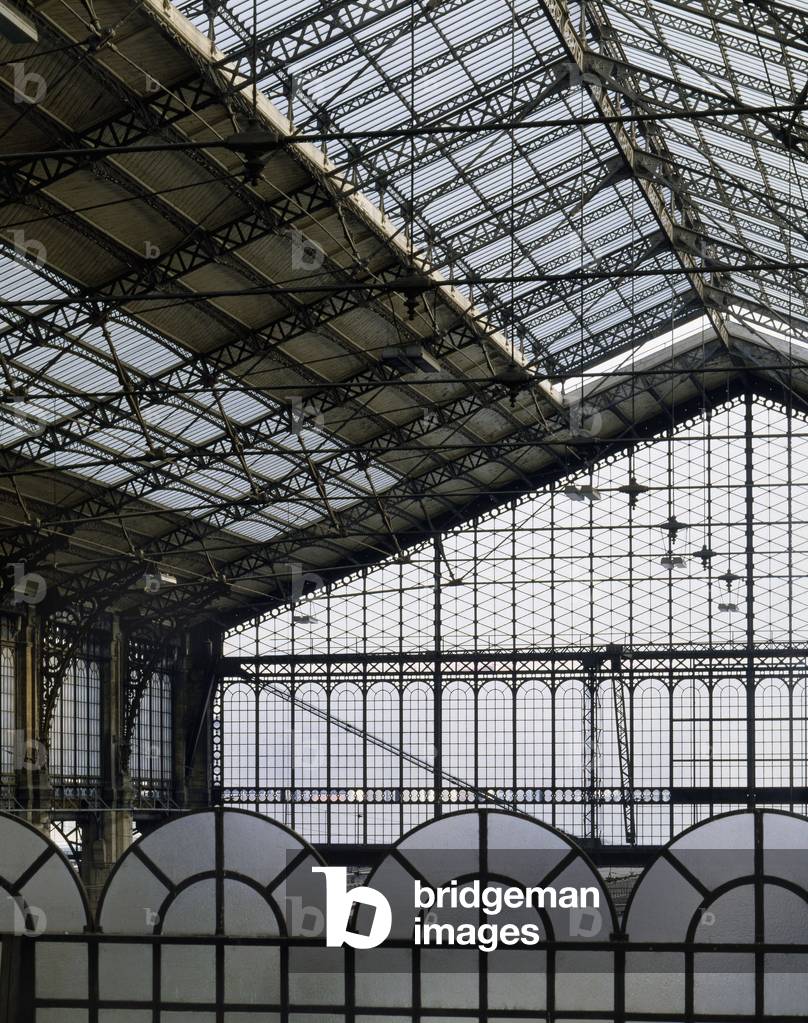
MDA4644185: Gare d'Austerlitz in Paris 75013. Architect Louis Renaud, 1865-1869. / Bridgeman Images

RCT4644416: La ZAC Massena Paris Rive Gauche, 75013. Chief Architect Christian de Portzamparc, 1997-2015. Photography 17/07/07., Portzamparc, de Christian (b.1944) / Bridgeman Images

RCT4644448: La ZAC Massena, Paris Rive Gauche (75013). Chief architect: Christian de Portzamparc, realisation 2007, (1997-2015). Photography 17/07/07., Portzamparc, de Christian (b.1944) / Bridgeman Images
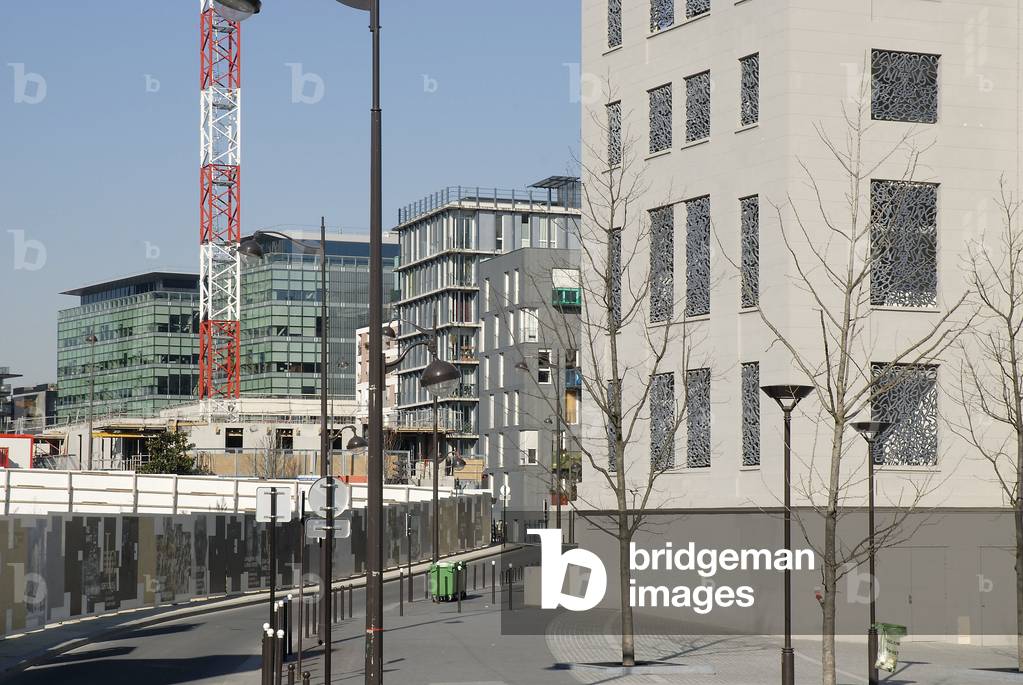
RCT4644521: Paris 8 University in the Massena district in Paris 75013. Architect Rudy Riccioti, 2007. Photography 10/02/08., Castan, Remy / Bridgeman Images

PIX4644826: Hubble Space Telescope Mirror - The 2.4m diameter mirror made by Perkin - Elmer / Bridgeman Images
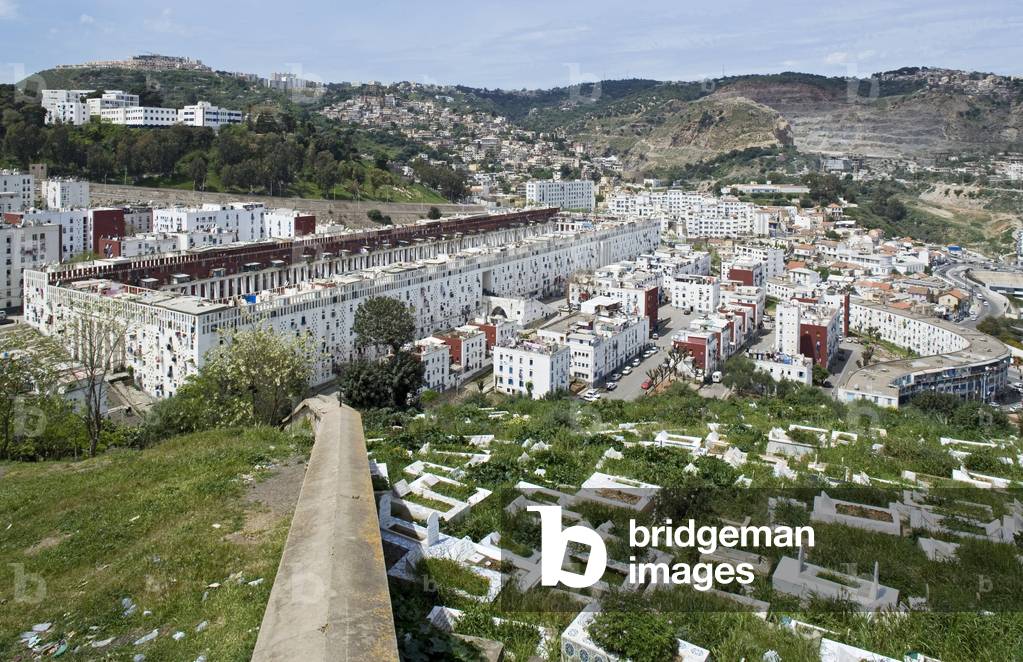
MDA4634875: The city of Algiers Algiers - Algeria - / Bridgeman Images
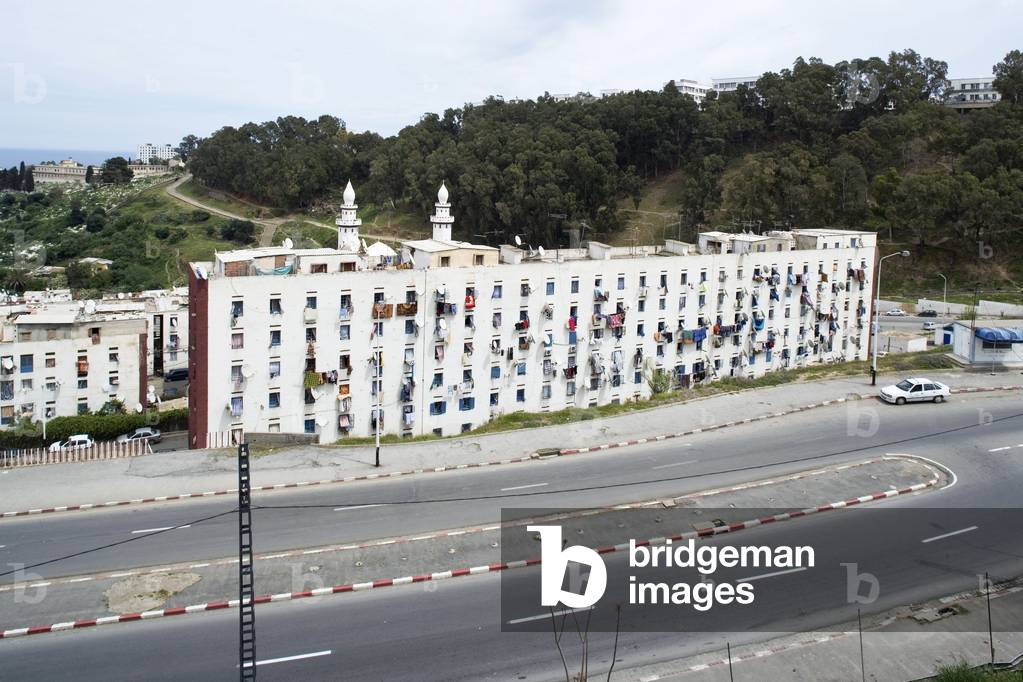
MDA4634924: The city of Algiers Algiers - Algeria - / Bridgeman Images
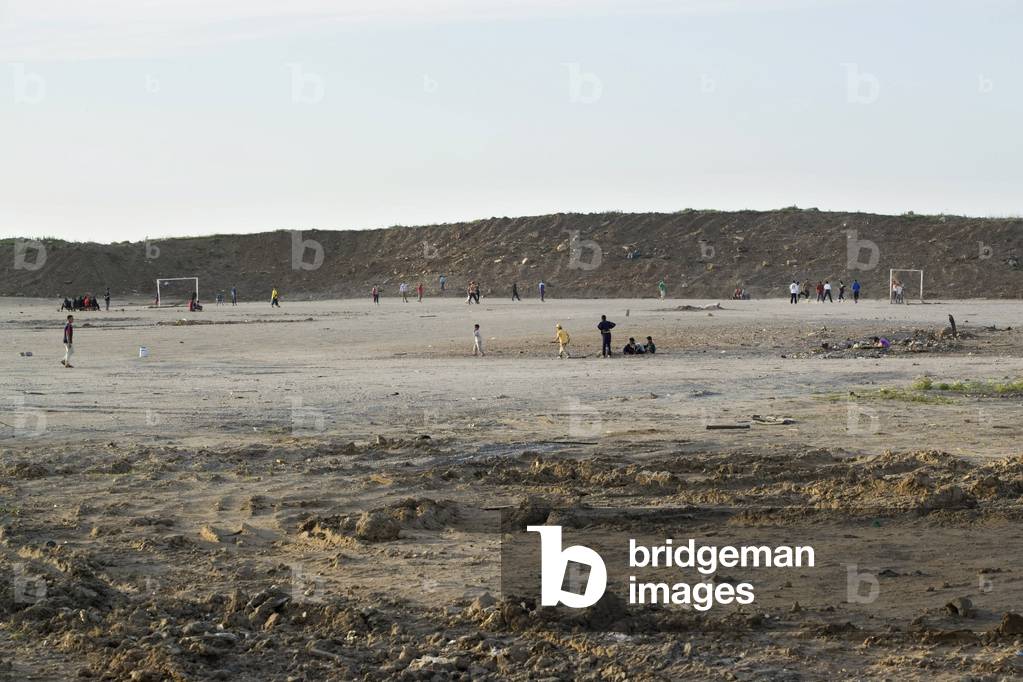
MDA4635020: The city of Algiers Algiers - Algeria - / Bridgeman Images
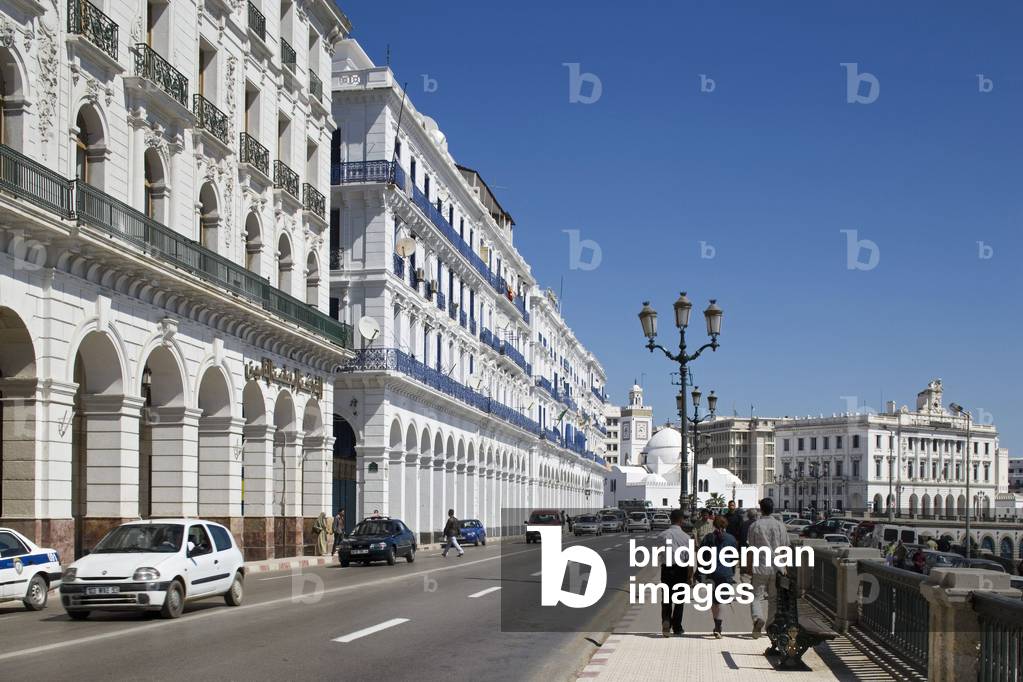
MDA4635055: The city of Algiers Algiers - Algeria - / Bridgeman Images

MDA4635067: The city of Algiers Algiers - Algeria - / Bridgeman Images
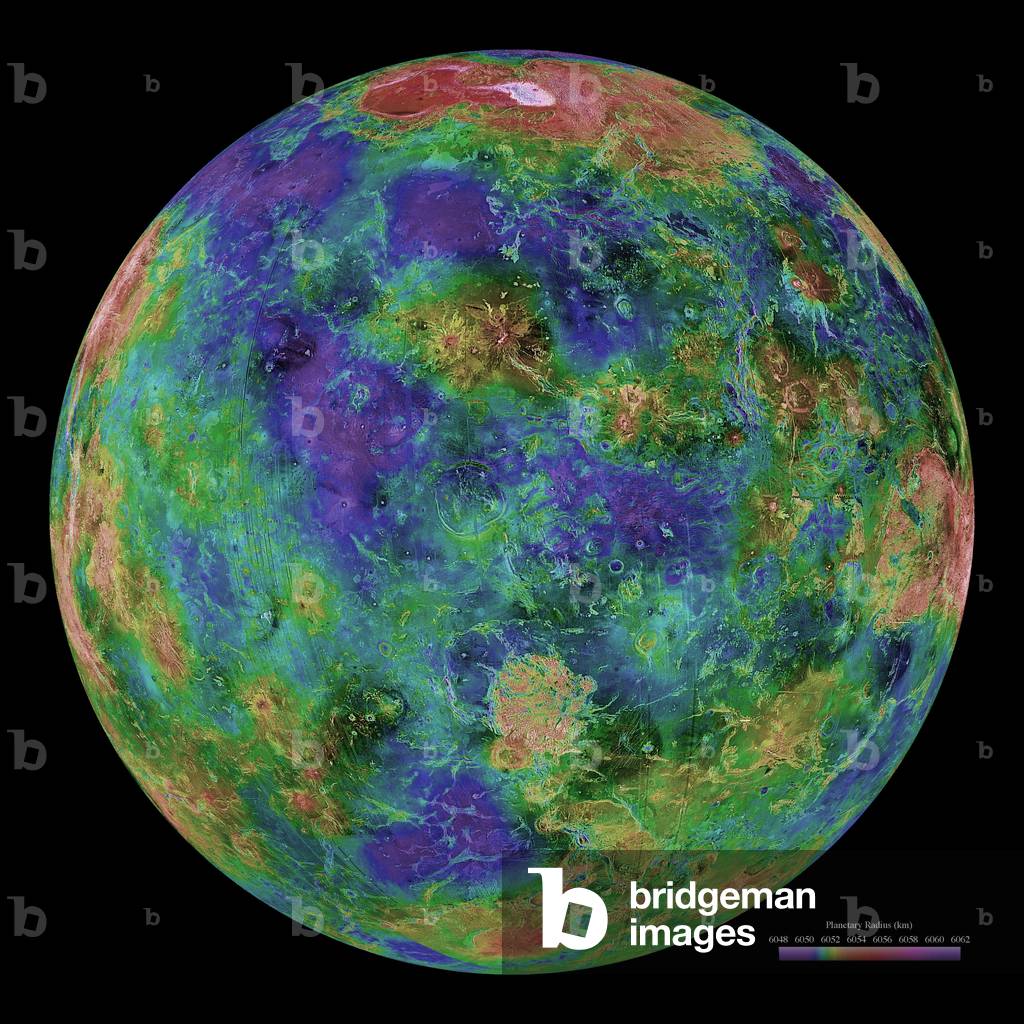
PIX4635115: Venus radar view centred on 0 degrees east longitude - Global view of the planet obtained from radar data transmitted by Magellan probes (98% of the data), Pioneer Venus, Venera, and the Arecibo Observatory. The color code used corresponds to the elevation / Bridgeman Images
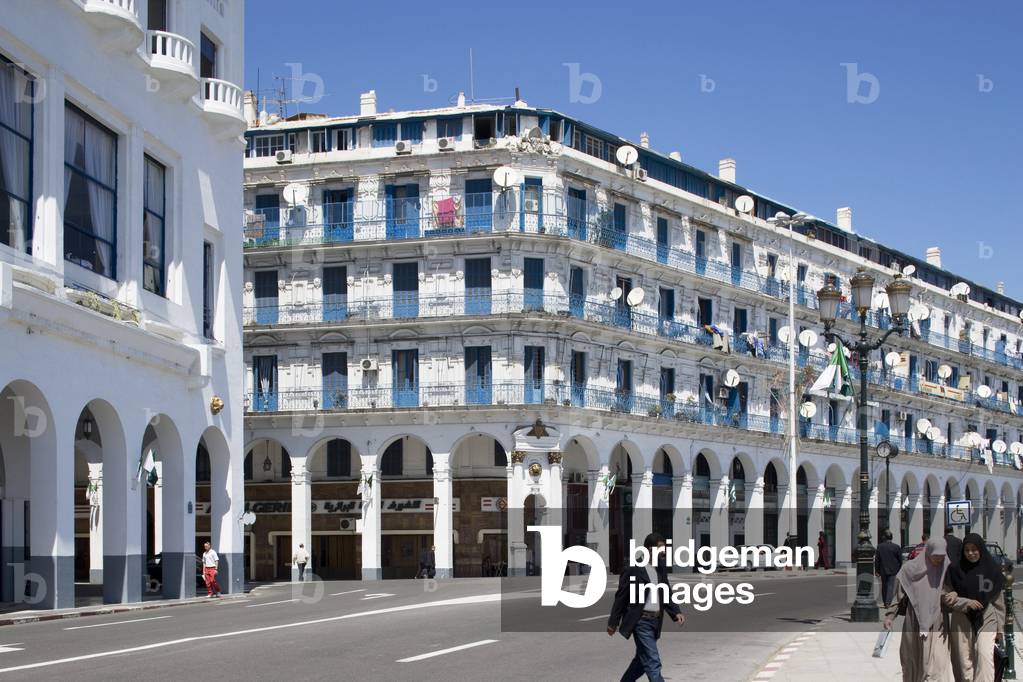
MDA4635160: The city of Algiers Algiers - Algeria - / Bridgeman Images
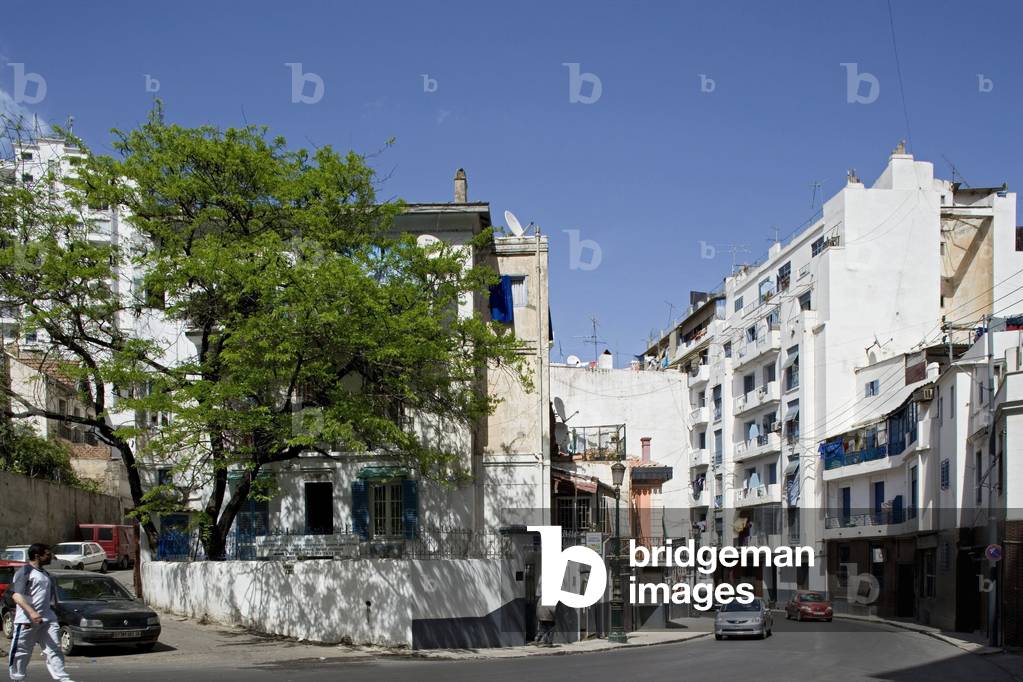
MDA4635258: The city of Algiers Algiers - Algeria - / Bridgeman Images

MDA4635303: The city of Algiers Algiers - Algeria - / Bridgeman Images

PIX4635330: Venus: Radar view of Alpha Regio by the Magellan probe - 1991 - Alpha Regio is a plateau of about 1300 km View obtained by the Magellan probe and processed by computer to generate a 3-dimensional view. The relief is exaggerated / Bridgeman Images

MDA4644926: Corner building between rue Pierre Demours and rue Rennequin in Paris 75017. / Bridgeman Images
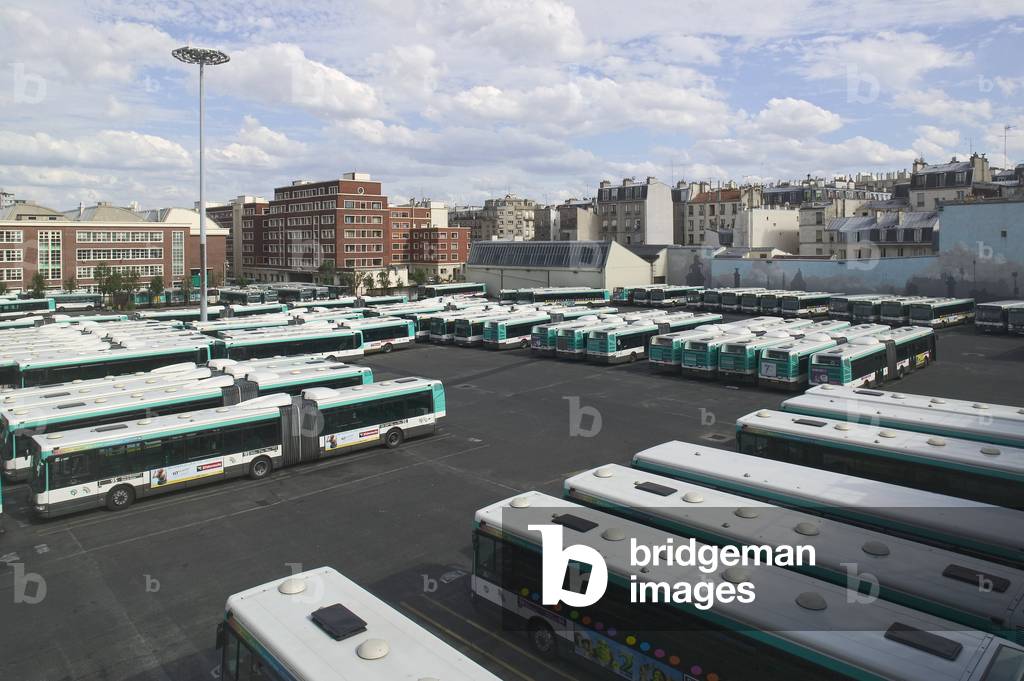
MDA4645929: Paris bus depot, Rue des Poissonniers and rue Championet, Paris 75018. / Bridgeman Images

PIX4645164: Hubble Space Telescope: 4th Maintenance Mission 03 - 2002 - Astronaut Michael J. Massimino on the shuttle arm is working on the Hubble Space Telescope. Second extravehicular exit of the mission. 5 March 200 / Bridgeman Images
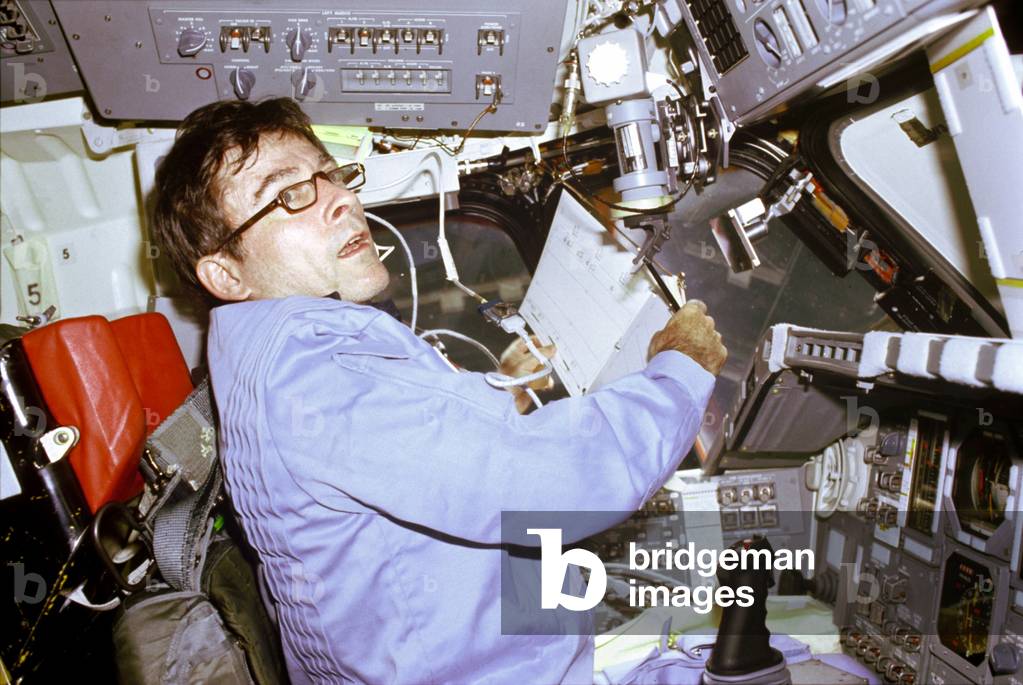
PIX4646440: J. Young in Shuttle 04/1981 - STS-1: John Young in Columbia - John Young records flight data on Shuttle Columbia STS-1 mission. April 1981. John Young, STS - 1 mission Commander, prepares to log flight - relevant data in a loose - leaf flight activities notebook onboard the Space Shuttle Columbia. Apr 1981 / Bridgeman Images

PIX4646513: Decolving the Columbia shuttle for its first flight into orbit. 12/04/1981. - First Columbia launch - April 12 1981 - Decolving the Columbia shuttle STS - 1 for its first flight into orbit. 12/04/1981. First Columbia launch - April 12 1981 The Space Shuttle Columbia rises above Launch Complex 39's Pad A on the first leg of its maiden journey into space. On board for the historic flight are Astronauts John Young and Bob Crippen, scheduled to spend nearly 54 hours in space on this first shakedown test of America's new reusable Space Transportation System (STS). The Sunday morning liftoff came a few seconds after 7:00 a.m. and marked the dawn of a new era in spacefligh / Bridgeman Images

PIX4646855: Discovery Shuttle Discovery 04/1991 - Launch of the Space Shuttle Discovery STS - 39 Apr 28 1991 - Discovery Shuttle Discovery STS - 39 with Michael Coats, Lloyd Blaine, Guion Bluford, Gregory Harbaugh, Richard Hieb, Donald McMonagle and Charles Veach. 28/04/1991. Launch of the Space Shuttle Discovery (STS - 39) with onboard astronauts Michael Coats, Lloyd Blaine, Guion Bluford, Gregory Harbaugh, Richard Hieb, Donald McMonagle and Charles Veach. Apr 28 1991 / Bridgeman Images
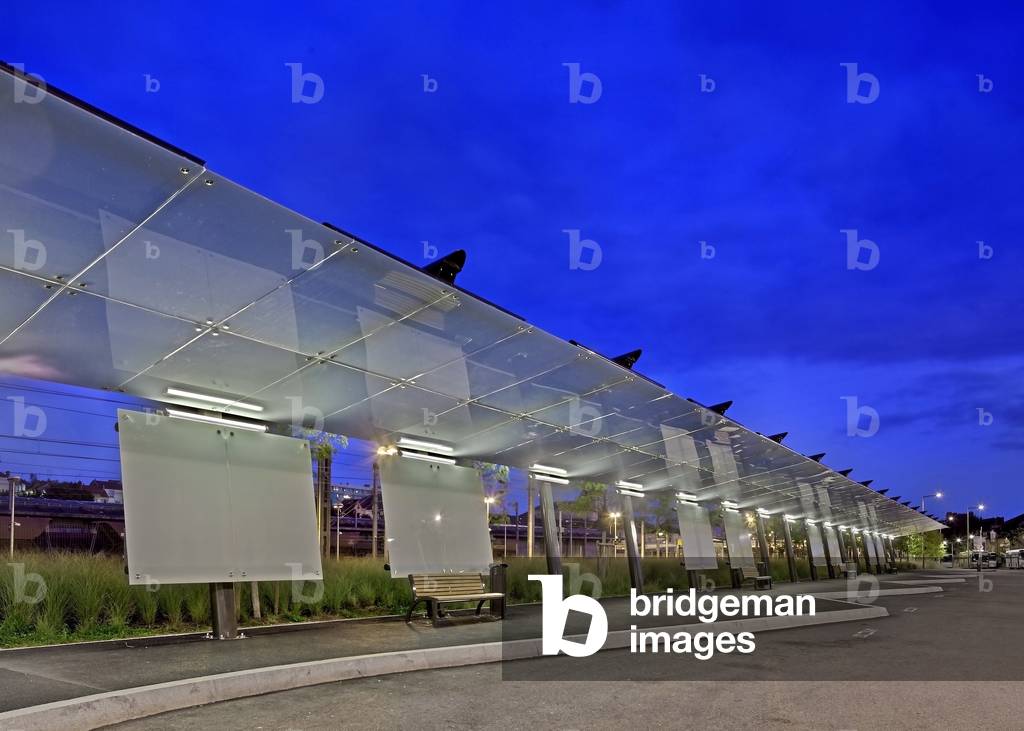
MDA4635390: Vichy (Allier) road station. Architect Atelier Cite Architecture, 2009. Photography 01/09/09. / Bridgeman Images
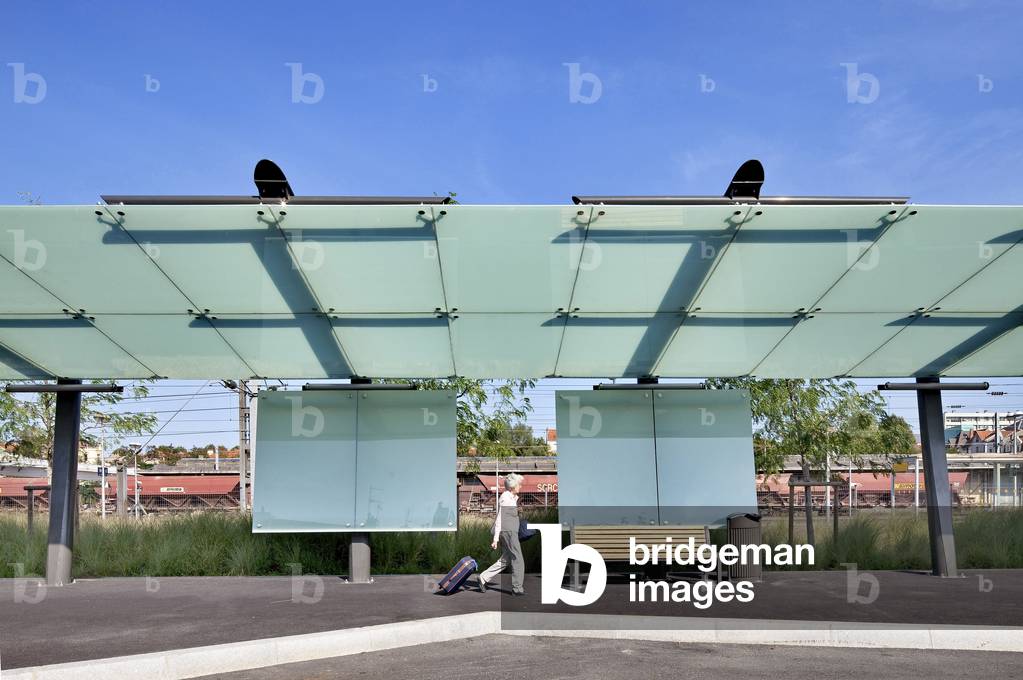
MDA4635461: The Vichy Gare road station (Allier, Auvergne). Construction 2009, architect Atelier Cite Architecture. Photography 01/09/09. / Bridgeman Images
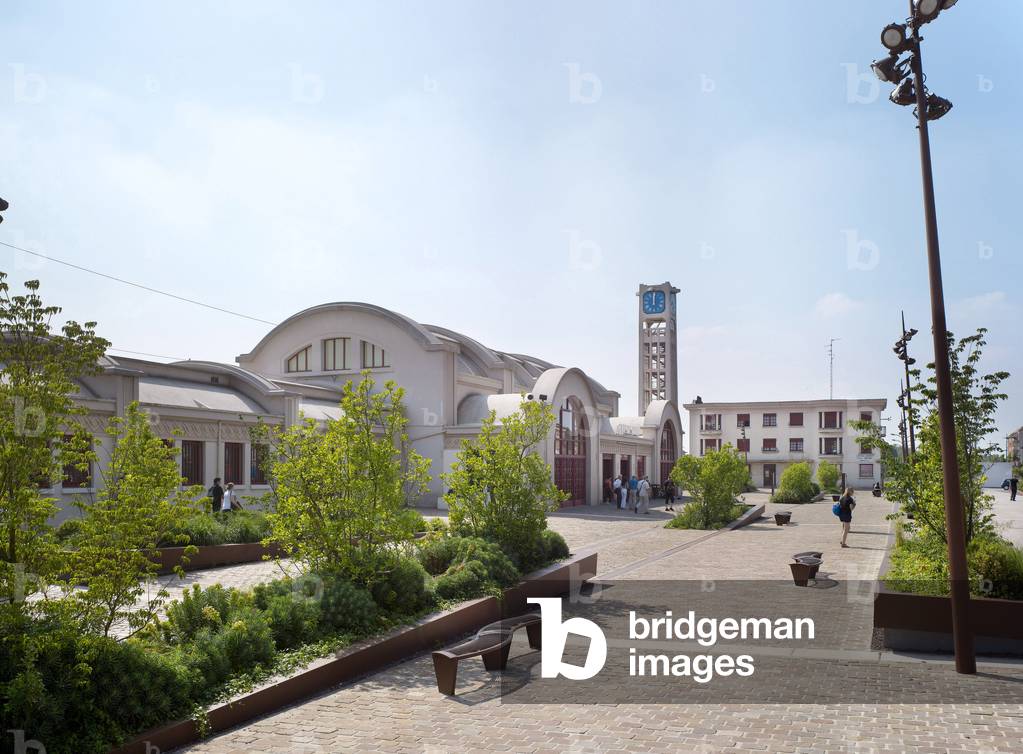
MDA4635518: The exchange pole of the Lens railway station (Pas de Calais). Construction 2009, architect Richez Associes. Photography 01/09/09. / Bridgeman Images

PIX4635561: Lactee Hemisphere South - The Lactee Way over Lake Titicaca / Bridgeman Images

TEC4635614: The Tenerife Espacio de las Artes (TEA) in Santa Cruz de Tenerife, Spain. Architecture of Herzog Et de Meuron 2008. Photography 20/12/09, Herzog, Jacques (b.1950) and Meuron, Jacques de (b.1950) / Bridgeman Images

PIX4635677: The lactee route -Panorama-Hemisphere south - Panorama of the lactee route; on the left the constellation of the Eagle, on the right, the Great Dog. Image obtained from New Zealand / Bridgeman Images

PIX4635837: Lactee route in the southern hemisphere - Milky way in southern hemisphere - Chile Chil / Bridgeman Images

PIX4635906: Lactee Way in Scorpio - Milky way in Scorpius - Lactee Way and Constellation of Scorpio / Bridgeman Images

PIX4636081: Lactee and Piton de la Fournaise - La Reunion - Milky Way above volcano - Reunion - Lactee Way above Piton de la Fournaise - Ile de la Reunion Milky Way seen above Piton de la Fournaise (Peak of the Furnace) - Reunion, July 2010 / Bridgeman Images
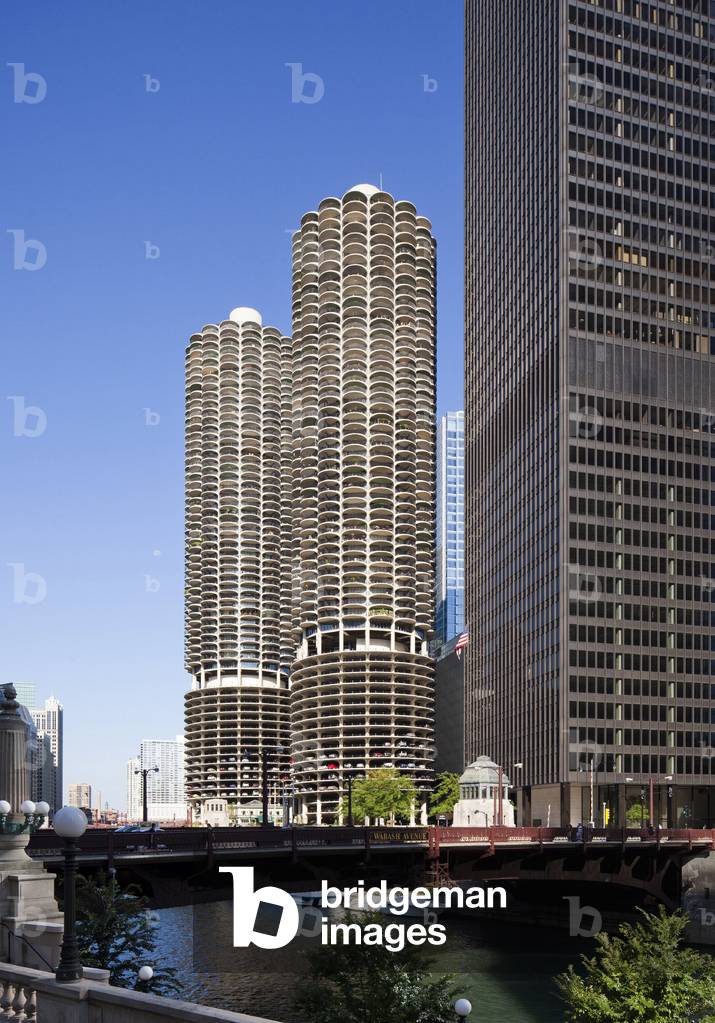
LBY4636101: Marina City and IBM Building a Chicago - The River - Chicago, 1967 - Bertrand Goldberg,, IBM Building - 330 North Wabash Avenue - Chicago, 1971, Ludwig Mies van der Rohe with C.F. Murphy Associates Architects (c) Luc Boegly/Goldberg Bertrand Mies van der Rohe Ludwig Murphy C.F. /Artedia/Leemage, Goldberg, Bertrand (1913-97) / Bridgeman Images

PIX4646082: Mirror of the Herschel satellite - Herschel spacecraft's mirror - Inspection of the mirror of the European Herschel satellite. The Herschel Space Observatory, scheduled to launch in 2009, will study in the infrared the formation of galaxies, stars and planetary systems. This satellite measures nearly 7 metres high by 4.3 metres wide and weighs 3.25 tonnes. Its telescope has a 3.5-meter mirror, making it the largest mirror ever made for a scientific space mission. Herschel will orbit around Lagrange 2, approximately 1.5 million kilometres from Earth. The gigantic telescope of ESA's space - based infrared observatory, Herschel, is being prepared to be assembled with its spacecraft. Herschel's telescope, which will carry the largest mirror ever flown in space, has been delivered to ESA's European Space Research and Technology Centre, ESTEC, where engineers and scientists are busy with the final steps that will prepare the infrared observatory for launch in 2009. ESA's Herschel Space Observatory will observe at wavelengths never covered before. It will be located 1.5 million kilometers away from Earth, farther than any previous space telescope / Bridgeman Images

PIX4646381: Crew of the shuttle Enterprise - 1977 - Crew members of the shuttle orbiter Enterprise - Commander Fred Haise and pilot Gordon Fullerton, crew of the shuttle Enterprise used for the ALT Approach & Landing Test (ALT Approach & Landing Test) and initiated the development of the STS program. Its name is taken from “Star trek”, the popular TV series in the 1960s in the United States. 1977. The first crew members for the Space Shuttle Approach and Landing Tests (ALT). From l. to r.: Fred Haise, former Apollo 13 Lunar Module pilot and Gordon Fullerton, pilot. The Shuttle Orbiter Enterprise was named after the fictional Starship Enterprise from the popular 1960's television series, Star Trek. 1977 / Bridgeman Images
