Search options

Orientation
Colour

Display options

View

Print

To print search results, use print friendly version of this page.

2497525 Search Results

Tulip cone, Conus tulipa. Illustration drawn and engraved by Richard Polydore Nodder. Handcoloured copperplate engraving from George Shaw and Frederick Nodder's The Naturalist's Miscellany, London, 1802.

FLO4683189: Tulip cone, Conus tulipa. Illustration drawn and engraved by Richard Polydore Nodder. Handcoloured copperplate engraving from George Shaw and Frederick Nodder's The Naturalist's Miscellany, London, 1802. / Bridgeman Images

Lobelia variete (or cardinal) from Chile - Plate engraved by S.Watts, from an illustration by Sarah Anne Drake (1803-1857), from the Botanical Register of Sydenham Edwards (1768-1819), England, 1833 - Tupa poison plant, Lobelia tupa - Engraving by S. Watts after an illustration by Miss Drake from Sydenham Edwards' “The Botanical Register,”” London, Ridgway, 1833

FLO4678923: Lobelia variete (or cardinal) from Chile - Plate engraved by S.Watts, from an illustration by Sarah Anne Drake (1803-1857), from the Botanical Register of Sydenham Edwards (1768-1819), England, 1833 - Tupa poison plant, Lobelia tupa - Engraving by S. Watts after an illustration by Miss Drake from Sydenham Edwards' “The Botanical Register,”” London, Ridgway, 1833, Edwards, Sydenham Teast (c.1768-1819) / Bridgeman Images

Crimson Passion - Plate engraved by S.Watts, from an illustration by Sarah Anne Drake (1803-1857), from the Botanical Register of Sydenham Edwards (1768-1819), England, 1833 - Crimson passionflower, Passiflora kermesina - Engraving by S. Watts after an illustration by Miss Drake from Sydenham Edwards' “” The London Botanical Register,”, Ridgway, 1833

FLO4679039: Crimson Passion - Plate engraved by S.Watts, from an illustration by Sarah Anne Drake (1803-1857), from the Botanical Register of Sydenham Edwards (1768-1819), England, 1833 - Crimson passionflower, Passiflora kermesina - Engraving by S. Watts after an illustration by Miss Drake from Sydenham Edwards' “” The London Botanical Register,”, Ridgway, 1833, Edwards, Sydenham Teast (c.1768-1819) / Bridgeman Images

Orchid: variete of miltonia or milt - Plate engraved by S.Watts, from an illustration by Sarah Anne Drake (1803-1857), from the Botanical Register of Sydenham Edwards (1768-1819), England, 1833 - Yellowish miltonia orchid, Miltonia flavescens (Straw-coloured cyrtochilum flavescum) - Engraving by S. Watts after an illustration by Miss Drake from Sydenham Edwards' “” The Botanical Register,” London, Ridgway, 1833

FLO4678974: Orchid: variete of miltonia or milt - Plate engraved by S.Watts, from an illustration by Sarah Anne Drake (1803-1857), from the Botanical Register of Sydenham Edwards (1768-1819), England, 1833 - Yellowish miltonia orchid, Miltonia flavescens (Straw-coloured cyrtochilum flavescum) - Engraving by S. Watts after an illustration by Miss Drake from Sydenham Edwards' “” The Botanical Register,” London, Ridgway, 1833, Edwards, Sydenham Teast (c.1768-1819) / Bridgeman Images

Rodophiale bifide - Engraved board by S.Watts, based on an illustration by Sarah Anne Drake (1803-1857), from the Botanical Register of Sydenham Edwards (1768-1819), England, 1833 - Oxblood lily, Rhodophiala bifida (Carmine amaryllis, Amaryllis kermesiana) - Engraving by S. Watts after an illustration by S. Watts after an illustration by W.B. Boot from Sydenham Edwards' “” The Botanical Register,”” London, Ridgway, 1833

FLO4679016: Rodophiale bifide - Engraved board by S.Watts, based on an illustration by Sarah Anne Drake (1803-1857), from the Botanical Register of Sydenham Edwards (1768-1819), England, 1833 - Oxblood lily, Rhodophiala bifida (Carmine amaryllis, Amaryllis kermesiana) - Engraving by S. Watts after an illustration by S. Watts after an illustration by W.B. Boot from Sydenham Edwards' “” The Botanical Register,”” London, Ridgway, 1833, Edwards, Sydenham Teast (c.1768-1819) / Bridgeman Images

Man failing to open a drawer and instead pulling off the handles. Handcoloured copperplate drawn and etched by John Augustus Atkinson from Illustrations of the Miseries of Human Life, William Miller, London, 1807.

FLO4679206: Man failing to open a drawer and instead pulling off the handles. Handcoloured copperplate drawn and etched by John Augustus Atkinson from Illustrations of the Miseries of Human Life, William Miller, London, 1807. / Bridgeman Images

Section of an ancient tomb near San Vito showing the interior. Copperplate engraving by Henry Moses from A Collection of Antique Vases, Altars, etc., London, 1814.

FLO4679457: Section of an ancient tomb near San Vito showing the interior. Copperplate engraving by Henry Moses from A Collection of Antique Vases, Altars, etc., London, 1814. / Bridgeman Images

Ancient mythology: Beaver and Pollux, the Dioscures, the twin gods, symbols of young men of age to bear arms, with crowns and torches, near a statuette - Eau forte by Jacques Louis Constant Lacerf, based on an illustration by Leonard Defrance (1735-1805), extracted from mythology in fabulous prints or divine figures, circa 1820 - Castor and Pollux, Greek and Roman twin gods or Dioskouri, shown with torches, garlands and figleaves - Handcoloured copperplate engraving engraved by Jacques Louis Constant Lacerf after illustrations by Leonard Defrance from “” Mythology in Prints or Figures of Fabled Gods””, Chez P. Blanchard, Paris, c 1820

FLO4680086: Ancient mythology: Beaver and Pollux, the Dioscures, the twin gods, symbols of young men of age to bear arms, with crowns and torches, near a statuette - Eau forte by Jacques Louis Constant Lacerf, based on an illustration by Leonard Defrance (1735-1805), extracted from mythology in fabulous prints or divine figures, circa 1820 - Castor and Pollux, Greek and Roman twin gods or Dioskouri, shown with torches, garlands and figleaves - Handcoloured copperplate engraving engraved by Jacques Louis Constant Lacerf after illustrations by Leonard Defrance from “” Mythology in Prints or Figures of Fabled Gods””, Chez P. Blanchard, Paris, c 1820 / Bridgeman Images
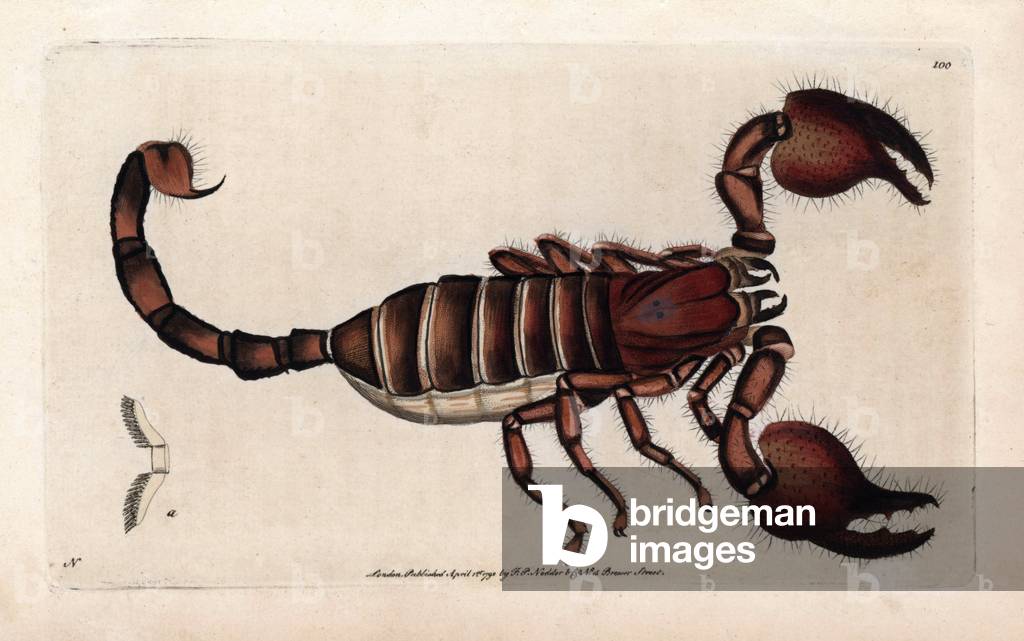
Scorpio of Sri Lanka. Signed illustration N (Frederick Nodder). Copper engraving by Frederick Polydor Nodder (1751-1801), for the naturalist collection, published in 1792 by George Shaw.

FLO4680111: Scorpio of Sri Lanka. Signed illustration N (Frederick Nodder). Copper engraving by Frederick Polydor Nodder (1751-1801), for the naturalist collection, published in 1792 by George Shaw. / Bridgeman Images
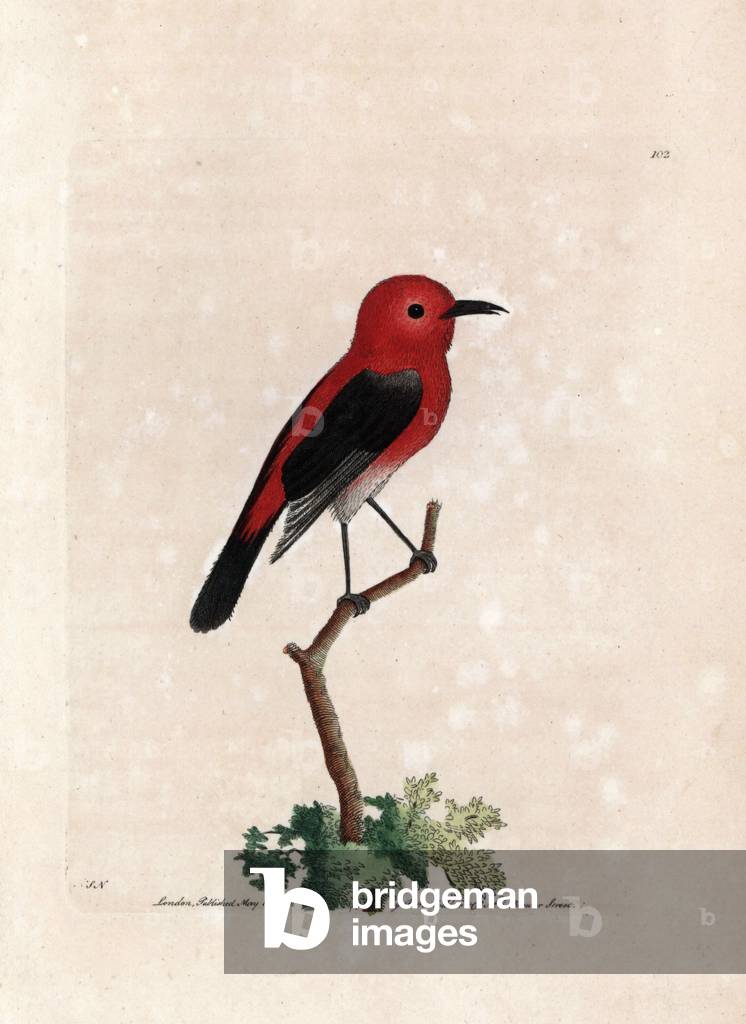
Cardinal myzomele. Signed illustration SN (George Shaw and Frederick Nodder). Copper engraving by Frederick Polydor Nodder (1751-1801), for the naturalist collection, published in 1792 by George Shaw.

FLO4680133: Cardinal myzomele. Signed illustration SN (George Shaw and Frederick Nodder). Copper engraving by Frederick Polydor Nodder (1751-1801), for the naturalist collection, published in 1792 by George Shaw. / Bridgeman Images
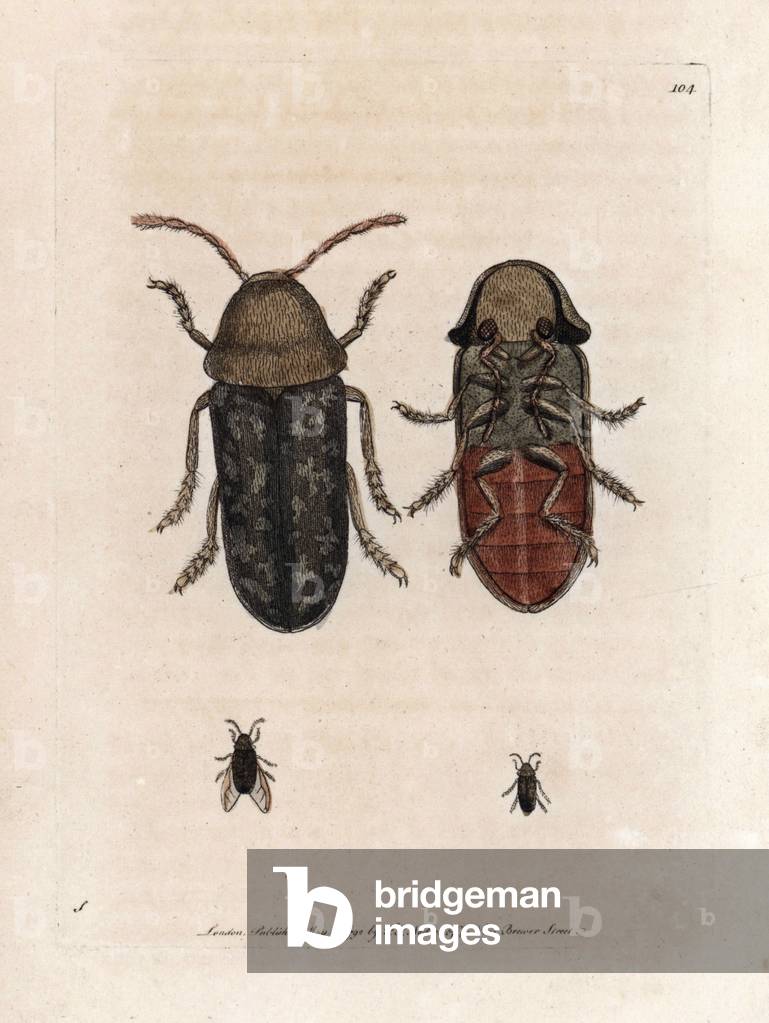
Big spin or death clock. Signed illustration S (George Shaw). Copper engraving by Frederick Polydor Nodder (1751-1801), for the naturalist collection, published in 1792 by George Shaw.

FLO4680149: Big spin or death clock. Signed illustration S (George Shaw). Copper engraving by Frederick Polydor Nodder (1751-1801), for the naturalist collection, published in 1792 by George Shaw. / Bridgeman Images

Miscroscopic vibrion, without spore, small bacillus extrememnt mobile. Signed illustration S (George Shaw). Copper engraving by Frederick Polydor Nodder (1751-1801), for the naturalist collection, published in 1792 by George Shaw.

FLO4680182: Miscroscopic vibrion, without spore, small bacillus extrememnt mobile. Signed illustration S (George Shaw). Copper engraving by Frederick Polydor Nodder (1751-1801), for the naturalist collection, published in 1792 by George Shaw. / Bridgeman Images

Electric eel. Signed illustration N (Frederick Nodder). Copper engraving by Frederick Polydor Nodder (1751-1801), for the naturalist collection, published in 1792 by George Shaw.

FLO4680292: Electric eel. Signed illustration N (Frederick Nodder). Copper engraving by Frederick Polydor Nodder (1751-1801), for the naturalist collection, published in 1792 by George Shaw. / Bridgeman Images

Sleep paw or Maurice dronte. Engraving by George Shaw and Frederick Nodder (1751-1801), for the naturalist collection, 1793.

FLO4680321: Sleep paw or Maurice dronte. Engraving by George Shaw and Frederick Nodder (1751-1801), for the naturalist collection, 1793. / Bridgeman Images

Reed Sparrow. Signed illustration SN (George Shaw and Frederick Nodder). Copper engraving by Frederick Polydor Nodder (1751-1801), for the naturalist collection, published in 1795 by George Shaw.

FLO4680553: Reed Sparrow. Signed illustration SN (George Shaw and Frederick Nodder). Copper engraving by Frederick Polydor Nodder (1751-1801), for the naturalist collection, published in 1795 by George Shaw. / Bridgeman Images
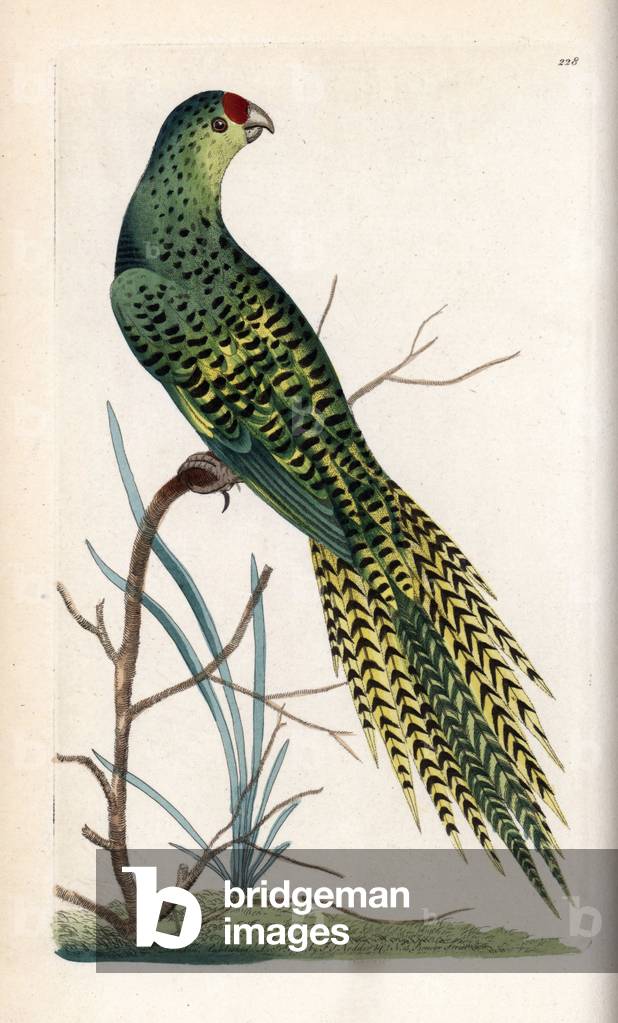
Land parakeet. Unsigned illustration (George Shaw and Frederick Nodder). Copper engraving for the naturalist collection, published in 1795 by Frederick Nodder (1751-1801) and George Shaw.

FLO4680584: Land parakeet. Unsigned illustration (George Shaw and Frederick Nodder). Copper engraving for the naturalist collection, published in 1795 by Frederick Nodder (1751-1801) and George Shaw. / Bridgeman Images

Variety of plankton Thalia democratica. Unsigned illustration (George Shaw and Frederick Nodder). Copper engraving for the naturalist collection, published in 1796 by Frederick Nodder (1751-1801) and George Shaw.

FLO4680628: Variety of plankton Thalia democratica. Unsigned illustration (George Shaw and Frederick Nodder). Copper engraving for the naturalist collection, published in 1796 by Frederick Nodder (1751-1801) and George Shaw. / Bridgeman Images
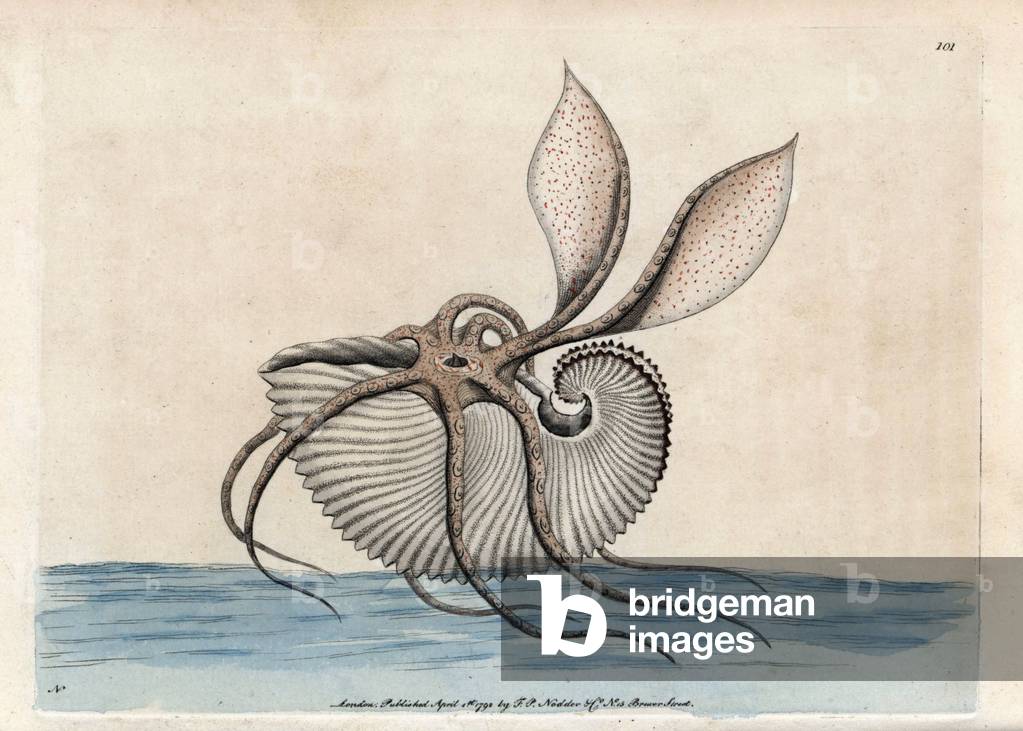
Argonaut sailboat (Cephalopode). Signed illustration N (Frederick Nodder). Copper engraving by Frederick Polydor Nodder (1751-1801), for the naturalist collection, published in 1792 by George Shaw.

FLO4680114: Argonaut sailboat (Cephalopode). Signed illustration N (Frederick Nodder). Copper engraving by Frederick Polydor Nodder (1751-1801), for the naturalist collection, published in 1792 by George Shaw. / Bridgeman Images
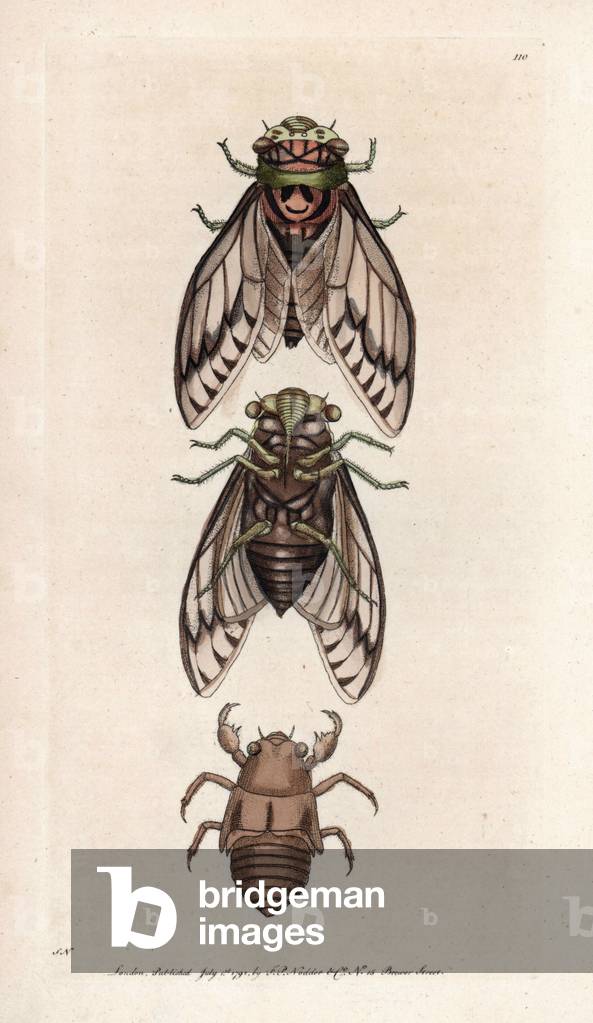
Plebeian cicada. Signed illustration SN (George Shaw and Frederick Nodder). Copper engraving by Frederick Polydor Nodder (1751-1801), for the naturalist collection, published in 1792 by George Shaw.

FLO4680200: Plebeian cicada. Signed illustration SN (George Shaw and Frederick Nodder). Copper engraving by Frederick Polydor Nodder (1751-1801), for the naturalist collection, published in 1792 by George Shaw. / Bridgeman Images

Martin European fisherman. Signed illustration SN (George Shaw and Frederick Nodder). Copper engraving by Frederick Polydor Nodder (1751-1801), for the naturalist collection, published in 1792 by George Shaw.

FLO4680267: Martin European fisherman. Signed illustration SN (George Shaw and Frederick Nodder). Copper engraving by Frederick Polydor Nodder (1751-1801), for the naturalist collection, published in 1792 by George Shaw. / Bridgeman Images

Bernard the Giant Hermit (Petrochirus diogenes). Signed illustration S (George Shaw). Lithography in The Naturalist's Miscellany, 1793, by George Shaw and Frederick Polydore Noder (1751-1801).

FLO4680410: Bernard the Giant Hermit (Petrochirus diogenes). Signed illustration S (George Shaw). Lithography in The Naturalist's Miscellany, 1793, by George Shaw and Frederick Polydore Noder (1751-1801). / Bridgeman Images
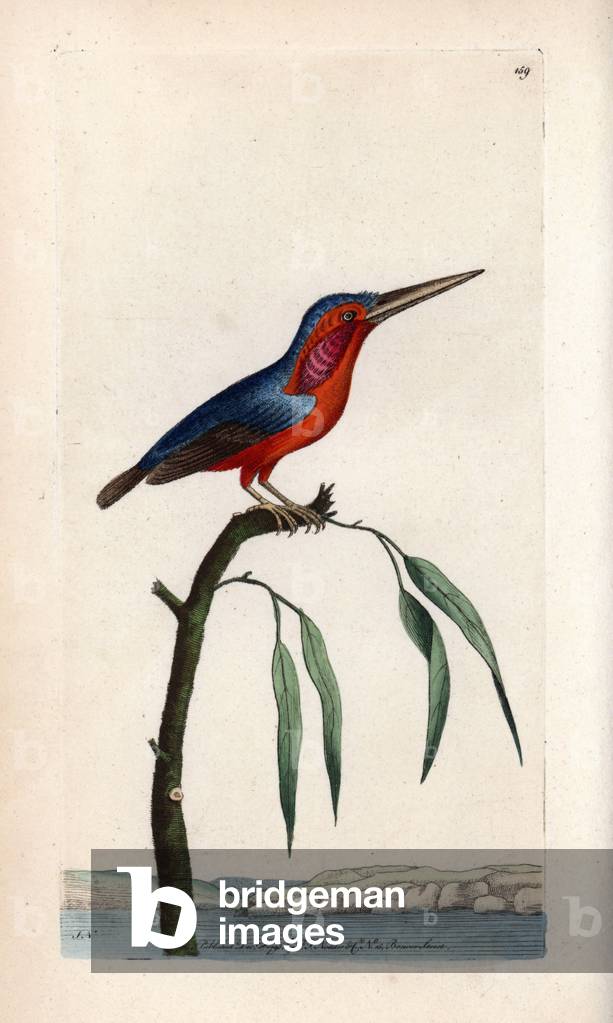
Martin pecheur poucet (Alcedo pusilla). Signed illustration SN (George Shaw and Frederick Nodder). Lithography in The Naturalist's Miscellany, 1793, by George Shaw and Frederick Polydore Noder (1751-1801).

FLO4680414: Martin pecheur poucet (Alcedo pusilla). Signed illustration SN (George Shaw and Frederick Nodder). Lithography in The Naturalist's Miscellany, 1793, by George Shaw and Frederick Polydore Noder (1751-1801). / Bridgeman Images
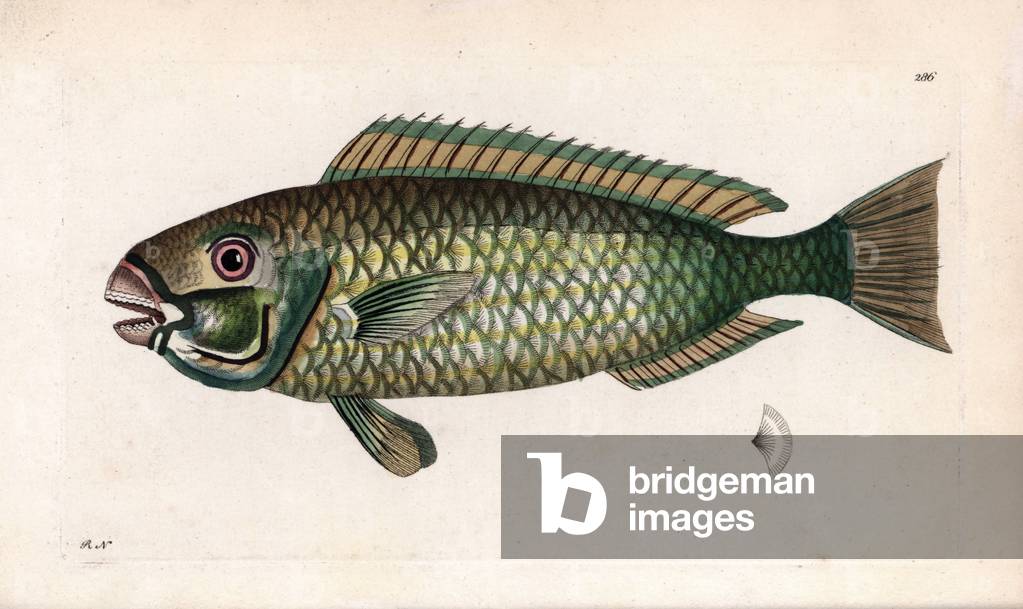
Japanese parrot fish. Signed illustration RN (Richard Nodder). Copper engraving for the naturalist collection, published in 1796 by George Shaw and Frederick Nodder. Palecheek parrotfish, Chlorurus japanensis. Illustration signed RN (Richard Nodder). Handcolored copperplate engraving from George Shaw and Frederick Nodder's “” The Naturalist's Miscellany””” 1796.

FLO4680862: Japanese parrot fish. Signed illustration RN (Richard Nodder). Copper engraving for the naturalist collection, published in 1796 by George Shaw and Frederick Nodder. Palecheek parrotfish, Chlorurus japanensis. Illustration signed RN (Richard Nodder). Handcolored copperplate engraving from George Shaw and Frederick Nodder's “” The Naturalist's Miscellany””” 1796. / Bridgeman Images

Abyssal fish Stylephorus chordatus. Signed illustration S (George Shaw). Copper engraving for the naturalist collection, published in 1796 by Frederick Nodder (1751-1801) and George Shaw. Tube-eye or threadtail, Stylephorus chordatus. Illustration signed S (George Shaw). Handcolored copperplate engraving from George Shaw and Frederick Nodder's “” The Naturalist's Miscellany””” 1796.

FLO4680787: Abyssal fish Stylephorus chordatus. Signed illustration S (George Shaw). Copper engraving for the naturalist collection, published in 1796 by Frederick Nodder (1751-1801) and George Shaw. Tube-eye or threadtail, Stylephorus chordatus. Illustration signed S (George Shaw). Handcolored copperplate engraving from George Shaw and Frederick Nodder's “” The Naturalist's Miscellany””” 1796. / Bridgeman Images

Indian tantalum, species of Asian scallop (Mycteria leucocephala). Unsigned illustration (George Shaw and Frederick Nodder). Copper engraving for the naturalist collection, published in 1796 by Frederick Nodder (1751-1801) and George Shaw. Painted stork, Mycteria leucocephala. Near threatened. Unsigned illustration (George Shaw and Frederick Nodder). Handcolored copperplate engraving from George Shaw and Frederick Nodder's “” The Naturalist's Miscellany””” 1796.

FLO4680884: Indian tantalum, species of Asian scallop (Mycteria leucocephala). Unsigned illustration (George Shaw and Frederick Nodder). Copper engraving for the naturalist collection, published in 1796 by Frederick Nodder (1751-1801) and George Shaw. Painted stork, Mycteria leucocephala. Near threatened. Unsigned illustration (George Shaw and Frederick Nodder). Handcolored copperplate engraving from George Shaw and Frederick Nodder's “” The Naturalist's Miscellany””” 1796. / Bridgeman Images

Black-bellied sand grouse, Pterocles orientalis (Sand partridge, Tetrao arenaria). Illustration drawn and engraved by Richard Polydore Nodder. Handcoloured copperplate engraving from George Shaw and Frederick Nodder's The Naturalist's Miscellany, London, 1803.

FLO4680914: Black-bellied sand grouse, Pterocles orientalis (Sand partridge, Tetrao arenaria). Illustration drawn and engraved by Richard Polydore Nodder. Handcoloured copperplate engraving from George Shaw and Frederick Nodder's The Naturalist's Miscellany, London, 1803. / Bridgeman Images

Tarantula wolf spider, Lycosa tarantula (Tarantula spider, Aranea tarantula). Illustration drawn and engraved by Richard Polydore Nodder. Handcoloured copperplate engraving from George Shaw and Frederick Nodder's The Naturalist's Miscellany, London, 1803.

FLO4680970: Tarantula wolf spider, Lycosa tarantula (Tarantula spider, Aranea tarantula). Illustration drawn and engraved by Richard Polydore Nodder. Handcoloured copperplate engraving from George Shaw and Frederick Nodder's The Naturalist's Miscellany, London, 1803. / Bridgeman Images

Gorgeous bushshrike, Telophorus viridis (Red-throated butcher bird, Lanius gutturalis). Illustration drawn and engraved by Richard Polydore Nodder. Handcoloured copperplate engraving from George Shaw and Frederick Nodder's The Naturalist's Miscellany, London, 1804.

FLO4681169: Gorgeous bushshrike, Telophorus viridis (Red-throated butcher bird, Lanius gutturalis). Illustration drawn and engraved by Richard Polydore Nodder. Handcoloured copperplate engraving from George Shaw and Frederick Nodder's The Naturalist's Miscellany, London, 1804. / Bridgeman Images

A Parisian woman getting dressed in the Chinese style. “” Our artist has turned three magots (grotesque porcelain figures) into makeup artists eager to transform a beautiful Parisian into a Chinese beauty. One plays with her hair, another helps her put on a pair of slippers, and a third shows a tunic with bells.” Handcoloured engraving from Pierre de la Mesanger's Le Bon Genre, Paris, 1817.

FLO4677439: A Parisian woman getting dressed in the Chinese style. “” Our artist has turned three magots (grotesque porcelain figures) into makeup artists eager to transform a beautiful Parisian into a Chinese beauty. One plays with her hair, another helps her put on a pair of slippers, and a third shows a tunic with bells.” Handcoloured engraving from Pierre de la Mesanger's Le Bon Genre, Paris, 1817. / Bridgeman Images
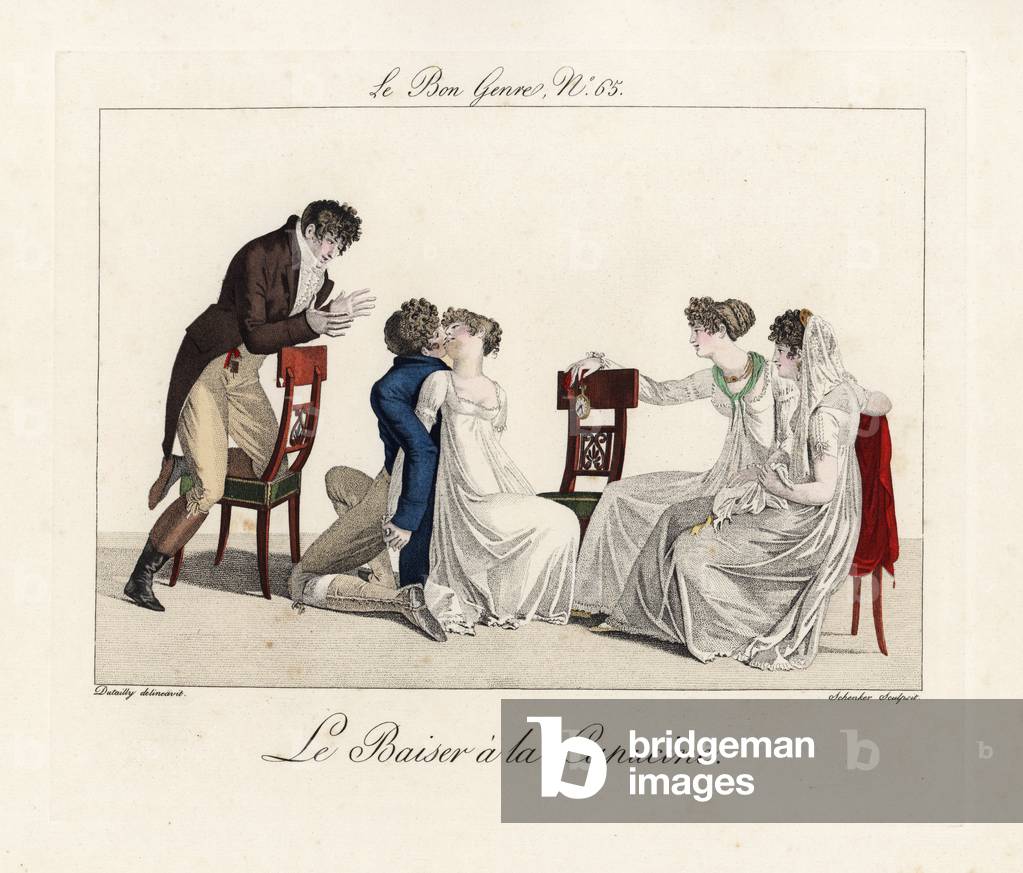
Fashionable people playing the Capucine kissing game. The players must sit back to back with their arms entwined and endeavor to give each other a kiss on the lips by their contortions. Illustration by Dumailly, engraved by Schenker, from Pierre de la Mesanger's Le Bon Genre, Paris, 1817.

FLO4677448: Fashionable people playing the Capucine kissing game. The players must sit back to back with their arms entwined and endeavor to give each other a kiss on the lips by their contortions. Illustration by Dumailly, engraved by Schenker, from Pierre de la Mesanger's Le Bon Genre, Paris, 1817. / Bridgeman Images
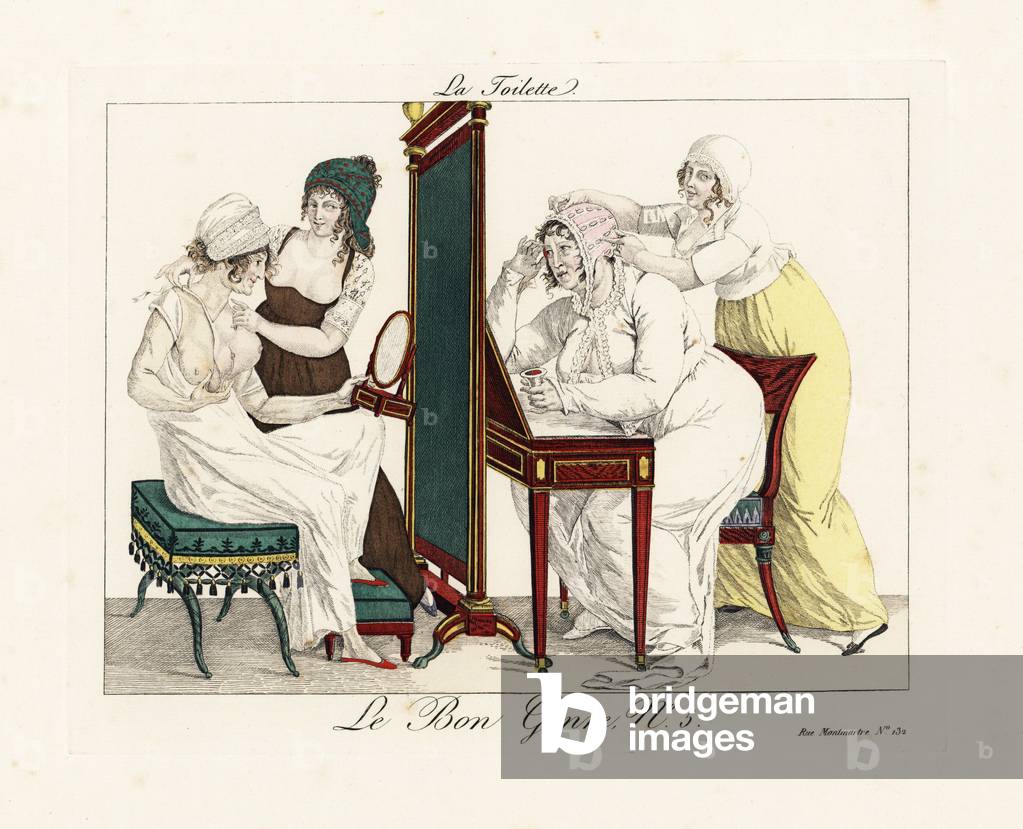
The toilet: Two young women help older women with baby bonnets and false bosoms - while giving knowing looks to the viewer. Women of 19 and 20 are in open war with women of a certain age (30). They adopt fashions that suit only them, such as flat bonnets and childish caps.” Handcoloured engraving from Pierre de la Mesanger's Le Bon Genre, Paris, 1817.

FLO4678052: The toilet: Two young women help older women with baby bonnets and false bosoms - while giving knowing looks to the viewer. Women of 19 and 20 are in open war with women of a certain age (30). They adopt fashions that suit only them, such as flat bonnets and childish caps.” Handcoloured engraving from Pierre de la Mesanger's Le Bon Genre, Paris, 1817. / Bridgeman Images

Badminton. Wonderful in flimsy dresses play a game of badminton in a garden. Several have their hair in the fashionable short cut known as the martyr or victim. “” In old times we played without rackets, using our hands to hit the ball or shuttlecock in the version called Palm. Now we are more delicate, we have racquets decorated with gold and silk. Illustration by Dominique Bosio. Handcoloured engraving from Pierre de la Mesanger's Le Bon Genre, Paris, 1817.

FLO4677779: Badminton. Wonderful in flimsy dresses play a game of badminton in a garden. Several have their hair in the fashionable short cut known as the martyr or victim. “” In old times we played without rackets, using our hands to hit the ball or shuttlecock in the version called Palm. Now we are more delicate, we have racquets decorated with gold and silk. Illustration by Dominique Bosio. Handcoloured engraving from Pierre de la Mesanger's Le Bon Genre, Paris, 1817. / Bridgeman Images

The bored women of Longchamp racetrack. Three fashionable bored women sit among a mountain of chairs as a maid clears them away. “Where is everyone? Damn rain! Where can we meet someone to talk to, to be seen? They wear the latest hairstyles - almost like those of children in a choir.” Handcoloured engraving from Pierre de la Mesanger's Le Bon Genre, Paris, 1817.

FLO4677858: The bored women of Longchamp racetrack. Three fashionable bored women sit among a mountain of chairs as a maid clears them away. “Where is everyone? Damn rain! Where can we meet someone to talk to, to be seen? They wear the latest hairstyles - almost like those of children in a choir.” Handcoloured engraving from Pierre de la Mesanger's Le Bon Genre, Paris, 1817. / Bridgeman Images
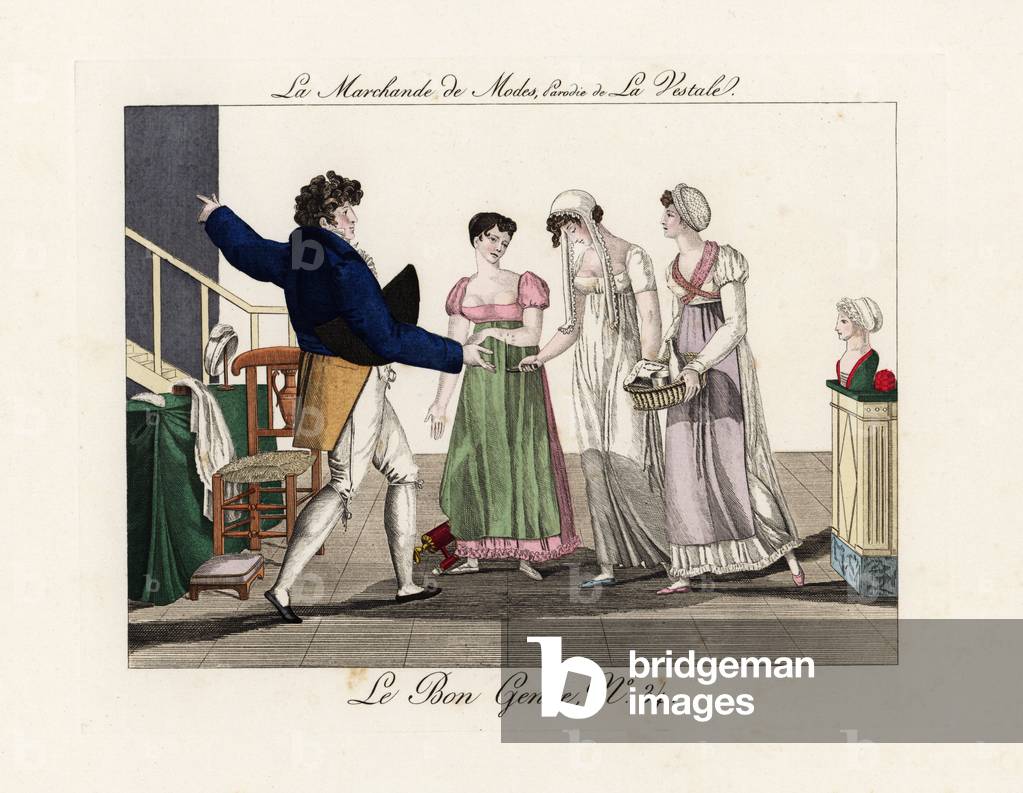
Scene from Etienne Jouy's 1808 play La Merchant des Modes, a parody of La Vestale (his own opera from 1807 with music by Spontini). A despondent Miss Julie, fashion apprentice, is ordered upstairs by Mr de Crepanville while her companions hold a basket of bread and water and sing, “” Dip your bread, dip your bread Julie, Dip your bread in the clear water.”” Handcoloured engraving from Pierre de la Mesanger's Le Bon Genre, Paris, 1817.

FLO4678008: Scene from Etienne Jouy's 1808 play La Merchant des Modes, a parody of La Vestale (his own opera from 1807 with music by Spontini). A despondent Miss Julie, fashion apprentice, is ordered upstairs by Mr de Crepanville while her companions hold a basket of bread and water and sing, “” Dip your bread, dip your bread Julie, Dip your bread in the clear water.”” Handcoloured engraving from Pierre de la Mesanger's Le Bon Genre, Paris, 1817. / Bridgeman Images
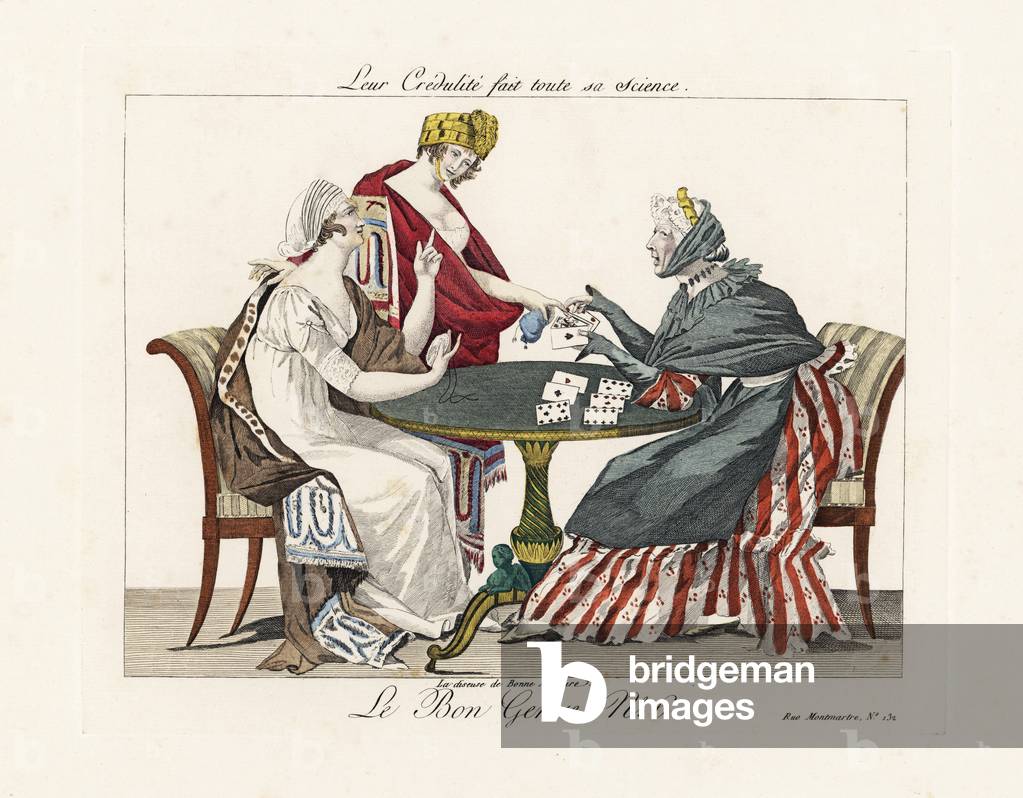
Their credulity is her only science. A fortune teller reads the cards for two credulous wonders in shawls and turbans. “The feeble minded consult this woman, whose only secret is that she has persuaded them that she knows everything.” Handcoloured engraving from Pierre de la Mesanger's Le Bon Genre, Paris, 1817.

FLO4678060: Their credulity is her only science. A fortune teller reads the cards for two credulous wonders in shawls and turbans. “The feeble minded consult this woman, whose only secret is that she has persuaded them that she knows everything.” Handcoloured engraving from Pierre de la Mesanger's Le Bon Genre, Paris, 1817. / Bridgeman Images
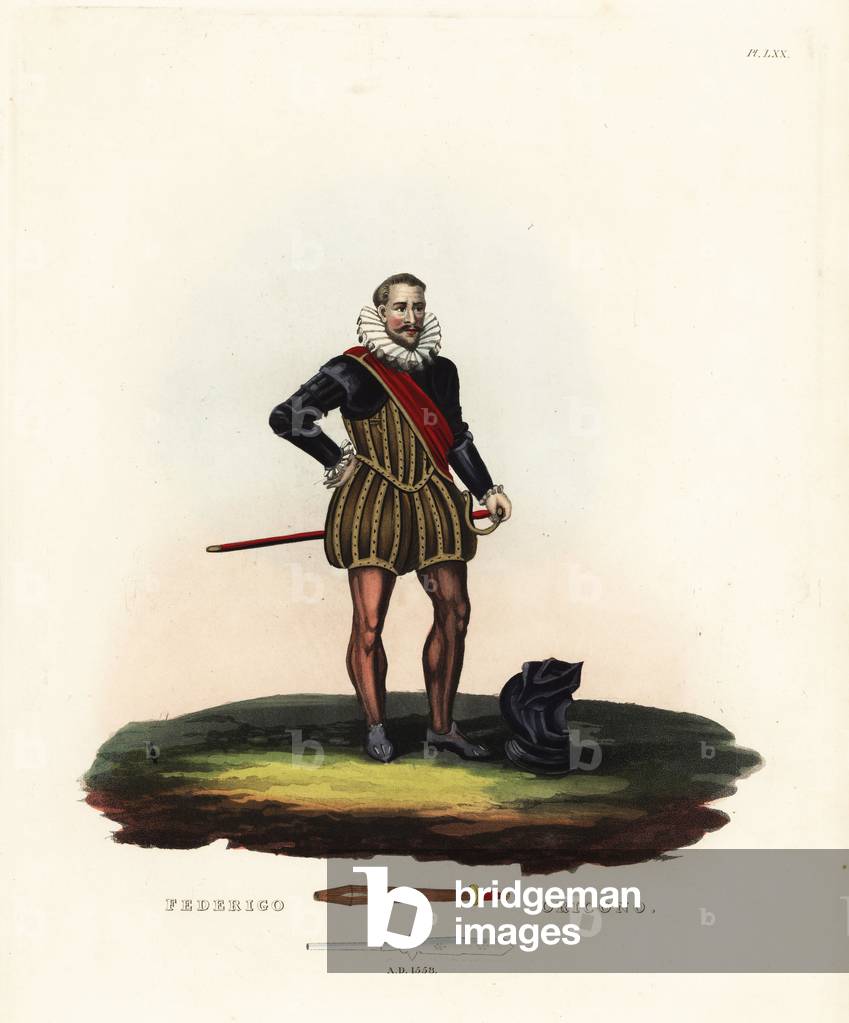
Federigo Oricono, 1558. In a suit of armour with silk surcoat in plush covering the breastplate and backplate, sleeve armour pauldrons and elbow pieces, and slops or wide breeches. Helmet on the ground. Tournament baton and want-blade at bottom. Handcoloured lithograph by Maddocks after an illustration by S.R. Meyrick from Sir Samuel Rush Meyrick's A Critical Inquiry into Antient Armour.

FLO4678252: Federigo Oricono, 1558. In a suit of armour with silk surcoat in plush covering the breastplate and backplate, sleeve armour pauldrons and elbow pieces, and slops or wide breeches. Helmet on the ground. Tournament baton and want-blade at bottom. Handcoloured lithograph by Maddocks after an illustration by S.R. Meyrick from Sir Samuel Rush Meyrick's A Critical Inquiry into Antient Armour. / Bridgeman Images


Back to top