2497519 Search Results

FLO4713020: Rio Grande copperlily, Habranthus tubispathus (Anderson's habranth, Habranthus andersonii). Handcoloured copperplate engraving by Weddell after Edwin Dalton Smith from John Lindley and Robert Sweet's Ornamental Flower Garden and Shrubbery, G. Willis, London, 1854. / Bridgeman Images
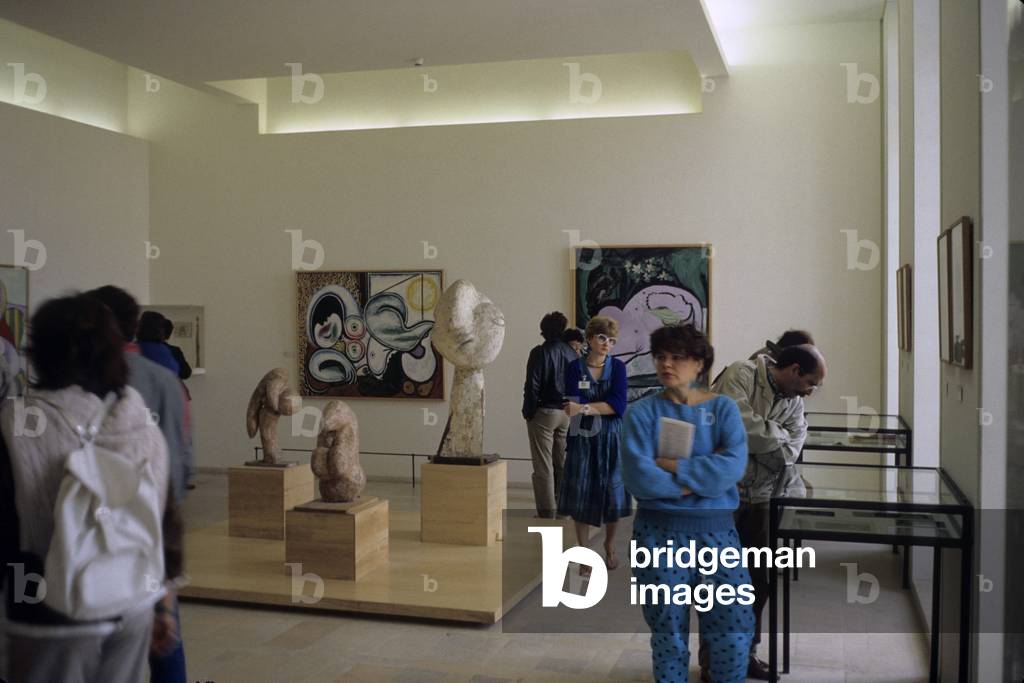
TEC4707681: The Picasso Museum, 5 rue de Thorigny, Paris 75003, 1986 (photo), Picasso, Pablo (1881-1973) / Bridgeman Images

FLO4707988: Cartoon of demon adorned with a predominantly Norman with long sleeves, attached to the sleeves and tail, to its sides, a Norman woman seated and veiled, wearing a baby, and another Norman woman with long braid hair, clothed with one above all. Hand-coloured copper engraving, in “Images historique des costumes des principaux peuples de l'Antiquite et du Middle Ages” by Robert Von Spalart, published in 1796. Cartoon of demon wearing a Norman long sleeved surtout tied at the sleeves and tails, seated Norman woman in veil holding a baby, and Norman woman with long plaited hair in a surtout. Handcolored copperplate engraving from Robert von Spalart's “” Historical Picture of the Costumes of the Principal People of Antiquity and of the Middle Ages”” (1796). / Bridgeman Images

MME4708647: Portrait of the French artist Cesar Baldaccini called Cesar at the Venice Art Biennale in 1995., Cesar (Cesar Baldaccini) (1921-98) / Bridgeman Images

MME4708705: Portrait of musician and singer Ray Charles in 1990., Mencarini, Marcello / Bridgeman Images
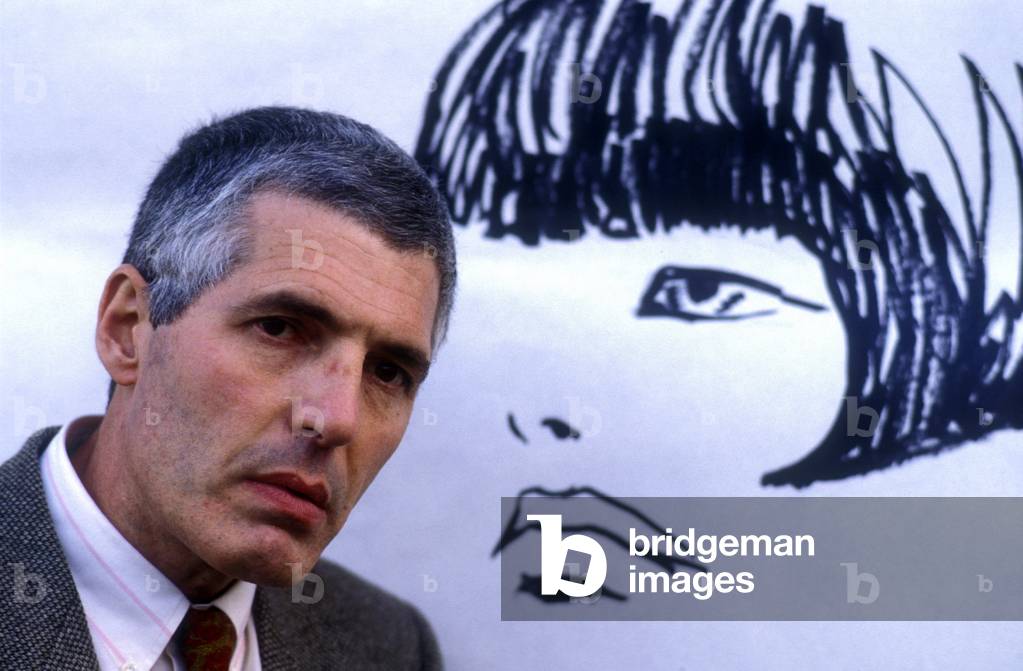
MME4709459: Portrait of Italian cartoonist Guido Crepax in 1980., Crepax, Guido (1933-2003) / Bridgeman Images

MME4709765: Portrait of the Italian composer and conductor Gianandrea (Gian andrea) Gavazzeni in 1992., Mencarini, Marcello / Bridgeman Images

FLO4709716: Raw montana and ruby sapphires. Chromolithography, in Precious Stones and Gems by Edwin Streeter, published in London, England, by George Bell and Sons, 1892. / Bridgeman Images
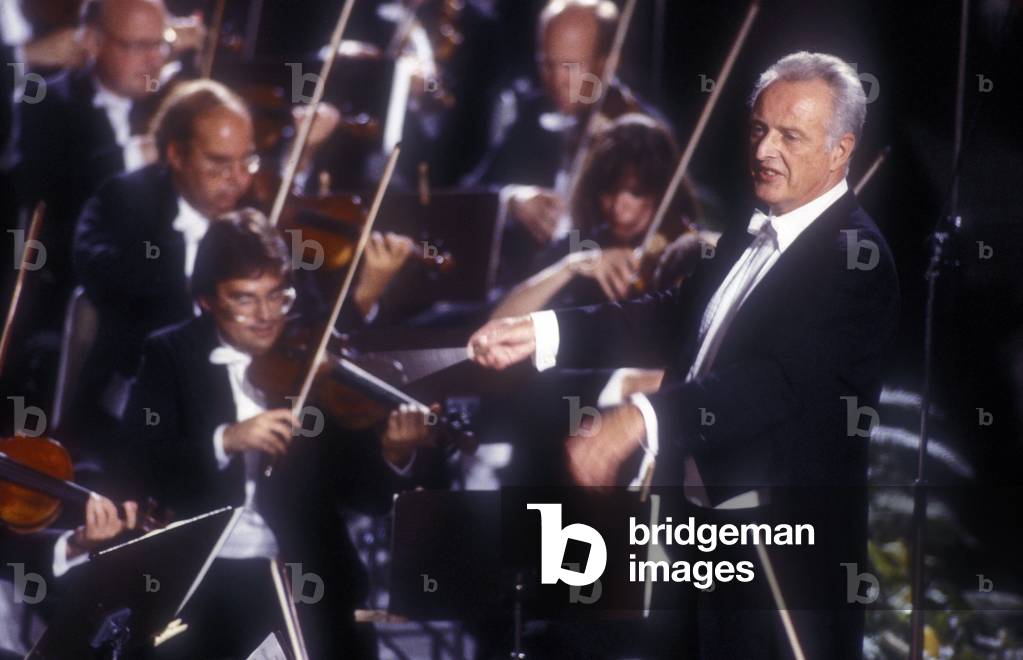
MME4709901: Austrian conductor Carlos Kleiber at a concert in Pompei in 1987., Mencarini, Marcello / Bridgeman Images

MME4709851: Portrait of writer Vladimir Karpov, veteran of the Second War in the Russian Army, 1990, Mencarini, Marcello / Bridgeman Images

FLO4709950: Finger poppy mallow, Callirhoe digitata (Digitate leaved nuttallia, Nuttallia digitata). Handcoloured copperplate engraving by Bailey after a botanical illustration by Edward Dalton Smith from Robert Sweet's The British Flower Garden, Ridgeway, London, 1825. / Bridgeman Images

FLO4710025: Slender-leaved tagetes, Tagetes tenuifolia. Handcoloured copperplate engraving by Weddell after a botanical illustration by Edward Dalton Smith from Robert Sweet's The British Flower Garden, Ridgeway, London, 1825. / Bridgeman Images
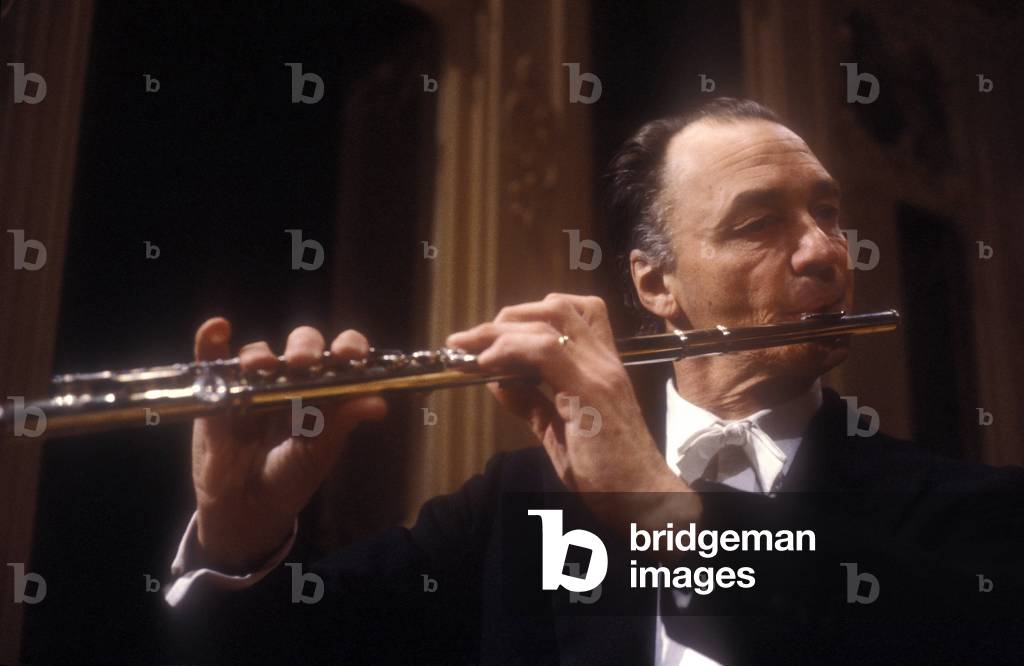
MME4710033: Portrait of the German flutist Conrad Klemm around 1980., Mencarini, Marcello / Bridgeman Images

MME4710290: Portrait of the French historian Jacques Le Goff in 1995., Mencarini, Marcello / Bridgeman Images

FLO4710510: Chickling pea, subterranean lathyrus or earth-pea, Lathyrus amphicarpos. Handcoloured copperplate engraving by Weddell after a botanical illustration by Edward Dalton Smith from Robert Sweet's The British Flower Garden, Ridgeway, London, 1828. / Bridgeman Images

MME4710739: Portrait of the Italian composer Riccardo Malipiero on the piano., Mencarini, Marcello / Bridgeman Images

FLO4710461: Reflexed-leaved lychnidea, Phlox reflexa. Handcoloured copperplate engraving by Weddell after a botanical illustration by Edward Dalton Smith from Robert Sweet's The British Flower Garden, Ridgeway, London, 1827. / Bridgeman Images

FLO4710867: Pseudomuscari pallens (Pale muscari, Muscari pallens). Handcoloured copperplate engraving by Weddell after a botanical illustration by Edward Dalton Smith from Robert Sweet's The British Flower Garden, Ridgeway, London, 1828. / Bridgeman Images

MME4707733: Portrait of jazz saxophonist Anthony Braxton in 1981., Mencarini, Marcello / Bridgeman Images

FLO4707756: Margarita, Countess of Flanders (1145-1194), horseback with a hawk and the dwarf Turold, guiding two horses. The Franks wore cups similar to that worn by Marguerite (103). Turold (104), sent by Guillaume (William), Duke of Normandy, known as the Conquerant then William I of England (1027-1087), represented as described by Bernard de Montfaucon in Monument de la Monarchy Francaise. (Copy of a tapestry earlier than that of Bayeux or Queen Mathilde, 11th century). He wears clothes under his suit, the cut and shape of his hat are very special. Hand-coloured copper engraving, in “Images historiques des costumes des principaux peuples de l'Antiquite et du Middle Ages” by Robert Von Spalart, published in 1796. / Bridgeman Images

FLO4707660: Portrait of Guy I (ca. 1020-1100), Count of Ponthieu, who to mark his high rank wears a coat. From the 8th century onwards, leather and mesh battles were introduced, and under the rebellion of Pepin Le Brif, the diversity of arms among the Franks was enrich, spears and slings (83,84) axes and arches, and the use of heaumes was more common (Figure 24 is a very unusual form). Hand-coloured copper engraving, in “Images historiques des costumes des principaux peuples de l'Antiquite et du Middle Ages” by Robert Von Spalart, published in 1796. / Bridgeman Images

MME4707724: Portrait of jazz saxophonist Anthony Braxton in 1981., Mencarini, Marcello / Bridgeman Images

MME4707845: Portrait of the French maker Robert Bresson with his wife in 1980, Mencarini, Marcello / Bridgeman Images
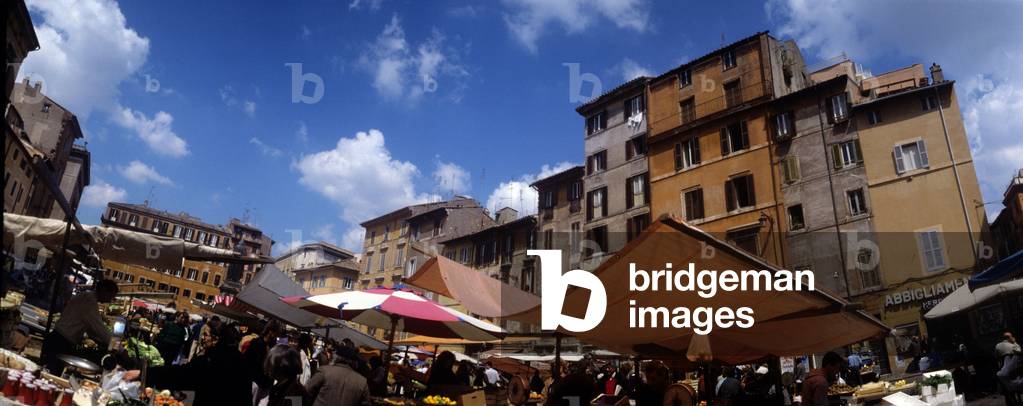
MME4708946: Panoramic view of the walk of Campo dei fiori square, Rome Italy, Mencarini, Marcello / Bridgeman Images

MME4709135: Panoramic view of the Procuracy Vecchie on the Piazza San Marco in Venice, Italy, Mencarini, Marcello / Bridgeman Images

MME4709335: Portrait of American poet Gregory Corso, member of the Beat Generation in Rome in 1980., Mencarini, Marcello / Bridgeman Images
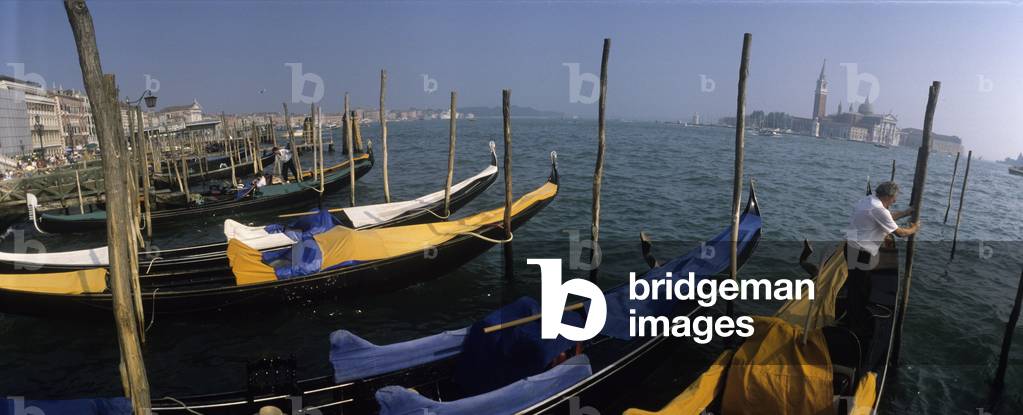
MME4709264: Panoramic view of Venice lagoon with gondolas. Italy, Mencarini, Marcello / Bridgeman Images
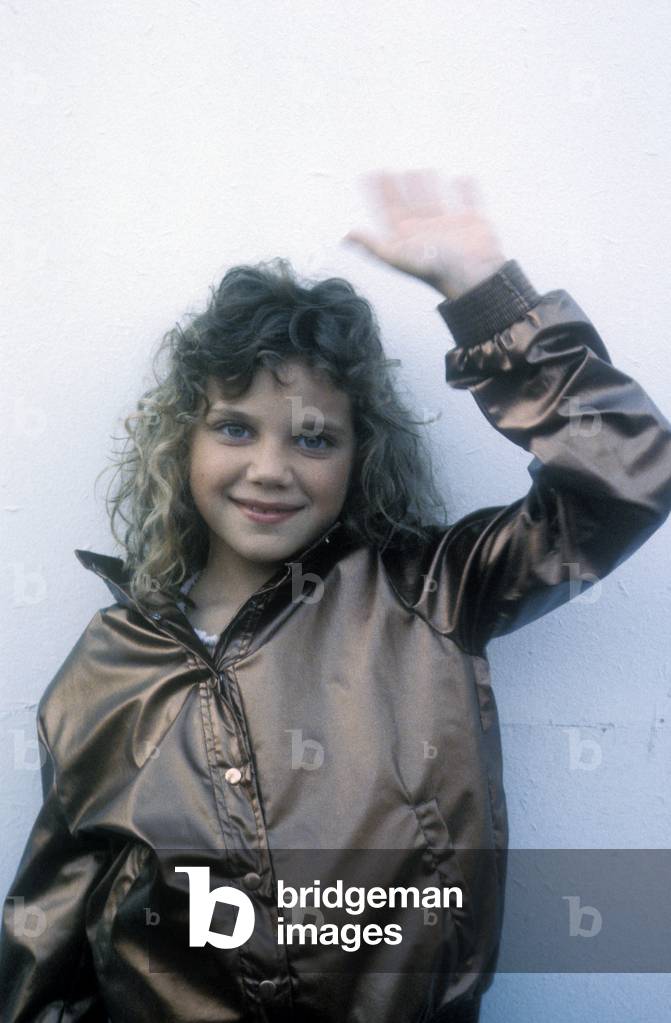
MME4709404: Portrait of the American pop singer child Nikka Costa in 1981., Mencarini, Marcello / Bridgeman Images

FLO4709518: Ten guinea jewels: brooch, pendant, bracelet, ring in sapphire, opal, diamond, jade, and enamel. Chromolithograph from Edwin Street's Gems Catalog, Bond Street, London, circa 1895 / Bridgeman Images

MME4709509: Portrait of German-British sociologist Ralf Gustav Dahrendorf, Mencarini, Marcello / Bridgeman Images
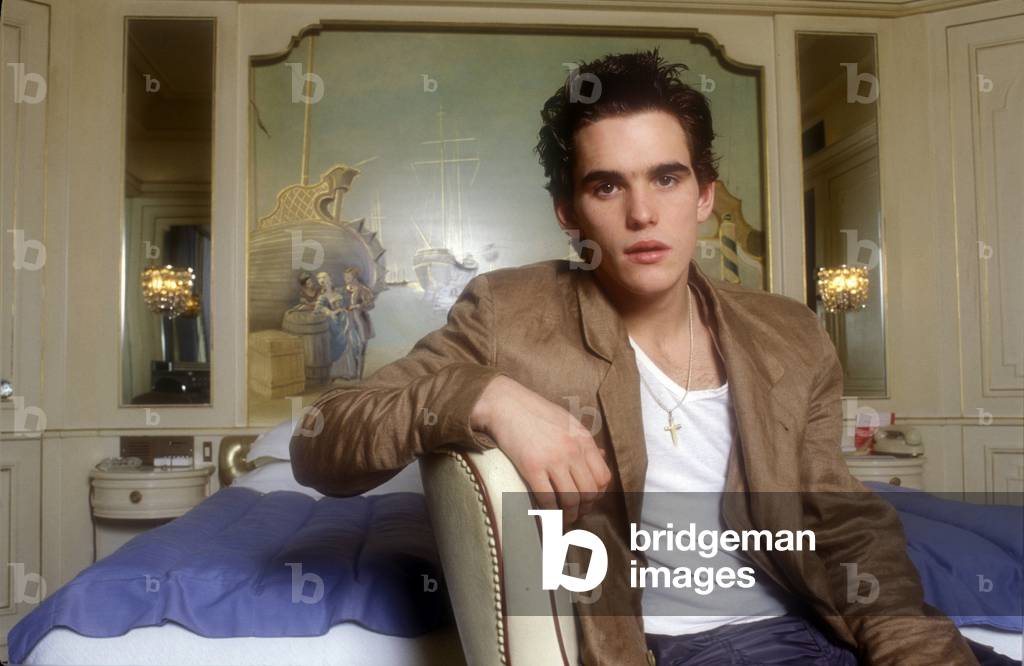
MME4709629: Portrait of American comedian Matt Dillon, 1984, Mencarini, Marcello / Bridgeman Images
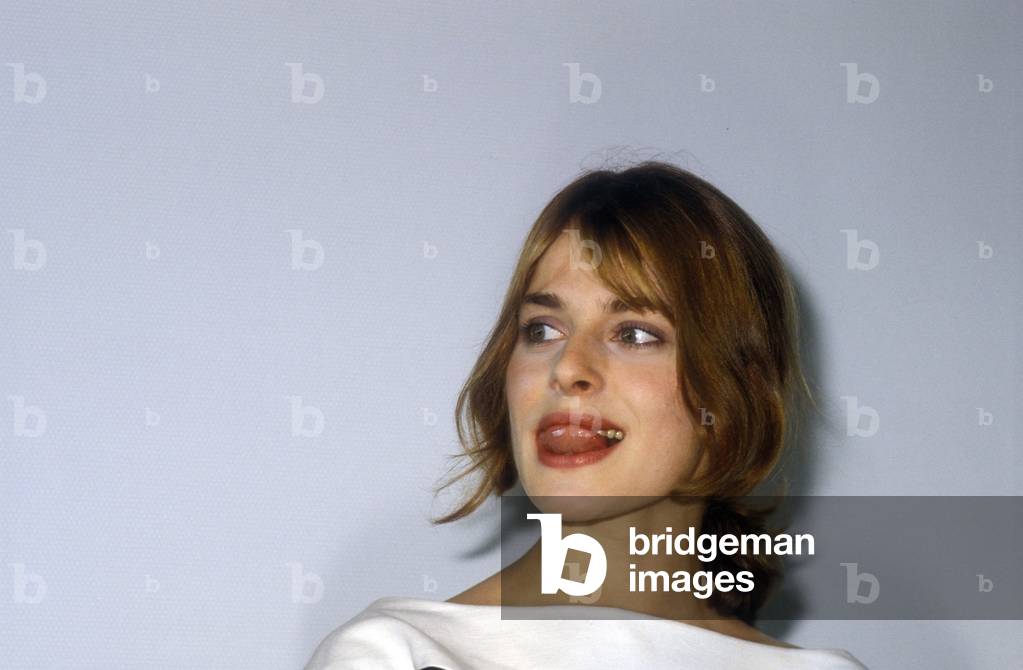
MME4709890: Portrait of German comedian and model Nastassja Kinski in 1980., Mencarini, Marcello / Bridgeman Images
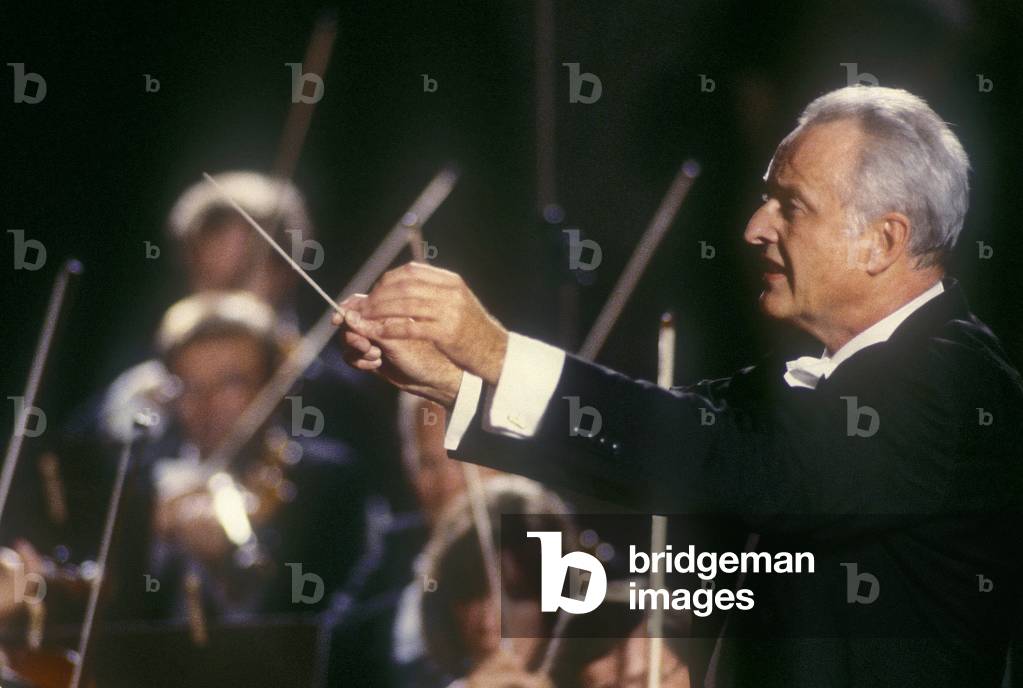
MME4709999: Austrian conductor Carlos Kleiber at a concert in Pompei in 1987., Mencarini, Marcello / Bridgeman Images
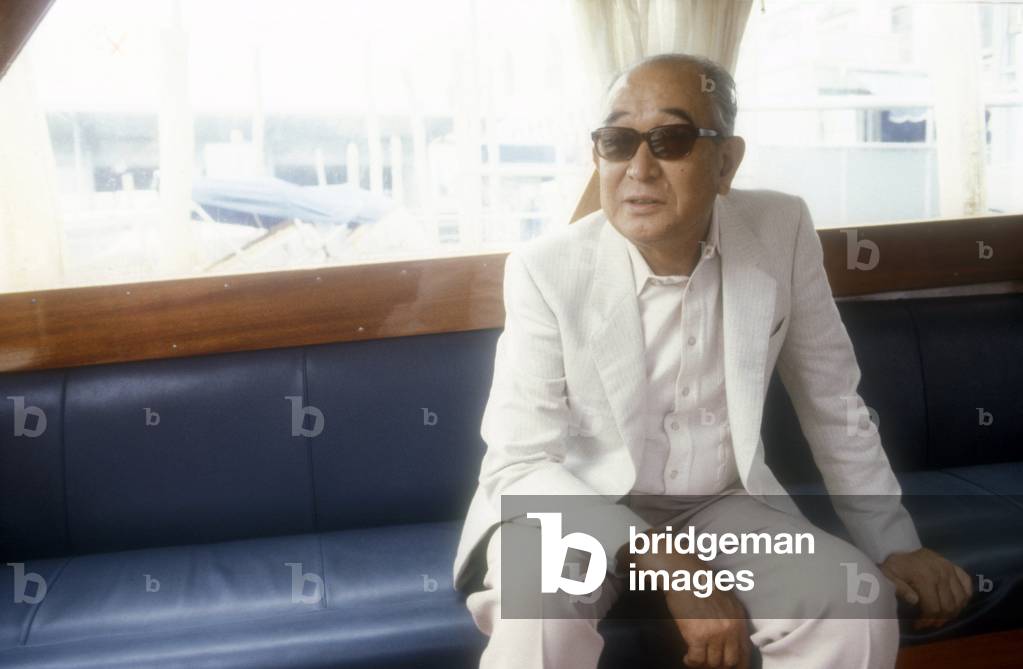
MME4710164: Portrait of Japanese director Akira Kurosawa, 1980 (photo), Mencarini, Marcello / Bridgeman Images
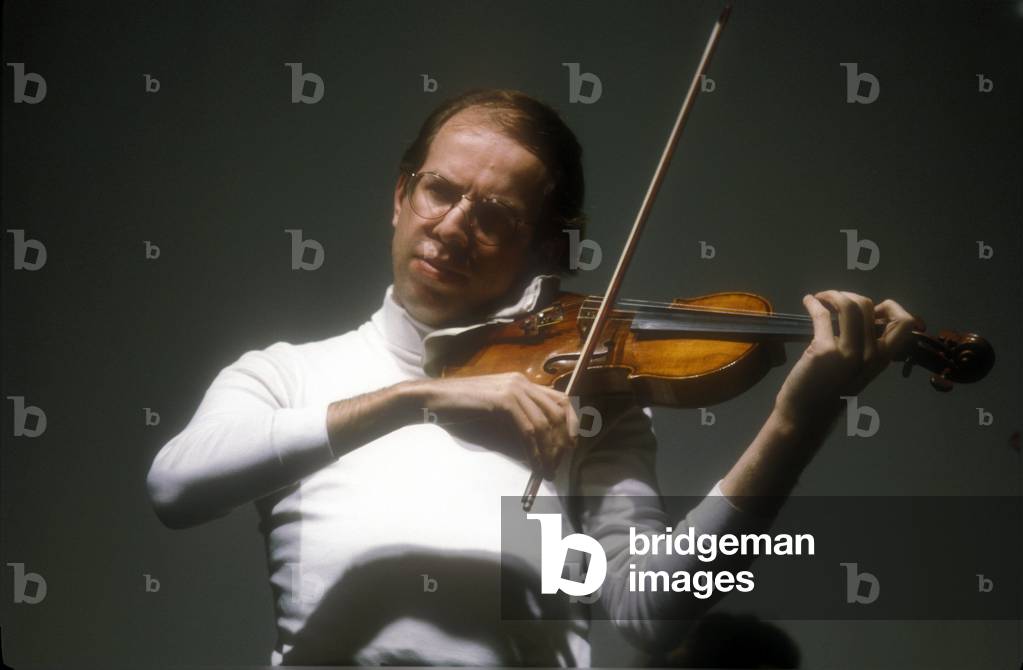
MME4710142: Portrait of Latvian conductor and violinist Gidon Kremer., Mencarini, Marcello / Bridgeman Images

FLO4710180: Honeyweed or Siberian motherwort, Leonurus sibiricus. Handcoloured copperplate engraving by Weddell after a botanical illustration by Edward Dalton Smith from Robert Sweet's The British Flower Garden, Ridgeway, London, 1827. / Bridgeman Images
