Search options

Orientation
Colour

Display options

View

Print

To print search results, use print friendly version of this page.

2497519 Search Results
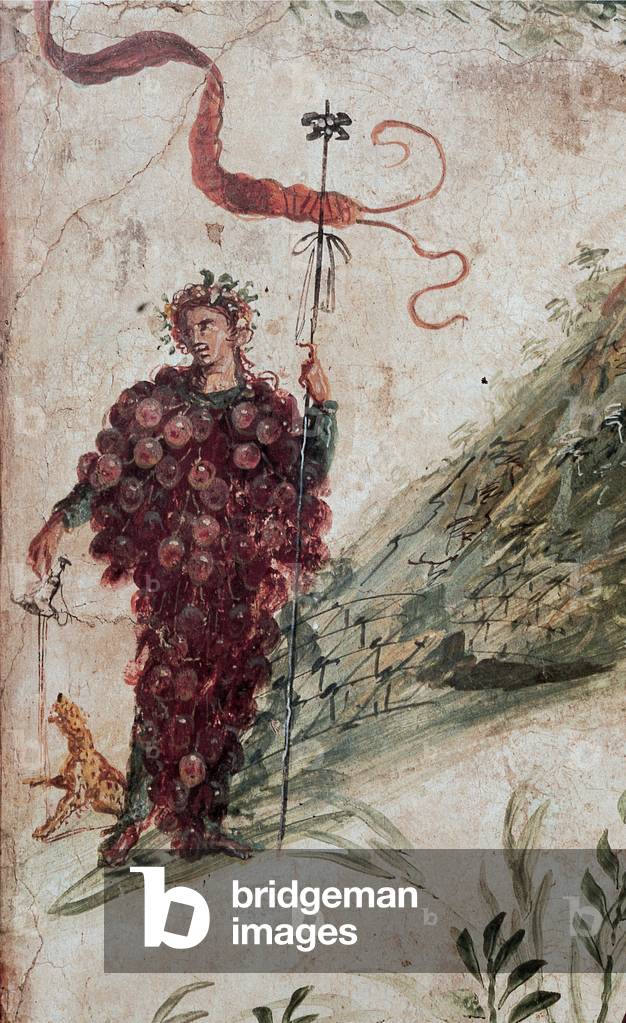
Unknown artist, Bacchus and the Vesuvius, 79, in the house of the Centenario, Italy, Campania,1st Century, mural (fresco)

MEP4705133: Unknown artist, Bacchus and the Vesuvius, 79, in the house of the Centenario, Italy, Campania,1st Century, mural (fresco) / Bridgeman Images
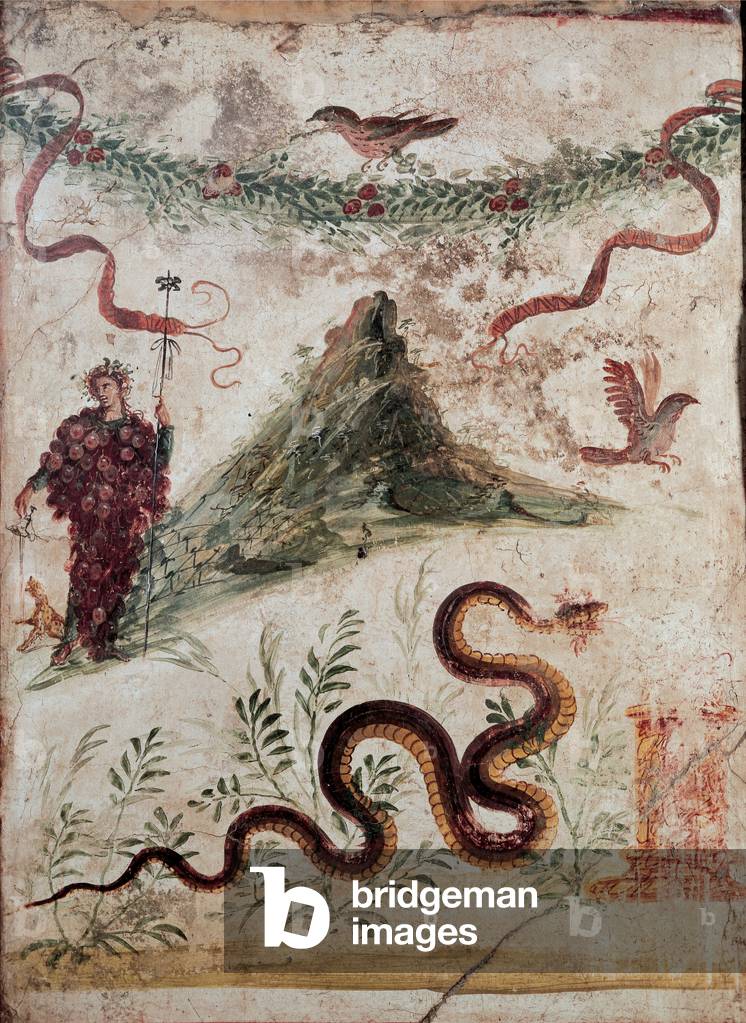
Unknown artist, Bacchus and the Vesuvius, 79, in the house of the Centenario, Italy, Campania,1st Century, mural (fresco)

MEP4705180: Unknown artist, Bacchus and the Vesuvius, 79, in the house of the Centenario, Italy, Campania,1st Century, mural (fresco) / Bridgeman Images

A common Croat wearing a coat lined with fox fur. Handcolored copperplate engraving from Robert von Spalart's “” Historical Picture of the Costumes of the Peoples of Antiquity, the Middle Ages and the New Era,”” written by Leopold Ziegelhauser, Vienna, 1837. Illustration from Cesare Vecellio's Habiti antichi e moderni, Venice, 1590.

FLO4705309: A common Croat wearing a coat lined with fox fur. Handcolored copperplate engraving from Robert von Spalart's “” Historical Picture of the Costumes of the Peoples of Antiquity, the Middle Ages and the New Era,”” written by Leopold Ziegelhauser, Vienna, 1837. Illustration from Cesare Vecellio's Habiti antichi e moderni, Venice, 1590. / Bridgeman Images

Portrait of the entrepreneur Calisto Tanzi, founder of the Italian dairy company Parmalat. 2000

MME4705395: Portrait of the entrepreneur Calisto Tanzi, founder of the Italian dairy company Parmalat. 2000, Mencarini, Marcello / Bridgeman Images
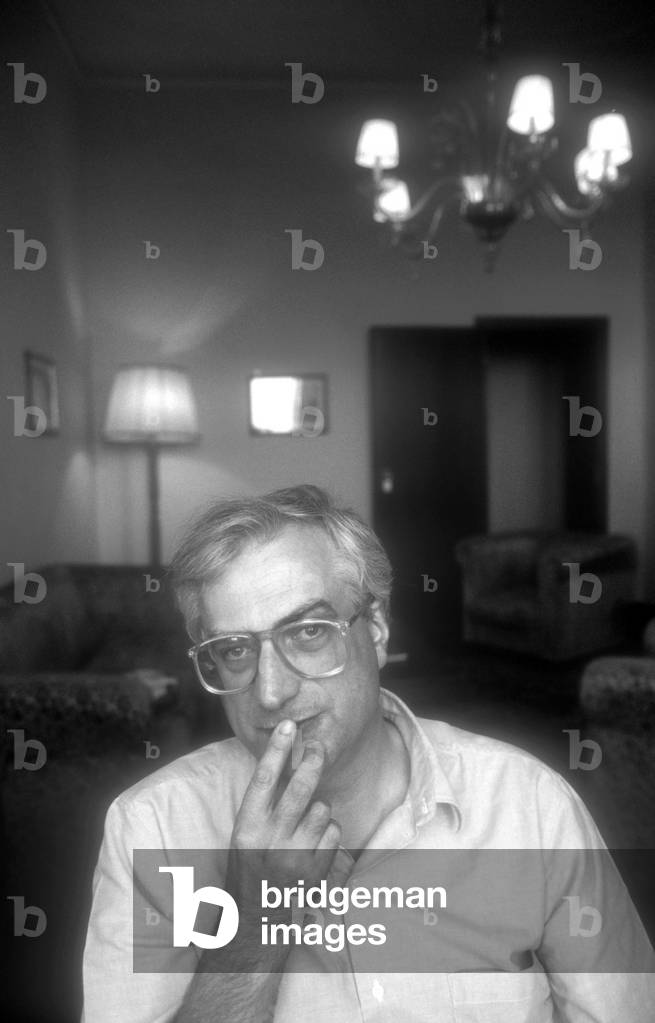
Portrait of the French realizer Bertrand Tavernier in 1986.

MME4705625: Portrait of the French realizer Bertrand Tavernier in 1986., Mencarini, Marcello / Bridgeman Images

Knight and nobleman of Burgundy, 1581.

FLO4705634: Knight and nobleman of Burgundy, 1581. / Bridgeman Images
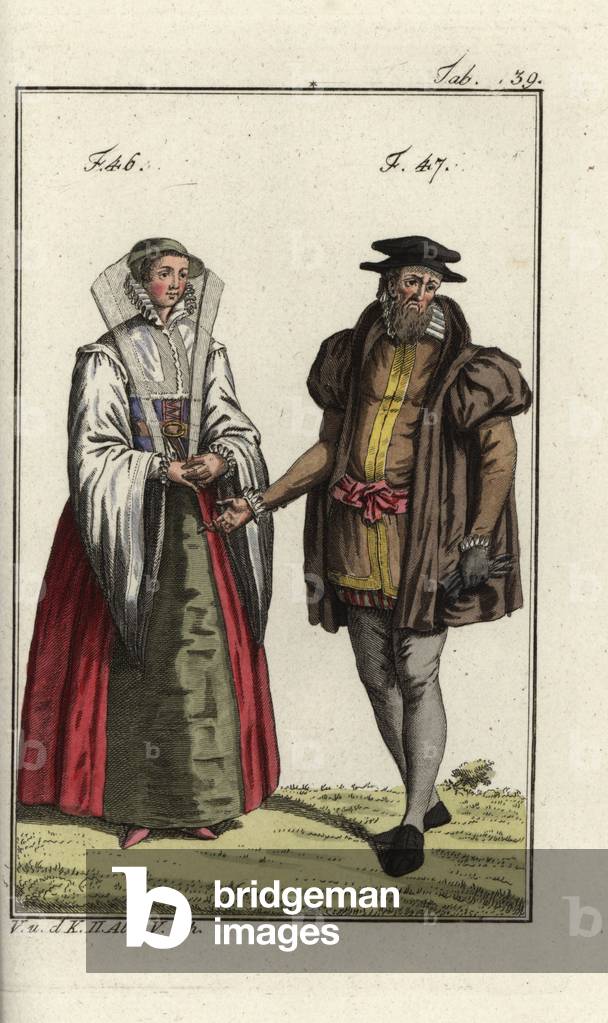
Noblewoman of Cologne, 1588, and a councilor of Cologne, 1577. Handcolored copperplate engraving from Robert von Spalart's “” Historical Picture of the Costumes of the Principal People of Antiquity and of the Middle Ages,”” Vienna, 1811. Illustration based on Thomas Jefferys Collection of Dresses of Different Nations, Antient and Modern. After the Designs of Holbein, Van Dyke, Hollar, and others, London, 1757.

FLO4705699: Noblewoman of Cologne, 1588, and a councilor of Cologne, 1577. Handcolored copperplate engraving from Robert von Spalart's “” Historical Picture of the Costumes of the Principal People of Antiquity and of the Middle Ages,”” Vienna, 1811. Illustration based on Thomas Jefferys Collection of Dresses of Different Nations, Antient and Modern. After the Designs of Holbein, Van Dyke, Hollar, and others, London, 1757. / Bridgeman Images
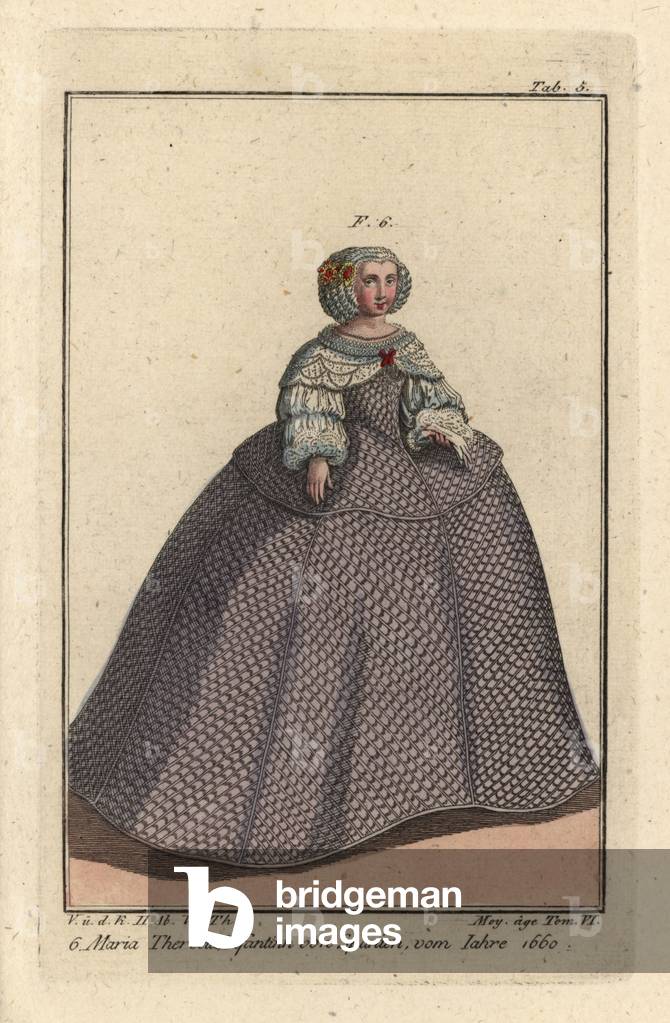
Maria Theresa (1638-1683), Infanta of Spain, 1660. Illustration copied from Laumosnier's painting “” Meeting between Louis XIV of France and Philippe IV of Spain.”” Handcolored copperplate engraving from Robert von Spalart's “” Historical Picture of the Costumes of the Peoples of Antiquity, the Middle Ages and the New Era,”” written by Leopold Ziegelhauser, Vienna, 1837

FLO4706326: Maria Theresa (1638-1683), Infanta of Spain, 1660. Illustration copied from Laumosnier's painting “” Meeting between Louis XIV of France and Philippe IV of Spain.”” Handcolored copperplate engraving from Robert von Spalart's “” Historical Picture of the Costumes of the Peoples of Antiquity, the Middle Ages and the New Era,”” written by Leopold Ziegelhauser, Vienna, 1837 / Bridgeman Images
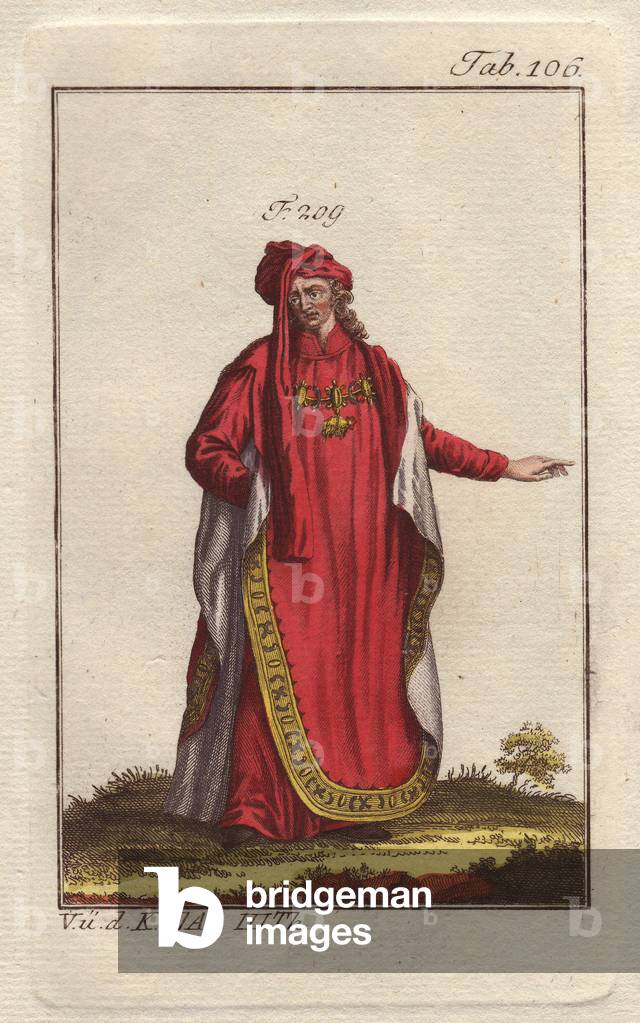
Knight of the Order of the Golden Fleece. Founded in 1430 by Philippe III Le Bon, Duke of Burgundy (1396-1467). The order was dedicated to the Virgin Mary and the apostle Saint Andre. Then Charles de Valois Burgundy, dit Le Temeraire (1433-1477) decided that the coat, coat and hat of its members would be of crimson velvet, double of white satin, the golden fleece was suspended at a thin lace around the neck, later decorated with exuberant diamonds, contrary to the rules of order. Hand-coloured copper engraving, in “Images historiques des costumes des principaux peuples de l'Antiquite et du Middle Ages” by Robert Von Spalart, published in 1796.

FLO4706902: Knight of the Order of the Golden Fleece. Founded in 1430 by Philippe III Le Bon, Duke of Burgundy (1396-1467). The order was dedicated to the Virgin Mary and the apostle Saint Andre. Then Charles de Valois Burgundy, dit Le Temeraire (1433-1477) decided that the coat, coat and hat of its members would be of crimson velvet, double of white satin, the golden fleece was suspended at a thin lace around the neck, later decorated with exuberant diamonds, contrary to the rules of order. Hand-coloured copper engraving, in “Images historiques des costumes des principaux peuples de l'Antiquite et du Middle Ages” by Robert Von Spalart, published in 1796. / Bridgeman Images

Portrait of French chief operator Henri Alekan in 1989.

MME4706905: Portrait of French chief operator Henri Alekan in 1989., Mencarini, Marcello / Bridgeman Images

Two armed knights, a horse and teams for different tests: the race with targets (right), and the race of the wheel (left). The horse of the one on the left, bears the green colors striped with white and the knight has a helm has two large wings of white feather. The one on the right is yellow striped with black, with the letter M and wears a helmet with two horns curved at the back. During the race, the knight had to touch a target point of his opponent's armor, during the game, the goal was to unarm his opponent. Hand-coloured copper engraving, in “Images historiques des costumes des principaux peuples de l'Antiquite et du Middle Ages” by Robert Von Spalart, published in 1796.

FLO4707088: Two armed knights, a horse and teams for different tests: the race with targets (right), and the race of the wheel (left). The horse of the one on the left, bears the green colors striped with white and the knight has a helm has two large wings of white feather. The one on the right is yellow striped with black, with the letter M and wears a helmet with two horns curved at the back. During the race, the knight had to touch a target point of his opponent's armor, during the game, the goal was to unarm his opponent. Hand-coloured copper engraving, in “Images historiques des costumes des principaux peuples de l'Antiquite et du Middle Ages” by Robert Von Spalart, published in 1796. / Bridgeman Images

Knights weapons for racing with targets and for racing helm. The left knight carries blue stripes on his mount, with the image of a little boy with a spear, on a cloud. The one on the right has pink colours, decorated with the letter D, numerous birds and a golden cage. During the race, the knight turned his spear on a specific point on his opponent's chest, when the point was hit, a metal plate jumped into the air (the golden fragments above each knight on the illustration represent these plates). Hand-coloured copper engraving, in “Images historiques des costumes des principaux peuples de l'Antiquite et du Middle Ages” by Robert Von Spalart, published in 1796.

FLO4707097: Knights weapons for racing with targets and for racing helm. The left knight carries blue stripes on his mount, with the image of a little boy with a spear, on a cloud. The one on the right has pink colours, decorated with the letter D, numerous birds and a golden cage. During the race, the knight turned his spear on a specific point on his opponent's chest, when the point was hit, a metal plate jumped into the air (the golden fragments above each knight on the illustration represent these plates). Hand-coloured copper engraving, in “Images historiques des costumes des principaux peuples de l'Antiquite et du Middle Ages” by Robert Von Spalart, published in 1796. / Bridgeman Images
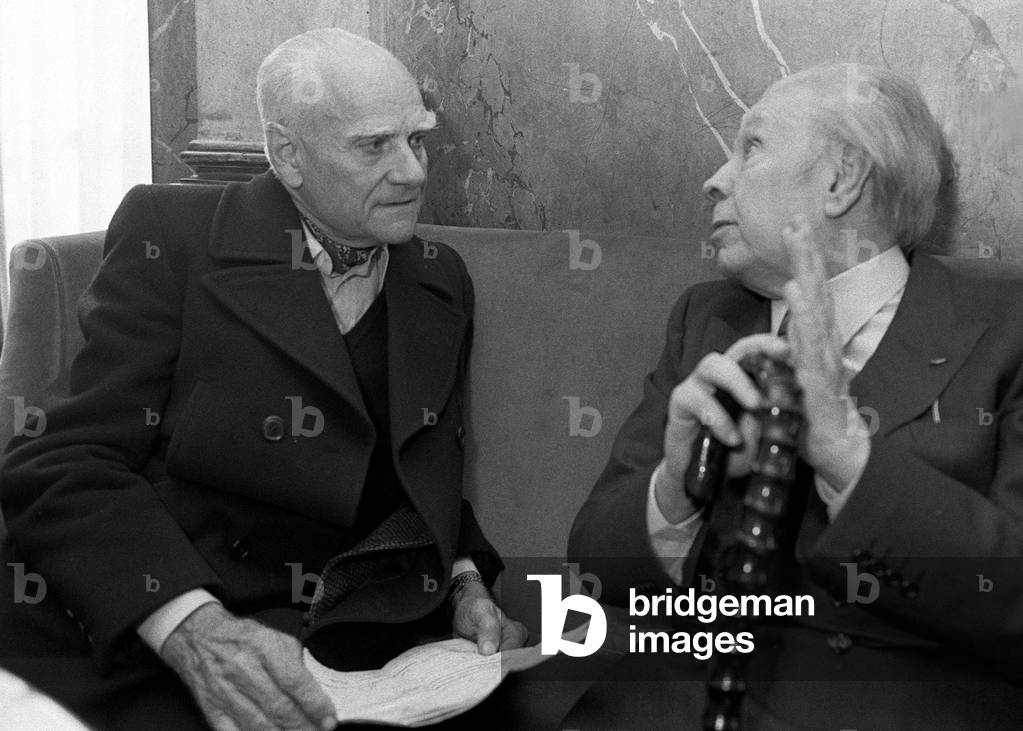
Portrait of Argentine writer Jorge Luis Borges with Italian writer Alberto Moravia in Rome, 1981.

MME4707124: Portrait of Argentine writer Jorge Luis Borges with Italian writer Alberto Moravia in Rome, 1981., Mencarini, Marcello / Bridgeman Images

Three knight mounted teams for different types of tests: the race of the arm guard with the helm, the race with round wheels and small targets and the game. In the races, the knights aimed at their spear at a specific point in their opponent's chest pto blow a metal plate, their spear ended with a sharp metal tip, the players' spear had a crown of spikes at its end.

FLO4707171: Three knight mounted teams for different types of tests: the race of the arm guard with the helm, the race with round wheels and small targets and the game. In the races, the knights aimed at their spear at a specific point in their opponent's chest pto blow a metal plate, their spear ended with a sharp metal tip, the players' spear had a crown of spikes at its end. / Bridgeman Images

Portrait of Argentine writer Jorge Luis Borges during a photo session in Rome, 1981.

MME4707316: Portrait of Argentine writer Jorge Luis Borges during a photo session in Rome, 1981., Mencarini, Marcello / Bridgeman Images

Portrait of Argentine writer Jorge Luis Borges in Rome, 1981.

MME4707386: Portrait of Argentine writer Jorge Luis Borges in Rome, 1981., Mencarini, Marcello / Bridgeman Images

Costumes of Anglo-Saxon women: in coat (63), in coat with a loose veil, whose edges fall on her shoulders, revealing the neckline of her dress (64), in tunic with coloured borders and wide sleeves, embroidered with needle (65). Different variations of tunics worn from the 9th to the 11th century. Hand-coloured copper engraving, in “Images historiques des costumes des principaux peuples de l'Antiquite et du Middle Ages” by Robert Von Spalart, published in 1796.

FLO4707517: Costumes of Anglo-Saxon women: in coat (63), in coat with a loose veil, whose edges fall on her shoulders, revealing the neckline of her dress (64), in tunic with coloured borders and wide sleeves, embroidered with needle (65). Different variations of tunics worn from the 9th to the 11th century. Hand-coloured copper engraving, in “Images historiques des costumes des principaux peuples de l'Antiquite et du Middle Ages” by Robert Von Spalart, published in 1796. / Bridgeman Images

Portrait of the French actress Carole Bouquet around 1987

MME4707641: Portrait of the French actress Carole Bouquet around 1987, Mencarini, Marcello / Bridgeman Images

Two Anglo Saxon soldiers in armor, late 9th and 10th century. One weapon with a long spear and wearing a blue cape and a brown tunic, with metal plates attached to the fabric of the skirt (61), the other weapon with a lace, a large bow and a shield, wearing a metal plque tunic on a yellow flattening skirt (62). Hand-coloured copper engraving, in “Images historiques des costumes des principaux peuples de l'Antiquite et du Middle Ages” by Robert Von Spalart, published in 1796.

FLO4707494: Two Anglo Saxon soldiers in armor, late 9th and 10th century. One weapon with a long spear and wearing a blue cape and a brown tunic, with metal plates attached to the fabric of the skirt (61), the other weapon with a lace, a large bow and a shield, wearing a metal plque tunic on a yellow flattening skirt (62). Hand-coloured copper engraving, in “Images historiques des costumes des principaux peuples de l'Antiquite et du Middle Ages” by Robert Von Spalart, published in 1796. / Bridgeman Images
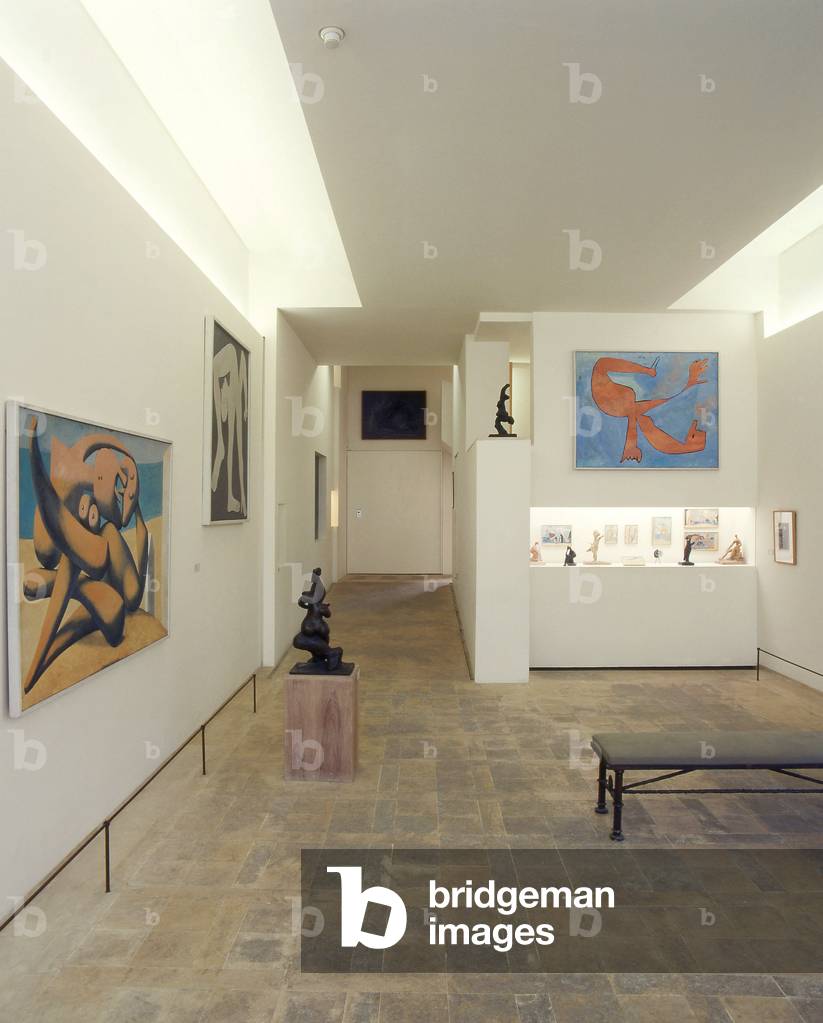
Musee Picasso a Paris Musee Picasso, 5 rue de Thorigny, Paris 75003. Architecture by Roland Simounet, 1976-1985. Photography 1986.

TEC4707538: Musee Picasso a Paris Musee Picasso, 5 rue de Thorigny, Paris 75003. Architecture by Roland Simounet, 1976-1985. Photography 1986., Picasso, Pablo (1881-1973) / Bridgeman Images

German nobleman 1577 and a countess of Holland and Zeeland 1600. Handcolored copperplate engraving from Robert von Spalart's “” Historical Picture of the Costumes of the Principal People of Antiquity and of the Middle Ages,”” Vienna, 1811. Illustration based on Thomas Jefferys Collection of Dresses of Different Nations, Antient and Modern. After the Designs of Holbein, Van Dyke, Hollar, and others, London, 1757.

FLO4705570: German nobleman 1577 and a countess of Holland and Zeeland 1600. Handcolored copperplate engraving from Robert von Spalart's “” Historical Picture of the Costumes of the Principal People of Antiquity and of the Middle Ages,”” Vienna, 1811. Illustration based on Thomas Jefferys Collection of Dresses of Different Nations, Antient and Modern. After the Designs of Holbein, Van Dyke, Hollar, and others, London, 1757. / Bridgeman Images

Woman of Bologna with a long veil, and a feather fan attached to her belt with a gold chain, 16th century. Handcolored copperplate engraving from Robert von Spalart's “” Historical Picture of the Costumes of the Principal People of Antiquity and of the Middle Ages,”” Vienna, 1811. Illustration based on Thomas Jefferys Collection of Dresses of Different Nations, Antient and Modern. After the Designs of Holbein, Van Dyke, Hollar, and others, London, 1757.

FLO4705366: Woman of Bologna with a long veil, and a feather fan attached to her belt with a gold chain, 16th century. Handcolored copperplate engraving from Robert von Spalart's “” Historical Picture of the Costumes of the Principal People of Antiquity and of the Middle Ages,”” Vienna, 1811. Illustration based on Thomas Jefferys Collection of Dresses of Different Nations, Antient and Modern. After the Designs of Holbein, Van Dyke, Hollar, and others, London, 1757. / Bridgeman Images
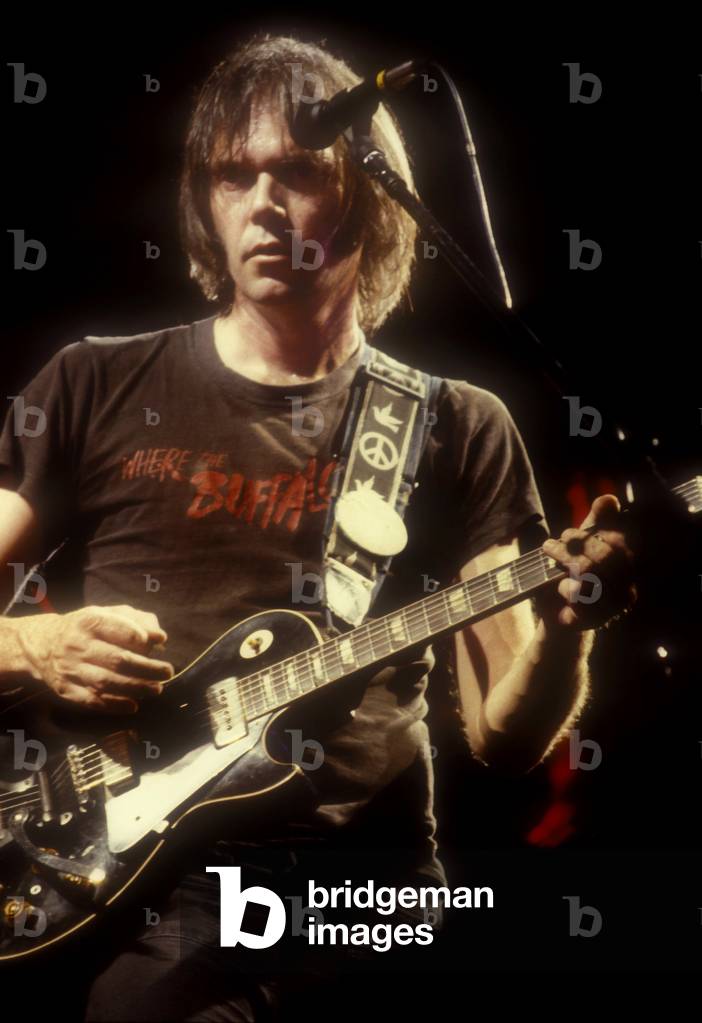
Singer and musician Neil Young in concert.

MME4706361: Singer and musician Neil Young in concert., Mencarini, Marcello / Bridgeman Images

Portrait of rock musician Frank Zappa in 1982.

MME4706694: Portrait of rock musician Frank Zappa in 1982., Mencarini, Marcello / Bridgeman Images

Portrait of Wulstan (or Wulfstan), second arch of York from 1002-1023. A copy of an 11th century manuscript, dressed in his ordinary dress, sitting and studying a book in his office. Hand-coloured copper engraving, in “Images historiques des costumes des principaux peuples de l'Antiquite et du Middle Ages” by Robert Von Spalart, published in 1796.

FLO4707477: Portrait of Wulstan (or Wulfstan), second arch of York from 1002-1023. A copy of an 11th century manuscript, dressed in his ordinary dress, sitting and studying a book in his office. Hand-coloured copper engraving, in “Images historiques des costumes des principaux peuples de l'Antiquite et du Middle Ages” by Robert Von Spalart, published in 1796. / Bridgeman Images

The ornithogale in an umbel or eleven o'clock lady, sometimes star of Bethleem (Ornithogalum umbellatum) - Lithography based on a drawing by James Sowerby for Smith's English Botanical, published in London, England, 1792

FLO4700808: The ornithogale in an umbel or eleven o'clock lady, sometimes star of Bethleem (Ornithogalum umbellatum) - Lithography based on a drawing by James Sowerby for Smith's English Botanical, published in London, England, 1792 / Bridgeman Images

Stream saxifrage or ciliee saxifrage or bird's bread (Saxifraga aizoides) - Lithography based on a drawing by James Sowerby for Smith's English Botanical, published in London, England, 1792

FLO4701461: Stream saxifrage or ciliee saxifrage or bird's bread (Saxifraga aizoides) - Lithography based on a drawing by James Sowerby for Smith's English Botanical, published in London, England, 1792 / Bridgeman Images

Portrait of musician James Galway., 1989 (photo)

MME4701268: Portrait of musician James Galway., 1989 (photo), Mencarini, Marcello / Bridgeman Images

Aztec priest in Codex Vaticanus 3738 (Codex Vat. Rios). Facsimile of the manuscript by Dominican Pedro de los Rios, between 1570 and 1589, Bibl. Vatican.

GIA4701317: Aztec priest in Codex Vaticanus 3738 (Codex Vat. Rios). Facsimile of the manuscript by Dominican Pedro de los Rios, between 1570 and 1589, Bibl. Vatican., Spanish School, (16th century) / Bridgeman Images

Alisma false buttercup (Baldellia ranunculoides) - Lithography based on a drawing by James Sowerby for Smith's English Botanical, published in London, England, 1792

FLO4701378: Alisma false buttercup (Baldellia ranunculoides) - Lithography based on a drawing by James Sowerby for Smith's English Botanical, published in London, England, 1792 / Bridgeman Images
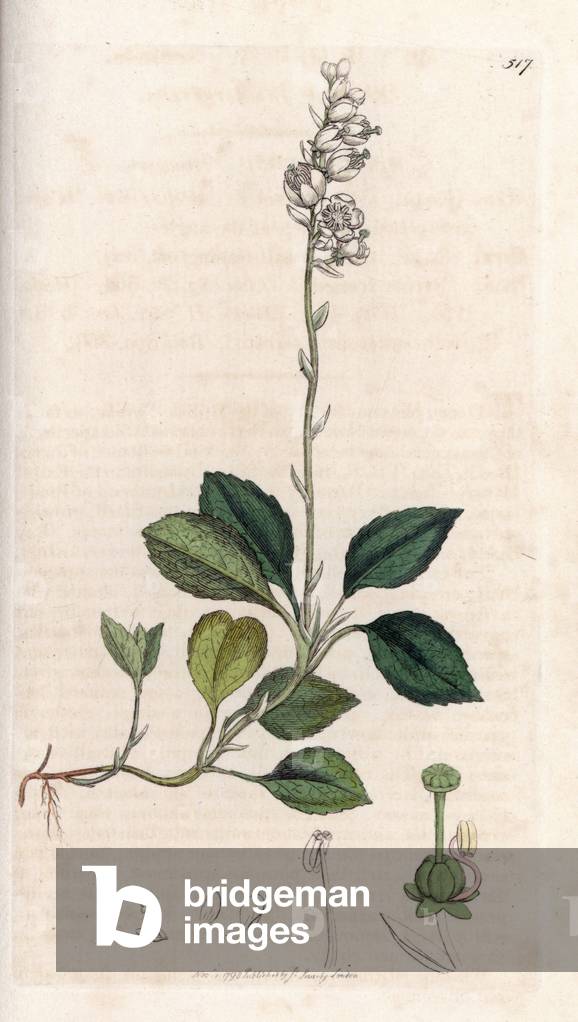
Pyrole unilaterale (Orthilia secunda) - Lithography based on a drawing by James Sowerby for Smith's English Botanical, published in London (England), 1792

FLO4701649: Pyrole unilaterale (Orthilia secunda) - Lithography based on a drawing by James Sowerby for Smith's English Botanical, published in London (England), 1792 / Bridgeman Images

Tulip of wood or wild tulip (Tulipa sylvestris) - Lithography based on a drawing by James Sowerby for Smith's English Botanical, published in London, England, 1792

FLO4701781: Tulip of wood or wild tulip (Tulipa sylvestris) - Lithography based on a drawing by James Sowerby for Smith's English Botanical, published in London, England, 1792 / Bridgeman Images

Portrait of the British realizer Ken Russell around 1980.

MME4702416: Portrait of the British realizer Ken Russell around 1980., Mencarini, Marcello / Bridgeman Images

Norman instruments: violins 243, 245, a pipe organ 244, harps 246,249, lyre 247, lute 248, zither 250, hunting horn 251, and siege of a castle by archers and soldiers on a boat 252. Handcoloured copperplate engraving from Robert von Spalart's Historical Picture of the Costumes of the Principal People of Antiquity and of the Middle Ages.

FLO4702778: Norman instruments: violins 243, 245, a pipe organ 244, harps 246,249, lyre 247, lute 248, zither 250, hunting horn 251, and siege of a castle by archers and soldiers on a boat 252. Handcoloured copperplate engraving from Robert von Spalart's Historical Picture of the Costumes of the Principal People of Antiquity and of the Middle Ages. / Bridgeman Images

Portrait of Jamaican reggae singer and guitarist Bob Marley. 1980

MME4702882: Portrait of Jamaican reggae singer and guitarist Bob Marley. 1980, Mencarini, Marcello / Bridgeman Images
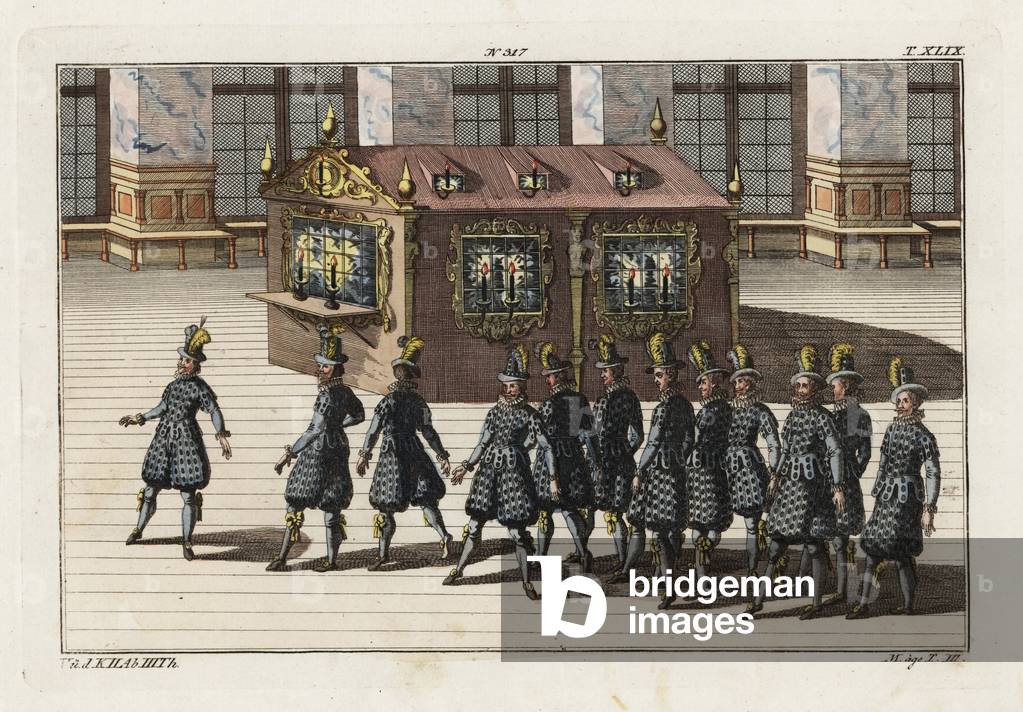
Twelve knights dancing in front of a candle-lit house inside a grand hall. Part of the celebration of the birth of Freiderich. Taken from Delineation und Abbildung aller furstlichen Aufzug und Ritterspielen by Esaias von Hulsen, 1617. Handcoloured copperplate engraving from Robert von Spalart's Historical Picture of the Costumes of the Principal People of Antiquity and of the Middle Ages.

FLO4702956: Twelve knights dancing in front of a candle-lit house inside a grand hall. Part of the celebration of the birth of Freiderich. Taken from Delineation und Abbildung aller furstlichen Aufzug und Ritterspielen by Esaias von Hulsen, 1617. Handcoloured copperplate engraving from Robert von Spalart's Historical Picture of the Costumes of the Principal People of Antiquity and of the Middle Ages. / Bridgeman Images


Back to top