2491557 Search Results
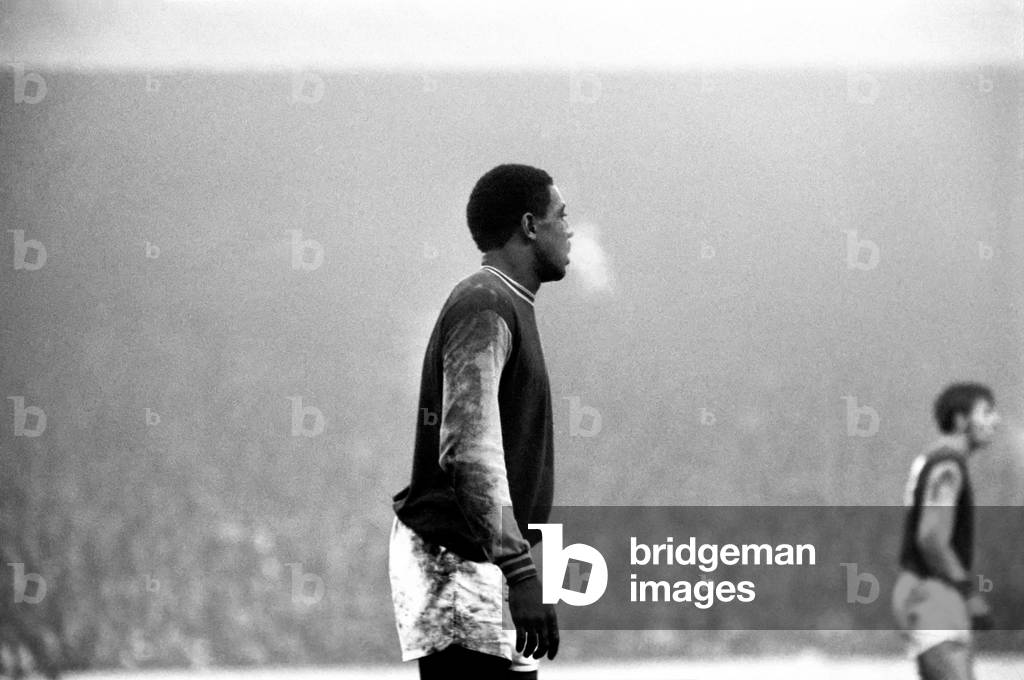
MPX5147935: English League Division One match at Upton Park West Ham United 0 v Manchester City 4. Clyde Best December 1969 (photo) / Bridgeman Images
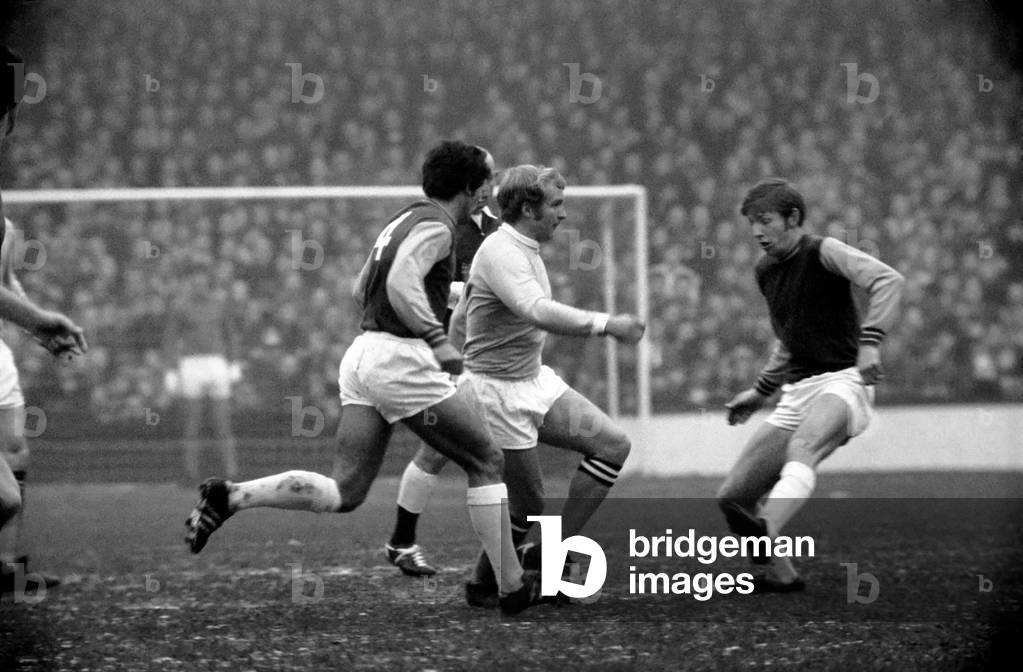
MPX5147950: English League Division One match at Upton Park West Ham United 0 v Manchester City 4. Action during the matchDecember 1969 (photo) / Bridgeman Images

MPX5147956: English League Division One match at Upton Park West Ham United 0 v Manchester City 4. Clyde Best December 1969 (photo) / Bridgeman Images

MPX5147959: English League Division One match at Upton Park West Ham United v Machester City. Action from the matchJanuary 1970 (photo) / Bridgeman Images

MPX5147980: West Bromwich Albion Football Club. Jeff Astle. August 1965 (photo) / Bridgeman Images

MPX5148004: Machester United v Sheffield Wednesday. John Aston (3rd left) comes charging through the Wednesday defence but his shot is deflected clear. March 1969 (photo) / Bridgeman Images
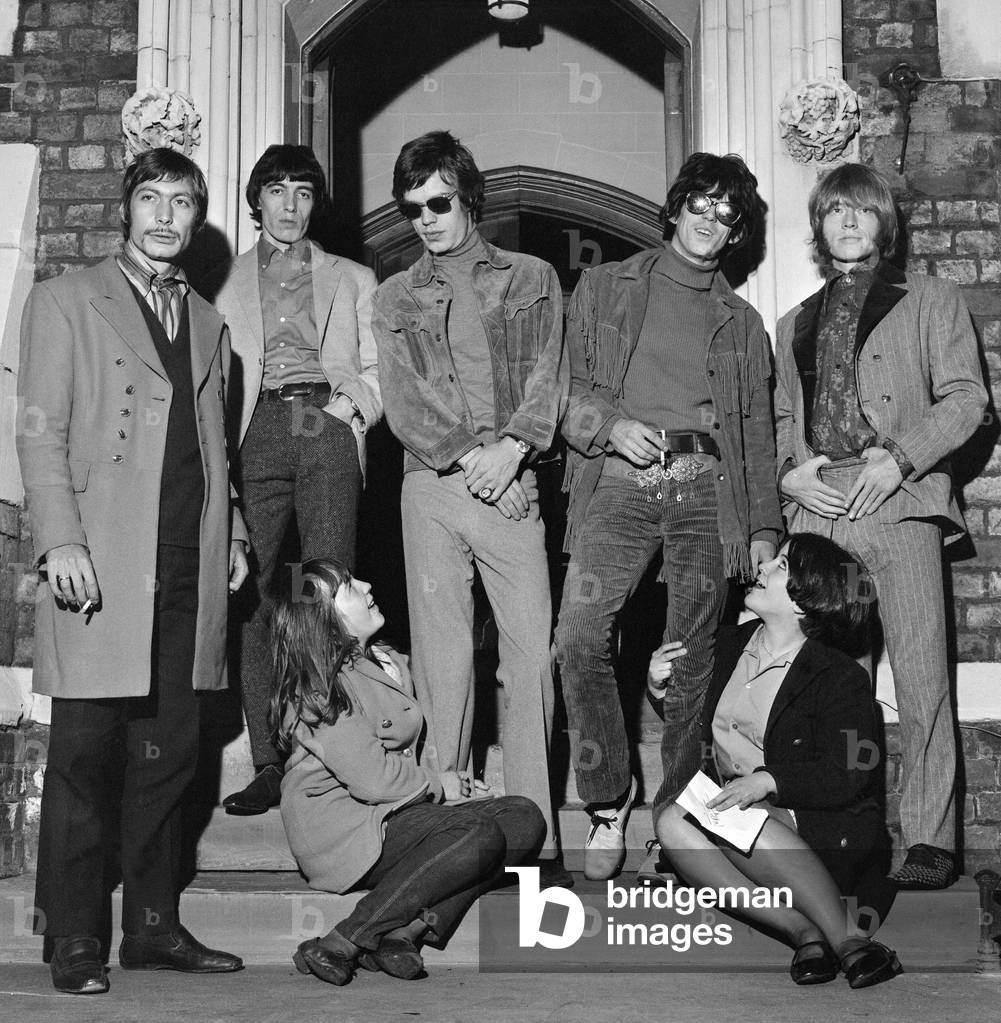
MPX5151186: The Rolling Stones, September 1966 / Bridgeman Images
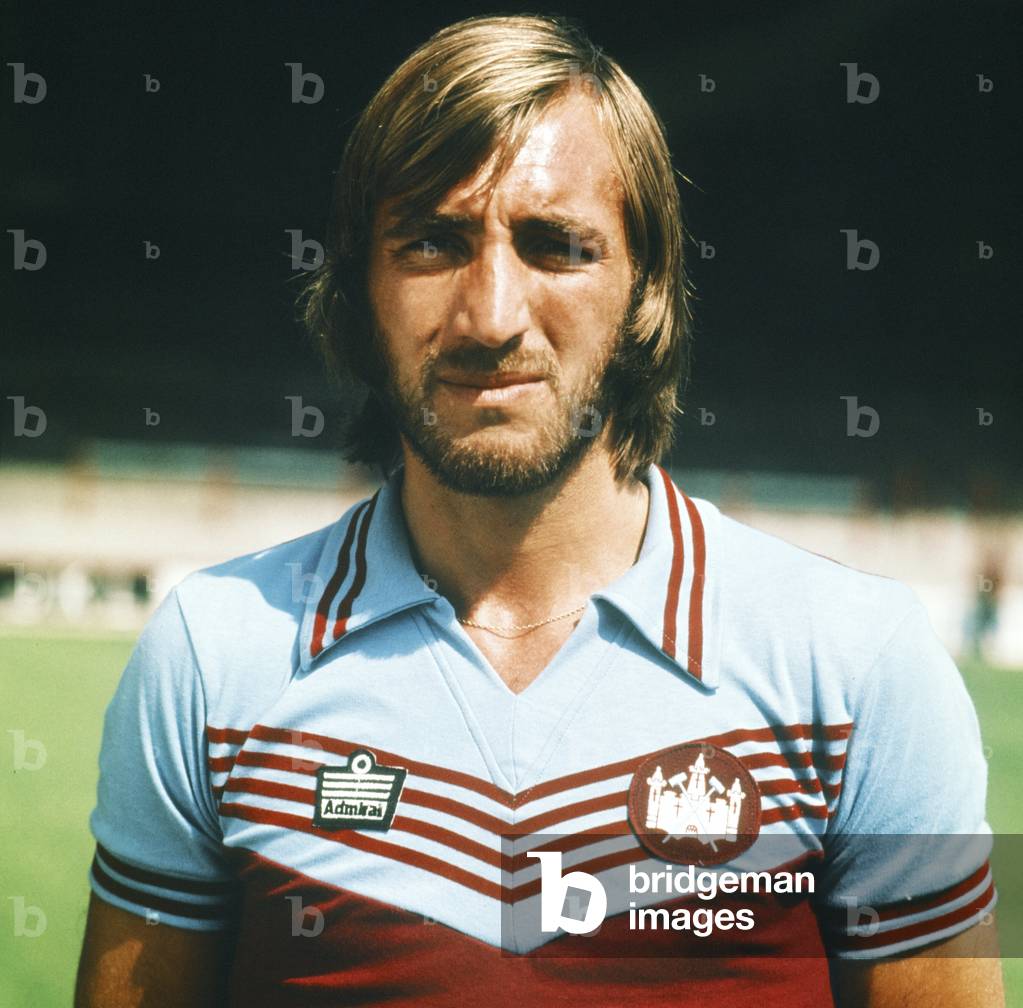
MPX5148049: West Ham United pre season photocall. Billy Bonds. August 1976 (photo) / Bridgeman Images
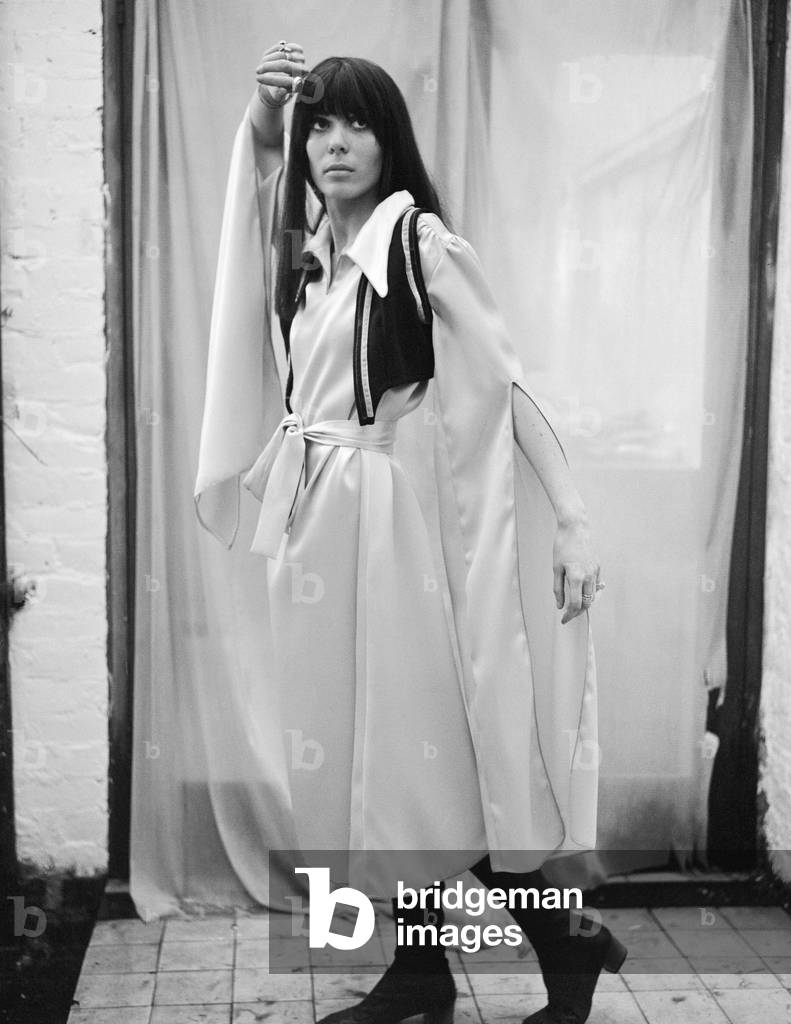
MPX5151204: Suki Poitier, girlfriend Brian Jones of The Rolling Stones modelling 'Malwyn', a dress by designer Ossie Clark. 18th January 1968. / Bridgeman Images

MPX5148073: Royal Command Rehersal. Cliff Richard performing. 29th October 1962. / Bridgeman Images

MPX5148091: Women sewing machinists strike action, June 1968 / Bridgeman Images
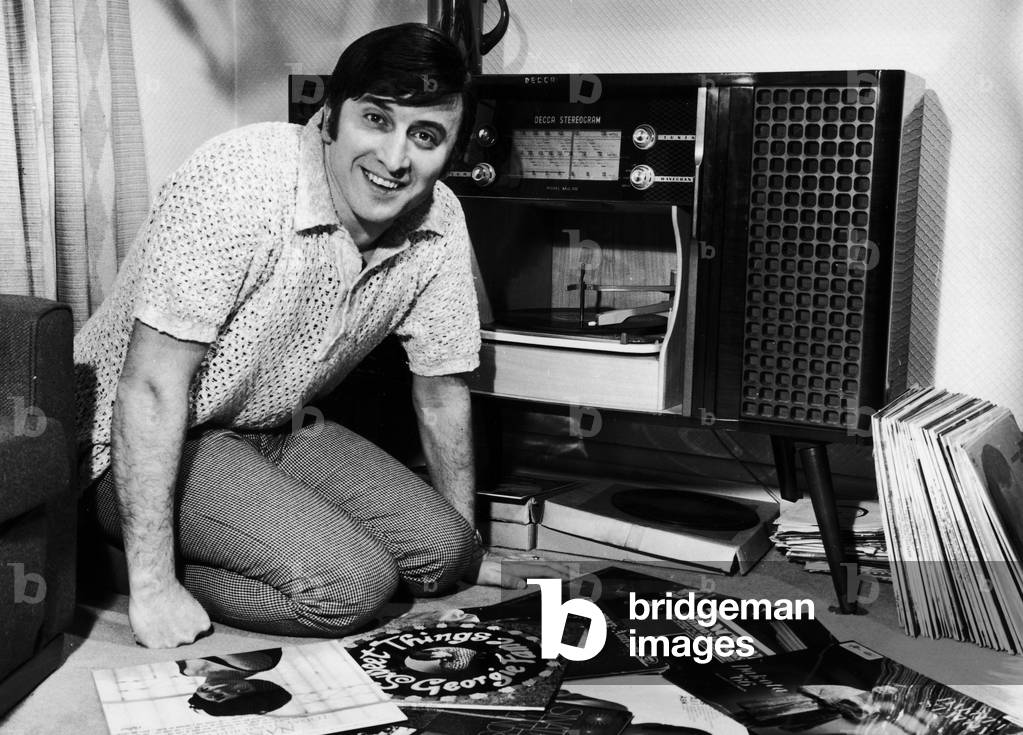
MPX5151232: Singer Vince Hill seen here looking through his record collection at home. 3rd March 1967 / Bridgeman Images
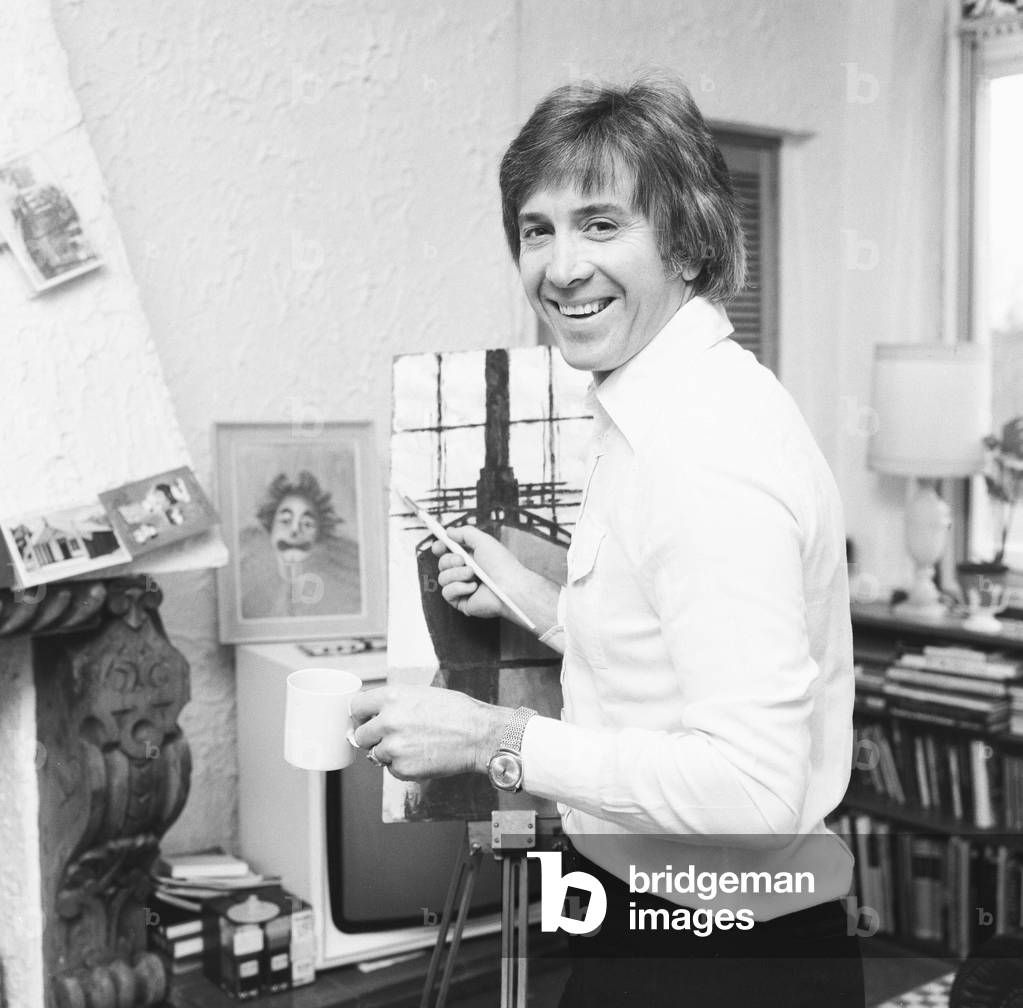
MPX5151235: Singer Vince Hill finds great relaxation in painting. One of his particular subjects are clowns. 6th January 1977 / Bridgeman Images
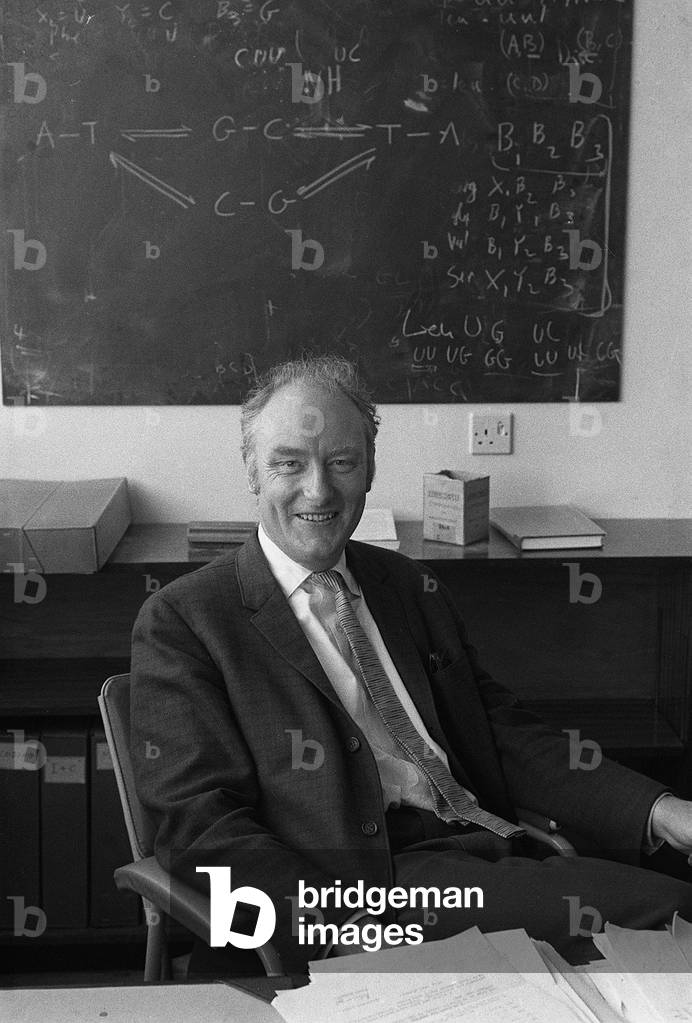
MPX5151238: Doctor Francis Crick, October 1962 / Bridgeman Images
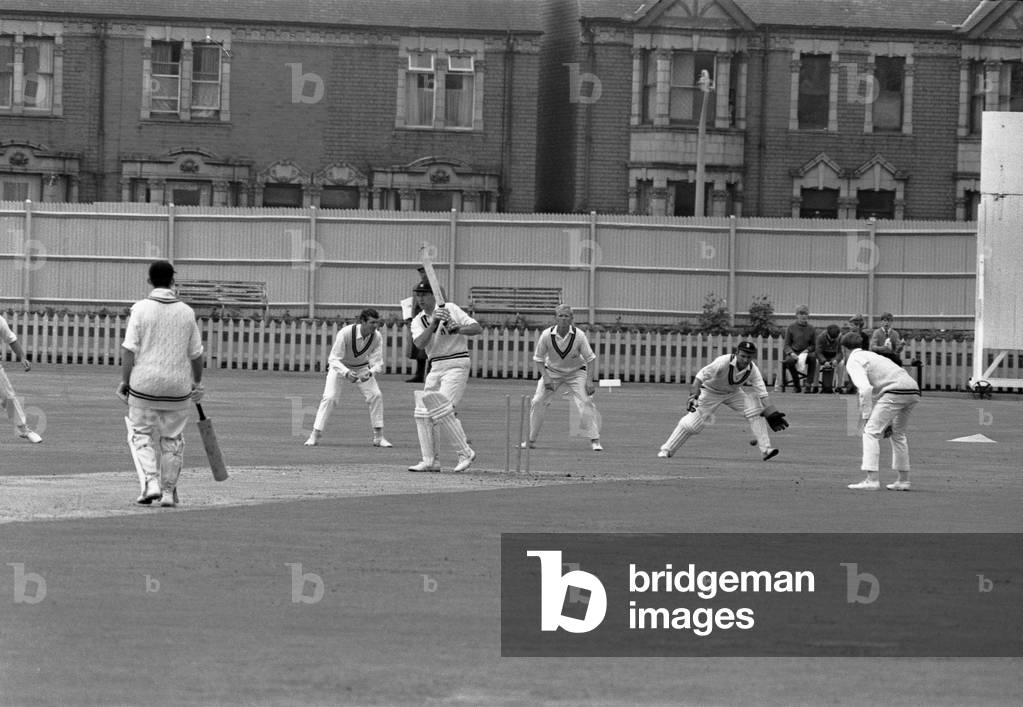
MPX5151247: Courtaulds cricket ground, Lockhurst Lane, Foleshill, Coventry. Warwickshire CCC v Surrey CCC., match action. 16th July 1966 / Bridgeman Images
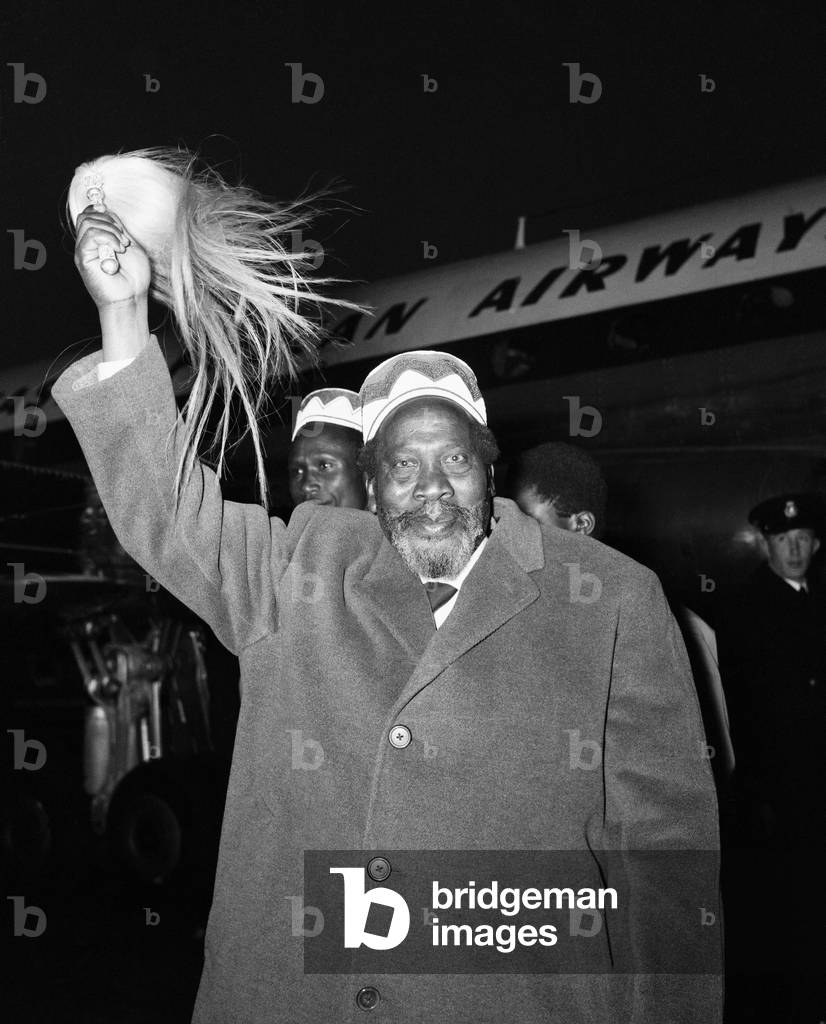
MPX5151259: Jomo Kenyatta, leader of the Kenya African National Union, pictured on his arrival at London airport for the Kenya Constitutional Conference. 11th February 1962. / Bridgeman Images
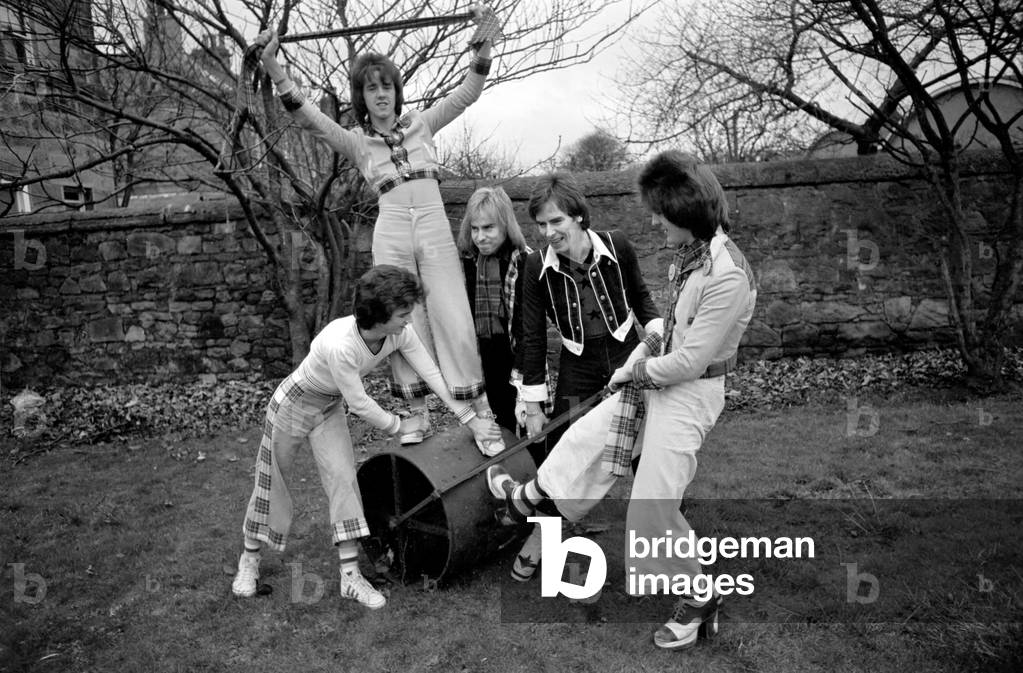
MPX5151277: Bay City Rollers pop group in Edinburgh. February 1975. / Bridgeman Images
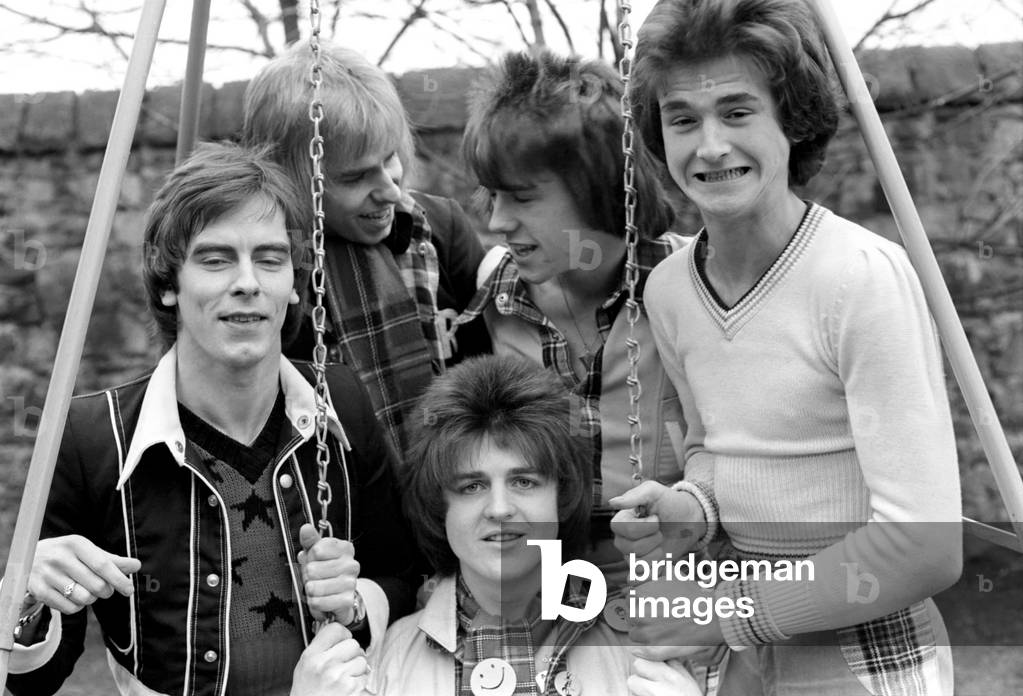
MPX5151298: Bay City Rollers pop group in Edinburgh. February 1975. / Bridgeman Images
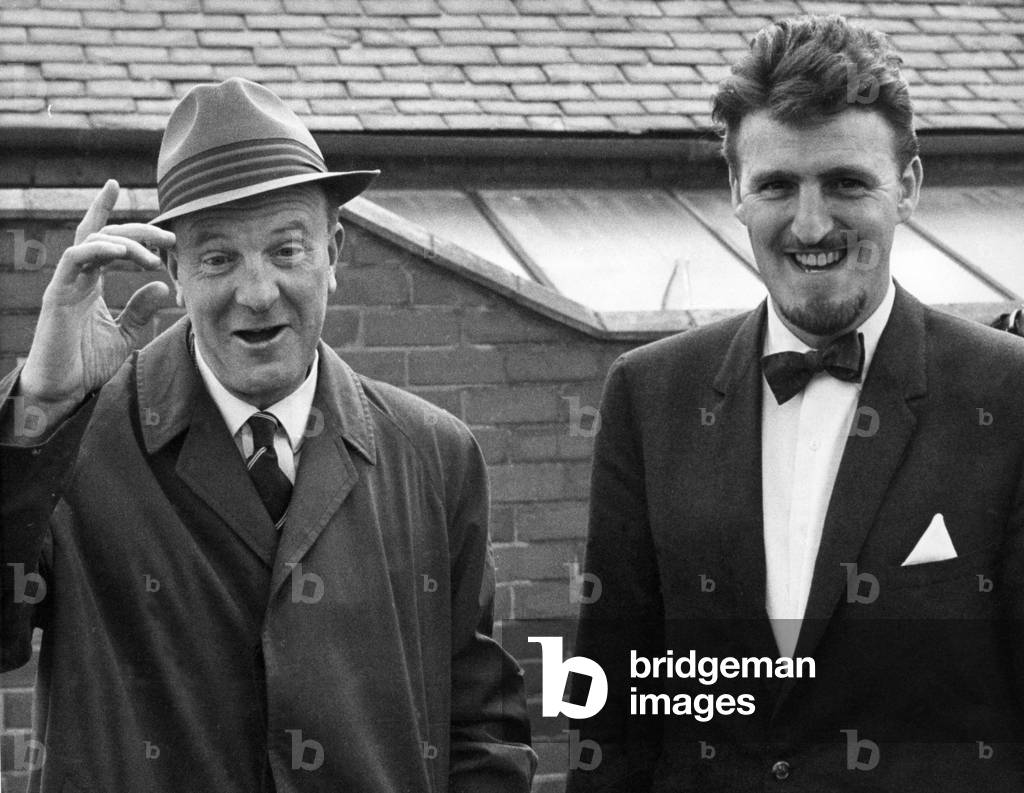
MPX5150990: Stan Cullis (left) arriving at Coventry City with Jimmy Hill 20th September 1964 (photo) / Bridgeman Images
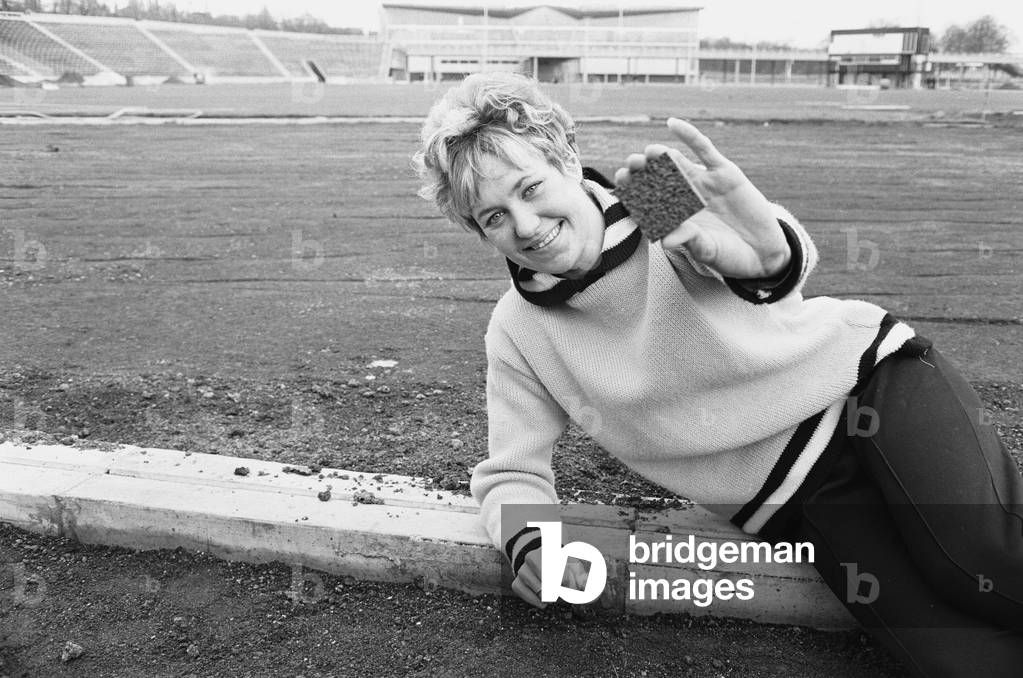
MPX5151002: Lilian Board, March 1968 / Bridgeman Images
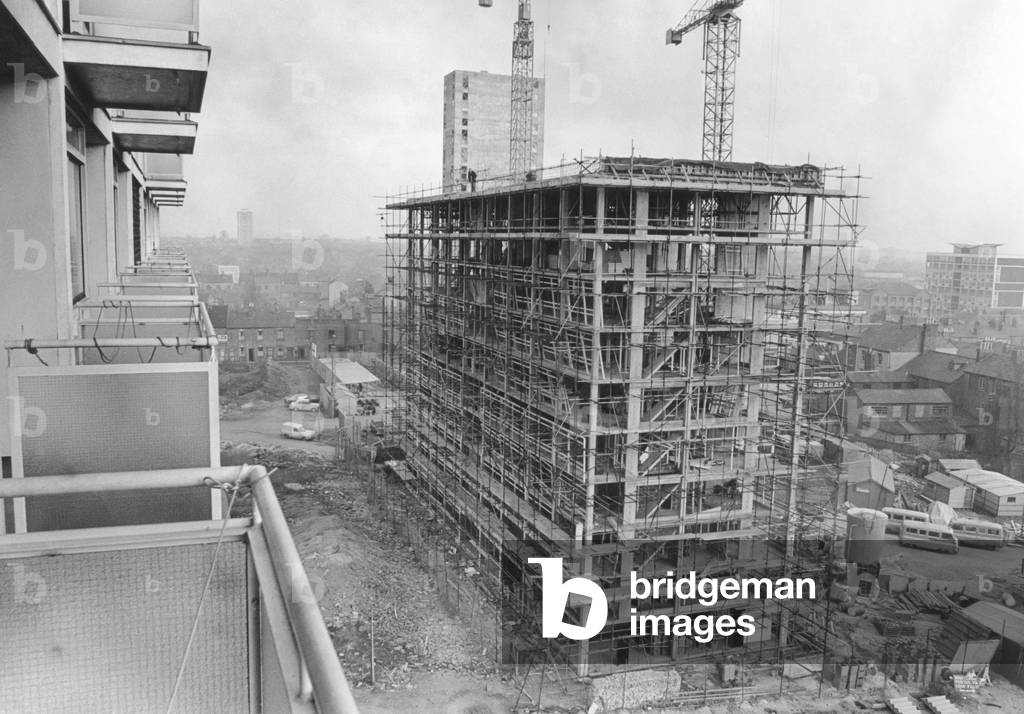
MPX5151017: A resident's view from the balcony of a flat in Queen's Street, Coventry, overlooking new flats being built in Hillfields. 12th January 1966 / Bridgeman Images
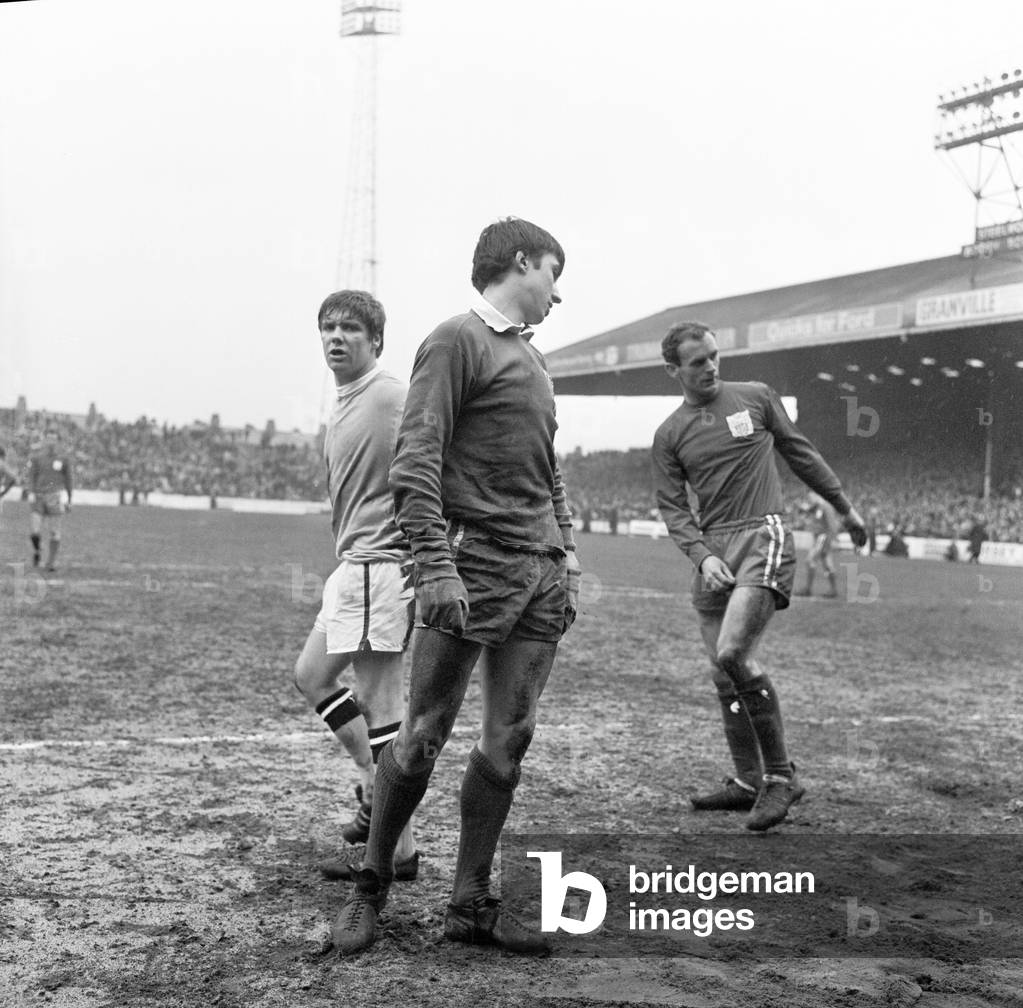
MPX5151355: Manchester City 5 v. Fulham 1. 1968 League Campaign. 16th March 1968 (photo) / Bridgeman Images
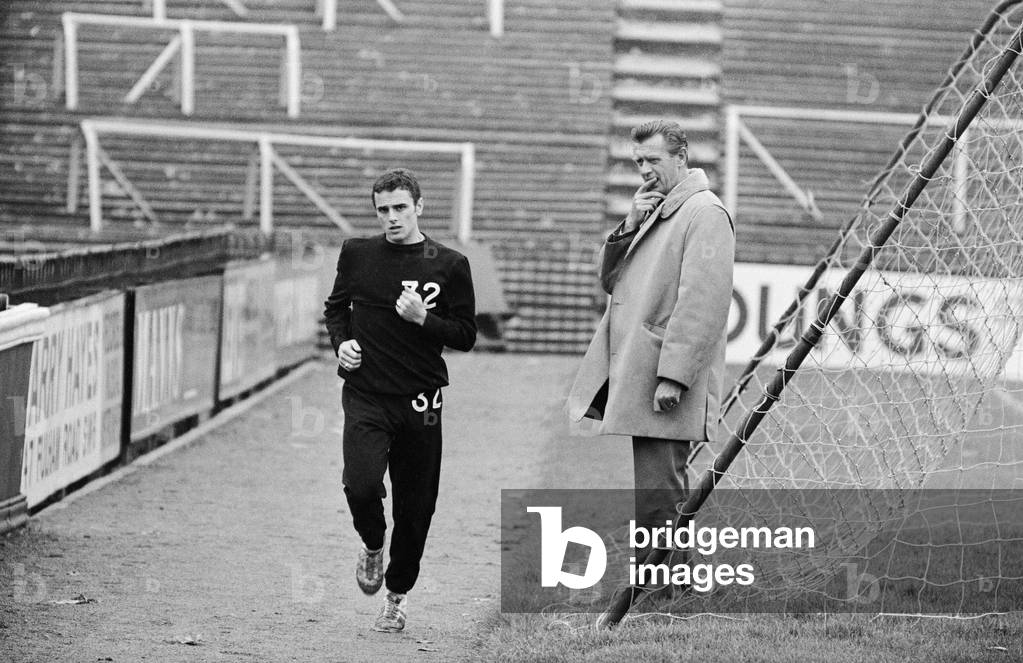
MPX5151367: Fulham manager Vic Buckingham watches Steve Earle doing light training. 14th November 1967 (photo) / Bridgeman Images
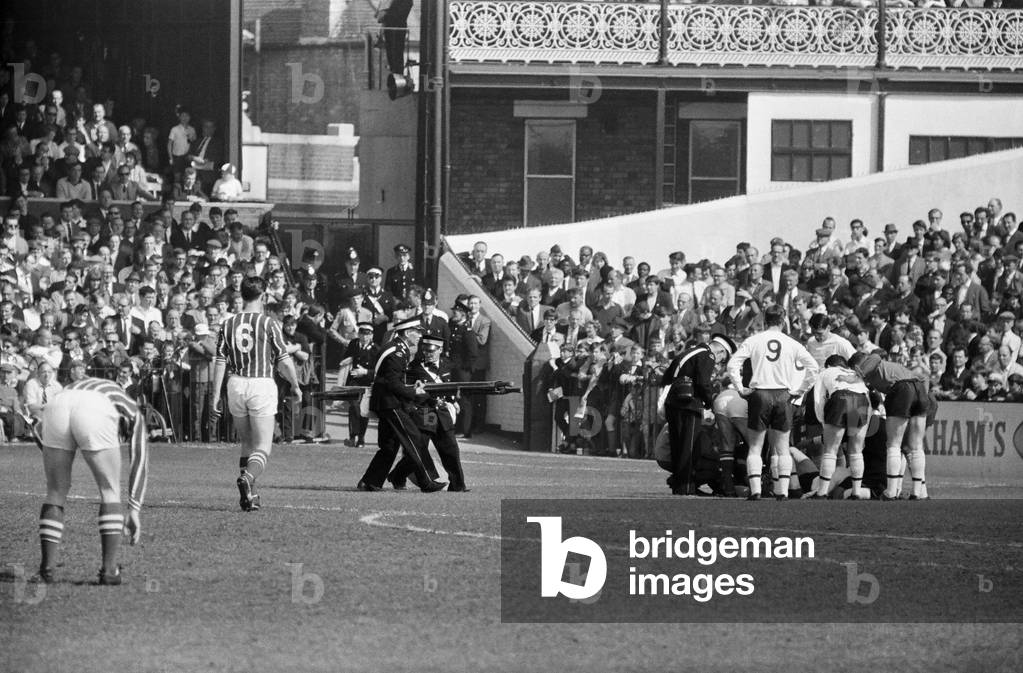
MPX5151400: Fulham 1 v. Stoke 1. 1966 League campaignPlayers cluster around Cohen as ambulance men rush to the scene with a stretcher. 2nd May 1966 (photo) / Bridgeman Images
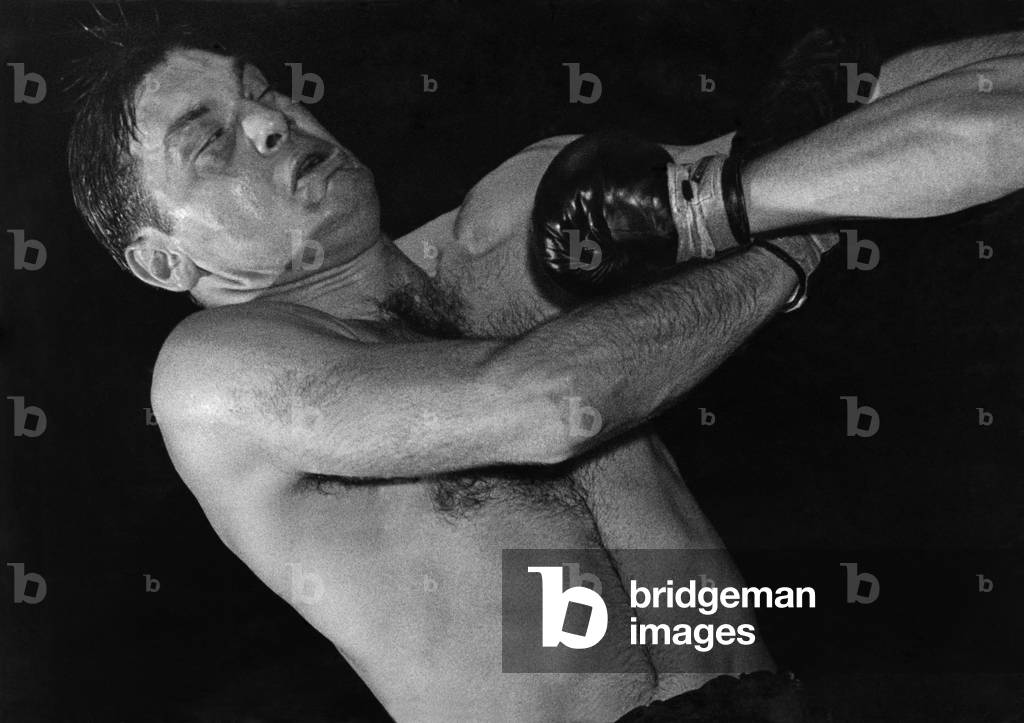
MPX5151406: Johnny Williams v. Al Bernard. A full blooded straight left from Williams sends Al Bernard staggering backwards during their bout at the Earls Court Empress Hall, Kensington, London, November 1953 / Bridgeman Images
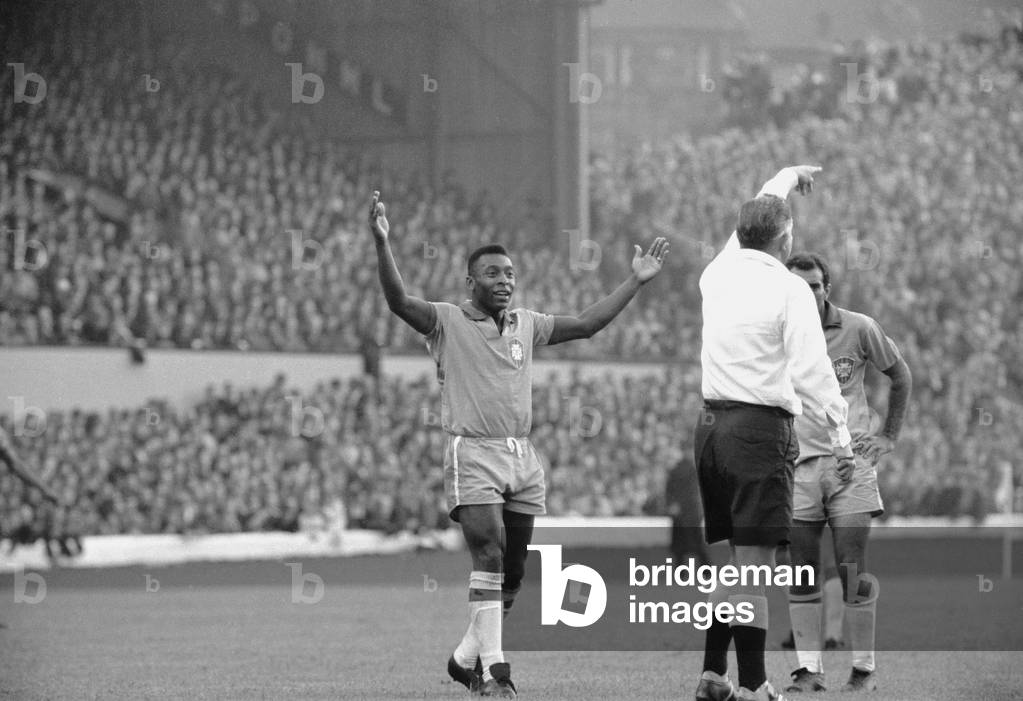
MPX5151038: Scotland v Brazil International Friendly at Hampden Park, 25th June 1966. Pele appeals to the referee. Final score:Scotland 1-1 Brazil (photo) / Bridgeman Images
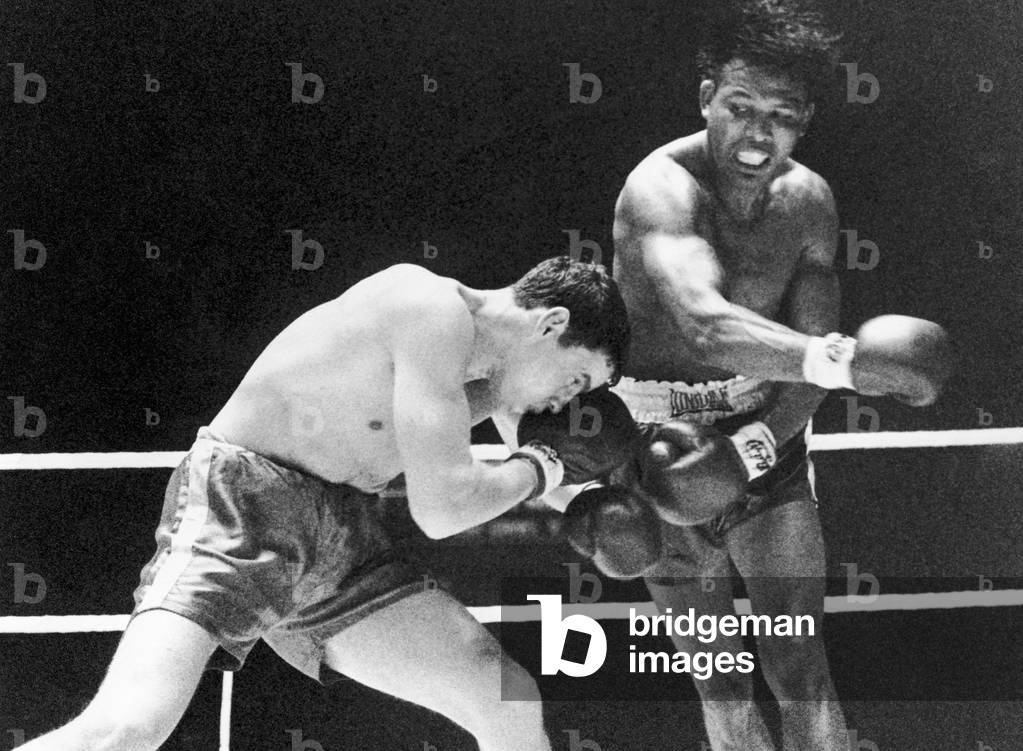
MPX5151421: Boxing match at Empire Pool, Wembley, London, United Kingdom, 1962 / Bridgeman Images
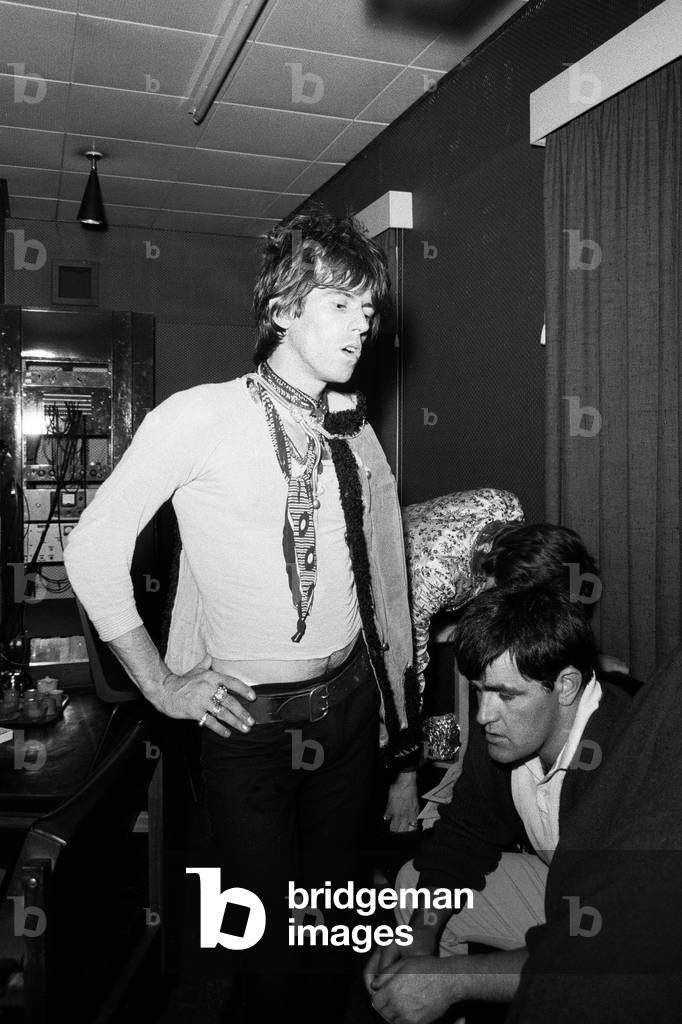
MPX5151047: The Rolling Stones, May 1967 / Bridgeman Images
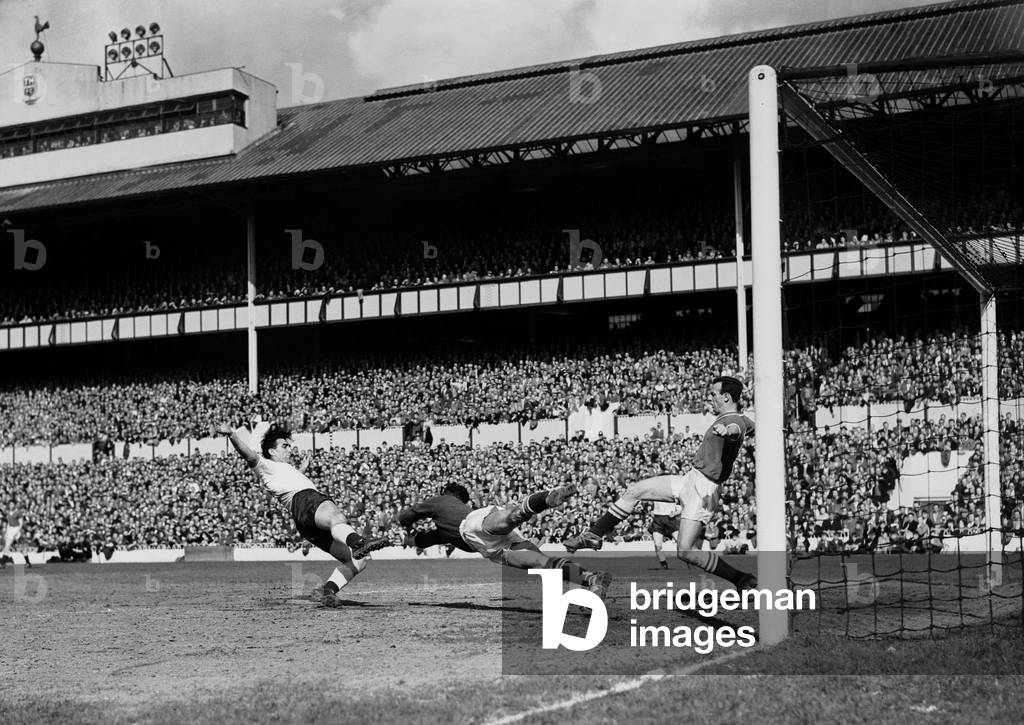
MPX5151445: English League Division One match at White Hart Lane. Tottenham Hotspur 0 v Chelsea 1. Chelsea goalkeeeper Peter Bonetti dibves at the feet of Spurs forward Bobby Smith, as John Sillett looks to defend on the goal line. 18th April 1960 (photo) / Bridgeman Images
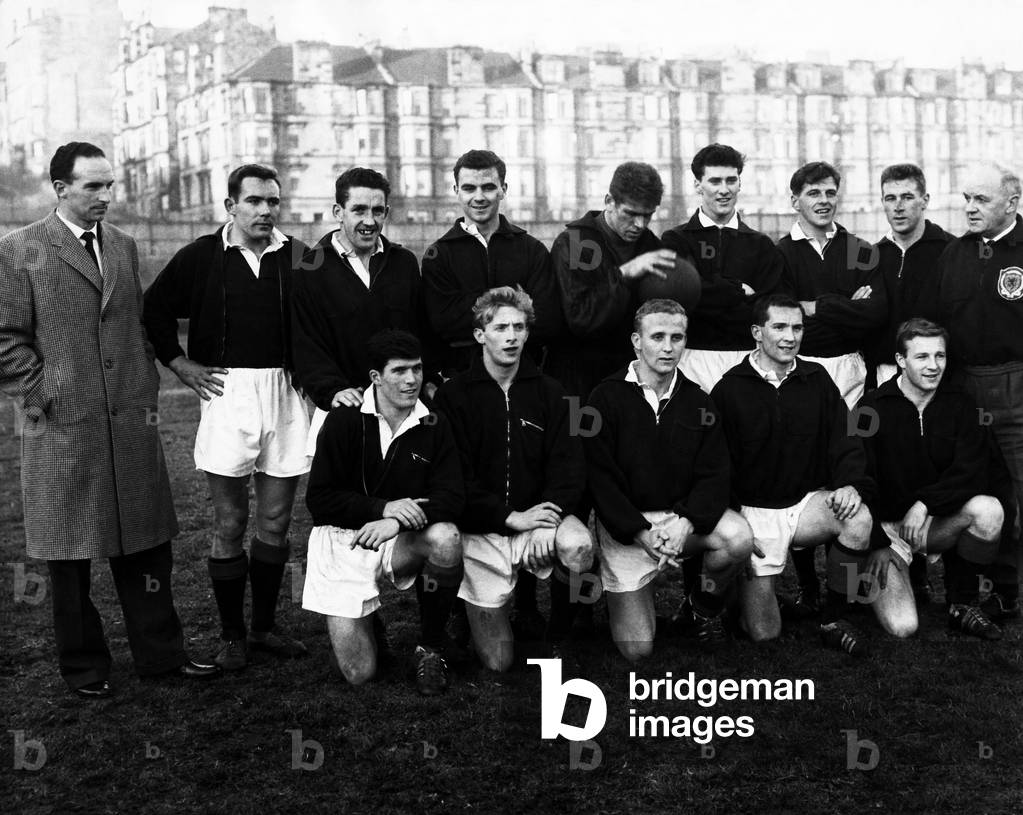
MPX5151454: Scotland Football Team 1960Ian McColl, Duncan Mackay, Dave Mackay, John Plenderleith, Lawrie Leslie, Jim Baxter, Eric Caldow, Jimmy Millar, Walker (trainer),George Herd, Denis Law, Alex Young, Ralph Brand, Davie Wilson. 8th November 1960 (photo) / Bridgeman Images
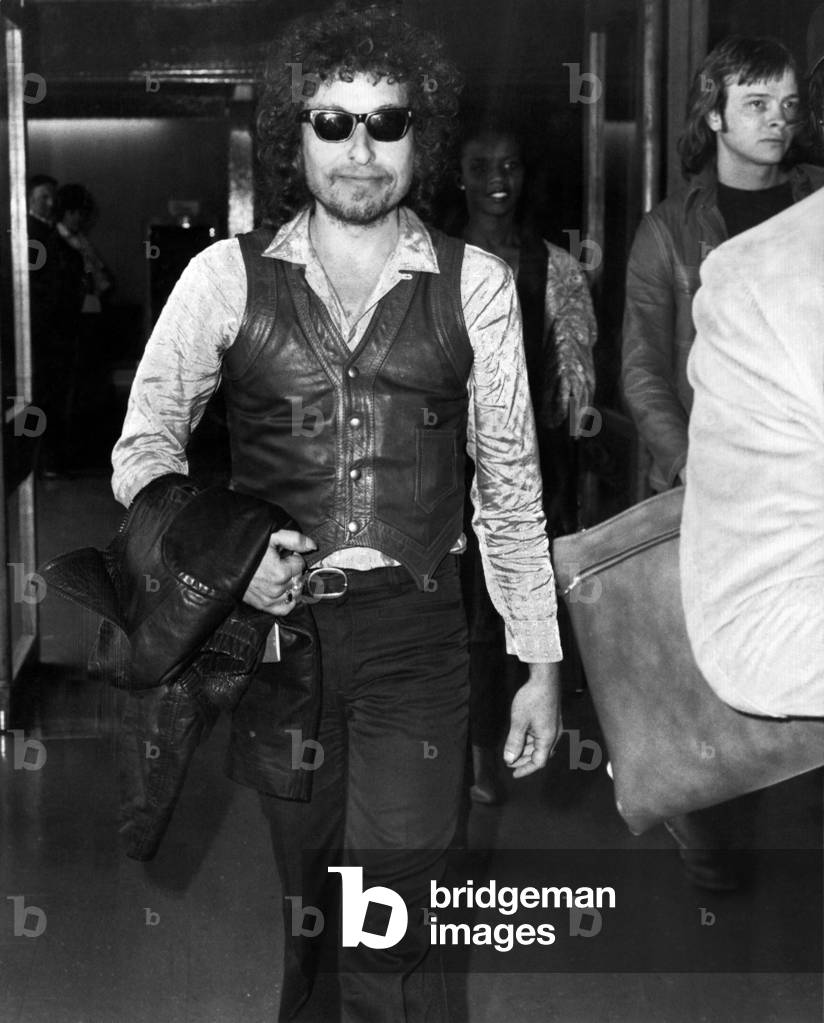
MPX5151276: Bob Dylan at London airport. 17th July 1978. / Bridgeman Images
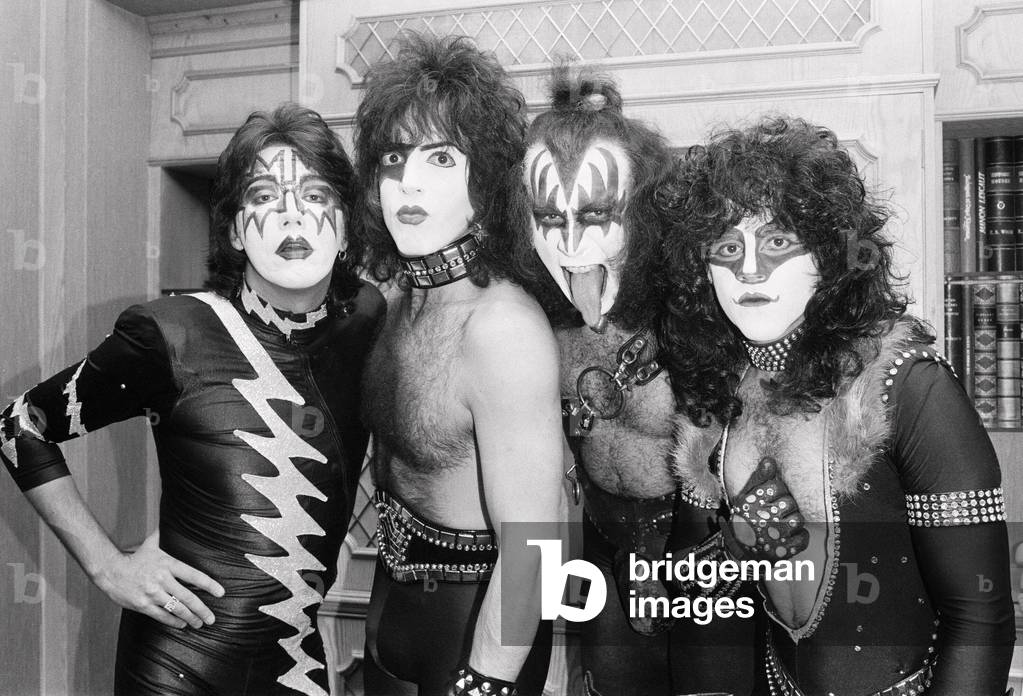
MPX5151520: American rock group Kiss whose new album "Creatures of the Night" is currently in the UK album chart, are pictured at the Hilton Hotel after their arrival in London, 1982 / Bridgeman Images
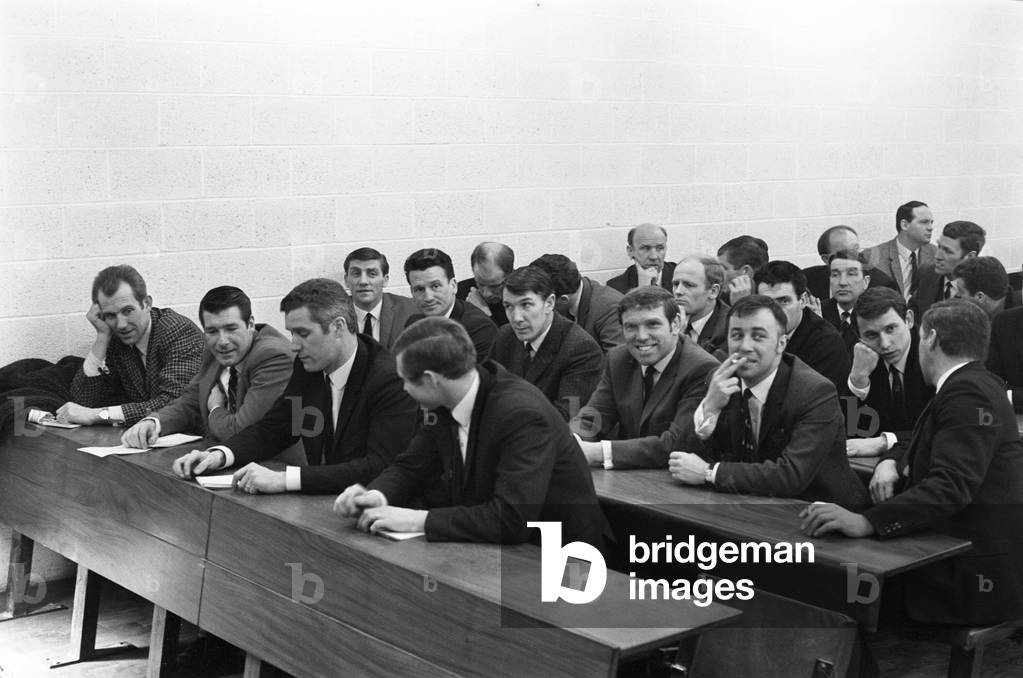
MPX5151550: Football Association teach-in at Leeds University with Sheffield United manager John Harris, Leeds manager Don Revie and Johnny Steele of Barnsley. 12th February 1969 (photo) / Bridgeman Images
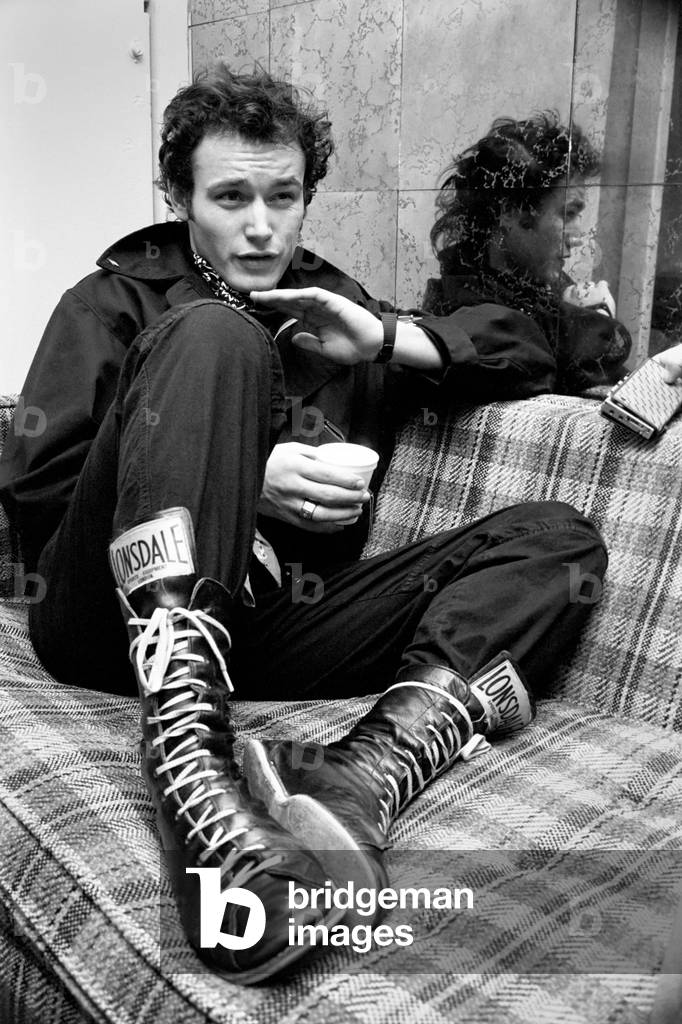
MPX5151291: Adam Ant at The Palladium, Hollywood, Los Angeles, USA. December 1982. / Bridgeman Images
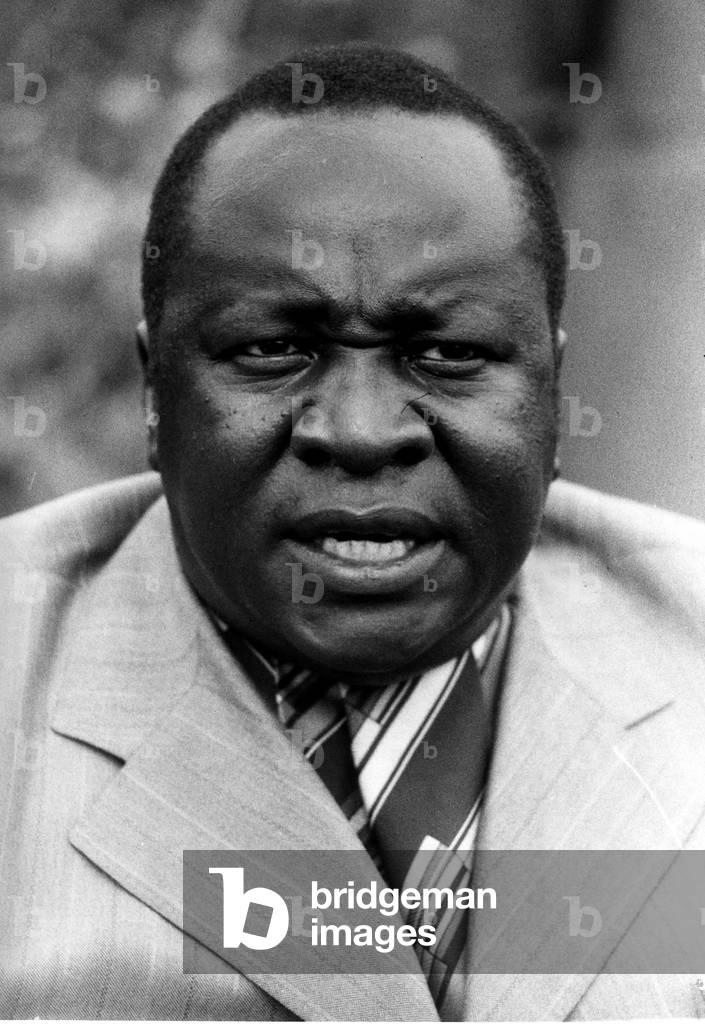
MPX5151595: President of Uganda, General Idi Amin, speaking at a conference. Circa July 1975. / Bridgeman Images
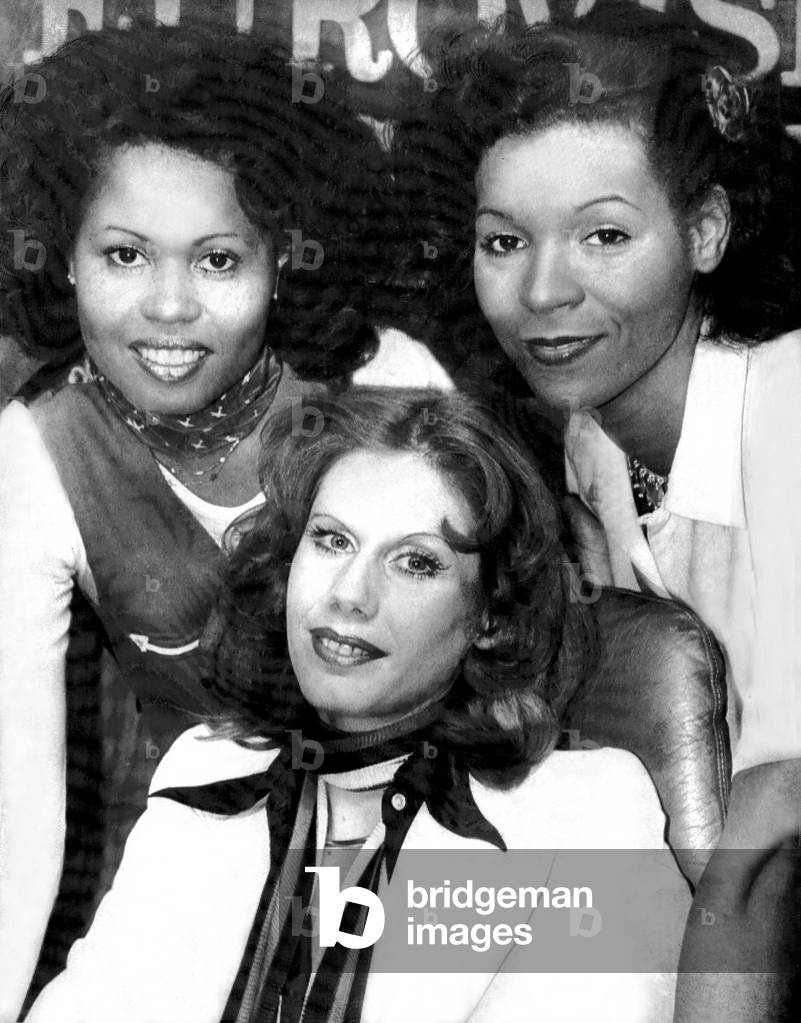
MPX5151625: Pop Group Silver Convention, l to r, Rhonda Heath, Penny McLean and Ramona Wulf 4 May 1977 / Bridgeman Images
