2491517 Search Results
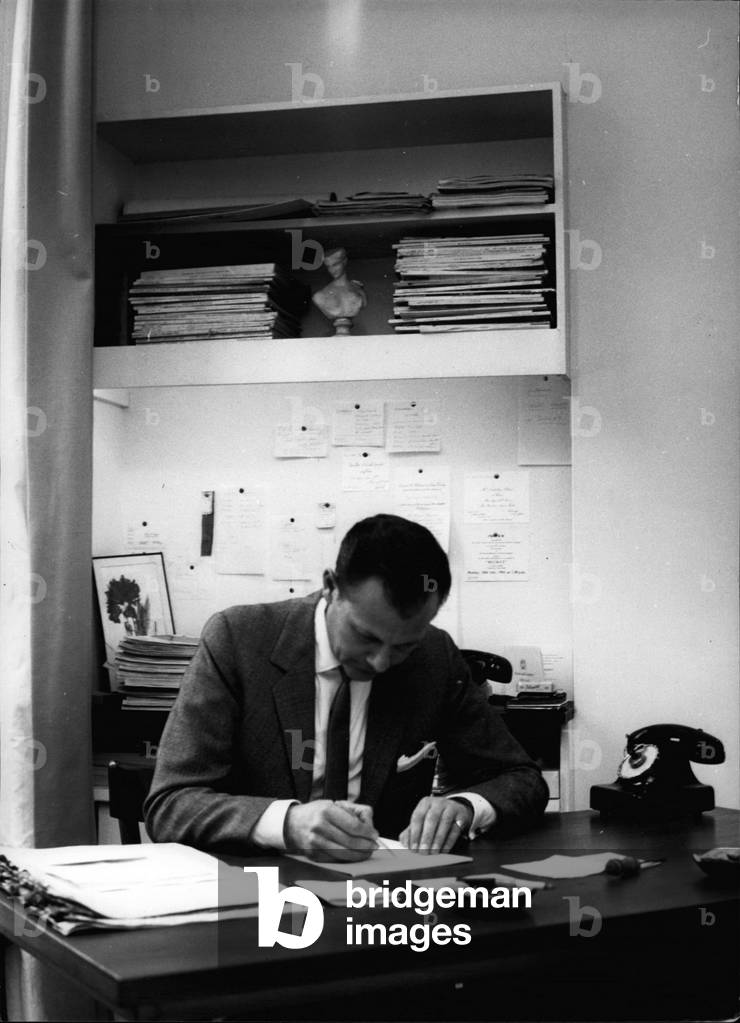
ZUM4885254: Portrait of designer John Cavanagh (1914-2003) in his shop on Curzon Street London around 1962 / Bridgeman Images

SOB4885692: Emmanuel Pierrat, April 7, 2004, Bassouls, Sophie / Bridgeman Images

GIE4885269: Portrait of Simonetta Greggio, Italian writer. 02/2006 / Bridgeman Images
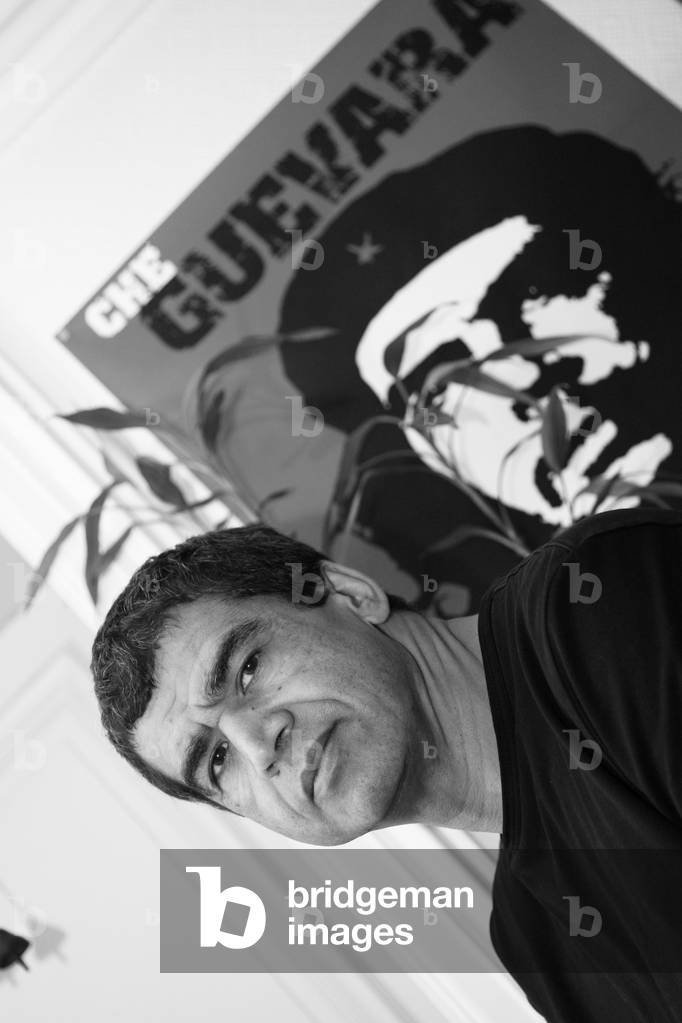
SOB4885403: Daniel Picouly, March 31, 2008, Bassouls, Sophie / Bridgeman Images
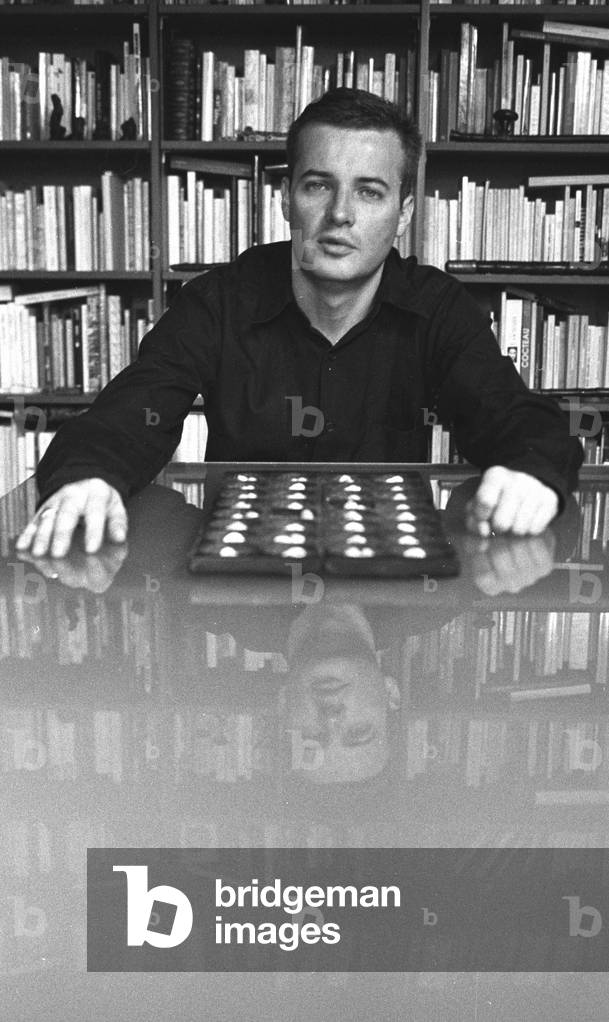
SOB4885584: Emmanuel Pierrat, April 7, 2004, Bassouls, Sophie / Bridgeman Images

SOB4885845: Portrait of Pierre Boulle, November 18, 1976, Bassouls, Sophie / Bridgeman Images

ZUM4885660: mother Teresa (Theresa) - Mother Teresa, the recipient of Nobel Peace Prize being greeted by school children on arrival at Palam airport in New Delhi on Friday-November 9, 1979 / Bridgeman Images

ZUM4885917: May 8, 1960 portrait of the actor MARTY FELDMAN (1934-1982) / Bridgeman Images

ZUM4885960: Oct. 10, 1953 - Mushroom Exhibition sat the museum of Natural history; An exhibition of mushrooms has opened today at the museum of natural history in Paris, where hundreds of different specimens can be seen. Lepiote Rahcodes, Red Colored, this mushroom is eatable. / Bridgeman Images

GRZ4886114: THE WRITER GIOVANNI COMISSO - TREVISO - 1962 / Bridgeman Images

GIE4886139: Portrait of Pierre Peju French writer in March 2006. / Bridgeman Images

ZUM4886088: Oct. 10, 1953 - Royal Swedish Air Force Goodwill Visit To R.A.F.: A new swept-wing barrel-fuselage jet fighter will be seen over England during the next few days. It is the j.29 of the royal Swedish Air Force, which is faster than any of the Meteors with which the RAF fighter squadrons are equipped. Today, eight of the Swedish J 29s landed at R.A.F. Station, Waterbeach Cambridge, on a week's goodwill mission / Bridgeman Images

GRZ4886302: THE WRITER GIOVANNI COMISSO - TREVISO - 1962 / Bridgeman Images

ZUM4886115: 15/03/1978 Fans at the funeral of singer Claude Francois / Bridgeman Images

ZUM4886348: Nov. 15, 1974 - Paris, France - Senator EDWARD KENNEDY (1932-2009) visits President of France VALERY GISCARD D'ESTAING at his home, Elysee Palace. / Bridgeman Images

GIE4886361: Portrait of the Albanian writer Elvira Dones (nee 1960). About 2004 / Bridgeman Images

GIE4885999: Portrait of Pierre Peju French writer in March 2006. / Bridgeman Images

ZUM4886408: Oct. 10, 1953 - Duke of Gloucester starts the Zir race.: The Duke of Gloucester dropped a green flag at London Airport this afternoon, and the 12,000-mile air race to New Zealand began. Altogether eight planes are competing. The five machines in the high-speed sextion are all Canberra jet bombers, three piloted by R.A.F. crews and two flown by members of the Royal Australian Air Force. Buth the three planes in the transport section - a B.E.A. Viscount, a K.L.M. Liftmaster and a Royal New Zealand Air Force - the first to take off - were 23 Dutch girls, some going to New Zealand to marry and others, already married to set up home there / Bridgeman Images

GRZ4886414: THE WRITER GIOVANNI COMISSO IN TREVISO - 1951 / Bridgeman Images

ZUM4886430: Oct. 10, 1953 - Duke of Edinburgh opens the Motor Show. Inspects the Ford” Popular” - cheapest car in the World.: H.R.H. The Duke of Ediburgh this morning performed the ceremony of officially opening the Motor show at Earl's Court. / Bridgeman Images

GIE4886475: Portrait of the Albanian writer Elvira Dones (nee 1960). About 2004 / Bridgeman Images

GIE4886320: Portrait of the Albanian writer Elvira Dones (nee 1960). About 2004 / Bridgeman Images

GRZ4887556: Paul of Greece, Frederika of Hannover in Venice, 1959 (photo) / Bridgeman Images

SOB4887598: Serge Rezvani sings his songs accompanies the guitar pae Amaury Canov-Filliard (Canauvas Filliard), June 14, 2004, Bassouls, Sophie / Bridgeman Images

ZUM4887280: Oct. 10, 1953 - 00 yards of net in adress for American starlet A turquoise evening dress has been designed by Digby Morton for Diana Dekker, the American starlet, for the new show” Thirteen for Dinner” at the Winter Garden Theatre.The dress has 100 yards of net, with panels of hand embroidery, flowing from the waist. Keystone photo shows: Diana Dekker wearing the striking net evening dress. / Bridgeman Images

ZUM4887293: Nov 28, 1960 - Washington D.C., U.S. - JOHN F. KENNEDY and JACQUELINE leaving Georgetown Hospital with their newborn son John JR / Bridgeman Images
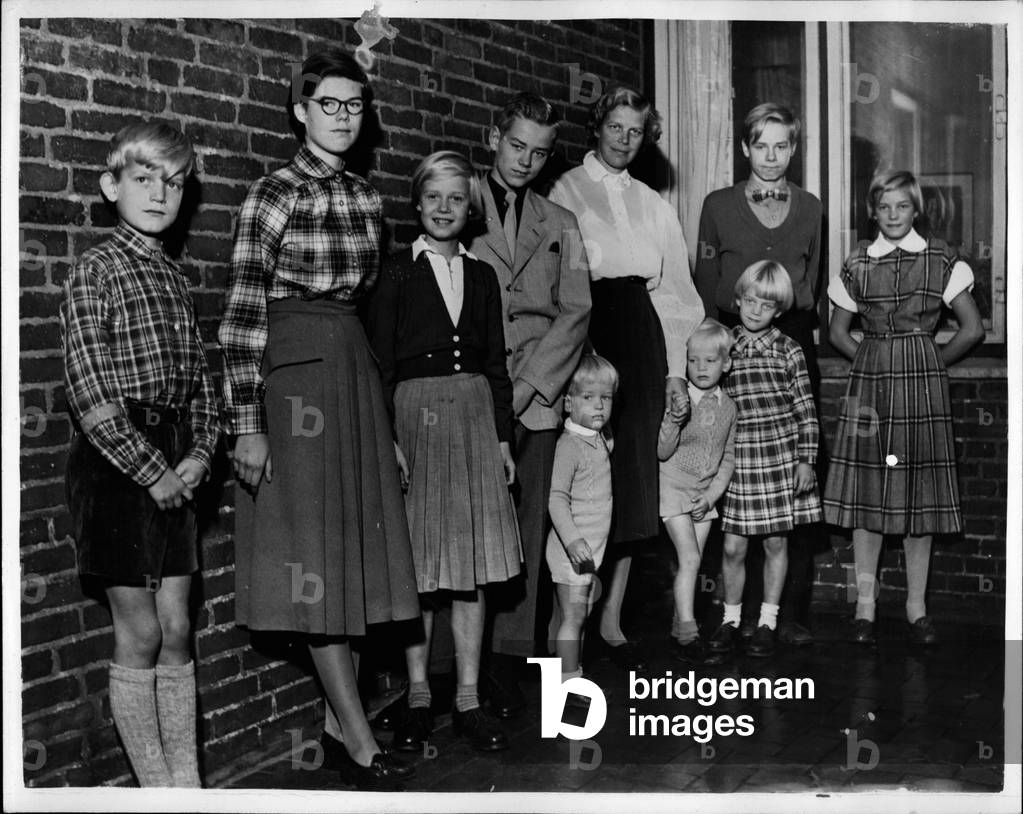
ZUM4887833: Oct. 10, 1953 - Danish Mother Of Nine Appointed Trade Minister. New Socialist Cabinet.: Mrs. Lis Groes who has been appointed Minister of Trade in the new Daniah Cabinet - is the mother of nine children. Her family were none too haapy when the appointment was made - for they said that she will have less time than ever to attend to them. They prepared their own sign - which is Danish reads” The Place for a Women is in her Home” - and fixed it outside their front door / Bridgeman Images
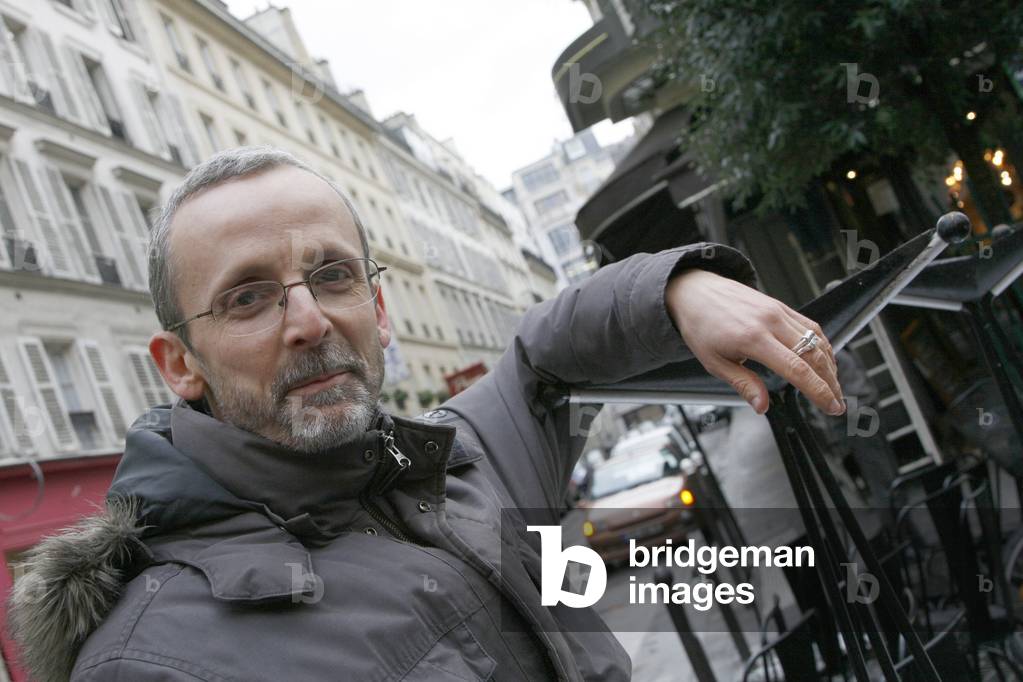
SOB4887838: Mathieu Riboulet, December 3, 2007, Bassouls, Sophie / Bridgeman Images

GRZ4887370: THE COUNTESS MARIA TERESA FOSCARI WITH THE US SENATOR TED (edward) KENNEDY AT THE PELLESTRINA “” MURAZZI”” AFTER THE GREAT HIGH TIDE (VENICE) - 1966 / Bridgeman Images

ZUM4887434: Oct. 10, 1953 - Duke of Edinburgh inspects Welsh guards.: H.R.H. The Duke of Edinburgh this afternoon inspected men of the 1st. Battalion Welsch Guards, who are going to the Middle East, at Windsor / Bridgeman Images

ZUM4887475: Oct. 10, 1953 - Opening of Michaelmas term. For the first time in its history, the judges service today - the beginning of the Michaelmas ~ aw sitting was not held in Westminster Abbey. The Abbey still being closed, the service was held in St. Margaret's Westminster / Bridgeman Images

ZUM4887497: Jan. 1, 1961 - Washington D.C., U.S. - JACQUELINE KENNEDY holding JOHN F. KENNEDY, JR / Bridgeman Images

GIE4887508: Portrait of the English writer Martina Cole (born 1958). 04/2006 / Bridgeman Images

SOB4887601: Serge Rezvani sings his songs accompanies the guitar pae Amaury Canov-Filliard (Canauvas Filliard), June 14, 2004, Bassouls, Sophie / Bridgeman Images

SOB4887623: Serge Rezvani sings his songs accompanies the guitar pae Amaury Canov-Filliard (Canauvas Filliard), June 14, 2004, Bassouls, Sophie / Bridgeman Images
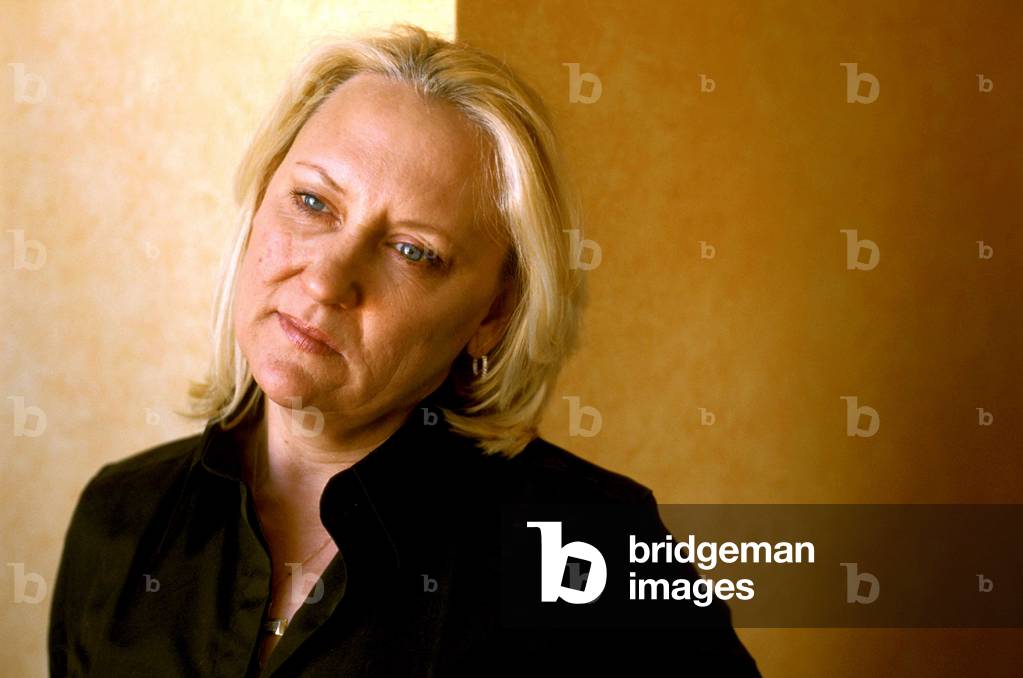
GIE4887733: Portrait of the English writer Martina Cole (born 1958). 04/2006 / Bridgeman Images
