Search options

Orientation
Colour

Display options

View

Print

To print search results, use print friendly version of this page.

2491380 Search Results
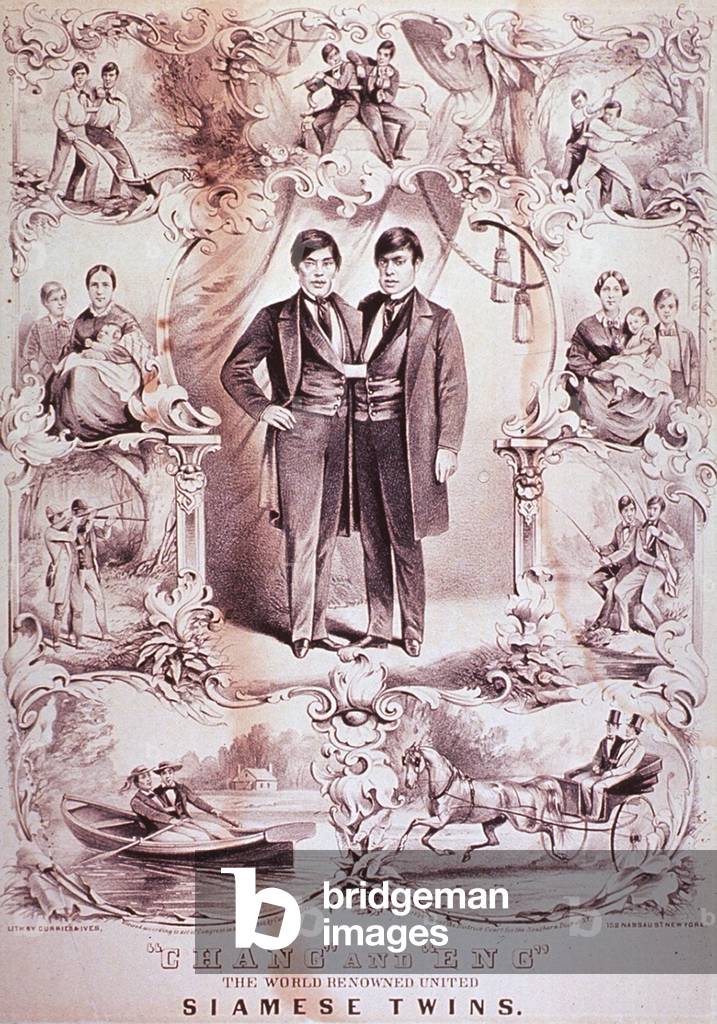
Chang and Eng, (1811-1874), World Renowned United Siamese Twins. Surrounding the twins portrait are scenes of their activities of hunting, boating, plowing, and with their respective families. 1860 Currier and Ives print

EVB2936383: Chang and Eng, (1811-1874), World Renowned United Siamese Twins. Surrounding the twins portrait are scenes of their activities of hunting, boating, plowing, and with their respective families. 1860 Currier and Ives print / Bridgeman Images
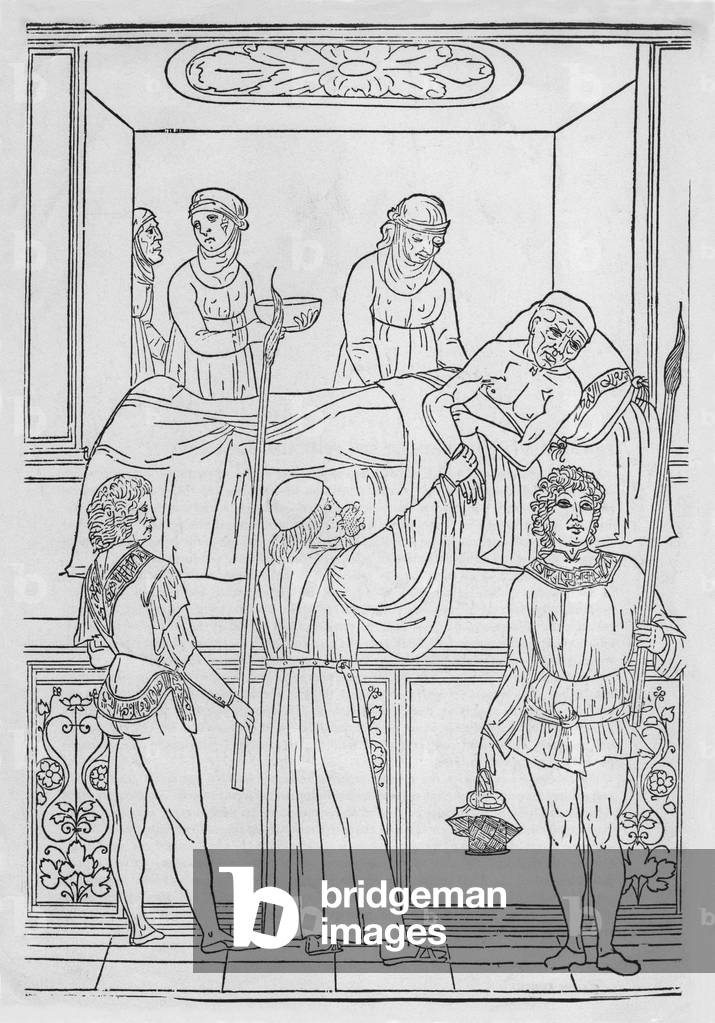
Germany: Plague patient, 1493 (engraving)

EVB2936404: Germany: Plague patient, 1493 (engraving) / Bridgeman Images

The Out-patient's Room in University College Hospital 1872, in London. Some patients stand in the crowded waiting room. In the background is a dispensary. From THE GRAPHIC, Jan 6, 1872,

EVB2936425: The Out-patient's Room in University College Hospital 1872, in London. Some patients stand in the crowded waiting room. In the background is a dispensary. From THE GRAPHIC, Jan 6, 1872, / Bridgeman Images
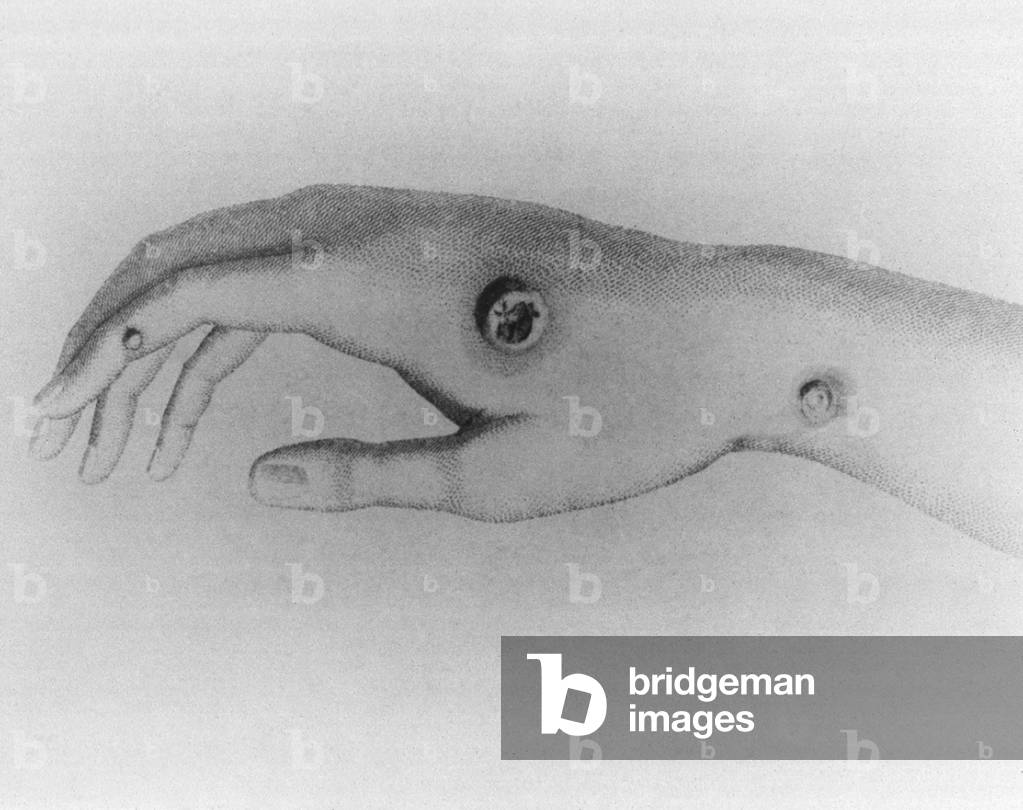
Cowpox pustule on the arm of milkmaid, Sarah Nelme, which Edward Jenner used as a source for his smallpox vaccine

EVB2936431: Cowpox pustule on the arm of milkmaid, Sarah Nelme, which Edward Jenner used as a source for his smallpox vaccine / Bridgeman Images
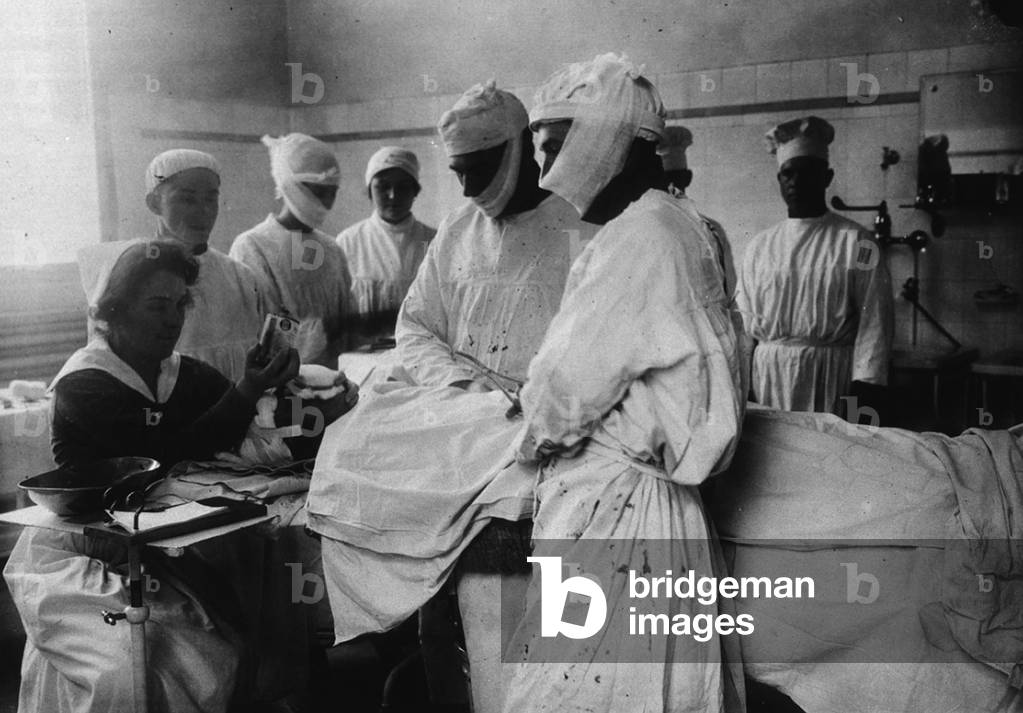
Masked surgeons perform an operation while a nurse administers ether to anesthetize patient. c. 1920

EVB2936455: Masked surgeons perform an operation while a nurse administers ether to anesthetize patient. c. 1920 / Bridgeman Images

Dancers in evening attire, 1915 (drawing)

EVB2936199: Dancers in evening attire, 1915 (drawing), Held, John (Junior) (1889-1958) / Bridgeman Images
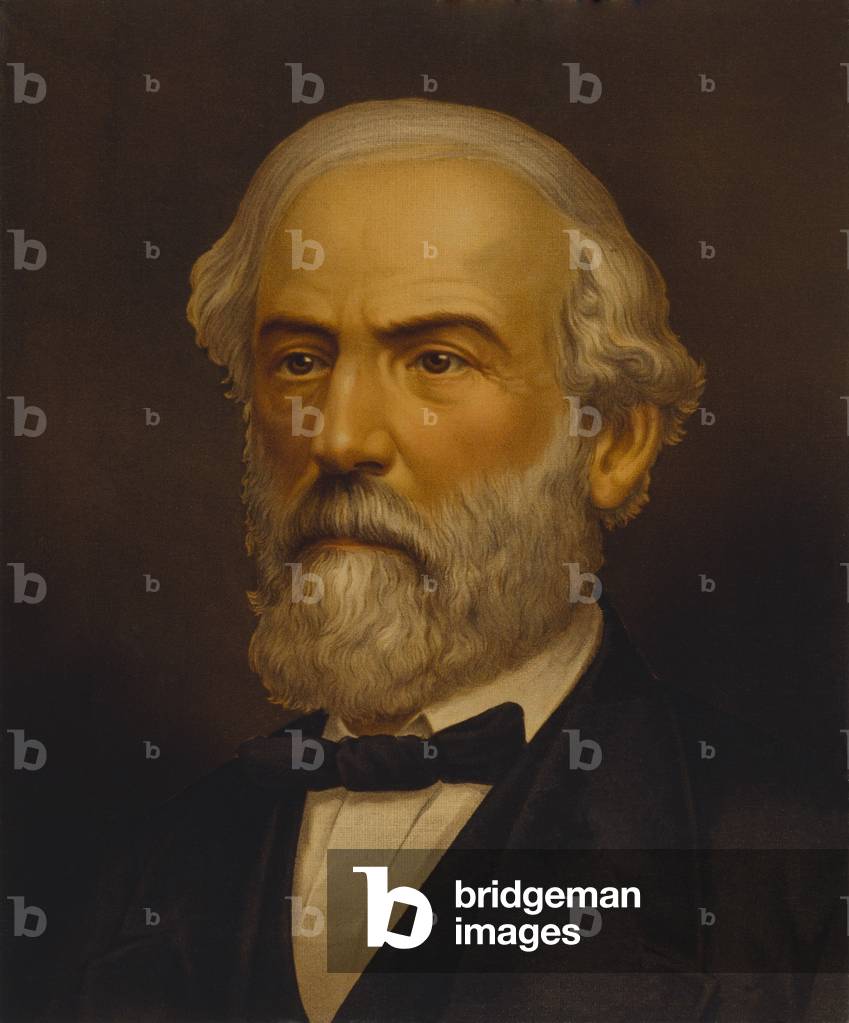
Robert Edward Lee (1807-1870), Commander of the armies of the Confederate States of Americ. Lithograph c. 1880

EVB2936235: Robert Edward Lee (1807-1870), Commander of the armies of the Confederate States of Americ. Lithograph c. 1880 / Bridgeman Images
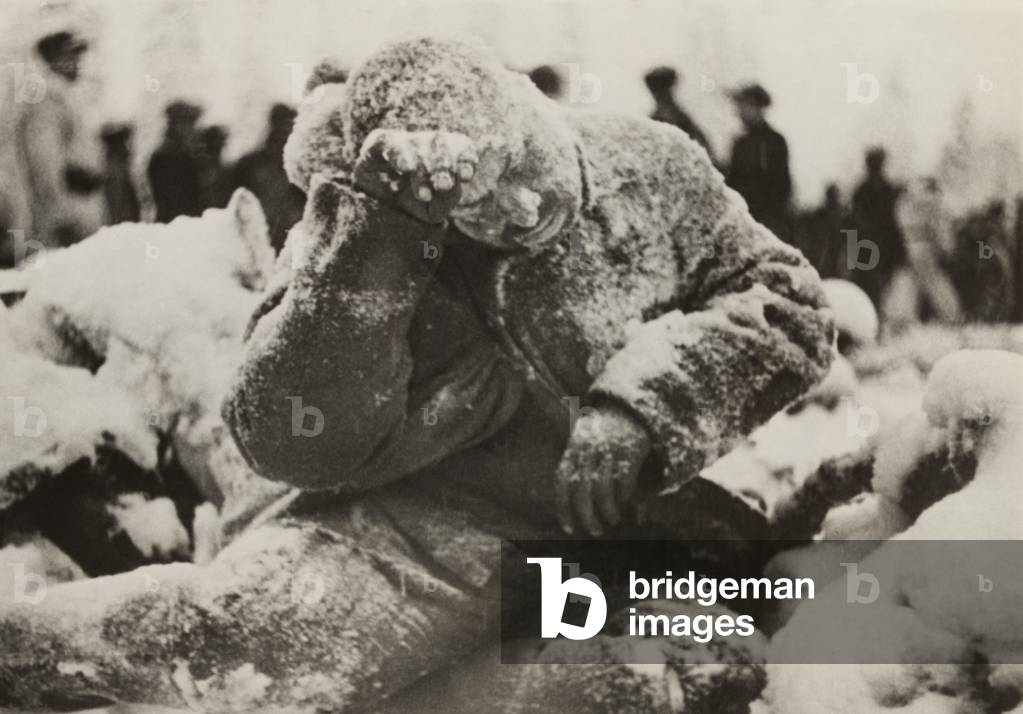
Dead Russian soldier sitting, covered with a dusting of snow, a casualty of the Battle of Suomussalmi, during the Russo-Finnish War of 1939-40

EVB2936250: Dead Russian soldier sitting, covered with a dusting of snow, a casualty of the Battle of Suomussalmi, during the Russo-Finnish War of 1939-40 / Bridgeman Images
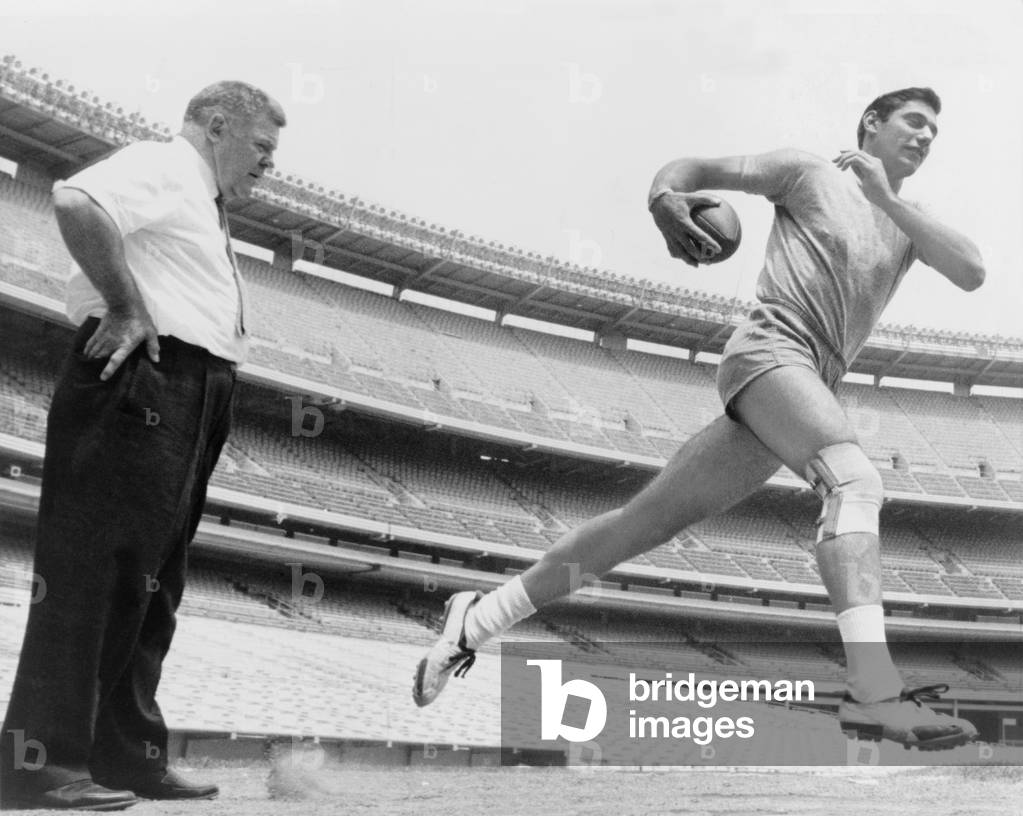
Joe Namath (b. 1943), quarterback with the New York Jets, running during light workout to test his injured knee, as coach Weeb Eubank observes. After his football career, Namath had knee replacement surgery. 1965

EVB2936295: Joe Namath (b. 1943), quarterback with the New York Jets, running during light workout to test his injured knee, as coach Weeb Eubank observes. After his football career, Namath had knee replacement surgery. 1965 / Bridgeman Images
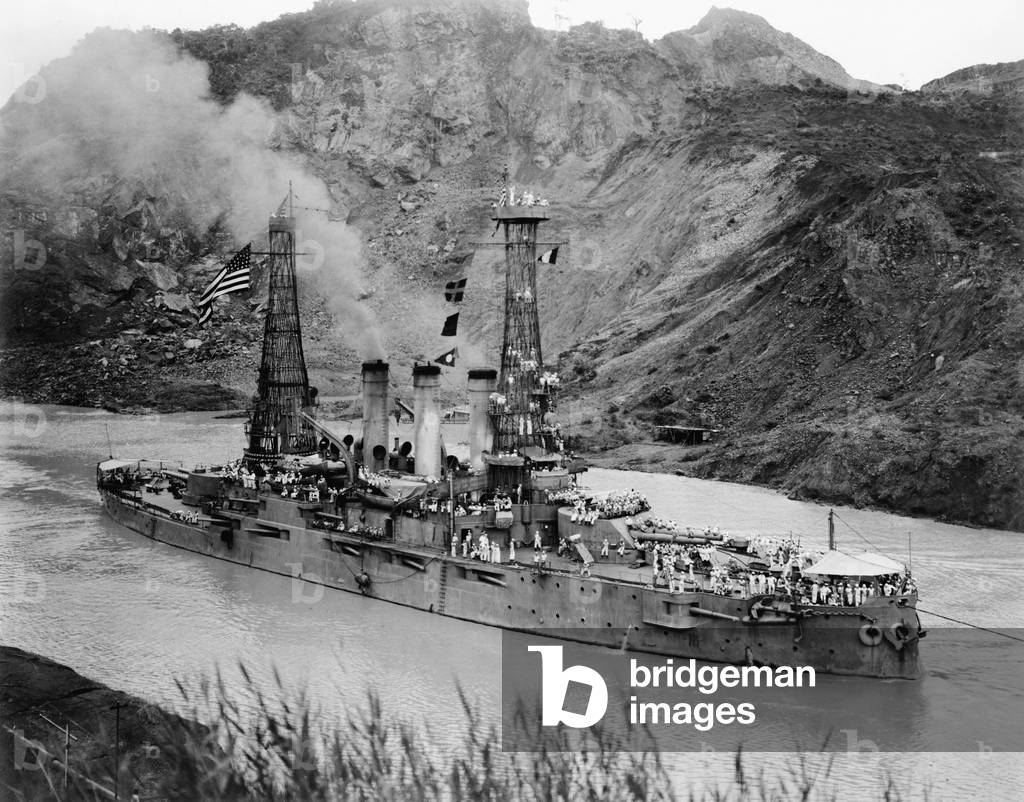
U.S.S. Ohio passing through the Panama Canal on July 16, 1915. The ship is passing the Cucaracha Slide, in the Culebra Cut, the eight mile long gorge carved through the continental divide

EVB2936334: U.S.S. Ohio passing through the Panama Canal on July 16, 1915. The ship is passing the Cucaracha Slide, in the Culebra Cut, the eight mile long gorge carved through the continental divide, Unknown photographer, (20th century) / Bridgeman Images
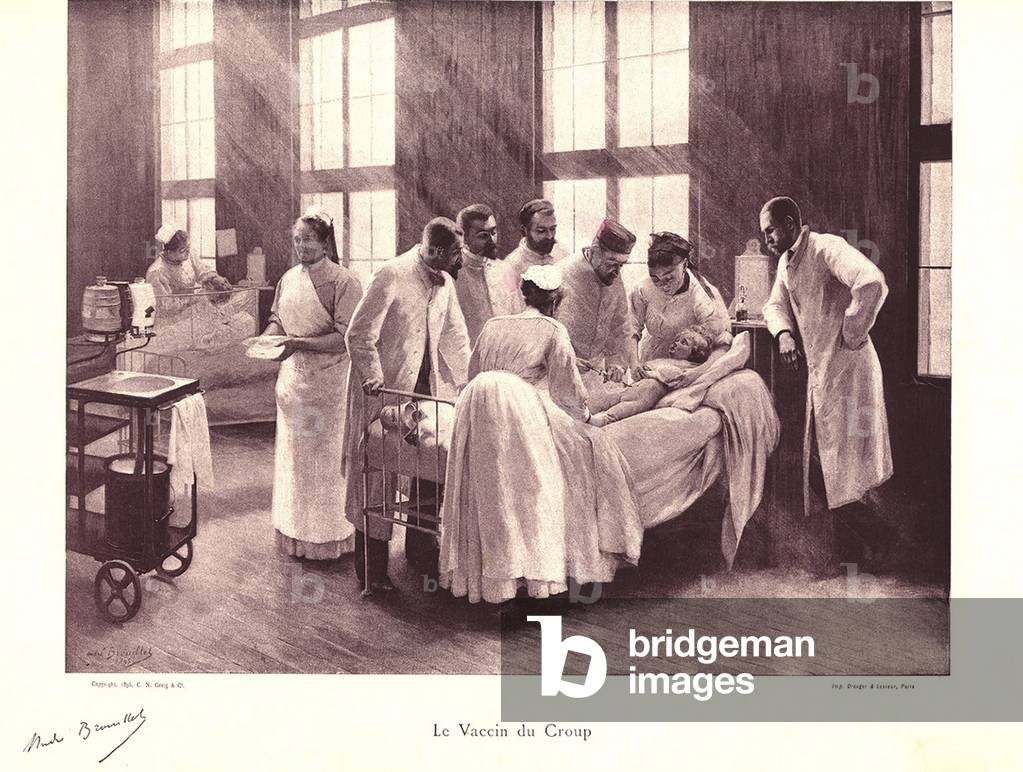
Croup vaccination. Doctor administers a croup vaccination into the abdomen of little girl as a group of doctors and nurses observe

EVB2936376: Croup vaccination. Doctor administers a croup vaccination into the abdomen of little girl as a group of doctors and nurses observe / Bridgeman Images
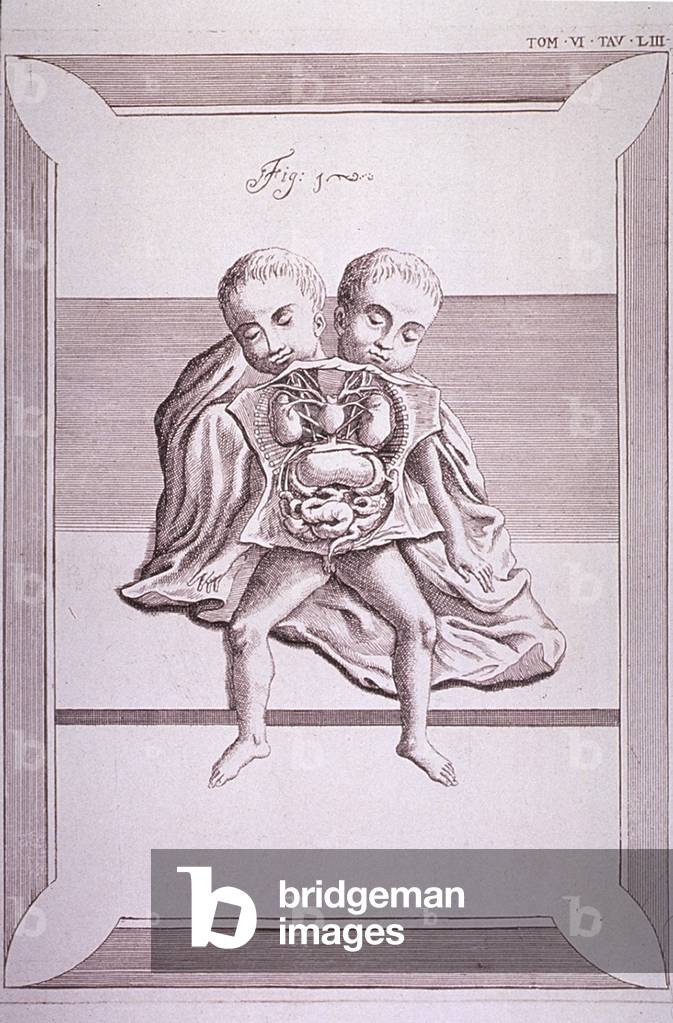
Conjoined twins with common torso and limbs, and the two heads. The abdomen and chest cavities are dissected open to show the organs. 18th century Italian engraving

EVB2936382: Conjoined twins with common torso and limbs, and the two heads. The abdomen and chest cavities are dissected open to show the organs. 18th century Italian engraving / Bridgeman Images

Newborns in the a nursery of Provident Hospital in Chicago, Illinois. 1942

EVB2936421: Newborns in the a nursery of Provident Hospital in Chicago, Illinois. 1942, Delano, Jack (1914-97) / Bridgeman Images

A man in Turkish dress slashes an opium poppy bud to extract the sap from the seed capsule, 17th century

EVB2936430: A man in Turkish dress slashes an opium poppy bud to extract the sap from the seed capsule, 17th century / Bridgeman Images
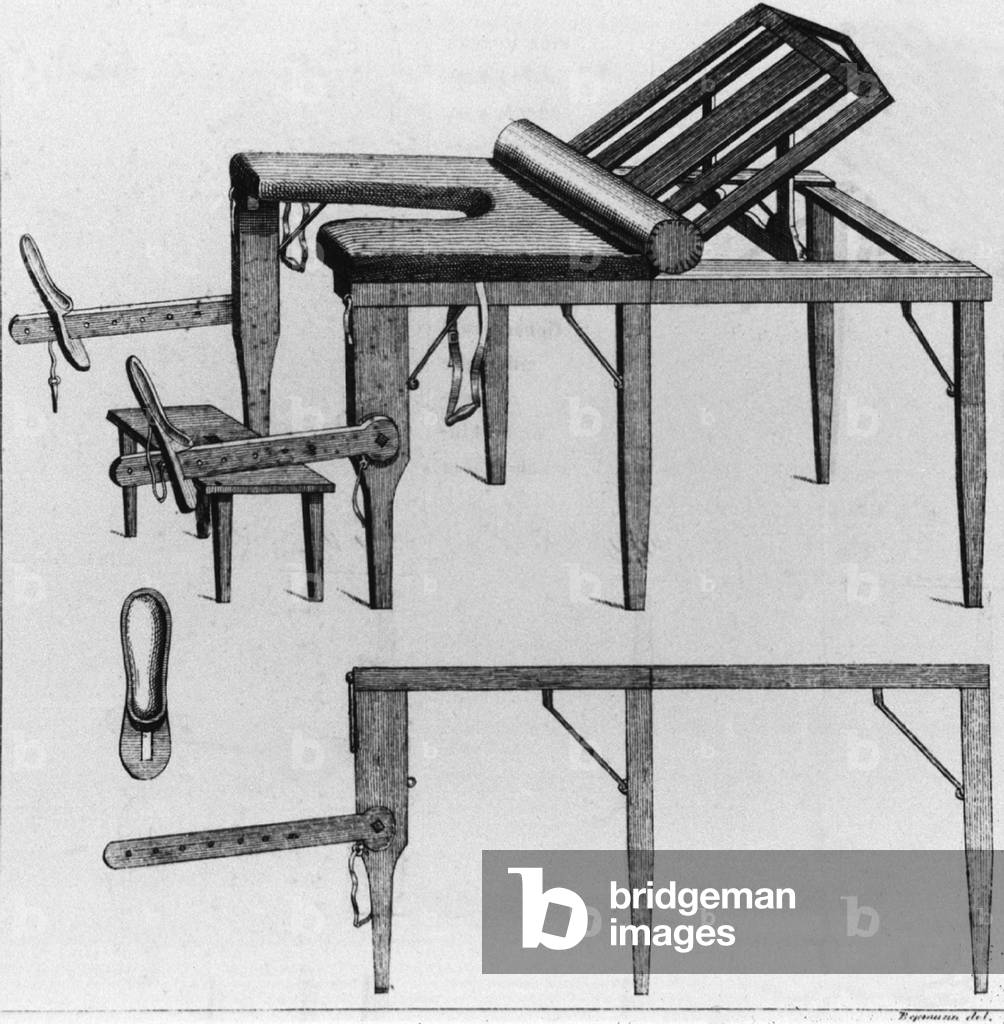
A wooden birthing table with adjustable back and leg supports, an opening in the seat, and a foot stool. Illustration in a text by German obstetrician, Friedrich Benjamin Osiander (1759–1822)

EVB2936436: A wooden birthing table with adjustable back and leg supports, an opening in the seat, and a foot stool. Illustration in a text by German obstetrician, Friedrich Benjamin Osiander (1759–1822) / Bridgeman Images

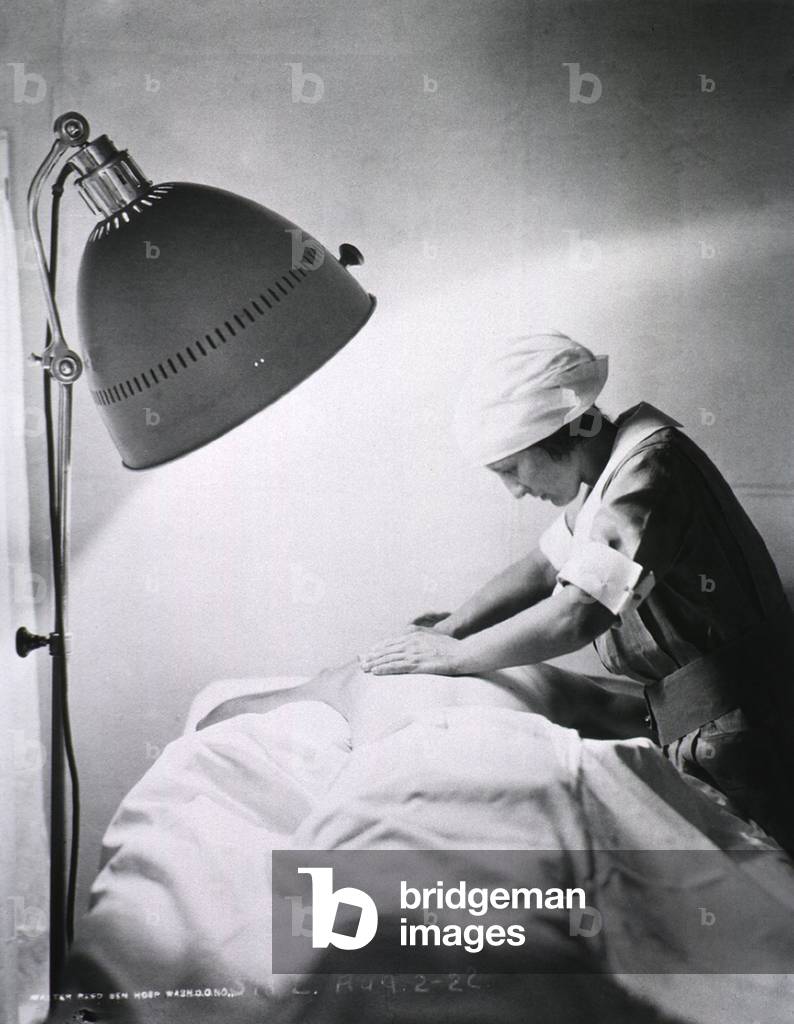
Nurse giving back rub to a patient in Walter Reed General Hospital. 1922

EVB2936478: Nurse giving back rub to a patient in Walter Reed General Hospital. 1922, Unknown photographer, (20th century) / Bridgeman Images
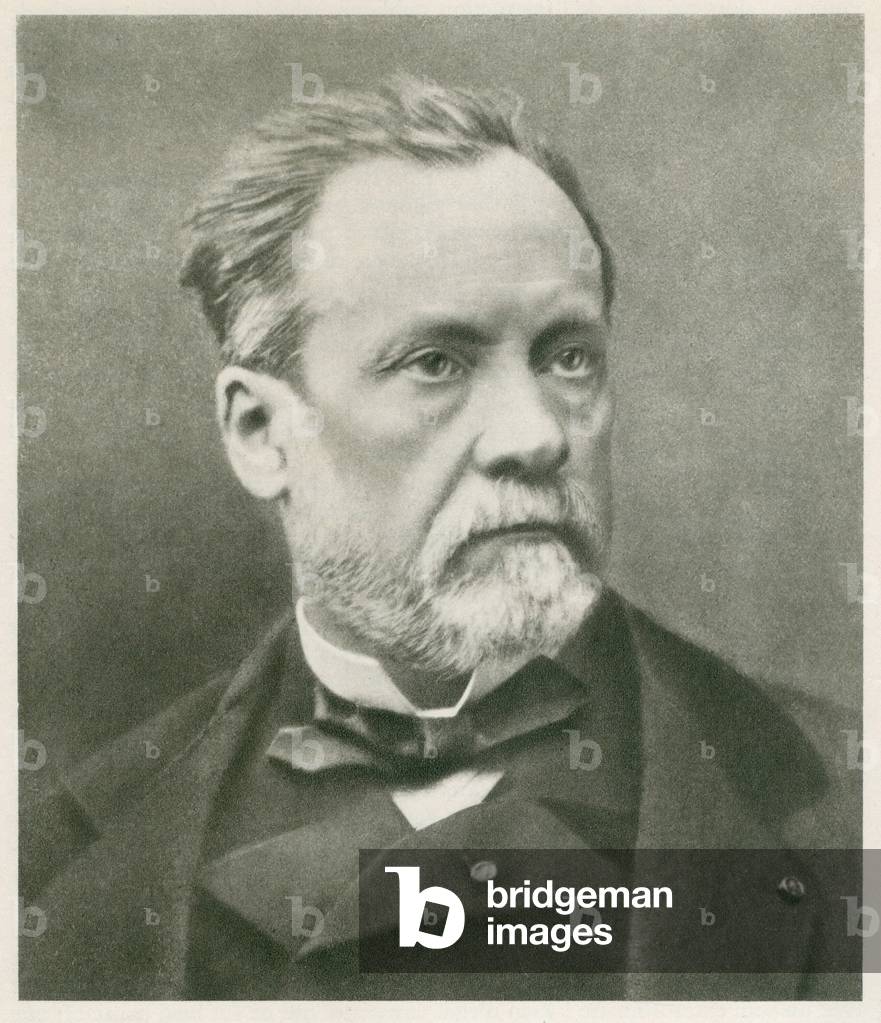
Louis Pasteur (1822-1895), French chemist and microbiologist. c. 1870

EVB2936503: Louis Pasteur (1822-1895), French chemist and microbiologist. c. 1870, Unknown photographer, (19th century) / Bridgeman Images
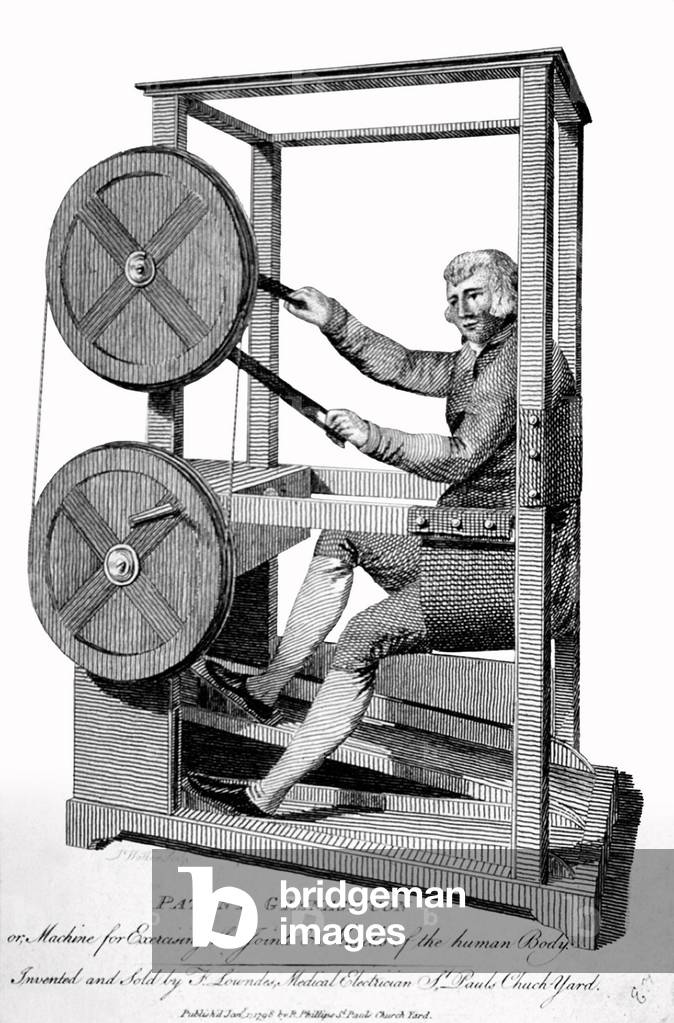
Medical Patient Gymnasticon, a machine for exercising the joints and muscles of the human body. 18th century English engraving

EVB2936512: Medical Patient Gymnasticon, a machine for exercising the joints and muscles of the human body. 18th century English engraving / Bridgeman Images

Title page of Avicenna's, LIBER CANONIS TOTIUS MEDICINE

EVB2936524: Title page of Avicenna's, LIBER CANONIS TOTIUS MEDICINE / Bridgeman Images
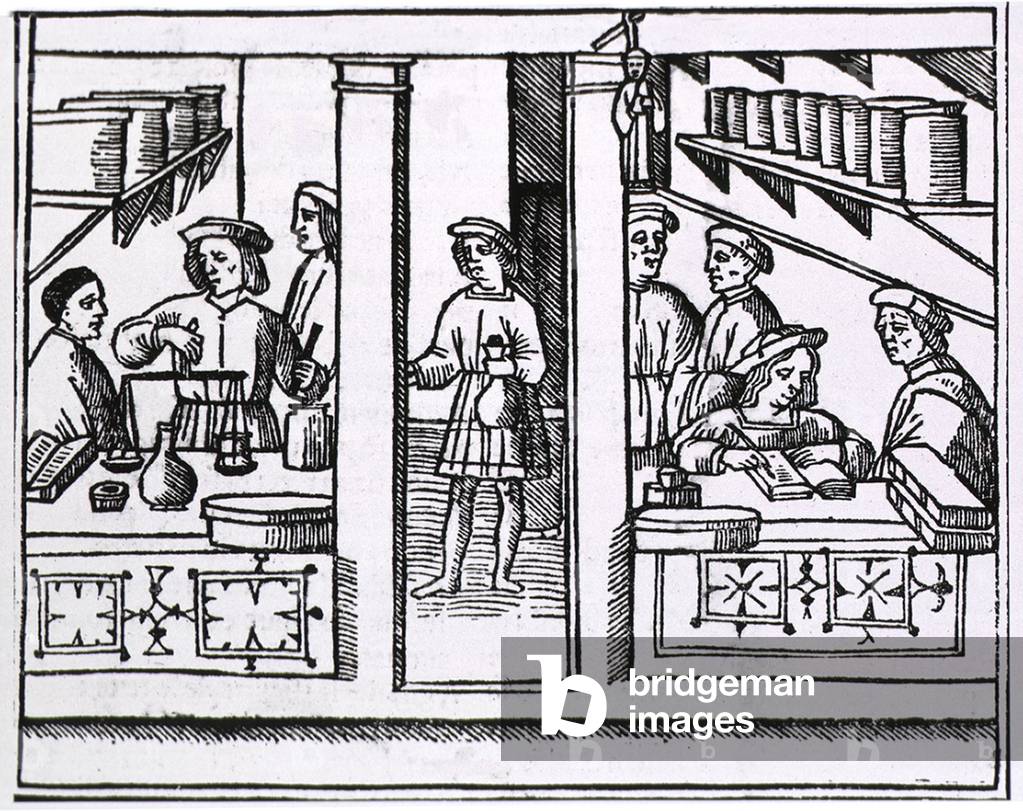
Pharmacy scene from the title page of a Latin version of Galen's RECETARIO DE GALIENO, published in Venice in 1518

EVB2936533: Pharmacy scene from the title page of a Latin version of Galen's RECETARIO DE GALIENO, published in Venice in 1518 / Bridgeman Images
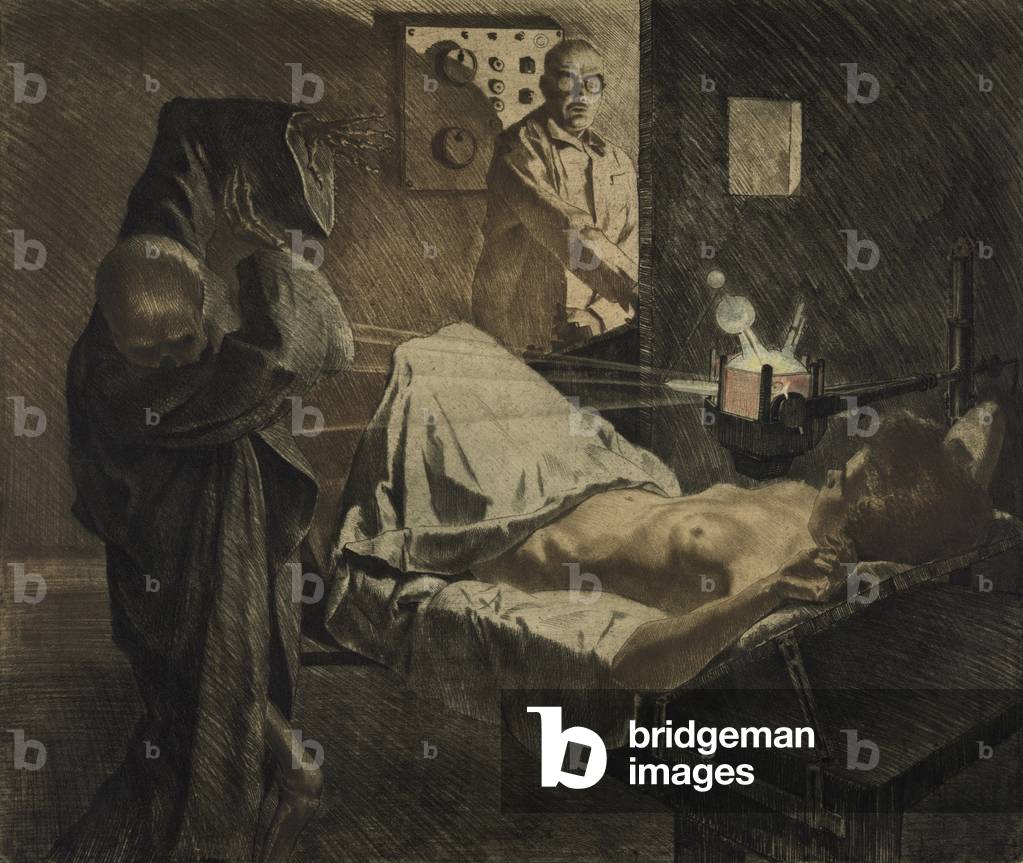
THE PHYSICIAN OF THE X-RAYS, depicts a physician using x-rays to repel Death, a skeleton wearing a shroud, as it approaches a nude young woman on an operating table. c. 1930 print by Austrian artist, Ivo Saliger (1894-1987)

EVB2936489: THE PHYSICIAN OF THE X-RAYS, depicts a physician using x-rays to repel Death, a skeleton wearing a shroud, as it approaches a nude young woman on an operating table. c. 1930 print by Austrian artist, Ivo Saliger (1894-1987) / Bridgeman Images
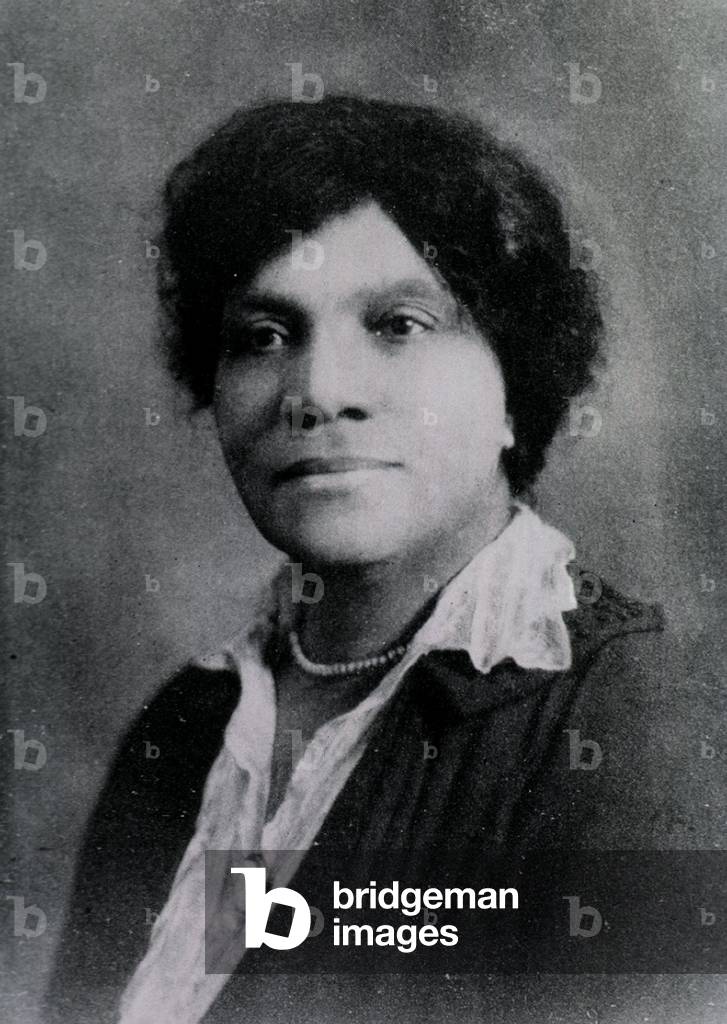
Adah B. Thoms (1870-1943), African American registered nurse who co-founded the National Association of Colored Nurses (with Martha Franklin) in 1912. The organization campaigned for integration of black nurses in hospitals, in nursing education, and in the U.S. military. Print from PATHFINDERS, A HISTORY OF THE PROGRESS OF COLORED GRADUATE NUYRSES, 1927

EVB2936590: Adah B. Thoms (1870-1943), African American registered nurse who co-founded the National Association of Colored Nurses (with Martha Franklin) in 1912. The organization campaigned for integration of black nurses in hospitals, in nursing education, and in the U.S. military. Print from PATHFINDERS, A HISTORY OF THE PROGRESS OF COLORED GRADUATE NUYRSES, 1927, Unknown photographer, (20th century) / Bridgeman Images
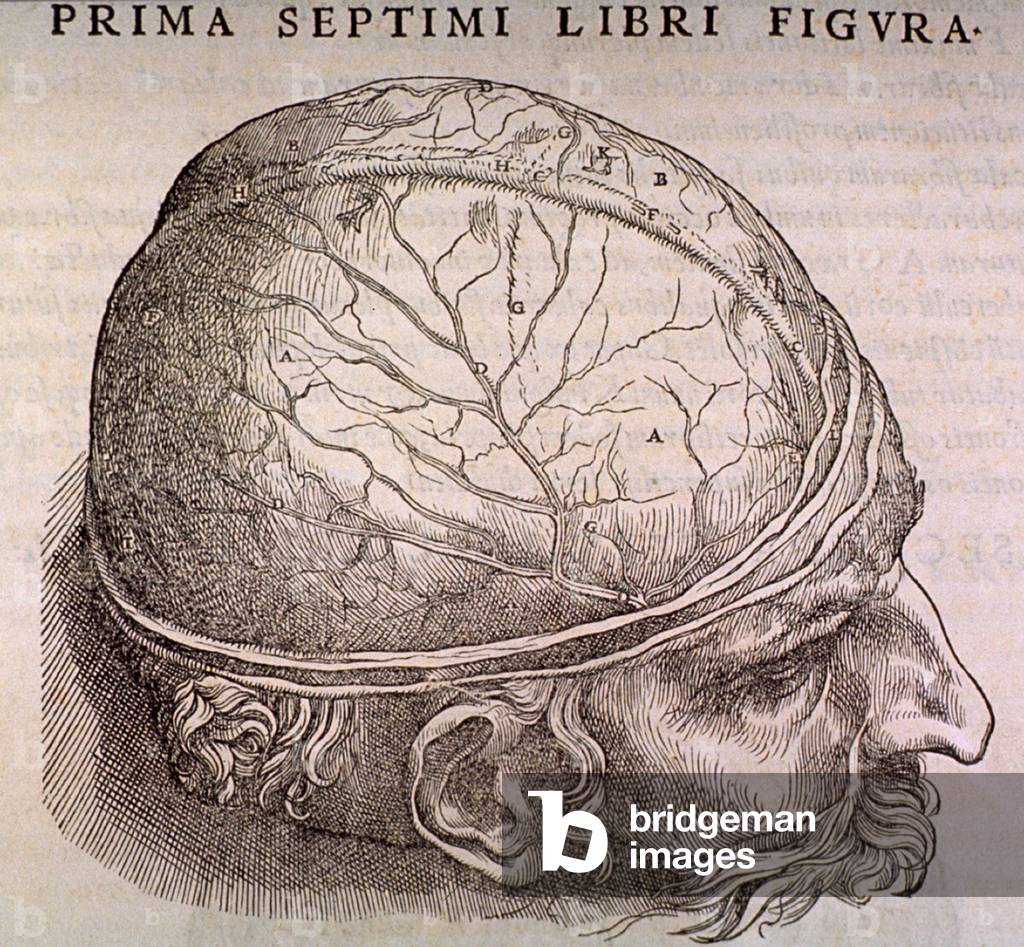
Brain Plate, showing the duramater, the outermost membrane covering the brain, from the classic anatomical treatise, DE CORPORIS HUMANI FABRICA (On the Structure of the Human Body), by Andreas Vesalius (1514-1564), in 1543

EVB2936662: Brain Plate, showing the duramater, the outermost membrane covering the brain, from the classic anatomical treatise, DE CORPORIS HUMANI FABRICA (On the Structure of the Human Body), by Andreas Vesalius (1514-1564), in 1543 / Bridgeman Images
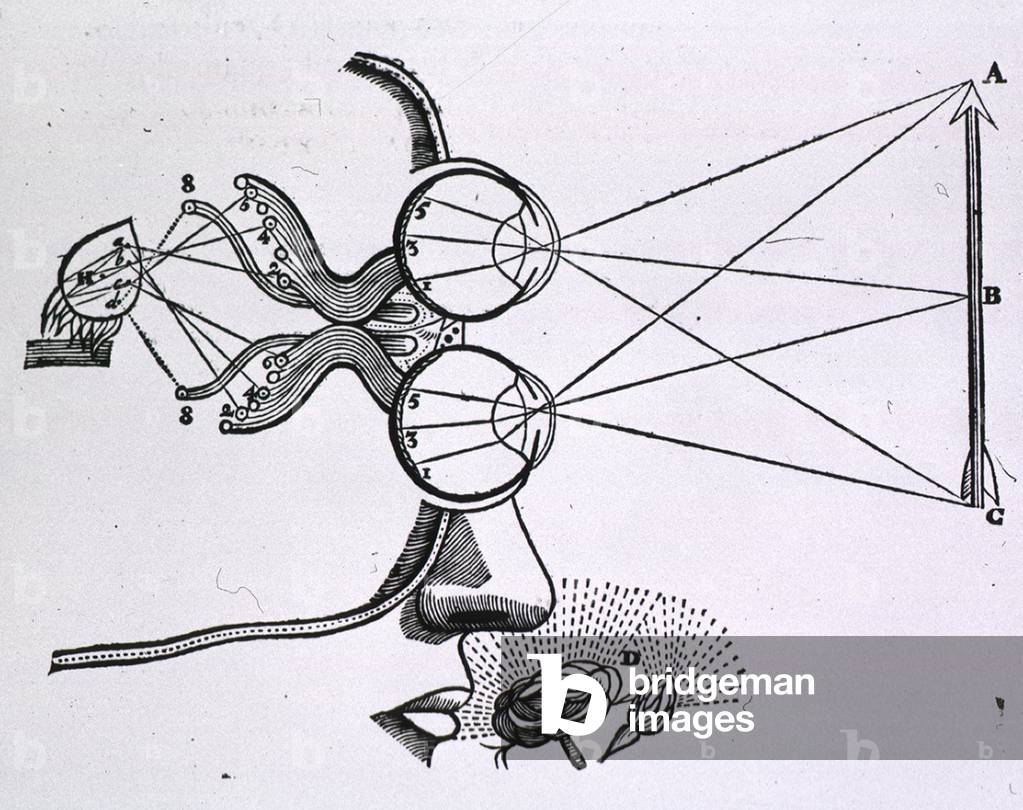
Portion of head with the eyes represented above each other and focused on an arrow; lines extend from the eyes to the mid and terminal points of the arrow; visual receptor portion of the brain is shown, and the sense of smell is indicated by a flower

EVB2936671: Portion of head with the eyes represented above each other and focused on an arrow; lines extend from the eyes to the mid and terminal points of the arrow; visual receptor portion of the brain is shown, and the sense of smell is indicated by a flower / Bridgeman Images
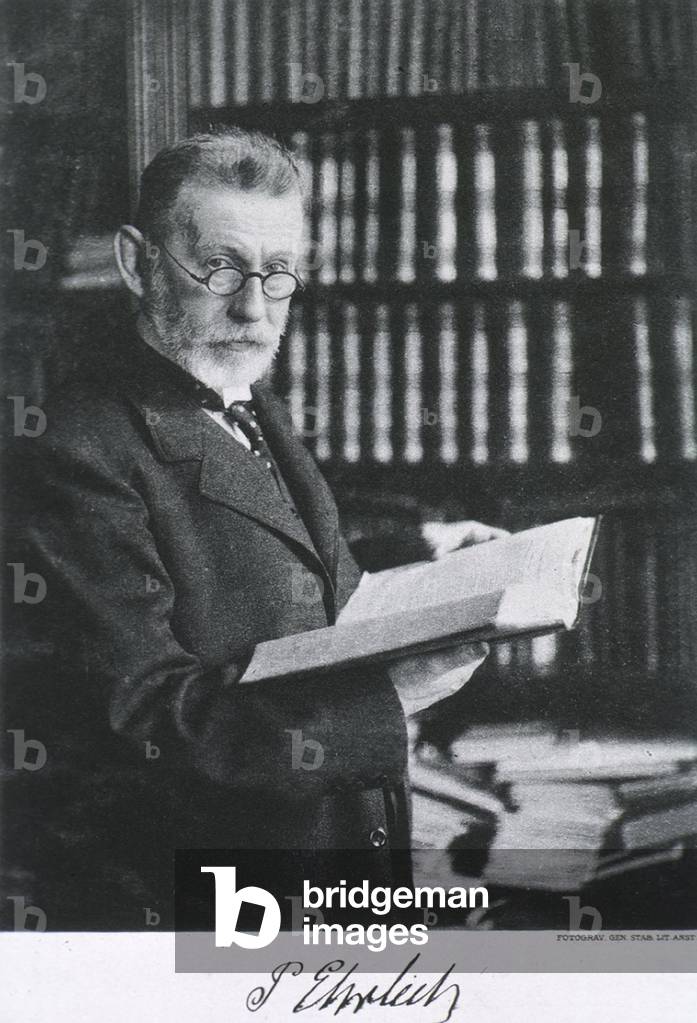
Paul Ehrlich (1854-1918), German medical scientist experimented with chemical treatments to destroy pathogens and their ill effects on humans. His greatest discovery was an arsenic based medicine that was the first effective treatment for syphilis in 1910

EVB2936674: Paul Ehrlich (1854-1918), German medical scientist experimented with chemical treatments to destroy pathogens and their ill effects on humans. His greatest discovery was an arsenic based medicine that was the first effective treatment for syphilis in 1910, Unknown photographer, (20th century) / Bridgeman Images

Mexican-American young women working as carrot pullers in Edinburg, Texas. February 1939 photograph by Russell Lee

EVB2936705: Mexican-American young women working as carrot pullers in Edinburg, Texas. February 1939 photograph by Russell Lee, Russell, Lee (1903-86) / Bridgeman Images
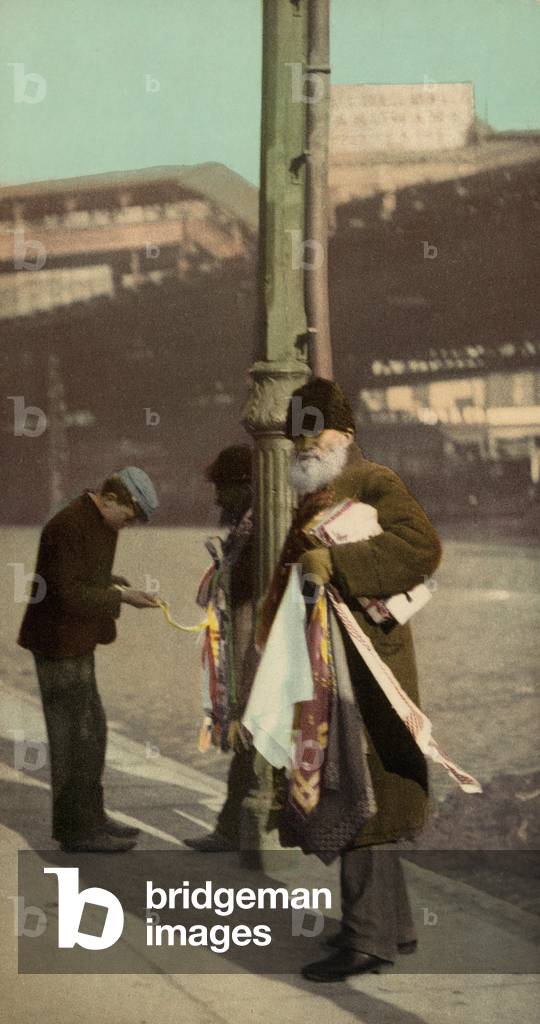
Two Jewish peddlers selling ties on the street, probably New York. c. 1902

EVB2936710: Two Jewish peddlers selling ties on the street, probably New York. c. 1902 / Bridgeman Images

TOY MERCHANTS. Chinese immigrants in San Francisco. From Arnold Genthe's CHINATOWN SERIES. c. 1900

EVB2936764: TOY MERCHANTS. Chinese immigrants in San Francisco. From Arnold Genthe's CHINATOWN SERIES. c. 1900 / Bridgeman Images
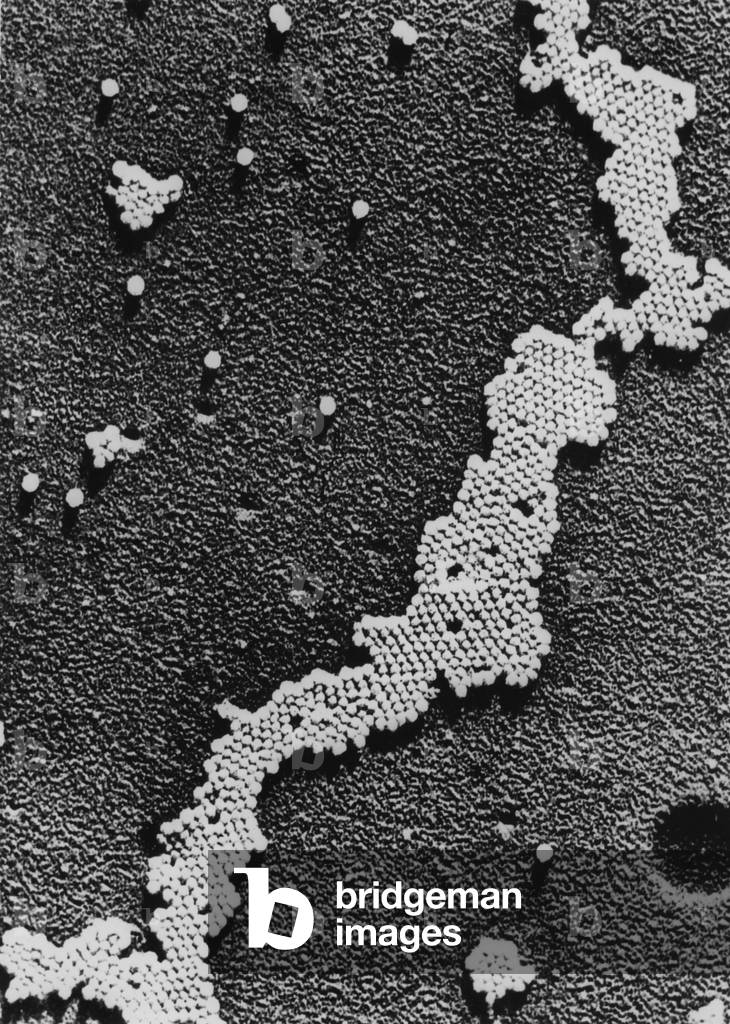
Polio (Poliomyelitis) virus, the cause of Infantile Paralysis, was discovered in 1908 by Karl Landsteiner. The vaccine for polio was developed between 1948 and 1953, when the researchers were able to grow large amounts of the virus, and Jonas Salk developed a safe killed-virus vaccine

EVB2936505: Polio (Poliomyelitis) virus, the cause of Infantile Paralysis, was discovered in 1908 by Karl Landsteiner. The vaccine for polio was developed between 1948 and 1953, when the researchers were able to grow large amounts of the virus, and Jonas Salk developed a safe killed-virus vaccine, Unknown photographer, (20th century) / Bridgeman Images
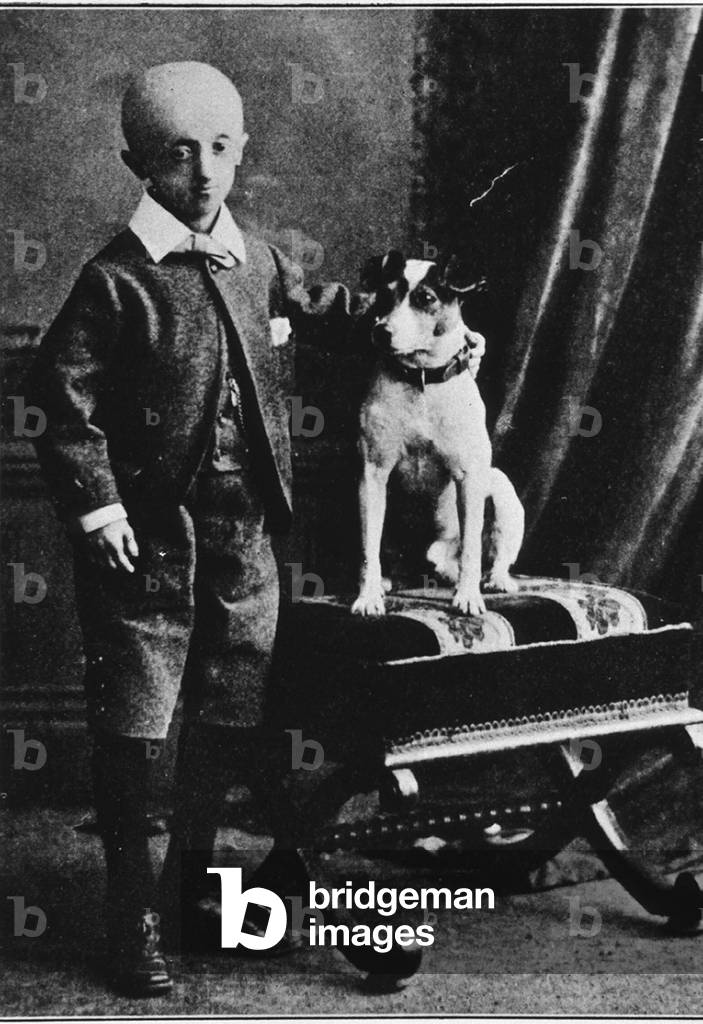
15 year old boy with Progeria, a rare children's disease that accelerates the rate of aging. The 15 year old posed with his dog in 1911

EVB2936517: 15 year old boy with Progeria, a rare children's disease that accelerates the rate of aging. The 15 year old posed with his dog in 1911, Unknown photographer, (20th century) / Bridgeman Images
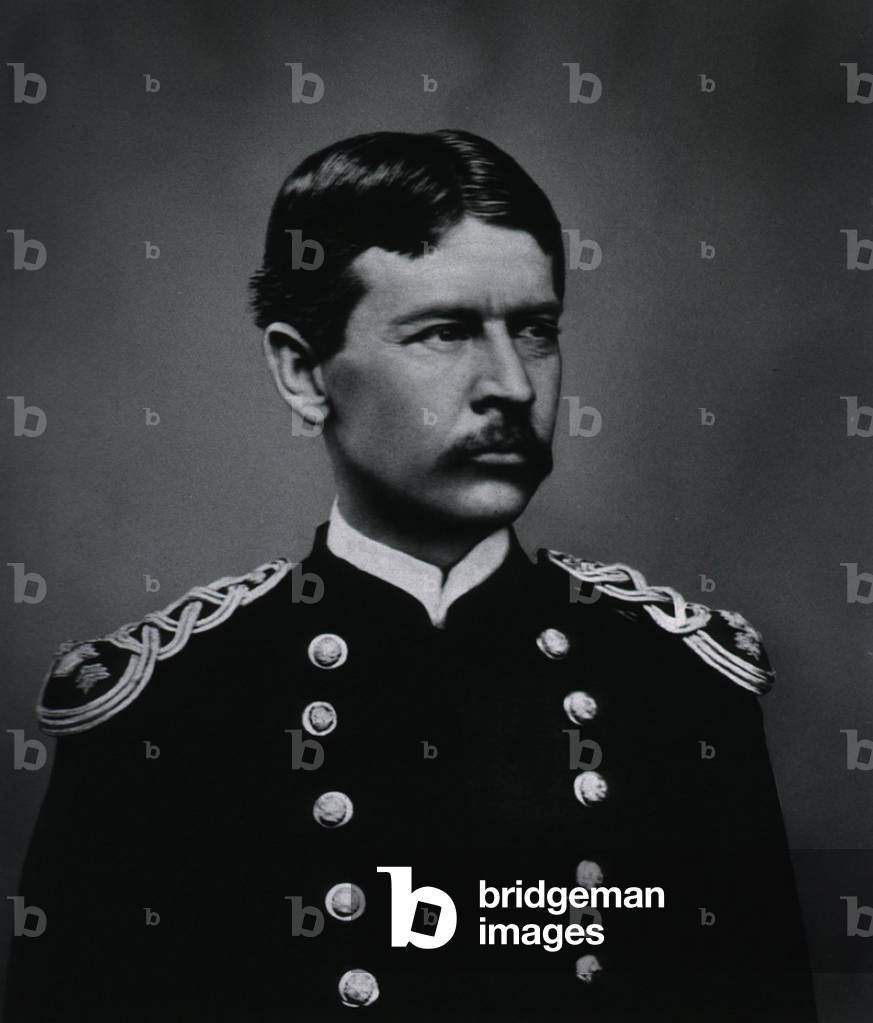
Walter Reed (1851-1902), U.S. Army physician who proved Cuban epidemiologist Carlos Juan Finlay's theory of insect transmission of yellow fever. Reed used human volunteers, including a bacteriologist, Jesse W. Lazear who died of his yellow fever infection. c. 1890

EVB2936553: Walter Reed (1851-1902), U.S. Army physician who proved Cuban epidemiologist Carlos Juan Finlay's theory of insect transmission of yellow fever. Reed used human volunteers, including a bacteriologist, Jesse W. Lazear who died of his yellow fever infection. c. 1890 / Bridgeman Images
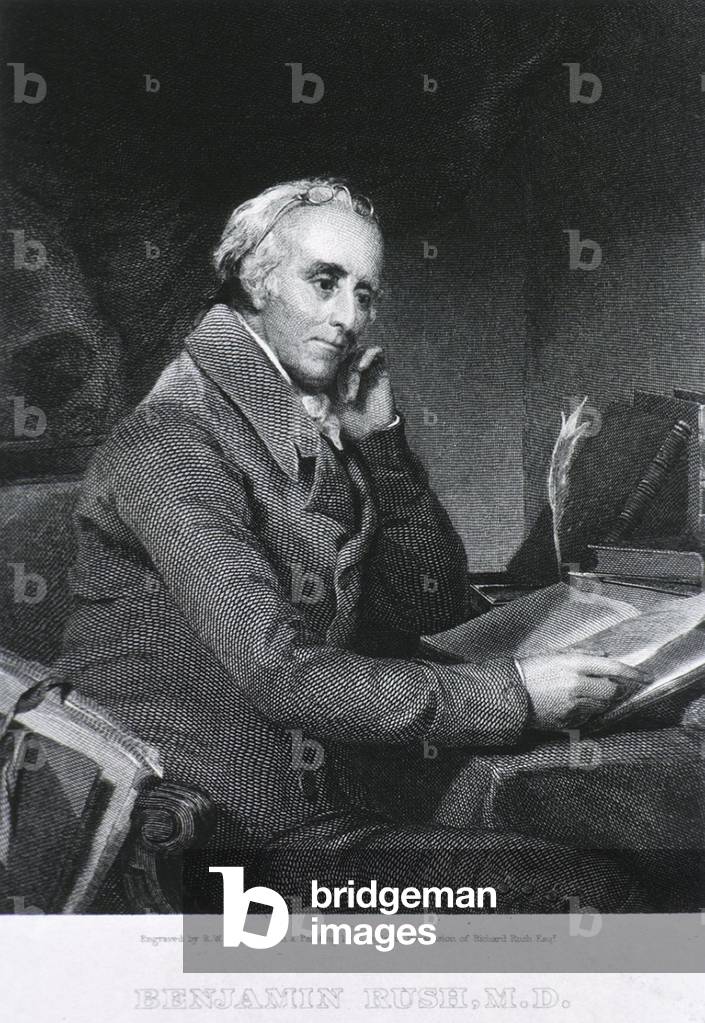
Benjamin Rush (1745-1813), eminent American doctor and politician. While he practiced primitive treatments such as aggressive bloodletting, his book on psychology, DISEASES OF THE MIND, was advanced for its time. Portrait engraving after Thomas Sully. c. 1810

EVB2936556: Benjamin Rush (1745-1813), eminent American doctor and politician. While he practiced primitive treatments such as aggressive bloodletting, his book on psychology, DISEASES OF THE MIND, was advanced for its time. Portrait engraving after Thomas Sully. c. 1810 / Bridgeman Images
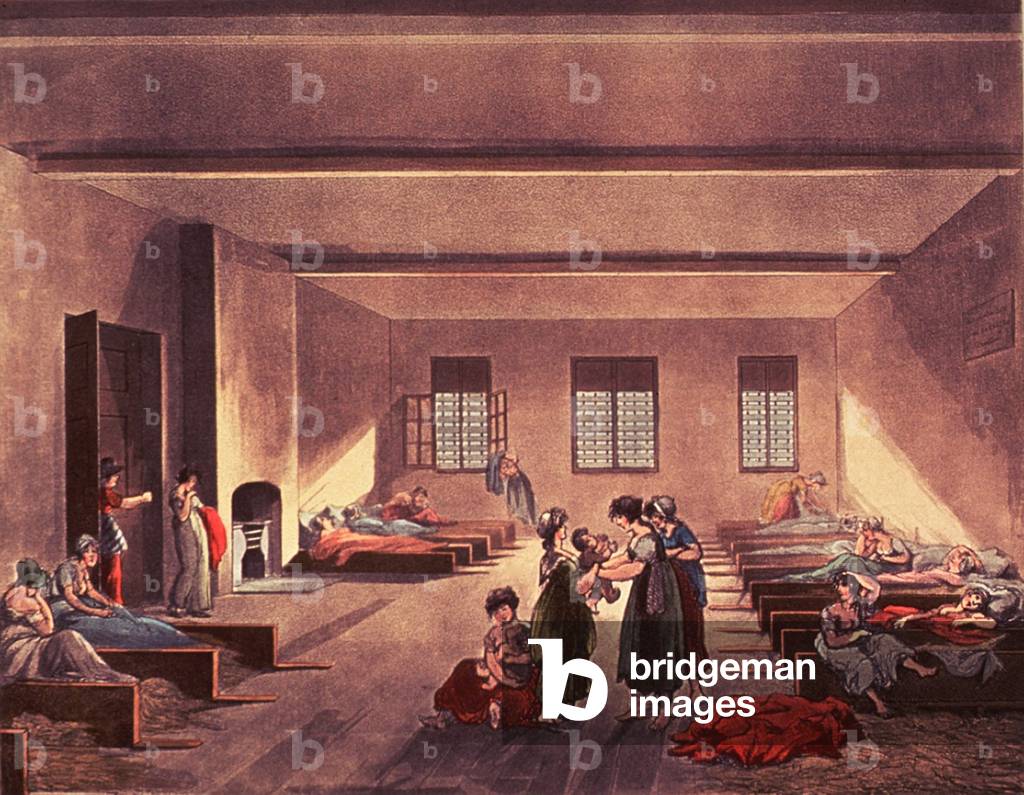
Detention room in London's Bridewell Hospital, for homeless, impoverished, and probably single or unwed mothers. British Poor Law required paupers be returned to their rural parishes, who were responsible for the local care of the poor. Before return, the women paupers and their children were detained in low stalls with hay for bedding. Drawing by Thomas Rowlandson and Augustus Pugin, c. 1808

EVB2936583: Detention room in London's Bridewell Hospital, for homeless, impoverished, and probably single or unwed mothers. British Poor Law required paupers be returned to their rural parishes, who were responsible for the local care of the poor. Before return, the women paupers and their children were detained in low stalls with hay for bedding. Drawing by Thomas Rowlandson and Augustus Pugin, c. 1808 / Bridgeman Images
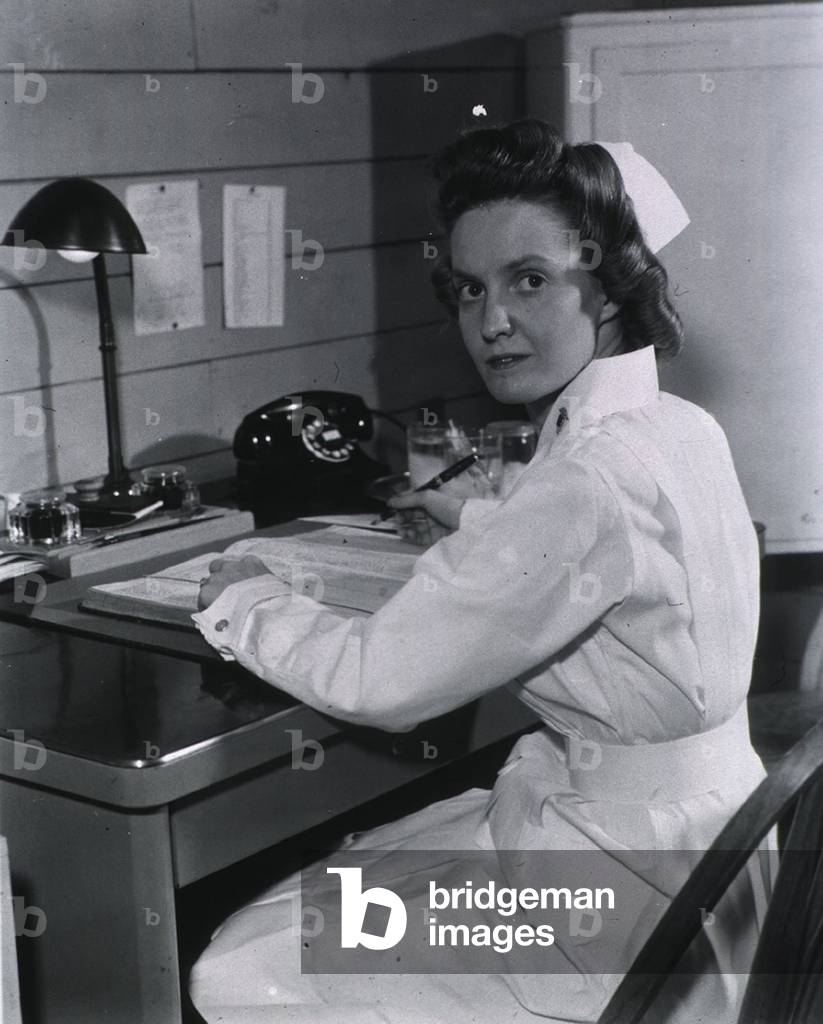
2nd Lieutenant Venita Busse, U.S. Army nurse on duty during World War II

EVB2936592: 2nd Lieutenant Venita Busse, U.S. Army nurse on duty during World War II / Bridgeman Images
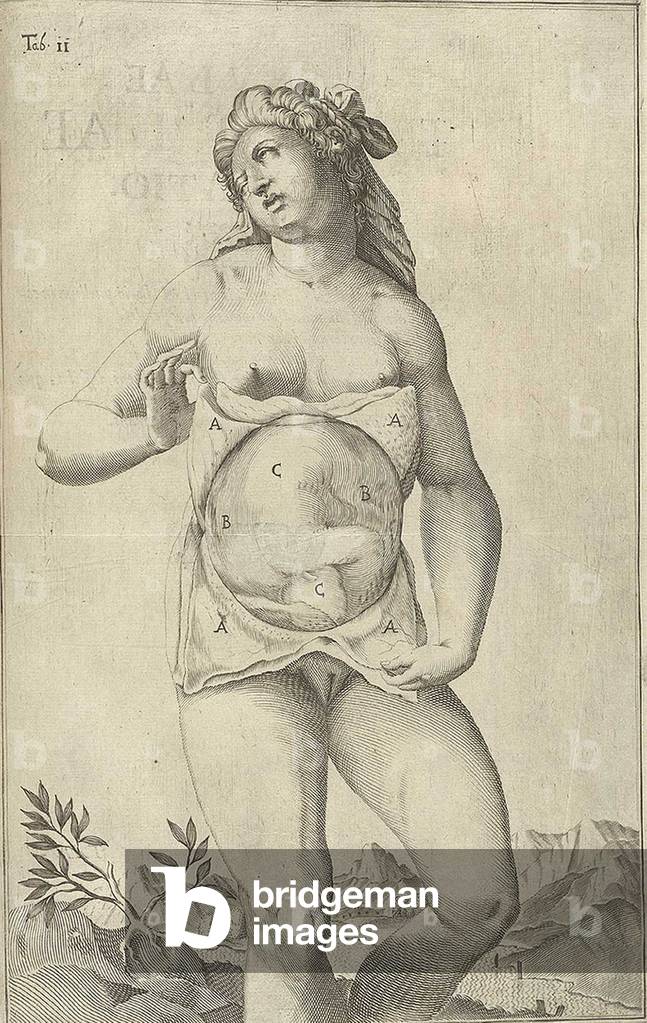
Development of the fetus. Female figure with womb exposed displaying a fetus from Adriaan van de Spiegel's, DE FORMATO FOETU LIBER EXORNATUS, 1626. Engraving by Francesco Valesio (b. c. 1560), after drawing by Odoardo Fialetti (1573-1638)

EVB2936595: Development of the fetus. Female figure with womb exposed displaying a fetus from Adriaan van de Spiegel's, DE FORMATO FOETU LIBER EXORNATUS, 1626. Engraving by Francesco Valesio (b. c. 1560), after drawing by Odoardo Fialetti (1573-1638) / Bridgeman Images
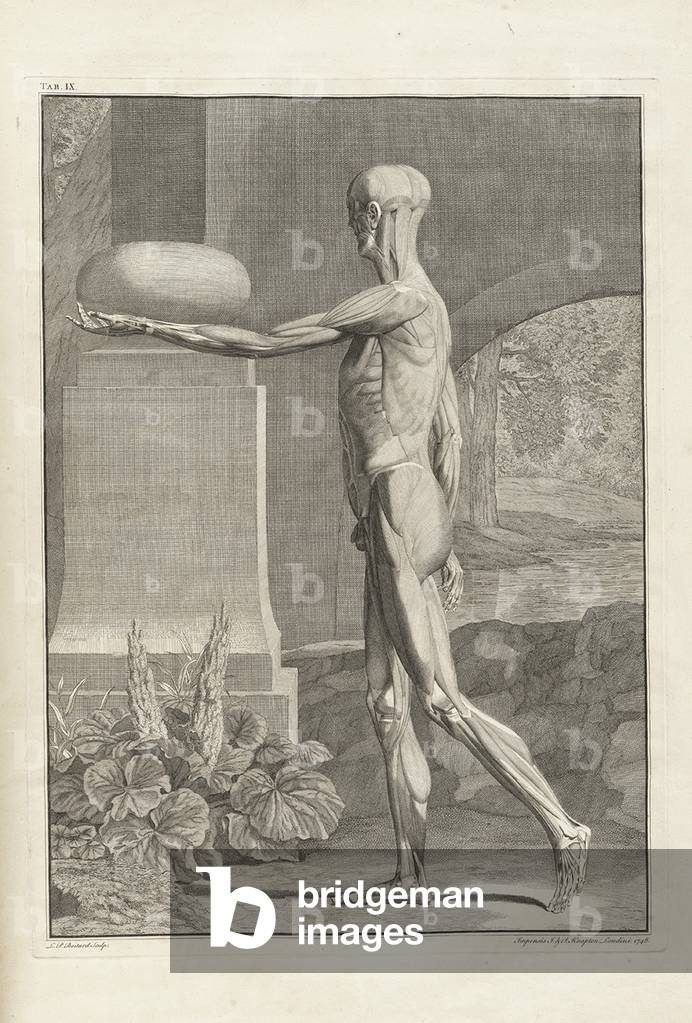
Musculature plate from 18th century anatomy treatise by Bernhard Albinus, with engravings by Jan Wandelaar (1690-1759). The elaborate background of architectural and botanical elements distinguished the 1747 book

EVB2936634: Musculature plate from 18th century anatomy treatise by Bernhard Albinus, with engravings by Jan Wandelaar (1690-1759). The elaborate background of architectural and botanical elements distinguished the 1747 book / Bridgeman Images


Back to top