2491383 Search Results

NWI4833182: The Campaign (Expedition) of Egypt (1798-1801): the Battle of the Pyramids (1798), the Submission of the Mamluks to Napoleon Bonaparte (1769-1821). Coloured water, 19th century. / Bridgeman Images

CUB4833191: Valley of Ofanto river near Cairo, Irpinia, Campania, Italy / Bridgeman Images

IMB4833215: Columns of the Temple of Saturn, Roman Forum, Rome, Italy, Europe / Bridgeman Images

UTD4837383: German East Africa colony. Portrait of two black girls. Image date: circa 1905. Carl Simon Archive, Simon, Carl (1873-1952) / Bridgeman Images

JEB4833278: Portrait of General Rolin, French military under Napoleon III. Photograph of Ken, 19th century. Private collection. / Bridgeman Images

SOB4833293: John Biguenet, September 24, 2010, Bassouls, Sophie / Bridgeman Images

JEB4833326: Portrait of the Impress Eugenia or Eugenia de Montijo (1826-1920). Photograph of Disderi, 19th century. Private collection. / Bridgeman Images

CUB4833338: Newborn turtle, Italy / Bridgeman Images
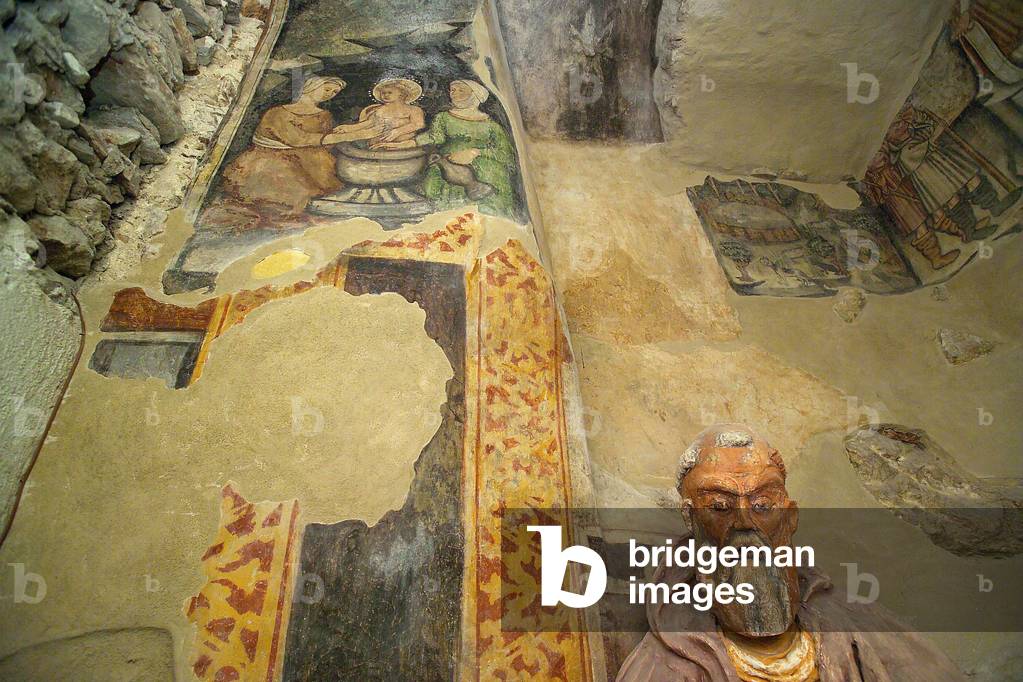
CUB4833419: Cathedral, Nusco, Irpinia, Campania, Italy / Bridgeman Images
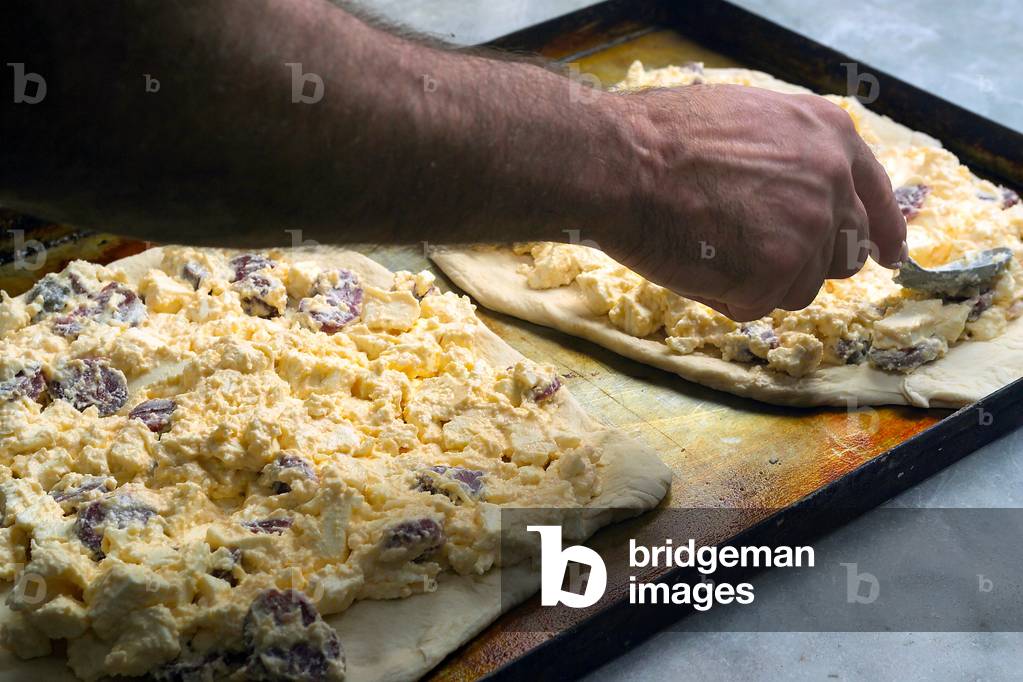
CUB4833742: Preparation of Pizza Chiena, Montella, Irpinia, Campania, Italy / Bridgeman Images

CUB4833748: Preparation of Pizza Chiena, Montella, Irpinia, Campania, Italy / Bridgeman Images
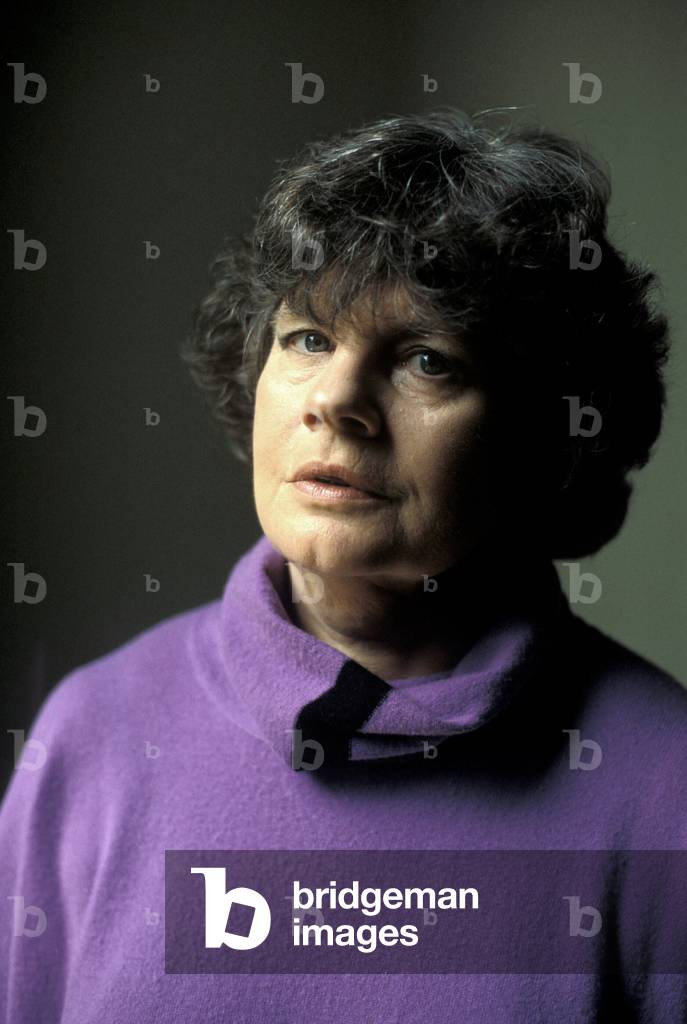
GIE4833793: Portrait of the writer Antonia Byatt (born 1936). / Bridgeman Images
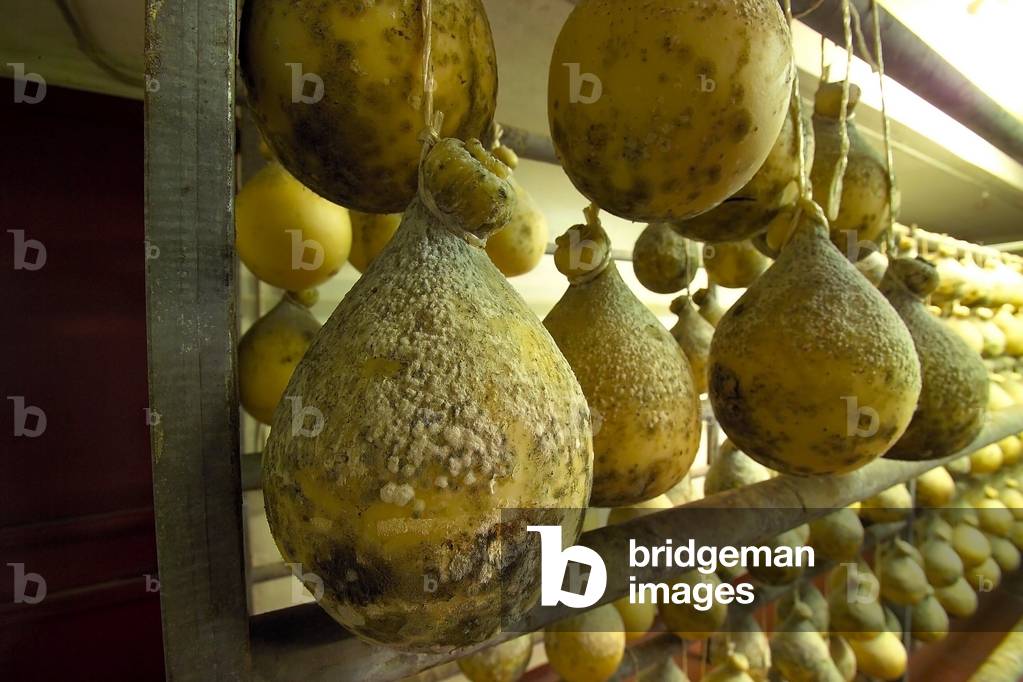
CUB4833853: Caciocavallo Silano cheese, Gambone cheese maker, Montella, Campania, Italy / Bridgeman Images
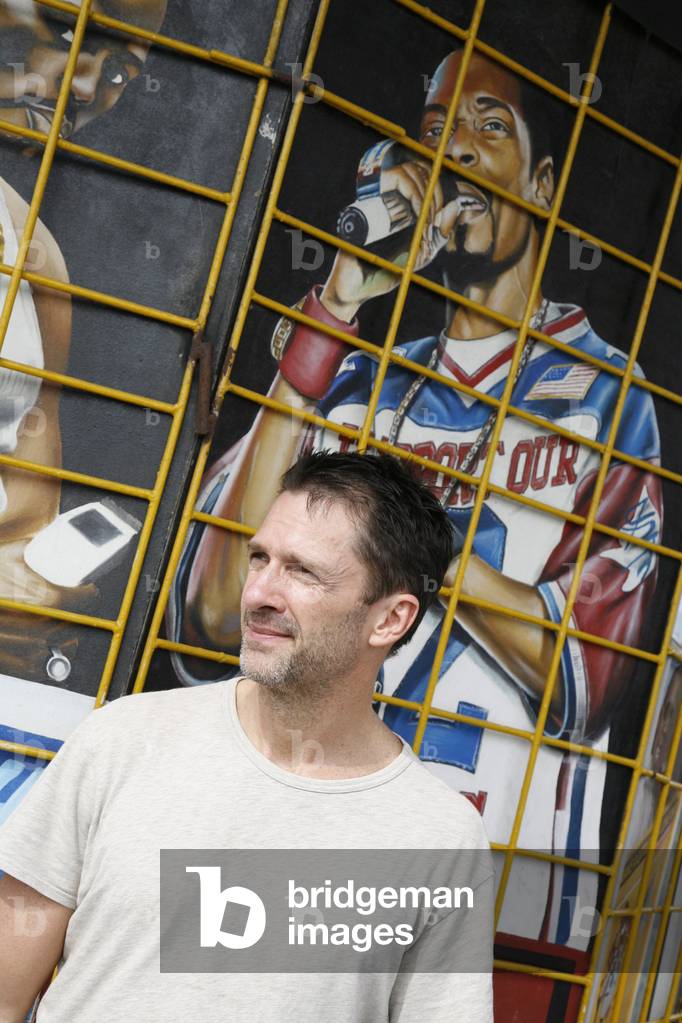
SOB4833874: Ted Botha, March 25, 2009, Bassouls, Sophie / Bridgeman Images

IMB4833916: Low-energy houses and passive houses, Vauban district, Freiburg im Breisgau, Baden-Wuerttemberg, Germany, Europe / Bridgeman Images

CUB4833925: Landscape, Valley of Sabato river, Salza Irpina and Sorbo Serpico, Campania, Italy / Bridgeman Images
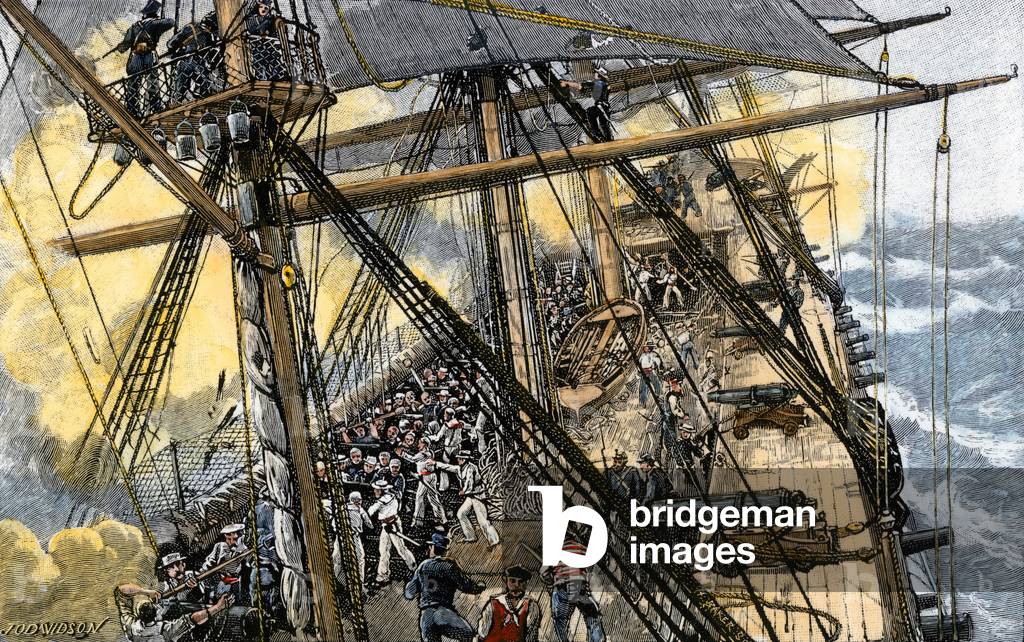
NWI4833934: American Anglo War (1812-1815): the crew of the USS “Constitution”” in the midst of naval battle against British ships “Levant and” Cyane”, in the Atlantic Ocean. Coloured water, 19th century. / Bridgeman Images

IMB4833967: Low-energy houses and passive houses, Vauban district, Freiburg im Breisgau, Baden-Wuerttemberg, Germany, Europe / Bridgeman Images
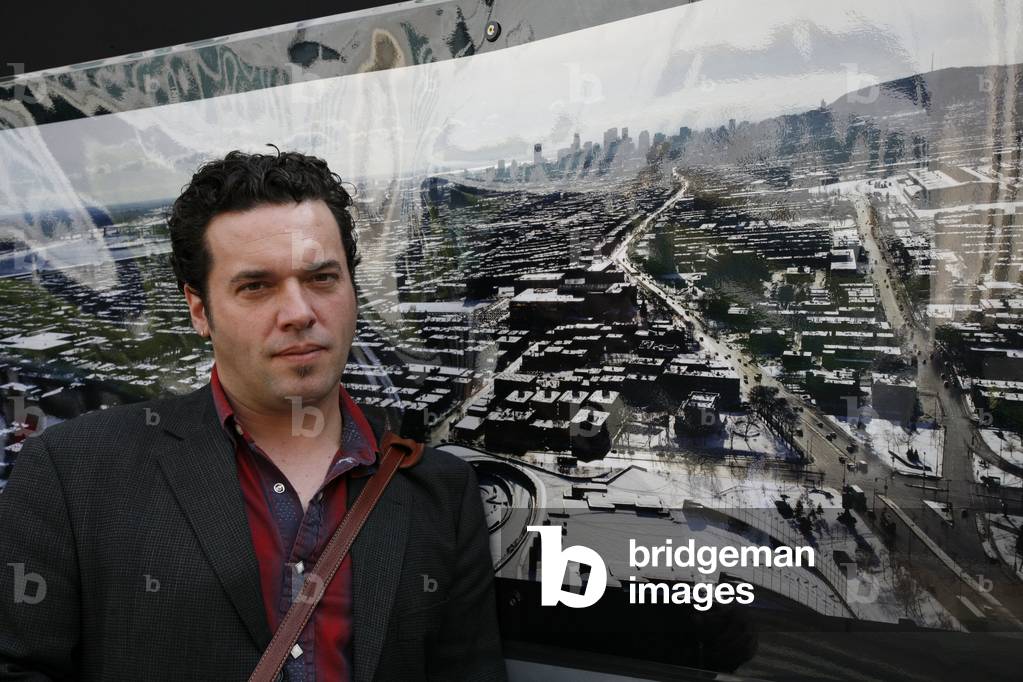
SOB4833985: Joseph Boyden, September 30, 2006 , Bassouls, Sophie / Bridgeman Images

GIE4834003: Portrait of Cuban writer Mayra Montero (born 1952). / Bridgeman Images
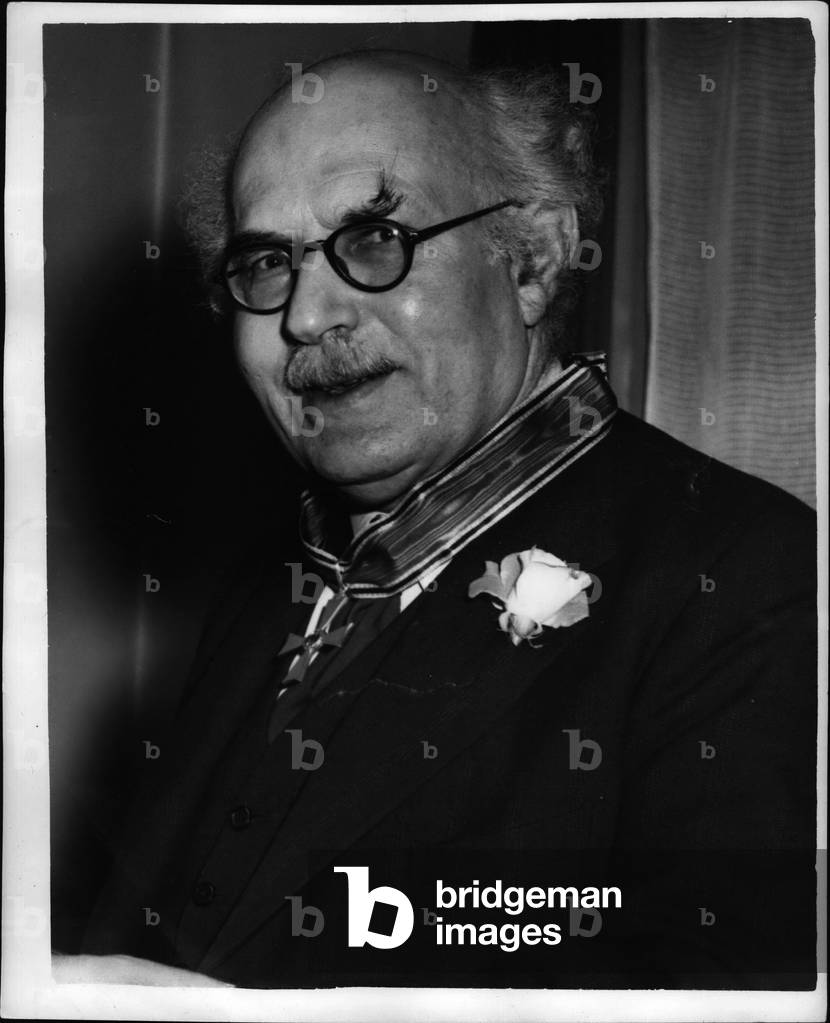
ZUM4834006: Apr. 04, 1953 - Publisher receives English order of Merit. The German charge d'Affaires in London, Dr. Schliange - Schoningen, today invested the Grand Cross German order of Merit, on Mr. Victor Gollanz, the publisher, on the latter's 60th. birthday, at the German consulate general's office, Rutlend gate / Bridgeman Images

JEB4834021: View of Egypt: Valley of the Tombs. Engraving by SALATHE, 19th century after the Daguerrian photographic excursions. In “” Most Remarkable Views and Monuments of the Universe””. Private collection / Bridgeman Images

JEB4834033: View of Egypt: The Column of Pompee in Alexandria. Engraving by MARTENS, 19th century after the Daguerrian photographic excursions. In “” Most Remarkable Views and Monuments of the Universe””. Private collection / Bridgeman Images

JEB4827786: View of a temple in Hoi An, Vietnam 2006 / Bridgeman Images

NWI4827798: Wooders using a “go-devil” sledge in Minnesota, 1890 years. Colour engraving of the 19th century / Bridgeman Images

JEB4827801: Remains of My Son, ancient imperiale citation during the Champa dynasty between the 4th and 12th centuries. Vietnam 2006 / Bridgeman Images

NWI4827822: Tree trunks felled in forests drains by horses in North Wisconsin, USA. 1880 approx. (Hauling logs with a horse-drawn sledge in northern Wisconsin, 1880s. Hand-colored woodcut of a 19th-century illustration) / Bridgeman Images

NWI4827831: Huge loading of sequoia wood trunks in a train pulled by a steam locomotive, California, USA, 1890 years / Bridgeman Images

IMB4827861: Martin Luther (1483-1546) and Philippe Melanchton (Philipp Melantone or Melanchthon or Schwartzerd, 1497-1560), German religious reformers / Bridgeman Images

IMB4827894: Greeting card for the Easter party: egg and rabbit. Chromolithography 1900. / Bridgeman Images

IMB4827957: New Philological Library of the Free University of Berlin, designed by Norman Foster, Berlin, Germany, Europe. Photography, Foster, Norman (b.1935) / Bridgeman Images

NWI4828005: French hydraulic mine in California, 1850s. 19th century coloring engraving. / Bridgeman Images

NWI4828017: National Bank of the United States in Philadelphia, circa 1830. / Bridgeman Images

GRZ4829874: THE DIRECTOR AKIRA KUROSAWA WITH THE ACTOR TOSHIRO MIFUNE IN VENICE - 1961 / Bridgeman Images

NWI4829913: American Civil War, 1861-1865: Hospital of the Union Army for the French Division at the Battle of Antietam (or Battle of Sharpsbourg), September 17, 1862. Colour engraving of the 19th century. / Bridgeman Images

GIE4829937: Portrait of the writer, Will Self. / Bridgeman Images
