2491514 Search Results
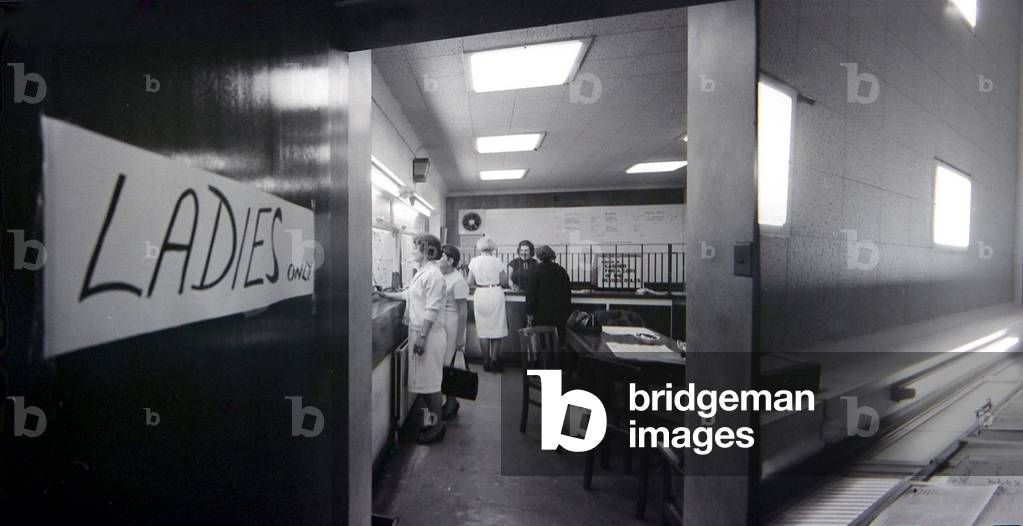
MPX5143277: Women placing bets inside a Ladies only betting shop in Worcester September 1968 / Bridgeman Images

MPX5144817: Elizabeth Queen mother in Forfar in 1956 / Bridgeman Images
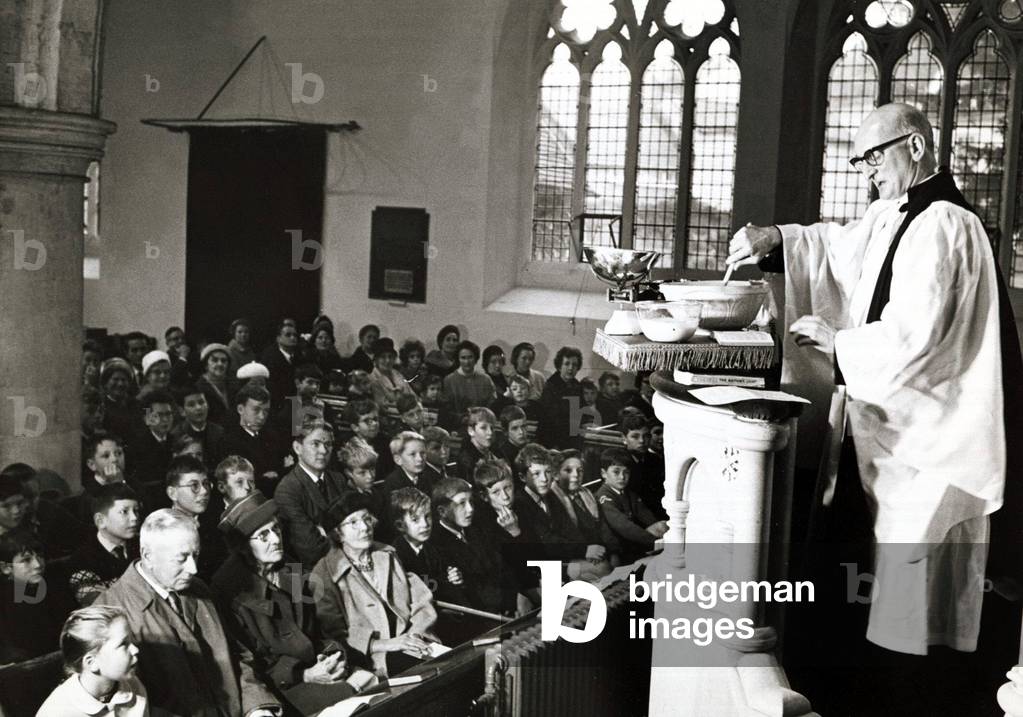
MPX5144868: Unusual - A vicar prepares his christmas pudding at a service in church, stirring the mixture in a large mixing bowl. whilst the church goers look on... 25/11/1963 / Bridgeman Images
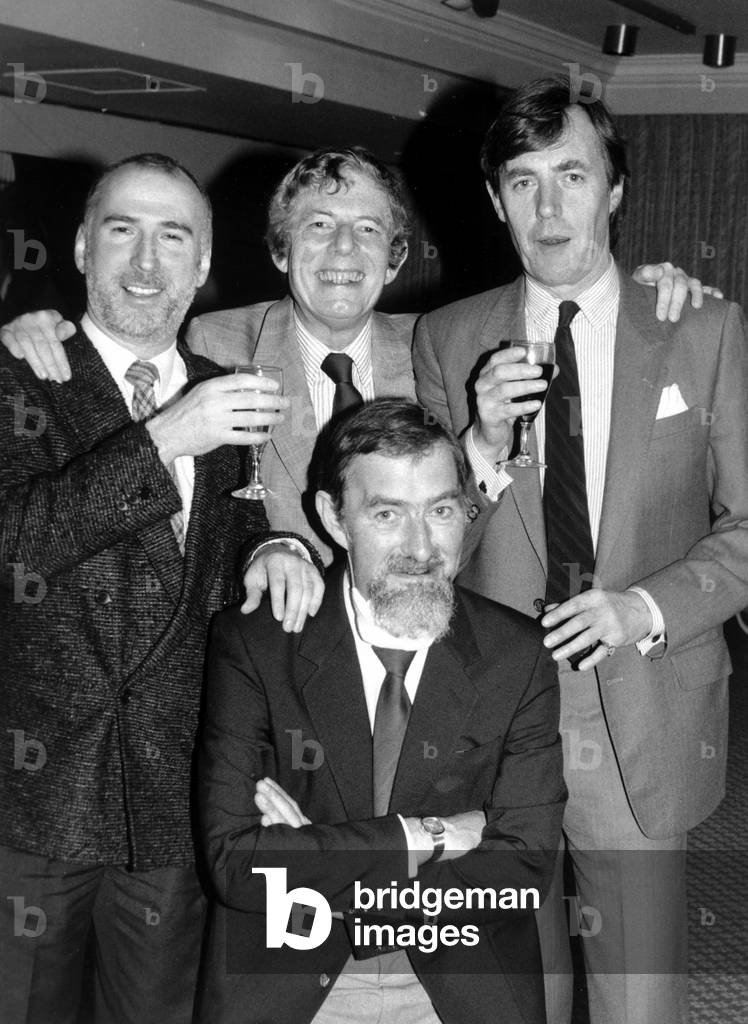
MPX5143773: Radio Two Disc Jockeys / Bridgeman Images
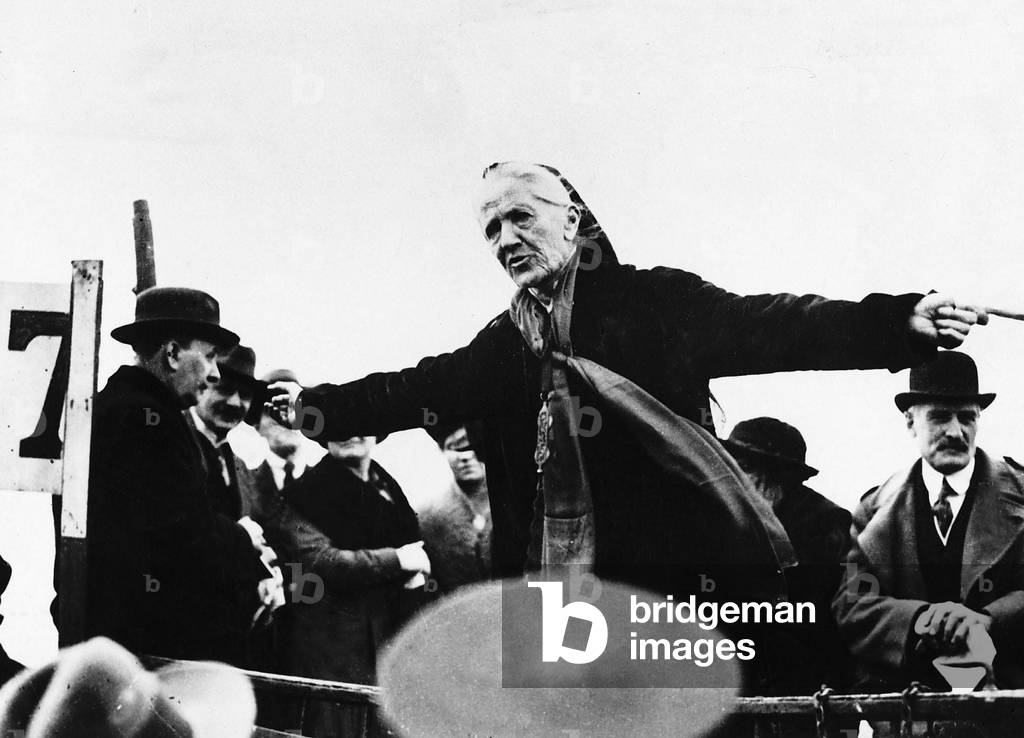
MPX5143552: Suffragette Madame Despard May 1920 / Bridgeman Images
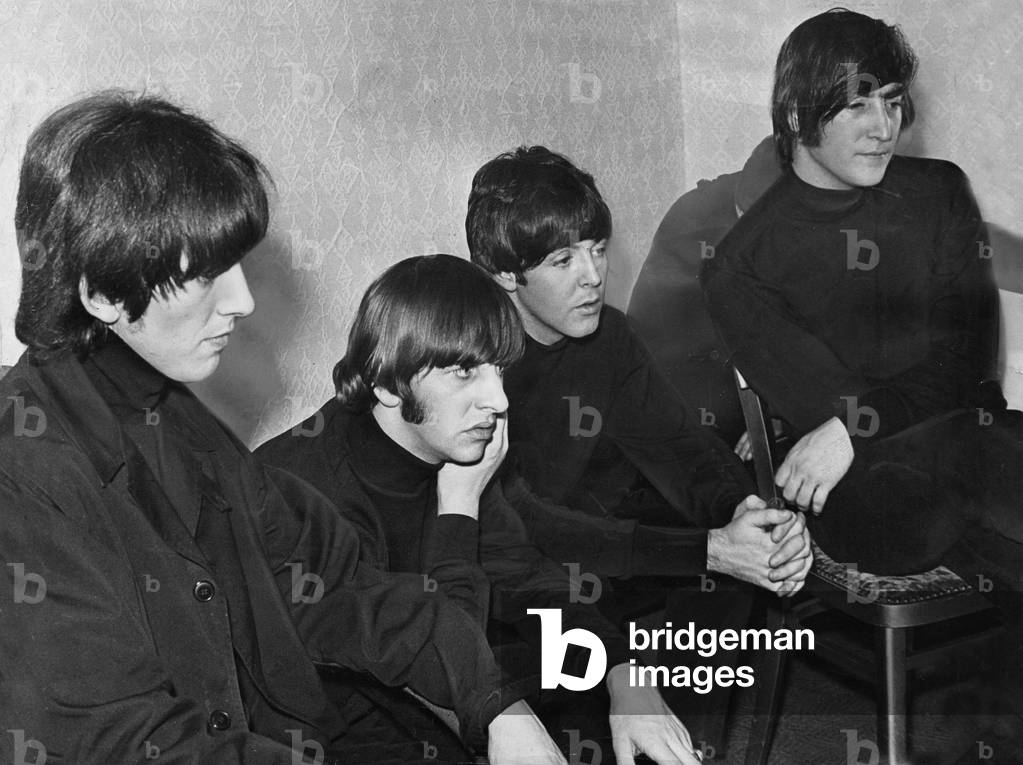
MPX5143671: The Beatles backstage, December 1965 / Bridgeman Images

MPX5144005: Lesley Smith 24 and schoolboy fiancee Brian McEnaney Novmber 1981 Punk rockers kissing over the school fence / Bridgeman Images
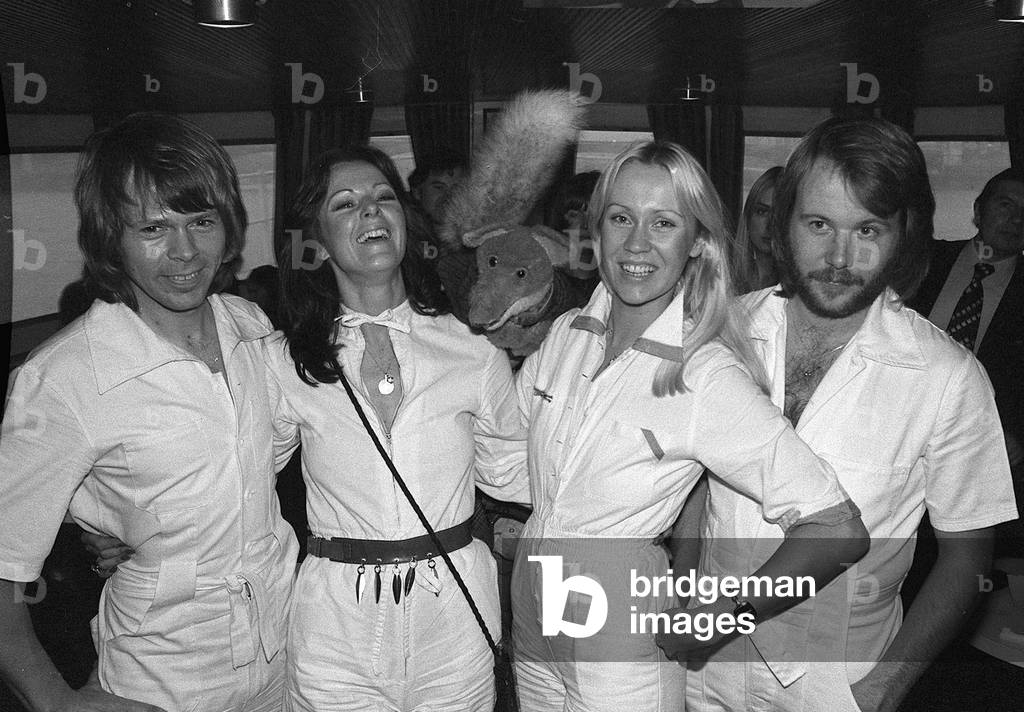
MPX5143717: ABBA Pop group November 1976 / Bridgeman Images
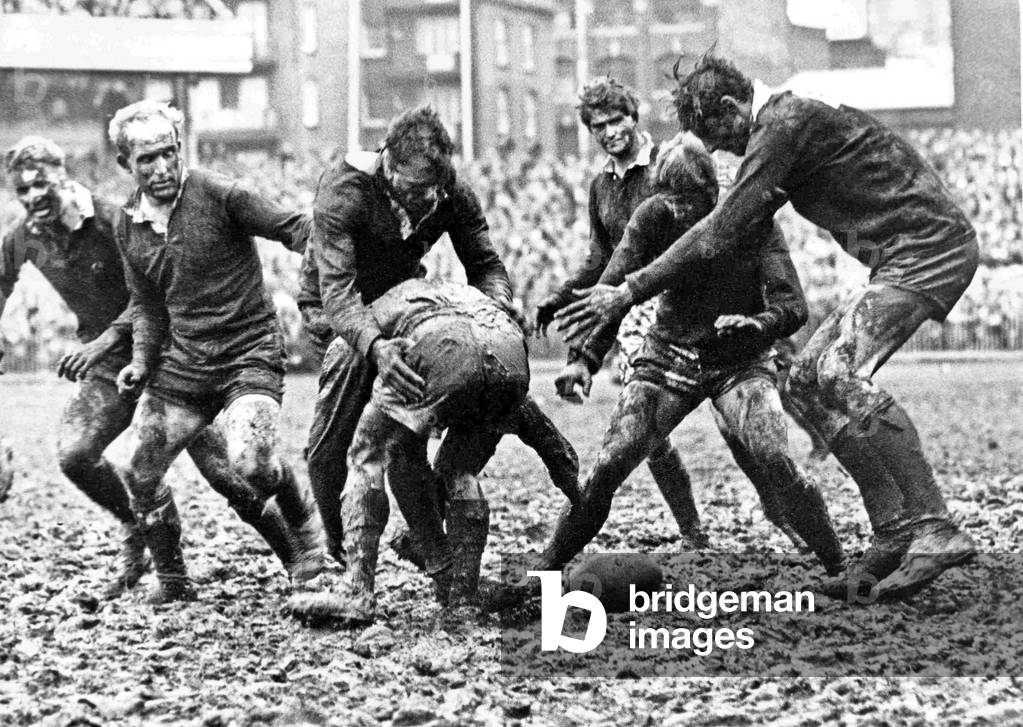
MPX5143861: Wales v Scotland - 1966 - Rugby mud, mud, glorious mud. That's how it was when the Welsh and Scottish forwards got to grips with each other at Cardiff Arms Park in February 1966 / Bridgeman Images

MPX5144038: Fashionable racegoer with parasol at Royal Ascot in 1977 / Bridgeman Images

MPX5144250: A Batsman's Nightmare at The Oval May 1976 / Bridgeman Images

MPX5141687: Phil Collins and Julie Waltersstars of the Film 'Buster' about the life of villain in the Great Train Robbery Buster Edwards. September 1988 / Bridgeman Images
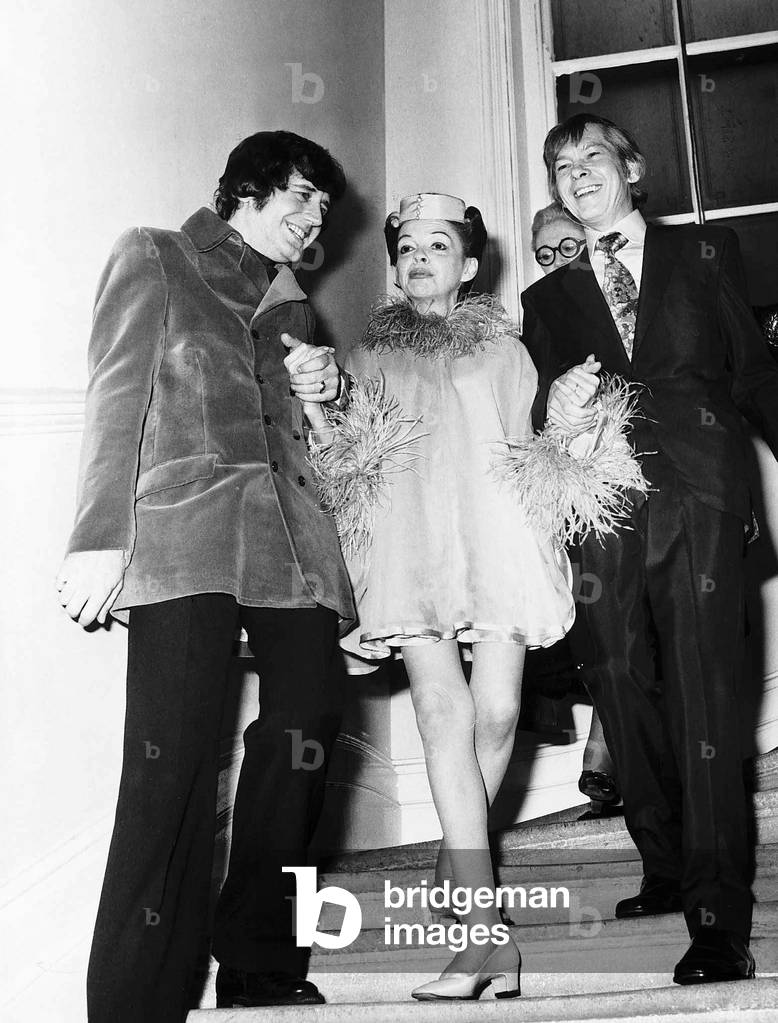
MPX5141511: Judy Garland Actress and her new husband Mickey Deans walk down the stairs at Quaglinos restaurant where they held their wedding reception With them is Singer Johnny Ray. 1969 / Bridgeman Images
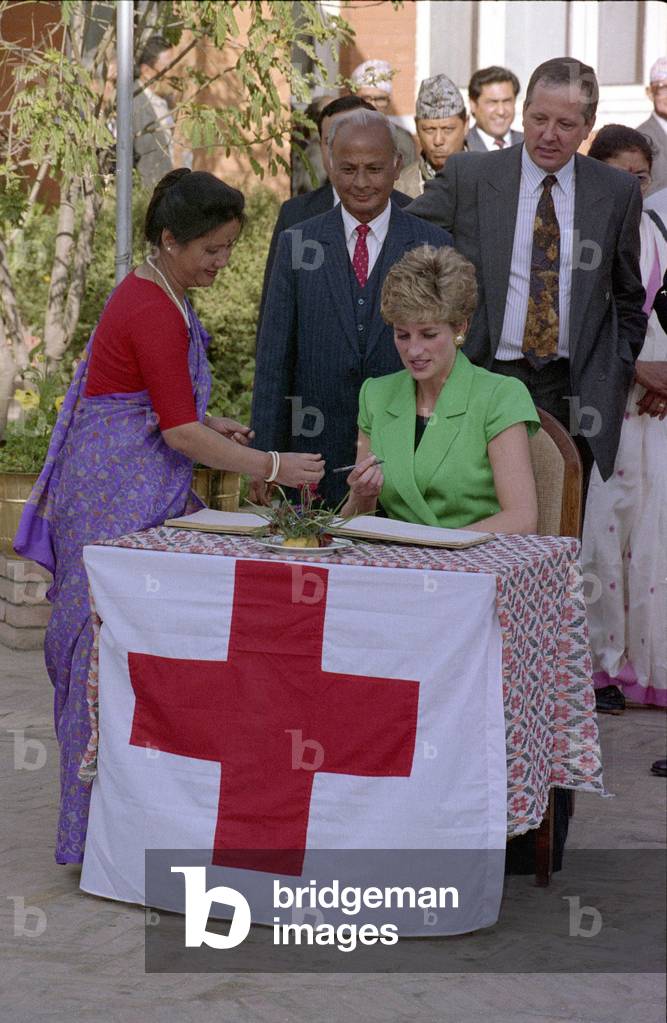
MPX5141007: Princess Diana Overseas Visit to Nepal - March 1993 / Bridgeman Images
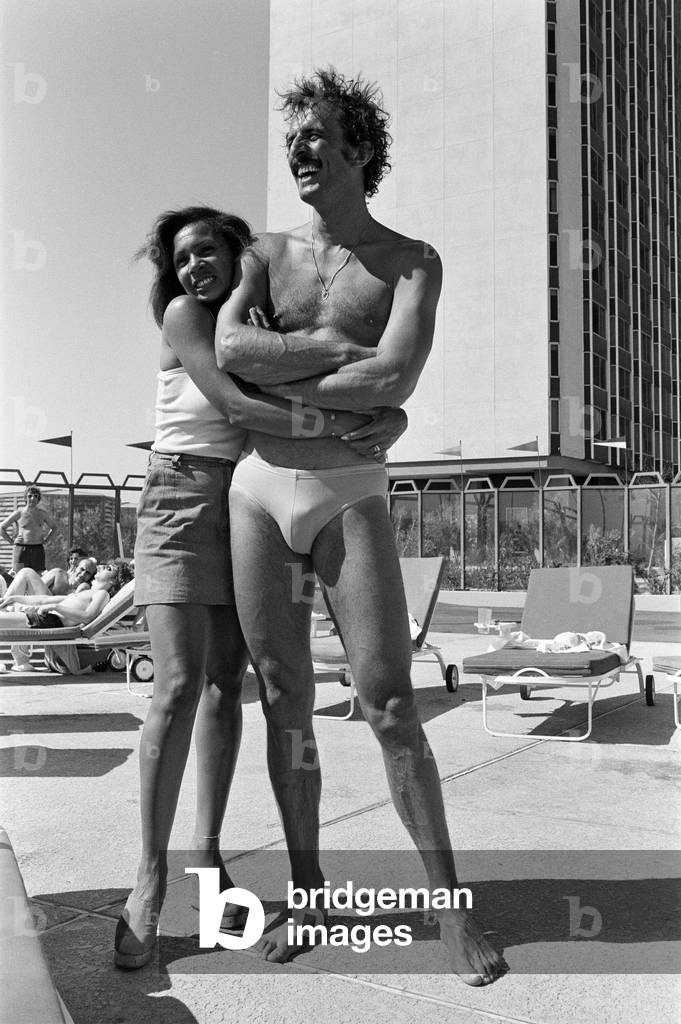
MPX5141381: Shirley Bassey and Sergio Novak, May 1974 / Bridgeman Images
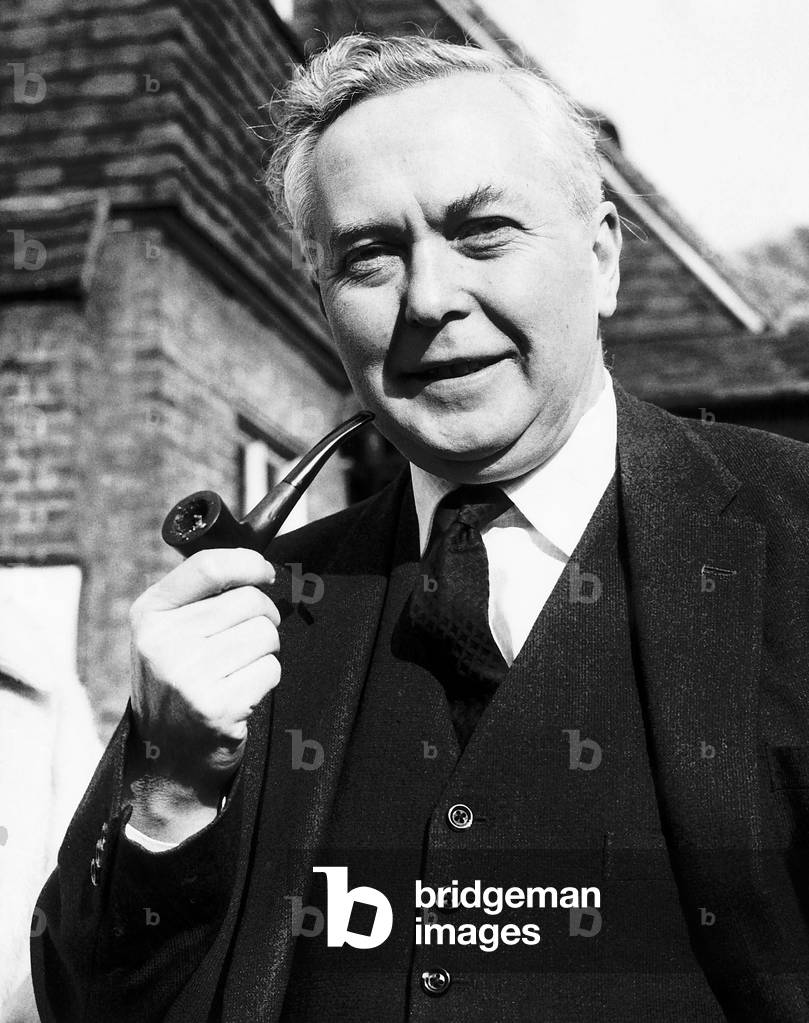
MPX5141901: Harold Wilson MP smoking his pipe 1964 / Bridgeman Images
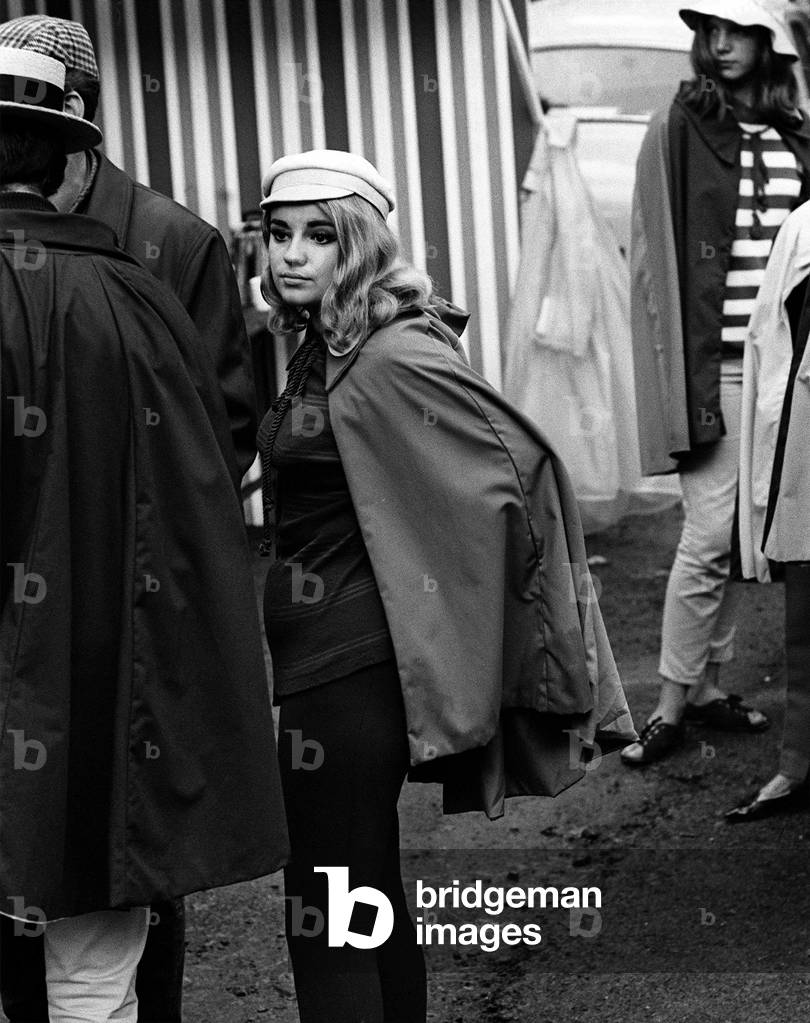
MPX5141024: Patrick Mcgoohan on Location September 1966 / Bridgeman Images
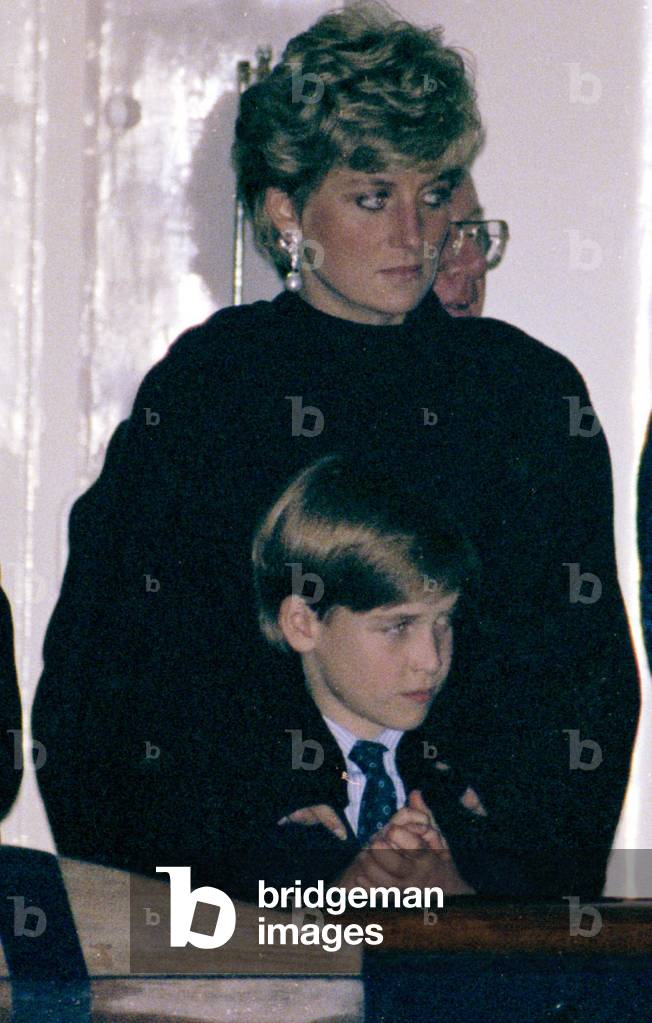
MPX5143098: Princess Diana and Prince William aboard the Royal Yacht Britannia during the Royal tour of Canada October 1991 / Bridgeman Images

MPX5140490: The junction of Liverpool's Church and Parker streets. Circa 1935. / Bridgeman Images

MPX5140601: Kingston Council workers seen here repairing a manhole. January 1939 / Bridgeman Images

MPX5140724: Phil Silvers pictured rehearsing at Richmond Surrey - January 1974 / Bridgeman Images
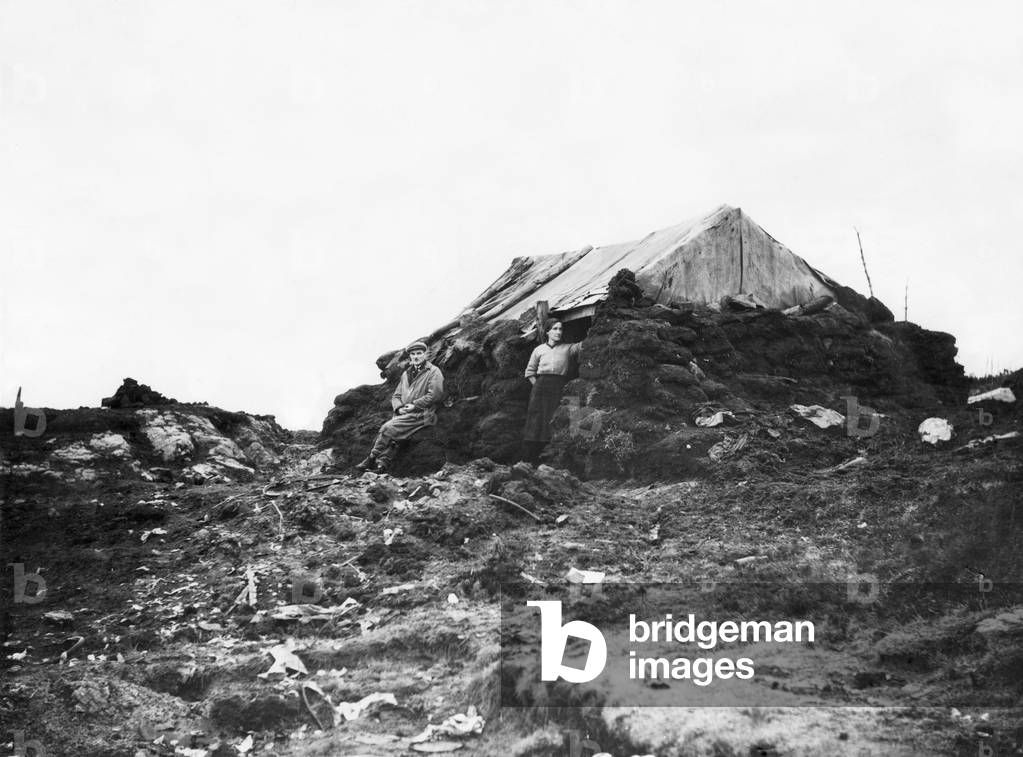
MPX5140674: James Webster, January 1935 / Bridgeman Images

MPX5140737: Lord Mayors City of London choristers singing in their traditional Elizabethan robes at St Michael Paternoster Royal College at College Hill, London. February 1939. / Bridgeman Images

MPX5140779: A female surgeon operating, watched by students, at the Royal Free Hospital. 23rd February 1938. / Bridgeman Images
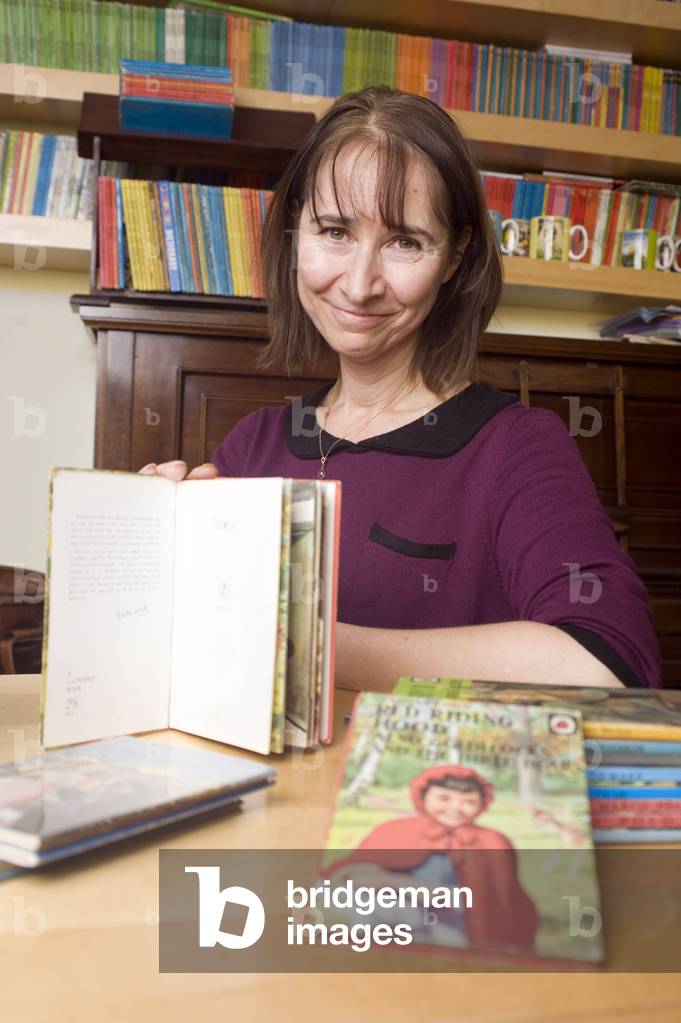
MPX5140138: Helen Day from Harpenden with some of her collection of Ladybird books including the first she signed as a four year old, the collection spans from the 1960s up to 1984 and covers all the languages the books have been printed in. / Bridgeman Images

MPX5142941: The Rubettes pop group in February 1978 / Bridgeman Images
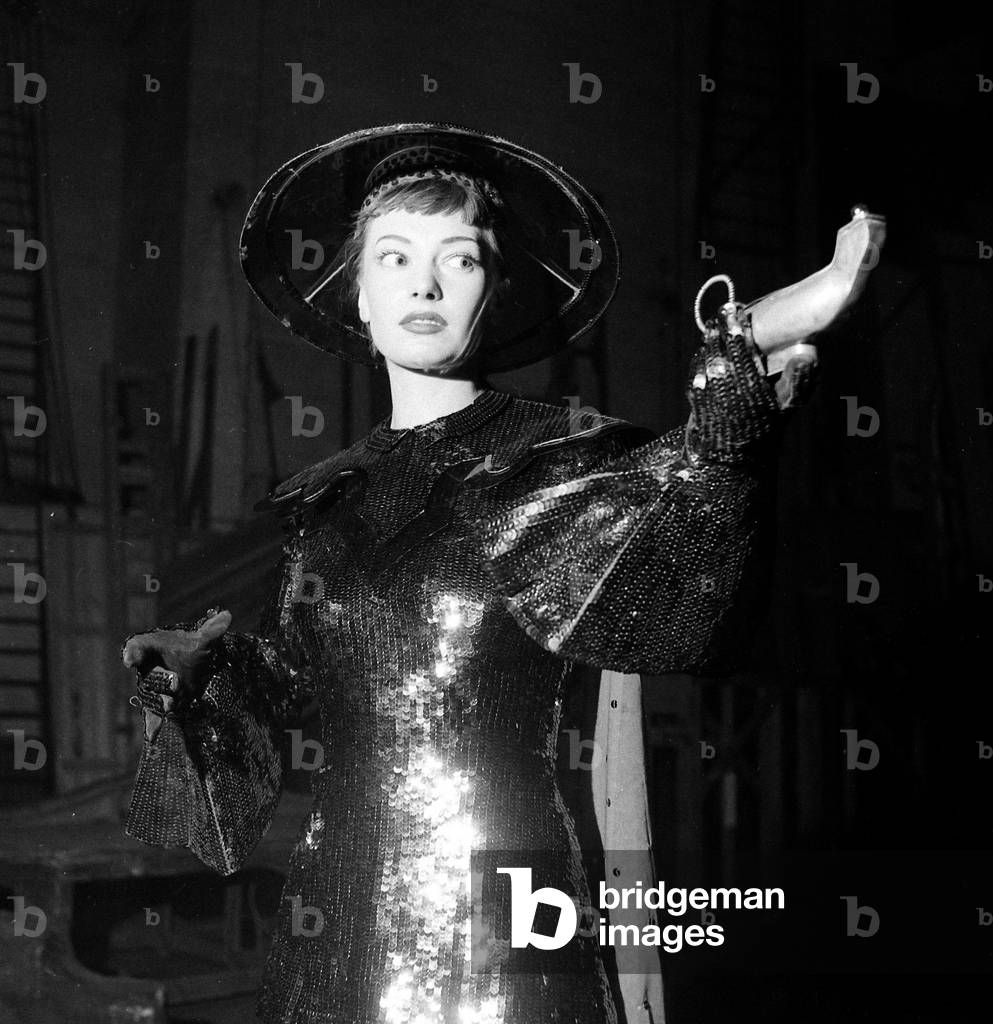
MPX5143197: Jean Carson Actress in Aladdin December 1957 / Bridgeman Images
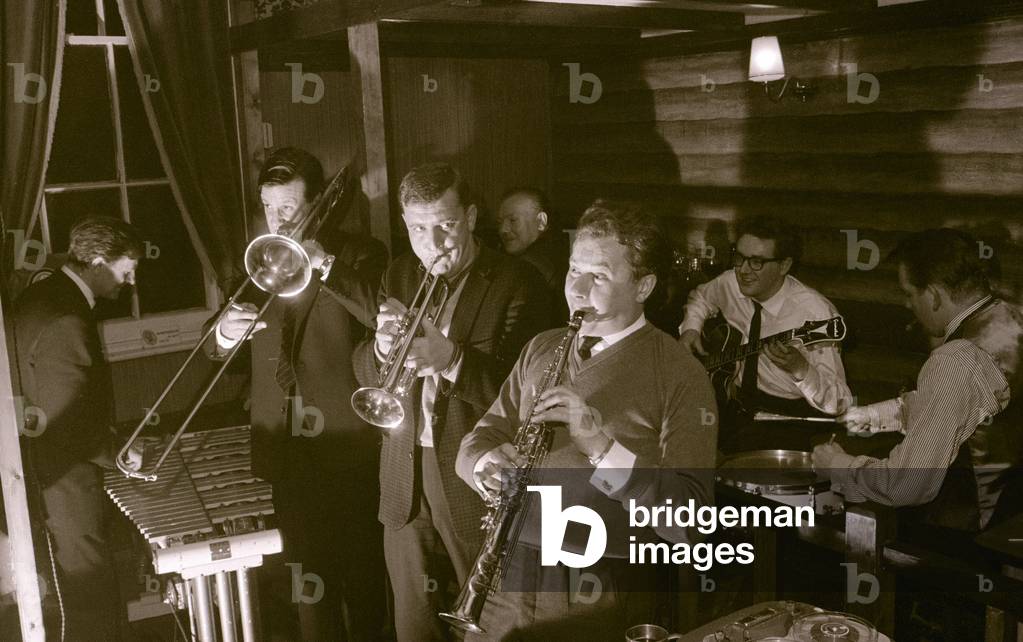
MPX5144125: Jazz Club November 1962 / Bridgeman Images
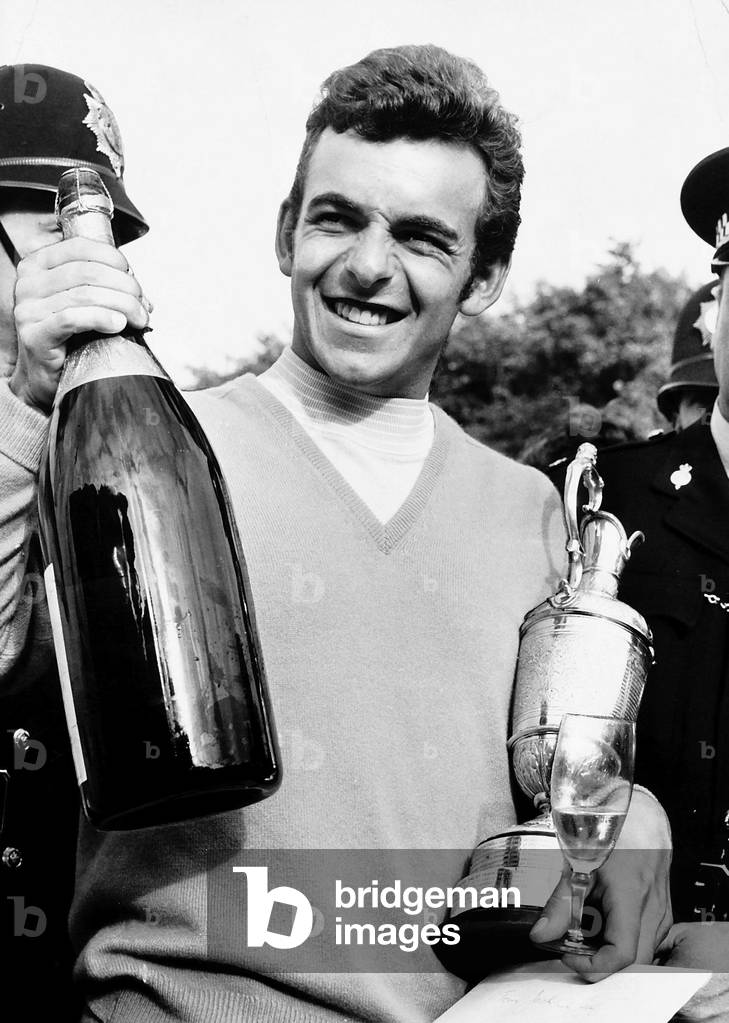
MPX5144209: British Open 1969. Royal Lytham & St Annes Golf Club, Lancashire, July 1969. Tony Jacklin celebrates winning the British Golf Open 1969 / Bridgeman Images
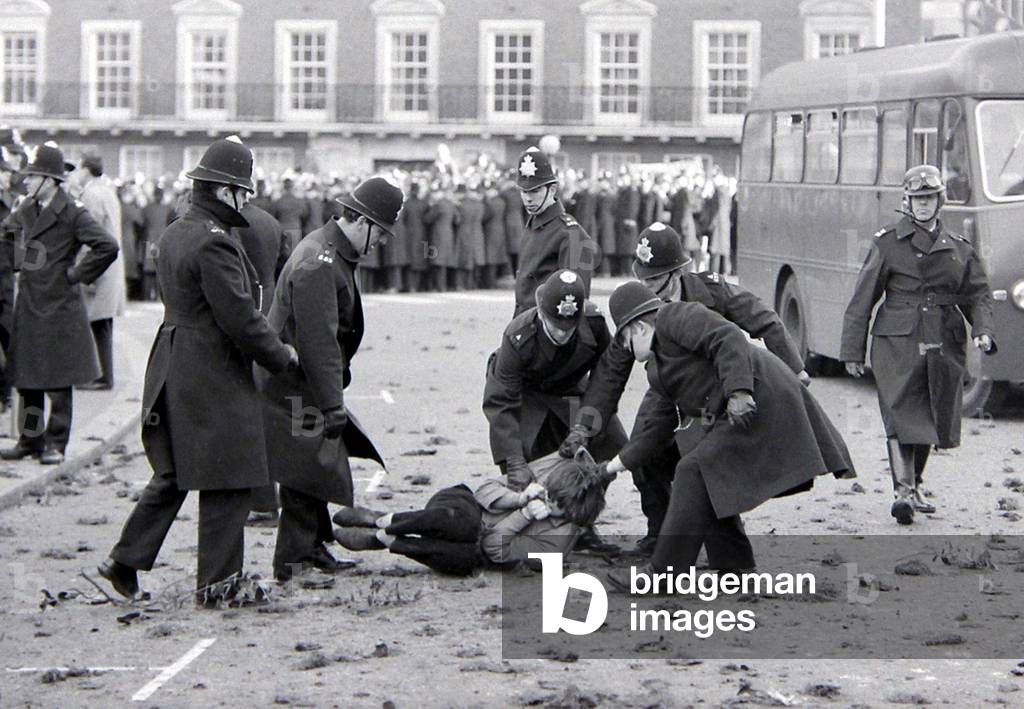
MPX5144573: A demonstrator is led away during riots at the American Embassy in Grosvenor Square, over the on-going Vietnam Conflict. March 1968 / Bridgeman Images
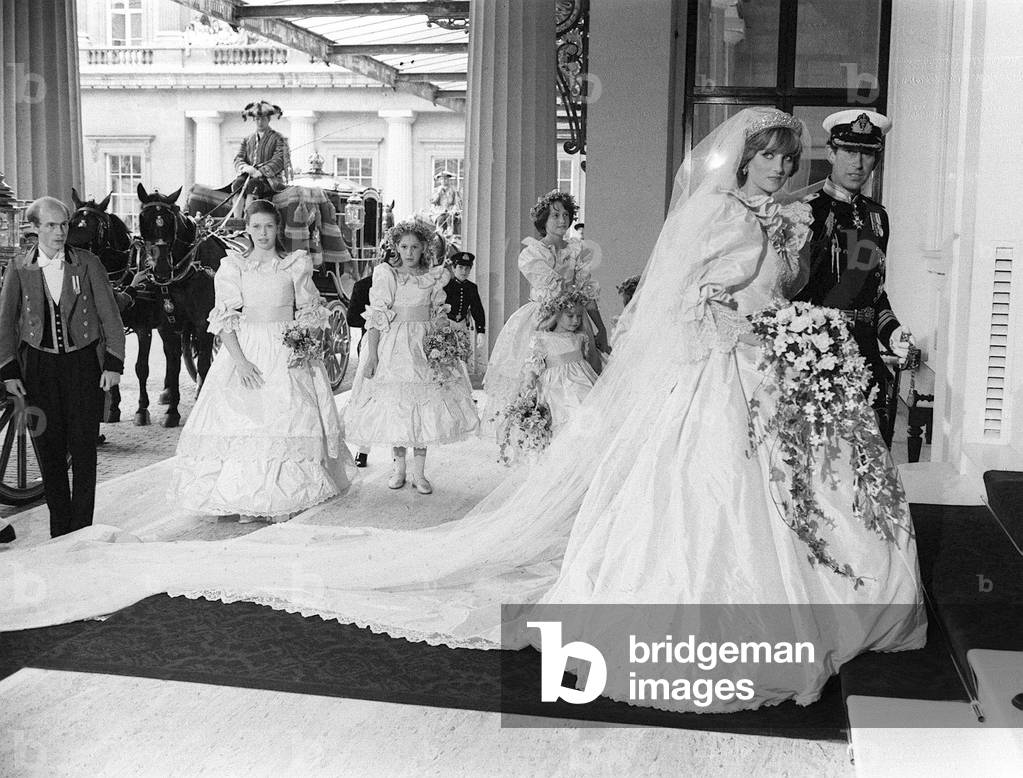
MPX5144636: Prince Charles and Princess Diana return from St Paul's cathedral, July 81 after their wedding at St Pauls Cathedral / Bridgeman Images
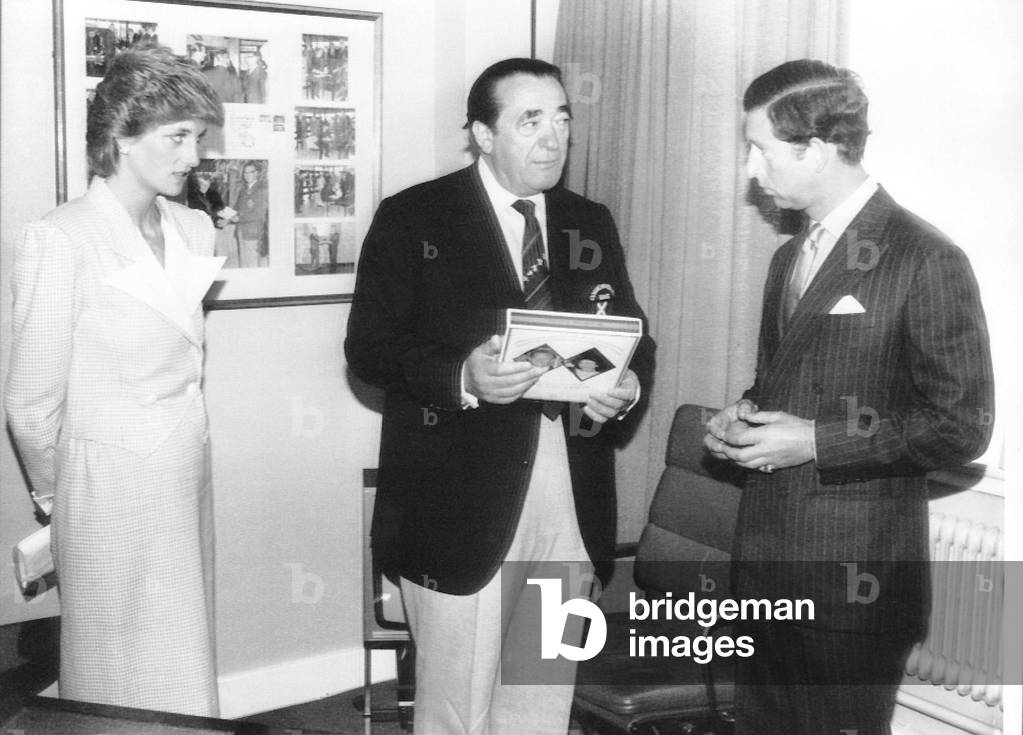
MPX5144639: Robert Maxwell presenting Prince Charles with at gift Princess Diana watching at the Commonwealth games, 1986 (b/w photo) / Bridgeman Images
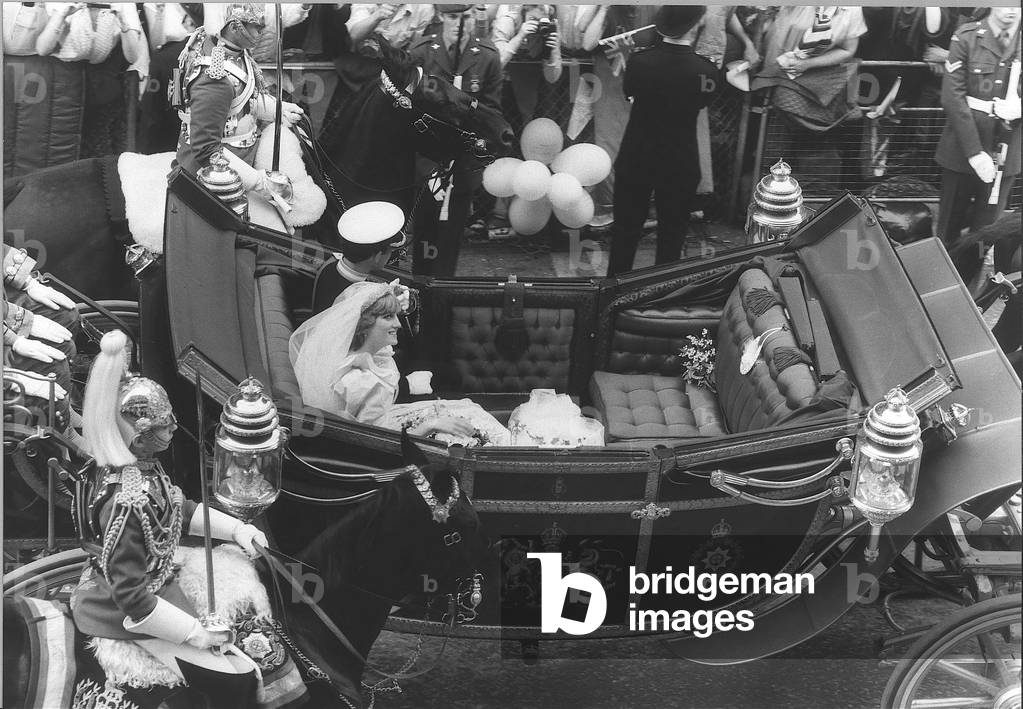
MPX5144645: Prince Charles and Princess Diana drive along Fleet Street on their way to Buckingham Palace July 1981 / Bridgeman Images

MPX5144677: Prince William as a toddler with his parents Princess Diana and Prince Charles April 1983 / Bridgeman Images

MPX5144717: Cassius Clay later to become Muhammad Ali May 1966 / Bridgeman Images
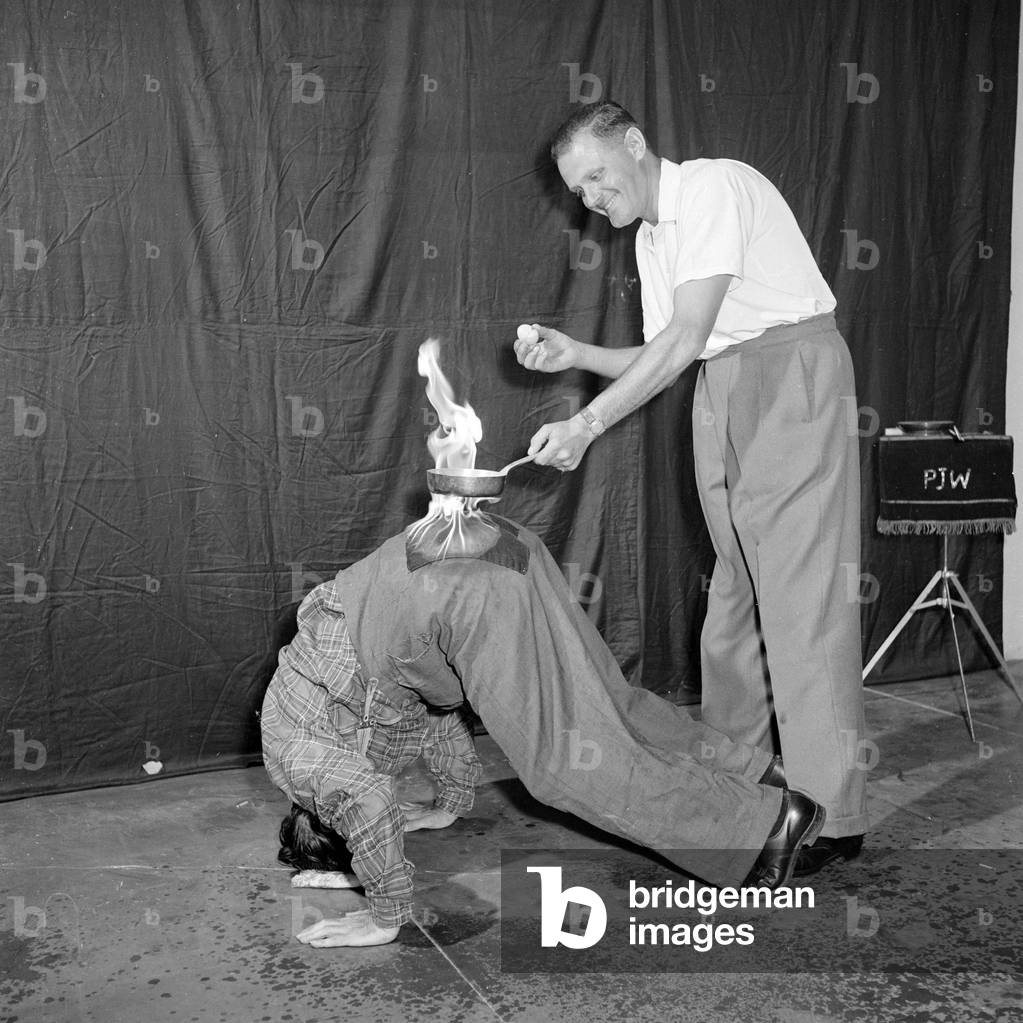
MPX5143784: In The Hot Seat: Frank Batson fries an egg on the backside of Neville Wood to demonstrate the fireproof properties of asbestoes. c.1955 / Bridgeman Images
