Search options

Orientation
Colour

Display options

View

Print

To print search results, use print friendly version of this page.

2491383 Search Results

Portrait of Jean Paul Marat (1763-1793), 19th century (engraving)

JLJ4616518: Portrait of Jean Paul Marat (1763-1793), 19th century (engraving), Unknown Artist, (19th century) / Bridgeman Images

The cemetery of Pere Lachaise in Paris. The cemetery opened around 1804 on a land formerly owned by the Jesuit. The architect Alexandre Theodore Brongniart conceived the plans of 1810. Many artists worked at Pere-Lachaise in the first half of the 19th century. With an area of almost 44 hectares, it counts about 70 000 monuments.ÆPhotograph 06/06/05.

TEC4616527: The cemetery of Pere Lachaise in Paris. The cemetery opened around 1804 on a land formerly owned by the Jesuit. The architect Alexandre Theodore Brongniart conceived the plans of 1810. Many artists worked at Pere-Lachaise in the first half of the 19th century. With an area of almost 44 hectares, it counts about 70 000 monuments.ÆPhotograph 06/06/05. / Bridgeman Images

Red elderberry or red-berried elder, Sambucus racemosa. Handcoloured stipple engraving by Miss Brenet after an illustration by Pierre-Joseph Redoute from Henri Louis Duhamel du Moncel's Treat des Arbres et Shrustes, Paris, 1804-1819.

FLO4616539: Red elderberry or red-berried elder, Sambucus racemosa. Handcoloured stipple engraving by Miss Brenet after an illustration by Pierre-Joseph Redoute from Henri Louis Duhamel du Moncel's Treat des Arbres et Shrustes, Paris, 1804-1819., Redouté, Pierre Joseph (1759-1840) / Bridgeman Images
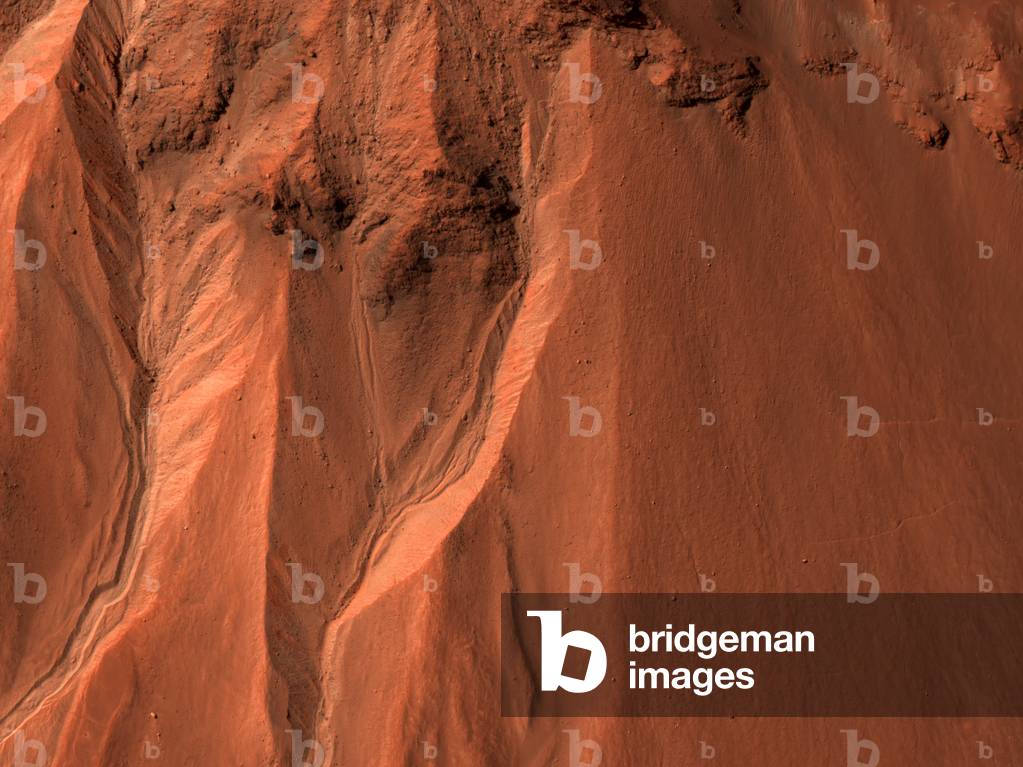
Traces of flow on Mars - Mars: gullies on impact crater wall - Gullies along a wall of an impact crater (Hale crater). These ravines are thought to indicate the presence of liquid water in the Martian basement. Image obtained by the Mars Reconnaissance Orbiter probe on August 3, 2009. Gullies, on Earth, are usually formed through the action of liquid water. Whether gullies form under today's cold dry conditions on Mars is a major question that planetary scientists are trying to answer. The gullies pictured here in Hale crater are great examples of what a typical Martian gully looks like. Wide V - shaped channels running downhill (from top to bottom) where the material that carved the gully flowed. At the bottom of the channel this material empties out onto a fan - shaped mound. Several gullies are visible here and the fans from each gully overlap one other in complicated ways. Image taken on August 3, 2009 by the HIRISE camera on Nasa's Mars Reconnaissance Orbiter

PIX4616548: Traces of flow on Mars - Mars: gullies on impact crater wall - Gullies along a wall of an impact crater (Hale crater). These ravines are thought to indicate the presence of liquid water in the Martian basement. Image obtained by the Mars Reconnaissance Orbiter probe on August 3, 2009. Gullies, on Earth, are usually formed through the action of liquid water. Whether gullies form under today's cold dry conditions on Mars is a major question that planetary scientists are trying to answer. The gullies pictured here in Hale crater are great examples of what a typical Martian gully looks like. Wide V - shaped channels running downhill (from top to bottom) where the material that carved the gully flowed. At the bottom of the channel this material empties out onto a fan - shaped mound. Several gullies are visible here and the fans from each gully overlap one other in complicated ways. Image taken on August 3, 2009 by the HIRISE camera on Nasa's Mars Reconnaissance Orbiter / Bridgeman Images

Portrait of Pierre Gaspard Chaumette (1763-1794), 19th century (engraving)

JLJ4616575: Portrait of Pierre Gaspard Chaumette (1763-1794), 19th century (engraving), Unknown Artist, (19th century) / Bridgeman Images

Judas tree, Cercis siliquastrum. Handcoloured stipple engraving by Tassaert after an illustration by Pierre-Joseph Redoute from Henri Louis Duhamel du Moncel's Treat des Trees et Shrustes, Paris, 1804-1819.

FLO4616578: Judas tree, Cercis siliquastrum. Handcoloured stipple engraving by Tassaert after an illustration by Pierre-Joseph Redoute from Henri Louis Duhamel du Moncel's Treat des Trees et Shrustes, Paris, 1804-1819., Redouté, Pierre Joseph (1759-1840) / Bridgeman Images

Sol de Mars seen by the Phoenix probe - Mars: Phoenix landing site - Image obtained by the Phoenix probe shortly after its successful landing on the Mars surface on May 25, 2008. The probe landed on a vast plain north of the planet in the Vastitas Borealis region. This image, one of the first captured by Nasa's Phoenix Mars Lander, shows the vast plains of the northern polar region of Mars. The flat landscape is strewn with tiny pebbles and shows polygonal cracking, a pattern seen widely in Martian high latitudes and also observed in permafrost terrains on Earth. The polygonal cracking is believed to have resulted from seasonal freezing and thawing of surface ice. Phoenix touched down on the Red Planet at 4:53 p.m. Pacific Time (7:53 p.m. Eastern Time), May 25, 2008, in an arctic region called Vastitas Borealis, at 68 degrees north latitude, 234 degrees east longitude. This is an approximate - color image taken shortly after landing by the spacecraft's Surface Stereo Imager, inferred from two color filters, a violet, 450 - nanometer filter and an infrared, 750 - nanometer filter

PIX4616602: Sol de Mars seen by the Phoenix probe - Mars: Phoenix landing site - Image obtained by the Phoenix probe shortly after its successful landing on the Mars surface on May 25, 2008. The probe landed on a vast plain north of the planet in the Vastitas Borealis region. This image, one of the first captured by Nasa's Phoenix Mars Lander, shows the vast plains of the northern polar region of Mars. The flat landscape is strewn with tiny pebbles and shows polygonal cracking, a pattern seen widely in Martian high latitudes and also observed in permafrost terrains on Earth. The polygonal cracking is believed to have resulted from seasonal freezing and thawing of surface ice. Phoenix touched down on the Red Planet at 4:53 p.m. Pacific Time (7:53 p.m. Eastern Time), May 25, 2008, in an arctic region called Vastitas Borealis, at 68 degrees north latitude, 234 degrees east longitude. This is an approximate - color image taken shortly after landing by the spacecraft's Surface Stereo Imager, inferred from two color filters, a violet, 450 - nanometer filter and an infrared, 750 - nanometer filter / Bridgeman Images

Times Square in New York, United States.

TEC4611809: Times Square in New York, United States. / Bridgeman Images

Colliding galaxies NGC 4676 in Berenice's Hair - Colliding galaxies NGC 4676 - The galaxy NGC 4676 is located about 300 million years away - light from Earth. It is a system of two spiral galaxies that collide and eventually become one galaxy. Image obtained on May 31, 2008 with a telescope 61 cm in diameter. Located 300 million light - years away in the constellation Coma Berenices, the colliding galaxies have been nicknamed “” The Mice”” because of the long tails of stars and gas emanating from each galaxy. Otherwise known as NGC 4676, the pair will eventually merge into a single giant galaxy. Image taken on May 31 2008 with a 24 - inch telescope

PIX4611833: Colliding galaxies NGC 4676 in Berenice's Hair - Colliding galaxies NGC 4676 - The galaxy NGC 4676 is located about 300 million years away - light from Earth. It is a system of two spiral galaxies that collide and eventually become one galaxy. Image obtained on May 31, 2008 with a telescope 61 cm in diameter. Located 300 million light - years away in the constellation Coma Berenices, the colliding galaxies have been nicknamed “” The Mice”” because of the long tails of stars and gas emanating from each galaxy. Otherwise known as NGC 4676, the pair will eventually merge into a single giant galaxy. Image taken on May 31 2008 with a 24 - inch telescope / Bridgeman Images

Mobile Art Chanel (architect Zaha Hadid) in New York (USA).

TEC4611860: Mobile Art Chanel (architect Zaha Hadid) in New York (USA)., Hadid, Zaha (1950-2016) / Bridgeman Images

Bandages, corbin beak pliers, cane spout pliers, balls removal pliers and various sutures - Plate taken from “” L'Encyclopedie”” by Denis Diderot (1713-1784) and Jean Le Rond D'Alembert (1717-1783), 1779 - Examples of 18th century bandages 1, beak-de-corbin flip-flops 2, flops 4, bullet-de-de-de-de-de-de-de-de-de-de-de-cane flip-de-de-de-de-de ver flip flops 4, and various sutures 5-11. Copperplate engraving by Robert Benard from Denis Diderot's Encyclopedia, Pellet, Geneva, 1779.

FLO4611896: Bandages, corbin beak pliers, cane spout pliers, balls removal pliers and various sutures - Plate taken from “” L'Encyclopedie”” by Denis Diderot (1713-1784) and Jean Le Rond D'Alembert (1717-1783), 1779 - Examples of 18th century bandages 1, beak-de-corbin flip-flops 2, flops 4, bullet-de-de-de-de-de-de-de-de-de-de-de-cane flip-de-de-de-de-de ver flip flops 4, and various sutures 5-11. Copperplate engraving by Robert Benard from Denis Diderot's Encyclopedia, Pellet, Geneva, 1779. / Bridgeman Images
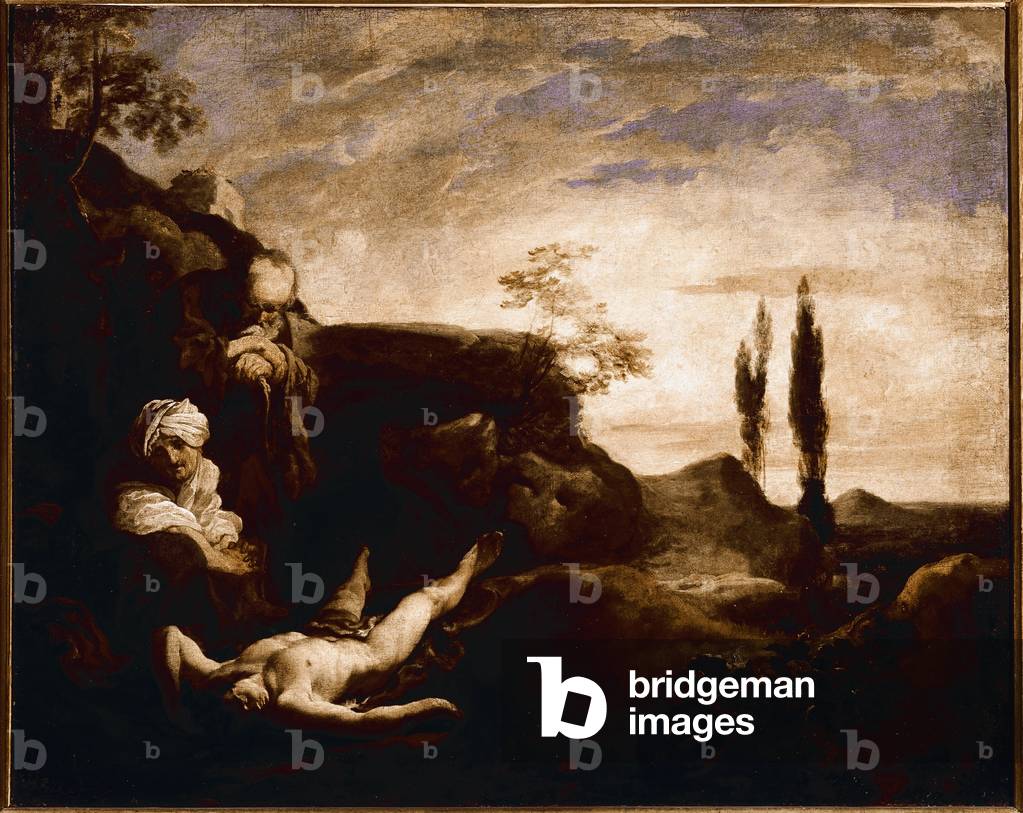
Abel cries by his parents (oil on canvas, circa 1630)

LRI4611908: Abel cries by his parents (oil on canvas, circa 1630), Liss, Johann (c.1595-1631) / Bridgeman Images

Spiral Galaxy M94 in Hunting Dogs - Spiral galaxy M94 in Canes Venatici - The spiral galaxy M94 (NGC 4736) is located about 15 million years ago - light from Earth. The M94 spiral galaxy was classified as Sab because of the extreme luminosite of its central region. This galaxy has several ring zones of star formation, one of which is very active. Messier 94 (NGC 4736) is a spiral galaxy located in constellation Canes Venatici, and one of the nearer beyond our Local Group of Galaxies. M94 was classified Sab because of its extremely bright inner region. This bright circular disk is surrounded by a ring of active star - forming regions, traced by blue young star clusters

PIX4611936: Spiral Galaxy M94 in Hunting Dogs - Spiral galaxy M94 in Canes Venatici - The spiral galaxy M94 (NGC 4736) is located about 15 million years ago - light from Earth. The M94 spiral galaxy was classified as Sab because of the extreme luminosite of its central region. This galaxy has several ring zones of star formation, one of which is very active. Messier 94 (NGC 4736) is a spiral galaxy located in constellation Canes Venatici, and one of the nearer beyond our Local Group of Galaxies. M94 was classified Sab because of its extremely bright inner region. This bright circular disk is surrounded by a ring of active star - forming regions, traced by blue young star clusters / Bridgeman Images
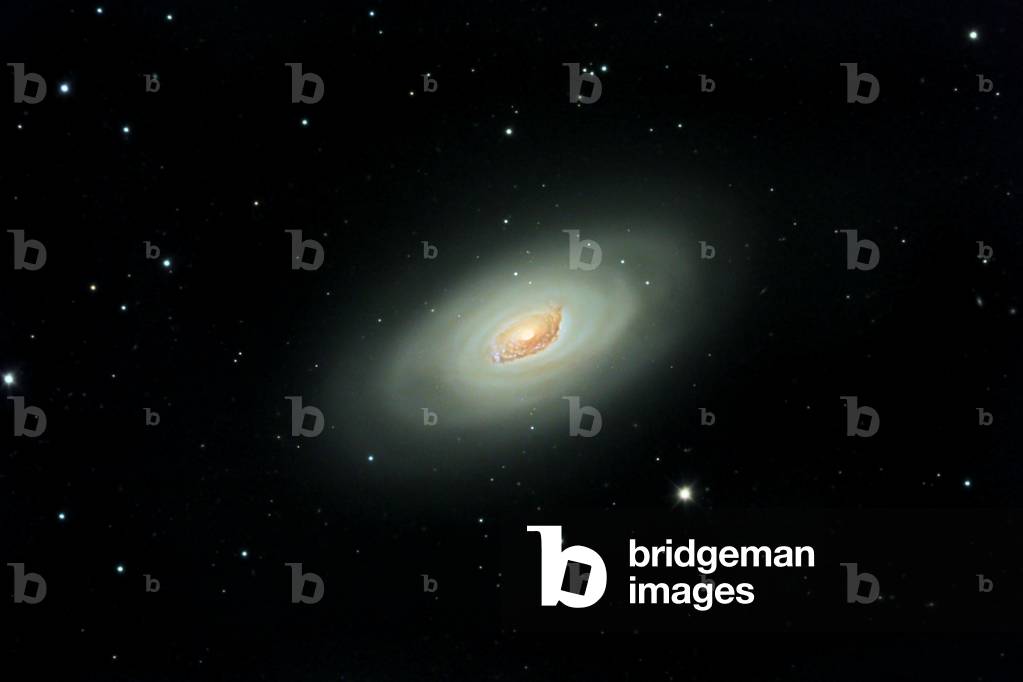
Spiral Galaxy M64 (NGC 4826) in Berenice's Hair - Spiral galaxy M64 (NGC 4826) in Coma Berenices - The spiral galaxy M64 is located about 24.5 million years ago - light from Earth. Image obtained with a 400 mm telescope, 1h45 of poses with different filters. M64 (NGC 4826) is about 24.5 Mly away

PIX4611981: Spiral Galaxy M64 (NGC 4826) in Berenice's Hair - Spiral galaxy M64 (NGC 4826) in Coma Berenices - The spiral galaxy M64 is located about 24.5 million years ago - light from Earth. Image obtained with a 400 mm telescope, 1h45 of poses with different filters. M64 (NGC 4826) is about 24.5 Mly away / Bridgeman Images
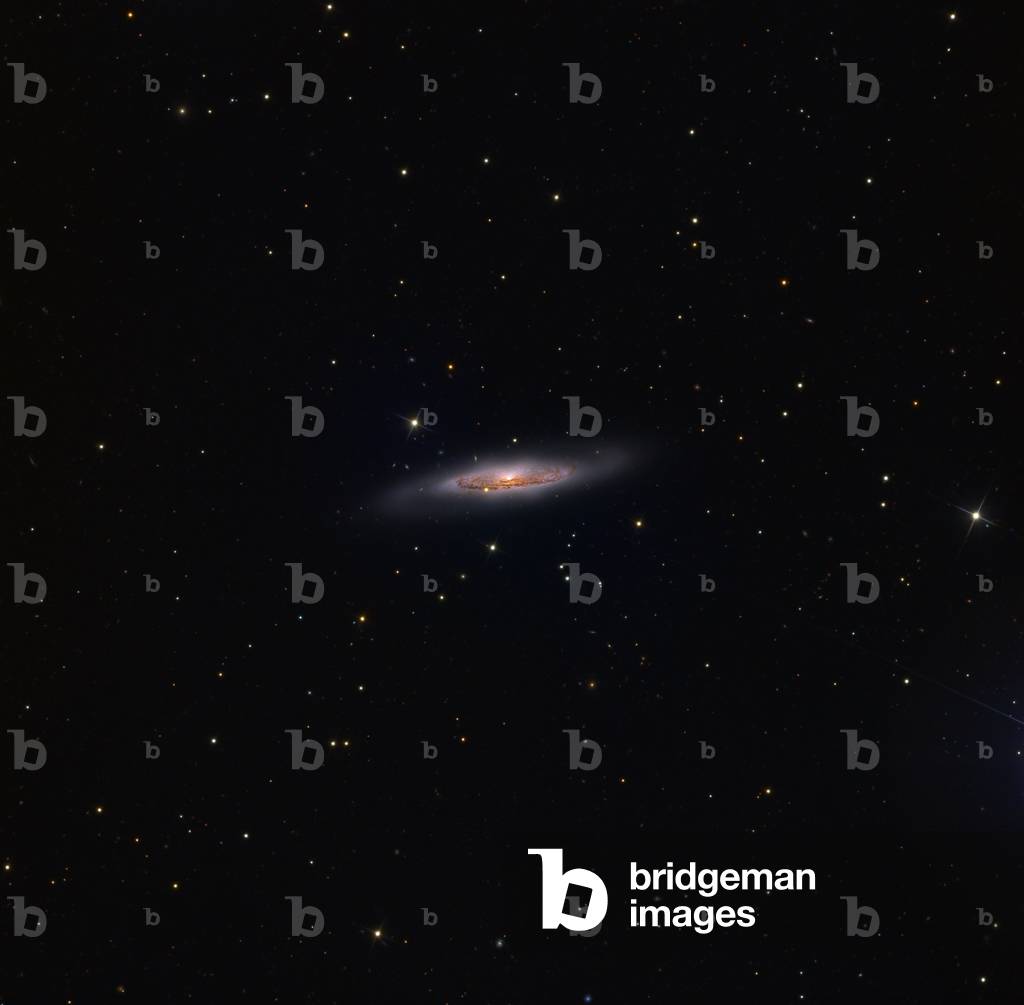
Spiral galaxy NGC 4910 - Spiral galaxy NGC 4910 in the constellation Virginis. Spiral galaxy NGC 4910 in Virgo

PIX4612002: Spiral galaxy NGC 4910 - Spiral galaxy NGC 4910 in the constellation Virginis. Spiral galaxy NGC 4910 in Virgo / Bridgeman Images

Costumes of the Inuit (Eskimo) wearing sealskin clothes with hoods and long boots. Handcoloured copperplate engraving by Francesco Lavagnoli Veronese from Giulio Ferrario's Ancient and Modern Costumes of all the Peoples of the World, 1837.

FLO4621731: Costumes of the Inuit (Eskimo) wearing sealskin clothes with hoods and long boots. Handcoloured copperplate engraving by Francesco Lavagnoli Veronese from Giulio Ferrario's Ancient and Modern Costumes of all the Peoples of the World, 1837. / Bridgeman Images

Joachim Murat (1767-1815), dechu king of Naples, wandered in Provence after his flight from Naples in 1815, 1910 (engraving)

JLJ4621737: Joachim Murat (1767-1815), dechu king of Naples, wandered in Provence after his flight from Naples in 1815, 1910 (engraving), Job, pseudonym for Onfray de Breville, Jacques (1858-1931) / Bridgeman Images

Nebula VDB 27 in Taurus - Nebula VDB 27 in Taurus - VDB 27 is a nebula by light reflexion. Other objects visible in this field are Cederblad 30, LBN782, B10, B7 and B209. This region in Taurus is not commonly imaged but contains a wealth of beautiful reflection and dark nebulae (Cederblad 30, LBN782, B10, B7 and B209)

PIX4621752: Nebula VDB 27 in Taurus - Nebula VDB 27 in Taurus - VDB 27 is a nebula by light reflexion. Other objects visible in this field are Cederblad 30, LBN782, B10, B7 and B209. This region in Taurus is not commonly imaged but contains a wealth of beautiful reflection and dark nebulae (Cederblad 30, LBN782, B10, B7 and B209) / Bridgeman Images

View of Niagara falls, 19th century. Handcoloured copperplate engraving by Bernieri from Giulio Ferrario's Ancient and Modern Costumes of all the Peoples of the World, 1837.

FLO4621764: View of Niagara falls, 19th century. Handcoloured copperplate engraving by Bernieri from Giulio Ferrario's Ancient and Modern Costumes of all the Peoples of the World, 1837. / Bridgeman Images

Nebula VDB 126 in Little Fox - Nebula VDB 126 in Vulpecula - VDB 126 is a nebula by reflexion. Other objects visible in this field are LBN 133 - 4, LDN 768, LDN 772. Nebula reflection. Other objects visible are LBN 133 - 4, LDN 768, LDN 772

PIX4621773: Nebula VDB 126 in Little Fox - Nebula VDB 126 in Vulpecula - VDB 126 is a nebula by reflexion. Other objects visible in this field are LBN 133 - 4, LDN 768, LDN 772. Nebula reflection. Other objects visible are LBN 133 - 4, LDN 768, LDN 772 / Bridgeman Images

Wedding dance of the Iroquois, Native Americans of Canada. The bride and groom dance on a mat holding a long stick as they recite their vows, before breaking the stick. Handcoloured copperplate engraving by Bernieri from Giulio Ferrario's Ancient and Modern Costumes of all the Peoples of the World, 1837.

FLO4621803: Wedding dance of the Iroquois, Native Americans of Canada. The bride and groom dance on a mat holding a long stick as they recite their vows, before breaking the stick. Handcoloured copperplate engraving by Bernieri from Giulio Ferrario's Ancient and Modern Costumes of all the Peoples of the World, 1837. / Bridgeman Images

Nebulae IC 405 and IC 410 in the Coach - IC 405, on the right, is a star-forming region located about 1500 years - light from Earth in the constellation of Coach. The bright part, at the top, houses the star AE Aurigae, a young star very bright, blue; it is a star fleeing, a star leaking from the Nebula of Orion has a speed of 400,000 km/h for 2.7 million years. IC 410, on the left, is a weak nebulosite surrounding the star cluster NGC 1893

PIX4621842: Nebulae IC 405 and IC 410 in the Coach - IC 405, on the right, is a star-forming region located about 1500 years - light from Earth in the constellation of Coach. The bright part, at the top, houses the star AE Aurigae, a young star very bright, blue; it is a star fleeing, a star leaking from the Nebula of Orion has a speed of 400,000 km/h for 2.7 million years. IC 410, on the left, is a weak nebulosite surrounding the star cluster NGC 1893 / Bridgeman Images

View of the Pennsylvania State House in Philadelphia from the Columbian Magazine, 1787. Handcoloured copperplate engraving by Bernardeni from Giulio Ferrario's Ancient and Modern Costumes of all the Peoples of the World, 1837.

FLO4621869: View of the Pennsylvania State House in Philadelphia from the Columbian Magazine, 1787. Handcoloured copperplate engraving by Bernardeni from Giulio Ferrario's Ancient and Modern Costumes of all the Peoples of the World, 1837. / Bridgeman Images

Portrait of Pierre Francois Maximilian IV of Bethune, Third Duke of Sully (1640-1694)., 17th century (oil on canvas)

JLJ4621878: Portrait of Pierre Francois Maximilian IV of Bethune, Third Duke of Sully (1640-1694)., 17th century (oil on canvas), French School, (17th century) / Bridgeman Images

Nebulae IC 405 and IC 410 in the Coach - Nebulae IC 405 and IC 410 in the Coach - IC 405, on the left, is a nebula illuminated by the massive star AE Aurigae. This type O star is a “” fleeing star”, a star ejected from the Orion nebula about 2.5 million years ago and continues its race at a speed of 200 km per second. Lower right, nebula IC 410. Image obtained with a Takahashi FSQ 106 bezel through several filters

PIX4621905: Nebulae IC 405 and IC 410 in the Coach - Nebulae IC 405 and IC 410 in the Coach - IC 405, on the left, is a nebula illuminated by the massive star AE Aurigae. This type O star is a “” fleeing star”, a star ejected from the Orion nebula about 2.5 million years ago and continues its race at a speed of 200 km per second. Lower right, nebula IC 410. Image obtained with a Takahashi FSQ 106 bezel through several filters / Bridgeman Images

Nebula IC 417 in the Coach - Nebula IC 417 in the Checkmark

PIX4621914: Nebula IC 417 in the Coach - Nebula IC 417 in the Checkmark / Bridgeman Images

Nebula IC 410 in the Coach - Nebula IC 410 in the Coach - IC 410 is a low nebulosite surrounding the star cluster NGC 1893

PIX4621917: Nebula IC 410 in the Coach - Nebula IC 410 in the Coach - IC 410 is a low nebulosite surrounding the star cluster NGC 1893 / Bridgeman Images

Paris, the Quai des Grands-Augustins, 1903 (oil on canvas)

JLJ4621962: Paris, the Quai des Grands-Augustins, 1903 (oil on canvas), Marquet, Albert (1875-1947) / Bridgeman Images

Nebulae IC 431 and IC 432 in the constellation Orio

PIX4621974: Nebulae IC 431 and IC 432 in the constellation Orio / Bridgeman Images
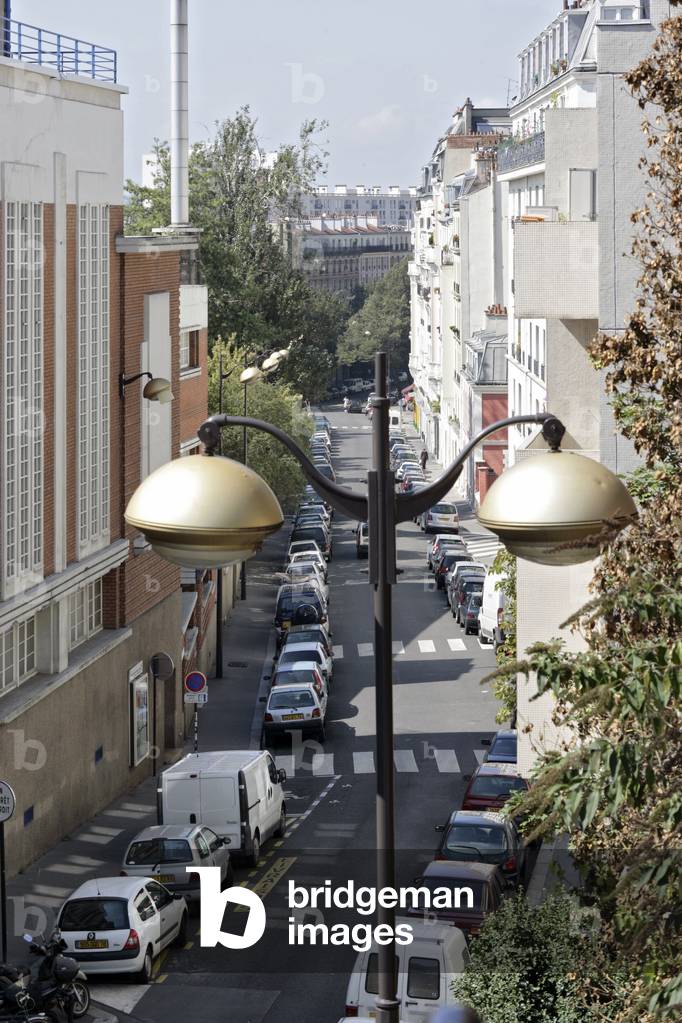
La rue Bidassoa in Paris 20th. Photograph 26/08/07.

TEC4616626: La rue Bidassoa in Paris 20th. Photograph 26/08/07. / Bridgeman Images

Untitled - 1978 (painting)

LRI4616653: Untitled - 1978 (painting), Matino, Vittorio (b.1943) / Bridgeman Images
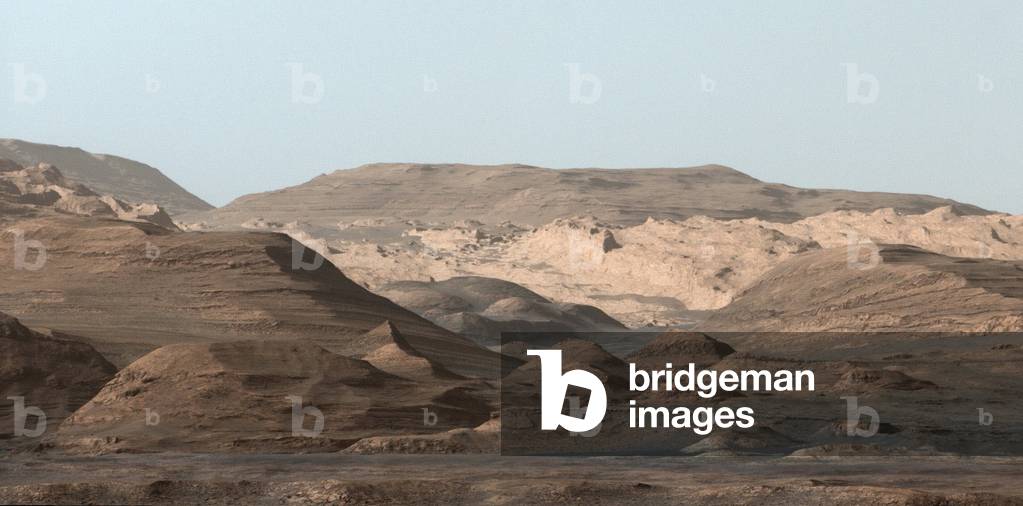
Mars surface seen by the rover Curiosity 09/2015 - Martian surface seen from the rover Curiosity 09/2015: Panorama of the surface of Mars on Mount Sharp. Mosaic of images obtained by the rover Curiosity on September 9, 2015. This composite image looking toward the higher regions of Mount Sharp was taken on September 9, 2015, by Nasa's Curiosity rover. In the foreground - about 2 miles (3 kilometers) from the rover - is a long ridge teeming with hematite, an iron oxide. Just beyond is an undulating plain rich in clay minerals. And just beyond that are a multitude of rounded buttes, all high in sulfate minerals. The changing mineralogy in these layers of Mount Sharp suggests a changing environment in early Mars, though all involve exposure to water billions of years ago. Further back in the image are striking, light-toned cliffs in rock that may have formed in drier times and now is heavily eroded by winds. The colors are adjusted so that rocks look approximately as they would if they were on Earth, to help geologists interpret the rocks. This “” white balancing”” to adjust for the lighting on Mars overly compensates for the absence of blue on Mars, making the sky appear light blue and sometimes giving dark, black rocks a blue cast

PIX4616695: Mars surface seen by the rover Curiosity 09/2015 - Martian surface seen from the rover Curiosity 09/2015: Panorama of the surface of Mars on Mount Sharp. Mosaic of images obtained by the rover Curiosity on September 9, 2015. This composite image looking toward the higher regions of Mount Sharp was taken on September 9, 2015, by Nasa's Curiosity rover. In the foreground - about 2 miles (3 kilometers) from the rover - is a long ridge teeming with hematite, an iron oxide. Just beyond is an undulating plain rich in clay minerals. And just beyond that are a multitude of rounded buttes, all high in sulfate minerals. The changing mineralogy in these layers of Mount Sharp suggests a changing environment in early Mars, though all involve exposure to water billions of years ago. Further back in the image are striking, light-toned cliffs in rock that may have formed in drier times and now is heavily eroded by winds. The colors are adjusted so that rocks look approximately as they would if they were on Earth, to help geologists interpret the rocks. This “” white balancing”” to adjust for the lighting on Mars overly compensates for the absence of blue on Mars, making the sky appear light blue and sometimes giving dark, black rocks a blue cast / Bridgeman Images

Portrait of Charles Pierre Francois Augereau, French general (1757-1816), 19th century (engraving)

JLJ4616716: Portrait of Charles Pierre Francois Augereau, French general (1757-1816), 19th century (engraving), Unknown Artist, (19th century) / Bridgeman Images

Officer of the Netherlands, 17th century, based on a painting by David Teniers the young (1610-1690), at the Musee du Louvre - Lithography based on an illustration by Edmond Lechevallier-Chevignard (1825-1902), from “Costumes historiques des 16th, 17th and 18th century” by Georges Duplessis (1834-1899), edition 1867

FLO4616719: Officer of the Netherlands, 17th century, based on a painting by David Teniers the young (1610-1690), at the Musee du Louvre - Lithography based on an illustration by Edmond Lechevallier-Chevignard (1825-1902), from “Costumes historiques des 16th, 17th and 18th century” by Georges Duplessis (1834-1899), edition 1867, Lechevallier-Chevignard, Edmond (1825-1902) / Bridgeman Images

Workshop accommodation for musicians, 116 rue des Pyrenees, Paris 20th.

MDA4616731: Workshop accommodation for musicians, 116 rue des Pyrenees, Paris 20th., Denance, Michel / Bridgeman Images
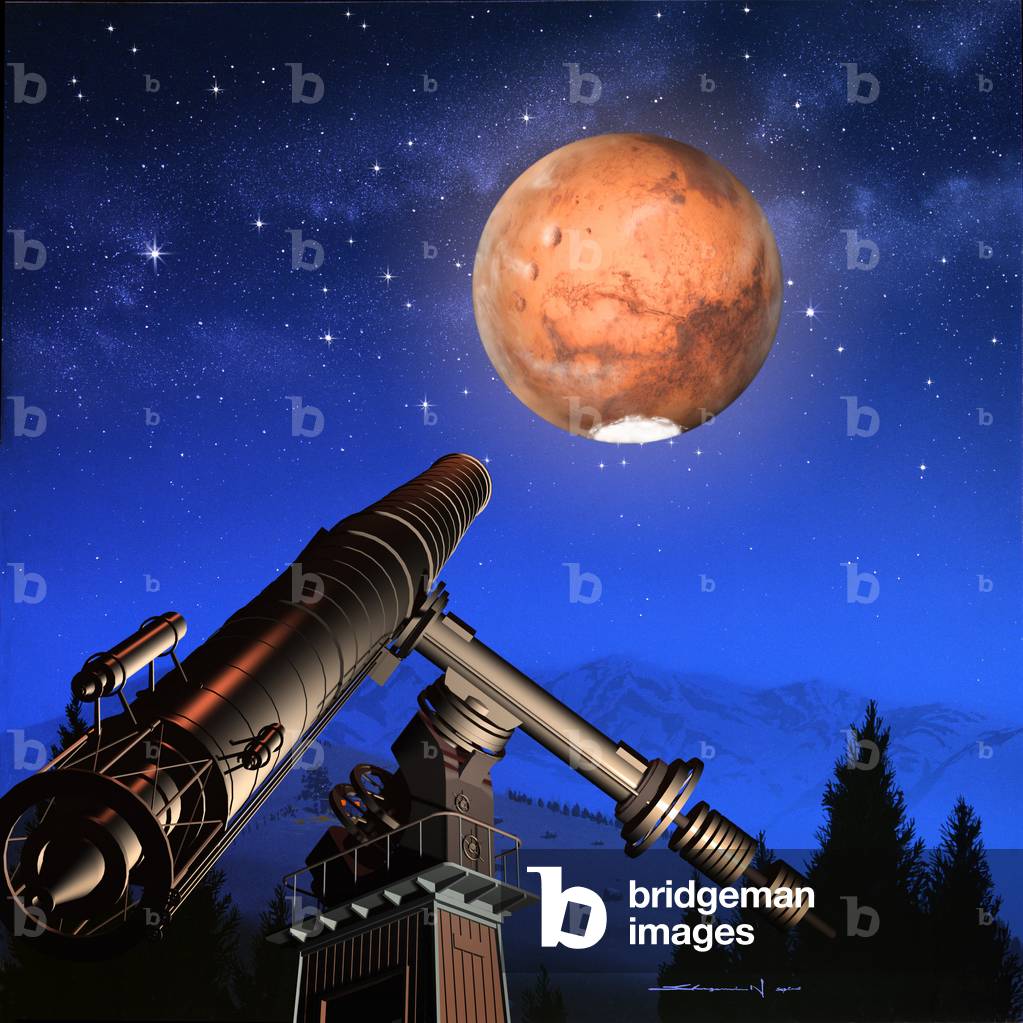
Mars versus Earth - Illustration - Mars versus Earth - Illustratio

PIX4616749: Mars versus Earth - Illustration - Mars versus Earth - Illustratio / Bridgeman Images


Back to top