2491476 Search Results

AGF5458810: Italy, apulia, lecce, sant'oronzo square ,seggio san marco palace and detail of the roman theatre (photo) / Bridgeman Images

EPO5472757: French painter Raul Dufy, wearing a ciphered shirt and wrapped in a woolen blanket, portrayed while sitting at the window and painting the view, Venice, 1952 / Bridgeman Images

AGF5472898: 19/5/2004, portrait du cardinal Giovanni Battista Re. / Bridgeman Images

AGF5472979: 21/10/2003, le Cardinal Ivan Dias. / Bridgeman Images

AGF5473210: Portrait of Luciana Castellina in 2009 Photography La Verde / Bridgeman Images
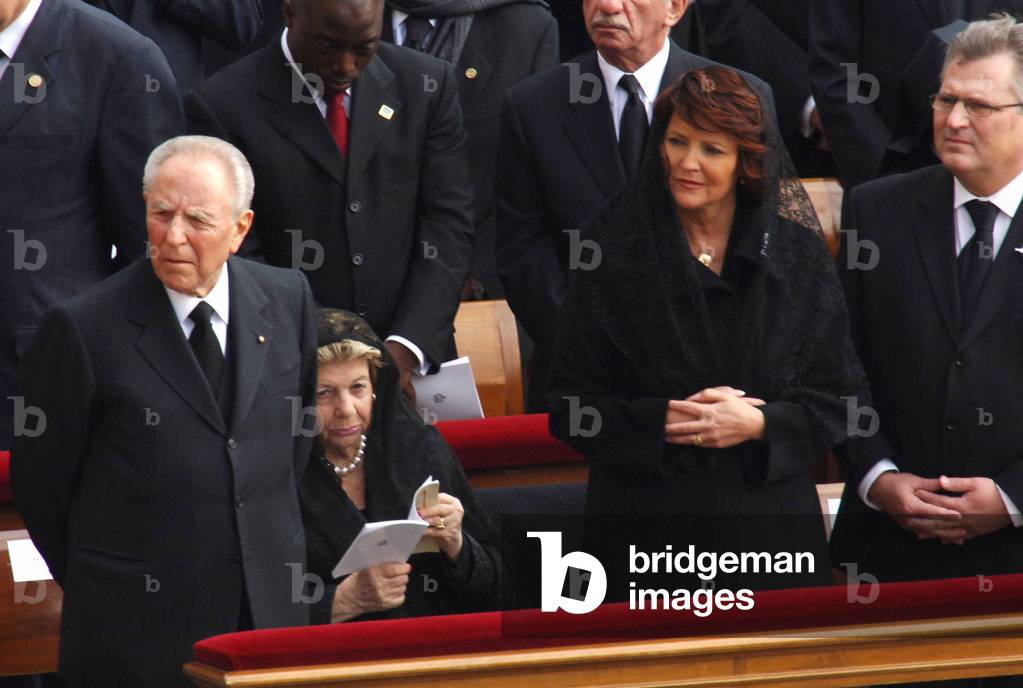
AGF5473283: Funerailles du Pape Jean Paul II a Vatican : le president italien CARLO AZEGLIO CIAMPI et sa femme FRANCA, le president polonais ALEKSANDER KWASNIEWSKI et sa femme. Rome, le 08/04/05. / Bridgeman Images

AGF5473287: Funerailles du Pape Jean Paul II a Vatican : ABDALLAH II et sa femme RANIA avec le roi JUAN CARLOS et SOFIA D'Espagne, Bernadette et JACQUES CHIRAC. Rome, le 08/04/05. / Bridgeman Images

AGF5473316: Funerailles du Pape Jean Paul II a Vatican. Rome, le 08/04/05. / Bridgeman Images
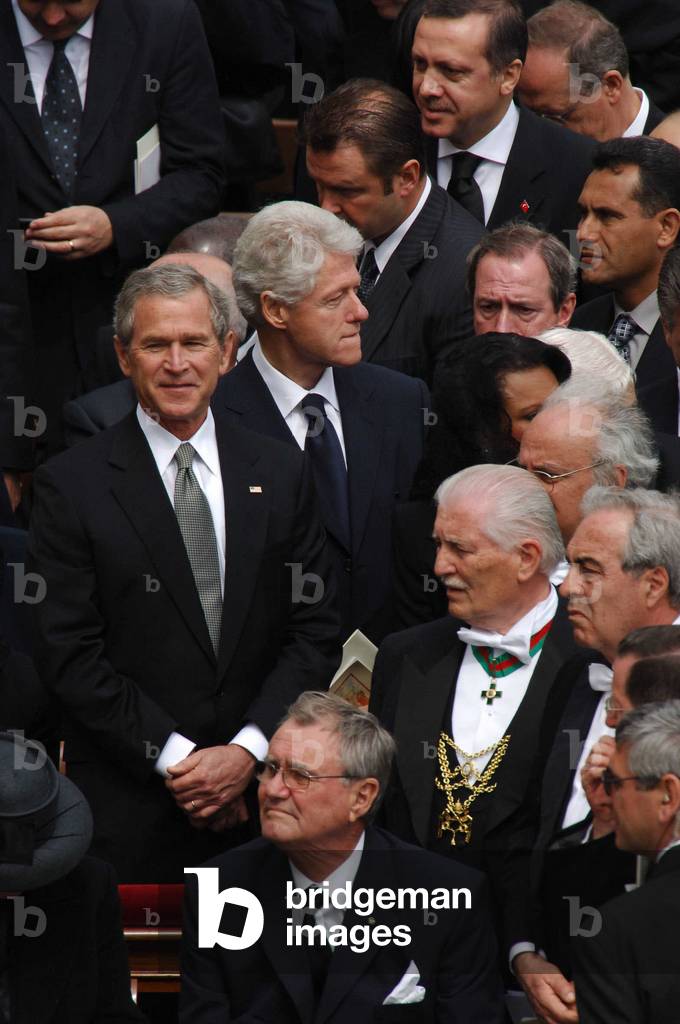
AGF5473362: Funerailles du Pape Jean Paul II a Vatican : George Bush et Bill Clinton. Rome, le 08/04/05. / Bridgeman Images
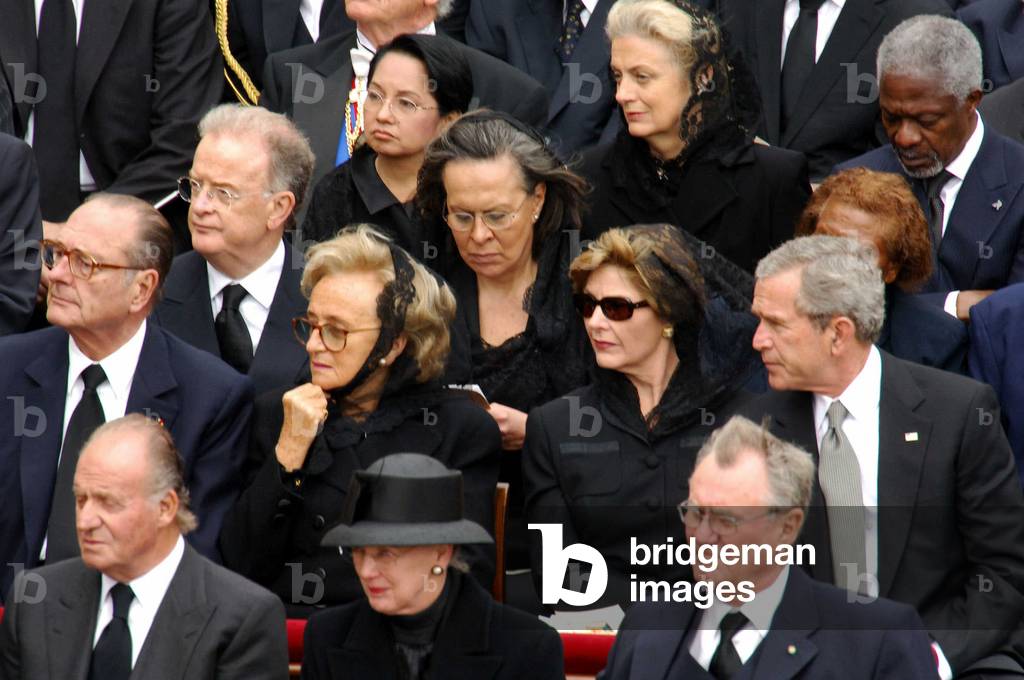
AGF5473384: Funerailles du Pape Jean Paul II a Vatican : JAQUES et Bernadette CHIRAC, LAURA et GEORGE W BUSH, KOFI ANNAN. Rome, le 08/04/05. / Bridgeman Images

AGF5473254: Funerailles du Pape Jean Paul II a la Place Saint Pierre (Vatican). Rome, le 08/04/2005. / Bridgeman Images

AGF5473330: Funerailles du Pape Jean Paul II a Vatican : les politiciens italiens. Rome, le 08/04/05. / Bridgeman Images

AGF5473336: Funerailles du Pape Jean Paul II a Vatican : Charles d'Angleterre. Rome, le 08/04/05. / Bridgeman Images

AGF5473164: Funerailles du Pape Jean Paul II a la Place Saint Pierre (Vatican). Rome, le 08/04/2005. / Bridgeman Images
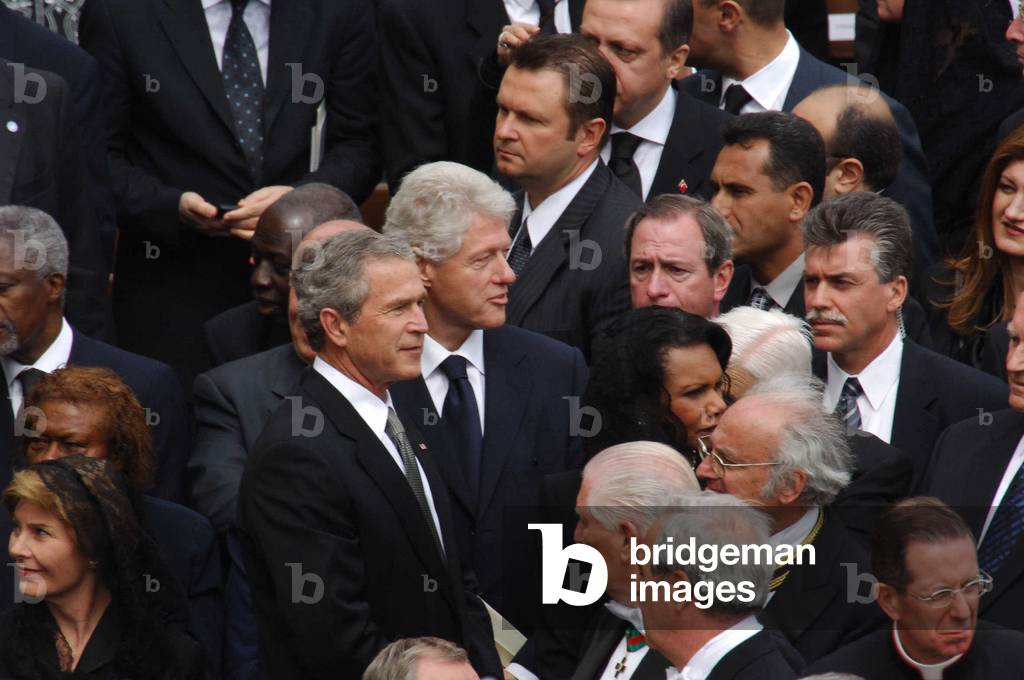
AGF5473339: Funerailles du Pape Jean Paul II a Vatican : George Bush et Bill Clinton. Rome, le 08/04/05. / Bridgeman Images

EPO5473550: French director Jean Renoirportrayed while talking to the producer Kunnet Mac Edowney, a man standing next tho them, Venice, Movie festival, 1951 / Bridgeman Images

EPO5473633: American actor Rock Hudson with Franca Nardi, Venice, 1954 : Dancing / Bridgeman Images
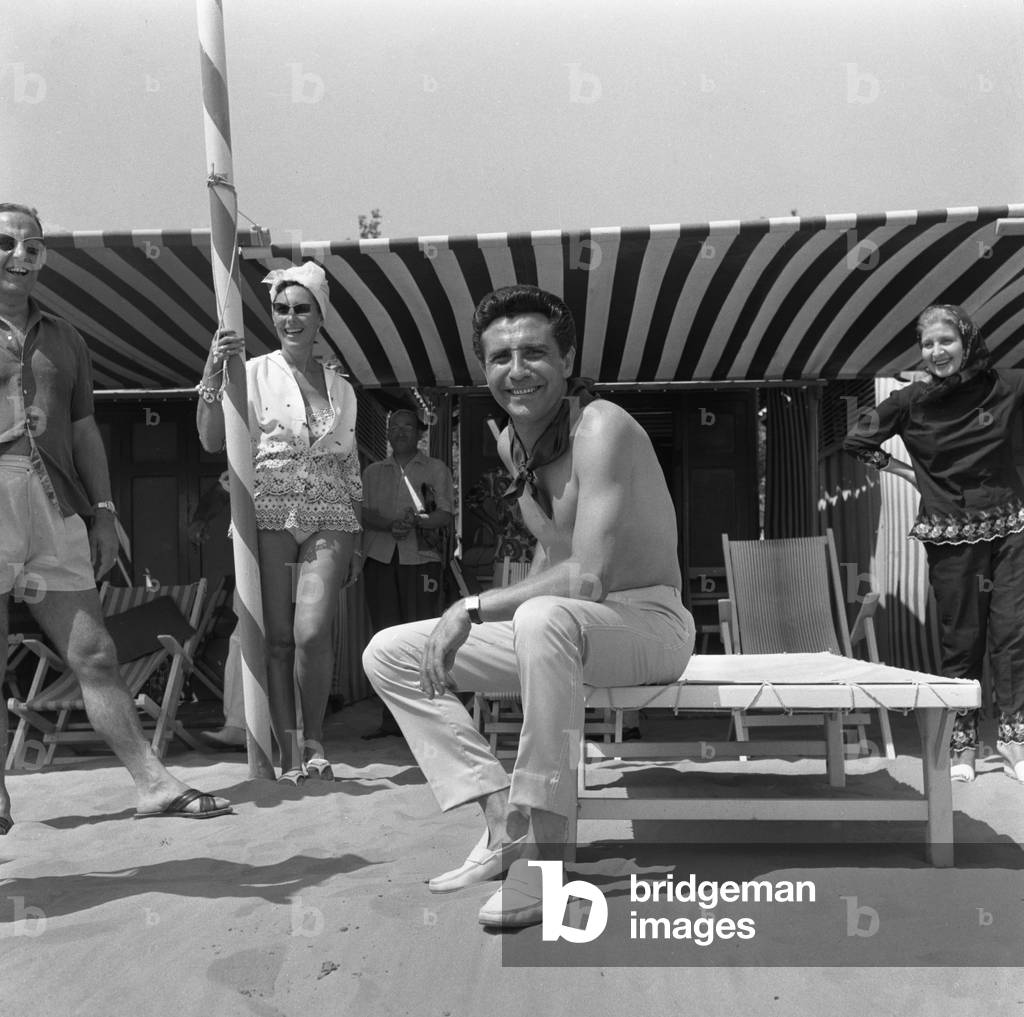
EPO5473638: French singer Gilbert Becaud in Lido, Venice, 1962 : On The Beach / Bridgeman Images
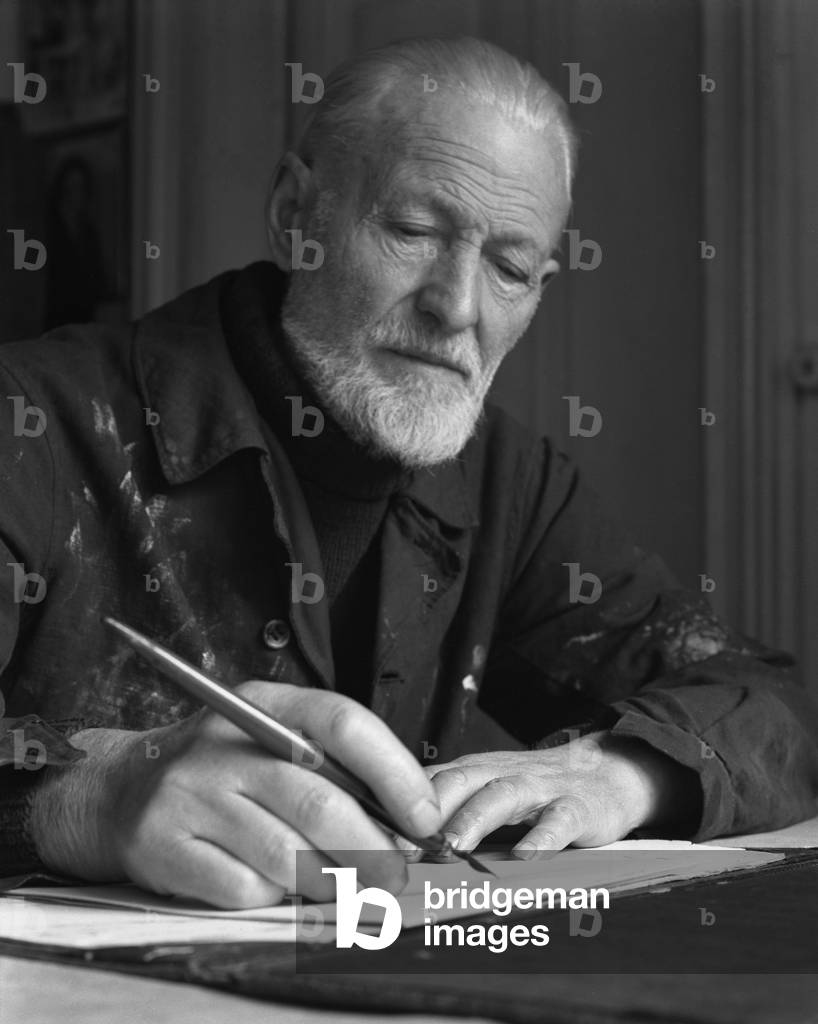
EPO5473738: Dutch painter Kees van Dongen in Paris, 1950 : Writing Notes / Bridgeman Images

EPO5473490: French director Rene' Clair, wearing a white suit and a foulard, portrayed while sitting on a sunbed on the beach, the Excelsior hotel in the background, Lido, Venice 1958 / Bridgeman Images
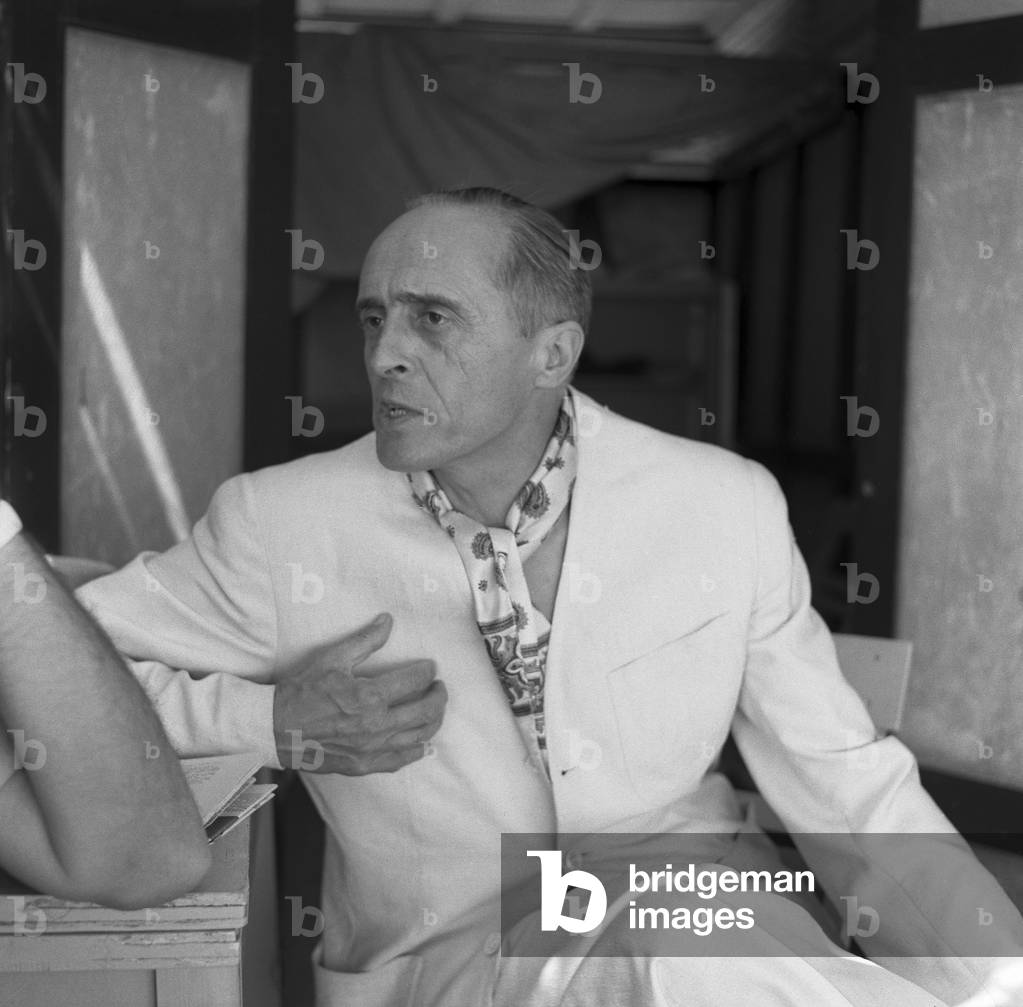
EPO5473493: French director Rene' Clair, wearing a white suit and a foulard, portrayed in a close-up while leaning on a table, Venice, 1958 / Bridgeman Images

EPO5473842: American actress and singer Liza Minnelli with her husband Mark Gero having lunch, in Lido for the Tribute To Ingrid Gala, Lido, Venice, 1983 : With Mark Gero / Bridgeman Images

AGF5474417: 19/04/2005, le nouveau pape Benoit XVI a peine elu sur le balcon du Vatican. Chianura / Bridgeman Images
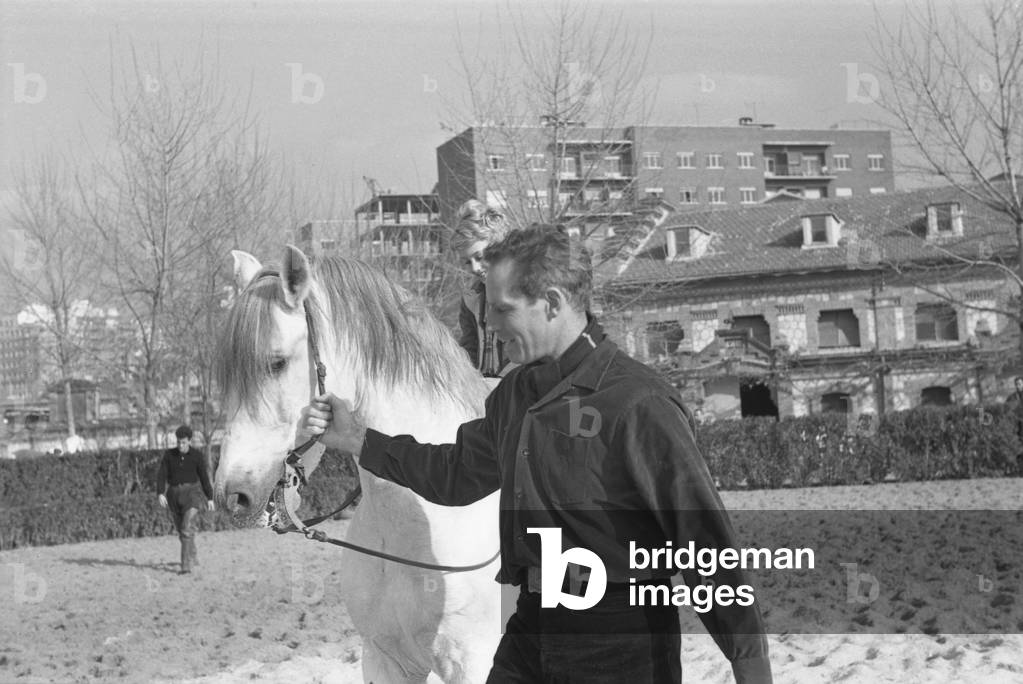
EPO5474507: American actor Charlton Heston lunging a horse in a paddock, Lido, Venice, 1960s : Driving A Horse / Bridgeman Images

AGF5474578: 2004, vue de Clusane sur les rives du lac d'Iseo / Bridgeman Images

EPO5474724: American actor Lee Van Cleef portrayed outside the Excelsior Hotel with a young fan, Lido, Venice, 1967 : With A Young Fan / Bridgeman Images

EPO5474681: French actor Jean Sorel standing outside the Excelsior hotel, Lido, Venice, 1967 : Outside The Excelsior Hotel / Bridgeman Images

EPO5474725: English actress Audrey Hepburn with Robert Wolders at the Tribute to Ingrid Bergman Gala, Venice, 1983 : Portrait / Bridgeman Images

EPO5474556: Italian actress Annabella Incontrera posing for the photographer, sitting on a table, Lido, Venice, 1967 : Shooting Session / Bridgeman Images
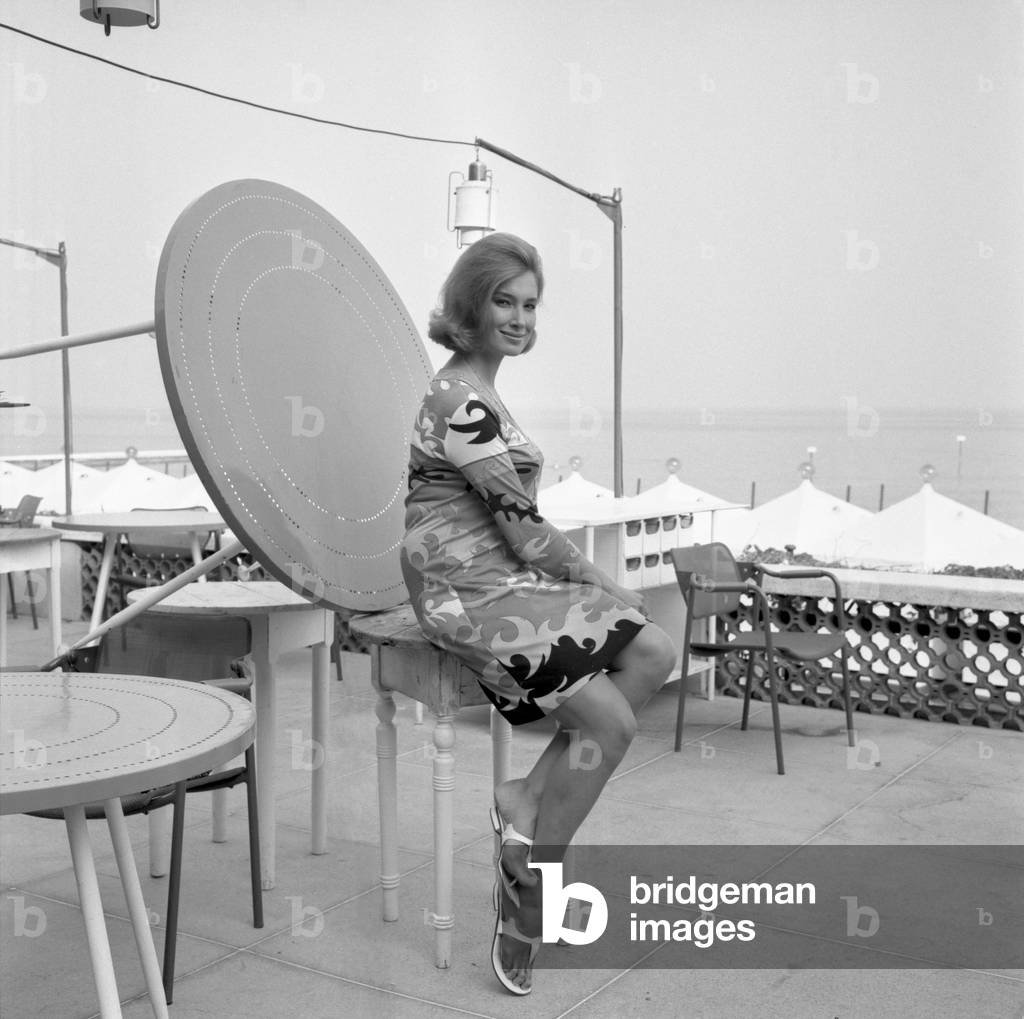
EPO5474568: Italian actress Annabella Incontrera posing for the photographer while sitting on a table, the Lido beach in the background, Venice, 1967 : At Lido / Bridgeman Images
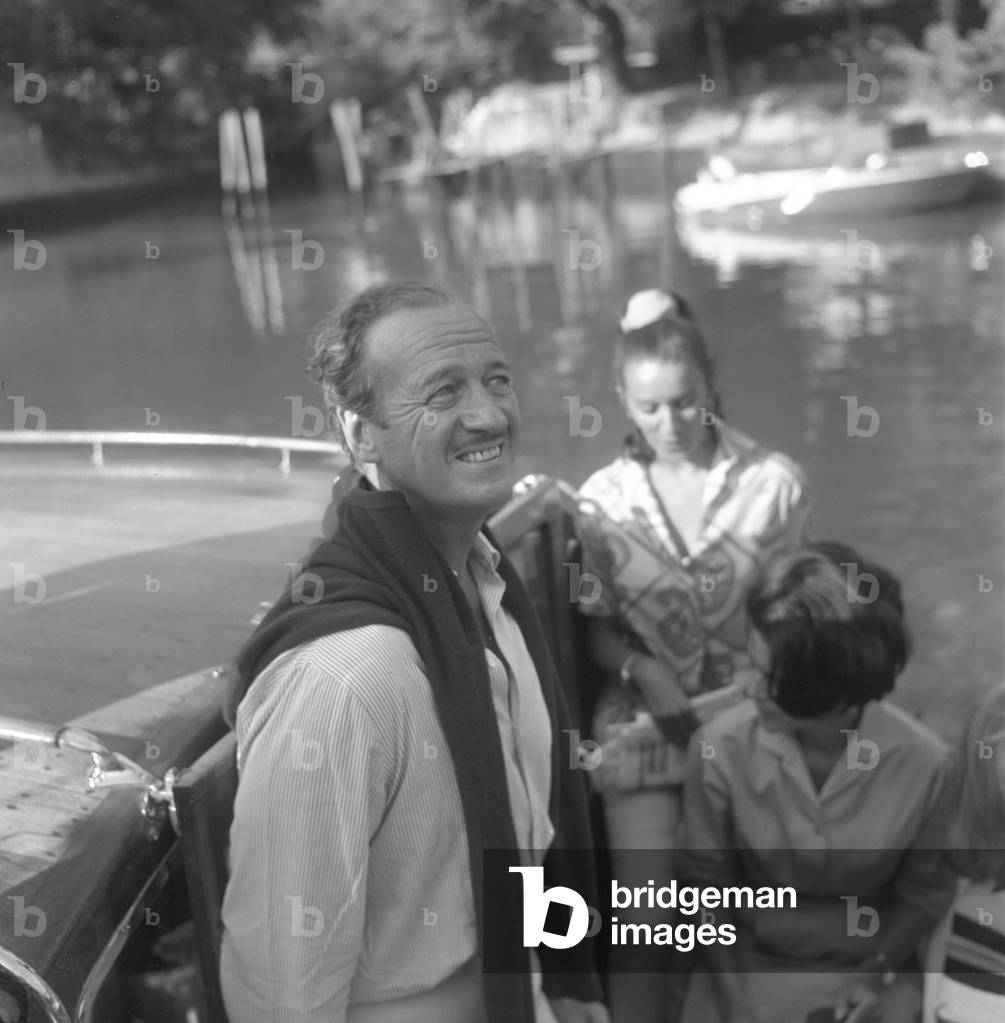
EPO5474641: British actor David Niven portrayed on a water taxi at Lido, Venice, 1970s : On A Water Taxi / Bridgeman Images

EPO5474696: American decathlete and actor Woody Strode sitting on a boat, on the seashore, portrayed while signing autographs, Lido, Venice, 1967 : Signing Autographs / Bridgeman Images

EPO5474796: English actress Jean Simmons, wearing a swimming suit, sitting on an sunbed, Lido, Venice, 1950 : Sitting Under The Sun / Bridgeman Images

EPO5475013: American actress Betsy Blair portrayed on a water taxi, St. Mark Square in the background, Venice, 1960 : The Sun In Her Eyes / Bridgeman Images

EPO5475077: Nicoletta Braibanti Valletti portrayed during a dinner party with Palucchini for the 'Acqua Panna' prize-giving, Venice, 1950s : First Course / Bridgeman Images

EPO5474994: American actress Betsy Blair sitting at a bar counter, portrayed while having a drink, Lido, Venice, 1960 : Having A Drink / Bridgeman Images
