2491516 Search Results
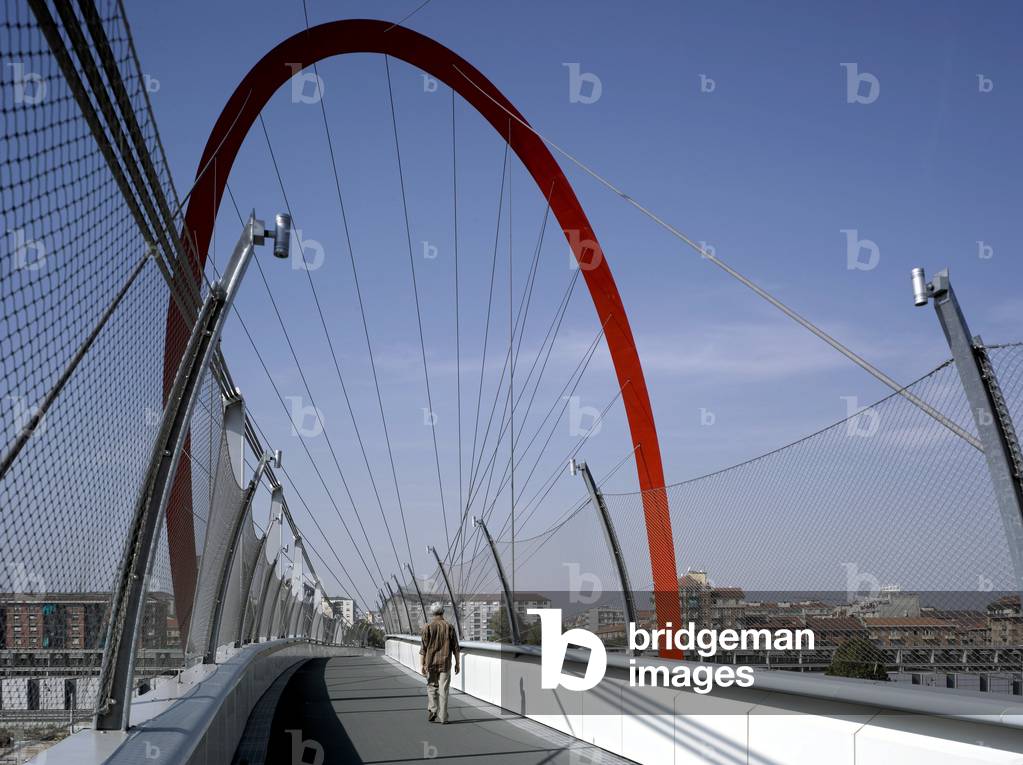
MDA4757351: Gateway to Turin, Italy. Architecture by Hugh Dutton, 2005 (photo), Dutton, Hugh (b.1957) / Bridgeman Images

LUX4757406: France, Centre, Loir-et-Cher (41), Montrichard: overview of the village of Montrichard with the church, the Chateau fort, the Vienne and a boat-laundry, 1920 - commerce: large hall for wedding and feasts cafe of the union / Bridgeman Images

LUX4757430: France, Centre, Indre-et-Loire (37), Ballan Mire (Ballan-Mire): charcuterie Vannier Henault, the front and its owners, 1900 / Bridgeman Images
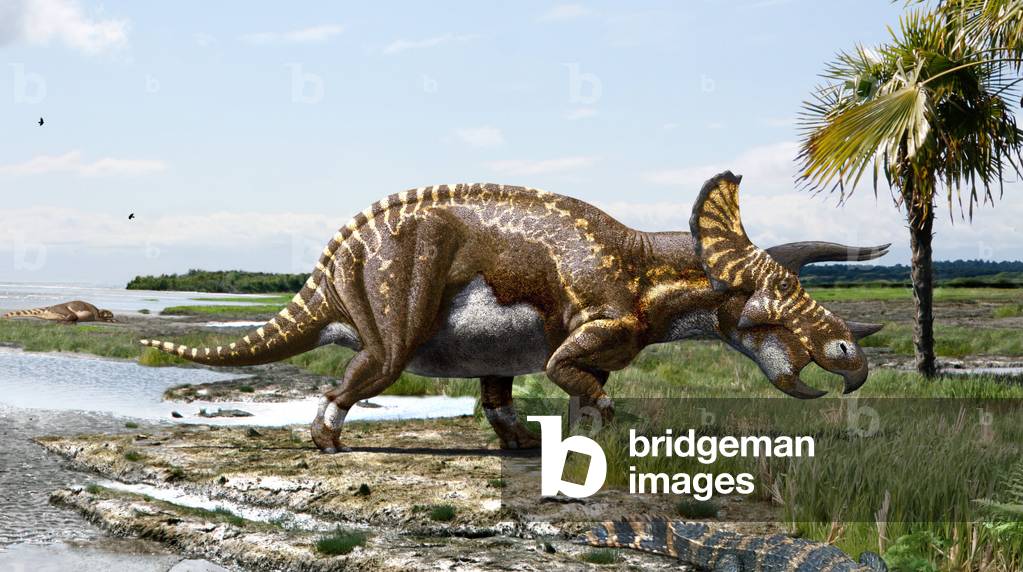
PIX4663029: Triceratops - Triceratops was a large herbivorous dinosaur who lived at the end of Cretace, between 70 and 65 million years. Triceratops is a genus of herbivorous ceratopsid dinosaur which lived during the Late Cretaceous Period, around 68 to 65 million years ago in what is now North America / Bridgeman Images

JLJ4663038: Ancient Greek art: Askos of "Gnathia style" has 2 vertical beaks w/vegetal décor, 340-325 BC (ceramic), Greek school, (4th century BC) / Bridgeman Images
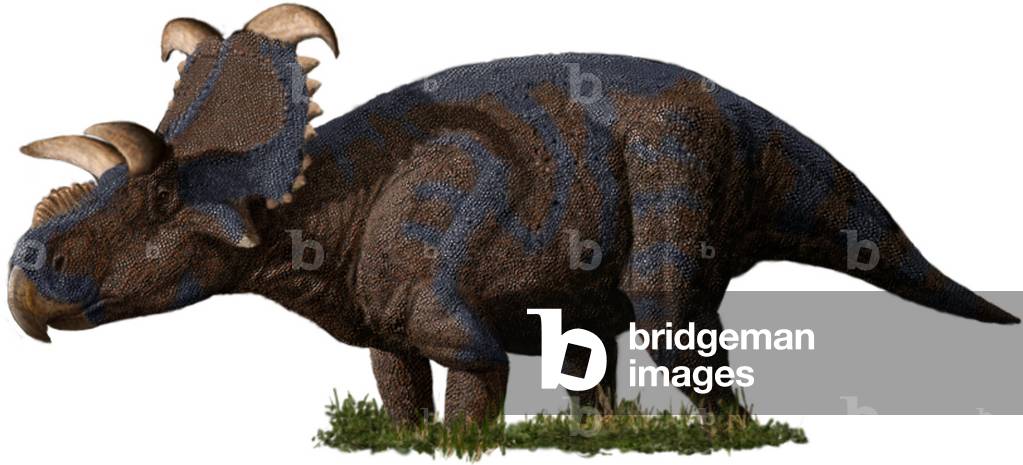
PIX4663045: Albertaceratops - Albertaceratops nesme, was a genus of Ceratopsidae that lived during the Upper Cretace. This herbivorous dinosaur was about 6 m long. Albertaceratops nesmoi is a genus of herbivorous ceratopsid dinosaur which lived during the Late Cretaceous Period / Bridgeman Images

PIX4663211: Parasaurolophus - Parasaurolophus walkeri is a herbivorous dinosaur living in North America at the cretace about 75 million years ago. Parasaurolophus walkeri is a genus of ornithopod dinosaur from the Late Cretaceous Period of what is now North America, about 76-73 million years ago / Bridgeman Images
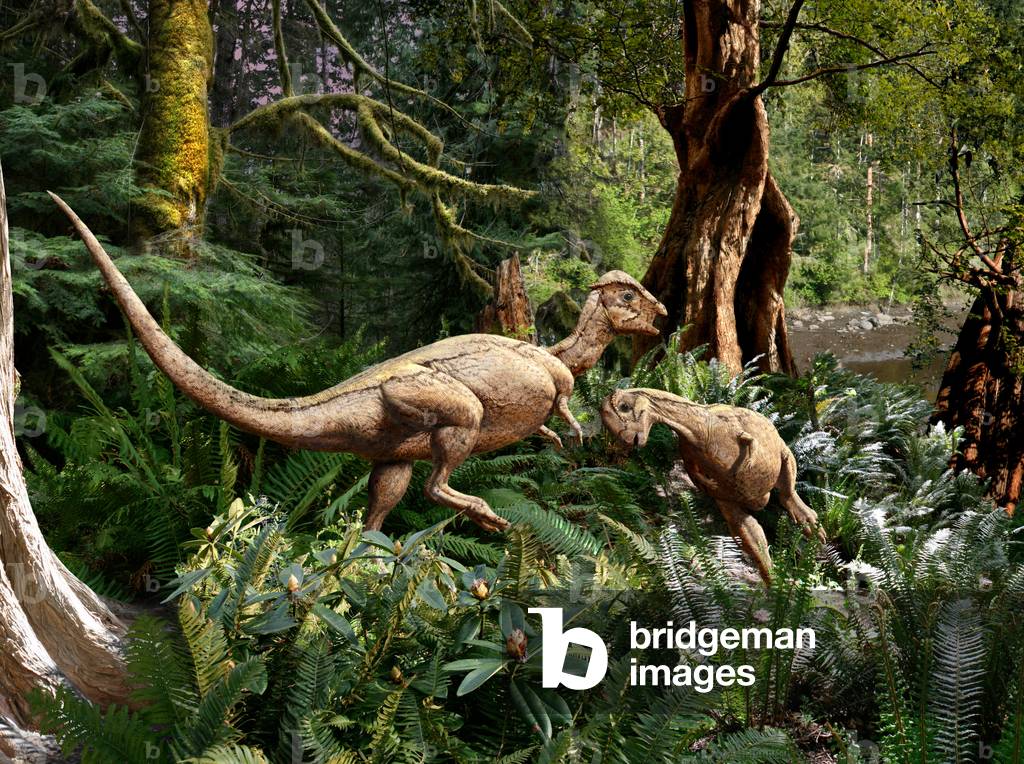
PIX4663221: Stegoceras - Stegoceras was a herbivorous pachycephalosaur two-meres long dinosaur that lived in North America during Cretace. Stegoceras was a genus of plant-eating ornithischian pachycephalosaurid dinosaur that lived in what is now North America during the Late Cretaceous period. It had an estimated length of up to 2 meters / Bridgeman Images
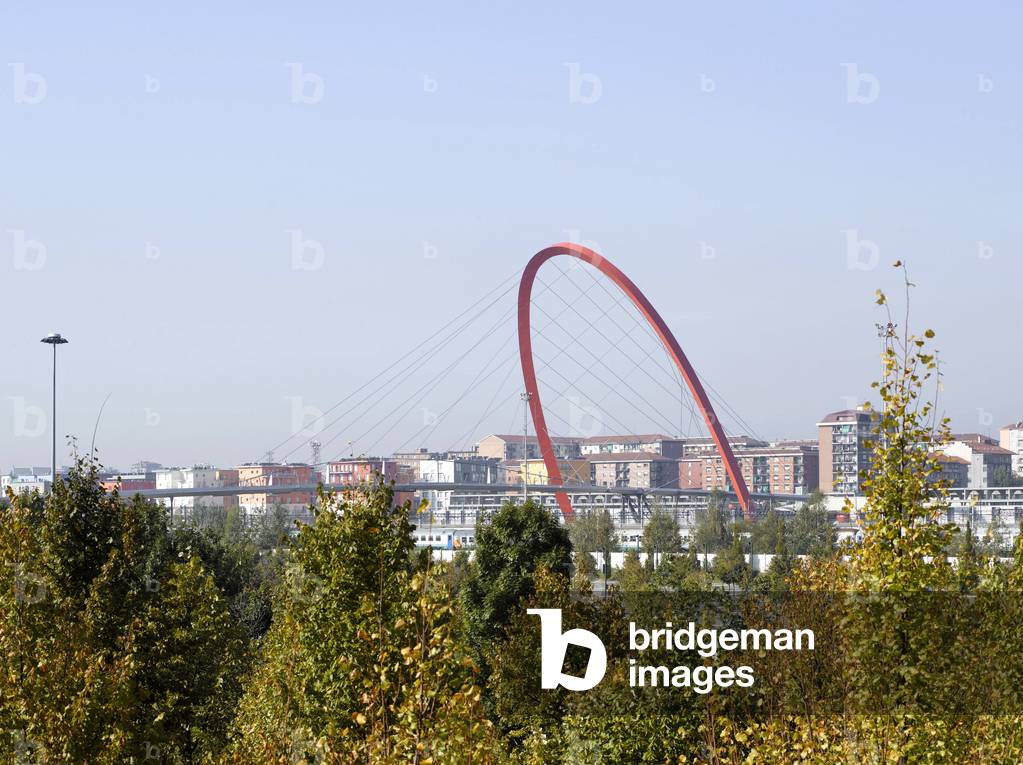
MDA4757492: Gateway to Turin, Italy. Architecture by Hugh Dutton, 2005 (photo), Dutton, Hugh (b.1957) / Bridgeman Images

LUX4757617: France, Midi-Pyrenees, Haute-Garonne (31): in a village in the Toulouse region, young people pose in front of their motor vehicle, 1920 - car registered: 7040-T / Bridgeman Images

OMG4757681: Inside Terminal 4 of Barajas Airport in Madrid, Spain. Architecture by Norman Foster, 1986. Photography 03/06/08, Foster, Norman (b.1935) / Bridgeman Images

GIA4757700: Glass bottles blown from the perfume “” The Four Seasons”” made by Gi.Vi.Emme in 1948. They were made by artisans from Venini - Murano based on a drawing by the Peibtre Bianconi., Italian School, (20th century) / Bridgeman Images

JLJ4663513: The public gardens: The nurses (left) (detail of the triptych), 1894 (detrempe on canvas), Vuillard, Edouard (1868-1940) / Bridgeman Images

LUX4757780: France, Limousin, Creuse (23): construction site of a work of art, with stone blocks, extraction wells, steam machine, wagonnets, workers and scaffolding, 1890 / Bridgeman Images
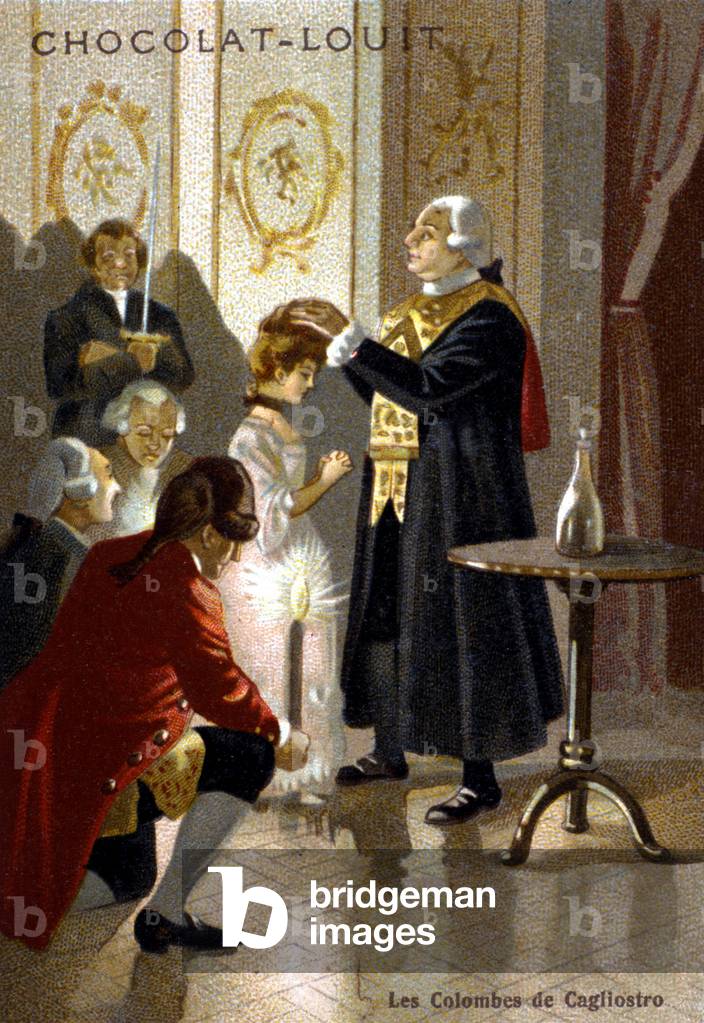
GIA4757789: Magic session of Giuseppe Balsamo, known as Alexander, Count of Cagliostro (1743 - 1795). chromolithograph of the late 19th century.., Unknown Artist, (19th century) / Bridgeman Images

GIA4757879: Bust of Tiberius (42 BC - 37 AD)., Unknown Artist, (19th century) / Bridgeman Images

GIA4757900: portrait of David Hume. Scottish philosopher (1711 to 1776)., Unknown Artist, (19th century) / Bridgeman Images

LUX4758024: France, Centre, Indre-et-Loire (37), Ballan-Mire: hospitalite, military hospital annex, war wounded walk with their bequilles and canes in the vegetable garden, 1917 / Bridgeman Images
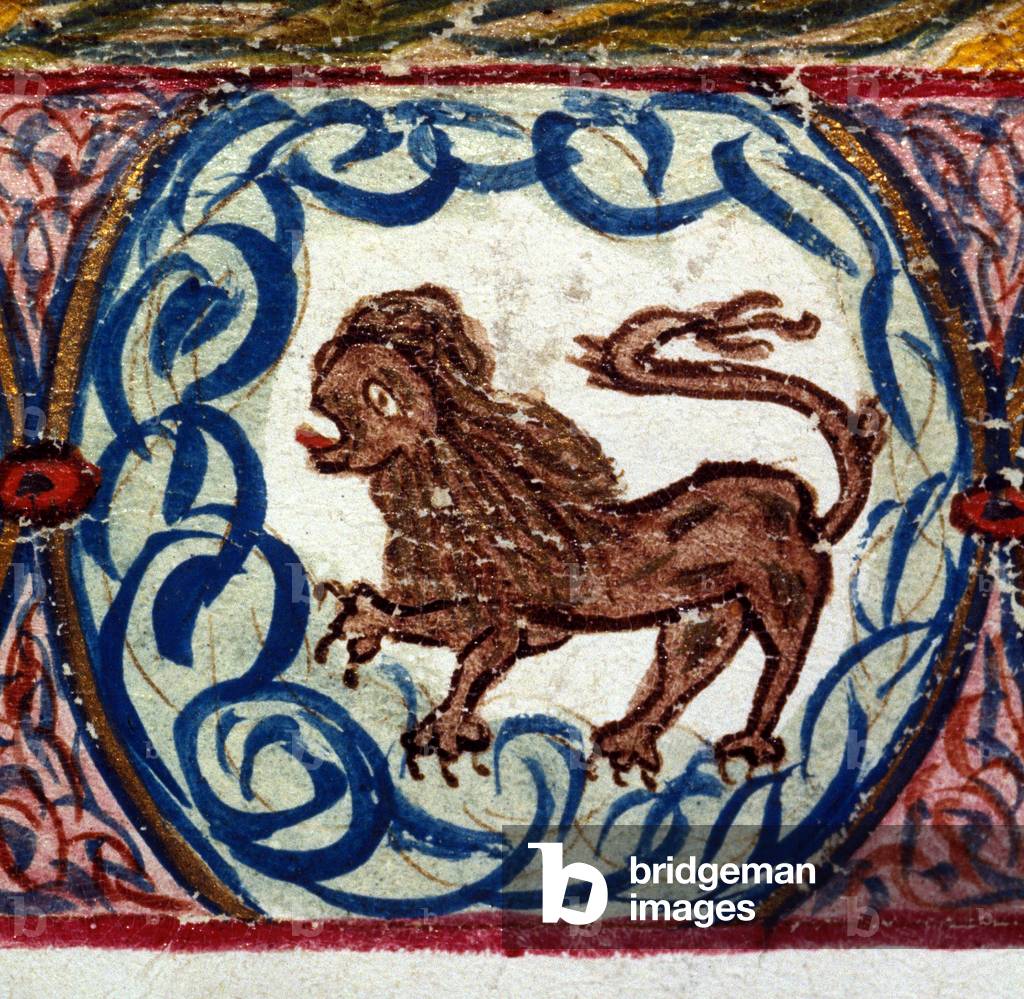
GIA4759621: Sign of the lion. Italian horoscope dating from the mid-15th century., Italian School, (15th century) / Bridgeman Images

GIA4759650: Sign of the Taurus. Italian horoscope dating from the mid-15th century., Italian School, (15th century) / Bridgeman Images
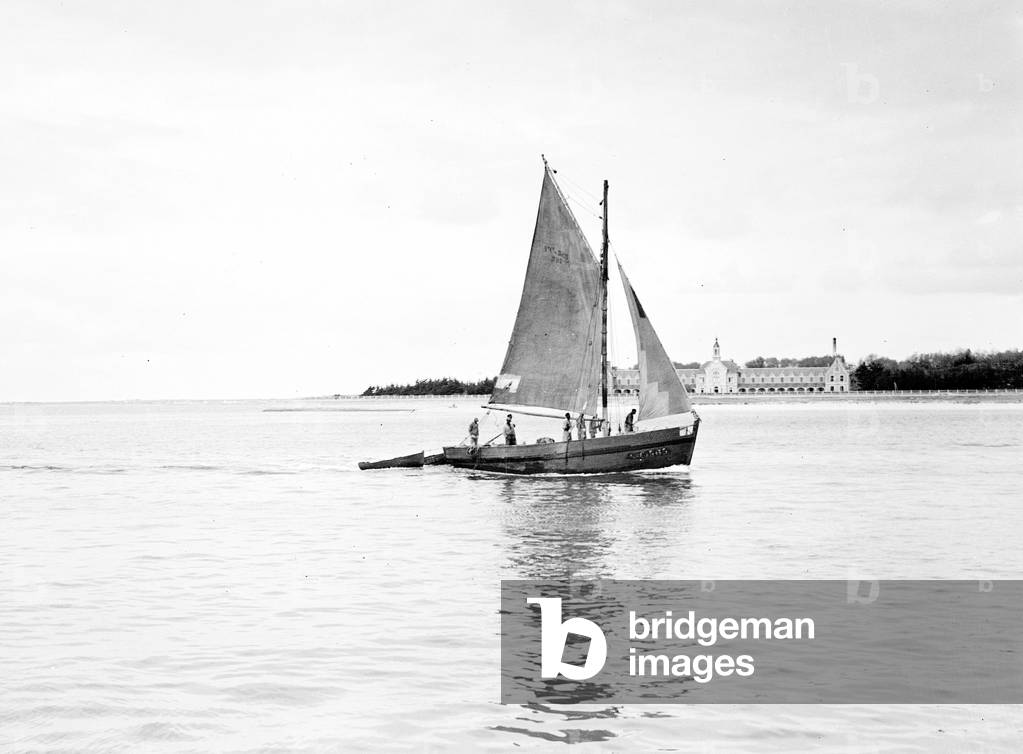
LUX4759811: France, Pays de la Loire, Loire-Atlantique (44), Le Croisic: a sailboat returns to port, 1900 / Bridgeman Images

OMG4664530: Parc Guell, Montana Pelada in Barcelona (Spain). Realisation 1900-1914, architect Antoni Gaudi i Cornet (1852-1926). Photography 03/05/05. / Bridgeman Images

OMG4664561: Parc Guell, Montana Pelada in Barcelona (Spain). Realisation 1900-1914, architect Antoni Gaudi i Cornet (1852-1926). Photography 03/05/05. / Bridgeman Images

LRI4664588: Portrait of a German peasant woman with a fruit platter. 17th century (painting), German School, (17th century) / Bridgeman Images

JLJ4664748: Bouquet of flowers, 17th century (oil on canvas), Arellano, Juan de (1614-76) / Bridgeman Images

LUX4759917: France, Ile-de-France, Paris (75): start of a run organised in front of the headquarters of the newspaper “Le Matin”, 1900 - advertisements: absinthe Berger, cafe au planteur, sleeves, flour Nestle, chocolate Menier - newspaper: le Matin / Bridgeman Images

LRI4664796: Byzantine Art: “” Saint John the Baptist and the Four Evangelists”” inferior detail of the Chair of the Eveque of Ravenna Maximien (546-554) trone episcopal (cathedra) in ivory, probably realises a Constantinople Ravenna, Museo Arcivescovile (Byzantine art: detail of carved ivory panel of the throne of the throne of Maximian (or Maximian)) made for Archbishop Maximianus of Ravenna), Byzantine School, (6th century) / Bridgeman Images

PIX4664825: Heat wave over Spain - 01 - 07 - 2004 - Heat wave over Spain July 1st 2004 - From 29 June to 4 July 2004, a heat wave passed through Spain with ground temperatures reaching 57 degrees Celsius and an air temperature exceeding 40 degrees. Image obtained on 1 July 2004 by the Aqua satellite and the MODIS instrument showing surface temperatures; in red the highest temperatures, in pink the coldest. From June 29 to July 4, 2004, an intense heat wave swept across southern Spain, bringing air temperatures that soared above 40 degrees Celsius, and land surface temperatures near 57 degrees. On July 1, 2004, Spain (roughly the right - most three - quarters of the peninsula) and Portugal (left - hand quarter) were in the midst of a blistering heat wave that cost several people their lives. When the Moderate Resolution Imaging Spectroradiometer (MODIS) on the Aqua satellite captured this image (13:35 UTC, or 2:35 p.m. local time in Lisbon, Portugal) cool, sheltering clouds hugged only the northern coastline, while the rest of the country baked in the Sun. The image shown here is land surface temperature observations collected by MODIS that scientists have color - coded in shades of pink (coldest temperatures) to blackish - red (highest temperatures). Deep reds dominate the country, especially around the central part of the border between the two countries, where land surface temperatures reach a scorching 59 degrees Celsius (138 degrees Fahrenheit). According to news reports, air temperatures were above 40 degrees Celsius (over 100 degrees Fahrenheit), and energy demand for air conditioning and refrigeration had caused power blackouts in places / Bridgeman Images

PIX4664892: Paris seen by LANDSAT - 5 - Paris and its surroundings observed by the LANDSAT satellite - 5 on 08/06/200 / Bridgeman Images

PIX4664914: West of France view by shuttle 09/2000 - Brittany observed by shuttle on 06/09/2000 / Bridgeman Images

PIX4665000: France seen by Terra satellite on August 14, 2002 / Bridgeman Images

LUX4755034: France, Nord-Pas-de-Calais (Nord Pas de Calais), Nord (59): Portrait of Ignace Charles Pichon (1814-1888), Depute of the North / Bridgeman Images

GIA4755135: View of the old Prague City Hall around 1860., Unknown Artist, (19th century) / Bridgeman Images

LUX4755178: France, Auvergne, Haute-Loire (43): Portrait of the Marquis Cesar Florimond of Fay de la Tour-Maubourg (1820-1886), depute of Haute Loire / Bridgeman Images

LUX4755243: France, Aquitaine, Pyrenees Atlantiques (64): Standing portrait of Jean Baptiste Etcheverry (1805-1874), depute of the Basse-Pyrenees (Basse Pyrenees) / Bridgeman Images
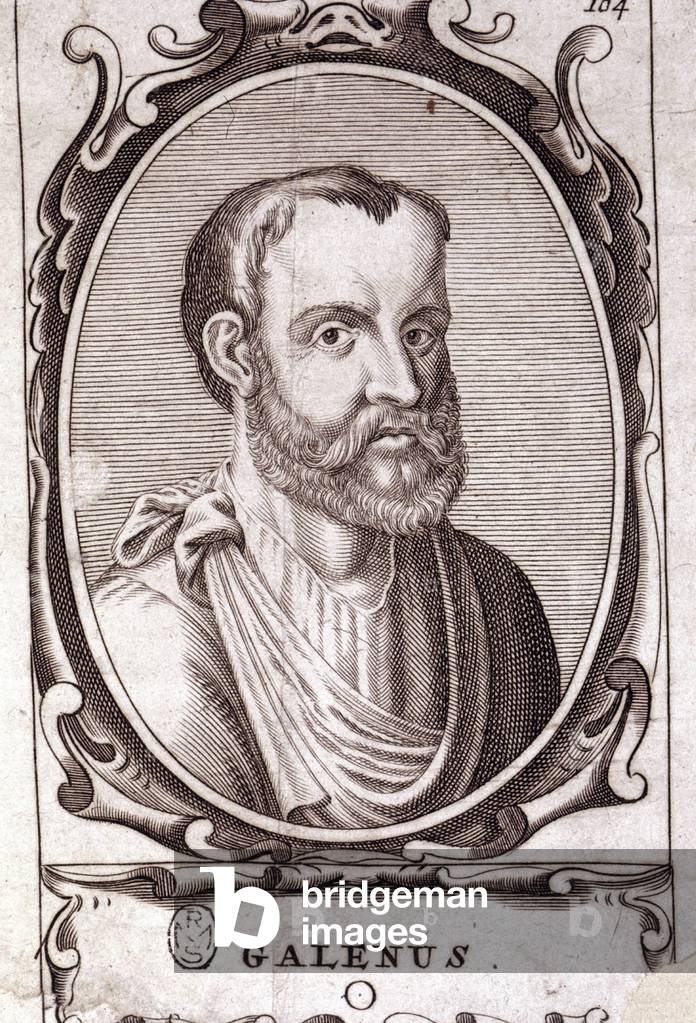
GIA4755384: Portrait of Claude Galien (Klaudios Galenos or Claudio Galeno or Claudius Galenus or Galen, v. 131 - v. 201), Greek doctor. 18th century engraving., Unknown artist, (18th century) / Bridgeman Images
