2491514 Search Results
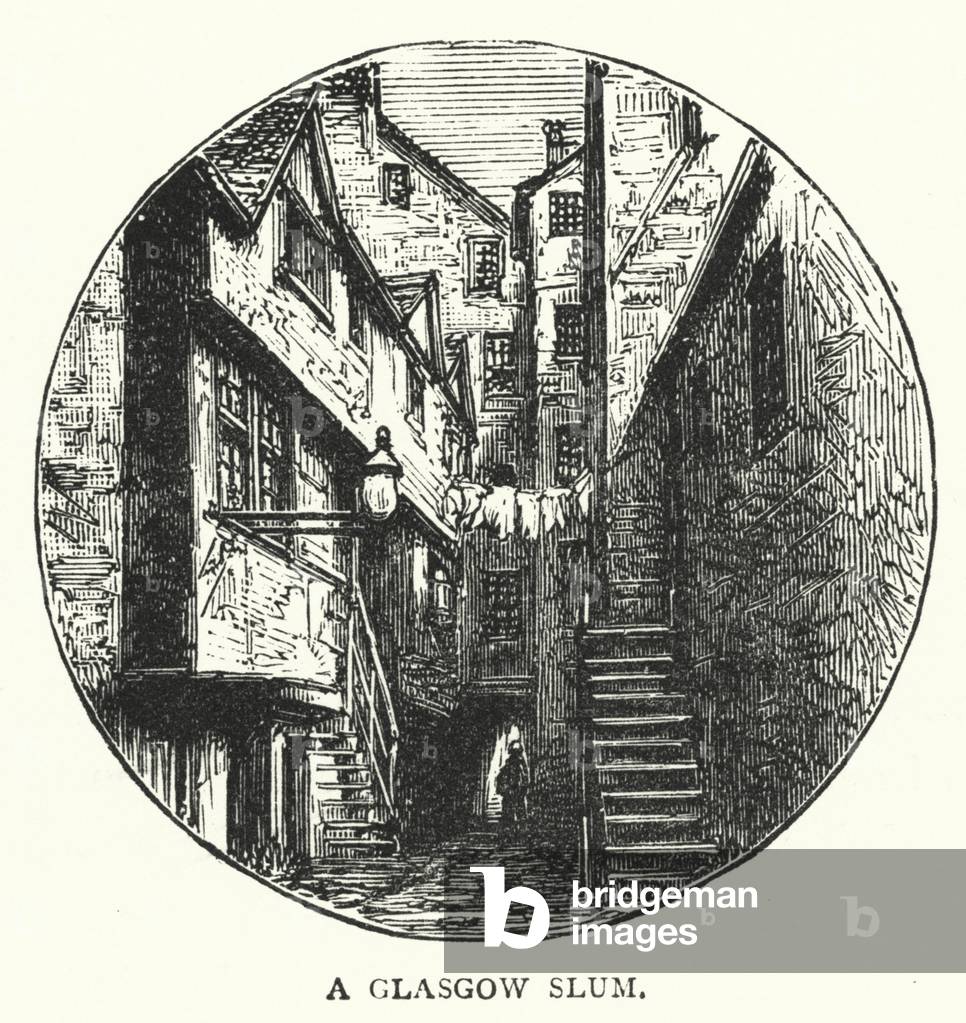
LLM5209250: A Glasgow Slum (engraving), English School, (19th century) / Bridgeman Images

LLM5208229: St Francis of Assisi's sermon to the birds (colour litho), Nordmann (fl.1880) (after) / Bridgeman Images
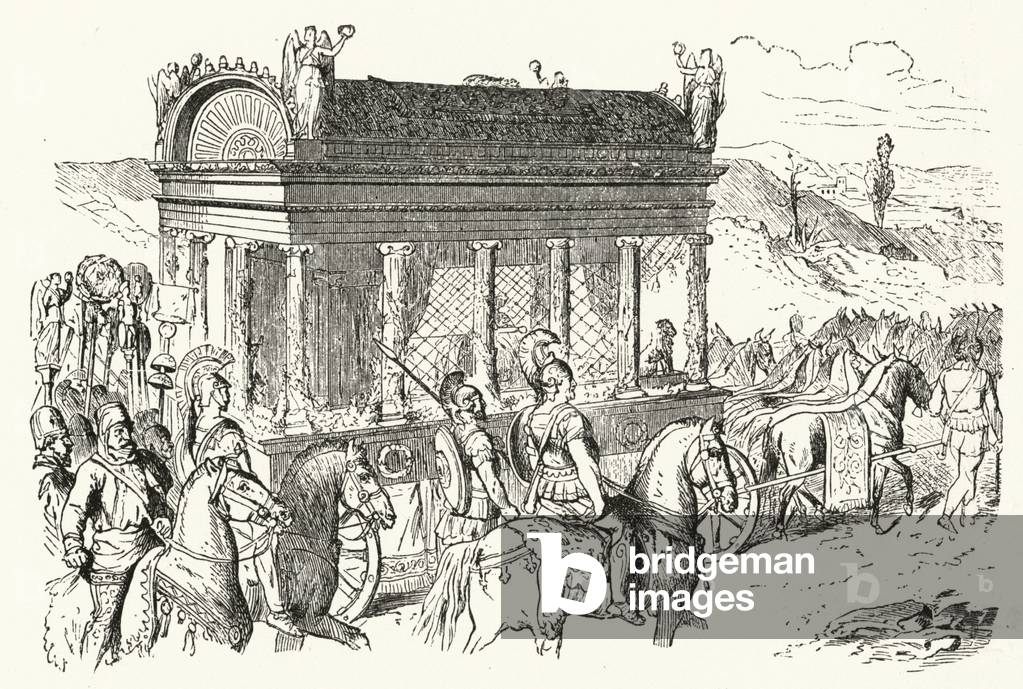
LLM5207028: Triumphs, Burial of Alexander the Great (engraving), American School, (19th century) / Bridgeman Images

LLM5207111: Sights (engraving), American School, (19th century) / Bridgeman Images
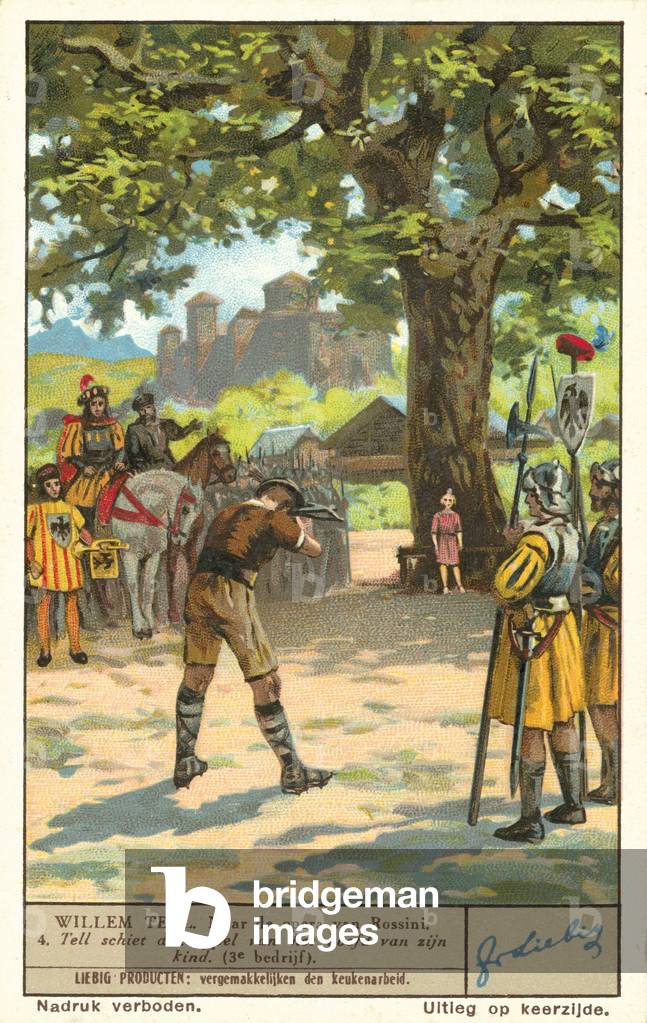
LLM5209485: Rossini's opera William Tell (colour litho), European School, (20th century) / Bridgeman Images

LLM5208619: Childebert, Statue peinte du Musee du Louvre (engraving), French School, (19th century) / Bridgeman Images
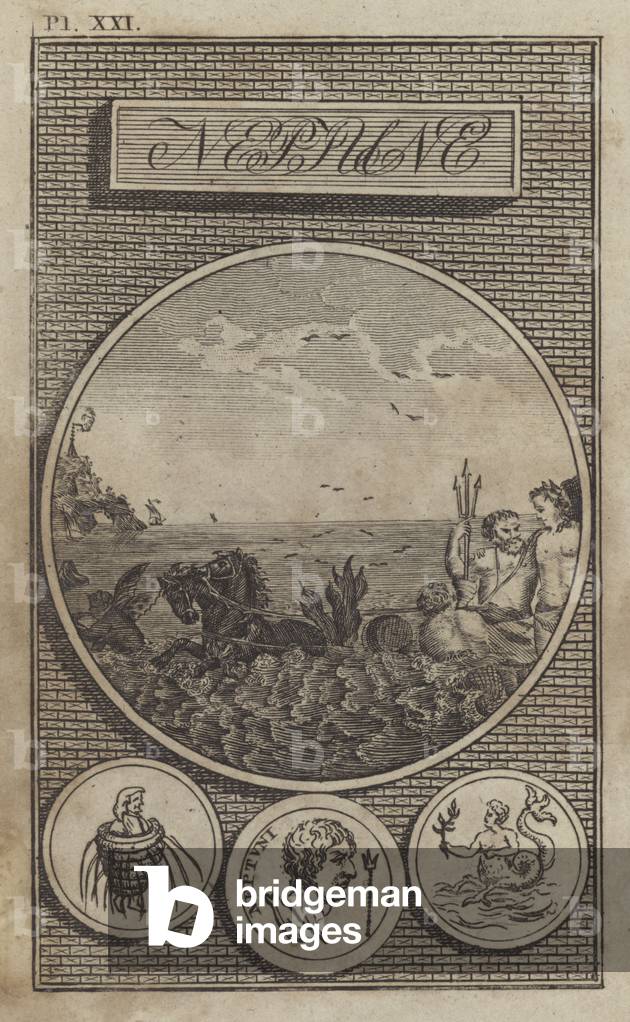
LLM5207797: Neptune, ancient Roman god of the sea (engraving), English School, (18th century) / Bridgeman Images

LLM5205566: Nelson's Tomb in St Paul's (chromolitho), English School, (20th century) / Bridgeman Images

LLM5208525: The Coquette, 1875 (colour litho), Monet, Claude (1840-1926) / Bridgeman Images

LLM5207318: Lovers' Nook, Gorleston, Norfolk (colour photo), English Photographer, (20th century) / Bridgeman Images

LLM5207666: Launching a lifeboat (colour litho), English School, (19th century) / Bridgeman Images

LLM5205948: Old Pottery and Porcelain, Palissy (chromolitho), English School, (20th century) / Bridgeman Images

LLM5207379: Virgin and Child, Christmas card (chromolitho), English School, (20th century) / Bridgeman Images

LLM5206178: Railway Equipment: Automatic train control system, Great Western Railway (colour photo), English Photographer, (20th century) / Bridgeman Images

LLM5205172: A Violin String (chromolitho), English School, (20th century) / Bridgeman Images

LLM5205075: A giant land-tortoise (chromolitho), English School, (20th century) / Bridgeman Images
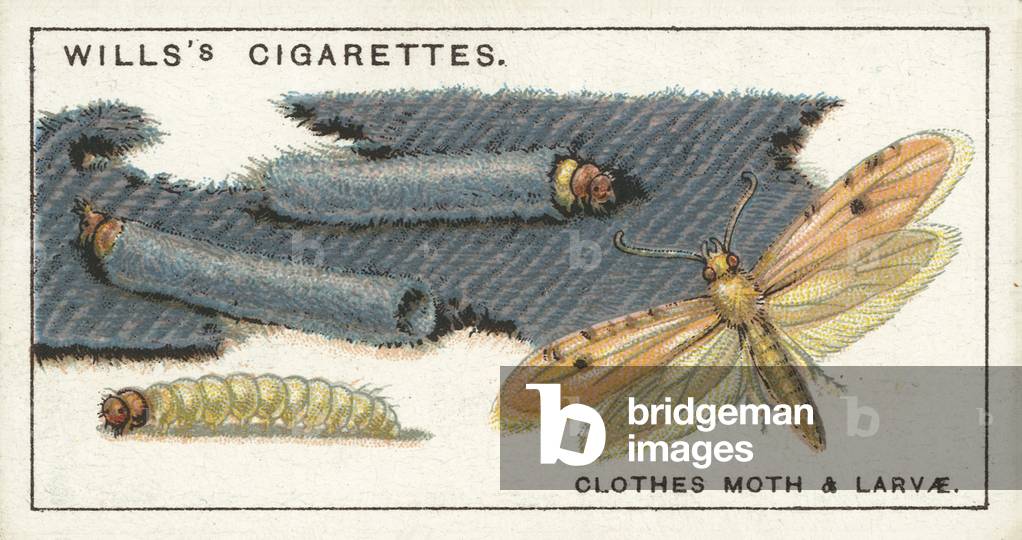
LLM5205132: Clothes Moth and larvae (chromolitho), English School, (20th century) / Bridgeman Images
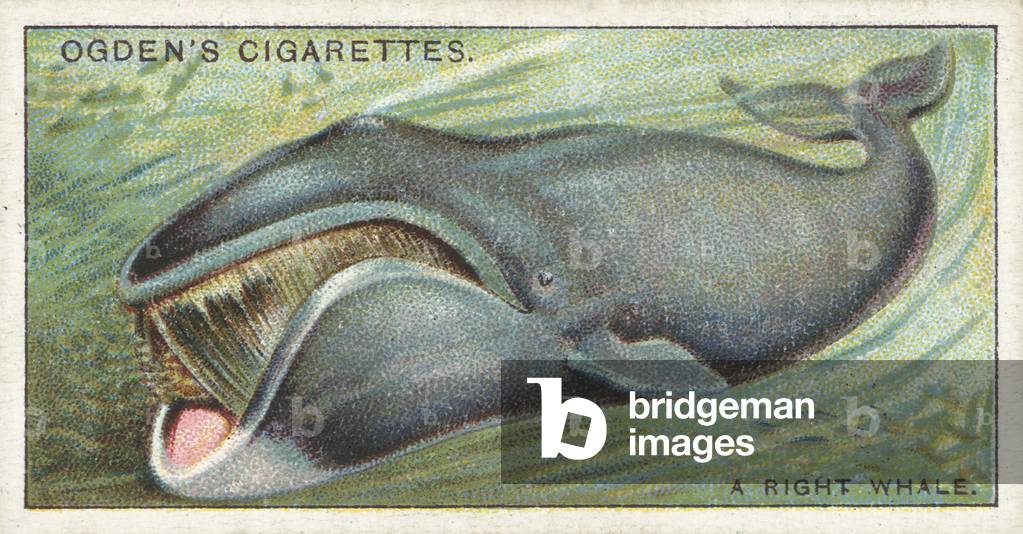
LLM5206663: Whaling, A Right Whale (chromolitho), English School, (20th century) / Bridgeman Images

LLM5209684: Cossack Bridges (engraving), English School, (20th century) / Bridgeman Images

LLM5209799: The Honourable F S Jackson (colour photo), English Photographer, (20th century) / Bridgeman Images

LLM5209883: The Mastodon of Ohio, M Americanus (litho), European School, (19th century) / Bridgeman Images

LLM5208352: Roman Alsace swamped by hordes of Barbarian invaders (colour litho), Huen, Victor (1874-1939) / Bridgeman Images

LLM5206830: The Tynwald Hill, in the Isle of Man (engraving), English School, (19th century) / Bridgeman Images

LLM5209523: An Edison-Hopkinson Generator in the Power Station (b/w photo), English Photographer, (19th century) / Bridgeman Images
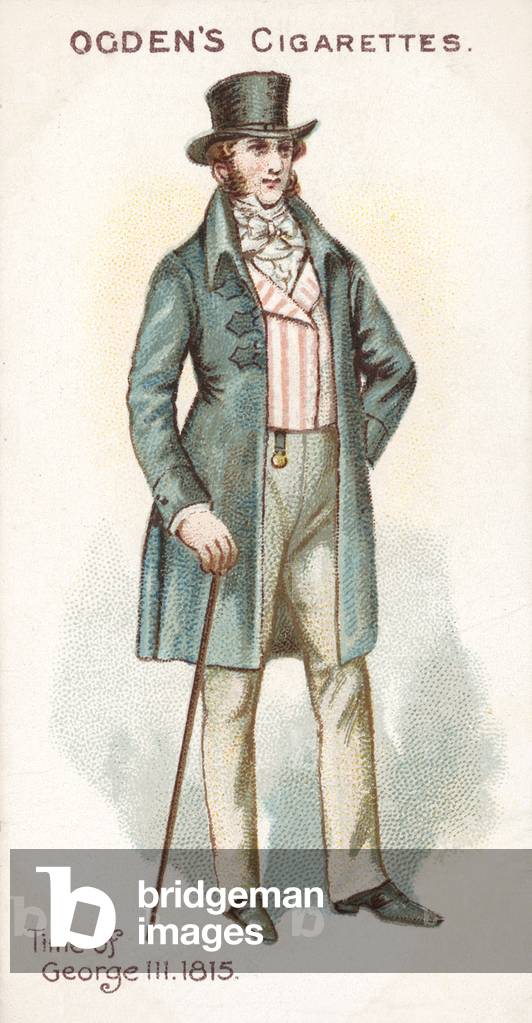
LLM5205262: Time of George III, 1815 (chromolitho), English School, (20th century) / Bridgeman Images
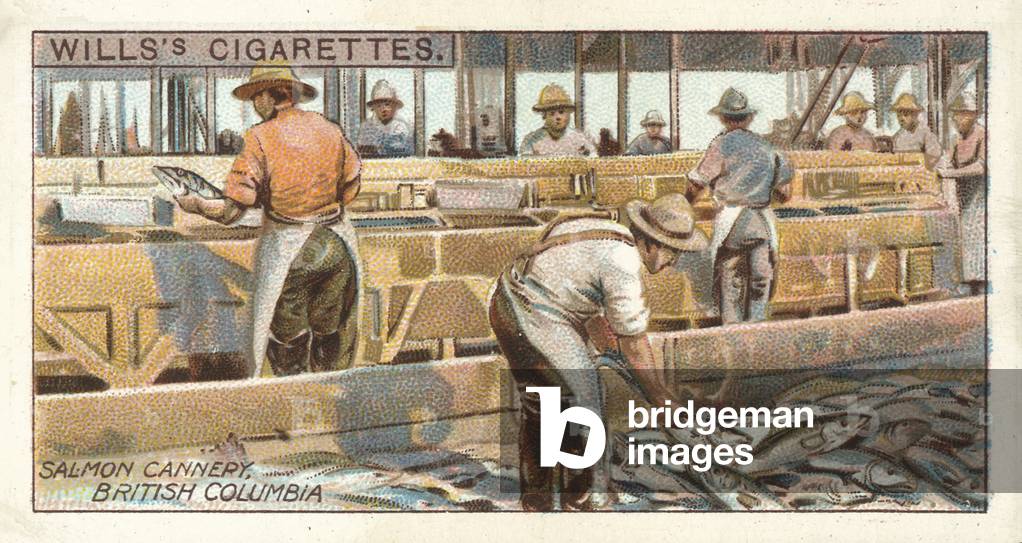
LLM5206112: Canada, Salmon Cannery, British Columbia (chromolitho), English School, (20th century) / Bridgeman Images

LLM5208033: Foundation of the Abbey of St Gall, Switzerland, 8th Century (engraving), German School, (19th century) / Bridgeman Images

LLM5205871: Motor car, Bentley (b/w photo), English Photographer, (20th century) / Bridgeman Images

LLM5209760: Illustration for The Cottar's Saturday Night by Robert Burns, Verses VII and VIII (engraving), Faed, John (1820-1902) (after) / Bridgeman Images
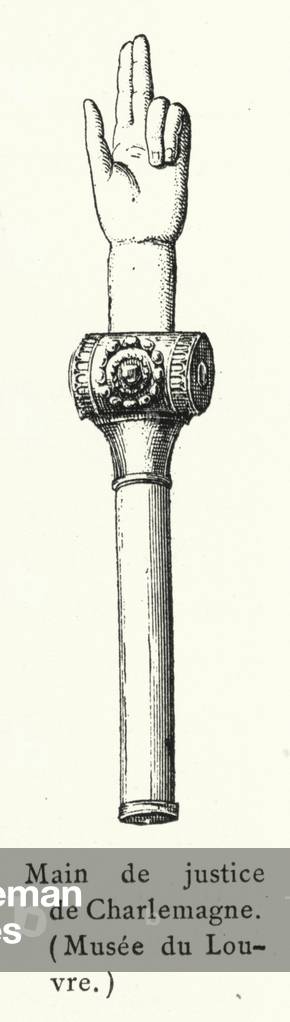
LLM5208595: Main de justice de Charlemagne (engraving), French School, (19th century) / Bridgeman Images

LLM5209016: Illustration for the Adventures of Baron Munchausen (engraving), English School, (19th century) / Bridgeman Images
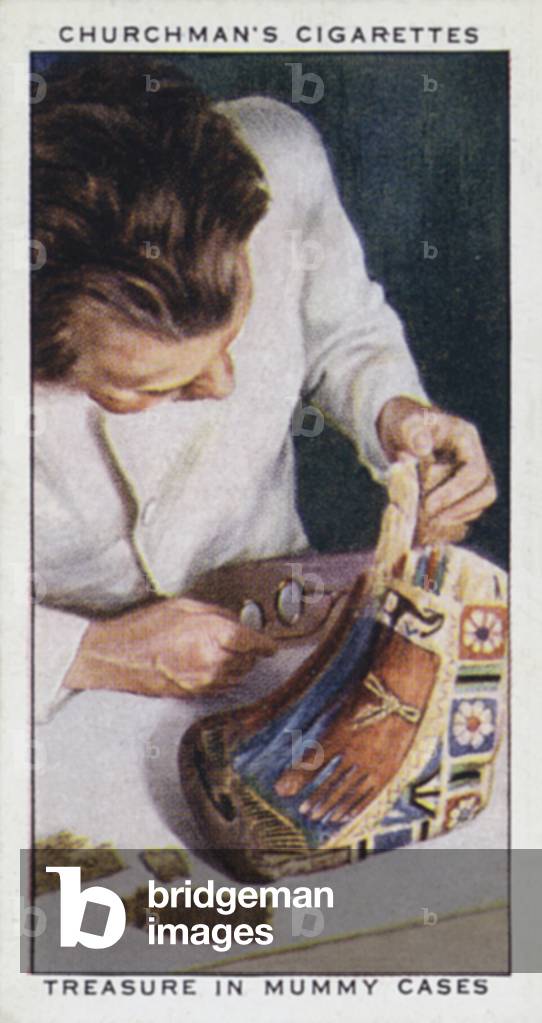
LLM5206457: Treasure Trove: Treasure in mummy cases (colour litho), English School, (20th century) / Bridgeman Images

LLM5205076: A cut apple (chromolitho), English School, (20th century) / Bridgeman Images

LLM5207253: Boy with an Irish pony (engraving), French School, (19th century) / Bridgeman Images

LLM5205418: The rain of tears is necessary for the harvest of learning (colour litho), Bull, René (1872-1942) / Bridgeman Images

LLM5208518: French cartoon lampooning women's hairstyles of the time, 1780 (litho), French School, (18th century) (after) / Bridgeman Images
