2491422 Search Results
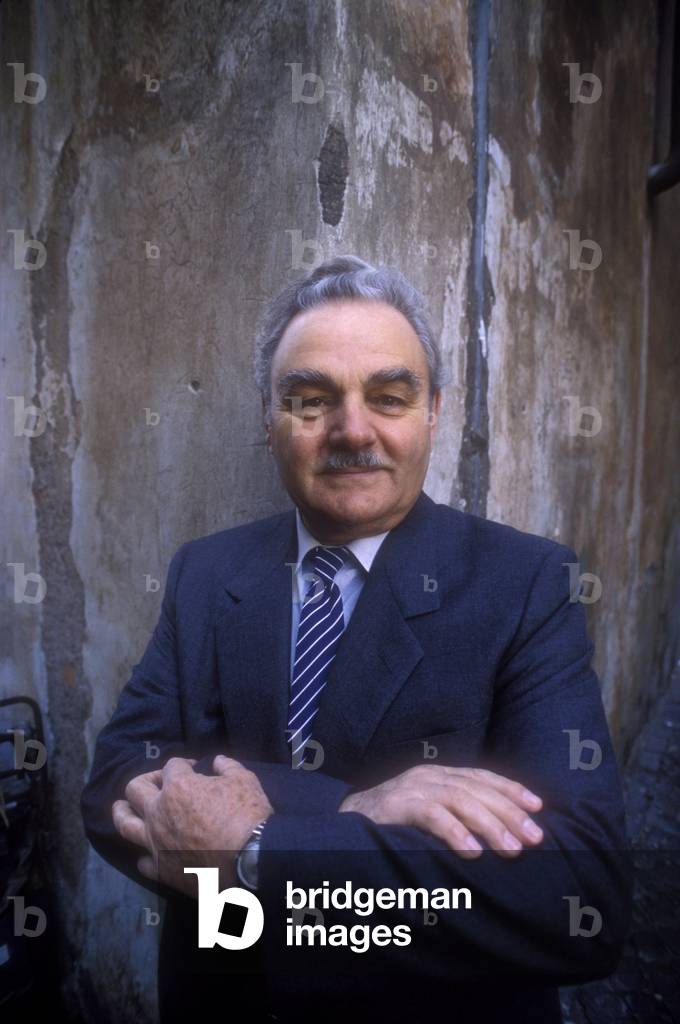
MME4709851: Portrait of writer Vladimir Karpov, veteran of the Second War in the Russian Army, 1990, Mencarini, Marcello / Bridgeman Images

MME4707705: Portrait of jazz saxophonist Anthony Braxton in 1981., Mencarini, Marcello / Bridgeman Images

MME4707845: Portrait of the French maker Robert Bresson with his wife in 1980, Mencarini, Marcello / Bridgeman Images

FLO4707756: Margarita, Countess of Flanders (1145-1194), horseback with a hawk and the dwarf Turold, guiding two horses. The Franks wore cups similar to that worn by Marguerite (103). Turold (104), sent by Guillaume (William), Duke of Normandy, known as the Conquerant then William I of England (1027-1087), represented as described by Bernard de Montfaucon in Monument de la Monarchy Francaise. (Copy of a tapestry earlier than that of Bayeux or Queen Mathilde, 11th century). He wears clothes under his suit, the cut and shape of his hat are very special. Hand-coloured copper engraving, in “Images historiques des costumes des principaux peuples de l'Antiquite et du Middle Ages” by Robert Von Spalart, published in 1796. / Bridgeman Images

FLO4707988: Cartoon of demon adorned with a predominantly Norman with long sleeves, attached to the sleeves and tail, to its sides, a Norman woman seated and veiled, wearing a baby, and another Norman woman with long braid hair, clothed with one above all. Hand-coloured copper engraving, in “Images historique des costumes des principaux peuples de l'Antiquite et du Middle Ages” by Robert Von Spalart, published in 1796. Cartoon of demon wearing a Norman long sleeved surtout tied at the sleeves and tails, seated Norman woman in veil holding a baby, and Norman woman with long plaited hair in a surtout. Handcolored copperplate engraving from Robert von Spalart's “” Historical Picture of the Costumes of the Principal People of Antiquity and of the Middle Ages”” (1796). / Bridgeman Images

MME4708086: Portrait of the Spanish actresses Montserrat Caballe and Italian renata Tebaldi in 1983., Mencarini, Marcello / Bridgeman Images

FLO4708149: The Norman cavalry: a slightly weapon with a sword and a shield, the other heavily weapon with a chain armor and a spear. Both of a mostly military. Hand-coloured copper engraving, in “Images historiques des costumes des principaux peuples de l'Antiquite et du Middle Ages” by Robert Von Spalart, published in 1796. / Bridgeman Images

MME4708329: Italo Calvino, Venice Lido, Italy, 1981 (photo), Mencarini, Marcello / Bridgeman Images

MME4708169: Portrait of composer and poet John Cage, 1982., Mencarini, Marcello / Bridgeman Images
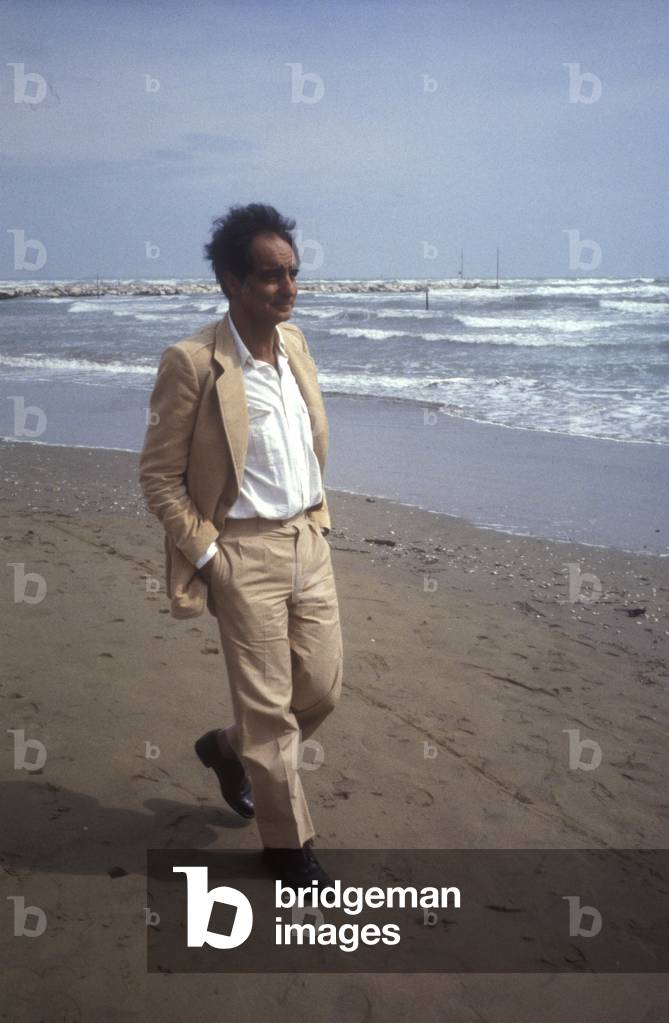
MME4708412: Italo Calvino, Venice Lido, Italy, 1981 (photo), Mencarini, Marcello / Bridgeman Images

MME4708222: Portrait of composer and poet John Cage holding a photograph of him taken the previous year, 1983., Mencarini, Marcello / Bridgeman Images

MME4708229: Portrait of composer and poet John Cage, 1982., Mencarini, Marcello / Bridgeman Images

FLO4708365: Knight of the temple who does not yet have the Cross, but is already armed with a spear and a sword. His dress officially must not be “” longer than the Cross””. The Order of the Knights of the Temple was founded in 1118 by Hugues de Payns (died 1136), Knight of Champagne and eight other knights to protect the pelerins in the Holy Land. After a humble beginning as Poor Knights of the Temple, the order developed to become a powerful and rich army of fighting monks, with monasteres throughout Europe, and numerous castles in Palestine (Safed, 1140; Karak, 1143; and the castle of the Pelerins 1217). The order ended tragically in 1312 when the Templars were judges, tortures and executes. Hand-coloured copper engraving, in “Images historiques des costumes des principaux peuples de l'Antiquite et du Middle Ages” by Robert Von Spalart, published in 1796. / Bridgeman Images
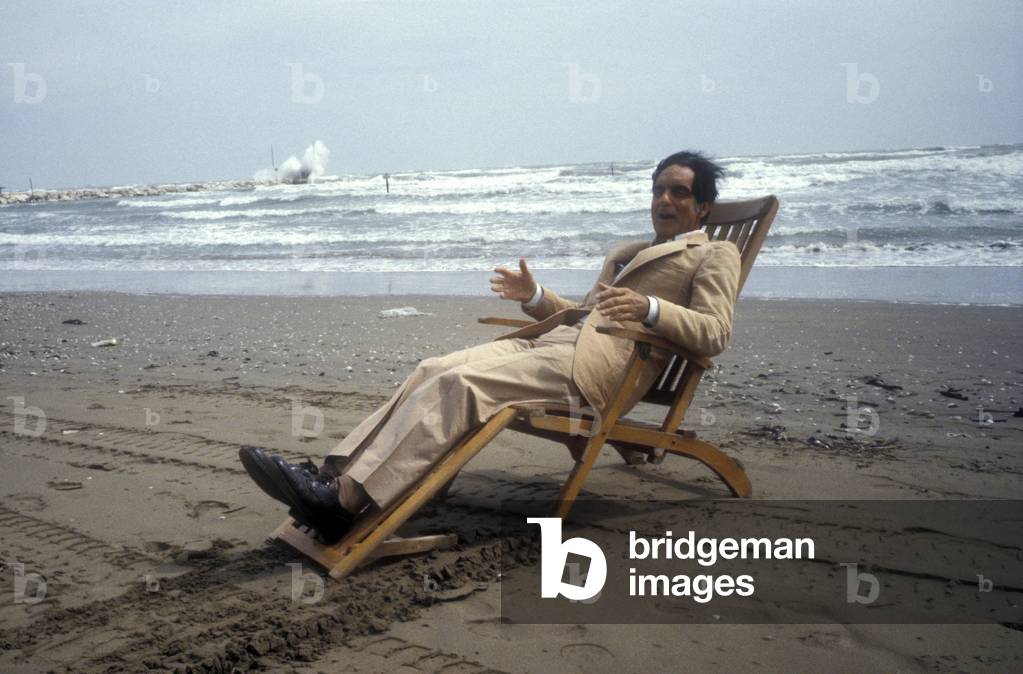
MME4708372: Italo Calvino, Venice Lido, Italy, 1981 (photo), Mencarini, Marcello / Bridgeman Images

MME4708502: Cannes Film Festival, photo sitting around a comedian posing on a car at the Palais des Festivals. 1991 Panoramic view, Mencarini, Marcello / Bridgeman Images

FLO4708583: Knight of Malta in war suit (red jacket decoree with a large white cross on the chest). The Order of the Knights of Malta came from the Knights Hospitaller, a military order founded in 1099 to protect and treat the pelerins in Palestine. Following their expulsion from the Holy Land, the order was established on the island of Rhodes (1310-1523) before establishing itself in Malta in 1530. The order ruled the island until 1798, until Napoleon averted them. Today it survives under the name Sovereign Military Order of Malta. / Bridgeman Images

MME4708943: Panoramic view of St. Peter's Square in Rome from the dome of the Basilica, Rome Italy, Mencarini, Marcello / Bridgeman Images
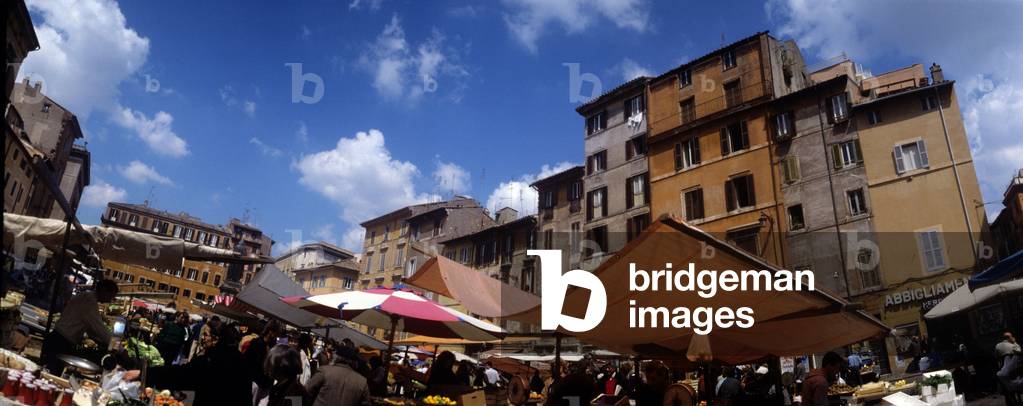
MME4708946: Panoramic view of the walk of Campo dei fiori square, Rome Italy, Mencarini, Marcello / Bridgeman Images
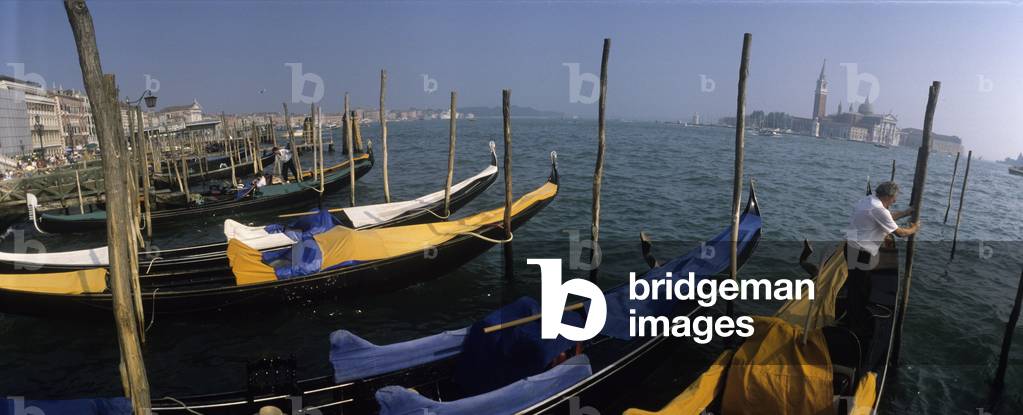
MME4709264: Panoramic view of Venice lagoon with gondolas. Italy, Mencarini, Marcello / Bridgeman Images
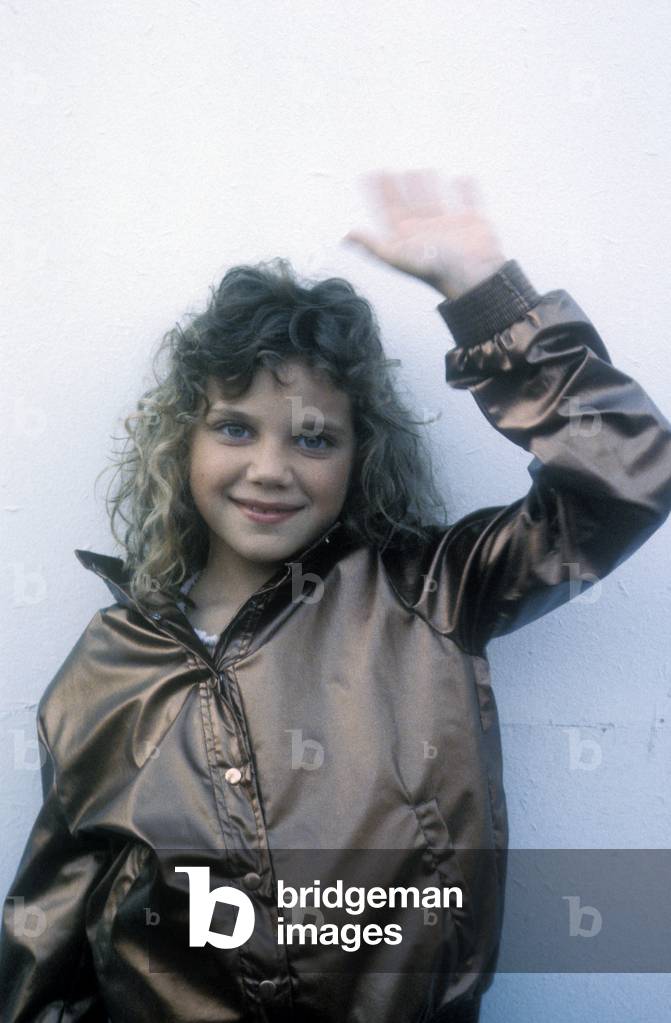
MME4709404: Portrait of the American pop singer child Nikka Costa in 1981., Mencarini, Marcello / Bridgeman Images
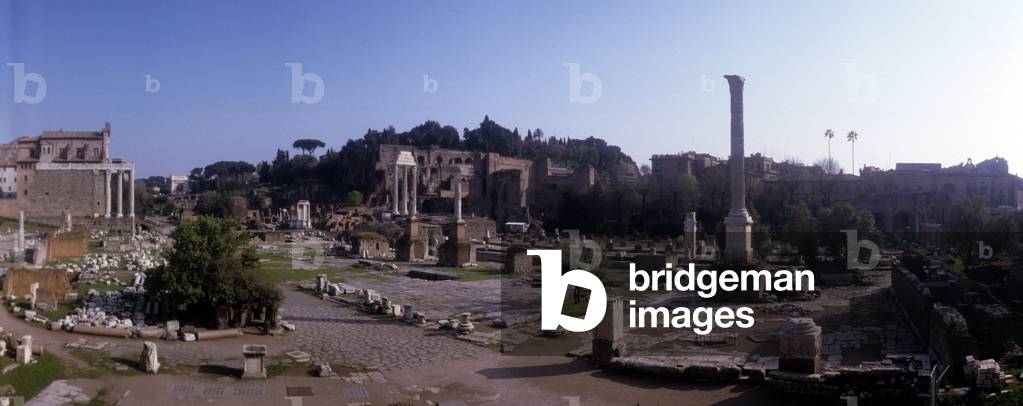
MME4709094: Panoramic view of the Roman Forum (foro romano) Rome, Italy, Mencarini, Marcello / Bridgeman Images

FLO4710510: Chickling pea, subterranean lathyrus or earth-pea, Lathyrus amphicarpos. Handcoloured copperplate engraving by Weddell after a botanical illustration by Edward Dalton Smith from Robert Sweet's The British Flower Garden, Ridgeway, London, 1828. / Bridgeman Images

MME4710537: Portrait of the Italian diver Enzo Maiorca in 1989, Mencarini, Marcello / Bridgeman Images

FLO4710558: Penstemon atropurpureus (Dark purple chelone, Chelone atropurpurea). Handcoloured copperplate engraving by Weddell after a botanical illustration by Edward Dalton Smith from Robert Sweet's The British Flower Garden, Ridgeway, London, 1828. / Bridgeman Images

FLO4710600: Elegant cup-flower, Scyphanthus elegans. Handcoloured copperplate engraving by Weddell after a botanical illustration by Edward Dalton Smith from Robert Sweet's The British Flower Garden, Ridgeway, London, 1828. / Bridgeman Images

MME4710788: Portrait of the Italian composer Giacomo Manzoni in 1995, Mencarini, Marcello / Bridgeman Images

FLO4710864: Mexican primrose or handsome white oenothera, Oenothera speciosa. Handcoloured copperplate engraving by Weddell after a botanical illustration by Edward Dalton Smith from Robert Sweet's The British Flower Garden, Ridgeway, London, 1828. / Bridgeman Images

MME4710925: Portrait of the Italian composer Giacomo Manzoni in 1995, Mencarini, Marcello / Bridgeman Images
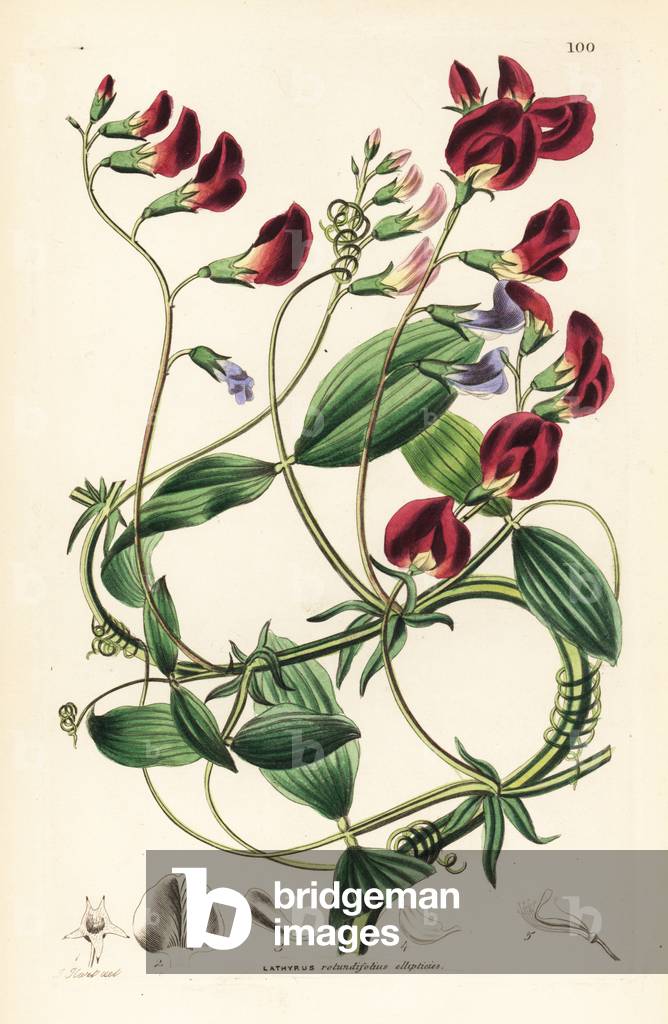
FLO4711261: Grace de Drumont - Round-leaved everlasting pea, Lathyrus rotundifolius var. ellipticus. Handcoloured copperplate engraving after J.T. Hart from John Lindley and Robert Sweet's Ornamental Flower Garden and Shrubbery, G. Willis, London, 1854. / Bridgeman Images
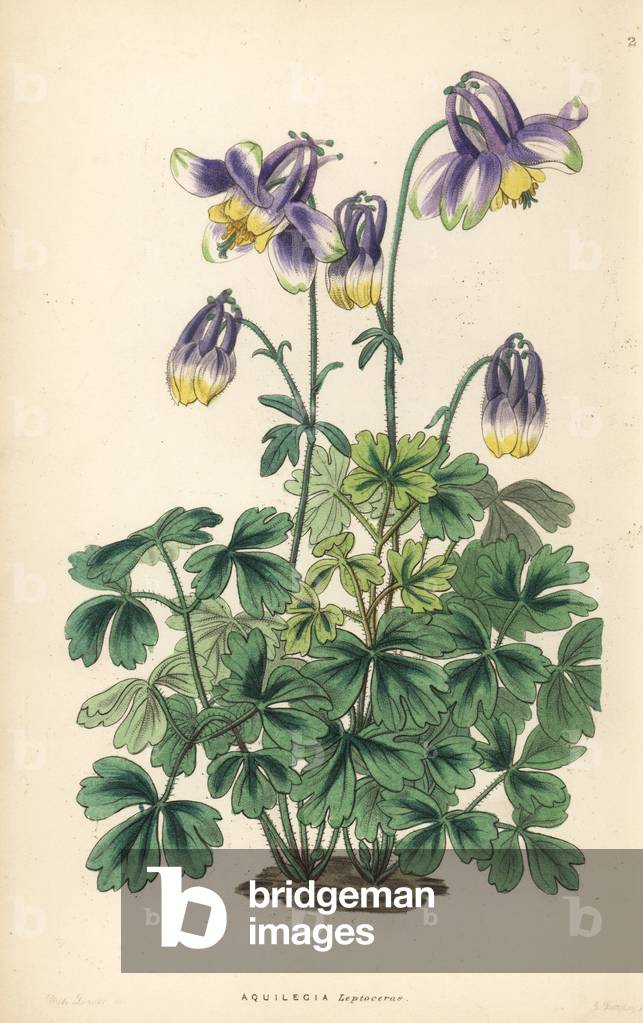
FLO4711132: Columbine ancolia - Slender-horned columbine, Aquilegia leptoceras. Handcoloured copperplate engraving by G. Barclay after Miss Sarah Drake from John Lindley and Robert Sweet's Ornamental Flower Garden and Shrubbery, G. Willis, London, 1854. / Bridgeman Images

MME4711141: Portrait of the Russian violinist Igor Oistrakh, 1980, Mencarini, Marcello / Bridgeman Images
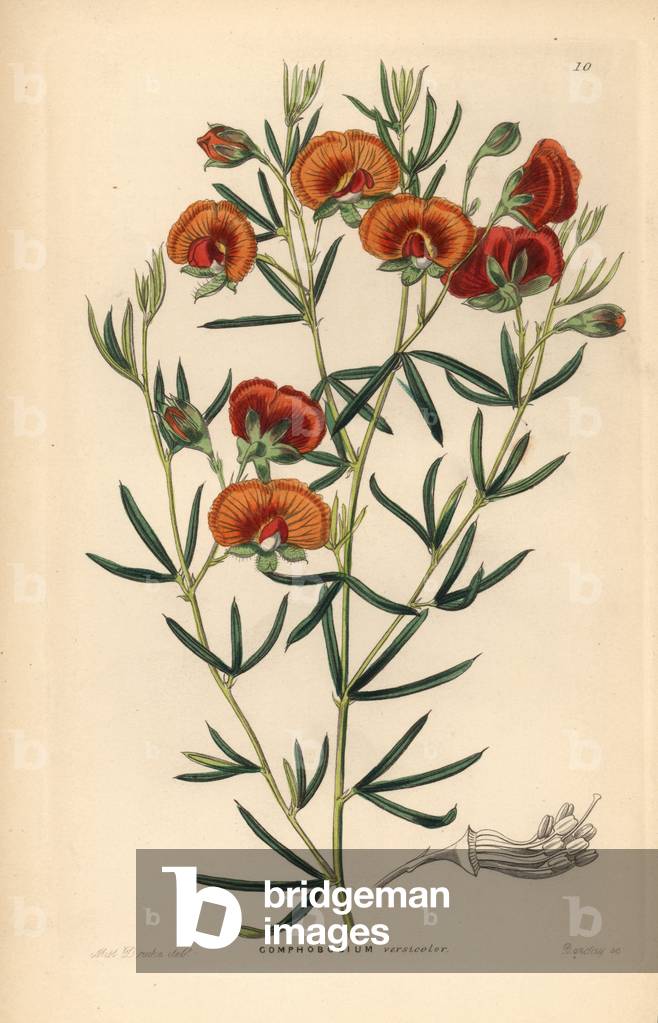
FLO4711239: Changeable gompholobium, Gompholobium versicolor. Handcoloured copperplate engraving by G. Barclay after Miss Sarah Drake from John Lindley and Robert Sweet's Ornamental Flower Garden and Shrubbery, G. Willis, London, 1854. / Bridgeman Images
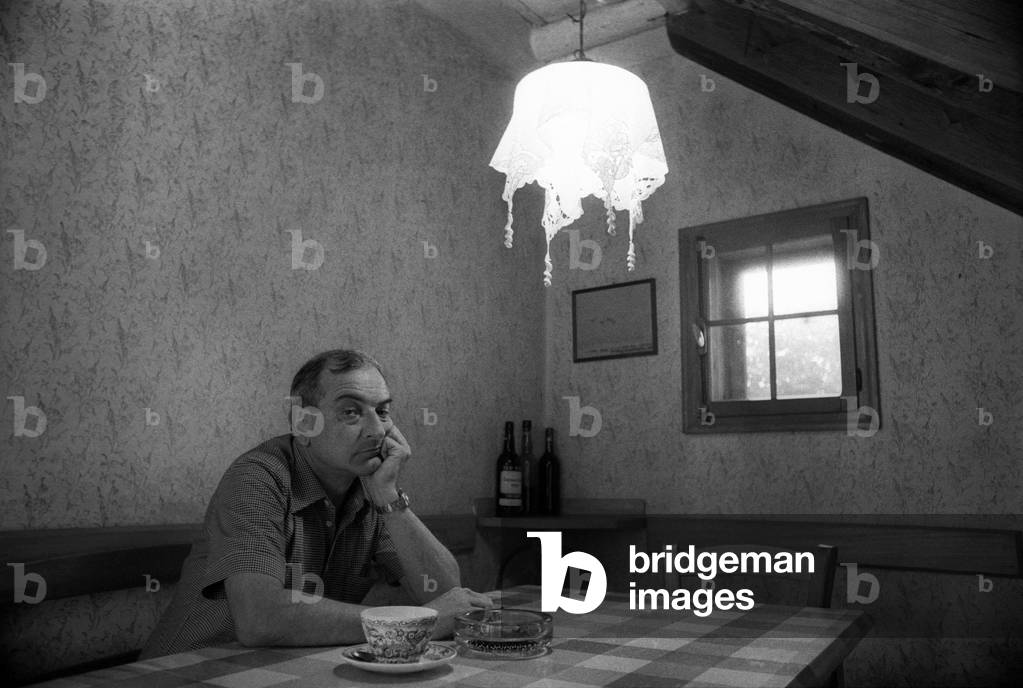
MME4711285: Portrait of the Italian writer Goffredo Parise, 1979., Mencarini, Marcello / Bridgeman Images
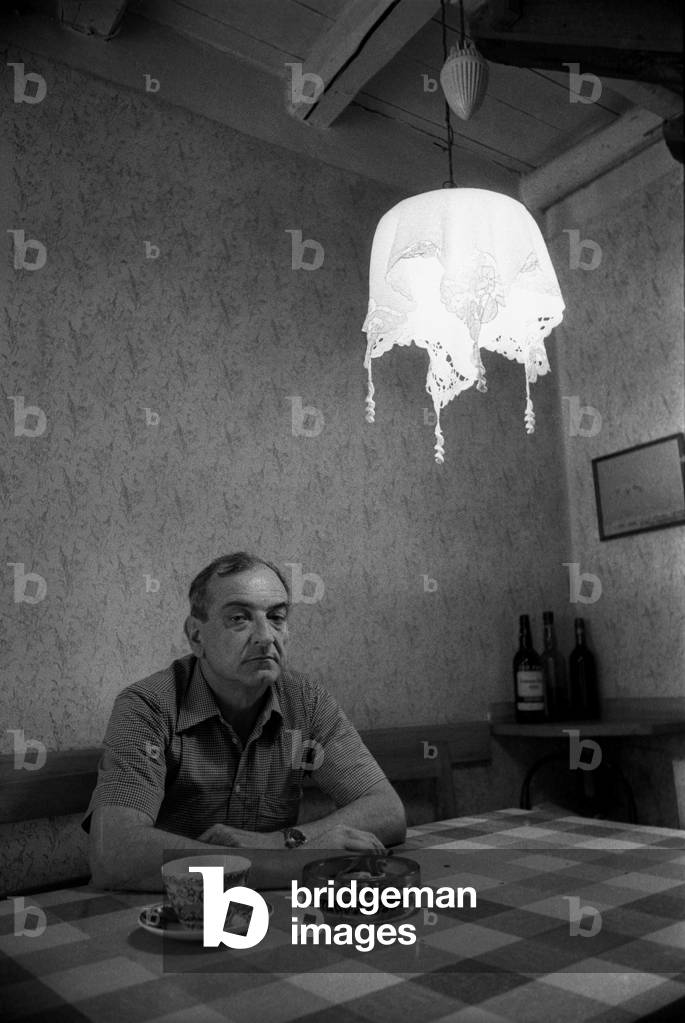
MME4711293: Portrait of the Italian writer Goffredo Parise, 1979., Mencarini, Marcello / Bridgeman Images

FLO4711334: Anemone scabieuse - Anemone scabiosa (Japanese anemone, Anemone japonica). Handcoloured copperplate engraving by G. Barclay after Miss Sarah Drake from John Lindley and Robert Sweet's Ornamental Flower Garden and Shrubbery, G. Willis, London, 1854. / Bridgeman Images

MME4710556: Portrait of the Italian diver Enzo Maiorca in 1989, Mencarini, Marcello / Bridgeman Images
