Search options

Orientation
Colour

Display options

View

Print

To print search results, use print friendly version of this page.

2491125 Search Results

Newborns in the a nursery of Provident Hospital in Chicago, Illinois. 1942

EVB2936421: Newborns in the a nursery of Provident Hospital in Chicago, Illinois. 1942, Delano, Jack (1914-97) / Bridgeman Images
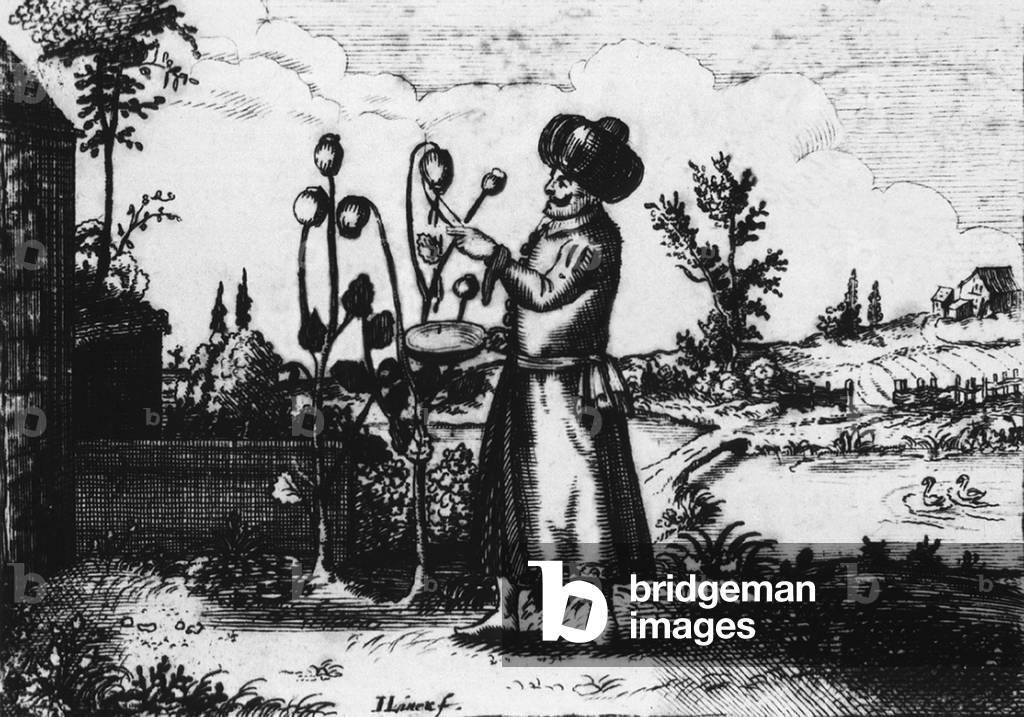
A man in Turkish dress slashes an opium poppy bud to extract the sap from the seed capsule, 17th century

EVB2936430: A man in Turkish dress slashes an opium poppy bud to extract the sap from the seed capsule, 17th century / Bridgeman Images
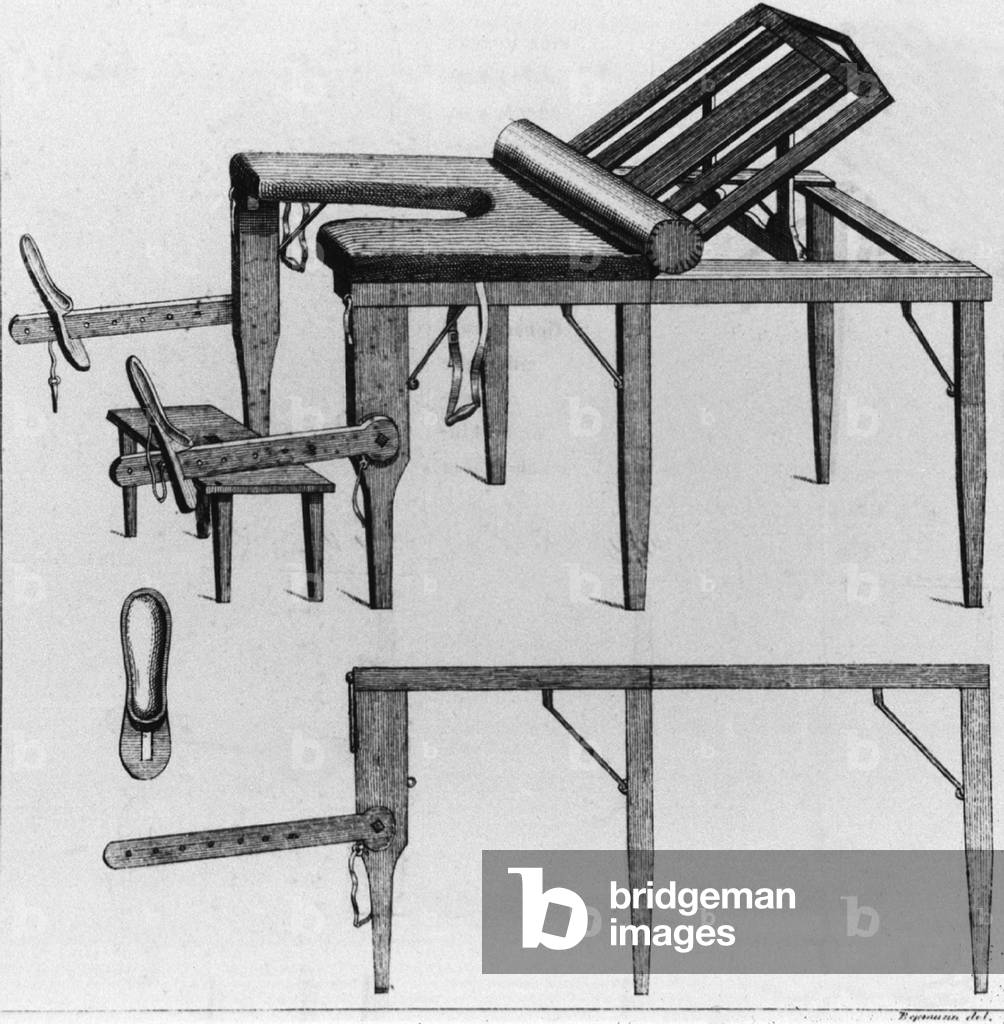
A wooden birthing table with adjustable back and leg supports, an opening in the seat, and a foot stool. Illustration in a text by German obstetrician, Friedrich Benjamin Osiander (1759–1822)

EVB2936436: A wooden birthing table with adjustable back and leg supports, an opening in the seat, and a foot stool. Illustration in a text by German obstetrician, Friedrich Benjamin Osiander (1759–1822) / Bridgeman Images

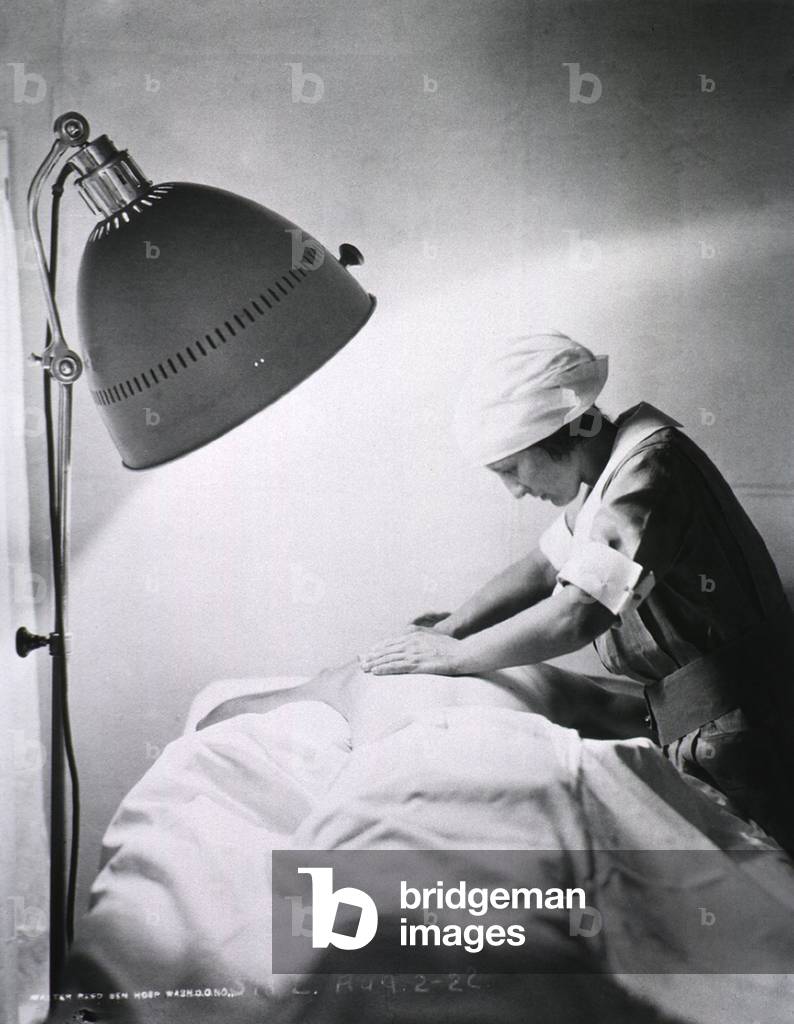
Nurse giving back rub to a patient in Walter Reed General Hospital. 1922

EVB2936478: Nurse giving back rub to a patient in Walter Reed General Hospital. 1922, Unknown photographer, (20th century) / Bridgeman Images
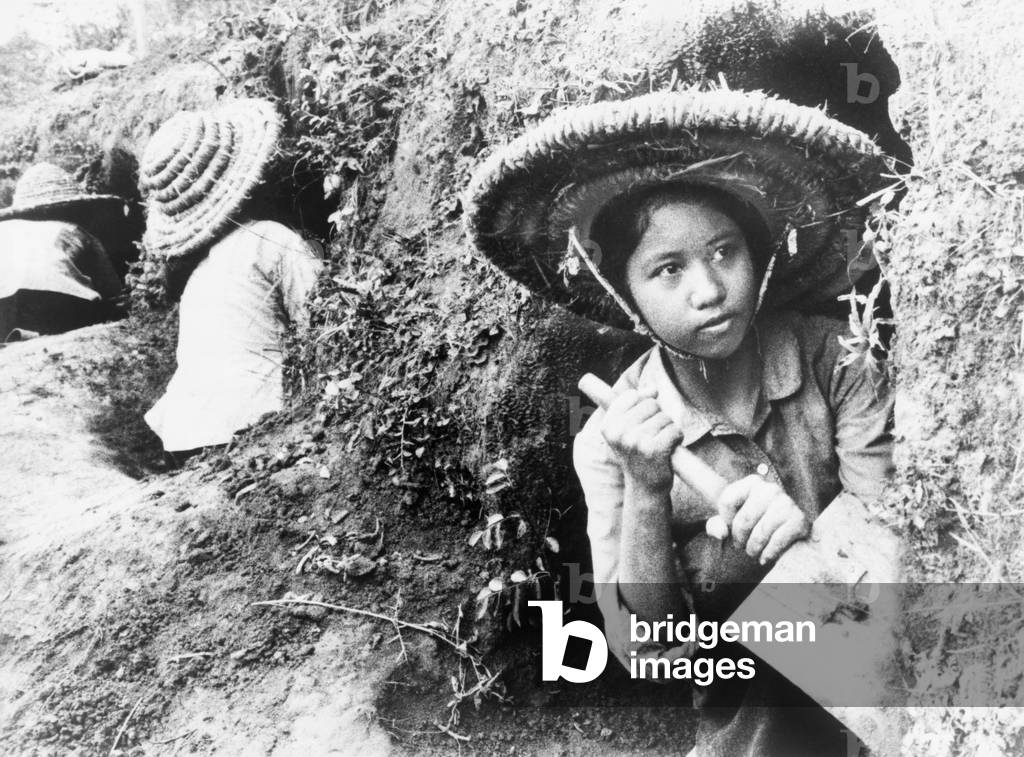
High school girls digging air raid shelters in a hillside in Hanoi, North Vietnam during the American bombings of 1965-1966

EVB2936218: High school girls digging air raid shelters in a hillside in Hanoi, North Vietnam during the American bombings of 1965-1966 / Bridgeman Images
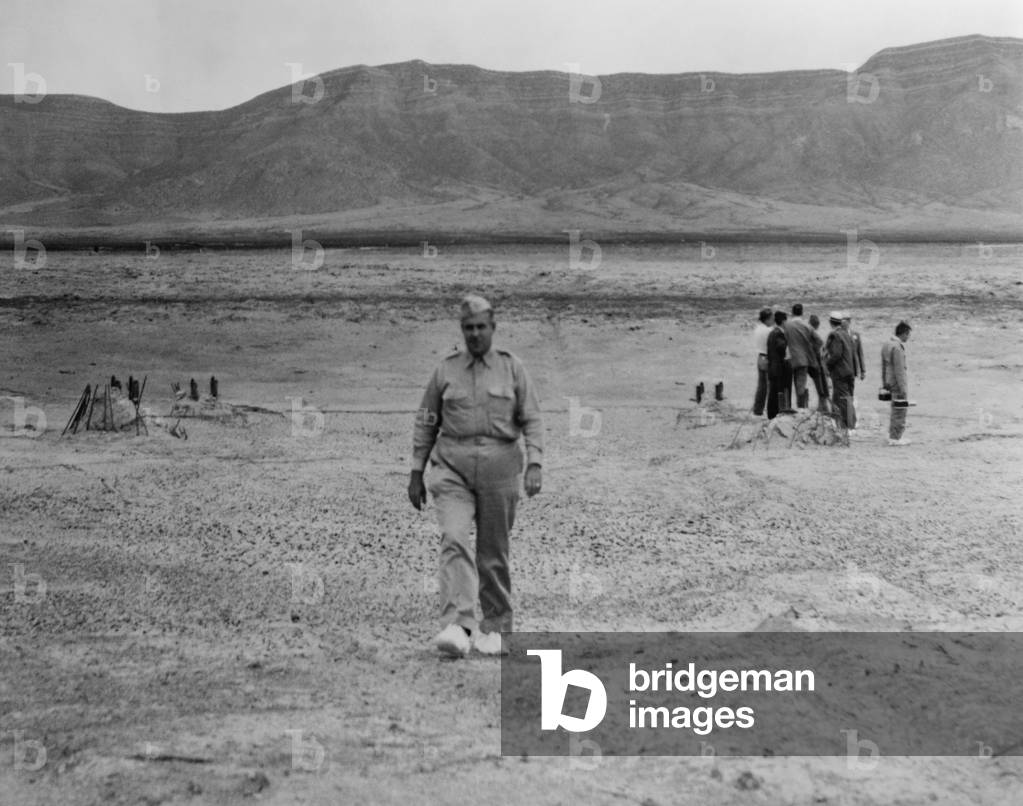
General Leslie Groves (1896-1970), walking across the site of the first atomic bomb blast site at Alamogordo, N.M. in July 1945. Groves was the military leader of the Manhattan Project to develop the Atomic Bomb. He was played by Paul Newman in the 1989 movie, FAT MAN AND LITTLE BOY

EVB2936233: General Leslie Groves (1896-1970), walking across the site of the first atomic bomb blast site at Alamogordo, N.M. in July 1945. Groves was the military leader of the Manhattan Project to develop the Atomic Bomb. He was played by Paul Newman in the 1989 movie, FAT MAN AND LITTLE BOY / Bridgeman Images
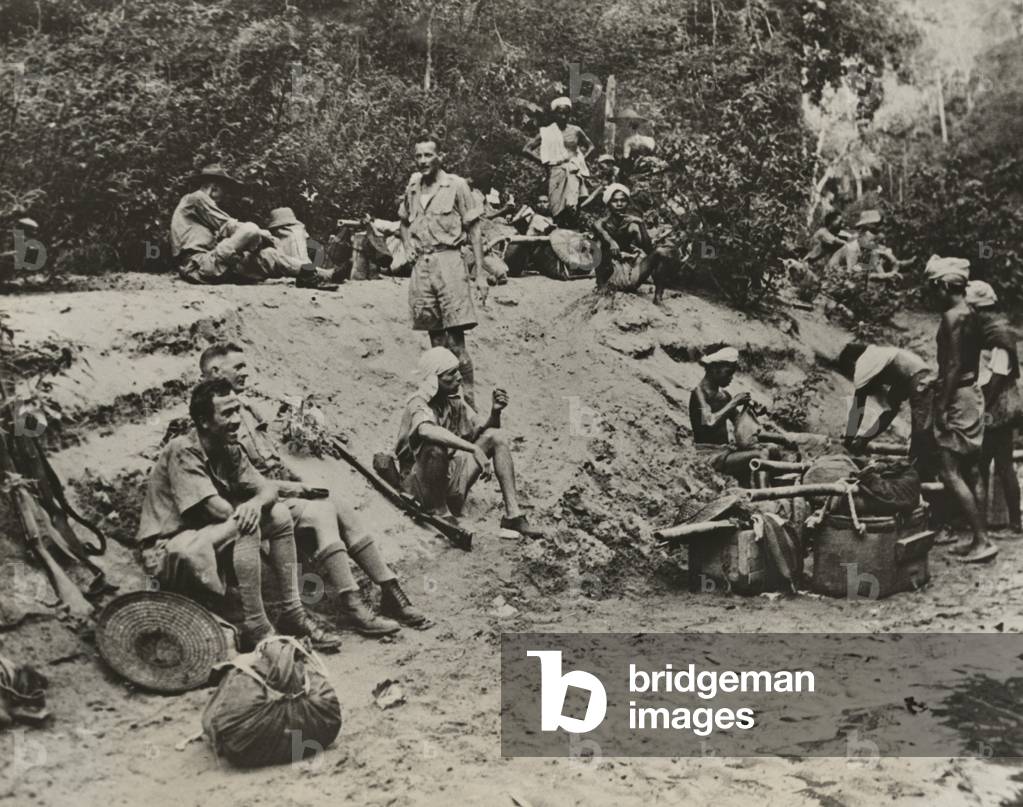
Chinese 5th and 6th armies under the command of American General Joseph 'Vinegar Joe' Stilwell, resting near the banks of Uyu river in the Burma jungle during their retreat India in the summer of 1942

EVB2936239: Chinese 5th and 6th armies under the command of American General Joseph 'Vinegar Joe' Stilwell, resting near the banks of Uyu river in the Burma jungle during their retreat India in the summer of 1942 / Bridgeman Images
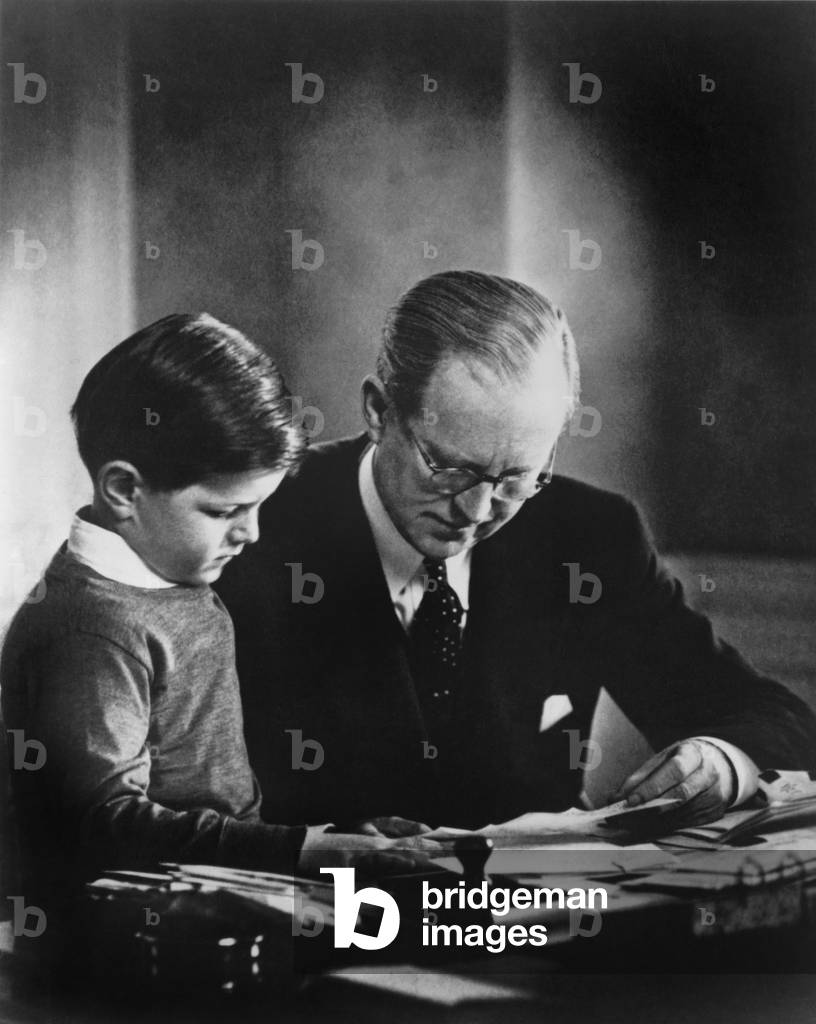
Ambassador to Great Britain, Joseph Kennedy, in his London study, helping his youngest son, Edward Kennedy, with his studies. c. 1938

EVB2936260: Ambassador to Great Britain, Joseph Kennedy, in his London study, helping his youngest son, Edward Kennedy, with his studies. c. 1938 / Bridgeman Images
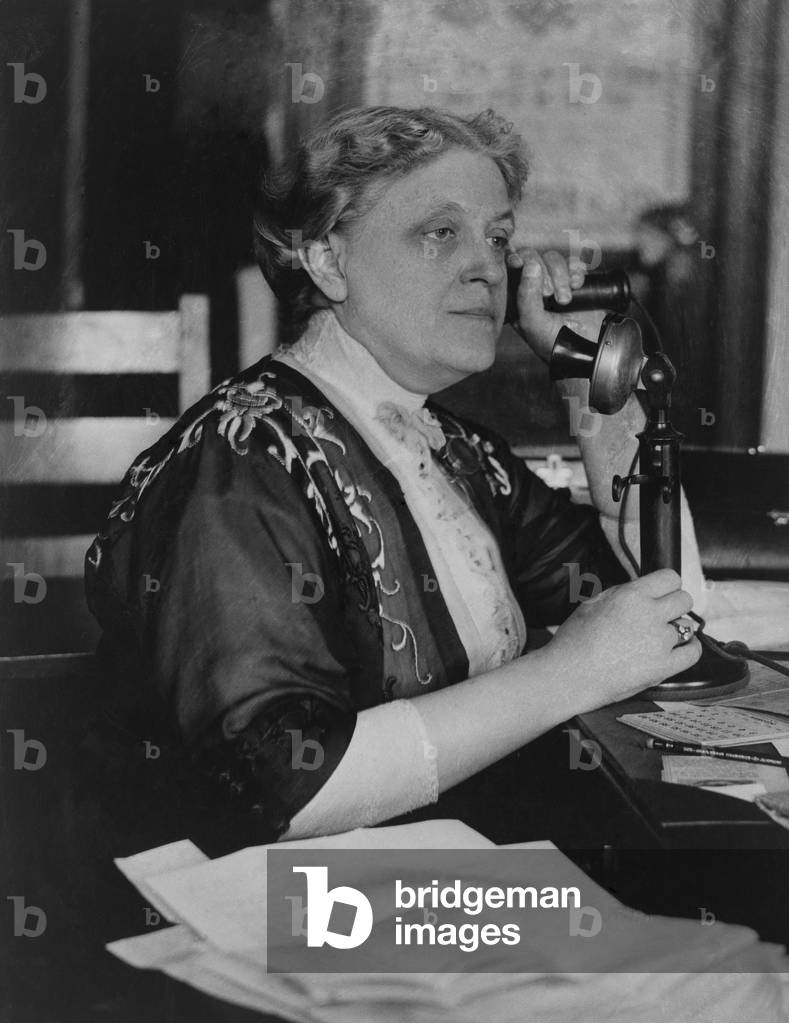
Carrie Chapman Catt, ( 1859-1947), was president of the National American Woman Suffrage Association when the Nineteenth Amendment grant women the right to vote was adopted in 1920

EVB2936281: Carrie Chapman Catt, ( 1859-1947), was president of the National American Woman Suffrage Association when the Nineteenth Amendment grant women the right to vote was adopted in 1920, Unknown photographer, (20th century) / Bridgeman Images
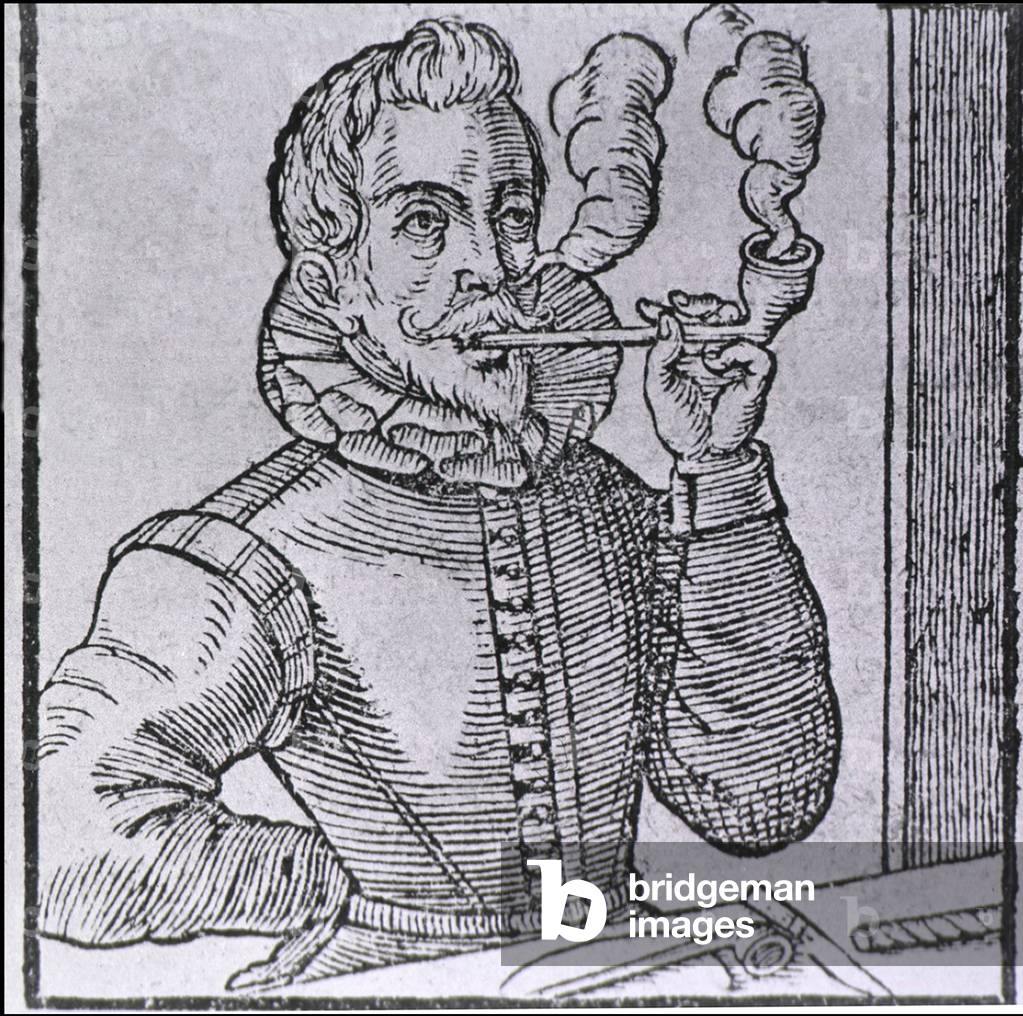
16th century Dutchman smoking a long-stemmed pipe, with another pipe and roll of tobacco on the table. Pipe smoking was introduced to Europe in the 16th century by sailors returning from the New World. 1595 wood engraving

EVB2936344: 16th century Dutchman smoking a long-stemmed pipe, with another pipe and roll of tobacco on the table. Pipe smoking was introduced to Europe in the 16th century by sailors returning from the New World. 1595 wood engraving / Bridgeman Images
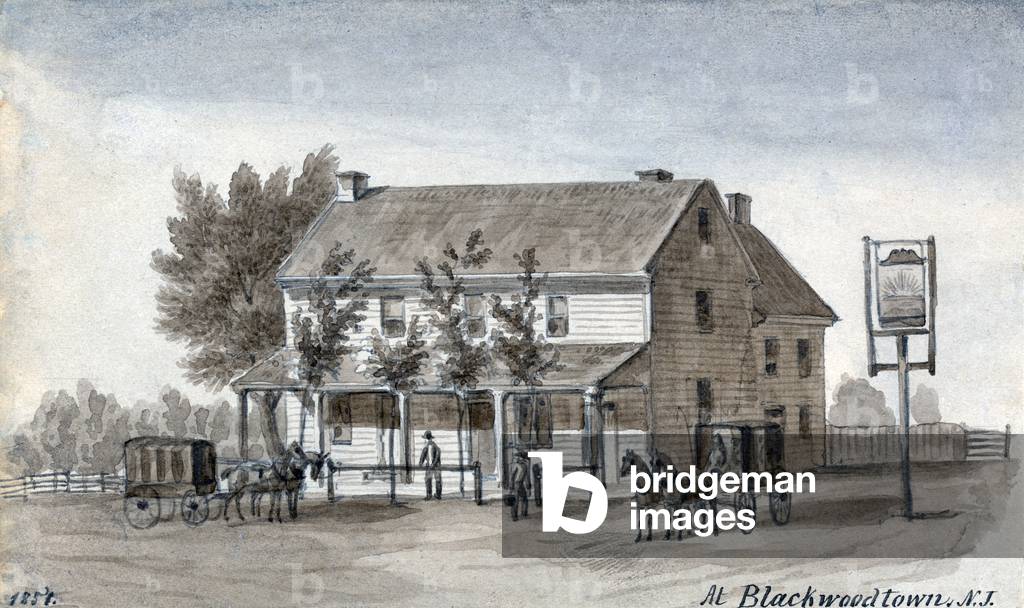
A tavern with horse-drawn carriages at Blackwoodtown, N.J. 1851

EVB2936359: A tavern with horse-drawn carriages at Blackwoodtown, N.J. 1851, Kollner, Augustus (1813-1906) / Bridgeman Images
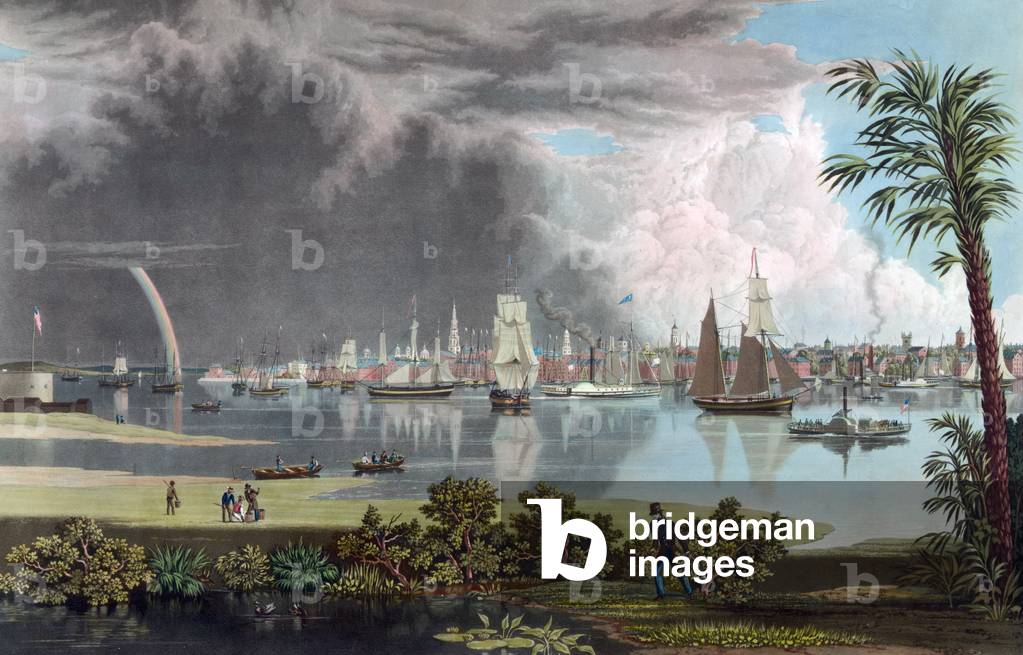
Charleston, South Carolina, looking across Cooper's River 1838

EVB2936365: Charleston, South Carolina, looking across Cooper's River 1838 / Bridgeman Images
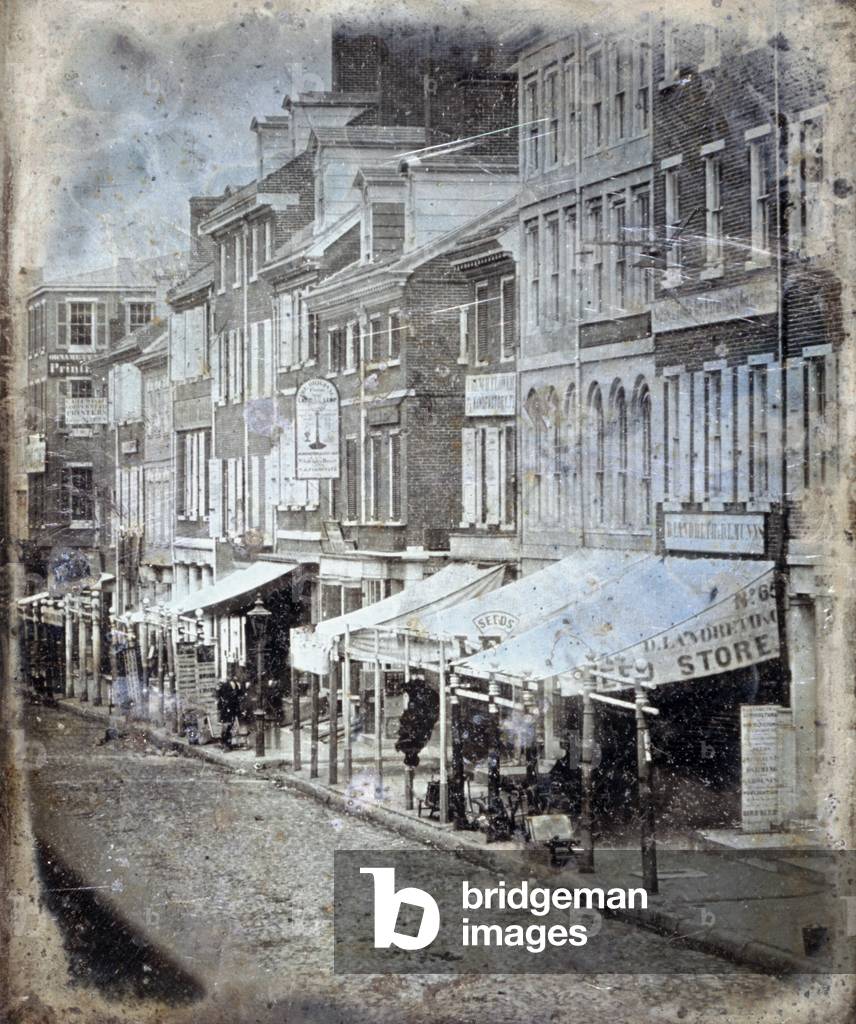
Daguerreotype of the north side of Chestnut Street, between 2nd Street and 3rd Street, Philadelphia, Pennsylvania 1843

EVB2936368: Daguerreotype of the north side of Chestnut Street, between 2nd Street and 3rd Street, Philadelphia, Pennsylvania 1843, Unknown photographer, (19th century) / Bridgeman Images

The Surgeon Dentist, pulls a man's tooth while a women picks the patient's pocket. 1523 engraving after a painting by Lucas van Leyden (1494-1533)

EVB2936374: The Surgeon Dentist, pulls a man's tooth while a women picks the patient's pocket. 1523 engraving after a painting by Lucas van Leyden (1494-1533) / Bridgeman Images
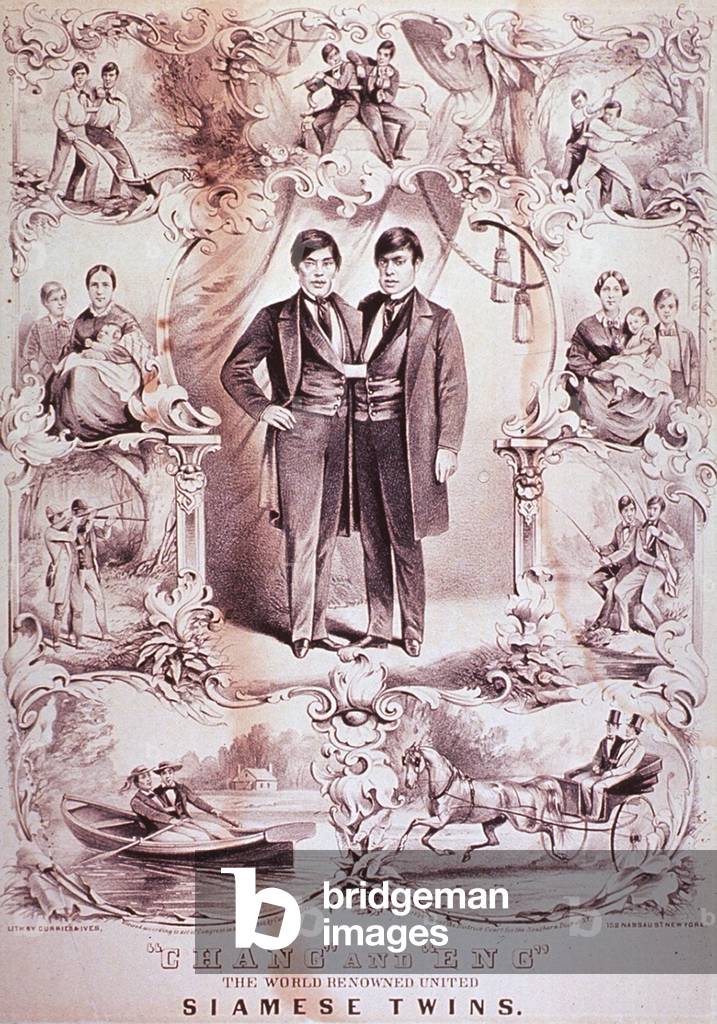
Chang and Eng, (1811-1874), World Renowned United Siamese Twins. Surrounding the twins portrait are scenes of their activities of hunting, boating, plowing, and with their respective families. 1860 Currier and Ives print

EVB2936383: Chang and Eng, (1811-1874), World Renowned United Siamese Twins. Surrounding the twins portrait are scenes of their activities of hunting, boating, plowing, and with their respective families. 1860 Currier and Ives print / Bridgeman Images
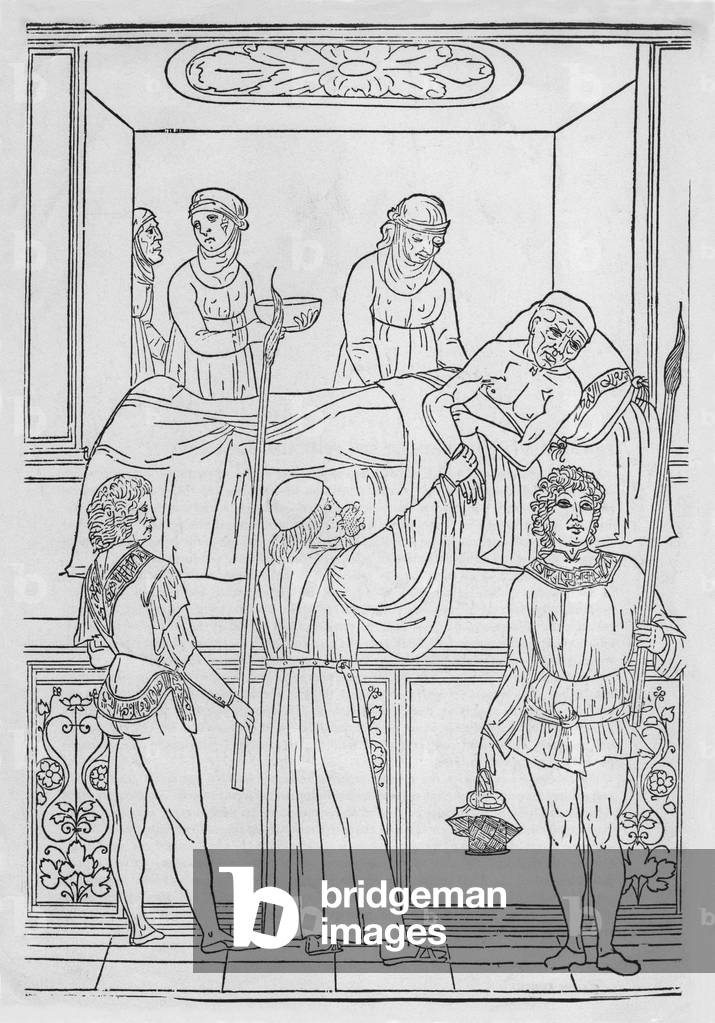
Germany: Plague patient, 1493 (engraving)

EVB2936404: Germany: Plague patient, 1493 (engraving) / Bridgeman Images

The Out-patient's Room in University College Hospital 1872, in London. Some patients stand in the crowded waiting room. In the background is a dispensary. From THE GRAPHIC, Jan 6, 1872,

EVB2936425: The Out-patient's Room in University College Hospital 1872, in London. Some patients stand in the crowded waiting room. In the background is a dispensary. From THE GRAPHIC, Jan 6, 1872, / Bridgeman Images
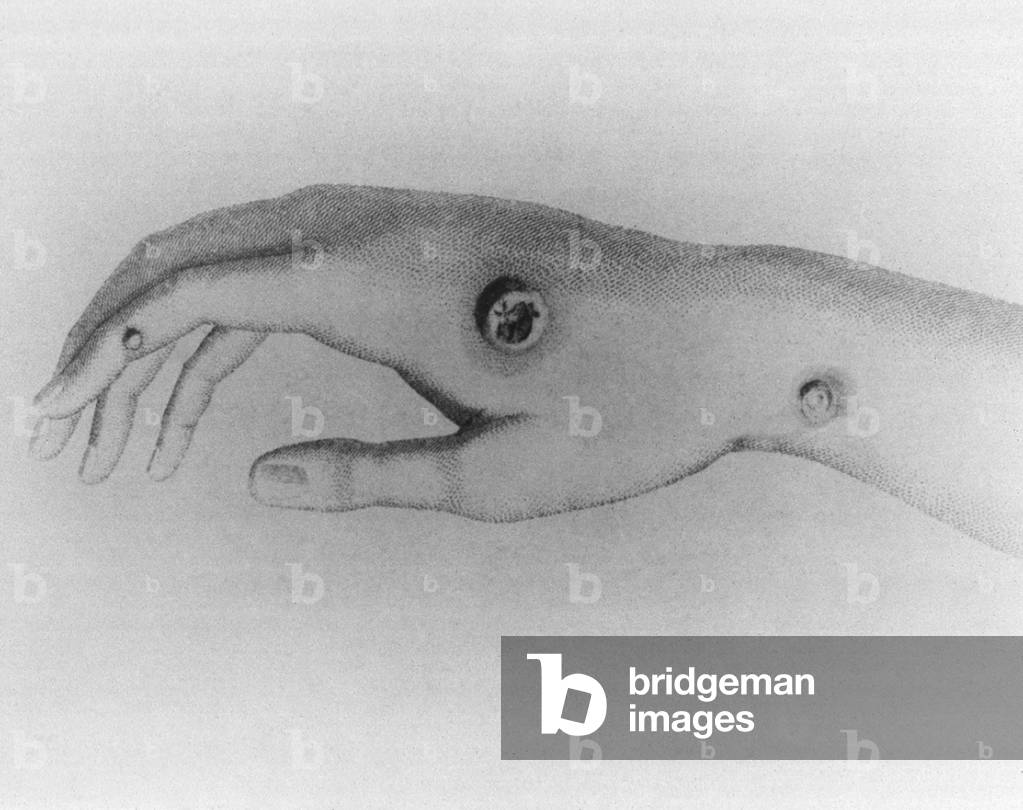
Cowpox pustule on the arm of milkmaid, Sarah Nelme, which Edward Jenner used as a source for his smallpox vaccine

EVB2936431: Cowpox pustule on the arm of milkmaid, Sarah Nelme, which Edward Jenner used as a source for his smallpox vaccine / Bridgeman Images
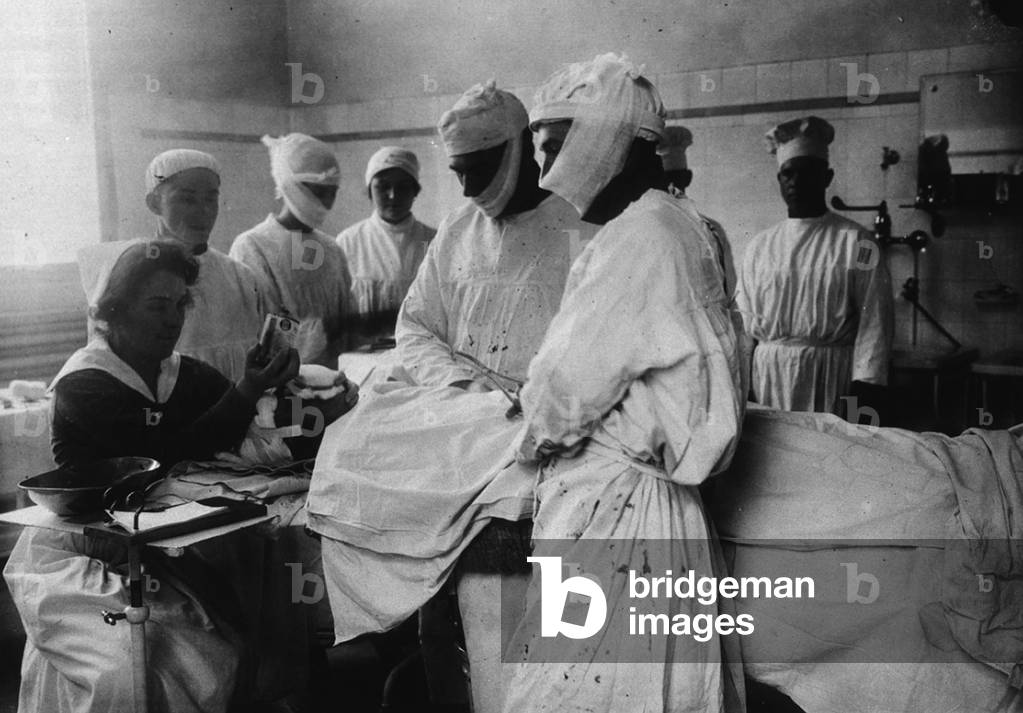
Masked surgeons perform an operation while a nurse administers ether to anesthetize patient. c. 1920

EVB2936455: Masked surgeons perform an operation while a nurse administers ether to anesthetize patient. c. 1920 / Bridgeman Images
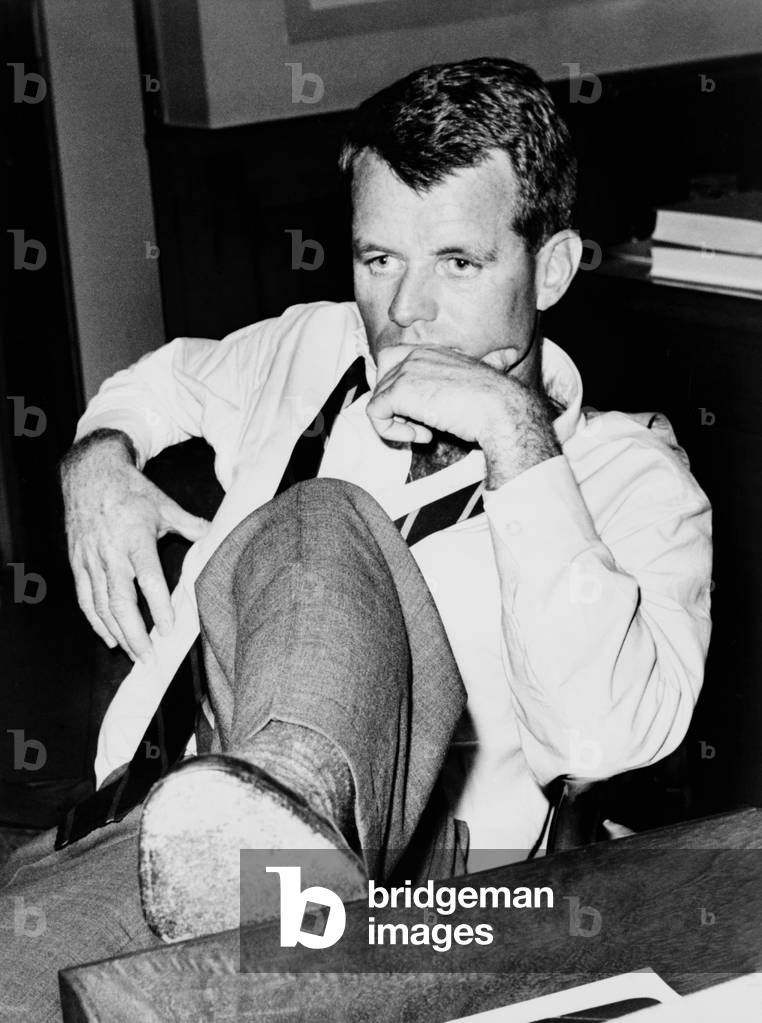
Attorney General Robert F. Kennedy, seated at desk, in 1961

EVB2935889: Attorney General Robert F. Kennedy, seated at desk, in 1961 / Bridgeman Images
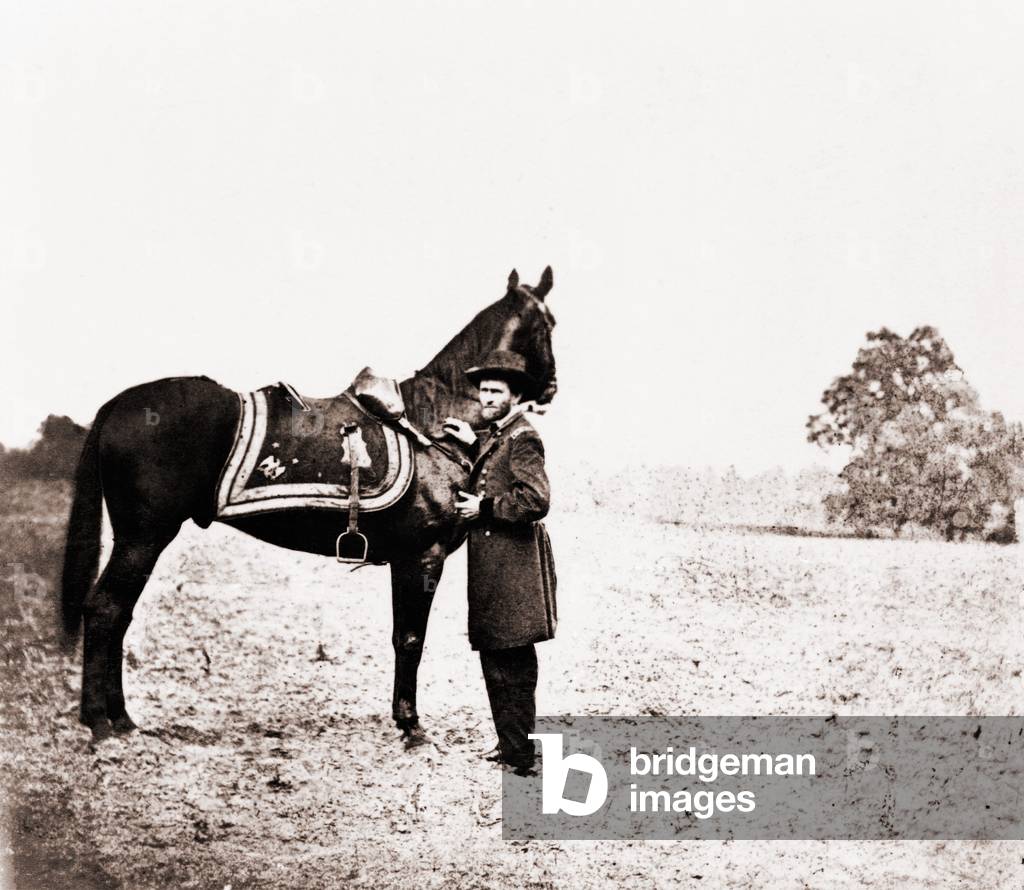
Union general Ulysses S. Grant (1822-1885), standing alongside his war horse, Cincinnati. June 4, 1864

EVB2935919: Union general Ulysses S. Grant (1822-1885), standing alongside his war horse, Cincinnati. June 4, 1864, Unknown photographer, (19th century) / Bridgeman Images
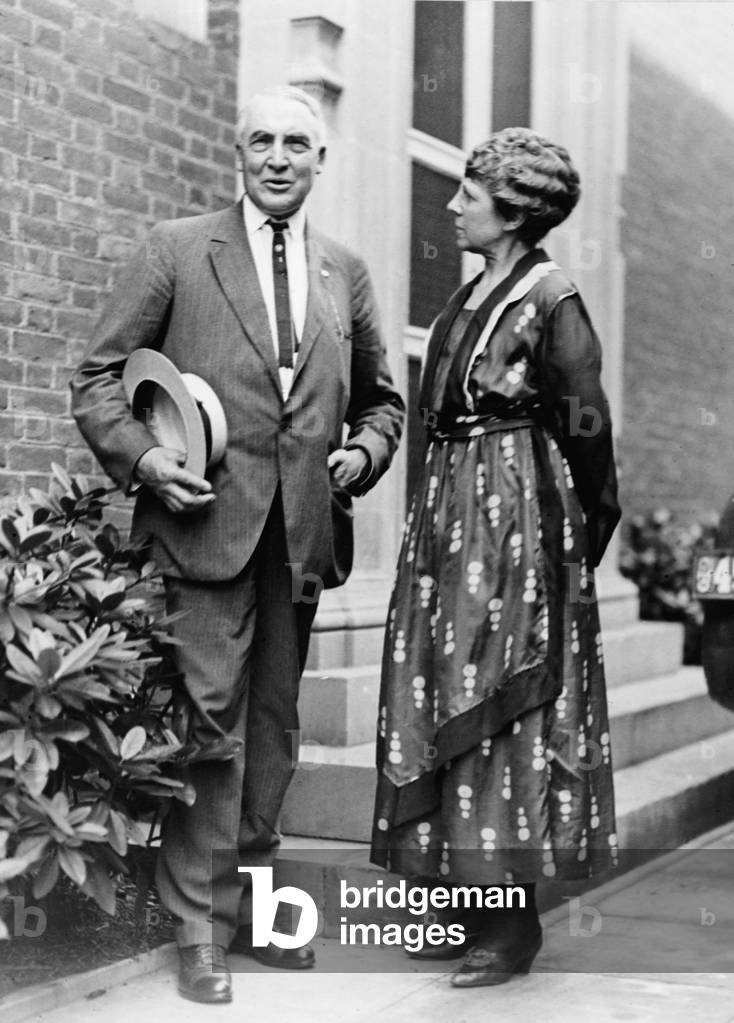
President Warren Harding with First Lady Florence Kling Harding in 1920

EVB2935958: President Warren Harding with First Lady Florence Kling Harding in 1920, Unknown photographer, (20th century) / Bridgeman Images
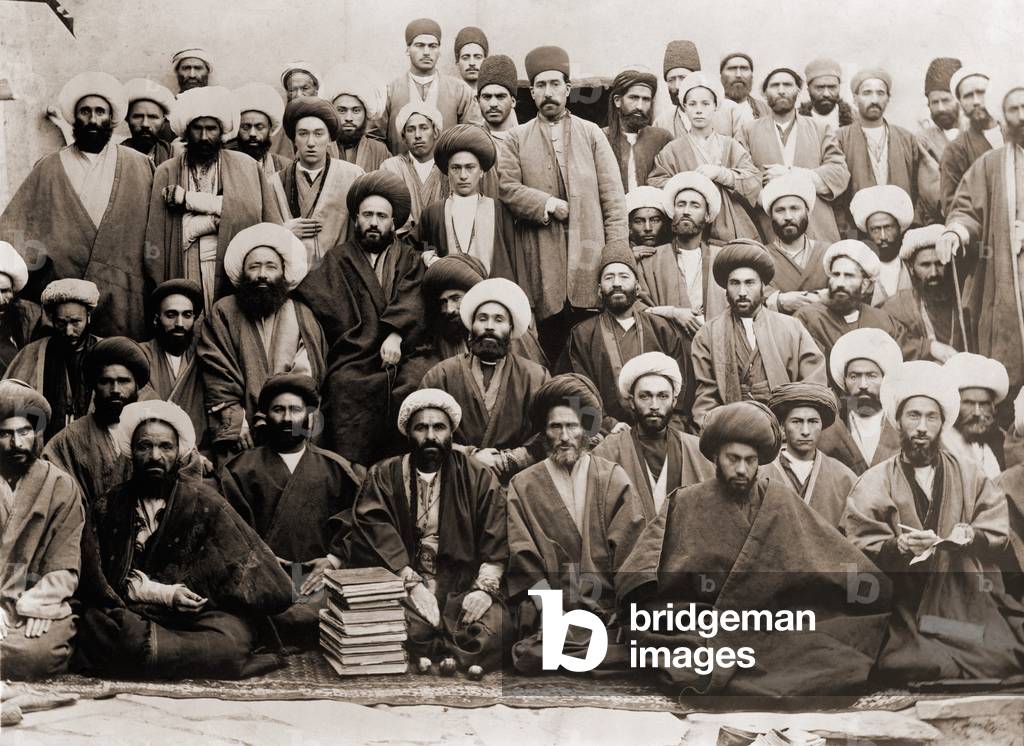
Islamic clerics is Persia, c. 1910. Reza Shah Pahlavi compromised with the Iranian mullahs when they opposed his imitation of Kamul Attaturk's secularization policies in the 1920s

EVB2935964: Islamic clerics is Persia, c. 1910. Reza Shah Pahlavi compromised with the Iranian mullahs when they opposed his imitation of Kamul Attaturk's secularization policies in the 1920s / Bridgeman Images
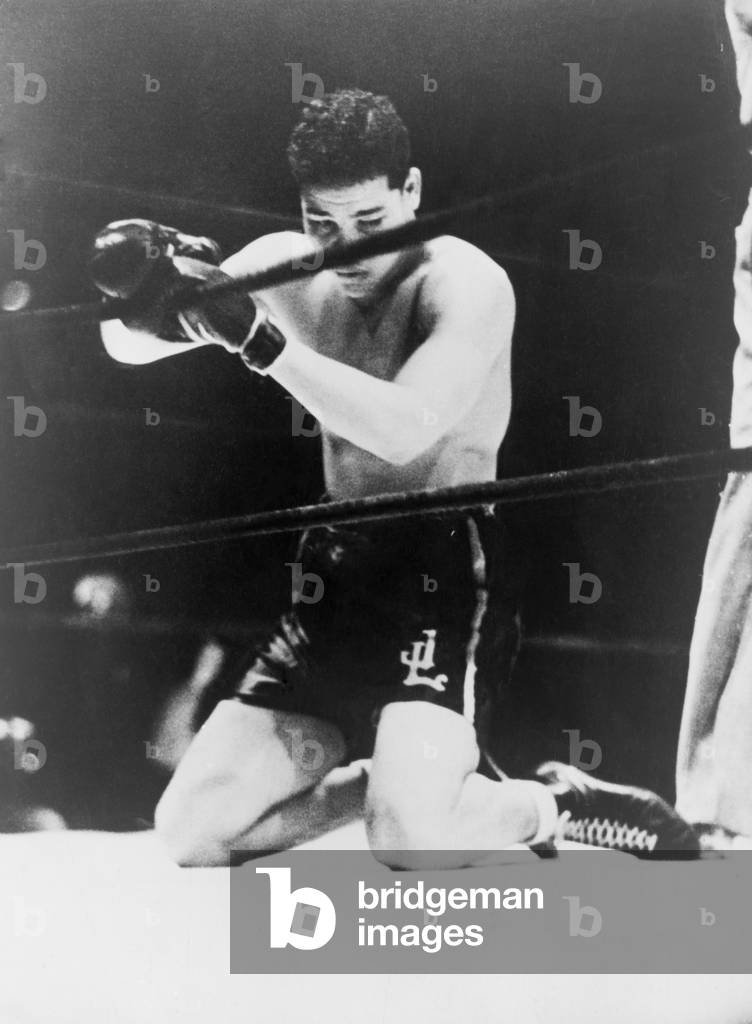
Detroit's Brown Bomber, heavyweight Joe Louis, on his knees for the final count of his fight with Max Schmeling at the Yankee Stadium, New York City. June 19, 1936

EVB2935970: Detroit's Brown Bomber, heavyweight Joe Louis, on his knees for the final count of his fight with Max Schmeling at the Yankee Stadium, New York City. June 19, 1936 / Bridgeman Images
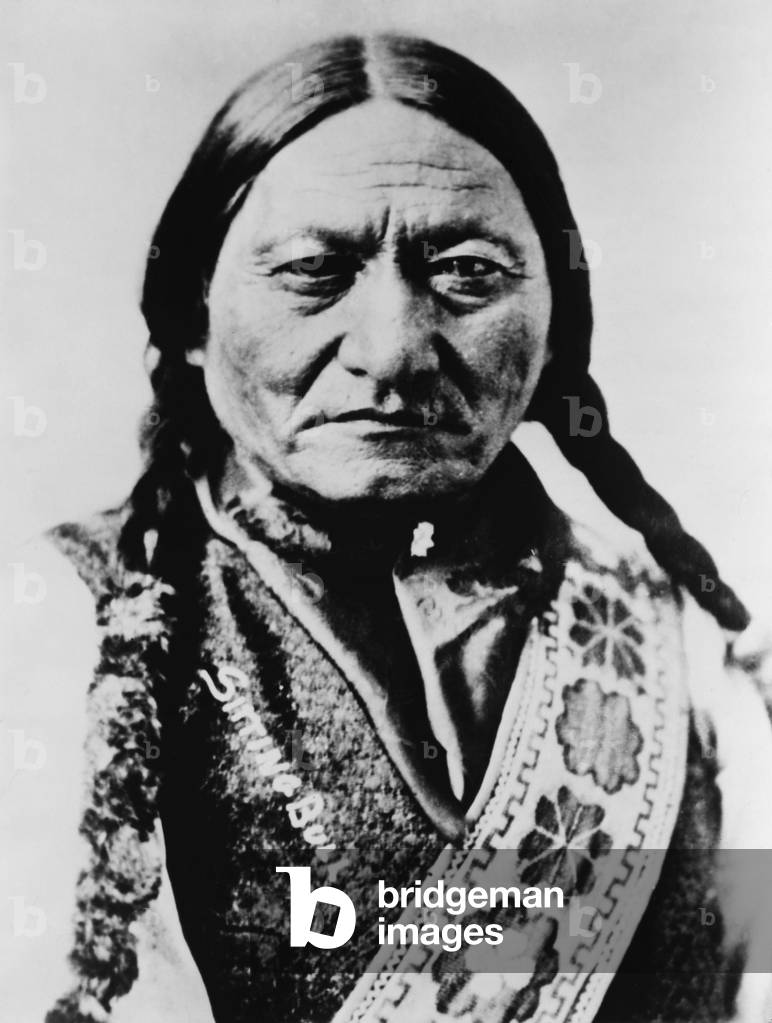
Sitting Bull (1831-1890) Lakota Sioux, in 1885 portrait during his years as a performer in Buffalo Bill's Wild West Show

EVB2935991: Sitting Bull (1831-1890) Lakota Sioux, in 1885 portrait during his years as a performer in Buffalo Bill's Wild West Show, Unknown photographer, (19th century) / Bridgeman Images
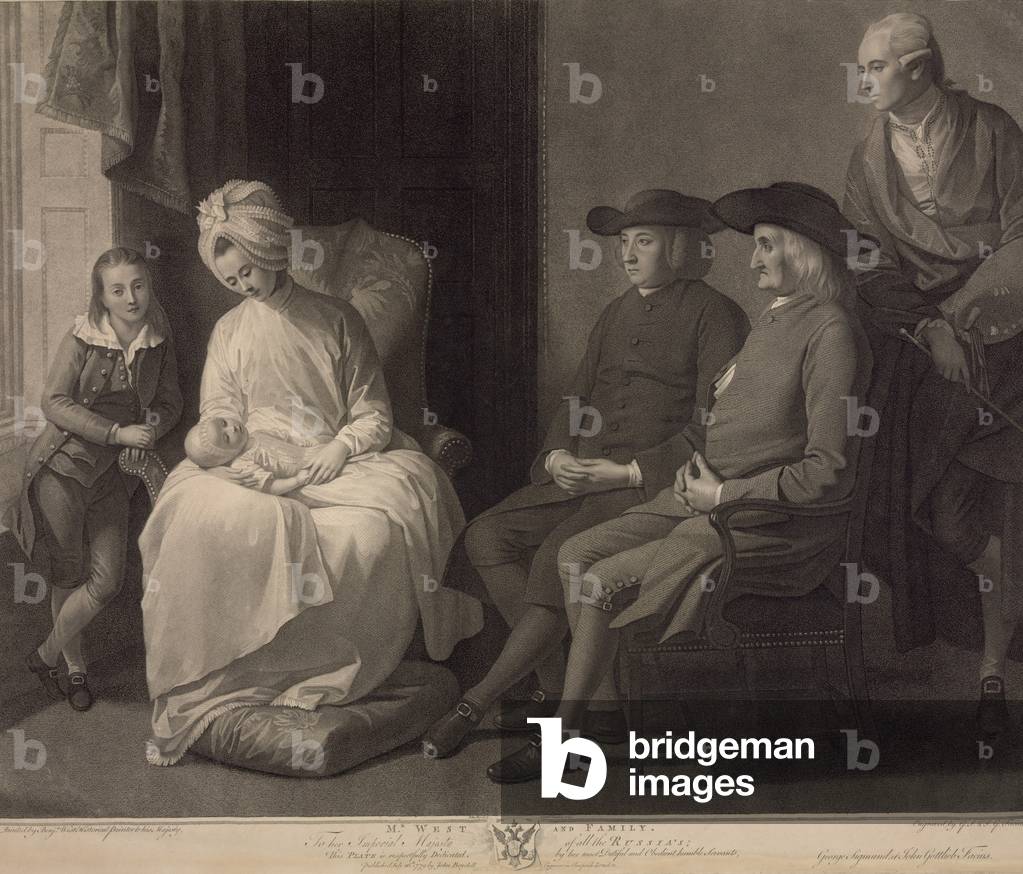
Benjamin West (1738-1829), and his family in London, 1779. The American-born artist (far right holding palette) built his mature career in England, where he received the patronage of King George III and was elected President of the Royal Academy

EVB2936024: Benjamin West (1738-1829), and his family in London, 1779. The American-born artist (far right holding palette) built his mature career in England, where he received the patronage of King George III and was elected President of the Royal Academy / Bridgeman Images
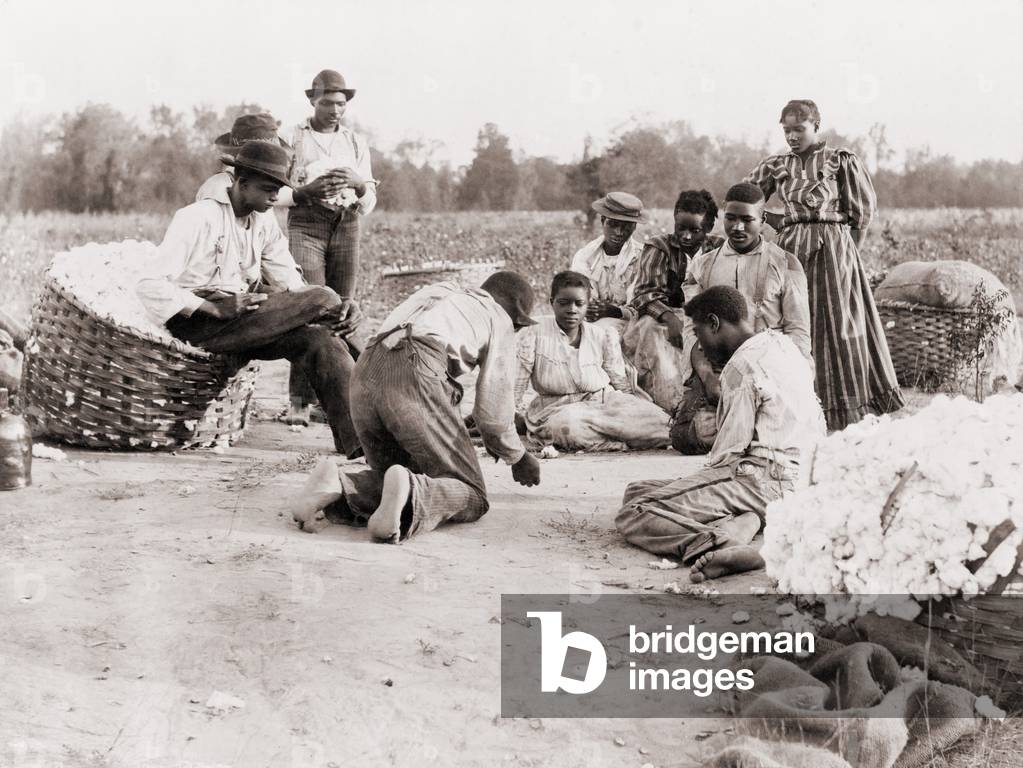
African Americans enjoying some rest and recreation after a day of work picking cotton. Three men are shooting dice on the edge of cotton field while others watch. c. 1900

EVB2936078: African Americans enjoying some rest and recreation after a day of work picking cotton. Three men are shooting dice on the edge of cotton field while others watch. c. 1900 / Bridgeman Images
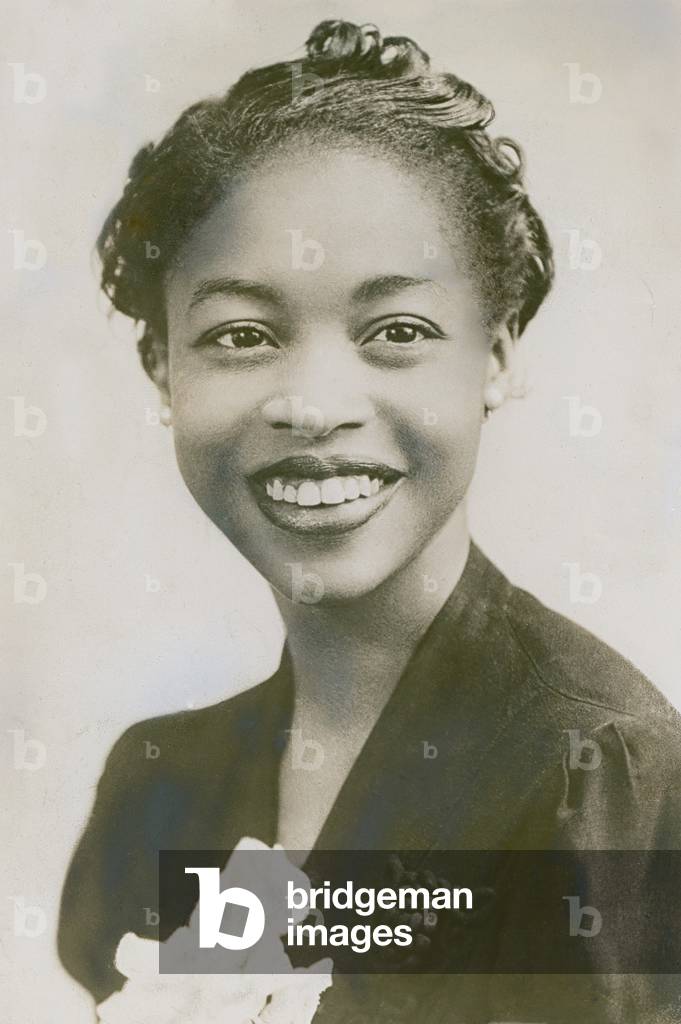
Margaret Walker (1915-1998), pioneering African American poet, novelist and critic, is best known for her 1943 poem, FOR MY PEOPLE, and the novel JUBILEE (1966). She claimed Alex Haley plagiarized JUBILEE in his novel, ROOTS, but lost her legal suit for copyright infringement. c. 1940s

EVB2936084: Margaret Walker (1915-1998), pioneering African American poet, novelist and critic, is best known for her 1943 poem, FOR MY PEOPLE, and the novel JUBILEE (1966). She claimed Alex Haley plagiarized JUBILEE in his novel, ROOTS, but lost her legal suit for copyright infringement. c. 1940s / Bridgeman Images
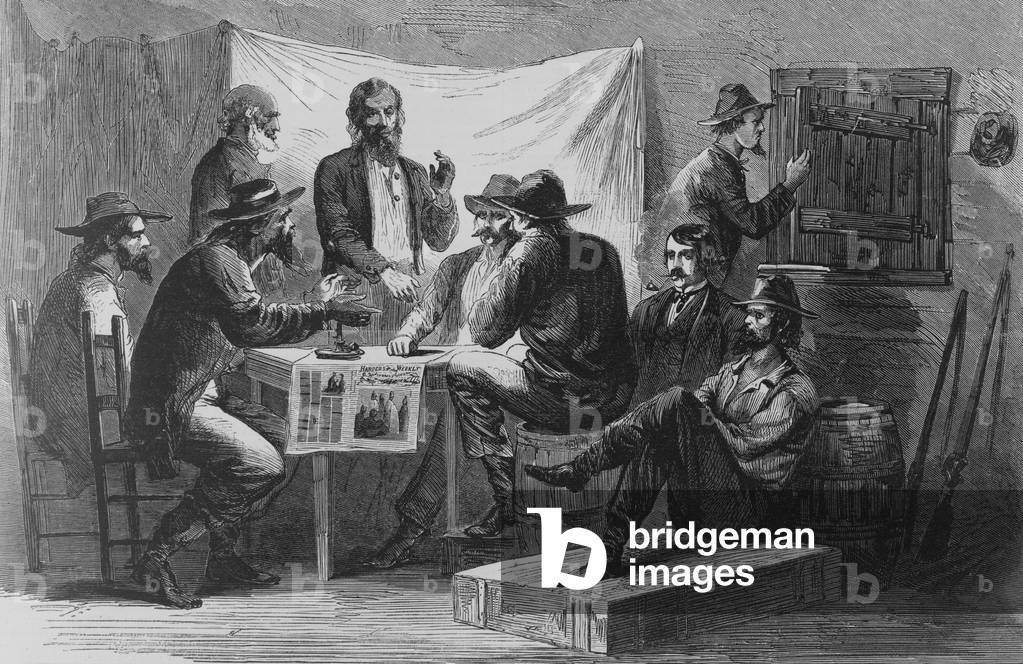
Nine men at a secret meeting of southern unionists. Called 'scalawags,' they represented a minority in the South that had not supported secession in 1861 and wanted to participate in the Reconstruction government of their states. 1866

EVB2936144: Nine men at a secret meeting of southern unionists. Called 'scalawags,' they represented a minority in the South that had not supported secession in 1861 and wanted to participate in the Reconstruction government of their states. 1866 / Bridgeman Images
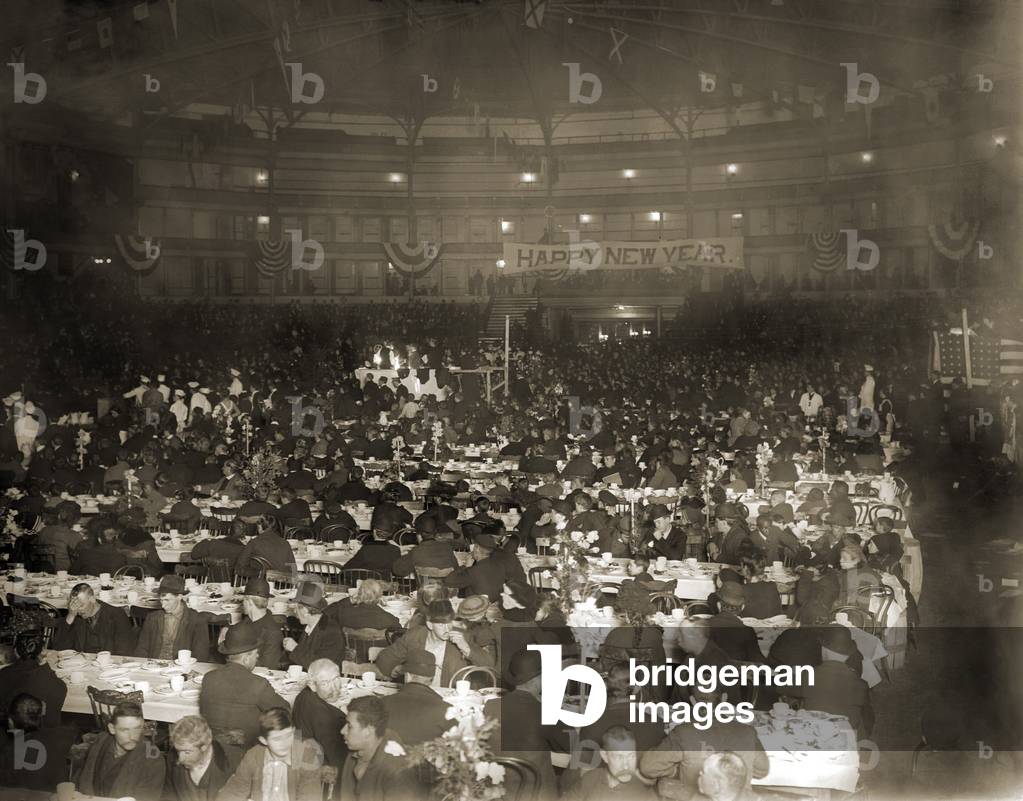
Salvation Army's New Year's Dinner in a large auditorium, 1910 (b/w photo)

EVB2936162: Salvation Army's New Year's Dinner in a large auditorium, 1910 (b/w photo) / Bridgeman Images
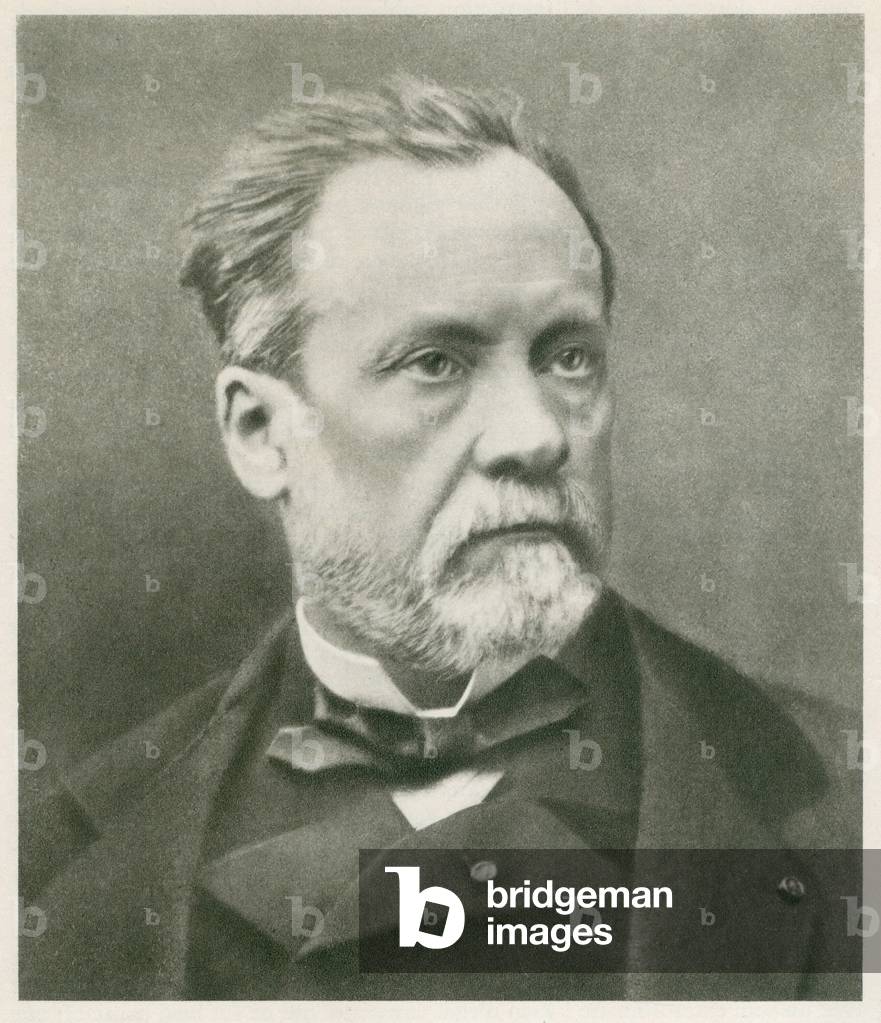
Louis Pasteur (1822-1895), French chemist and microbiologist. c. 1870

EVB2936503: Louis Pasteur (1822-1895), French chemist and microbiologist. c. 1870, Unknown photographer, (19th century) / Bridgeman Images
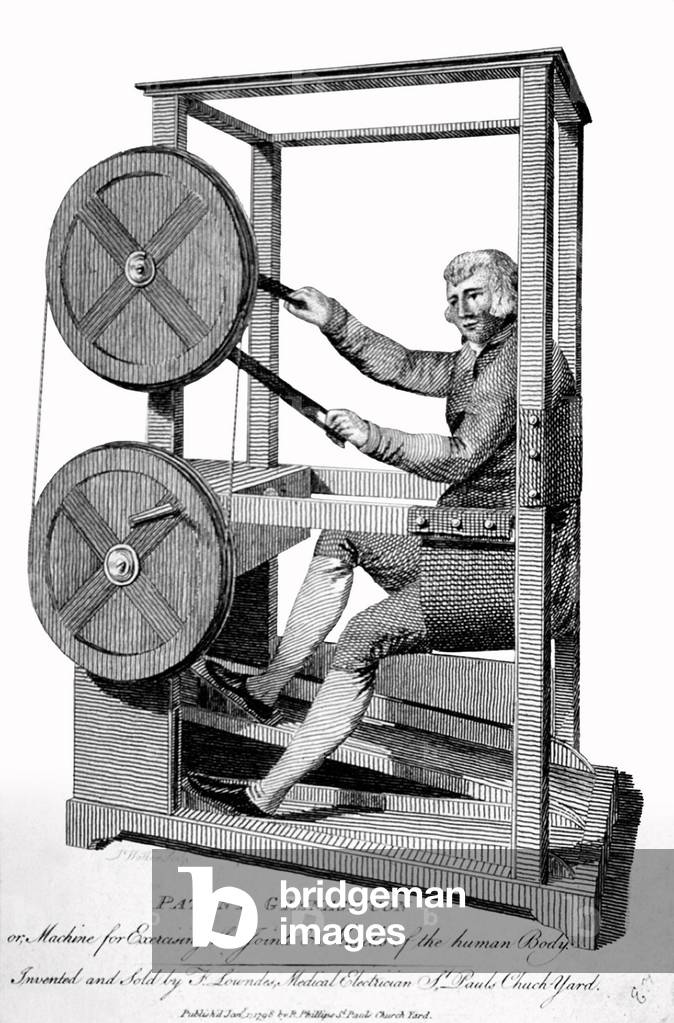
Medical Patient Gymnasticon, a machine for exercising the joints and muscles of the human body. 18th century English engraving

EVB2936512: Medical Patient Gymnasticon, a machine for exercising the joints and muscles of the human body. 18th century English engraving / Bridgeman Images

Title page of Avicenna's, LIBER CANONIS TOTIUS MEDICINE

EVB2936524: Title page of Avicenna's, LIBER CANONIS TOTIUS MEDICINE / Bridgeman Images
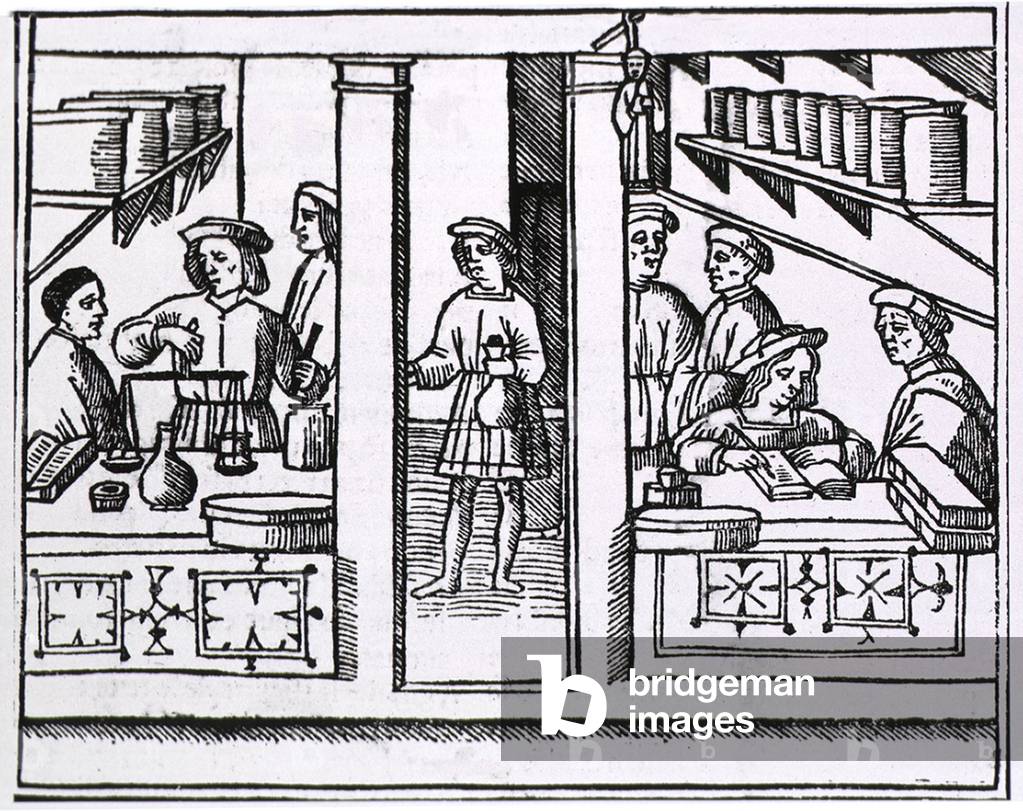
Pharmacy scene from the title page of a Latin version of Galen's RECETARIO DE GALIENO, published in Venice in 1518

EVB2936533: Pharmacy scene from the title page of a Latin version of Galen's RECETARIO DE GALIENO, published in Venice in 1518 / Bridgeman Images
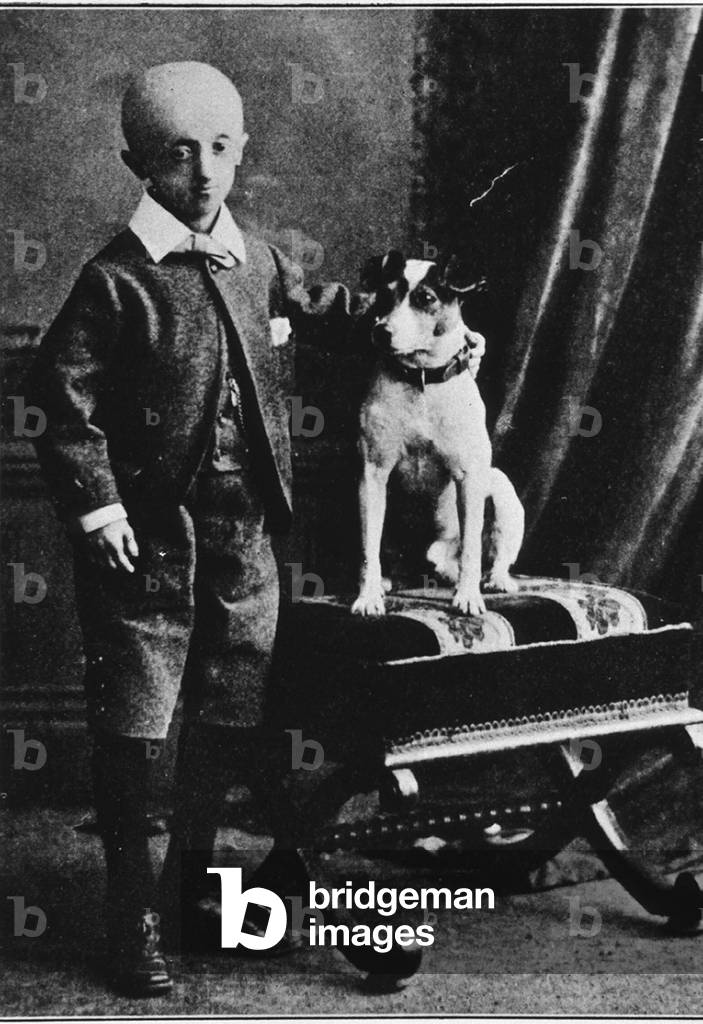
15 year old boy with Progeria, a rare children's disease that accelerates the rate of aging. The 15 year old posed with his dog in 1911

EVB2936517: 15 year old boy with Progeria, a rare children's disease that accelerates the rate of aging. The 15 year old posed with his dog in 1911, Unknown photographer, (20th century) / Bridgeman Images
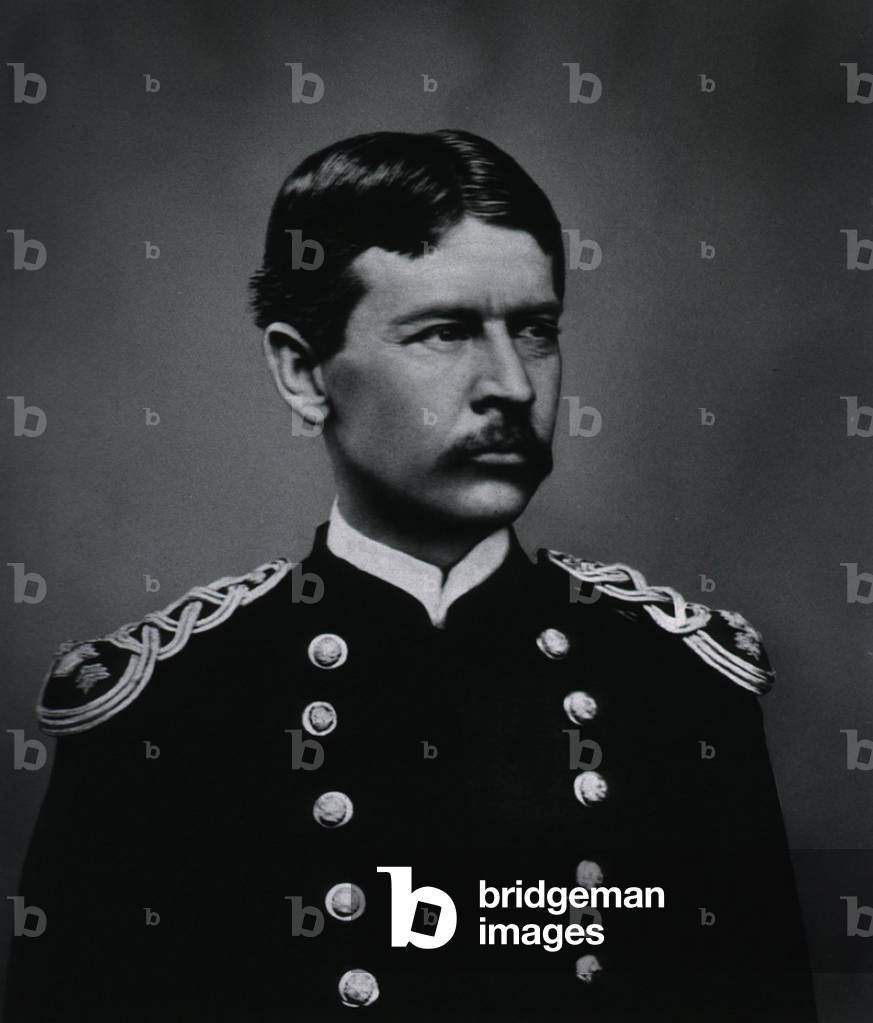
Walter Reed (1851-1902), U.S. Army physician who proved Cuban epidemiologist Carlos Juan Finlay's theory of insect transmission of yellow fever. Reed used human volunteers, including a bacteriologist, Jesse W. Lazear who died of his yellow fever infection. c. 1890

EVB2936553: Walter Reed (1851-1902), U.S. Army physician who proved Cuban epidemiologist Carlos Juan Finlay's theory of insect transmission of yellow fever. Reed used human volunteers, including a bacteriologist, Jesse W. Lazear who died of his yellow fever infection. c. 1890 / Bridgeman Images


Back to top