Search options

Orientation
Colour

Display options

View

Print

To print search results, use print friendly version of this page.

2490903 Search Results

Circumpolar - southern hemisphere - Southern Sky & Milky Way (Lake Titicaca, Bolivia) - Lake Titicaca A long time exposure reveals the motion of the stars against a foreground of reel huts and a scale model of Thor Heyerdal's Ra II

PIX4581189: Circumpolar - southern hemisphere - Southern Sky & Milky Way (Lake Titicaca, Bolivia) - Lake Titicaca A long time exposure reveals the motion of the stars against a foreground of reel huts and a scale model of Thor Heyerdal's Ra II / Bridgeman Images

Rosette nebula - Rosette nebula in the constellation Unicorn. In the centre is the cluster of stars NGC 2244 which contains about 30 massive OB stars. Composite image, 130 hours of installation

PIX4618542: Rosette nebula - Rosette nebula in the constellation Unicorn. In the centre is the cluster of stars NGC 2244 which contains about 30 massive OB stars. Composite image, 130 hours of installation / Bridgeman Images

Hubble Nebula (NGC 2261) in Unicorn - NGC 2261, Hubble's variable nebula - The Hubble Nebula is a weak nebulosite that surrounds the star R Monocerotis (R Mon), the bright star at the bottom of the nebula. The mass of the star R Mon is about 10 times that of the sun. It is approximately 2600 light years away and is only 300,000 years old. Image obtained by Siding Spring's 3.9m telescope. Hubble's variable nebula is in Monoceros and was the first object to be photographed with the famous 200 inch Hale Telescope at Palomar in 1948. This curious object is a reflection nebula in which is embedded the star R Monocerotis. Variations in the appearance of the nebula were noted by the American astronomer Edwin Hubble in 1916. They are probably caused by opaque clouds of dust passing between the hidden star and the outskirts of the nebula we see, the moving shadows changing the apparent form of the glowing dust in an irregular way. This picture was made from three AAT plates taken over several years and subtle colour changes around the edge of the nebula are indications of the variability

PIX4618577: Hubble Nebula (NGC 2261) in Unicorn - NGC 2261, Hubble's variable nebula - The Hubble Nebula is a weak nebulosite that surrounds the star R Monocerotis (R Mon), the bright star at the bottom of the nebula. The mass of the star R Mon is about 10 times that of the sun. It is approximately 2600 light years away and is only 300,000 years old. Image obtained by Siding Spring's 3.9m telescope. Hubble's variable nebula is in Monoceros and was the first object to be photographed with the famous 200 inch Hale Telescope at Palomar in 1948. This curious object is a reflection nebula in which is embedded the star R Monocerotis. Variations in the appearance of the nebula were noted by the American astronomer Edwin Hubble in 1916. They are probably caused by opaque clouds of dust passing between the hidden star and the outskirts of the nebula we see, the moving shadows changing the apparent form of the glowing dust in an irregular way. This picture was made from three AAT plates taken over several years and subtle colour changes around the edge of the nebula are indications of the variability / Bridgeman Images

War of the French Revolution and Anti-Revolutionary Movements, 1794 (engraving)

JLJ4618608: War of the French Revolution and Anti-Revolutionary Movements, 1794 (engraving), Ozanne, Nicolas Marie (1728-1811) (after) / Bridgeman Images

Nebula NGC 2264, and Hubble Nebula in Unicorn - Nebula NGC 2264, and Hubble Nebula in Unicorn - The Cone Nebula in the right center is a region H II located about 2600 years from Earth. The bright star in the center is S Monocerotis, a star of magnitude 4.7. Down to the left, the Hubble nebula. Downward in the center, an open cluster of stars, Trumpler 5. Image obtained with a Takahashi FSQ 106 bezel, through an H - alpha filter. Total installation of 7 hours 30

PIX4618805: Nebula NGC 2264, and Hubble Nebula in Unicorn - Nebula NGC 2264, and Hubble Nebula in Unicorn - The Cone Nebula in the right center is a region H II located about 2600 years from Earth. The bright star in the center is S Monocerotis, a star of magnitude 4.7. Down to the left, the Hubble nebula. Downward in the center, an open cluster of stars, Trumpler 5. Image obtained with a Takahashi FSQ 106 bezel, through an H - alpha filter. Total installation of 7 hours 30 / Bridgeman Images

French Revolution: Fete of the founding of the Republique on the 1st of Friday An V in the Invalides Garden in Paris, 18th century (engraving)

JLJ4618850: French Revolution: Fete of the founding of the Republique on the 1st of Friday An V in the Invalides Garden in Paris, 18th century (engraving), Girardet, (18th century) (after) / Bridgeman Images

Nebula NGC 2359 in the Grand Chie

PIX4618863: Nebula NGC 2359 in the Grand Chie / Bridgeman Images

Nebula NGC 3372 in the Carene - The Carina nebula, NGC 3372 - The Carene nebula is located about 7000 years from the Earth. It is home to many hot stars, including the star Eta Carinae in the centre of the nebula. Image obtained by Siding Spring's 3.9m telescope. The brightest part of the Milky Way, as seen by the unaided eye, lies in the southern constellation Carina. Here there are an unusually large number of young, hot stars. Their radiation is rich in energetic ultraviolet light. Many of these stars were born within the spectacular Carinae nebula, seen here. The nebula is a cloud of glowing gas composed mostly of hydrogen. It excited by ultrviolet light from the embedded stars. This dostictive emission radiation is responsible for the red colour. About a quarter of the nebula is made of helium gas, the second most abundant element in the universe after hydrogen, and all the other chemical elements account for only a few percent of the total mass. The brightest star in the nebula is known as eta Carinae. This remarkable object is one of the most luminous and most massive stars known

PIX4618887: Nebula NGC 3372 in the Carene - The Carina nebula, NGC 3372 - The Carene nebula is located about 7000 years from the Earth. It is home to many hot stars, including the star Eta Carinae in the centre of the nebula. Image obtained by Siding Spring's 3.9m telescope. The brightest part of the Milky Way, as seen by the unaided eye, lies in the southern constellation Carina. Here there are an unusually large number of young, hot stars. Their radiation is rich in energetic ultraviolet light. Many of these stars were born within the spectacular Carinae nebula, seen here. The nebula is a cloud of glowing gas composed mostly of hydrogen. It excited by ultrviolet light from the embedded stars. This dostictive emission radiation is responsible for the red colour. About a quarter of the nebula is made of helium gas, the second most abundant element in the universe after hydrogen, and all the other chemical elements account for only a few percent of the total mass. The brightest star in the nebula is known as eta Carinae. This remarkable object is one of the most luminous and most massive stars known / Bridgeman Images

Nebulae in the Carene - H - Alpha - The Carene nebula (NGC 3372), on the right, is located about 7000 light years from Earth. It is home to many hot stars, including the star Eta Carinae. Lower left, nebulae NGC 3603 and NGC 3576. Image made with an H - alpha filter in Chile

PIX4618996: Nebulae in the Carene - H - Alpha - The Carene nebula (NGC 3372), on the right, is located about 7000 light years from Earth. It is home to many hot stars, including the star Eta Carinae. Lower left, nebulae NGC 3603 and NGC 3576. Image made with an H - alpha filter in Chile / Bridgeman Images

Saint Charles Borromee baptizing a child, 1576 (drawing)

JLJ4619020: Saint Charles Borromee baptizing a child, 1576 (drawing), Carracci, Annibale (1560-1609) / Bridgeman Images

Art France: Cabinet adorns the figure of King Louis XIV (1638-1715) in Hercules Gaulois, c.1700 (object)

JLJ4619082: Art France: Cabinet adorns the figure of King Louis XIV (1638-1715) in Hercules Gaulois, c.1700 (object), Boulle, Andre Charles (1642-1732) / Bridgeman Images

Art France. Faience Sinceny c.1750: legumier (vegetable dish). Chinoiserie, 1750 (ceramic)

JLJ4619148: Art France. Faience Sinceny c.1750: legumier (vegetable dish). Chinoiserie, 1750 (ceramic), French School, (18th century) / Bridgeman Images
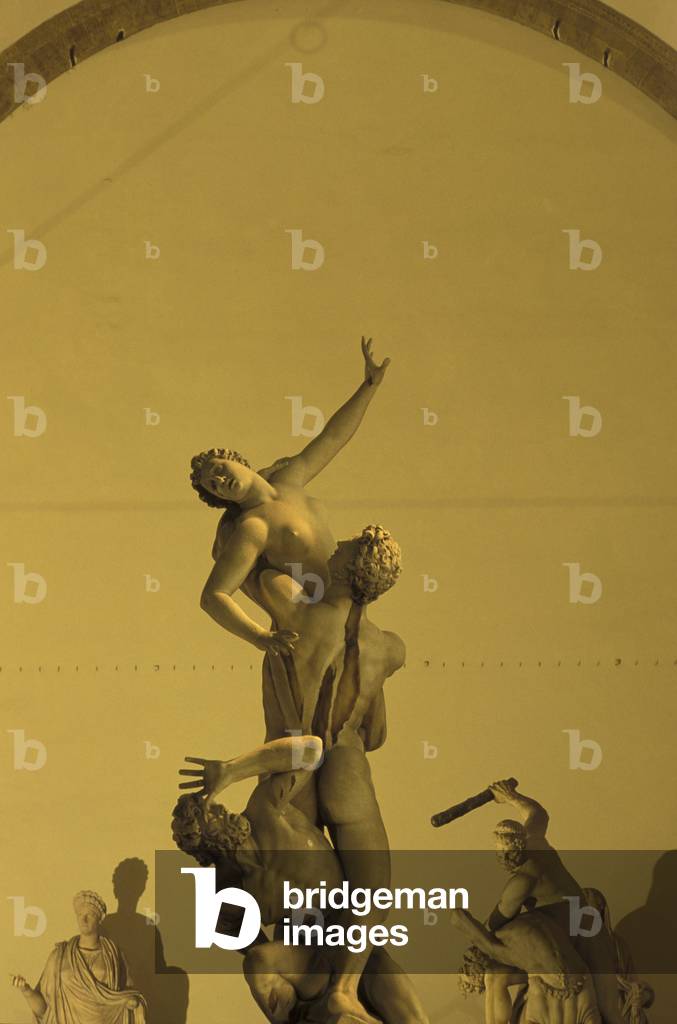
Piazza della Signoria, Loggia dei Lanzi, Florence, Tuscany, Italy

CUB4526899: Piazza della Signoria, Loggia dei Lanzi, Florence, Tuscany, Italy / Bridgeman Images
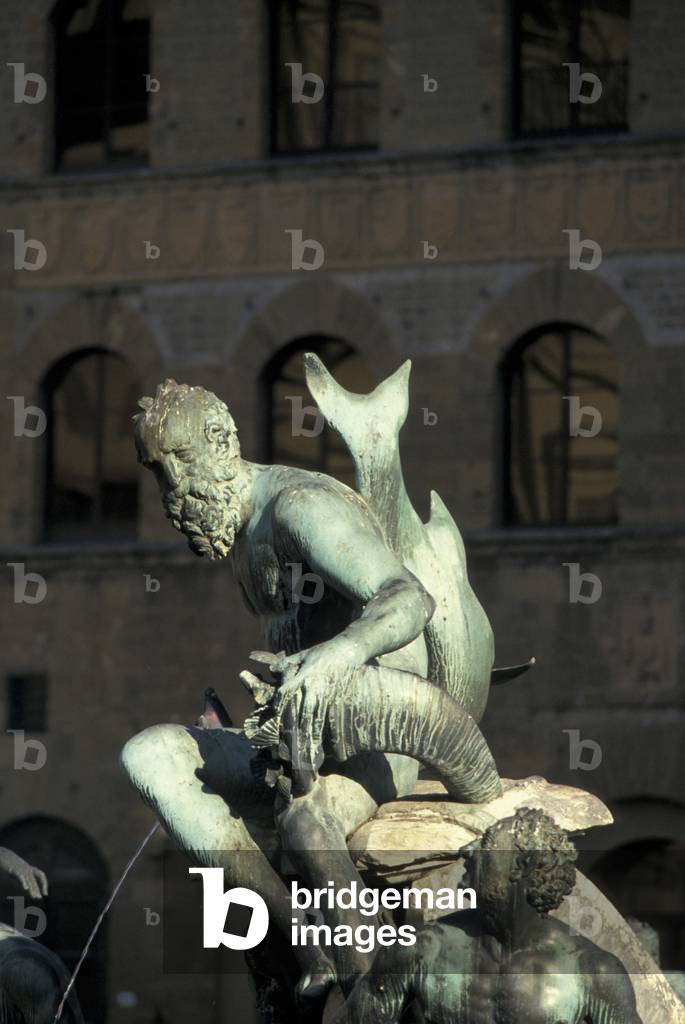
Fontana Biancone, Piazza della Signoria, Florence, Tuscany, Italy

CUB4526907: Fontana Biancone, Piazza della Signoria, Florence, Tuscany, Italy / Bridgeman Images

Palazzo Vecchio and Uffizi, Florence, Tuscany, Italy

CUB4527015: Palazzo Vecchio and Uffizi, Florence, Tuscany, Italy / Bridgeman Images
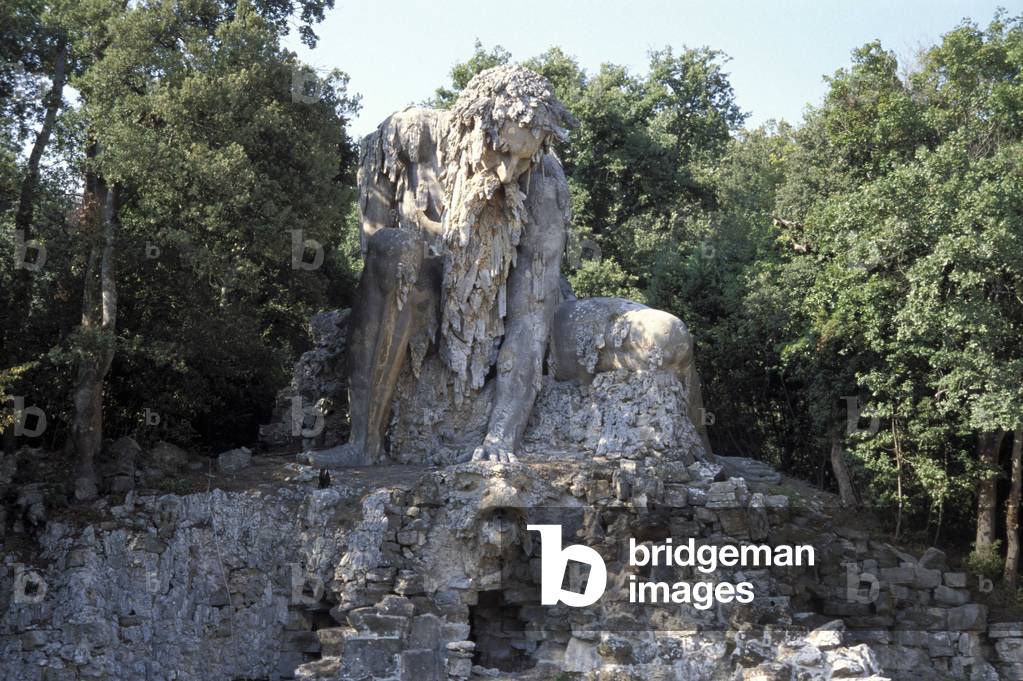
Statue of Casentino, Pratolino, Tuscany, Italy

CUB4527030: Statue of Casentino, Pratolino, Tuscany, Italy / Bridgeman Images

Cityscape, Florence, Tuscany, Italy

CUB4527044: Cityscape, Florence, Tuscany, Italy / Bridgeman Images

Cathedral of Florence (Duomo Santa Maria del Fiore): Campanile and Dome

CUB4527247: Cathedral of Florence (Duomo Santa Maria del Fiore): Campanile and Dome / Bridgeman Images

Fortress and village, Pianosa, Pianosa Island, Toscana, Tuscany, Italy

CUB4527333: Fortress and village, Pianosa, Pianosa Island, Toscana, Tuscany, Italy / Bridgeman Images

Fortress abd village, Pianosa, Pianosa Island, Toscana, Tuscany, Italy

CUB4527349: Fortress abd village, Pianosa, Pianosa Island, Toscana, Tuscany, Italy / Bridgeman Images

East Coast, Pianosa, Tuscany, Italy

CUB4527367: East Coast, Pianosa, Tuscany, Italy / Bridgeman Images

Ferry boat, Giglio Harbour, Isola Del Giglio, Tuscany, Italy

CUB4527448: Ferry boat, Giglio Harbour, Isola Del Giglio, Tuscany, Italy / Bridgeman Images

Maltagliati with basil and squid, “” Da Maria”” Restaurant, Giglio Castello, Isola Del Giglio, Toscana, Tuscany, Italy

CUB4527473: Maltagliati with basil and squid, “” Da Maria”” Restaurant, Giglio Castello, Isola Del Giglio, Toscana, Tuscany, Italy / Bridgeman Images

Biagio Stagno wine cellar, Isola Del Giglio, Toscana, Tuscany, Italy

CUB4527483: Biagio Stagno wine cellar, Isola Del Giglio, Toscana, Tuscany, Italy / Bridgeman Images

The Pleiades cluster with zodiacal light - The Pleiades cluster with zodiacal light - The zodiacal light that extends here from the bottom right of the image to the Pleiades and the Taurus, comes from the reflection of the light of the Sun on the countless interplanetary dust; it draws the plane of the Solar System. The faint cone of light extending from the horizon along the ecliptic is known as zodiacal light. It comes from the reflexion of the sun's light off tiny interplanetary dust particles in the plane of the solar system. One can see it here from the bottom right of the image to beyond the Pleiades cluster in the center of the image

PIX4581507: The Pleiades cluster with zodiacal light - The Pleiades cluster with zodiacal light - The zodiacal light that extends here from the bottom right of the image to the Pleiades and the Taurus, comes from the reflection of the light of the Sun on the countless interplanetary dust; it draws the plane of the Solar System. The faint cone of light extending from the horizon along the ecliptic is known as zodiacal light. It comes from the reflexion of the sun's light off tiny interplanetary dust particles in the plane of the solar system. One can see it here from the bottom right of the image to beyond the Pleiades cluster in the center of the image / Bridgeman Images

Cinerary urn Messiae graphicae (object)

JLJ4581559: Cinerary urn Messiae graphicae (object), Paleo-Christian, (3rd century) / Bridgeman Images

Gallo, Roman art: carnelian ring, 3rd century

JLJ4581591: Gallo, Roman art: carnelian ring, 3rd century, Gallo-Roman (3rd century) / Bridgeman Images

The Greek sculptor Phidias, 1802 (painting)

LRI4581766: The Greek sculptor Phidias, 1802 (painting), Dorffmeister, Joseph (1794-1814) / Bridgeman Images

Star sky above the castle of Lordat (09) - Starry sky above the castle of Lordat - Star sky above the castle of Lordat in Ariege. Starry sky above the castle of Lordat

PIX4581929: Star sky above the castle of Lordat (09) - Starry sky above the castle of Lordat - Star sky above the castle of Lordat in Ariege. Starry sky above the castle of Lordat / Bridgeman Images

The castle of Roquefixades (09) under the stars - Starry sky above the castle of Roquefixade - Star sky above the cathar castle of Roquefixade in Ariege. Starry sky above the Cathar castle of Roquefixade

PIX4581941: The castle of Roquefixades (09) under the stars - Starry sky above the castle of Roquefixade - Star sky above the cathar castle of Roquefixade in Ariege. Starry sky above the Cathar castle of Roquefixade / Bridgeman Images

Gallo-Roman art: representation of the god to birds. Stone statue (stone)

JLJ4619253: Gallo-Roman art: representation of the god to birds. Stone statue (stone), Gallo-Roman / Bridgeman Images

Hunting in England. 19th century(engraving)

JLJ4619367: Hunting in England. 19th century(engraving) / Bridgeman Images

Nebula Trifide (M20) in Sagittarius

PIX4619462: Nebula Trifide (M20) in Sagittarius / Bridgeman Images
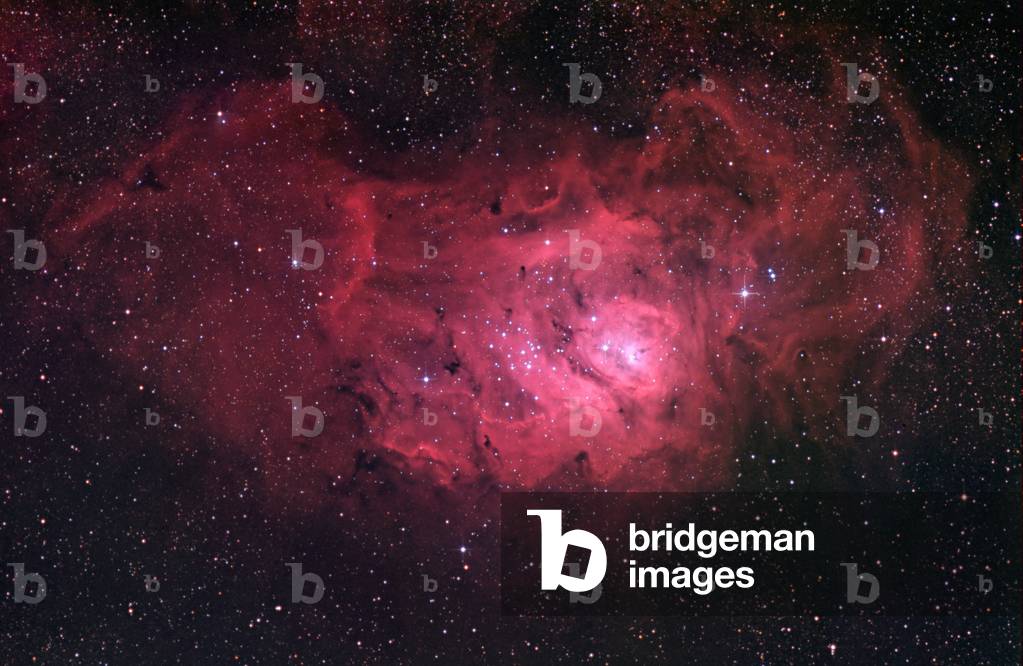
Lagoon Nebula (M8) in Sagittarius - This is a hydrogen alpha color composite taken with the STL11000, AP155 and FSQ106. Total exposure time was ha/red: G: B+70/60:60:60 minute

PIX4619597: Lagoon Nebula (M8) in Sagittarius - This is a hydrogen alpha color composite taken with the STL11000, AP155 and FSQ106. Total exposure time was ha/red: G: B+70/60:60:60 minute / Bridgeman Images

The castle of Roussillon under the stars - Starry sky above the castle of Roussillon - Sky star above the castle of Roussillon in the Lot. Starry sky above the castle of Roussillon in Lot department

PIX4581981: The castle of Roussillon under the stars - Starry sky above the castle of Roussillon - Sky star above the castle of Roussillon in the Lot. Starry sky above the castle of Roussillon in Lot department / Bridgeman Images

Nebulae M20 - M8 and NGC 6559 in Sagittarius - View of nebulae of the Lagoon (M - 8/ngc 6523), bottom, Trifide (M20), top, and NGC 6559 (left). Located in Sagittarius, these nebulae are about 5000 light years away from Earth

PIX4619731: Nebulae M20 - M8 and NGC 6559 in Sagittarius - View of nebulae of the Lagoon (M - 8/ngc 6523), bottom, Trifide (M20), top, and NGC 6559 (left). Located in Sagittarius, these nebulae are about 5000 light years away from Earth / Bridgeman Images


Back to top