2491514 Search Results

LRI4638025: North Porte (called Gate of the Cross, to the North), exterior detail: Saint Mark. Bronze sculpture made by Lorenzo Ghiberti (1378-1455), 1424. Baptistere San Giovanni, Florence, Ghiberti, Lorenzo (1378-1455) / Bridgeman Images

LRI4639862: Egyptian antiquite: limestone statue of a sitting scribe from the necropolis of Saqqara (Sakkara), 5th dynasty, ancient empire. Egyptian Museum, Cairo - Scribe sitting cross-legged with unrolled papyrus scroll on his knees - Painted limestone sculpture, from Saqqara (Egypt), 5th Dynasty (2450-2325 BC) - Museum of Egyptian Antiquities, Cairo (Egypt), Egyptian 5th Dynasty (c.2494-2345 BC) / Bridgeman Images
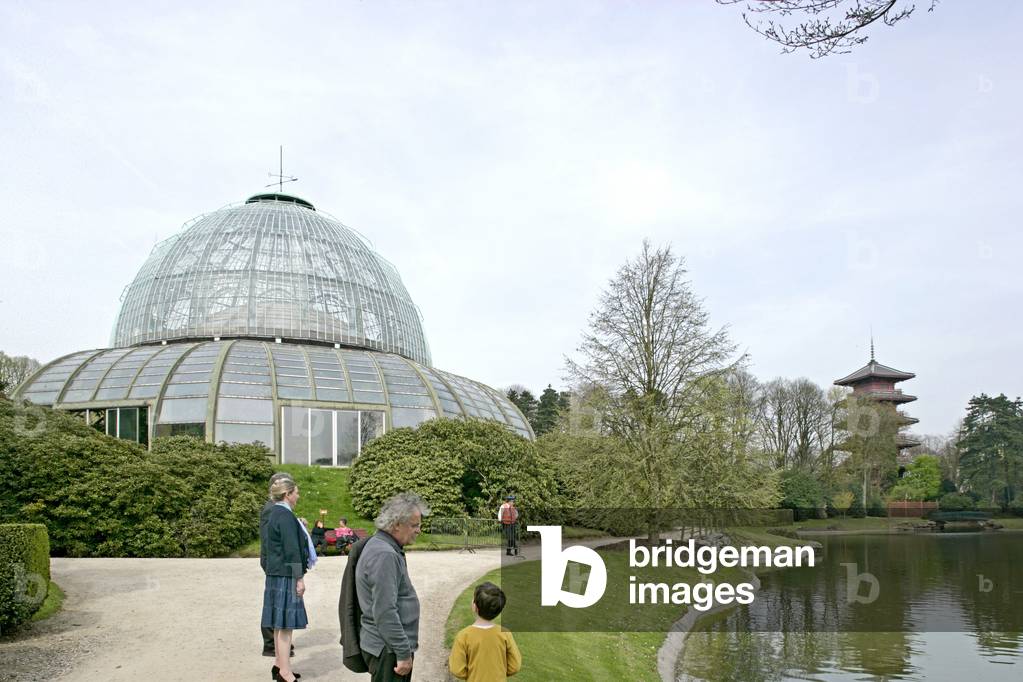
TEC4639914: The royal greenhouses of Laeken in Belgium. Achievement 1873. In the 19th century, glass and metal, as new building materials, allowed the construction of a new type of building: the greenhouse. King Leopold II (1835-1909) entrusted the architect Alphonse Balat (1819-1895) with the construction of an ideal glass palace. Open to the public three weeks a year, the Royal Greenhouses of Laeken house an exceptional collection of plants, some dating back to Leopold II. Photography 30/04/06. / Bridgeman Images
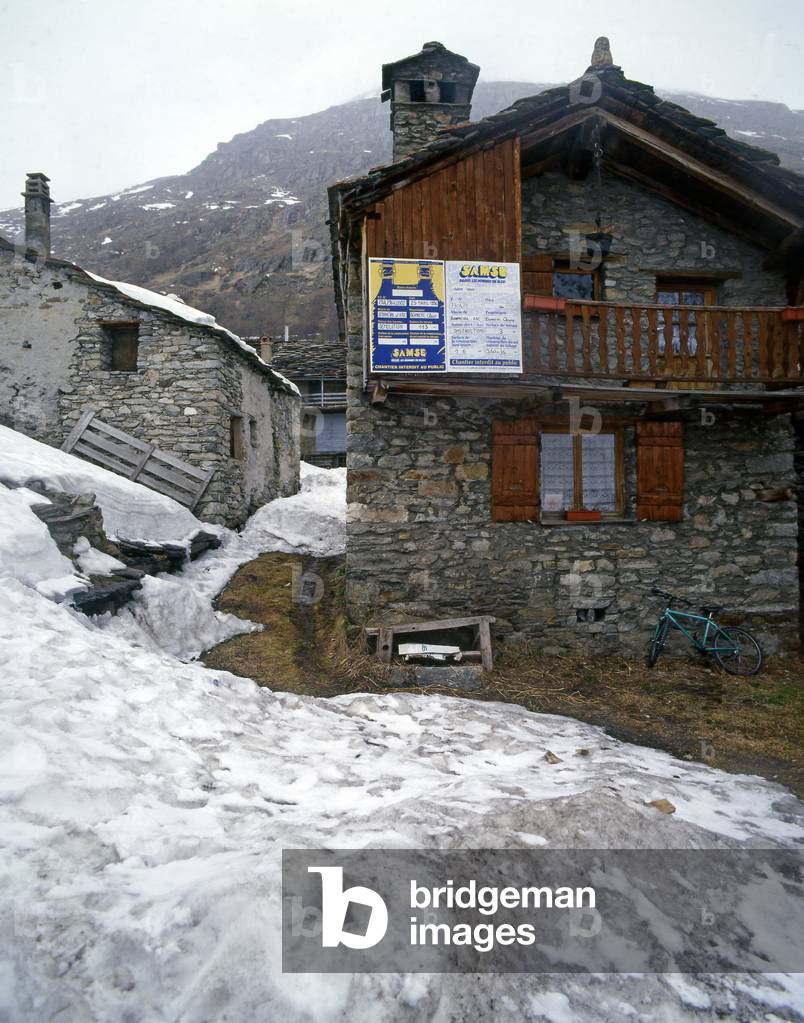
ITR4636695: The village of Bonneval sur Arc in Savoy. Photography 10/02/00. / Bridgeman Images
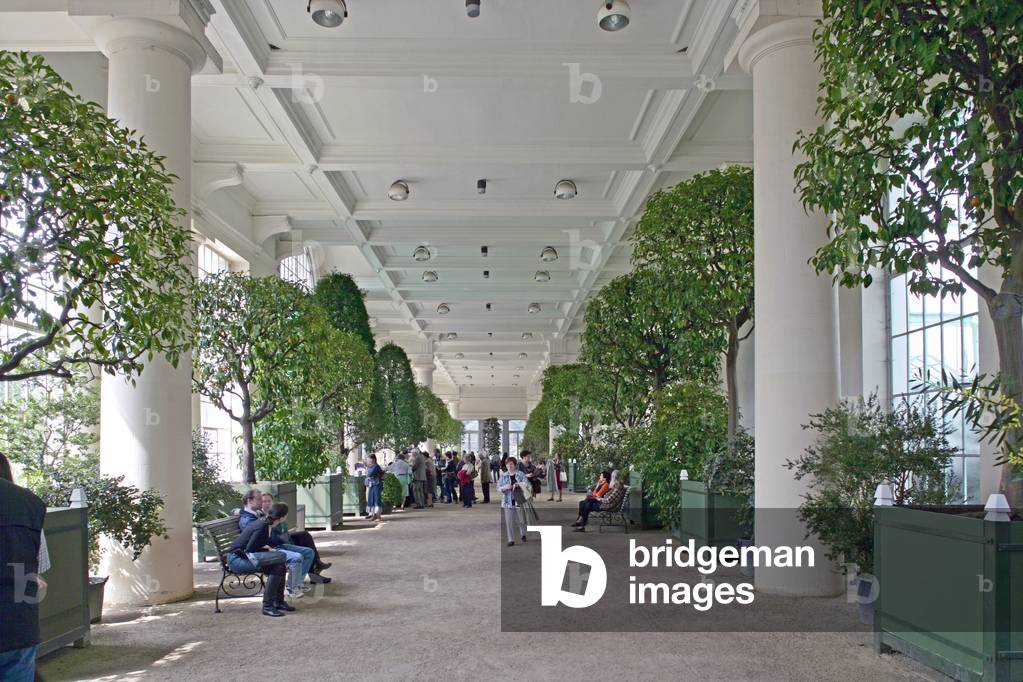
TEC4639777: Royal greenhouses, Avenue du Parc in Laeken, Belgium. In the 19th century, glass and metal as new building materials allowed the construction of a new type of building: the greenhouse. King Leopold II (1835-1909) entrusted the architect Alphonse Balat (1818-1895) with the construction of an ideal glass palace, completed 1873. Open to the public three weeks a year, the Royal Greenhouses of Laeken house an exceptional collection of plants, some dating back to Leopold II. Photography 30/04/06. / Bridgeman Images
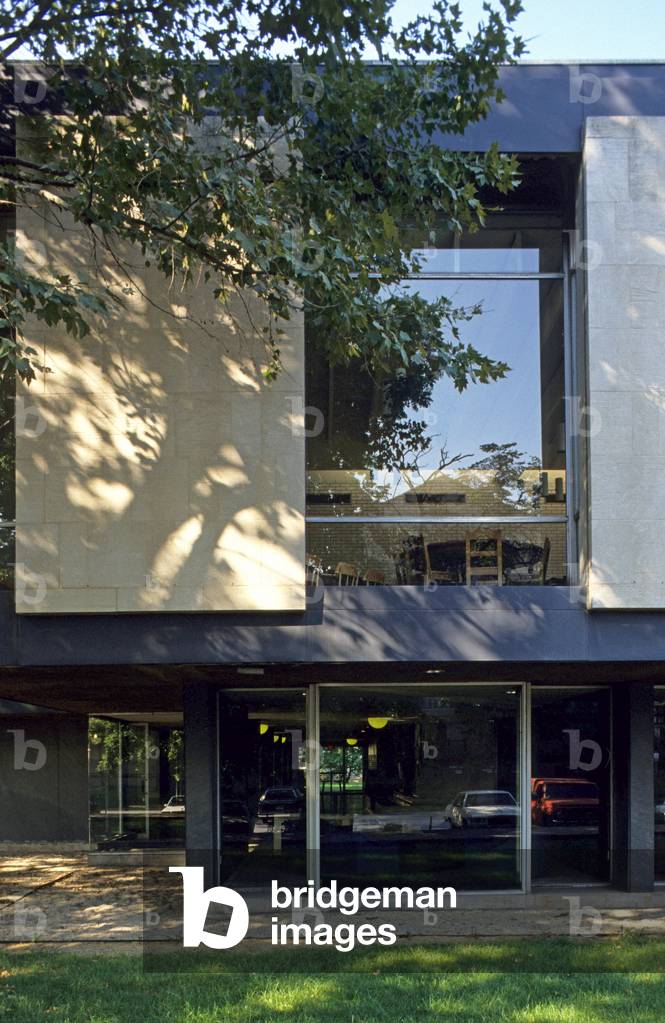
TEC4635991: Woodward Court Residence Hall, University of Chicago Campus. Between Blackstone and Cottage Grove Avenues and East 56th and East 60th streets (United States). Construction 1958, architect Eero Saarinen. Photography 13/04/90. / Bridgeman Images
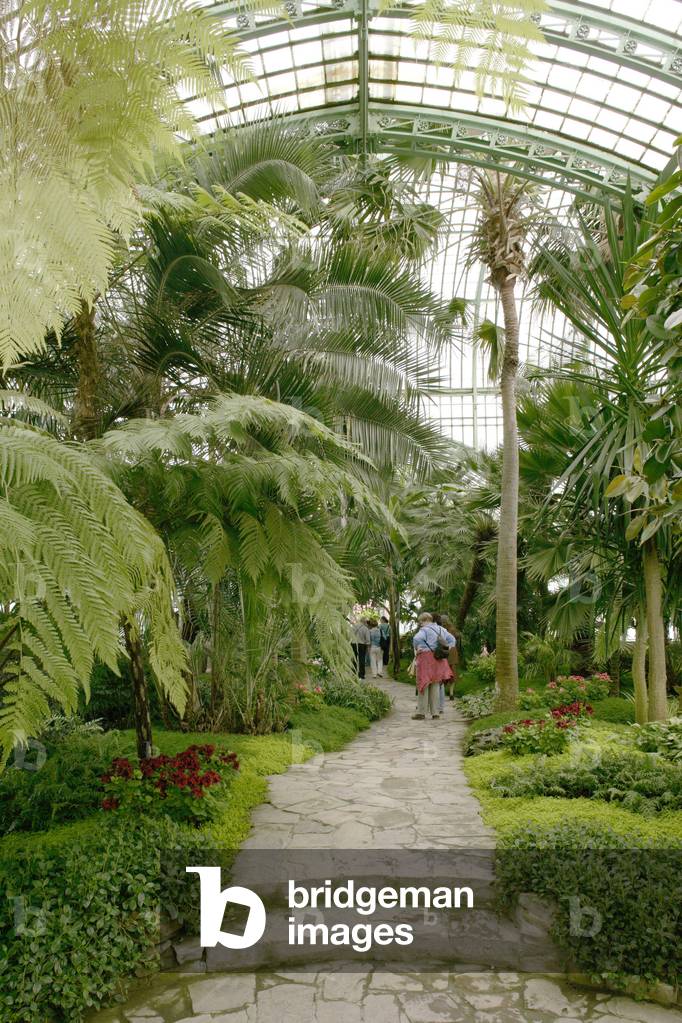
TEC4639943: The royal greenhouses of Laeken in Belgium. Achievement 1873. In the 19th century, glass and metal, as new building materials, allowed the construction of a new type of building: the greenhouse. King Leopold II (1835-1909) entrusted the architect Alphonse Balat (1819-1895) with the construction of an ideal glass palace. Open to the public three weeks a year, the Royal Greenhouses of Laeken house an exceptional collection of plants, some dating back to Leopold II. Photography 30/04/06. / Bridgeman Images
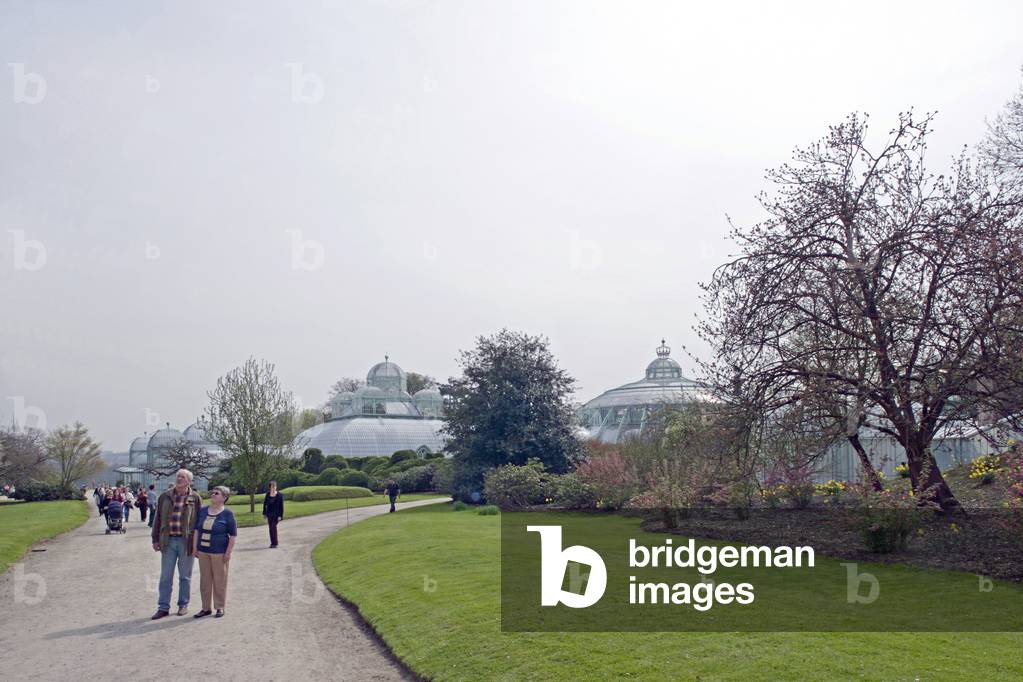
TEC4639887: The royal greenhouses of Laeken in Belgium. Achievement 1873. In the 19th century, glass and metal, as new building materials, allowed the construction of a new type of building: the greenhouse. King Leopold II (1835-1909) entrusted the architect Alphonse Balat (1819-1895) with the construction of an ideal glass palace. Open to the public three weeks a year, the Royal Greenhouses of Laeken house an exceptional collection of plants, some dating back to Leopold II. Photography 30/04/06. / Bridgeman Images

FLO4637285: Horned hawk, male. Coloured copper engraving by George Graves, in British Ornithology, 1811. Kestrel, Falco tinnunculus. Handcoloured copperplate engraving by George Graves from “British Ornithology”” 1811. Graves was a bookseller, publisher, artist, engraver and colorist and worked on botanical and ornithological books. / Bridgeman Images

FLO4638191: St. Anthony's turnip or bulbous buttercup, Ranunculus bulbosus. Handcoloured lithograph by Henry Sowerby after an illustration by A.E. from Edward Hamilton's Flora Homeopathica, Bailliere, London, 1852. / Bridgeman Images

FLO4636715: John Taylor, Thames waterman and self-styled Water Poet (1578 -1653). Copperplate engraving from William Richard's Portraits illustrating Granger's Biographical History of England, London, 1792-1812. James Granger (1723-1776) was an English clergy, biographer, and print collector. / Bridgeman Images
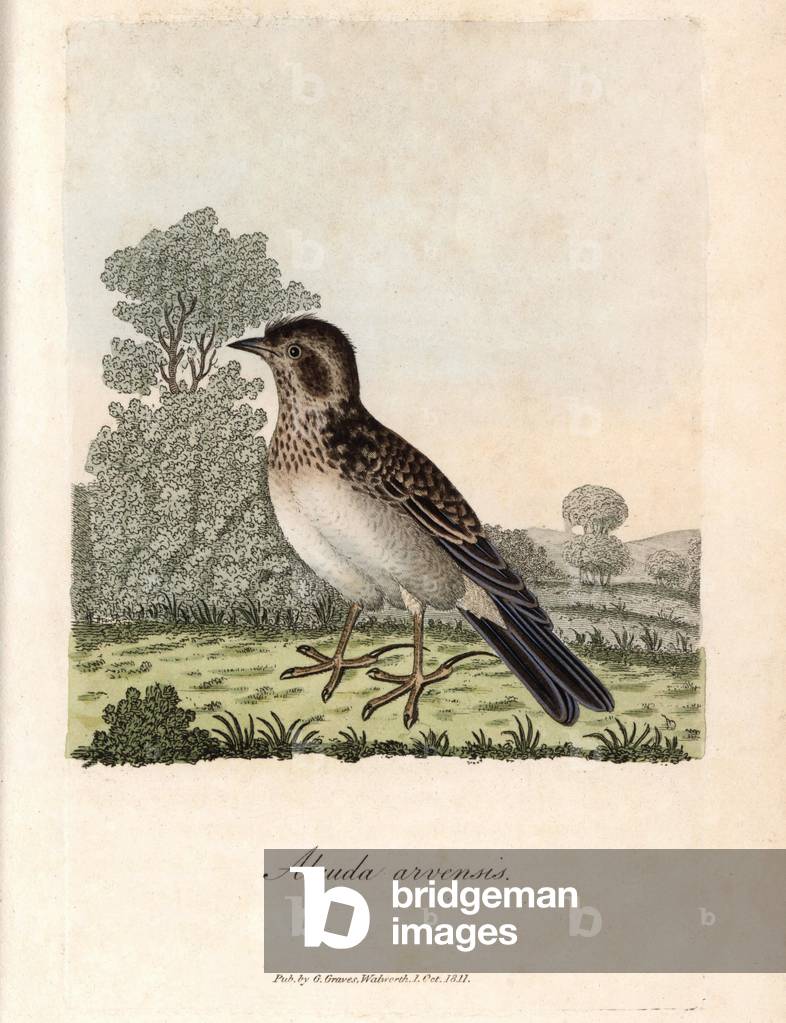
FLO4637067: Field lark. Coloured copper engraving by George Graves, in British Ornithology, 1811. Skylark, Alauda arvensis. Handcoloured copperplate engraving by George Graves from “British Ornithology”” 1811. Graves was a bookseller, publisher, artist, engraver and colorist and worked on botanical and ornithological books. / Bridgeman Images

FLO4638588: Mary Brandon, Lady Monteagle, wife of Thomas Stanley, 2nd Baron Monteagle (1507-1560). Lady-in-waiting to Jane Seymour. Also identified as Ellen Preston. Handcoloured copperplate engraving by Francis Bartolozzi after Hans Holbein from Facsimiles of Original Drawings by Hans Holbein, Hamilton, Adams, London, 1884. / Bridgeman Images

FLO4638702: Lime hawk-moth, Mimas tillae, and common vapourer moth or rusty tussock, Orgyia antiqua, on lime leaves, Tillia europaea. Handcoloured lithograph after an illustration by Moses Harris from “The Aurelian; a Natural History of English Moths and Butterflies,””” new edition edited by J. O. Westwood, published by Henry Bohn, London, 1840. / Bridgeman Images

FLO4636290: Group of chamarro reparting and checking their fishing nets, on the coast of the Mariana Islands (USA). Others sin. Illustration from Voyage Around the World (1824) by Louis de Freycinet (1779-1842). Lithography for the book: “” Galerie complete en tableaux fideles des peuples d'Amérique et d'Australie”” by Friedrich Wilhelm Goedsche (1785-1863), Meissen edition (Germany), 1835-1840. Naked Chamorro men and women mending and casting nets as they fish on the coast of the Mariana islands. Handcoloured lithograph from Friedrich Wilhelm Goedsche's “” Vollstaendige Voelkergallerie in getreuen Abbildungen”” (Complete Gallery of Peoples in True Pictures), Meissen, circa 1835-1840. / Bridgeman Images

FLO4638240: Sarsaparilla, Smilax aristolochiifolia (Smilax medica). Handcoloured lithograph by Charlotte Caroline Sowerby from Edward Hamilton's Flora Homeopathica, Bailliere, London, 1852. / Bridgeman Images
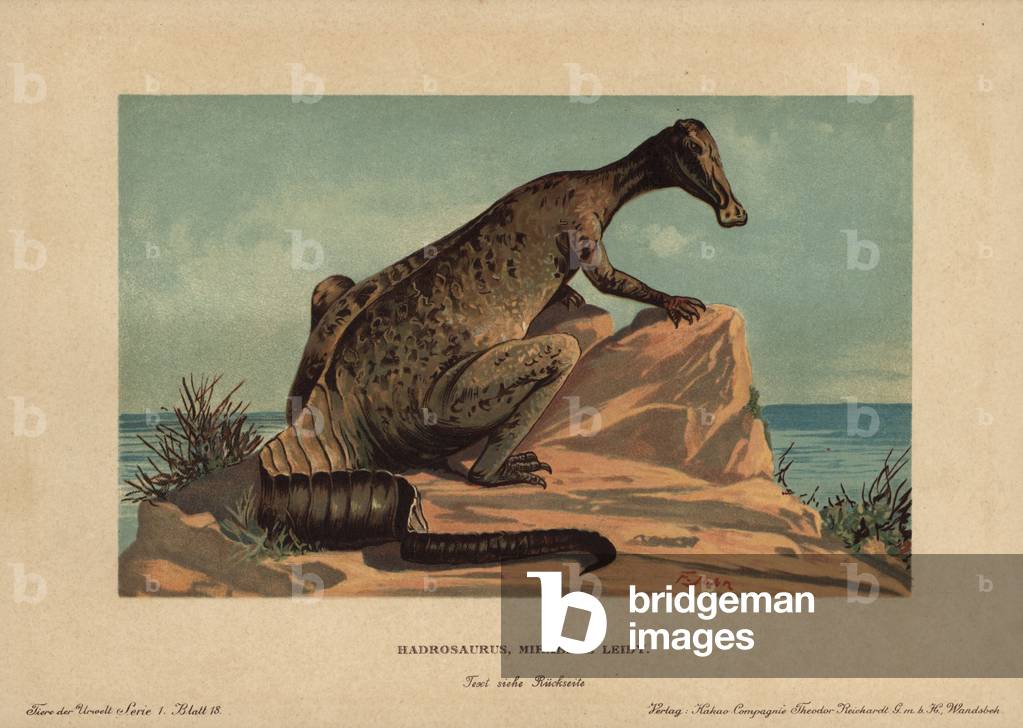
FLO4639743: Hadrosaur (or duck-beaked dinosaur) genus of herbivore, from the Cretace era. Chromolithography of F. John (series prehistoric animals of the Reichardt Cocoa Company), originally published in “Animals of the Prehistoric World”, 1910, Hamburg (Germany), text by Wilhelm Bolsche. / Bridgeman Images

FLO4638502: Margaret Clement (ne Giggs), foster daughter of Thomas More, wife to John Clement, tutor to the More children. (Mislabeled as Mother Jak, nurse to King Edward VI.) Handcoloured copperplate engraving by Francis Bartolozzi after Hans Holbein from Facsimiles of Original Drawings by Hans Holbein, Hamilton, Adams, London, 1884. / Bridgeman Images

FLO4639414: Aceratherium, genus of rhinoceros, epochs from the oligocene to Pliocene. Chromolithography by Heinrich Garden (1858-1935) (series prehistoric animals of the Reichardt Cocoa Company), originally published in “Animals of the Prehistoric World”, 1916, Hamburg (Germany), text by Wilhelm Bolsche. / Bridgeman Images

FLO4636338: Portrait of the chiefs of the Sandwich Islands (Hawai): in the centre, Kiaimoukou, Maui Island, on the left, a tattoo chef from Oahu Island, on the right, an officer from Kiamoukou. Illustration from Voyage Around the World (1824) by Louis de Freycinet (1779-1842). Lithography for the book: “” Galerie complete en tableaux fideles des peuples d'Amérique et d'Australie”” by Friedrich Wilhelm Goedsche (1785-1863), Meissen edition (Germany), 1835-1840. Chiefs of the Sandwich Islands (Hawaii): Kiaimoukou surnamed Cox, Chief of Maui Island (center), a tattooed chief of Oahu Island (left) and officer to Kiaimoukou (right). Handcoloured lithograph from Friedrich Wilhelm Goedsch's “” Vollstaendige Voelkergallerie in getreuen Abbildungen”” (Complete Gallery of Peoples in True Pictures), Meissen, circa 1835-1840. / Bridgeman Images

FLO4639842: Dinocerata, (Terrible a horn) species of herbivore, resembling rhinoceros, creature a hoof famous for their paired horns and their canine defenses. Colour illustration by Heinrich Harder (1858-1935), in “” Tiere der Urwelt”” (Animals of Prehistory), texts by Wilhelm Bolsche (1861-1939), 1916, Hamburg (Germany). Image from a series of maps published by the Reichardt Cocoa company in 1908. / Bridgeman Images

FLO4635655: The Great Pyramid of Cholula (Mexico). Lithography for the book: “” Galerie complete en tableaux fideles des peuples d'America et d'Australia”” by Friedrich Wilhelm Goedsche (1785-1863), edition Meissen (Germany), 1835-1840.Great Pyramid of Cholula or Tlachihualtepetl dedicated to the god Quetzalcoatl in Mexico. Handcoloured lithograph from Friedrich Wilhelm Goedsch's “” Vollstaendige Voelkergallerie in getreuen Abbildungen”” (Complete Gallery of Peoples in True Pictures), Meissen, circa 1835-1840. / Bridgeman Images

FLO4637187: Coot macrolls. Coloured copper engraving by George Graves, in British Ornithology, 1811. Common coot, Fulica atra. Handcoloured copperplate engraving by George Graves from “British Ornithology”” 1811. Graves was a bookseller, publisher, artist, engraver and colorist and worked on botanical and ornithological books. Drawn by William Samuel Howitt, a sporting and natural history artist. / Bridgeman Images

FLO4637998: Peruvian bark tree or quinine tree, Cinchona officinalis. Handcoloured lithograph by Henry Sowerby from Edward Hamilton's Flora Homeopathica, Bailliere, London, 1852. / Bridgeman Images

FLO4639475: Elotherium or Entelodon, genus of giant phacochere, from the period of Eocene inferior to Oligocene. Chromolithography by Heinrich Garder (1858-1935) (series prehistoric animals of the Reichardt Cocoa Company), originally published in “Animals of the Prehistoric World”, 1916, Hamburg (Germany), text by Wilhelm Bolsche. / Bridgeman Images
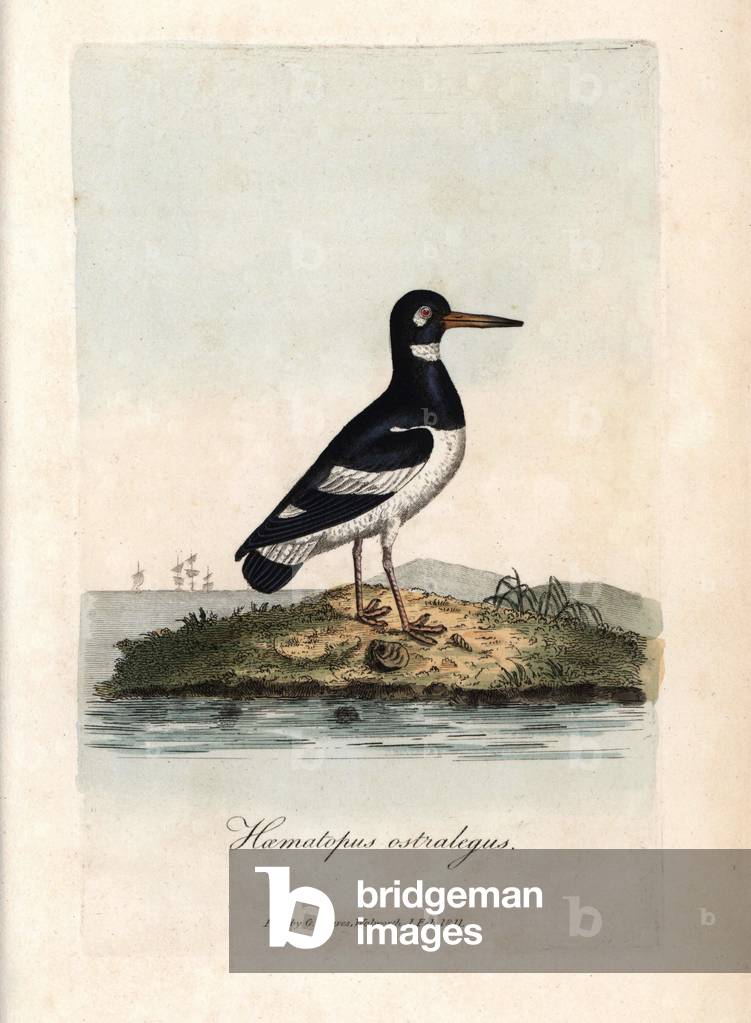
FLO4637177: Eyster pie. Coloured copper engraving by George Graves, in British Ornithology, 1811. Foot oystercatcher, Haematopus ostralegus. Handcoloured copperplate engraving by George Graves from “British Ornithology”” 1811. Graves was a bookseller, publisher, artist, engraver and colorist and worked on botanical and ornithological books. / Bridgeman Images

FLO4635425: Greenland dwellers wearing skins and one Inuit from Labrador (Canada) with a trident. Below is a daily scene of Inuit family life in front of an igloo, a tent and a canoe, North America. Lithography for the book: “” Galerie complete en tableaux fideles des peuples d'Amérique et d'Australie”” by Friedrich Wilhelm Goedsche (1785-1863), Meissen edition (Germany), 1835-1840. People from Greenland in fur clothes with bow, arrow and staff, eskimo from Labrador with bow, arrow and trident, and eskimo family in front of igloo, tipi and canoe in North America. Handcoloured lithograph from Friedrich Wilhelm Goedsche's “” Vollstaendige Voelkergallerie in getreuen Abbildungen”” (Complete Gallery of Peoples in True Pictures), Meissen, circa 1835-1840. / Bridgeman Images

FLO4636379: Portraits of a Maori couple from New Zealand. Lithography for the book: “” Galerie complete en tableaux fideles des peuples d'Amérique et d'Australie”” by Friedrich Wilhelm Goedsche (1785-1863), Meissen edition (Germany), 1835-1840. Native Maori men of New Zealand. Handcoloured lithograph from Friedrich Wilhelm Goedsche's “” Vollstaendige Voelkergallerie in getreuen Abbildungen”” (Complete Gallery of Peoples in True Pictures), Meissen, circa 1835-1840. / Bridgeman Images

FLO4638151: Nutmeg and mace tree, Myristica fragrans (Nux moschata). Handcoloured lithograph by A.M. Traice after an illustration by A.W. from Edward Hamilton's Flora Homeopathica, Bailliere, London, 1852. / Bridgeman Images

FLO4639018: Giant turtle of Rodrigues Island (Indian Ocean), species extirpated in the 18th century. Chromolithography, based on an illustration by F. John, published in Animals du monde primitive, Hamburg, Germany, 1910. Historical animal map series published by the Reichardt Cocoa Company. / Bridgeman Images

FLO4635291: Guinee Conakry weapons, spears, clubs, bow and arrows in their quiver, shield. Lithography for the book: “” Galerie complete en tableaux fideles des peuples d'Afrique”” by Friedrich Wilhelm Goedsche (1785-1863), edition Meissen (Germany), 1835-1840.Weapons of Guinea, Africa: lances, club, shield, quiver, bow and arrows. Handcoloured lithograph from Friedrich Wilhelm Goedsche's “” Vollstaendige Voelkergallerie in getreuen Abbildungen”” (Complete Gallery of Peoples in True Pictures), Meissen, circa 1835-1840. / Bridgeman Images

FLO4638520: The Lady Mary, daughter of King Henry VIII and Catherine of Aragon, later Queen Mary I of England (1516-1558). Handcoloured copperplate engraving by Francis Bartolozzi after Hans Holbein from Facsimiles of Original Drawings by Hans Holbein, Hamilton, Adams, London, 1884. / Bridgeman Images

FLO4636878: Nathanael Richards, English dramatist and poet, fl. 1630-1654. Copperplate engraving from William Richard's Portraits Illustrating Granger's Biographical History of England, London, 1792-1812. James Granger (1723-1776) was an English clergy, biographer, and print collector. / Bridgeman Images

FLO4636519: George Chapman, English dramatist, translator, and poet, died 1634. Copperplate engraving from William Richard's Portraits Illustrating Granger's Biographical History of England, London, 1792-1812. James Granger (1723-1776) was an English clergy, biographer, and print collector. / Bridgeman Images

FLO4638378: Edward, Prince of Wales, aged 3-5, later King Edward VI of England, 1537-1553. Son of Henry VIII and Jane Seymour. Handcoloured copperplate engraving by Francis Bartolozzi after Hans Holbein from Facsimiles of Original Drawings by Hans Holbein, Hamilton, Adams, London, 1884. / Bridgeman Images
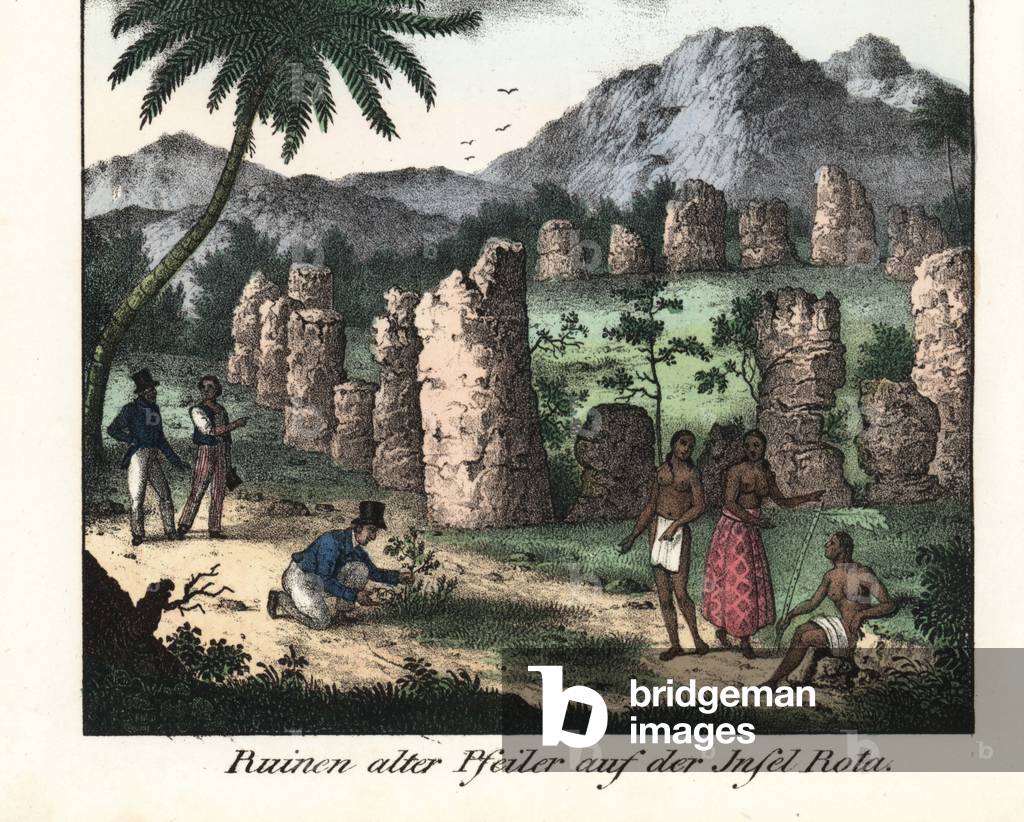
FLO4636301: French explorers and botanist in the ruins of a chamarro site of stone pillars on Rota Island (Mariana Islands, USA). Illustration from Voyage Around the World (1824) by Louis de Freycinet (1779-1842). Lithography for the book: “” Galerie complete en tableaux fideles des peuples d'Amérique et d'Australie”” by Friedrich Wilhelm Goedsche (1785-1863), Meissen edition (Germany), 1835-1840. English explorers and botanist at the ruins of ancient Chamorro stone structures on the island of Rota, north of Guam. Handcoloured lithograph from Friedrich Wilhelm Goedsche's “” Vollstaendige Voelkergallerie in getreuen Abbildungen”” (Complete Gallery of Peoples in True Pictures), Meissen, circa 1835-1840. / Bridgeman Images
