Search options

Orientation
Colour

Display options

View

Print

To print search results, use print friendly version of this page.

2490880 Search Results

Madame de Pompadour holding court in French society, 18th century, after a 19th century print.

KWE3252942: Madame de Pompadour holding court in French society, 18th century, after a 19th century print. / Bridgeman Images

Cowboy's Six-Shooter Gun, 1967 (screen print)

GRC3036132: Cowboy's Six-Shooter Gun, 1967 (screen print), American School, (20th century) / Bridgeman Images

Flappers in Frocks and Coats, 1928 (screen print)

GRC3036180: Flappers in Frocks and Coats, 1928 (screen print), American School, (20th century) / Bridgeman Images
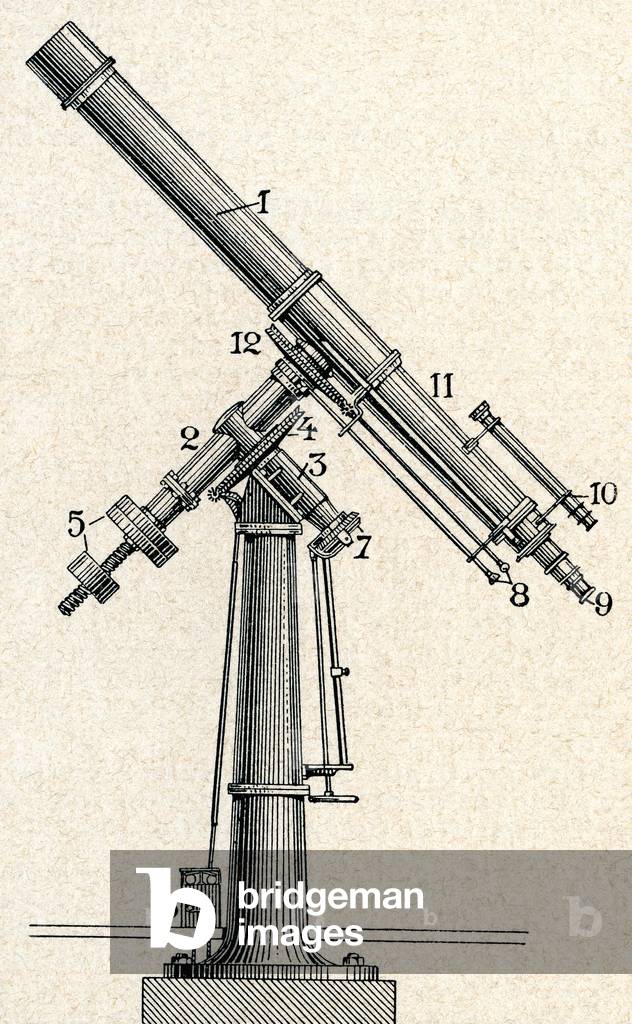
A 19th century telescope on an equatorial mount

KWE3252984: A 19th century telescope on an equatorial mount / Bridgeman Images

Francisco de Echeveste

KWE3253002: Francisco de Echeveste / Bridgeman Images
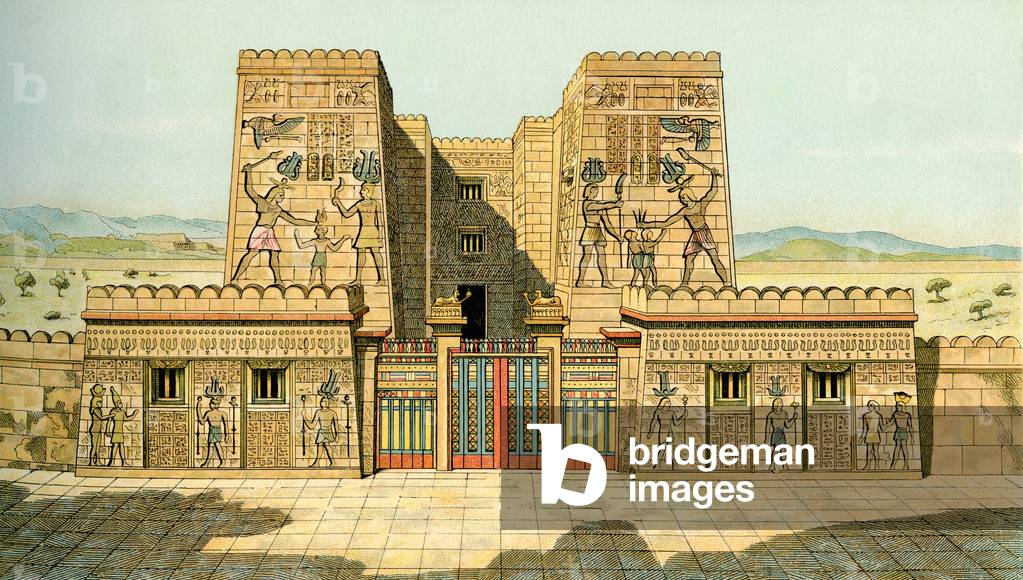
Imaginary reconstruction of an Egyptian palace in Pharaonic times

KWE3253011: Imaginary reconstruction of an Egyptian palace in Pharaonic times / Bridgeman Images

Mehmed Emin Pasha, born Isaak Eduard Schnitzer, baptized Eduard Carl Oscar Theodor Schnitzer

KWE3253029: Mehmed Emin Pasha, born Isaak Eduard Schnitzer, baptized Eduard Carl Oscar Theodor Schnitzer / Bridgeman Images

Viscount Enomoto Takeaki

KWE3253041: Viscount Enomoto Takeaki / Bridgeman Images
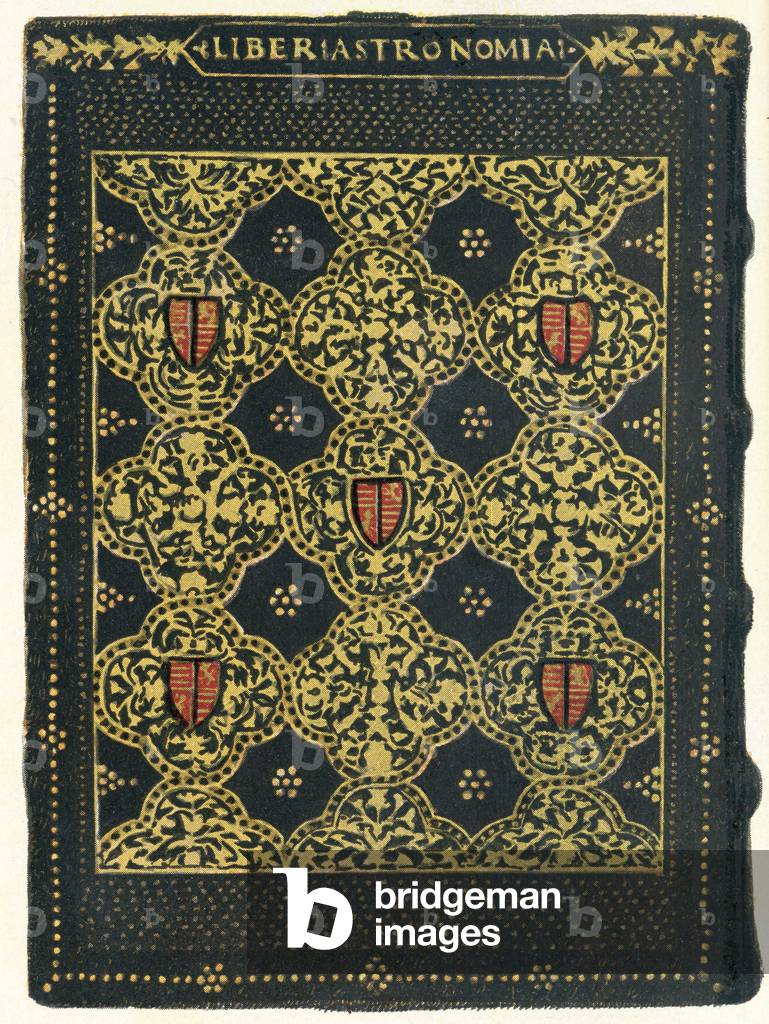
An example of 15th century German bookbinding, boards covered with tooled leather and gold decoration

KWE3253077: An example of 15th century German bookbinding, boards covered with tooled leather and gold decoration / Bridgeman Images

A monopod aka sciapod, skiapod, skiapode

KWE3253083: A monopod aka sciapod, skiapod, skiapode / Bridgeman Images

Launch of Space Shuttle Challenger STS - 51 - B 04/1985 - Launch of Space Shuttle Challenger STS - 51 - B. Apr 09 1985 - Launch of Space Shuttle Challenger STS - 51 - B. Apr 09 1985

PIX4650014: Launch of Space Shuttle Challenger STS - 51 - B 04/1985 - Launch of Space Shuttle Challenger STS - 51 - B. Apr 09 1985 - Launch of Space Shuttle Challenger STS - 51 - B. Apr 09 1985 / Bridgeman Images

Nebulae NGC 6334 and NGC 6357 in Scorpio - Nebulae NGC 6334 and NGC 6357 in Scorpius: These nebulae are located about 5500 light years from Earth - Located in the constellation of Scorpius, the Cat's Paw Nebula resemble a faint, luminous paw-print on the sky. Deep images reveal that the nebula is about a degree across in the sky. At a distance of about 5500 light-years away it is a truly vast structure spanning almost 100 light-years across. The sculpted gases of NGC 6334 are illuminated by the light of numerous powerful stars, some exceeding 10 solar masses. The two brilliant blue stars in the upper left are Lambda and Kappa Scorpii. Many of these luminous hot stars are surprisingly not visible because they lie within the dusty plane of our galaxy. At infrared wavelengths the numerous hot stars are revealed and the nature of this object as a region of massive star formation becomes clear. In the past decade water masers, molecular outflows, and x-ray sources have provided direct evidence of clusters of protostars within NGC 6334. The nebula was discovered by John Herschel in 1837, and the brief and uninformative description in his Cape Observations catalog is a testament to its faintness. The ruddy hue of this complex is the result of the absorption of blue light by the ubiquitous dust clouds along our line of sight in the plane of the Milky Way. The red, intricate bubble making up the left paw print is particularly striking and is most likely either a star expelling large amounts of matter at high speed as it nears the end of its life or the remnant of a recent supernova - Located near the famous “” Cat Paw”” nebula (NGC 6334), the Stellar Cluster Pismis 24 lies at the core of NGC 6357. Its stars include some of the most massive stellar behemoths known. One of the brightest stars in the cluster, Pismis 24-1, was thought possibly to be the most massive on record, approaching 300 solar masses, until it was discovered by the Hubble Telescope to b

PIX4619391: Nebulae NGC 6334 and NGC 6357 in Scorpio - Nebulae NGC 6334 and NGC 6357 in Scorpius: These nebulae are located about 5500 light years from Earth - Located in the constellation of Scorpius, the Cat's Paw Nebula resemble a faint, luminous paw-print on the sky. Deep images reveal that the nebula is about a degree across in the sky. At a distance of about 5500 light-years away it is a truly vast structure spanning almost 100 light-years across. The sculpted gases of NGC 6334 are illuminated by the light of numerous powerful stars, some exceeding 10 solar masses. The two brilliant blue stars in the upper left are Lambda and Kappa Scorpii. Many of these luminous hot stars are surprisingly not visible because they lie within the dusty plane of our galaxy. At infrared wavelengths the numerous hot stars are revealed and the nature of this object as a region of massive star formation becomes clear. In the past decade water masers, molecular outflows, and x-ray sources have provided direct evidence of clusters of protostars within NGC 6334. The nebula was discovered by John Herschel in 1837, and the brief and uninformative description in his Cape Observations catalog is a testament to its faintness. The ruddy hue of this complex is the result of the absorption of blue light by the ubiquitous dust clouds along our line of sight in the plane of the Milky Way. The red, intricate bubble making up the left paw print is particularly striking and is most likely either a star expelling large amounts of matter at high speed as it nears the end of its life or the remnant of a recent supernova - Located near the famous “” Cat Paw”” nebula (NGC 6334), the Stellar Cluster Pismis 24 lies at the core of NGC 6357. Its stars include some of the most massive stellar behemoths known. One of the brightest stars in the cluster, Pismis 24-1, was thought possibly to be the most massive on record, approaching 300 solar masses, until it was discovered by the Hubble Telescope to b / Bridgeman Images

Trifide nebula (M20) in the constellation Sagittarius: View of the Trifide nebula (M20/NGC 6514) located in the constellation Sagittarius between 5000 and 10,000 light years from Earth. Measuring some forty light years across, this nebula contains enough gas to make many thousands of suns. Trifid is located in Sagittarius constellation between 5000 and 10,000 light-years away

PIX4619532: Trifide nebula (M20) in the constellation Sagittarius: View of the Trifide nebula (M20/NGC 6514) located in the constellation Sagittarius between 5000 and 10,000 light years from Earth. Measuring some forty light years across, this nebula contains enough gas to make many thousands of suns. Trifid is located in Sagittarius constellation between 5000 and 10,000 light-years away / Bridgeman Images

Nebula of the Lagoon (M8) in Sagittarius - View of the center of the nebula of the Lagoon (M - 8/ngc 6523), located in Sagittarius, at a distance of 6500 years - light. The image obtained by an 800 mm telescope extends over a diameter of 30 AL

PIX4619639: Nebula of the Lagoon (M8) in Sagittarius - View of the center of the nebula of the Lagoon (M - 8/ngc 6523), located in Sagittarius, at a distance of 6500 years - light. The image obtained by an 800 mm telescope extends over a diameter of 30 AL / Bridgeman Images
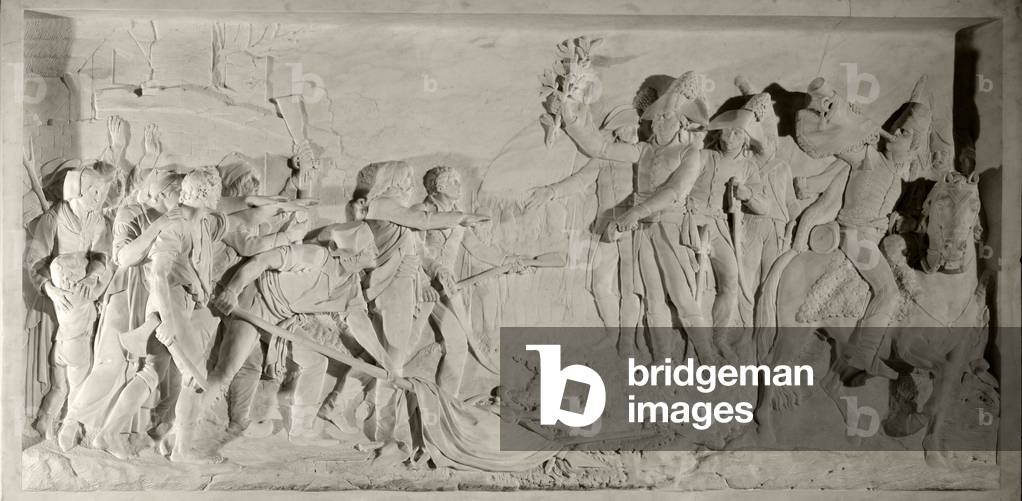
Vendee War: pacification of the Vendee, in 1796. Low relief in marble carved, 1800, 1796 (marble)

JLJ4619815: Vendee War: pacification of the Vendee, in 1796. Low relief in marble carved, 1800, 1796 (marble), Boizot, Louis Simon (1743-1809) / Bridgeman Images

Battle Plan of Cales Males on 30 June 1596 (engraving)

JLJ4686278: Battle Plan of Cales Males on 30 June 1596 (engraving), Unknown Artist, (16th century) / Bridgeman Images

Art Byzantium: wild boar hunting, 1554 (miniature)

JLJ4686337: Art Byzantium: wild boar hunting, 1554 (miniature), Byzantine School / Bridgeman Images

Nymph and little genie rides on a marine horse; Nymph and Triton surrounded by two small genies, 1549 (stone)

JLJ4686426: Nymph and little genie rides on a marine horse; Nymph and Triton surrounded by two small genies, 1549 (stone), Goujon, Jean (1510-c.67) / Bridgeman Images

The Mill Of The Galette In Montmartre, 1845 (oil on canvas)

JLJ4686449: The Mill Of The Galette In Montmartre, 1845 (oil on canvas), Corot, Jean Baptiste Camille (1796-1875) / Bridgeman Images

Bouquet Of Flowers From The Fields, 1912 (pastel)

JLJ4686505: Bouquet Of Flowers From The Fields, 1912 (pastel), Redon, Odilon (1840-1916) / Bridgeman Images

Don Quixote delights his madness through Wisdom.

JLJ4686558: Don Quixote delights his madness through Wisdom. "The Ingenious Gentleman Don Quixote of La Mancha", 1714 (oil on canvas), Coypel, Antoine (1661-1722) / Bridgeman Images

Funerary crown composed of 100 conical elements. 350-300 BC (clay)

LRI4686579: Funerary crown composed of 100 conical elements. 350-300 BC (clay), Greek school, (4th century BC) / Bridgeman Images

The ten kings of the apocalypse weapons of spears and shields with their troops, 11th century (miniature)

JLJ4686590: The ten kings of the apocalypse weapons of spears and shields with their troops, 11th century (miniature), Unknown Artist, (11th century) / Bridgeman Images

Presume portrait of Jean Baptiste Colbert (1619-1683), intendant of finance of Louis XIV, 17th century (oil on canvas)

JLJ4686752: Presume portrait of Jean Baptiste Colbert (1619-1683), intendant of finance of Louis XIV, 17th century (oil on canvas), Champaigne, Philippe de (1602-74) / Bridgeman Images

Nebula NGC 6559 in Sagittarius - NGC 6559 and IC 1274 - 75 in Sagittarius - Located in Sagittarius, this nebula is located at a distance of about 5000 years - light from Earth. Image made with the 1.2m Telescope of Schmidt UK from Siding Spring. This dusty region is probably associated with the brighter and better - known Lagoon and Trifid Nebulae which are nearby in the sky and part of the same molecular cloud. The soft red glow of fluorescent hydrogen is evidence that there are young hot stars associated with the dusty clouds. These bright stars also illuminate the tiny solid particles, producing blue reflection nebulae bordering some of the emission regions. The dust is also evident in silhouette, both as sinuous dark lanes winding through the luminous gas and as the dark patches obscuring the ancient, yellow stars that populate the central parts of the Milky Way

PIX4619831: Nebula NGC 6559 in Sagittarius - NGC 6559 and IC 1274 - 75 in Sagittarius - Located in Sagittarius, this nebula is located at a distance of about 5000 years - light from Earth. Image made with the 1.2m Telescope of Schmidt UK from Siding Spring. This dusty region is probably associated with the brighter and better - known Lagoon and Trifid Nebulae which are nearby in the sky and part of the same molecular cloud. The soft red glow of fluorescent hydrogen is evidence that there are young hot stars associated with the dusty clouds. These bright stars also illuminate the tiny solid particles, producing blue reflection nebulae bordering some of the emission regions. The dust is also evident in silhouette, both as sinuous dark lanes winding through the luminous gas and as the dark patches obscuring the ancient, yellow stars that populate the central parts of the Milky Way / Bridgeman Images

Manon Lescaut. 1909 (poster)

LRI4619847: Manon Lescaut. 1909 (poster), Metlicovitz, Leopoldo (1868-1944) / Bridgeman Images

On 27 October 1806 Napoleon I Bonaparte (1769-1821) and his army entered Berlin. In

JLJ4620032: On 27 October 1806 Napoleon I Bonaparte (1769-1821) and his army entered Berlin. In "Napoleon", 1921 (illustration), Job, pseudonym for Onfray de Breville, Jacques (1858-1931) / Bridgeman Images

Still Life, library with music books, 1715 (painting)

LRI4620049: Still Life, library with music books, 1715 (painting), Crespi, Giuseppe Maria (Lo Spagnuolo) (1665-1747) / Bridgeman Images

Omega nebula (M17) in Sagittarius - Omega nebula (M17) in Sagittarius - View of the Omega nebula (M17/ngc 6618) located in the constellation Sagittarius at a distance of 5500 light years

PIX4620132: Omega nebula (M17) in Sagittarius - Omega nebula (M17) in Sagittarius - View of the Omega nebula (M17/ngc 6618) located in the constellation Sagittarius at a distance of 5500 light years / Bridgeman Images

The Omega nebula (M17) seen in infrared - M17 nebula in infrared - The Omega nebula (M17) seen in infrared by the Spitzer space telescope. M17 is a star-forming region about 6000 light years ago in the constellation Sagittarius. In the center of the nebula is a group of massive stars. The dust appears in red, the hot gas in green, the regions or this gas and the dust mixes in white. Nasa's Spitzer Space Telescope has captured an infrared view of the star - making cloud called M17, or the Swan nebula. The cloud, located about 6,000 light - years away in the constellation Sagittarius, is dominated by a central group of massive stars - - the most massive stars in the region. These central stars give off intense flows of expanding gas, which rush like rivers against dense piles of material, carving out the deep pocket at center of the picture. Winds from the region's other massive stars push back against these oncoming rivers, creating bow shocks like those that pile up in front of speeding boats. Three of these bow shocks are nestled in the upper left side of the central cavity, but are difficult to spot in this view. They are composed of compressed gas in addition to dust that glows at infrared wavelengths Spitzer can see. The smiley - shaped bow shocks curve away from the stellar winds of the central massive stars. This picture was taken with Spitzer's infrared array camera. It is a four - color composite, in which light with a wavelength of 3.6 microns is blue; 4.5 - micron light is green; 5.8 - micron light is orange; and 8 - micron light is red. Dust is red, hot gas is green and white is where gas and dust intermingle. Foreground and background stars appear scattered through the image

PIX4620190: The Omega nebula (M17) seen in infrared - M17 nebula in infrared - The Omega nebula (M17) seen in infrared by the Spitzer space telescope. M17 is a star-forming region about 6000 light years ago in the constellation Sagittarius. In the center of the nebula is a group of massive stars. The dust appears in red, the hot gas in green, the regions or this gas and the dust mixes in white. Nasa's Spitzer Space Telescope has captured an infrared view of the star - making cloud called M17, or the Swan nebula. The cloud, located about 6,000 light - years away in the constellation Sagittarius, is dominated by a central group of massive stars - - the most massive stars in the region. These central stars give off intense flows of expanding gas, which rush like rivers against dense piles of material, carving out the deep pocket at center of the picture. Winds from the region's other massive stars push back against these oncoming rivers, creating bow shocks like those that pile up in front of speeding boats. Three of these bow shocks are nestled in the upper left side of the central cavity, but are difficult to spot in this view. They are composed of compressed gas in addition to dust that glows at infrared wavelengths Spitzer can see. The smiley - shaped bow shocks curve away from the stellar winds of the central massive stars. This picture was taken with Spitzer's infrared array camera. It is a four - color composite, in which light with a wavelength of 3.6 microns is blue; 4.5 - micron light is green; 5.8 - micron light is orange; and 8 - micron light is red. Dust is red, hot gas is green and white is where gas and dust intermingle. Foreground and background stars appear scattered through the image / Bridgeman Images

Center of the Omega Nebula (M17) in the sagittarius seen by HST - Center of the Omega Nebula, a hotbed of newly born stars wrapped in colorful blankets of glowing gas and cradled in an enormous cold, dark hydrogen cloud. This picture was taken by the Advanced Camera for Surveys (ACS) aboard Nasa's Hubble Space Telescope. The region of the nebula shown in this photograph is about 3,500 times wider than our solar system. The area represents about 60 percent of the total view captured by ACS. The nebula, also called M17 and the Swan Nebula, resides 5,500 light - years away in the constellation Sagittarius. Like its famous cousin in Orion, the Swan Nebula is illuminated by ultraviolet radiation from young, massive stars, located just beyond the upper right corner of the image. Each star is about six times hotter and 30 times more massive than the Sun. The powerful radiation from these stars evaporates and erodes the dense cloud of cold gas within which the stars formed. The blistered walls of the hollow cloud shine primarily in the blue, green, and red light emitted by excited atoms of hydrogen, nitrogen, oxygen, and sulfur. Particularly striking is the rose - like feature, seen to the right of center, which glows in the red light emitted by hydrogen and sulfur. ACS made this observation on April 1 and 2, 2002. The color image is constructed from four separate images taken in these filters: blue, near infrared, hydrogen alpha, and doubly ionized oxygen

PIX4620193: Center of the Omega Nebula (M17) in the sagittarius seen by HST - Center of the Omega Nebula, a hotbed of newly born stars wrapped in colorful blankets of glowing gas and cradled in an enormous cold, dark hydrogen cloud. This picture was taken by the Advanced Camera for Surveys (ACS) aboard Nasa's Hubble Space Telescope. The region of the nebula shown in this photograph is about 3,500 times wider than our solar system. The area represents about 60 percent of the total view captured by ACS. The nebula, also called M17 and the Swan Nebula, resides 5,500 light - years away in the constellation Sagittarius. Like its famous cousin in Orion, the Swan Nebula is illuminated by ultraviolet radiation from young, massive stars, located just beyond the upper right corner of the image. Each star is about six times hotter and 30 times more massive than the Sun. The powerful radiation from these stars evaporates and erodes the dense cloud of cold gas within which the stars formed. The blistered walls of the hollow cloud shine primarily in the blue, green, and red light emitted by excited atoms of hydrogen, nitrogen, oxygen, and sulfur. Particularly striking is the rose - like feature, seen to the right of center, which glows in the red light emitted by hydrogen and sulfur. ACS made this observation on April 1 and 2, 2002. The color image is constructed from four separate images taken in these filters: blue, near infrared, hydrogen alpha, and doubly ionized oxygen / Bridgeman Images

In Tarare, Emperor Napoleon I Bonaparte (1769-1821), 1921 (illustration)

JLJ4620225: In Tarare, Emperor Napoleon I Bonaparte (1769-1821), 1921 (illustration), Job, pseudonym for Onfray de Breville, Jacques (1858-1931) / Bridgeman Images
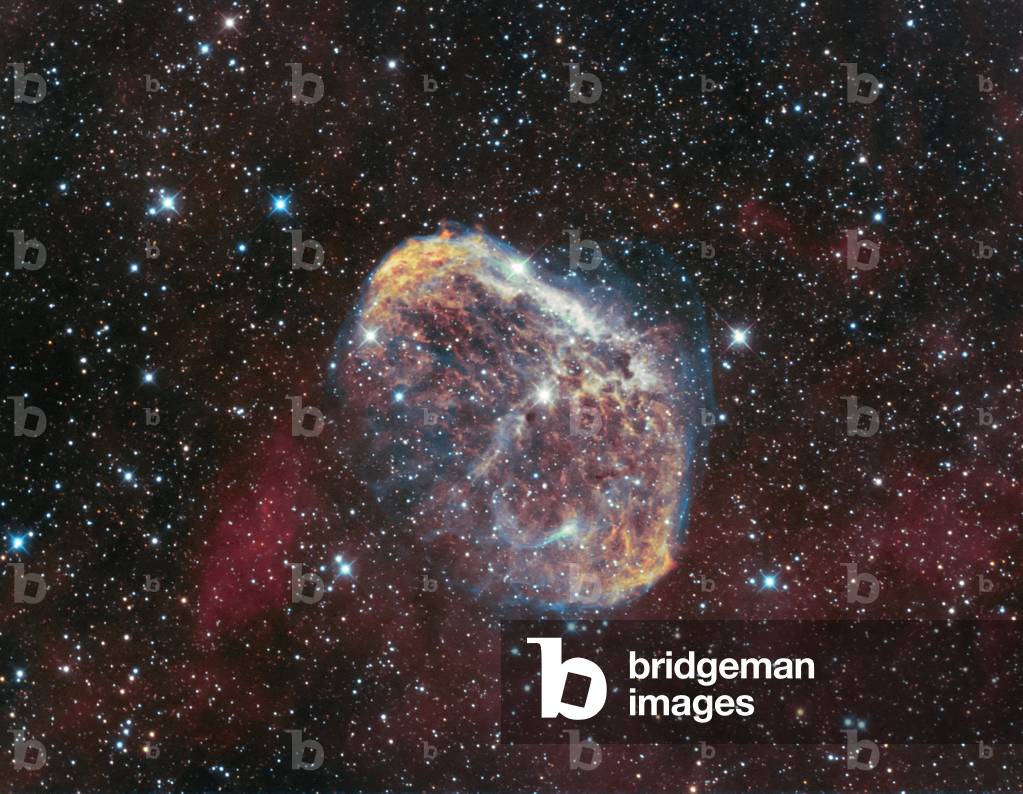
Nebula of the crescent NGC 6888 in the Swan - NGC 6888 Crescent Nebula - NGC 6888 Nebula of the Crescent. This nebula is a gas shell located in the constellation Swan. The bright star in the center of the nebula is the star WR 136, a star of Wolf - Rayet, massive, very hot. Image obtained by combining light through 3 different filters that highlight oxygen, hydrogen, and sulfur. The nebula is a shell of gas that is being energized by the strong stellar wind from the Wolf - Rayet star WR 136, the bright star at the center of the nebula. It is located in the constellation of Cygnus, the Swan. Wolf - Rayet stars are very hot, massive stars that are blowing off their outer layers. Narrowband false color composite H - alpha, OIII, SII

PIX4620372: Nebula of the crescent NGC 6888 in the Swan - NGC 6888 Crescent Nebula - NGC 6888 Nebula of the Crescent. This nebula is a gas shell located in the constellation Swan. The bright star in the center of the nebula is the star WR 136, a star of Wolf - Rayet, massive, very hot. Image obtained by combining light through 3 different filters that highlight oxygen, hydrogen, and sulfur. The nebula is a shell of gas that is being energized by the strong stellar wind from the Wolf - Rayet star WR 136, the bright star at the center of the nebula. It is located in the constellation of Cygnus, the Swan. Wolf - Rayet stars are very hot, massive stars that are blowing off their outer layers. Narrowband false color composite H - alpha, OIII, SII / Bridgeman Images

DNA and printed circuits - Illustration - Digital DNA - Illustration - Conceptual illustration

PIX4650663: DNA and printed circuits - Illustration - Digital DNA - Illustration - Conceptual illustration / Bridgeman Images

August 24, 2016: The three stars that make up the Centaur Alpha system are the closest stars to the Sun. Proxima du Centaur is located at a distance of 4.22 light years from the Sun but is invisible to the naked eye. Alpha Centauri A and B are a little further away, 4.36 light years from the Sun. These two stars are relatively similar to the Sun. Although Proxima of Centauri is distant from the Alpha couple of Centauri, its movement seems to link it to this system and is sometimes called Alpha Centauri C - This image of the sky around the bright star Alpha Centauri AB also shows the much fainter red dwarf star, Proxima Centauri, the closest star to the Solar System. The picture was created from pictures forming part of the Digitized Sky Survey 2. The blue halo around Alpha Centauri AB is an artifact of the photographic process, the star is really pale yellow in colour like the Sun

PIX4650930: August 24, 2016: The three stars that make up the Centaur Alpha system are the closest stars to the Sun. Proxima du Centaur is located at a distance of 4.22 light years from the Sun but is invisible to the naked eye. Alpha Centauri A and B are a little further away, 4.36 light years from the Sun. These two stars are relatively similar to the Sun. Although Proxima of Centauri is distant from the Alpha couple of Centauri, its movement seems to link it to this system and is sometimes called Alpha Centauri C - This image of the sky around the bright star Alpha Centauri AB also shows the much fainter red dwarf star, Proxima Centauri, the closest star to the Solar System. The picture was created from pictures forming part of the Digitized Sky Survey 2. The blue halo around Alpha Centauri AB is an artifact of the photographic process, the star is really pale yellow in colour like the Sun / Bridgeman Images

Plaque commemorating Louis XVI's hunts in Compiegne forest, featuring a valet decoupling the old pack, 1778-81 (painting)

JLJ4651118: Plaque commemorating Louis XVI's hunts in Compiegne forest, featuring a valet decoupling the old pack, 1778-81 (painting), Oudry, Jean-Baptiste (1686-1755) (after) / Bridgeman Images


Back to top