2497532 Search Results

FLO4563106: Scarlet French rose, Rosa gallica officinalis. Handcoloured copperplate botanical drawn, engraved and coloured by Henry Charles Andrews for his own “Roses, a monograph of the genus Rosa,” London, 1806. Andrews was an English botanist, artist and engraver who published the “” Botanist's Repository”” from 1797 to 1812 and separate volumes on roses, geraniums and heaths. / Bridgeman Images

LRI4563355: Page of Tablature, book 1 by Girolamo Cavazzoni, 1544, Unknown Artist, (16th century) / Bridgeman Images

FLO4565555: Chob-dar or mace bearer, in livery decorated with gold lace, holding a mace of gold or silver. Handcoloured copperplate engraving by an unknown artist from “” Asiatic Costumes,”” Ackermann, London, 1828. / Bridgeman Images
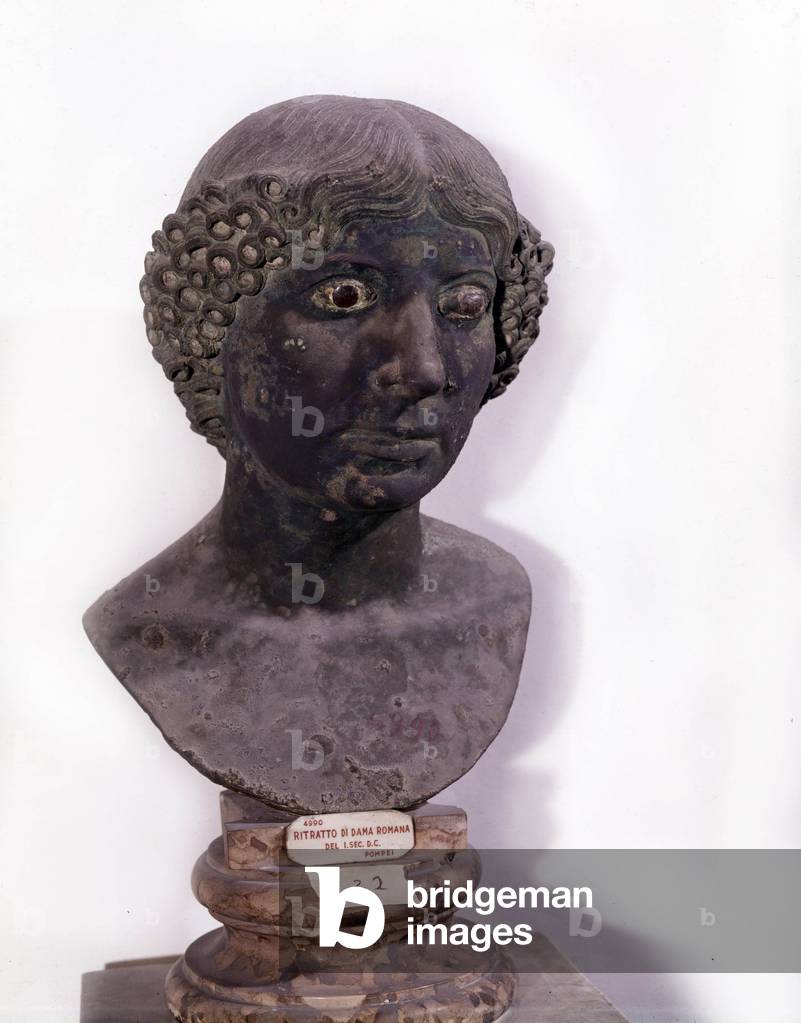
JLJ4565590: Roman antiquite: bust of Roman lady from Pompei, 1st century AD, Roman, (1st century AD) / Bridgeman Images

LRI4565611: Portrait of Caroline Ungher (Unger) (engraving, 19th century), Unknown Artist, (19th century) / Bridgeman Images

FLO4565735: Musician playing the saringee (Indian violin) wearing muslin or cotton robes, turban and sash. Handcoloured copperplate engraving by an unknown artist from “” Asiatic Costumes,”” Ackermann, London, 1828. / Bridgeman Images
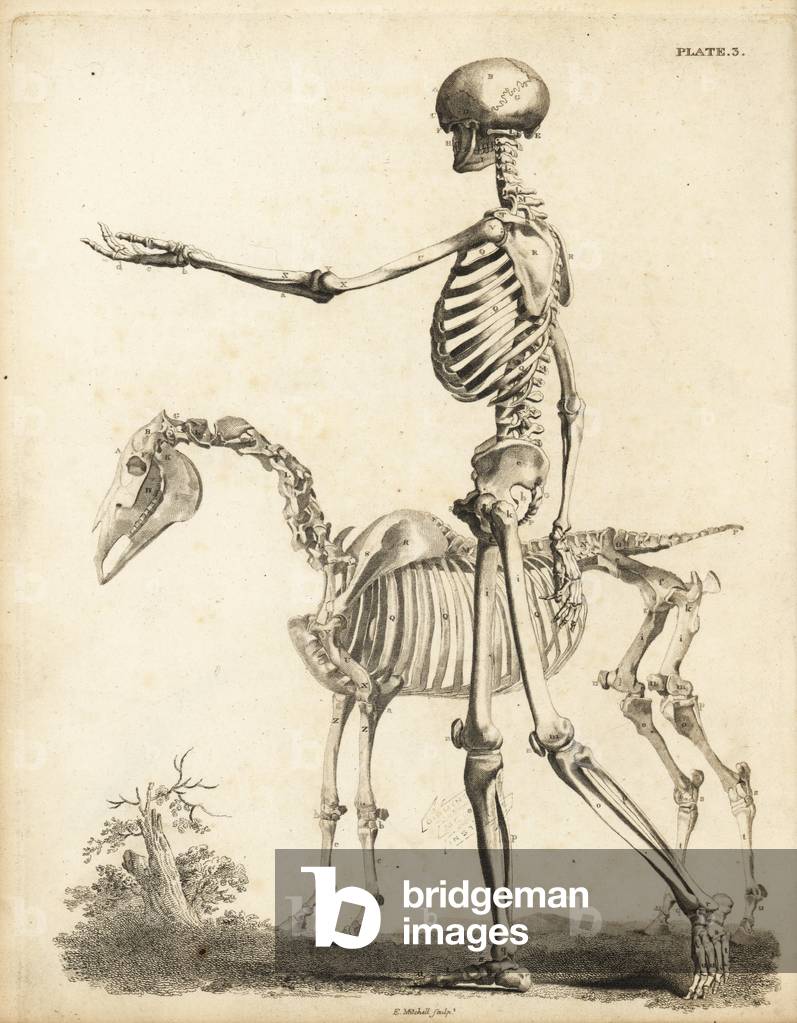
FLO4565764: Side view of human skeleton and horse skeleton. Copperplate engraving by Edward Mitchell after anatomical illustrations by Bernhard Siegfried Albinus and George Stubbs from John Barclay's A Series of Engravings of the Human Skeleton, MacLachlan and Stewart, Edinburgh, 1824. / Bridgeman Images

LRI4565785: Portrait of Eugene Ysaye (b/w photo), Unknown photographer, (20th century) / Bridgeman Images

FLO4565848: A gentleman and two elegant women, wearing feather heats, gloves and eventails at a ball, in the fashion of the English Regence (1811-1820) (Bath, England) - Eau forte by Francis Eginton (1737-1805), from Le nouveau guide de Bath or Memoires de la famille Blunderhead, published in 1807 - (Regency gentleman and two elegant ladies with feather headdresses, fans and gloves at a ball - Handcoloured copperplate engraving by Francis Eginton from Christopher Anstein's “” The New Bath Guide,”” John Browne, 1807) / Bridgeman Images
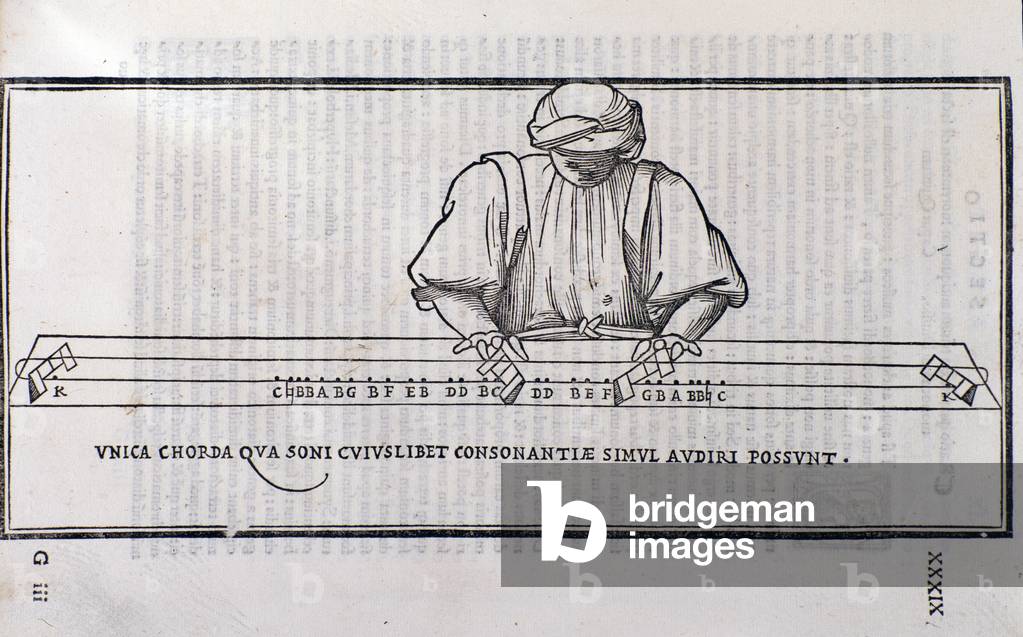
LRI4563746: Page taken from Musica Theorica by Ludovico Foliani (engraving, 1529), Unknown Artist, (16th century) / Bridgeman Images

LRI4563812: Frontispiece of Il cantore ecclesiastico by Giuseppe Frezza dalle Grotte, 1699, Unknown Artist, (17th century) / Bridgeman Images

FLO4563834: Orange mullein or velvet plant, Verbasum phlomoides. Handcoloured copperplate engraving from Dr. Willibald Artus' Hand-Atlas sammtlicher mediinisch-pharmaceutischer Gewachse, (Handbook of all medical-pharmaceutical plants), Jena, 1876. / Bridgeman Images

FLO4563849: Herb of grace, Gratiola officinalis. Handcoloured copperplate engraving from Dr. Willibald Artus' Hand-Atlas sammtlicher mediinisch-pharmaceutischer Gewachse, (Handbook of all medical-pharmaceutical plants), Jena, 1876. / Bridgeman Images

FLO4563898: Roughbark lignum-vitae, guaiacwood Guaiacum officinale (Guajacum officinale). Handcoloured copperplate engraving from Dr. Willibald Artus' Hand-Atlas sammtlicher mediinisch-pharmaceutischer Gewachse, (Handbook of all medical-pharmaceutical plants), Jena, 1876. / Bridgeman Images

FLO4563919: Street or herb of grace, Ruta graveolens. Handcoloured copperplate engraving from Dr. Willibald Artus' Hand-Atlas sammtlicher mediinisch-pharmaceutischer Gewachse, (Handbook of all medical-pharmaceutical plants), Jena, 1876. / Bridgeman Images

FLO4564016: Marshmallow, Althaea officinalis. Handcoloured copperplate engraving from Dr. Willibald Artus' Hand-Atlas sammtlicher mediinisch-pharmaceutischer Gewachse, (Handbook of all medical-pharmaceutical plants), Jena, 1876. / Bridgeman Images

LRI4564052: Frontispiece of music sheet of Alceste, opera by C. W. Gluck, 1769, Unknown artist, (18th century) / Bridgeman Images

FLO4564058: Cajuput or white samet, Melaleuca cajuputi. Handcoloured copperplate engraving from Dr. Willibald Artus' Hand-Atlas sammtlicher mediinisch-pharmaceutischer Gewachse, (Handbook of all medical-pharmaceutical plants), Jena, 1876. / Bridgeman Images
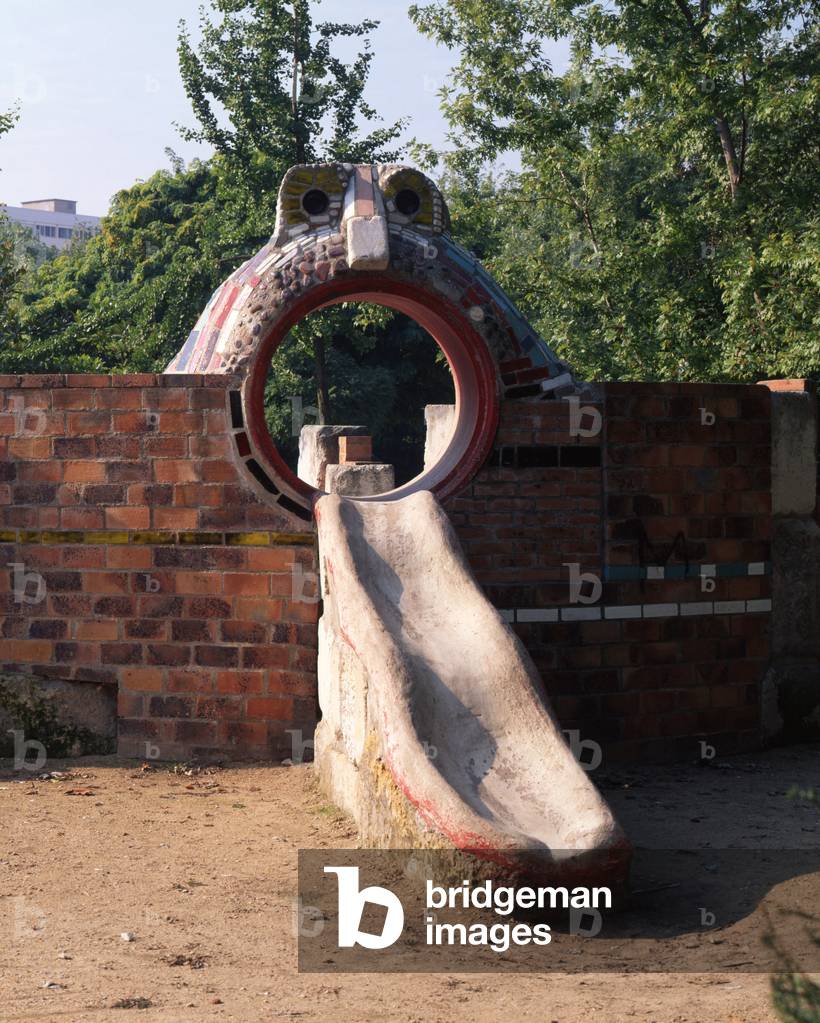
TEC4556855: Plastic intervention: Sculpture by Henri Marquet, 1981, Square des Bonnequins, Gennevilliers, Hauts-de-Seine (Hauts de Seine), Ile-de-France (Ile de France). Photography 10/06/95., Marquet, Henri (b.1943) / Bridgeman Images
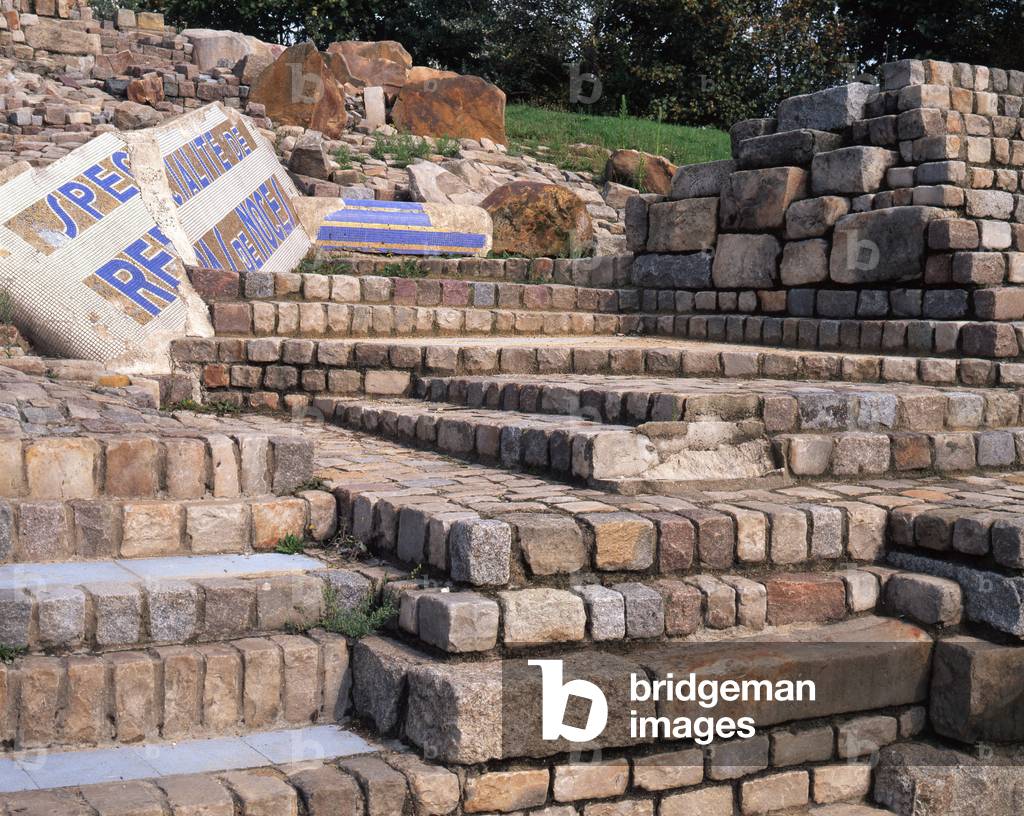
TEC4556870: Plastic intervention: Sculpture of Henri Marquet in the Parc des Sevines in Gennevilliers, Hauts de Seine (Hauts-De-Seine), Ile de France (Ile-De-France), France, Marquet, Henri (b.1943) / Bridgeman Images

FLO4568306: Fireworks Store - Victorian children pulling a Guy in a cart on Guy Fawkes night in front of L. Squibling's fireworks shop. Chromolithograph after an illustration by Francis Donkin Bedford from Edward Verrall Lucas' The Book of Shops, 1899., Bedford, Francis Donkin (1864-1954) / Bridgeman Images

FLO4568410: Victorian butcher and butcher's boy on horseback in a village street. Chromolithograph after an illustration by Francis Donkin Bedford from Edward Verrall Lucas' The Book of Shops, 1899., Bedford, Francis Donkin (1864-1954) / Bridgeman Images

FLO4568427: Victorian family at the watchmakers. Children playing in a grandfather clock, while a clerk fixes a watch. Chromolithograph after an illustration by Francis Donkin Bedford from Edward Verrall Lucas' The Book of Shops, 1899., Bedford, Francis Donkin (1864-1954) / Bridgeman Images
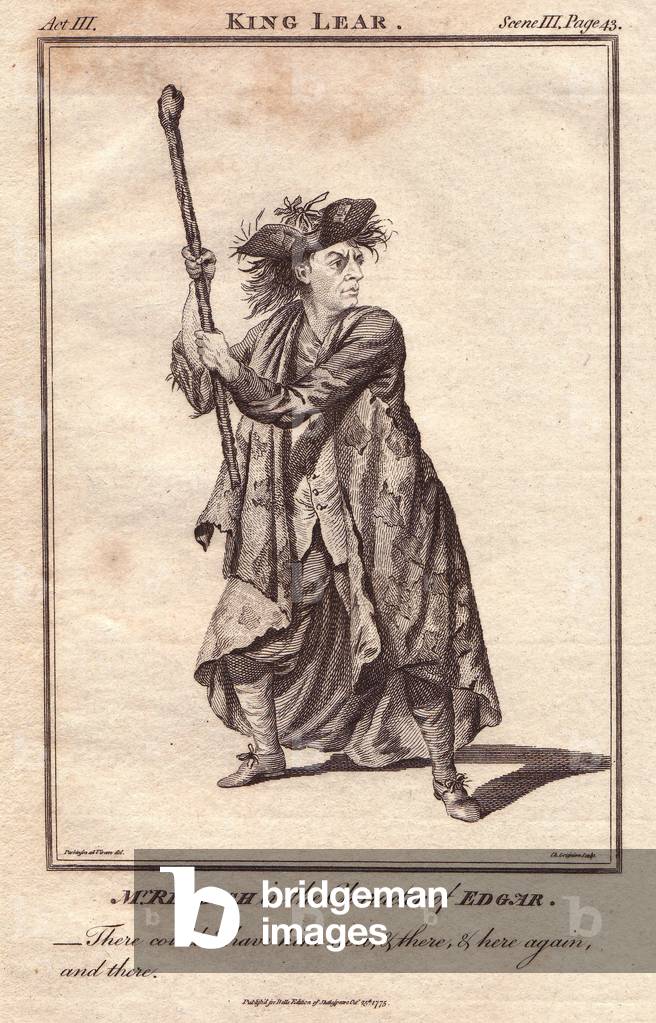
FLO4568446: Portrait of actor Samuel Reddish (1735-1785) in the role of Edgar in William Shakespeare's play King Lear (1564-1616). Drawing by Parkinson, engraving published in “” Bell's Shakespeare””, John Bell, 1775, London, England. / Bridgeman Images

FLO4568457: Victorian travelling basketball-makers with their wares on the roof of their caravan. Chromolithograph after an illustration by Francis Donkin Bedford from Edward Verrall Lucas' The Book of Shops, 1899., Bedford, Francis Donkin (1864-1954) / Bridgeman Images

FLO4568576: Portrait of actress Elizabeth Hopkins in the role of Volumnia in the play Coriolan, by William Shakespeare (1564-1616). She was married to a Drury Lane theatre and led a career in theatre for 34 years. Drawing by James Roberts, engraving by Grignon published in “” Bell's Shakespeare””, John Bell, 1776-1785, London, England. / Bridgeman Images
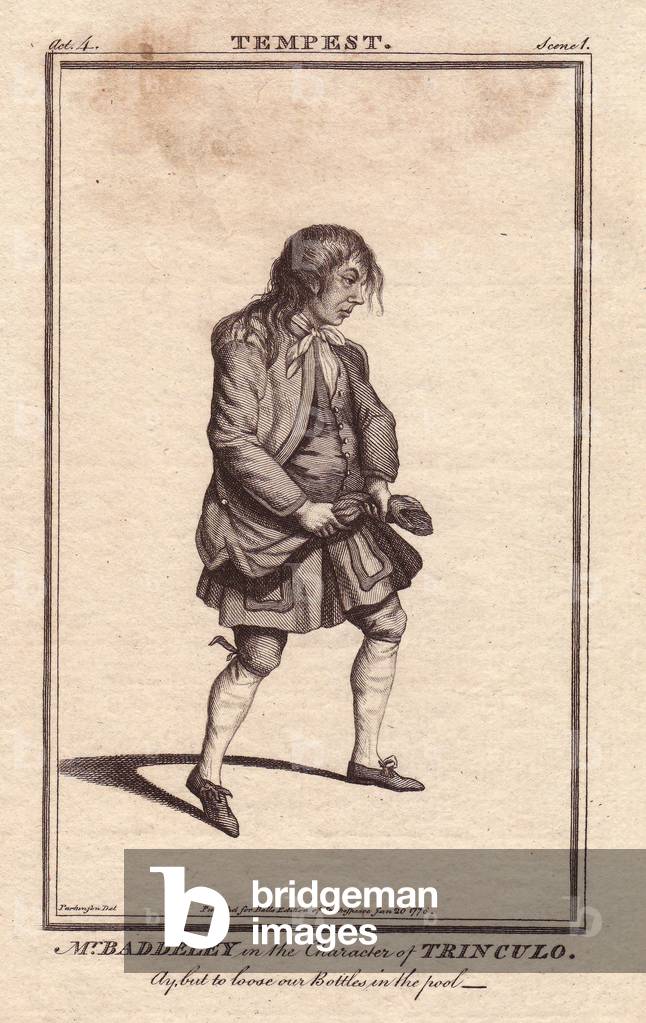
FLO4568596: Portrait of Robert Baddely (1733-1794) in the role of Trinculo in the play La Tempete by William Shakespeare (1564-1616). Baddeley began his career at Haymarket, London in 1760, and married actress Sophia Snow on a joyful and tumultuous wedding, for whom he fought in a duel with George Garrick. Drawing by Parkinson, engraving published in “” Bell's Shakespeare””, John Bell, 1776, London, England. / Bridgeman Images

FLO4568633: Portrait of actress Sophia Baddeley in the role of Joan the Maid, in the play Henrry VI by William Shakespeare (1564-1616). Drawing by Parkinson, engraving published in “” Bell's Shakespeare””, John Bell, 1776, London, England. / Bridgeman Images
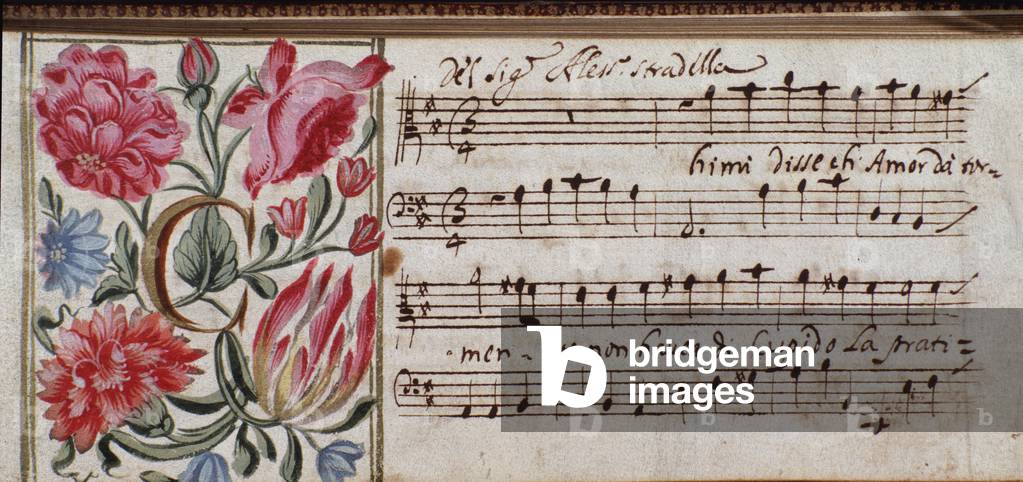
LRI4568645: Page of collection of musical scores by Alessandro Stradella, 17th centurymusicale, Stradella, Antonio (1639-1682) / Bridgeman Images

FLO4568694: Portrait of actor Spranger Barry in the role of Timon, for the play Timon by Athenes by William Shakespeare (1564-1616). Barry first performed this role with his wife Ann Barry at Drury Lane (London, England) in 1771. He was a good actor and his wife was one of the most famous actresses of the 18th century. Engraving, drawn by James Roberts, in “” Bell's Shakespeare”” by John Bell, London, England, 1776. / Bridgeman Images

FLO4568731: Portrait of actor Joseph Vernon, in the role of Thurio, in the play Les Deux Gentilshommes de Verone by William Shakespeare (1564-1616). The character is dressed in stockings, wearing a cape with a large lace collar, playing lute. Vernon began in 1750 and continued his career until 1781, but was considered a second-rank actor. Drawing by James Roberts, engraving published in “” Bell's Shakespeare””, John Bell, 1776, London, England. / Bridgeman Images

FLO4568785: Portrait of actress Charlotte Ann Twistleton (nee Wattell) in 1798, at the height of her glory. She met her husband Thomas, Lord de Say and Sele, in a private theatre and began her career on the professional stage in 1793. Against the family's will, she worked at Covent Garden where she had a relationship with Mr. Stein, who led her to divorce in 1798. She continued her career in theatre, then her trace was lost in America in the 1800s. Engraving by Ridley, based on a painting by W.Naish, in The Monthly Mirror, published in Covent Garden, London, 1796. / Bridgeman Images

FLO4567438: Saponary officinal. Coloured copper engraving from a drawing by Isaac Russell from William Baxter's book “English Botanical Phenomenes””, 1834. William Baxter (1788-1871) was the curator of the Oxford Botanical Garden from 1813 to 1854. Soapwort, Saponaria officinalis. Handcoloured copperplate engraving from a drawing by Isaac Russell from William Baxter's “” British Phaenogamous Botany”” 1834. Scotsman William Baxter (1788-1871) was the curator of the Oxford Botanic Garden from 1813 to 1854. / Bridgeman Images
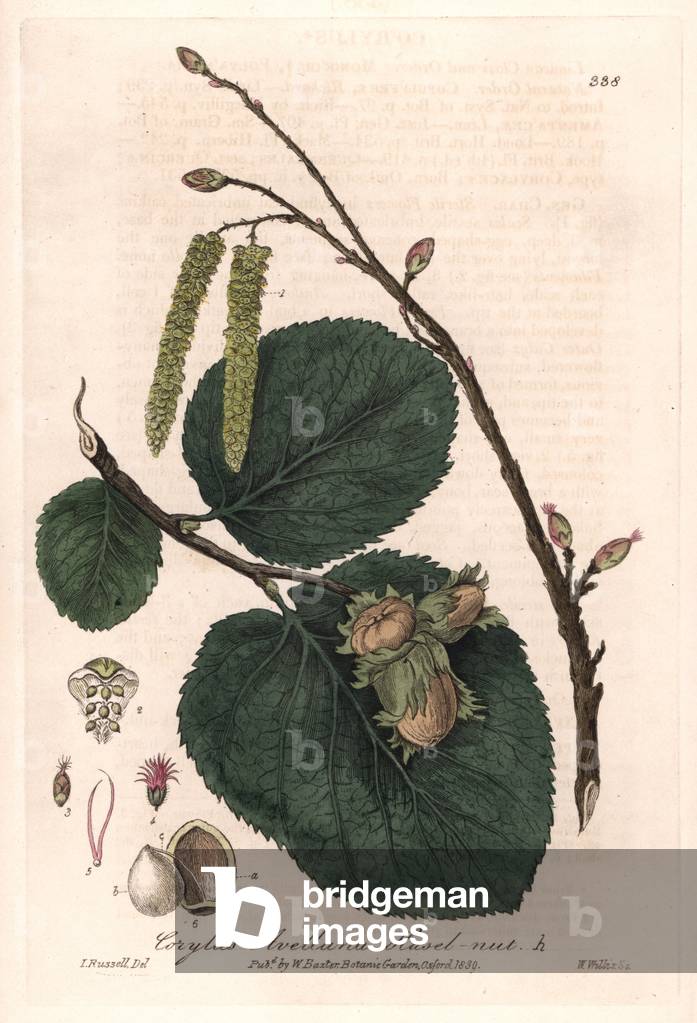
FLO4567453: Hazelnut or coudrier (Corylus avellana) - Botanical Plate by Isaac Russell, engraved by Charles Matthews, from “English Botanical Phenomenes” by William Baxter (1788-1871), 1837 / Bridgeman Images

FLO4570109: Chinese hibiscus, Hibiscus rosa sinensis, native to Asia. Handcoloured stipple engraving on copper by Barrois from a botanical illustration by Pancrace Bessa from Mordant de Launay's “Herbier General de l'Amateur,” Audot, Paris, 1820. The Herbier was published from 1810 to 1827 and edited by Mordant de Launay and Loiseleur-Deslongchamps. Bessa (1772-1830s), along with Redoute and Turpin, is considered one of the greatest English botanical artists of the 19th century. / Bridgeman Images

FLO4570137: Aztec lily, Sprekelia formosissima, native to Mexico and Guatemala. Handcoloured stipple engraving on copper by Dennel from a botanical illustration by Pancrace Bessa from Mordant de Launay's “Herbier General de l'Amateur,”” Audot, Paris, 1820. The Herbier was published from 1810 to 1827 and edited by Mordant de Launay and Loiseleur-Deslongchamps. Bessa (1772-1830s), along with Redoute and Turpin, is considered one of the greatest English botanical artists of the 19th century. / Bridgeman Images
