2490904 Search Results
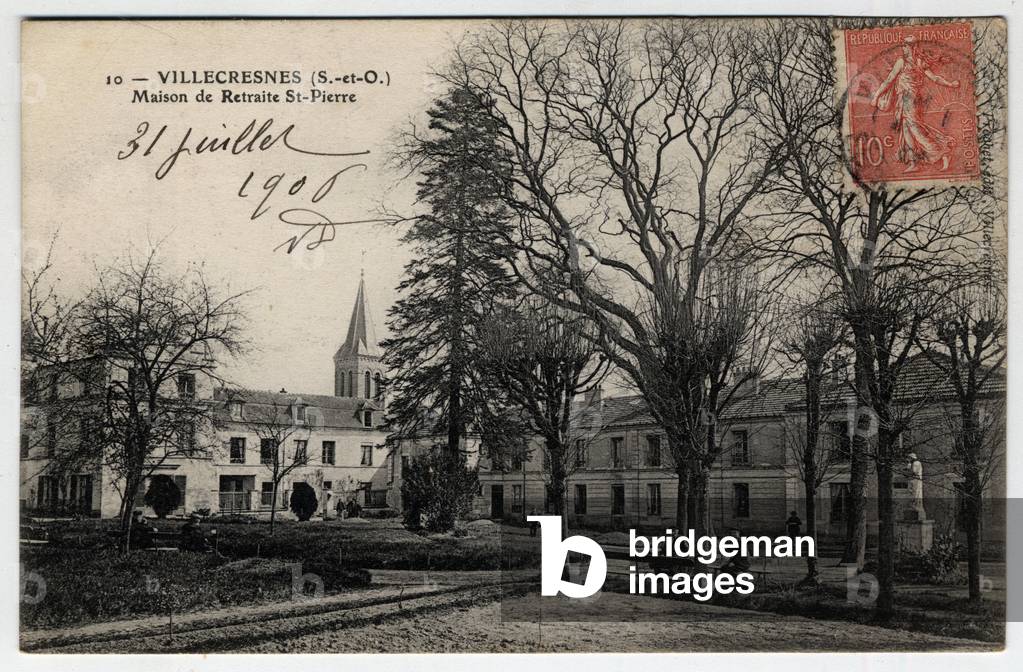
ETE4128724: Ile de France, Val de Marne (94), Villecresnes: the retirement home Saint Pierre (Saint-Pierre) - Postcard dated 1906 / Bridgeman Images

ETE4128728: Ile de France, Seine et Marne (77), Emerainville: hotel recommends the TCF in Malnoue - postcard late 19th-beginning 20th century / Bridgeman Images

ETE4128767: Ile de France, Seine et Marne (77), Vaires sur Marne (Vaires-sur-Marne): between the castle and the road of Torcy - Postcard late 19th-beginning 20th century / Bridgeman Images

ETE4128822: Normandy, Seine Maritime (76), Lillebonne: view of the ruins of the theatre and the Roman baths - Postcard late 19th-early 20th century / Bridgeman Images

ETE4128856: Normandy, Seine Maritime (76), Sainte-Adresse (Sainte Adresse): general view of the resort of Nice Havrais (Nice-Havrais) - Postcard dated 1931 / Bridgeman Images

ETE4128878: Normandy, Seine Maritime (76), Le Havre: the rent in the port of the boat arriving from Trouville - Postcard dated 1905 / Bridgeman Images
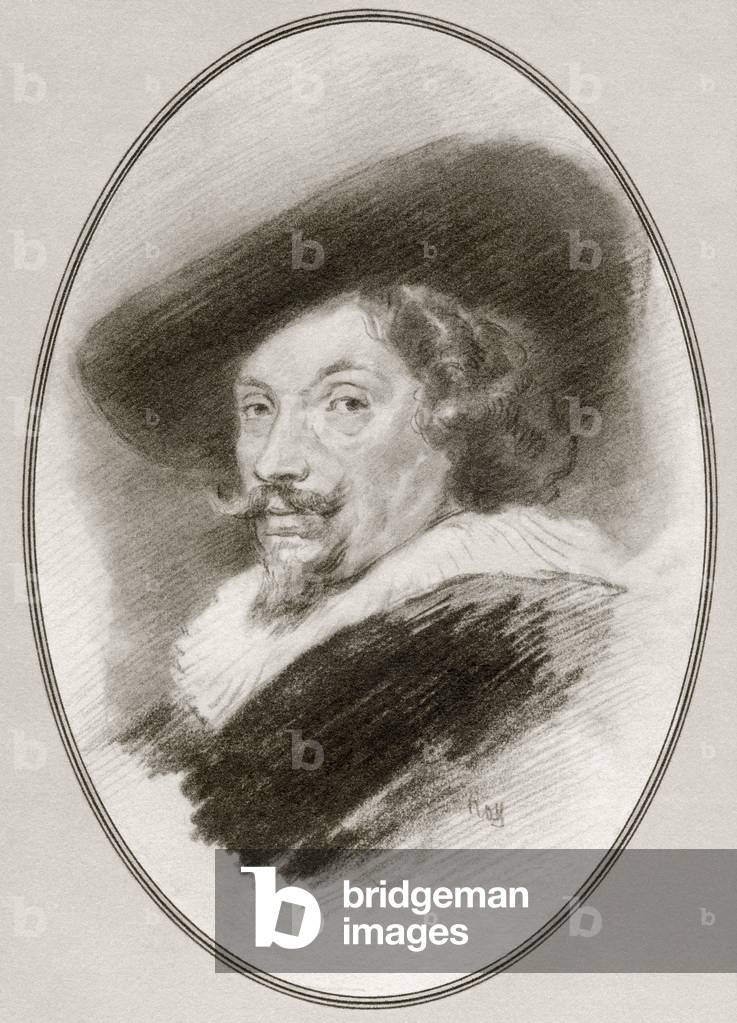
KWE3960934: Sir Peter Paul Rubens, from Living Biographies of Great Painters, Ross, Gordon (1872-1946) / Bridgeman Images
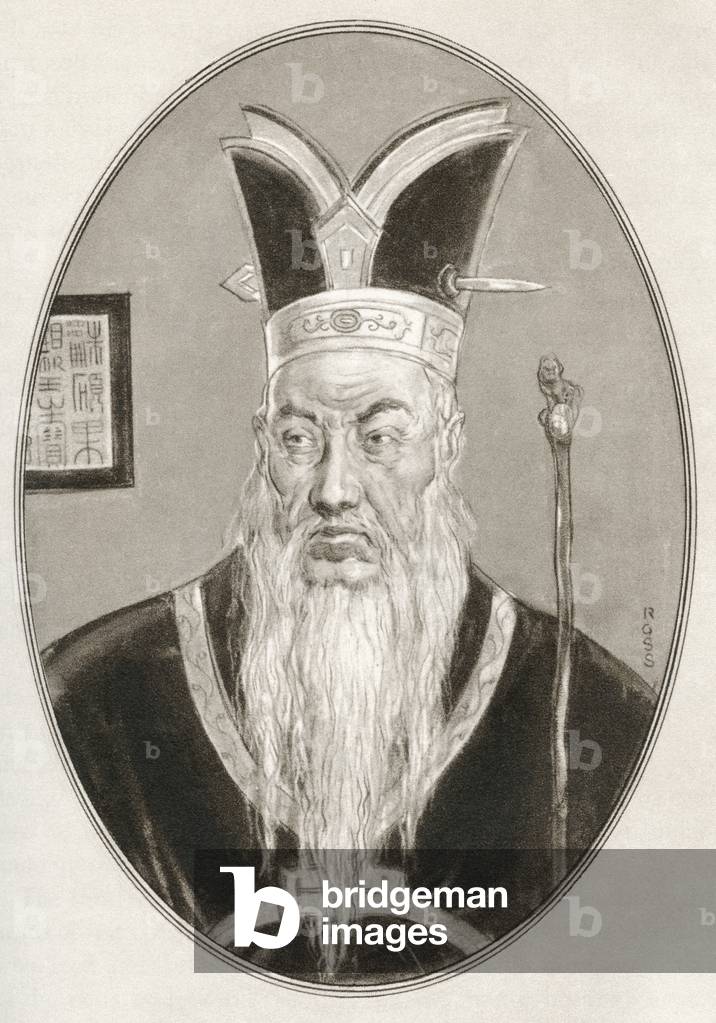
KWE3960970: Confucius, from Living Biographies of Religious Leaders, Ross, Gordon (1872-1946) / Bridgeman Images
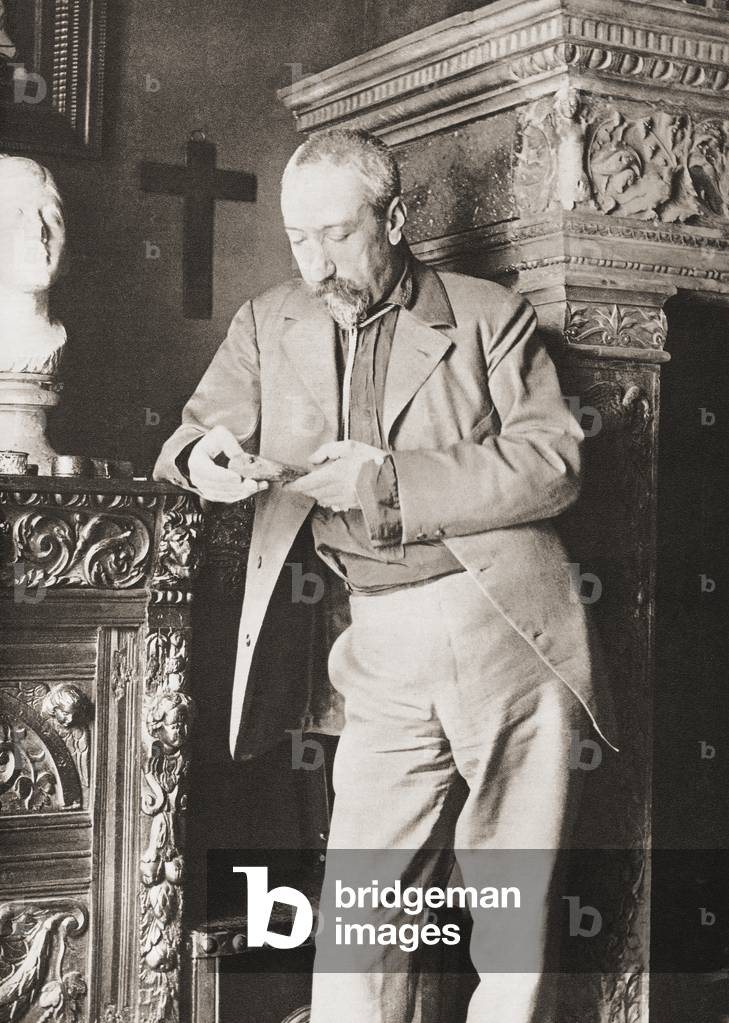
KWE3961002: Anatole Franc, after a contemporary print / Bridgeman Images
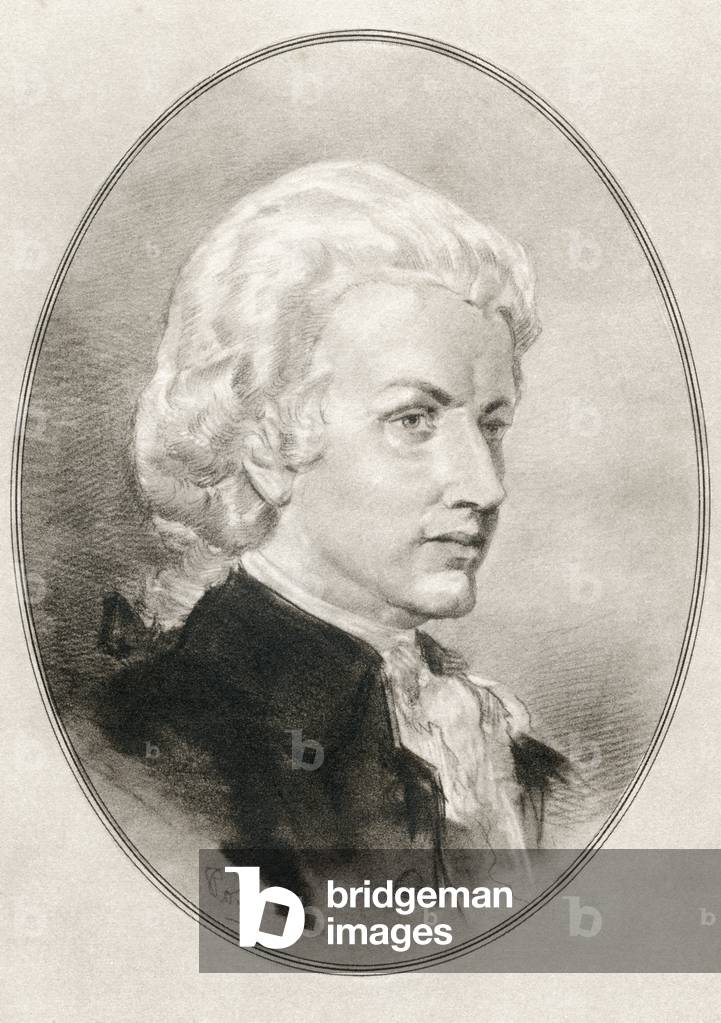
KWE3961012: Wolfgang Amadeus Mozart, from Living Biographies of Great Composers, Ross, Gordon (1872-1946) / Bridgeman Images
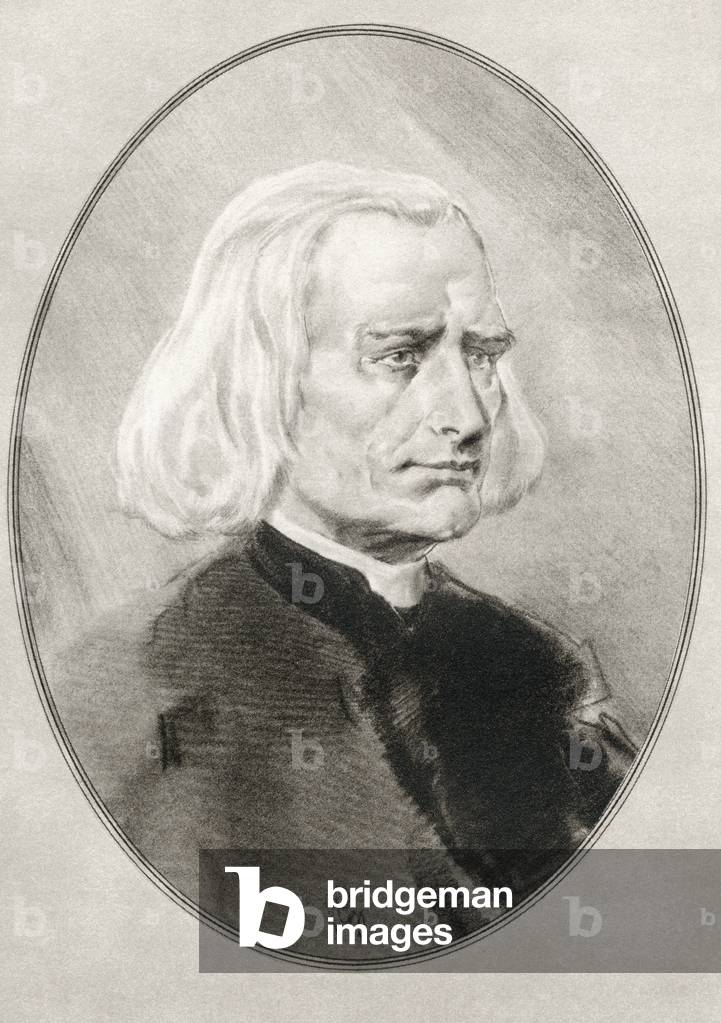
KWE3961018: Franz Liszt, from Living Biographies of Great Composers, Ross, Gordon (1872-1946) / Bridgeman Images
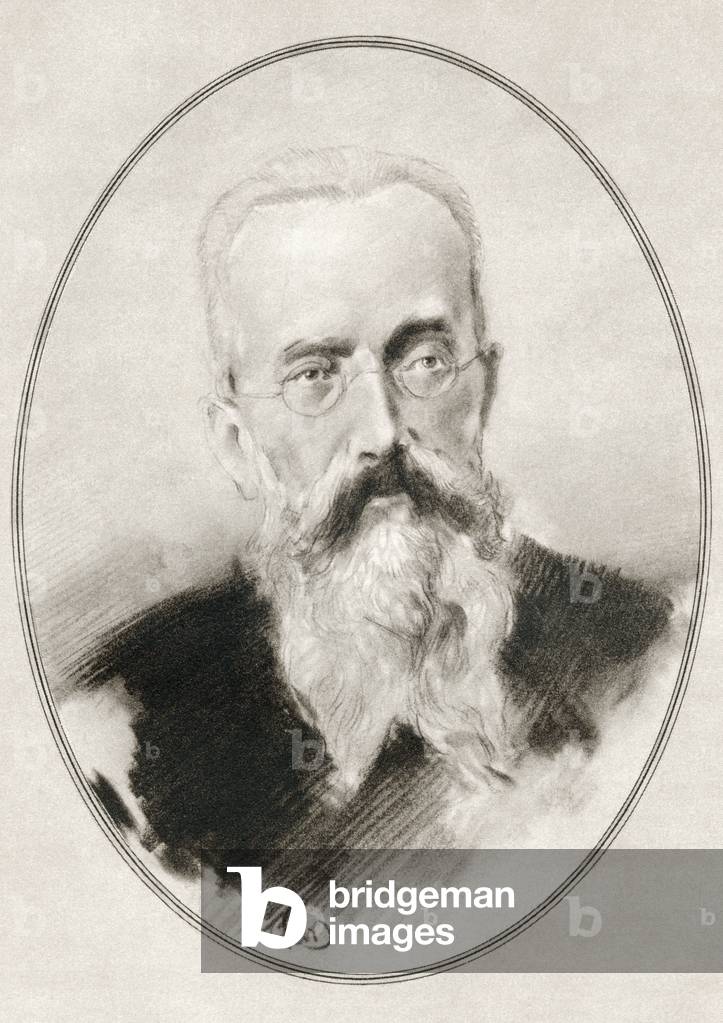
KWE3961024: Nikolai Andreyevich Rimsky-Korsakov, from Living Biographies of Great Composers, Ross, Gordon (1872-1946) / Bridgeman Images
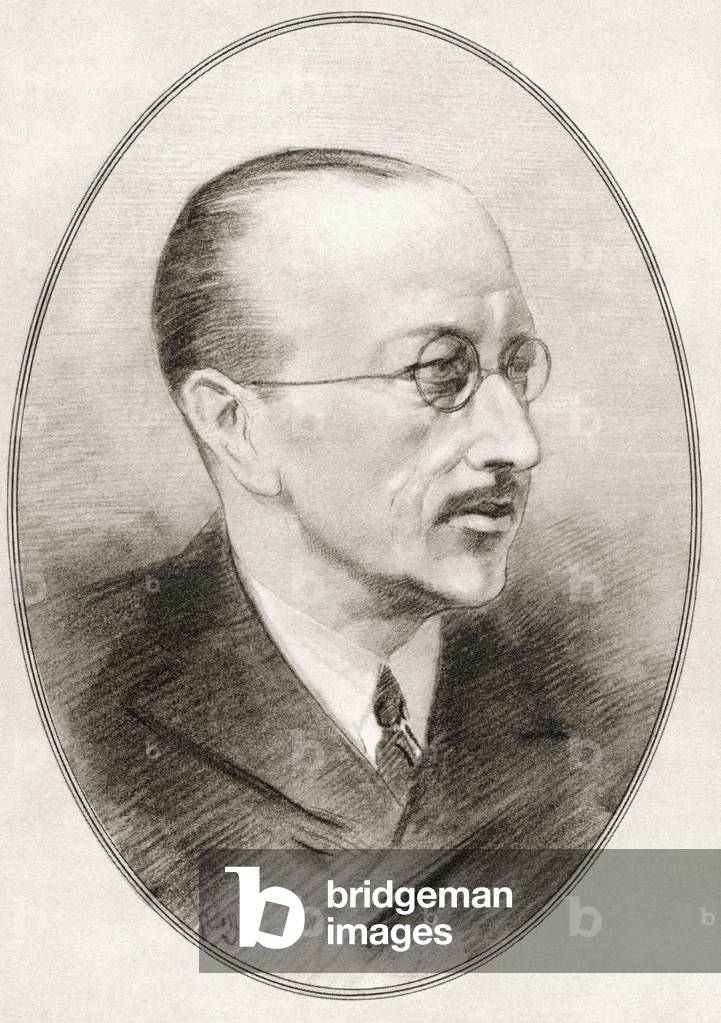
KWE3961027: Igor Fyodorovich Stravinsky, from Living Biographies of Great Composers, Ross, Gordon (1872-1946) / Bridgeman Images
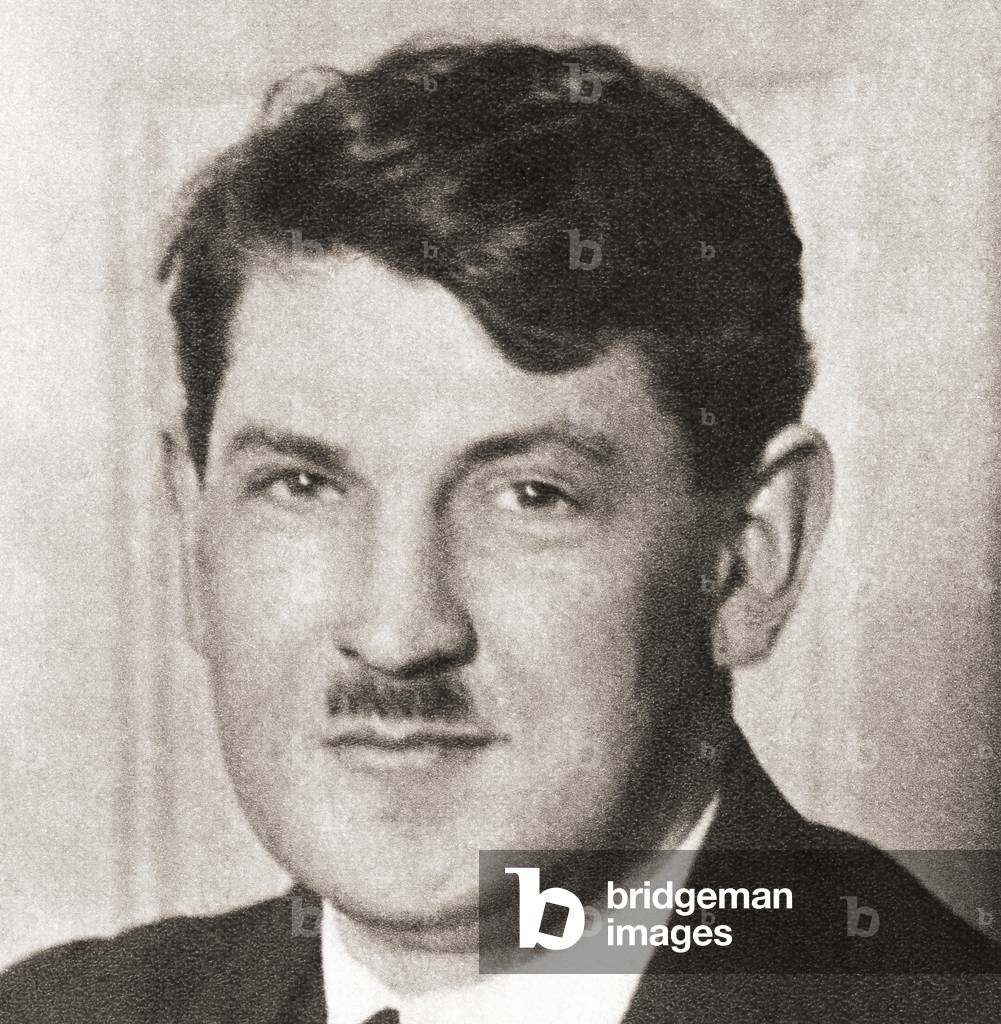
KWE3961039: Michael Collins, from These Tremendous Years, pub.1938 / Bridgeman Images
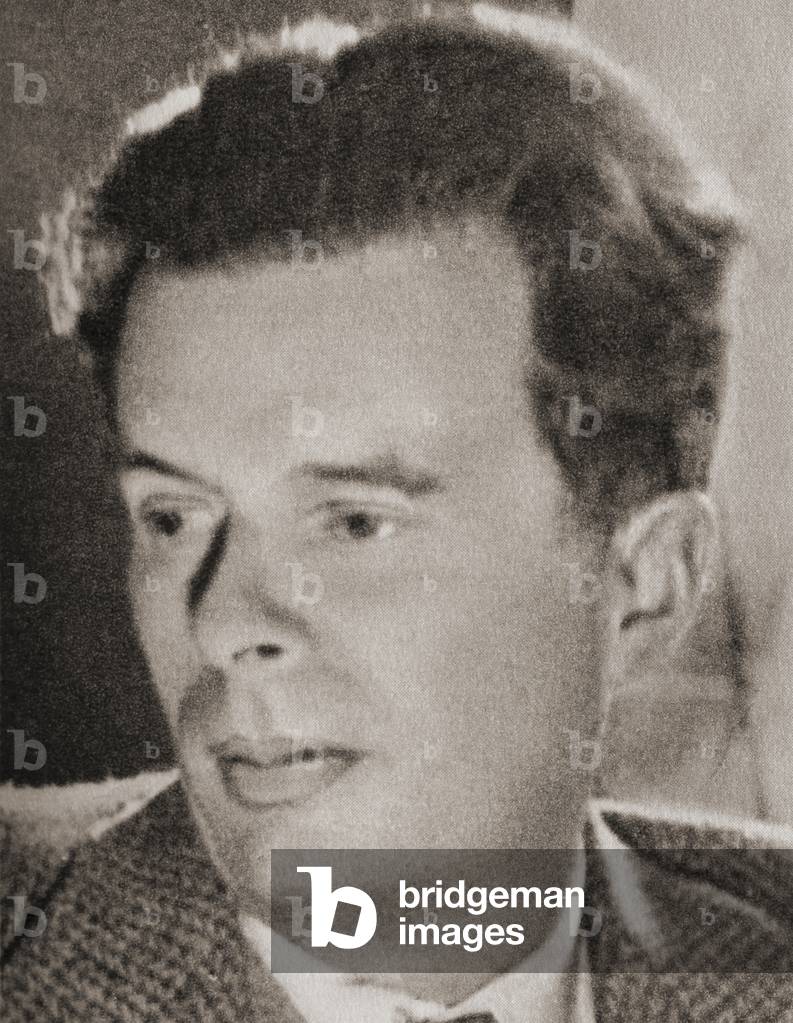
KWE3961054: Aldous Leonard Huxley, after a contemporary print / Bridgeman Images
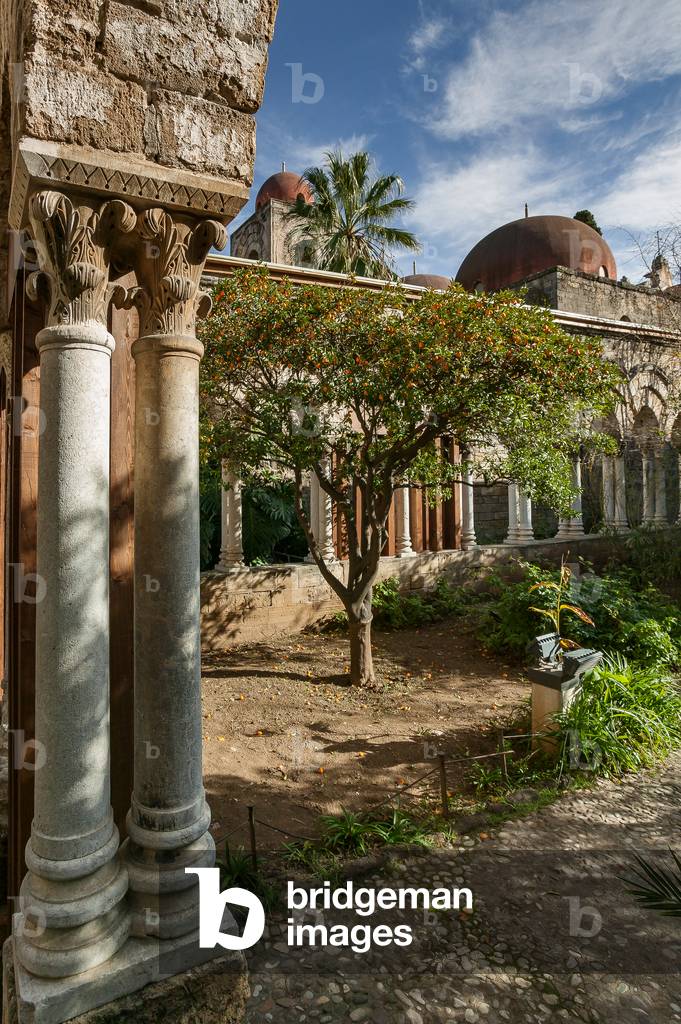
GRL3961104: The cloister, The Church of St. John of the Hermits, Palermo, Sicily, Italy (photo) / Bridgeman Images

XLF3794073: Jerusalem - the third Station of the Cross, beg 20th century (postcard) / Bridgeman Images

CH3794127: Khamza by Jamal al-Din Abu Muhammad Nizami (AH 535-598/1140-1202 AD), 1651 (pigment & gold on paper), Persian School, (17th century) / Bridgeman Images
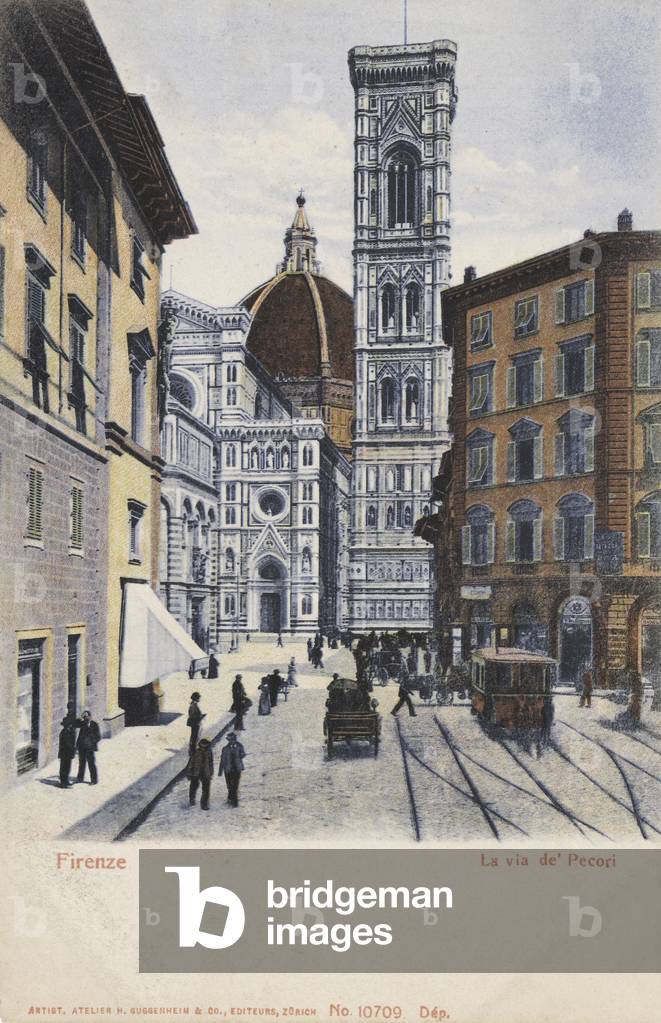
XLF3794147: Florence - street scene with tramway, 'La via de' Pecori' (postcard) / Bridgeman Images
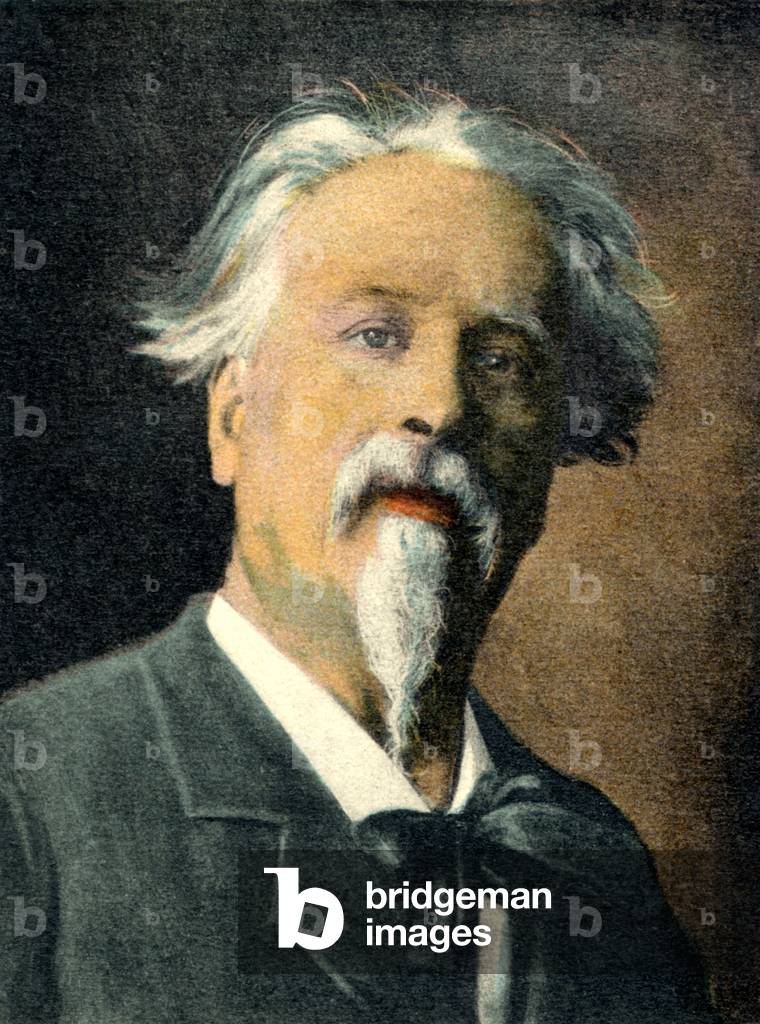
XLF3794162: MISTRAL Frédéric portrait French Poet (print) / Bridgeman Images

IL3794257: The three rings, illustration from Decameron of Boccaccio published by Navarre Society 1930's (litho), Chalon, Louis (1866-1940) / Bridgeman Images

IL3794262: Osbech and the captives, illustration from Decameron of Boccaccio published by Navarre Society 1930's (litho), Chalon, Louis (1866-1940) / Bridgeman Images

IL3794266: Green geese, illustration from Decameron of Boccaccio published by Navarre Society 1930's (litho), Chalon, Louis (1866-1940) / Bridgeman Images

IL3794278: Ginerva and Isotta, illustration from Decameron of Boccaccio published by Navarre Society 1930's (litho), Chalon, Louis (1866-1940) / Bridgeman Images
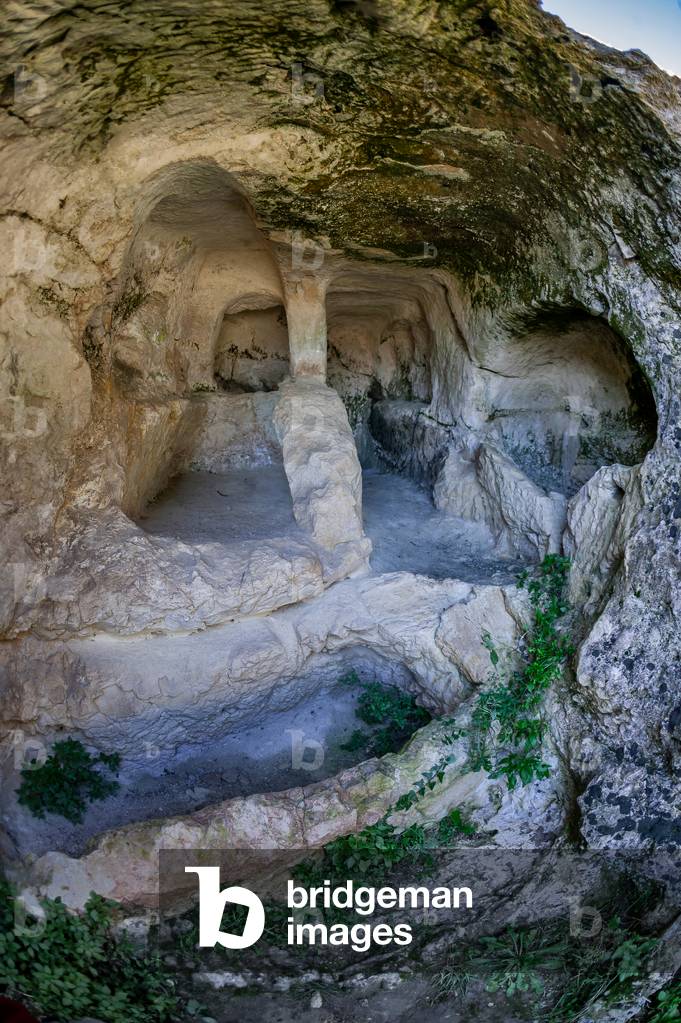
GRL3961200: View of the Greek theatre, Palazzolo Acreide, The archaeological site of Akrai, Sicily, Italy (photo) / Bridgeman Images
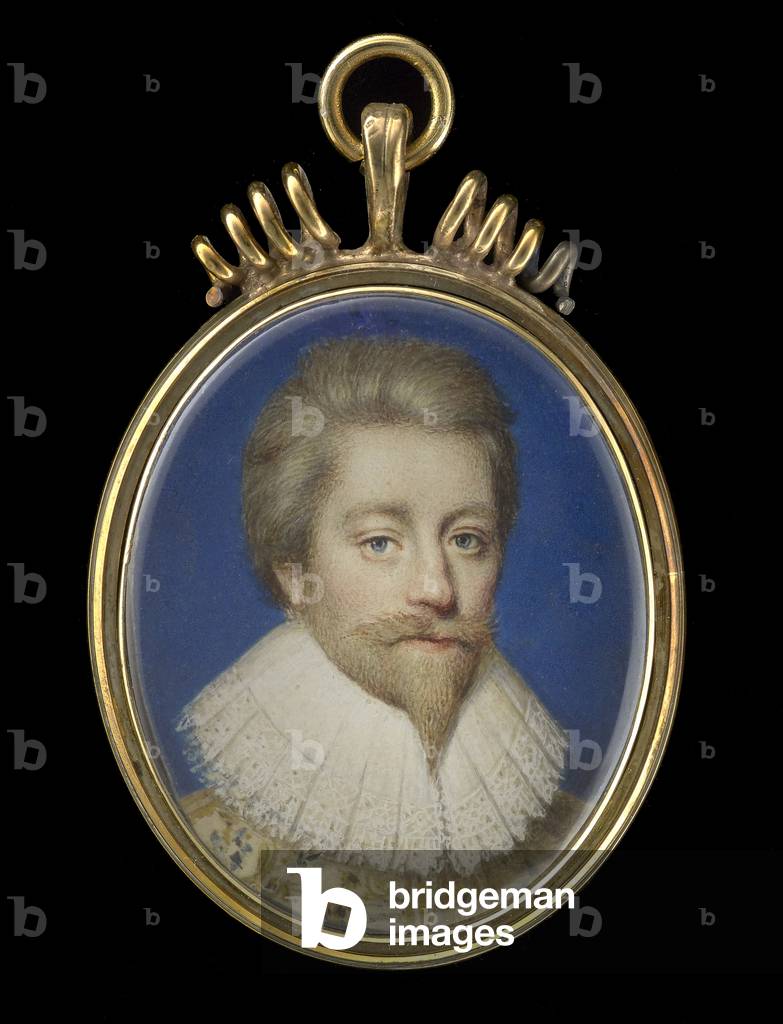
MOU3962543: A portrait miniature of a Gentleman, c.1620 (watercolour on vellum stuck to playing card), Hoskins, John (1595-1664) / Bridgeman Images
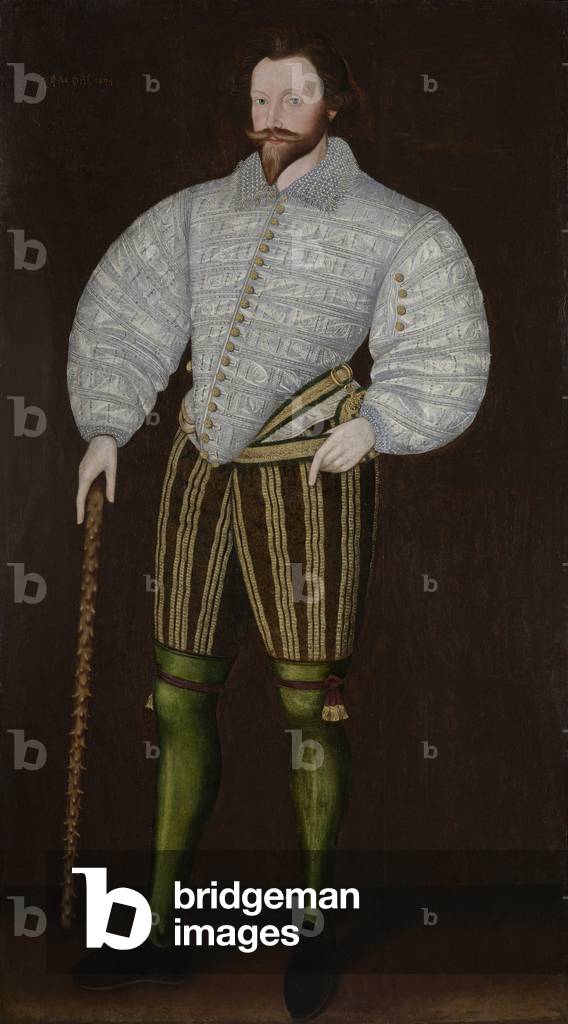
MOU3962553: Portrait of a Gentleman, possibly a member of the Sydenham family (oil on panel ), English School / Bridgeman Images

MOU3962583: Portrait of William Lamb, 2nd Viscount Melbourne, 1838 (oil on canvas), Hayter, George (1792-1871) / Bridgeman Images
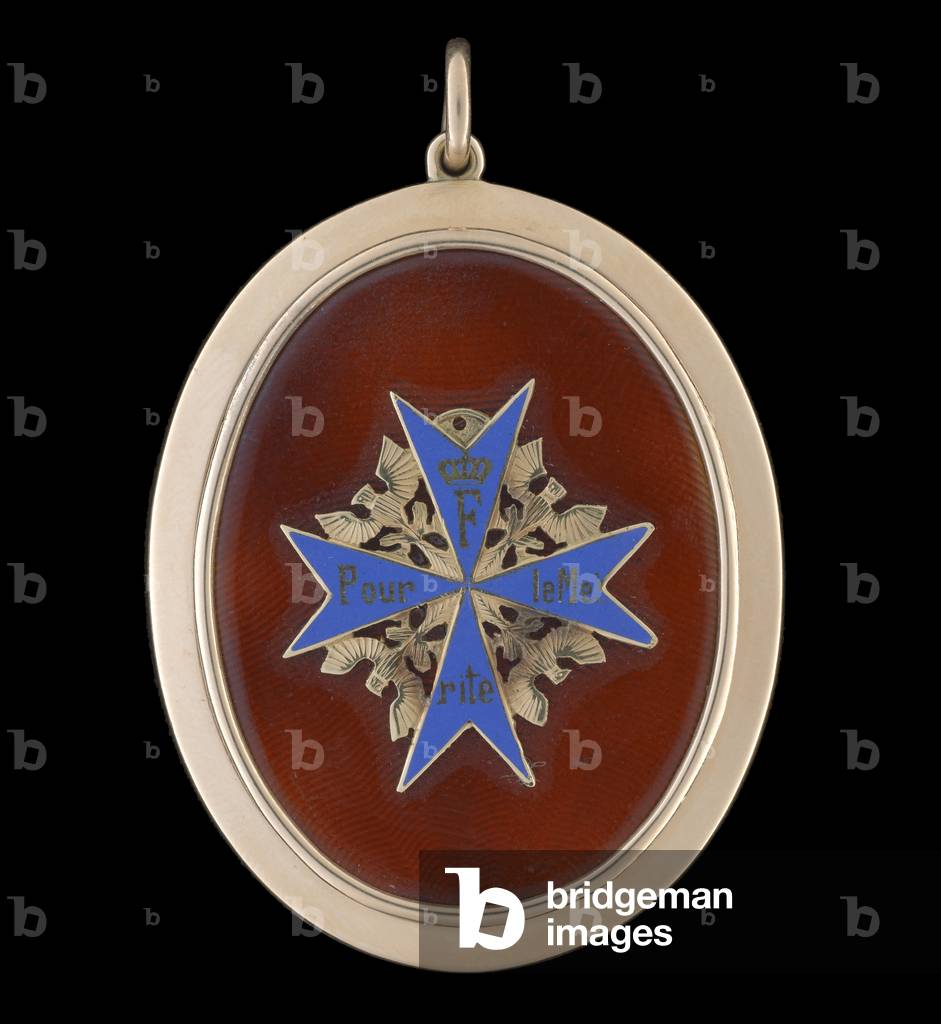
MOU3962601: Case for the portrait enamel of Rittmeister Manfred Albrecht, Freiherr von Richthofen, 'The Red Baron', verso, 1917 (enamel) , German School, (20th century) / Bridgeman Images
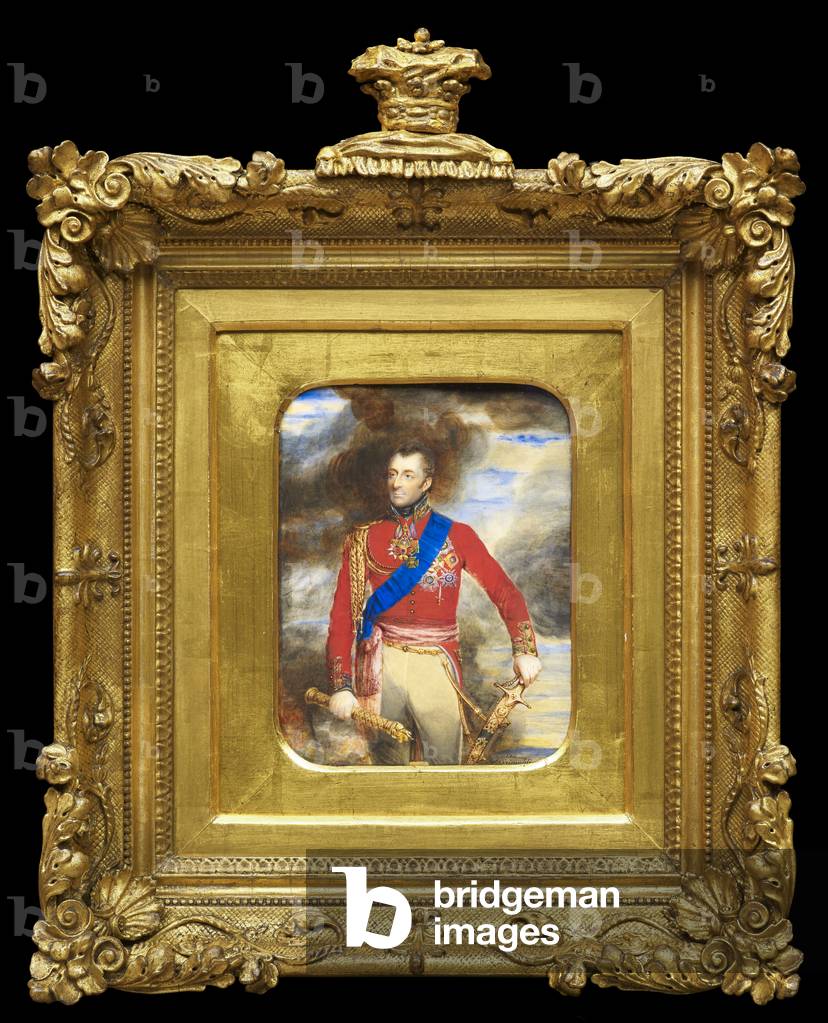
MOU3962604: A 'cabinand' sized portrait miniature of Arthur Wellesley, 1st Duke of Wellington, in field marshals uniform, 1814 (w/c on ivory), Grimaldi, William (1751-1830) / Bridgeman Images

MOU3962607: Portrait of Francis Wiat of Quex, Thanand (oil on canvas), Closterman, Johann (1660-1711) / Bridgeman Images
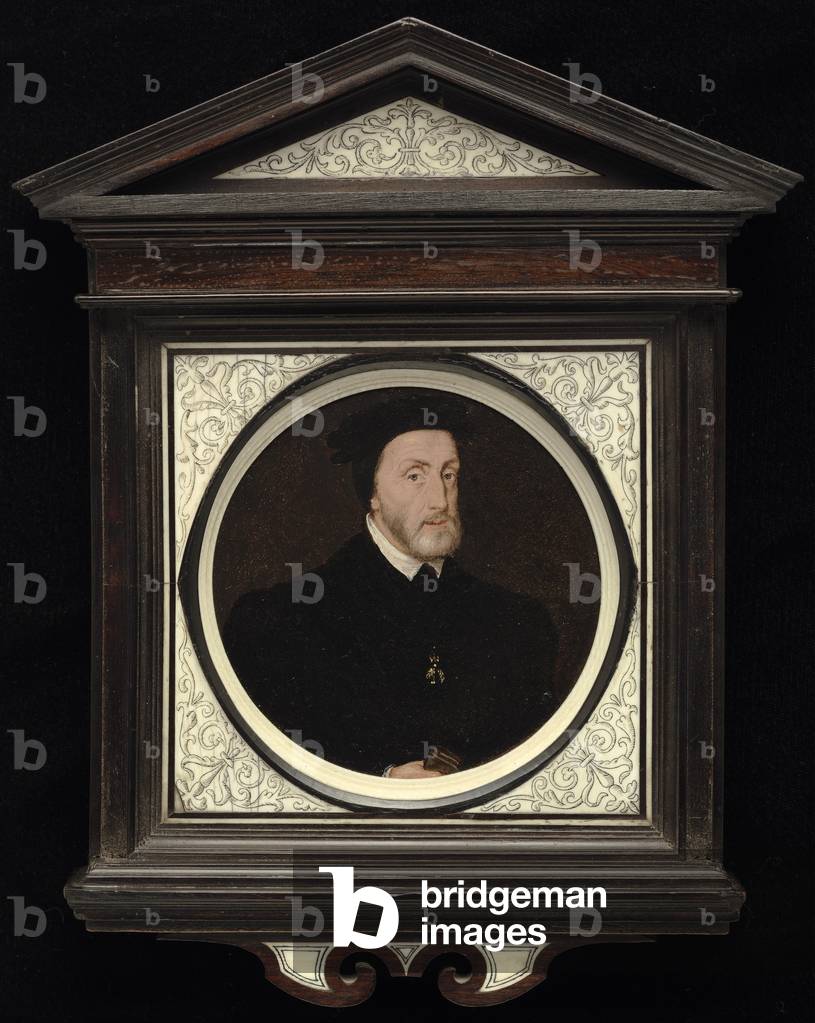
MOU3962633: Portrait of Charles V, Holy Roman Emperor, King of Spain (1500-1558) (oil on paper, laid down on panel), Flemish School / Bridgeman Images

MOU3962643: Reverse of portrait of Prince Henry, Duke of Cumberland and Strathearn, brother of King George III (pencil and watercolour on card), Smart, John (1741-1811) / Bridgeman Images

MOU3962646: Portrait miniature of Miss Mary Bathurst, wearing white dress with frilled lace collar, blue waistband and blue bows on her shoulders, her auburn hair curled (w/c), Smart, John (1741-1811) / Bridgeman Images

MOU3962655: Portrait enamel of a Gentleman, wearing gilded armour and long powdered curling wig, c.1715 (enamel on copper), Zincke, Christian Friedrich (1685-1767) / Bridgeman Images
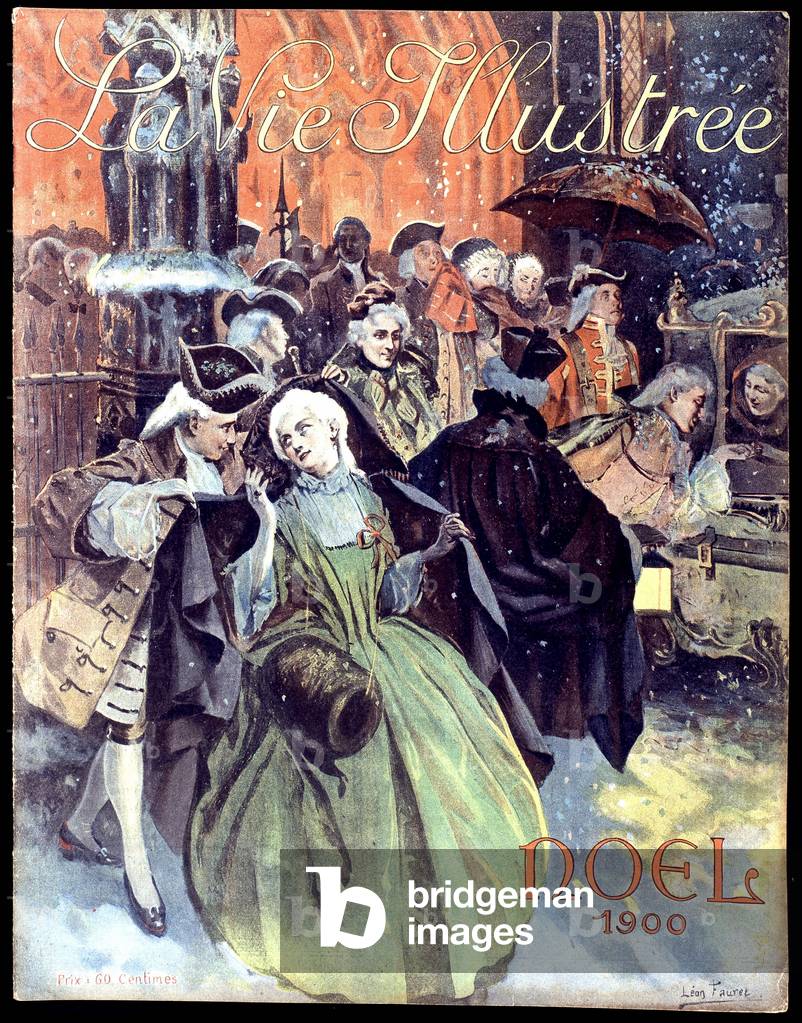
XEE4108876: Noël, 1900 - in "The Illustrated Life", Unknown Artist, (20th century) / Bridgeman Images
