2491557 Search Results

SNG6290625: Margaret Mather, 1885 (colour litho), British School, (19th century) / Bridgeman Images

SNG6291785: Vintage poster of elegant woman walking with peacocks, 1900-09 (colour litho), Unknown Artist, (20th century) / Bridgeman Images

WGL6297806: A Treatise of Parrots, 1885 (oil on canvas & panel), Marks, Henry Stacy (1829-98) / Bridgeman Images

WGL6297812: The Evening Star, 1881 (oil on canvas), Davis, Henry William Banks (1833-1914) / Bridgeman Images

PDB5981387: Madonna and Child with St. John the Baptist, St. Felix of Cantalice, St. Andrew and St. Catherine of Alexandria, 1629-30 (oil on canvas), Cortona, Pietro da (Berrettini) (1596-1669) / Bridgeman Images

XCS5983981: Reading Girl (pen and ink on paper), Anker, Albert (1831-1910) / Bridgeman Images

XCS5984027: Still-Life, c.1650 (oil on panel), Beyeren, Abraham Hendricksz van (1620/1-91) / Bridgeman Images
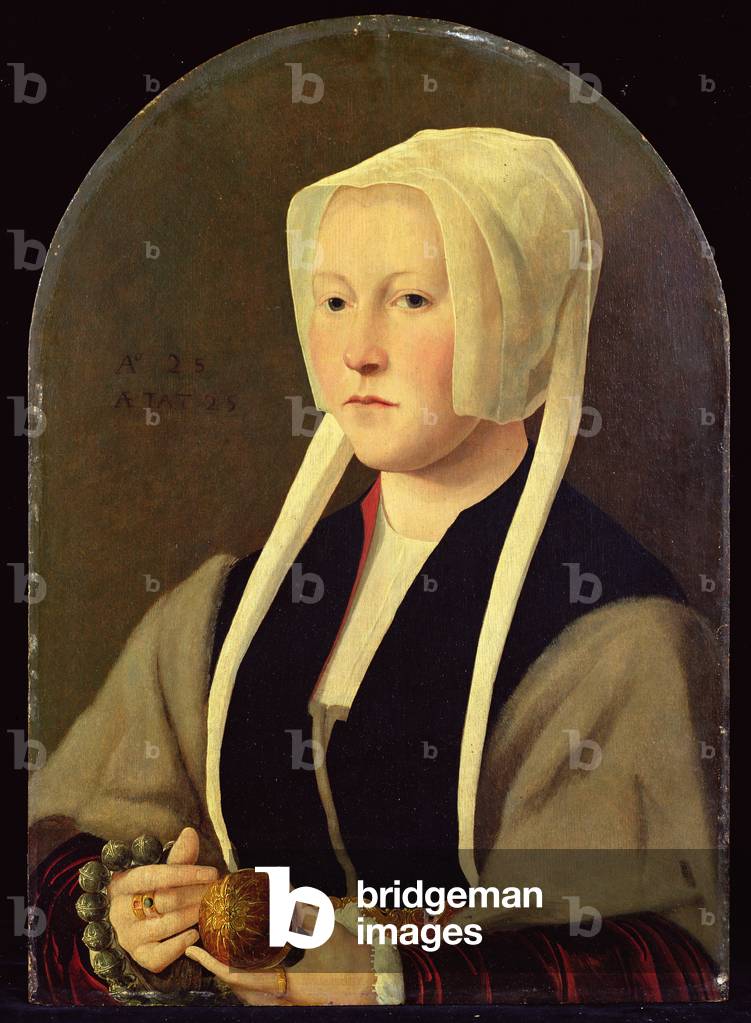
XCS5984030: Portrait of a Lady (painting), Scorel, Jan van (1495-1562) (attr. to) / Bridgeman Images

XCS5984034: The Earl of Ancram Mounted on a Charger, c.1773 (oil on canvas), Cosway, Richard (1742-1821) / Bridgeman Images

GRL6253718: Detail: "Birth of Romulus and Remus", 1411-12, Fabriano, Gentile da (c.1370-1427) / Bridgeman Images

GRL6255405: The Hall of Liberal Arts and Planets, Fabriano, Gentile da (c.1370-1427) / Bridgeman Images

GRL6255408: The Hall of Liberal Arts and Planets, Fabriano, Gentile da (c.1370-1427) / Bridgeman Images

GRL6255411: The Hall of Liberal Arts and Planets, Fabriano, Gentile da (c.1370-1427) / Bridgeman Images

GRL6255417: The Hall of Liberal Arts and Planets, Fabriano, Gentile da (c.1370-1427) / Bridgeman Images
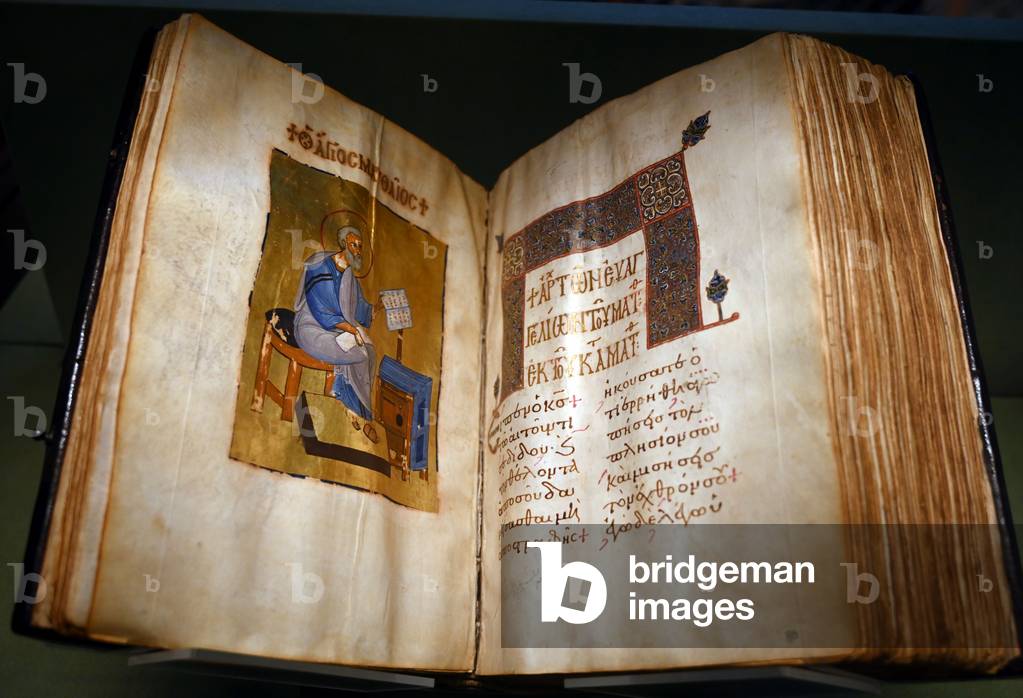
JEB6256267: XI century Byzantine Songbook, Byzantine, (11th Century) / Bridgeman Images

JEB6256270: XV century map, in the center Jerusalem, Rust, Hanns (fl.1472-97) / Bridgeman Images

FIA6256906: Goethe's Faust I, the first volume of Reclam's Universal Library, appeared on November 10, 1867 (lithograph), German School, (19th century) / Bridgeman Images

NSW6257118: B.O. Holtermann with the Holtermann Nugget, c.1874-76 (b/w photo), Australian Photographer, (19th century) / Bridgeman Images

MAE6261609: History of Saint Piat and Saint Eleuthère, Scene 5 Detail left below. City walls and bushes., Unknown Artist, (14th-15th century) / Bridgeman Images

MAE6261654: History of Saint Piat and Saint Eleuthère, Scene 13: baptism of Blanda (Comment li bons sains baptisa la fille tribun que leva de fons par tres grande mistere: Blande qui au bon saint fu mère). Detail., Unknown Artist, (14th-15th century) / Bridgeman Images

MAE6261763: Reliquary casket, Cologne, Germany, c.1150 (wood and ivory), German School, (12th century) / Bridgeman Images

GRL6299020: Plate decorated by a beautiful woman's bust, with a motif, first half of the 16th century (majolica), Italian School, (16th century) / Bridgeman Images

OVR6302432: Mountain farm, 1921, Peterssen, Hjalmer Eilif Emanuel (1852-1928) / Bridgeman Images

SHT6309703: John Pigott, c.1780 (oil on canvas), Gainsborough, Thomas (1727-88) / Bridgeman Images

TW6313611: Fortitude (David Consoled), c.1896 (stained glass), Burne-Jones, Edward Coley (1833-98) / Bridgeman Images

CH6315126: Malaga, March 7th 1833 (pencil and watercolour heightened with white on paper), Roberts, David (1796-1864) / Bridgeman Images

CWM6317150: Richard Cromwell, c.1658-59 (oil on canvas), Hayls, John (fl.1651-76) / Bridgeman Images

SNG6317423: Vintage poster of woman wearing sequined dress, 1910s (lithograph), Royet, H (fl.1900s) / Bridgeman Images

SNG6317447: British recruitment advertisement, 1915 (print), Wardle, Arthur (1864-1949) / Bridgeman Images

KWE6317473: King George II of England, as Prince of Wales,, Lafontaine, Georg Wilhelm (1680-1745) (after) / Bridgeman Images

KWE6317482: Mehmed III. Sultan, Ottoman Empire. Portrait., Passe, Crispin I de (c.1565-1637) (after) / Bridgeman Images

KWE6317488: Coat of arms of Edinburgh, Scotland, English School, (20th century) / Bridgeman Images

KWE6317507: St. Gertrude of Nivelles, Unknown Artist / Bridgeman Images

CH6039174: A George III giltwood sofa, 1765 (beech & damask), Adam, Robert (1728-92) / Bridgeman Images

OVR6262737: Spring night in the garden, Night work in the garden, 1909, Astrup, Nikolai (1880-1928) / Bridgeman Images

GRL6262753: The Doctors of the Church, 1500-04 (fresco), Signorelli, Luca (c.1450-1523) / Bridgeman Images
