2491557 Search Results

SYC5951790: Bodhisattva Maitreya. Art of Gandhara, 4th and 5th. Stucco., Afghan School / Bridgeman Images

FSG5951870: Pendant (pei) in the form of a dragon, 5th-4th century BC (jade), Chinese School, (5th-4th century BC) / Bridgeman Images
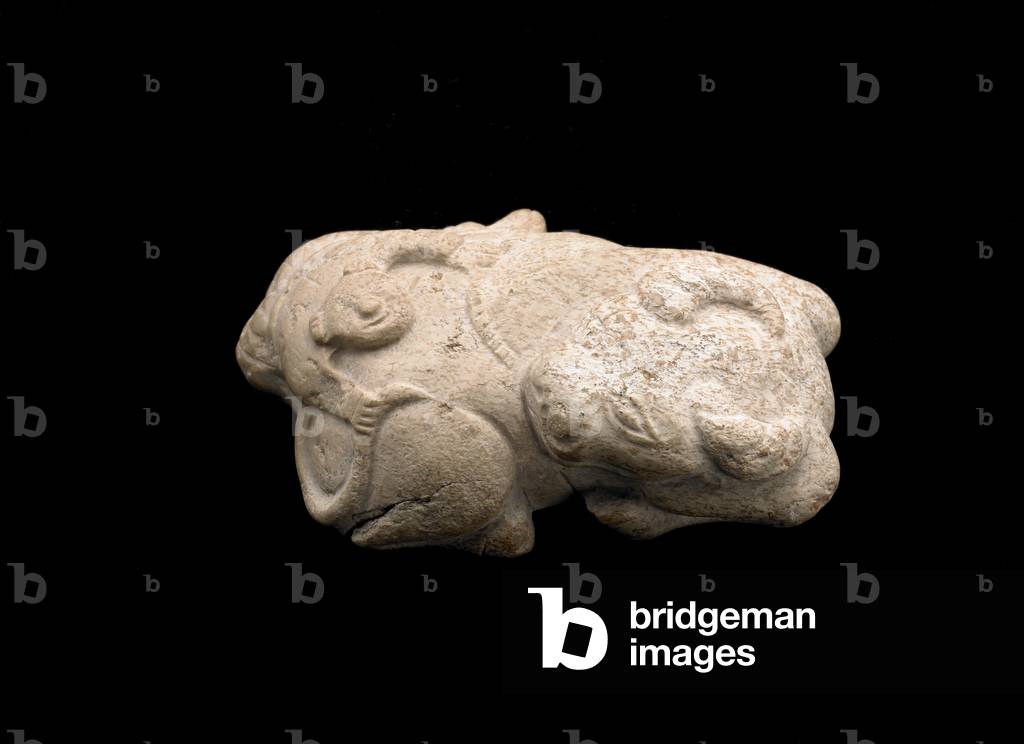
FSG5951888: Water Buffalo and Herd Boy, 1600-1700 (jade), Chinese School, (17th century) / Bridgeman Images
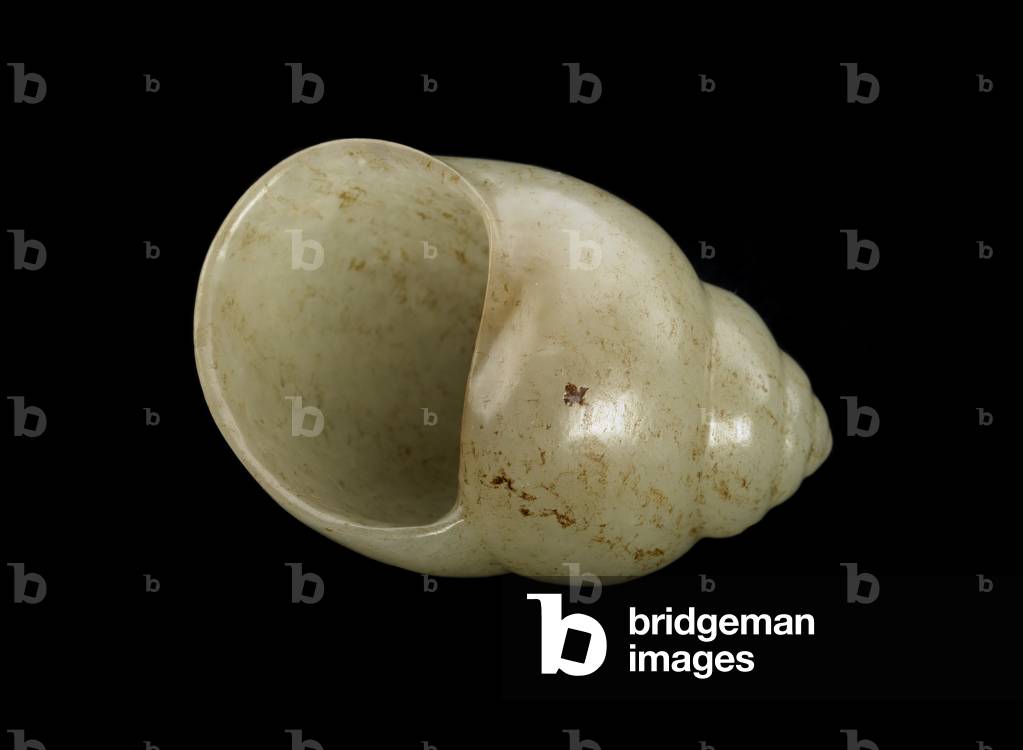
FSG5951909: Figure in the form of a conch shell (luo), 7th-8th century (jade), Chinese School, (7th-8th century) / Bridgeman Images
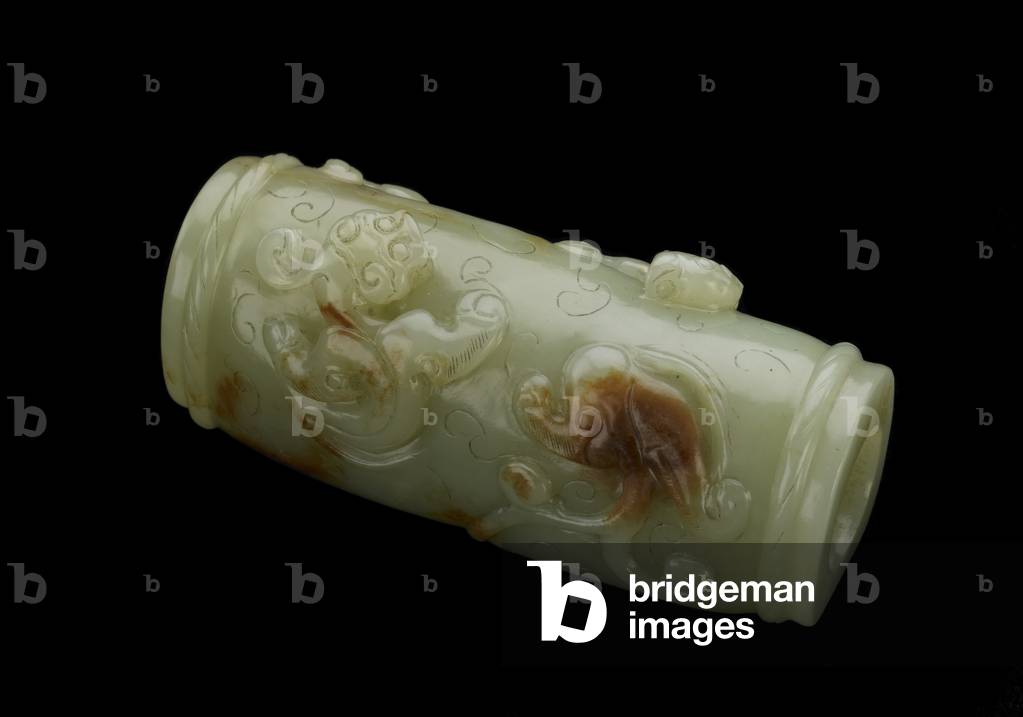
FSG5951912: Ornament with dragons, 2nd century BC-2nd century CE (jade), Chinese School, (2nd century BC-2nd century AD) / Bridgeman Images
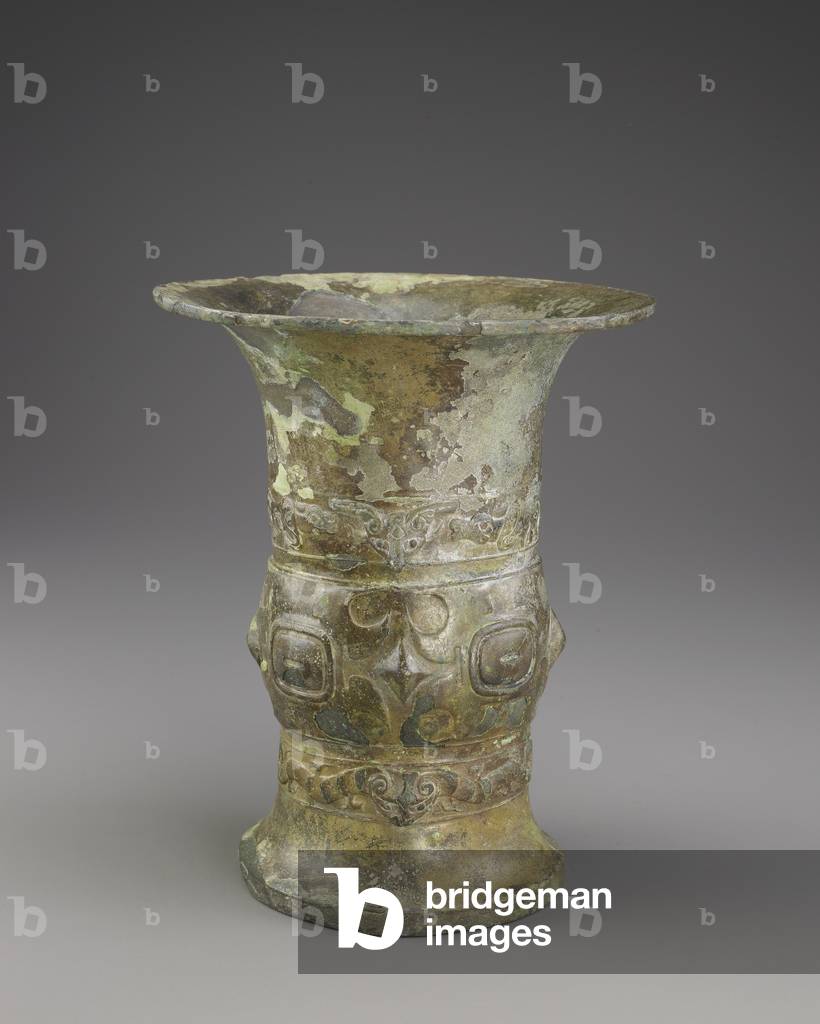
FSG5951915: Ritual vessel (zun), c.1100-1000 BC (bronze), Chinese School, (11th-10th century BC) / Bridgeman Images
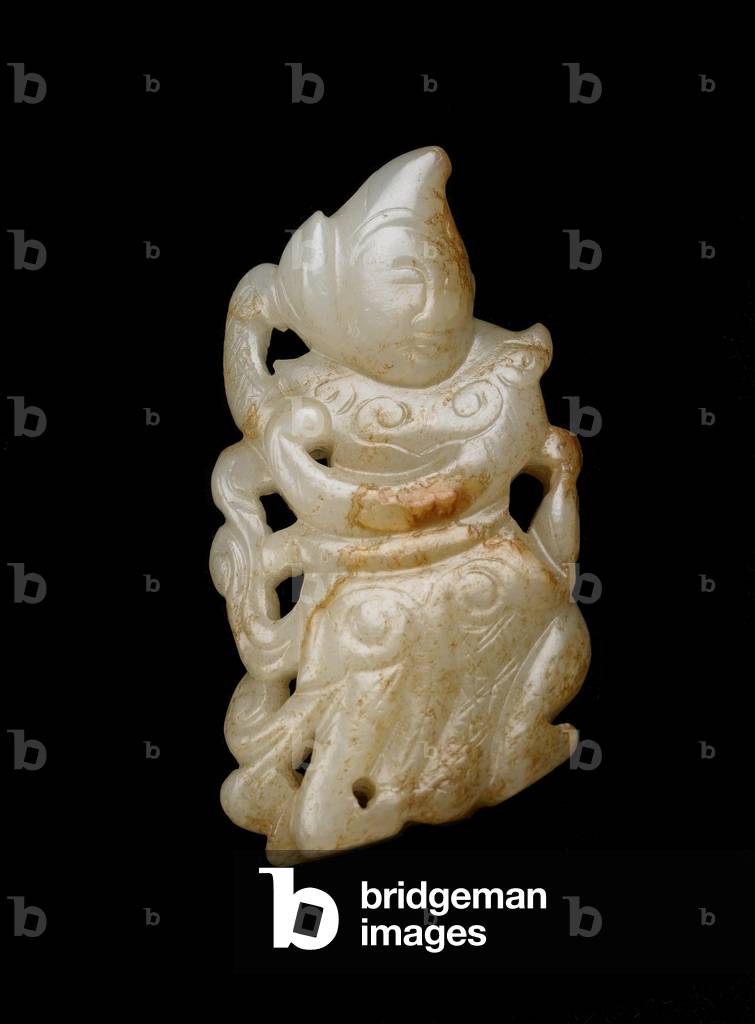
FSG5951930: Ornament in the form of a foreigner, 960-1279 (jade), Chinese School, (10th-13th century) / Bridgeman Images
![Untitled [Classical figure] (watercolour)](https://images-cdn.bridgemanimages.com/api/1.0/image/600wm.DNE.63630260.7055475/6200457.jpg?old-wm)
DNE6200457: Untitled [Classical figure] (watercolour), Duncan, John (1866-1945) / Bridgeman Images

GRL6200589: The castle guardian's daughter, 1844 (oil on canvas), Molteni, Giuseppe (1800-67) / Bridgeman Images

DNE6200703: Opening Oysters, 19th century (oil on panel), Fraser, Alexander Snr (1786-1865) / Bridgeman Images

DNE6200709: Catkins (w/c), Alexander, Edwin John (1870-1926) / Bridgeman Images

DNE6200798: A Dream of Fair Cities - Berne, 1902 (pastel), Ower, Charles (1813–76) / Bridgeman Images

DNE6200804: Campanile Di San Giovanni, Torino, 1876 (w/c), Ower, Charles (1813–76) / Bridgeman Images
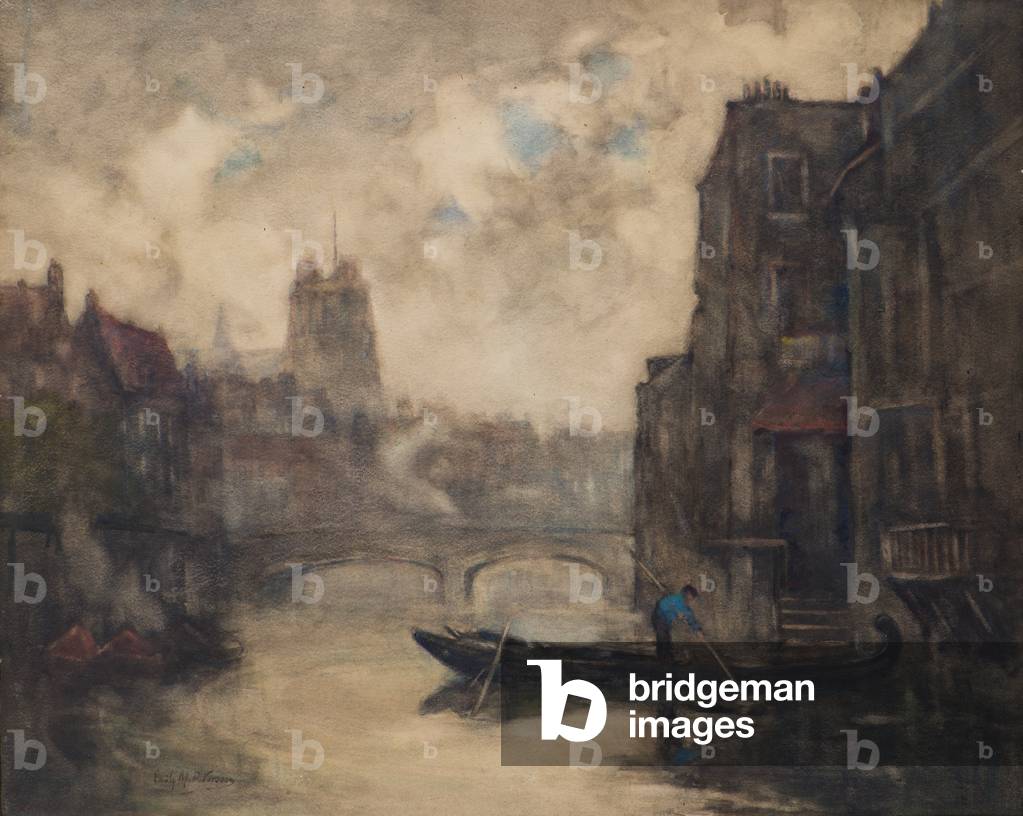
DNE6200813: Dordrecht (w/c), Paterson, Emily Murray (1855-1934) / Bridgeman Images

DNE6200819: Coast Scene with Cottages (w/c), Phillips, Charles Gustav Louis (1863-1944) / Bridgeman Images

DNE6200840: Loch Tromlee, Argyll, 1876 (oil on canvas), Perigal, Arthur (1816-84) / Bridgeman Images

DNE6200871: A Revolutionist, 1879 (oil on canvas), Orchardson, William Quiller (1832-1910) / Bridgeman Images

XOS6201100: Entrée escalier A du Marché des Enfants-Rouges, 1908 (w/c on paper), Houbron, Frederic Anatole (1851-1908) / Bridgeman Images
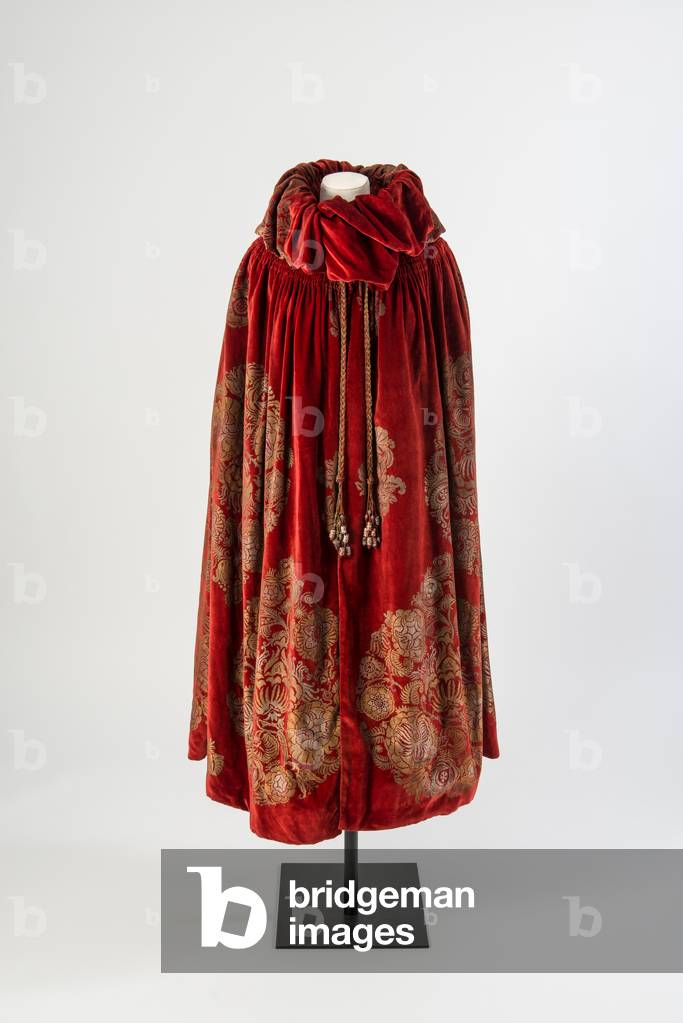
FMB6201246: Rust red velvet cloak, stencilled with gold in a large floral design, 1923 (velvet), Gallenga, Maria Monaci (1880-1944) / Bridgeman Images

XCS6201749: A young Girl feeding Turkeys (oil on canvas), Cannicci, Niccolo (1846-1906) / Bridgeman Images

XCS6201782: Madonna of Mercy, 1467-68 (tempera and oil on panel), Master of San Miniato (active c.1460-c.1490) / Bridgeman Images

XCS6201823: Bouquet of Flowers (oil on copper), Bosschaert, Ambrosius the Elder (1573-1621) / Bridgeman Images

FIA6203781: Portraits Of The Russian Monarchy, 1831 (colour litho), Stanghi (19th century) / Bridgeman Images

XOS6203910: Relief with Dromedary Rider, 10th century BC (limestone and red paint), Syrian School (10th Century BC) / Bridgeman Images

XOS6203913: Head of Lady Helqeb, Timna, Qataban, 1st century AD (calcite-alabaster), South Arabian / Bridgeman Images

XOS6203916: Mahasiddha Jalandharapa, 15th century (gilded copper alloy with paint and semiprecious stones), Tibetan School, (15th century) / Bridgeman Images

GRL6204100: Coronation of Mary, detail, 1468-69 (fresco), Lippi, Filippo (c.1406-69) / Bridgeman Images

GRL6204105: Nativity, detail, 1468-69 (fresco), Lippi, Filippo (c.1406-69) / Bridgeman Images

GRL6204114: Angel, detail of Coronation of Mary, 1468-69 (fresco), Lippi, Filippo (c.1406-69) / Bridgeman Images

XOS6204996: Charles V Hotel (Gate), c.1869-1902 (b/w photo), Emonts or Emonds, Pierre (1831- before 1912) / Bridgeman Images

NCO6211462: Oxford Castle, 1905 (oil on canvas), Holmes, Charles (1868-1936) / Bridgeman Images
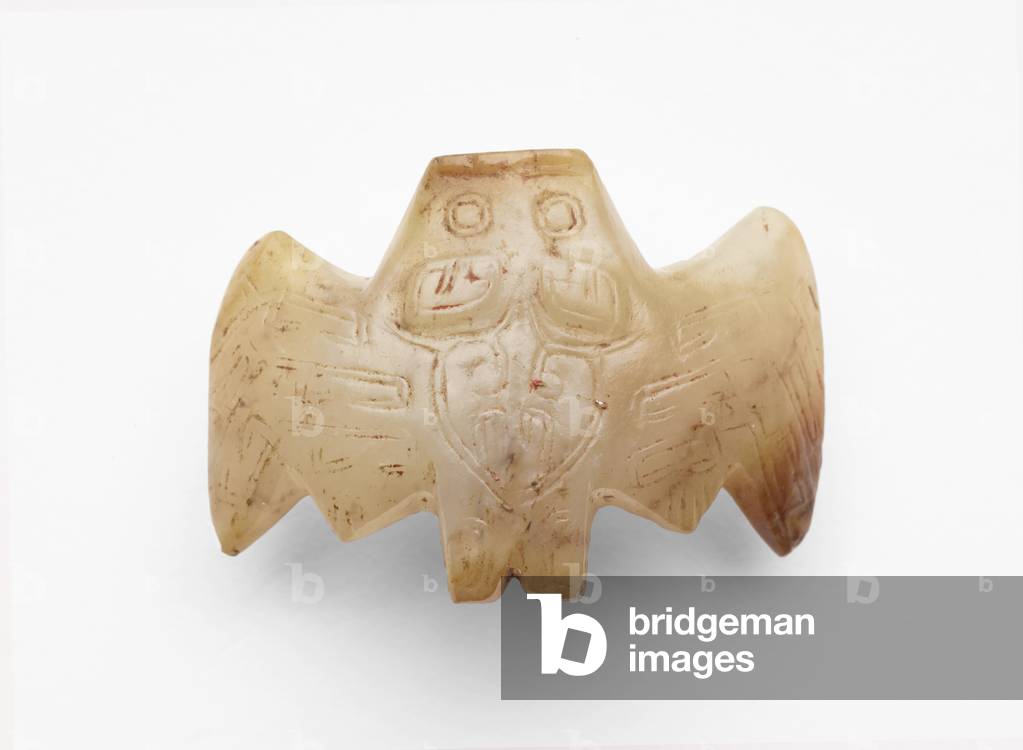
FSG5951963: Pendant in the form of a bat, c.1300-1050 BC (jade, nephrite) with traces of cinnabar), Chinese School, Anyang period (c.1300-c.1050 BCE) / Bridgeman Images

XOS6219151: Salon, intérieur de l'hôtel de Lauzun, 17 quai d'Anjou, 4ème arrondissement, Paris (b/w photo), Atget, Eugene (1856-1927) / Bridgeman Images

XOS6219576: Miss Belva Ann Lockwood, 1915 (b/w photo), Harris & Ewing (1905-45) / Bridgeman Images
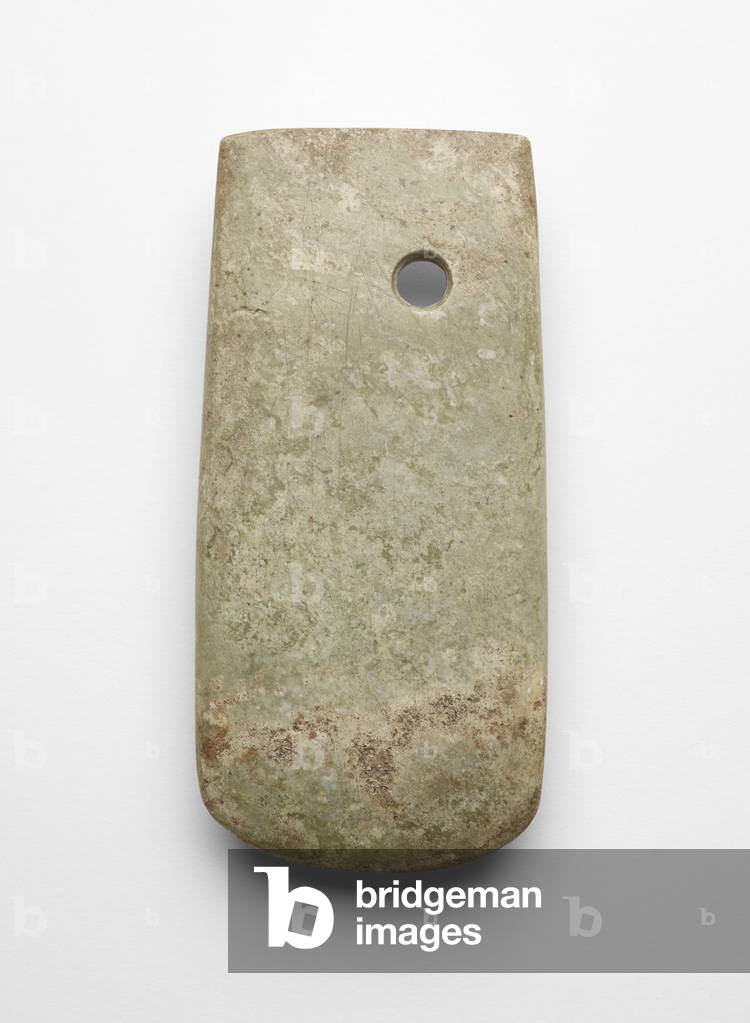
FSG5952027: Axe, c.5000-c.1700 BC (jade, nephrite), Longshan Culture (c.3000-c.1700 BC) / Bridgeman Images

BSI6219911: Maritime Station in Trieste, Friuli Venezia Giulia, Italy (photo), Zammattio Giacomo (1855-1927) / Bridgeman Images
