2491708 Search Results

FIT615602: Vase of Flowers including a Rose and Lilac on a Marble Ledge, 1841 (w/c & bodycolour on vellum), Beaurepaire, Lucy de (fl.1833-42) / Bridgeman Images

FIT615605: Annemone, Hemerocale and Iris (detail) (graphite, w/c & bodycolour on vellum), Bessa, Pancrace (1772-1835) / Bridgeman Images

FIT615620: Various Flowers Growing in a Landscape Setting (w/c on vellum), Pascal, Antoine (1803-59) / Bridgeman Images
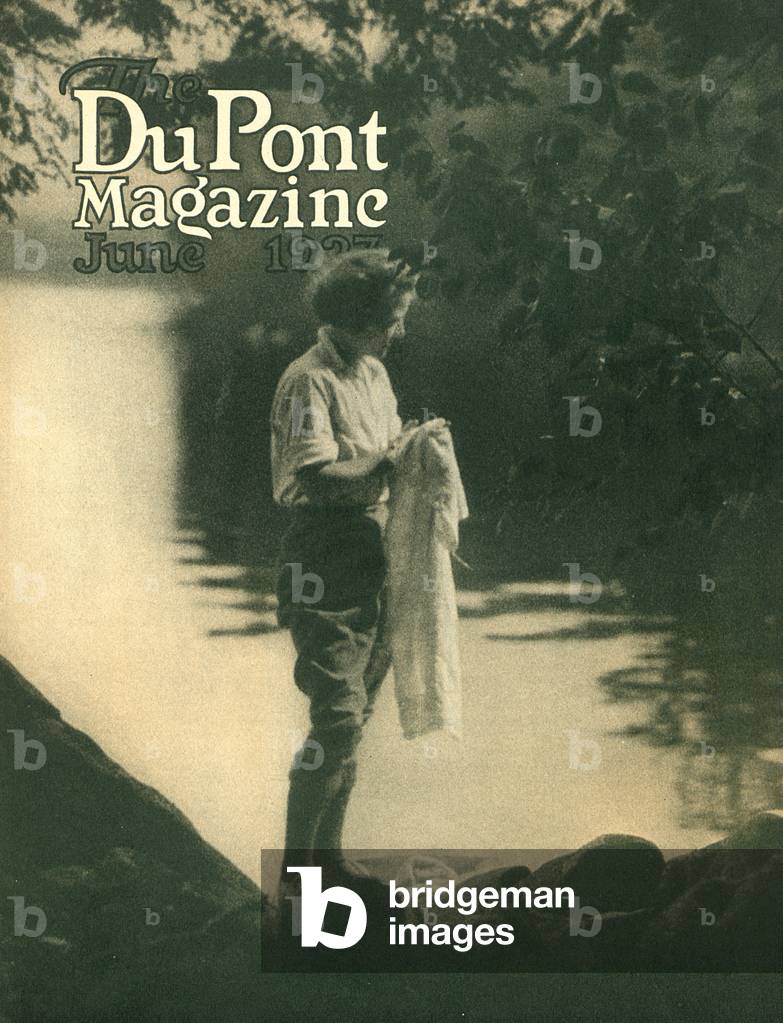
HGL615323: Front cover of the 'DuPont Magazine', June 1923 (colour litho), American School, (20th century) / Bridgeman Images

HGL615443: Ship being repaired, front cover of the 'Morse Dry Dock Dial', March 1922 (colour litho), American School, (20th century) / Bridgeman Images

HGL615446: S.S. Resolute, front cover of the 'Morse Dry Dock Dial', July 1922 (colour litho), American School, (20th century) / Bridgeman Images

HGL615449: S.S. President Taft, front cover of the 'Morse Dry Dock Dial', September 1922 (colour litho), American School, (20th century) / Bridgeman Images

HGL615495: A Message to Boys, 1905 (colour litho), American School, (20th century) / Bridgeman Images

FIT615552: Poconia Mascula, Herbacious, 1826 (w/c on paper), D'Orleans, Louise (1812-52) / Bridgeman Images

FIT615564: Pink Rose and Buds, 1826 (w/c with some bodycolour on vellum), D'Orleans, Louise (1812-52) / Bridgeman Images

FIT615570: Erica Edilinei, 1811 (w/c & bodycolour over traces of graphite on vellum), Redouté, Pierre Joseph (1759-1840) / Bridgeman Images

FIT615600: Three Centifolia Roses with Buds (graphite & w/c on vellum), Adrien, Caroline (fl.1830) / Bridgeman Images

CH615837: A Summer Day by the Sea (oil on canvas), Silbert, Max (1871-1930) / Bridgeman Images

GUL615953: MS Gen 1496 Harbour Scene, 1674 (vellum), Bartoli, Pietro Santi (1635-1700) / Bridgeman Images

IL616047: Illustration from 'Bible Stories' by Ernest Nister, c.1910 (colour litho), Dudley, Robert Ambrose (1867-1951) / Bridgeman Images

IL616469: Pray Mistress Mouse will you give us some beer, illustration from 'The Frog would a Wooing Go', by Charles H. Bennett, 1916 (colour litho), Adams, Frank (1871-1944) / Bridgeman Images

IL616475: 'Quack' what a scare, illustration from 'The Frog would a Wooing Go', by Charles H. Bennett, 1916 (colour litho), Adams, Frank (1871-1944) / Bridgeman Images

IL616496: I saw them huddled together on the floor of the cage, illustration from 'More About the Squirrels' by Eleanor Tyrell, c.1915 (colour litho), Appleton, Honor Charlotte (1879-1951) / Bridgeman Images

IL616499: Seven furry infants, illustration from 'More About the Squirrels' by Eleanor Tyrell, c.1915 (colour litho), Appleton, Honor Charlotte (1879-1951) / Bridgeman Images

IL616805: A Busy Foundry in the Bronze Age, illustration from 'The Story of the British People', c.1950 (litho), Hardy, Paul (19th Century) (after) / Bridgeman Images

CHT616863: Demonstration of the day, Jaures in the Pantheon, from 'L'Humanite', 23rd November 1924 (printed paper) (b/w photo), French School, (20th century) / Bridgeman Images

IL617066: 'Death: to be seen...in such vulgar attitudes' illustration from 'The Vicar of Wakefield' by Oliver Goldsmith, c.1910 (colour litho), Jameson, Margaret (20th Century) / Bridgeman Images
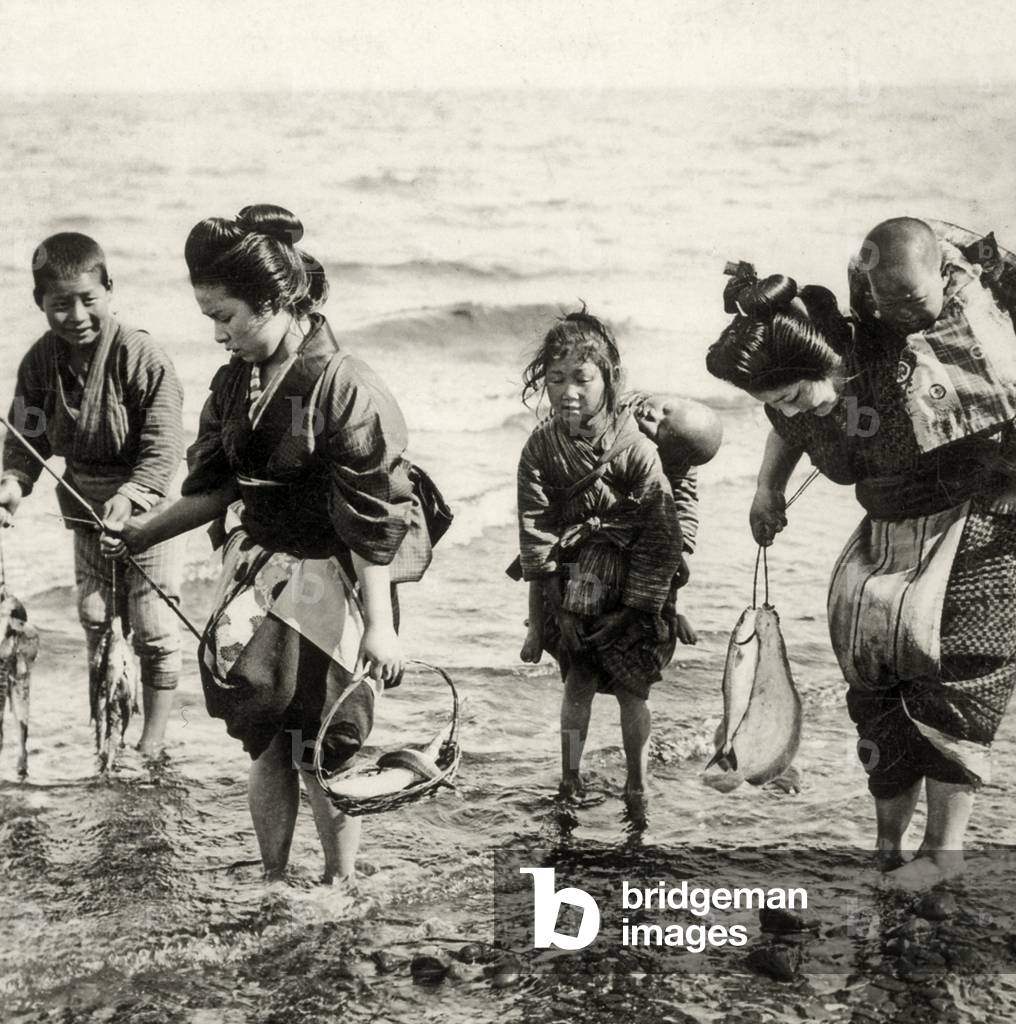
DGC617855: Mothers and Children fishing, c.1900 (albumen photo), Japanese Photographer, (20th century) / Bridgeman Images
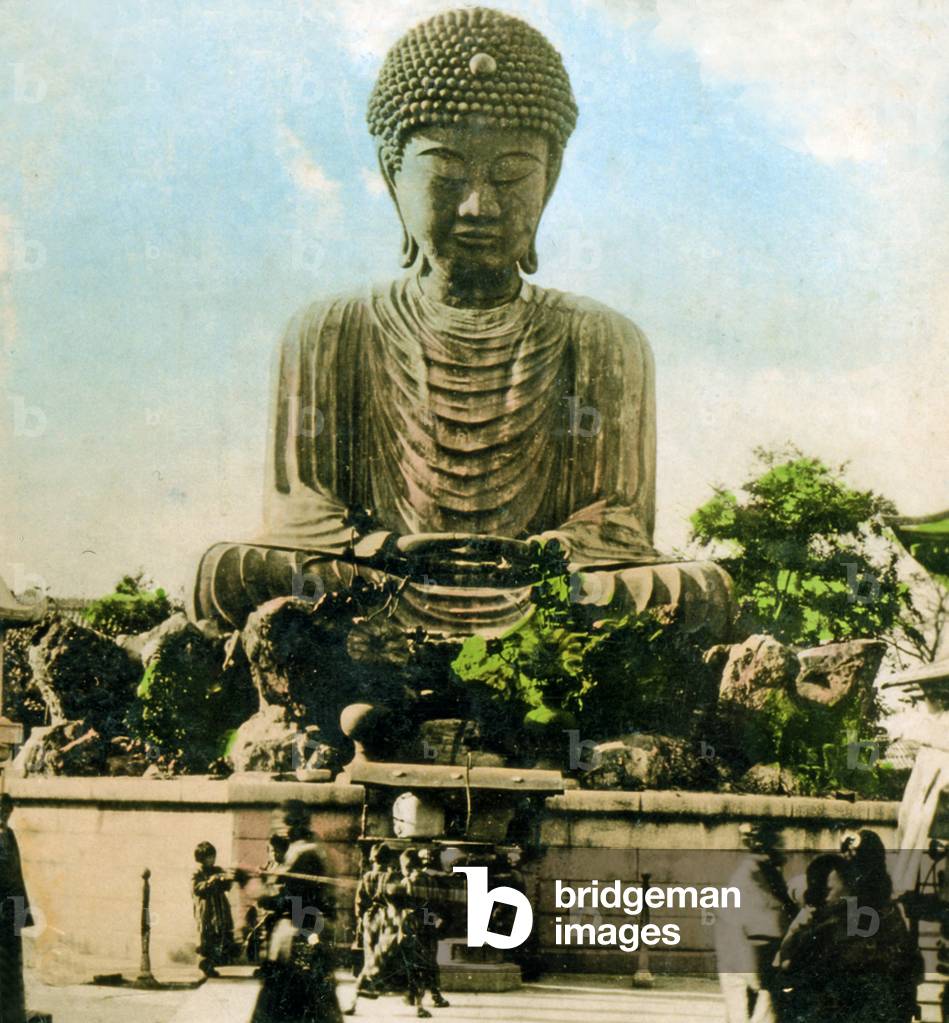
DGC617858: Buddha, Kobe, c.1900 (albumen photo), Japanese Photographer, (20th century) / Bridgeman Images
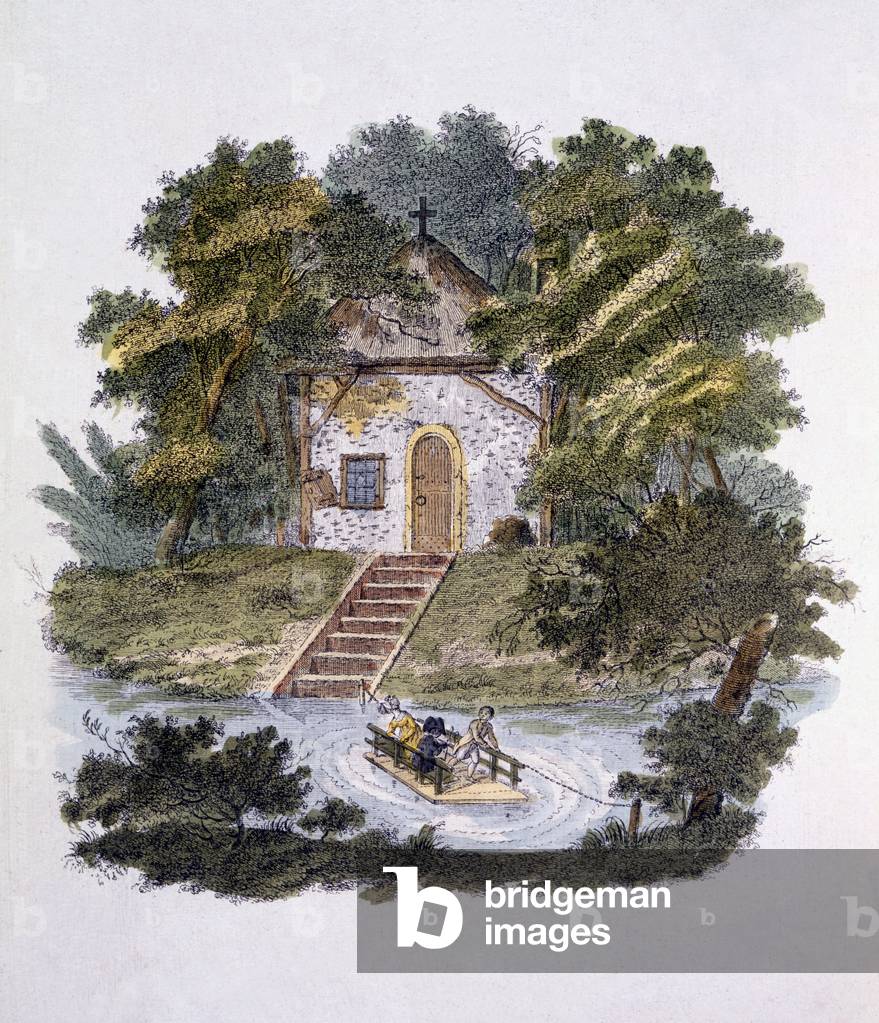
STC618025: Illustration from 'Magazine of Garden Gems' by G. van Laar, published 1802 (colour litho), Dutch School, (19th century) / Bridgeman Images

IL616045: Illustration from 'Bible Stories' by Ernest Nister, c.1910 (colour litho), Dudley, Robert Ambrose (1867-1951) / Bridgeman Images

IL616048: Illustration from 'Bible Stories' by Ernest Nister, c.1910 (colour litho), Dudley, Robert Ambrose (1867-1951) / Bridgeman Images

IL616051: Illustration from 'Bible Stories' by Ernest Nister, c.1910 (colour litho), Dudley, Robert Ambrose (1867-1951) / Bridgeman Images

IL616054: Illustration from 'Bible Stories' by Ernest Nister, c.1910 (colour litho), Dudley, Robert Ambrose (1867-1951) / Bridgeman Images

IL616112: And the sheep went to sleep, illustration from 'Johnny Crow's Party', c.1930 (colour litho), Brooke, Leonard Leslie (1862-1940) / Bridgeman Images

IL616470: Pray Mistress Mouse will you give us a song, illustration from 'The Frog would a Wooing Go', by Charles H. Bennett, 1916 (colour litho), Adams, Frank (1871-1944) / Bridgeman Images

IL616473: The Cat and her kittens came tumbling in, illustration from 'The Frog would a Wooing Go', by Charles H. Bennett, 1916 (colour litho), Adams, Frank (1871-1944) / Bridgeman Images

IL617067: Mr Burchell takes his leave, illustration from 'The Vicar of Wakefield' by Oliver Goldsmith, c.1910 (colour litho), Jameson, Margaret (20th Century) / Bridgeman Images

IL617079: Olivia visits her father in prison, illustration from 'The Vicar of Wakefield' by Oliver Goldsmith, c.1910 (colour litho), Jameson, Margaret (20th Century) / Bridgeman Images

WRP617679: Fish mosaic (mosaic), Roman / Bridgeman Images

DGC617789: Coat of arms of Tyrol. c.1898 (colour litho), German School, (19th century) / Bridgeman Images
