2491064 Search Results

PIX4629283: KEEN DE VOUTE, 16th century: SOLEI - 40 - AUDIGNON - Eglise Notre-Dame, keystone 16th century, 1550: SOLEI / Bridgeman Images

JLJ4629323: Commander Costa de Beauregard shot in thigh at Bethoncourt, 1871 (engraving), Bombled, Louis Charles (1862-1927) / Bridgeman Images

LRI4629408: Faithful to all the inspirations of grace, her gaze turned to heaven, Mary remained attentive to the will of God. 20th century (print), Anonymous / Bridgeman Images

JLJ4629450: The Eastern Armee of Eugene Sergeant, known as Grenest, Dijon, January 1871 (engraving), Bombled, Louis Charles (1862-1927) / Bridgeman Images

LRI4629496: Saint Anthony of Padua known as the Thaumaturge (print), Anonymous / Bridgeman Images

LRI4629544: Communion, stage of Christian religious education. (print), Anonymous / Bridgeman Images

JLJ4629579: 2nd Legion of Upper Marne forced to retreat under number of enemies (engraving), Bombled, Louis Charles (1862-1927) / Bridgeman Images

LRI4629656: The king of our souls. Two angels and a lamb vow poverty, chastete and obedience to the child Jesus. 19th century (print), Anonymous / Bridgeman Images
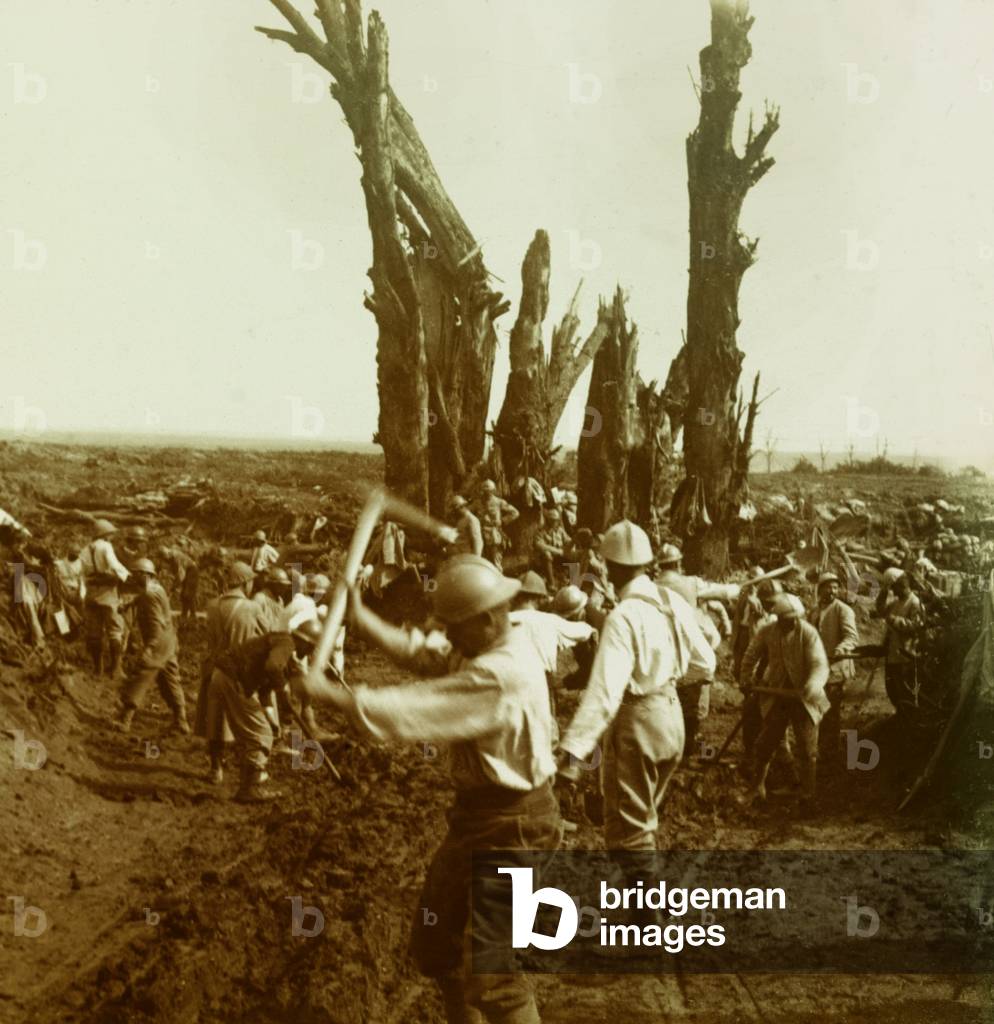
JLJ4629683: Earthmoving by the Infantry in Hem - Monacu (sum), First World War (stereoscopic glass plate), Anonymous / Bridgeman Images

PIX4629700: Comparison of Earth and gas giants planets - Planetary-size comparison: Earth and gas giants planets - Comparison of Earth and Jupiter sizes. Earth diameter: 12 756,28 km Diametre of Jupiter: 142 984 km Diametre of Saturn: 120 000 km Diametre of Uranus: 50 800 km Diametre of Neptune: 49 500 km Size comparison in diametric values: Earth: 12,756.28 km Jupiter: 142,984 km Saturn: 120 000 km Uranus: 50 800 km Neptune: 49 500 k / Bridgeman Images

LRI4629766: Representation of Saint Theresa of Jesus or Avila, Spanish mystic and Carmelite (Chromolithography), Anonymous / Bridgeman Images

JLJ4629797: The Distruite Church of Ablain St Nazaire (Pas de Calais), First World War (stereoscopic glass plate), Anonymous / Bridgeman Images

LRI4629819: Saint Zoe. 19th century (engraving), Anonymous / Bridgeman Images

PIX4660001: Panorama of Lujiazui - Shanghai - Shanghai skyline: The skyline of the financial and commercial area of Lujiazui in Pudong district seen from the Bund. 10 December 2016. Lujiazui skyline as seen from the Bund, across the Huangpu River. December 10 2016 / Bridgeman Images
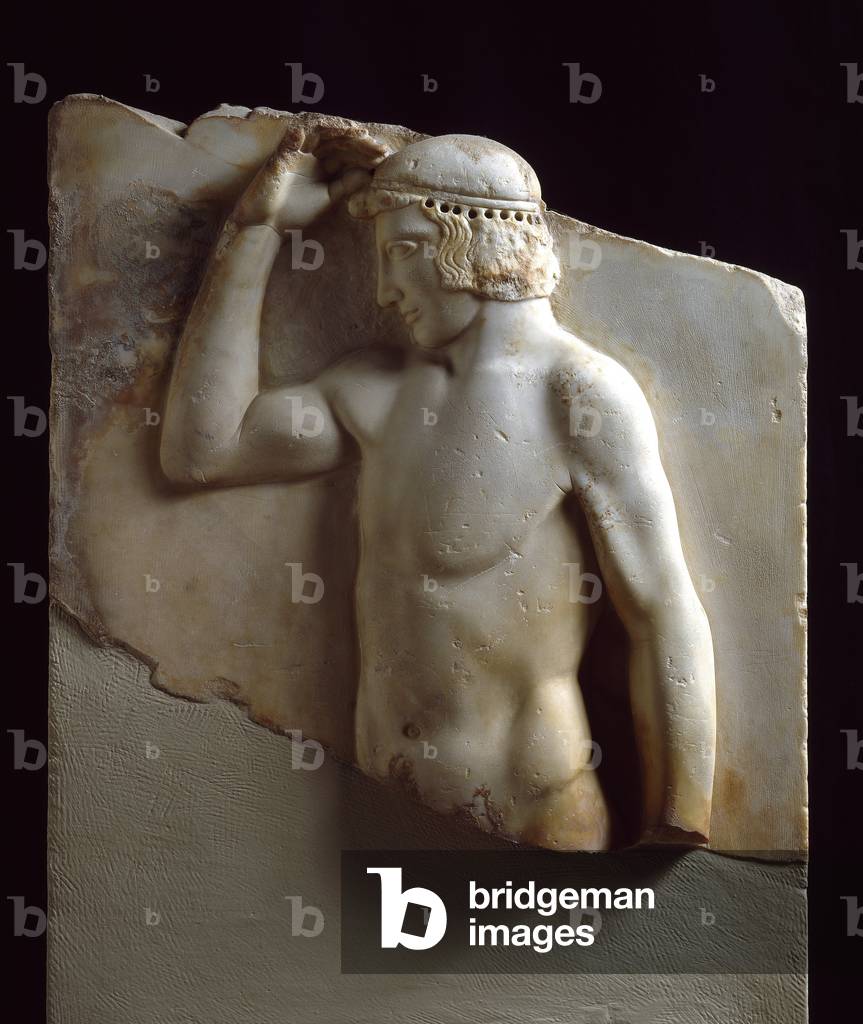
LRI4660009: Greek antiquite: “” Autostephanoumenos or crowning athlete””, marble sculpture from the temple of Athena a Sounion, 460-450 BC - Athenes, National Archaeological Museum - Autostephanoumenos (Self-crowning athlete) - Marble votive tablet found in Sounion, near the Temple of Athena, 460-450 BC - National Archaeological Museum, Athens, Greek school, (5th century BC) / Bridgeman Images

PIX4660052: Huangshan - China: The Huang Mountains (or Huangshan or Yellow Mountains or Yellow Mountain) are a mountainous massif in Anui meridional, eastern province of China. The region is known for its beauty, which is based on the shape of granite peaks, the tormented coniferes, and the clouds that frequently surround the massif. 15 December 2016. Huangshan is a mountain range in southern Anui province in eastern China. The area is well known for its scenery, sunsets, peculiarly-shaped granite peaks, Huangshan pine trees, hot springs, winter snow, and views of the clouds from above. December 15 2016 / Bridgeman Images
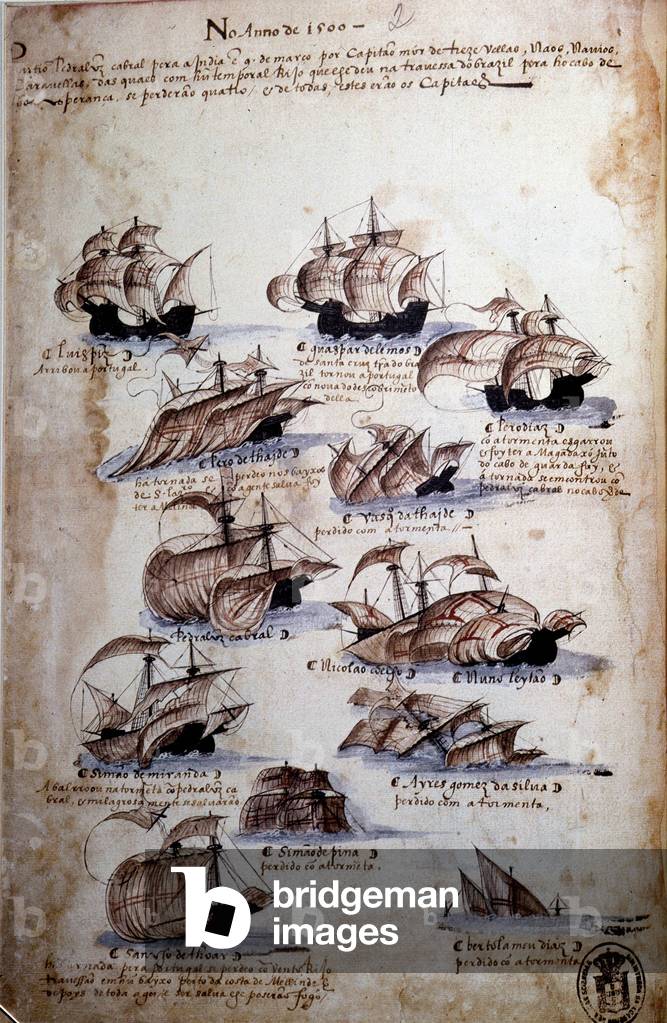
JLJ4660092: Manuscript page "Memories of the Armadas of Portugal under King Manuel I (1469-1521), 16th century (miniature), Portuguese School, (16th century) / Bridgeman Images

PIX4660130: Palm islands, Dubai 02/2009 - Palm islands, Dubai 02/2009 - The coasts of the Emirates of Dubai with the two palm islands of Jebel Ali and Jumeirah as well as the World, an archipelago of 250 to 300 private islands representing a planisphere or all the countries of the world. Image obtained by Terra satellite on 5 February 2009. Palm islands and The World (250 - 300 small islands in the shape of a world map) in Dubai seen by the satellite Terra on February 5, 2009 / Bridgeman Images

PIX4660132: Dubai - Palm islands - October 2006 - Palm islands, the artificial islands built on the coast of the Emirates of Dubai. Image obtained by satellite Landsat - 7 on 11 October 2006 / Bridgeman Images

PIX4660155: Palm islands, Dubai 11/2008 - Palm islands, the artificial islands built on the coast of the Emirates of Dubai. False colour image obtained by Terra satellite in November 2008. The vegetation appears in red, the water in dark blue, the constructions in light blue or grey, the desert in beige. To be compared with the image t - aseau - 00005 taken in 2002 to appreciate the urbanization of this region. This image, acquired in November 2008 by Terra satellite, shows Palm Jumeirah, also known as The Palm”” in Dubai. in November 2008. In this false - color image, bare ground appears light brown, vegetation appears red, water appears dark blue, and buildings and paved surfaces appear light blue or gray. To compare with the image t - aseau - 00005 taken in 2002 to see the development of the city. / Bridgeman Images

JLJ4660165: The Fishing, 16th century (oil on canvas), Carracci, Annibale (1560-1609) / Bridgeman Images
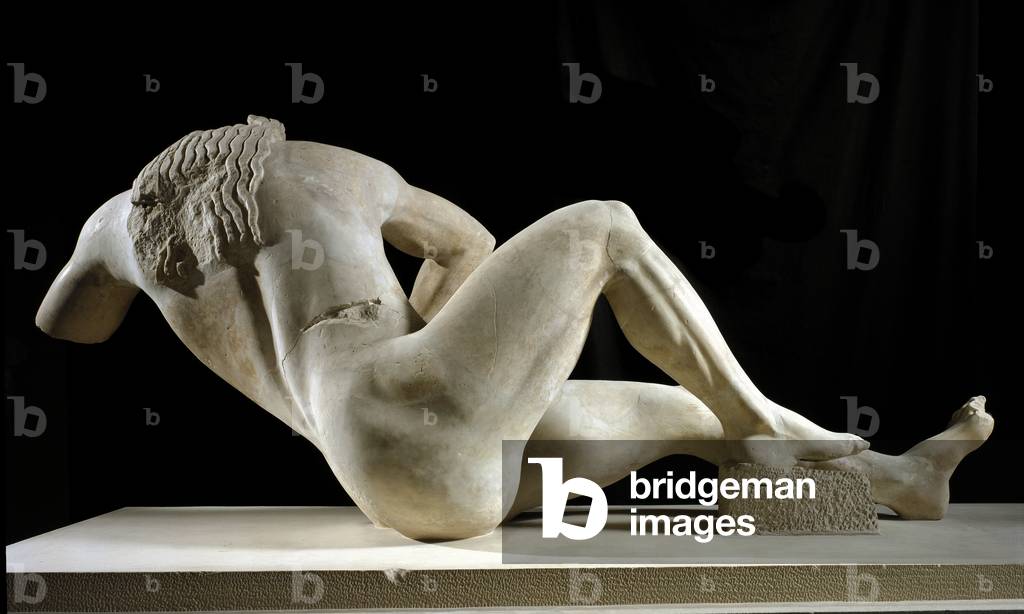
LRI4660173: Greek Art: “” Giant”” Sculpture of the pediment of the Temple of Athena. 525 BC. Athenes, Acropolis Museum, Greek school, (6th century BC) / Bridgeman Images

LRI4660182: Greek Art: “” the monster has three heads fighting against Heracles”” - Detail, Limestone sculpture from the pediment of the temple of Hera of the Acropolis, 560-550 BC - Athenes, national archeological museum - One of the three heads of the monster fighting against Herakles (Hercules) - Detail of a limestone sculpture, from the temple of Hera in the Acropolis, 560-550 BC - Archeological Museum, Athens, Greek school, (6th century BC) / Bridgeman Images

PIX4660211: Volcano Paluweh, Indonesia - Paluweh Volcano - Indonesia - Smoke escapes from the stratovolcano Rokatenda, also called Paluweh, on this image obtained by the satellite Landsat-8 on April 29, 2013. This volcano of Indonesia is located in the small islands of the Prode, on the island of Palu'e, north of Flores. An ash plume drifts from Paluweh volcano in Indonesia in this image, taken April 29, 2013 from the Landsat-8 satellite. Rokatenda (Paluweh) volcano is a stratovolcano located in the northern region of Palu'e, north of Flores Island. The volcano erupted on August 10, 2013 / Bridgeman Images

LRI4660225: Minoan art: terracotta vase in the shape of a woman from the necropolis of Mallia in Crete. 2200-2000 BC. Dim. 16,4 cm Heraklion, archeological museum, Minoan / Bridgeman Images

PIX4660260: Cloudy front on the Himalayas - Clouds above Himalayas - Image obtained on March 9, 2001 by shuttle Discovery. Image taken from the space shuttle Discovery on March 9, 2001 / Bridgeman Images

LRI4629839: Saint Anne. 19th century (engraving), Anonymous / Bridgeman Images

LRI4629909: Saint Luke 19th century (engraving), Anonymous / Bridgeman Images

PIX4629955: Comparison of sizes: Objects by Kuiper and France - Planetary-size comparison: Kuiper objects with France - Des objets de Kuiper compares à la France. The planetoides represented are in the background, Eris, then Charon, and Ceres, in the foreground. Some planetoids compared to Earth. The bodies above are, from back to front, Eris, Charon and Ceres / Bridgeman Images

JLJ4629984: Camp to Peronne (Somme), First World War (stereoscopic glass plate), Anonymous / Bridgeman Images
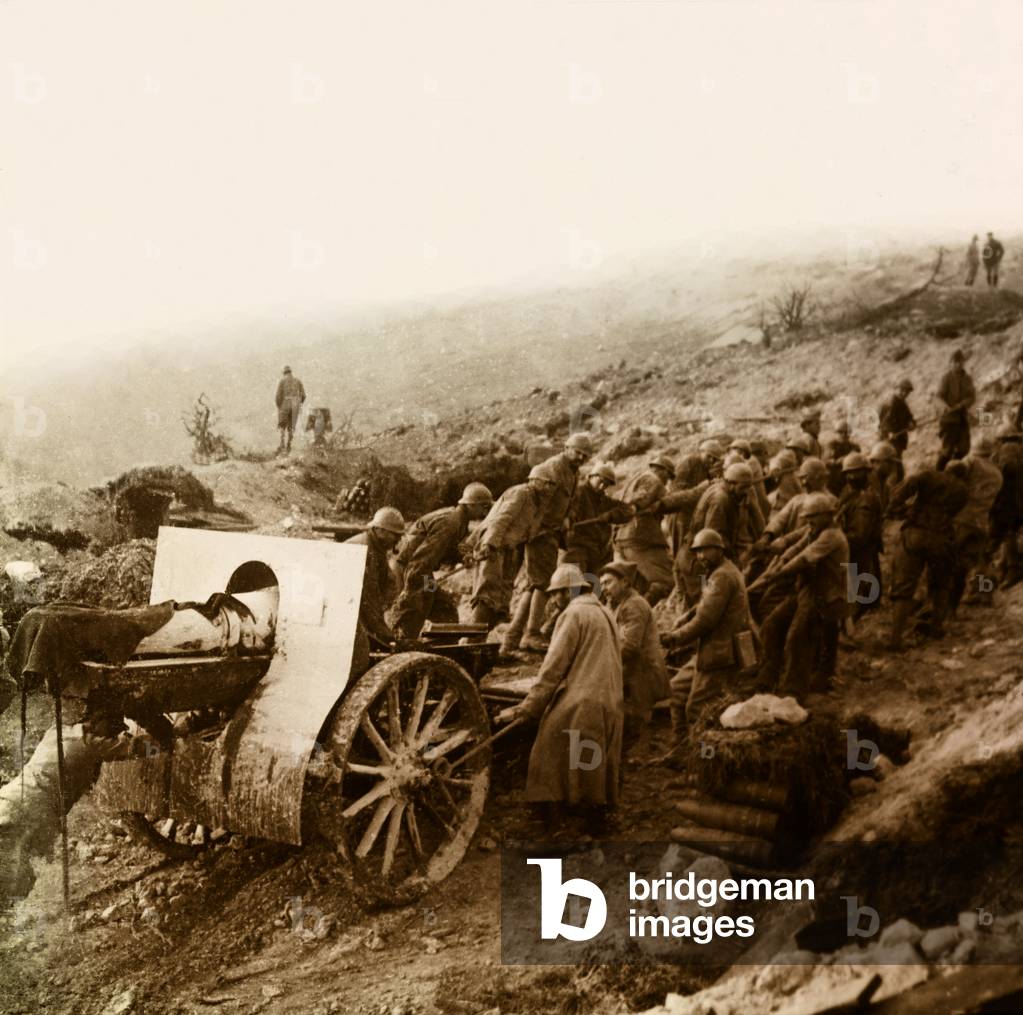
JLJ4630005: At the mill of Laffaux, setting up a battery, First World War (stereoscopic glass plate), Anonymous / Bridgeman Images

PIX4630111: The solar system - Our solar system - Artwork - Illustration of the planets of the solar system. Mercury, Venus, Earth, Mars, Jupiter, Saturn, Uranus and Neptune / Bridgeman Images

JLJ4630153: Victory Fete, Admiral Ronarc'h in Paris July 14, 1919, First World War (stereoscopic glass plate), Anonymous / Bridgeman Images

JLJ4630277: Cooking in the Snow, First World War (stereoscopic glass plate), Anonymous / Bridgeman Images
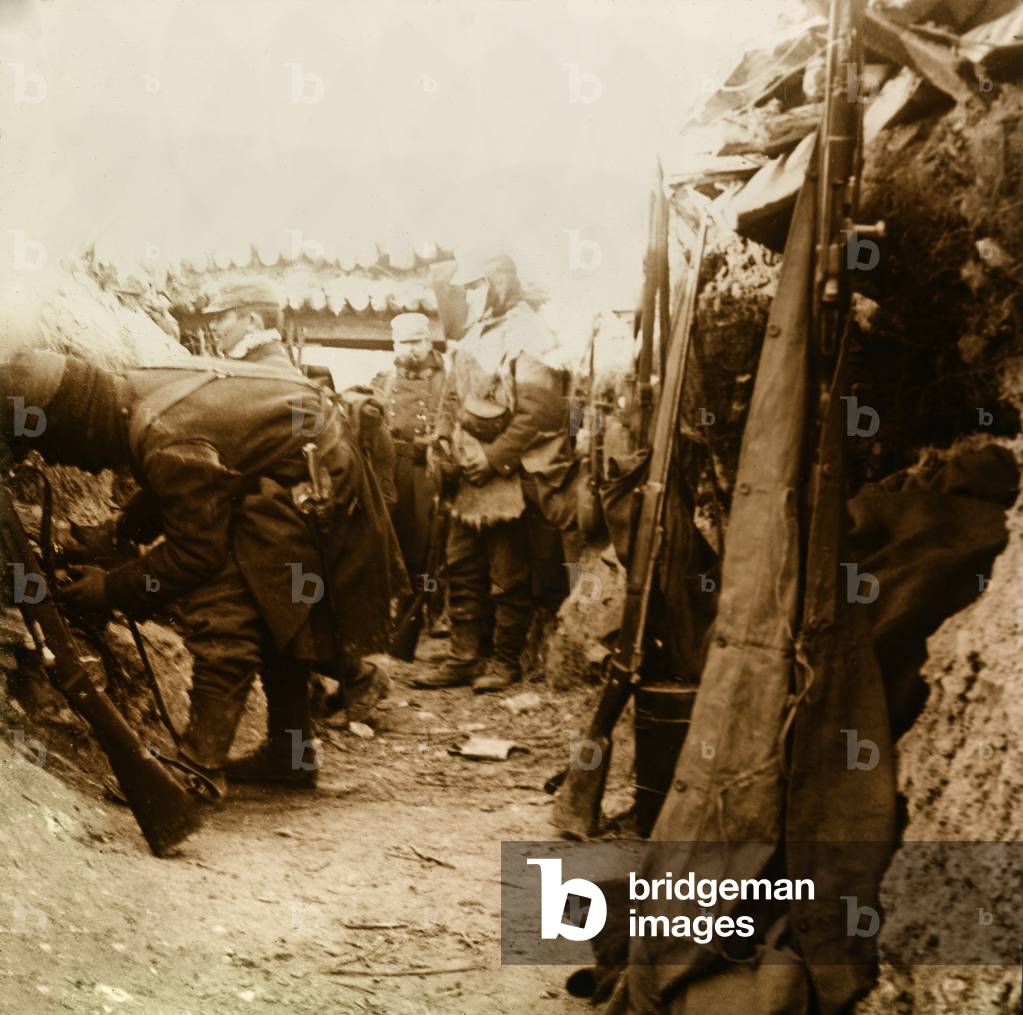
JLJ4630333: La tranchee de Calonne, First World War (stereoscopic glass plate), Anonymous / Bridgeman Images

LRI4630370: Flint ax blades, Jomon period 4500-3700 BC, Japanese School / Bridgeman Images
